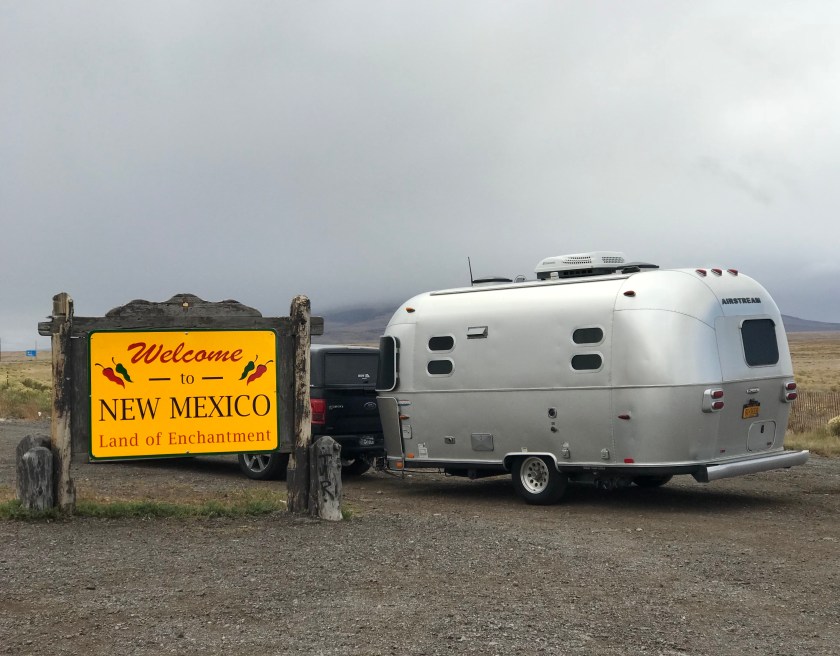
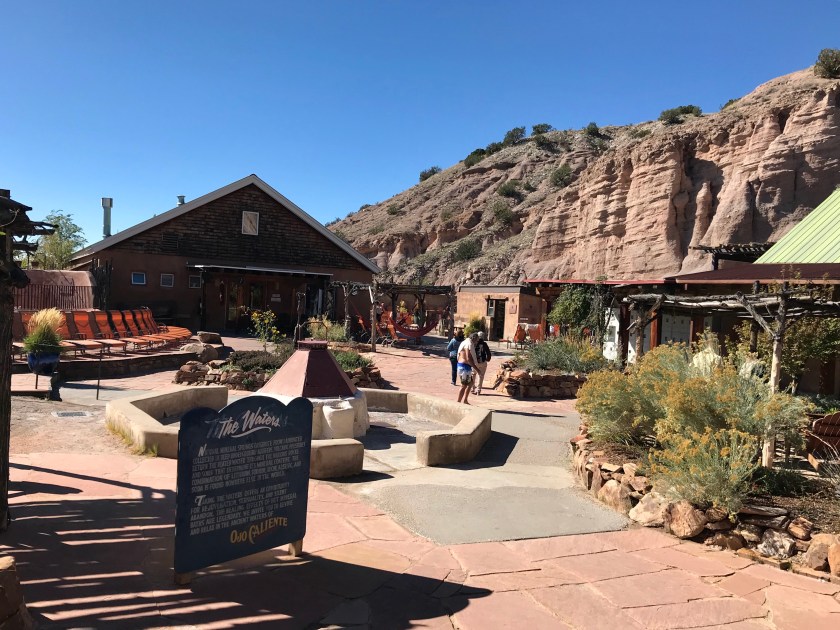
We left Colorado and entered New Mexico by way of Rt 285 and headed right to the hot springs in Ojo Caliente. The springs are located on 1,100 acres with miles of hiking/biking trails. We ended up camping there for two nights.
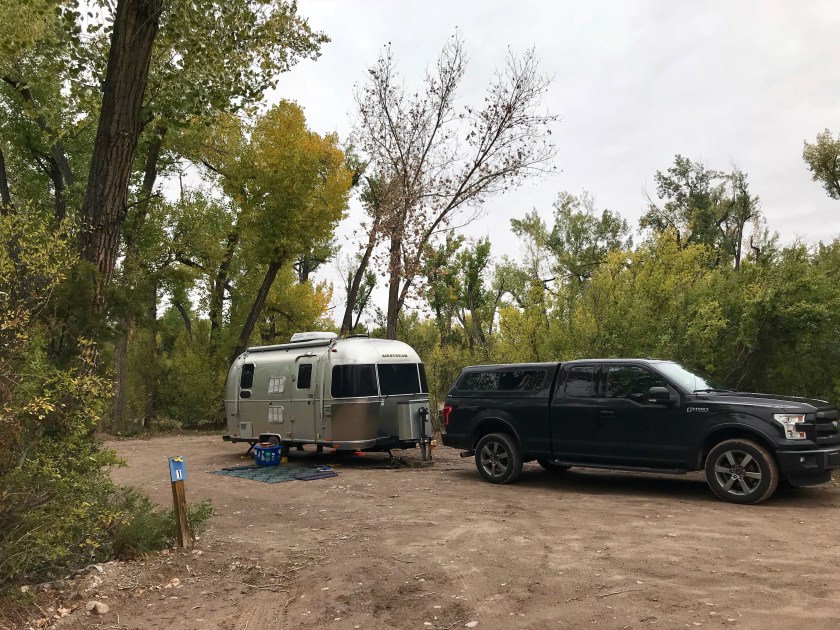
We stop here whenever we visit New Mexico. The hot springs and spa opened its doors in 1868 making it one of the oldest health spas in the USA. The mesa just above the springs has miles of trails.
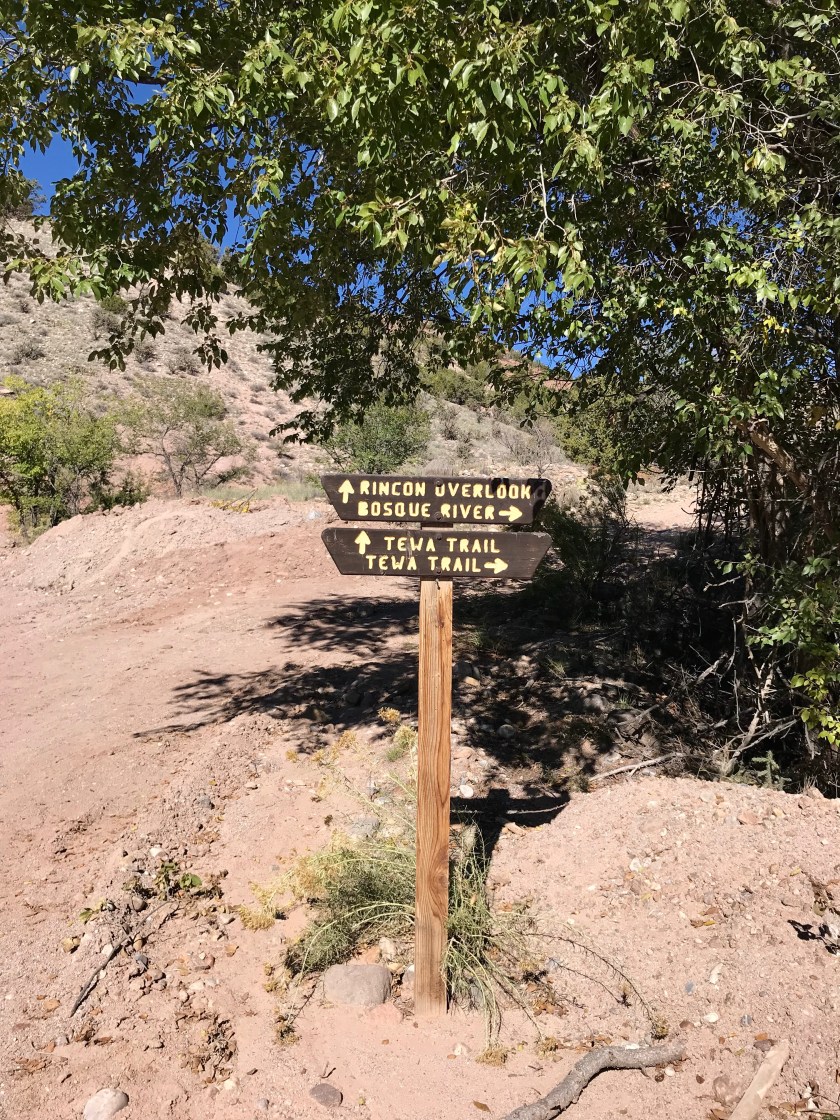
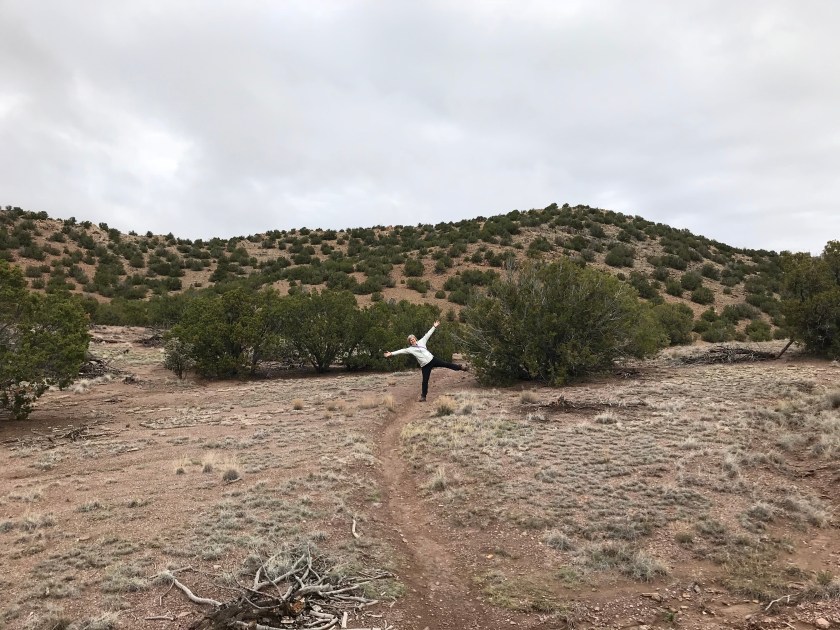

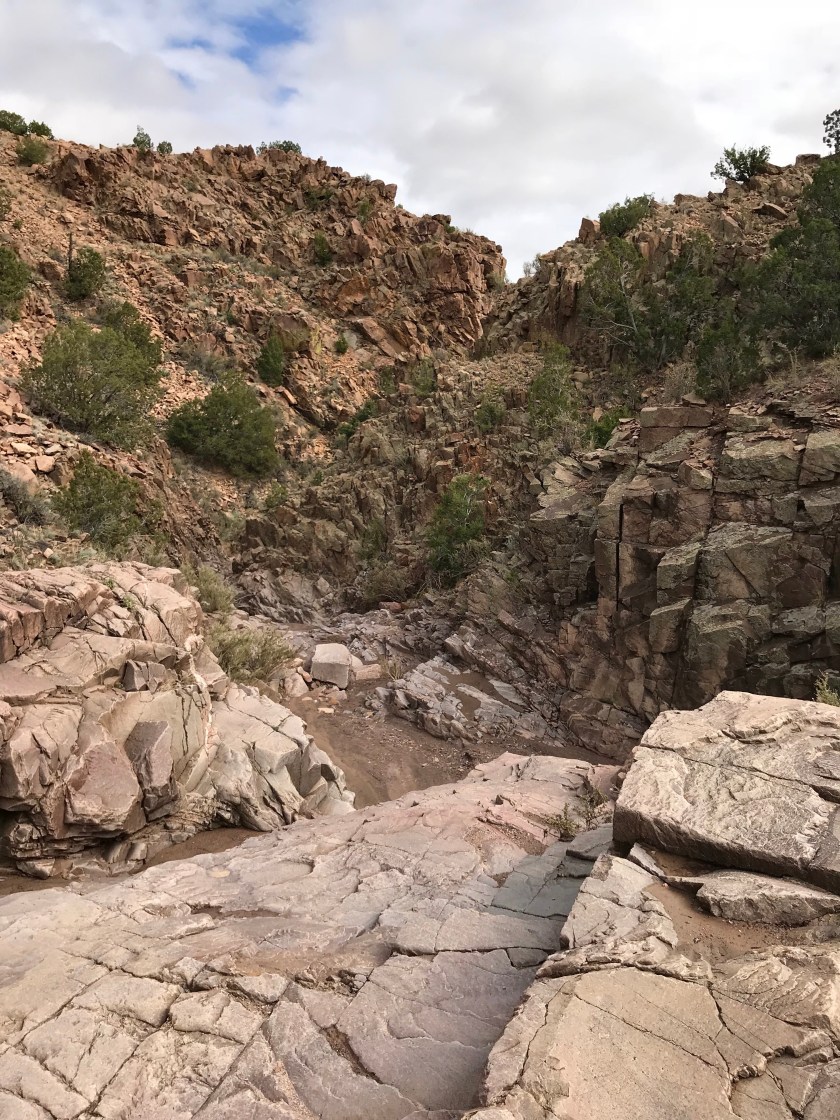
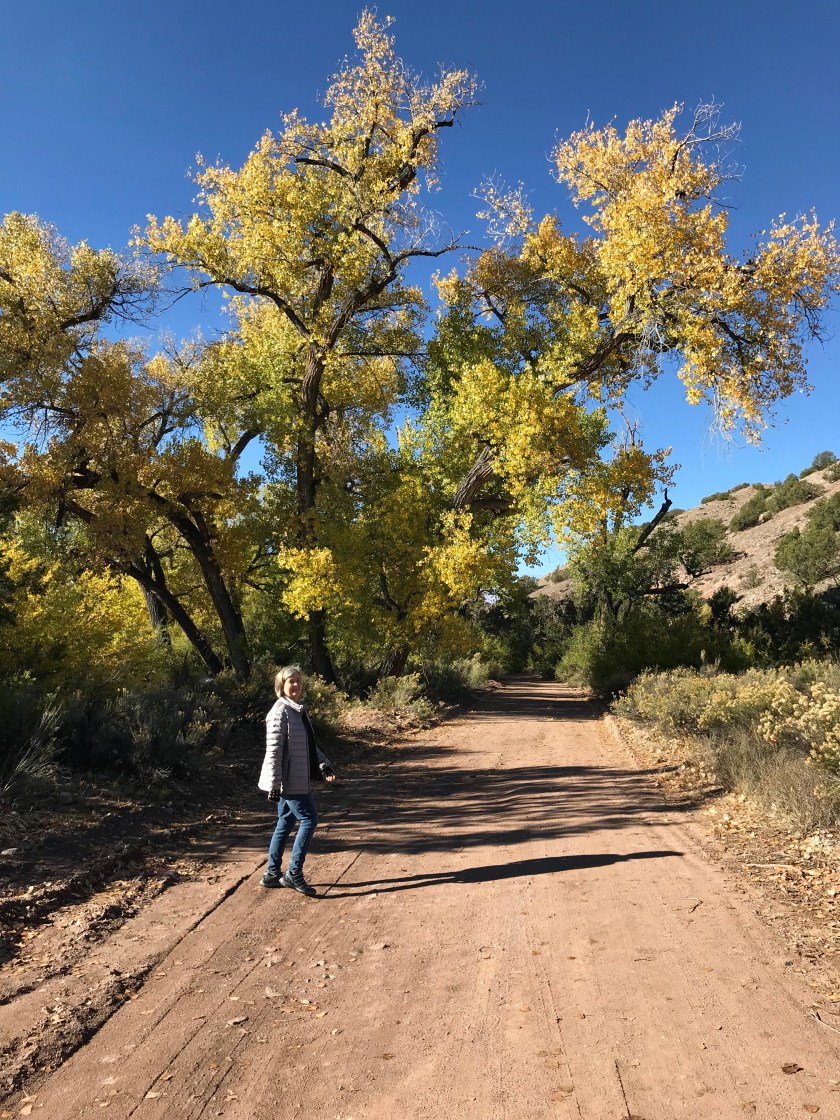
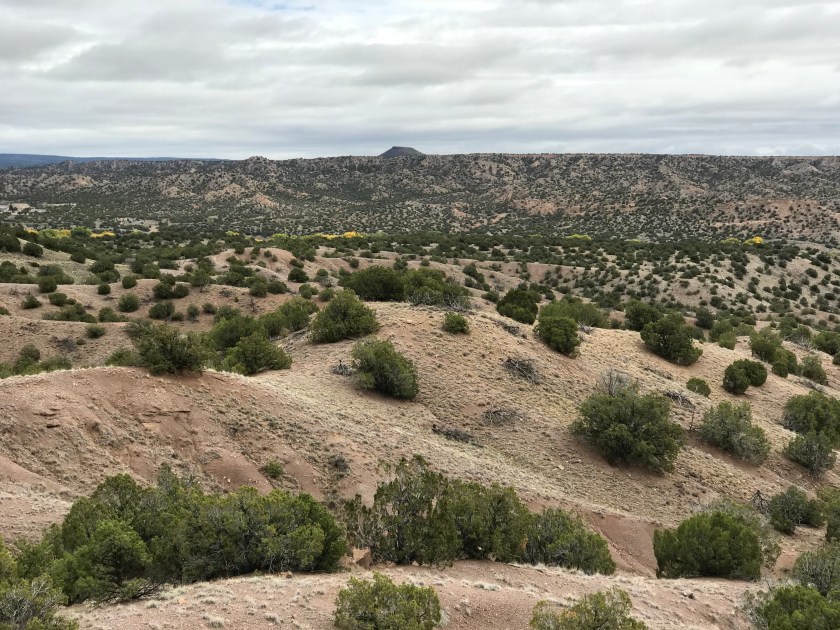 We never tire of exploring these hills. It always amazes us how such a dry and stark landscape can produce such beauty.
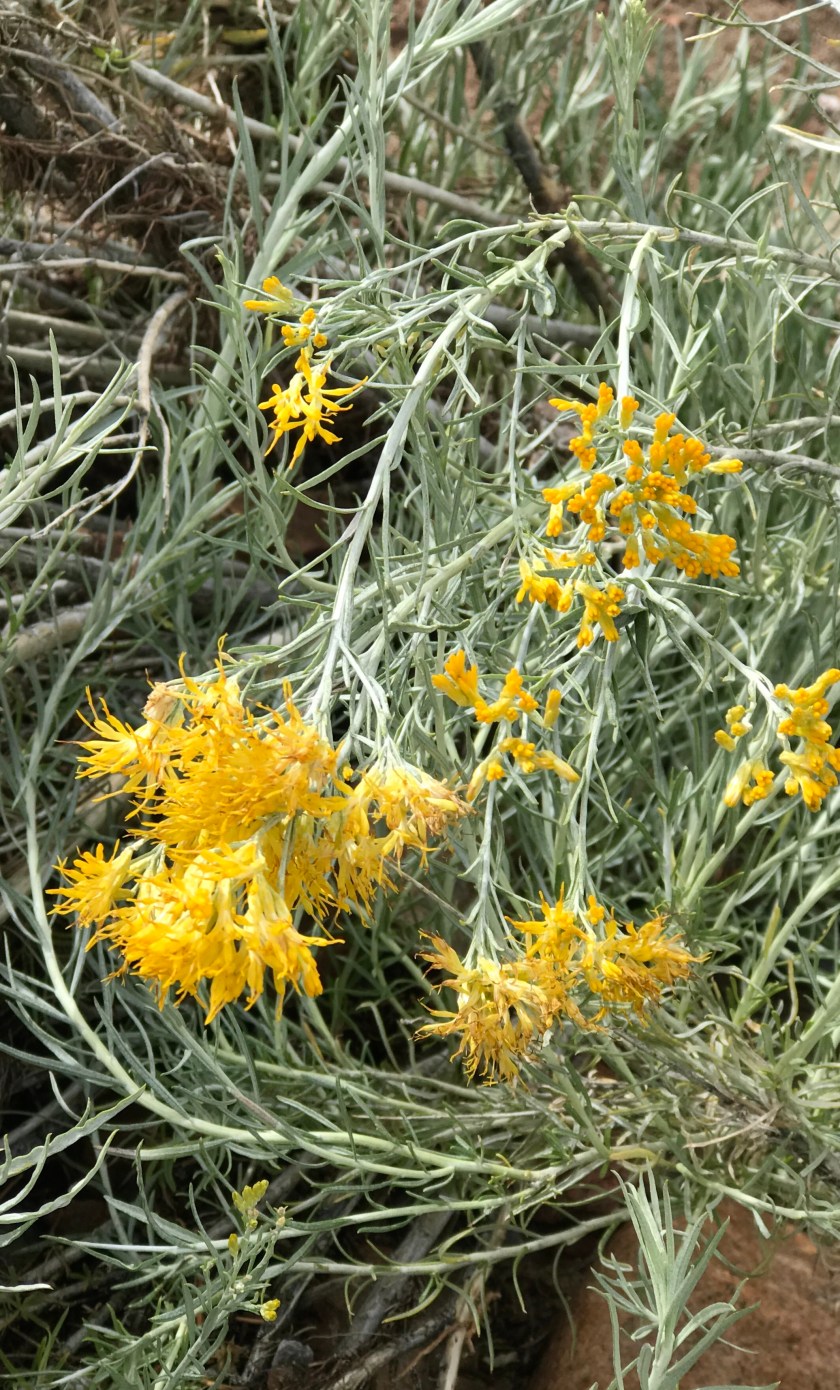

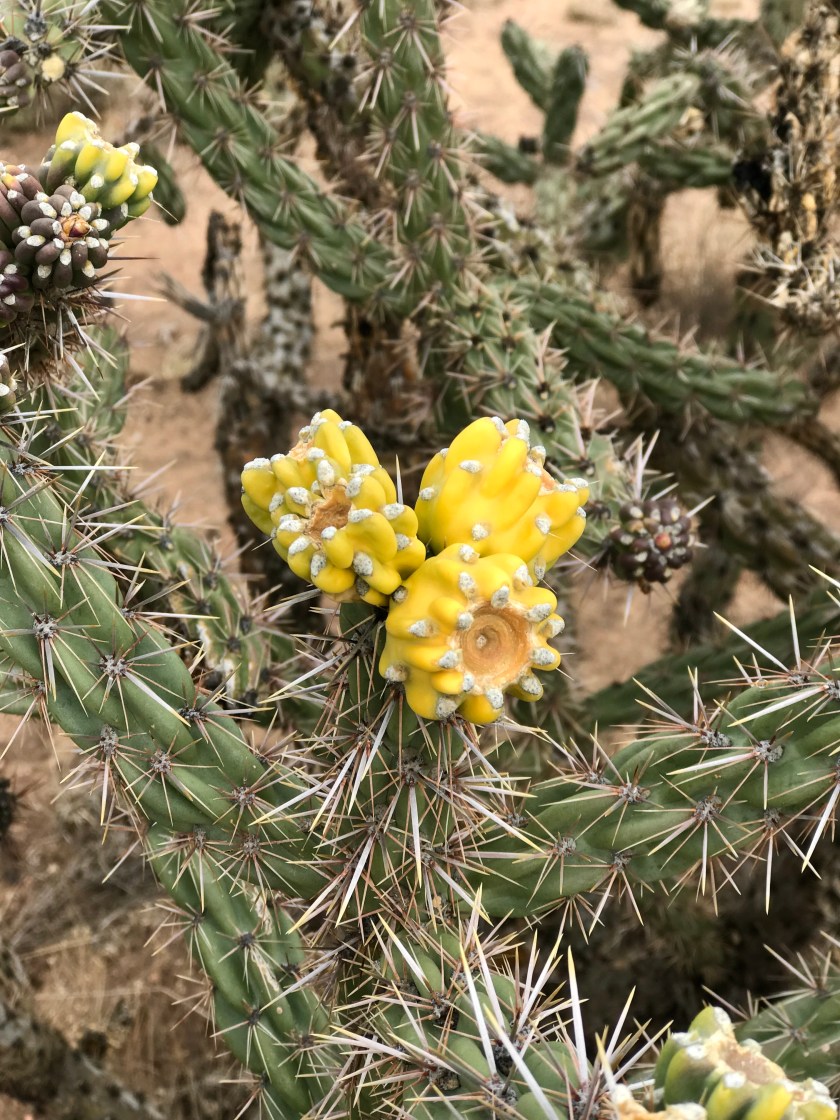
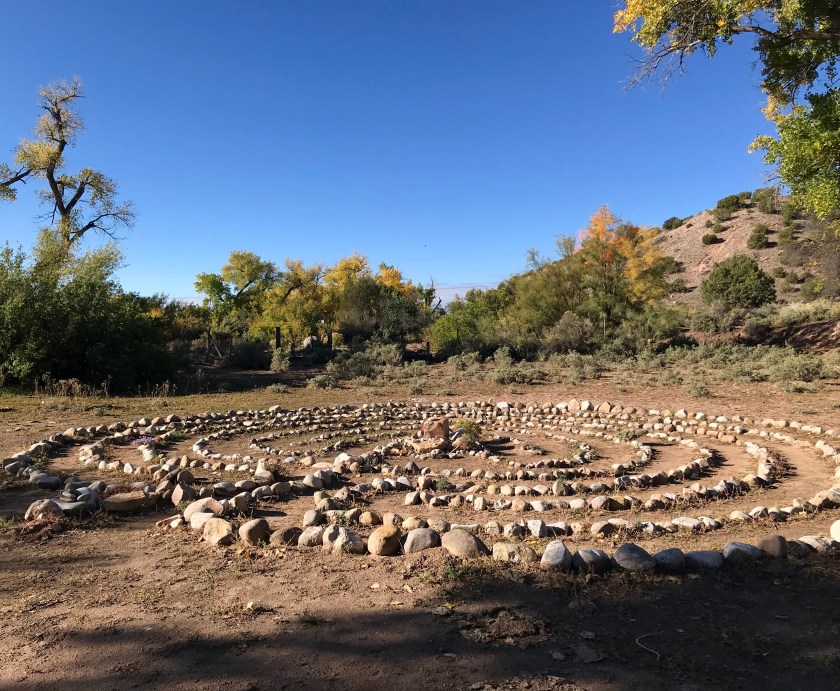
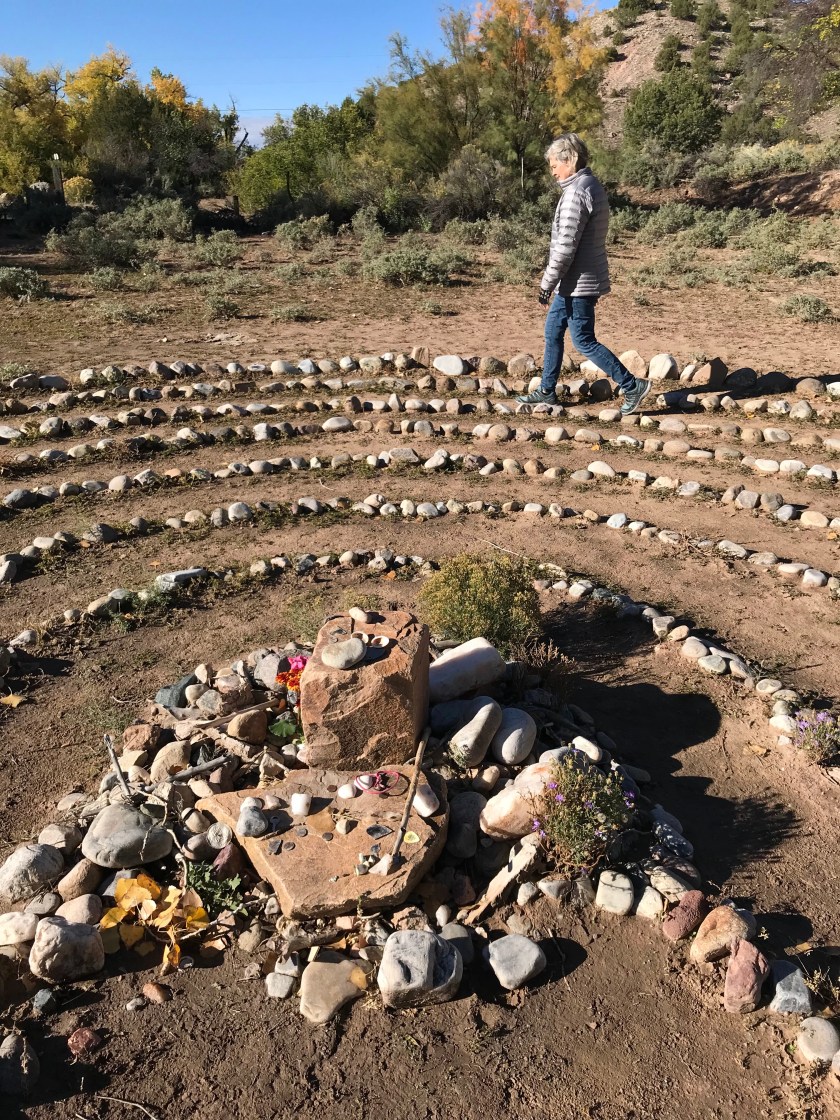
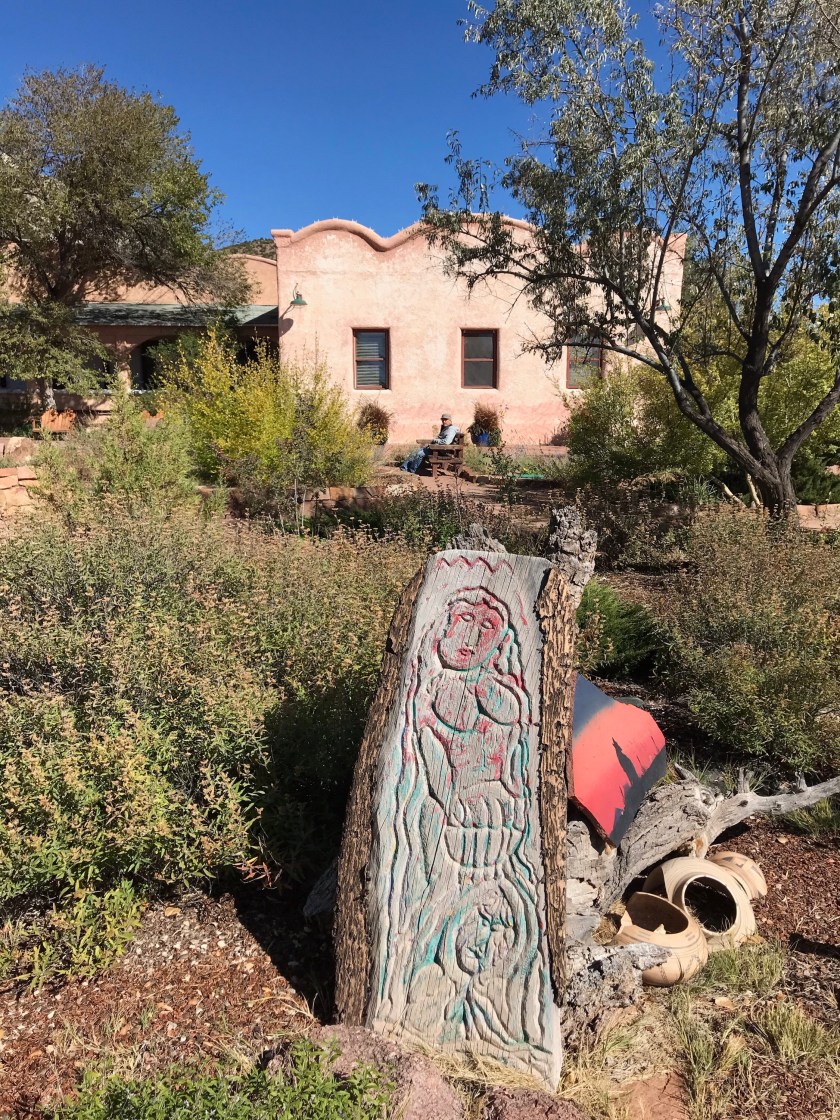
Just down the road from the campground we discovered a labyrinth.
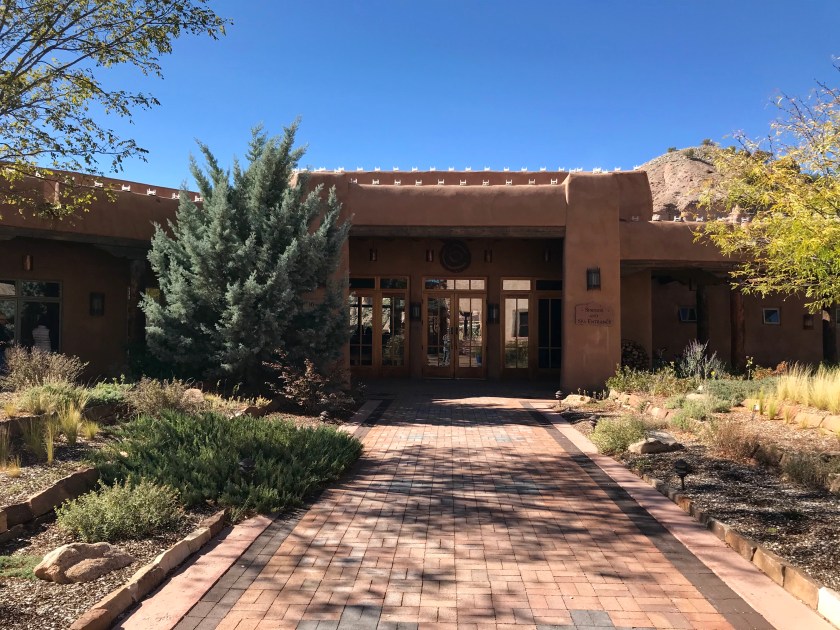
 The folks who run the spa are always looking to improve and add new features. This year they installed a number of vintage trailers for rent with more on the way.

But the real attractions are the springs and spa.
There are four different sulfur-free mineral waters: Lithia, Iron, Soda and Arsenic. The temperatures vary as well as the purported health benefits. We just find it relaxing to soak in the hot water.
After two days we where ready to move on to Santa Fe for an extended stay and a meet up with Shelly’s sister Ellen and her husband Rory.
 No mountain lion sightings-but it does give one pause.




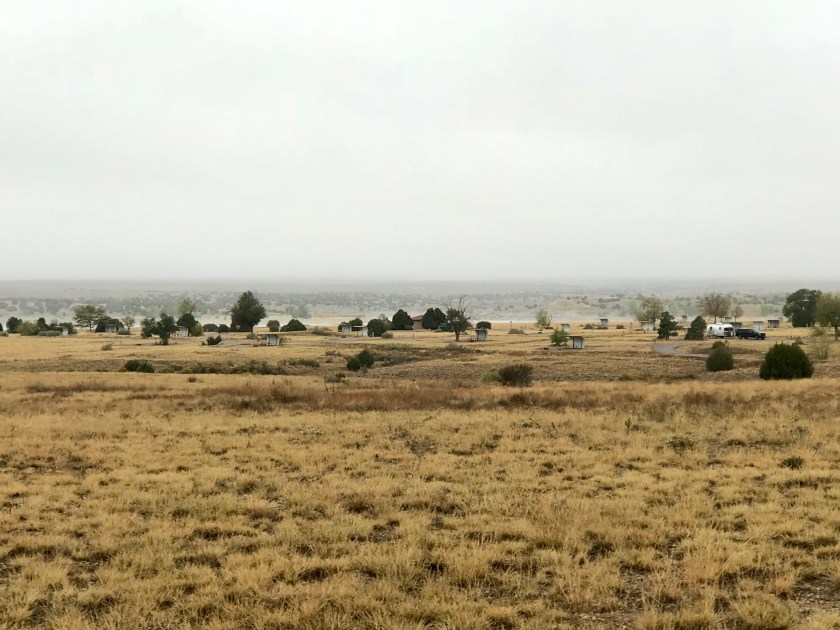 Can you spot the Tincan?
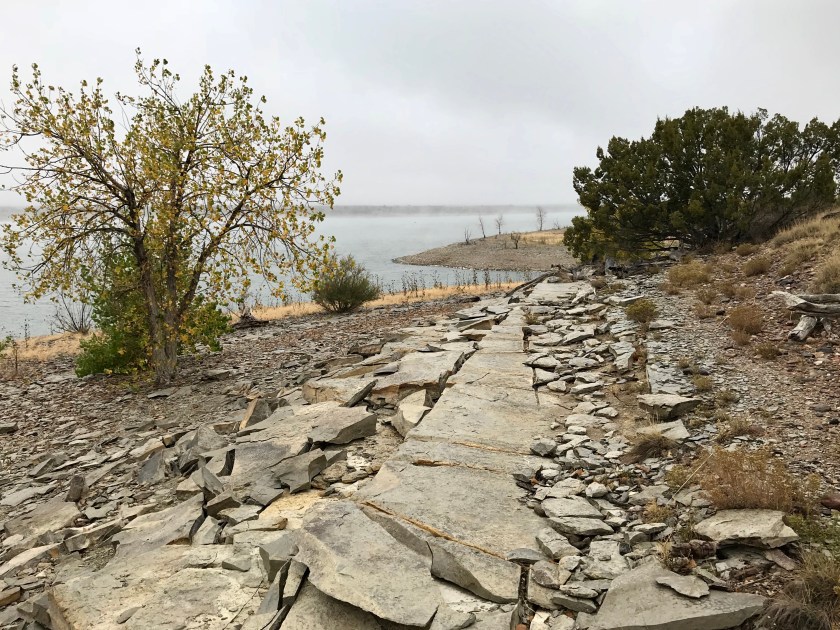
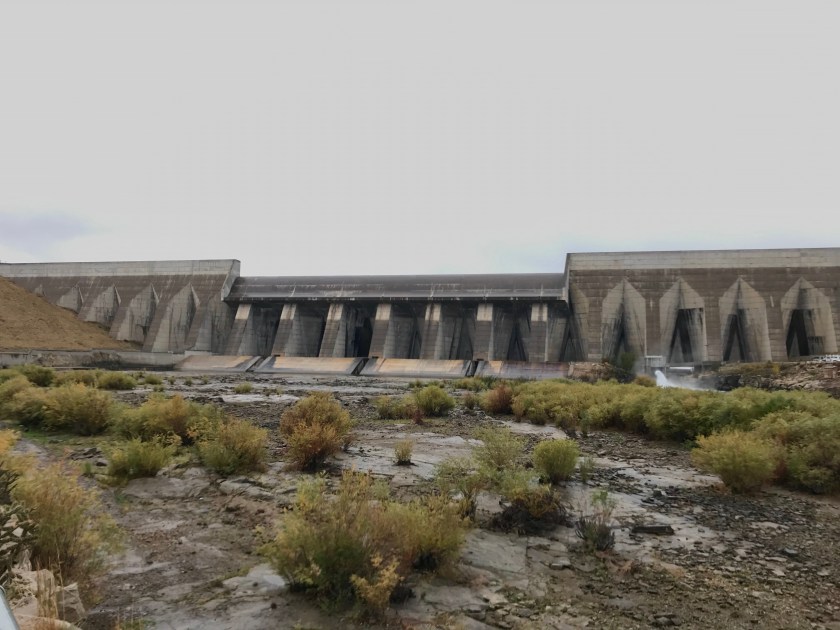 The dam that created the reservoir.
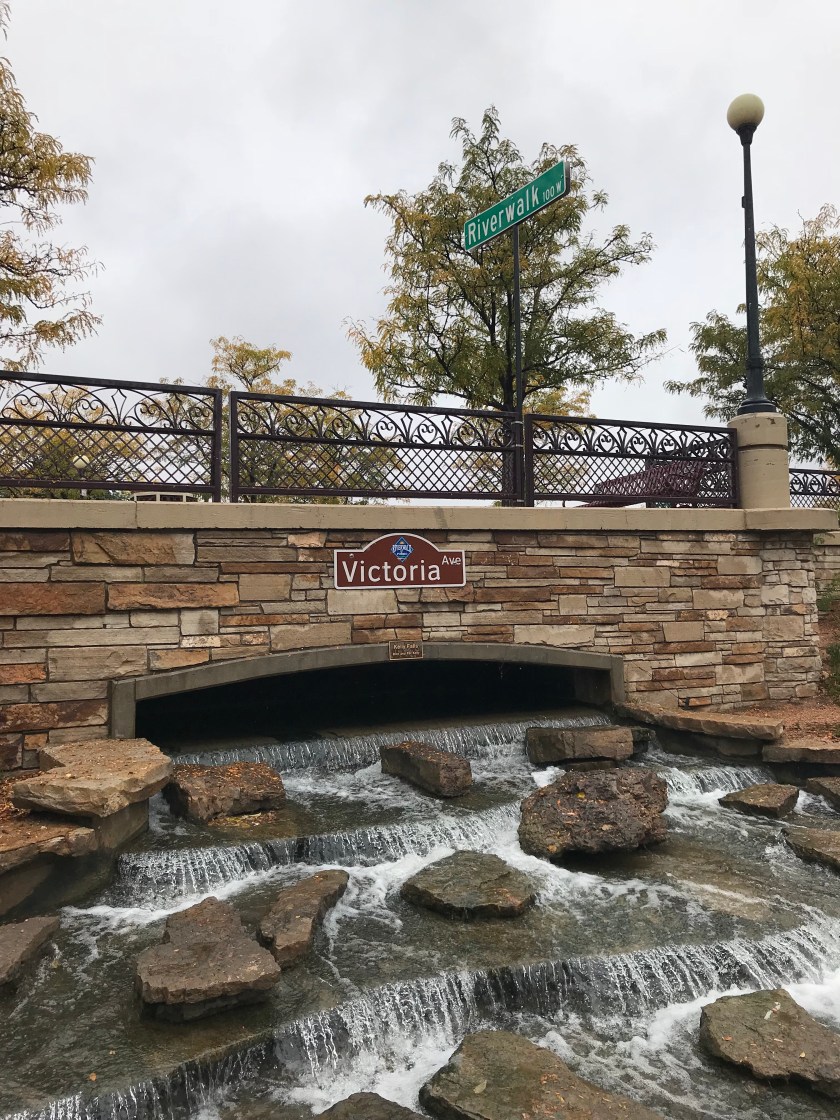
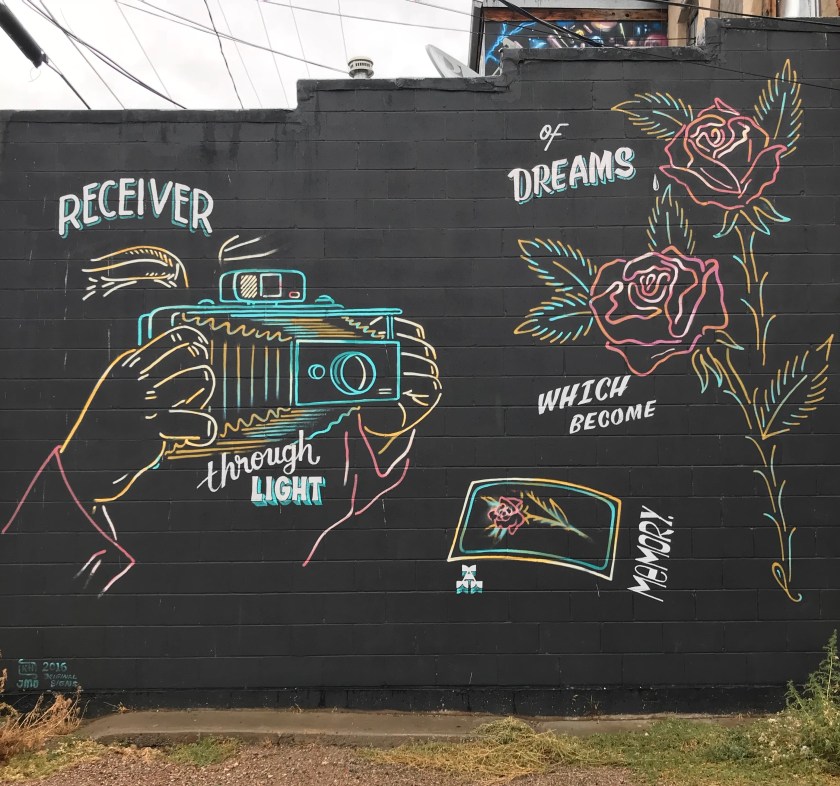
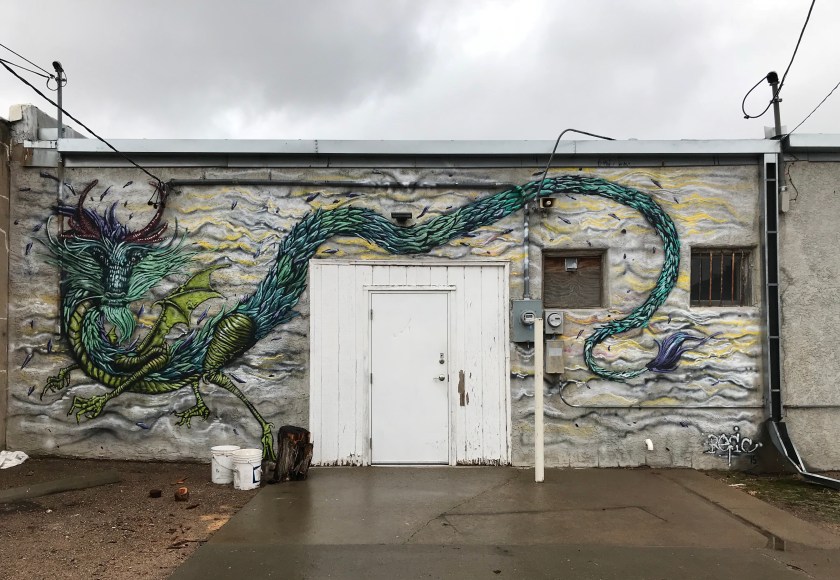
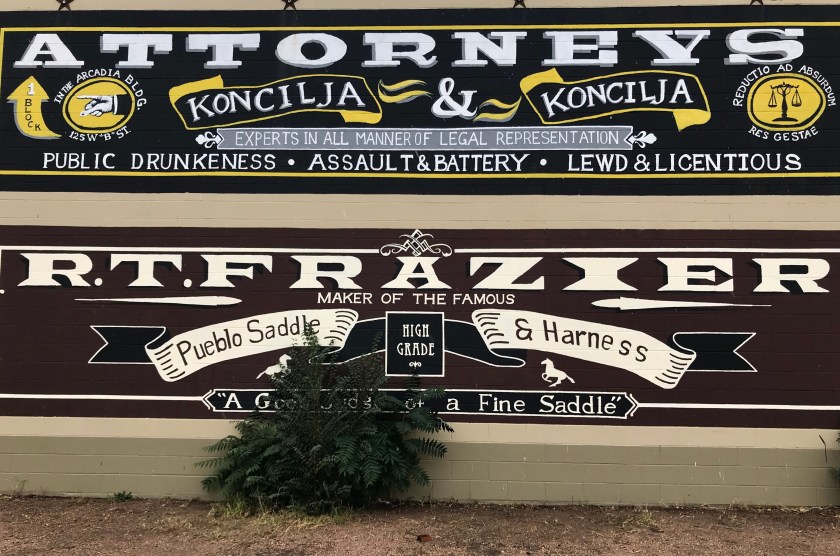 It appears that things can get out of hand here in Pueblo.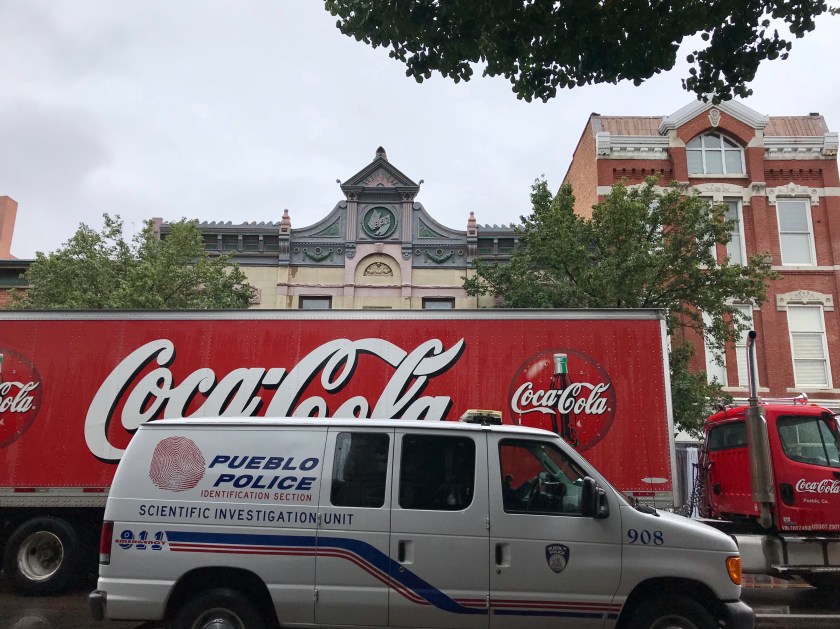
 Snow in La Veta Pass on our way south
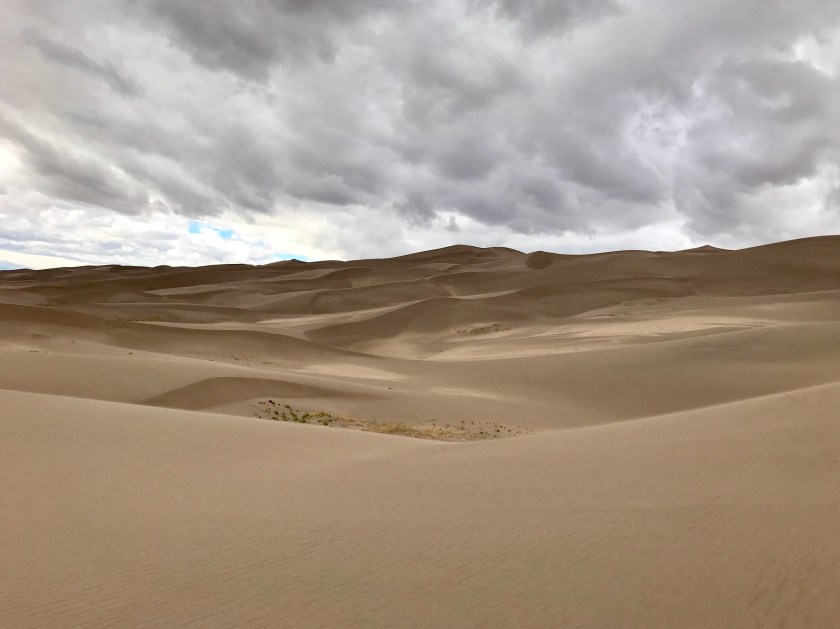
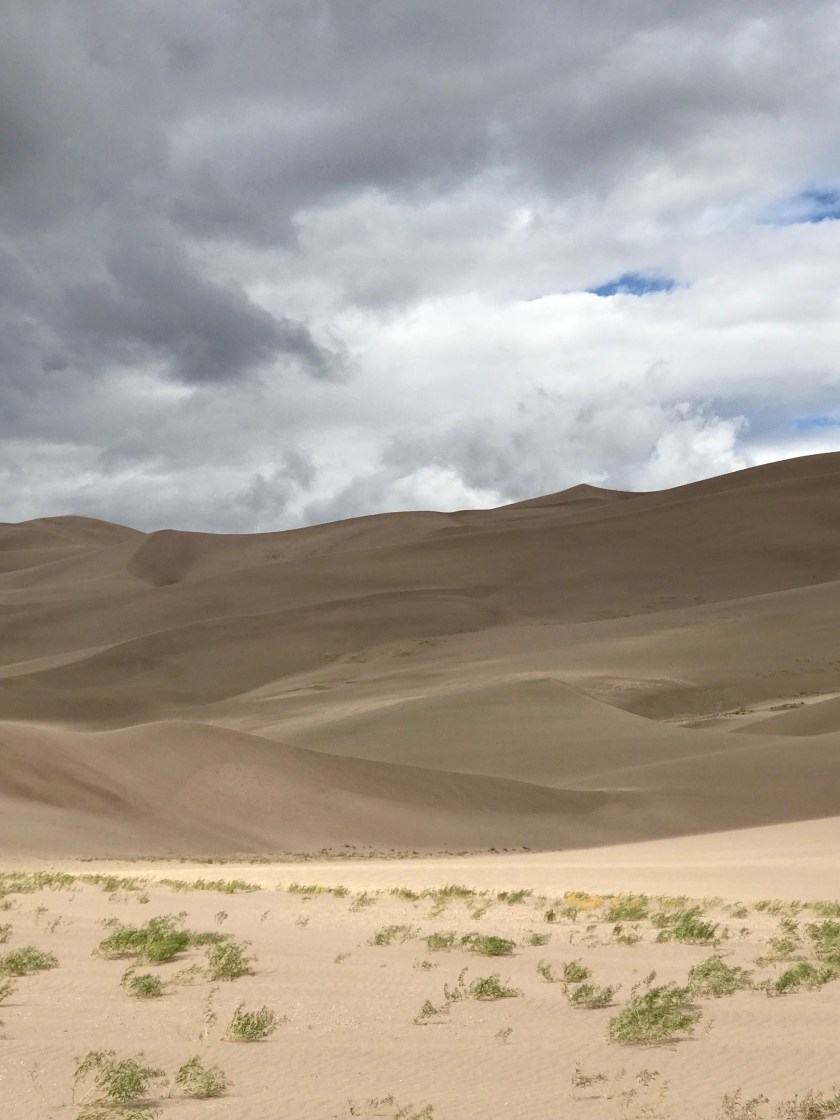
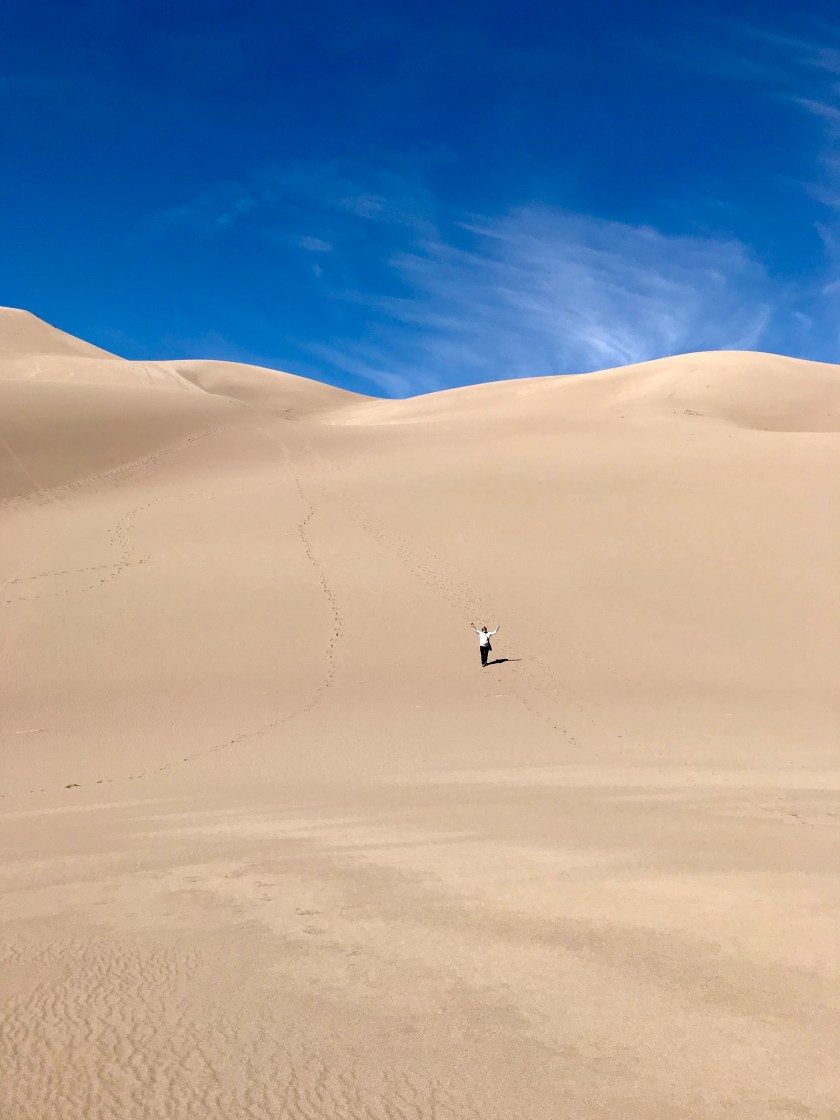
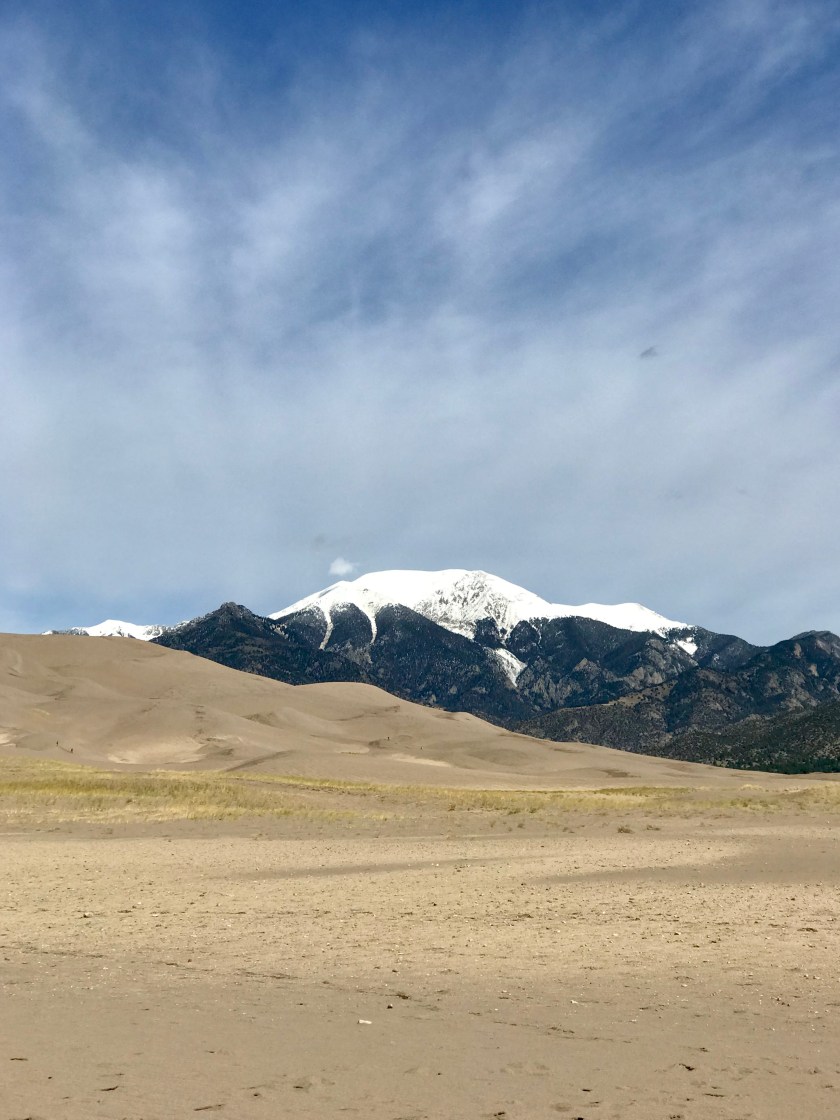
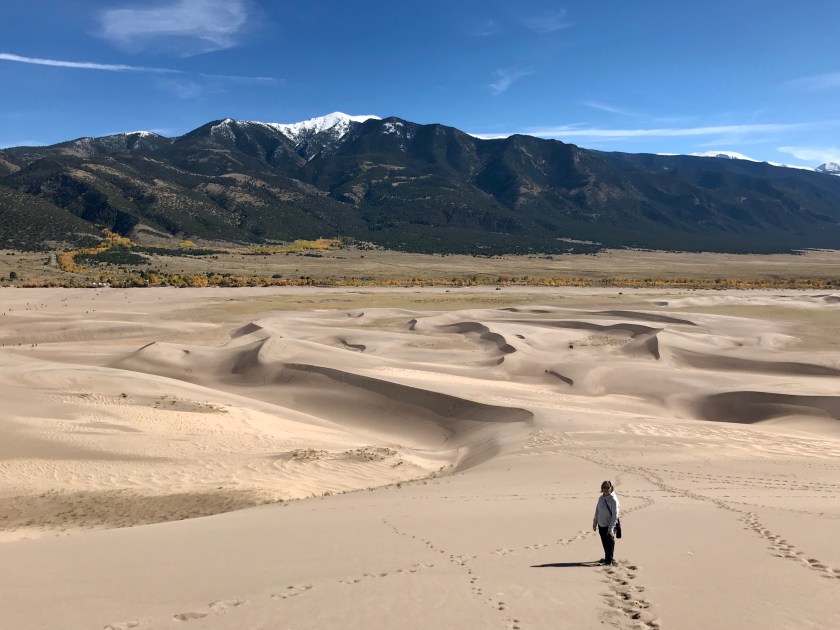
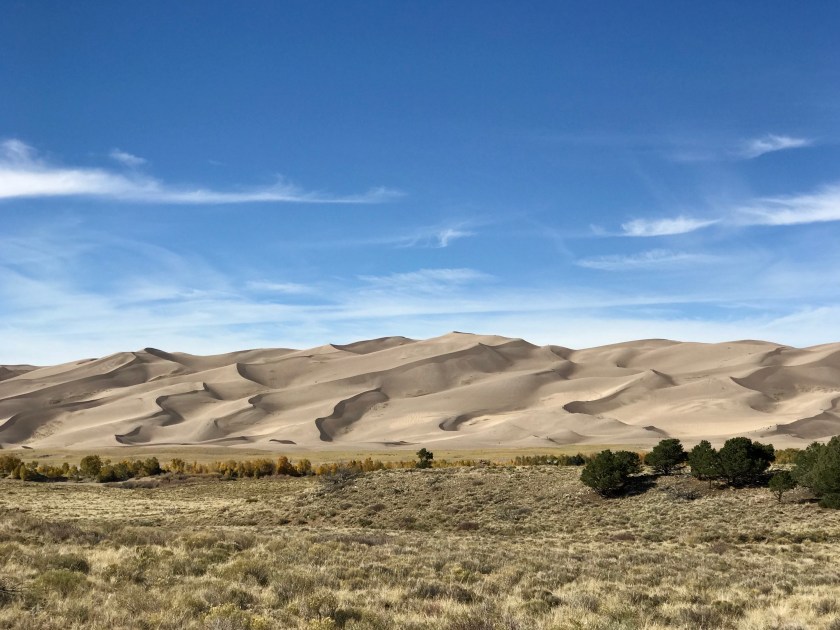
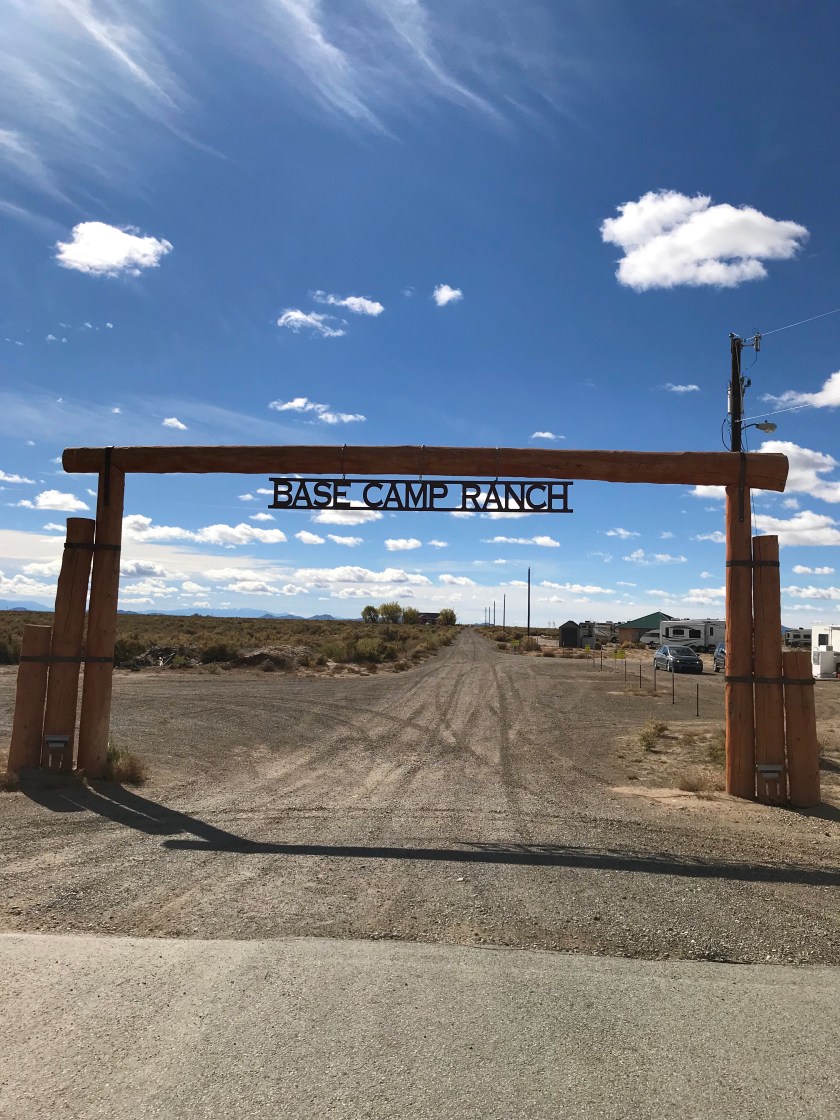 We setup camp about half way between Alamosa and Great Sand Dunes NP. Alamosa is a college town of about 10,000 people with some good restaurants, two coffee houses and a couple of breweries. There is also a cooperative bookstore that the community organized and supports.
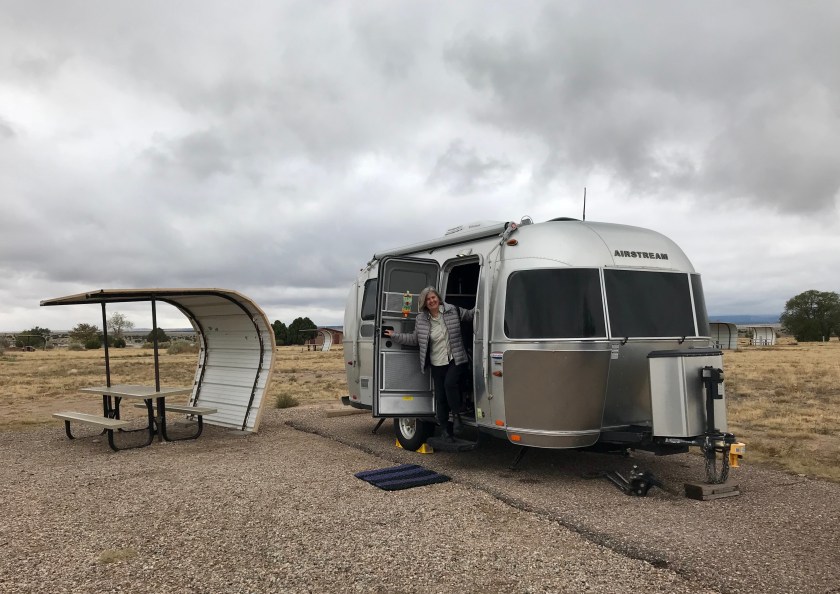
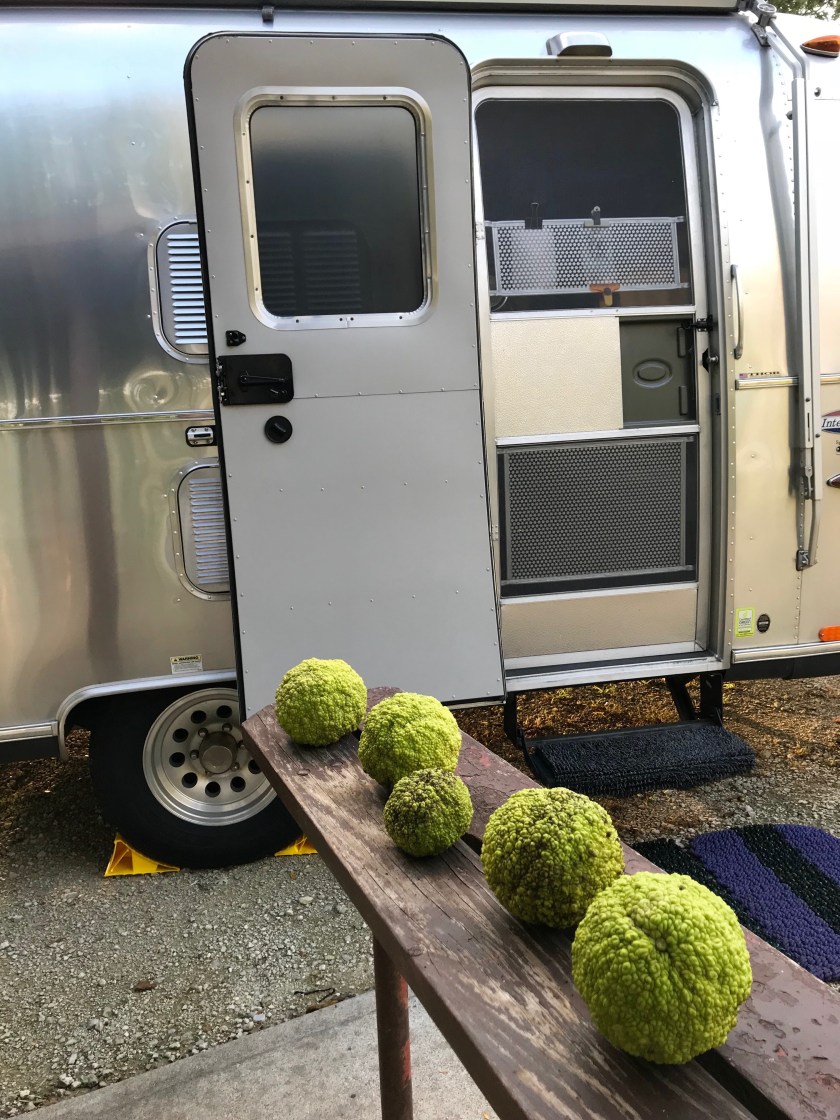
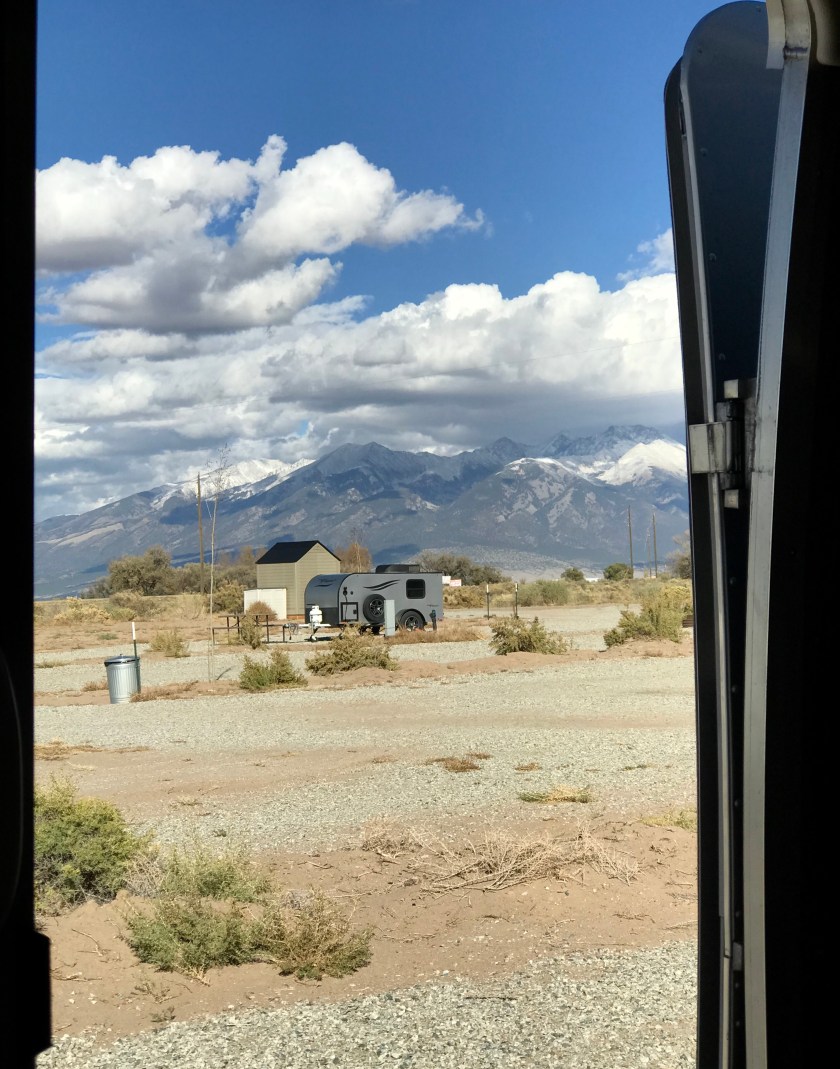 Our front door view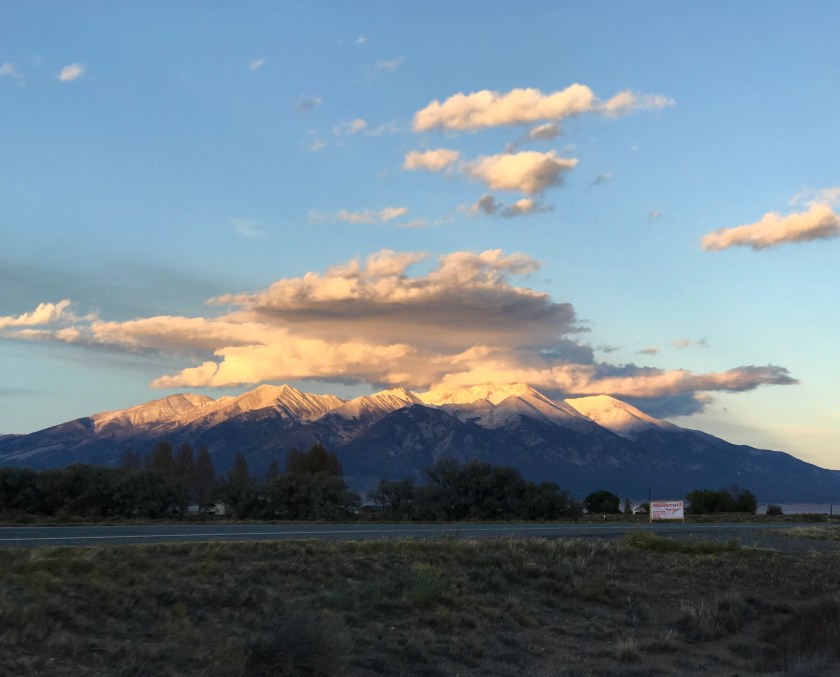
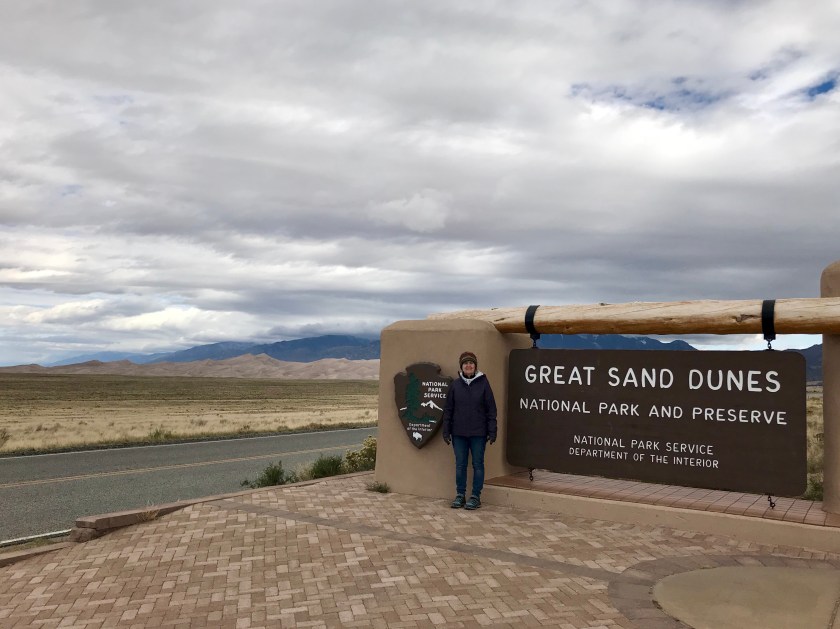


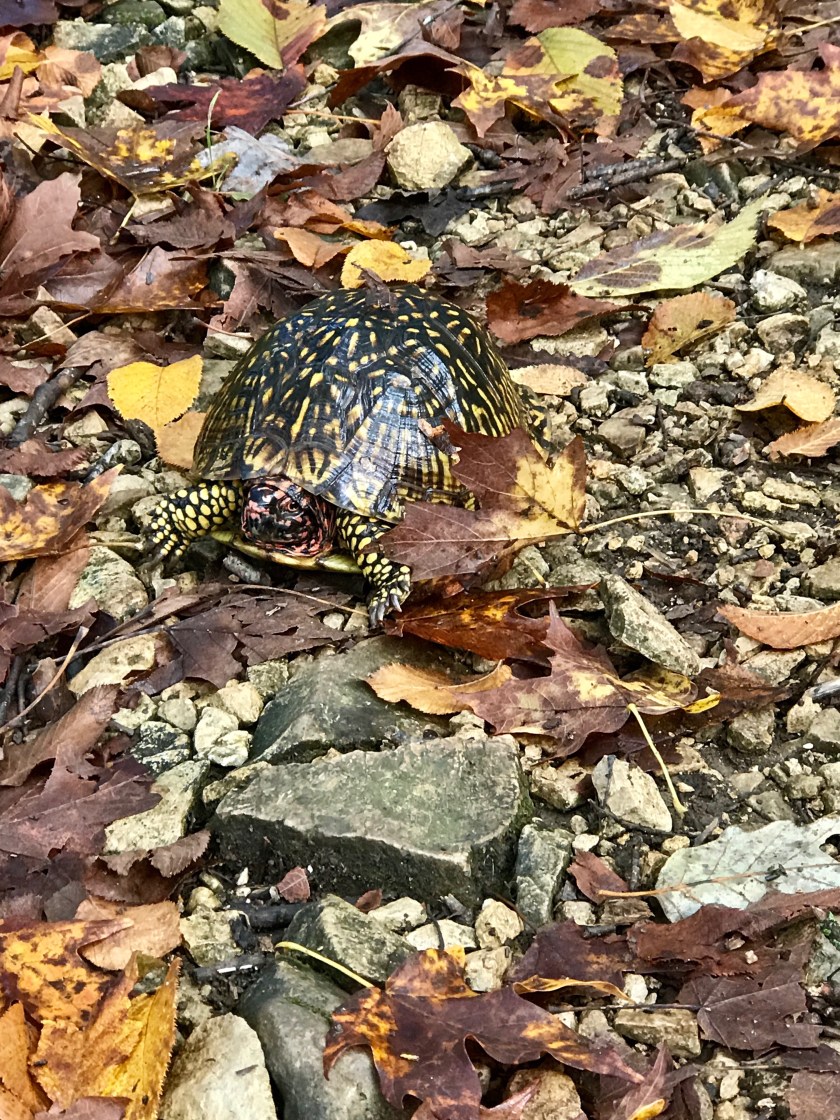 We met this guy on the trail.
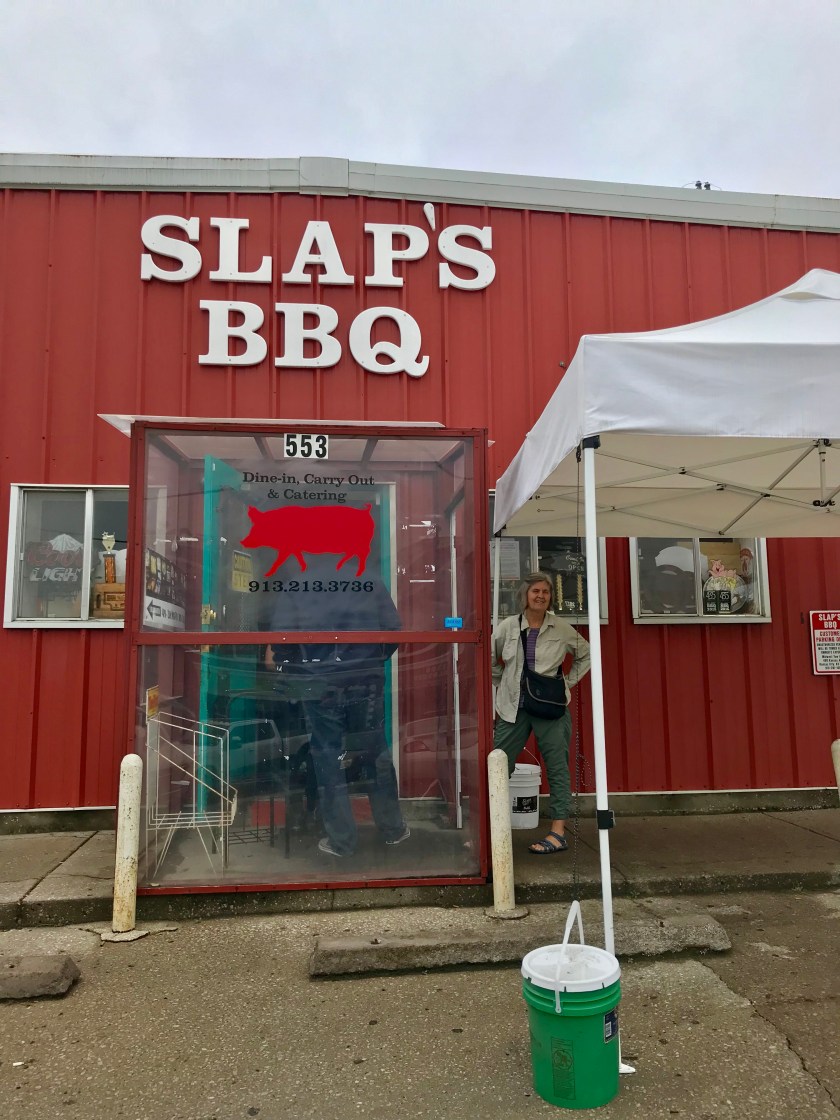
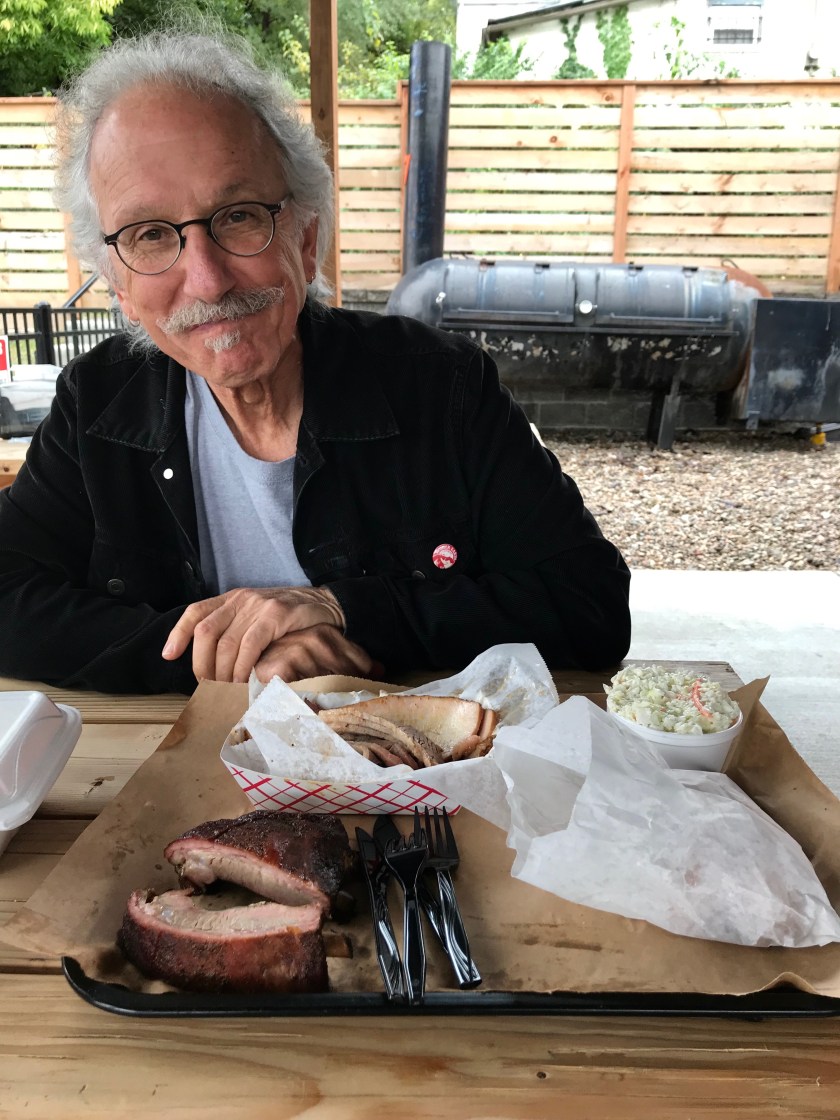 Carnivore’s Delight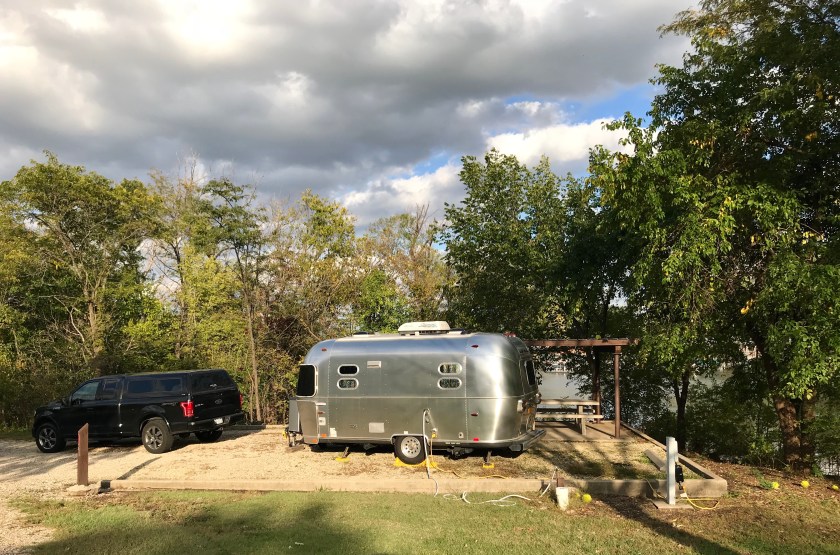
 The dark spots in the distance are a small herd of bison grazing in the Tallgrass Prairie Preserve. The day we visited it was cold and misty.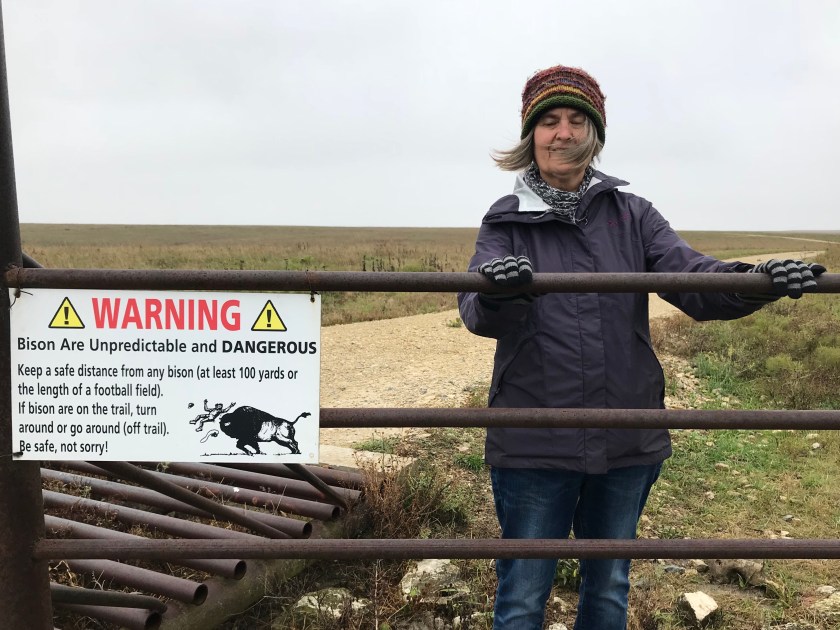
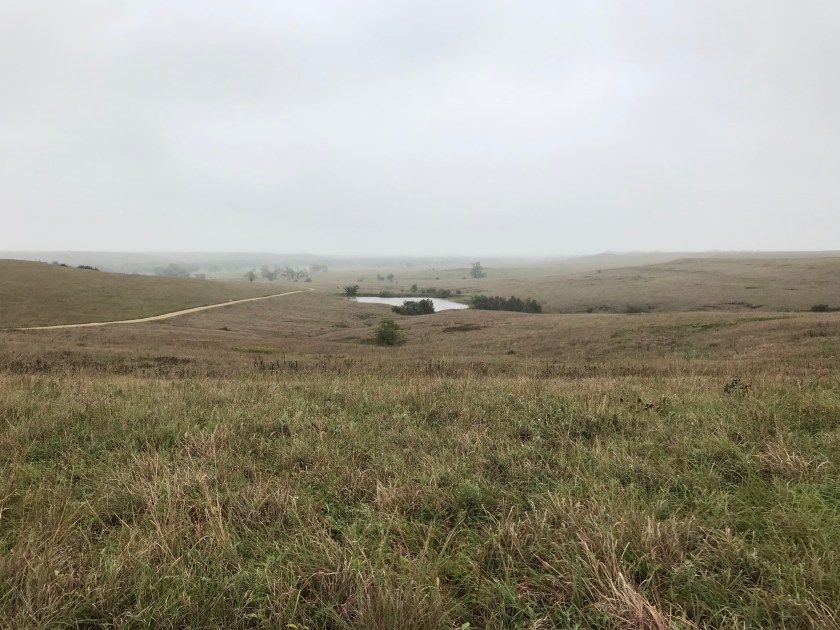
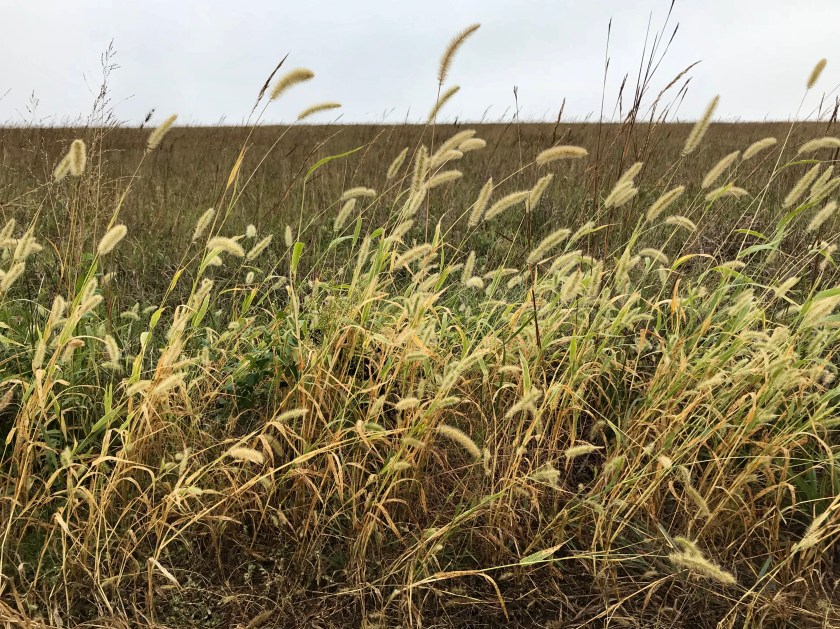
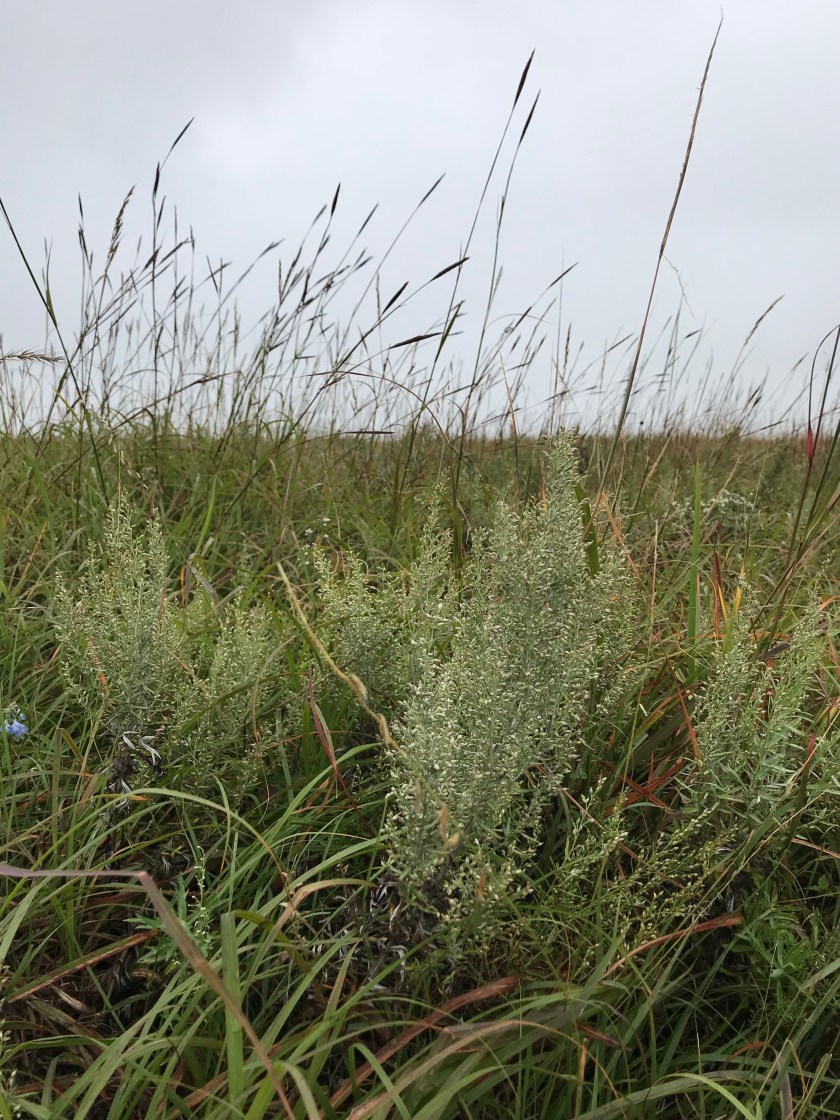
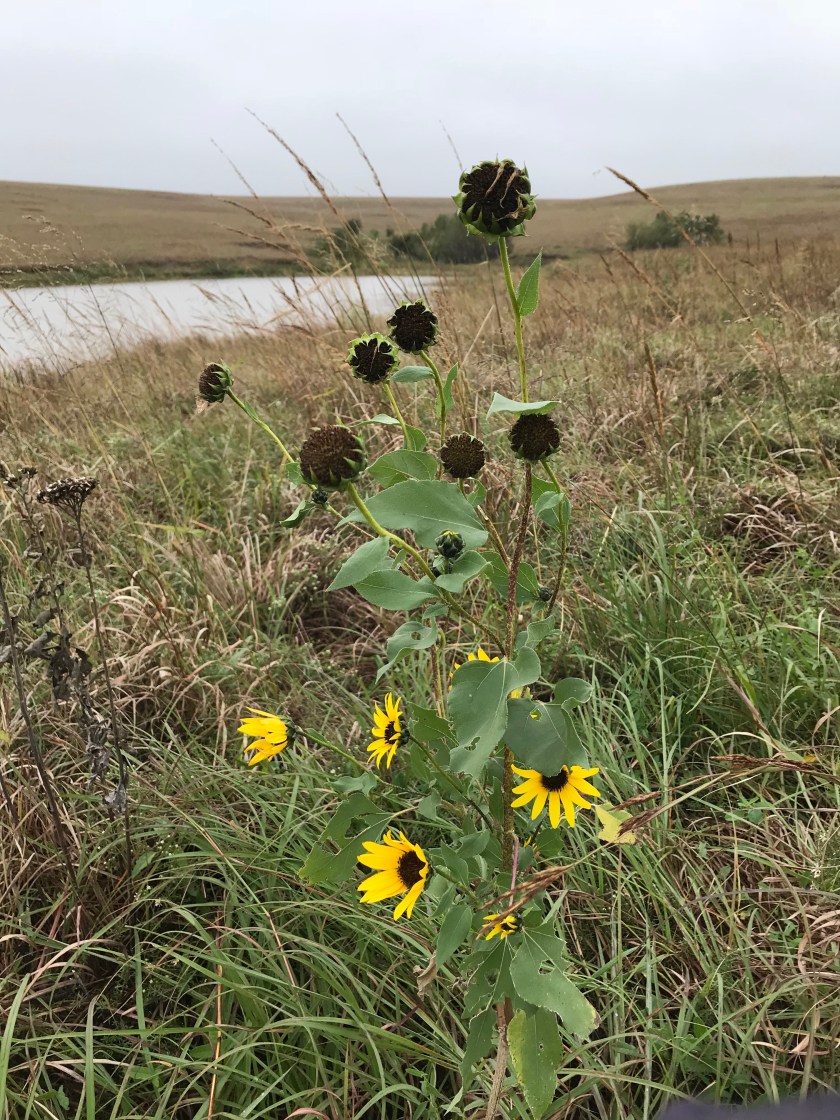

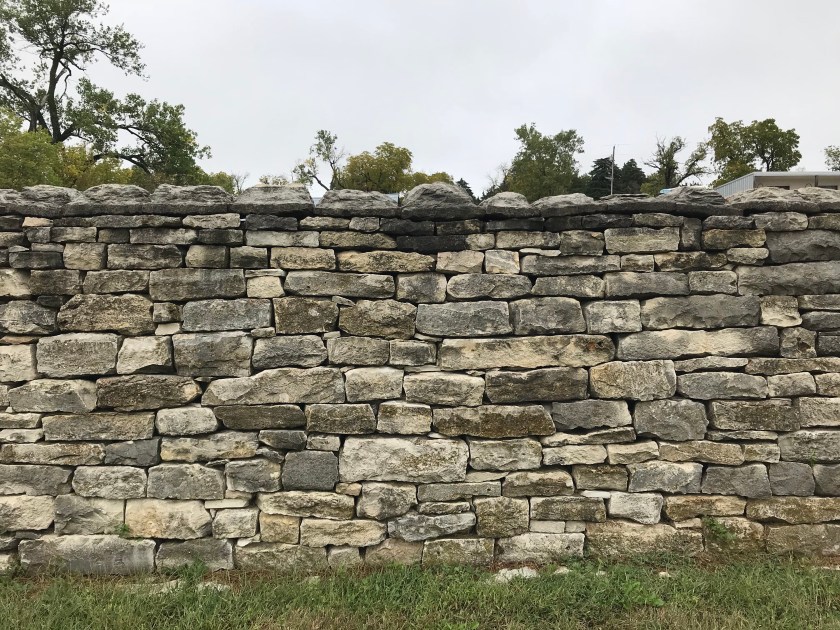
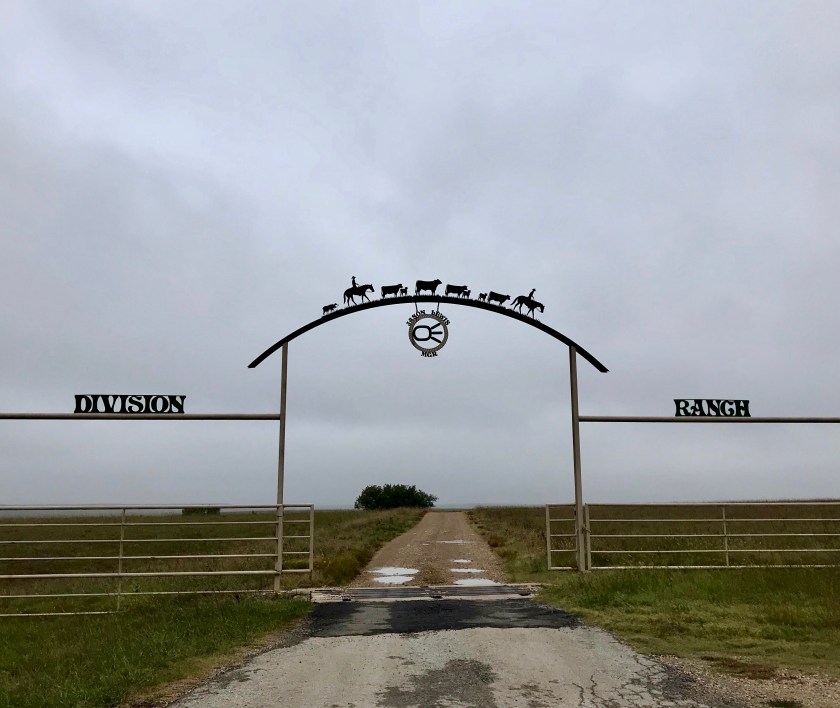 No trip to Kansas would be complete without a little division.
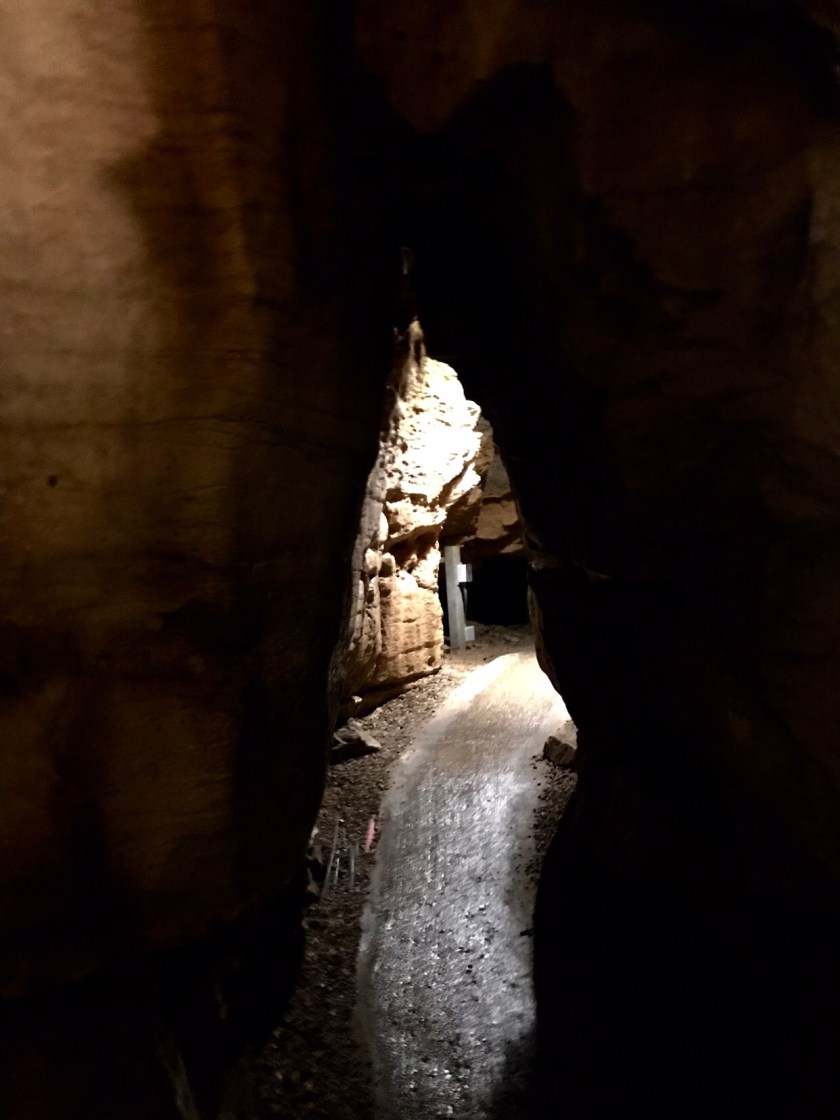
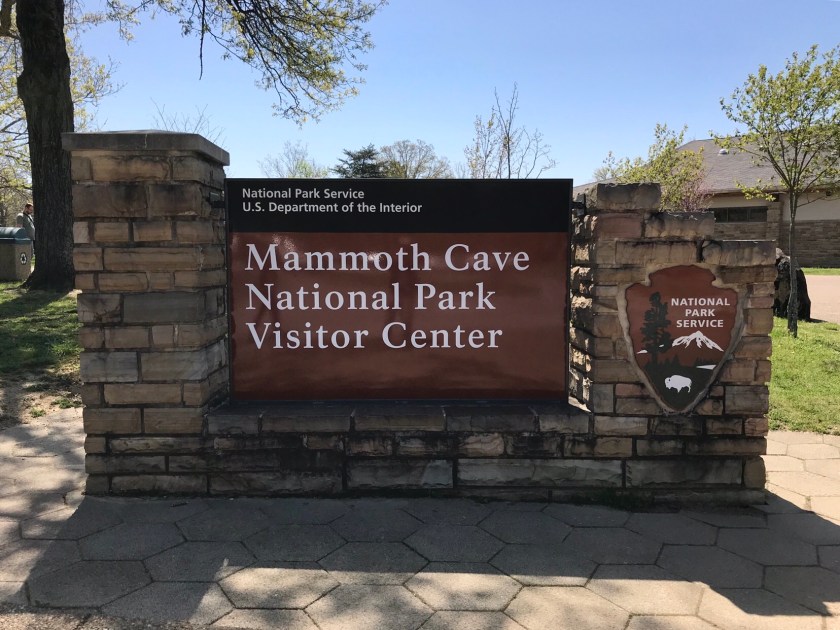 Mammoth Cave is aptly named with its 365 miles of surveyed passageways and upwards of 600 miles of unexplored passages. Visitors have lots of options for cave tours. We chose “Domes and Dripstones”. These tours are not intimate affairs, we did the tour with about 80 people. We entered the cave through a man made entrance and vertically descended 280 stairs to a passageway for a 3/4 mile hike underground.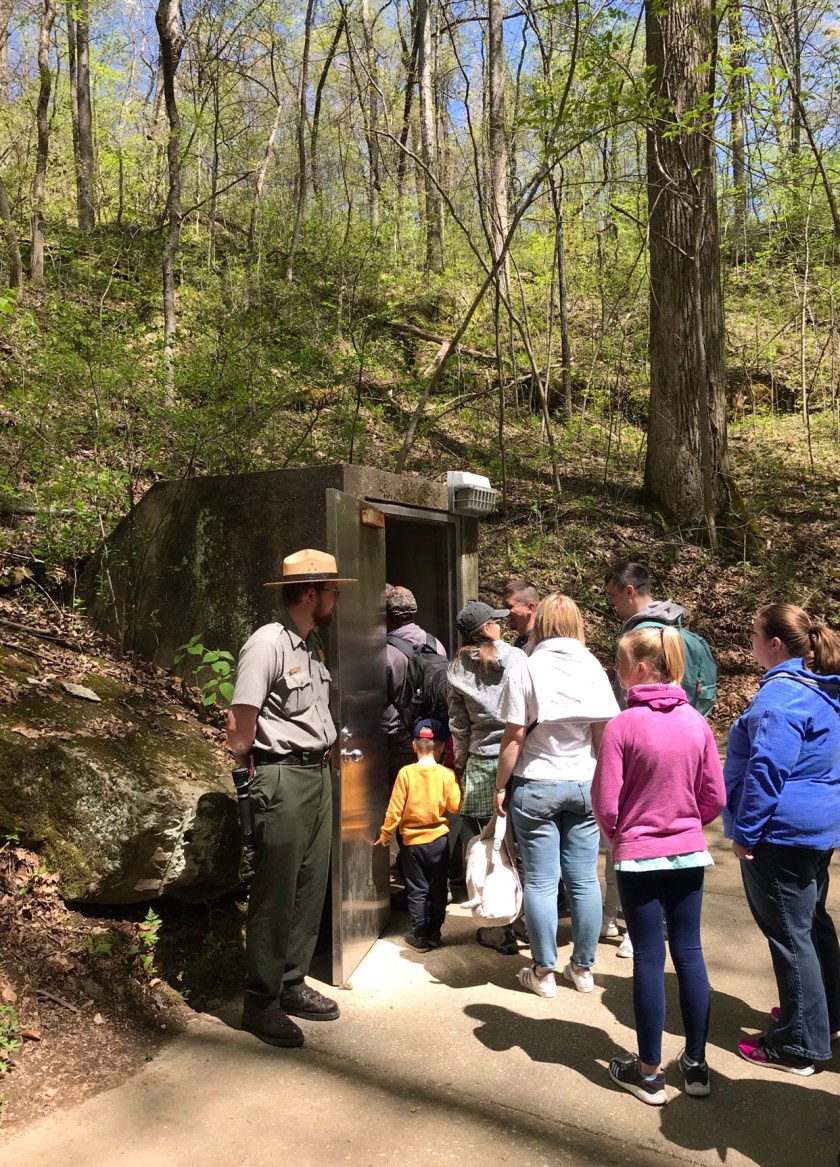
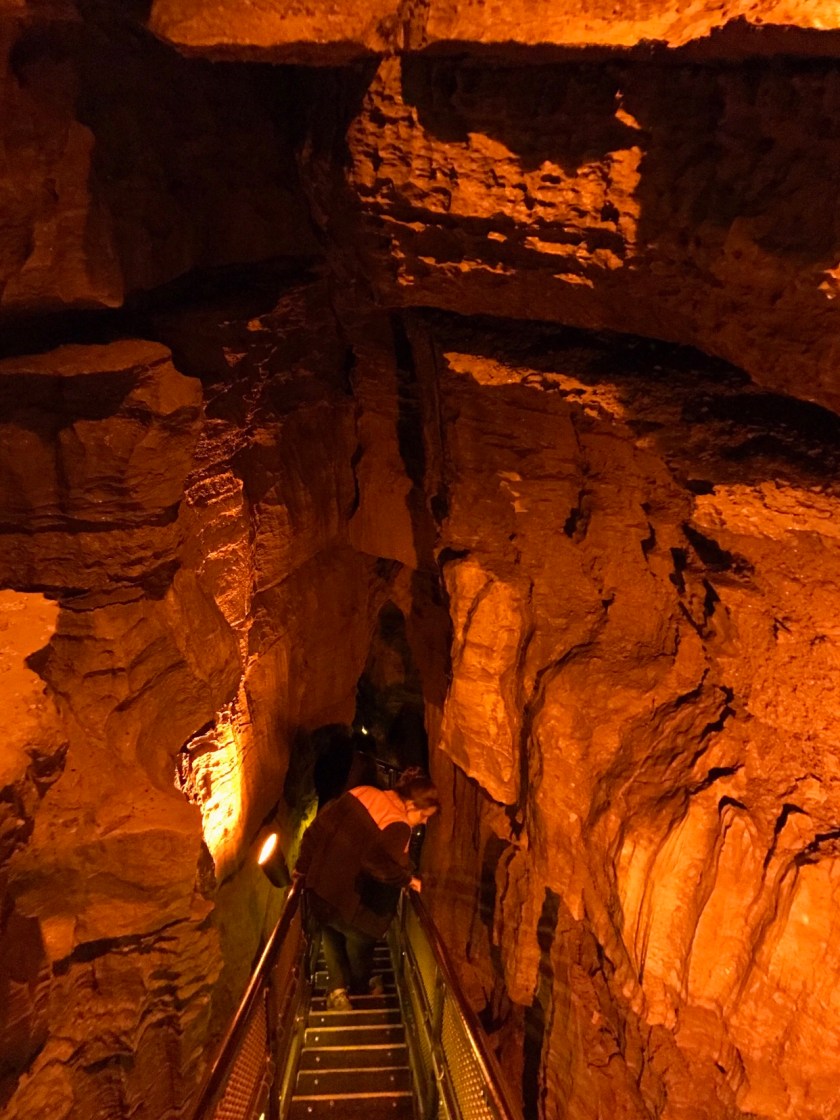 The Park Service uses red lights to illuminate the way.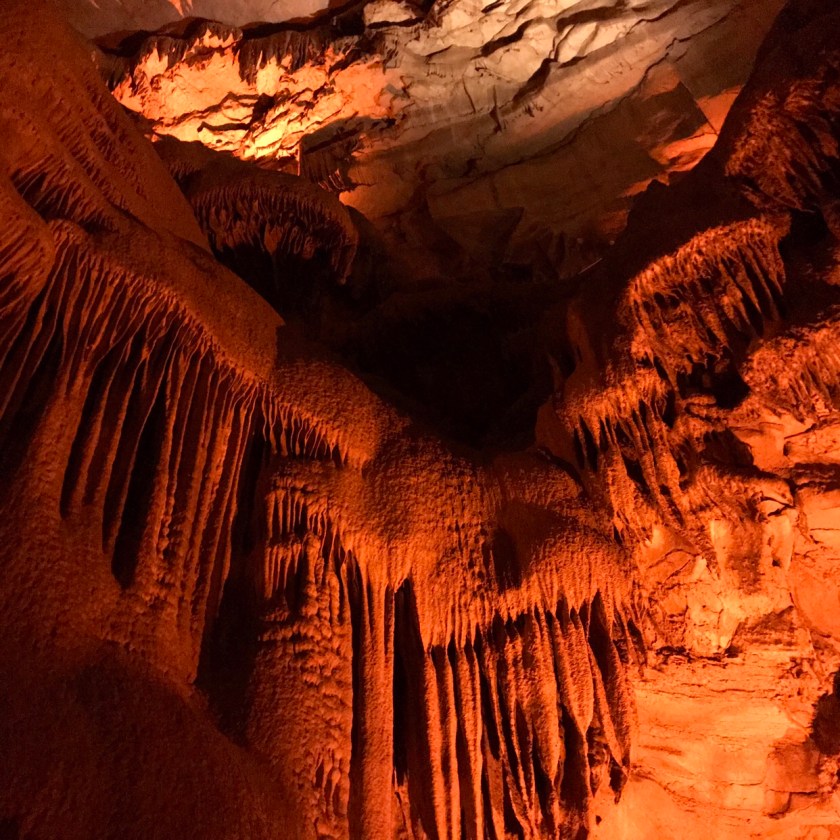
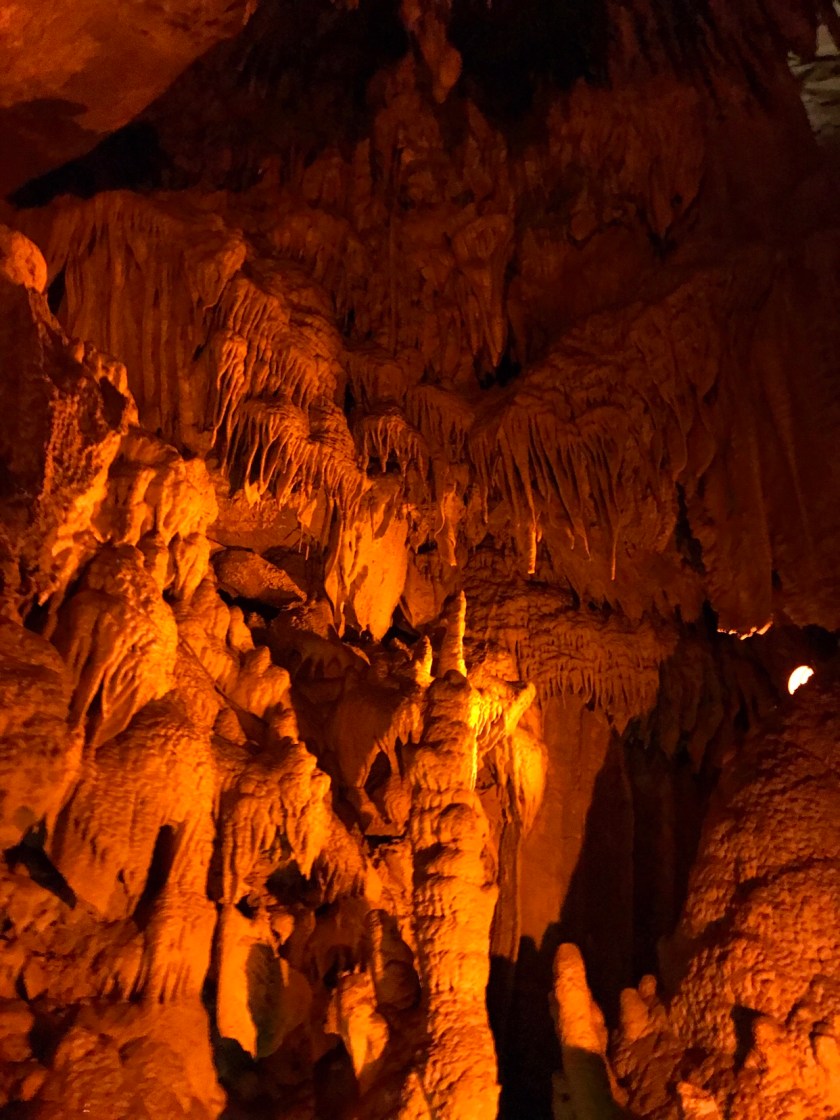 Not all of the cave is decorated with stalactites and stalagmites. Most of the tour traveled through large dry domed chambers.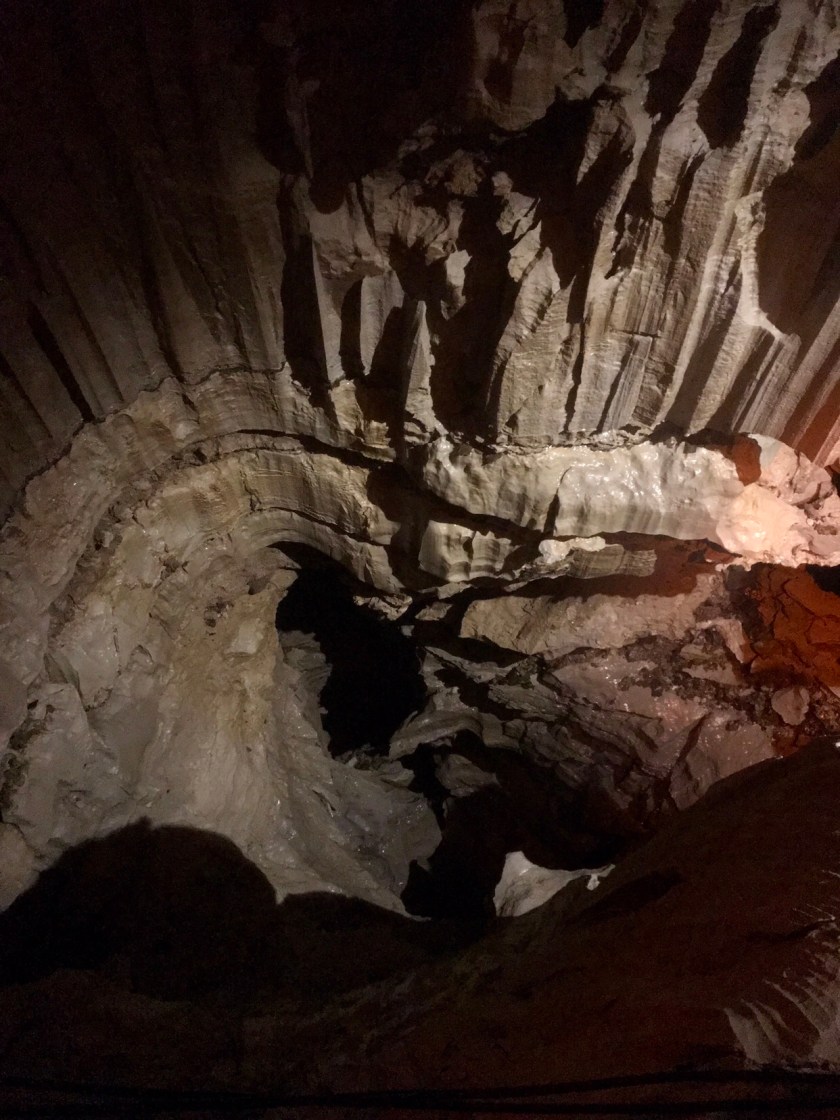
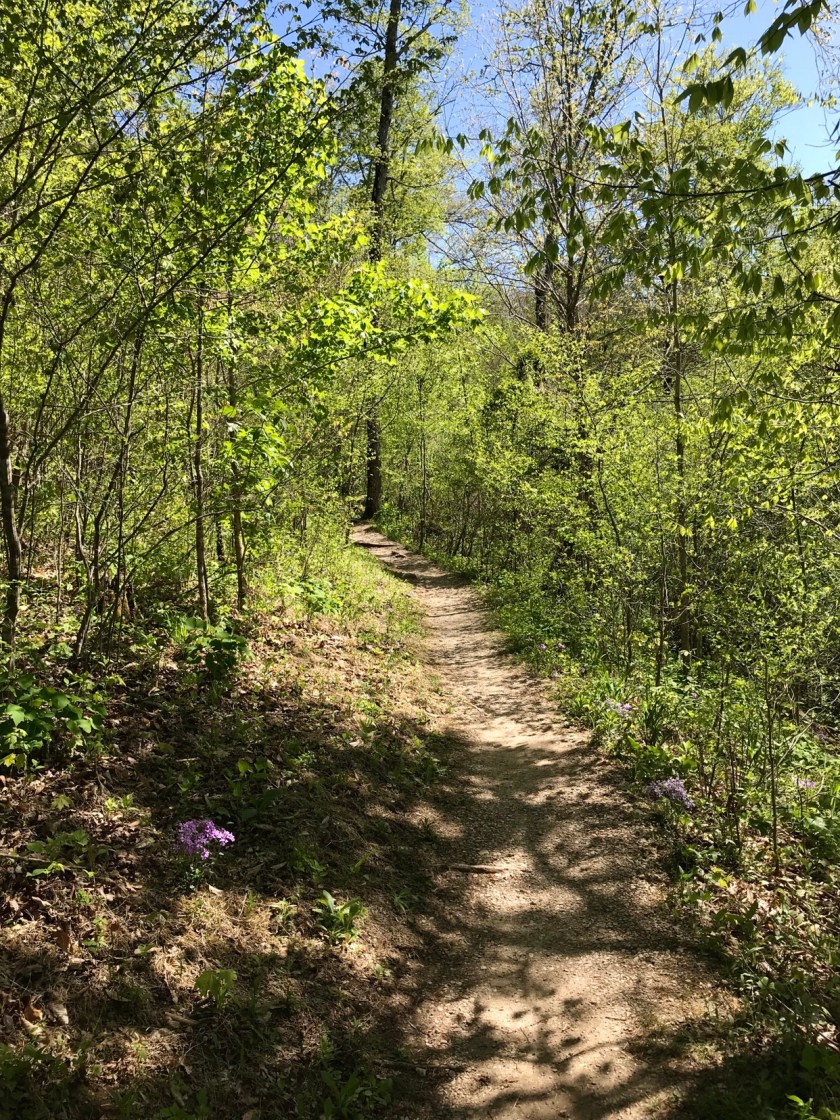
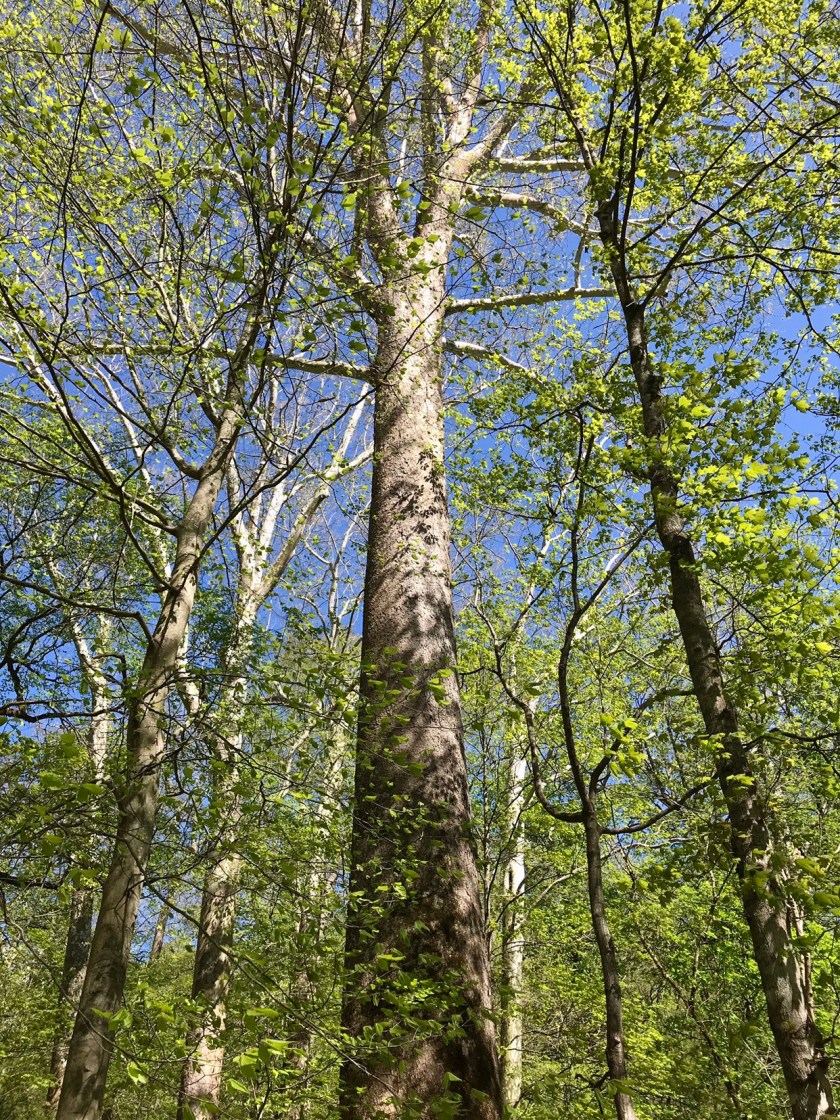
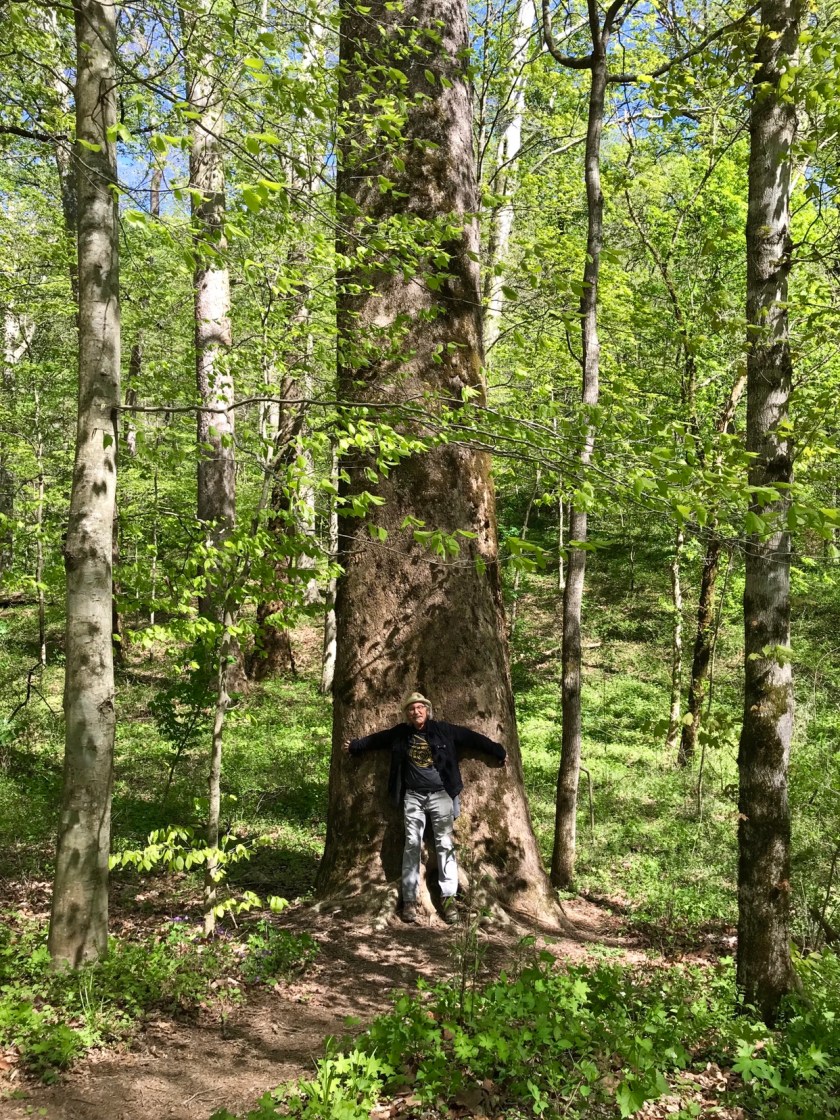
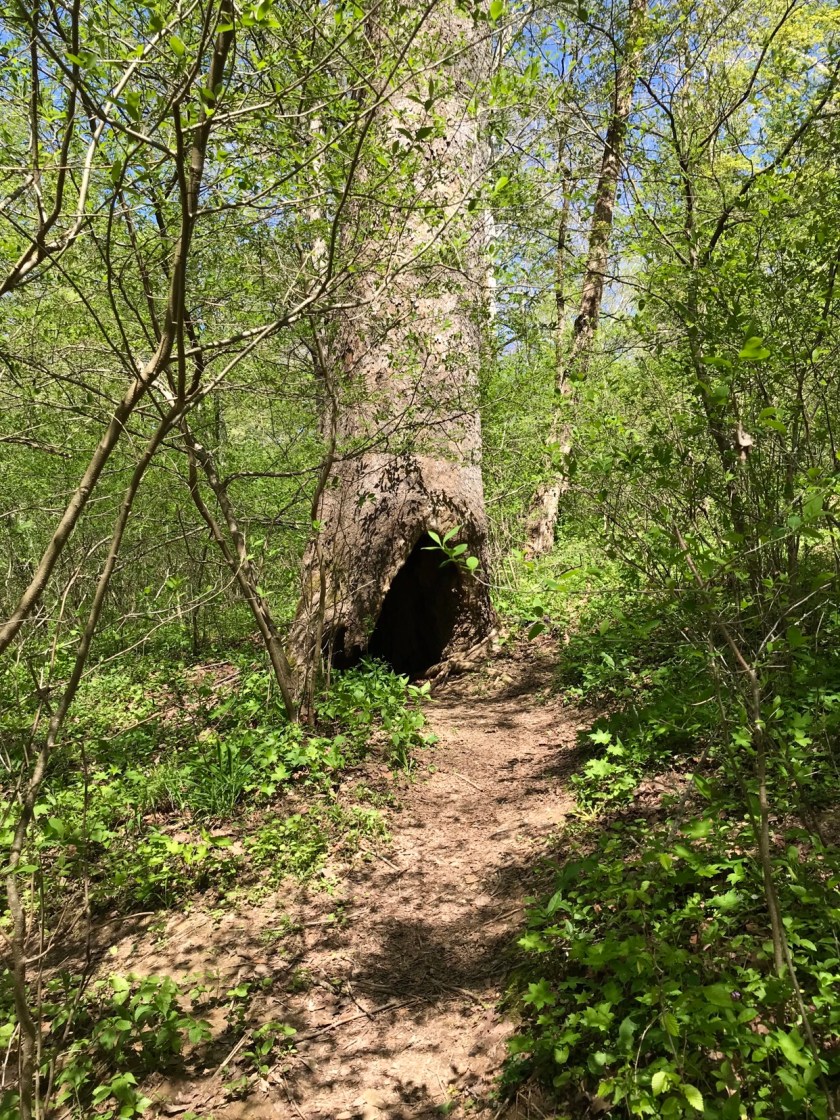
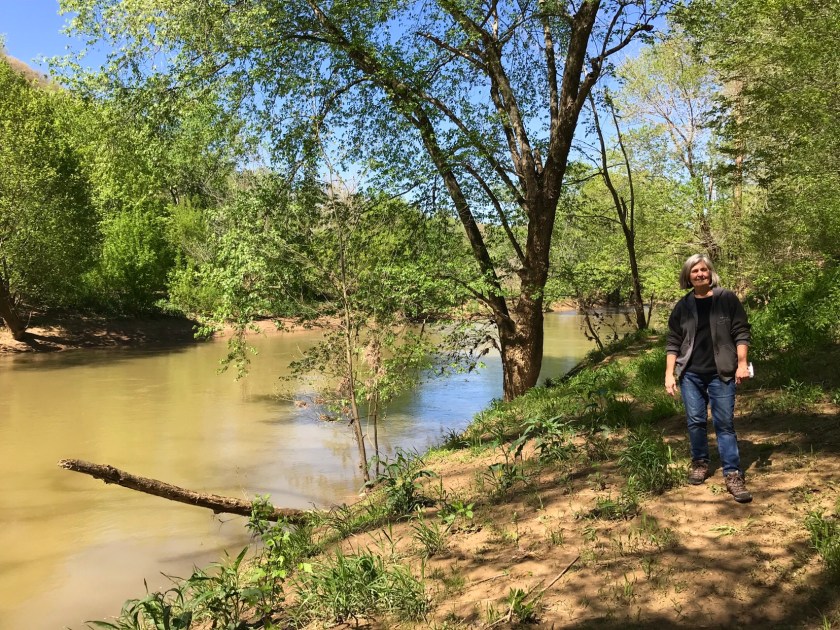
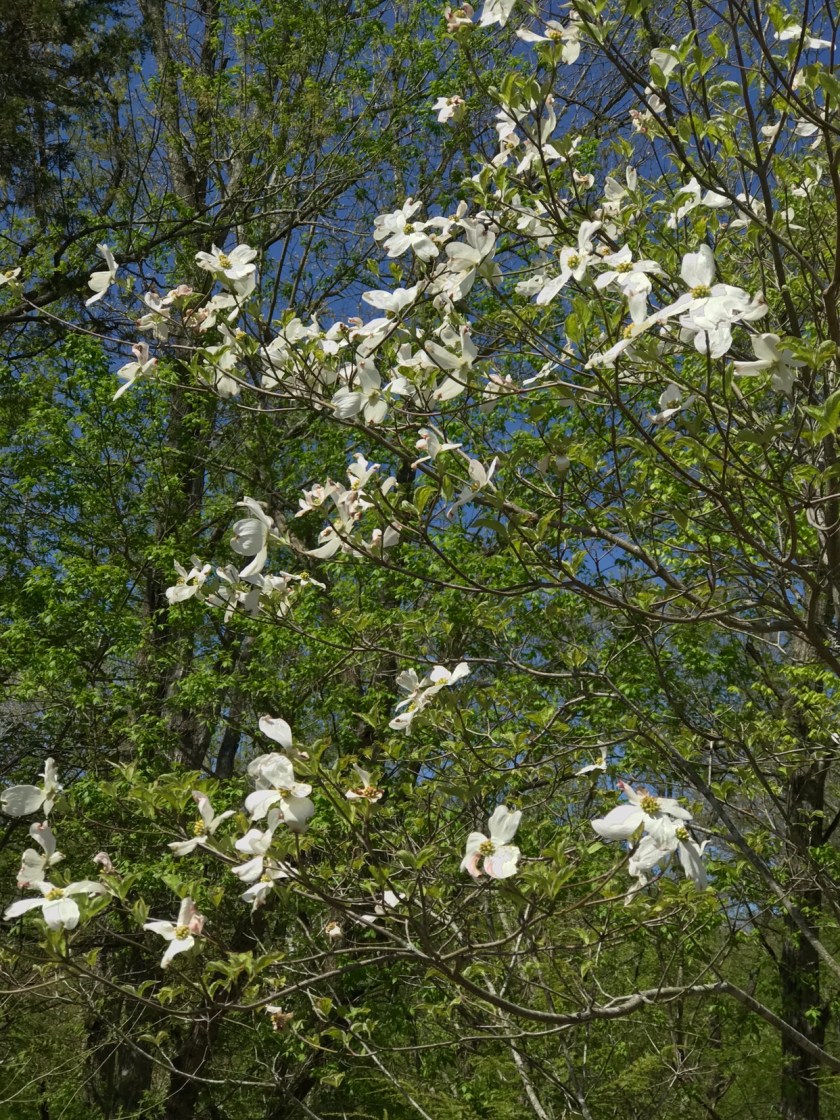
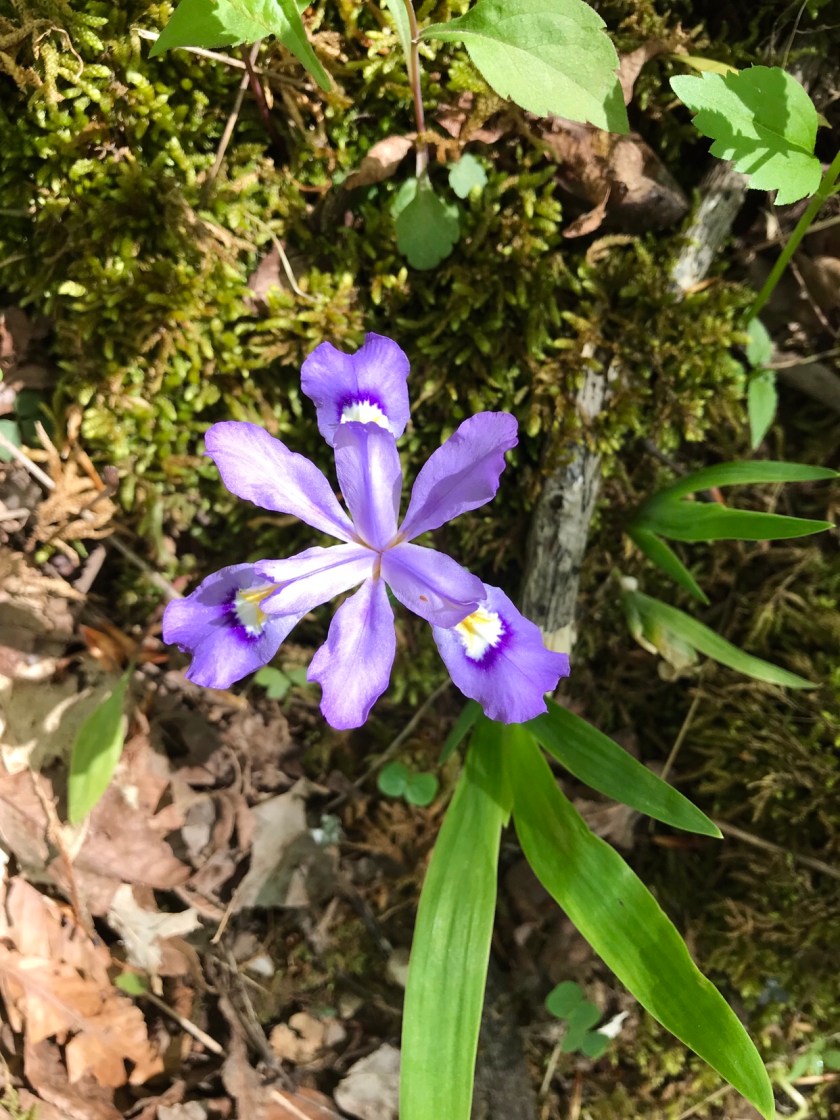
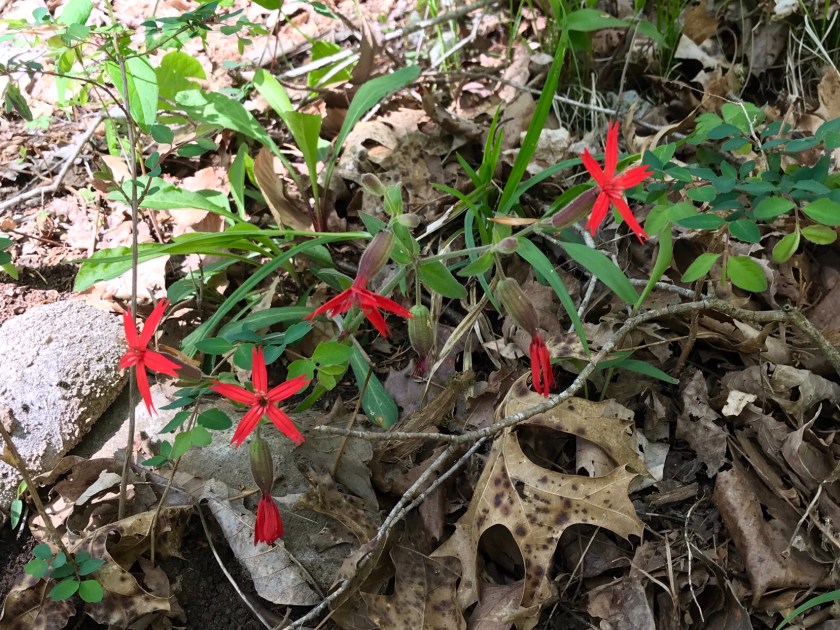
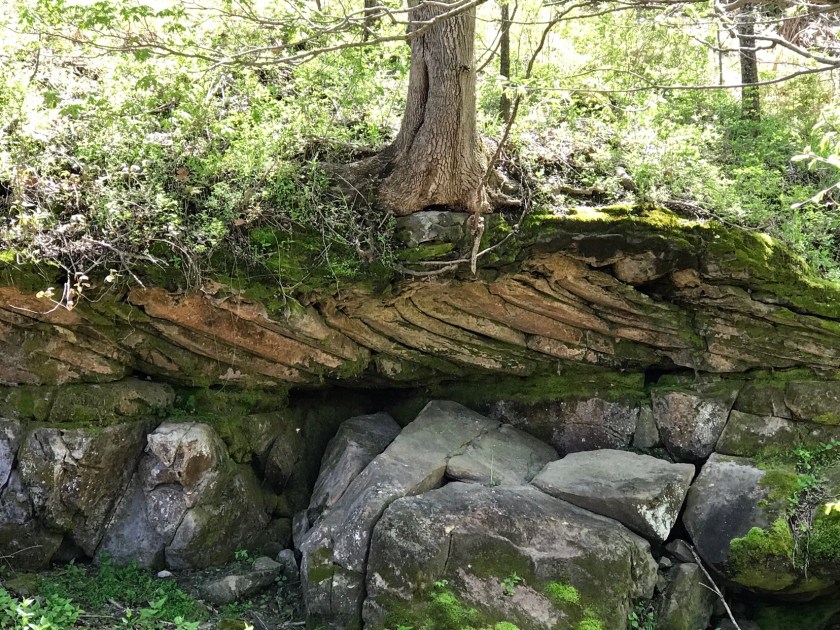 Spring was in full force in the Park.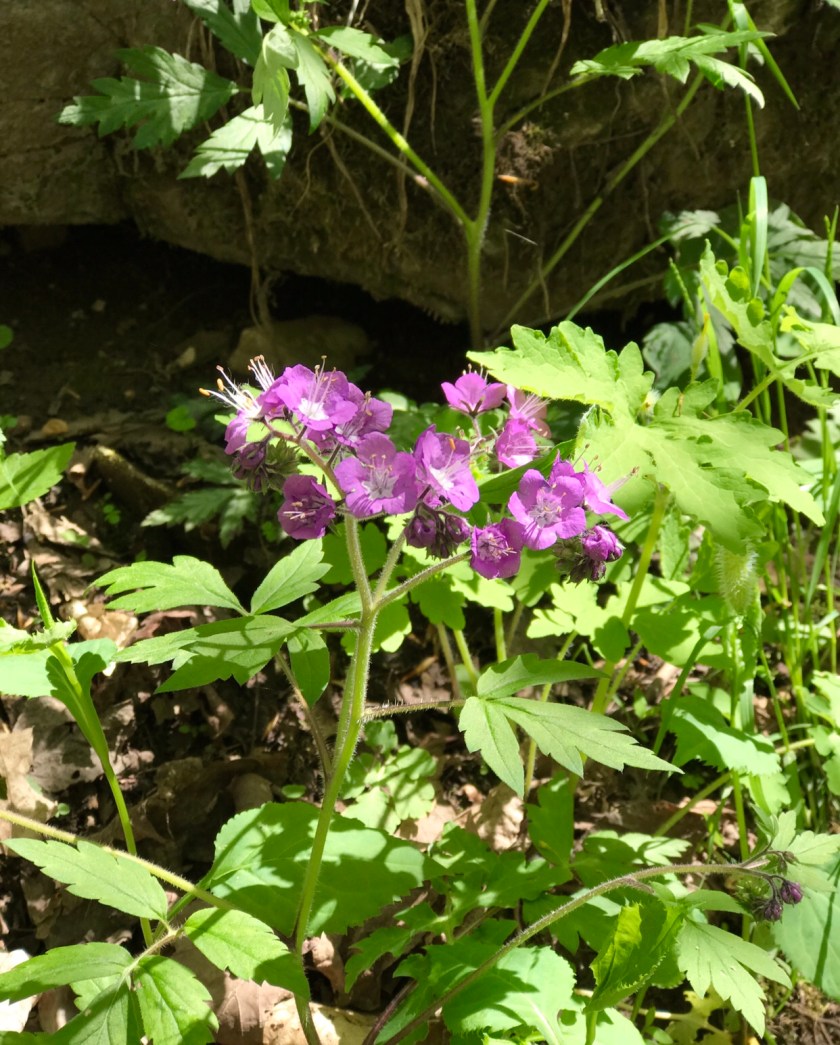
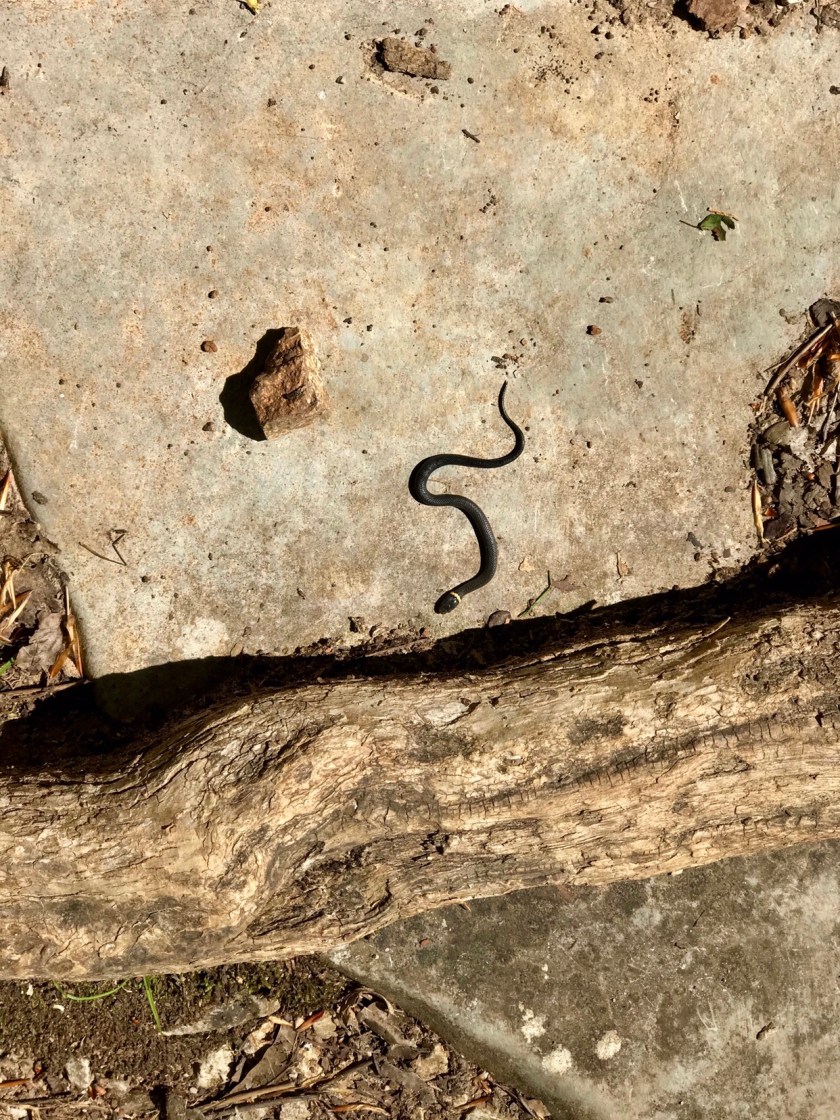
 We also saw a hatchling Ring Neck Black Snake, at about 3 inches, it is the smallest snake we’ve seen.
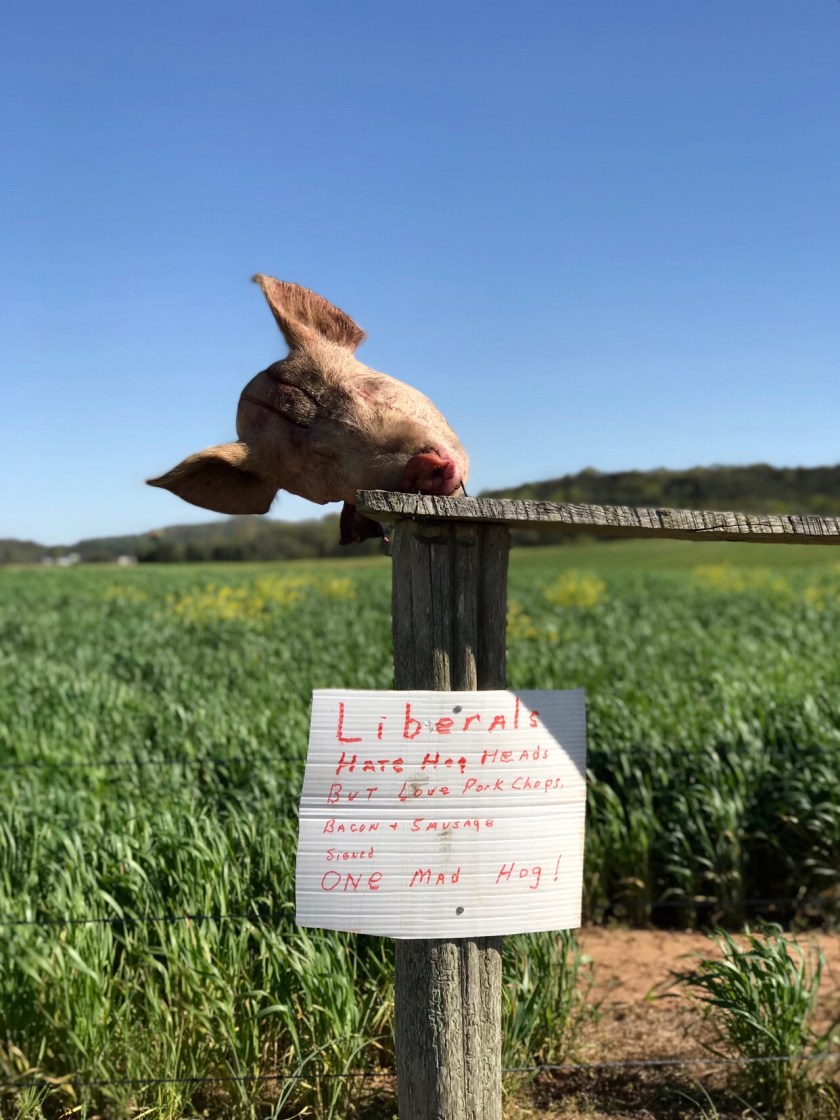
  Traveling the back roads of Kentucky you never know what you’ll see.
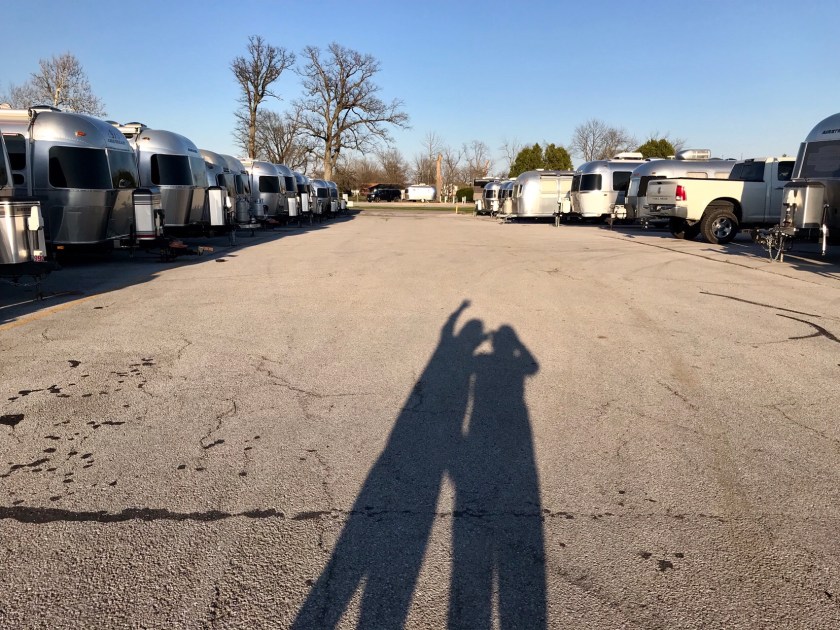
  From Kentucky we headed to central Ohio to drop the Tin Can at the Airstream Factory for some end of travels maintenance.
  From Ohio we headed west to Chicago for a week of fun and games with our granddaughter Rebekah.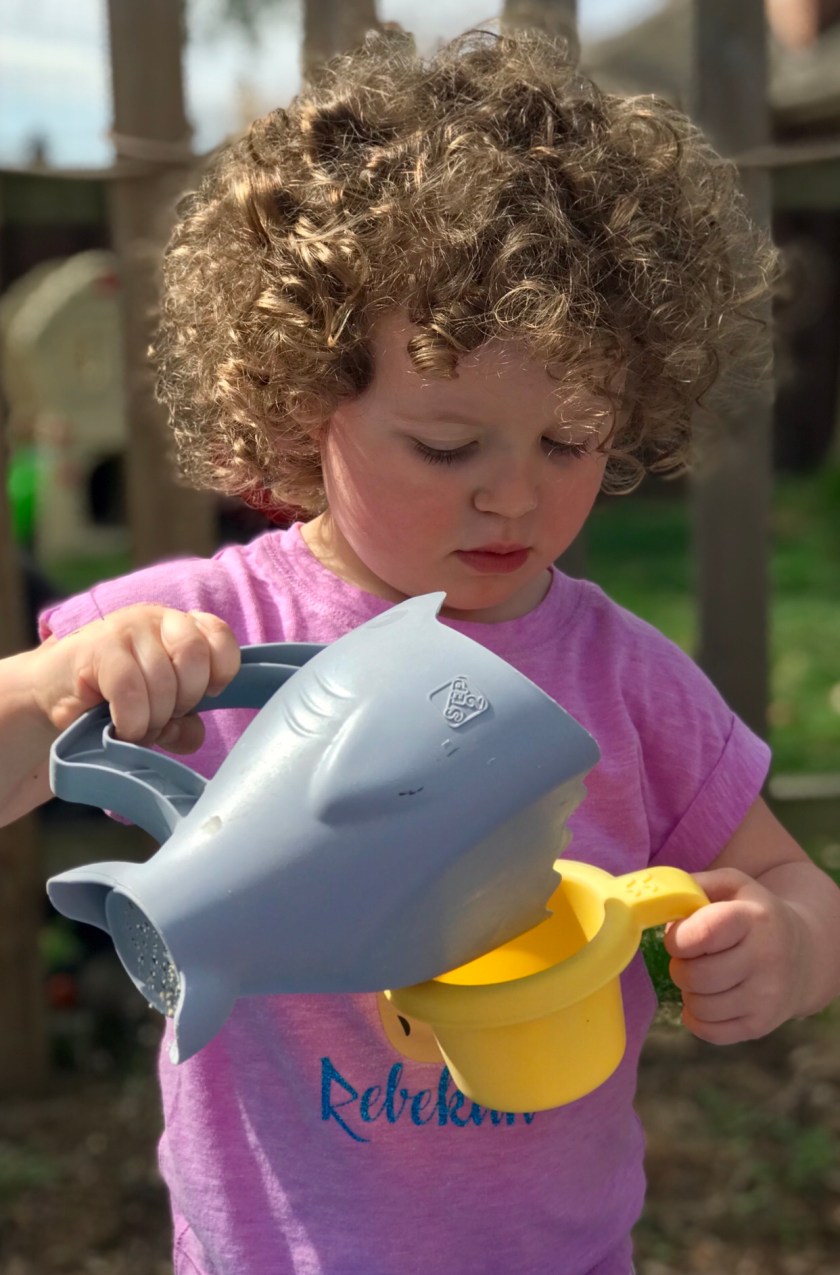

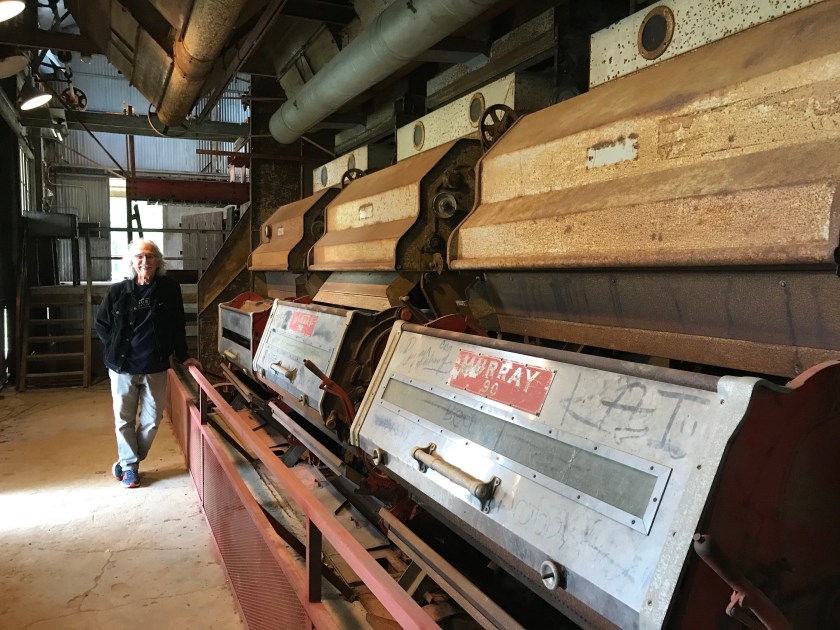 The “Gin”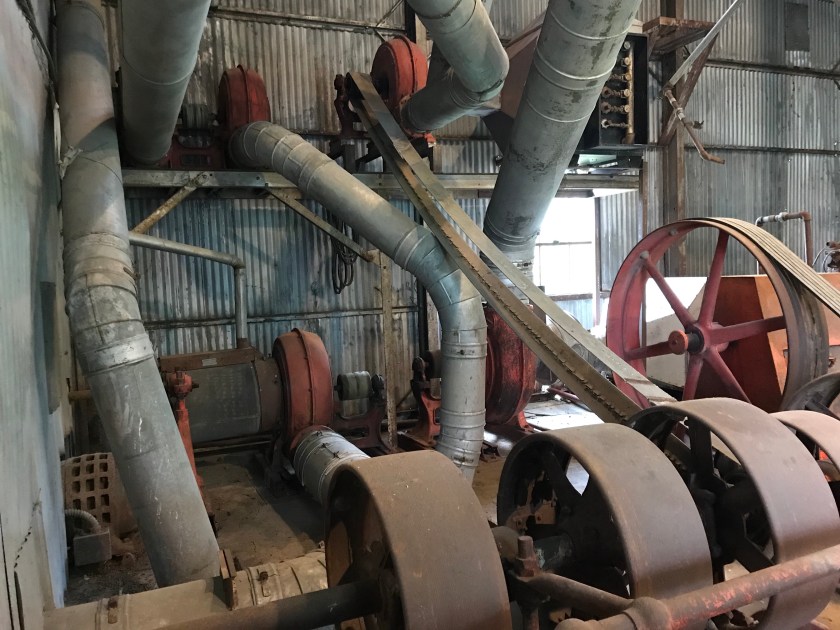
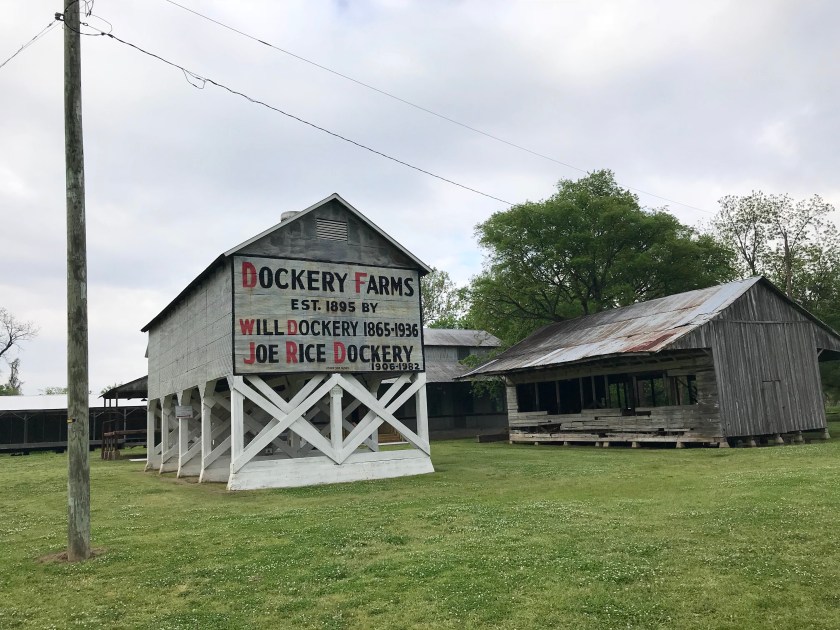
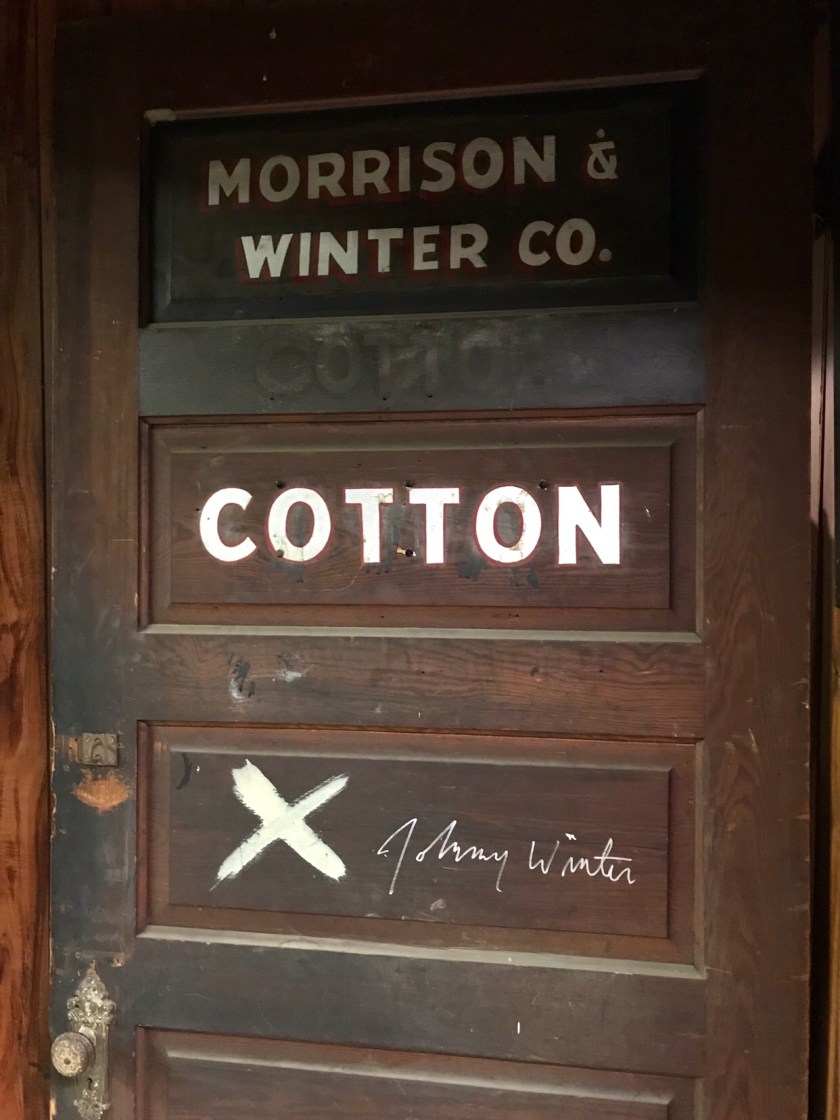
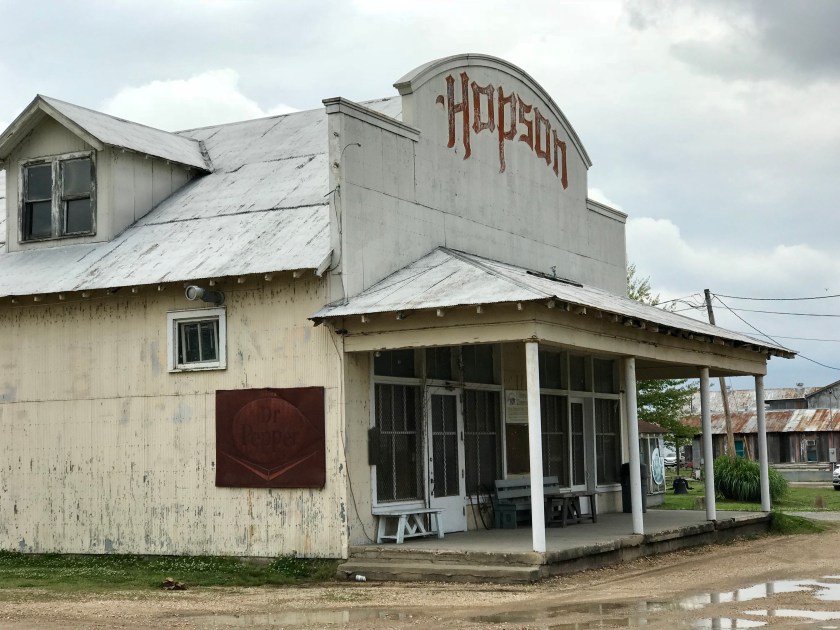 Hopson Farm was one of the first farms in the Delta to fully mechanize the planting and harvesting of cotton. Pianist Pine Top Perkins drove tractor at Hopson’s. It’s said that he taught Ike Turner to play while at Hopson. After mechanization many musicians left the Delta and made their way north.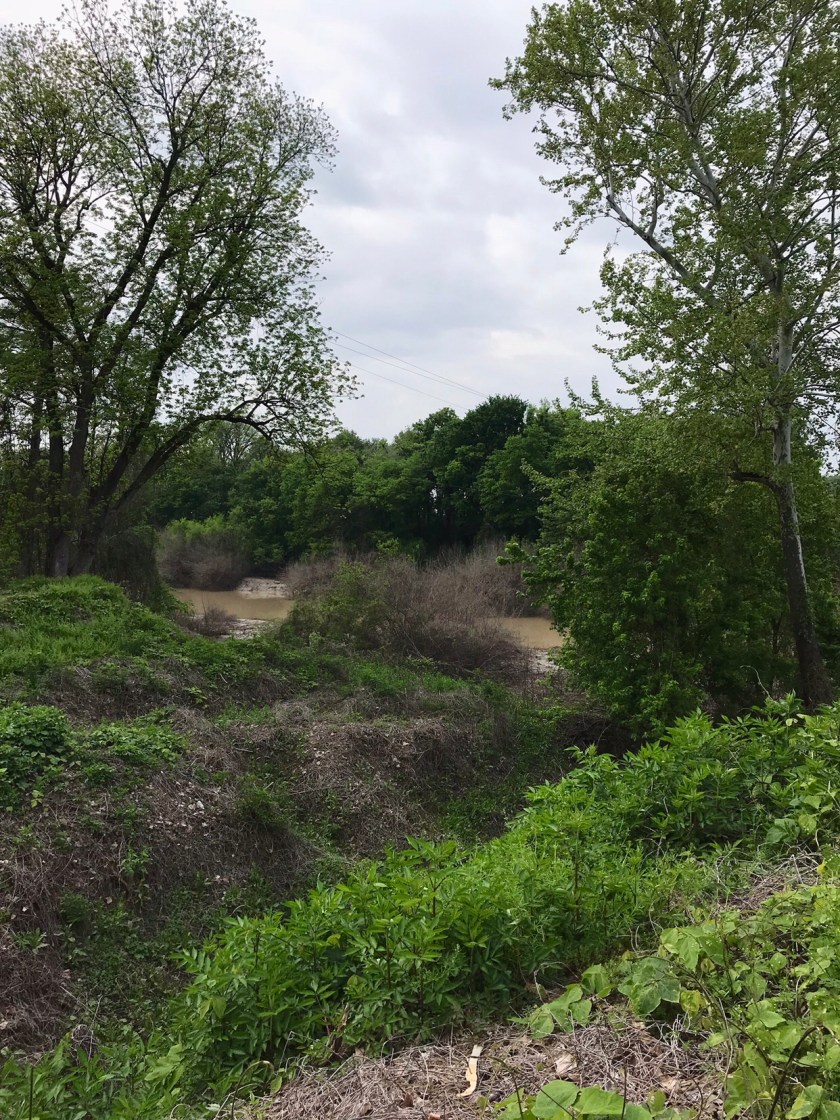

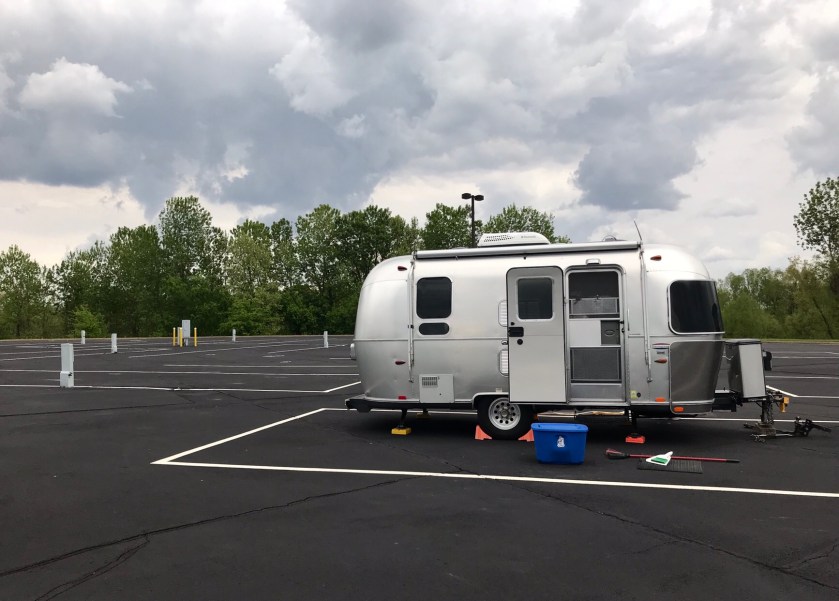
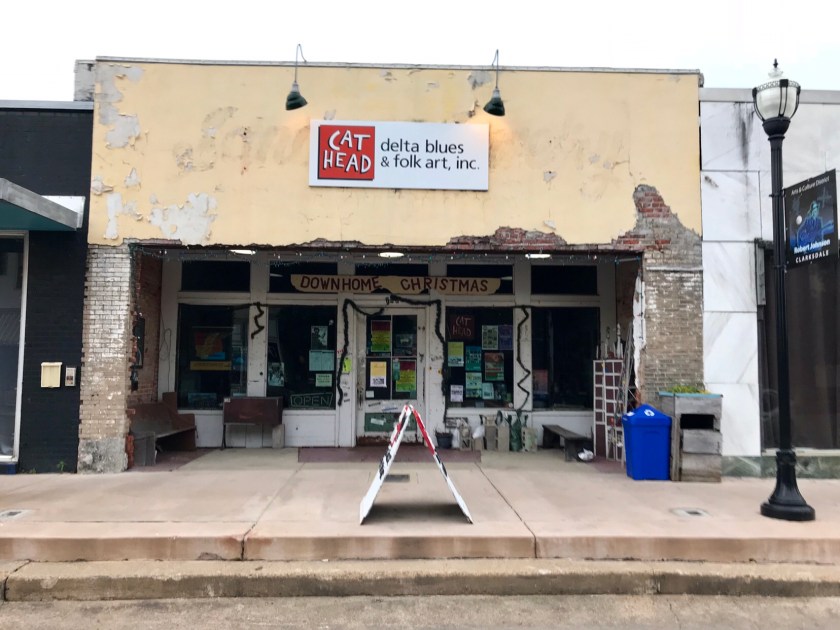 Cat Head Records and folk art shop is a hub of activity. The owner Roger Stolle works very hard with the community to promote the blues to visitors and locals alike. They sponsor a juke joint festival the second weekend in April.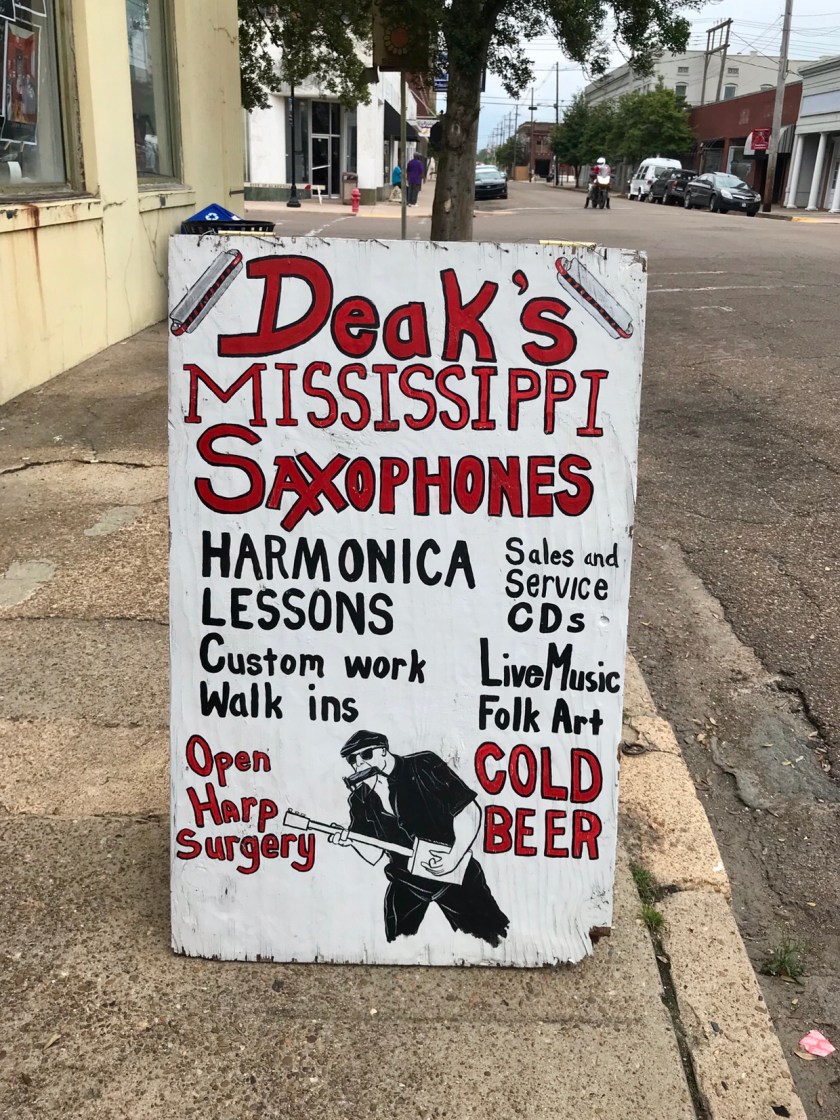

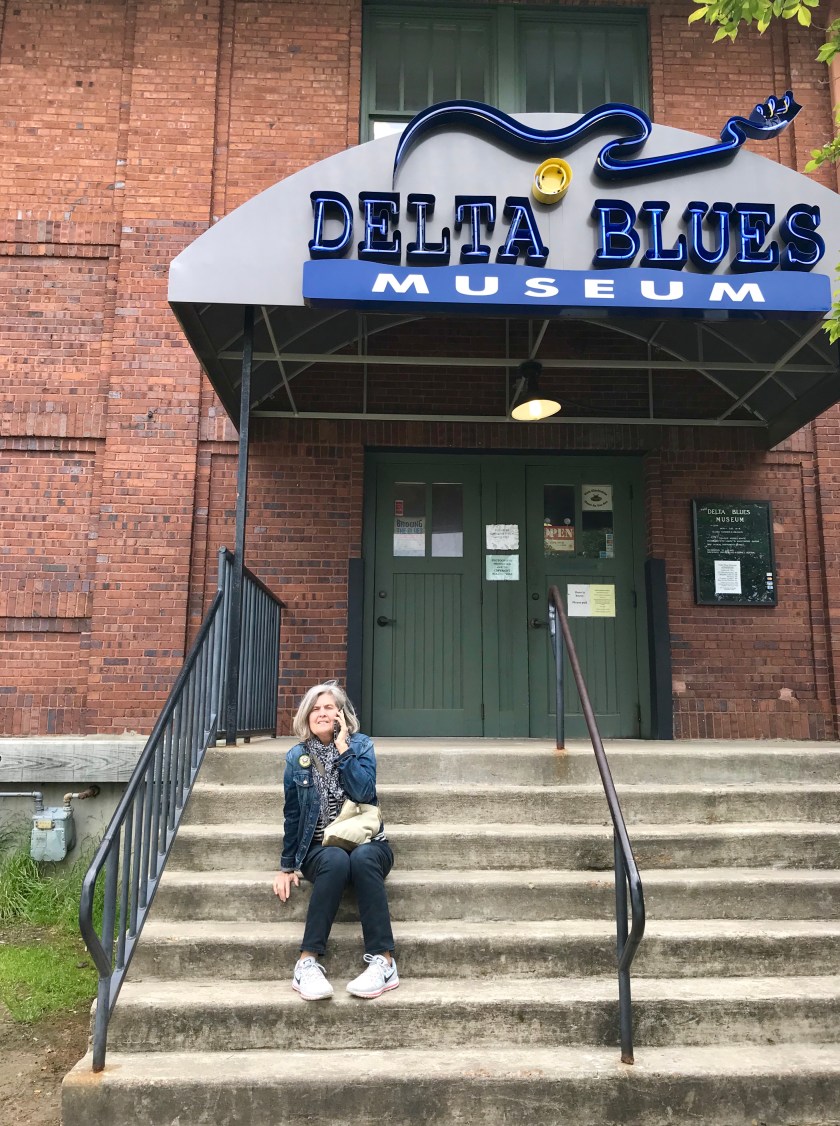
 Clarksdale boasts having the Delta Blues Museum. This has been an ongoing project that works hard to promote and preserve the collective memory of the blues.
  Sorry, no photography allowed in the museum. They were pretty adamant about it. They have a great collection of memorabilia which includes Muddy Waters shack from the Stovall Plantation. The shack was where Alan Lomax first recorded Muddy in the early 1940’s.
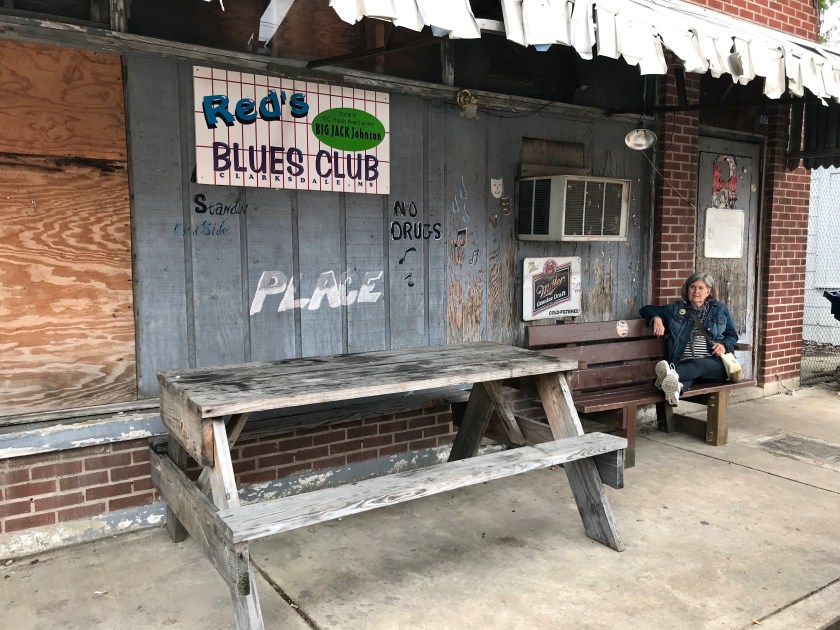
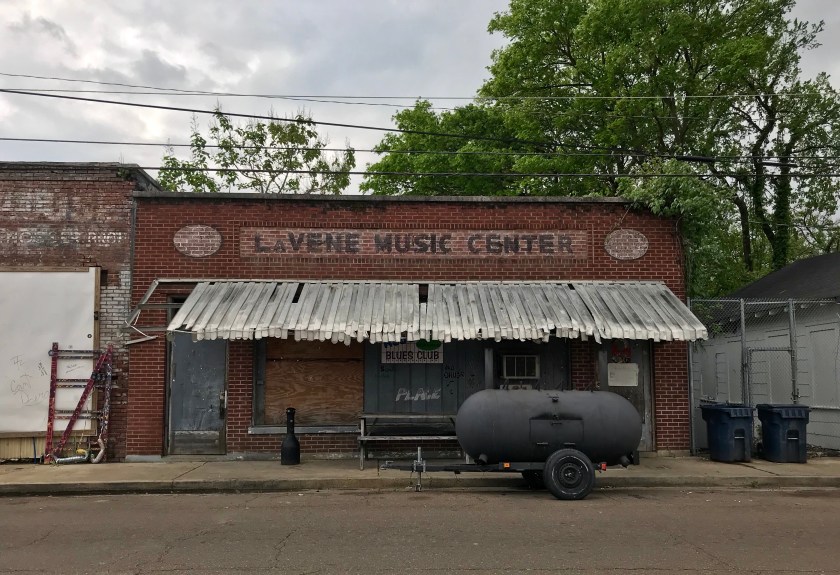 No trip to Clarksdale is complete with out a trip to a juke joint. We chose Red’s Lounge to listen to Anthony “Big A” Sherrod and Allstars.
 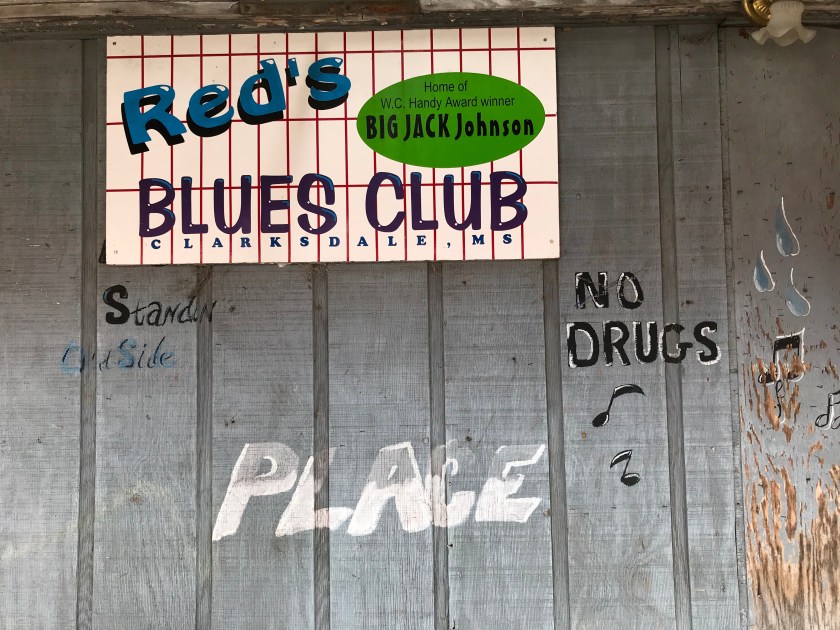 Red’s can hold maybe fifty people and it was packed the night we where there. The patrons were a mix of locals and out of town folks. The band was excellent.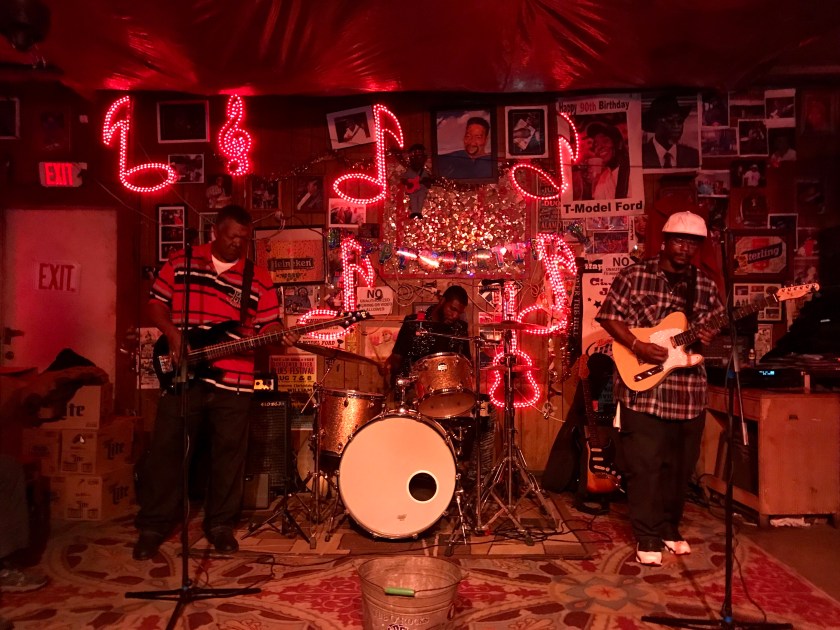
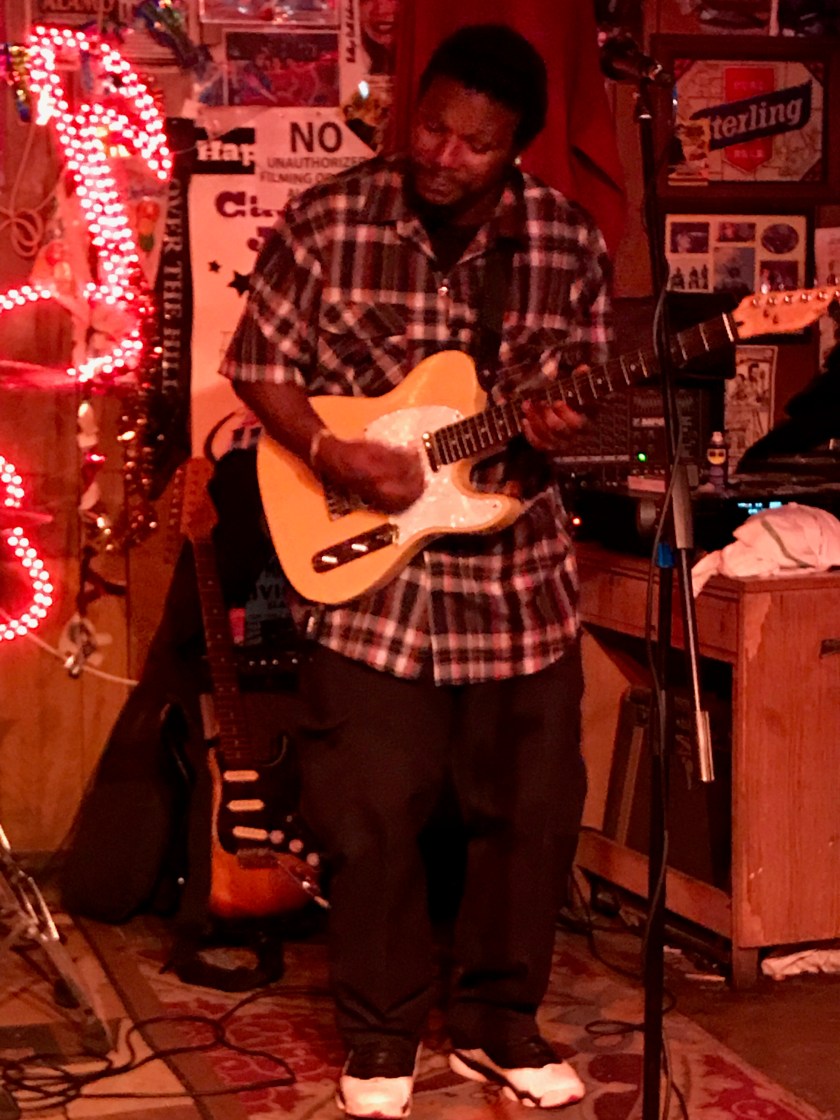
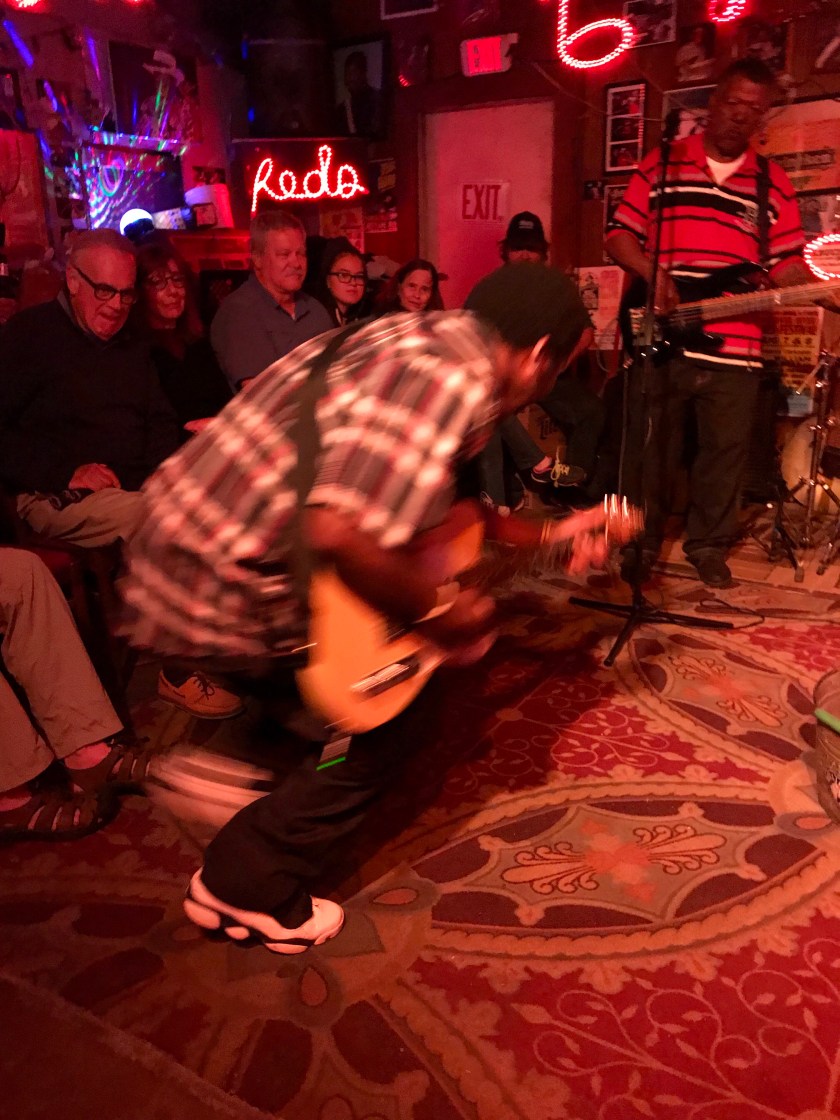 It was a fun evening.
 While the Delta area is still mired in poverty, there are lots of entrepreneurs looking to improve the quality of life. There is an after school arts program and coffee roaster that employs local young people and decorates the town with art. New and old restaurants share the clientele that the Blues Trail promotions have brought.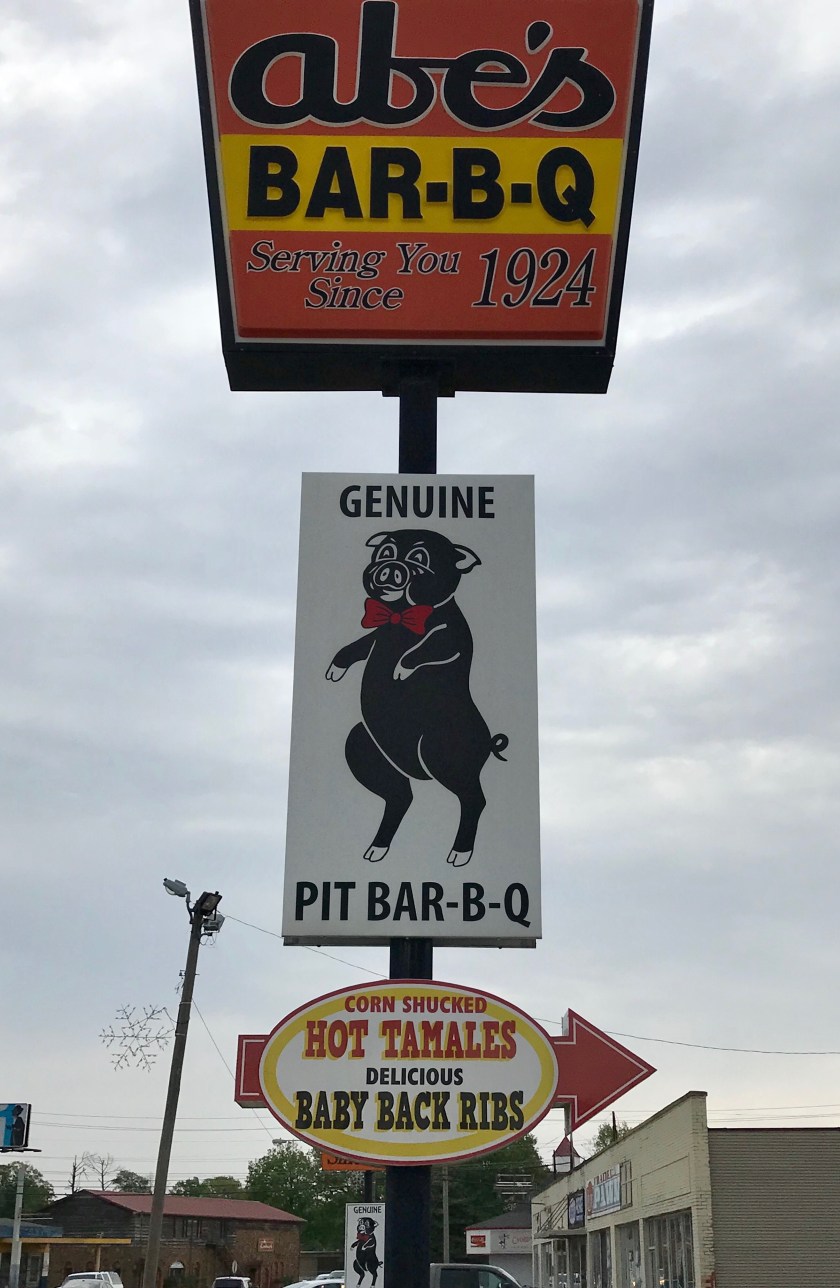
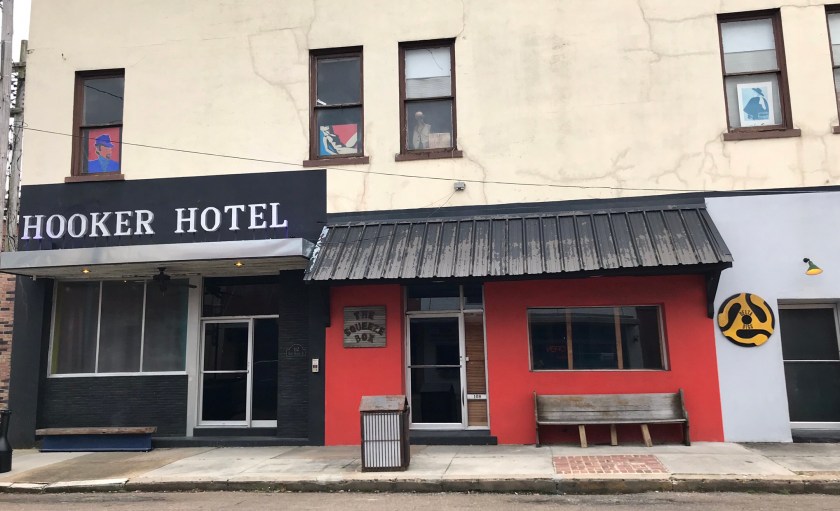
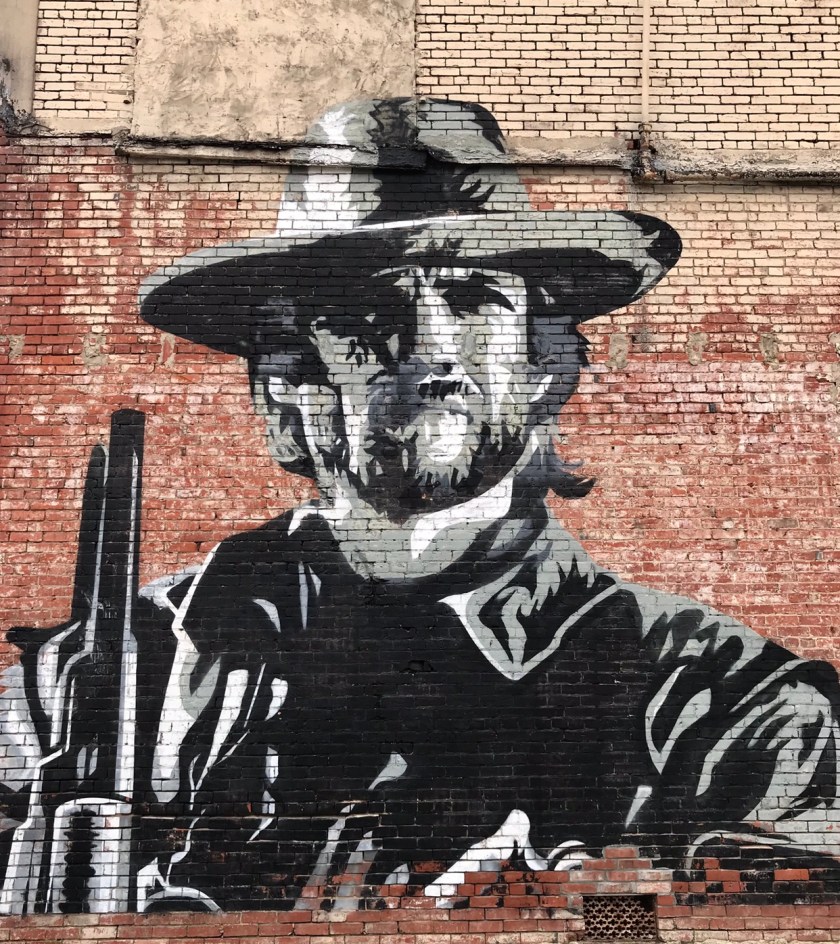 And of course–
 just outside of town — the Crossroads
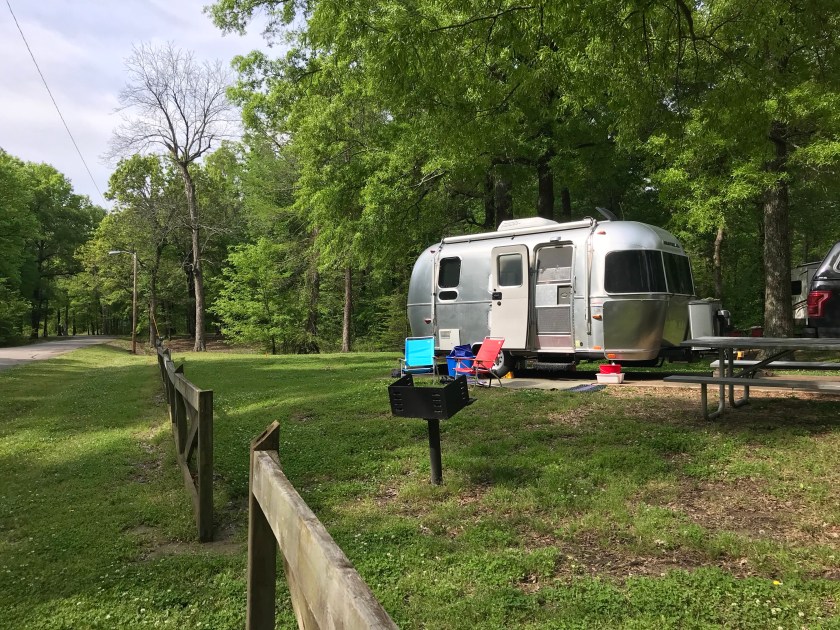 This small park put us in position to explore the towns of Greenville, Indianola, Leland, Greenwood and in striking distance of Robert Johnson’s grave.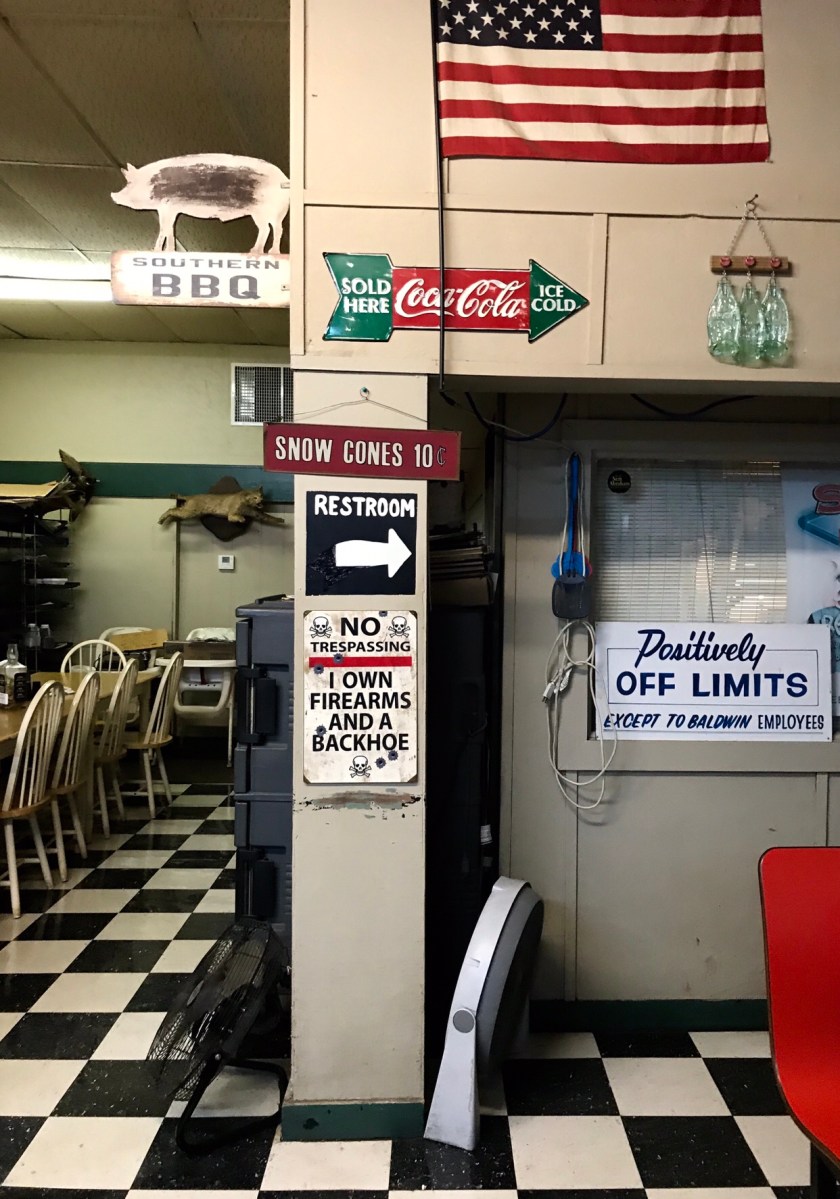
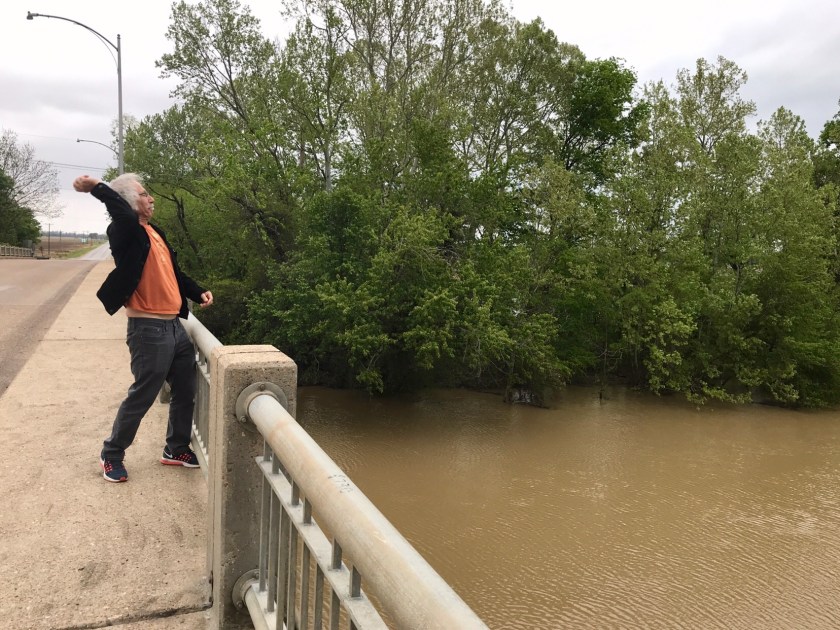
 And we saw this guy throwing something off the bridge.
  We found Money Road and Little Zion Church where Robert Johnson’s grave was located. Well, it’s actually one of three graves purported to be his final resting place. The research we did led us to believe that this site was the most likely grave site.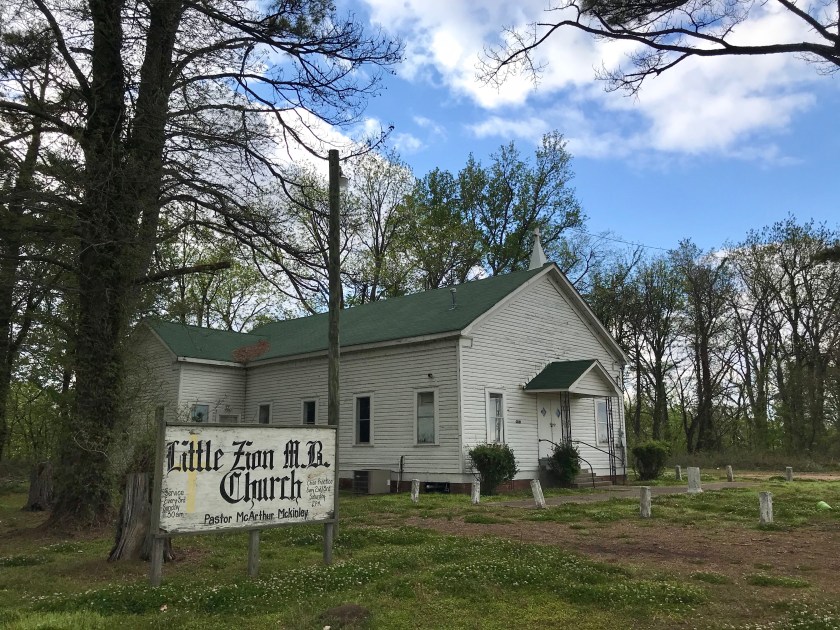
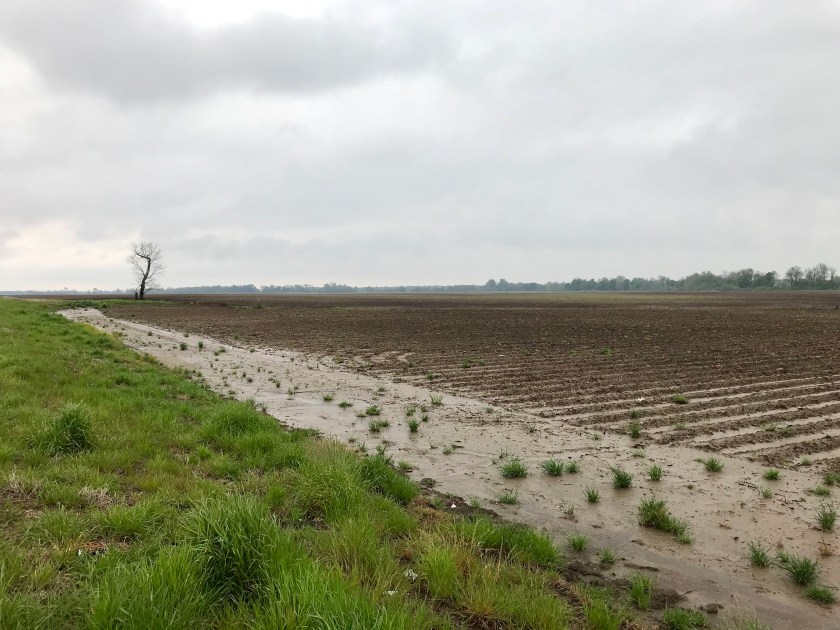
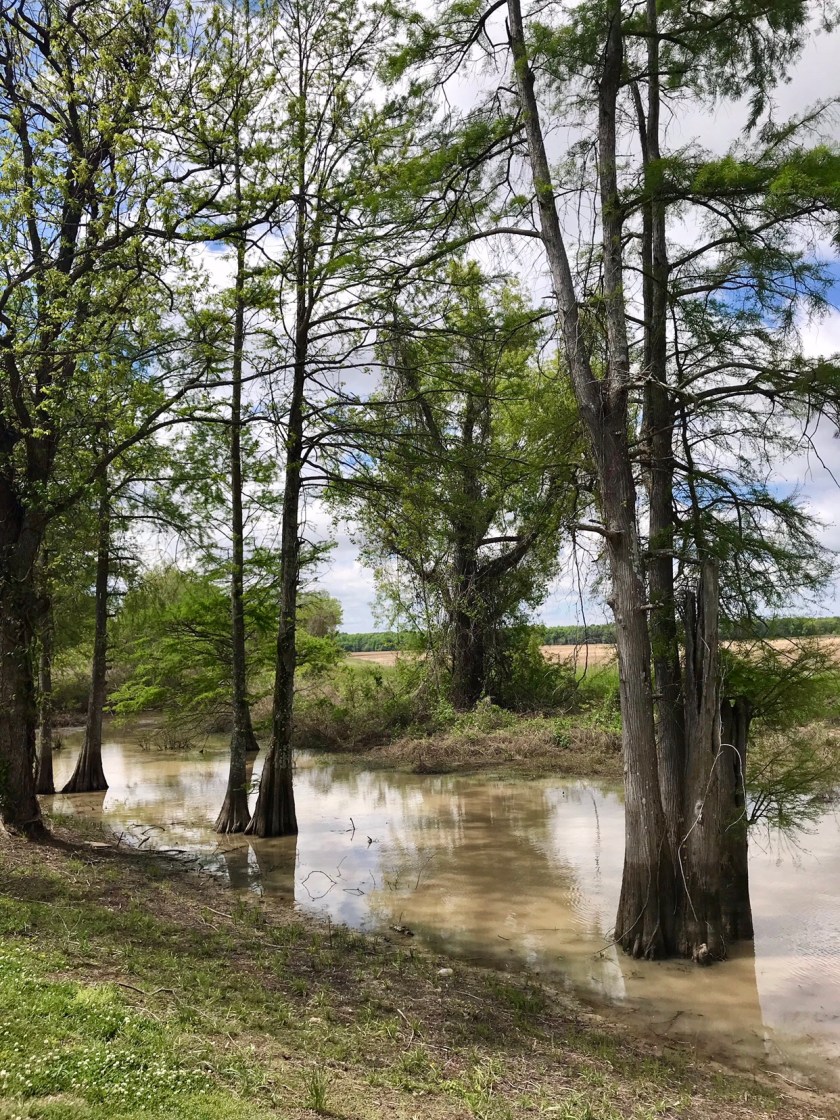
 We had never been to the Delta before. This area is the ancient floodplain of the Mississippi and Yazoo Rivers. It’s mile after mile of vast cultivated fields.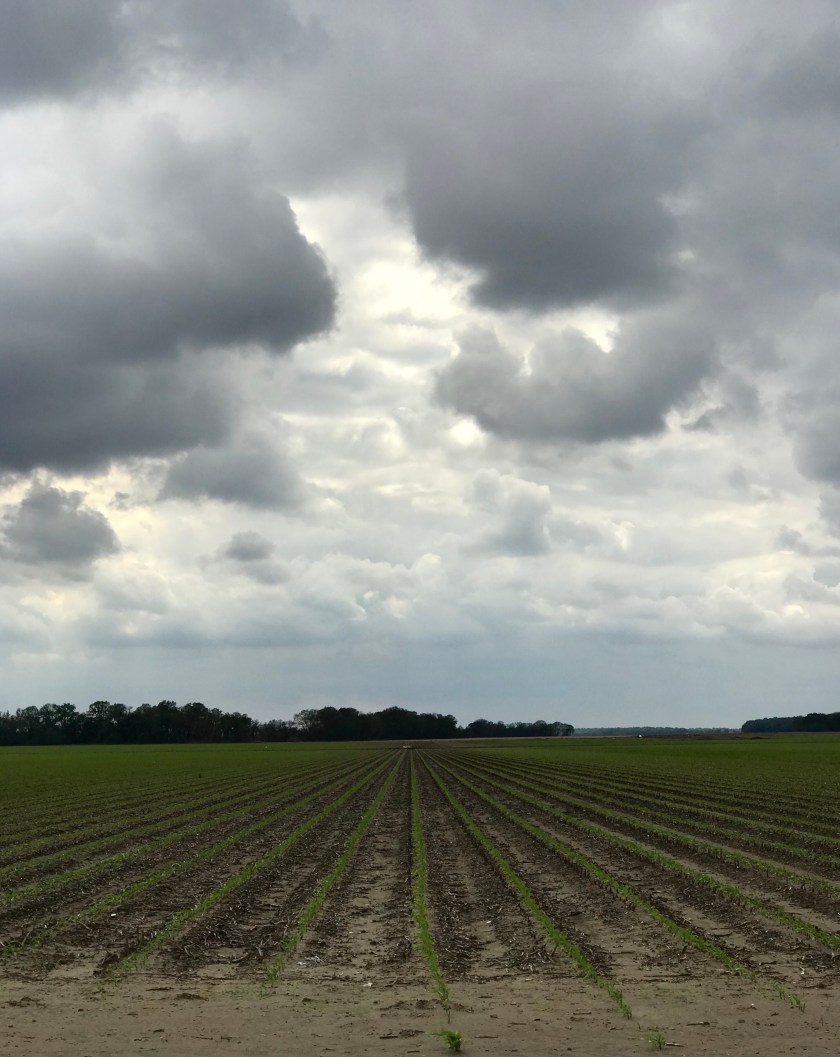
 Further on down the road we found the remains of Bryant’s Grocery. This is the infamous location where Emmett Till had his fatal encounter. The original doors have been removed and are on display @ the Civil Rights Museum in Jackson.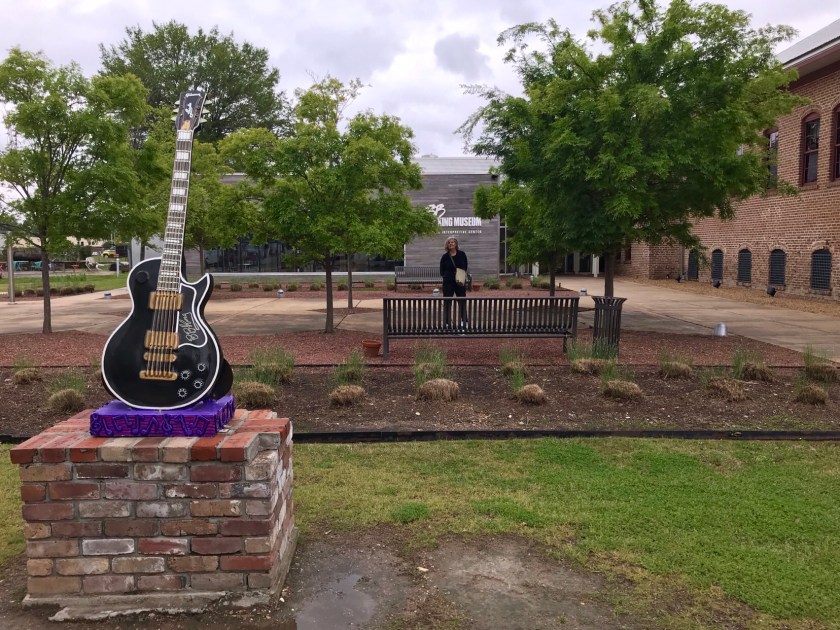

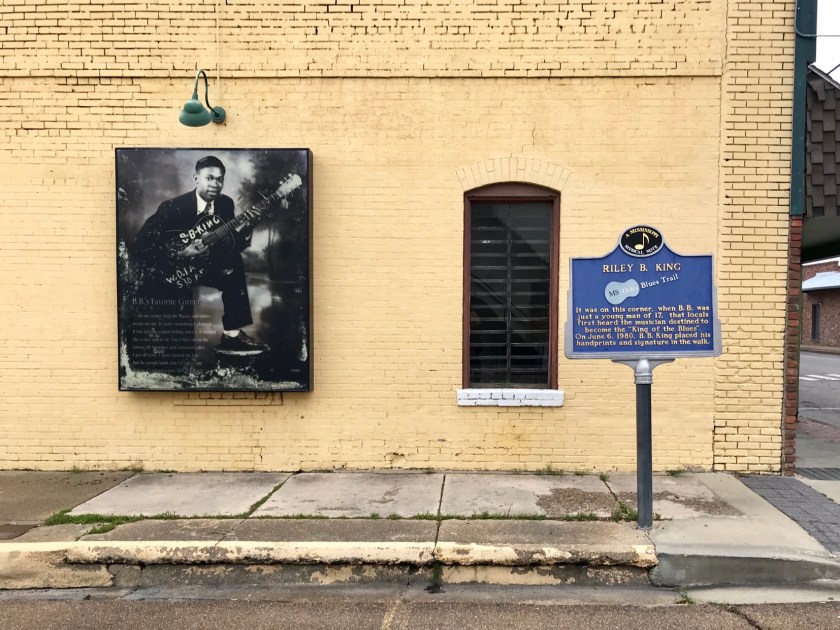 This is the corner where a 17 year old Riley B. King would play for tips on Saturday nights.
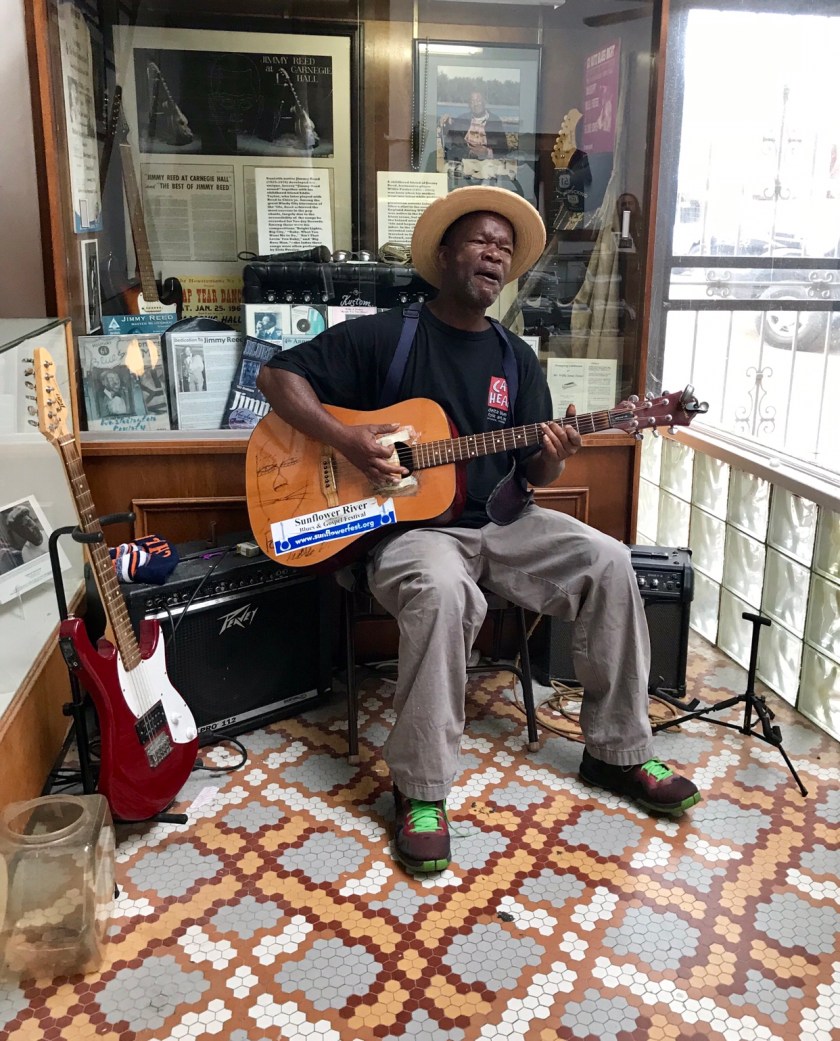 We spent an enjoyable hour listening to him play and tell stories.
 We left Leland and went in search of one of the more well known Juke Joints in the area, Poor Monkey Lounge. The proprietor passed away three years ago but was legendary for making sure the good times rolled.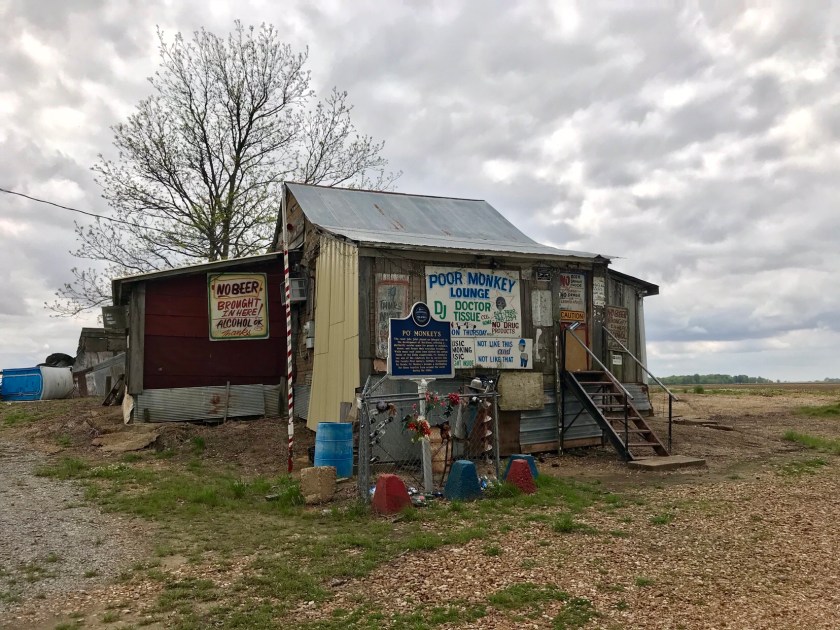
 After a few days we moved up the Delta in search of the Crossroads. Perhaps a deal can be made.
 The museum is a comprehensive look at race relations in Mississippi with a focus on the 20th century. We were impressed with the honest telling of this history, no whitewash here. The museum is set up with a central hub with exhibit halls radiating from it.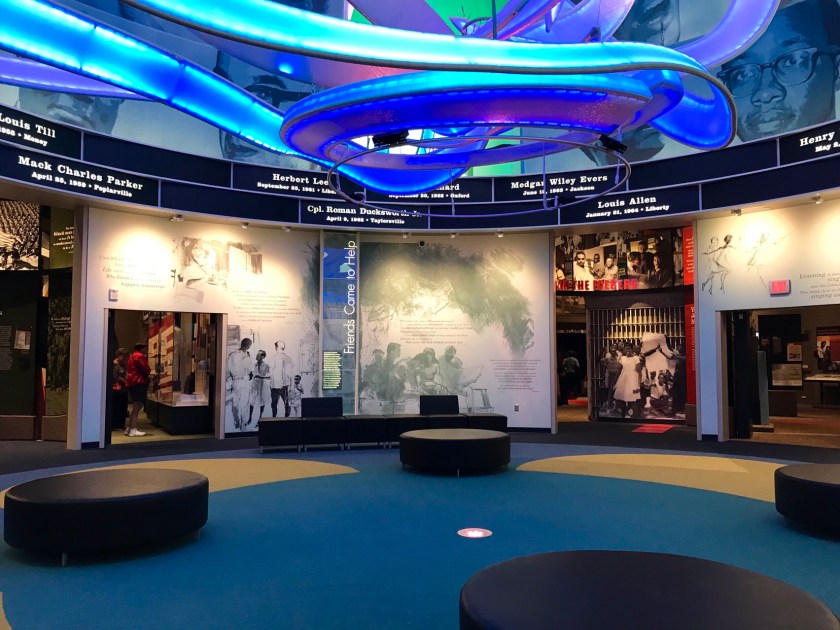
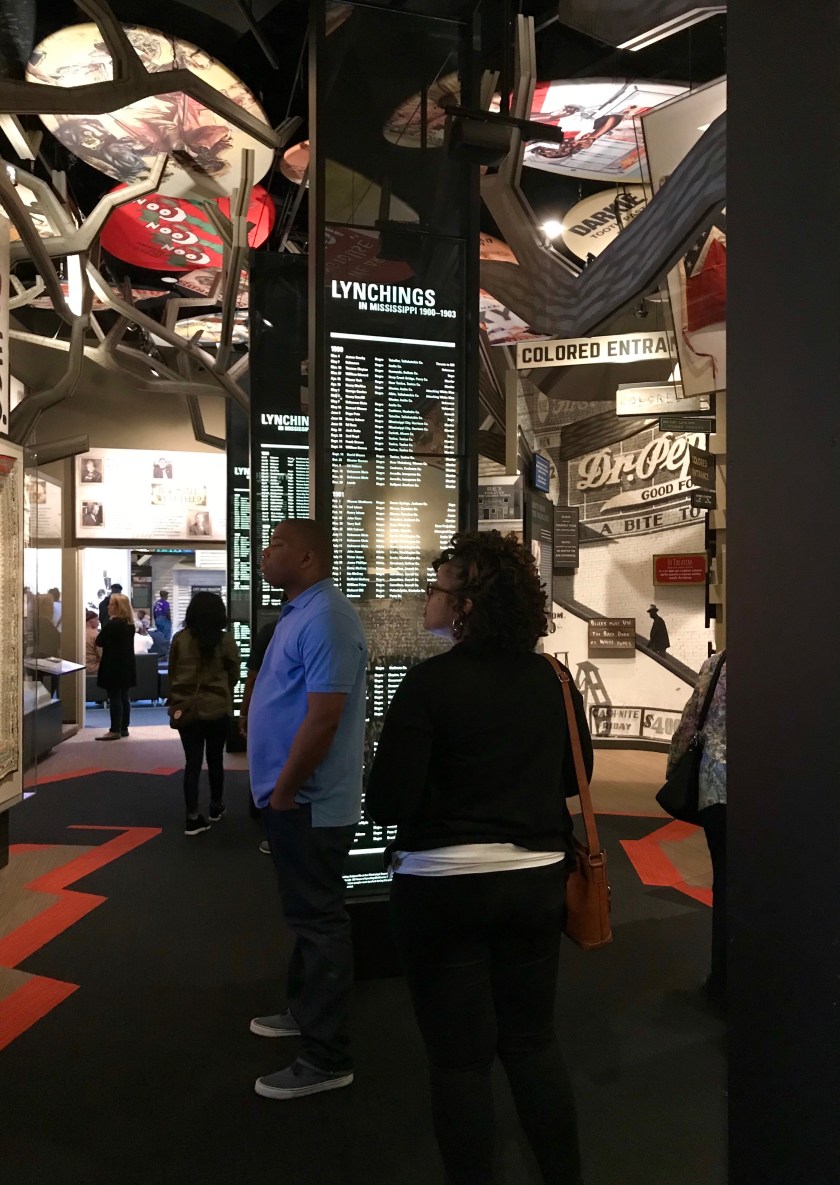
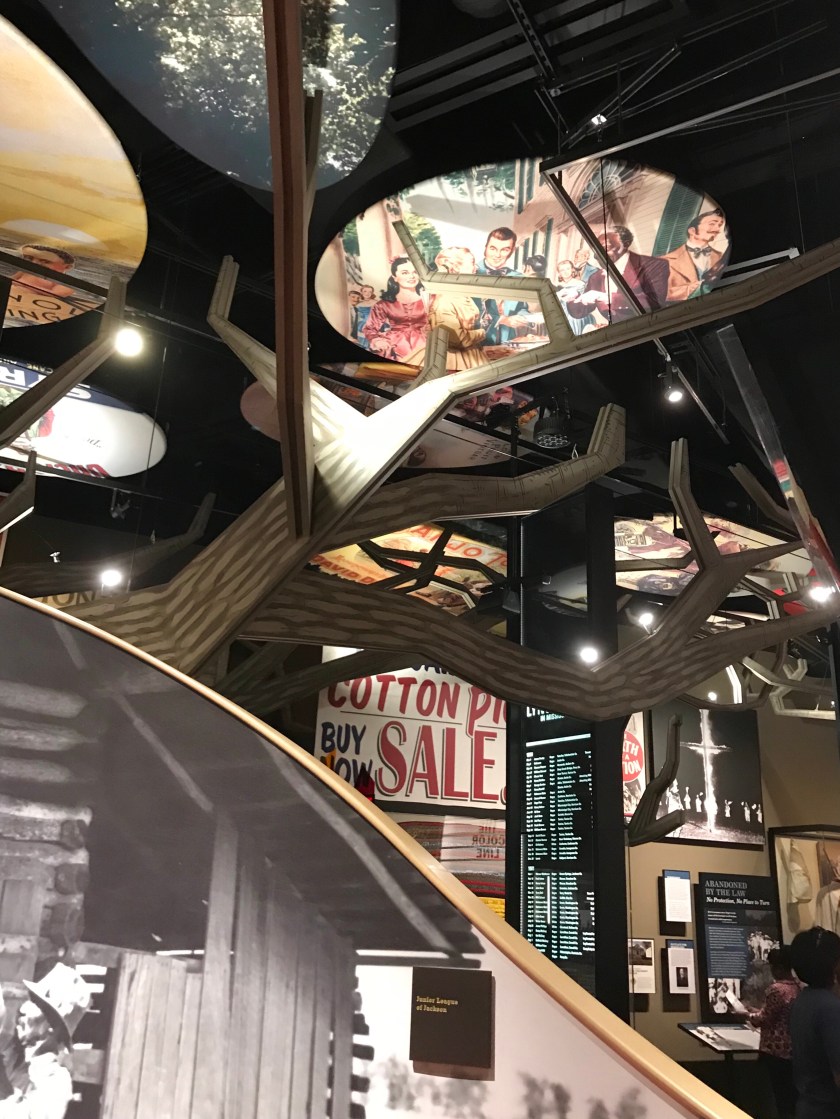
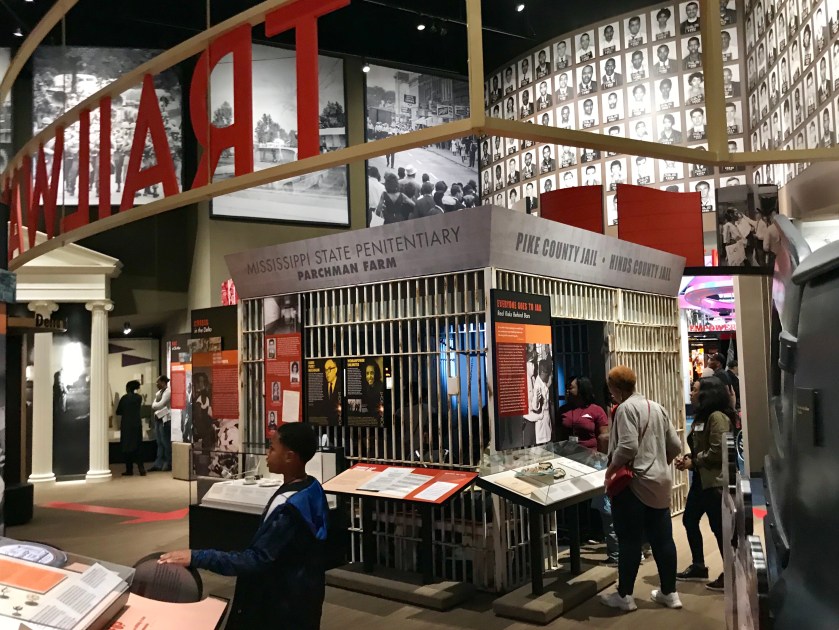
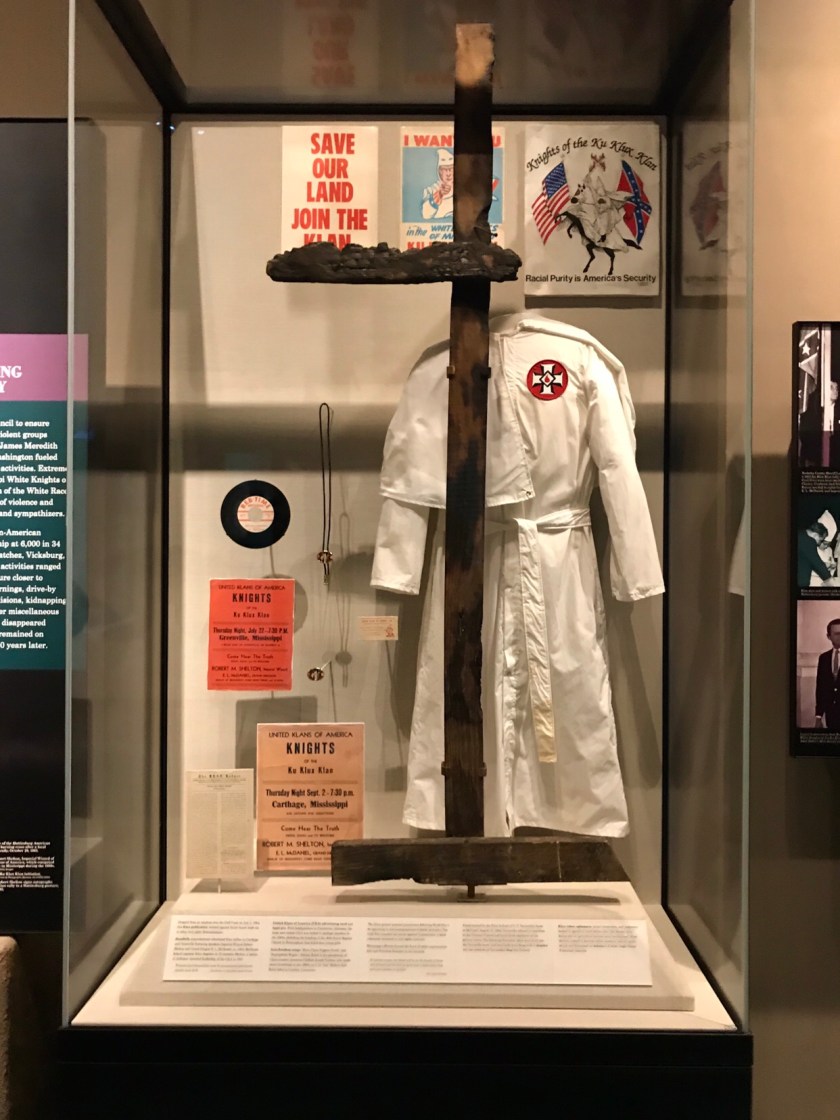 It felt like the museum was making an attempt to validate the experiences of Black Mississippians while starting a healing process in Mississippi. Certainly Mississippi as well as the rest of the country have a long way to go but this museum is a positive step. We had the opportunity to meet and speak with a Jackson native who was arrested when the Freedom Riders rolled into Jackson. He was thirteen and was held on death row at Parchment Farm. No bitterness or hate, he was just grateful to be alive and still able struggle against racism.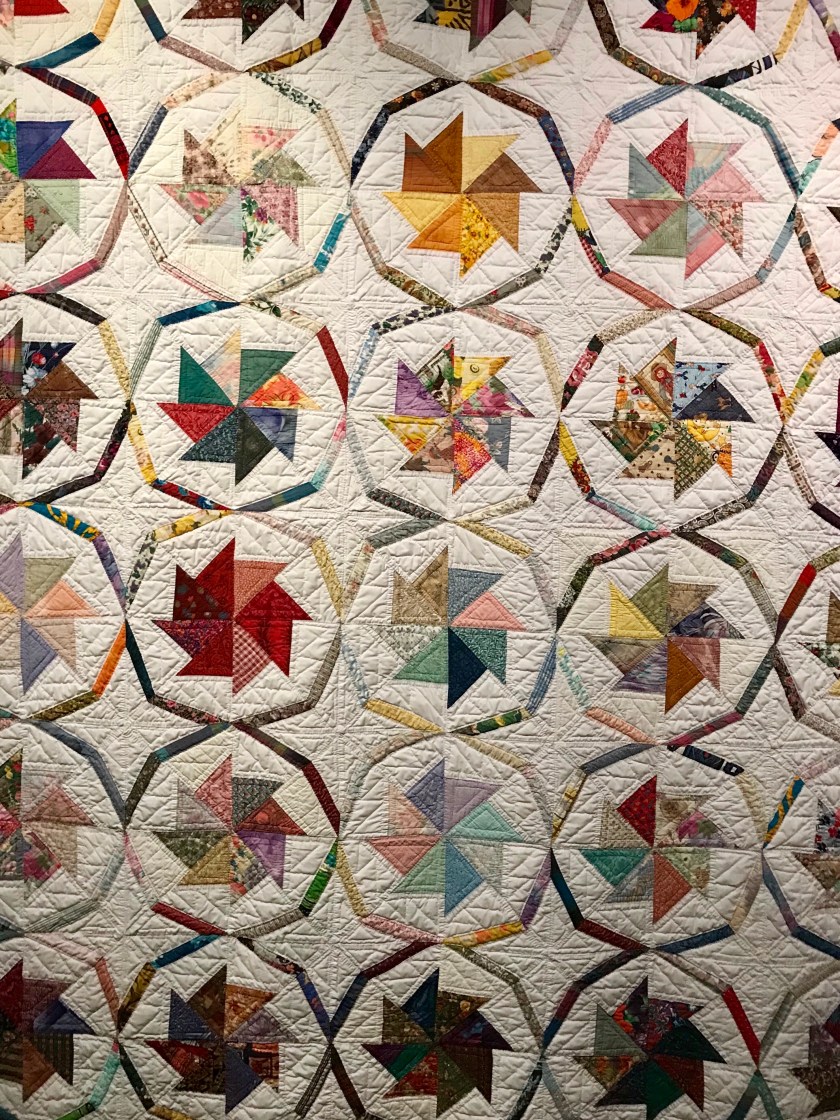
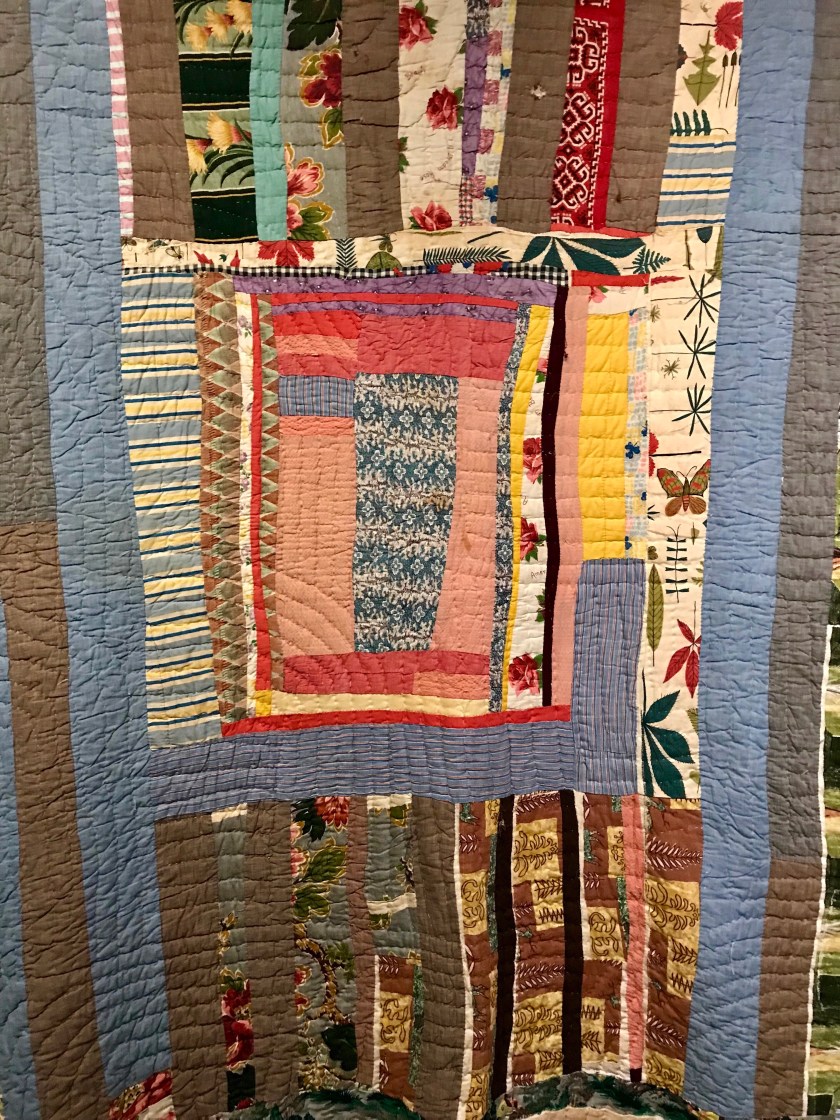 The Civil Rights Museum is right next to the Mississippi State History Museum. It takes a few hours to get through the Civil Rights Museum. We took a break from that and went into a display of quilts made in Mississippi. The exhibit was called “Stories Unfolded”. Those stories went from the early 1800’s to the present.
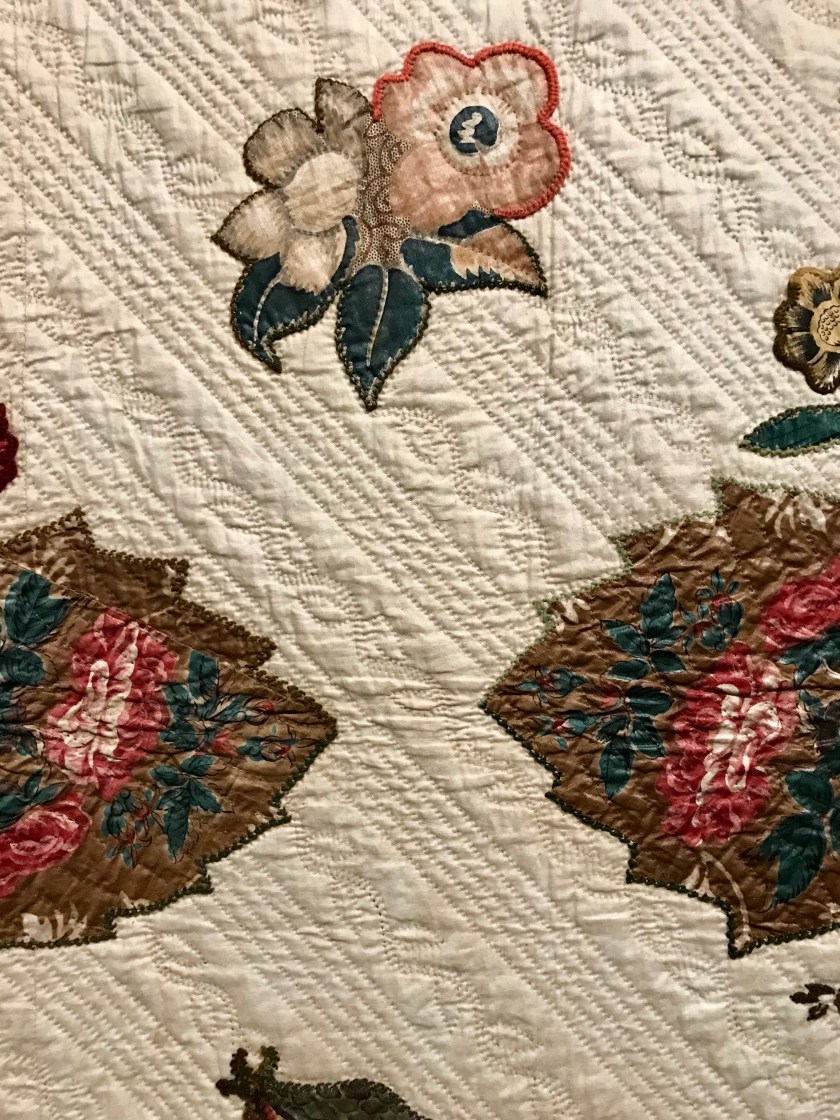
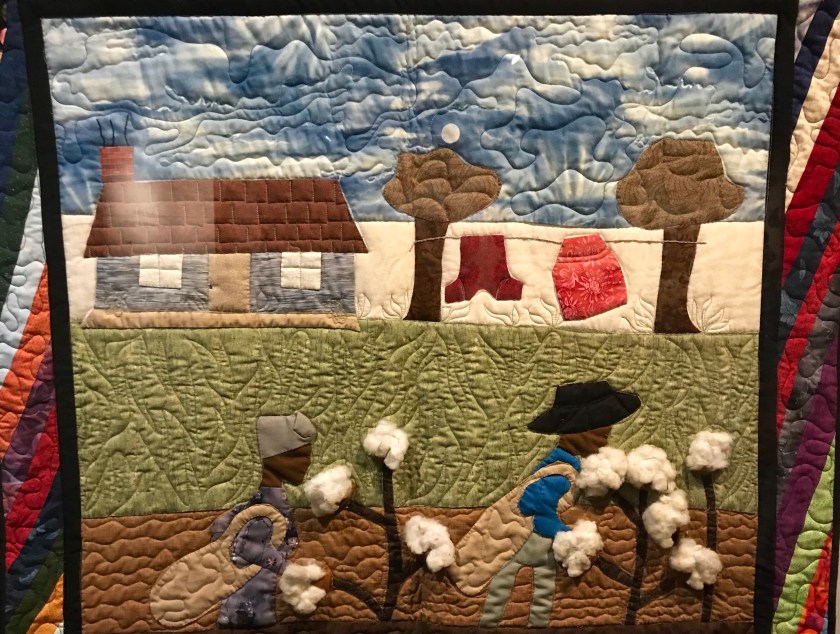 Most of the quilts were hand quilted. Amazing detail work.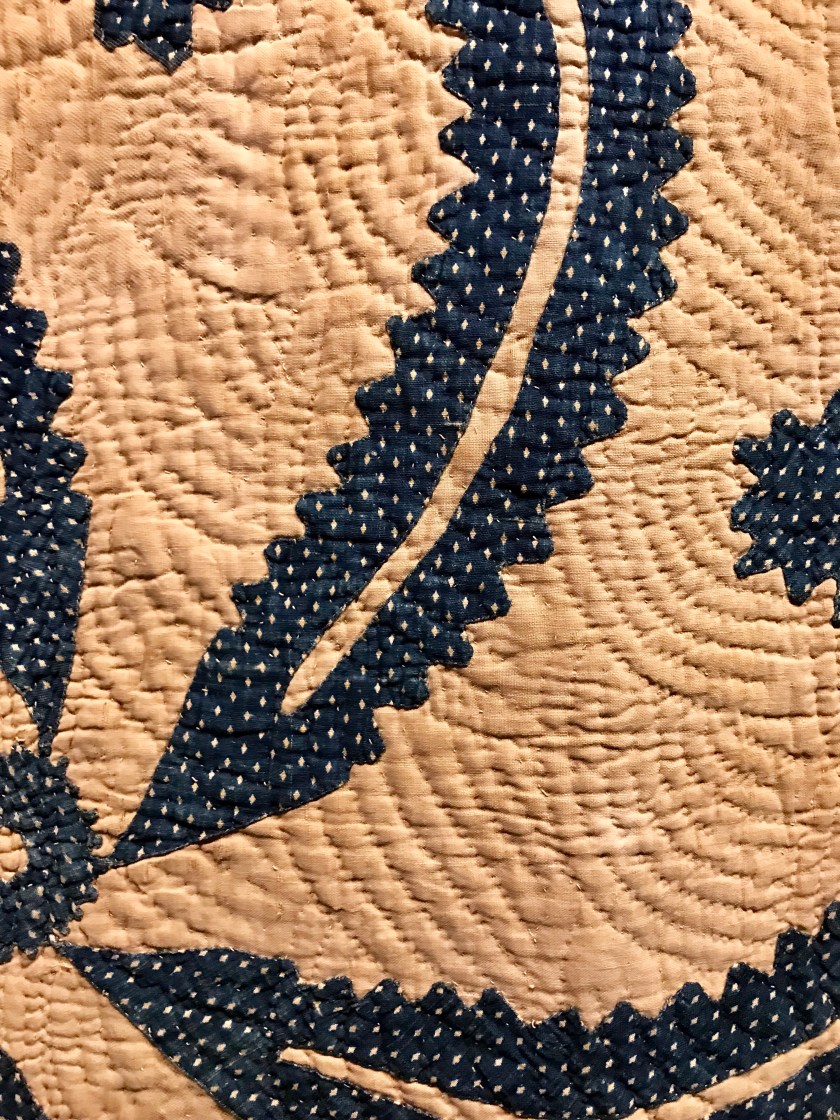
 We set up camp at Lefleurs Bluff State Park. The park is a large green space surrounded by suburban sprawl.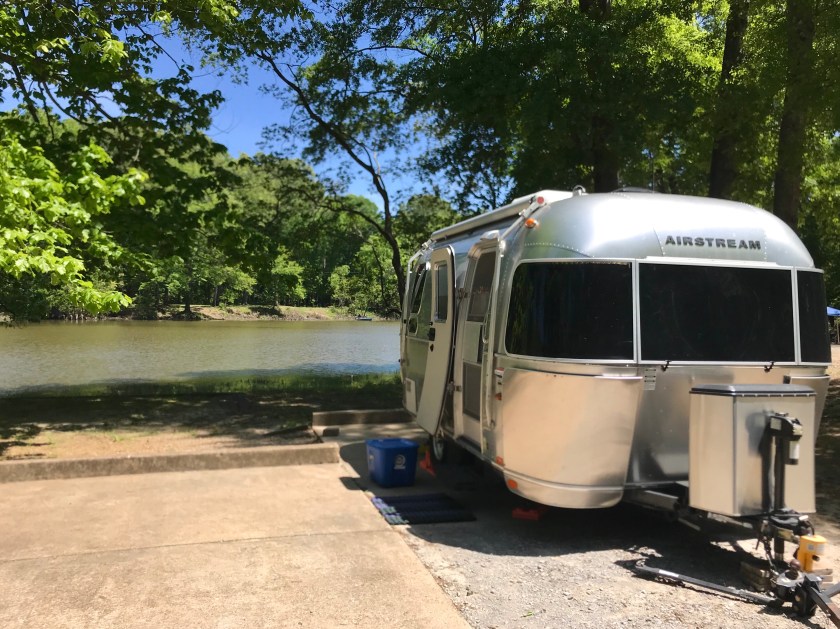
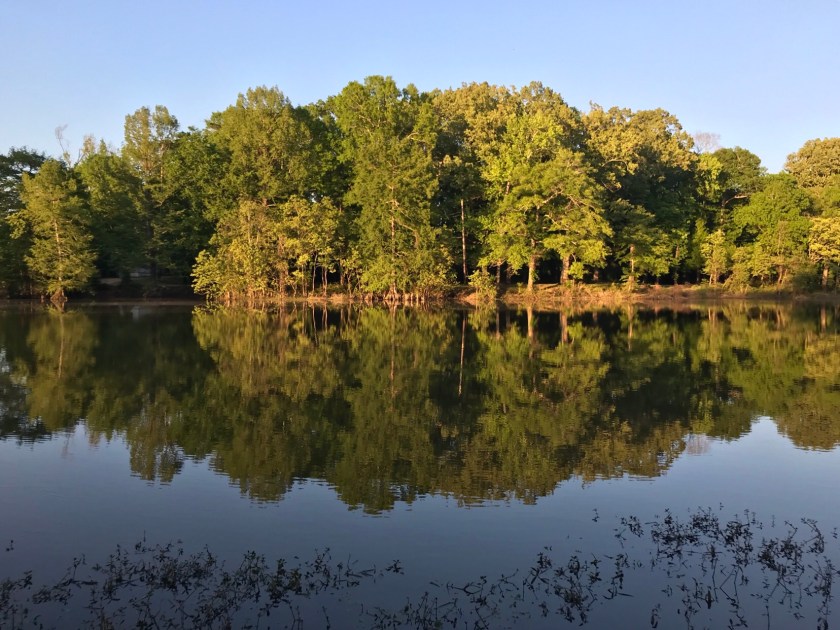 Our backyard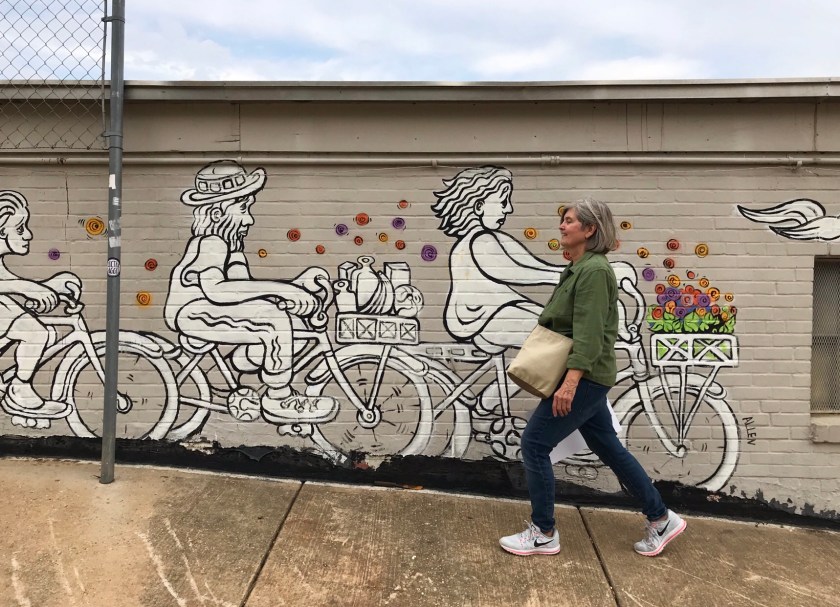
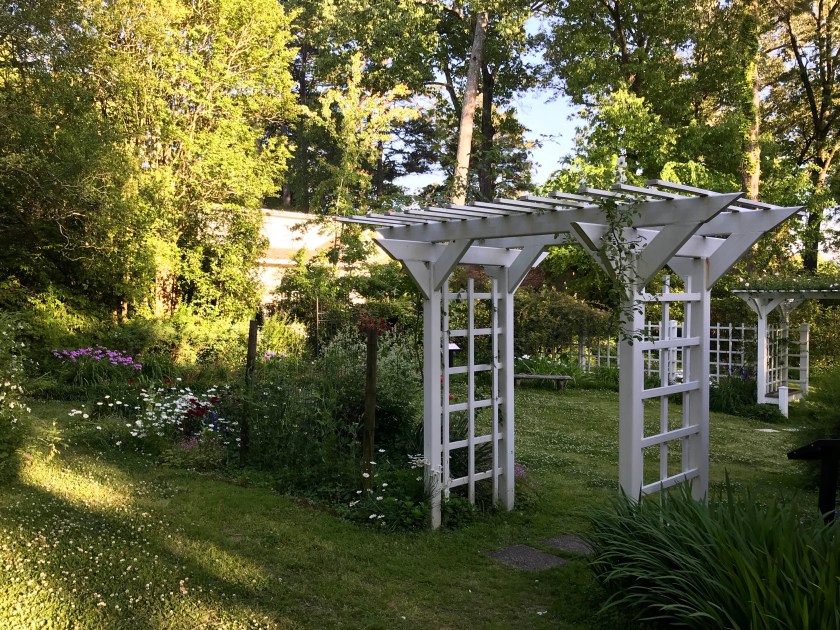
 “Bubba”(really), who we met at the art gallery, recommended that we explore the Belhaven neighborhood. What lovely homes!! Eudora Welty’s house and gardens were in the neighborhood. They were closed for the day but we did have a look around.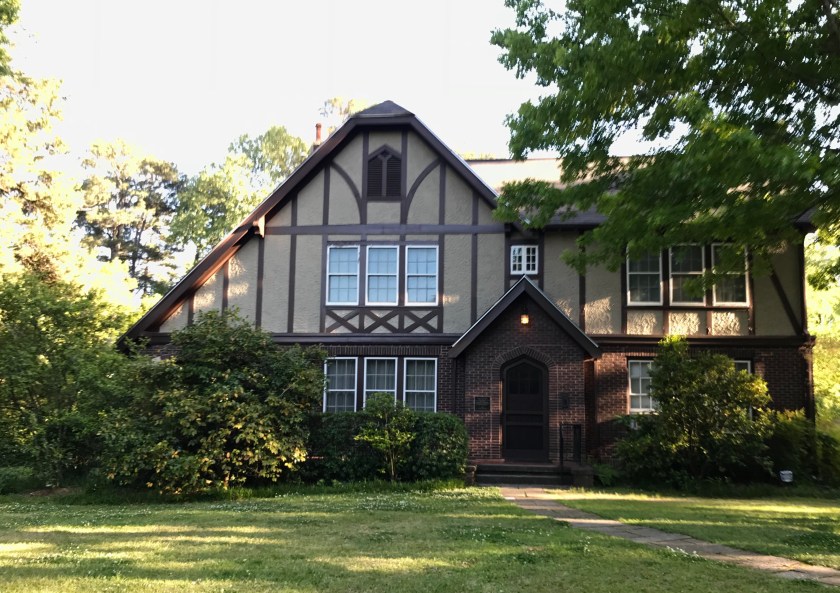
 We’ve been enjoying our stay in Mississippi. We’ve met so many friendly and helpful folks. The Mississippi we’ve encountered does not comport with it’s northern stereotype.
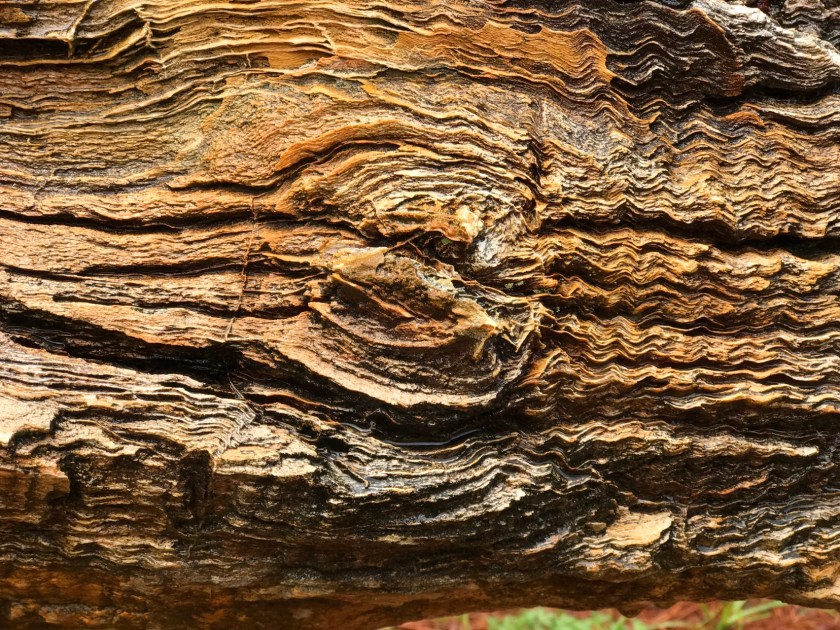 Next stop:The Blues Highway.
 We set up camp about 20 minutes outside of town at Natchez State Park.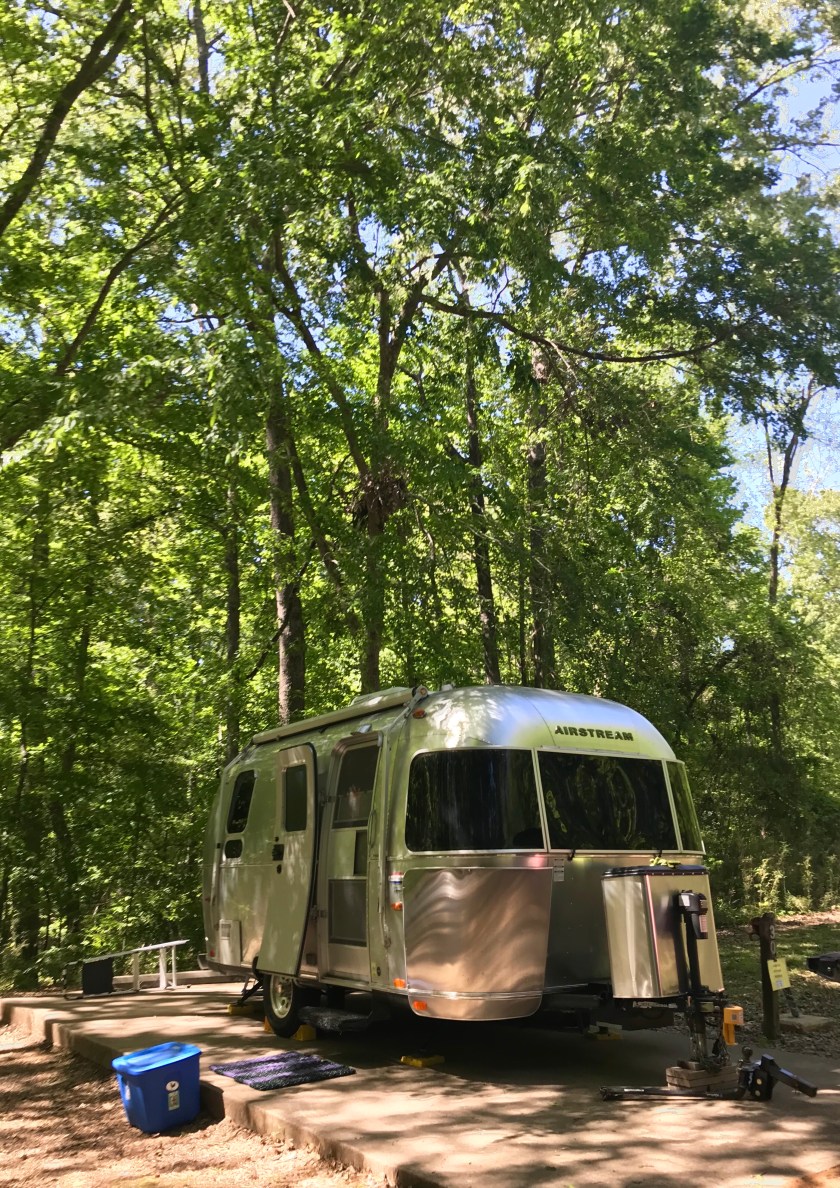
 The location put us close to the Natchez Trace, Mississippian Mounds and Vicksburg.
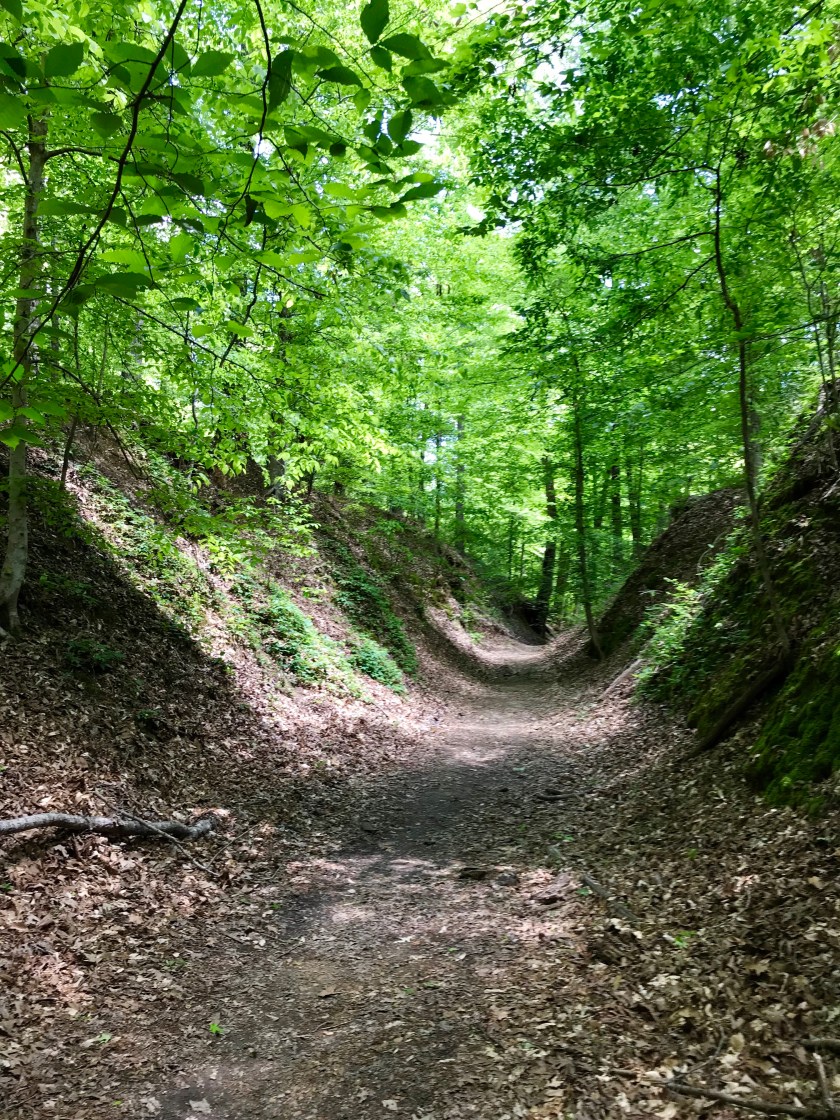 In 1938 a parkway was constructed to commemorate the the original Trace. Now instead of walking you can drive the 444 miles from Southwest Mississippi to Tennessee.
 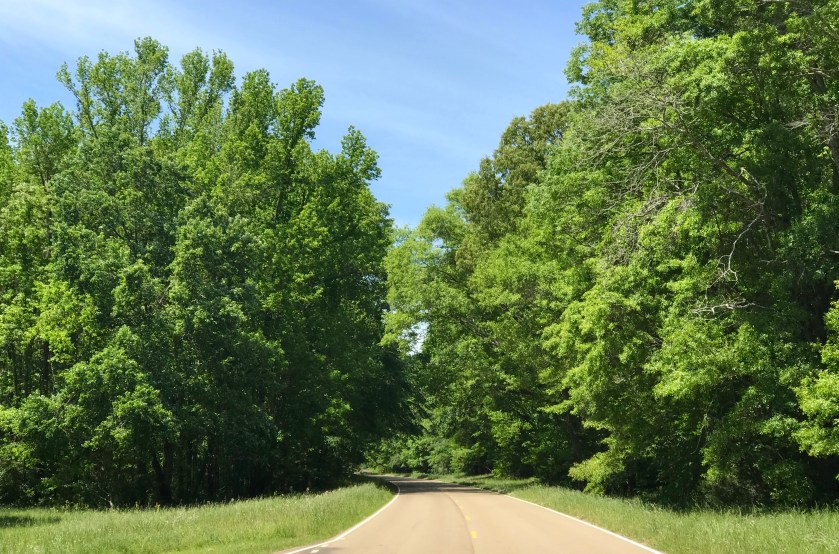 The Parkway allows for easy access to a number of ancient mound sites. These mounds where constructed as sacred places by the ancestors of the modern day Natchez, Choctaw and Chickasaw Indians. We visited the Emerald Mound (the second largest of the Mississippian mounds north of Mexico).
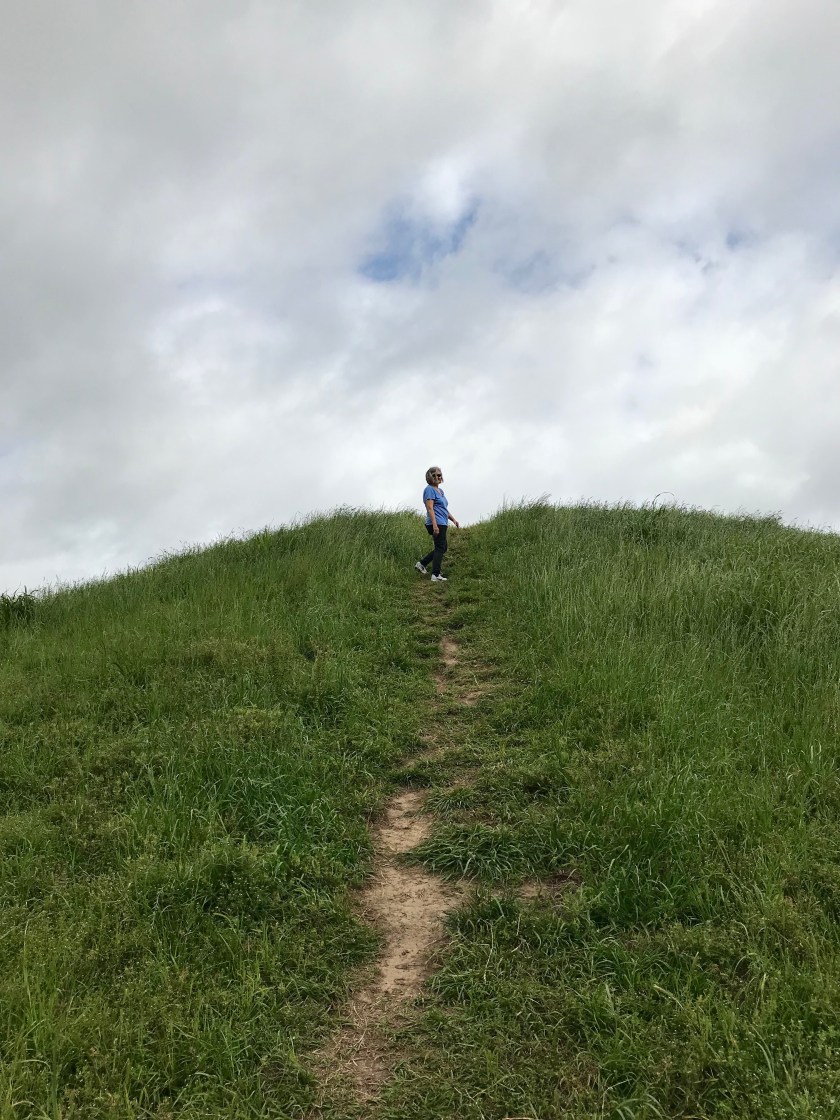 It’s an impressive structure constructed by hand starting in AD 1350.
  The view from the top where the tribe’s leader would have built his house.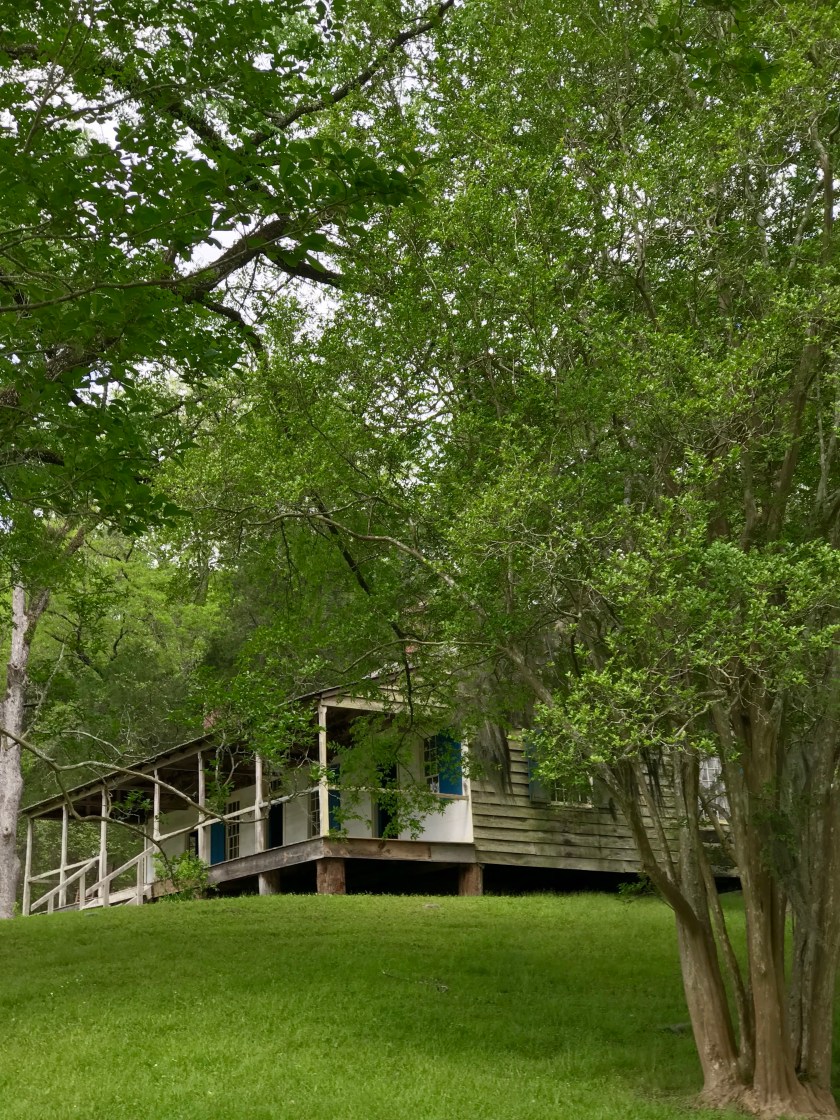
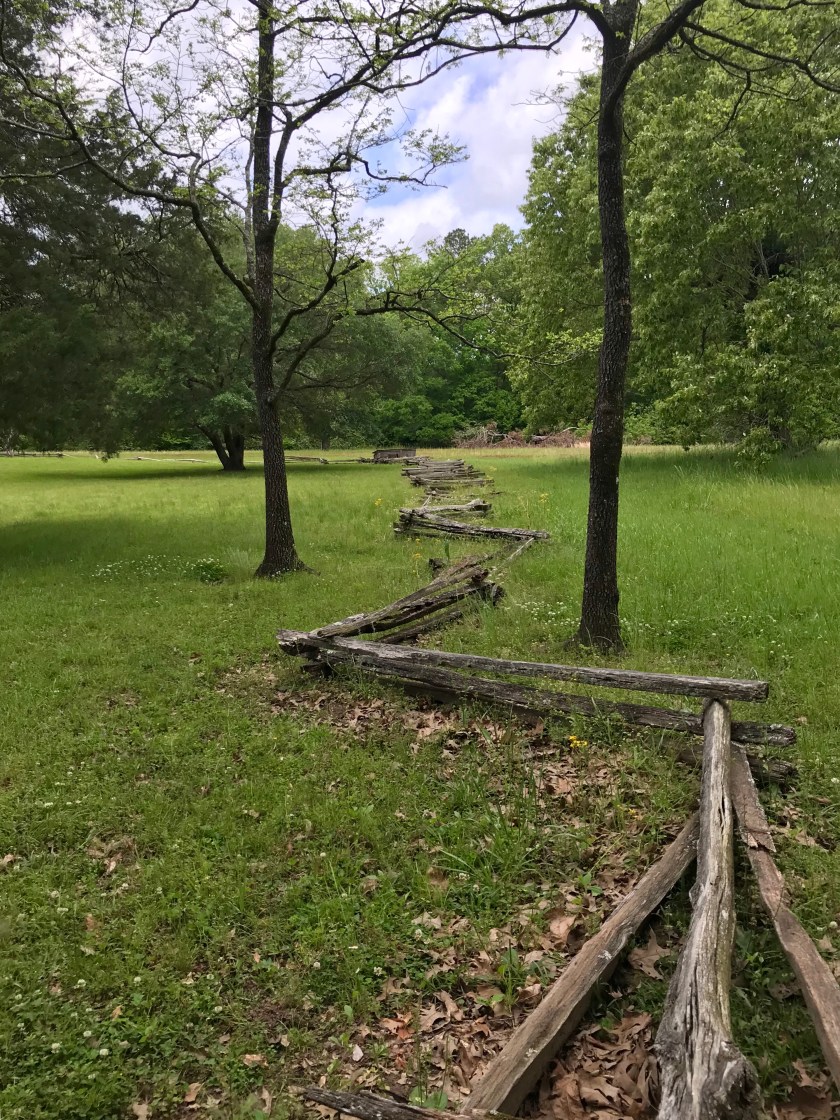 Mount Locust Inn and Plantation is one of the oldest structures in the area. It was built in 1780. As traffic on the Trace increased with the influx of settlers, the owners started to feed and house travelers creating one of the few inns on the Trace.
  The slave cemetery was a stark reminder of how this country was built.
 Battery De Golyer
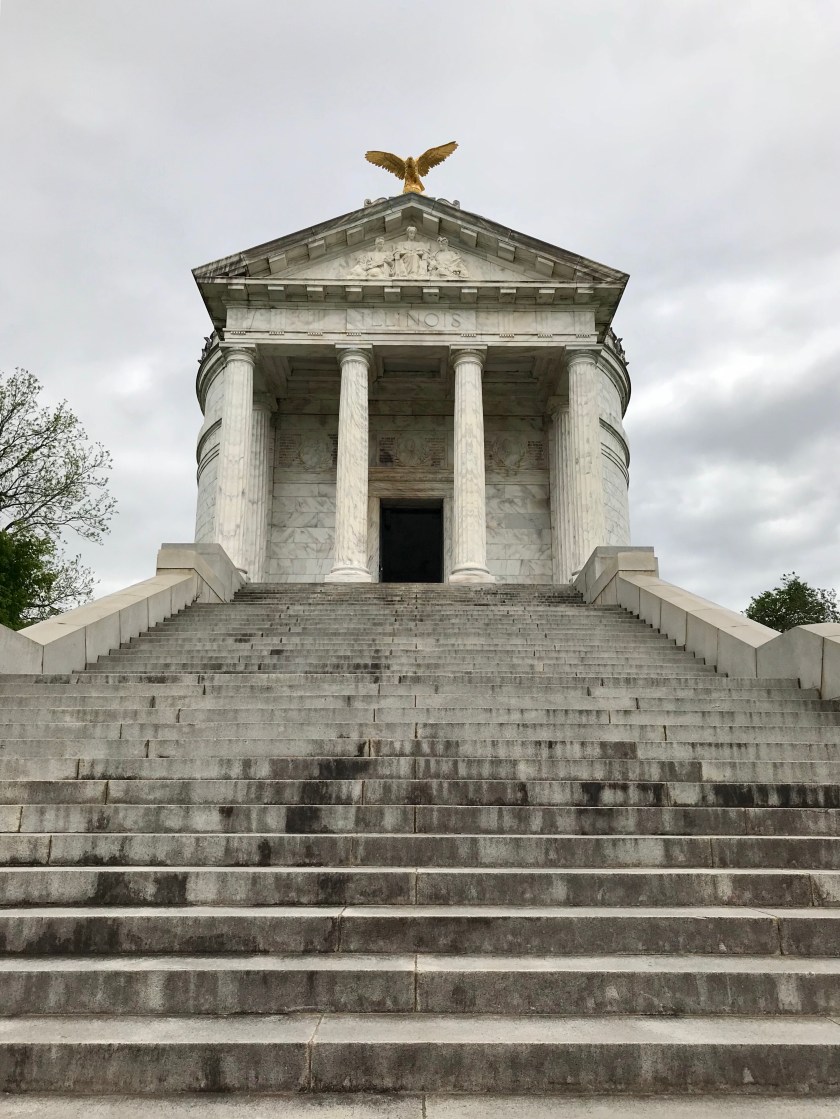 The Park has over 1,000 monuments commemorating state battalions and officers who participated in the battle. This is the Illinois memorial.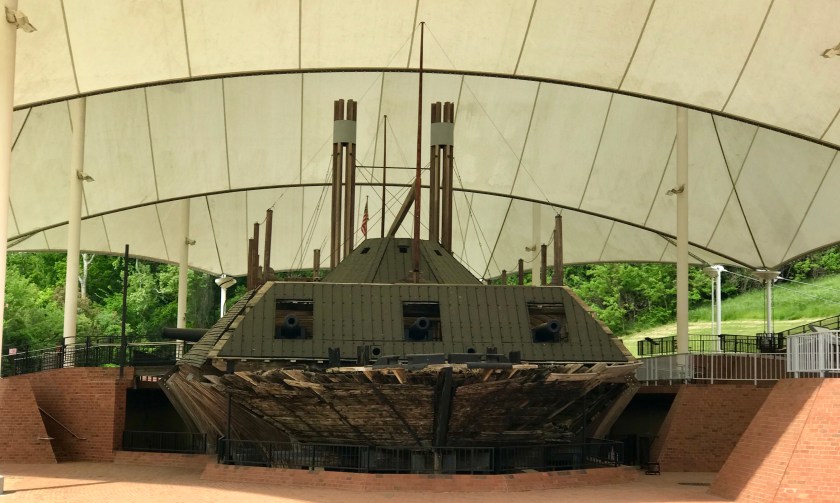
 Also on display was the resurrected remains of the Union ironclad gunboat Cairo. The boat was sunk in 1862 with an electrically detonated torpedo. We toured a Confederate ironclad in Kinston NC which made for an interesting comparison.
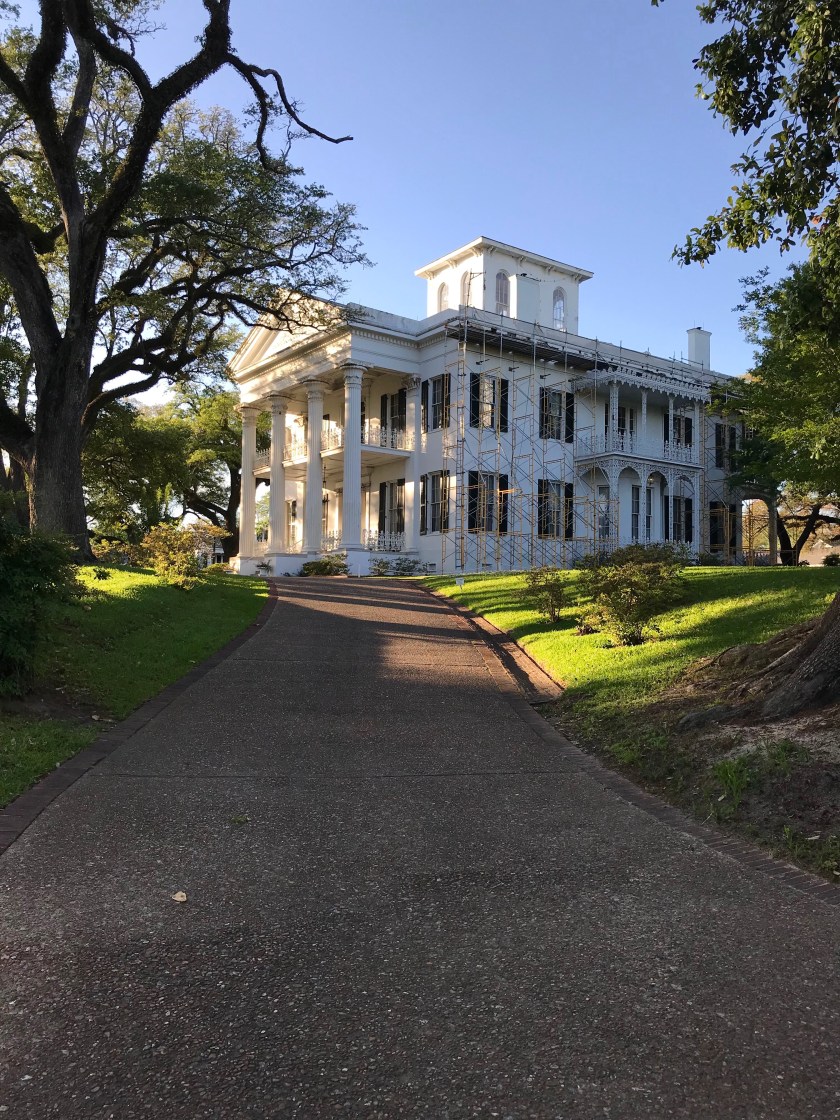
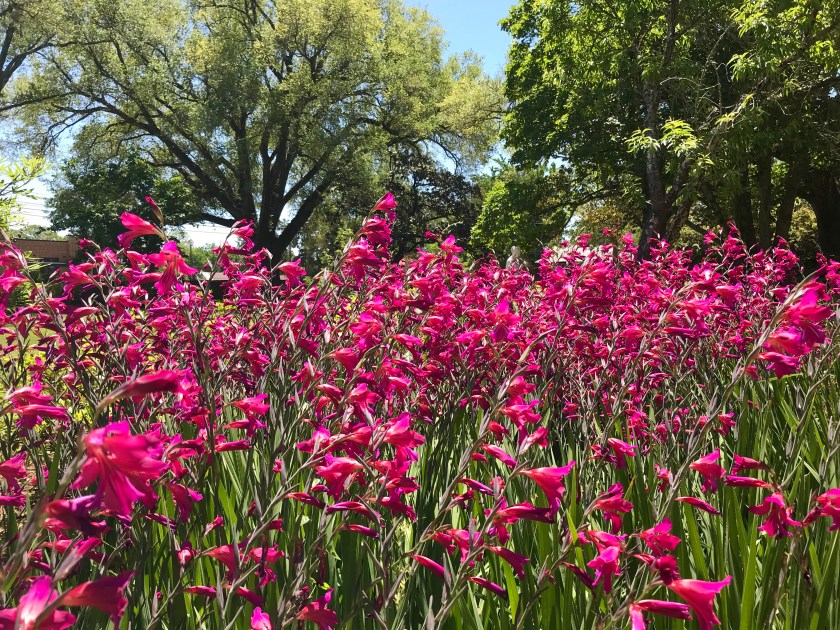
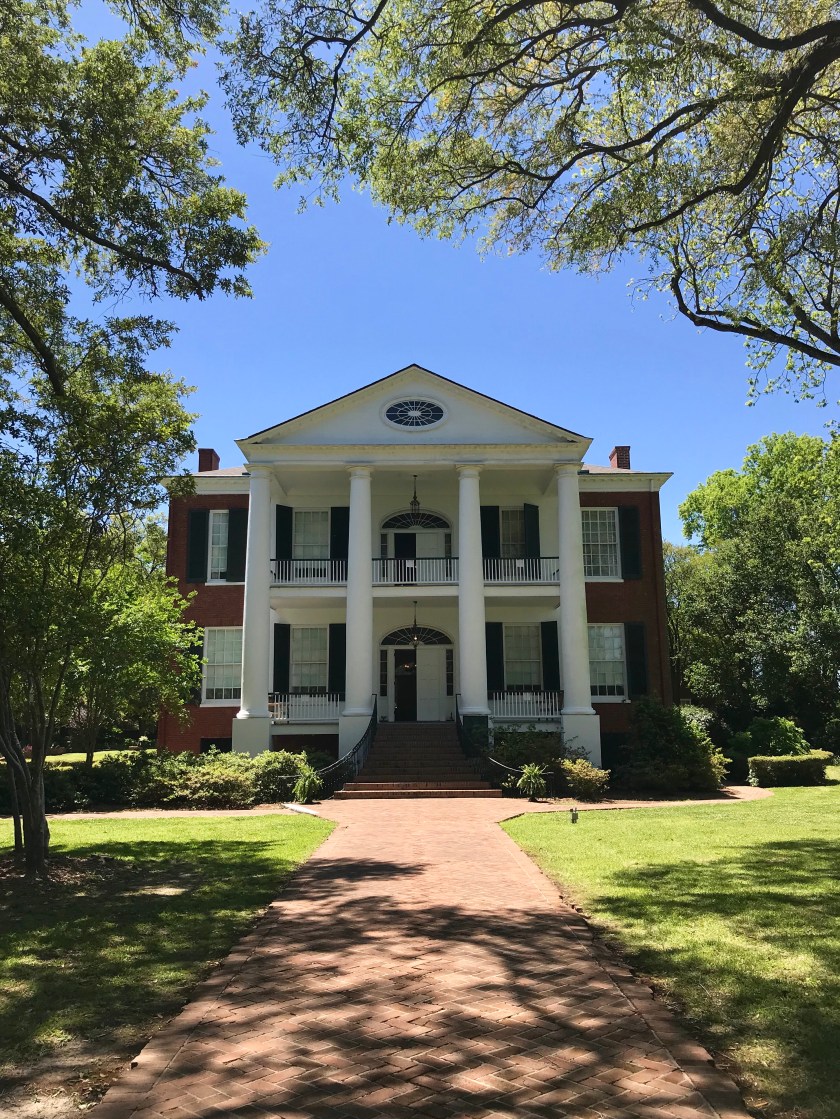 We enjoyed walking the grounds of these antebellum homes and admiring the gardens.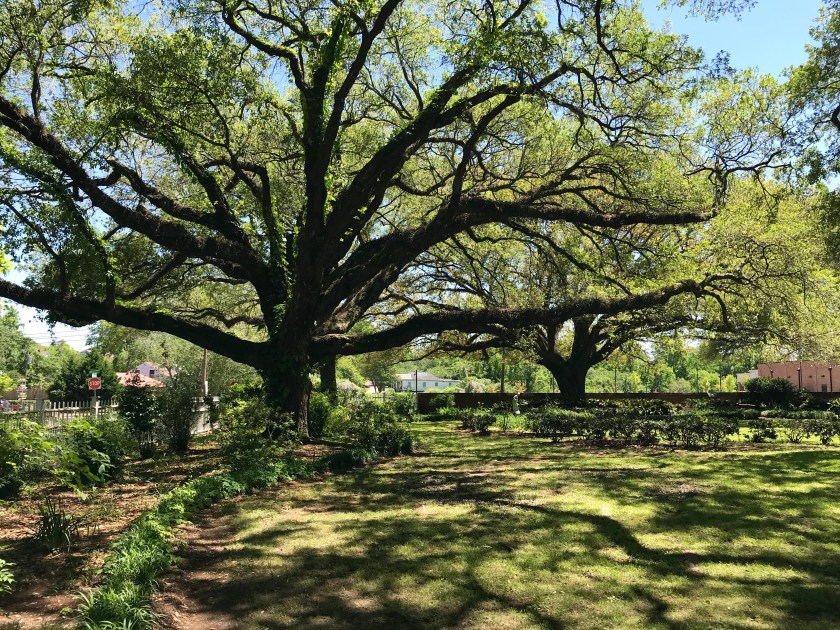
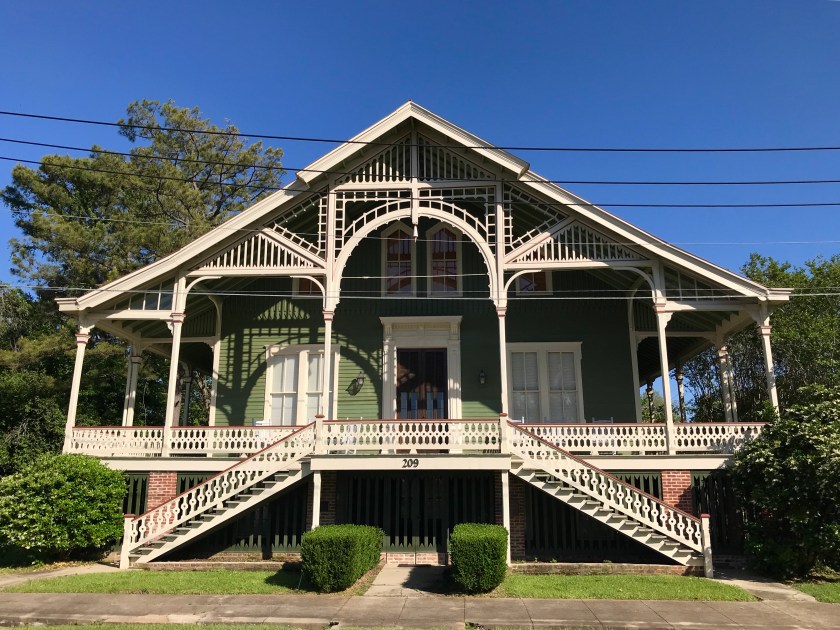 This home was built on the bluff after the Civil War and was one of our favorites.
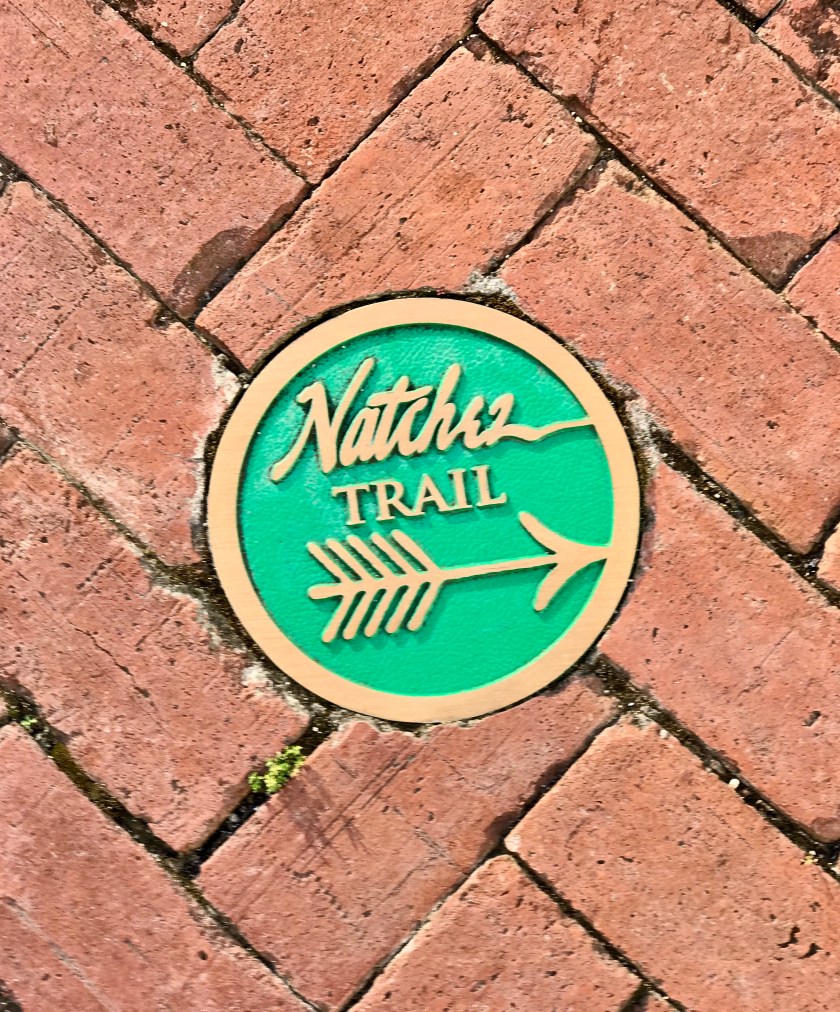 We enjoyed wandering and reading the many historical markers explaining the towns long history.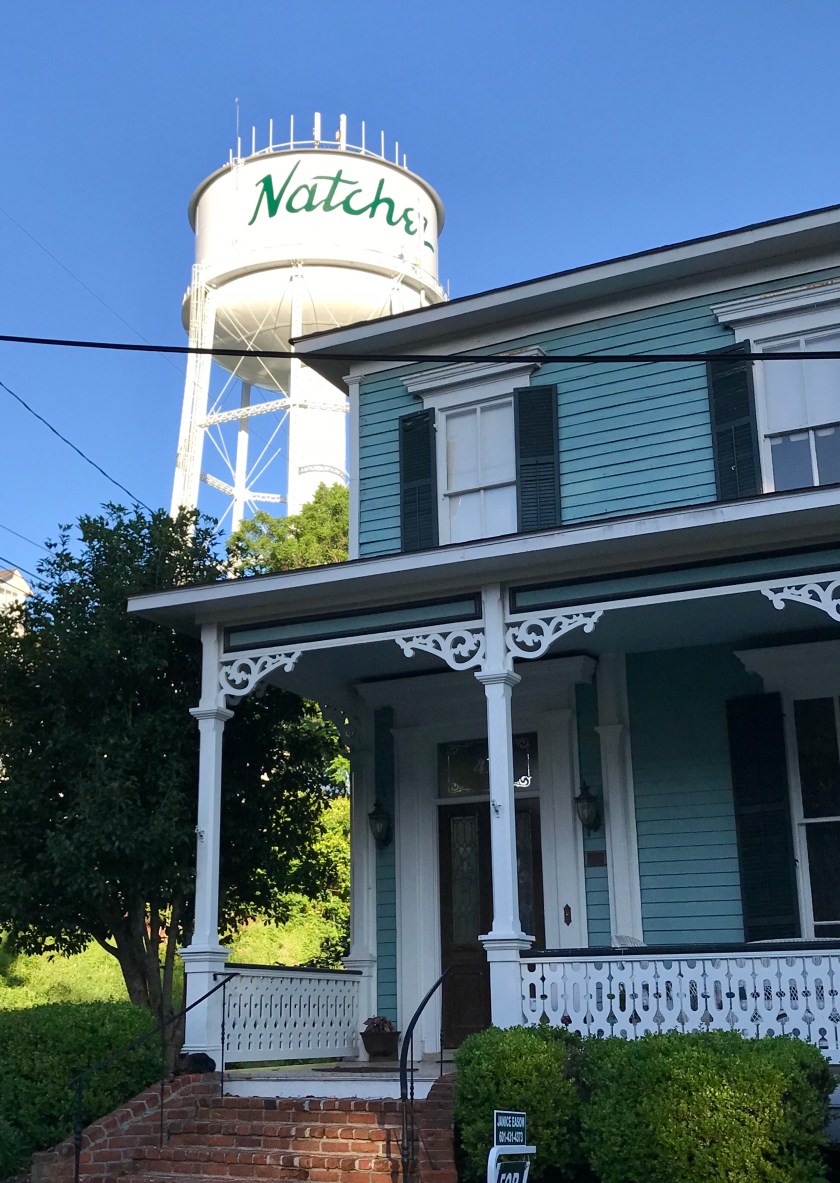
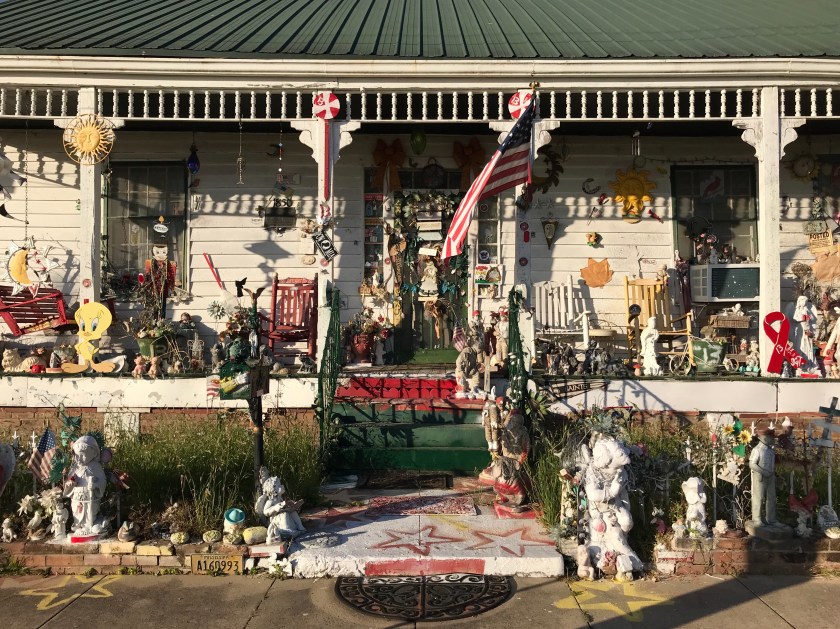
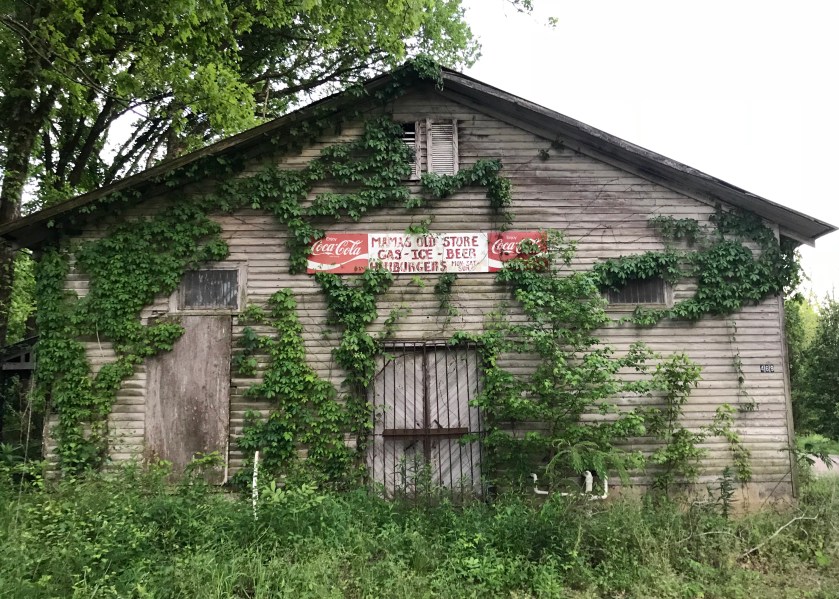
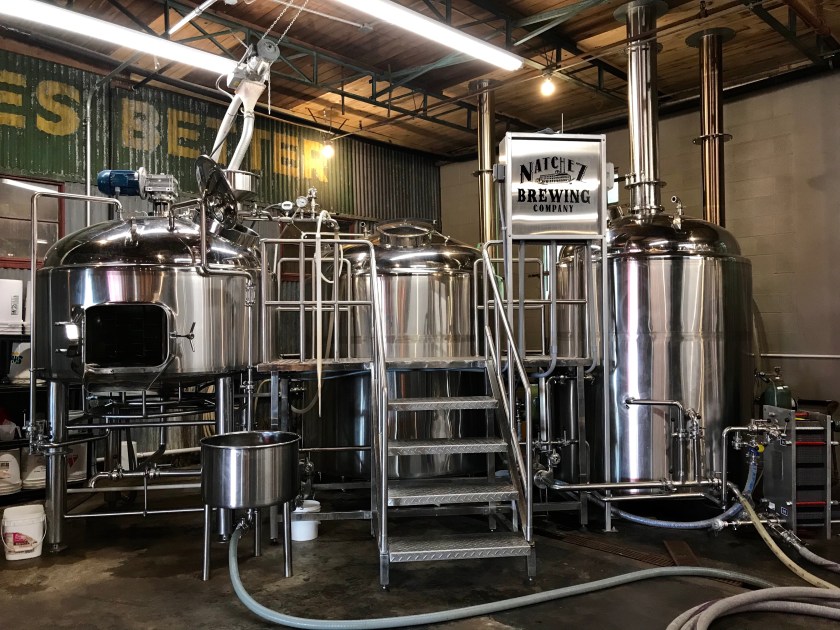
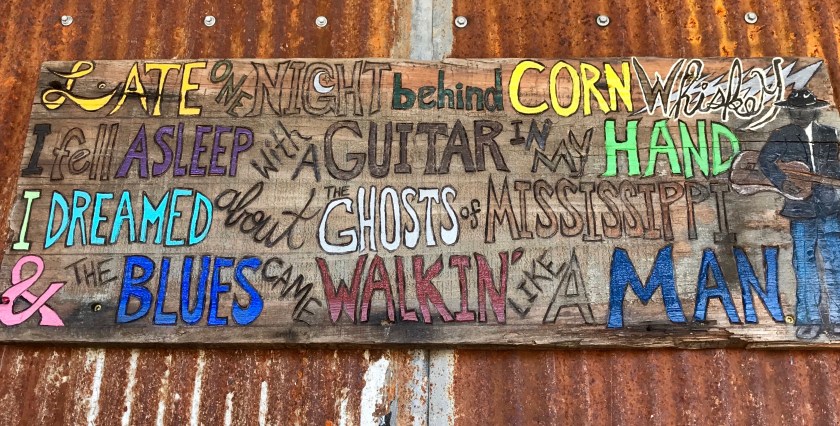 As always we like to checkout the local flavor of wherever we find ourselves. Steampunk Coffee served up excellent coffee and conversation. Highly recommend. Sorry no photos. It was across the street from the local brewery where our conversations continued.
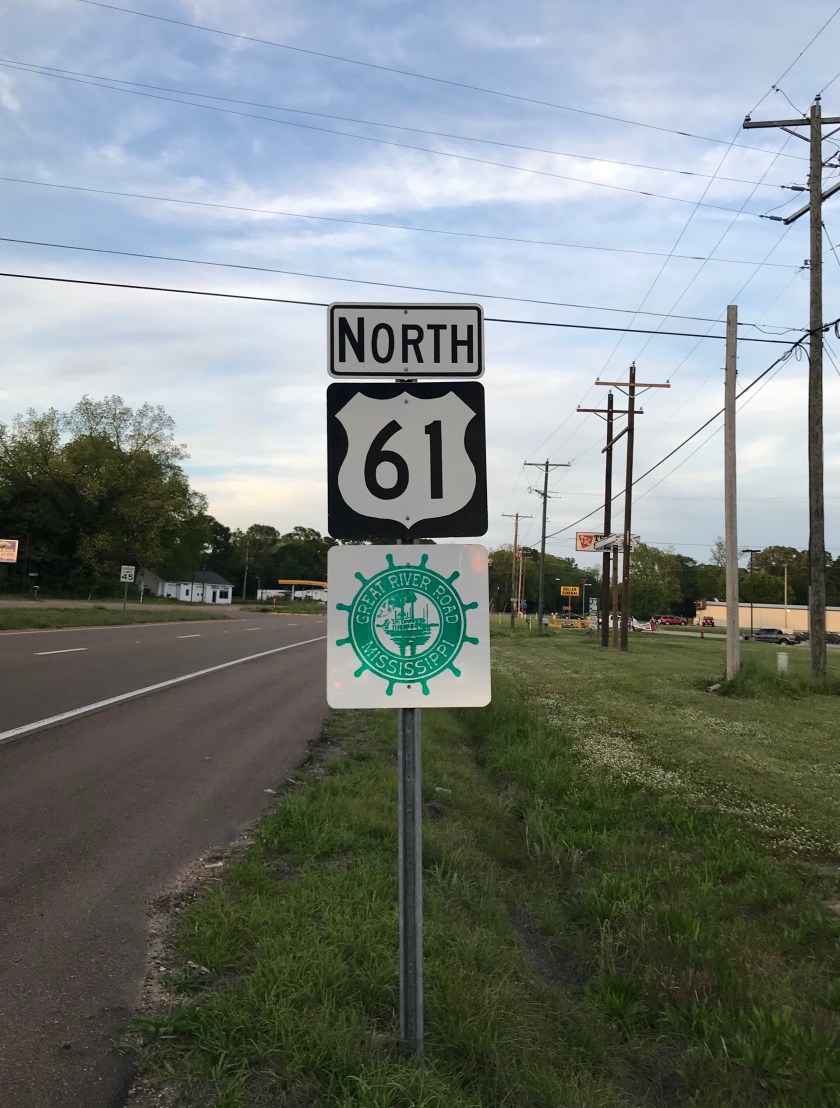
  Highway 61 continues up the backbone of Mississippi and we’re on it.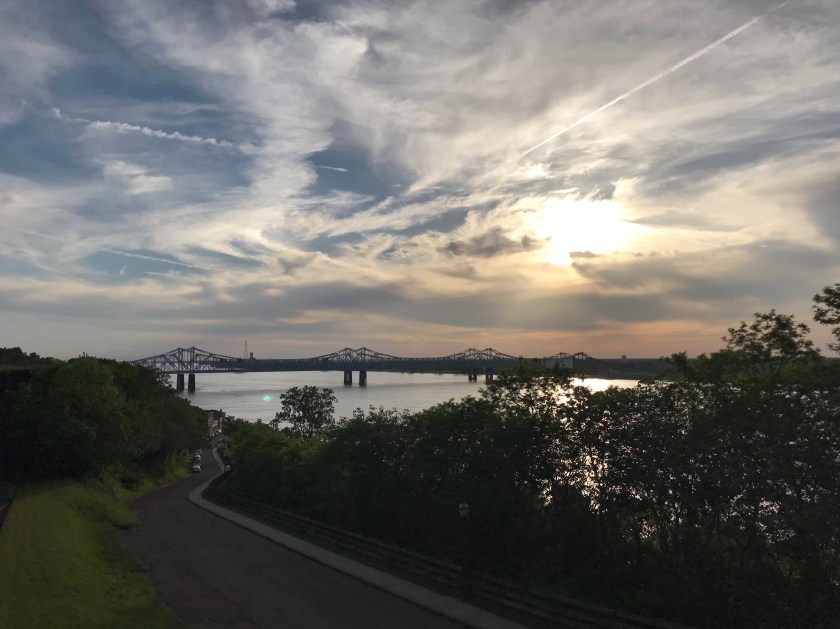
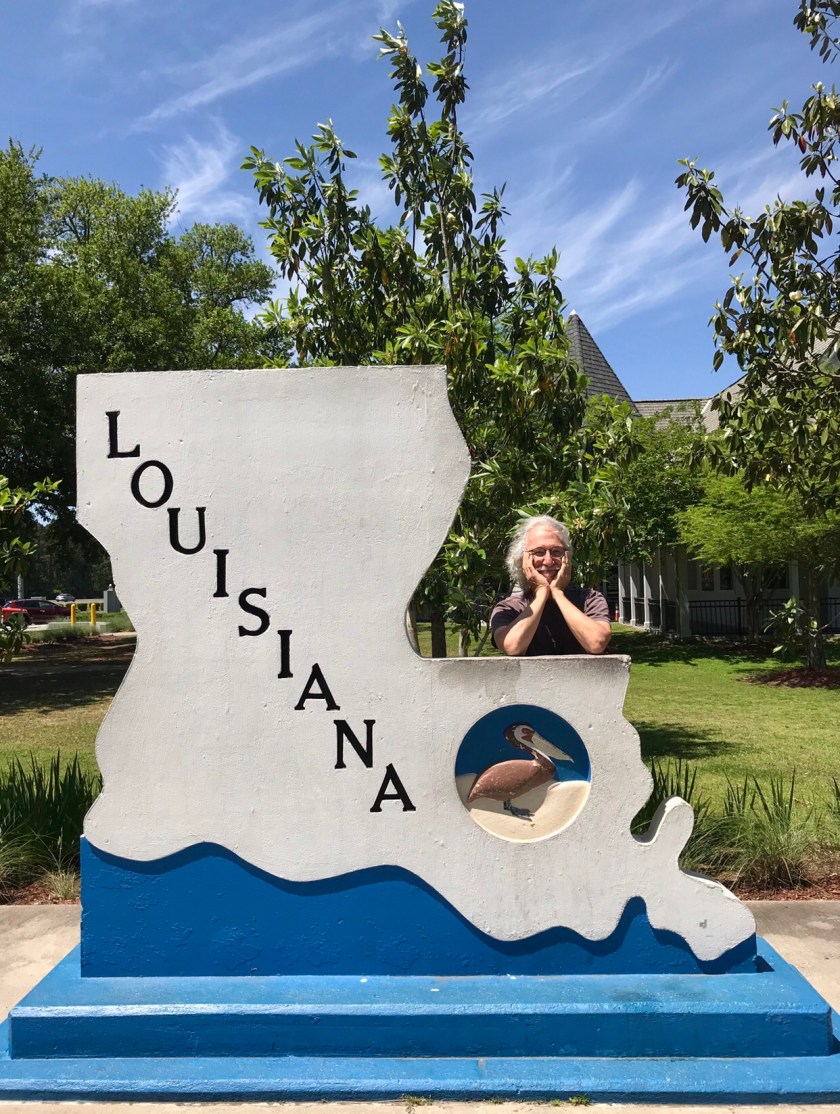 We like to park the Tin Can on the west bank of the Mississippi River at Bayou Segnette State Park.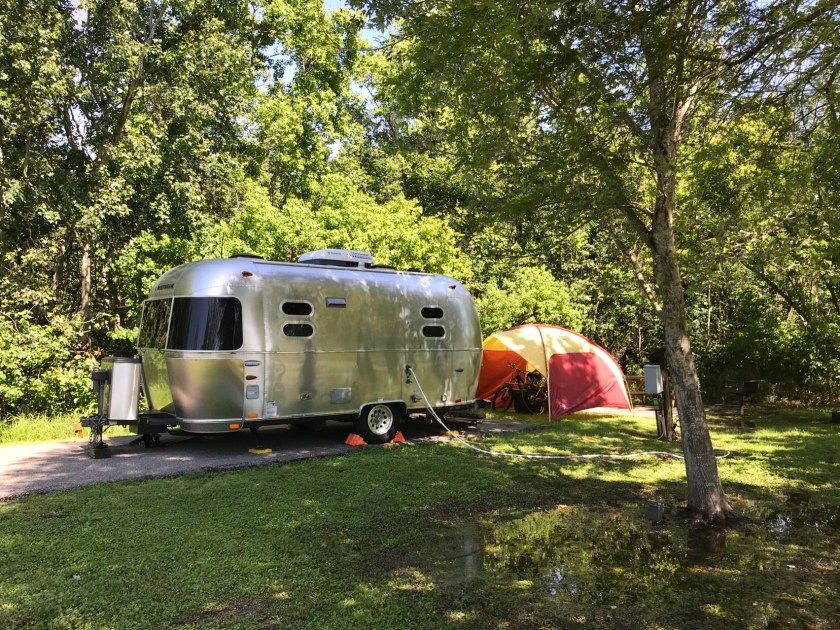
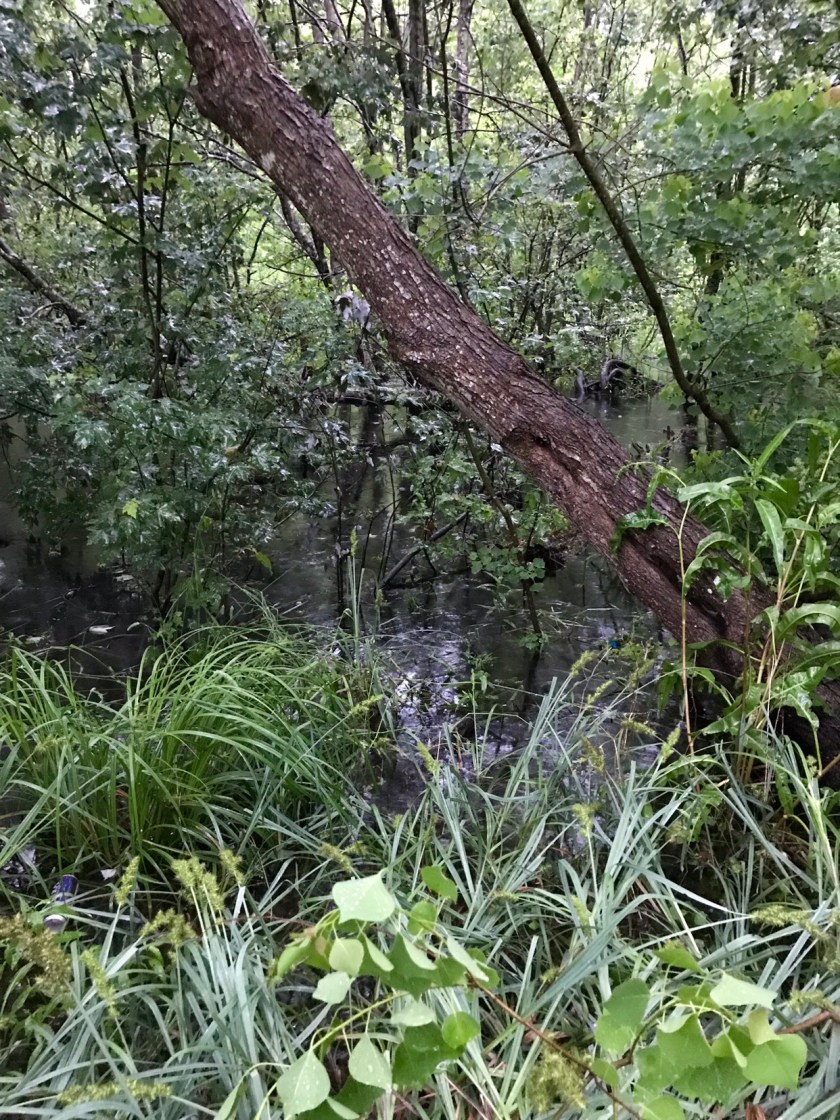 Our front yard
 Louis Armstrong greets you as you enter the ferry terminal.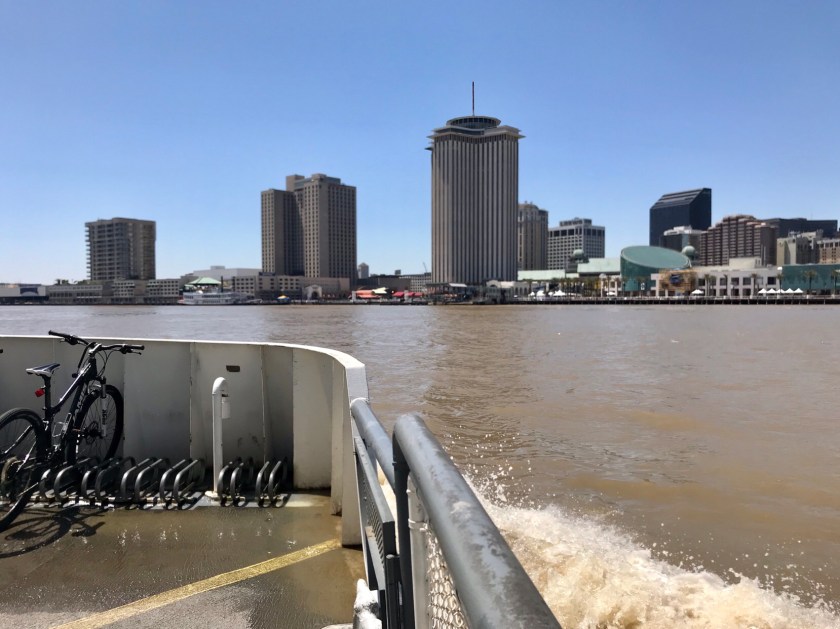
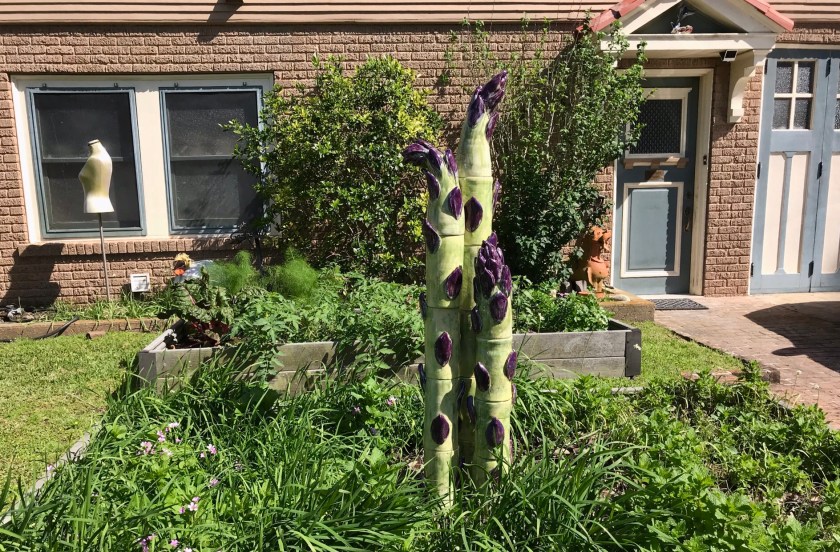
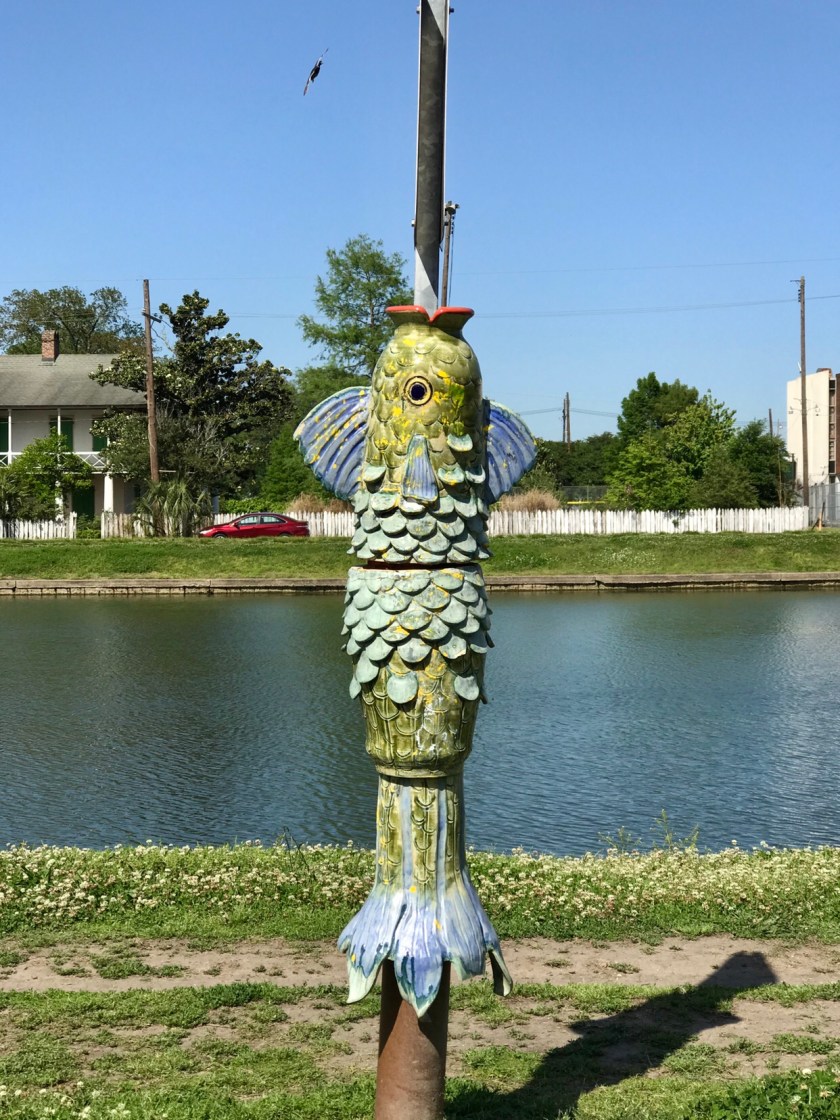


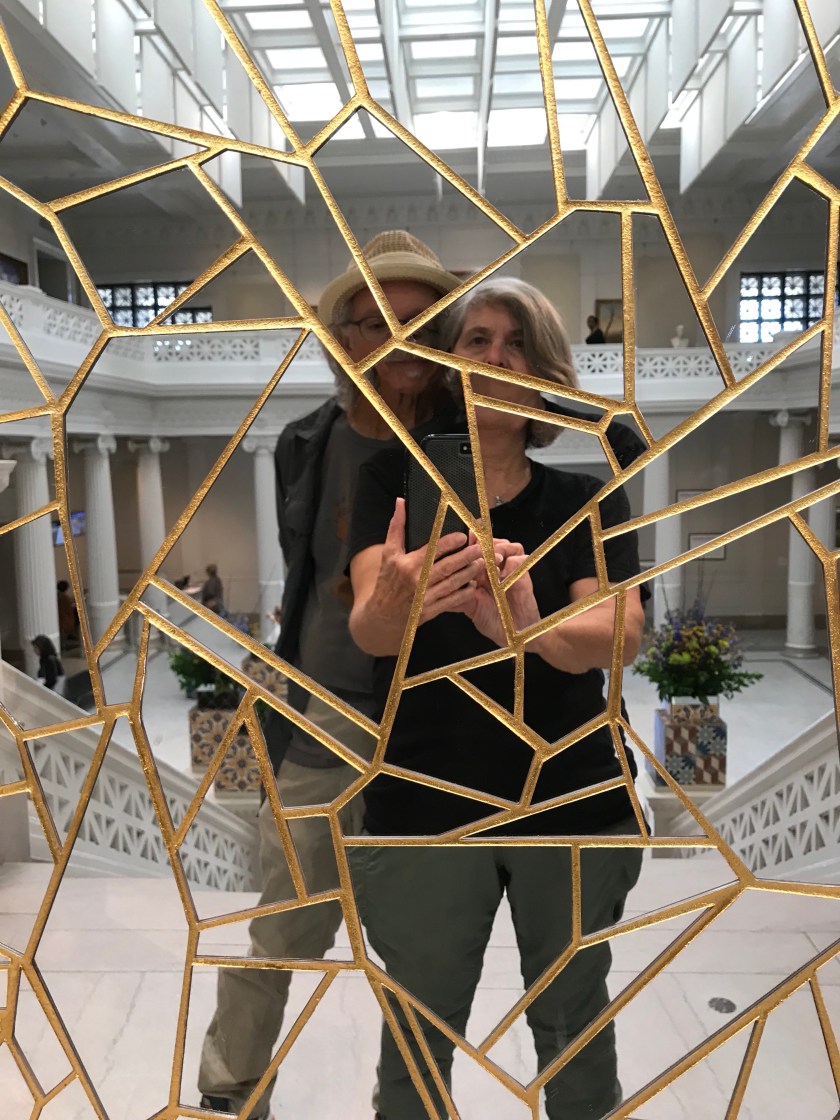 Some of Carlos Rolon’s work as seen at NOMA.
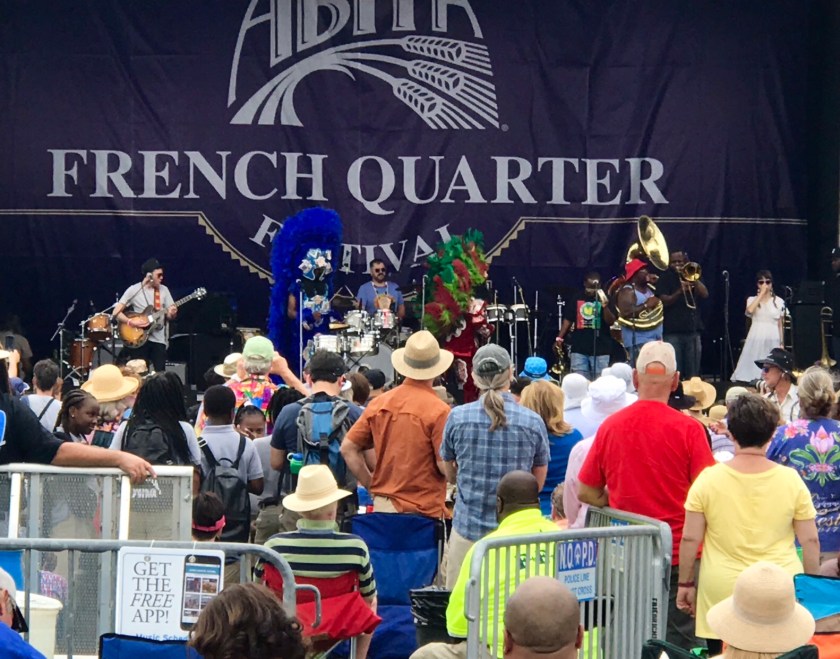 Three of the larger stages are set up along the river. During the first day of the festival we started smelling diesel fuel but couldn’t identify the source. Turns out a ship docked to hard and punctured its fuel tank. We found this out when the ferry was canceled.
 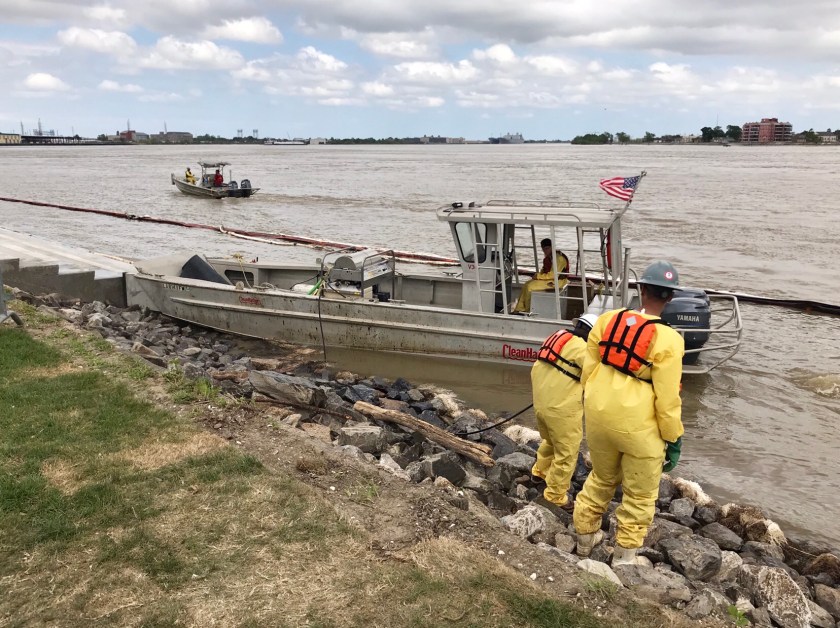 The clean up
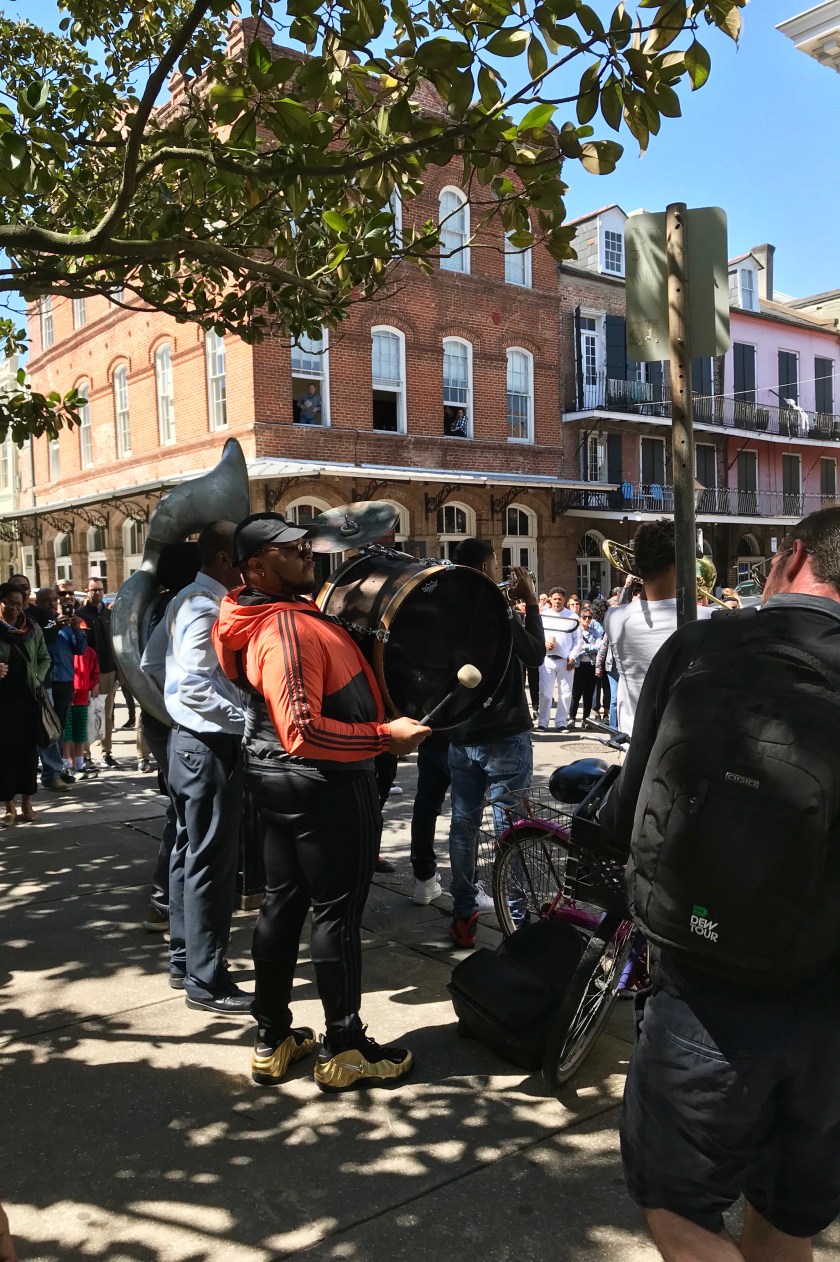
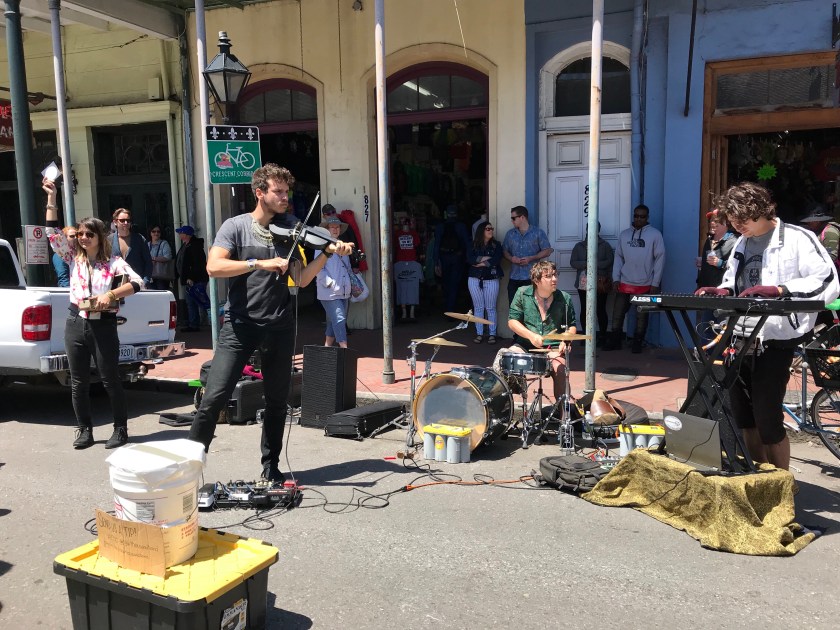
 Magic on the street
 Wait in line for fresh beignets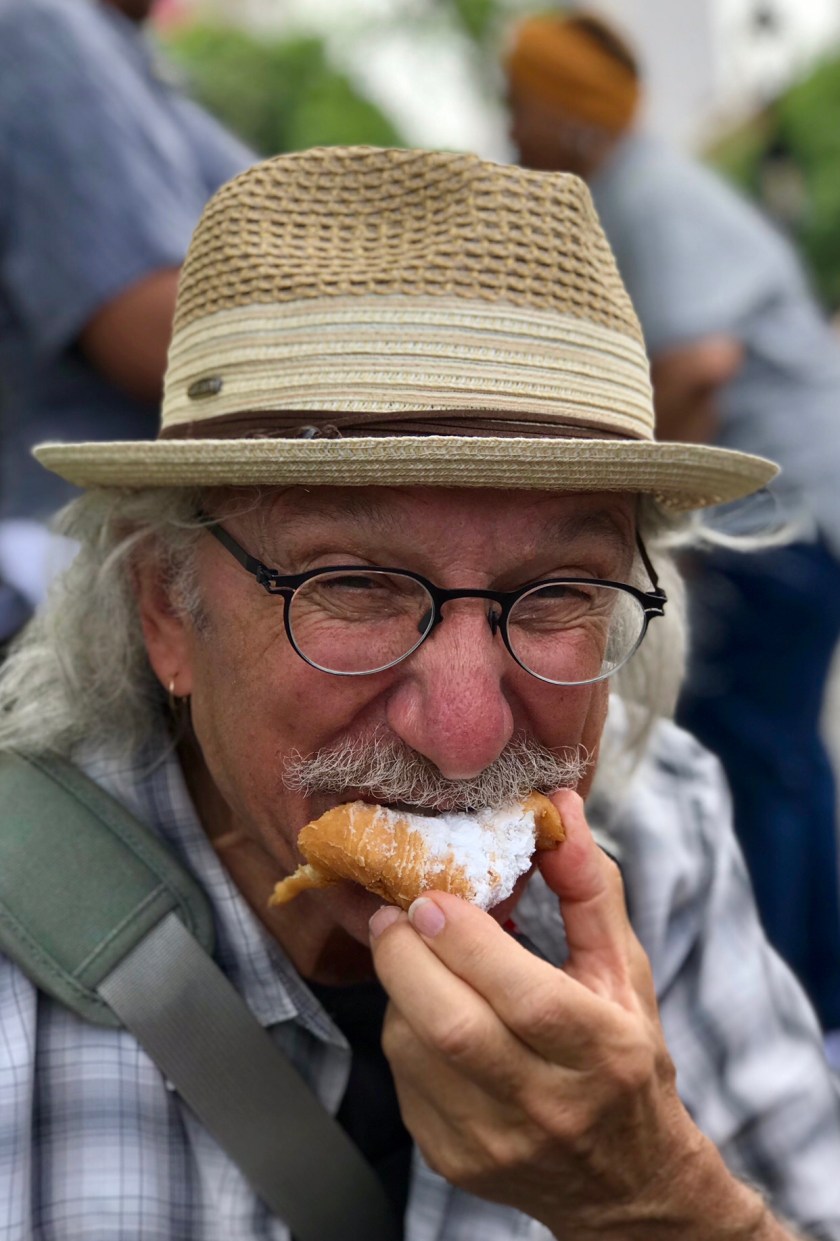
 And then there was this guy
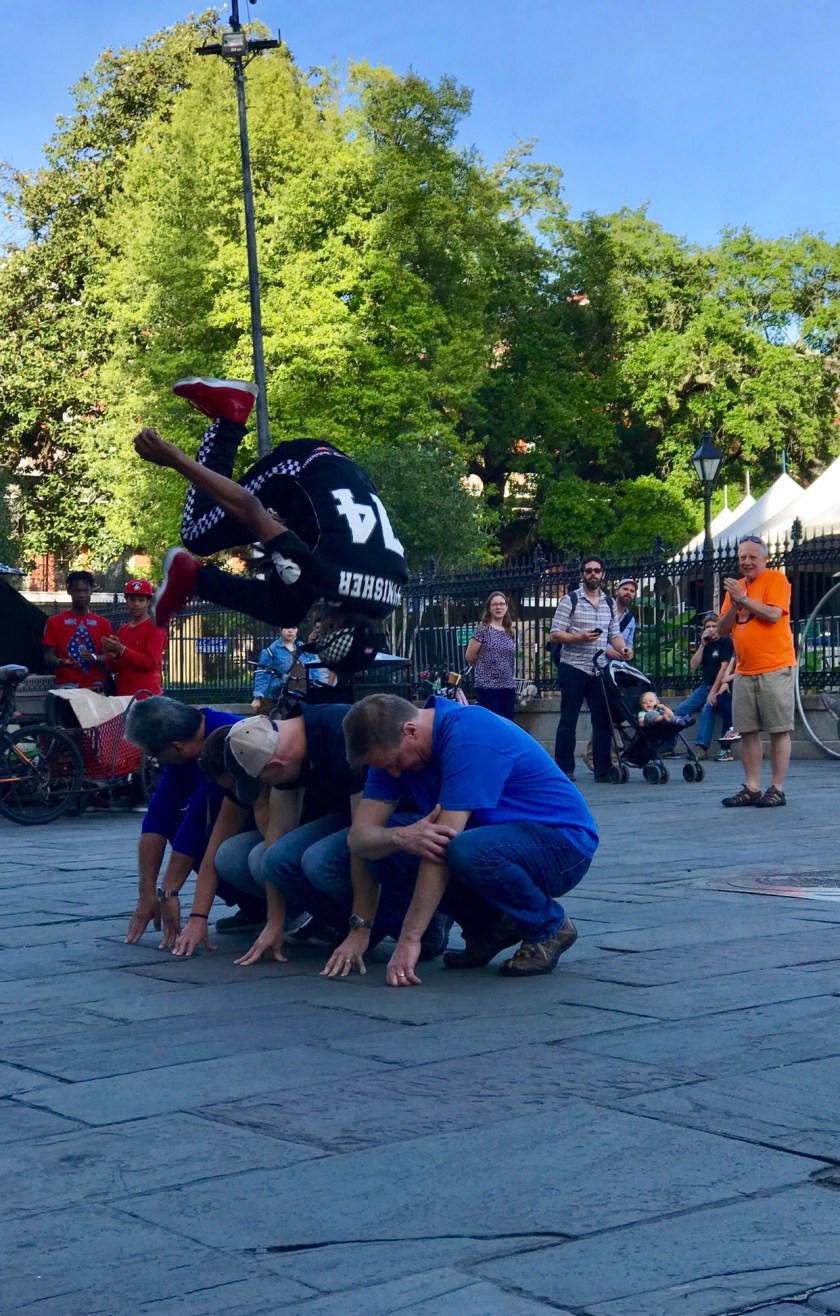 Yes, he did land it.
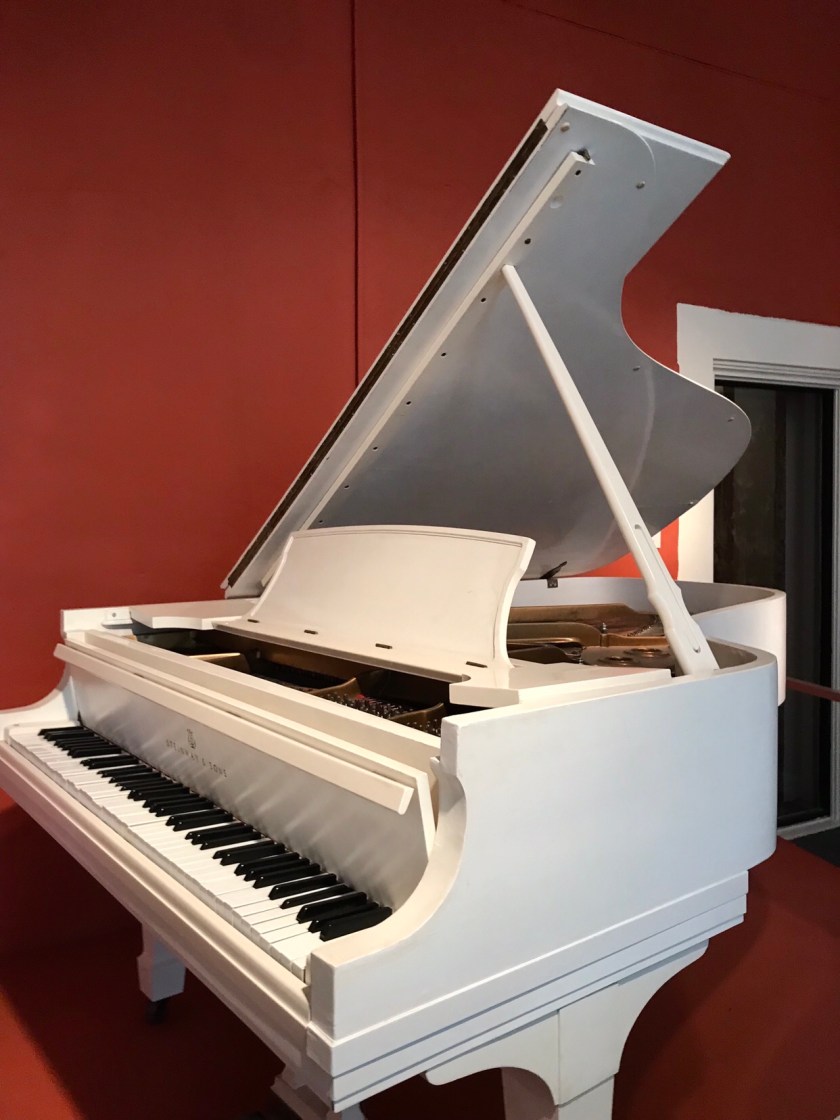 Fats Domino’s piano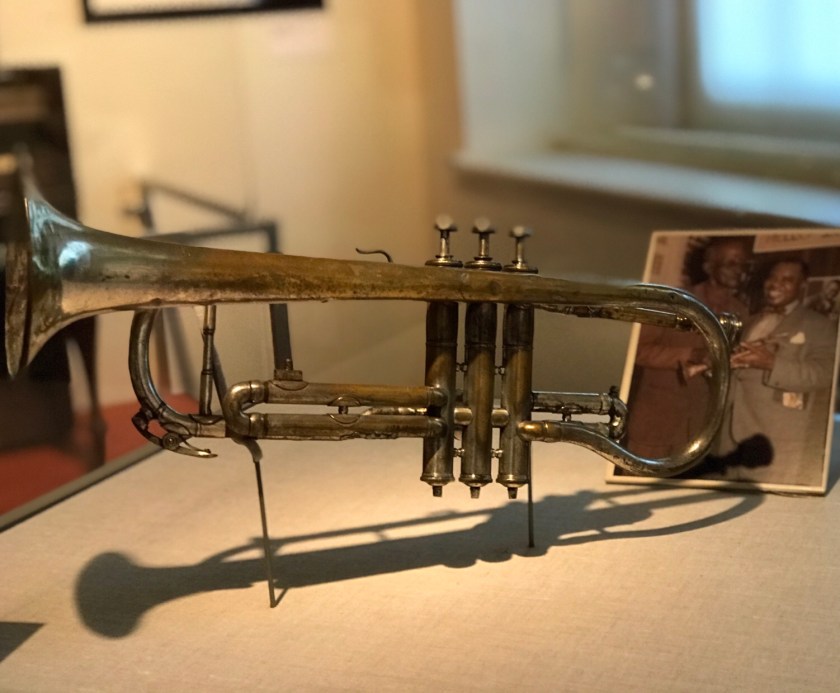
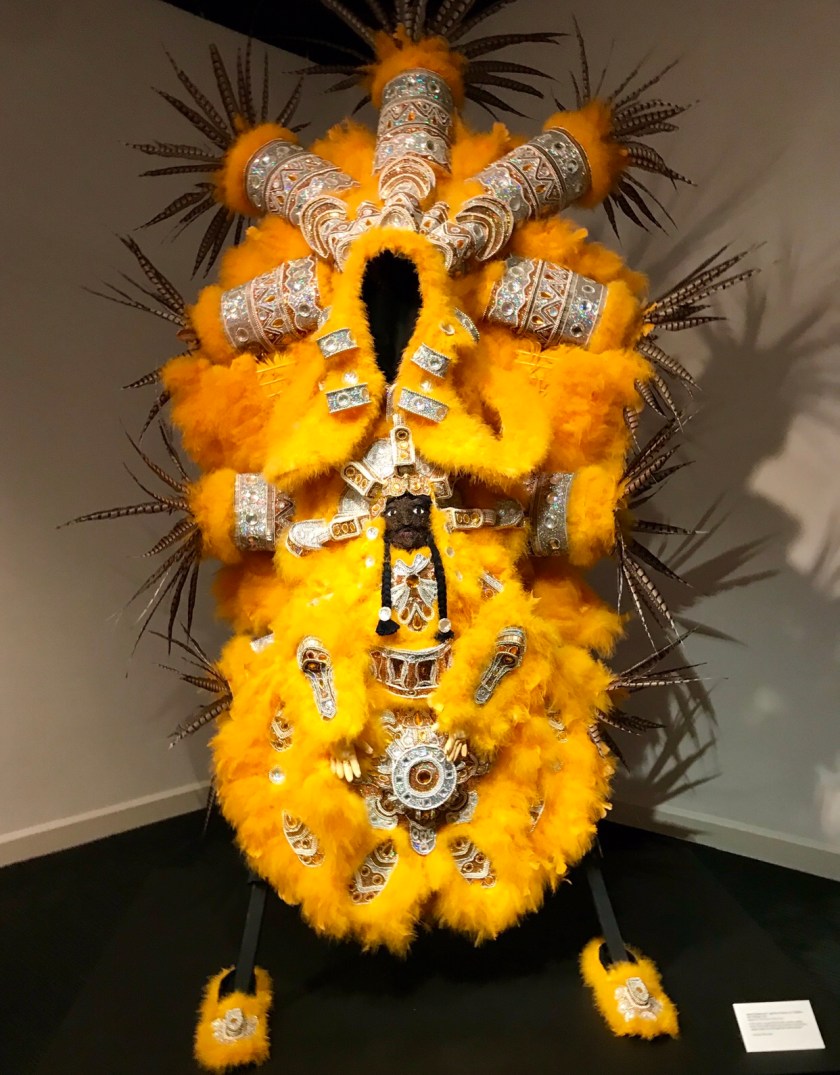
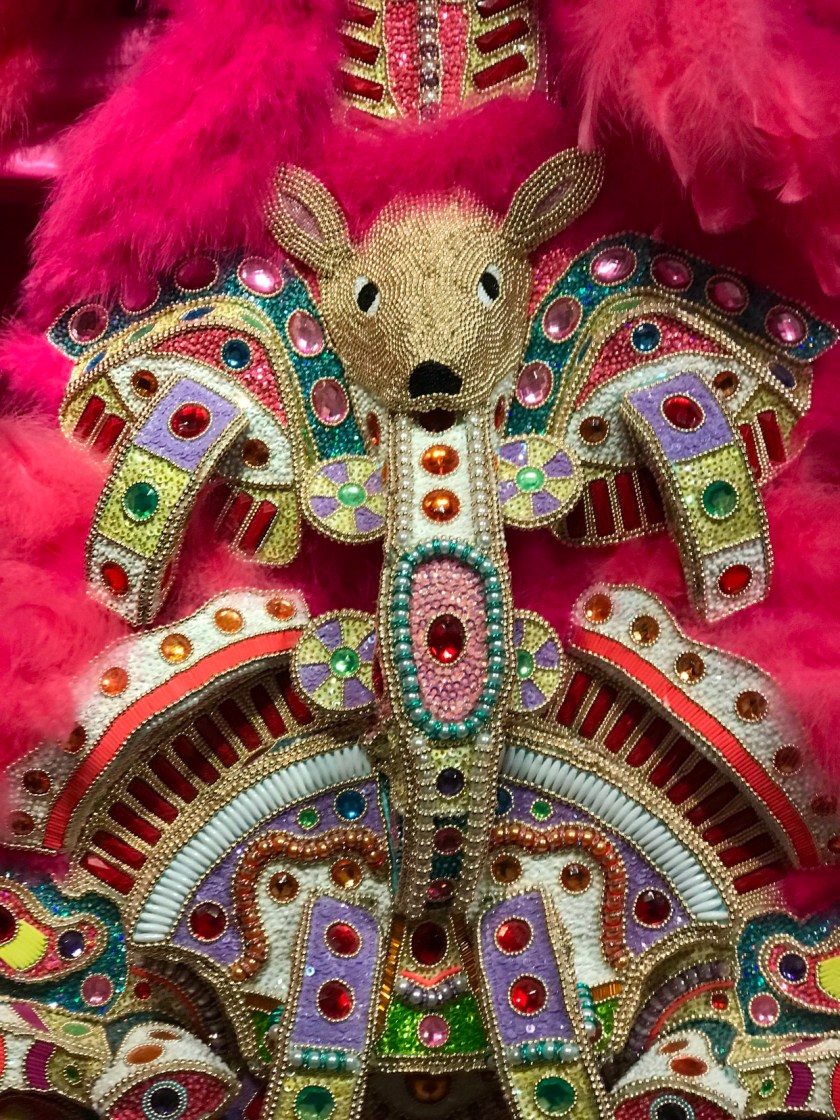 The costume takes a year to construct and is used for only one Mardi Gras season.
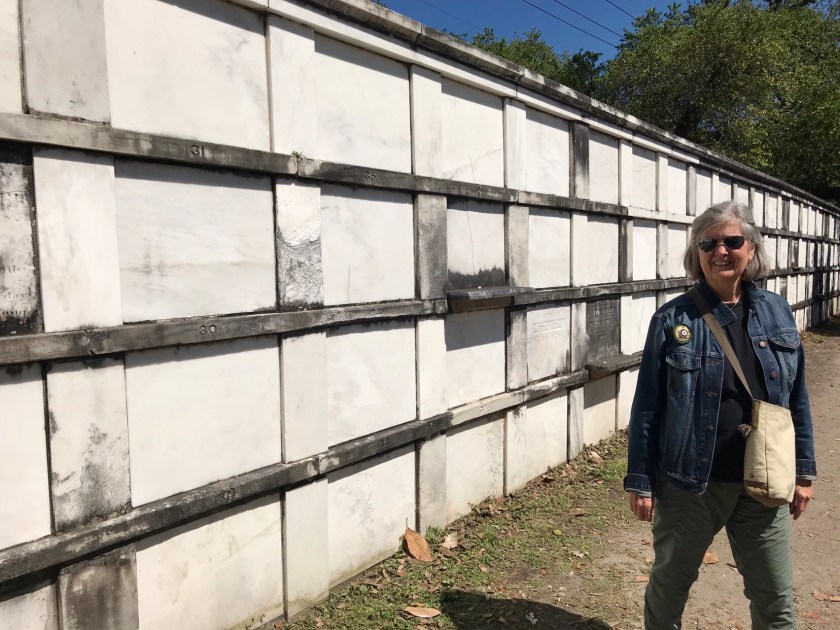
  But our New Orleans visit was more than just music and history. There are lots of neighborhoods to explore and this time we chose to revisit some old favorites and check out some new ones. The Garden district has some beautiful homes and as we missed out on a tour of the Lafayette Cemetery last visit, we made a point to tour it this time.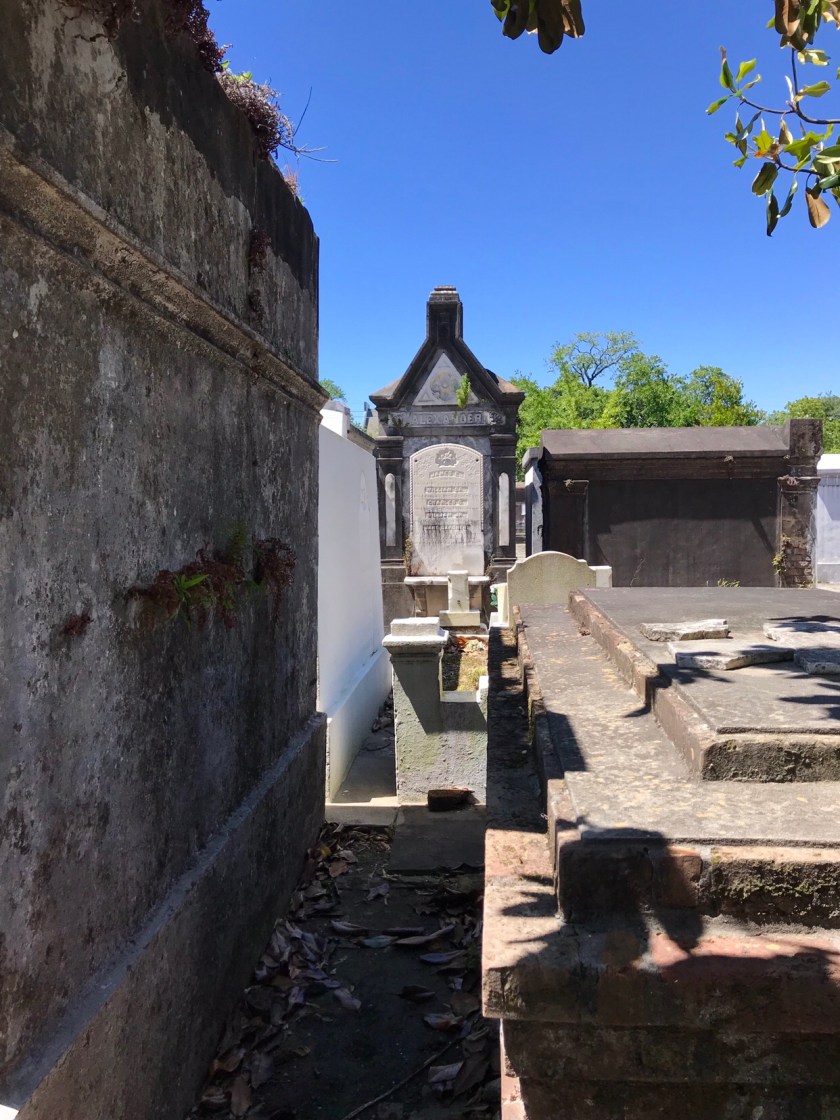

 Since we were nearby, we wandered over to the Irish Channel neighborhood for lunch. Bon Appetite’s choice for restaurant of the year is located on Jackson Ave.
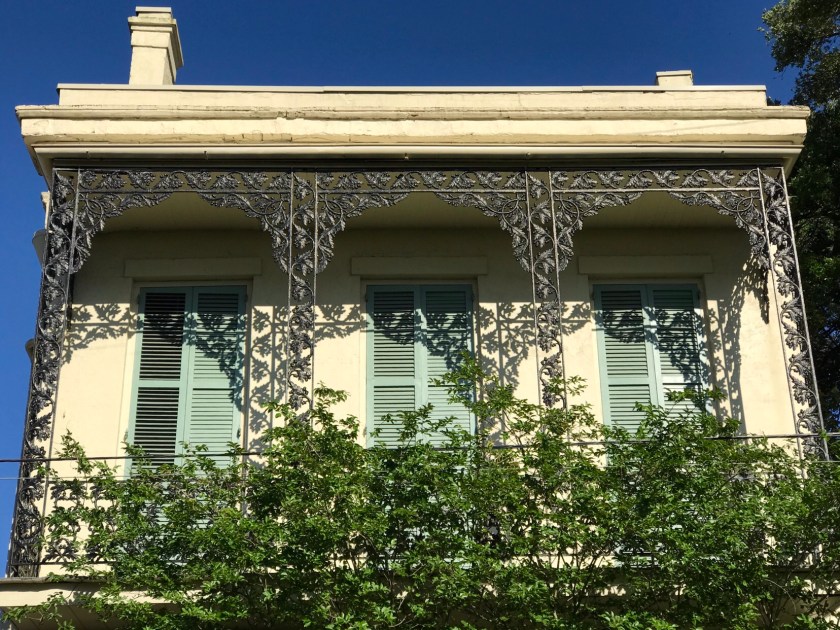
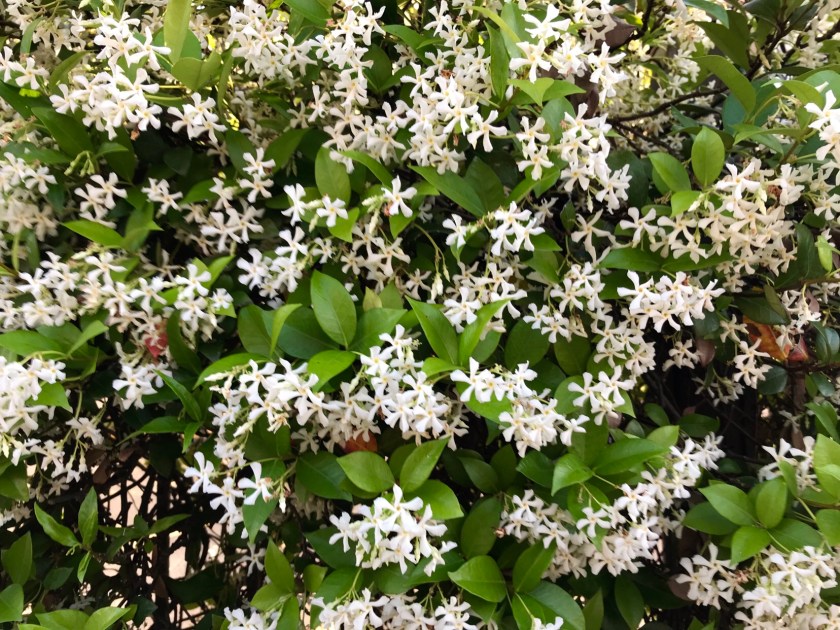 The jasmine was in bloom and scented the air everywhere. After an afternoon of wandering, we bellied up to two for one cocktails and conversation with the locals @ Barrel Proof Whiskey Bar. (We had too much fun to document that though.)
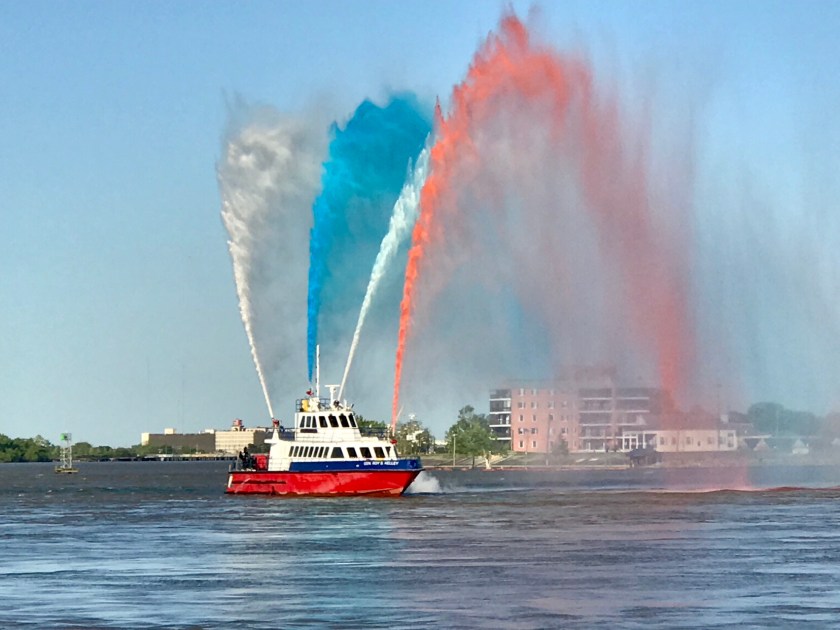 There’s always something to celebrate in NOLA.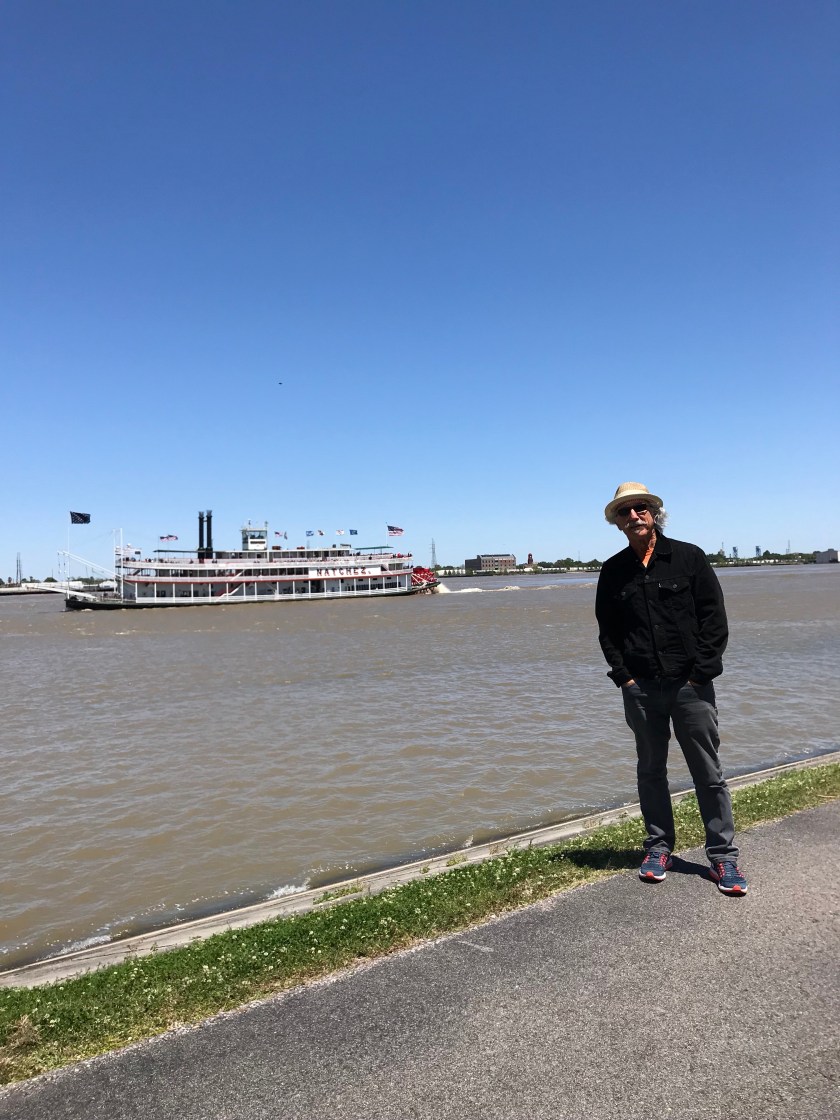
 Tincan Travels