Sky Island Hopping

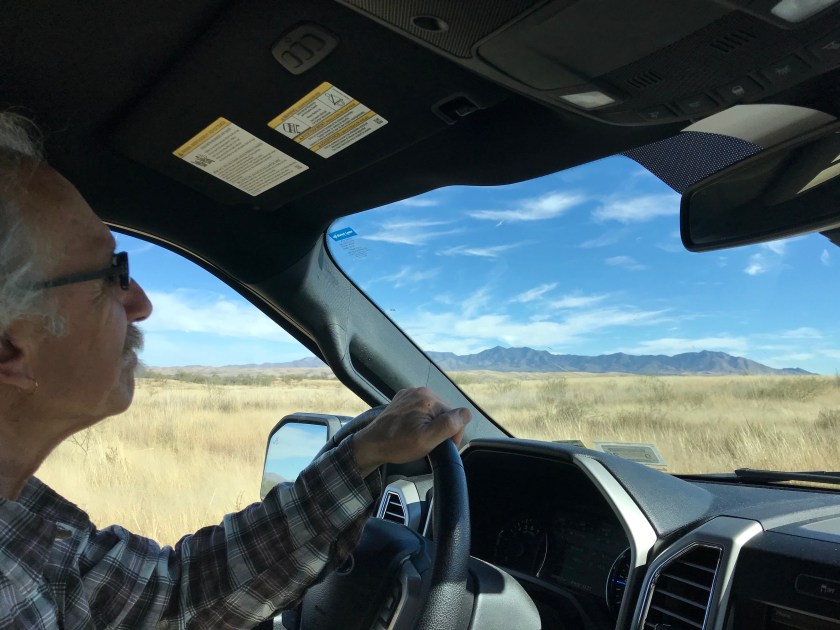
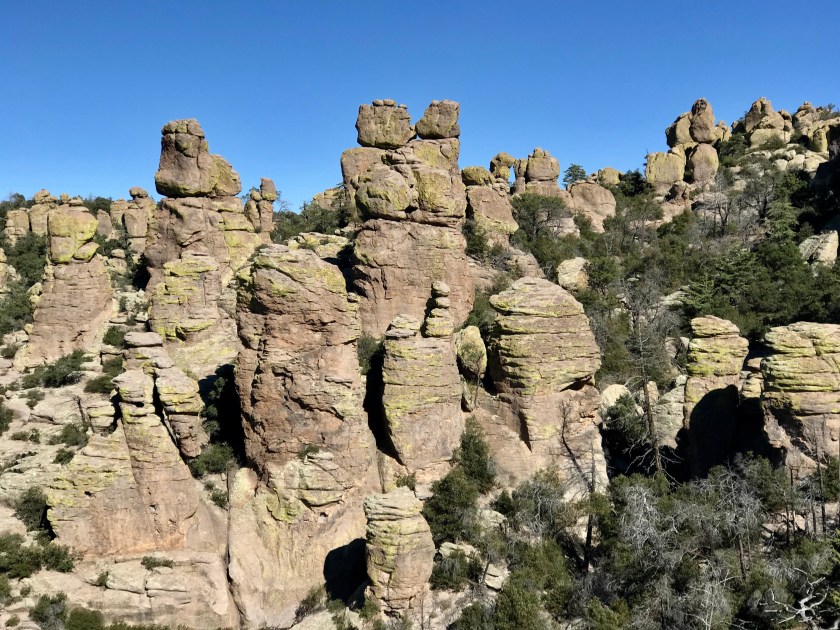
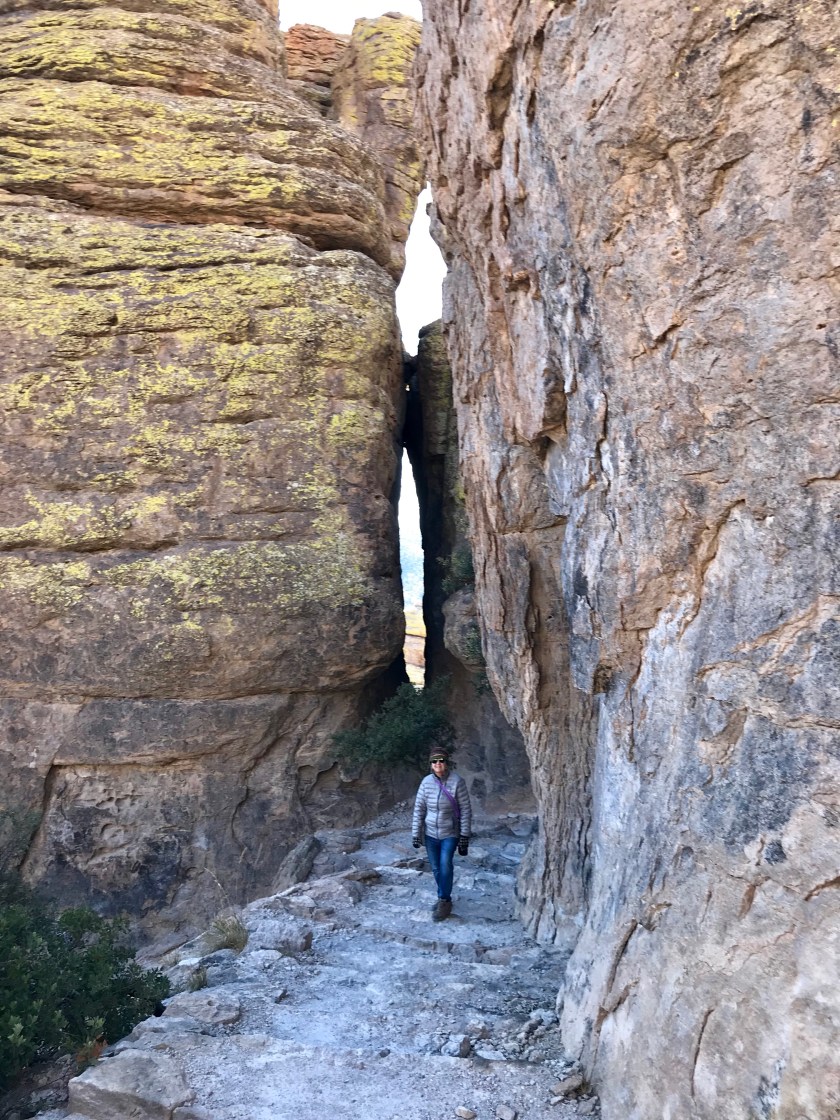
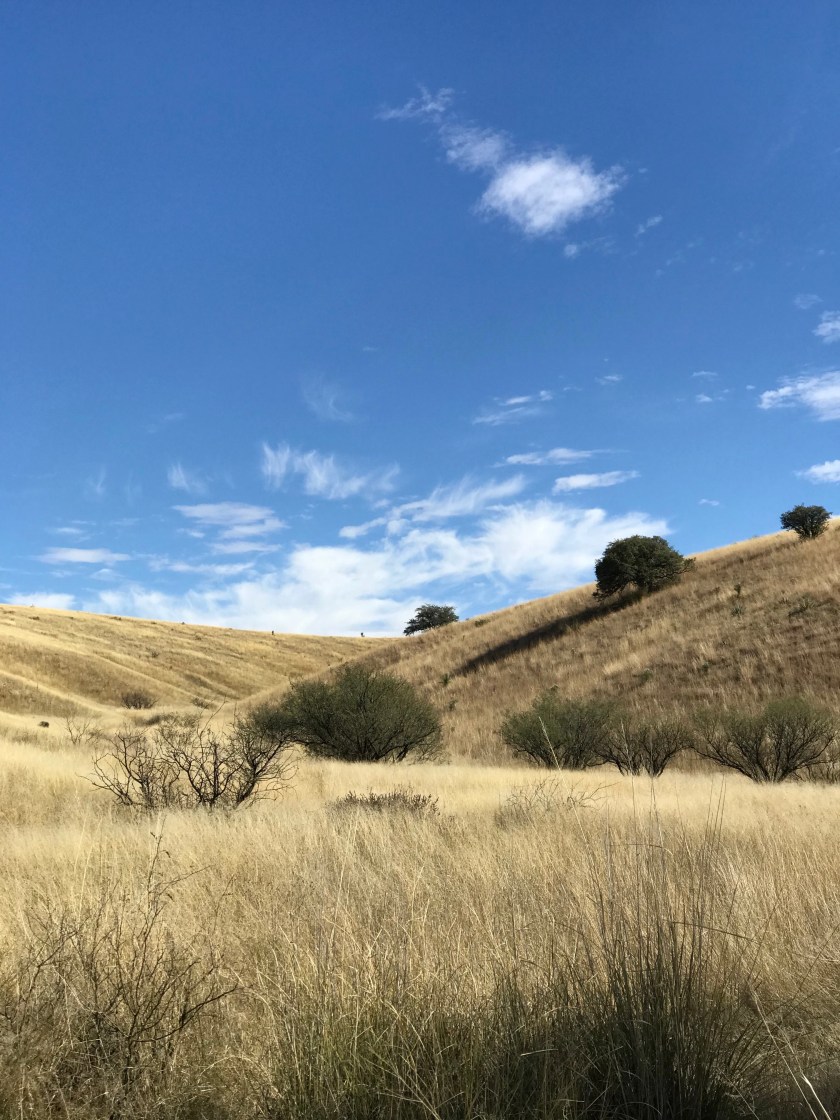
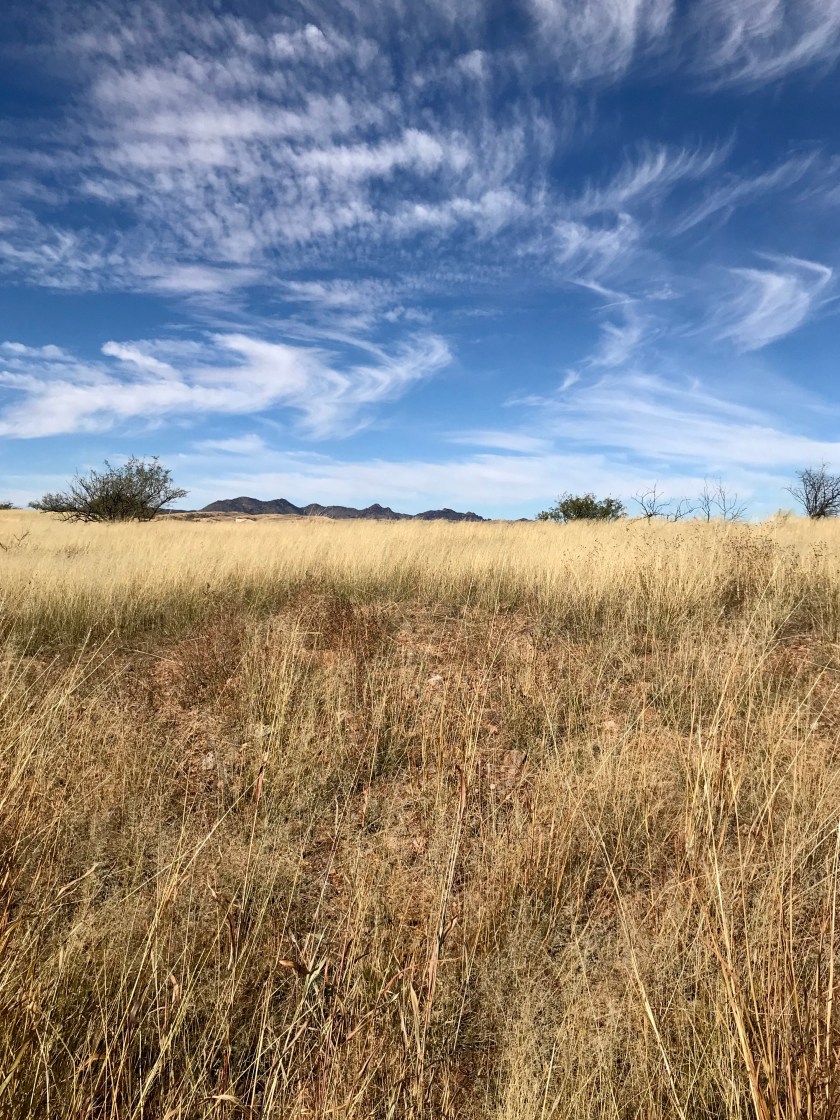
We left T or C and continued our journey West to Arizona. As you enter the Sulfur Spring Valley near Willcox AZ you find yourself in a vast grassland sea. Within this sea an isolated mountain range rises up, a sky island. These are the Chiricahua’s.

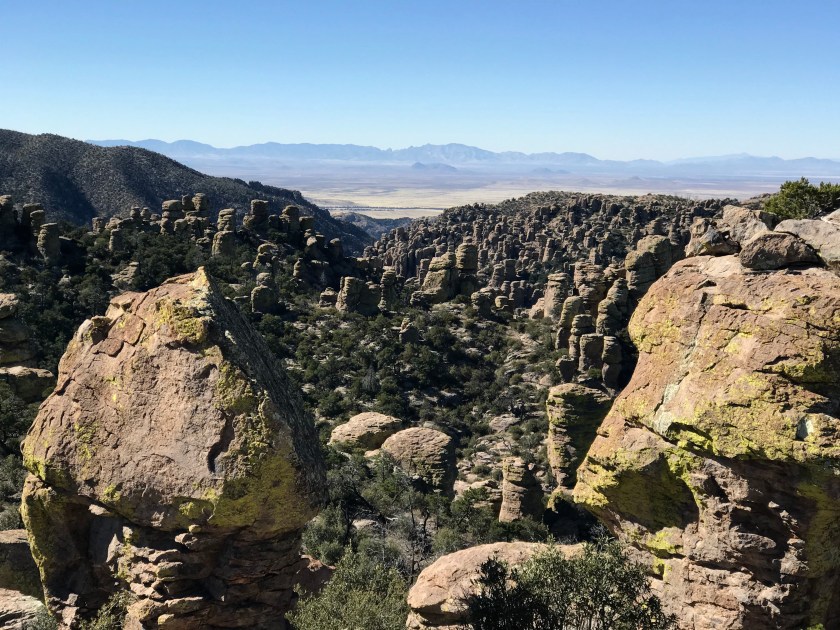
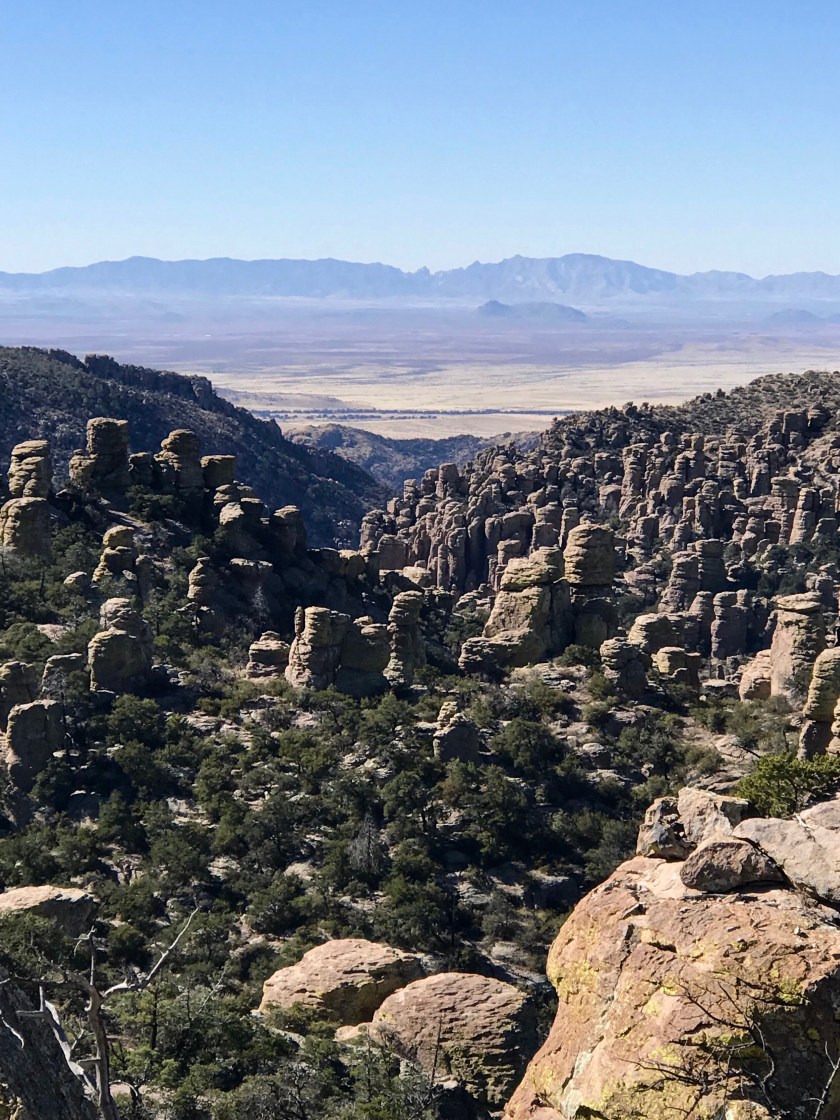
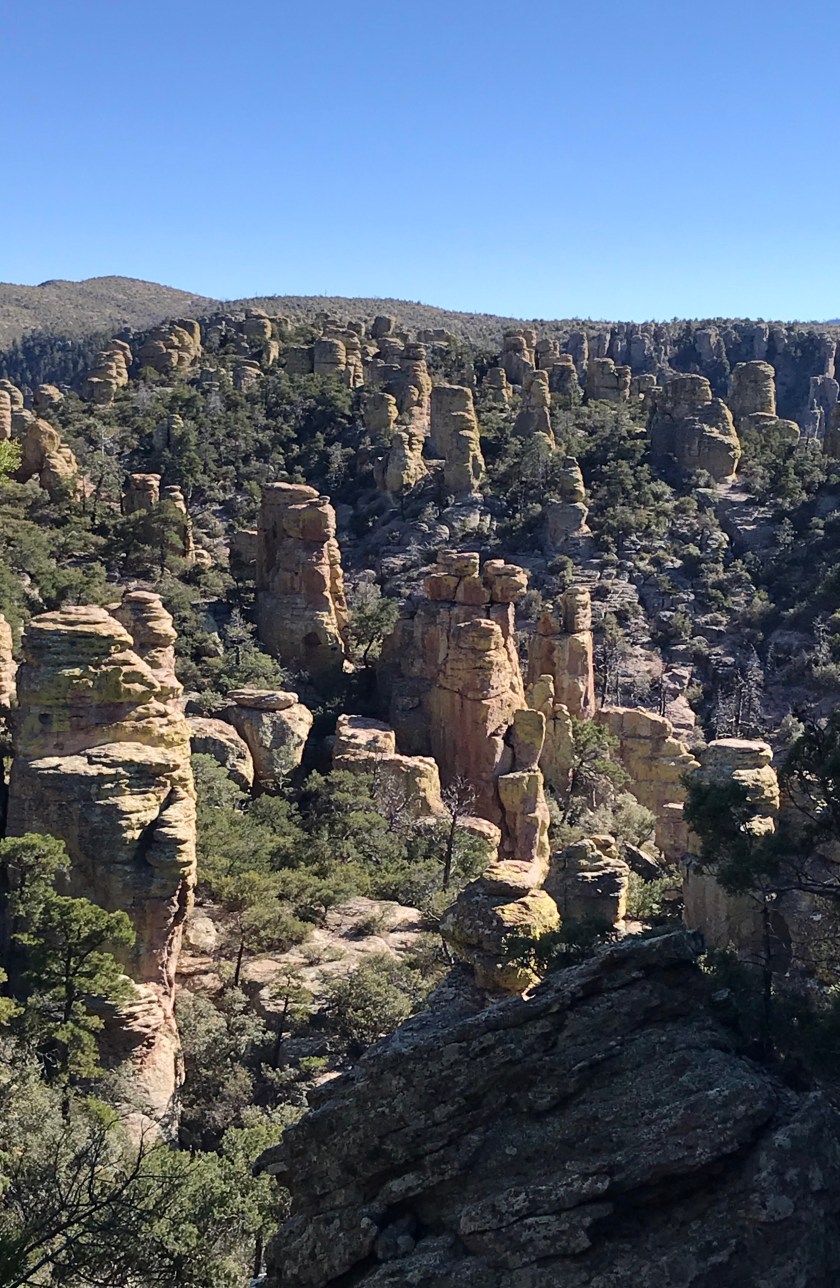
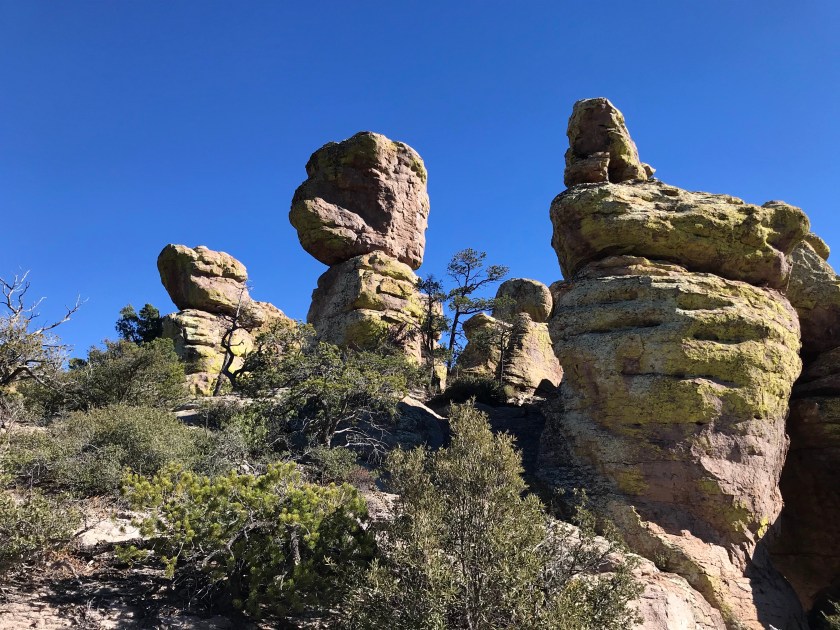
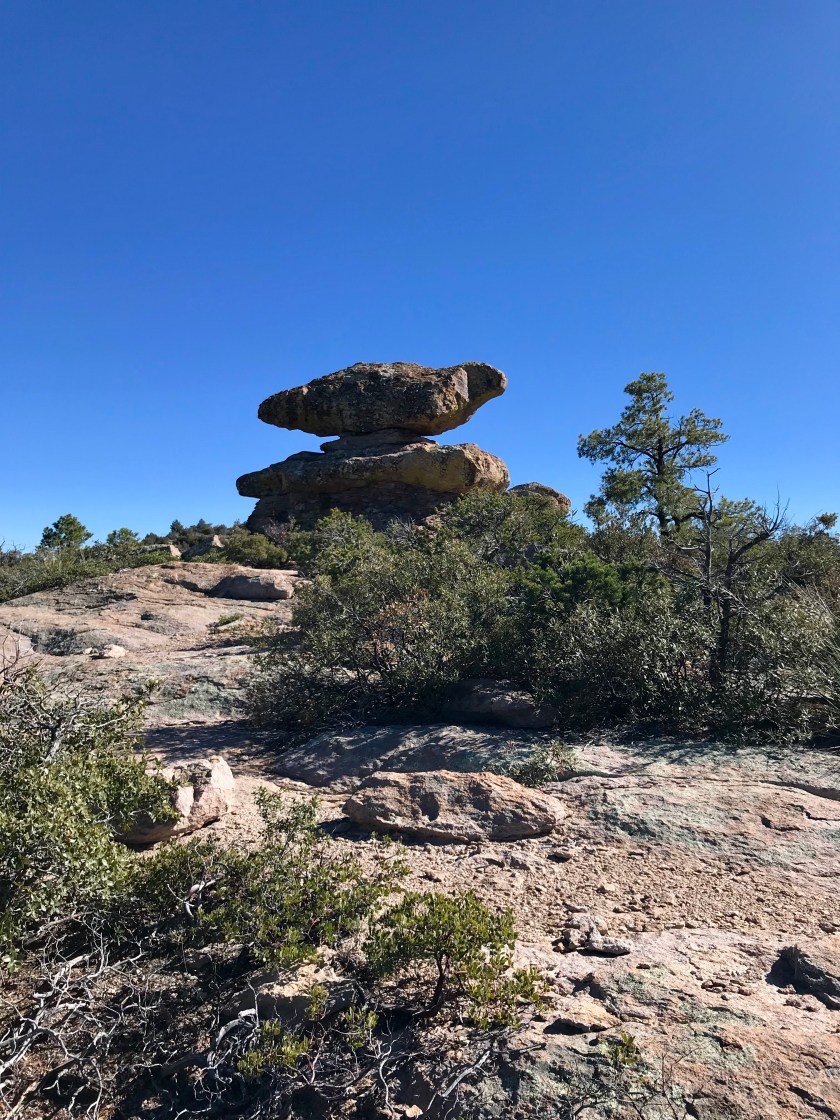
The Chiricahua Apache called these pinnacles “standing up rocks”. The Chiricahua National Monument was established in 1924 and protects these formations.

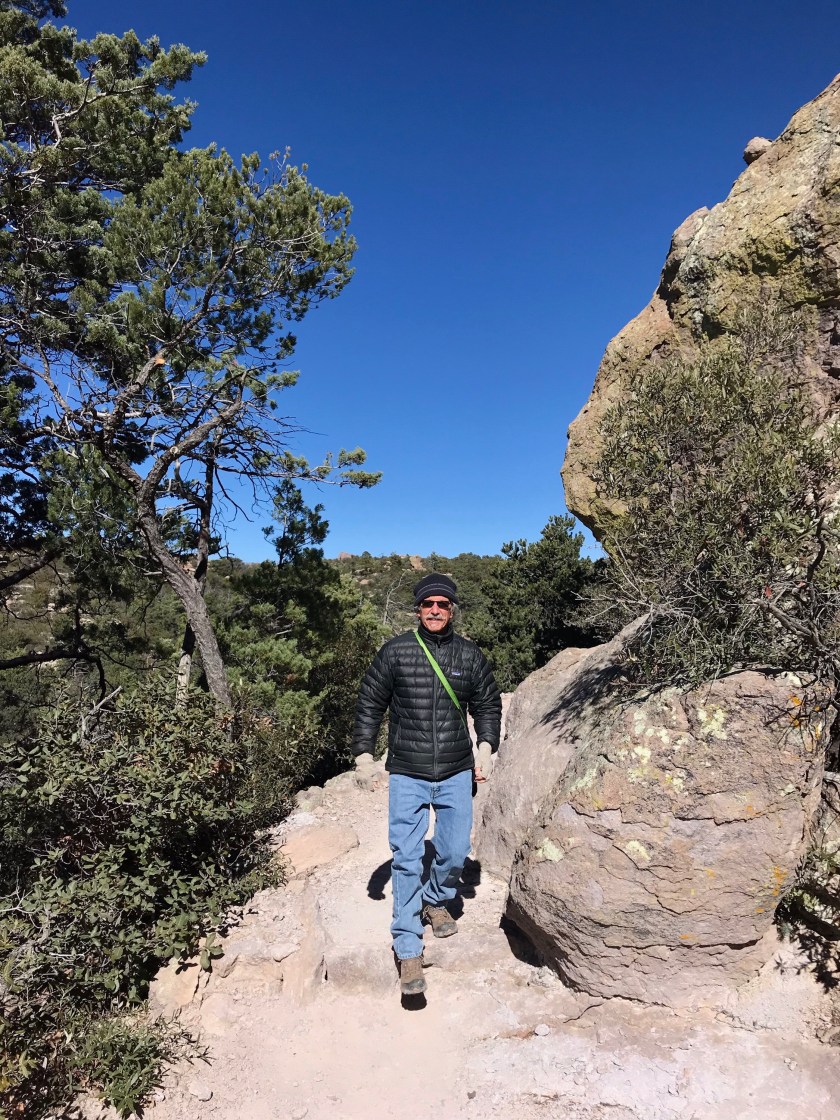
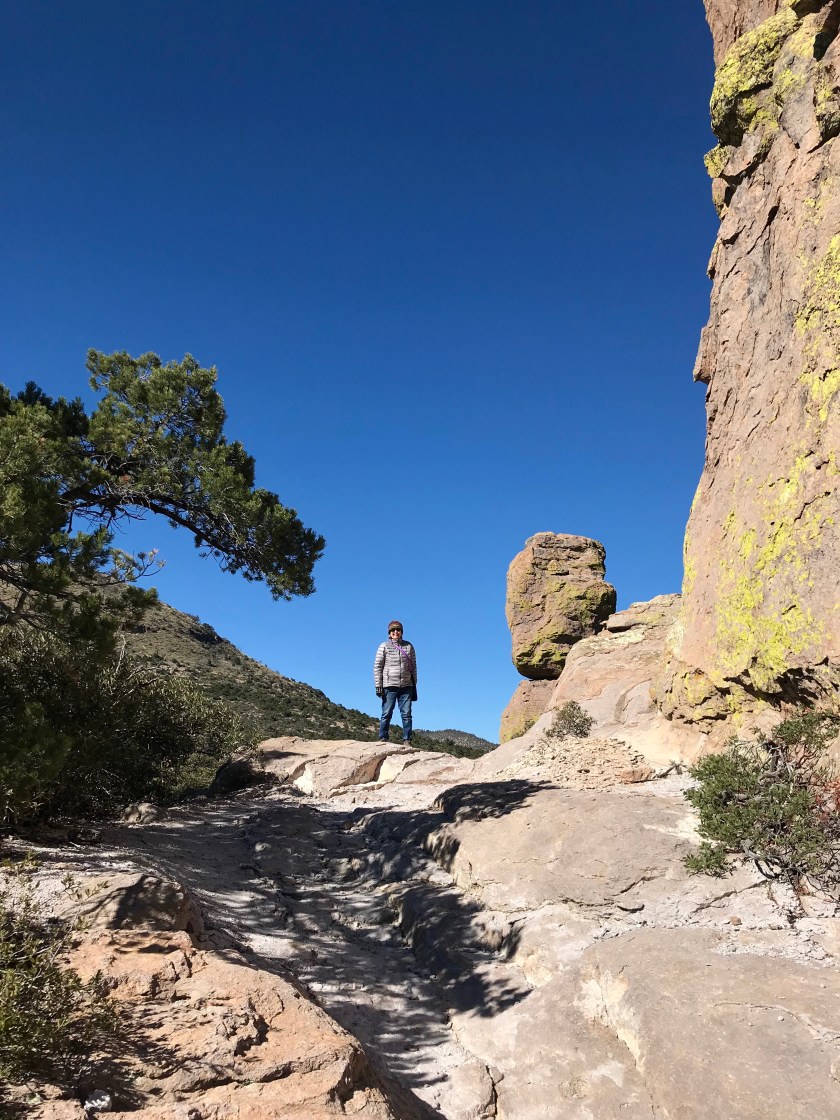
Twenty seven million years ago Turkey Creek Volcano erupted and spewed hot ash over this area of Arizona. The ash melted together forming layers of grey rock called rhyolite. Cooling and uplift created joints and cracks. Over time weathering and erosion did the rest. Wandering the endless variety of rock formations makes for a great hiking experience.

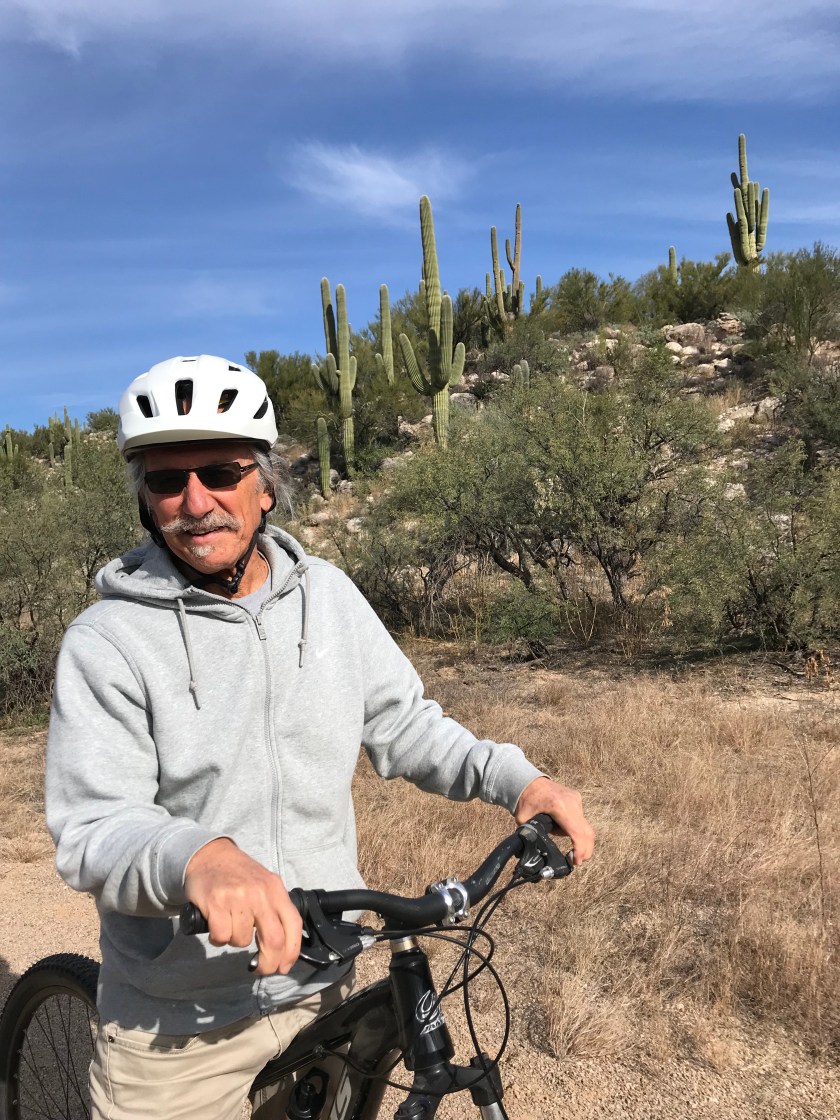
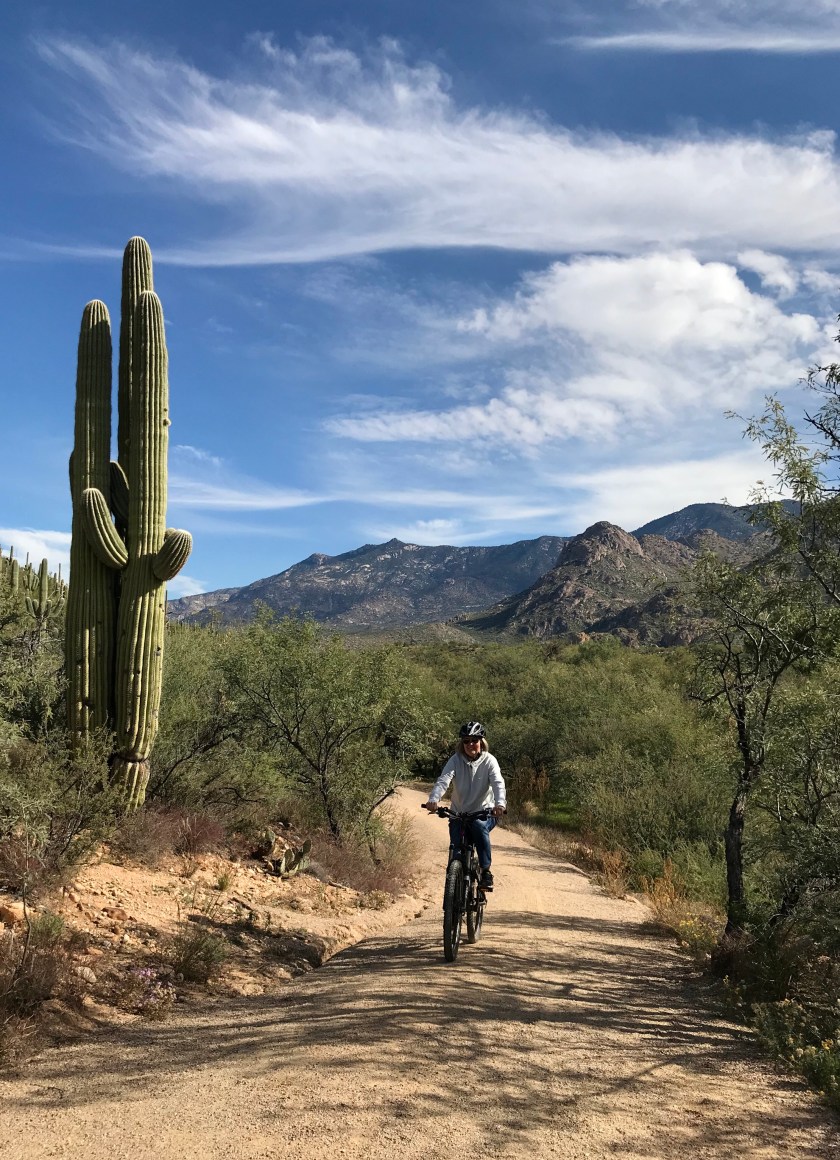
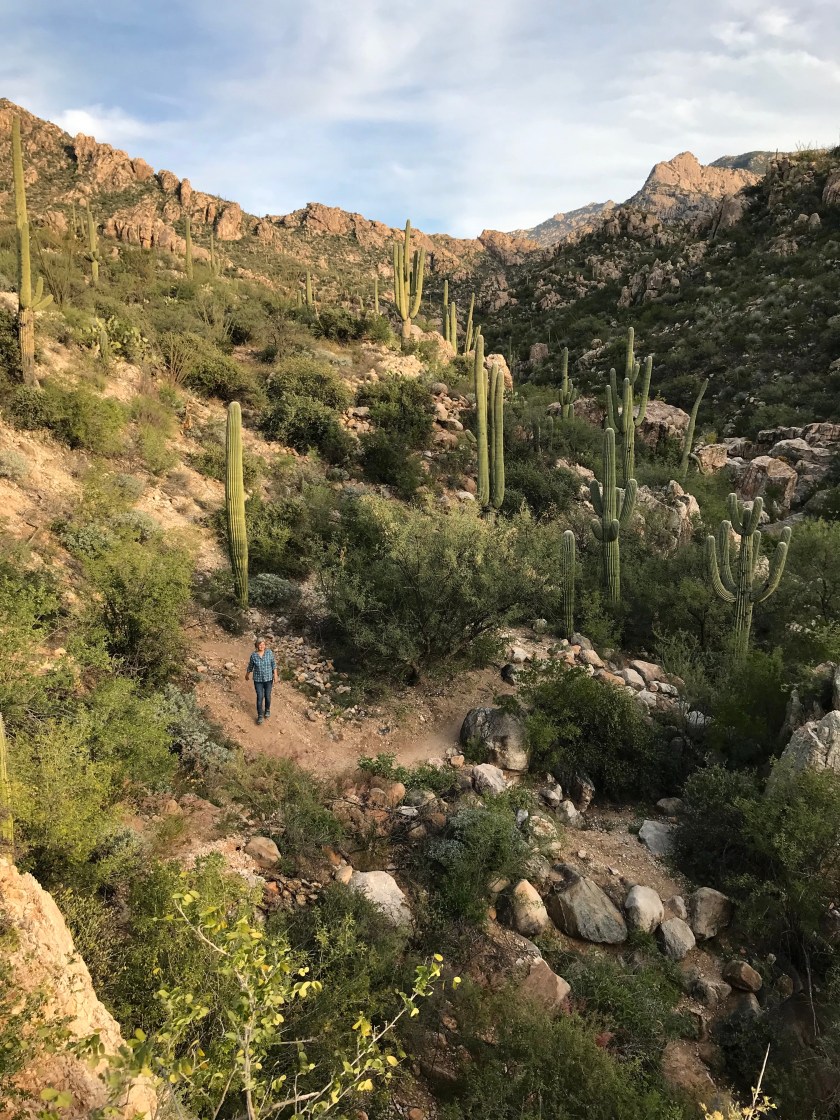
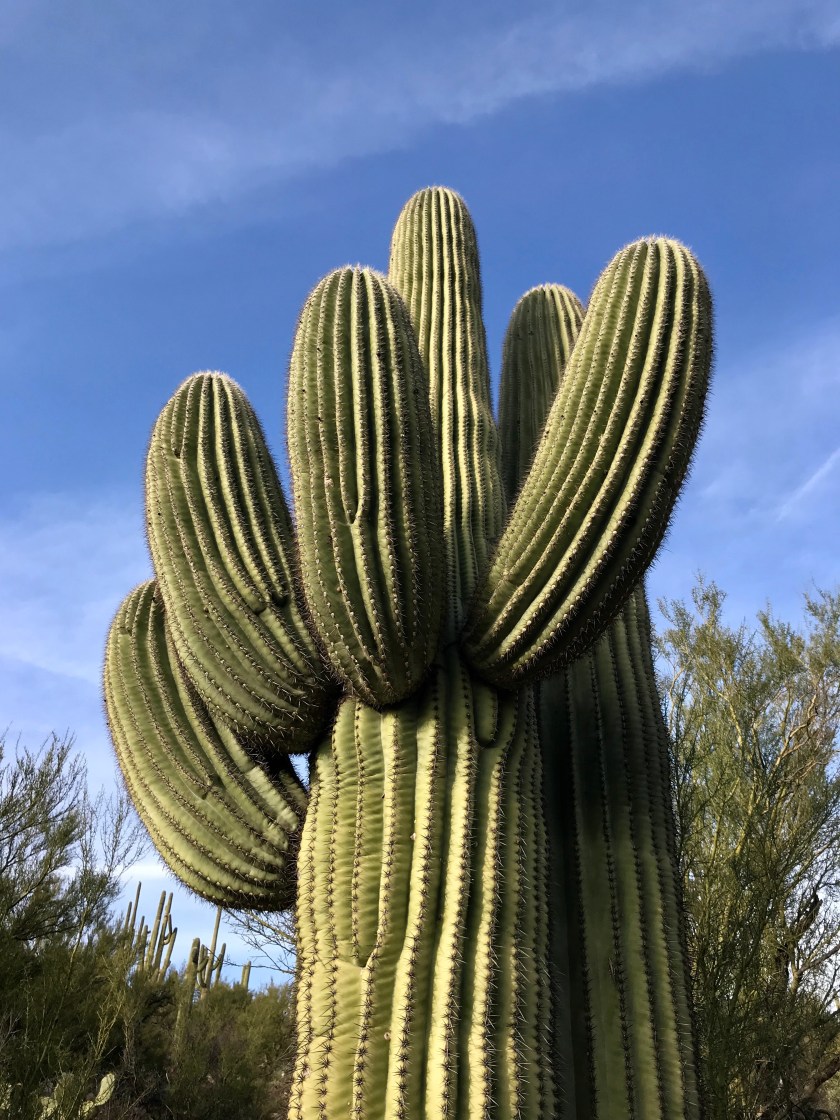
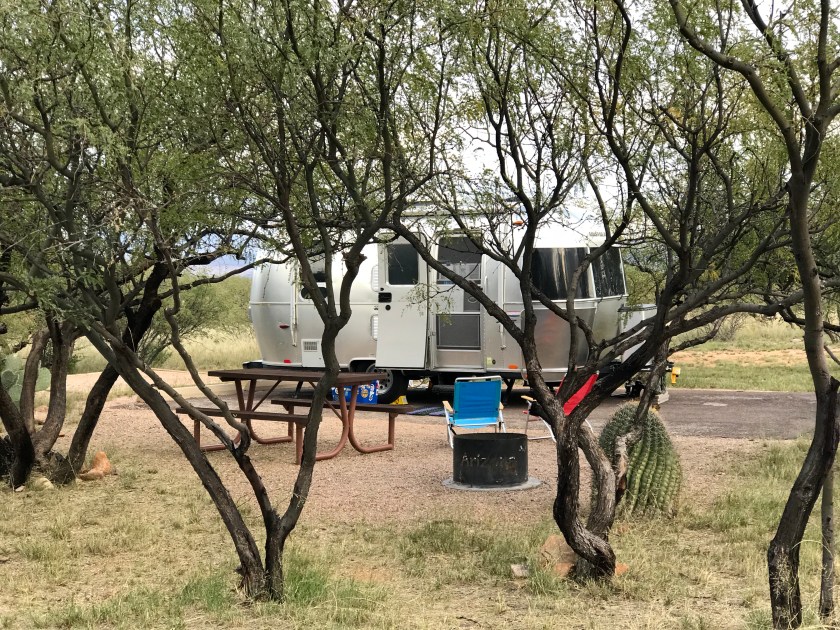
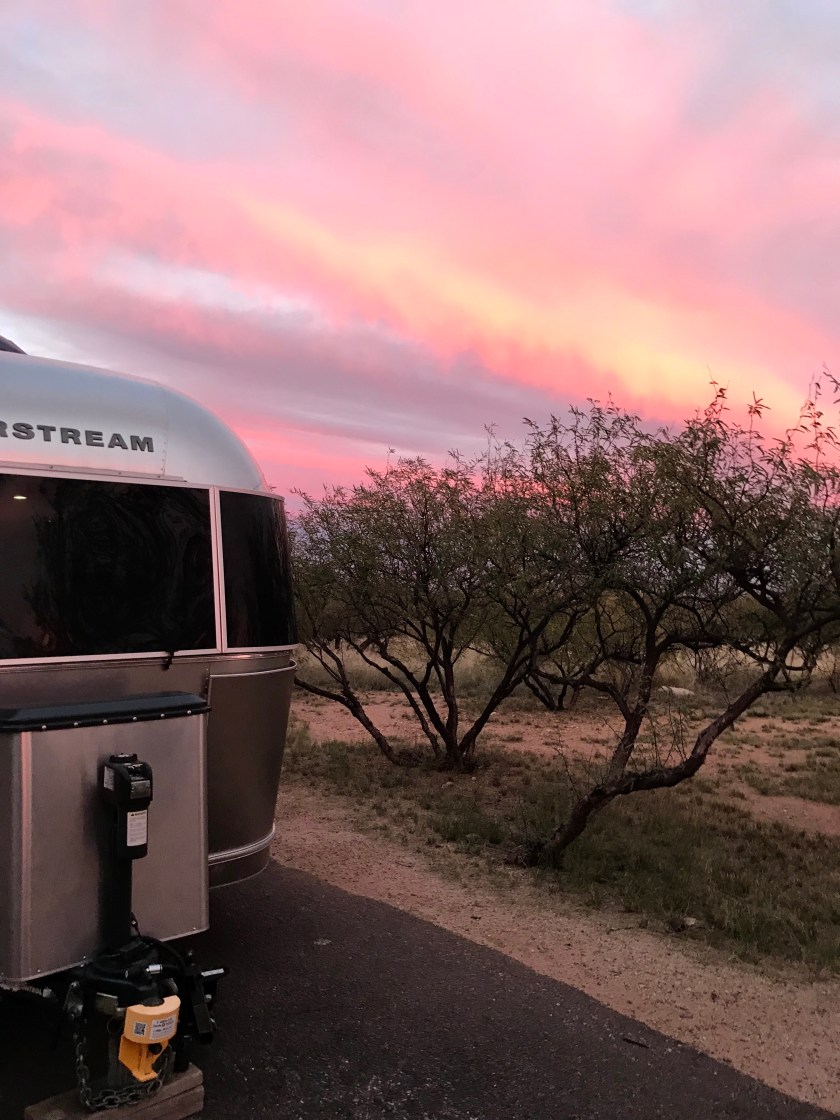
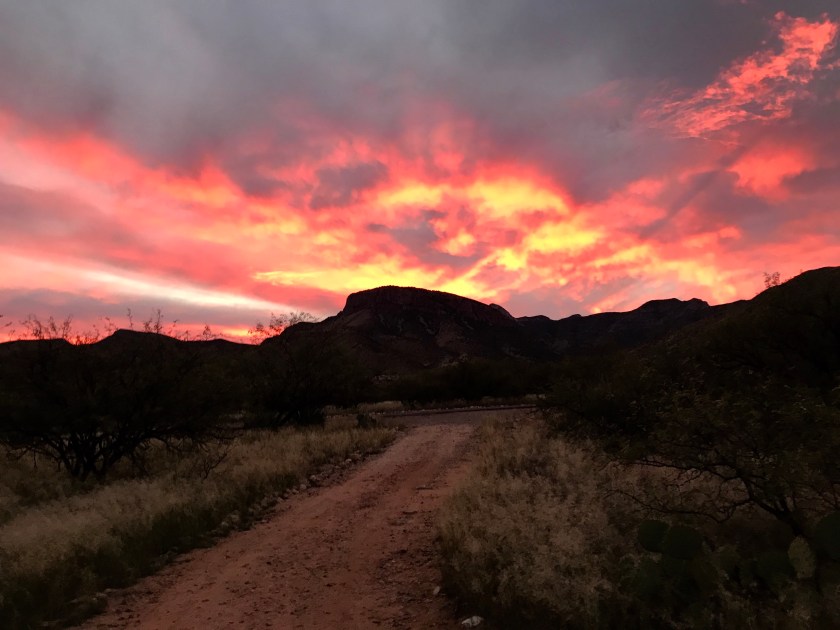
Continuing west, we set up camp in the foothills of the Whetstone Mts just south of Benson AZ.

Our destination was Karchner Cavern State Park. The park is home to a cave that was discovered in 1974. A great deal of conservation went into maintaining the cave’s pristine condition. The cave remains a living organism. No cameras or phones were allowed in the cave so no photos to entice you –but plan to visit this gem if you are anywhere near.

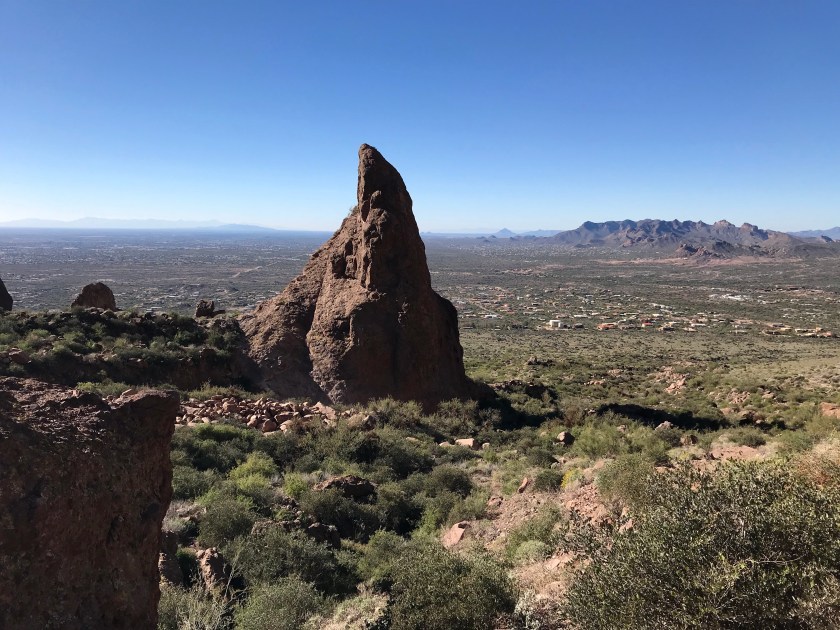
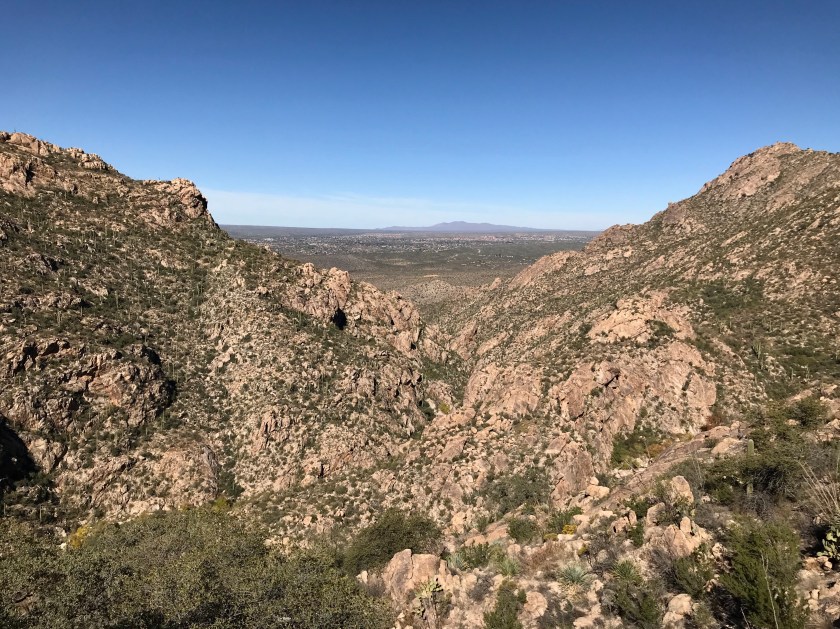
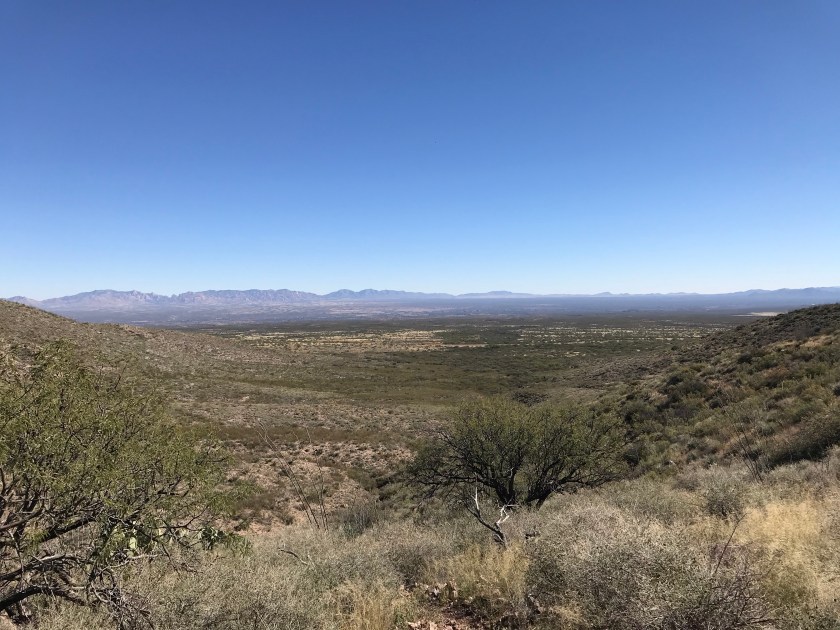
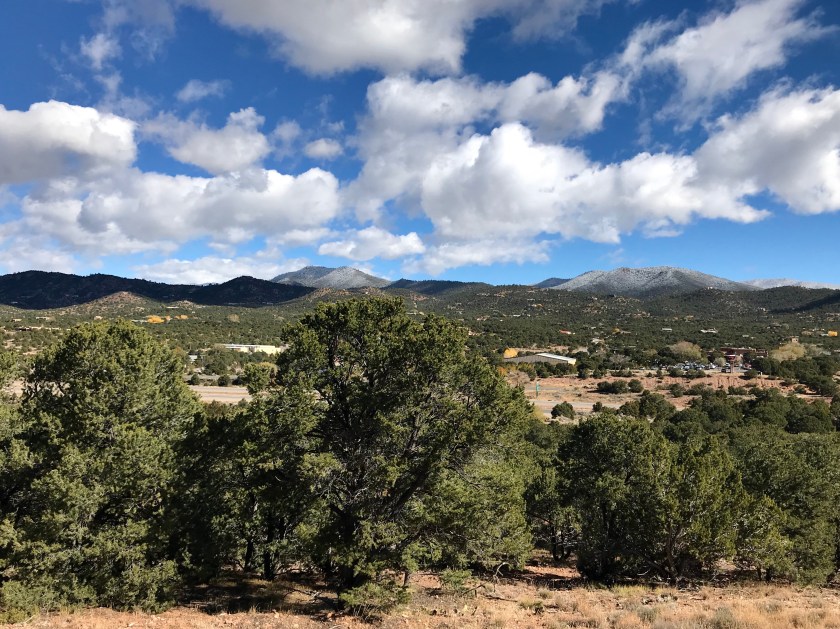
The San Pedro Valley

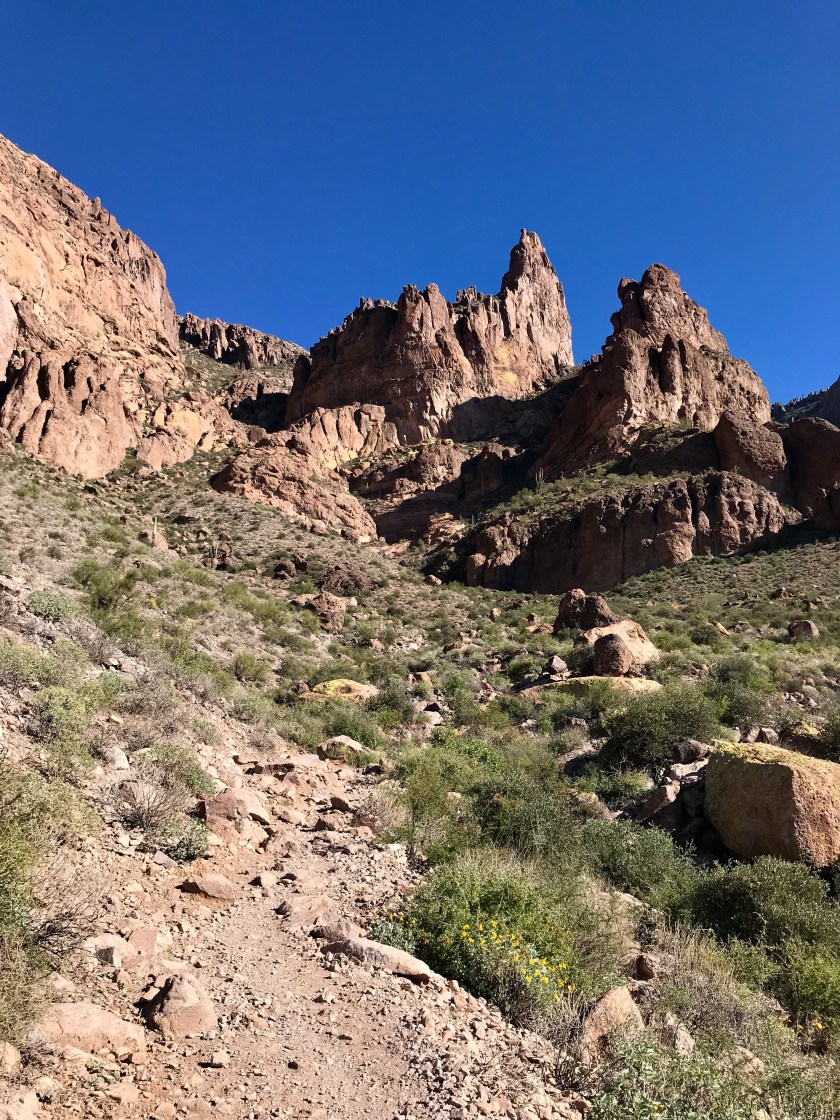
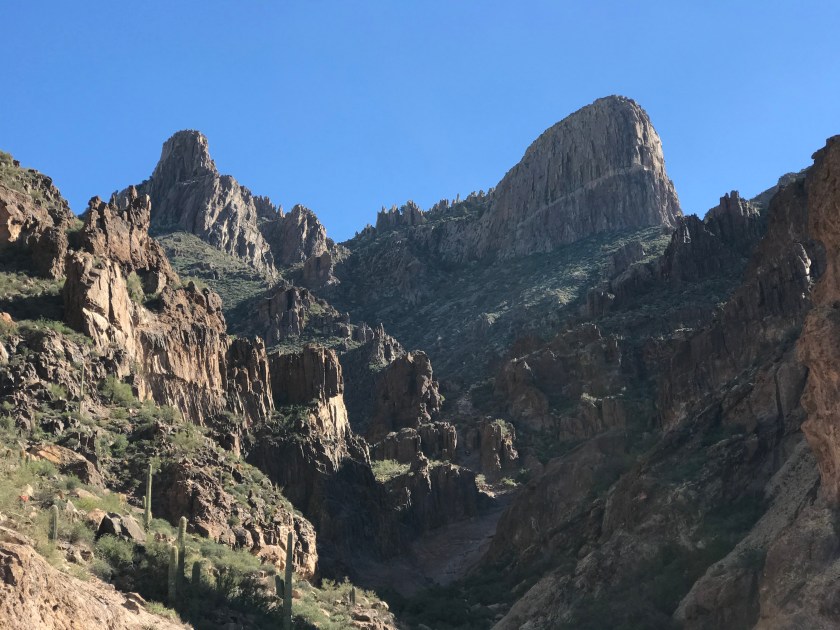
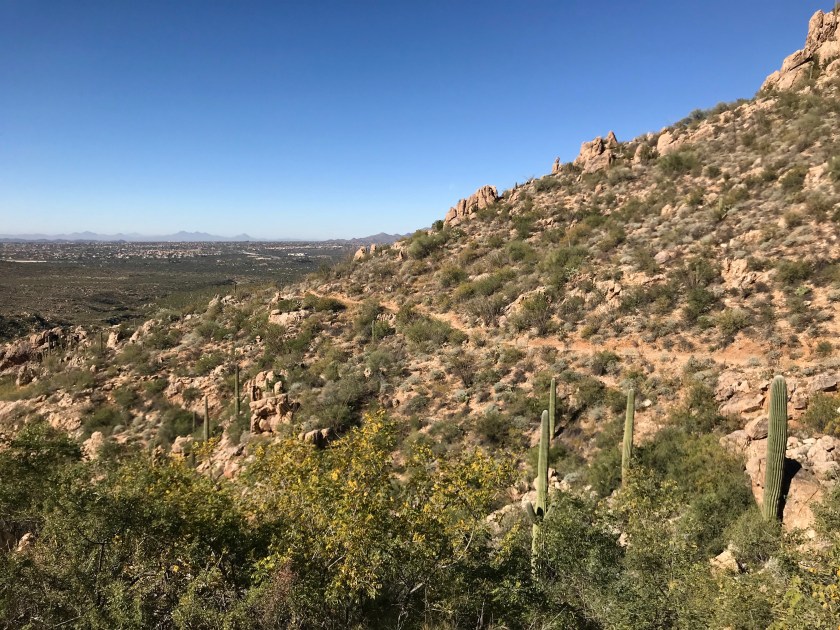
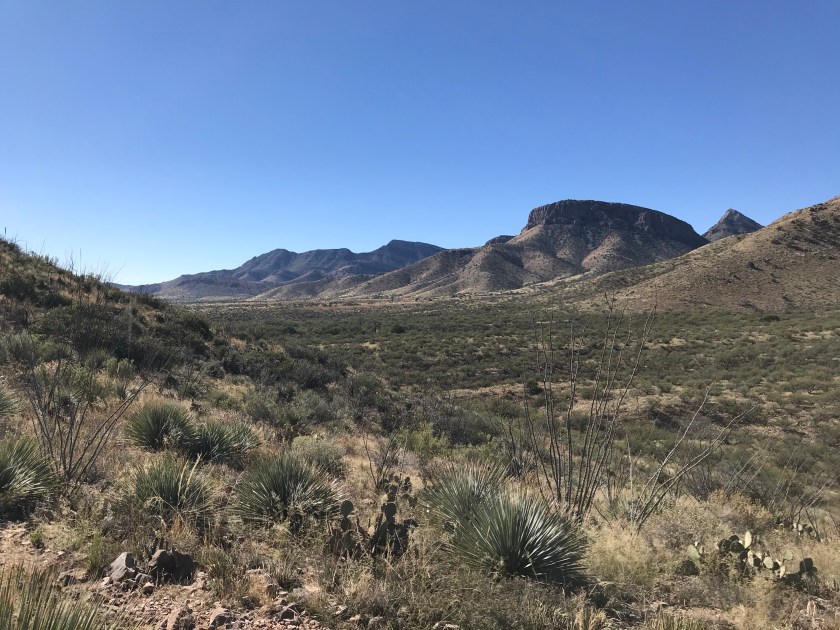
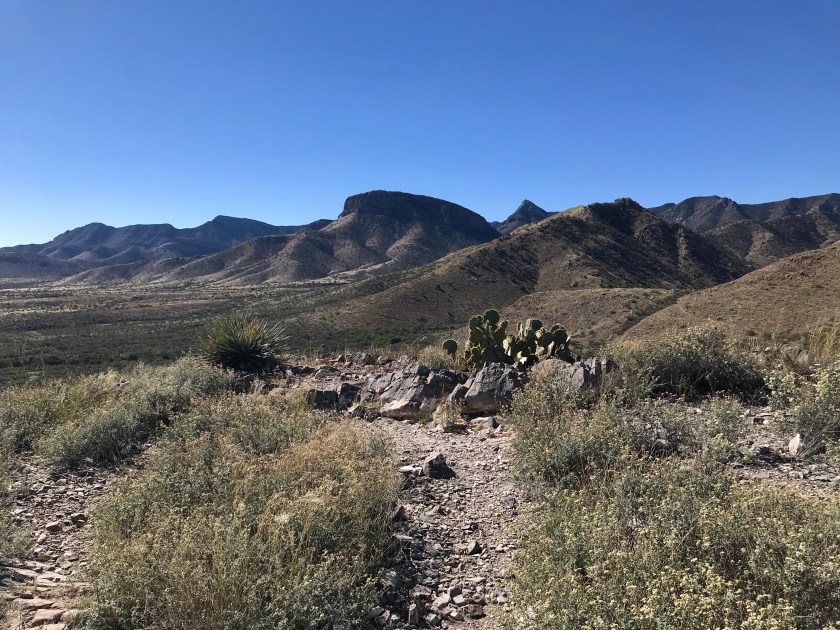
The Whetstone Mts. (a “sky island”)

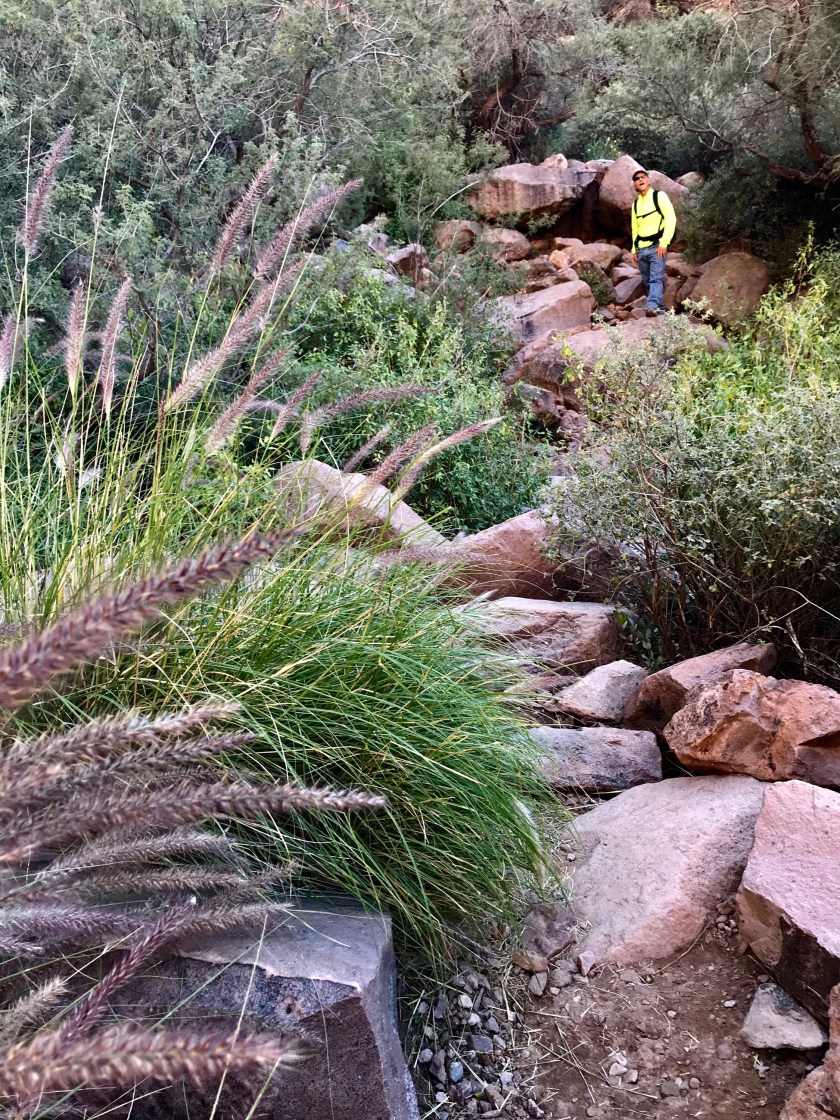
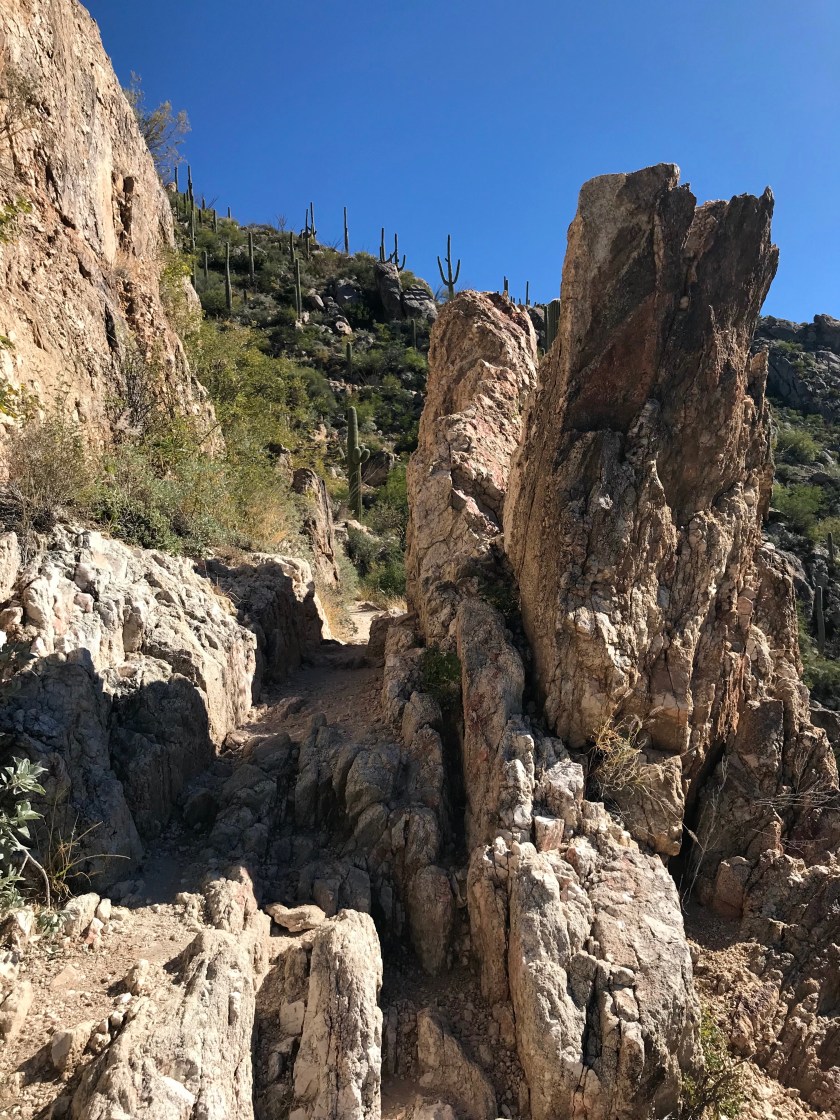
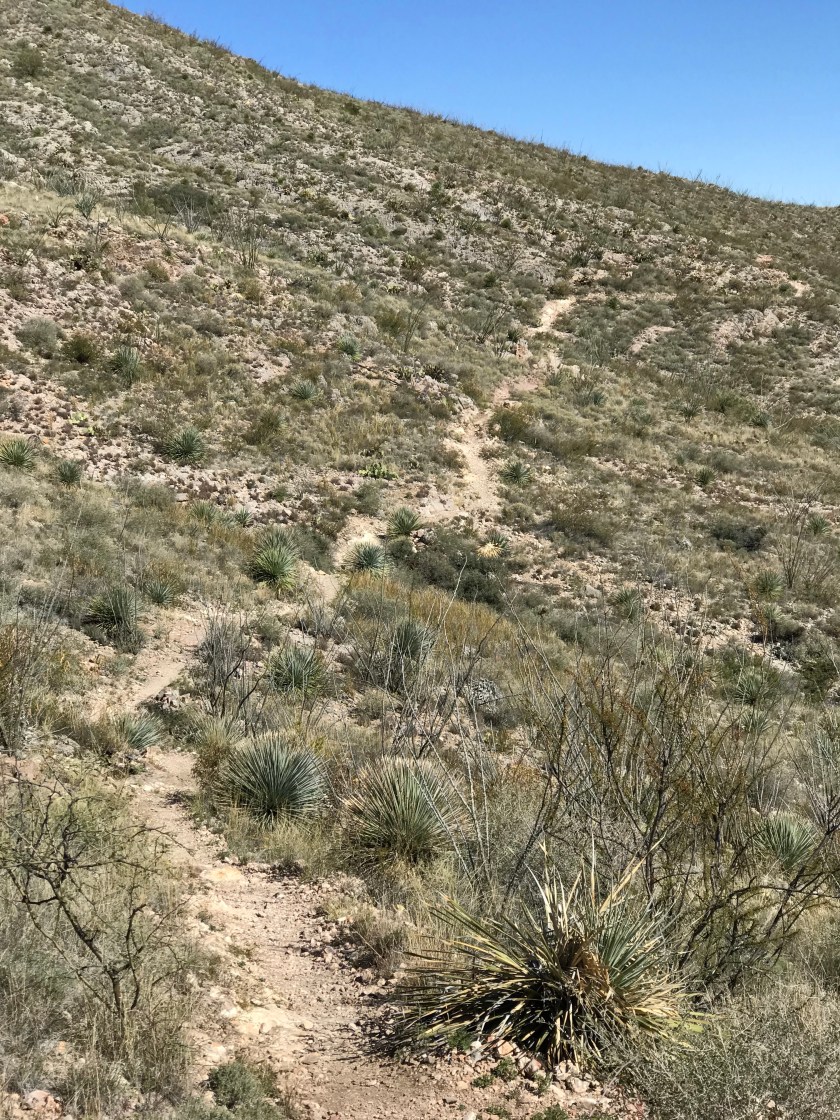
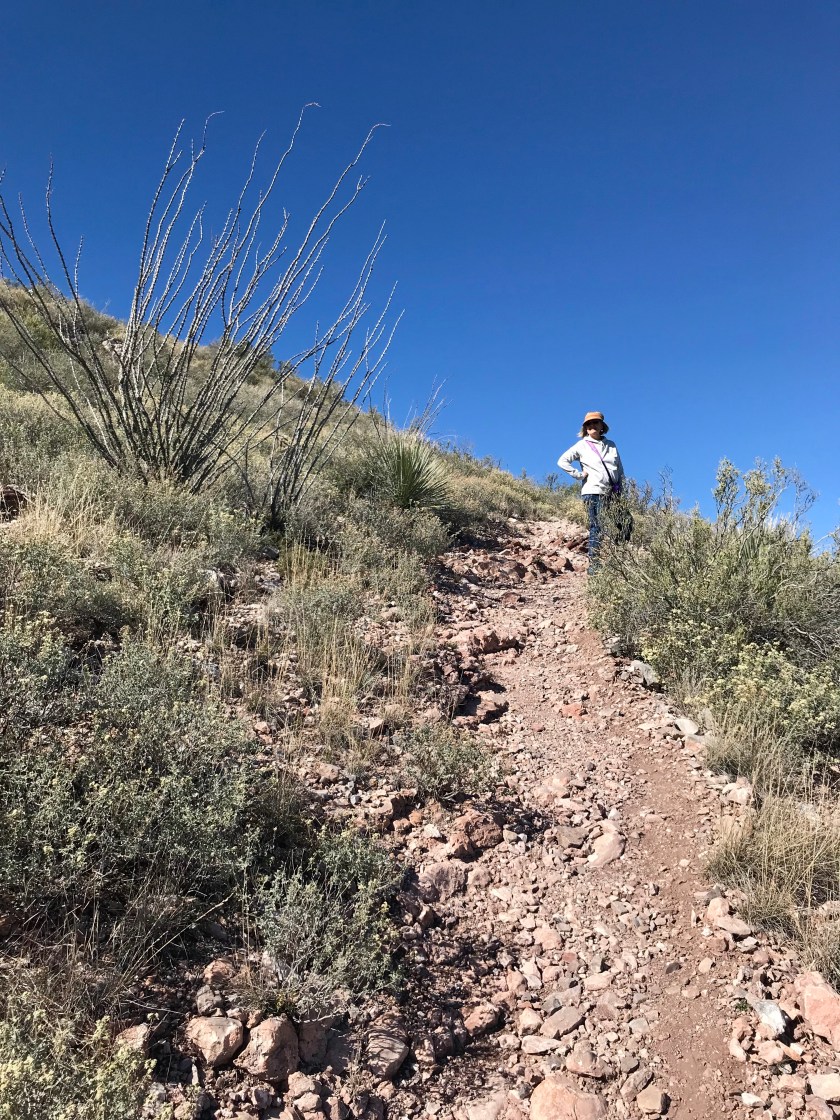
The way up

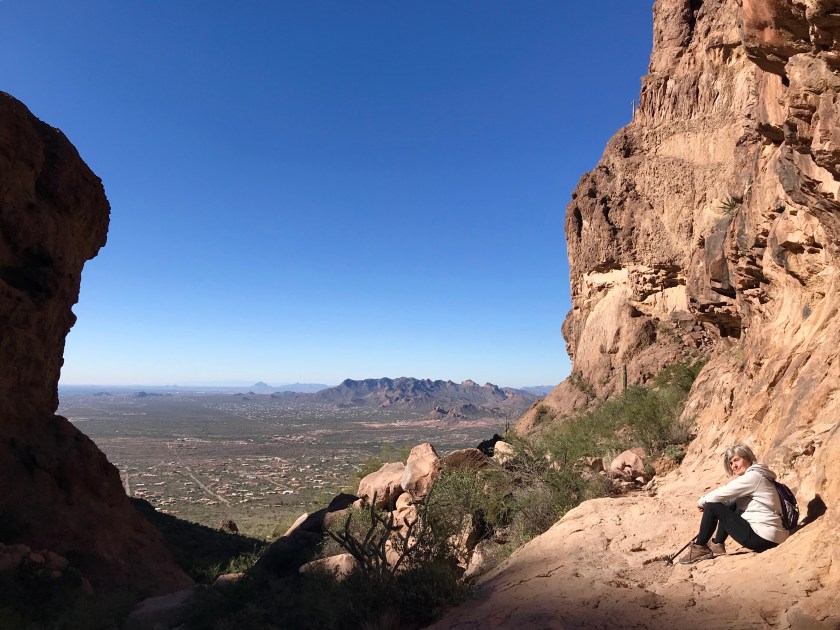
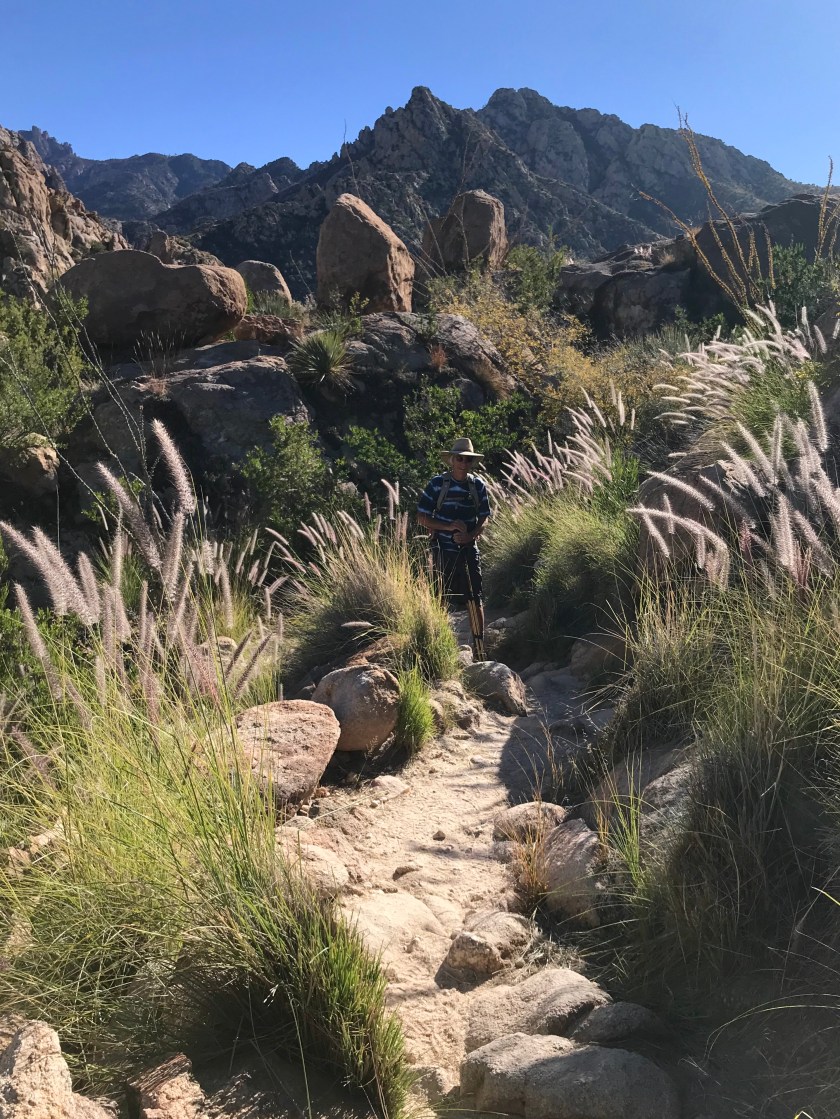
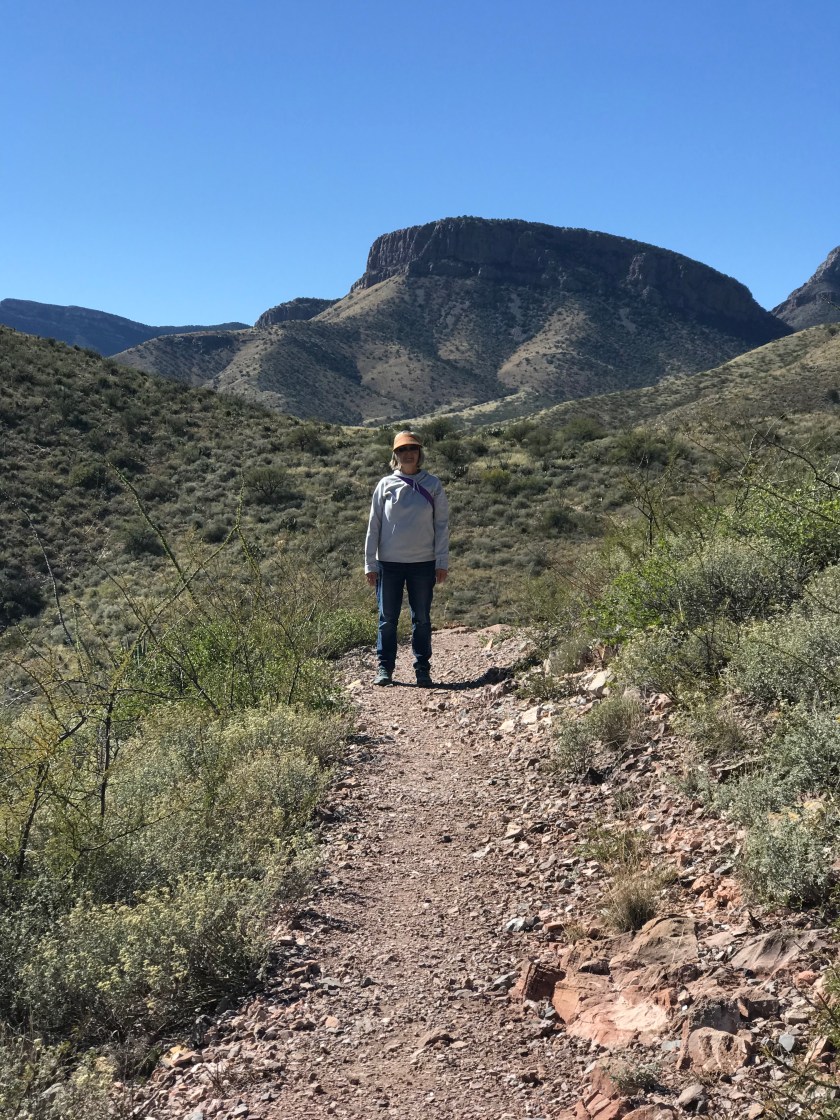
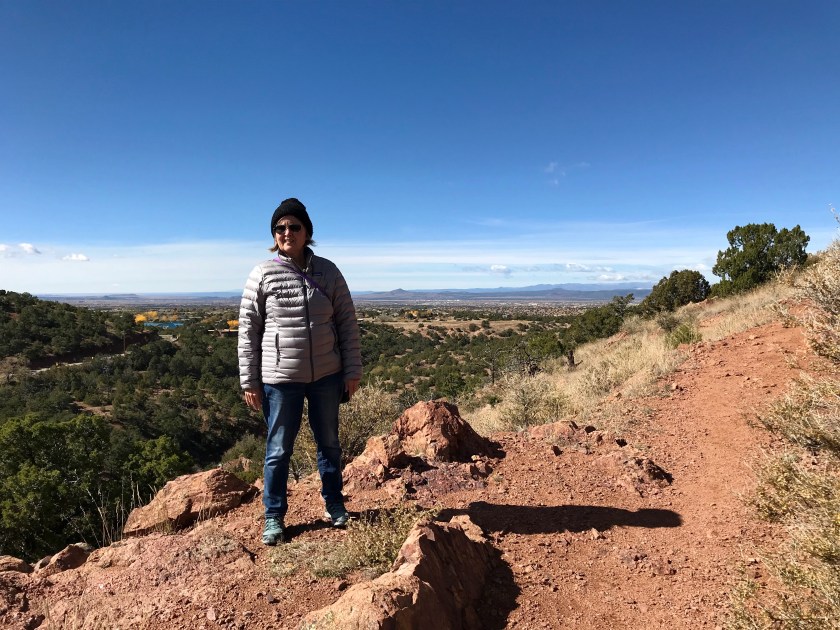
We made it!

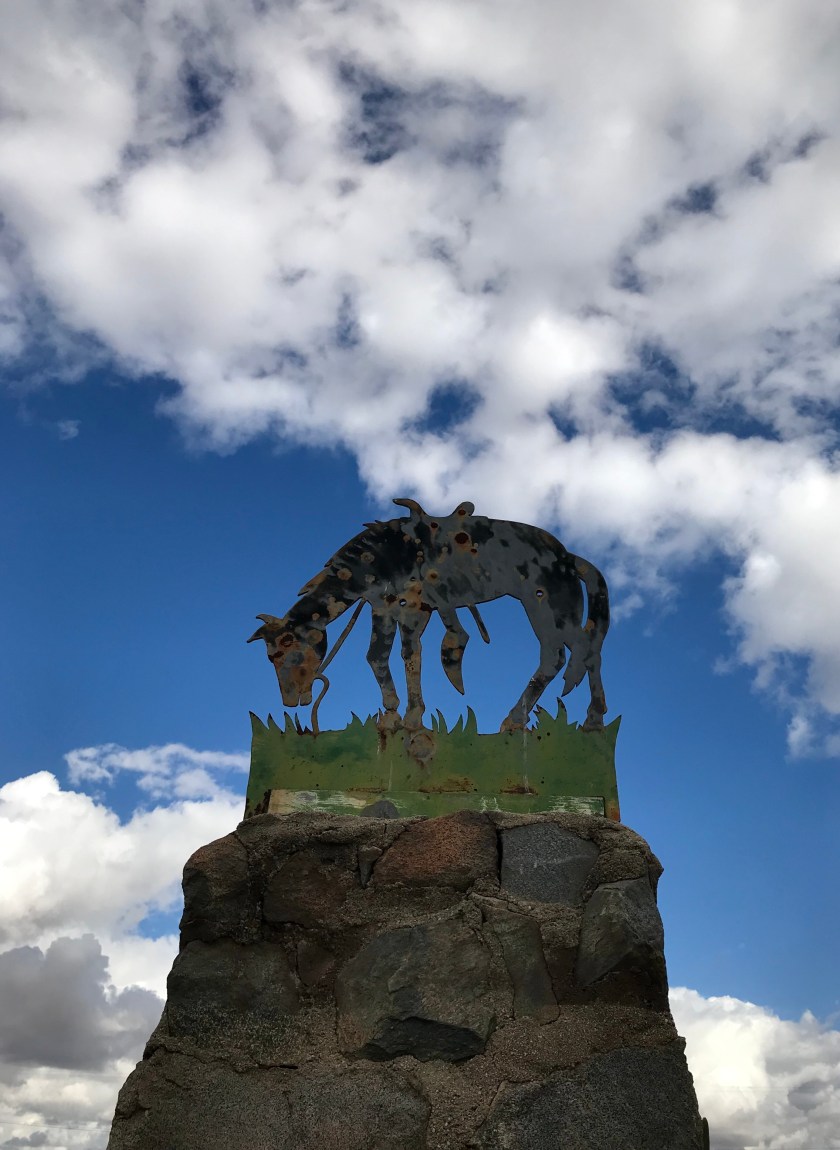
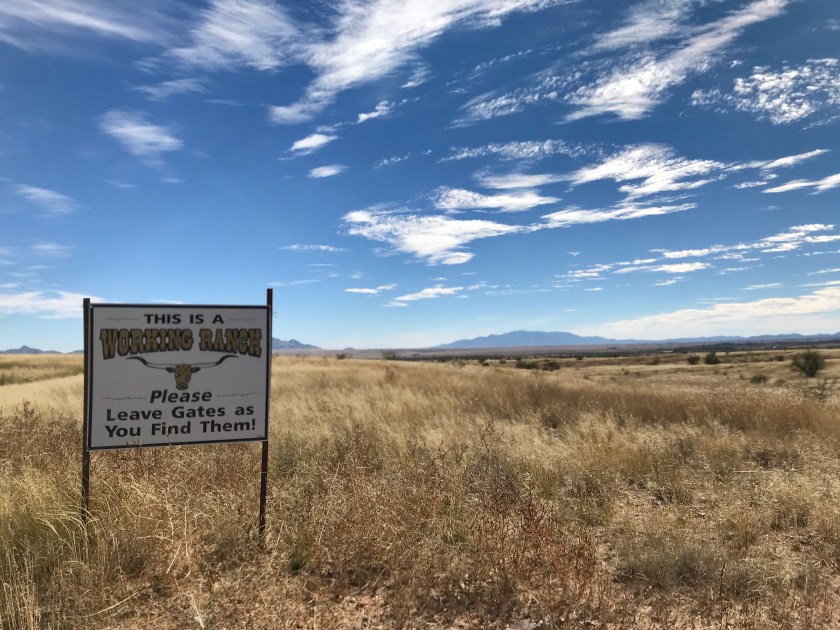
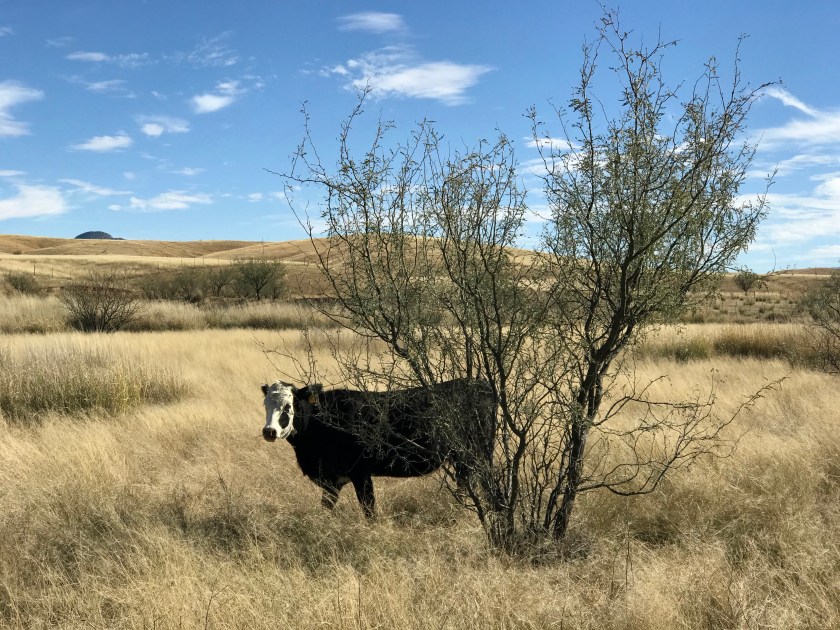
Just north of Sonita, AZ lies the vast Las Cienegas National Conservation Area. Located within is the historic Empire Ranch. The Ranch began its life in 1871 and continued as a privately run cattle ranch until 1988 when the US Bureau of Land Management acquired it. The government leases the land and it continues to be a active cattle ranch.

Hiking, biking, camping, hunting and ATV use is permitted.

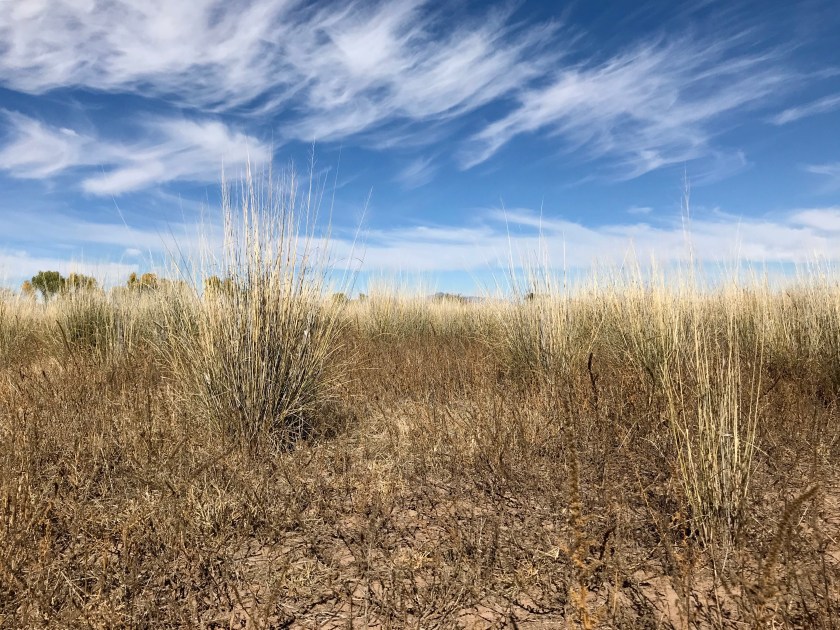
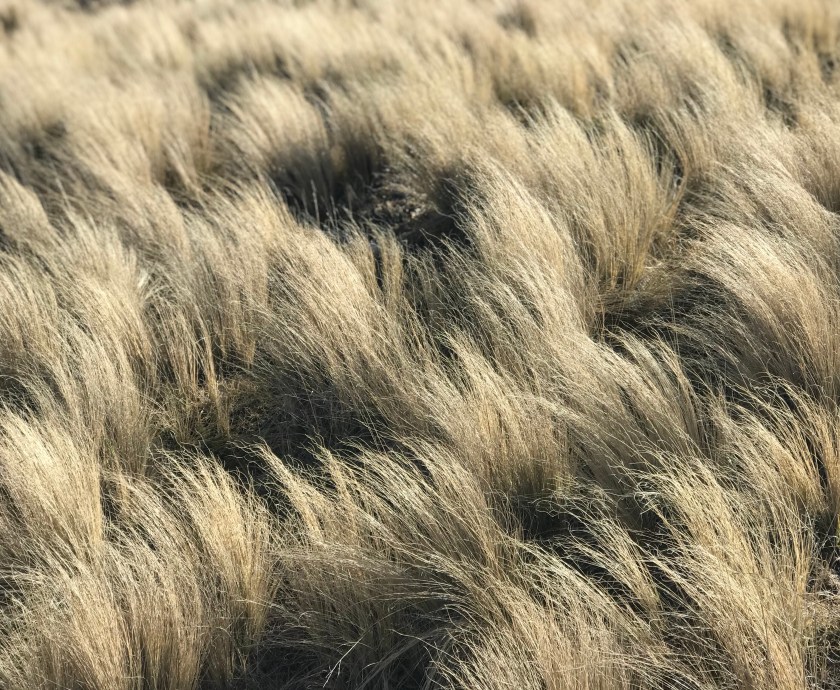
Giant Sacaton grass once dominated the flood plains of the Southwest. Today the Cienegas Watershed is home to the region’s largest remaining sacaton stands.

On to Tucson!

Truth or Consequences

The plan was to spend one night in T or C and then head over to Silver City.

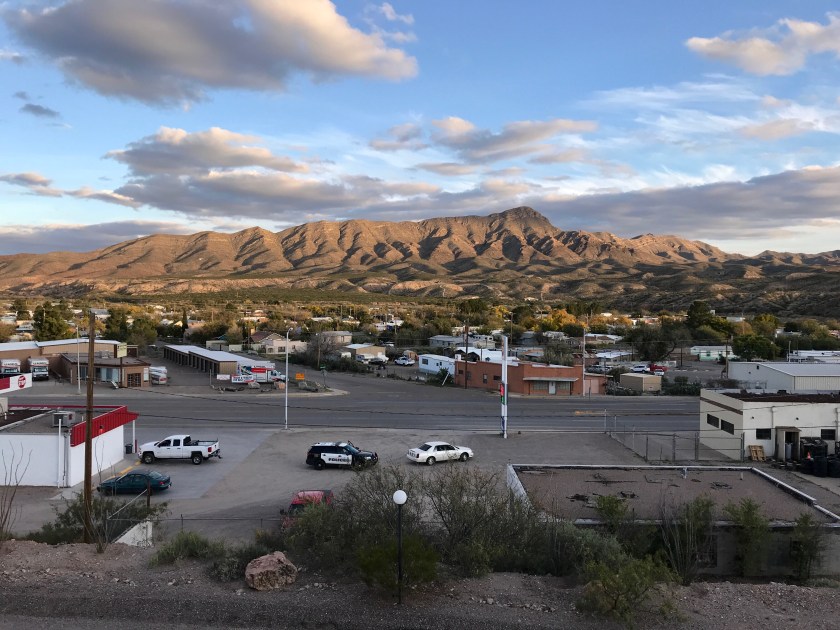
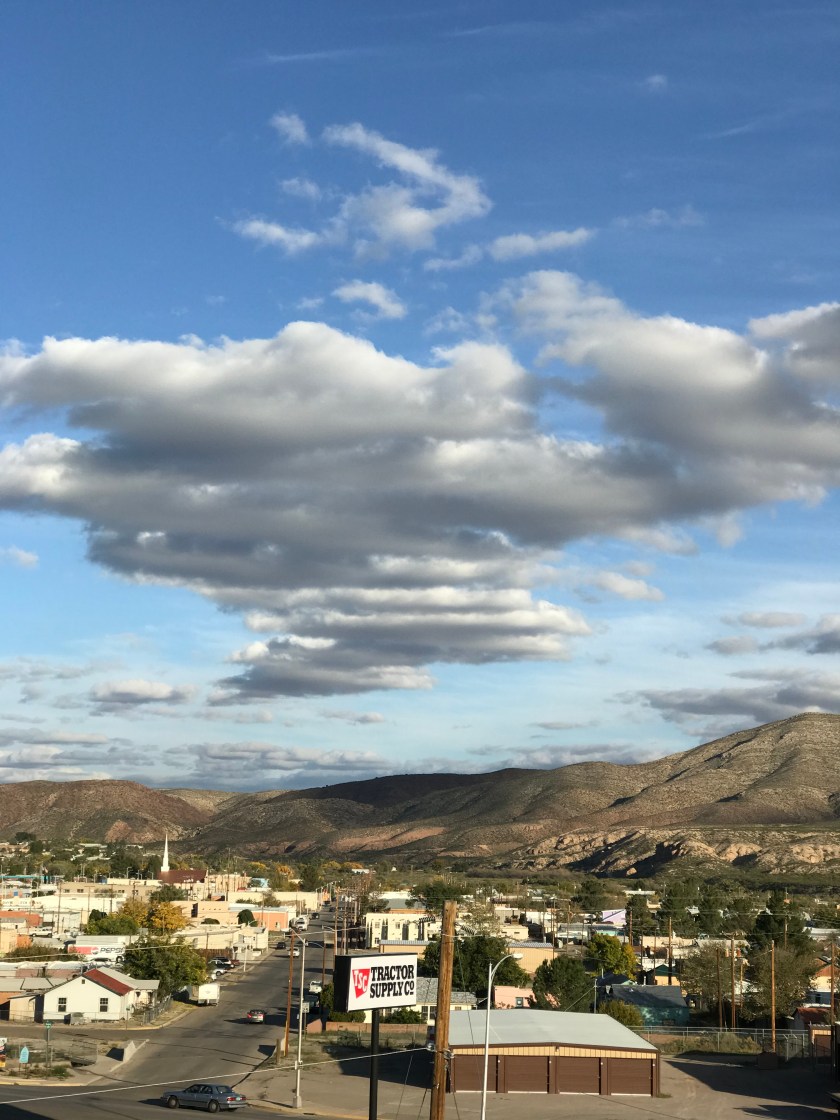
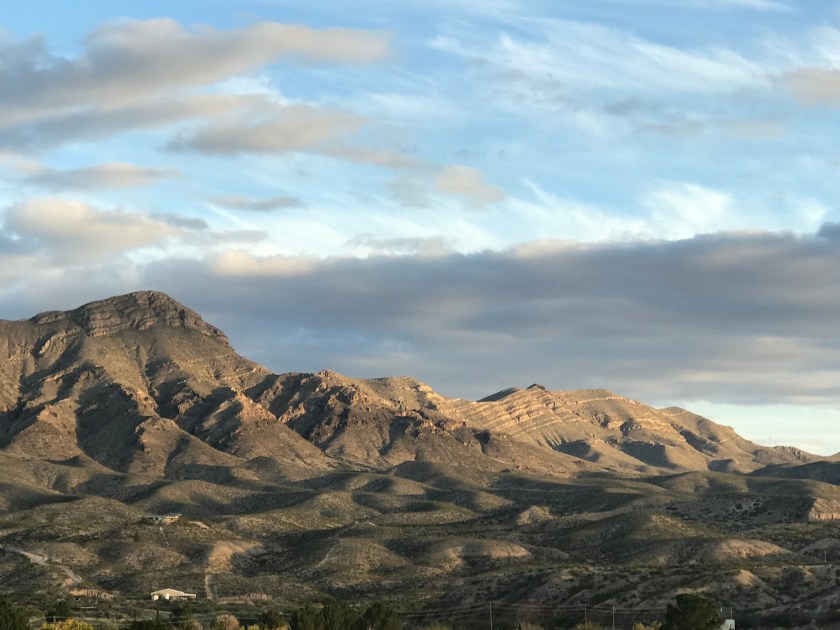
Our view

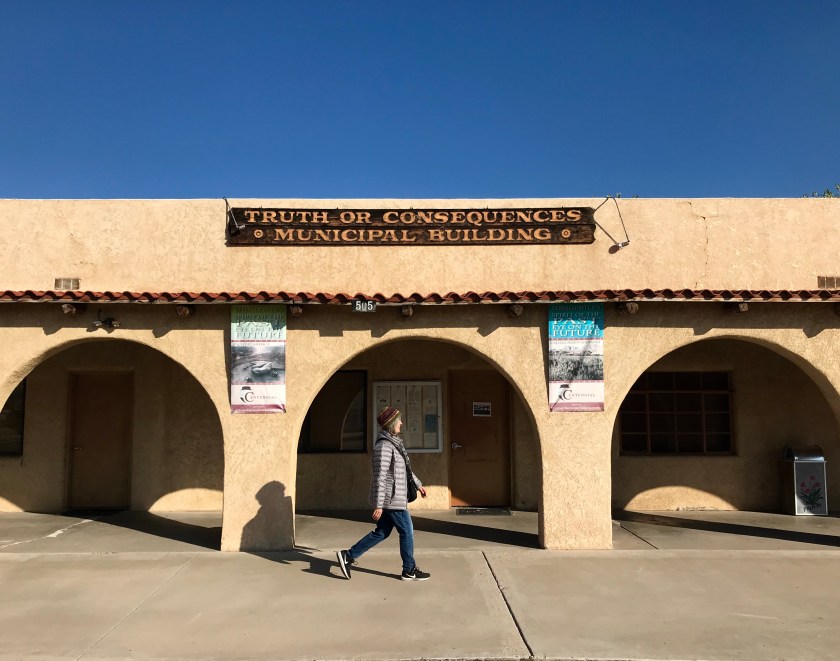
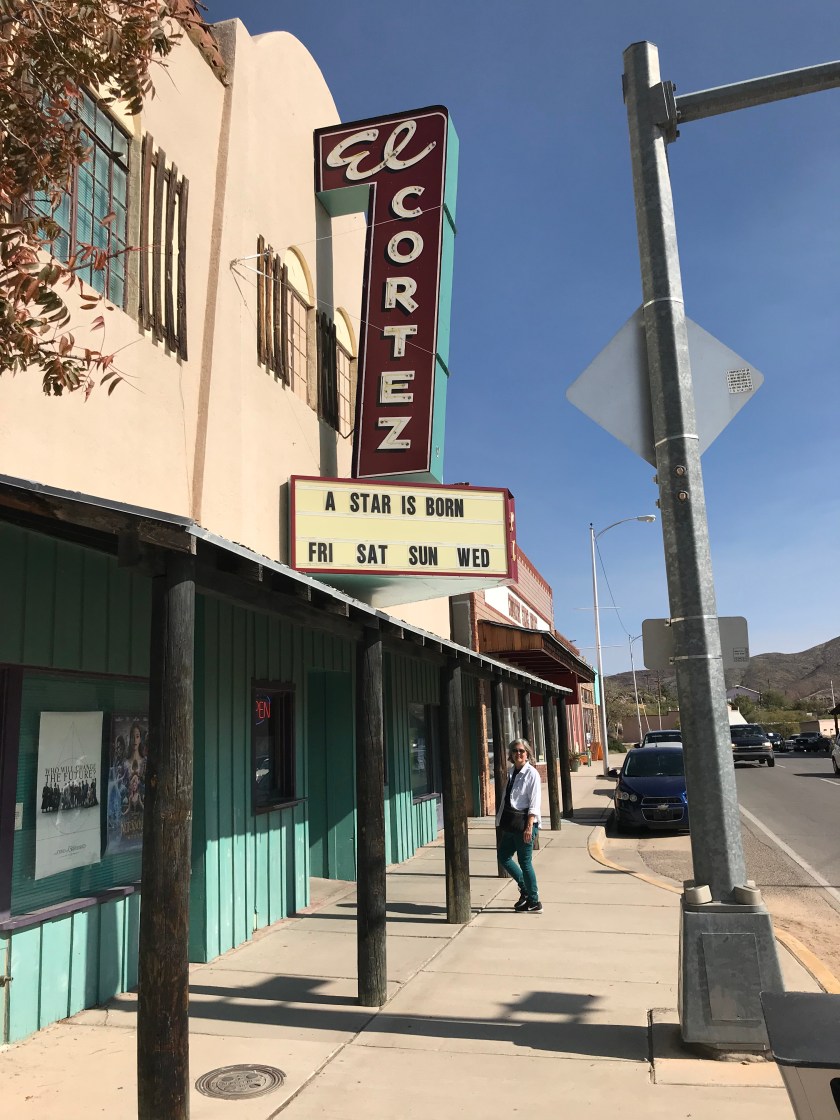
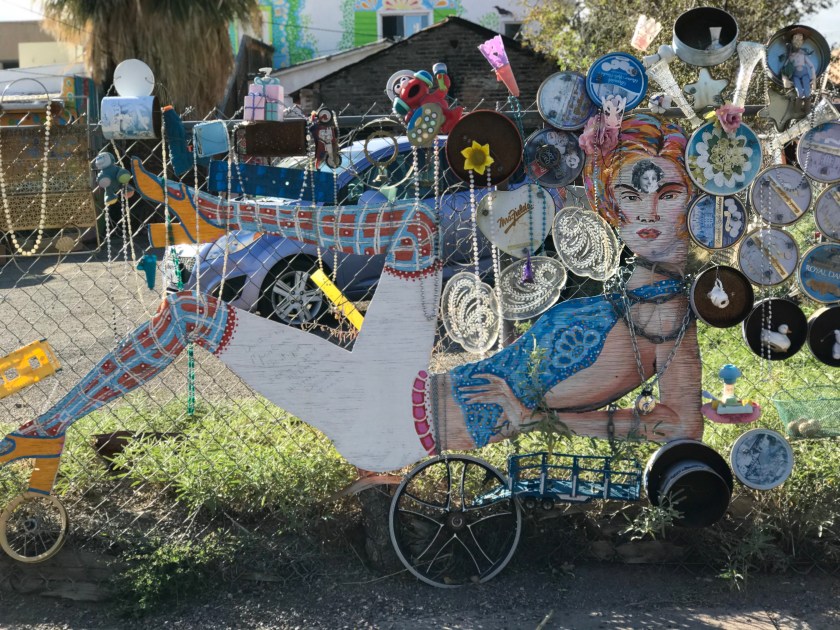
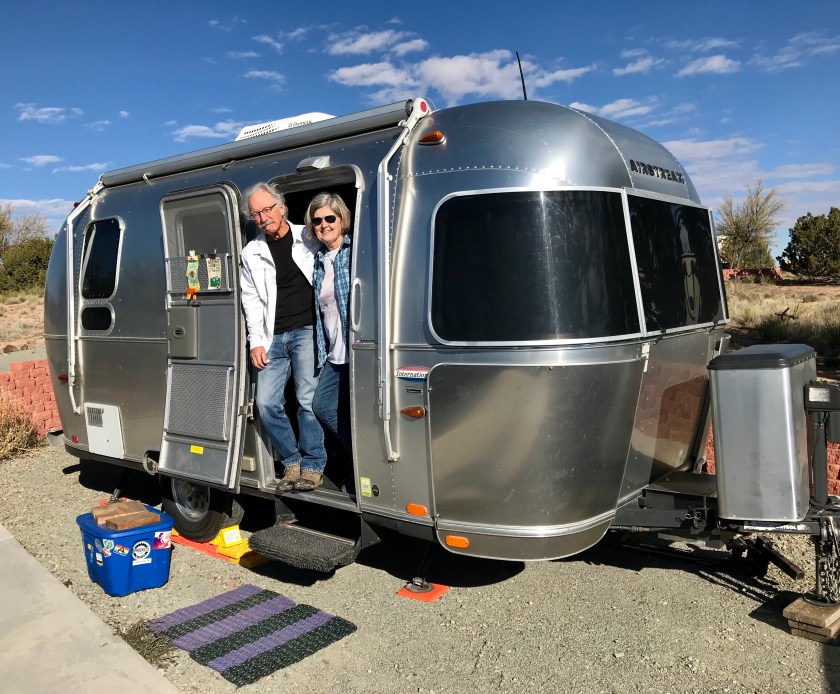
We setup the Tincan and walked to town. This was our third visit to this quirky and friendly desert town.

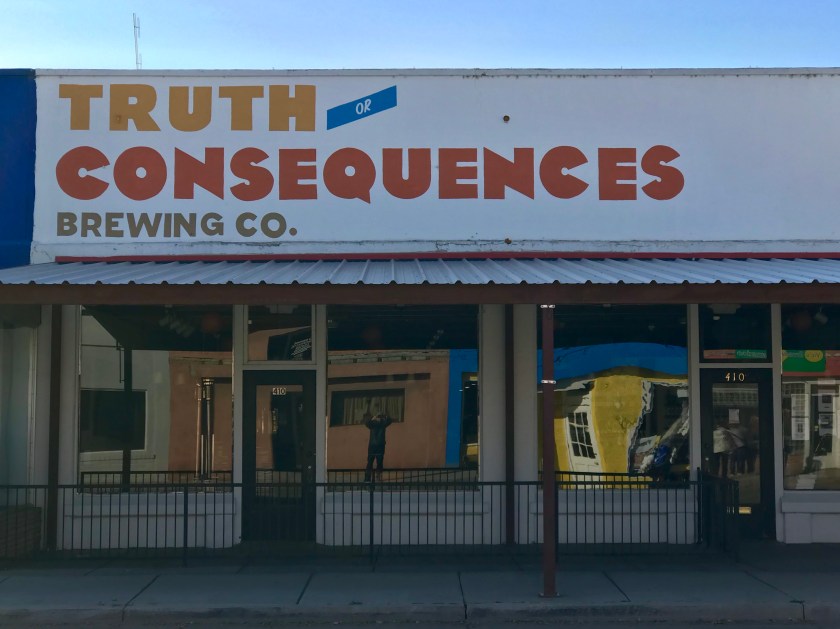
While we were admiring a tile mosaic on a building, the door opened and Micheal(the owner) proceeded to tell us about the mosaic and invited us in to check out his home. Once inside we met his partner Dimit and four house guests down from Santa Fe. They told us about the activities taking place in town that weekend, a film festival, music at the new brewery, a dance performance, Art Hop and a Veterans Day Auto Show. With temperatures in Silver City predicted to drop into the teens we decided to spend the weekend.

Good beer

This film Festival is curated by the folks that put on the Santa Fe Film Festival. We attended the “Lane 1974” feature. It was a bittersweet “coming of age” story.
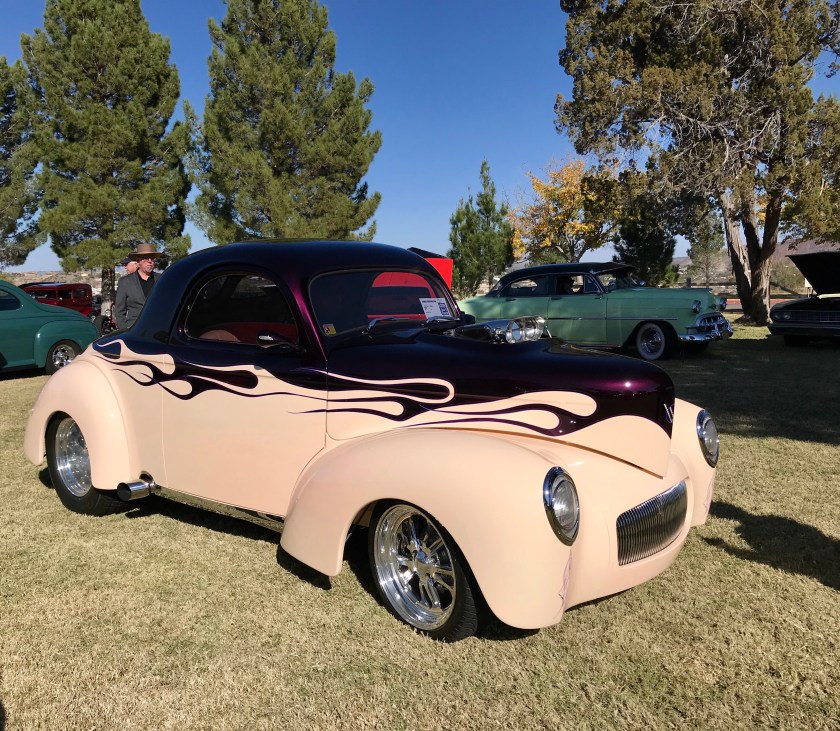
This Willys coupe was a nine year project with everything built by the owner.

The car took the Best Engine Compartment trophy.
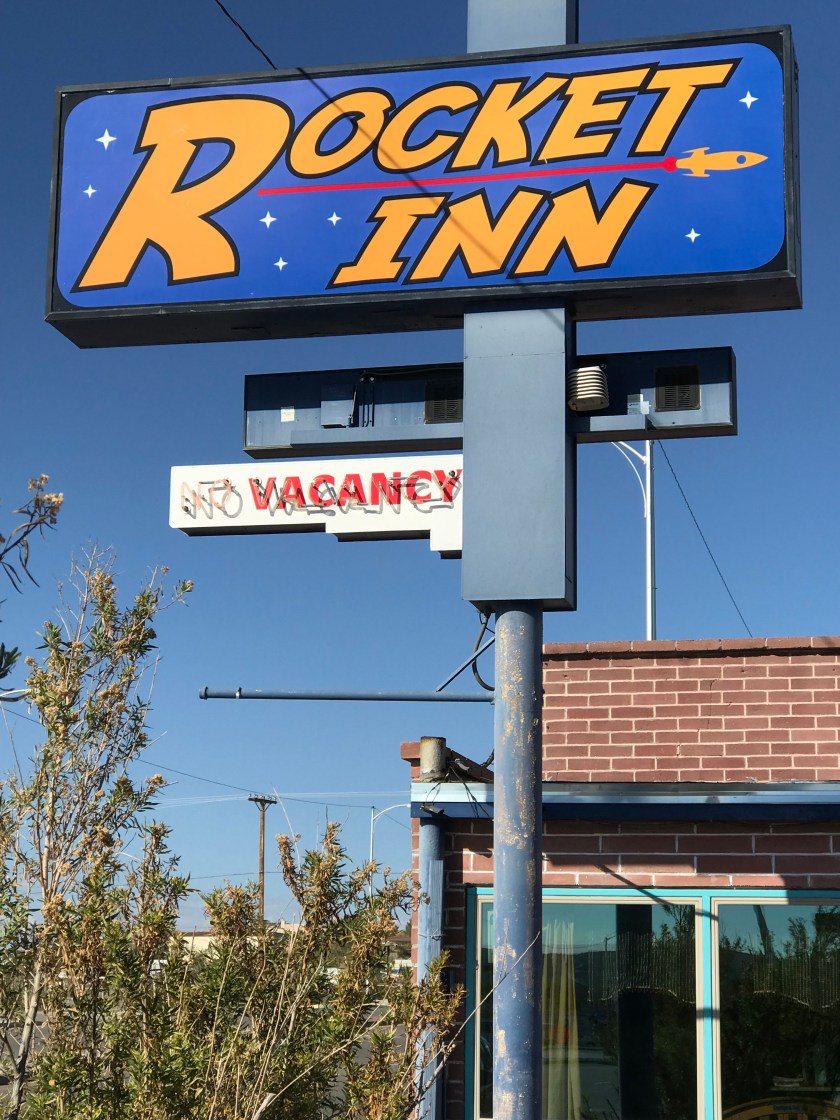
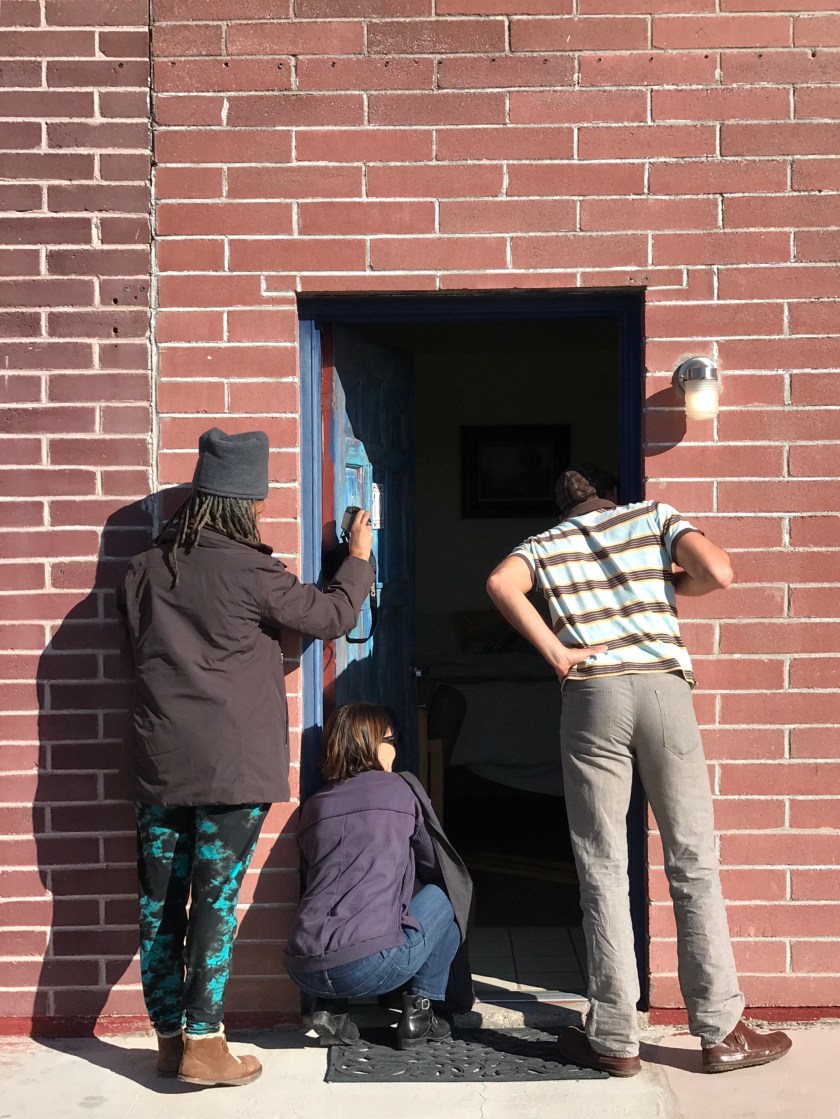
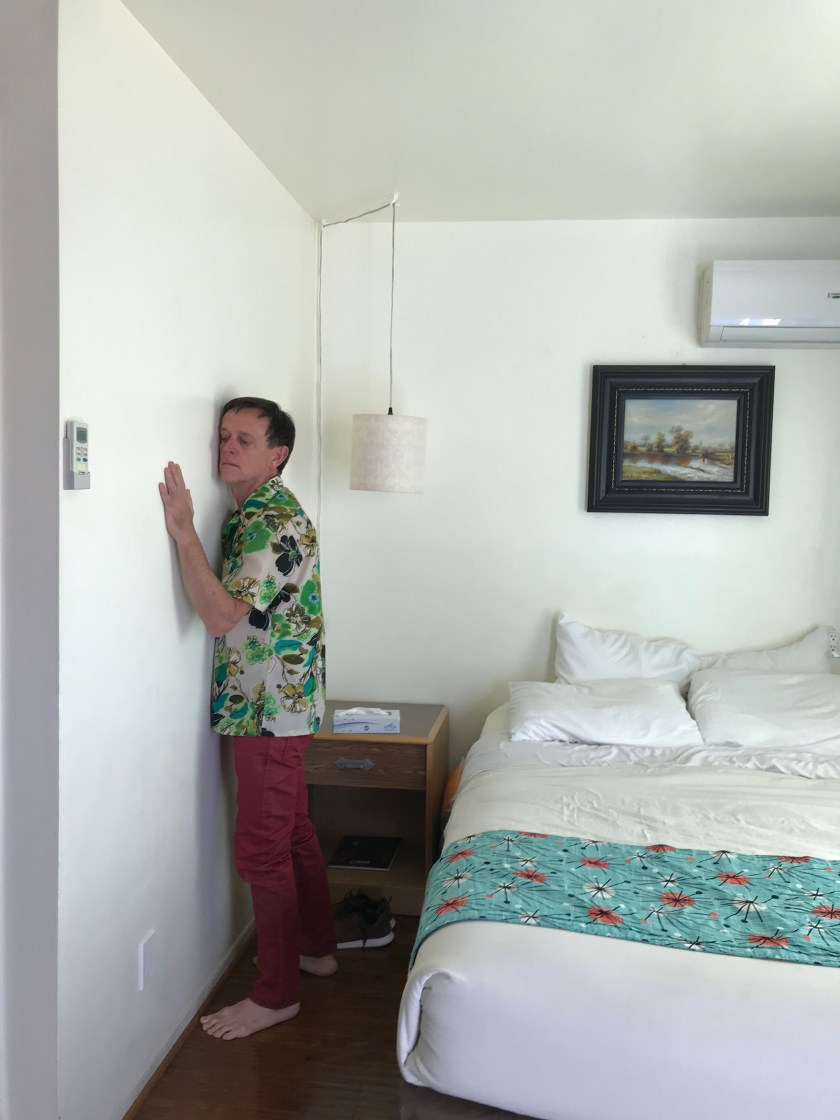
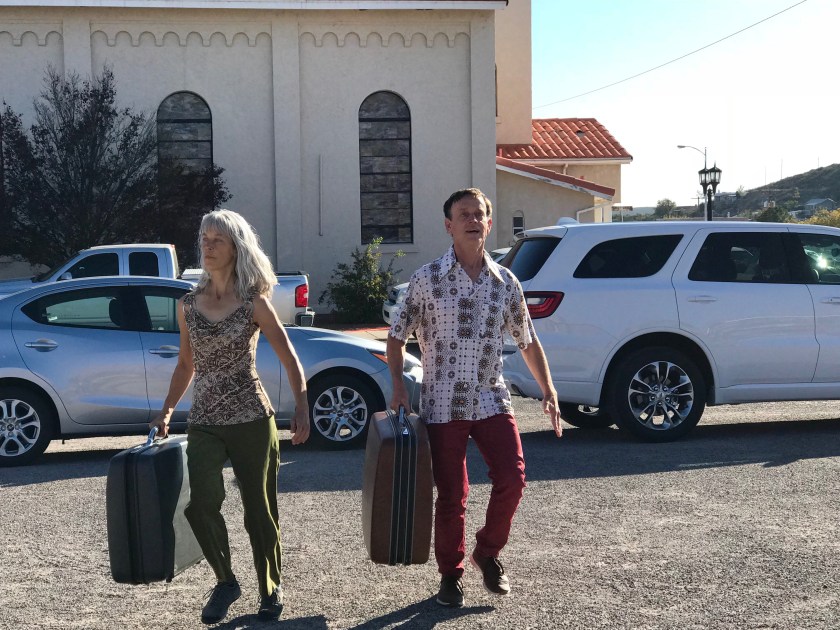
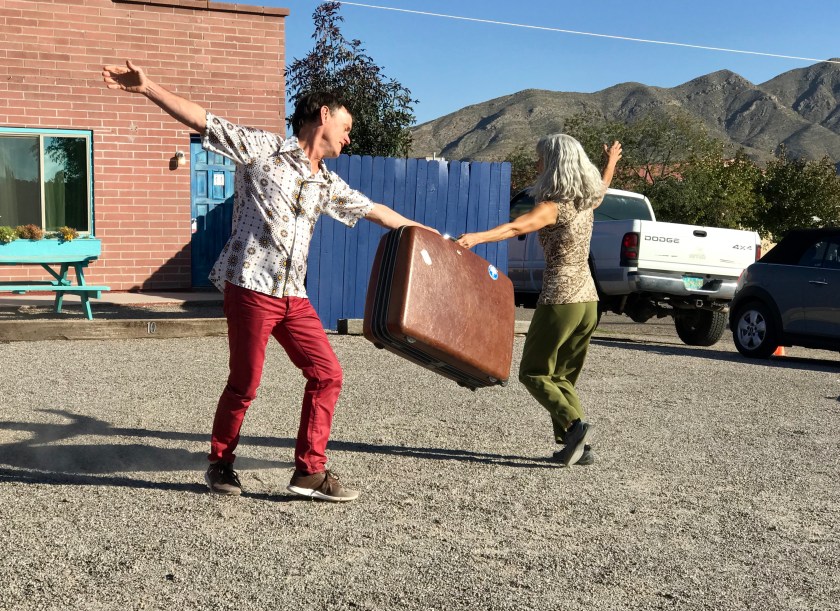
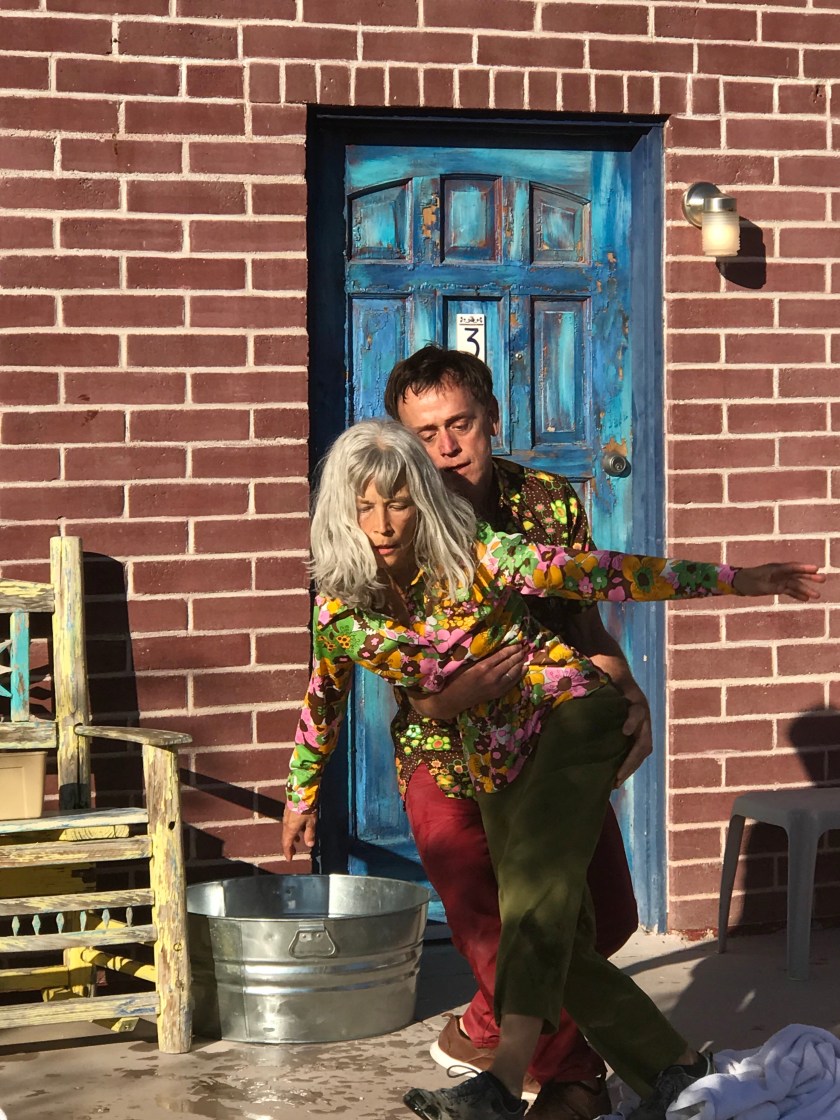
The highlight of the weekend was the World Premier of a site specific dance performance titled “The Motel Dances”. Cydney Wilkes and Mike Barber choreographed and performed the piece with an appearance by Jeannie Ortiz. The work began with the audience entering three different motel rooms where individual dancers went through a series of movements.

The bulk of the work took place in the parking lot.

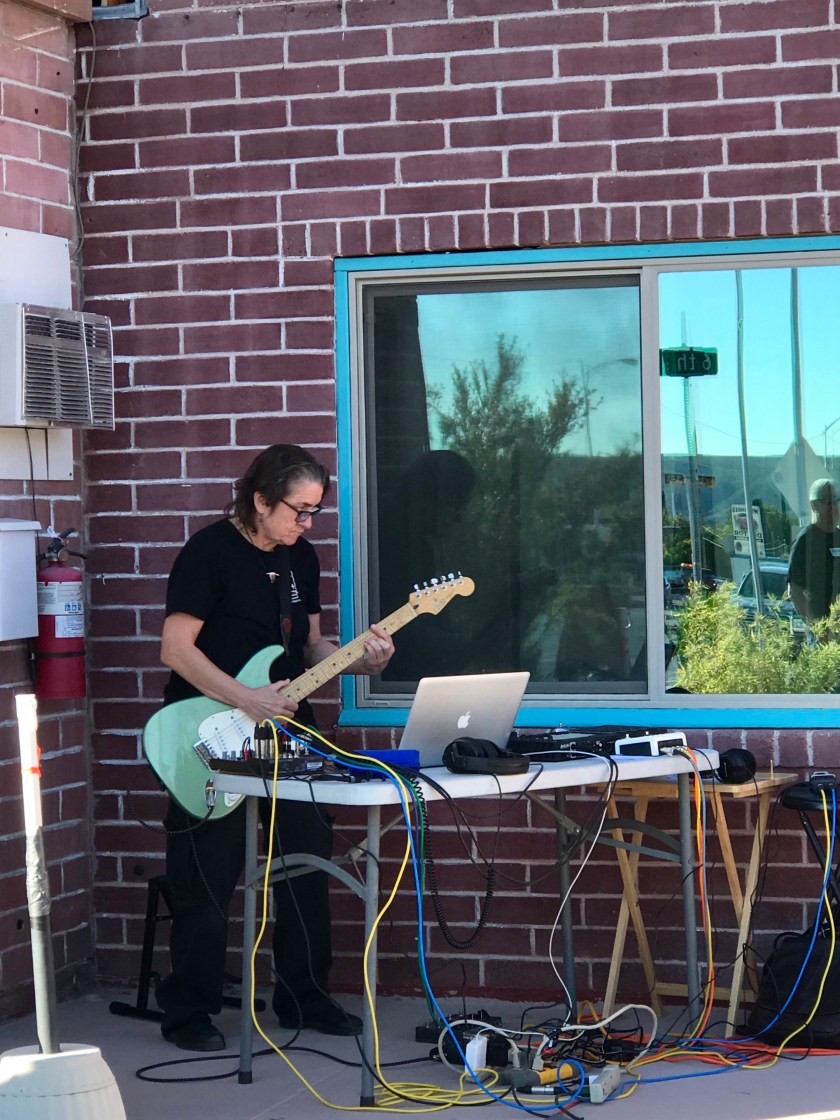
The performance was accompanied by live music composed and performed by Heather Perkins.

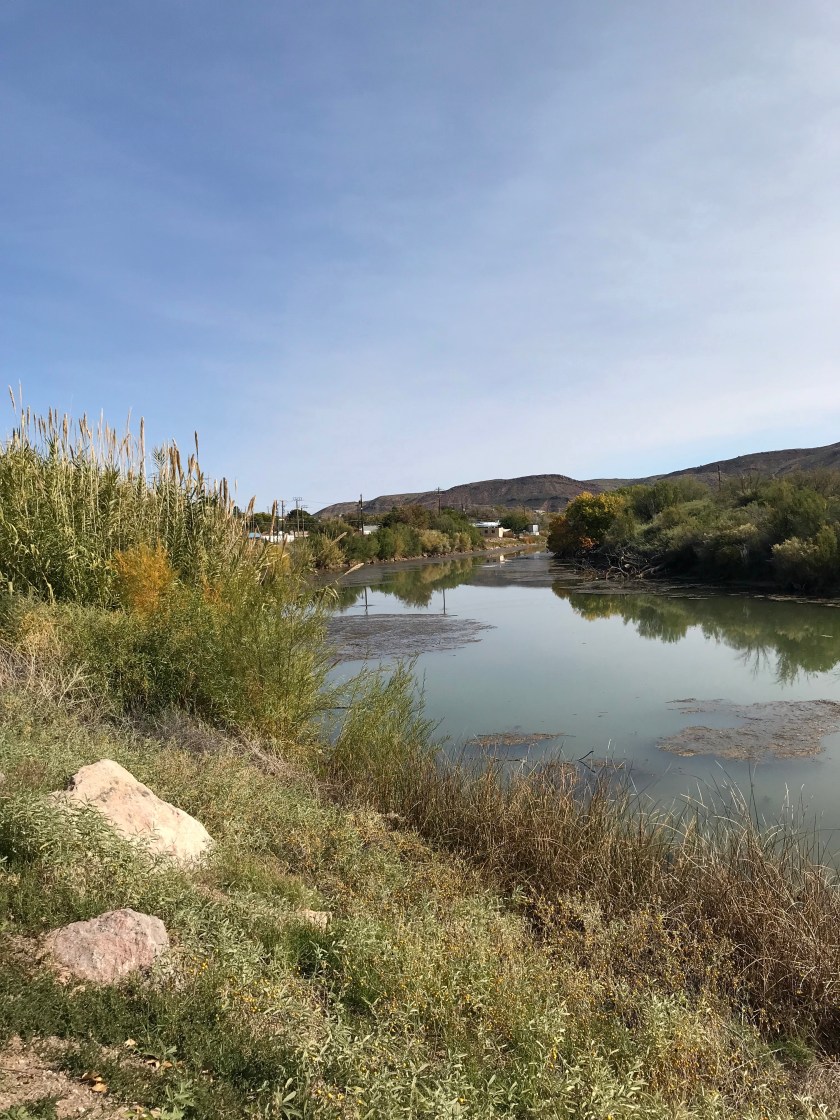
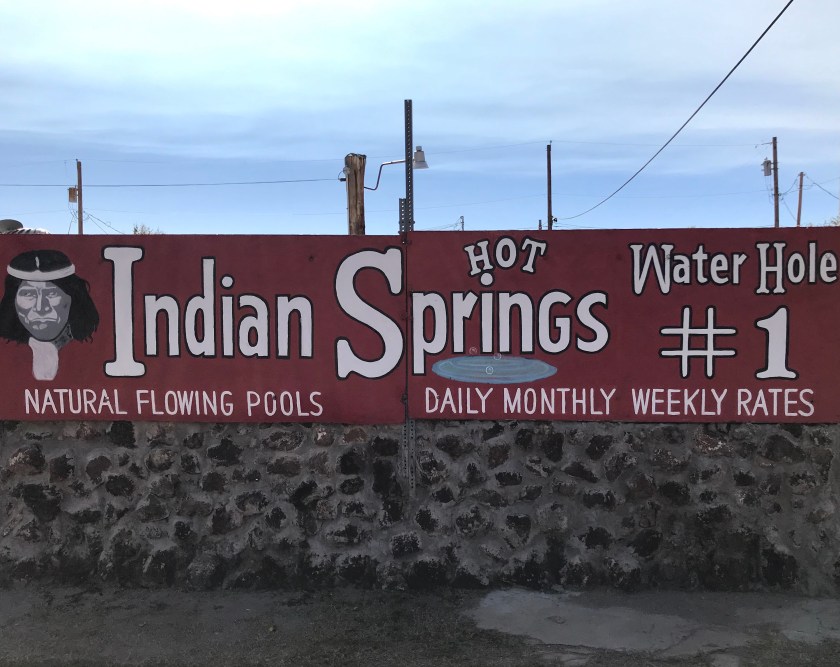
The city of T or C is located along the Rio Grande River and is known for its numerous hot springs.

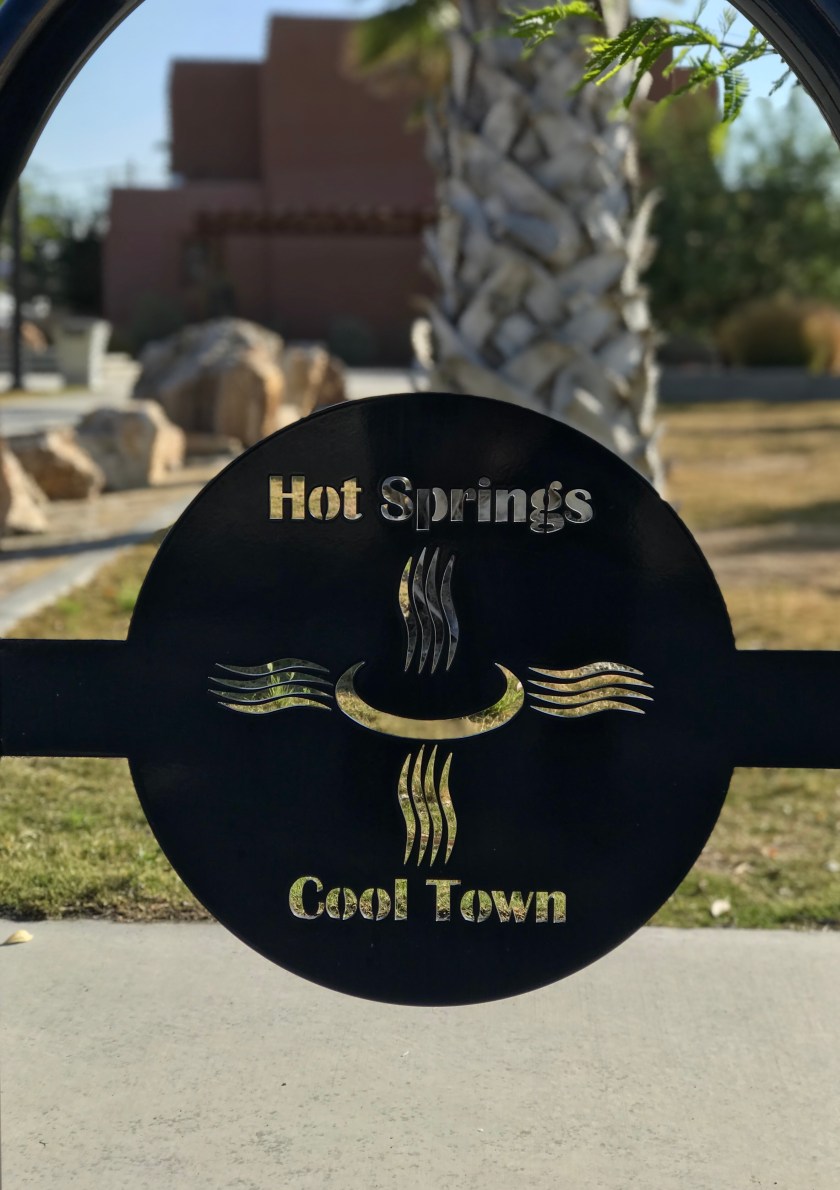
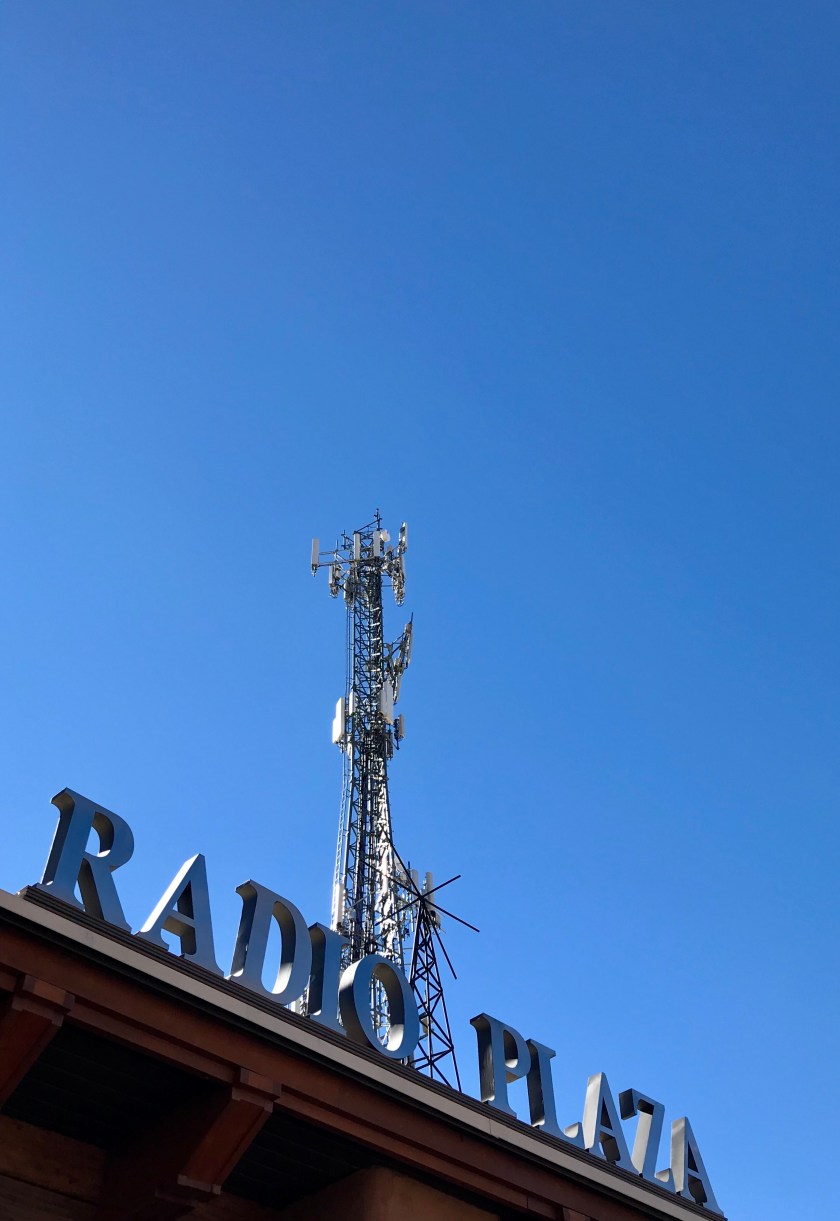
The city was originally called Hot Springs but changed its name to Truth or Consequences in 1950 to win the honor of having the popular radio show “Truth or Consequences ” broadcast from the city. Ralph Edwards, the host, visited T or C every May for 50 years. A “Fiesta” was held during his visits and the tradition continues. A not to be missed event according to locals.

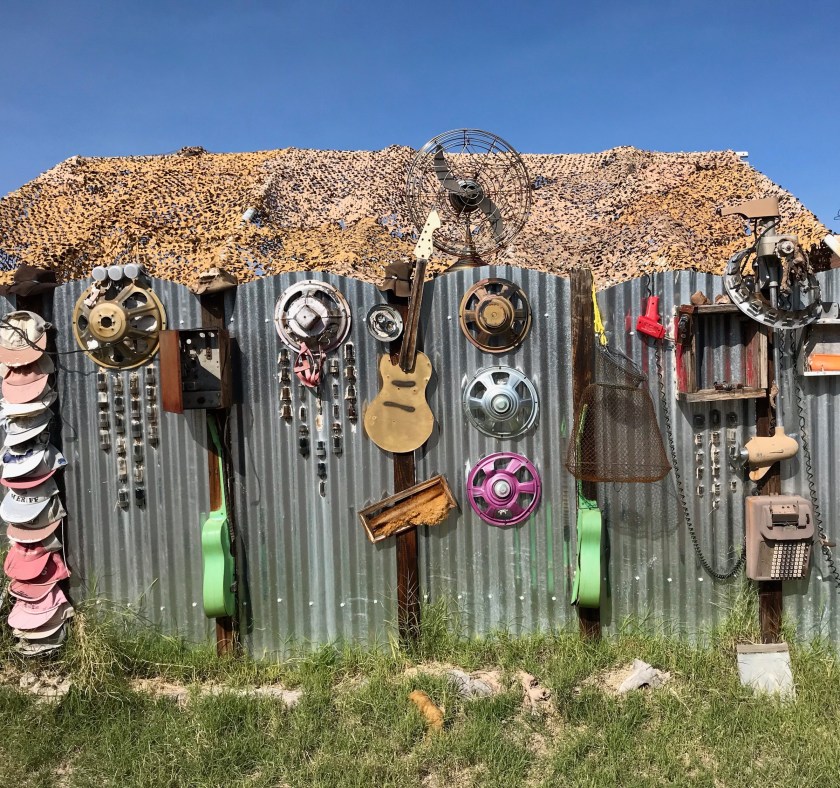
T or C is in many ways typical tiny desert town- windswept and gritty. We met so many folks who visited once, kept returning and eventually settled in to soak in the hot springs and become part of the tapestry of quirkiness that makes it unique. We WILL be back.

Adios, Santa Fe

Three weeks in the Santa Fe area has sadly come to an end. During the last week we attempted to get to some of our favorite hikes and restaurants before moving on.

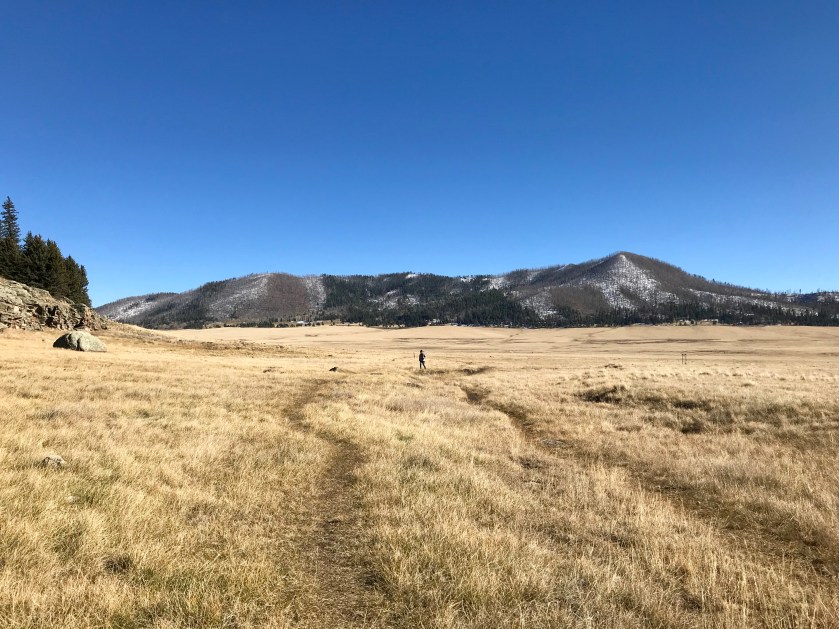
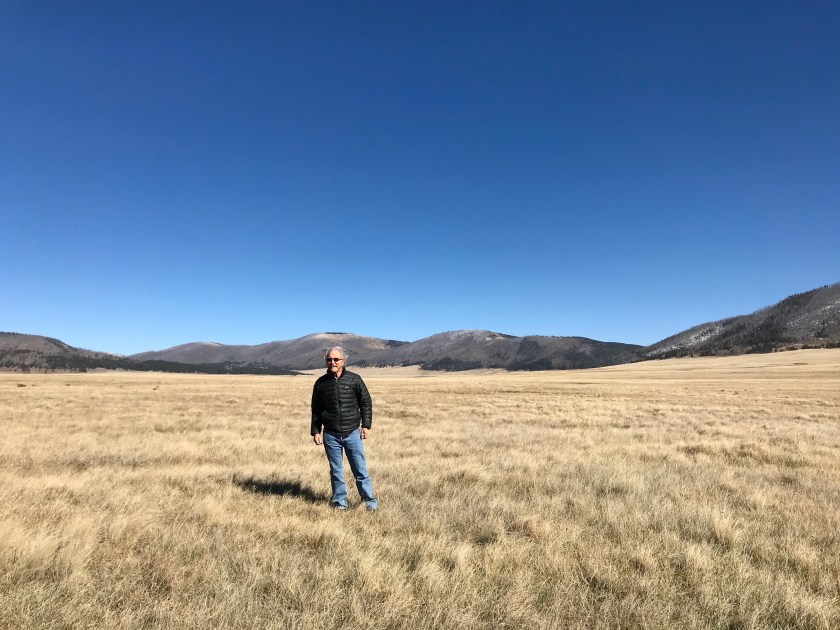
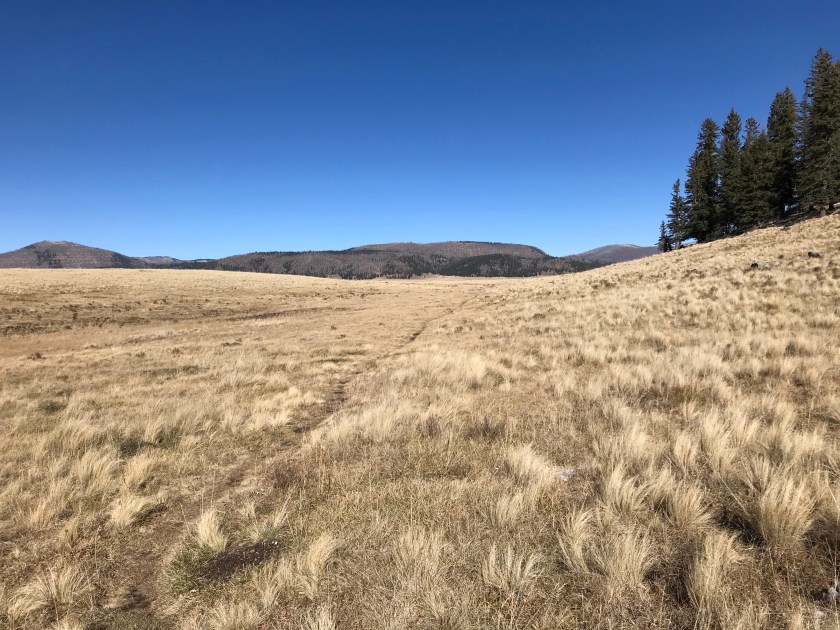
This enormous valley lies within the Valles Caldera located in the Jemez Mts. The valley was formed about 1 million years ago when the valley floor collapsed after a series of massive volcanic eruptions. These eruptions are estimated to have been 500 times more powerful then those of Mt. St. Helens.

For those of you who were fans of the Longmire series, this valley was the view from his cabin.

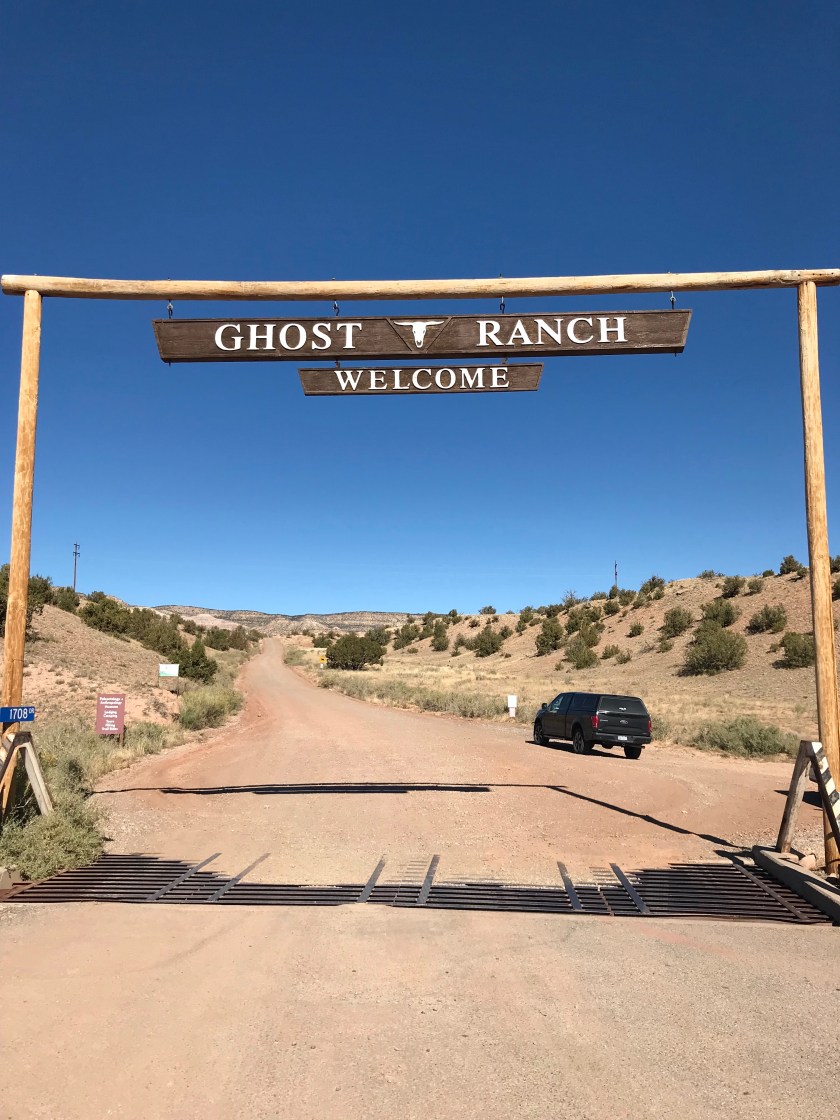
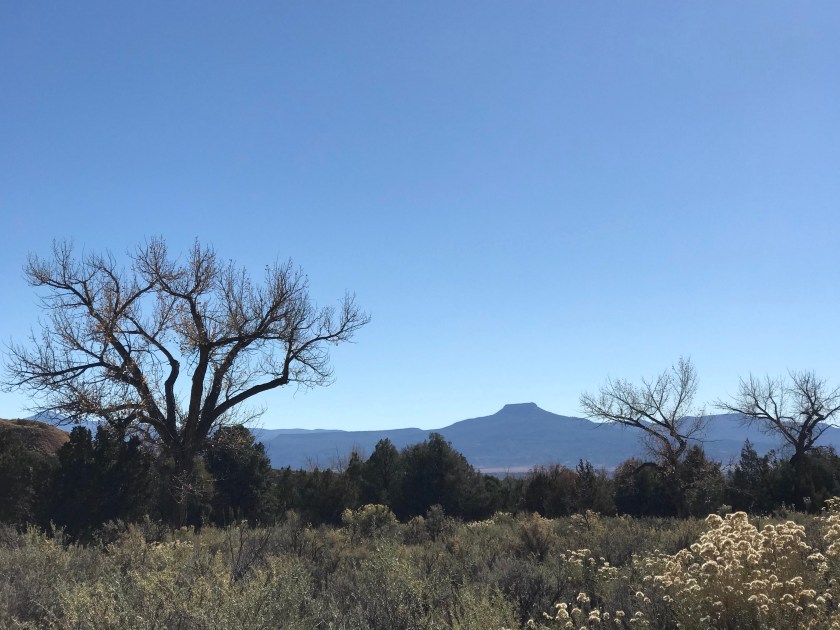
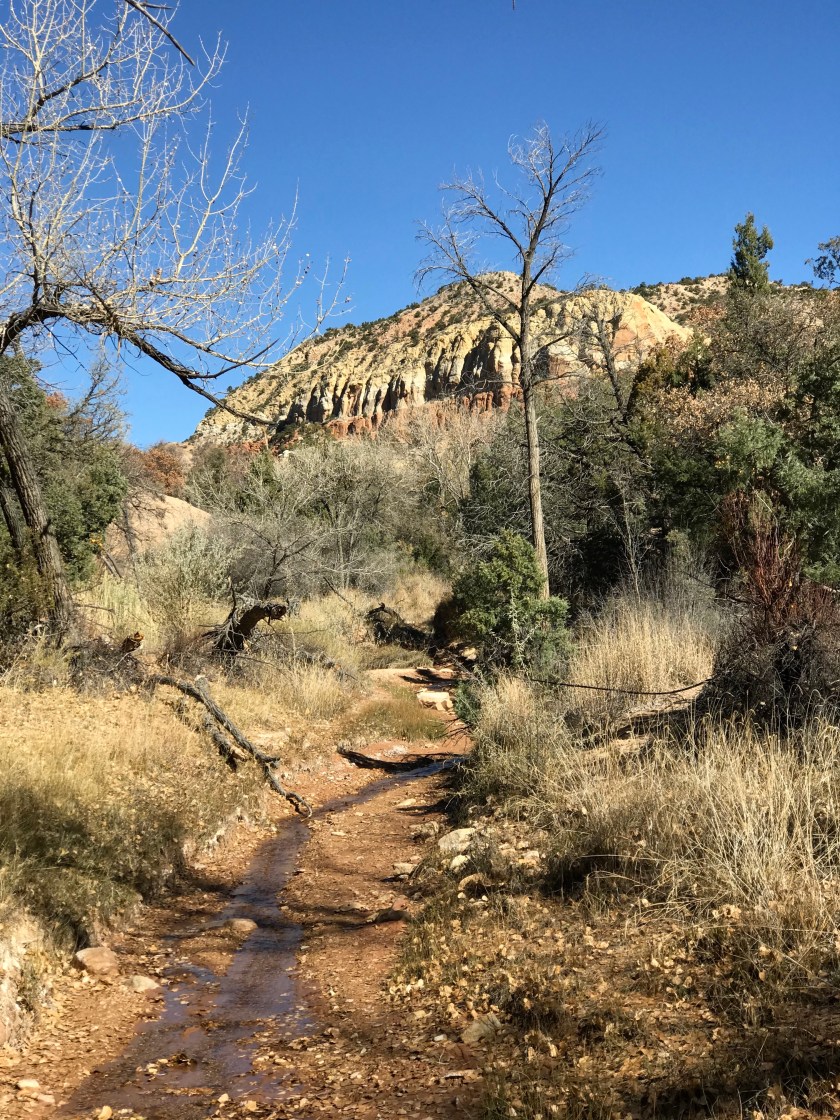
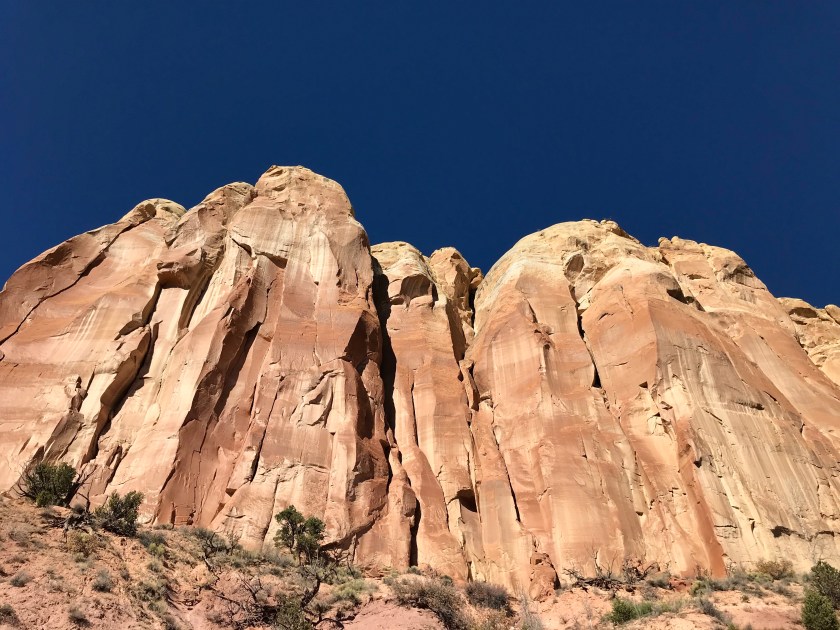
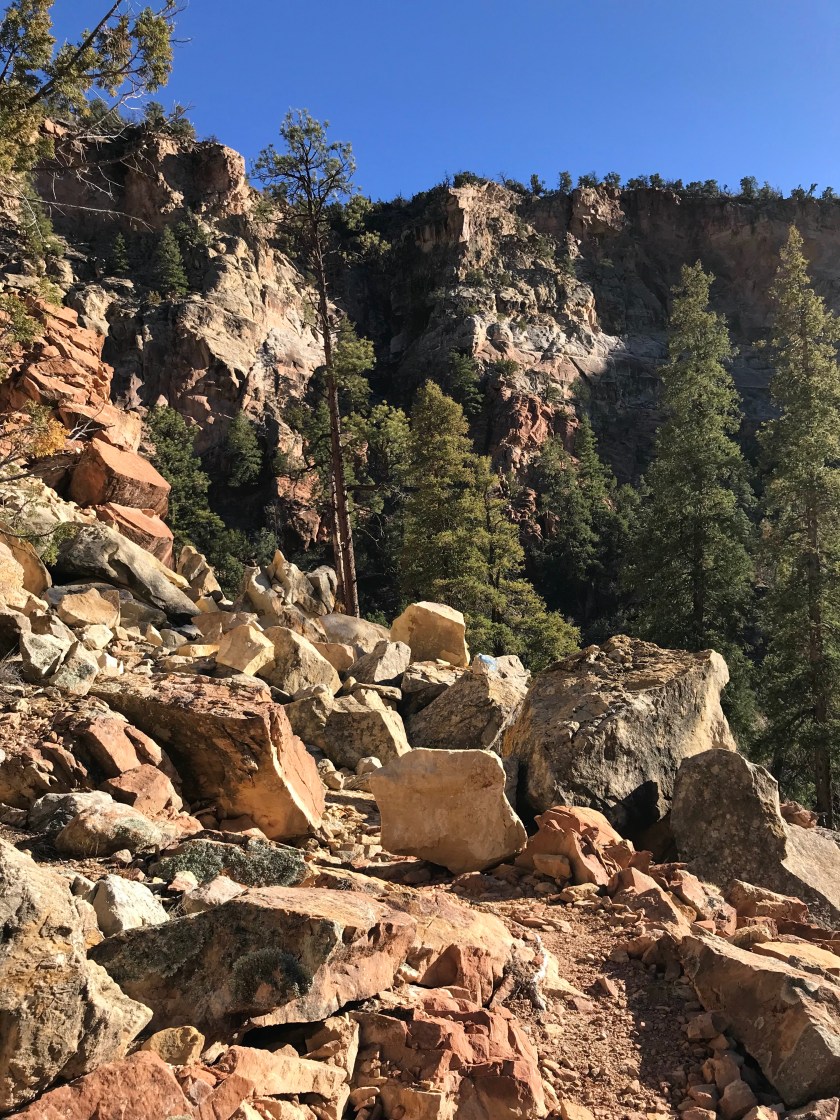
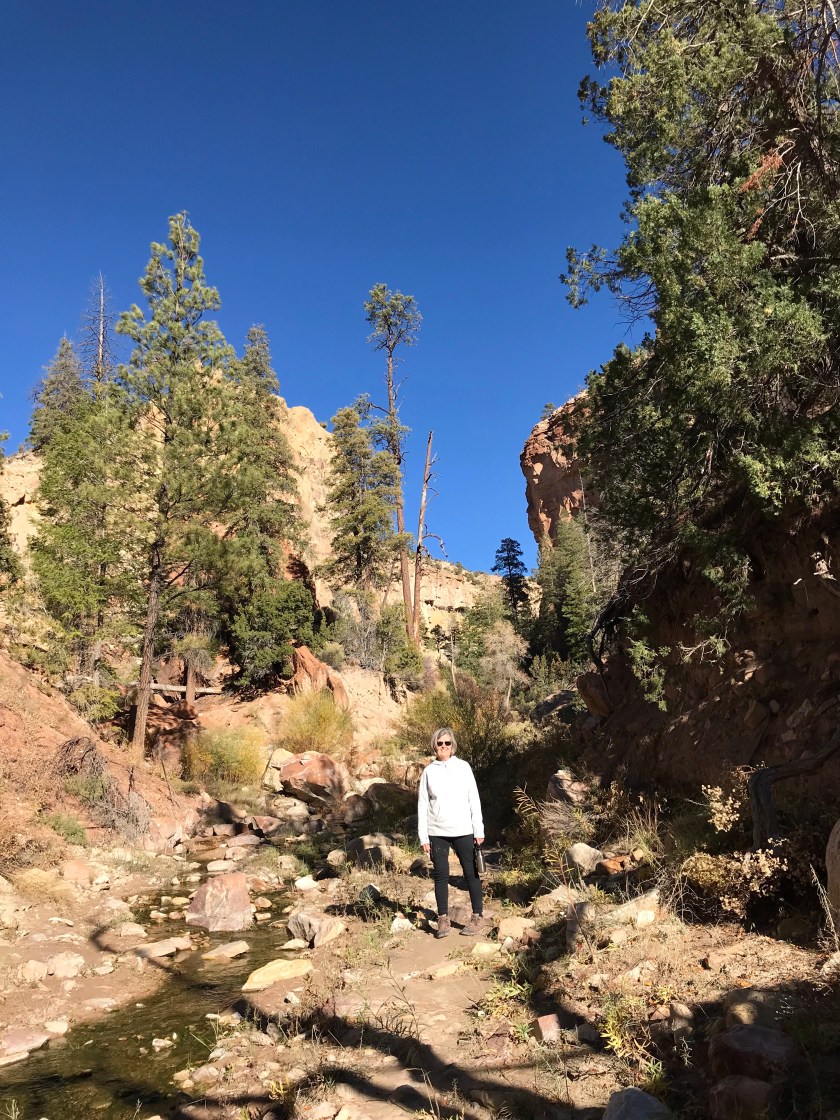
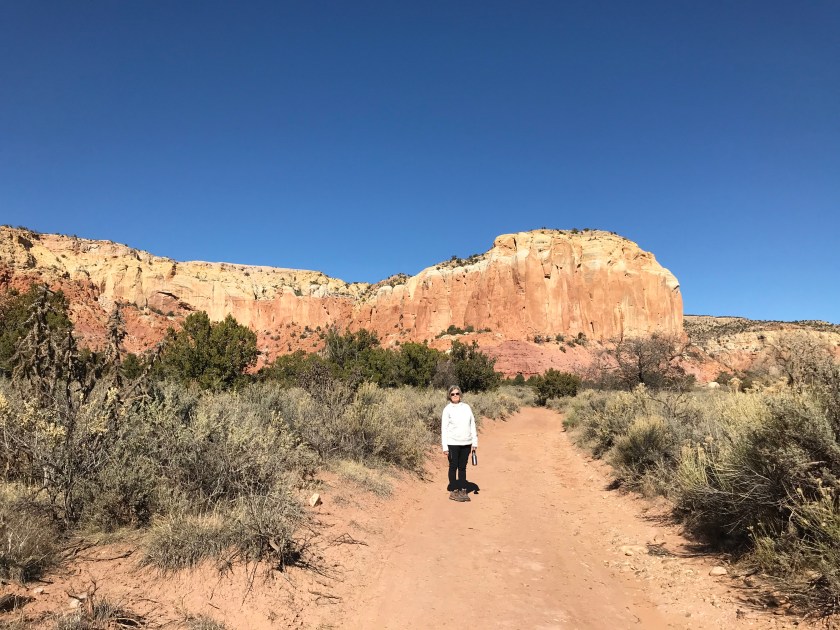
Ghost Ranch is located northwest of Santa Fe. It was were Georgia O’Keefe spent a lot of time visiting friends and painting. It is currently a retreat center with a campground and some great hiking. This was our fourth visit and we decided to do the Box Canyon hike. It was one hike we had not yet done.

The hike takes you by an impressive sandstone wall where generations of Native Americans have come to remember their ancestors.

Where is the trail?

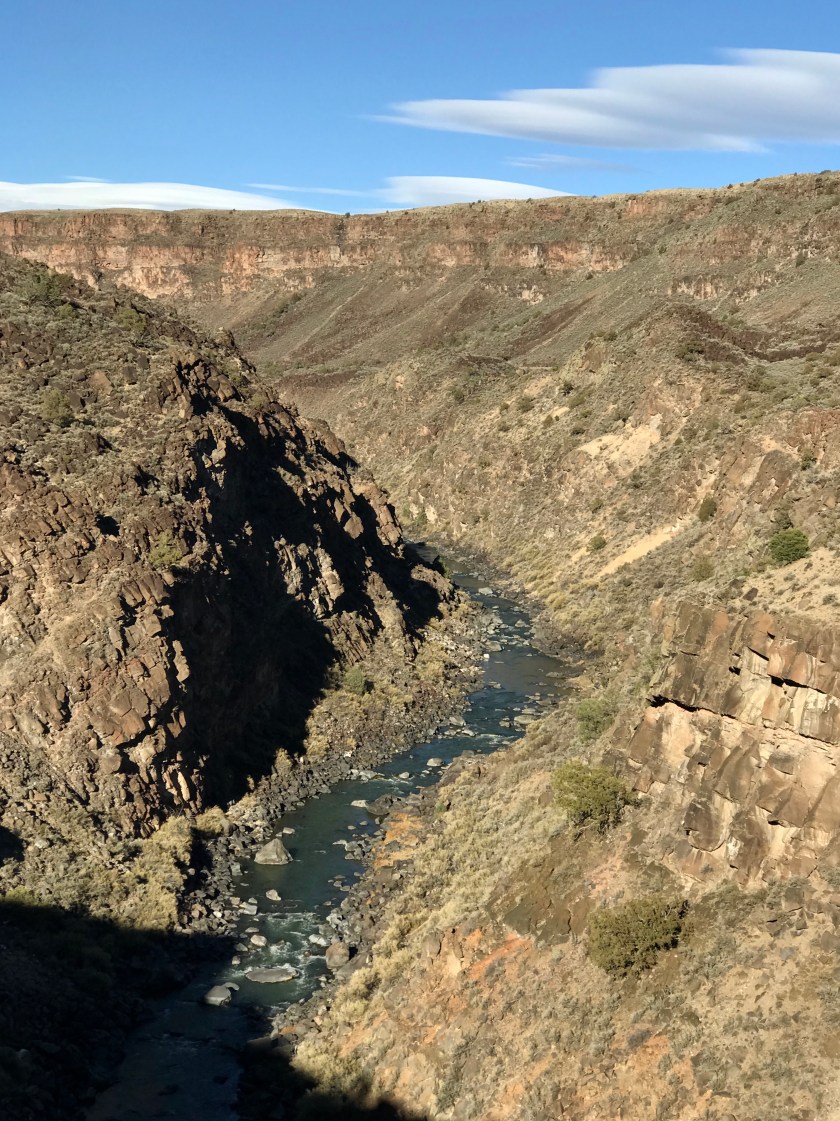
The Rio Grande Gorge near Taos has some great hiking opportunities. The last time we hiked along the gorge was 2012 and we were eager to return.

La Vista Verde Trail is a 1 1/2 mile trail along the gorge which terminates at a bench overlooking the river gorge.

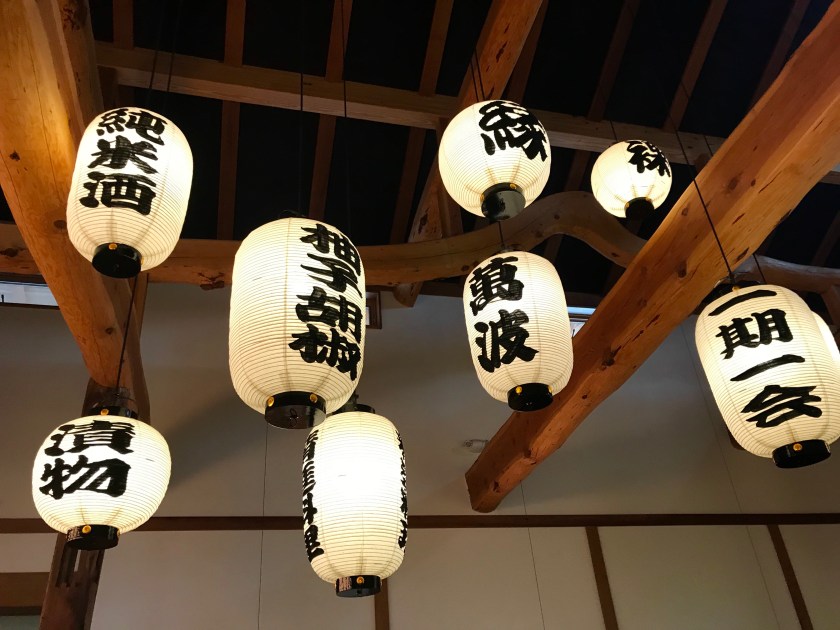
Our last day in Santa Fe coincided with Pat’s Birthday which we celebrated by walking around town checking out galleries and having lunch at Izanami in the Ten Thousand Waves Spa.

This was our second visit to Izanami. We loved the food as well as the setting.

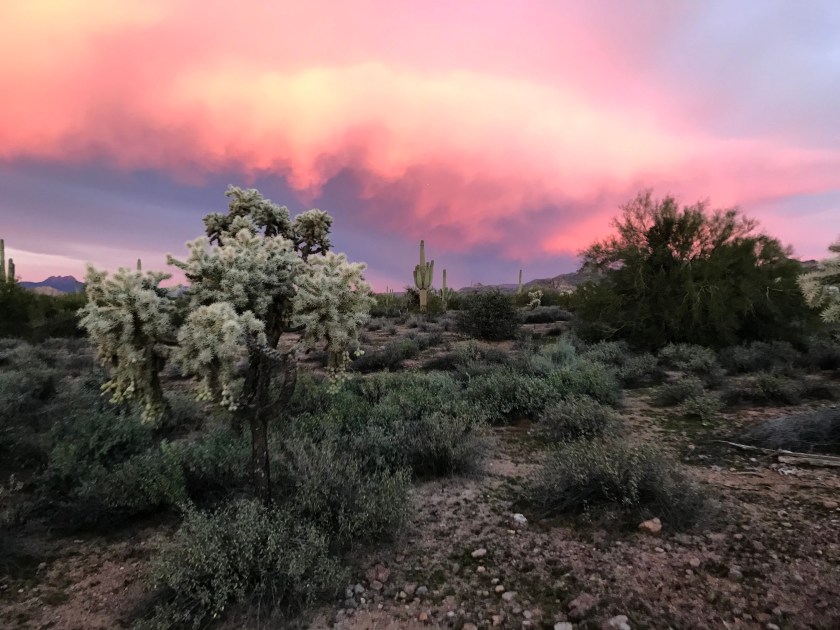
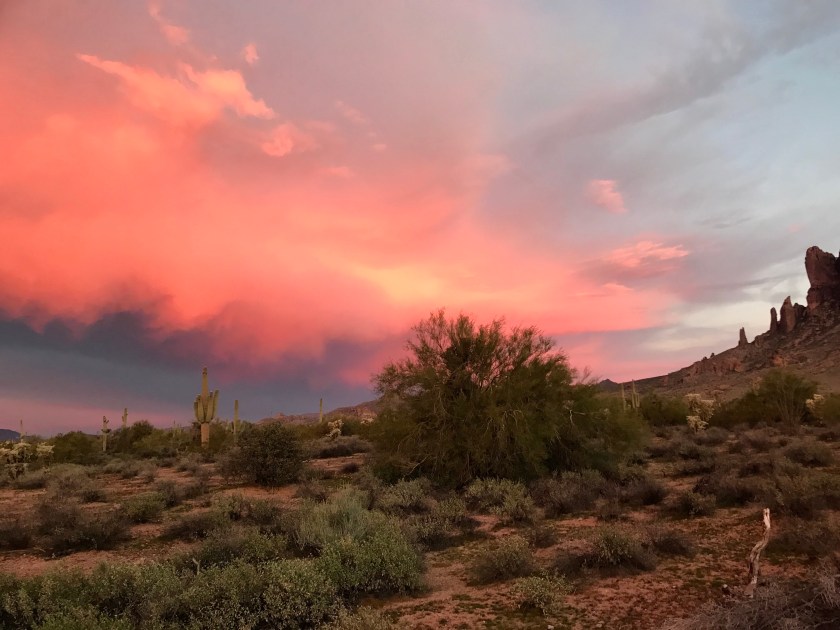
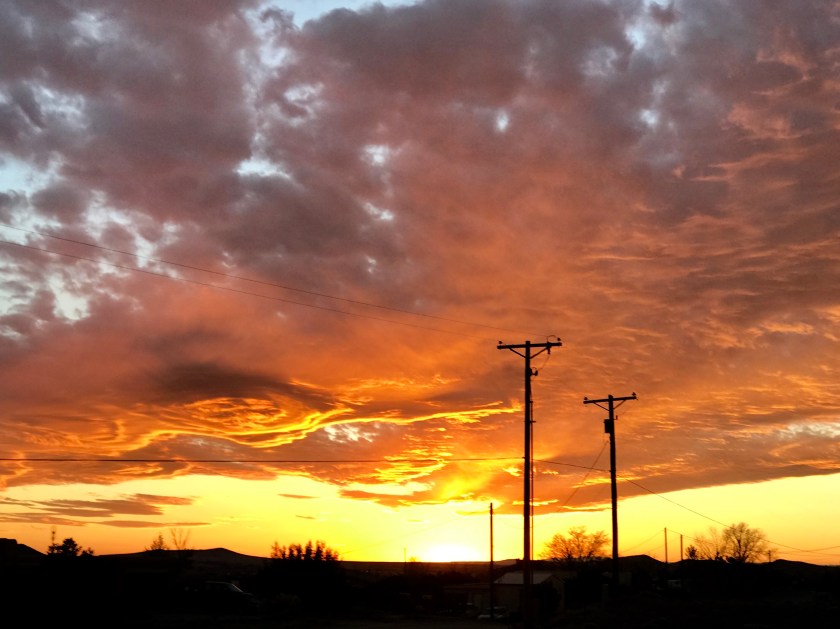
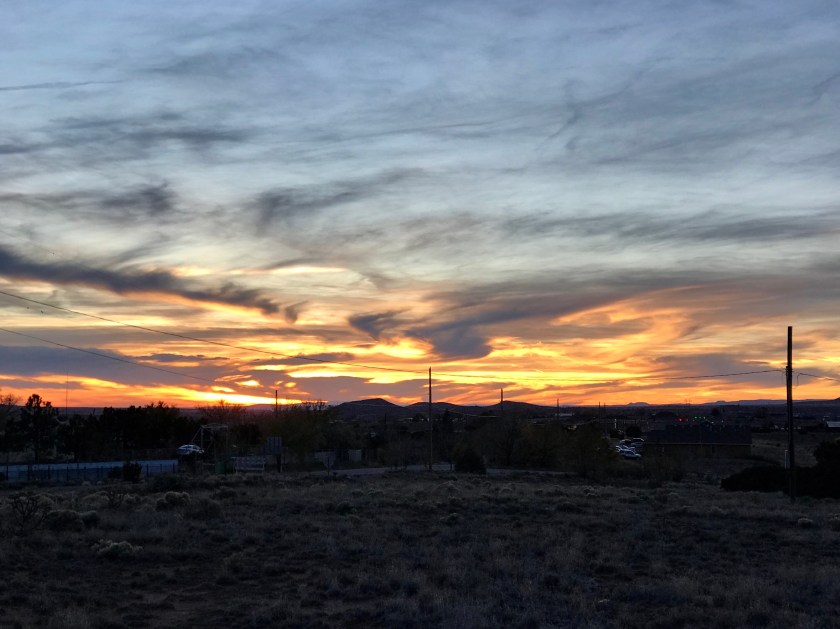
But before we leave, one more glorious sunset.

Out and About in Santa Fe, Again

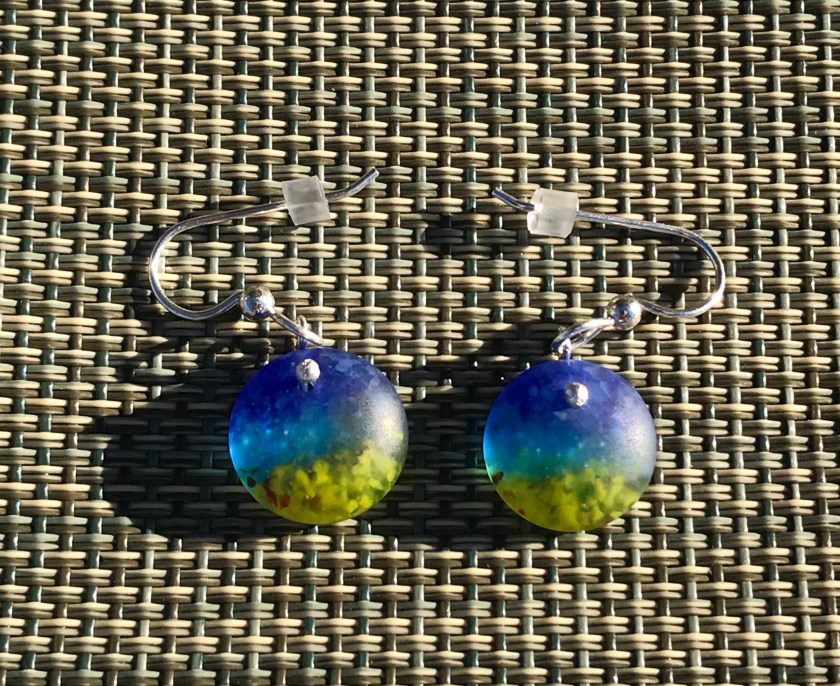
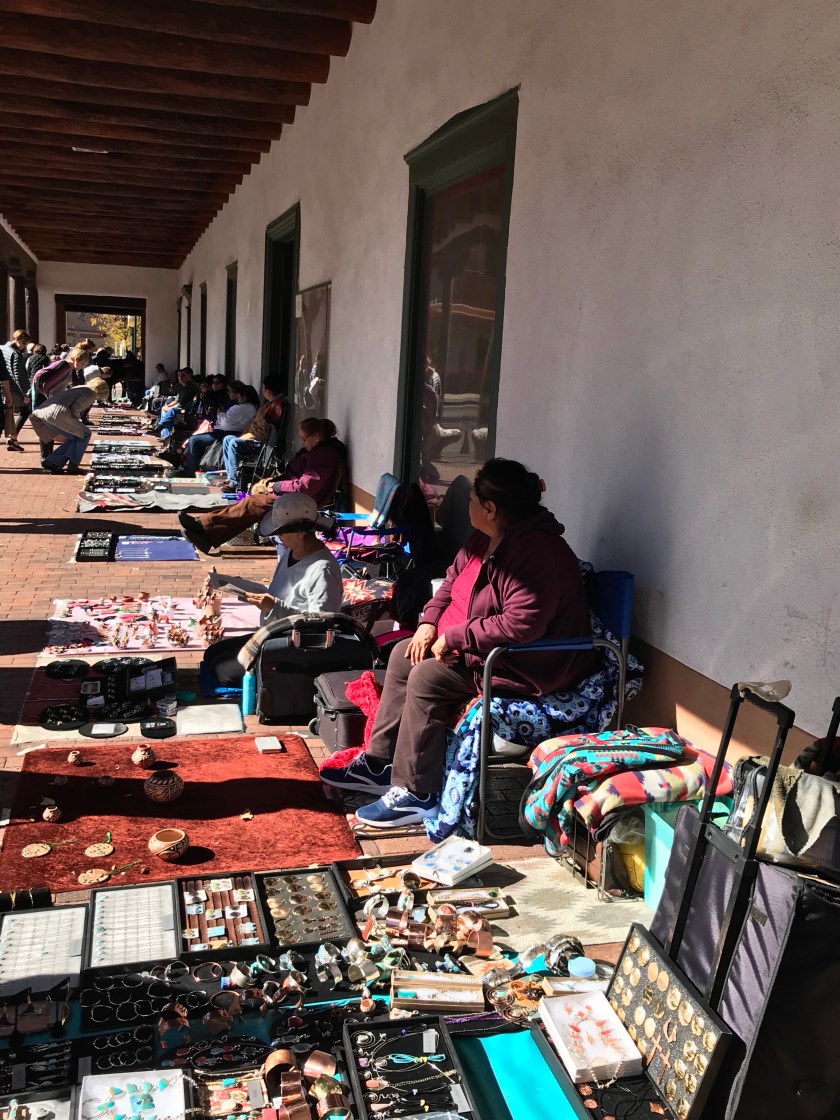
At the heart of Santa Fe is the Plaza. The Plaza serves as a focal point for restaurants, art galleries as well as a curated Indian Market where local indigenous artisans offer their work for purchase. We’ve wandered through this scene often and never stopped- but this trip Pat purchased a pair of silver earrings to replace the ones she lost on this trip.

The San Marco Cafe and Feed Store
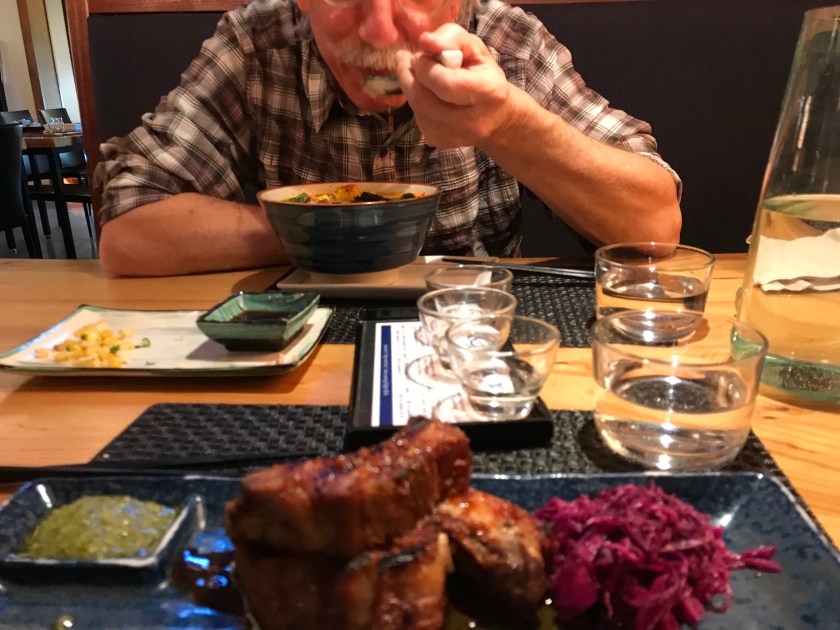
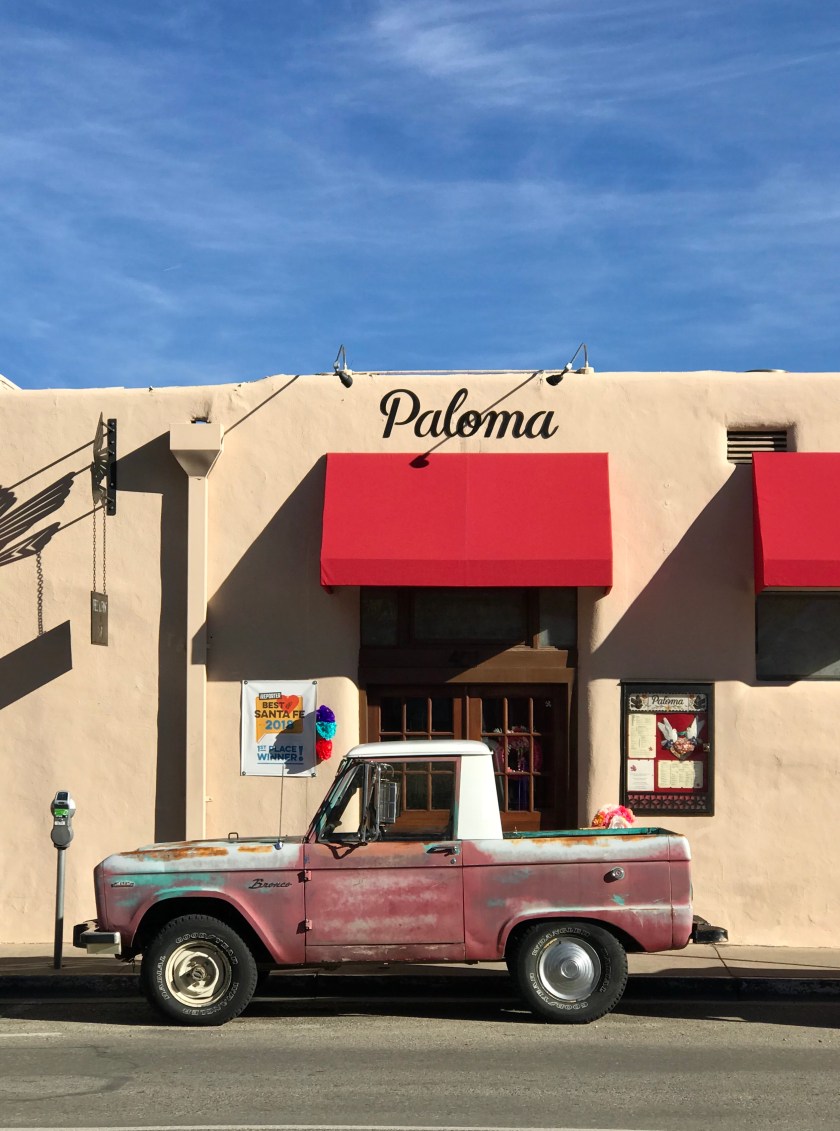
We’ve been checking out new restaurants this trip. We were just walking past Paloma in Guadeloupe St. and decided to check it out. San Marco was recommended by a local and just down the road from our campground. We would recommend both if you find yourself in Santa Fe and in need of a meal.

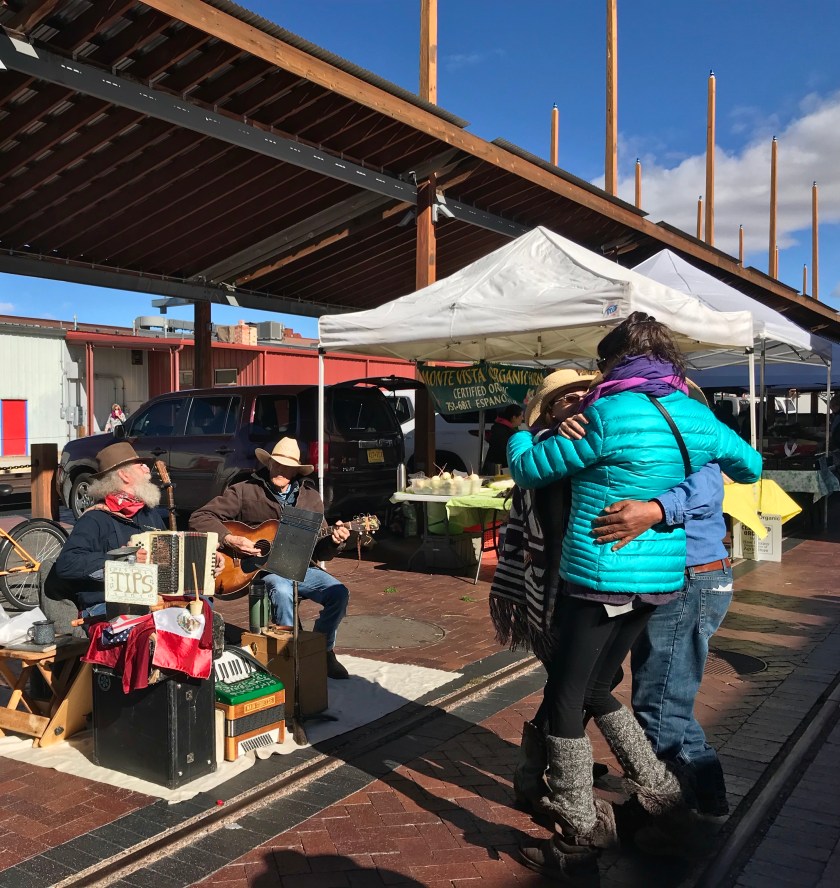
The Farmer’s Market at the Railyard is always an occasion for some spontaneous dancing. This city has such a great vibe.

On the first Saturday of November we headed north to the tiny mountain town of Dixon. The town is about halfway between Taos and Santa Fe along the Embudo River and is home to scores of artists. Saturday was the first day of their 37th Open Studio tour.

After a few stops on the tour and a delicious lunch at a local church, we continued on the High Road to Taos and as we headed back to Santa Fe, we dropped down into the Rio Grande River Gorge Recreation Area.

Within the city are a number of open spaces available for exploring. We’ve enjoyed our time rambling through these areas. This week we made our way to Arroyo Honda.

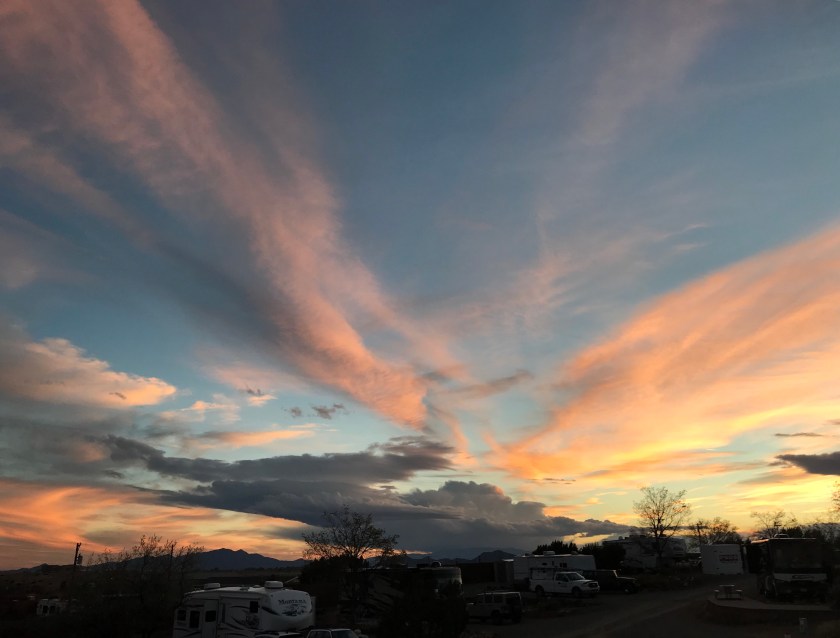
One of the things we like about Santa Fe Skies RV where we park the Tincan when in Santa Fe are the great 360 degree views.

The sunrises aren’t too bad either.

They don’t call it Santa Fe Skies for nothing.

Out and About in Santa Fe

Since Ellen and Rory left, we have returned to a more leisurely pace. Because they only had one week here, we wanted to show them all our favorite spots and we crammed a lot in during their week in Santa Fe.

Even though we slowed down, we have managed to visit a bird sanctuary, an Art gallery and take a few hikes this week.

Located at the mouth of Santa Fe Canyon, the Randall Davey Audubon Center and Sanctuary is a 135 acre wildlife sanctuary with hiking trails and the historic home and studio of artist Randall Davey.

We also took the tour of the Davey home and studio.

The home began its life as a sawmill in 1847 and then a grist mill. Randall Davey purchased the building and property in 1920 and lived here until his death in 1964.

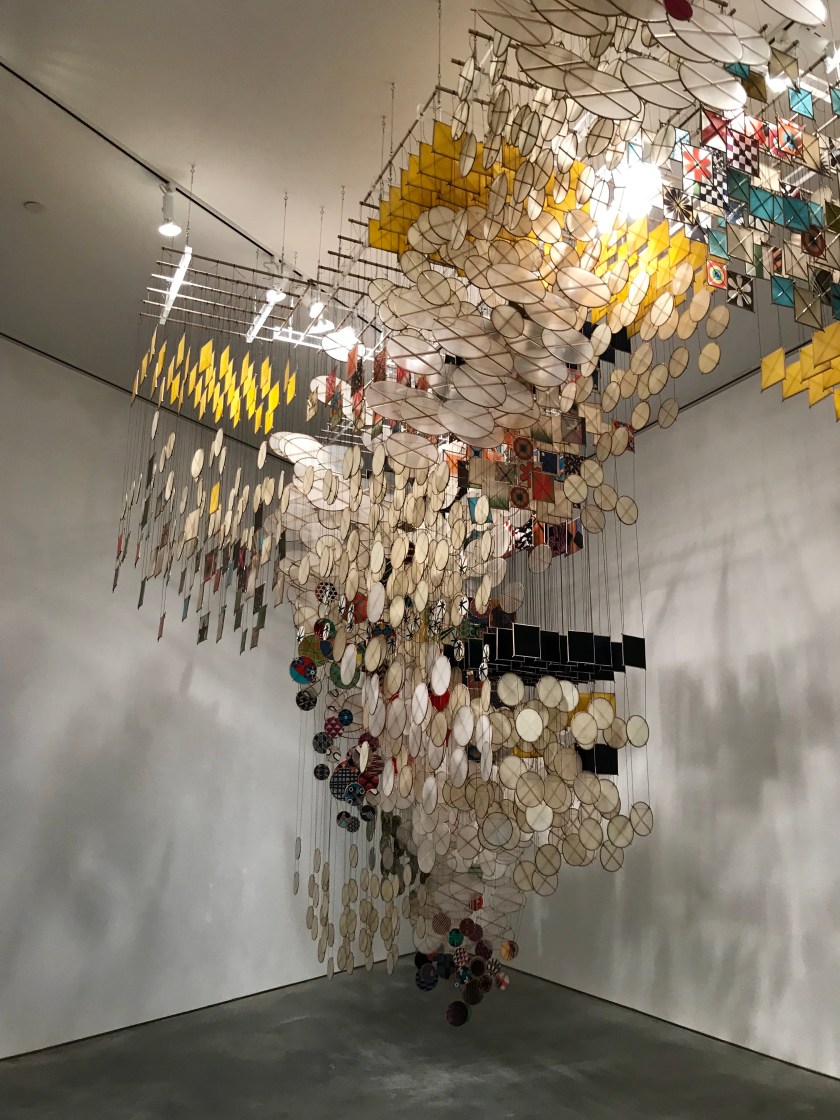
Located in the Railyard neighborhood of Santa Fe, the Site Santa Fe gallery always has something interesting going on.

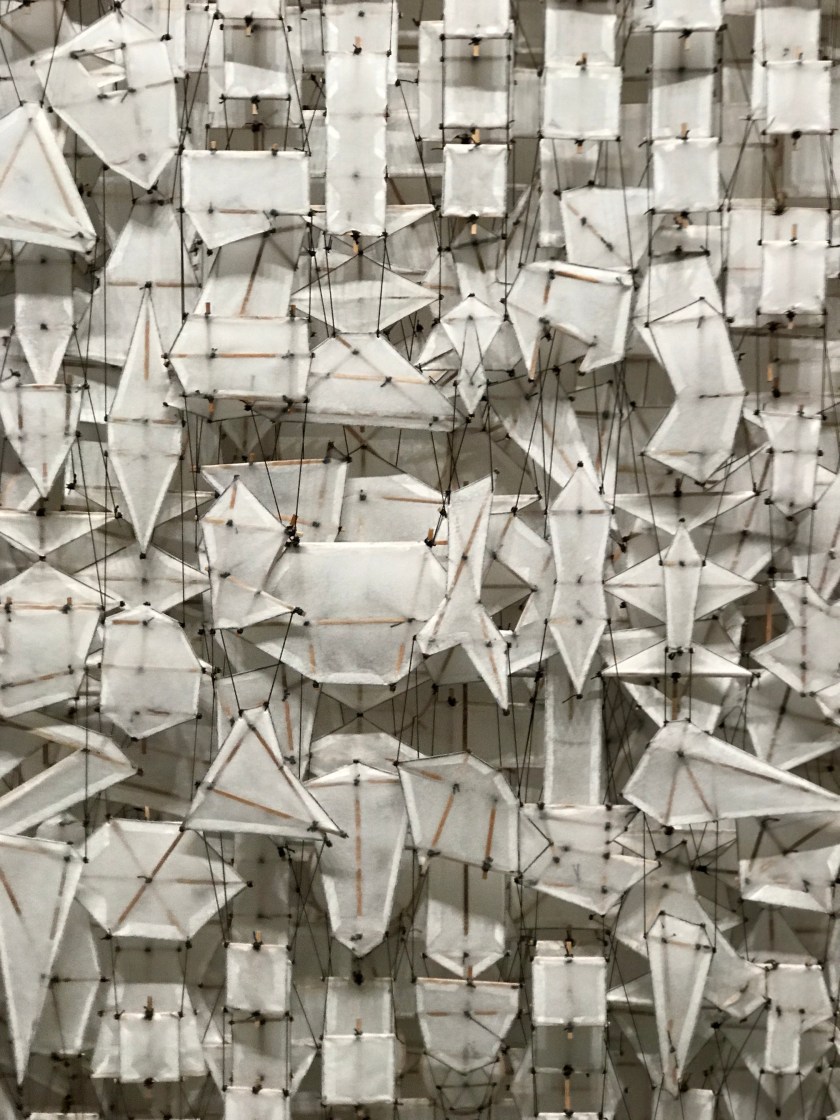
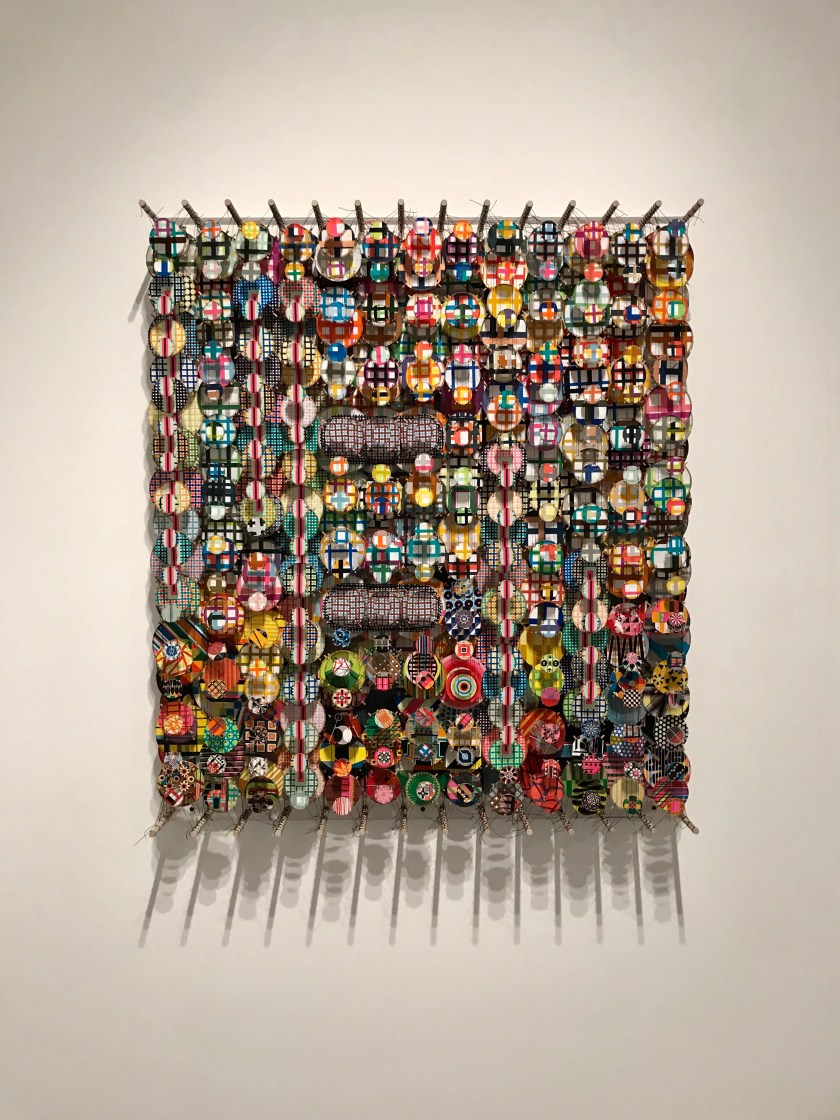
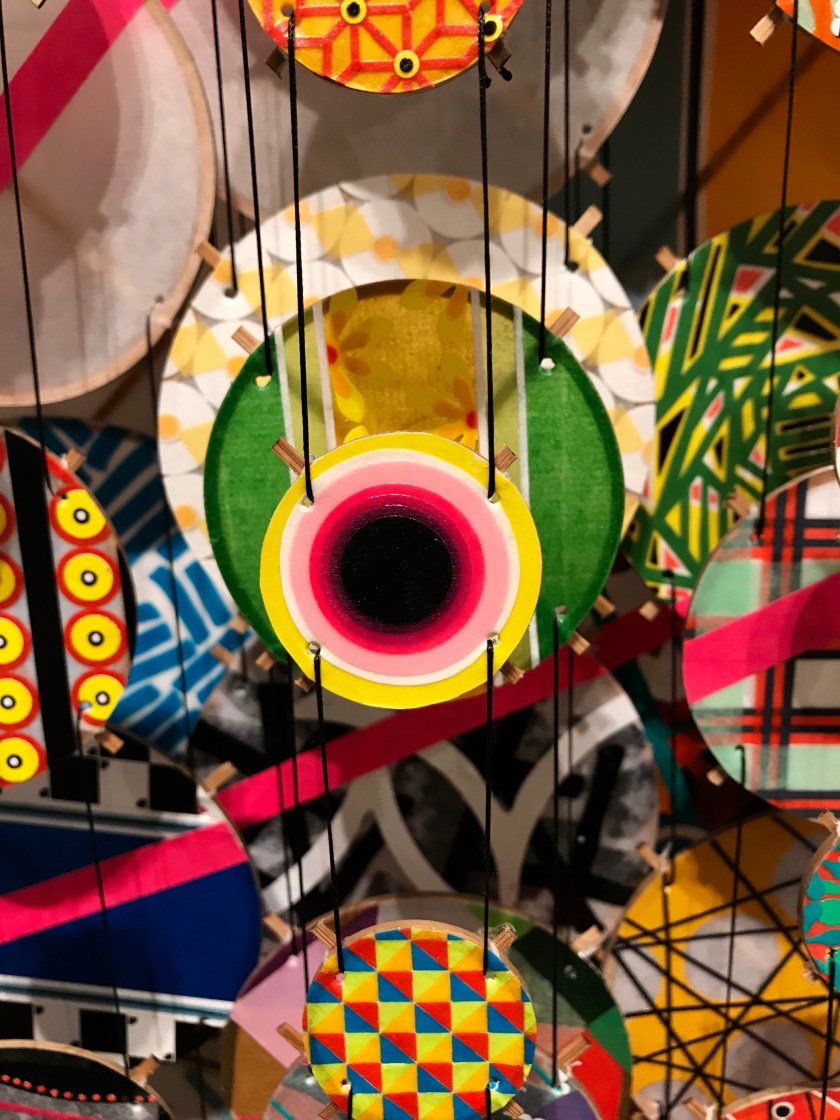
Jacob Hashimoto’s installation “The Dark Isn’t the Thing to Worry About” consists of rectangular and circular kites of Japanese rice paper.

These photos really don’t do this work justice. As you enter the exhibition you are treated to a site specific installation hanging from the ceiling. What a delight.

That evening we attended a performance by The Dovetail Orchestra. They provided live accompaniment to a number “scary” silent shorts.

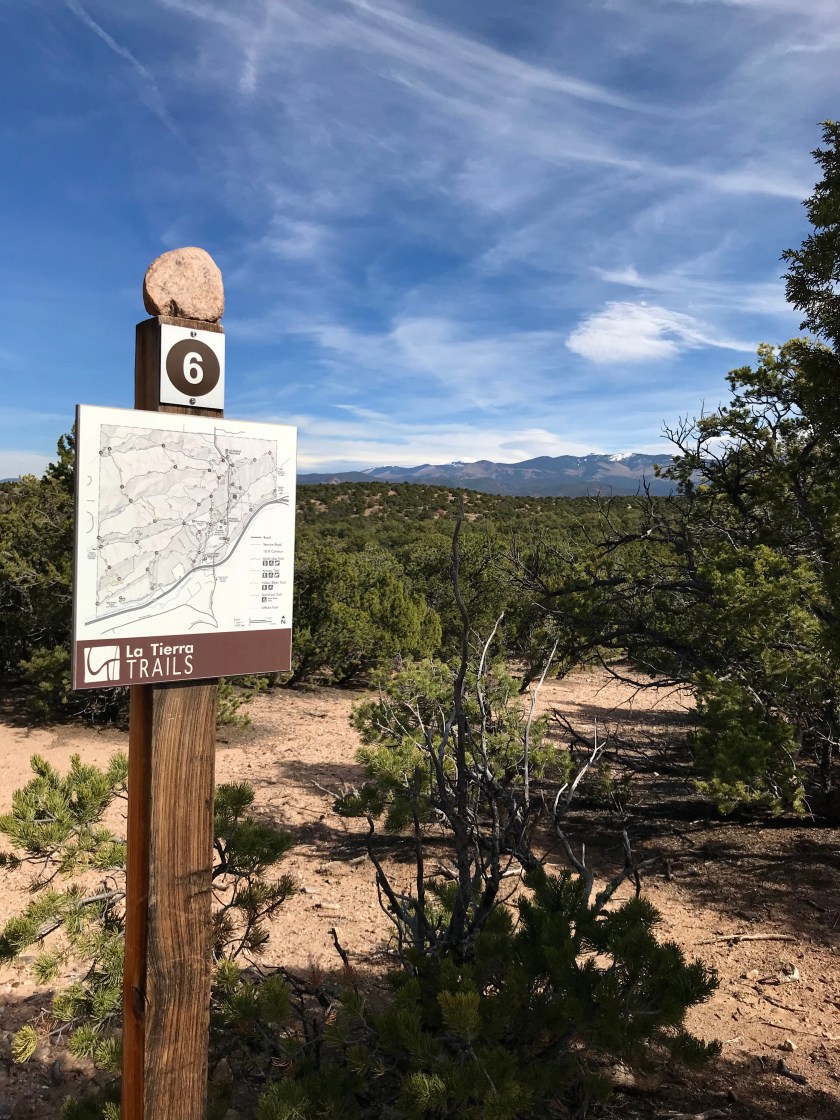
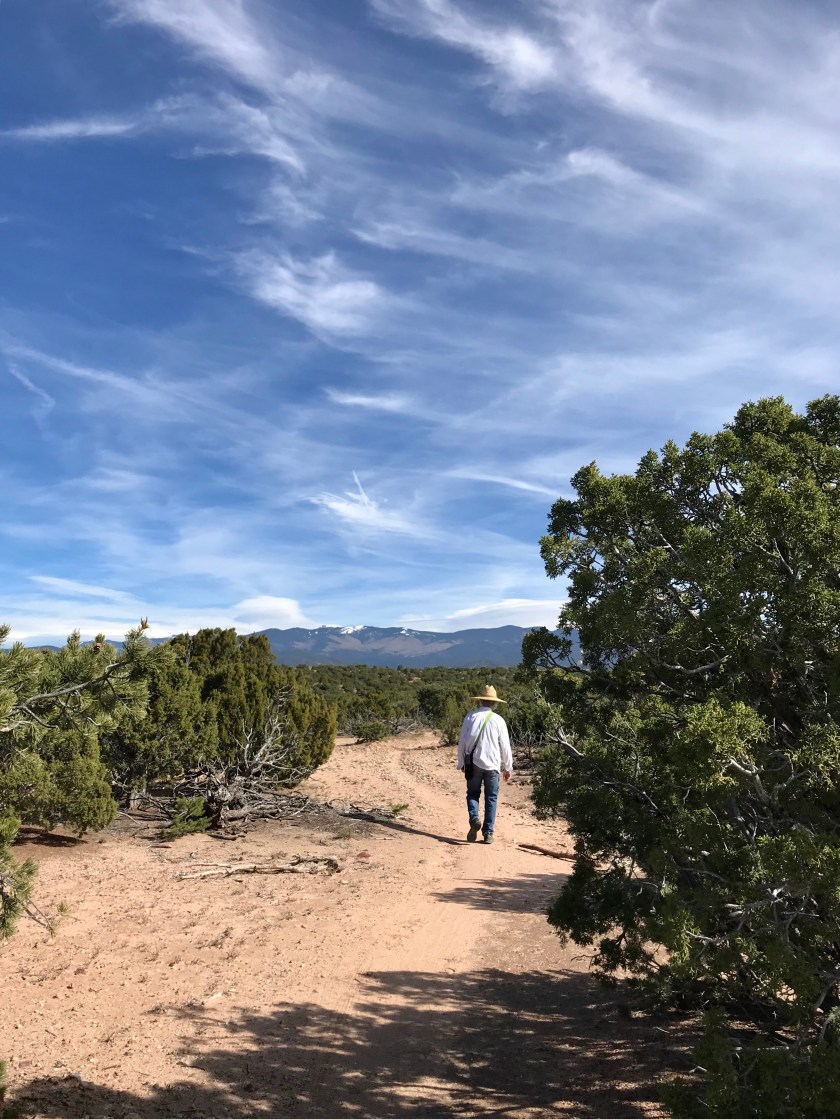
The foothills of Santa Fe offer ample opportunities for hiking and biking. We checked out La Tierra Trails.

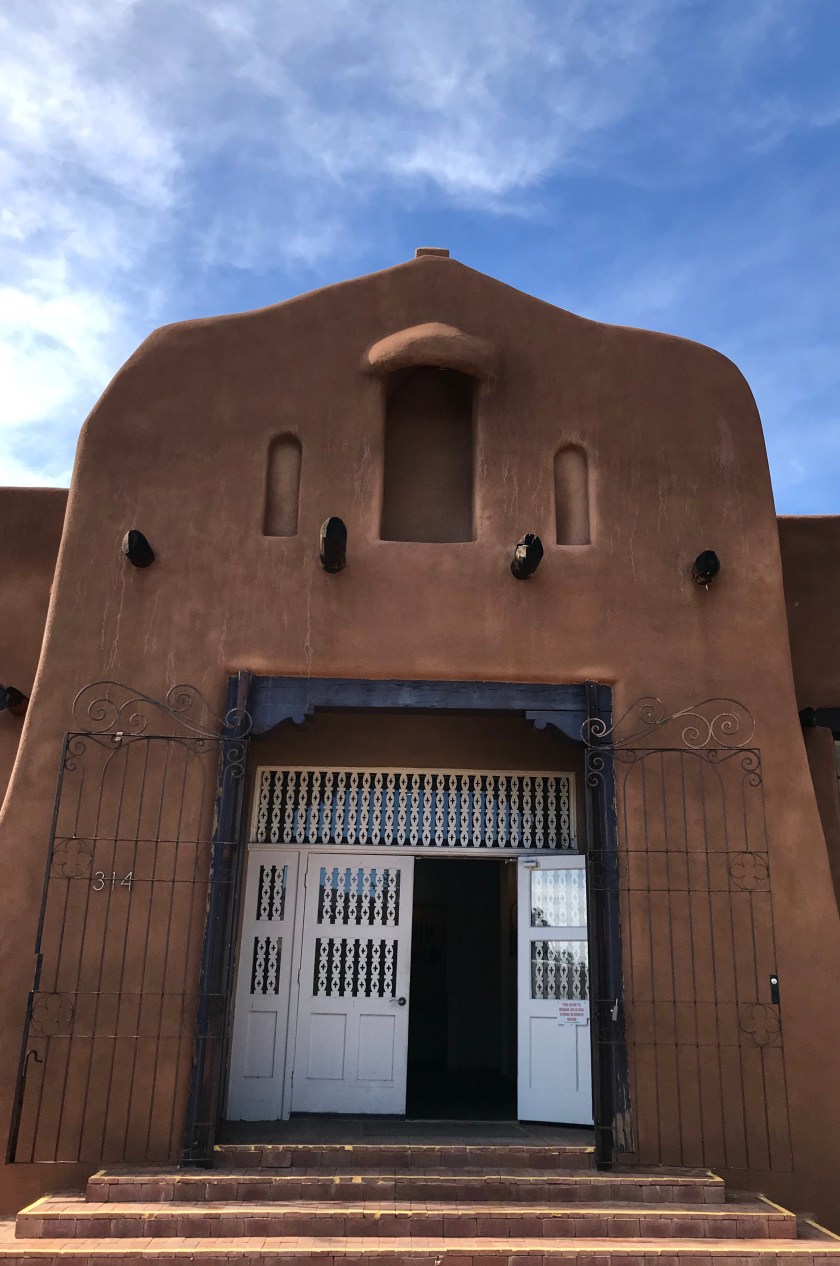
Even after numerous visits, it’s still a pleasure just to wander the streets of the city.

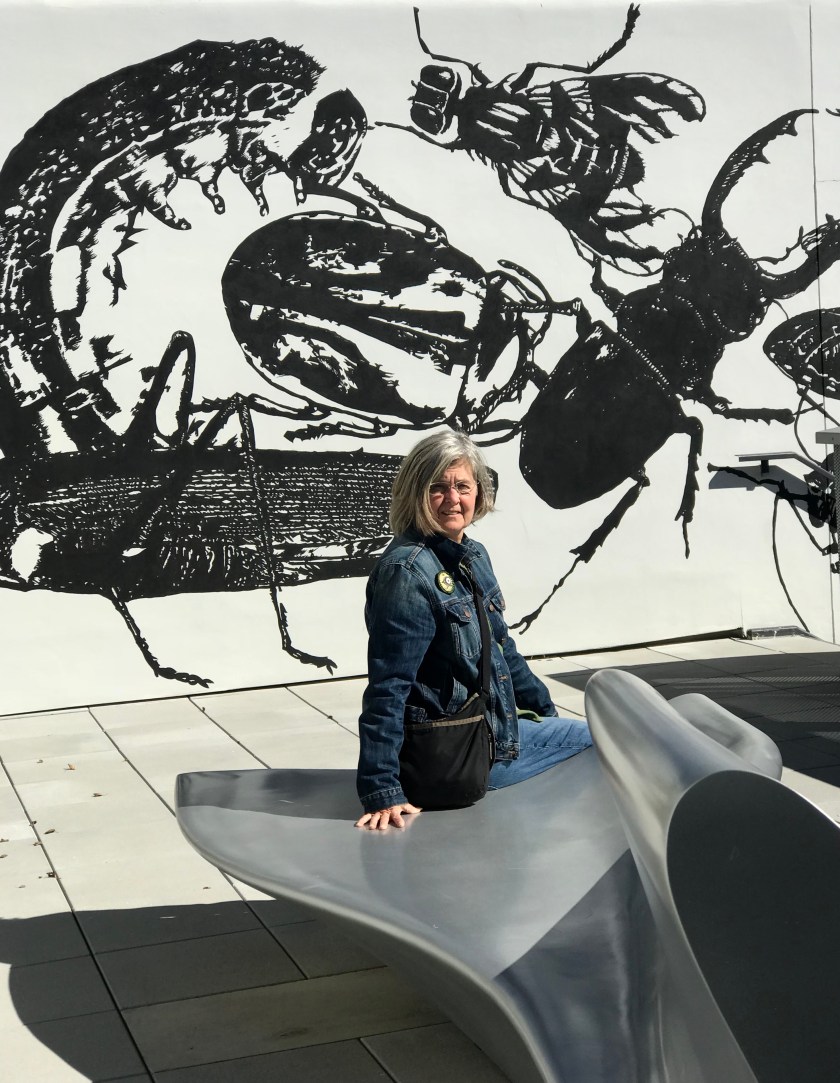
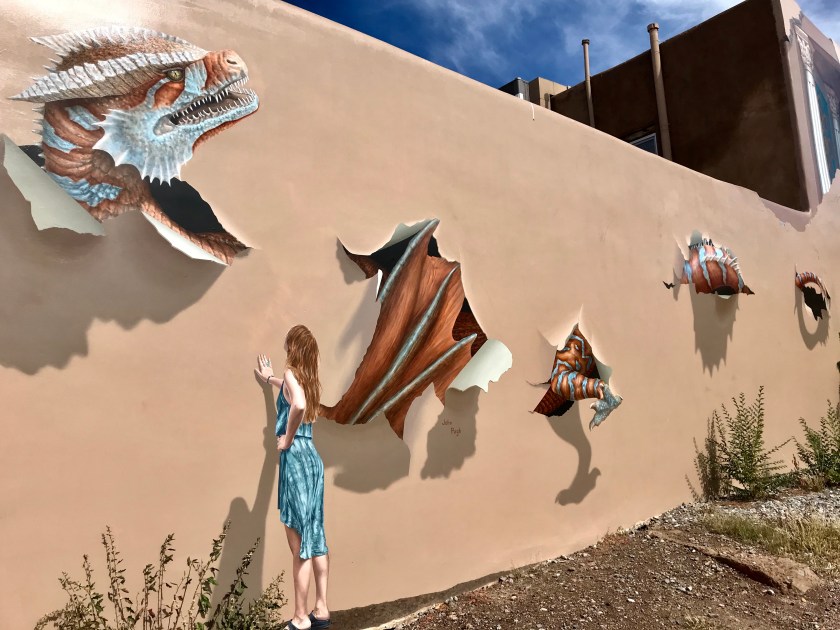
This is a flat painted wall.

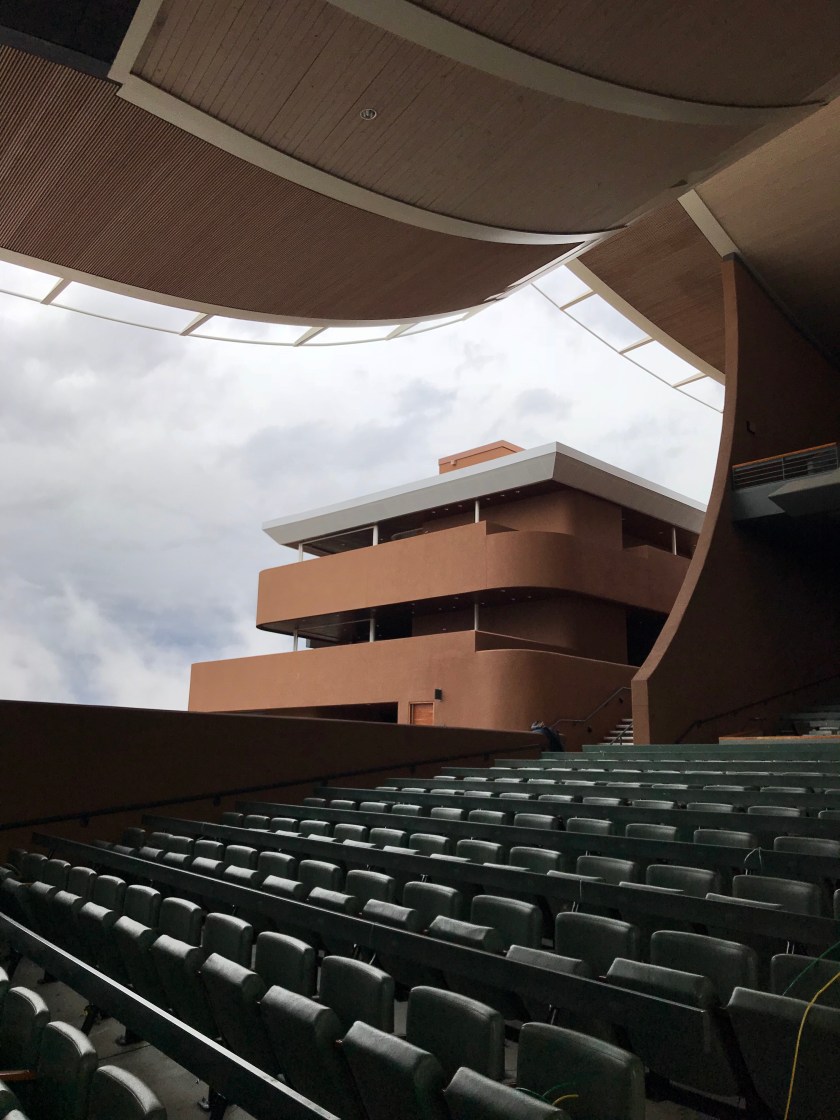
While Ellen and Rory where here we hooked up with their nephew Danny who treated us to an insider’s view of the Santa Fe Opera House.

What an impressive facility. Thanks Danny for taking time out of your day and showing us around. It has gotten us thinking we need to come back during opera season to check out this aspect of Santa Fe culture.

Seven Days in Santa Fe Part 2

As much as we like hanging out in downtown Santa Fe, the surrounding area offers a spectacular landscape to explore.

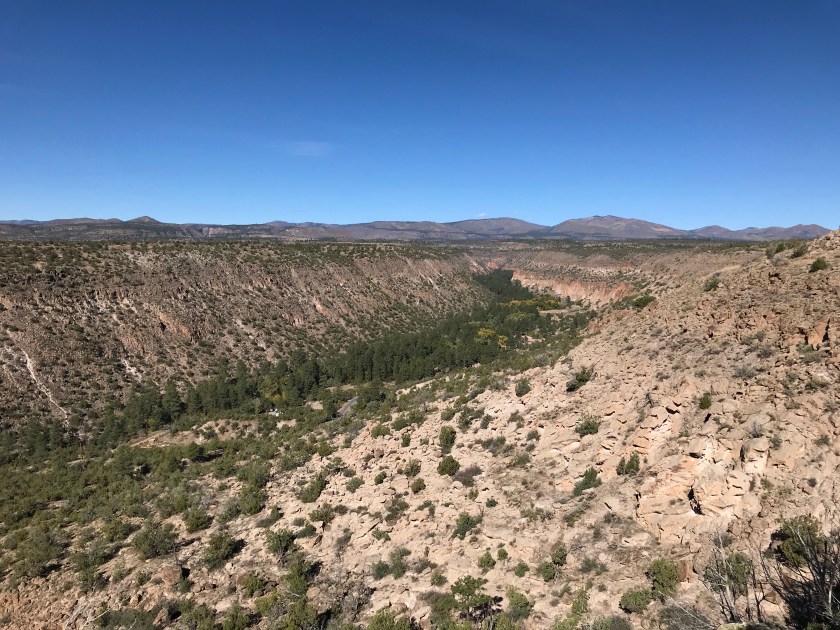
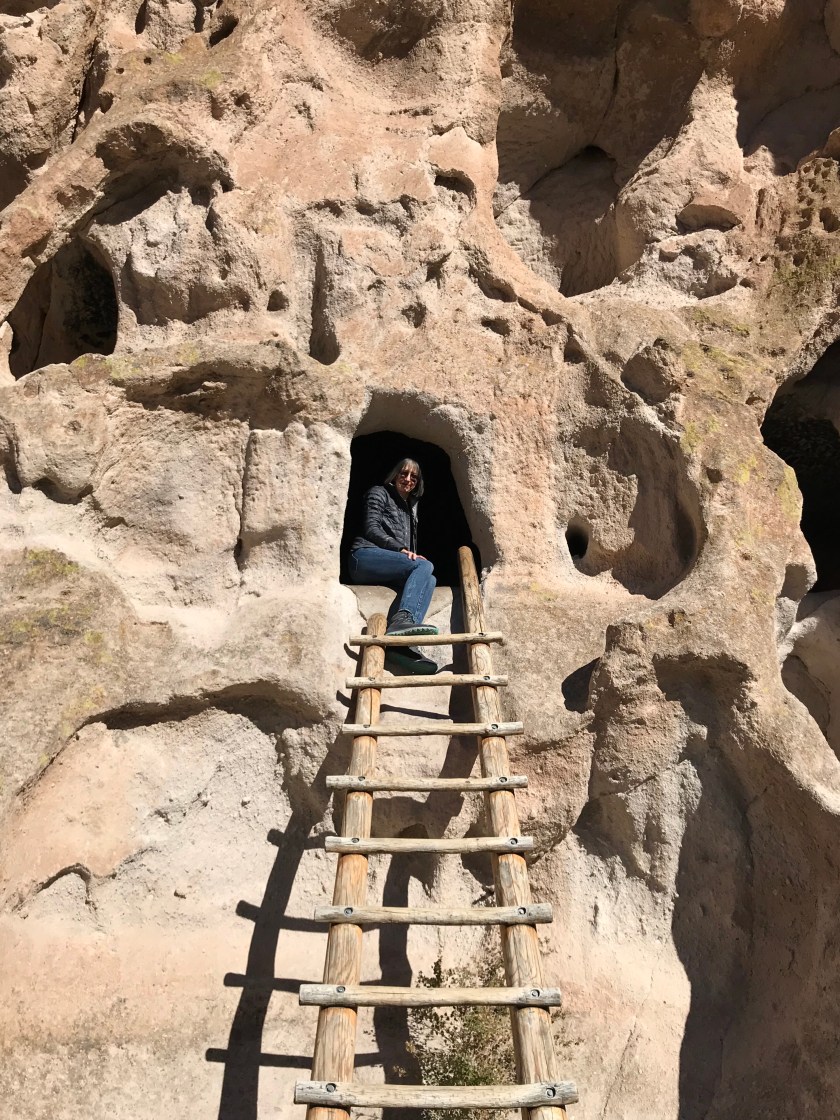
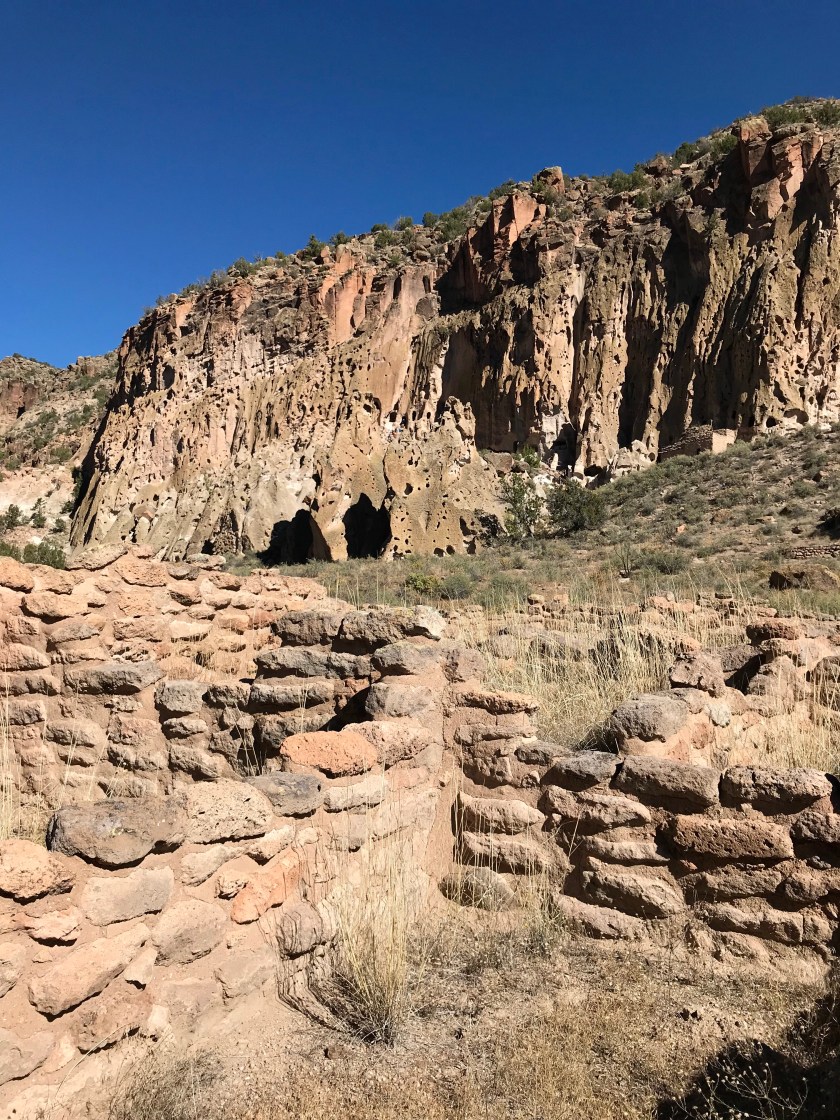
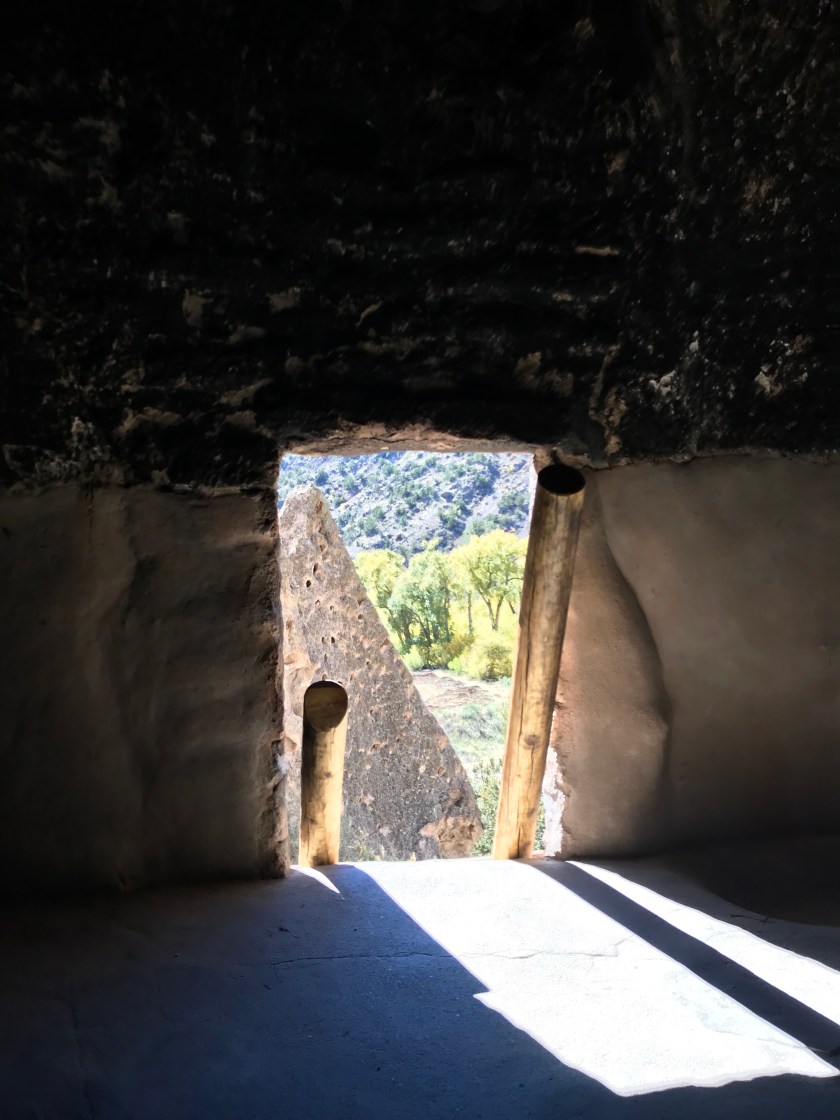
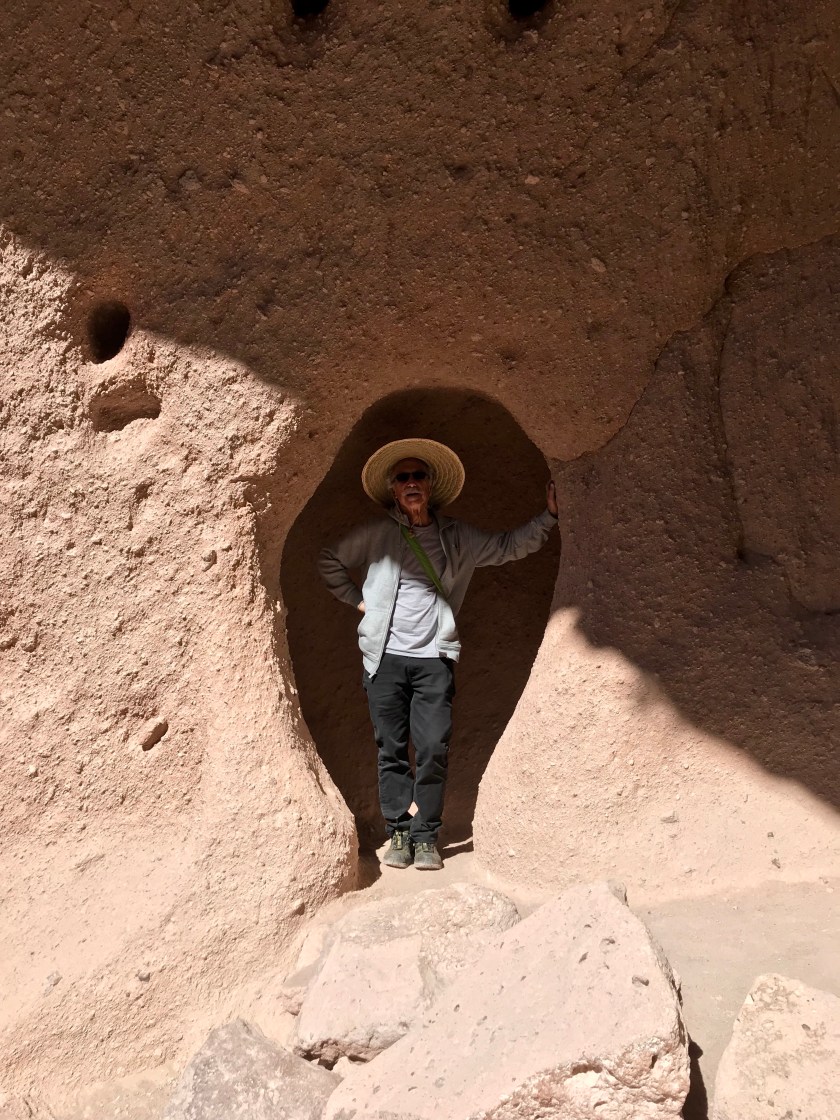
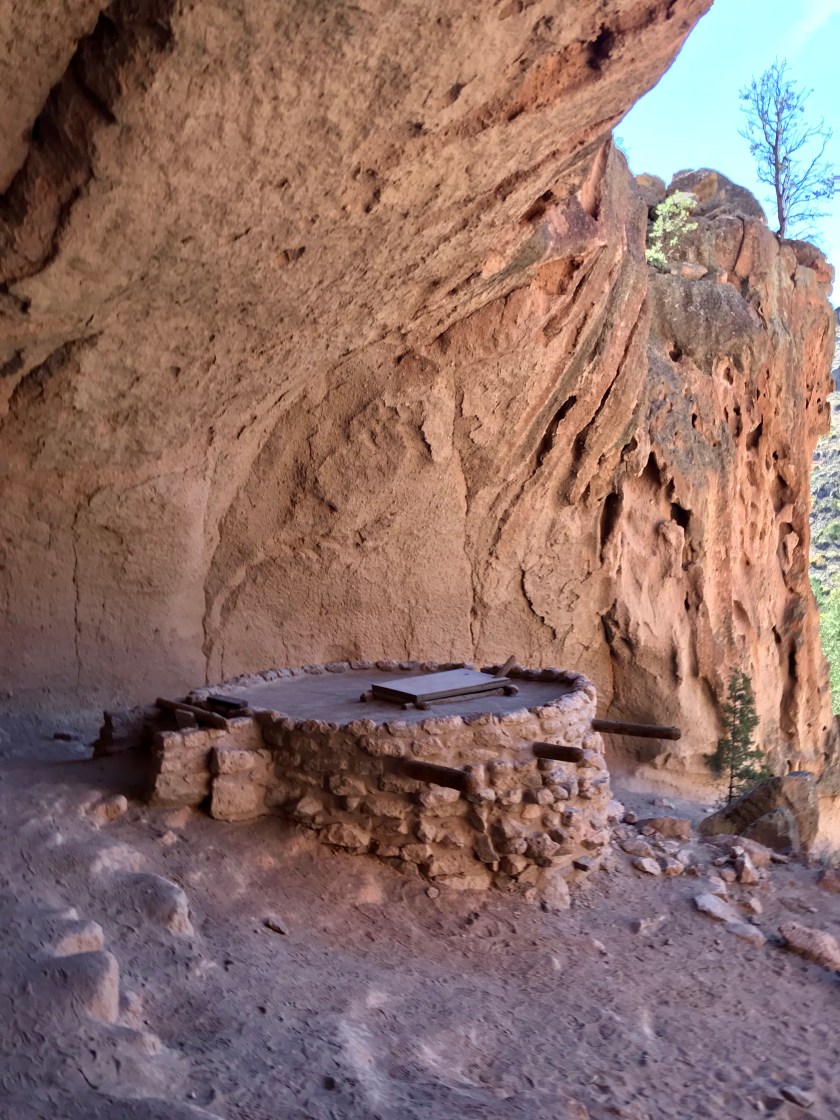
Frijoles Canyon is the home of Bandelier National Monument. Located within the Monument are the remains of Ancestral Pueblo cliff dwellings, many available for exploration.

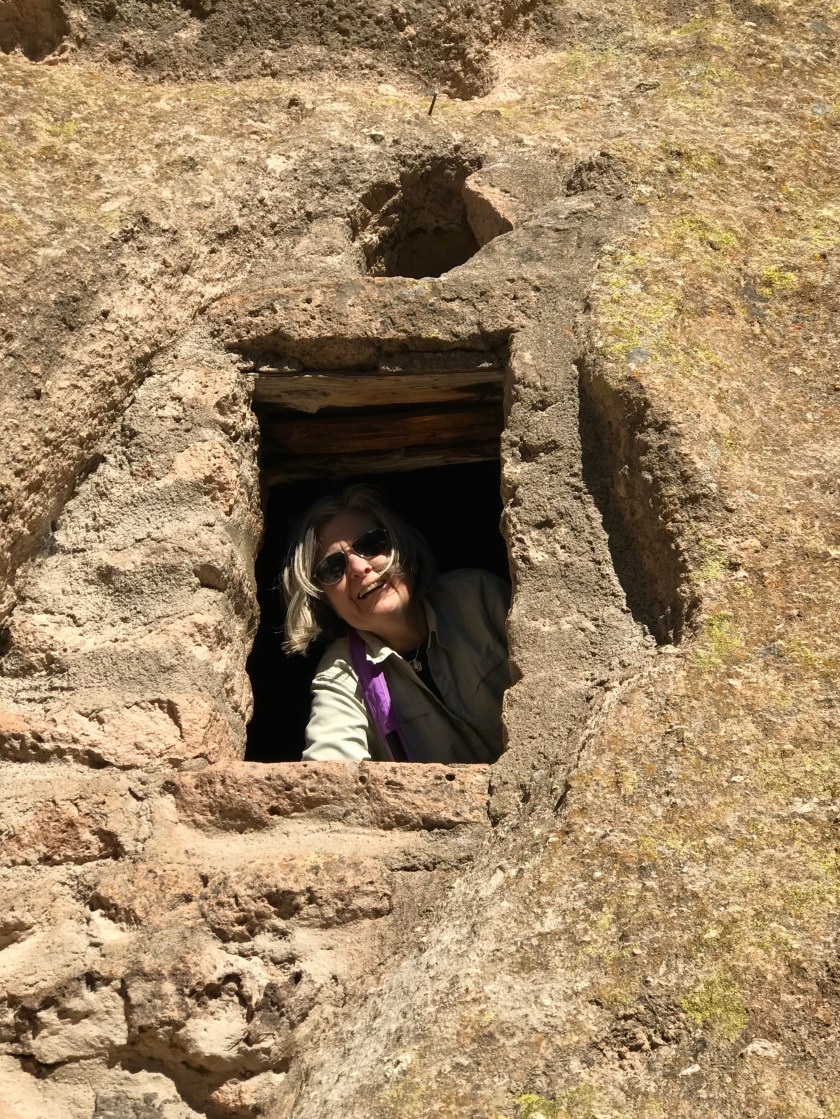
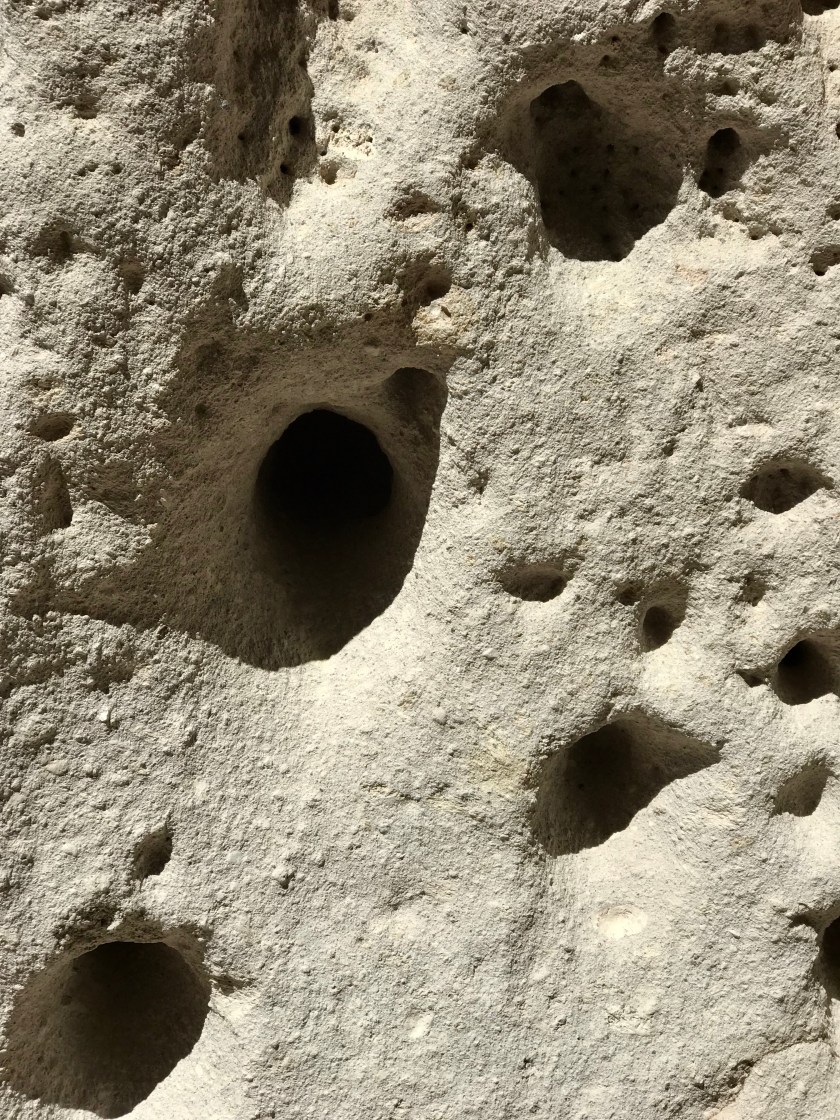
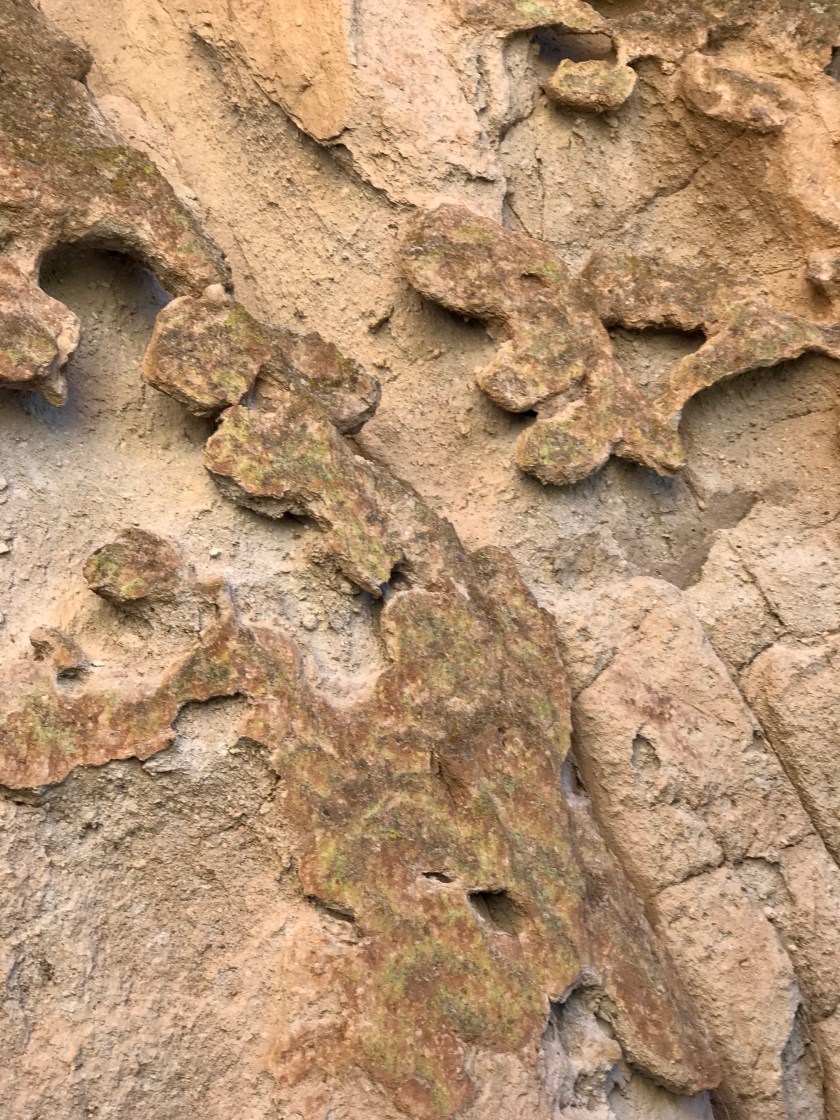
More than a million years ago huge ash flows from eruptions at the Valles Caldera covered this area. Over time the ash cooled and formed a type of volcanic rock called tuff. Tuff is very light and soft. The Ancestral Pueblo people exploited this quality to carve out openings and create living spaces.

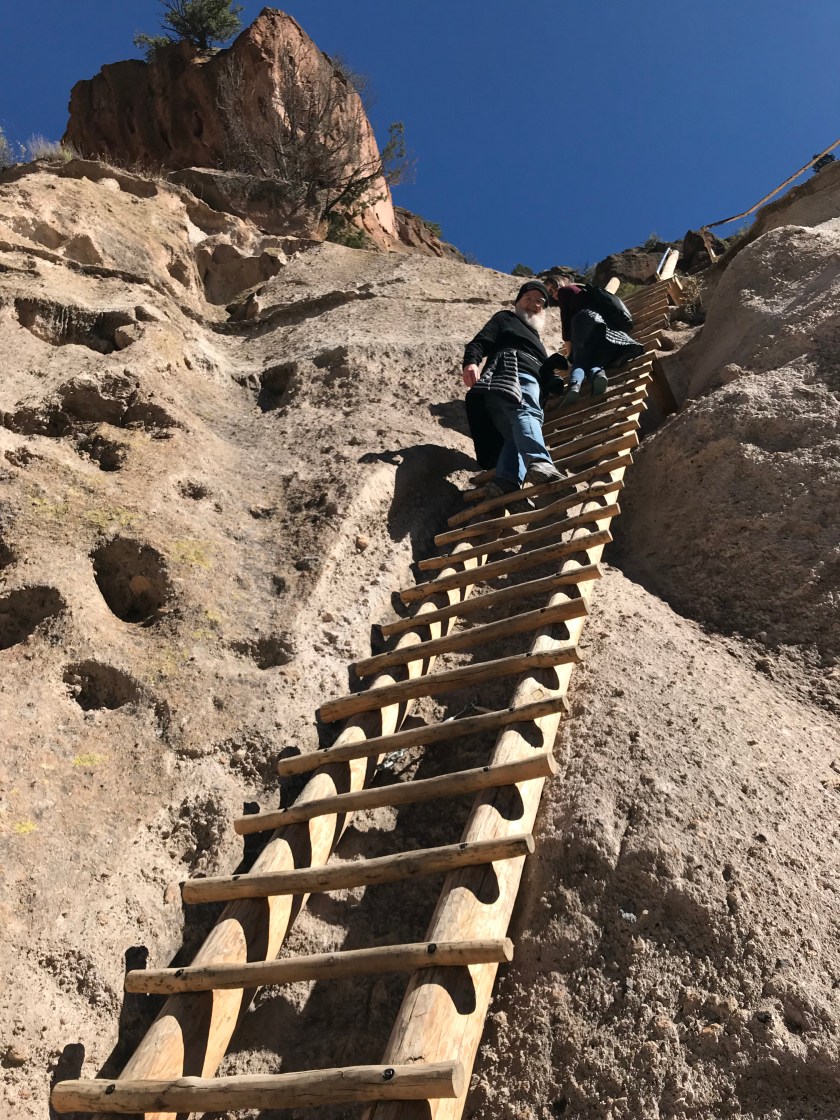
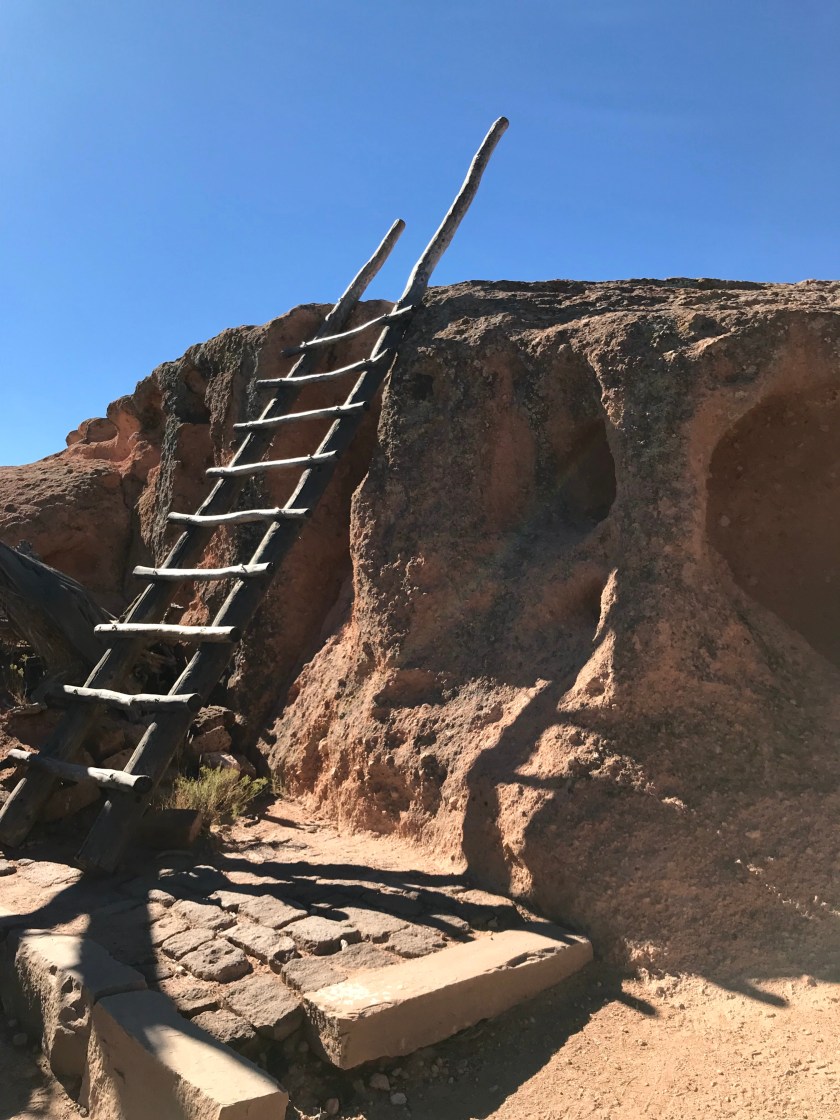
You have to climb a series of ladders to get to the upper ruins.

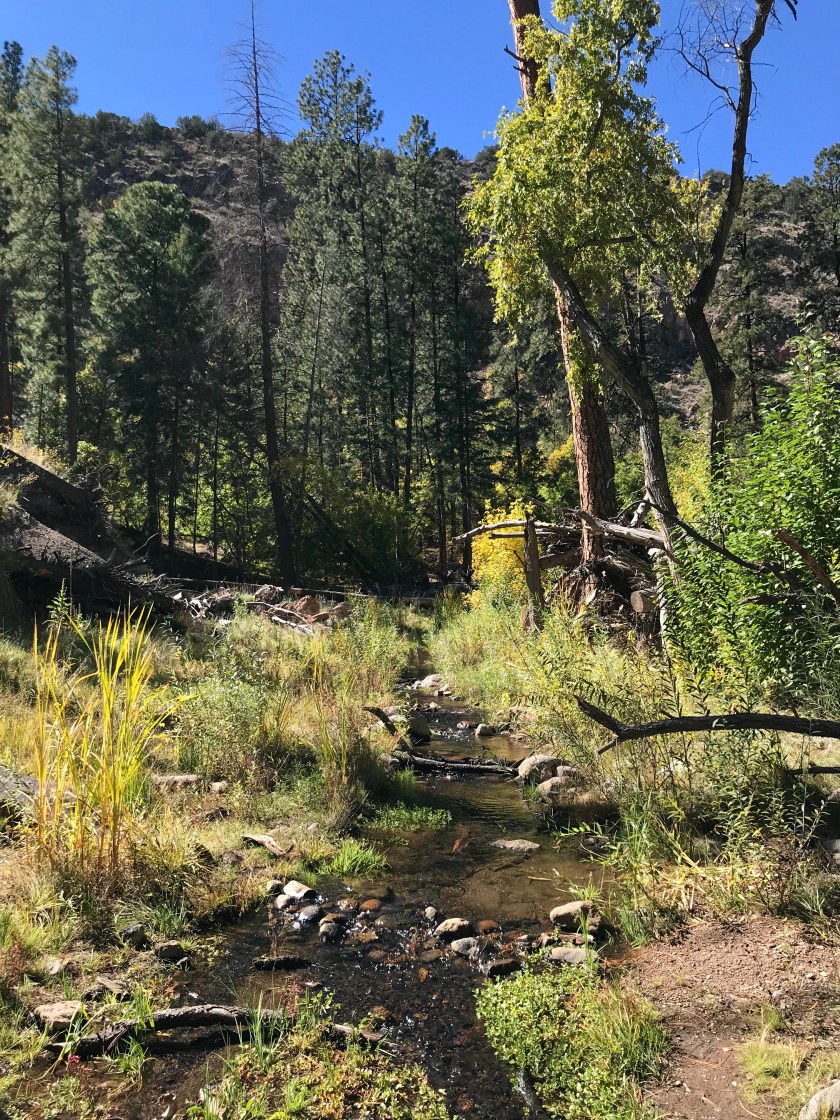
Frijoles Creek provided a year round source of water for the canyons residents.

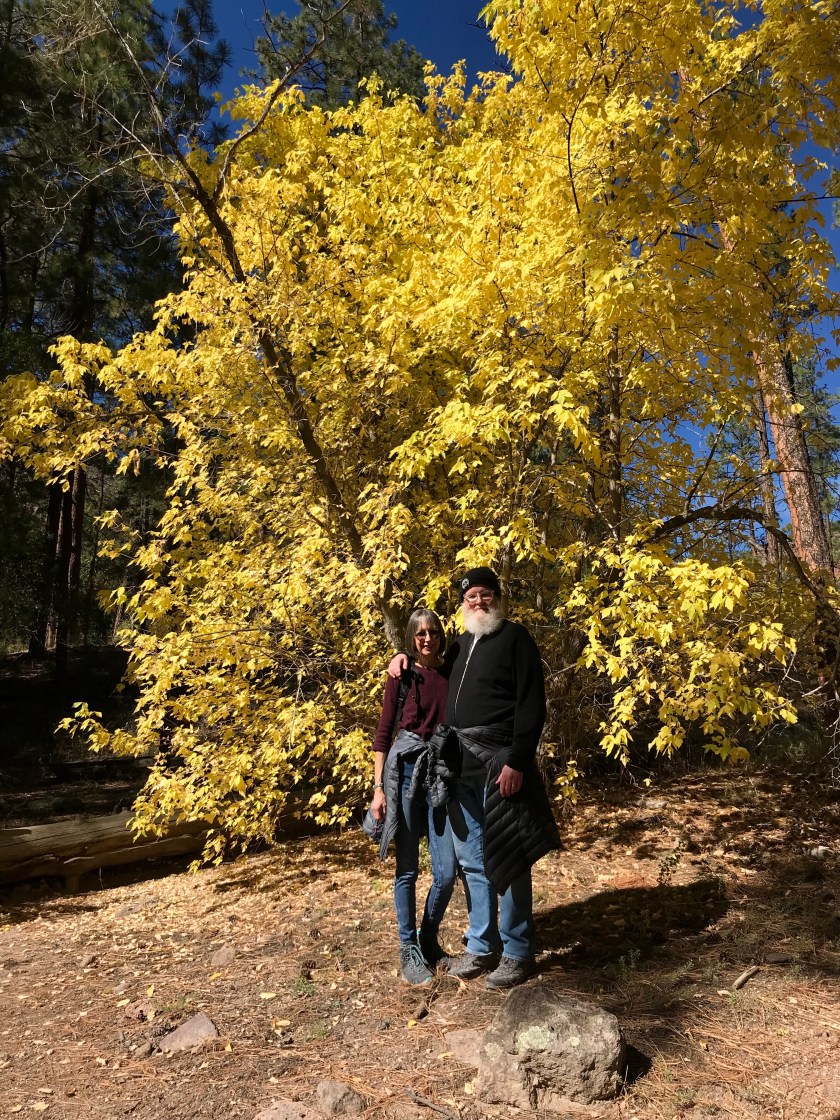
Ellen and Rory soaking up the Fall colors.

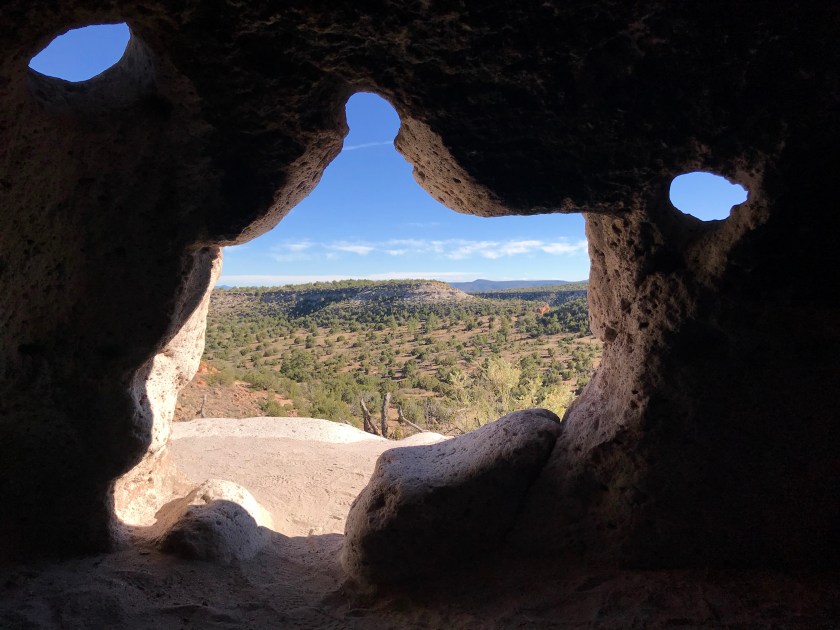
Tsankawi is a separate section of the Monument located closer to Los Alamos. Here you can see and explore cave dwellings and a large in unexcavated village.

This area of the Monument was also covered in volcanic ash which became tuff.

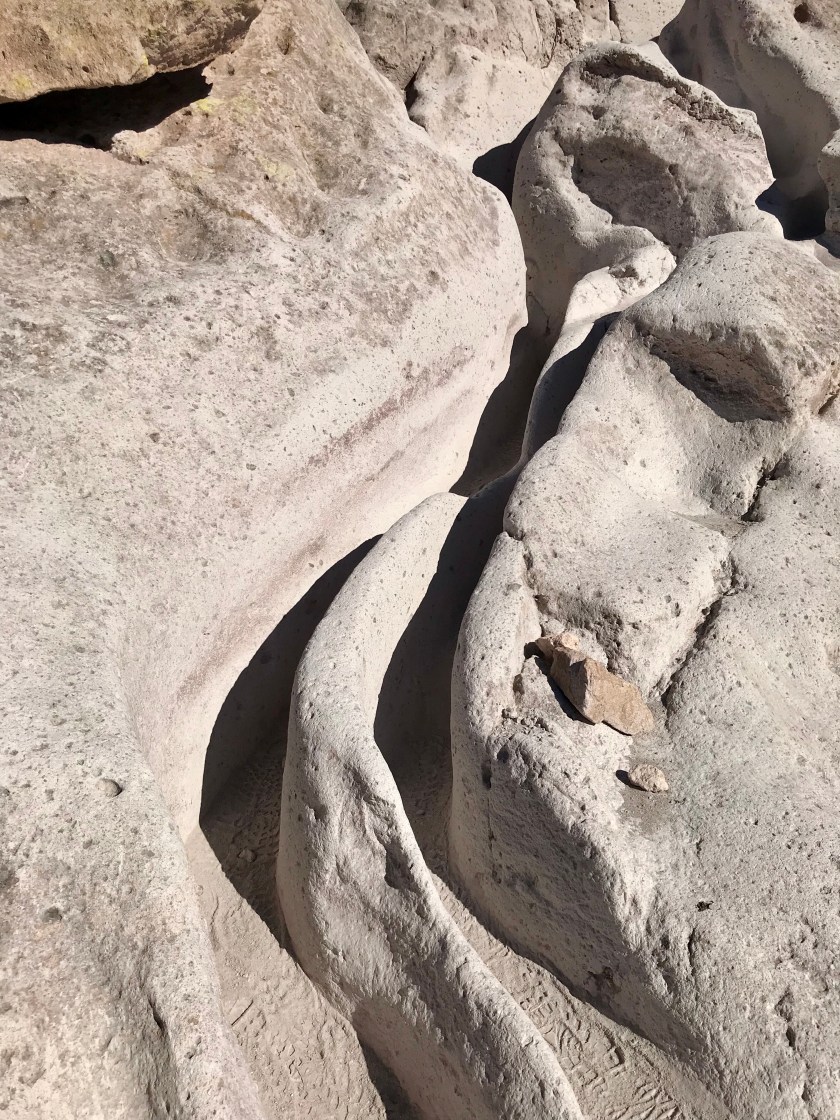
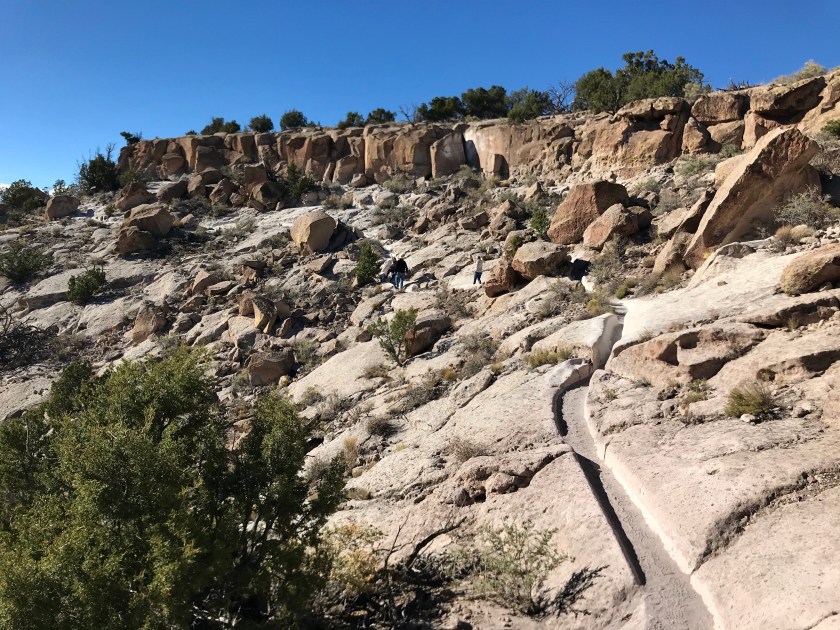
Ancient foot paths form well worn grooves in the tuff throughout Tsankawi.

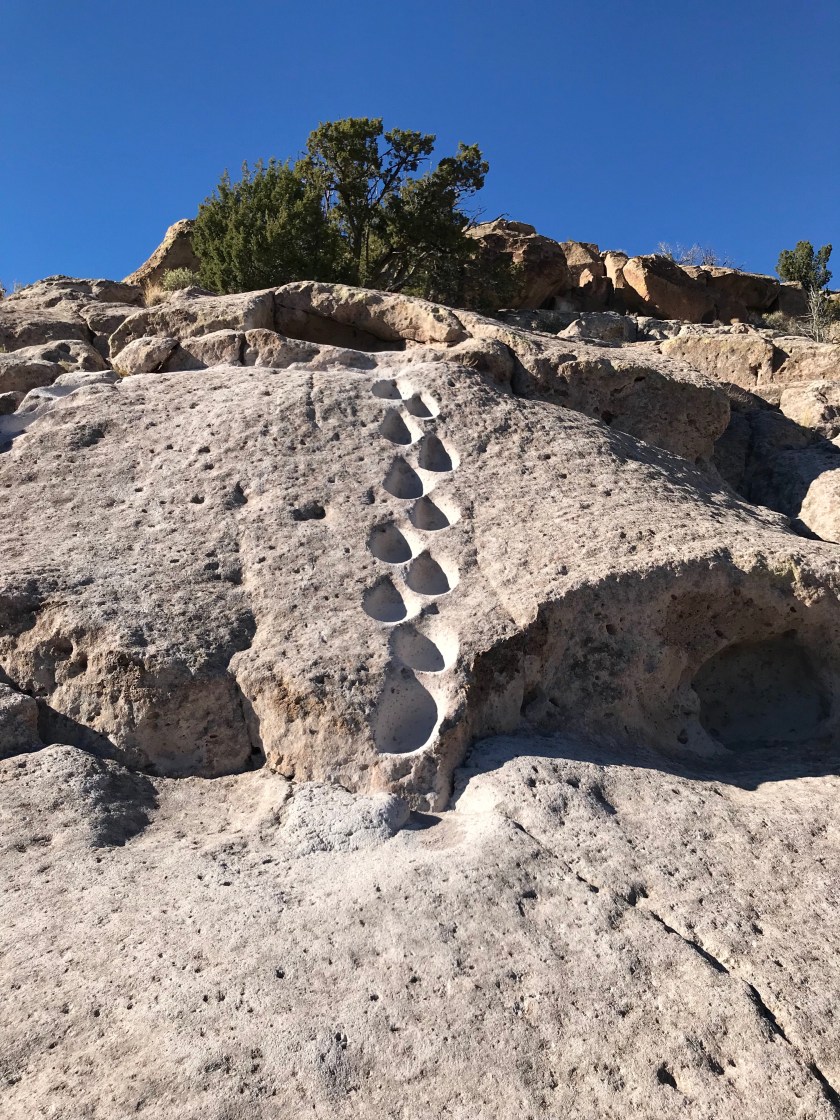
Ancient foot holds for ascending the Mesa.

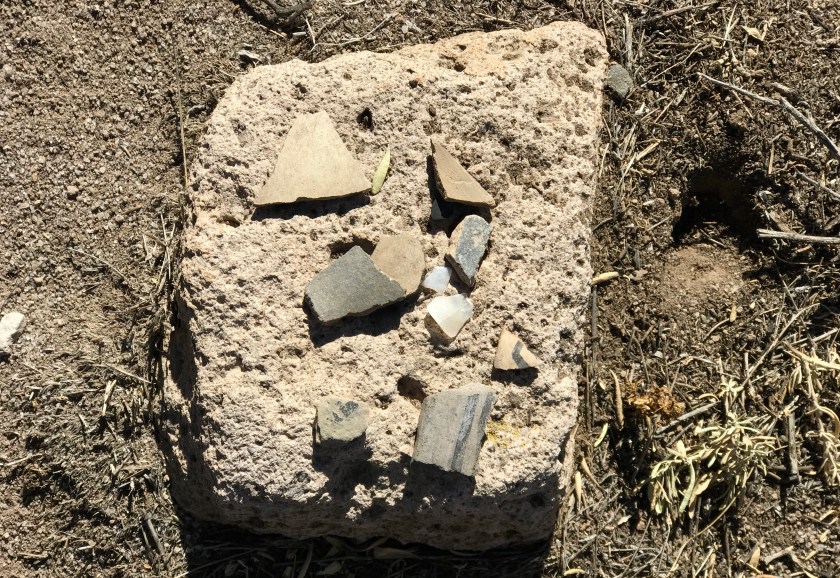
Pottery shards

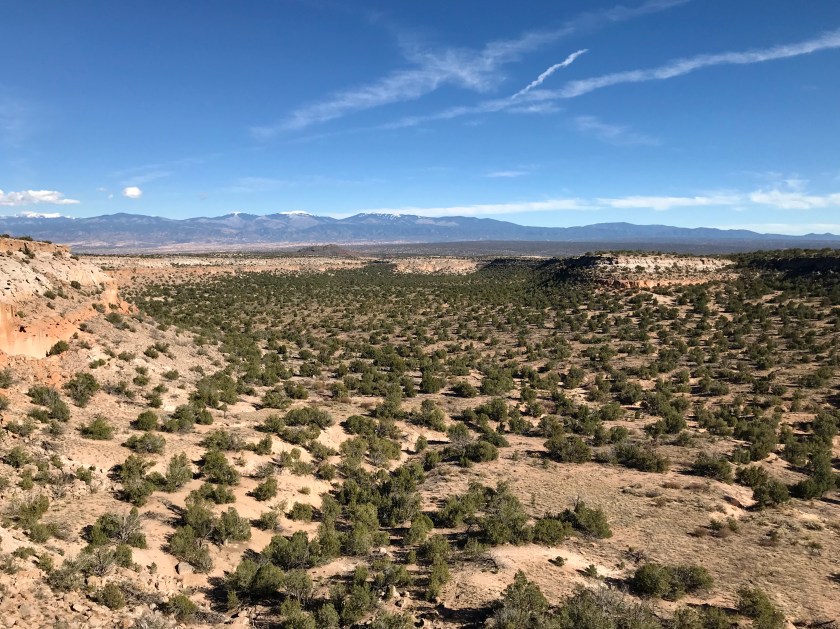
The view from the village site

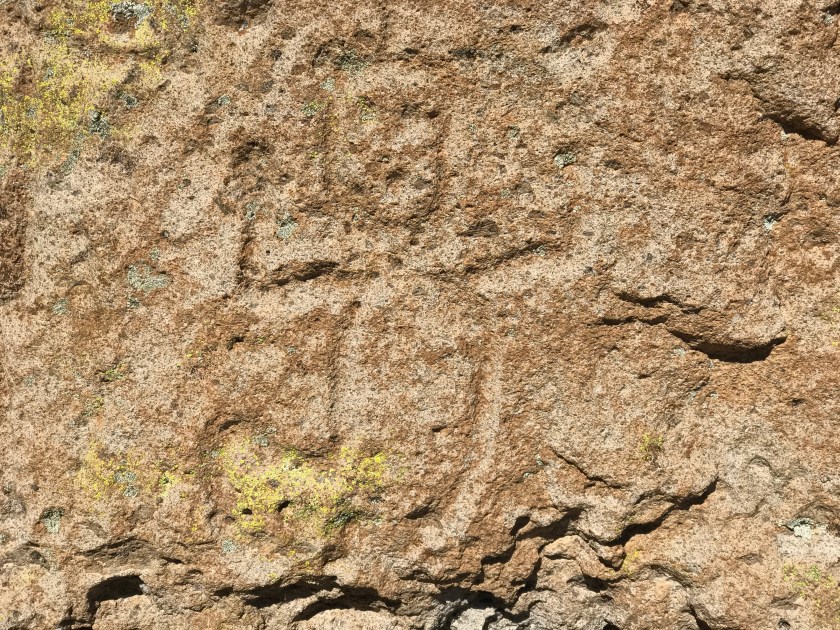
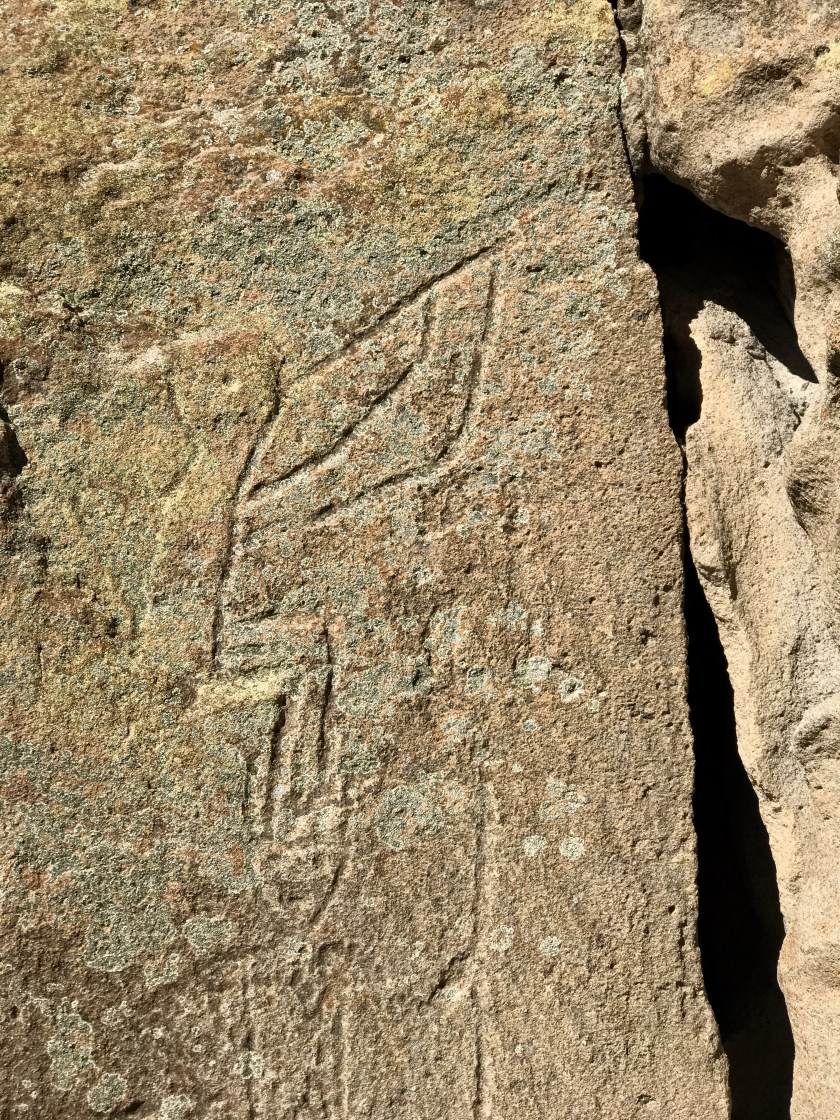
Some of the many petroglyphs at the site.

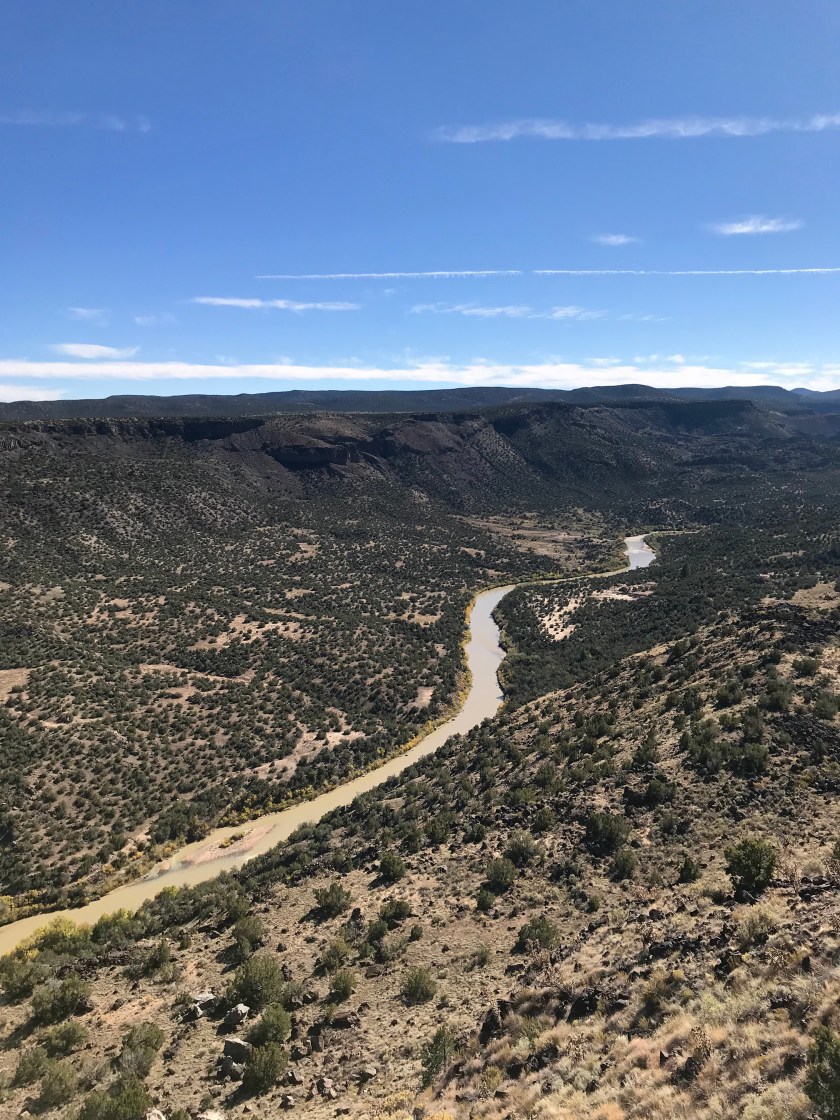
A quick detour over to Lookout Park in White Rock gave us some spectacular views of the Rio Grande.

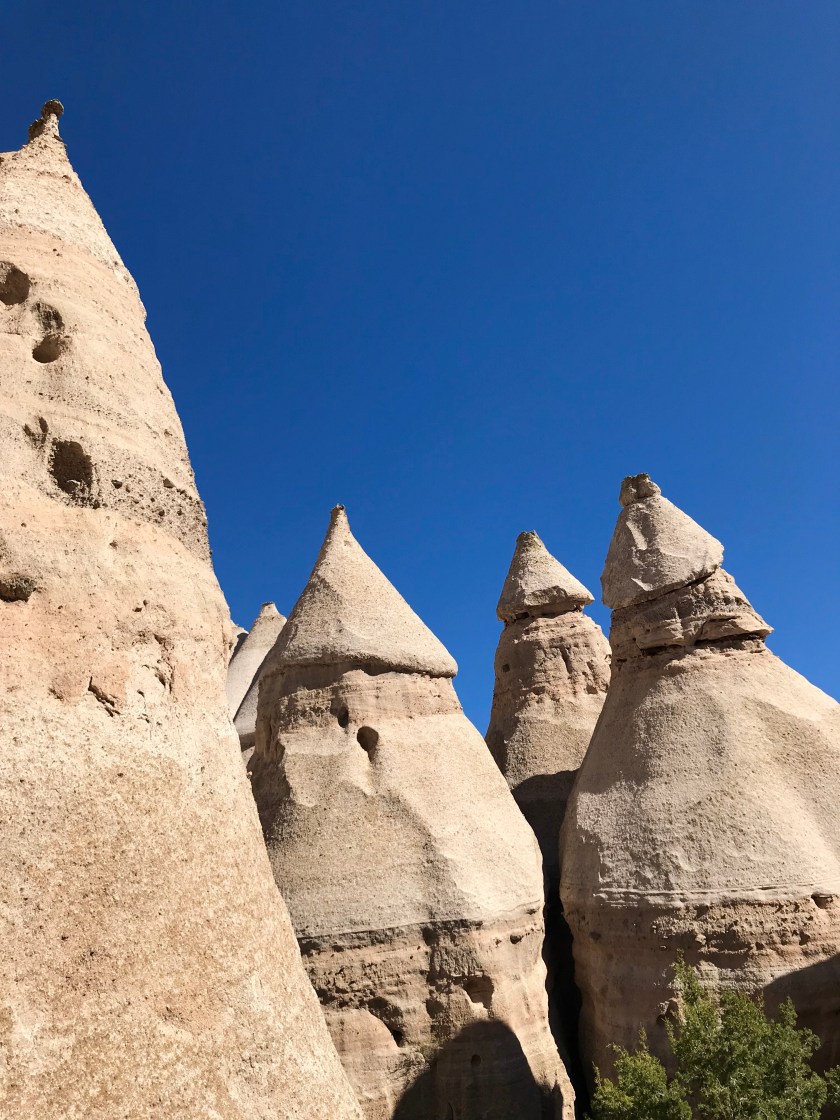
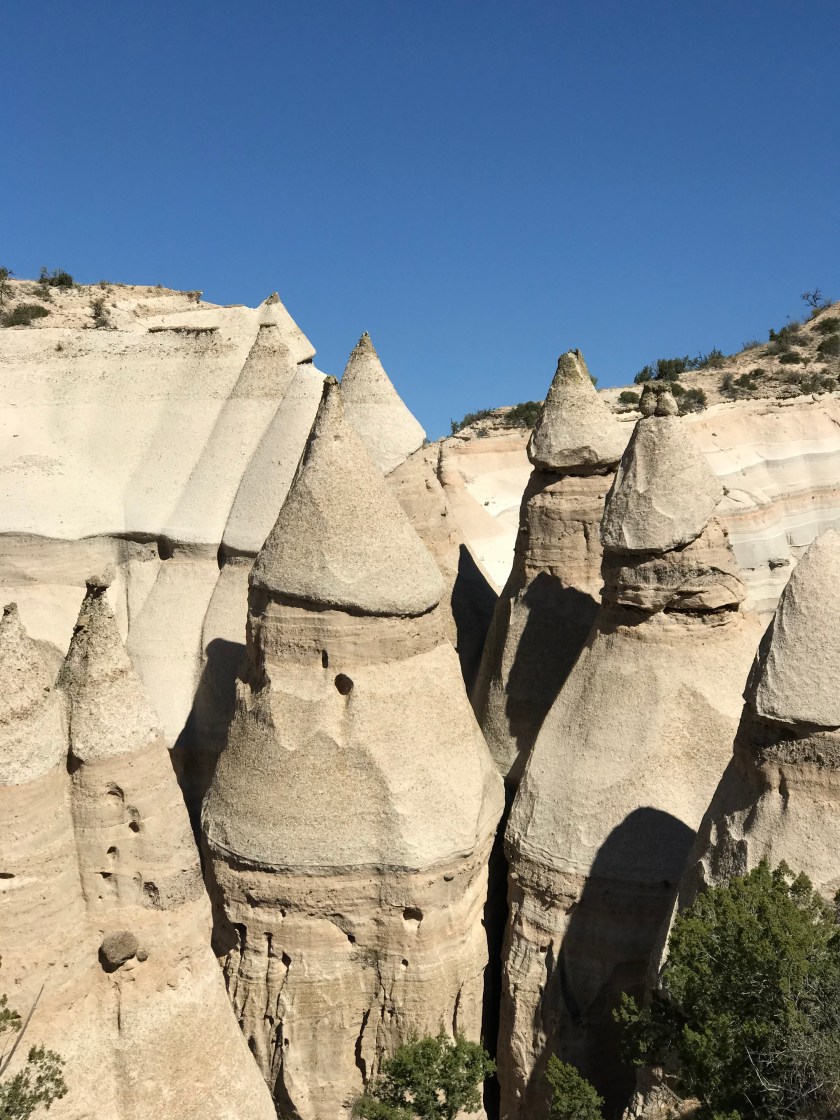
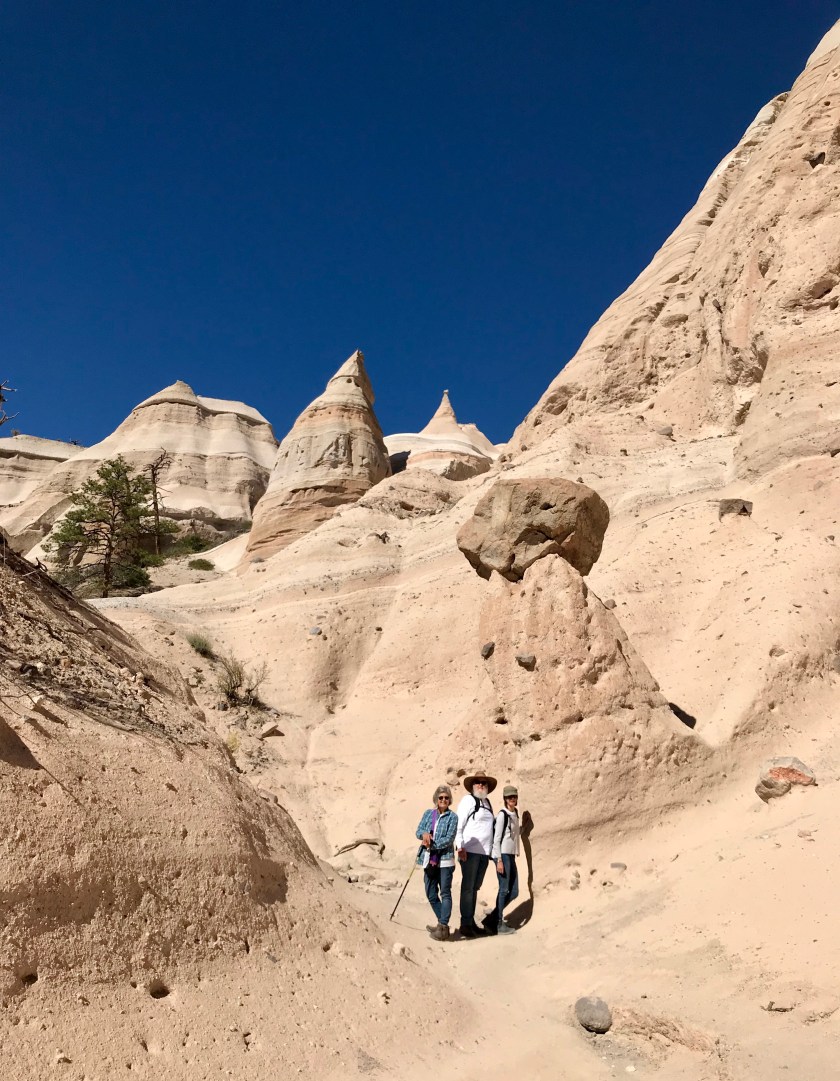
The hike that excited Ellen and Rory the most was the one in the Kasha-Katuwe Tent Rocks National Monument.

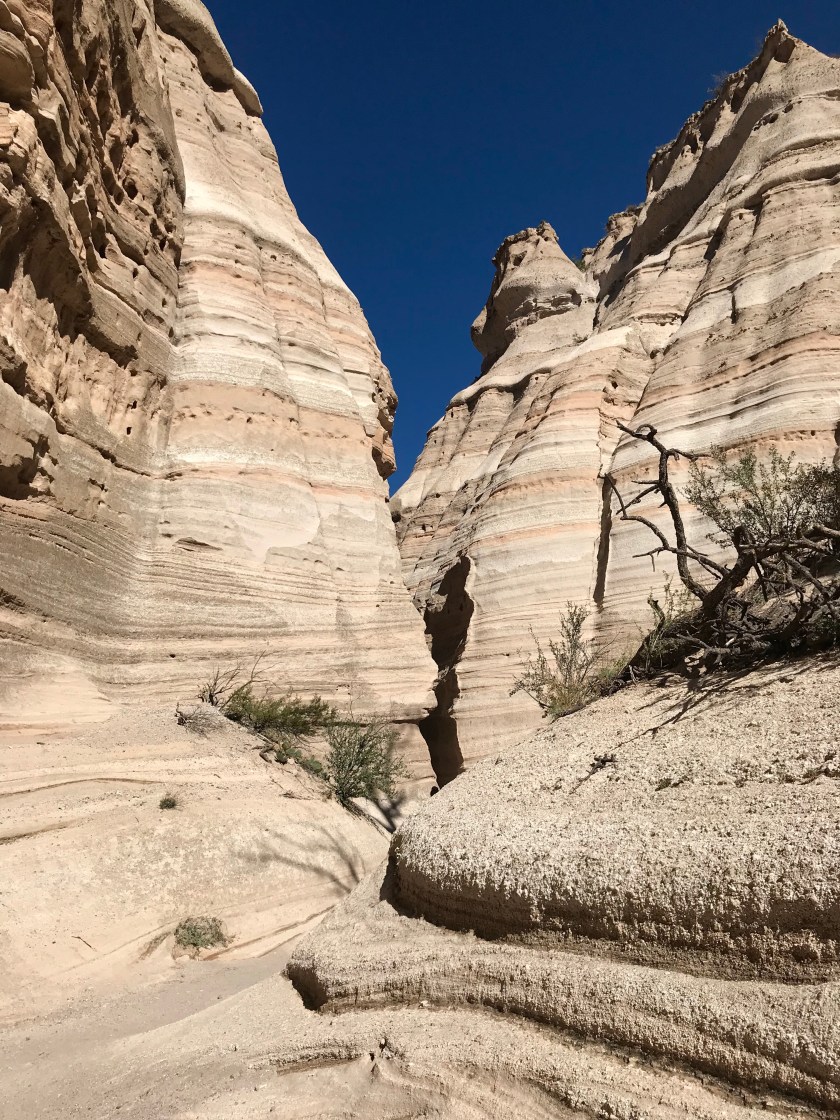
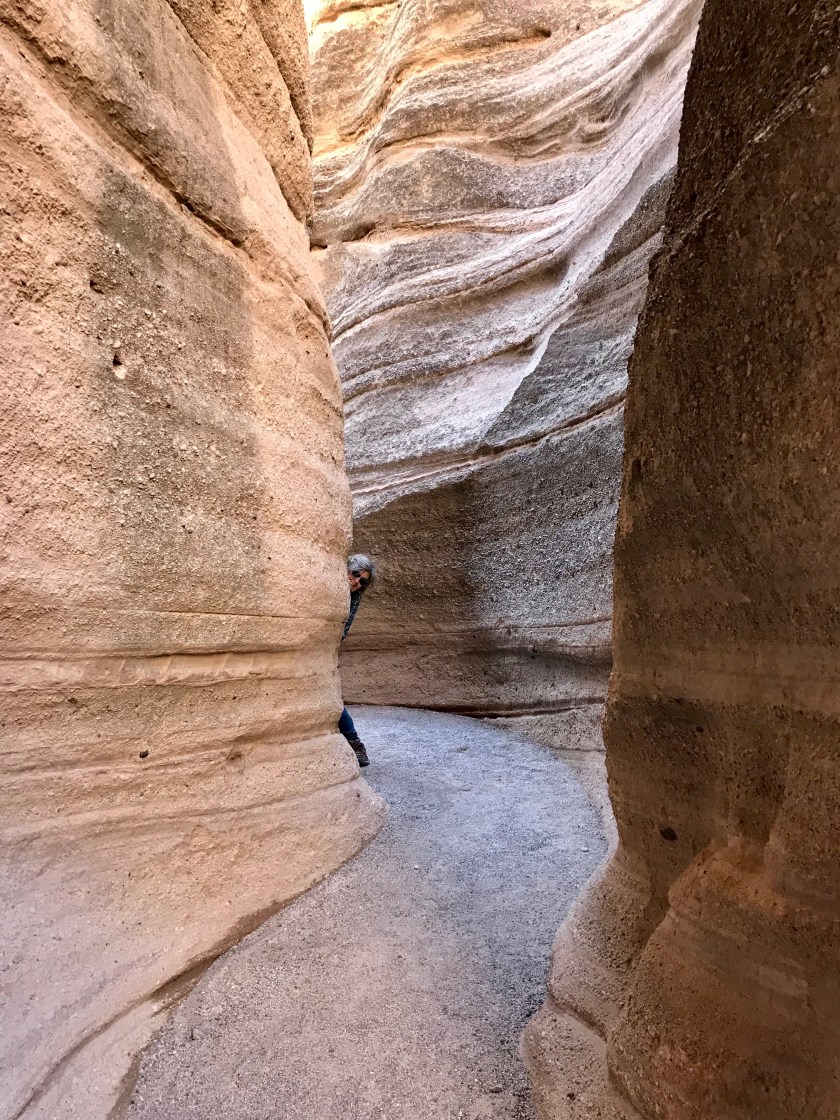
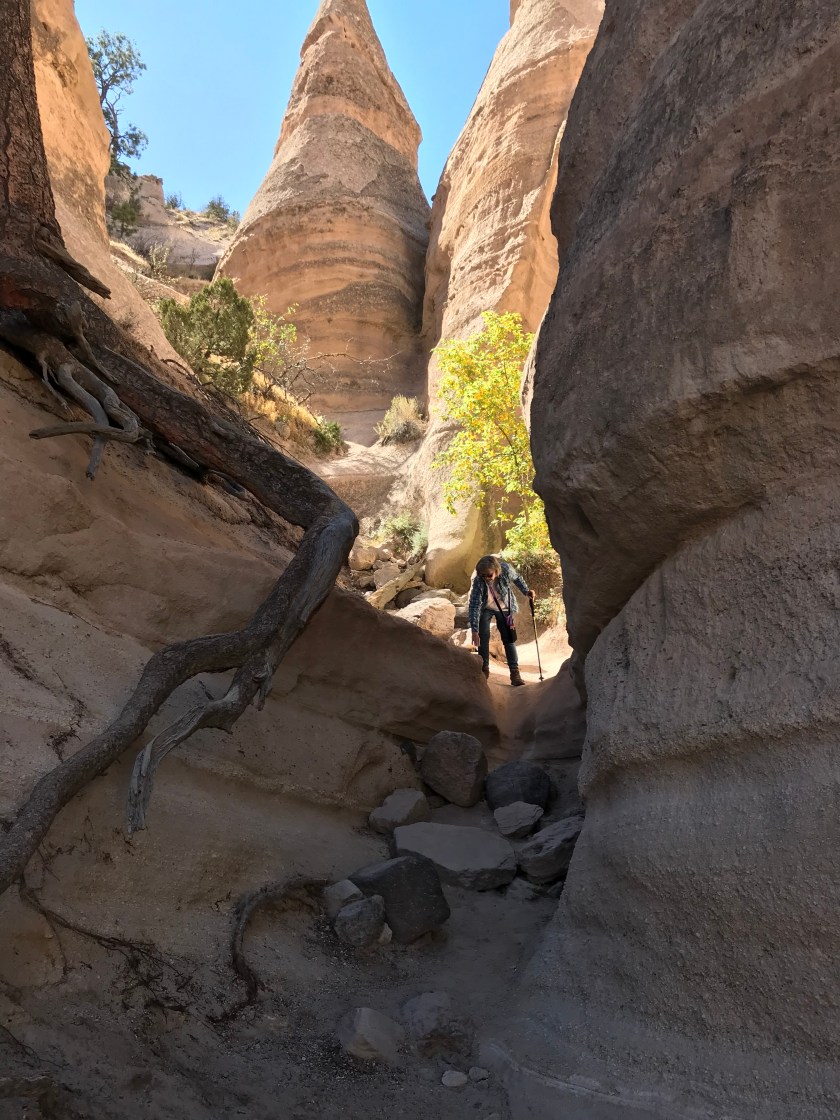
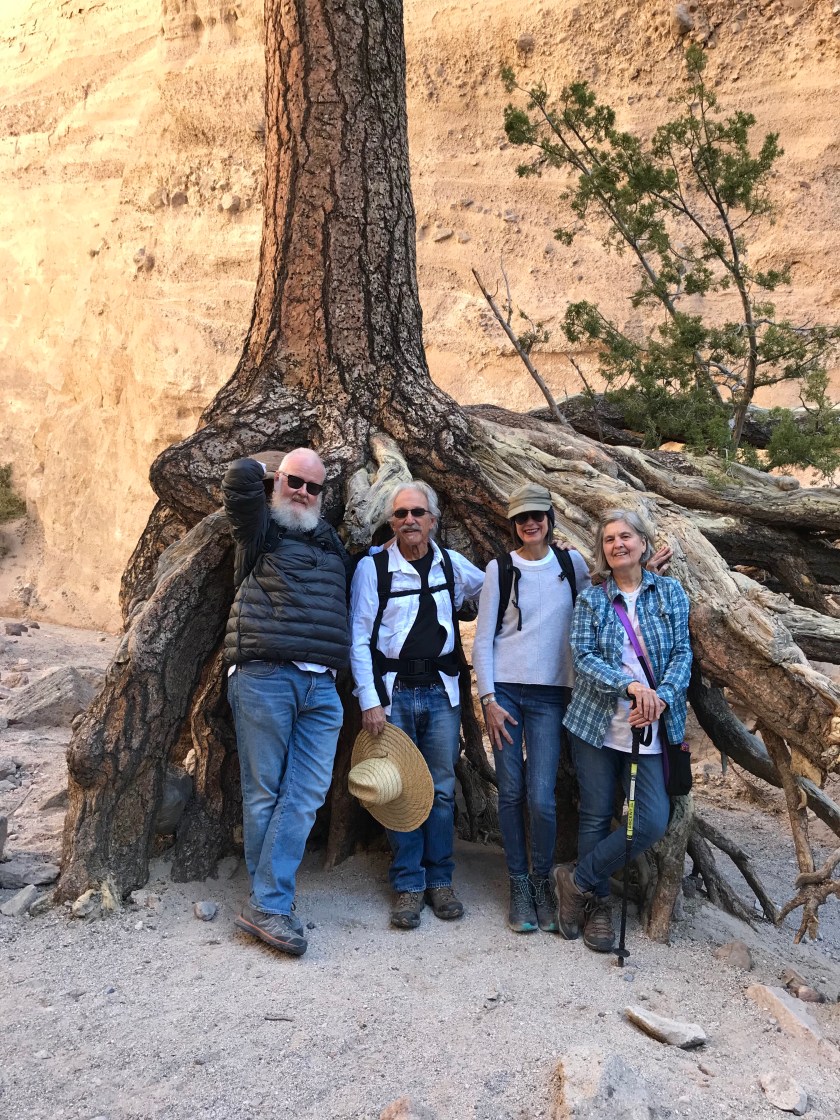
These cone shaped rock formations are the result of volcanic eruptions that occurred 6 to 7 million years ago. The eruptions left pumice, ash and tuff deposits 1,000 feet thick. Weathering from water and wind created these formations. Perched on top of these tapered hoodoos(tents) are boulder caps which protect the softer pumice and tuff below.

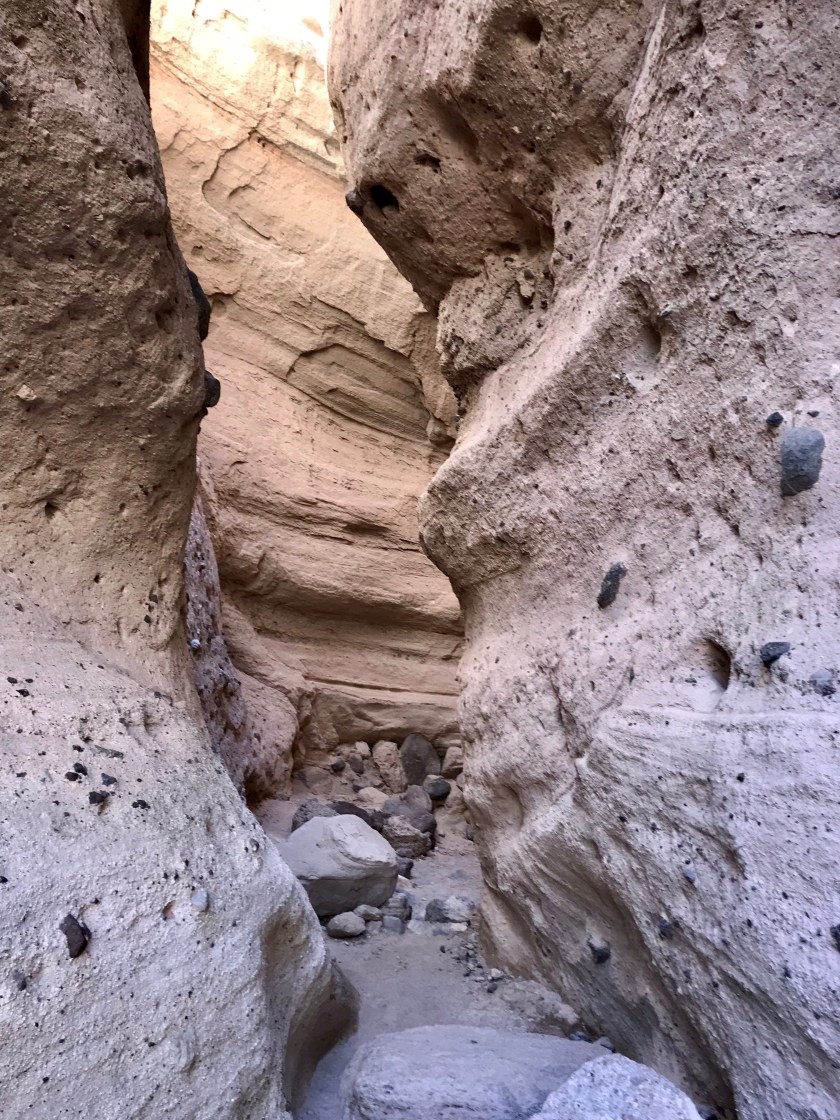
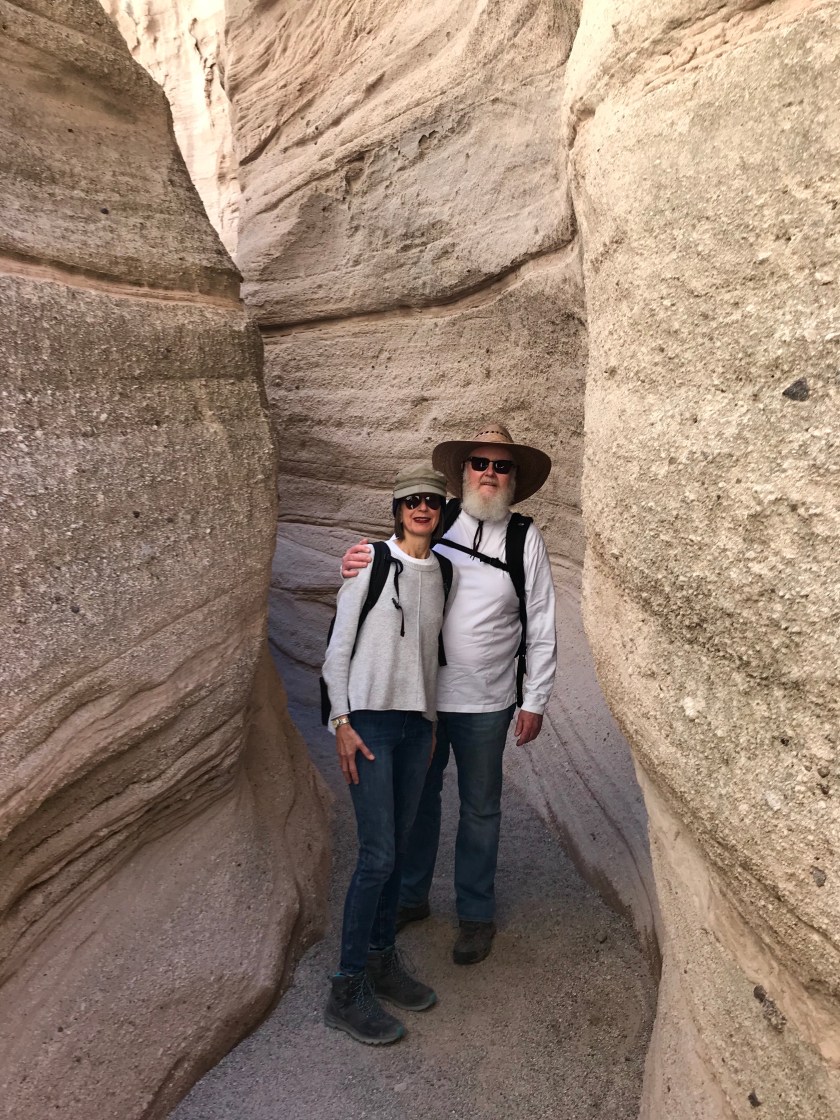
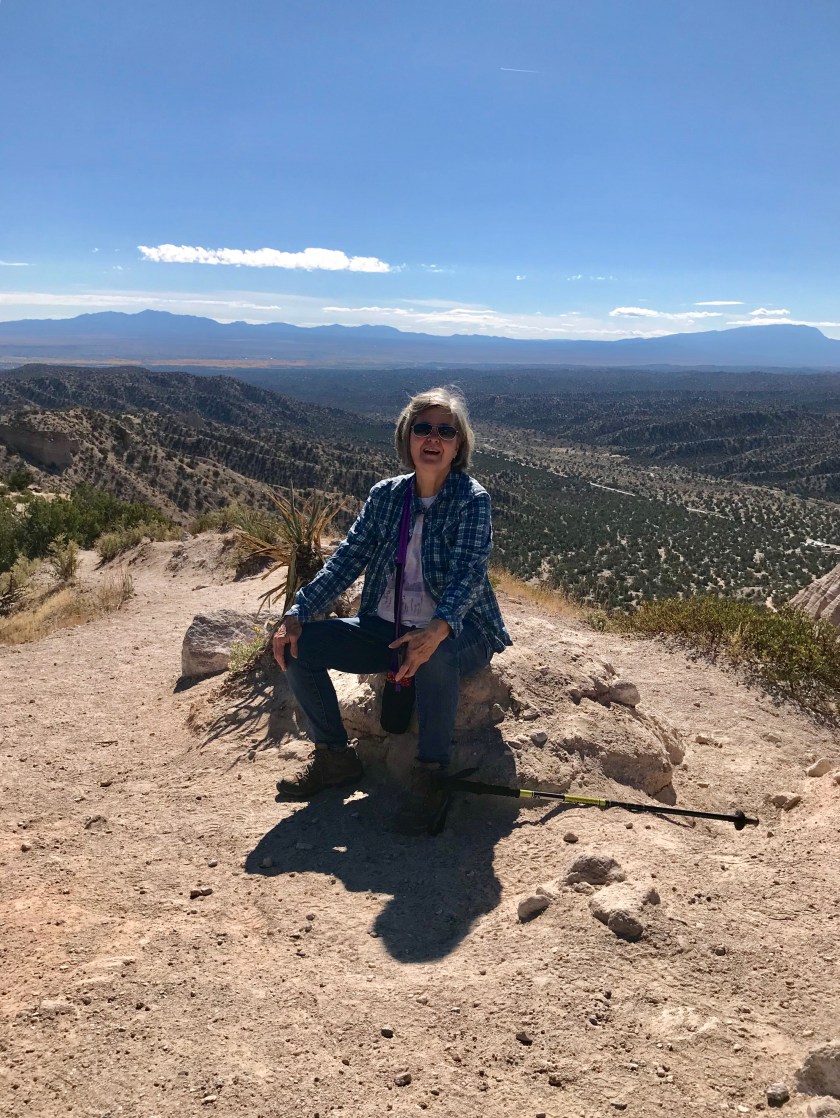
The Canyon Trail is a 1.5 mile hike through a slot canyon and then up to the top of a Mesa overlook.

At the top for lunch.

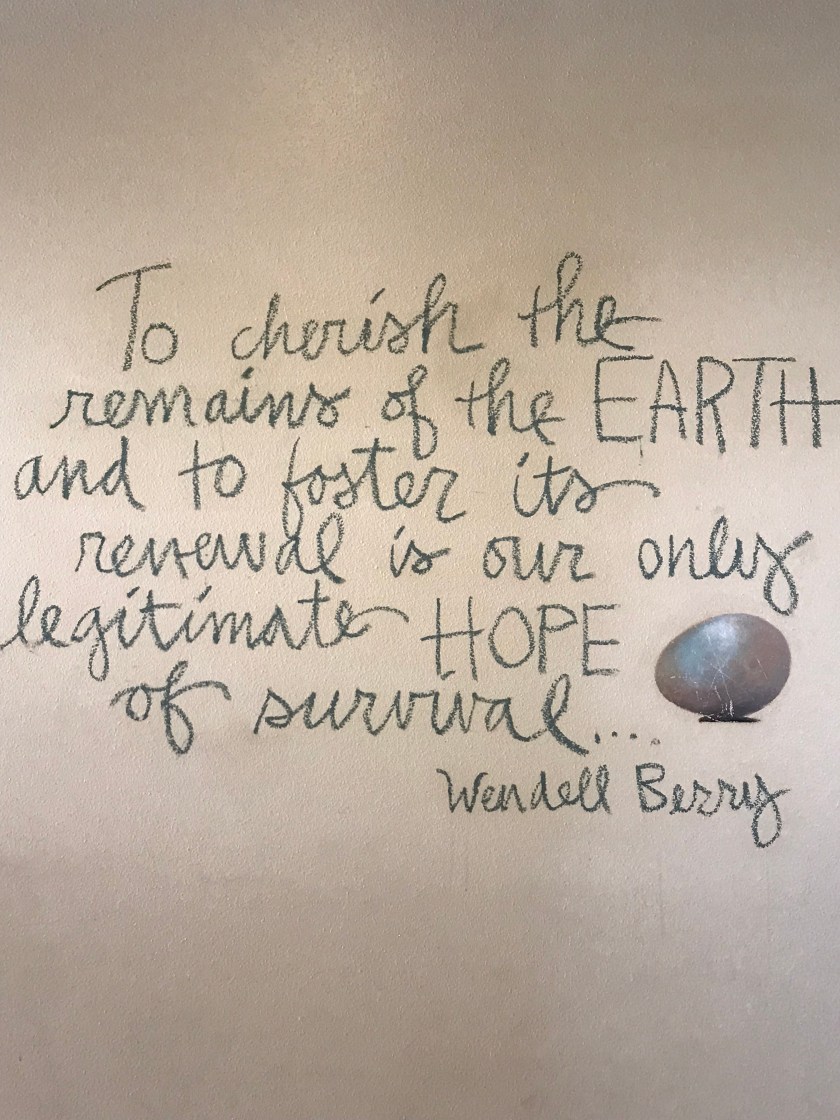
Spending as much time as we do in wilderness areas makes this Wendell Berry quote all the more meaningful.

Seven Days in Santa Fe Part 1

This is our fifth time visiting the Santa Fe area. Needless to say we love being here. Shelly’s sister and husband Rory joined us for our explorations.

Ellen and Rory stayed in town near the Plaza while we set the Tincan up about 25 minutes south of the city.

Santa Fe is a city with lots of history, charm and style. The city is located in the foothills of the Sangre de Cristo Mts at about 7000ft. The city core around the plaza is devoid of high rise buildings. Walking gives you easy access to world class museums and great restaurants.

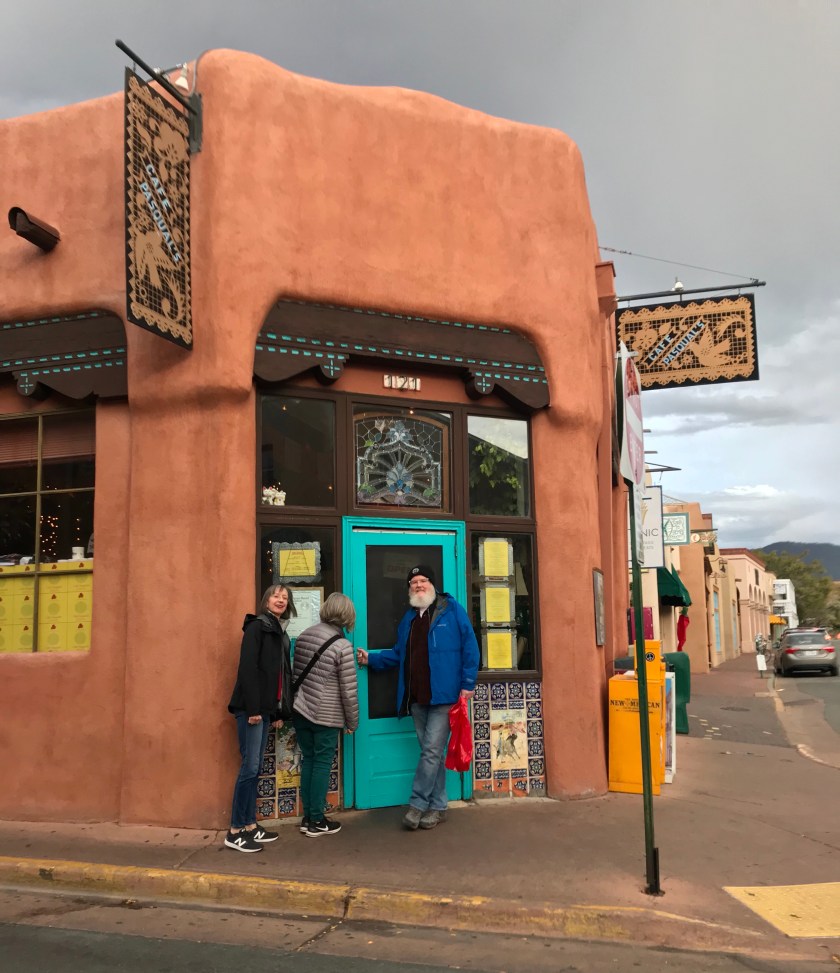
Cafe Pasqual’s, one of our favorites.

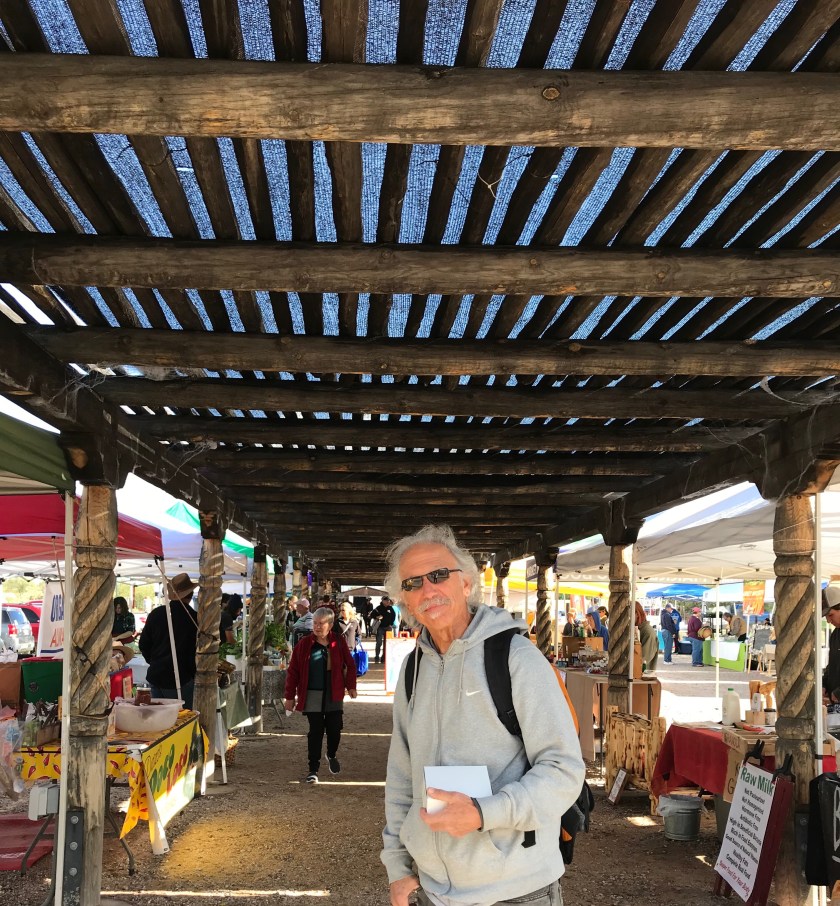
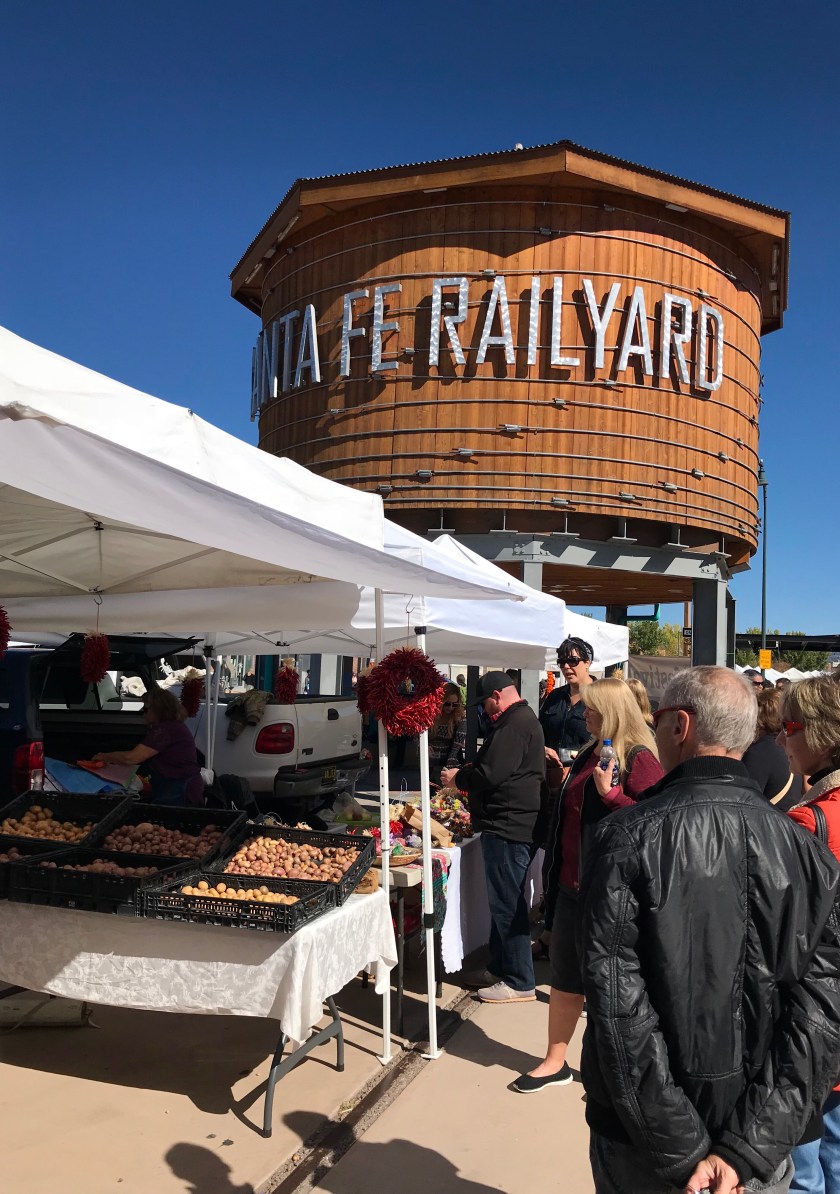
The city has a great farmers market.

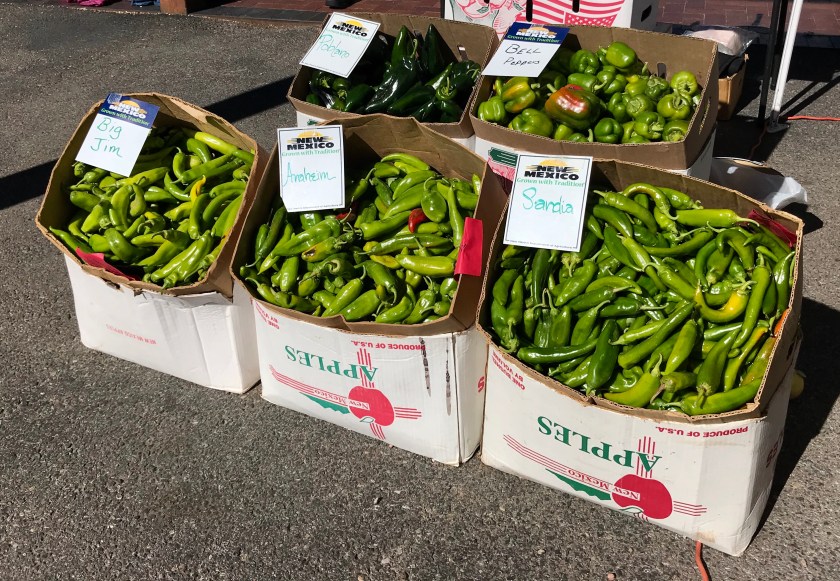
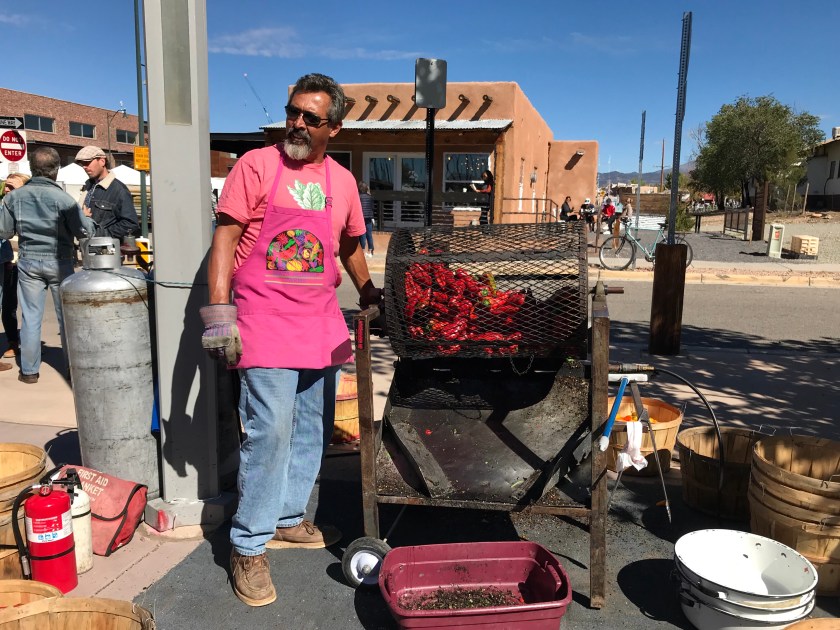
Fall in the market means chilies. There is nothing better then the smell of roasting peppers.

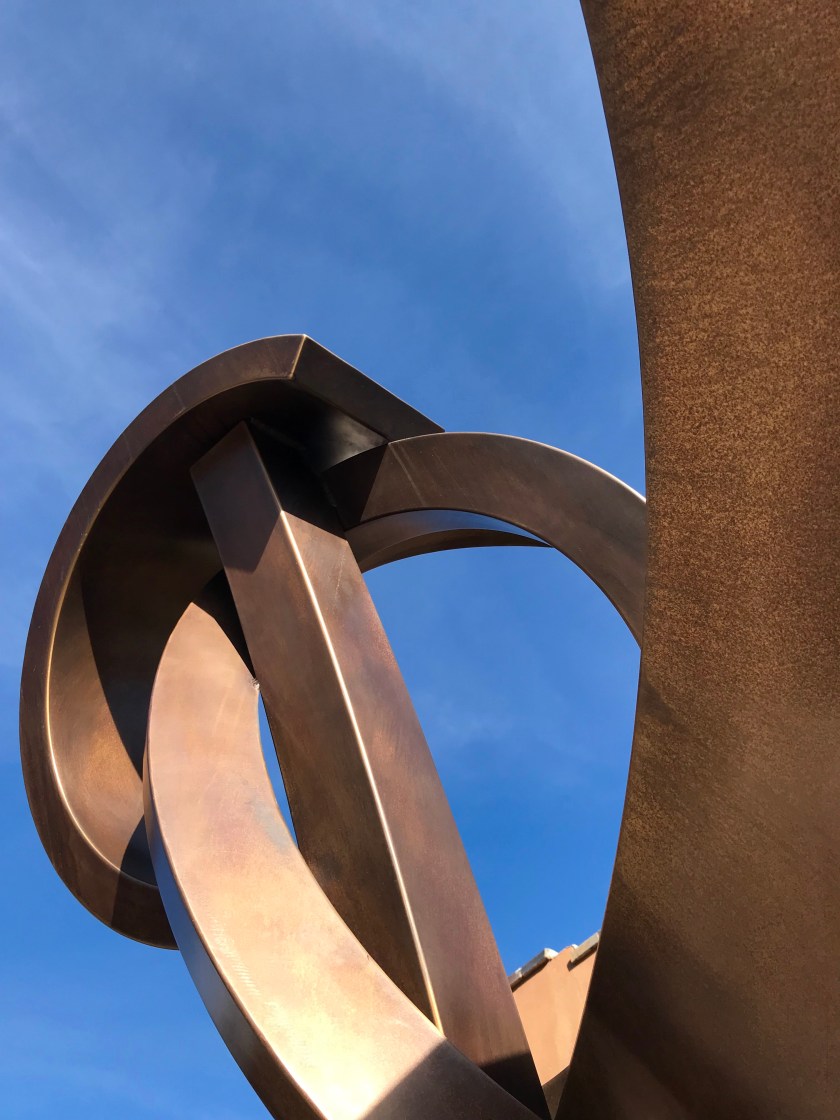
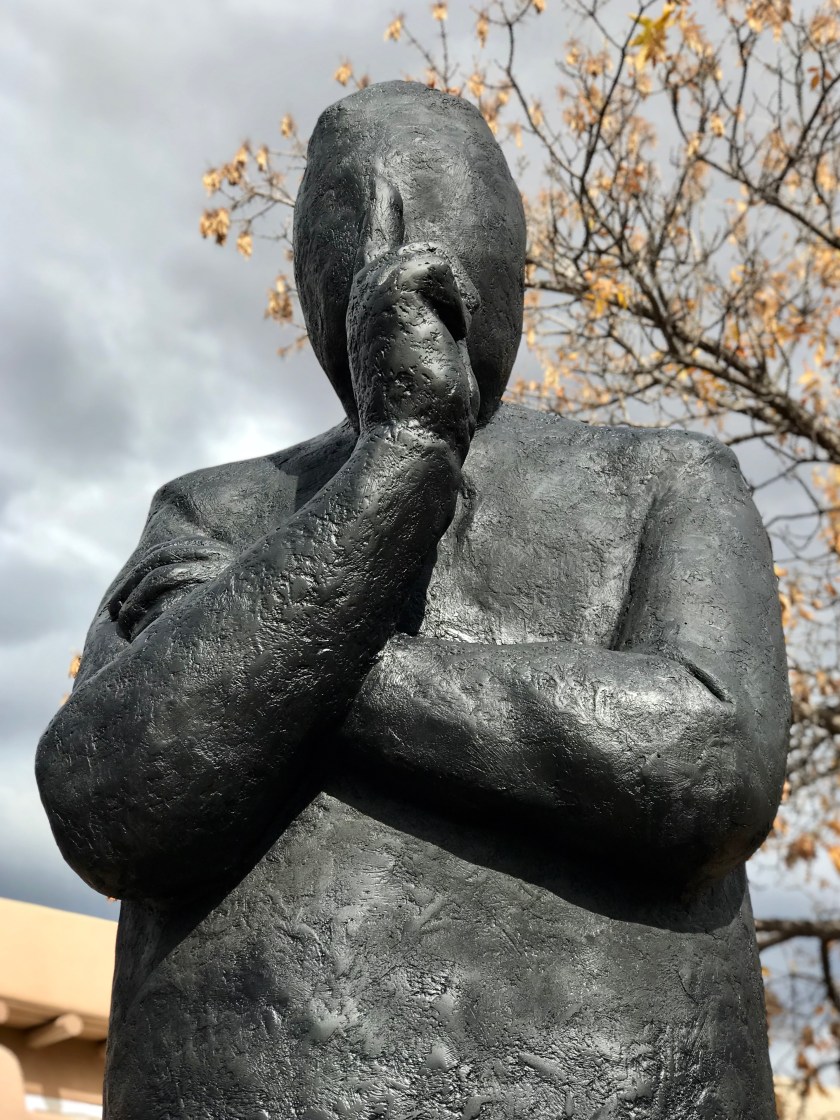
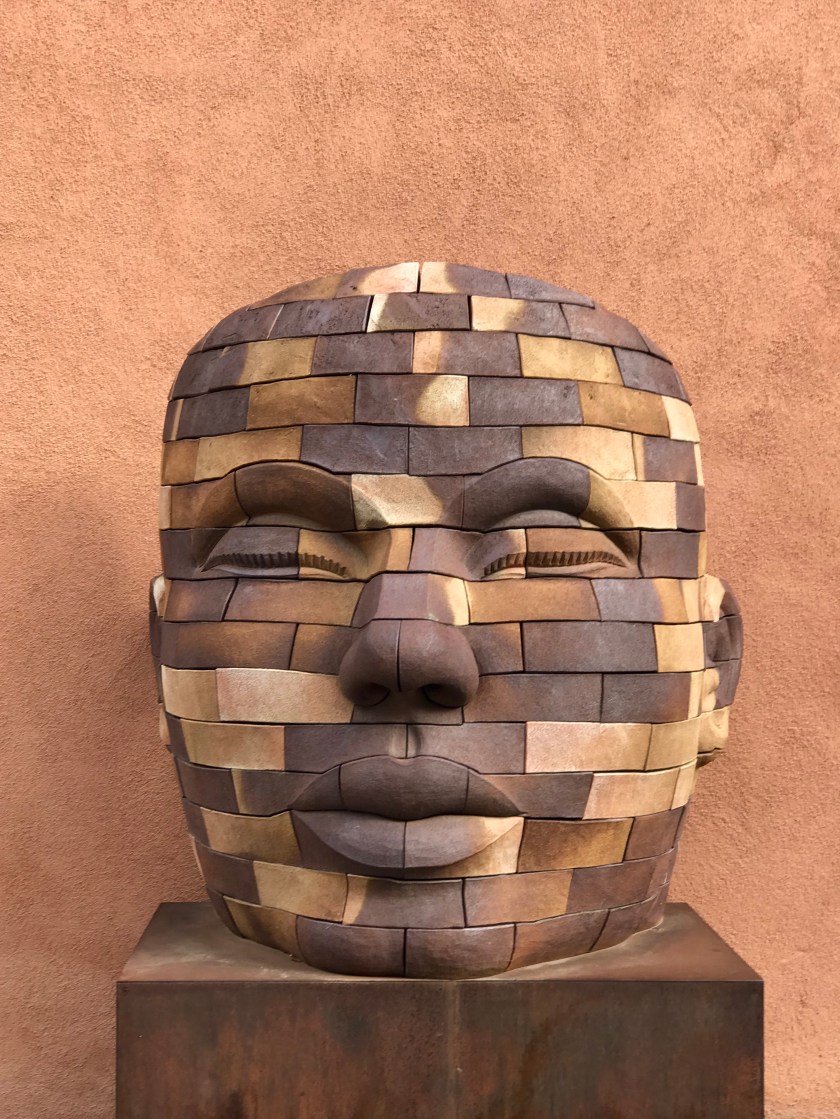
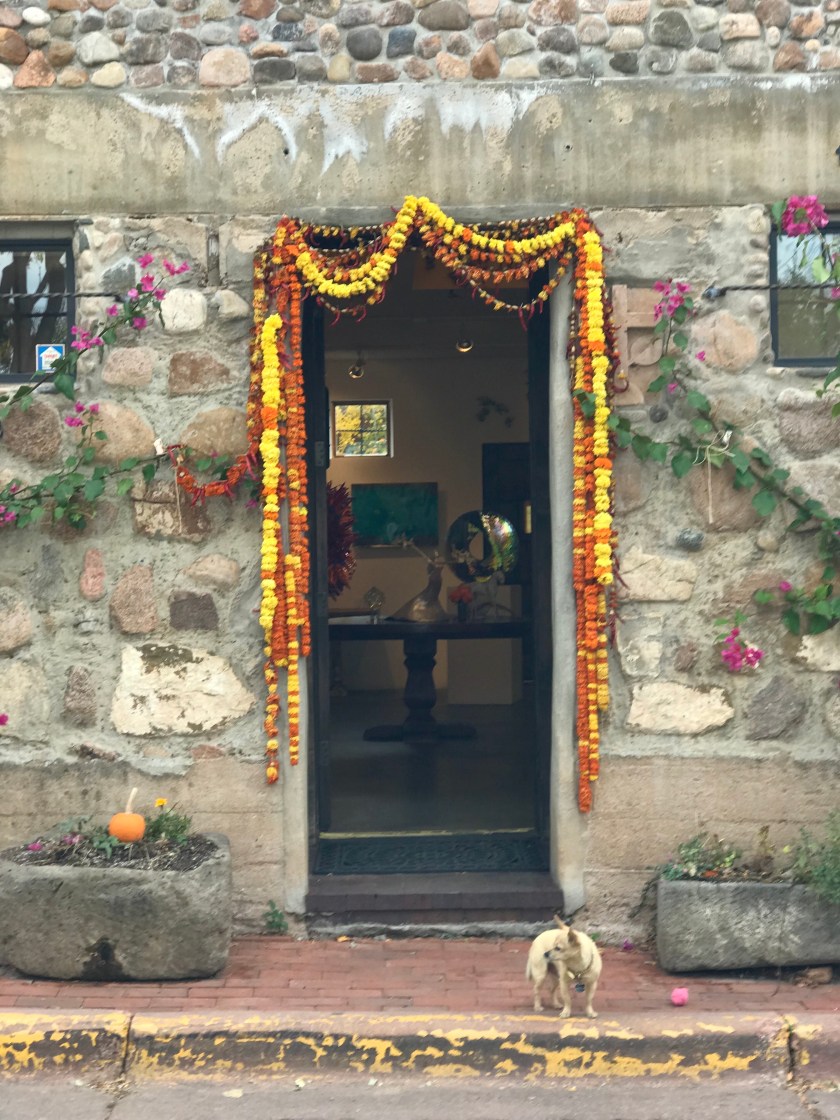
Downtown Santa Fe is loaded with art galleries and public art.

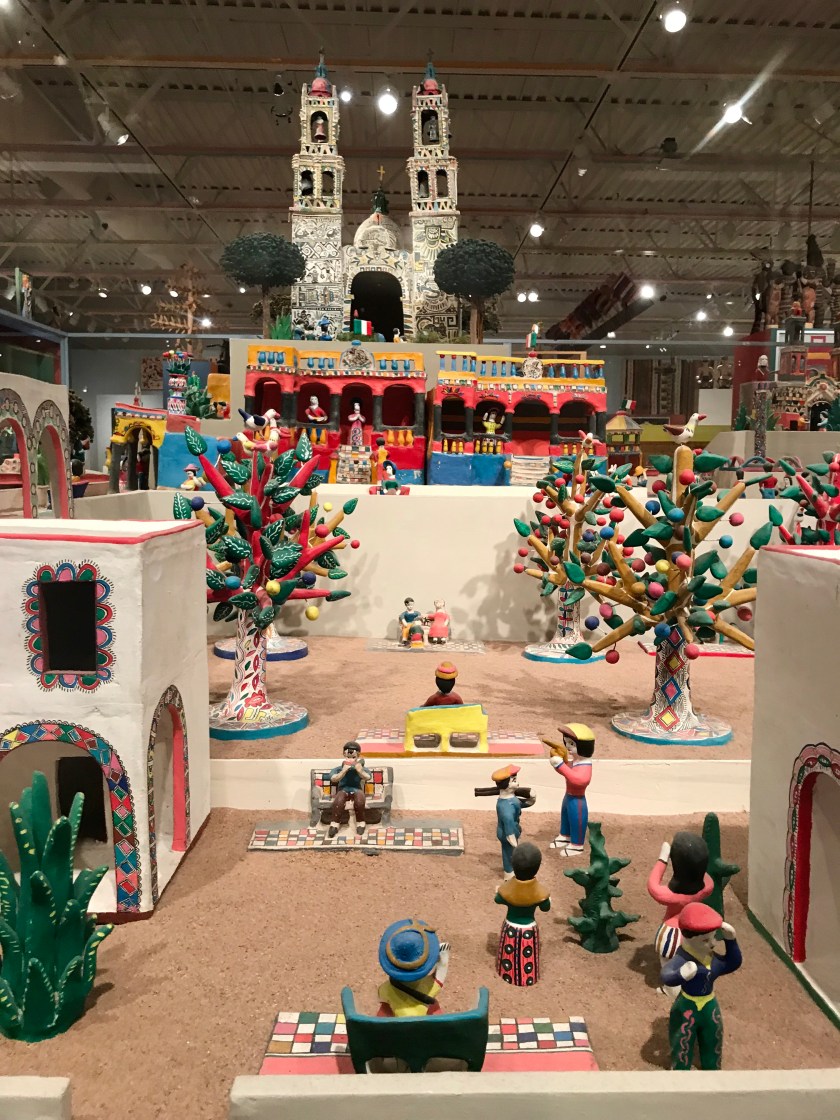
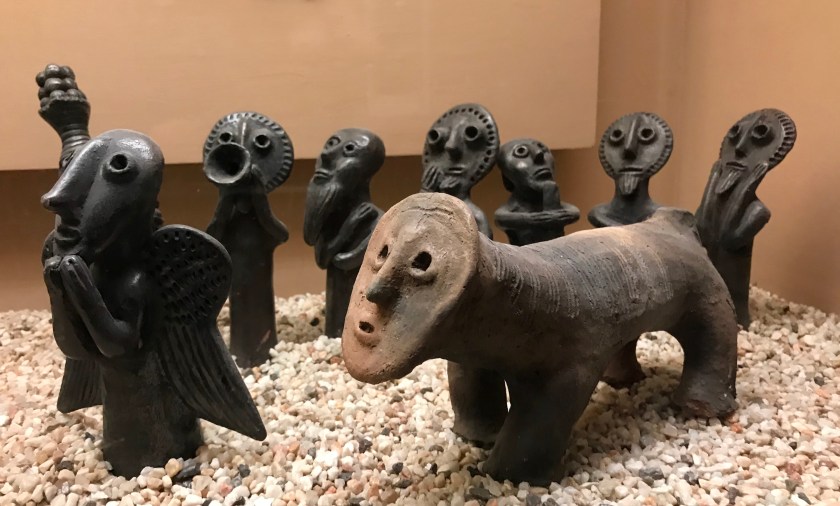
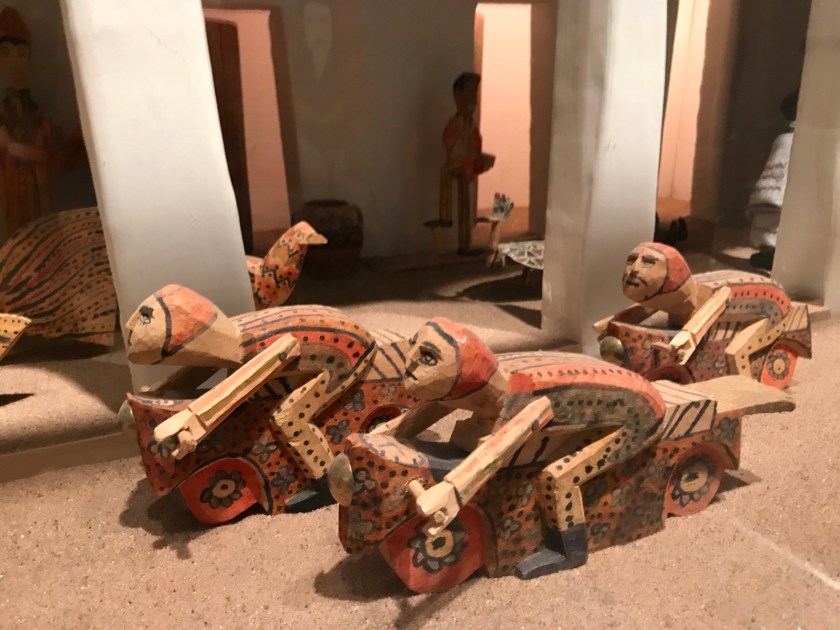
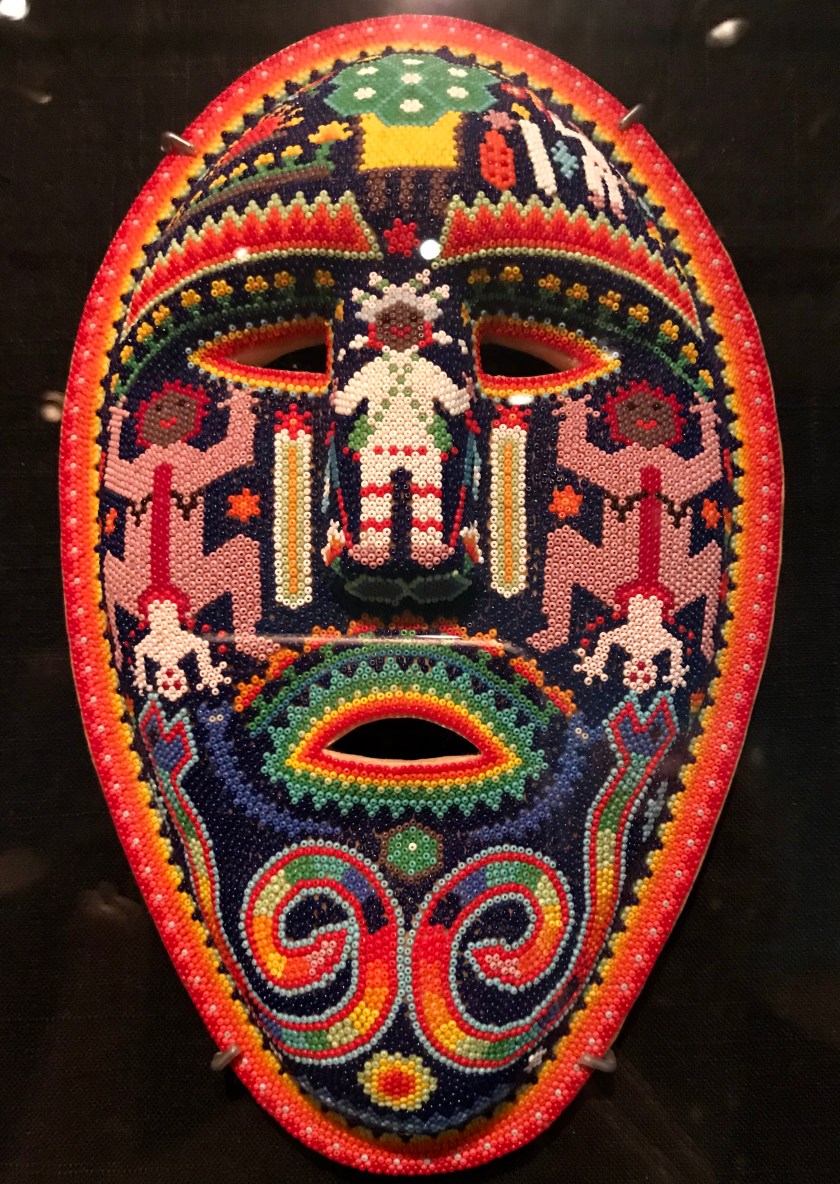
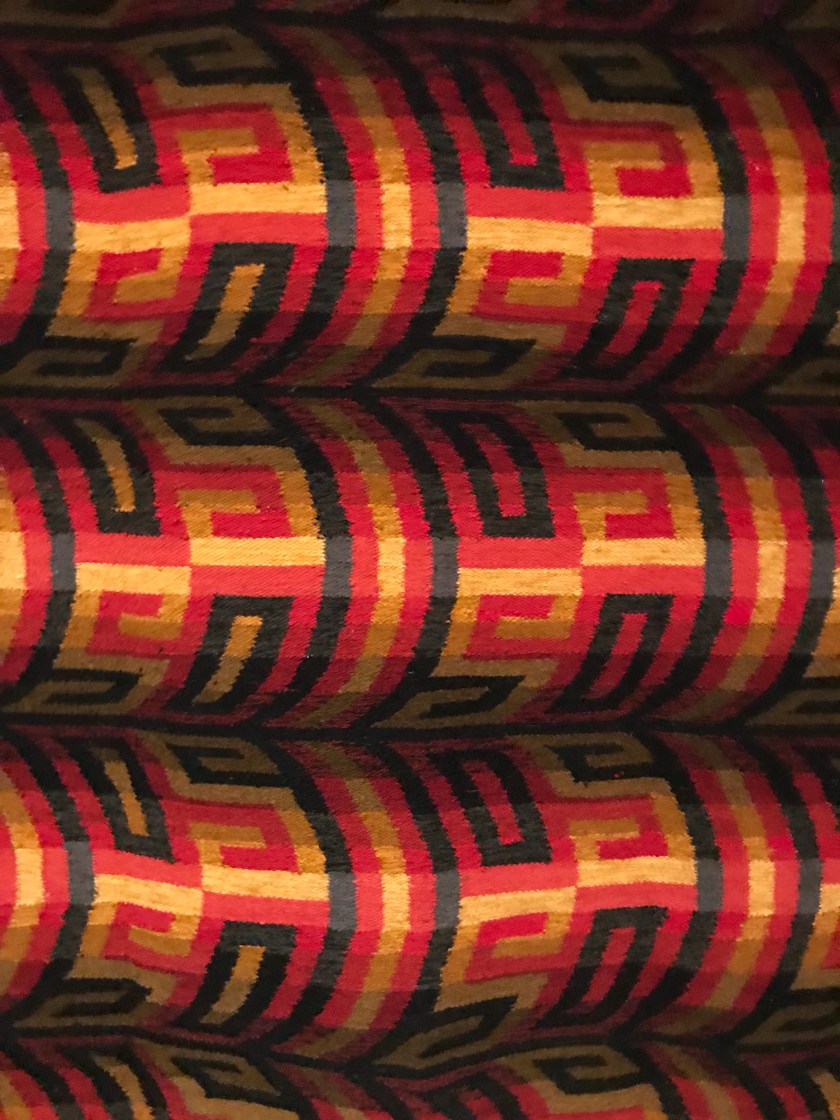
The Museum of International Folk Art is not to be missed. On display is a dizzying array of art.

This is a hand woven rug and is flat in-spite of what your eye tells you.

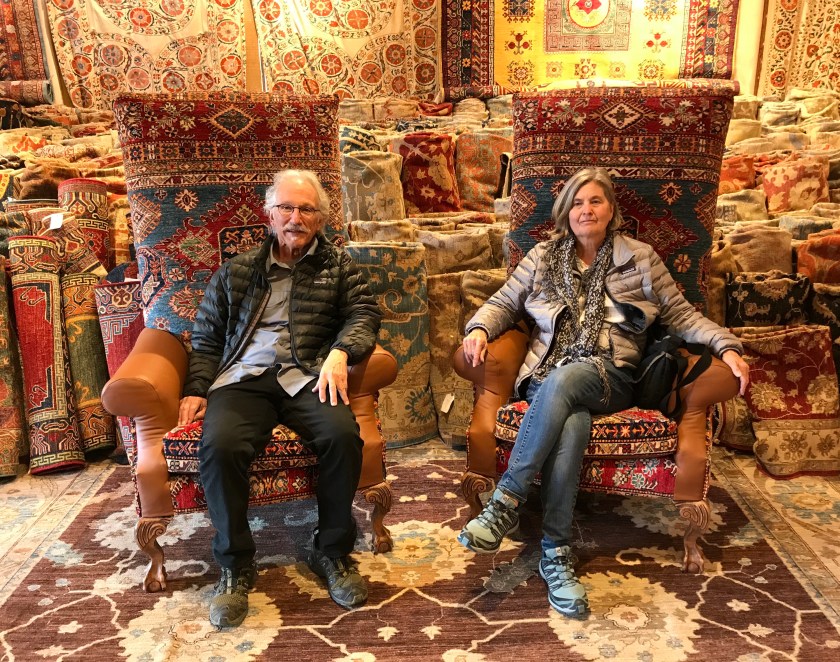
Rug shopping at Seret & Sons

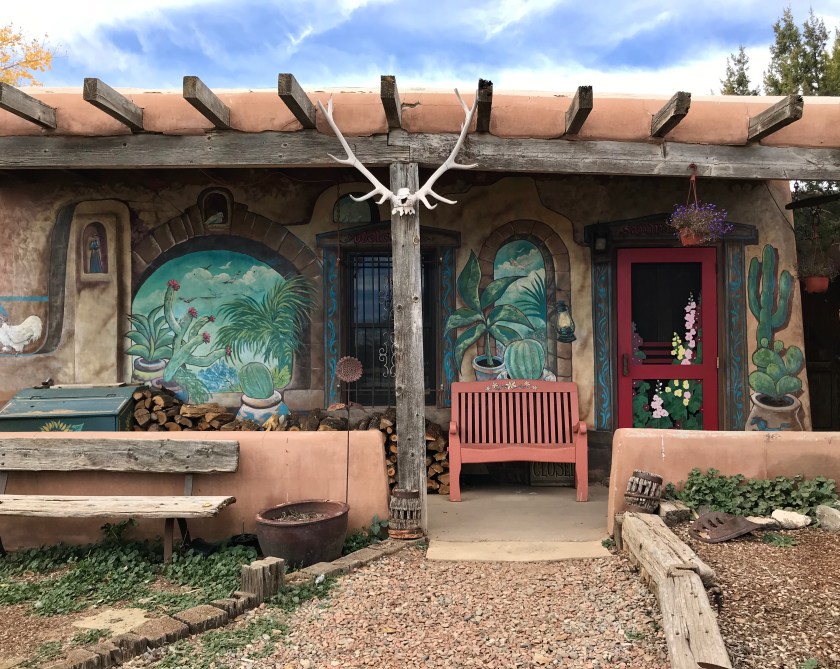
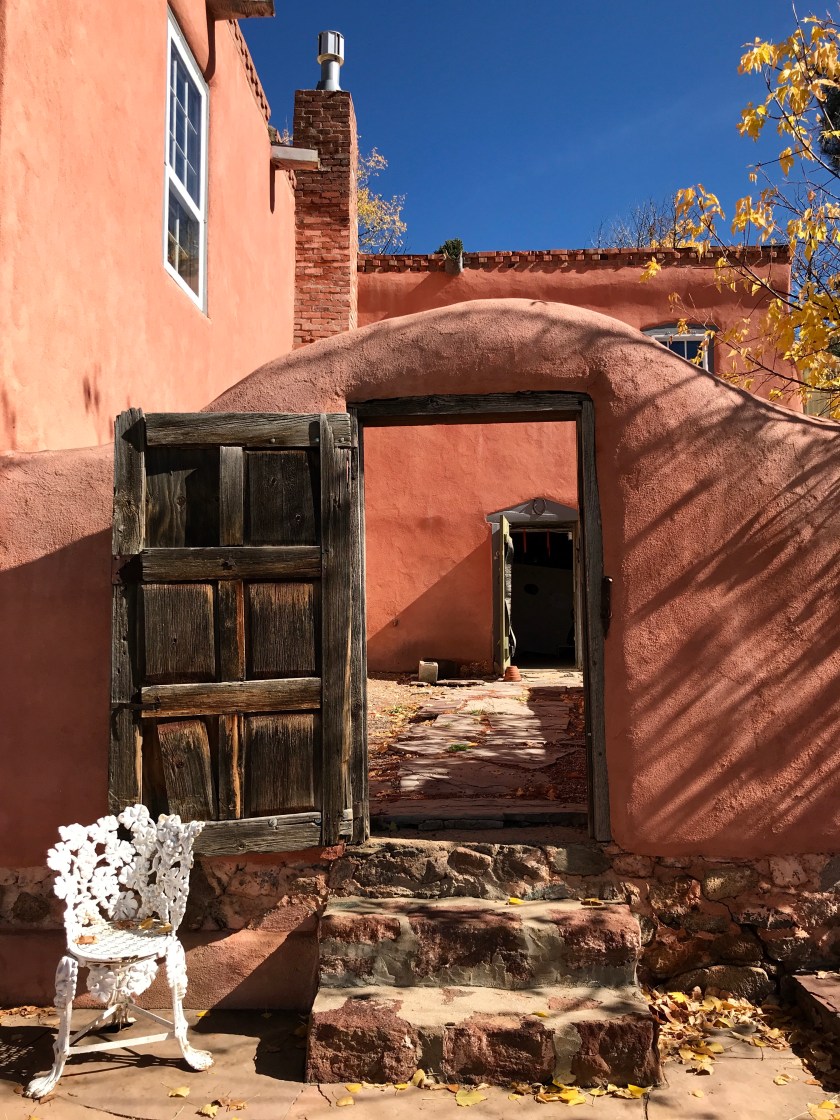
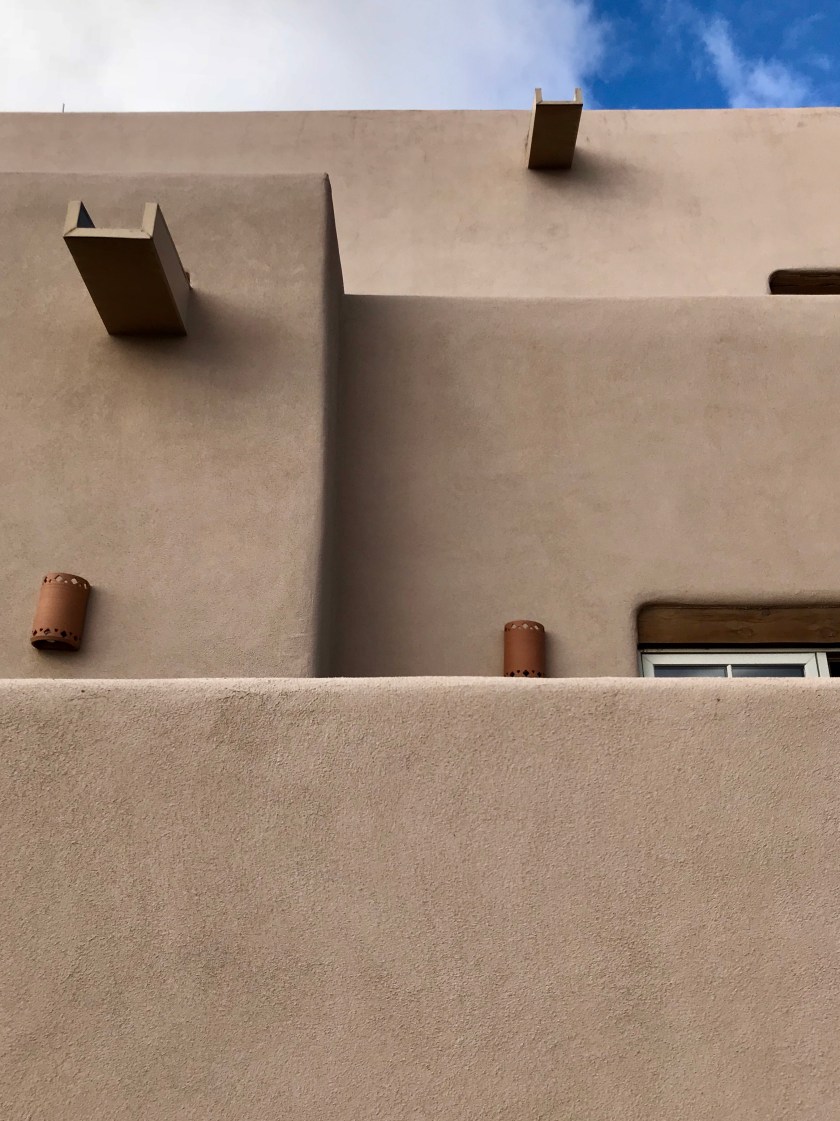
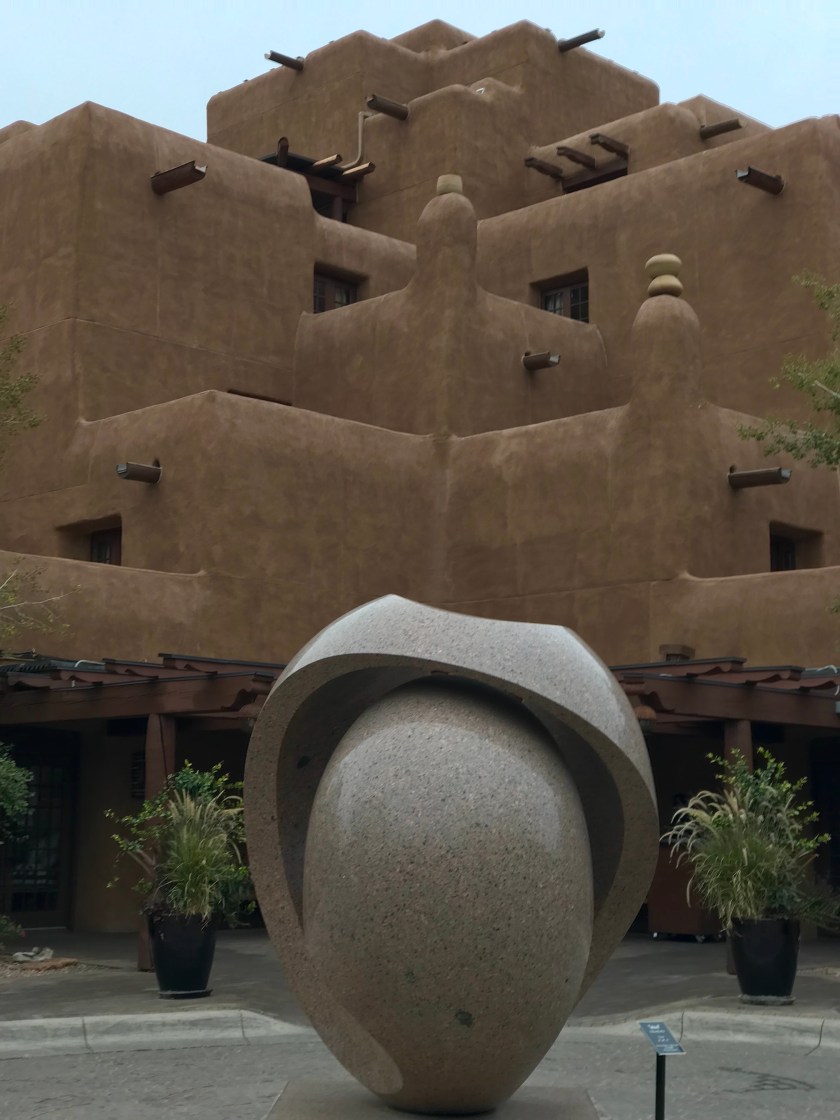
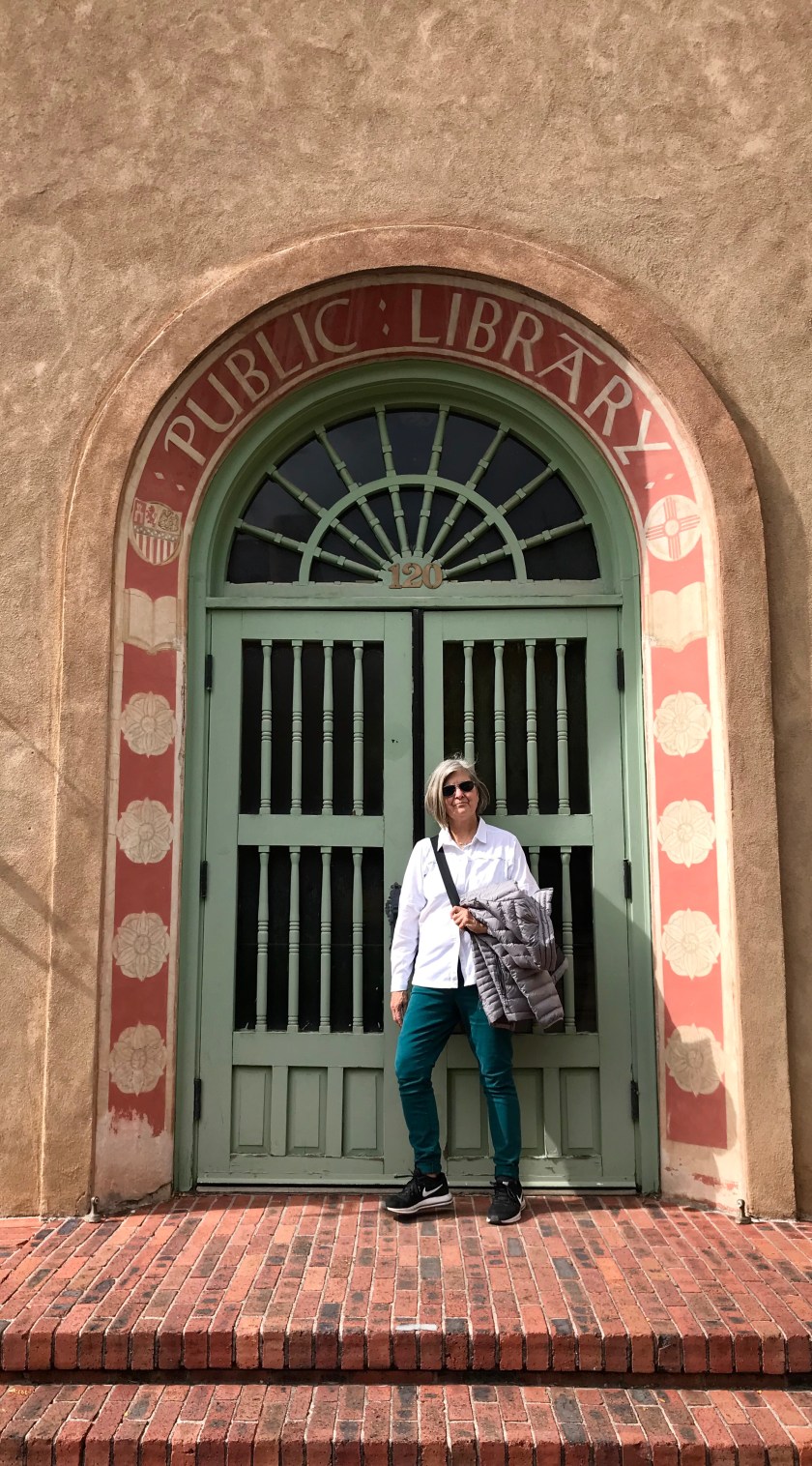
The architecture in Santa Fe continues to enchant us. New Mexico is the Land of Enchantment after all.

We divided our time between town and country. Santa Fe is within easy striking distance of a a number of National Monuments. We explored Bandelier National Monument, Tsankawi and Kasha-Katuwe Tent Rocks National Monument. More details and photos in our next post.

The Land of Enchantment

We left Colorado and entered New Mexico by way of Rt 285 and headed right to the hot springs in Ojo Caliente. The springs are located on 1,100 acres with miles of hiking/biking trails. We ended up camping there for two nights.

We stop here whenever we visit New Mexico. The hot springs and spa opened its doors in 1868 making it one of the oldest health spas in the USA. The mesa just above the springs has miles of trails.

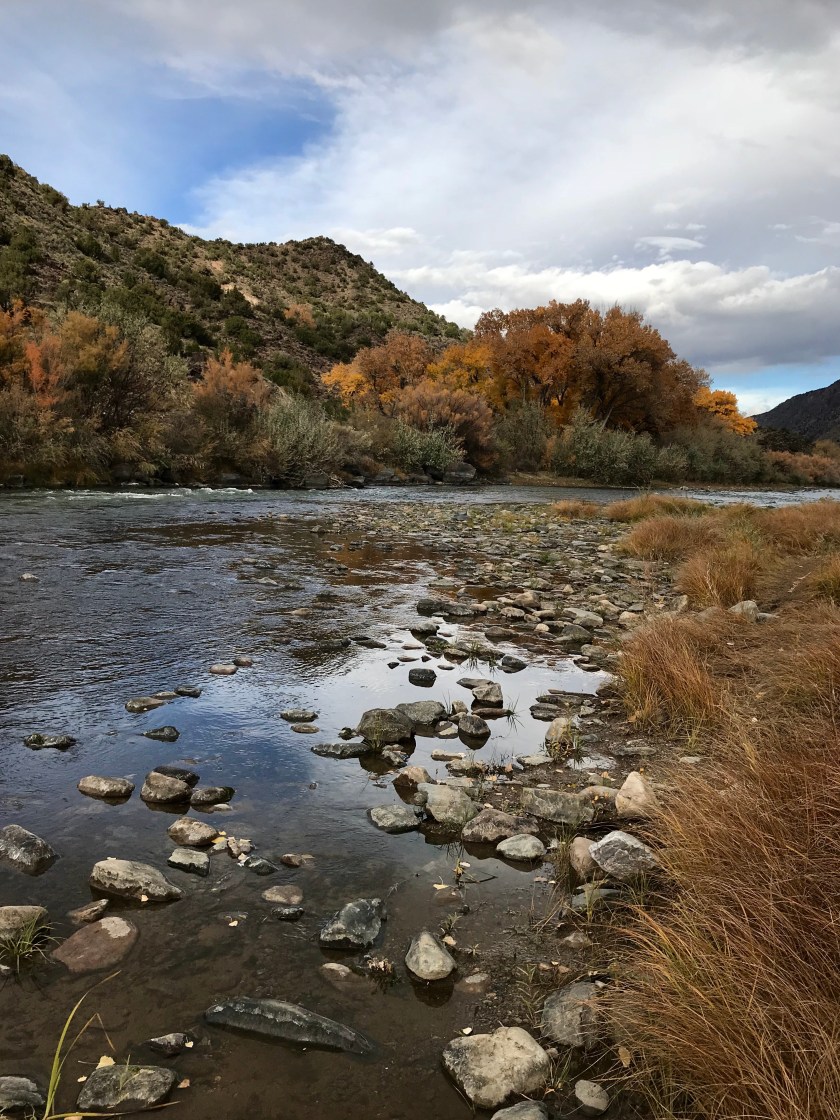
We never tire of exploring these hills. It always amazes us how such a dry and stark landscape can produce such beauty.

Just down the road from the campground we discovered a labyrinth.

The folks who run the spa are always looking to improve and add new features. This year they installed a number of vintage trailers for rent with more on the way.

But the real attractions are the springs and spa.

There are four different sulfur-free mineral waters: Lithia, Iron, Soda and Arsenic. The temperatures vary as well as the purported health benefits. We just find it relaxing to soak in the hot water.

After two days we where ready to move on to Santa Fe for an extended stay and a meet up with Shelly’s sister Ellen and her husband Rory.

Two Days on the Dunes

We spent a couple of days in southwest Colorado and checked out a part of the state we’ve only driven through on previous trips. During one of those trips we made an attempt to visit Great Sand Dunes but ran out of time. We are so happy we made the effort to spend some extended time there this trip.

The park is located in the massive San Luis Valley. While the star attraction of the park is the dunes, there is a wetland area as well as an alpine forest. We were late for peak fall foliage, but we did manage to find some during a hike up Mosca Pass.

No mountain lion sightings-but it does give one pause.

We hiked the Dunes Overlook Trail for another view of the dunes.

Our first day in the park was cold and windy making climbing to the top less appealing.

These are the tallest sand dunes in North America at 700ft. Not attempting to get to the top didn’t sit well with us and necessitated a return the next day.

These dunes occupy a 30 square mile area of the park. The dunes are probably less then 440,000 years old(it’s hard to carbon date sand). The sand is the result of erosion of the San Juan Mts. to the west and the Sangre de Cristo Mts. To the east. Wind and water pushed the sand forcing it to pile up beneath the Sangre de Cristos.

After a wonderful day of playing in this gigantic sandbox we headed back to camp for dinner and sunset.

The Wet Way West

The drive across Kansas was a wet and dreary one. We stopped in Dodge City for an overnight and a visit to Dodge City Brewing for some good beer and decent pizza while watching the bull riding championships on multiple TVs. We awoke the next morning to the sound of rain and reports of flooding and road closures. We looked at each other and agreed that it was time to get out of Dodge.

Dodge City has many grain elevators and cattle feed lots. We felt right at home with a view of this grain silo.

We entered Colorado by way of Rt 50 into Pueblo, an area we’ve not explored. We set up camp in The Pueblo Lake State Park.

The park is on a large reservoir with an extensive system of bike/hiking trails and easy access to the water. The campground was largely empty during our stay.

Can you spot the Tincan?

The dam that created the reservoir.

We spent an afternoon exploring the city center of Pueblo. The city was built at the confluence of Fountain Creek and the Arkansas River. In 1921 the Arkansas River flooded bringing ruin to much of Pueblo. The reservoir where we’re camped was created to prevent future flooding.

In 1996 they began construction of a Riverwalk along the Arkansas River in an attempt to bring business and people back to a fading downtown.

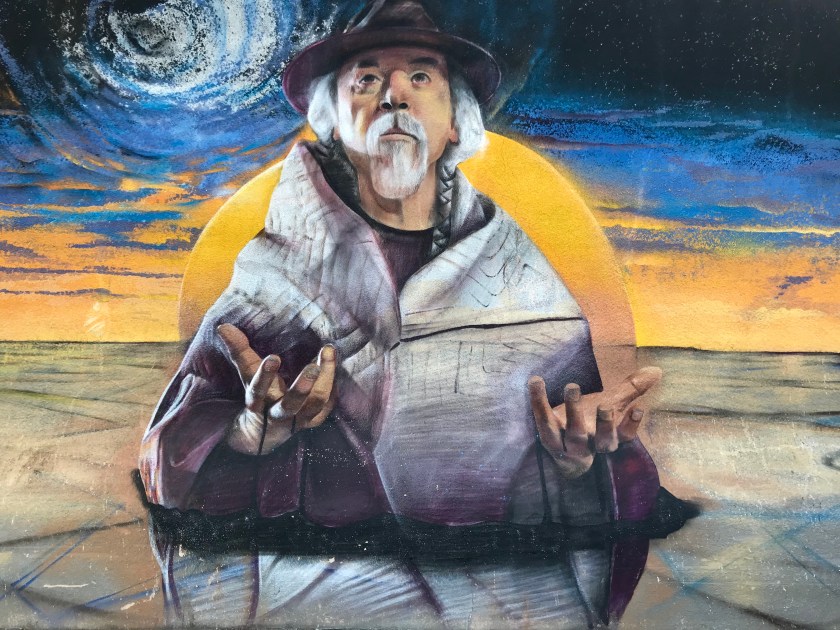
The central core was a mix of old and new architecture with a number of empty storefronts. We did spot some interesting murals.

It appears that things can get out of hand here in Pueblo.

The plan was to head over to Gunnison and do some exploring. At 7,703ft, cold wet weather means snow. Evening temperatures were predicted to drop into the twenties. Time for a new destination. We decided to head south to Alamosa and the Great Sand Dunes.

Snow in La Veta Pass on our way south

We setup camp about half way between Alamosa and Great Sand Dunes NP. Alamosa is a college town of about 10,000 people with some good restaurants, two coffee houses and a couple of breweries. There is also a cooperative bookstore that the community organized and supports.
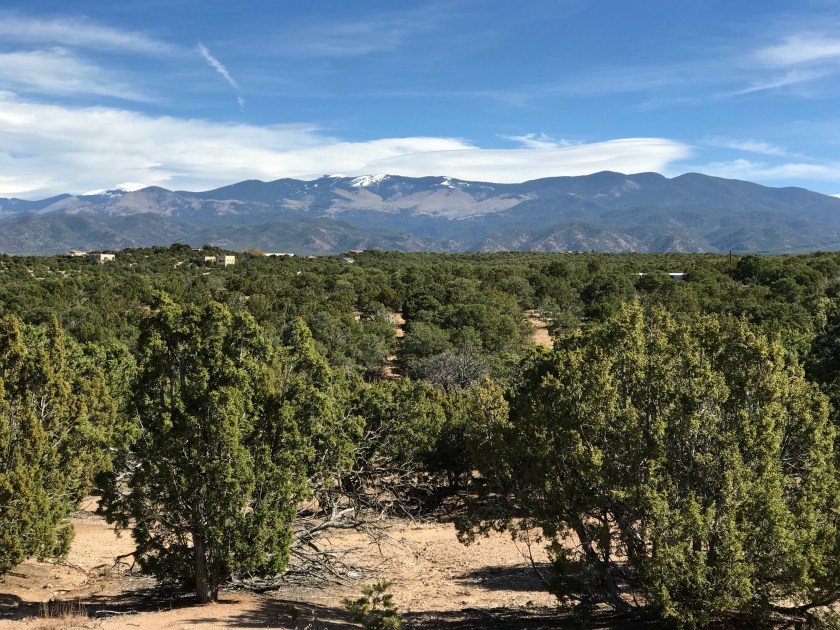
Our front door view

As much as we liked Alamosa we came to the area to explore Great Sand Dunes NP.
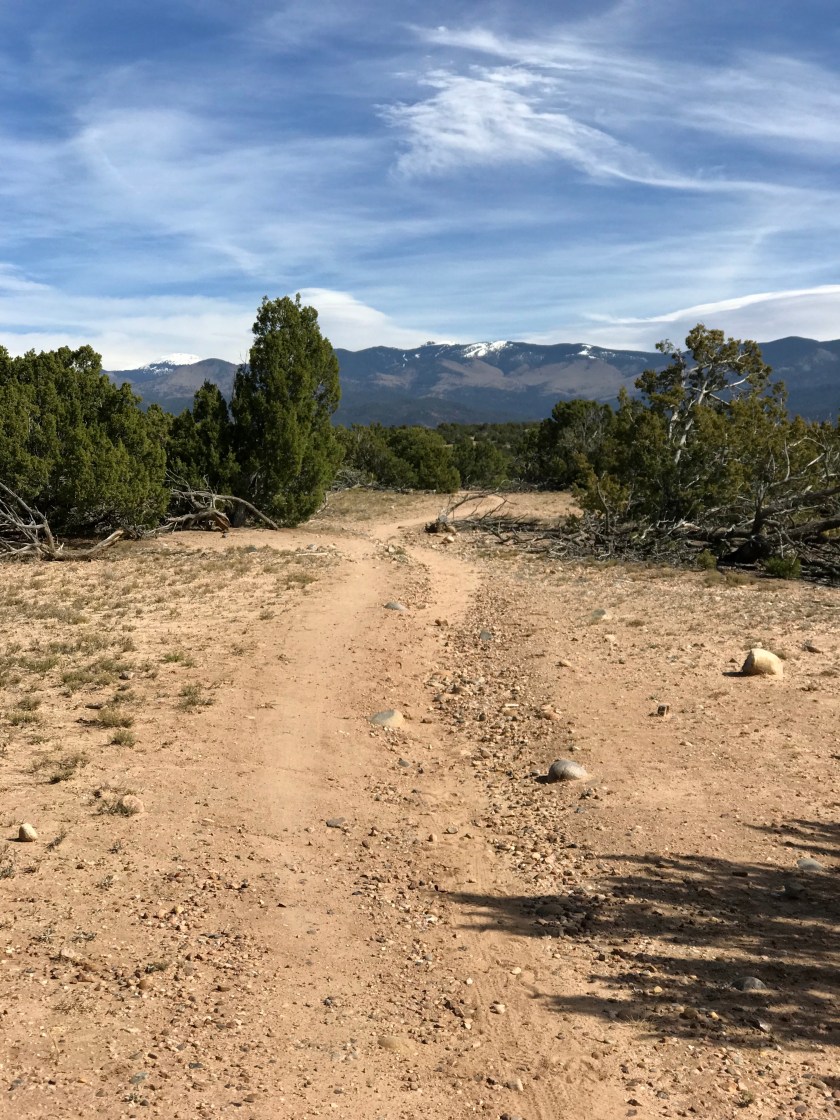
The park was stunning. We enjoyed the experience so much that we decided to spend two extra days in the area.

More details to come.