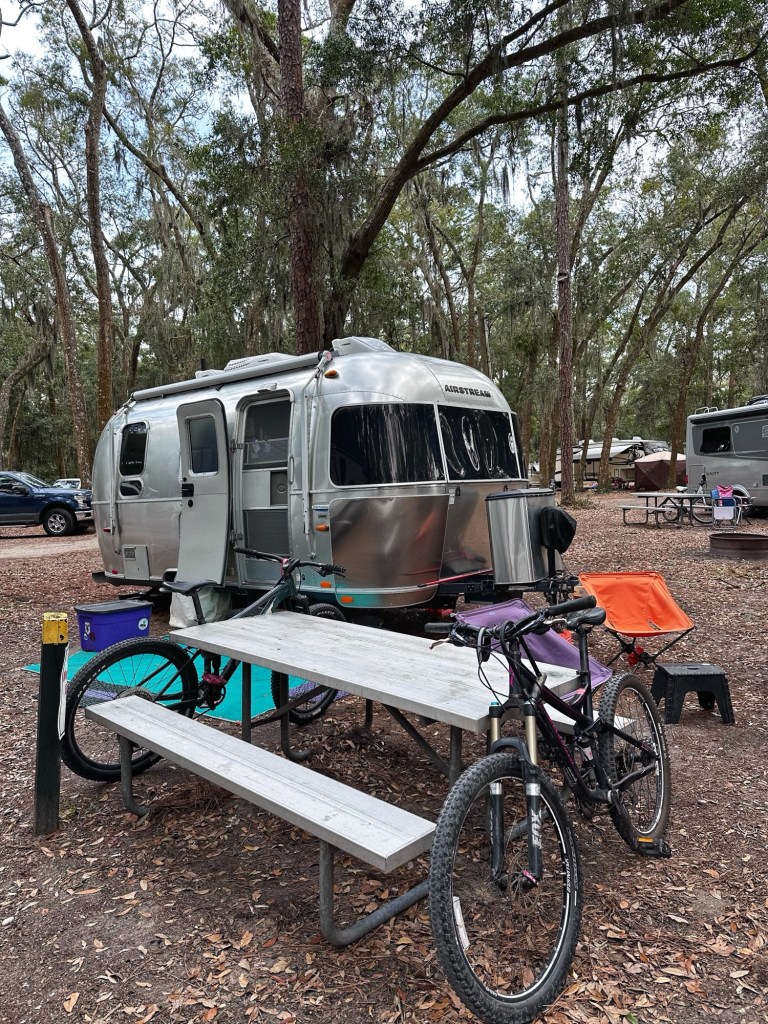
Jekyll Island is a barrier island on the southern coast of Georgia. The island is 7miles long and 1 1/2 miles wide with 24 miles of bicycle trails. The island was purchased by the state in 1947 and it became a state park the next year. We booked a camping spot in the only campground on the Island.
The island was given its name by James Oglethorpe, the English general who was responsible for establishing an English colony in Georgia. He named it after his friend and financial supporter Sir Joesph Jeykell.
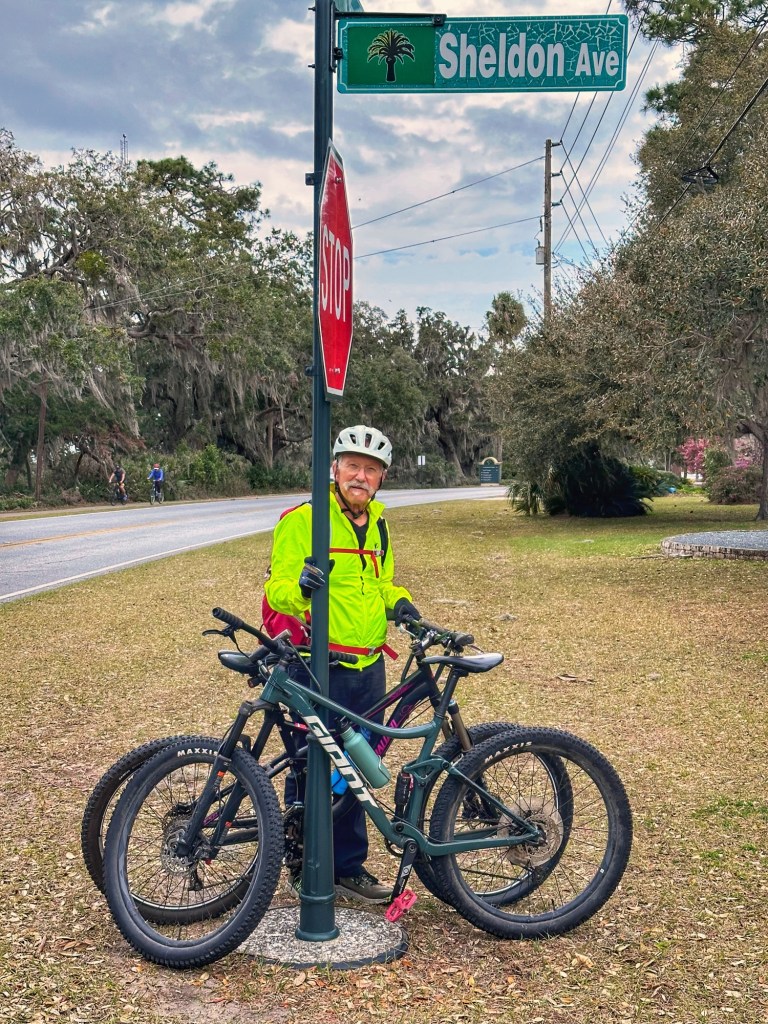
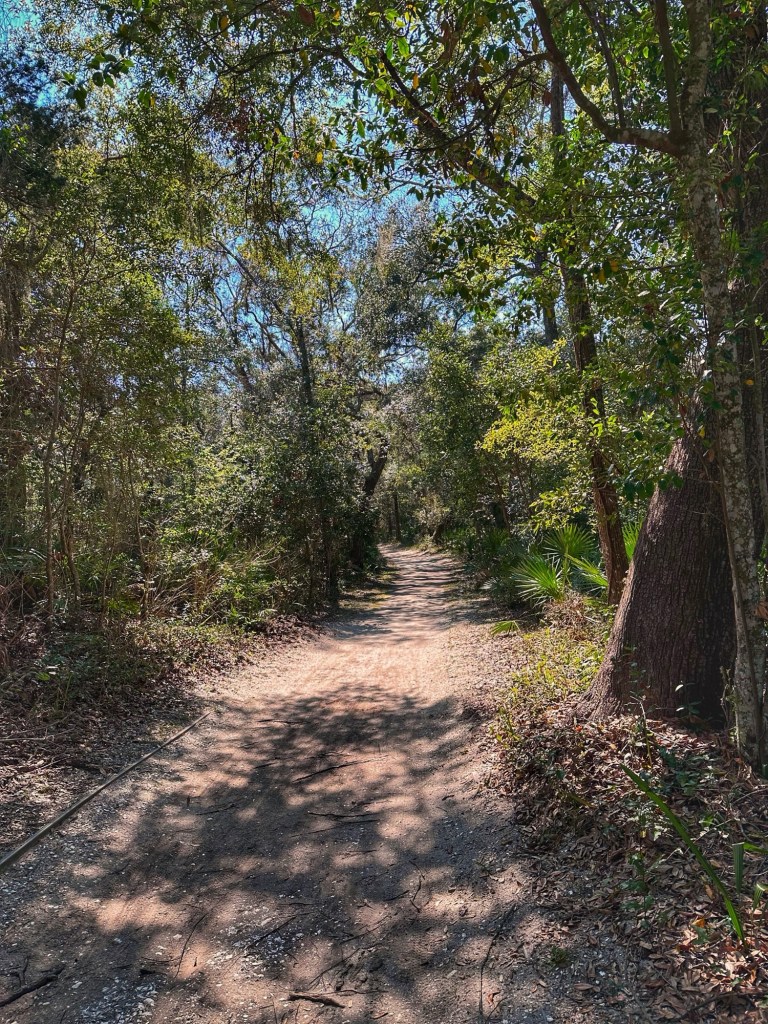
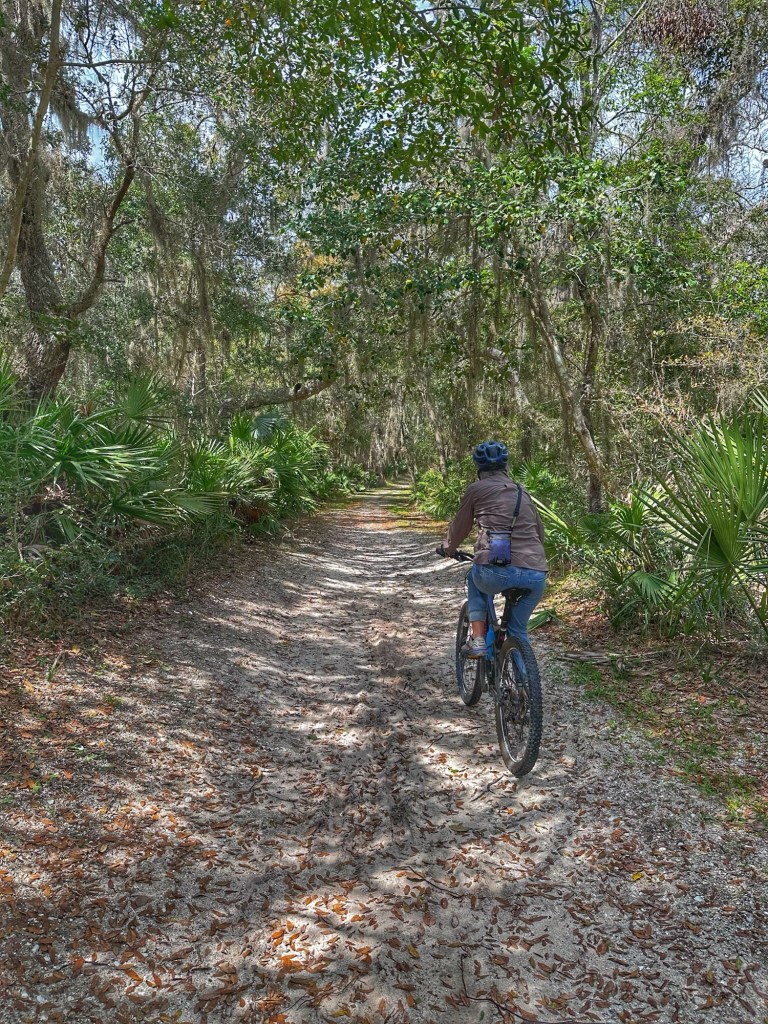
We spent most days biking the paths around the island.
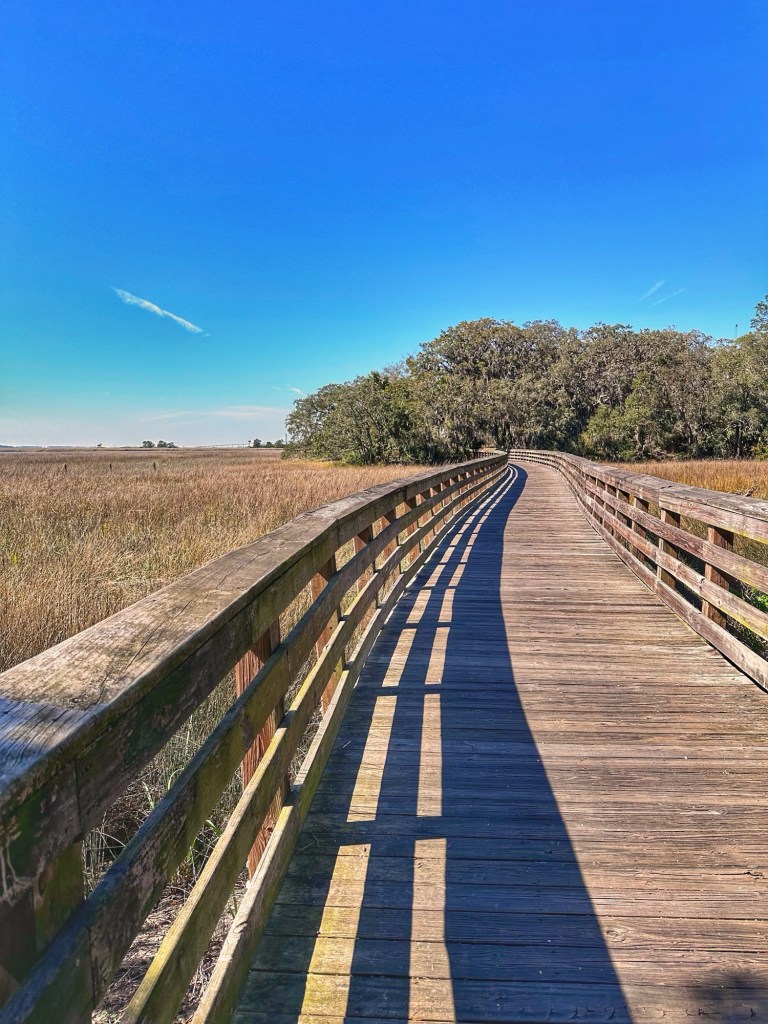
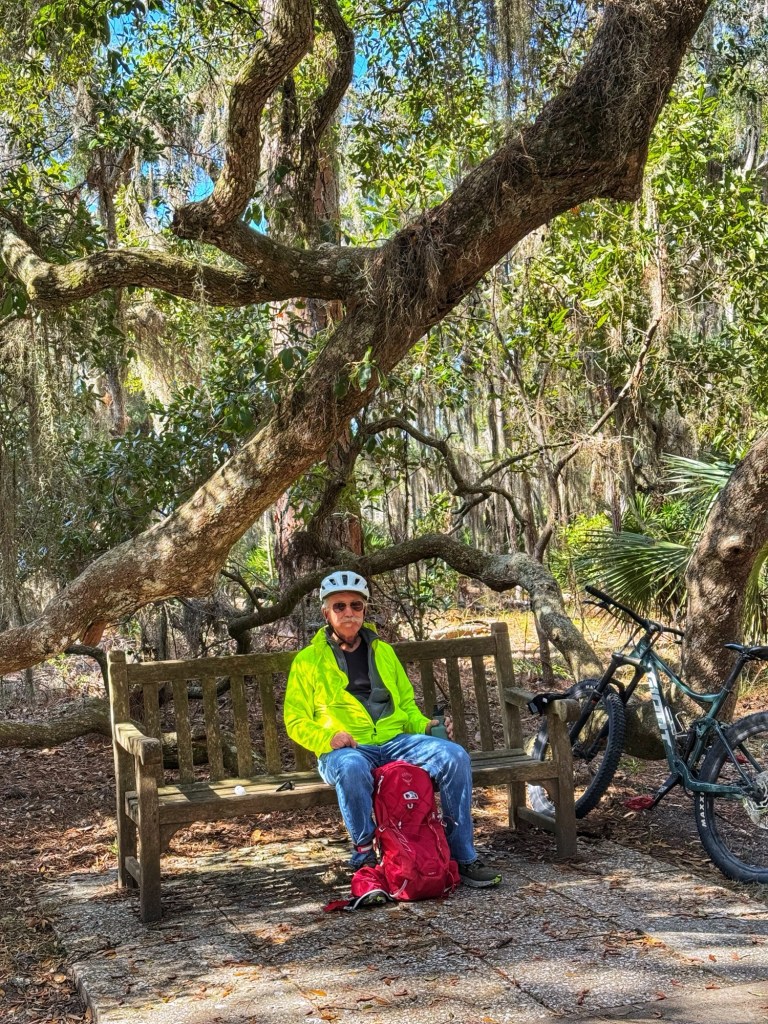
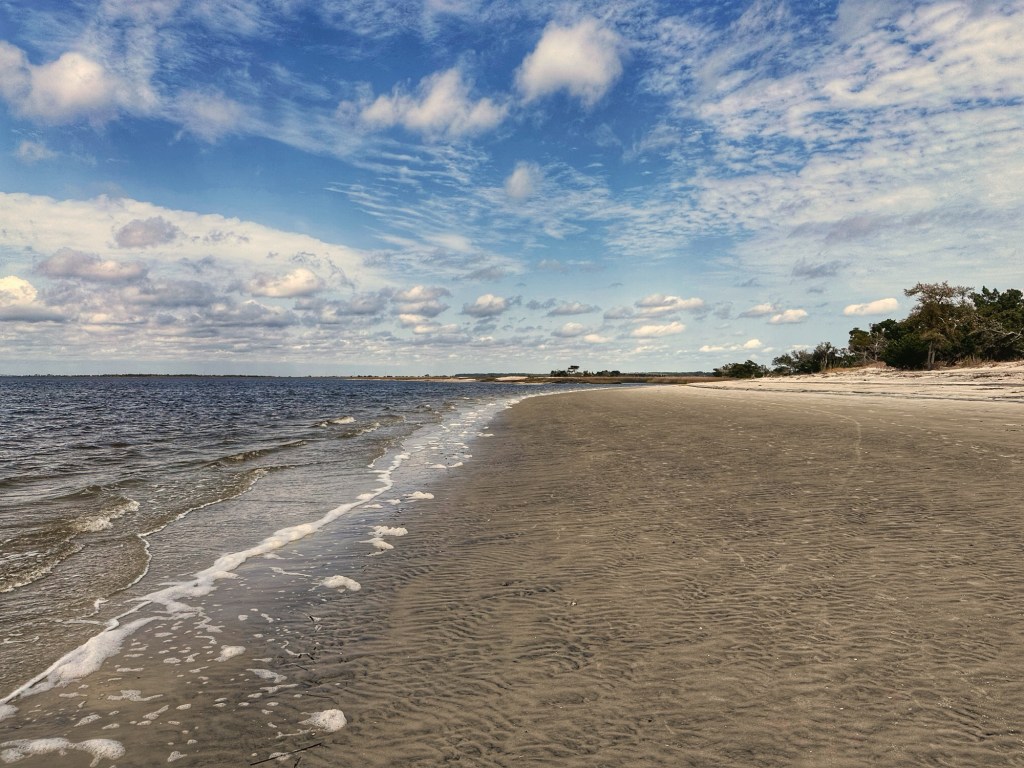
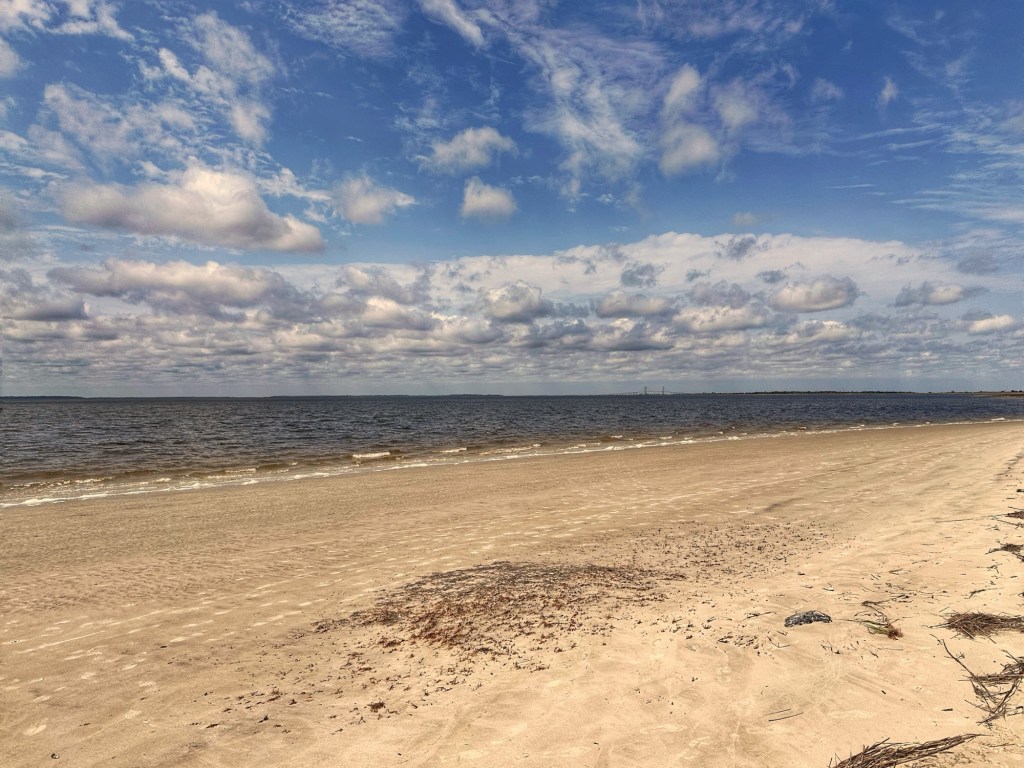
One side of the island faces the Atlantic Ocean with lots of accessible beaches. While we didn’t have many “beach” days we did make time to be on the water.
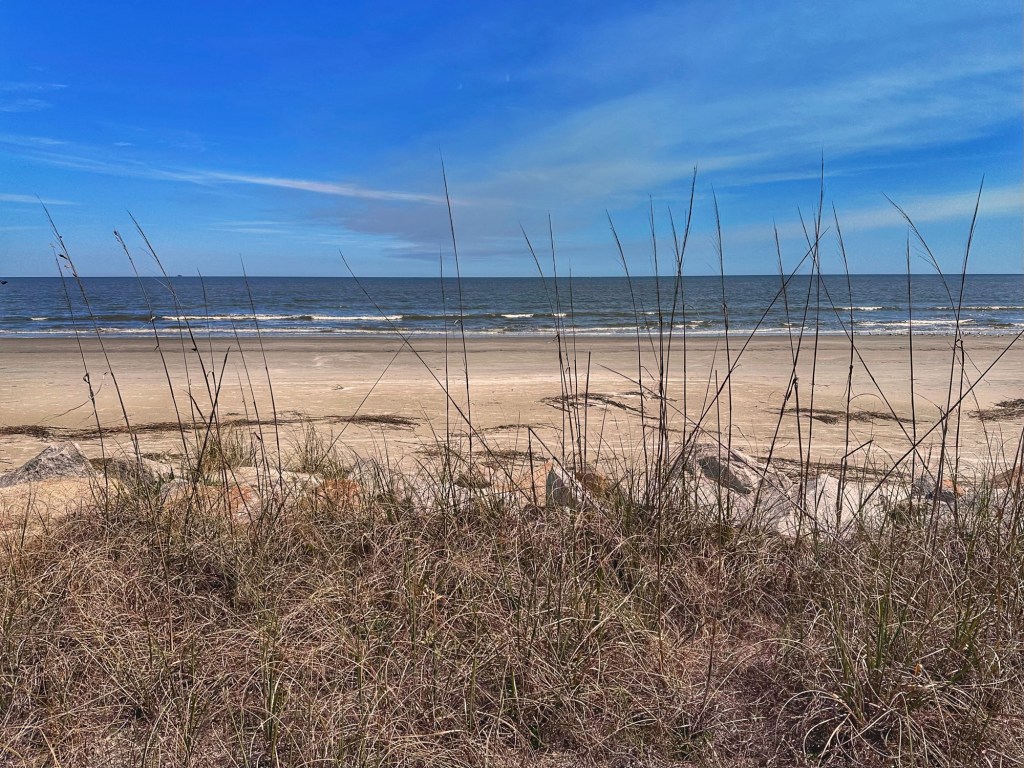
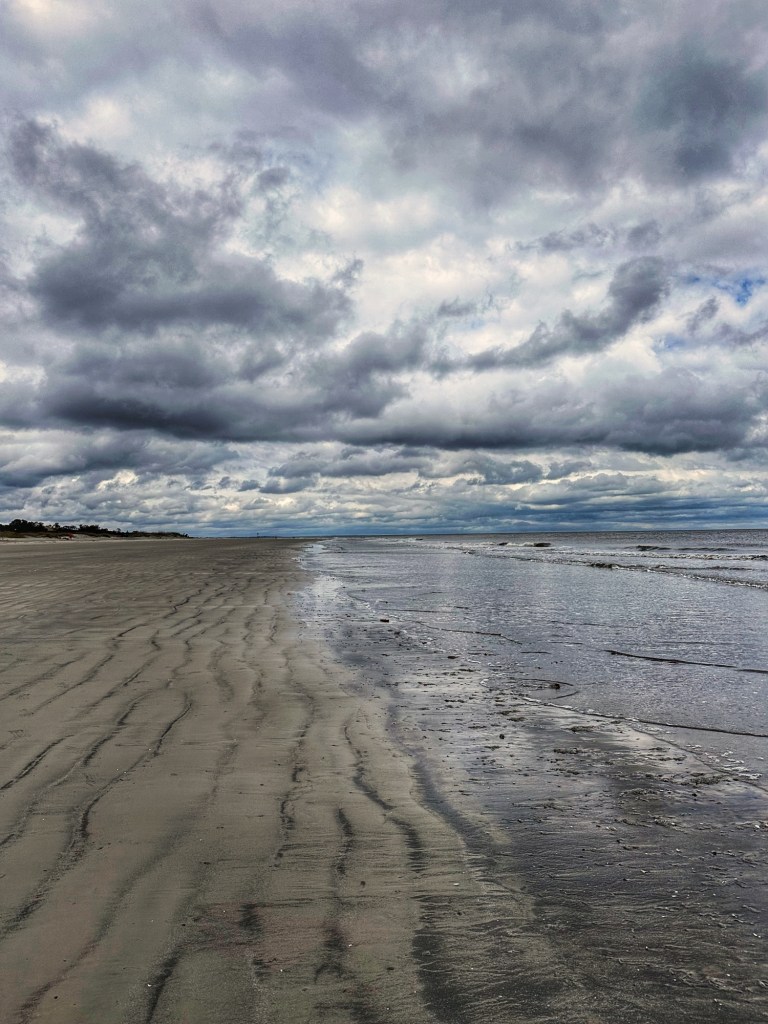
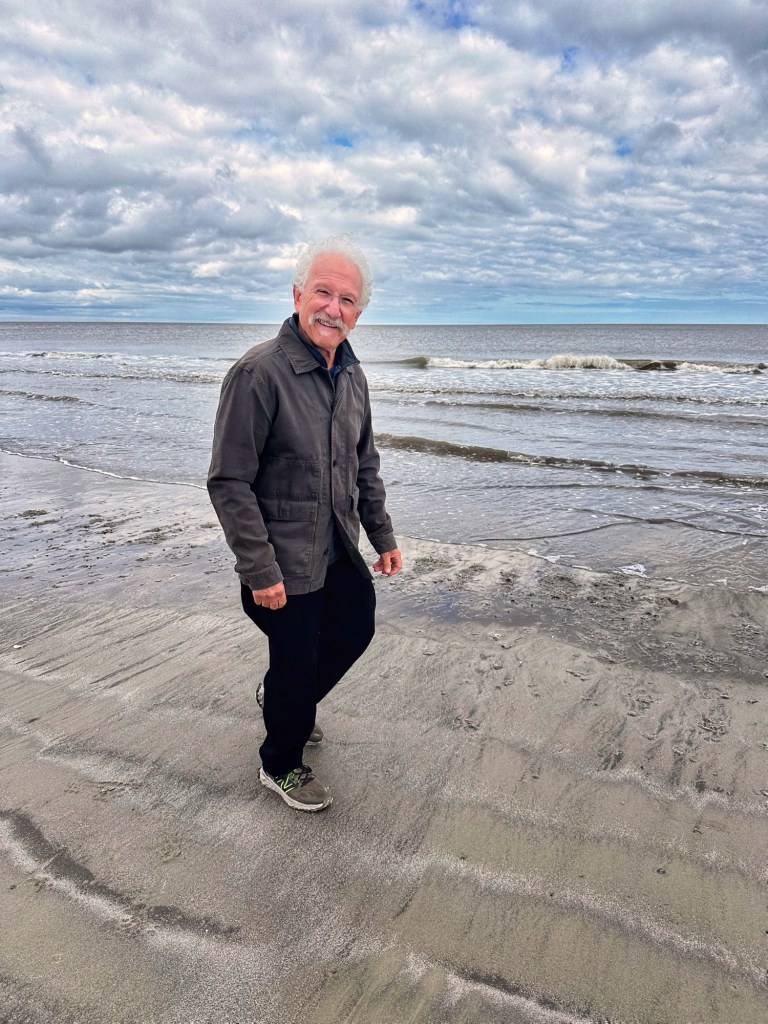
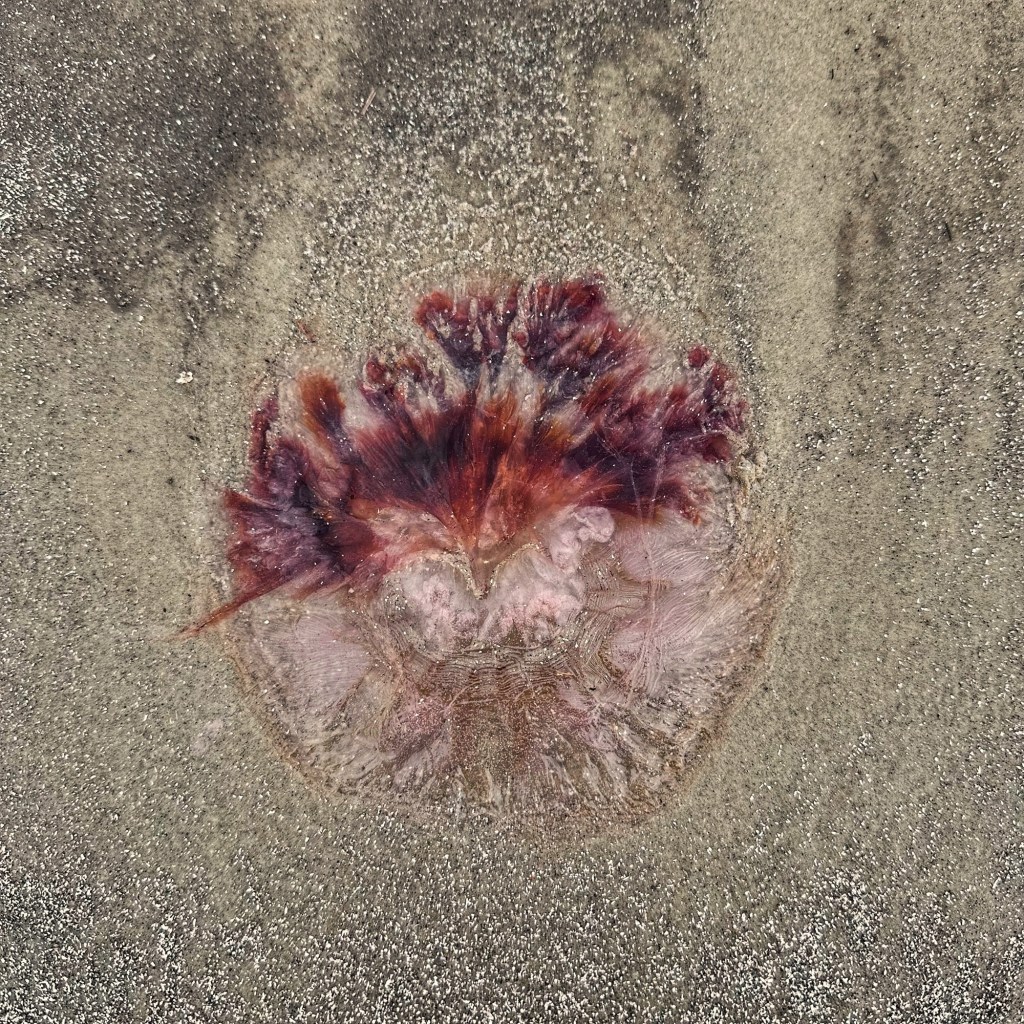
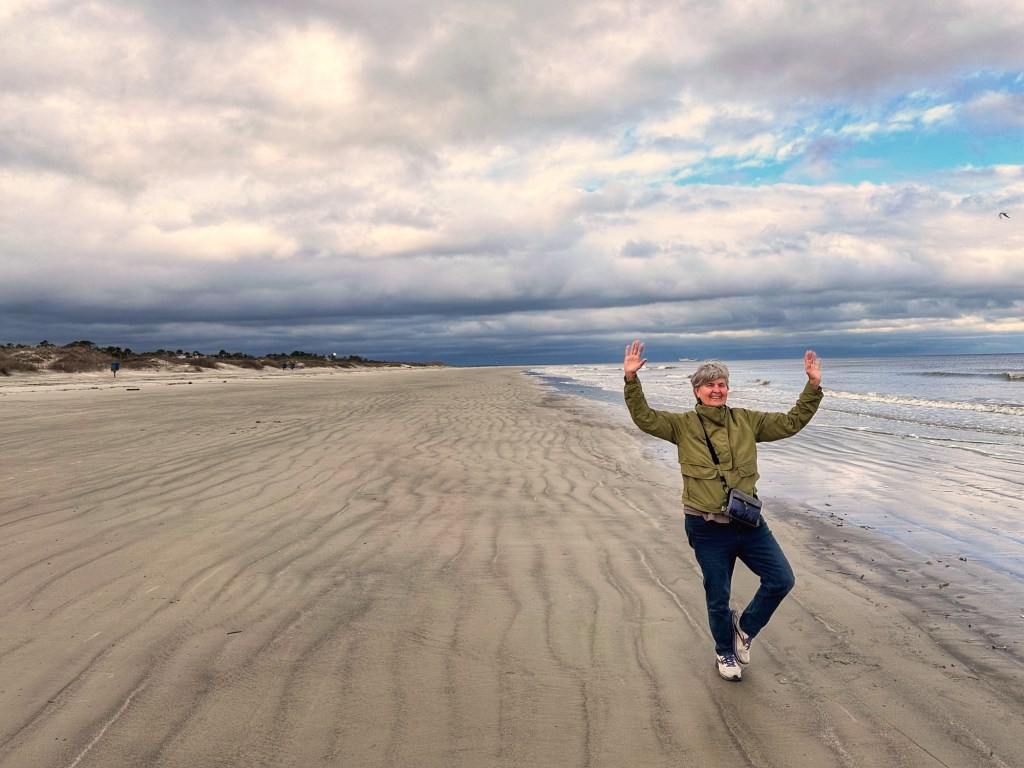
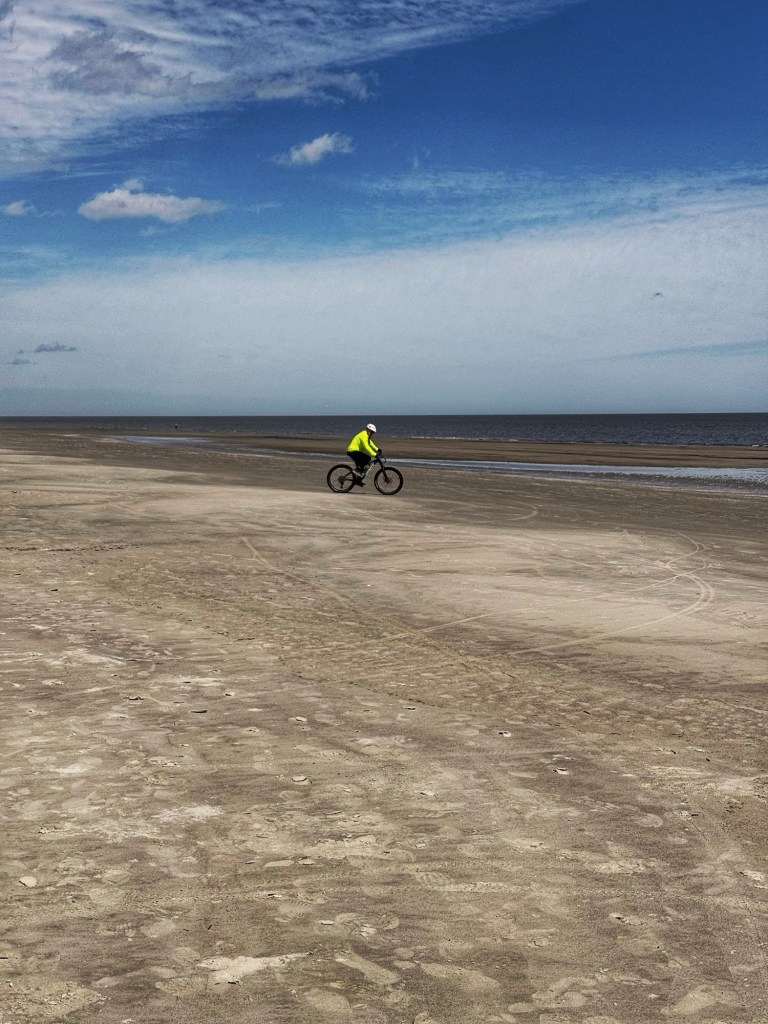
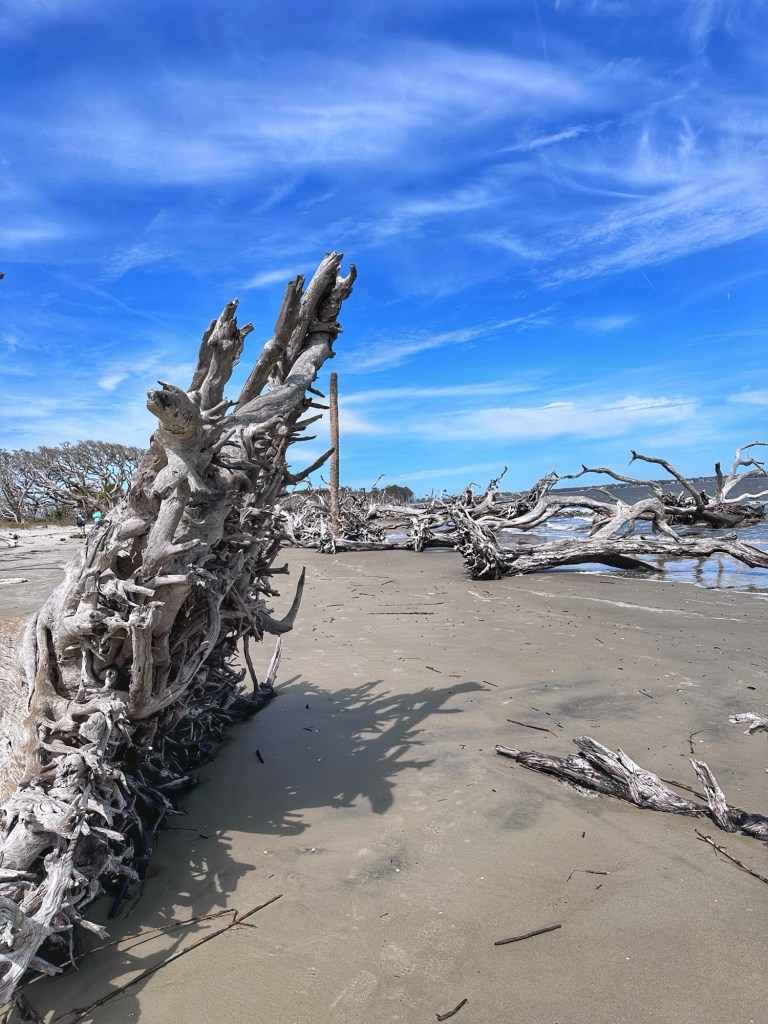
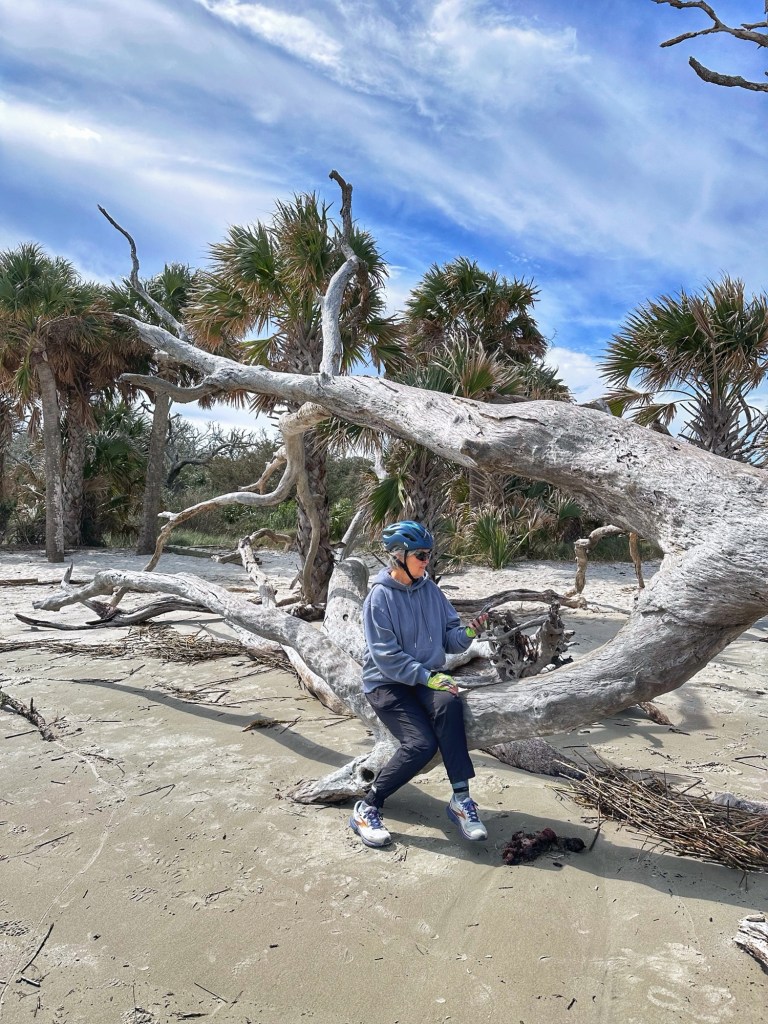
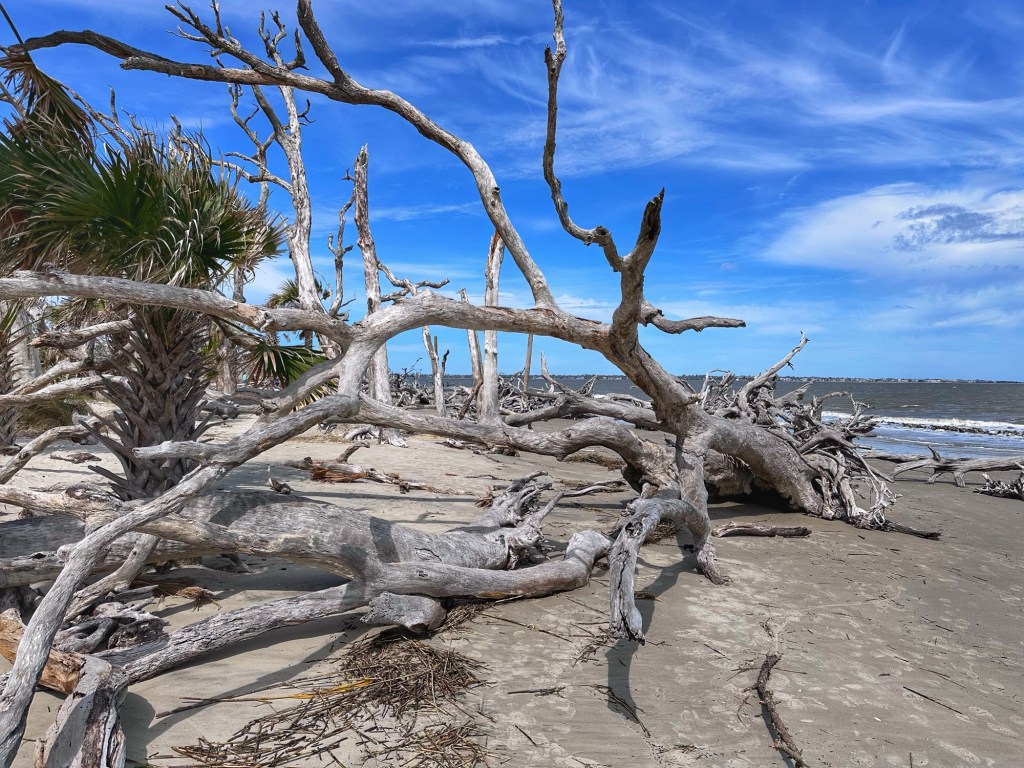
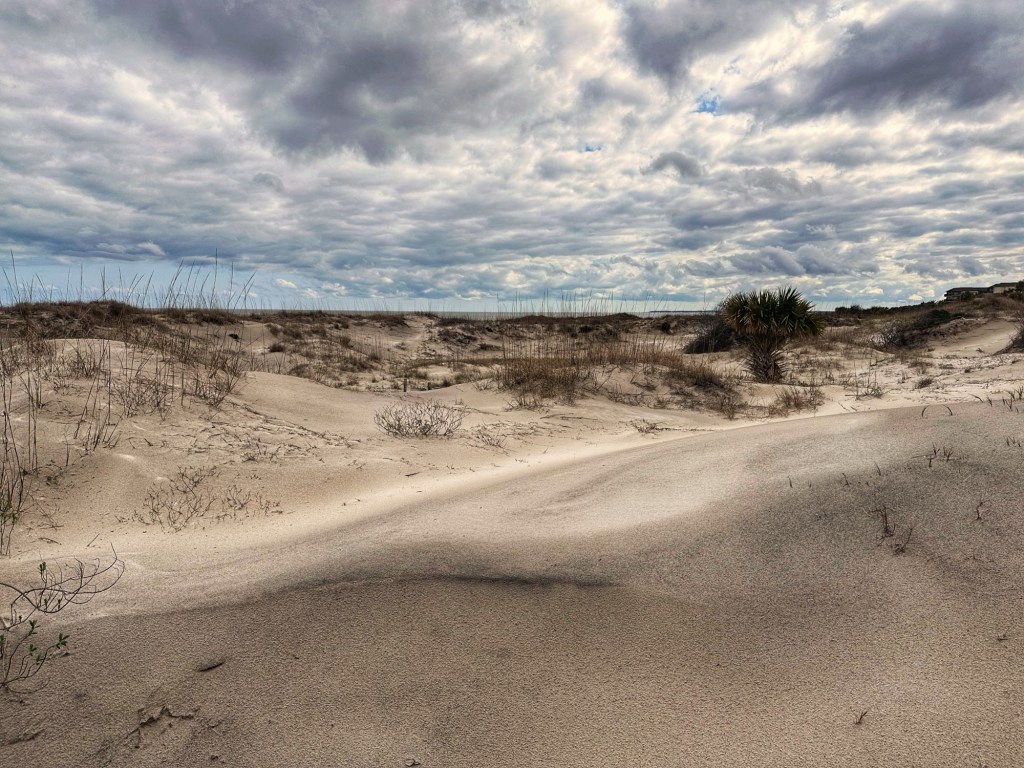
Driftwood Beach is a popular destination on the island.
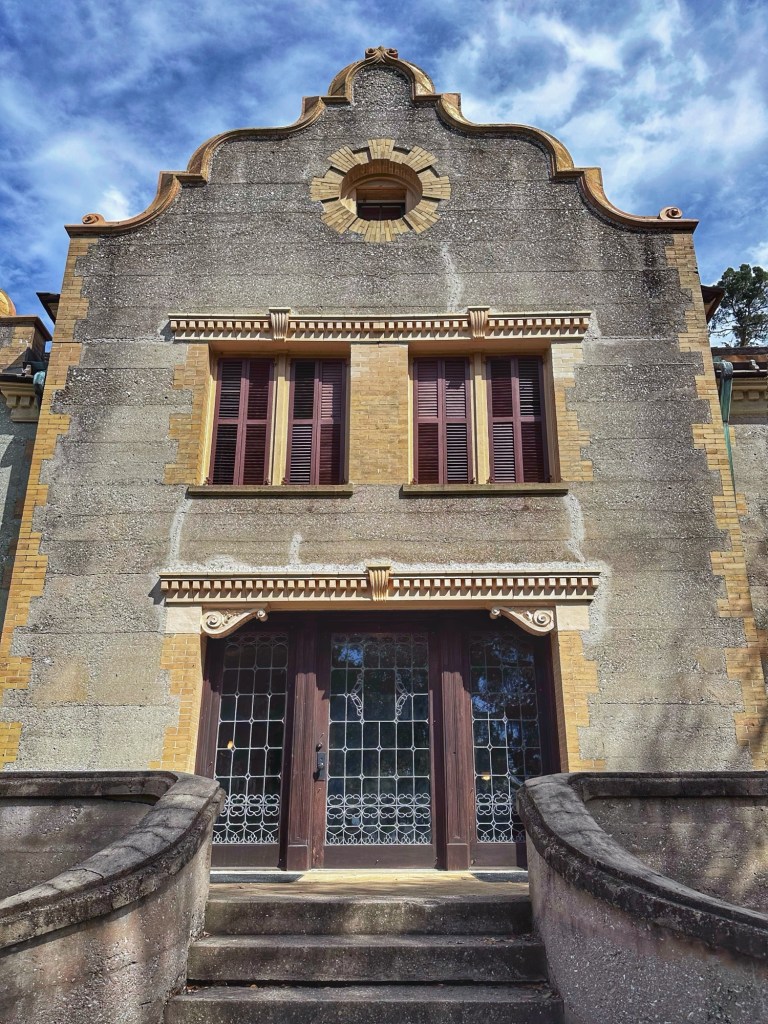
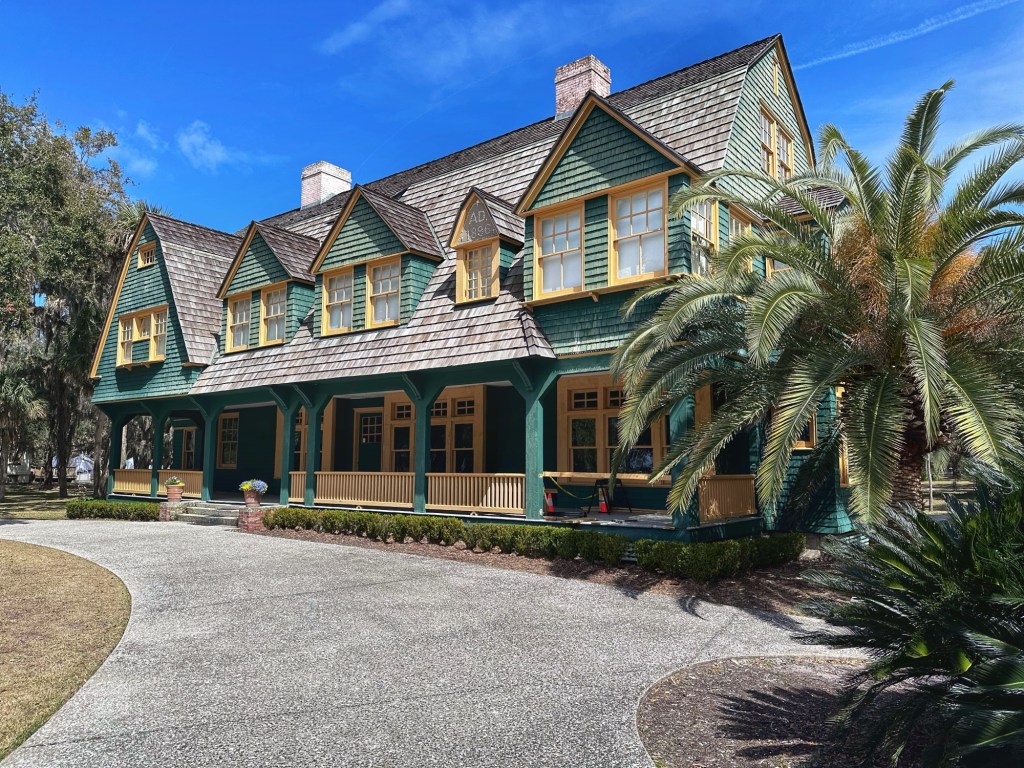
In the late 1800’s, the island became a private hunting club for some of the wealthiest families in the world (1/6th of the world’s wealth was controlled by club members). In 1886 the Jeykell Island Club was built as the club’s clubhouse.
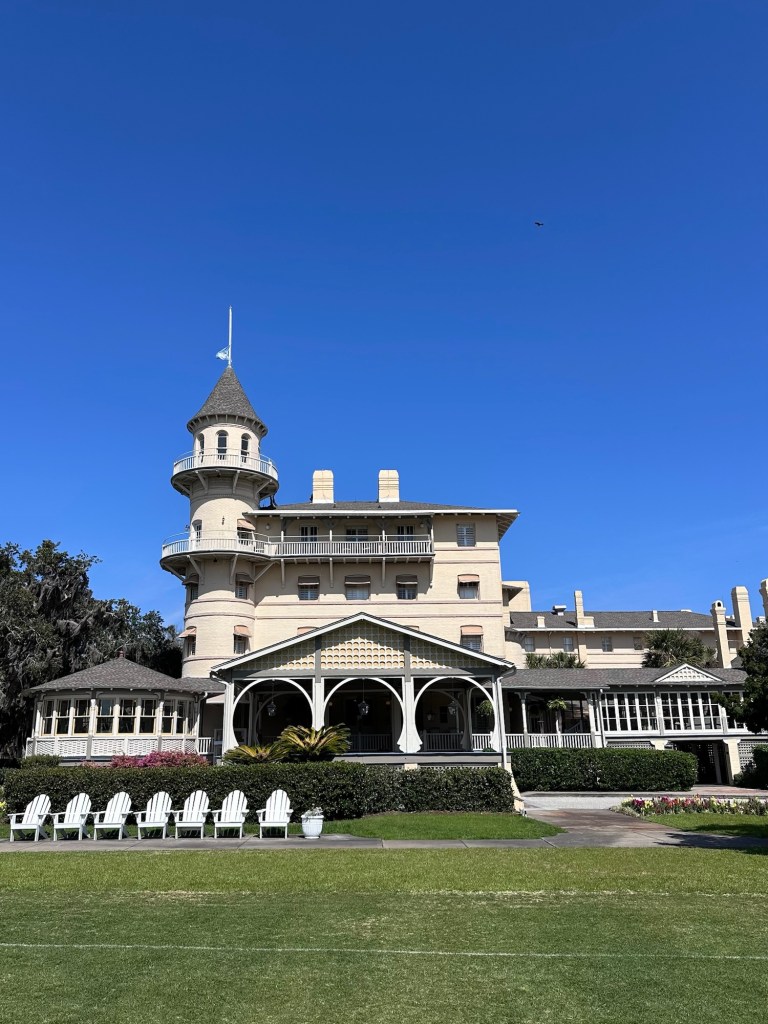
Some of the families built cottages near the Clubhouse when they felt that the clubhouse could not adequately provide for their families needs.
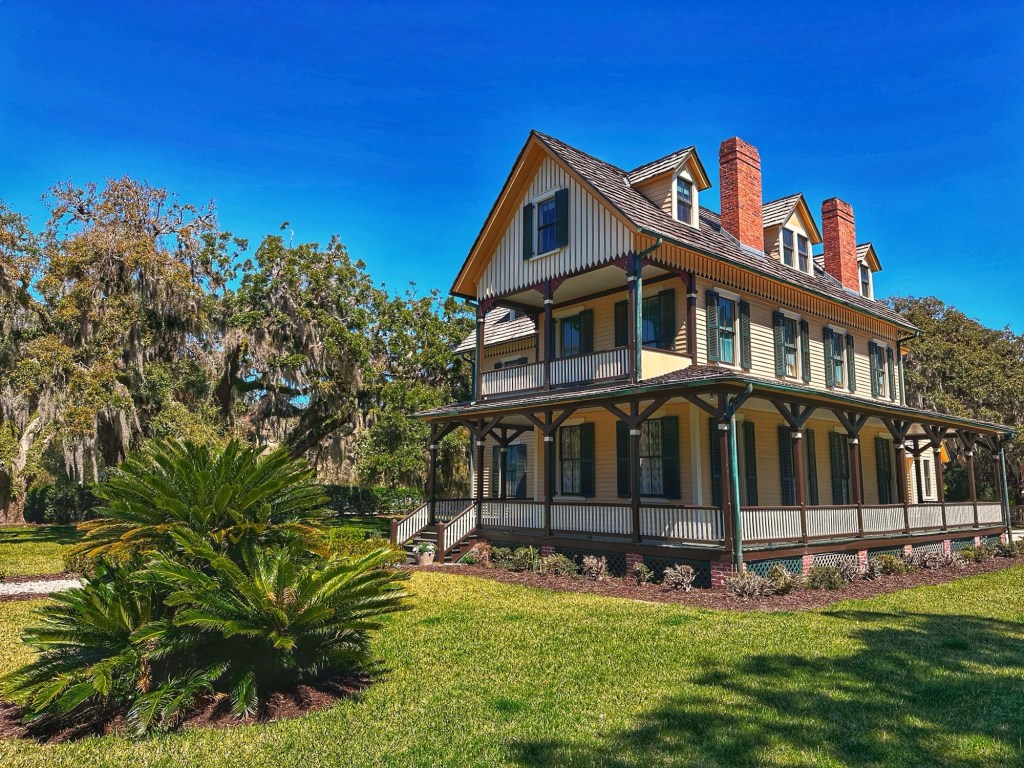
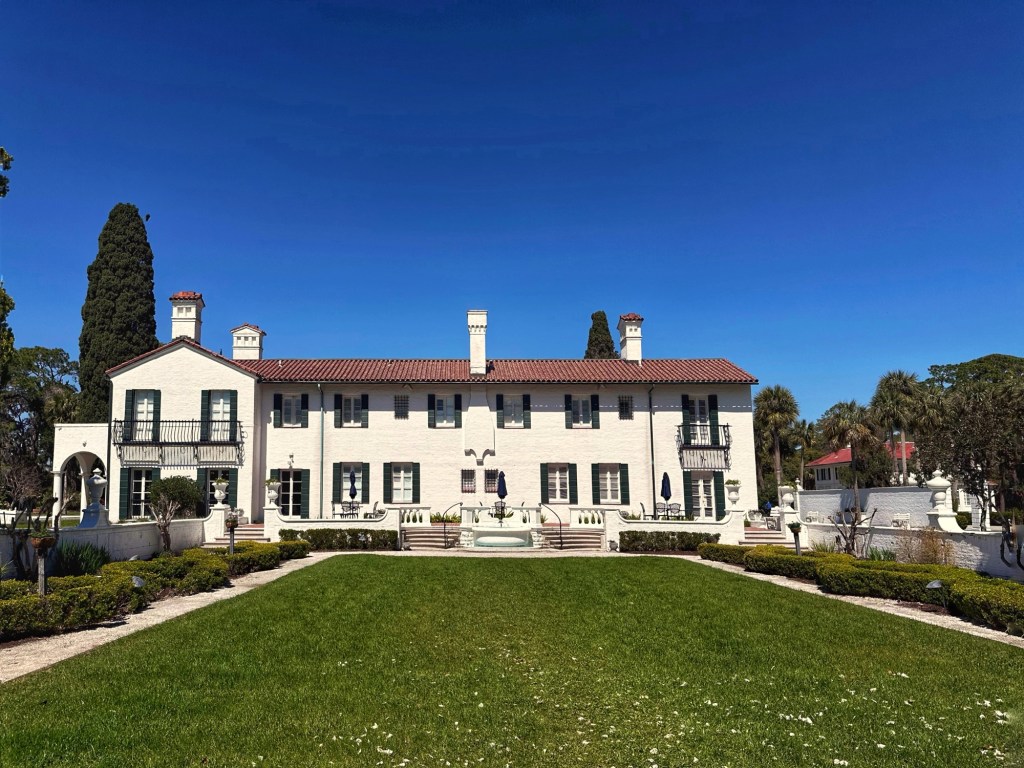
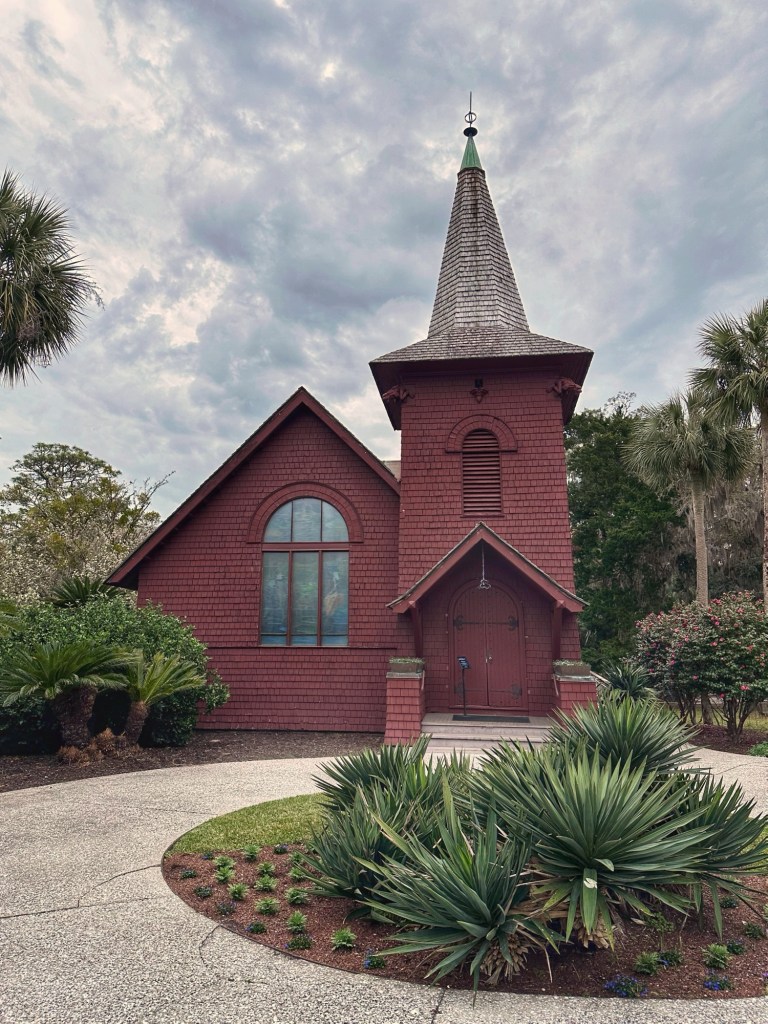
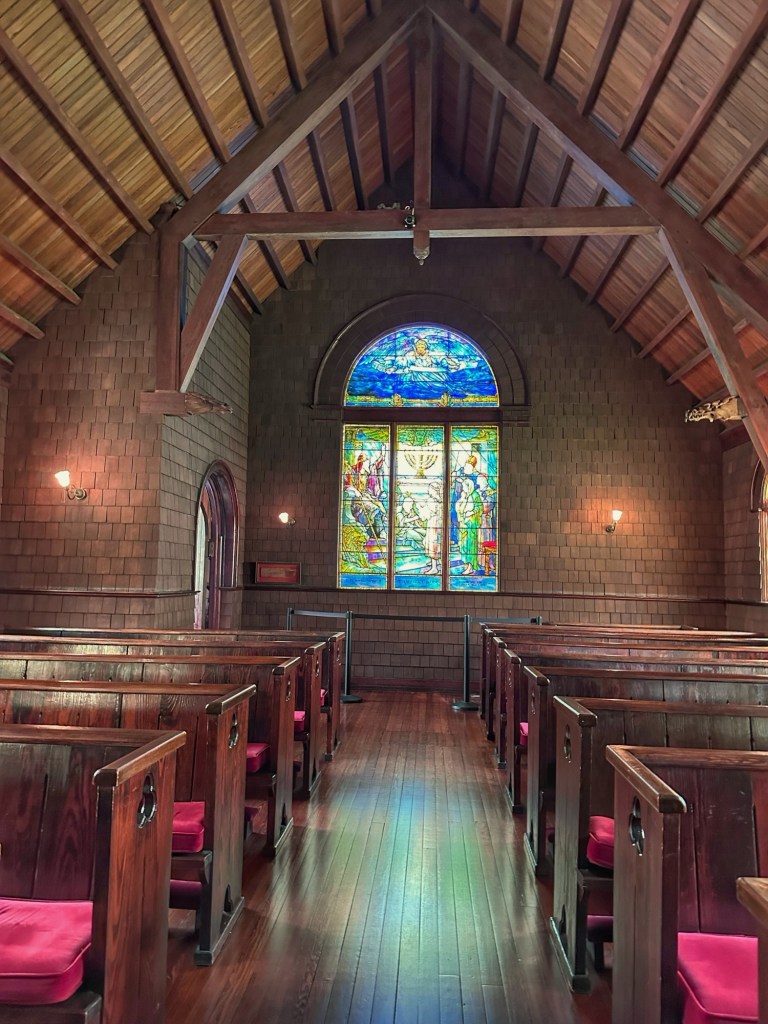
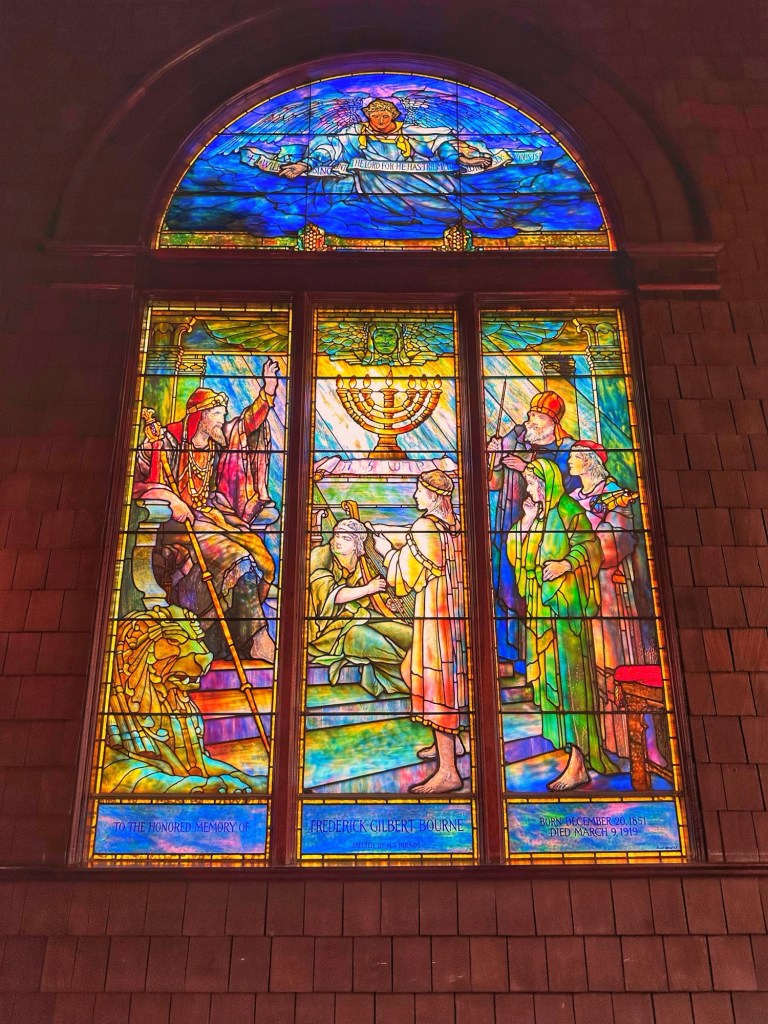
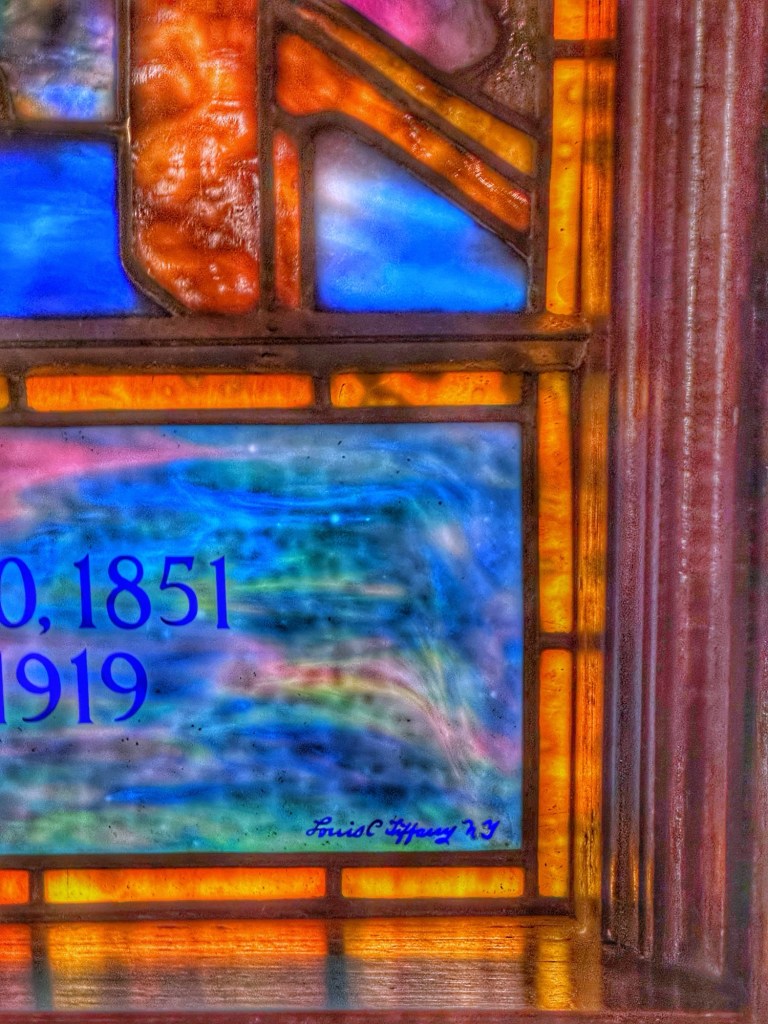
The members also constructed an interfaith chapel, Faith Chapel, for members use.
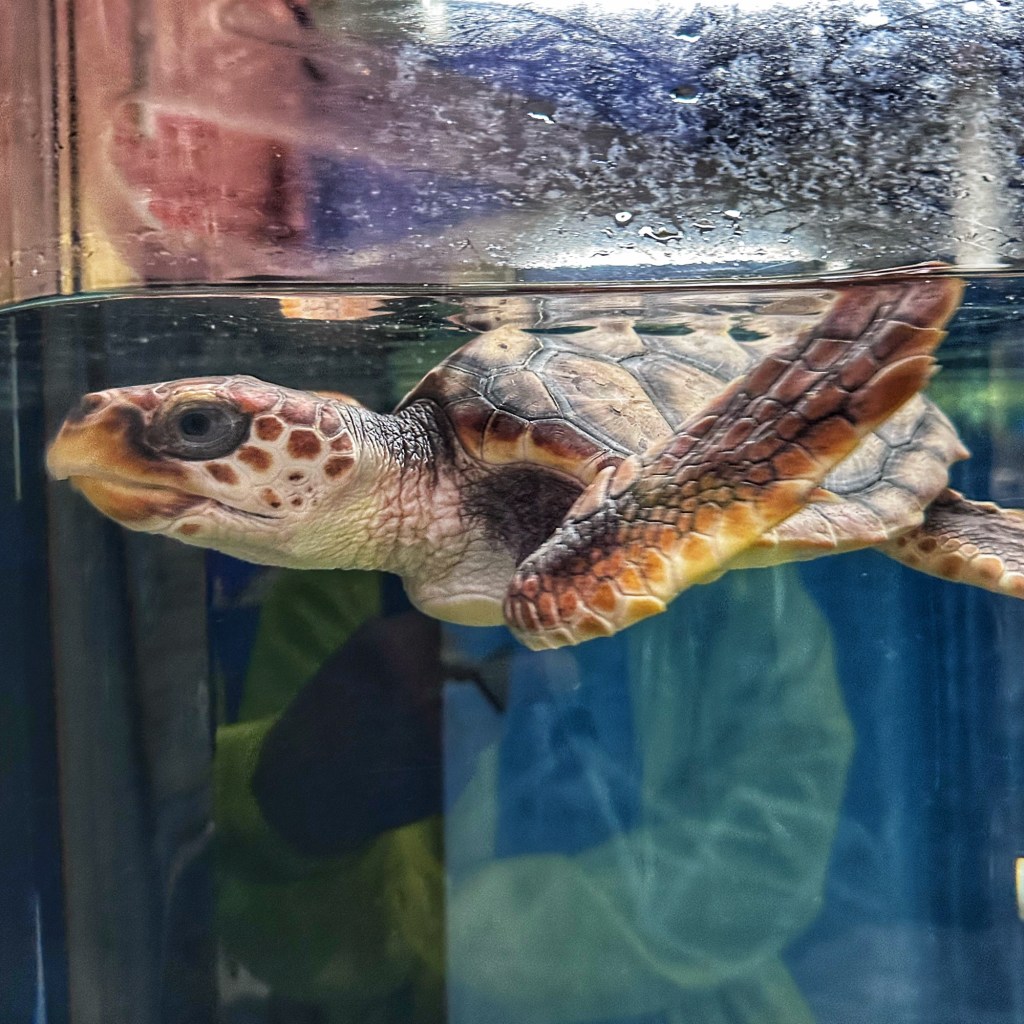
Sandwiched into the historic district of Jekyll Island is the Georgia Sea Turtle Center. Distressed and damaged sea turtles are rescued and nursed back to health and later released. A worthy endeavor that’s worth checking out.
When Jekyll Island opened as a state park in 1948 all of Georgia’s citizens were not welcomed to the new park. Because of segregation African Americans could not visit many parts of the island, including its beaches. In 1950 African Americans from nearby Brunswick requested a portion of the island for their enjoyment. The state designated an area at the south end of the island for their use. St. Andrew’s Beach was the only beach in Georgia open to black Georgians.
Coincidentally, Saint Andrews Beach is also where “The Wanderer“ arrived off the coast of Georgia in 1858. The ship was one of the last documented ships carrying illegal African slaves to America. The trans Atlantic slave trade was outlawed in 1807.
While we’ve traveled the south many times we have never visited one of the area’s plantations. A short distance from Jekyll Island is the Hofwyl-Broadfield Plantation State Historic Site.
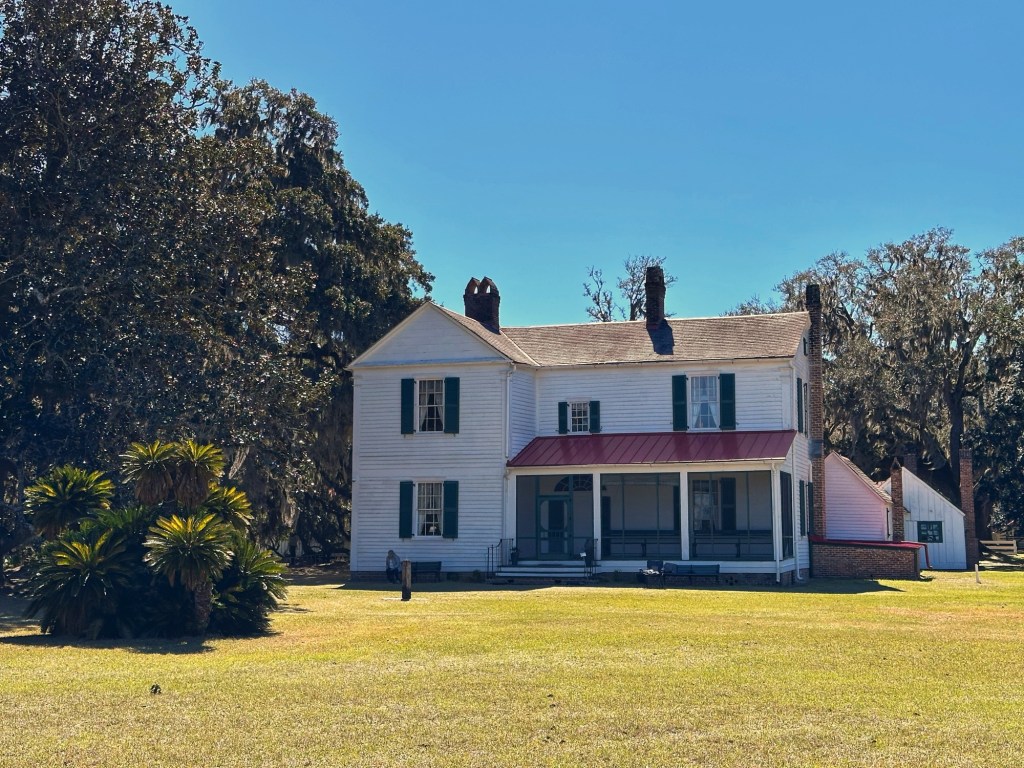
The property was purchased and the plantation established in 1806. By 1849 the plantation was using 357 slaves to cultivate 7,300 acres of rice. It was through the blood and sweat of these enslaved people that converted this cypress swamp into a profitable rice plantation.
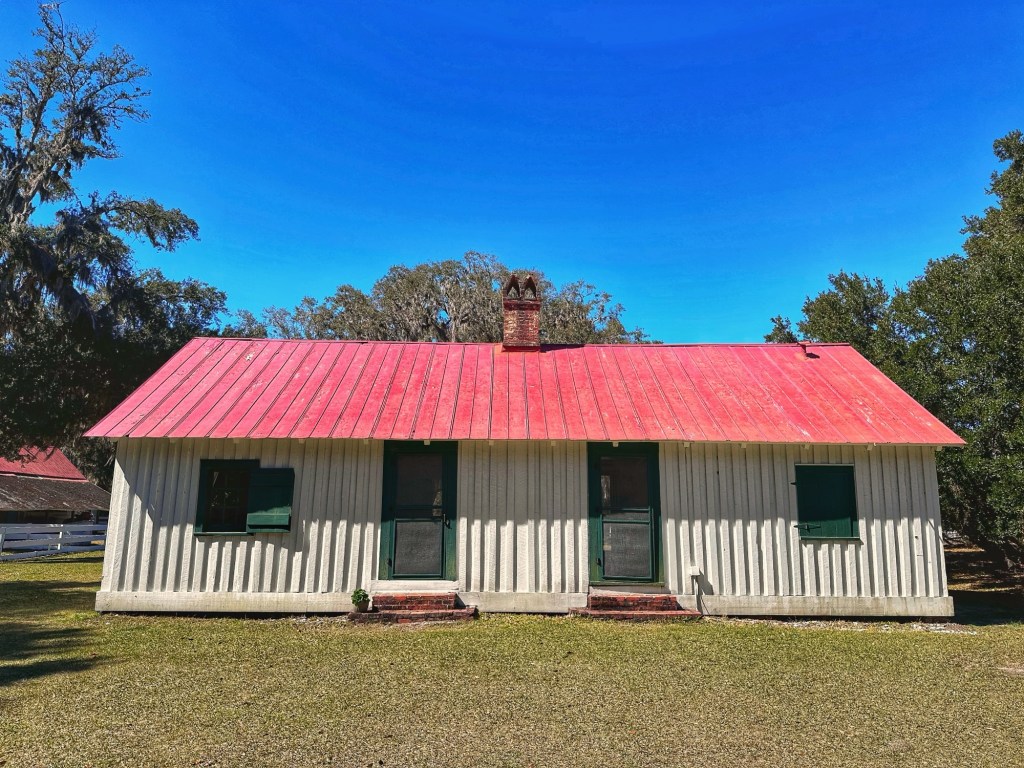
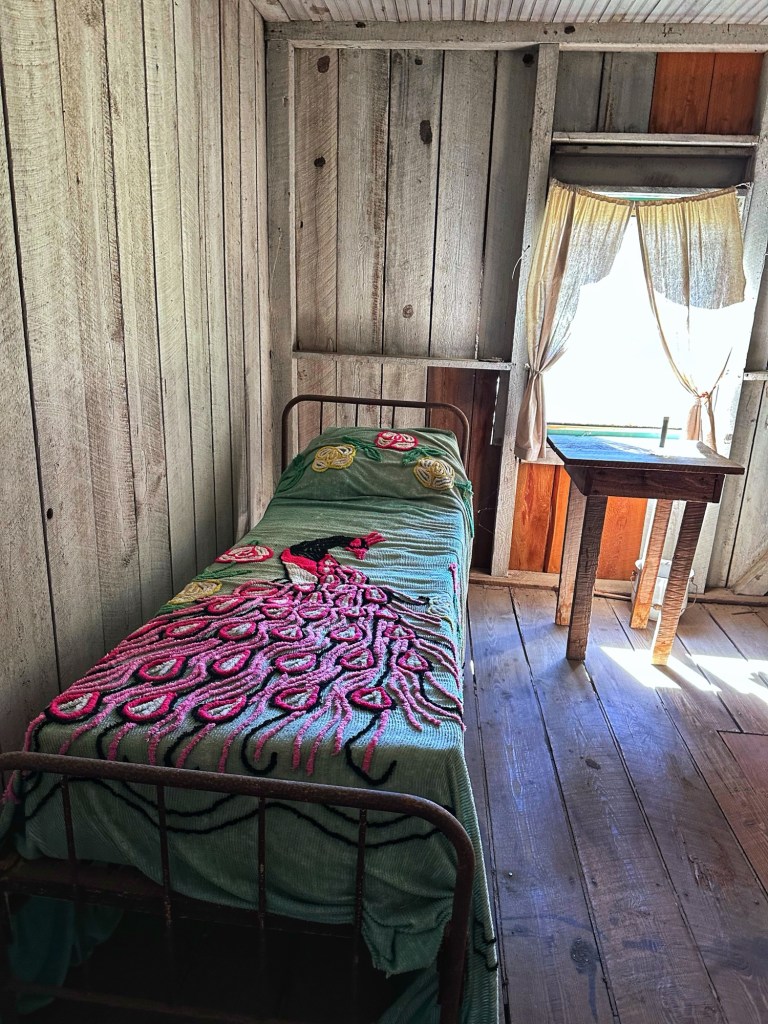
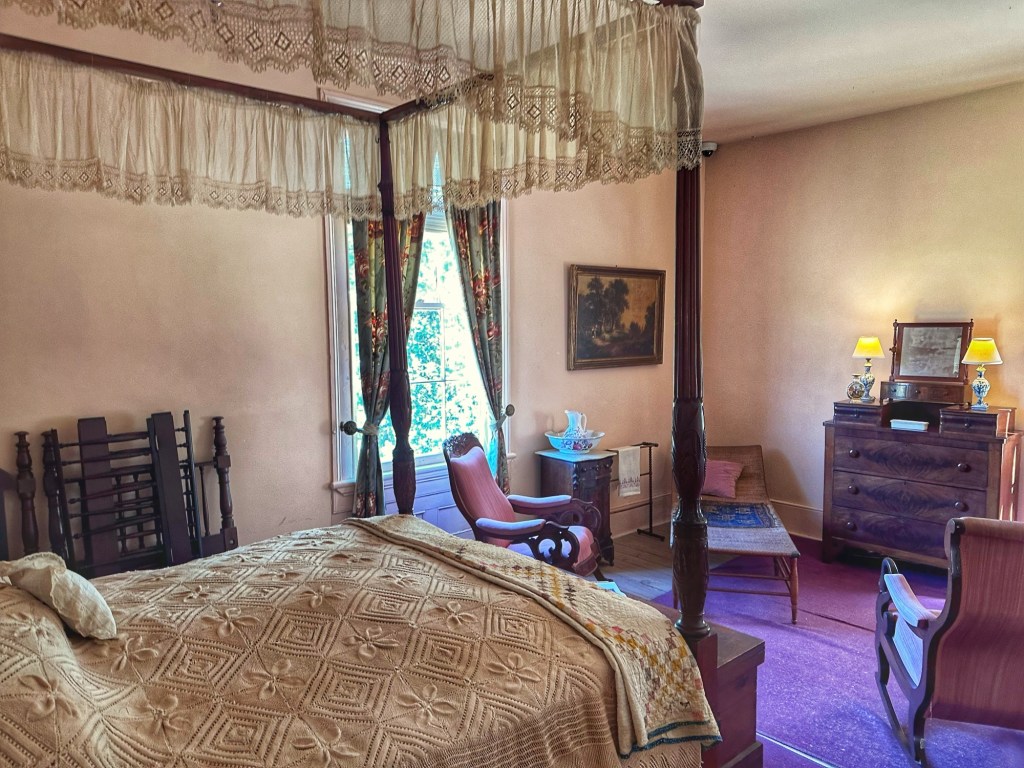
The last family member died in 1973 and left the property to the state of Georgia with a trust to preserve the site for posterity.
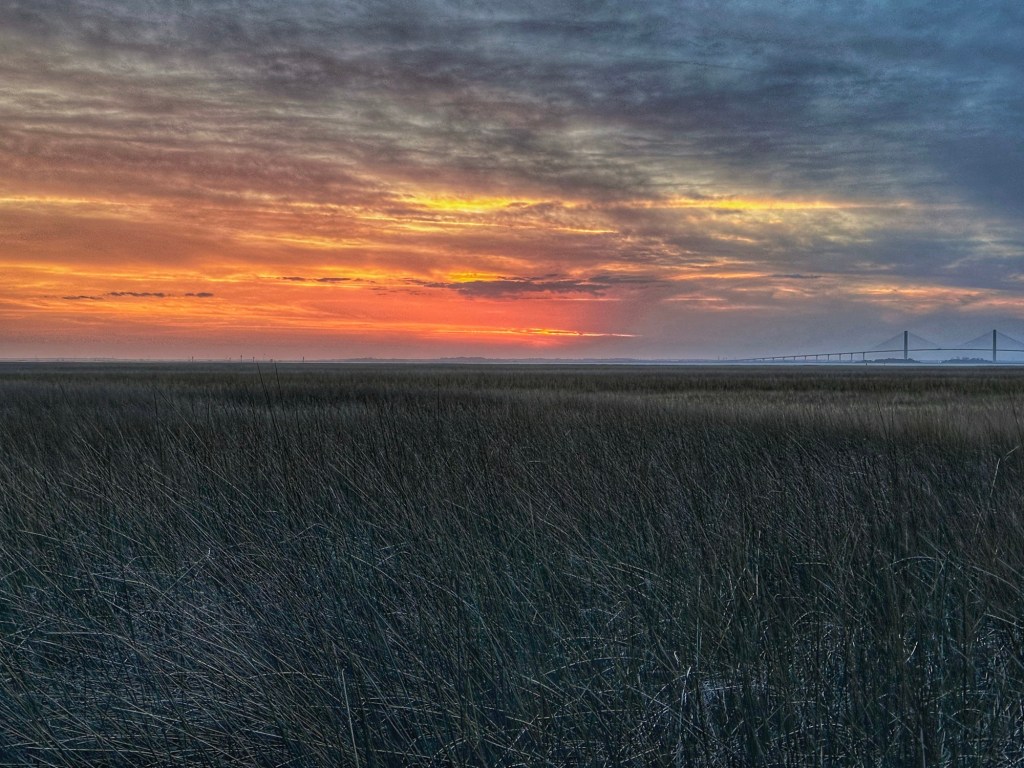
While there is plenty to explore in the area we’re feeling the need to move on. We hear Savannah calling.
 Tincan Travels