We drove west from Kansas City to New Mexico. Our route took us through the panhandle of Oklahoma, a part of the country we’ve never visited.
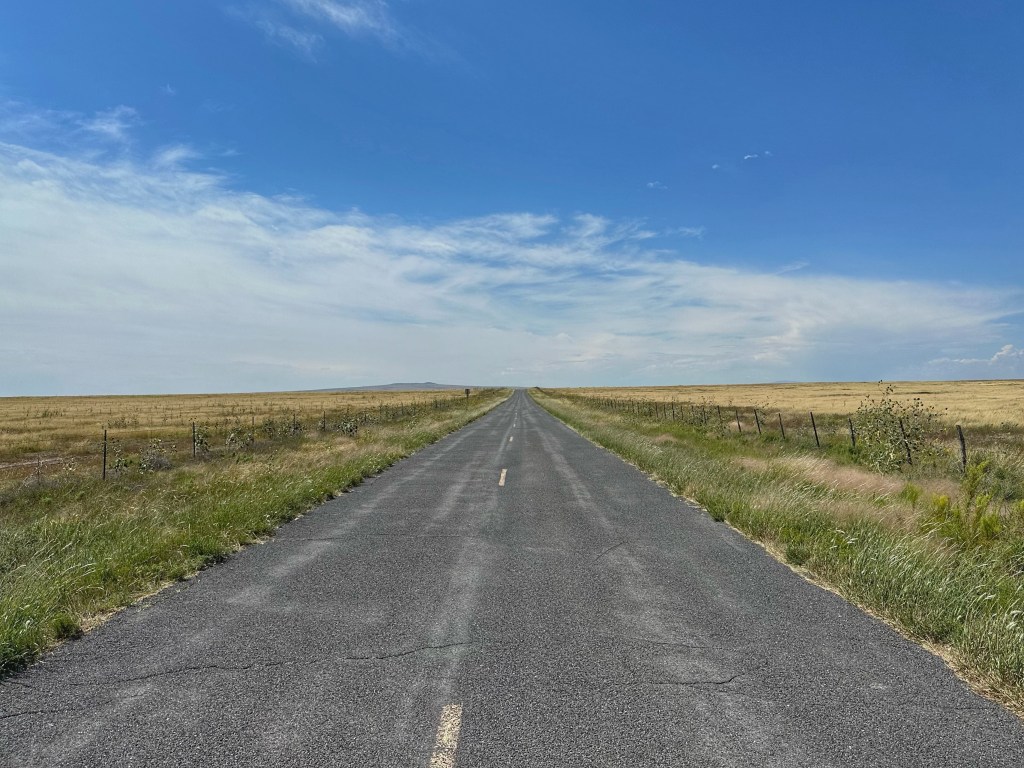
This part of Oklahoma has an interesting history. The panhandle was originally part of Texas. Texas became a state in 1845 and joined the United States as a slave state. However, the Missouri Compromise of 1820 forbade slavery north of the 36 1/2th parallel. In 1854 the Kansas-Nebraska Act created Kansas and used the 37th parallel as the border. This 37 mile gap became the panhandle. It was officially known as “Public Land Strip “ and popularly known as “No Man’s Land”. As you might expect it was a lawless and violent place. It remained that way for four decades until it became part of Oklahoma.
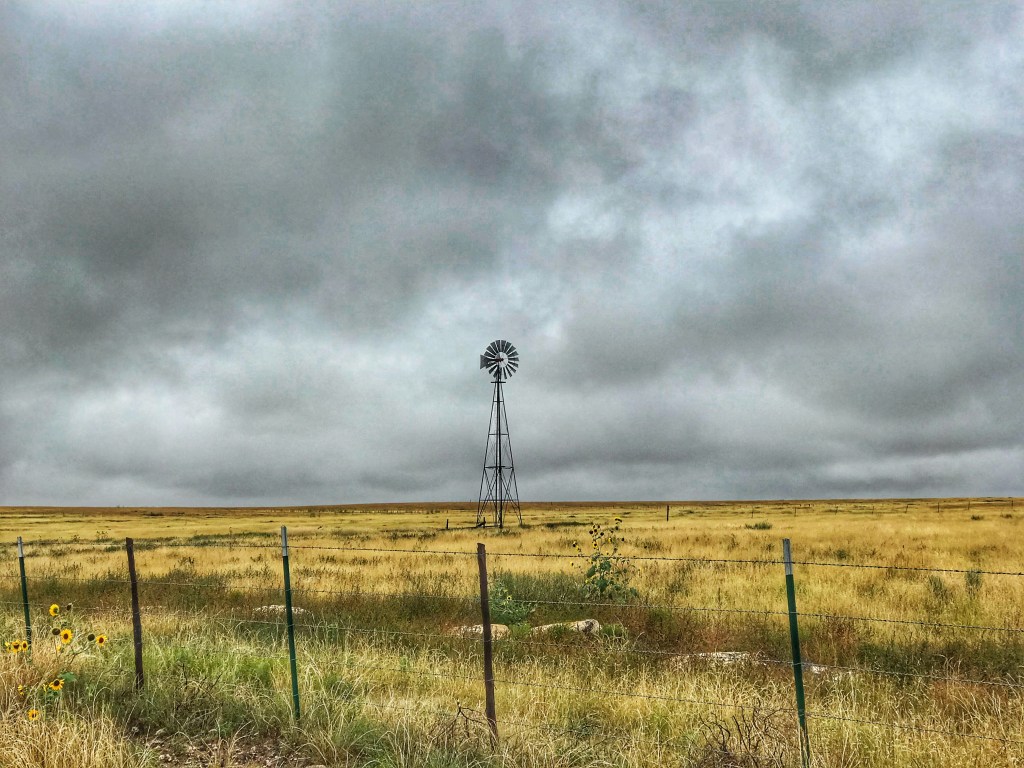
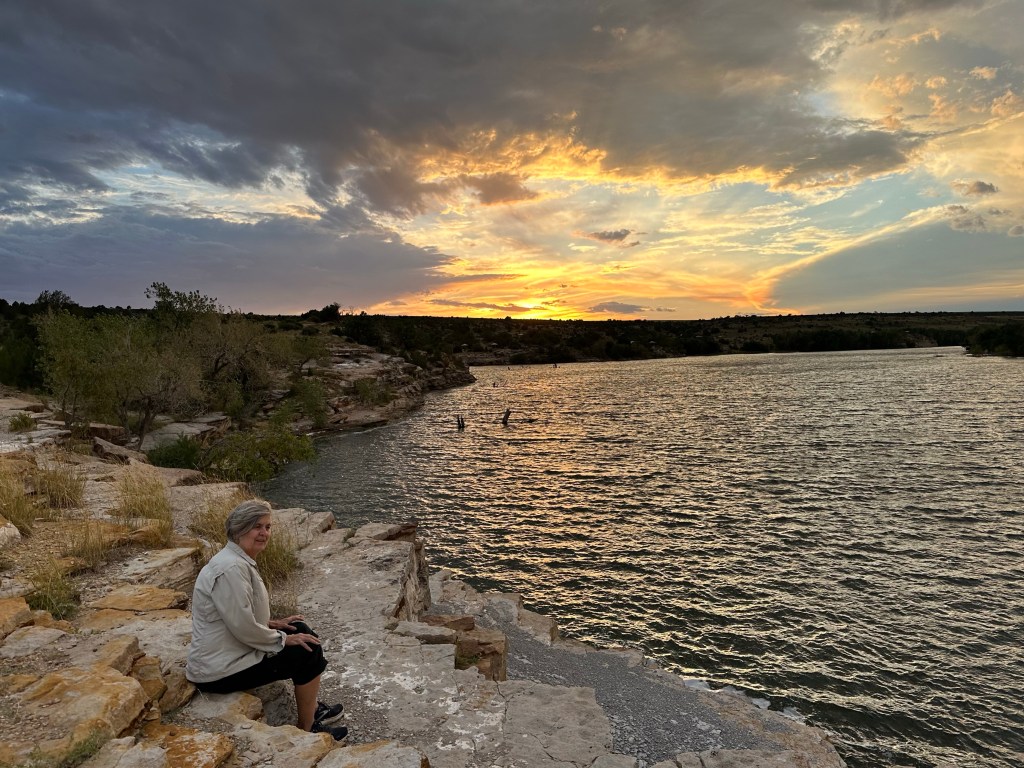
We entered New Mexico in the northeast corner of the state on the hunt for dinosaur tracks. Clayton Lake State Park is the site of a trove of fossilized dinosaur tracks.

In 1955 the state of New Mexico dammed up Seneca Creek to create Clayton Lake. Layers of basalt and shale were blasted away to create an emergency spillway and exposed the underlying sandstone. In 1982 the lake overflowed into the spillway and removed the last few inches of sandstone exposing the dinosaur tracks.
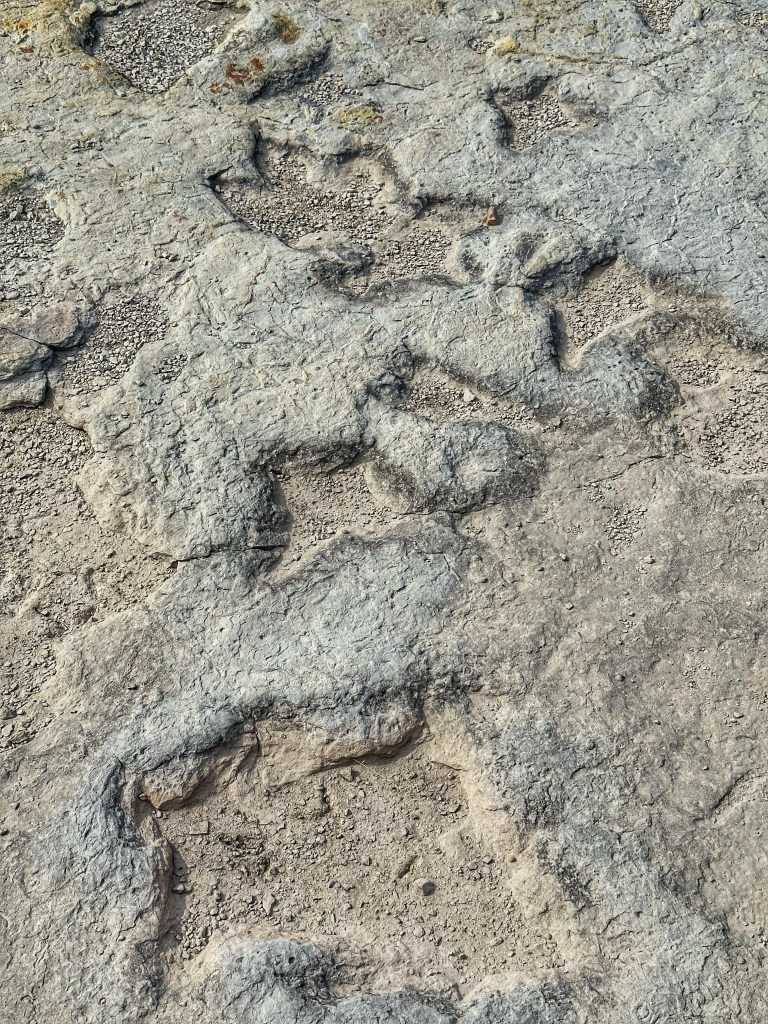
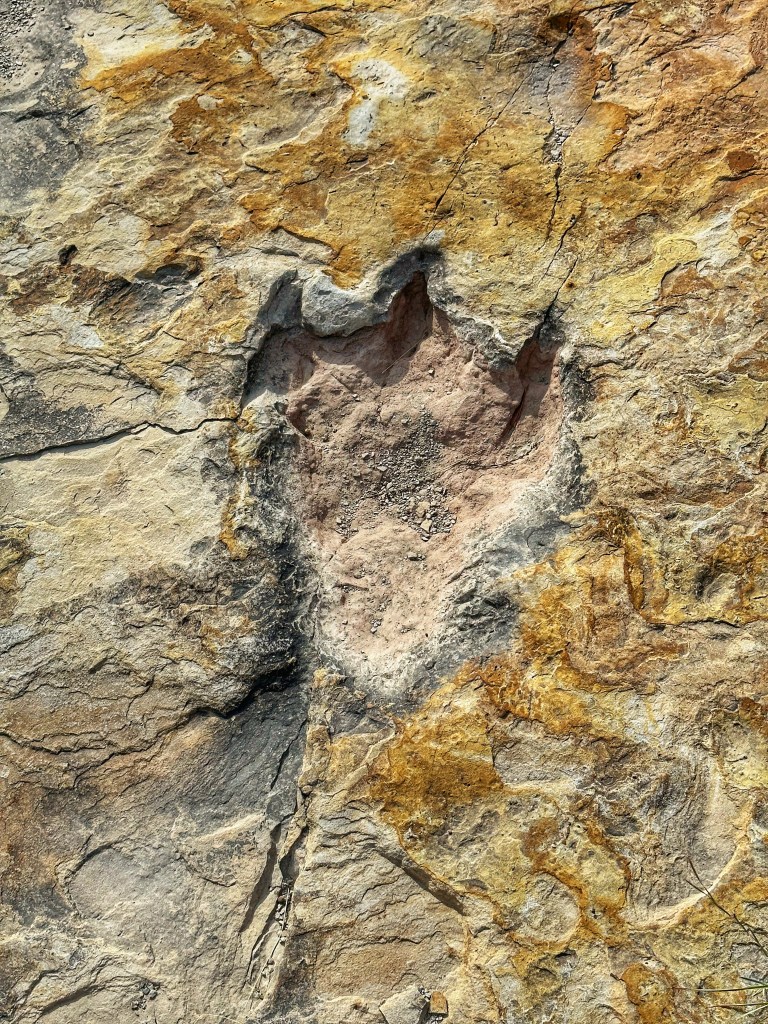
This was our first visit to this corner of New Mexico and hopefully not our last. There’s a lot more to explore.
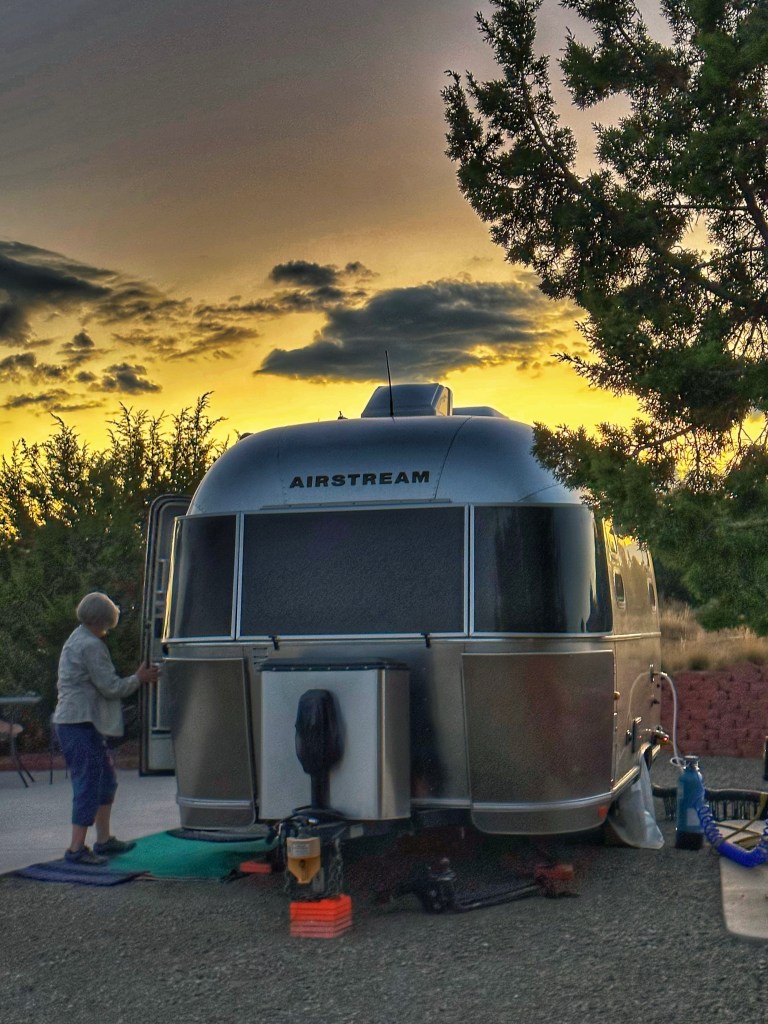
New Mexico is known as the Land of Enchantment. From our first visit to the state in 2011 we were smitten by its charms. We are particularly “enchanted” with the high desert in and around Santa Fe. The landscape, cuisine and architecture all add to its appeal. We set up camp at Santa Fe Skies RV Park. This well run park is a 20 minute drive to the historic Santa Fe Plaza.
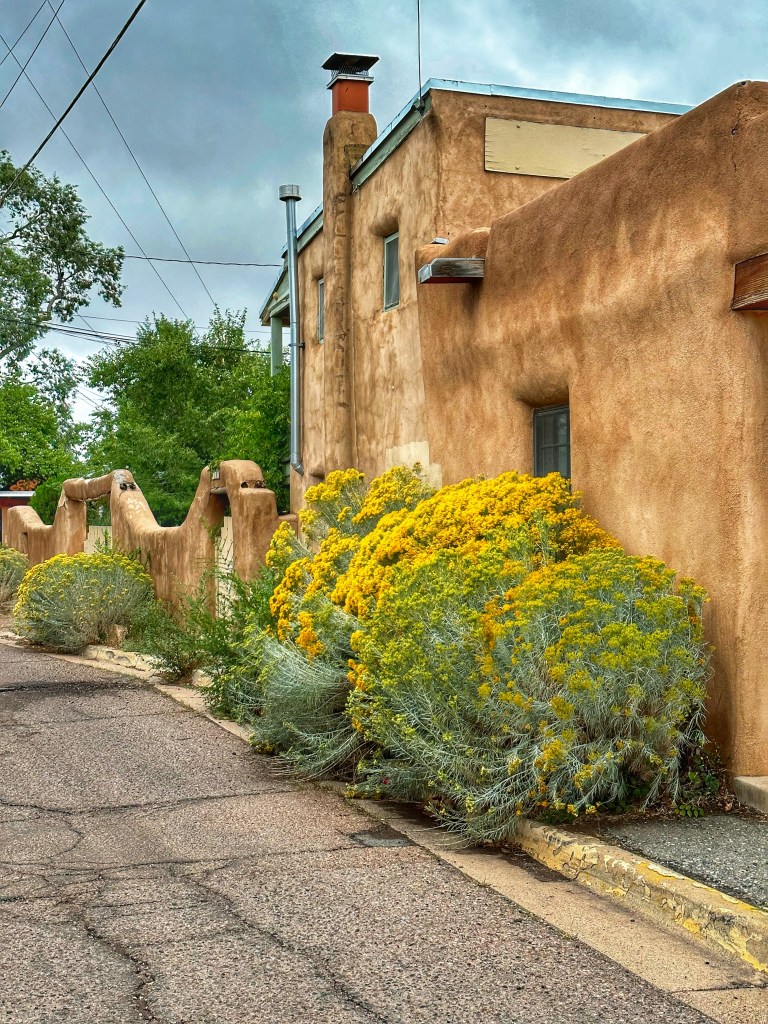
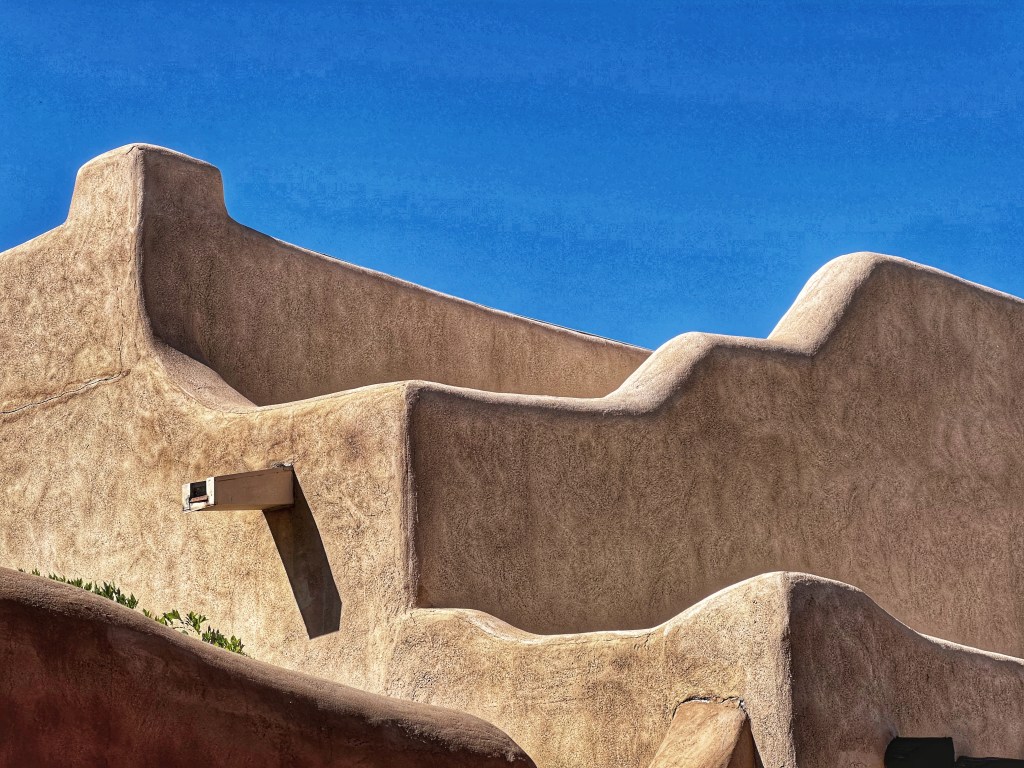
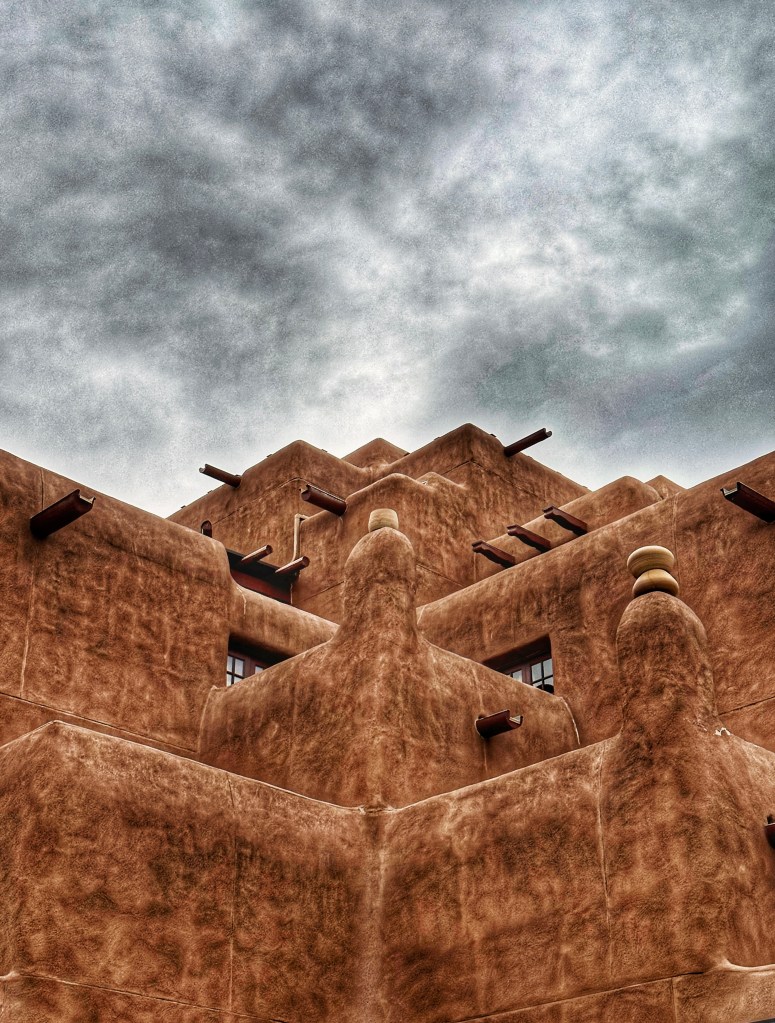
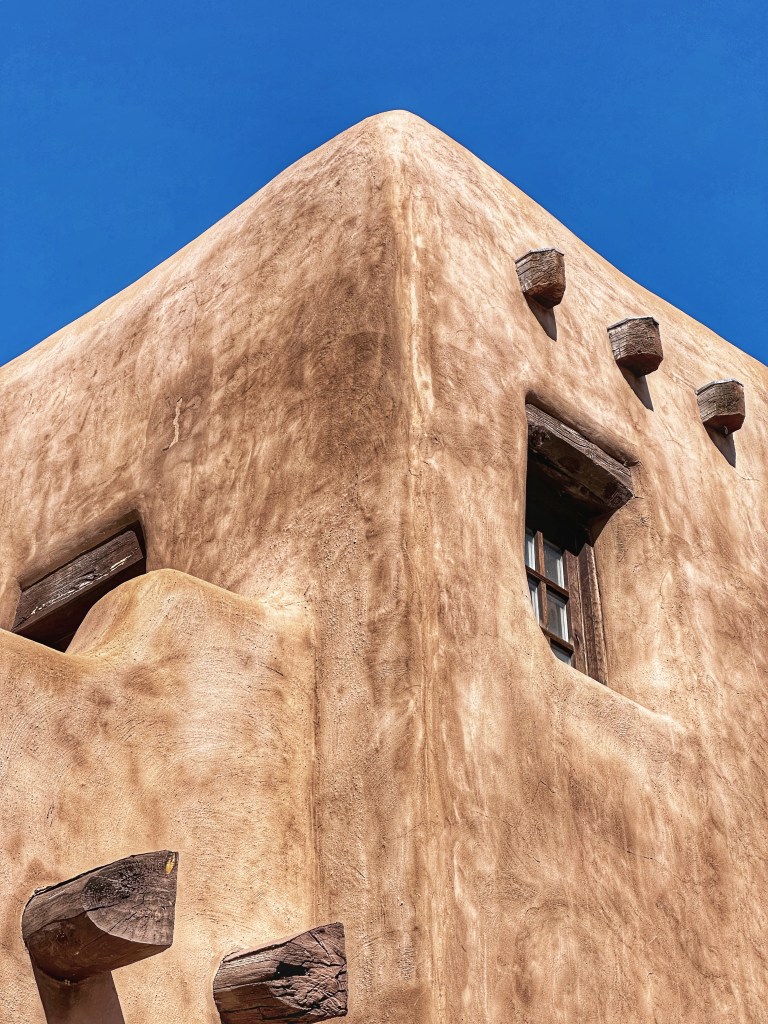
The area around the Santa Fe Plaza is a lovely mix of old and new adobe architecture.
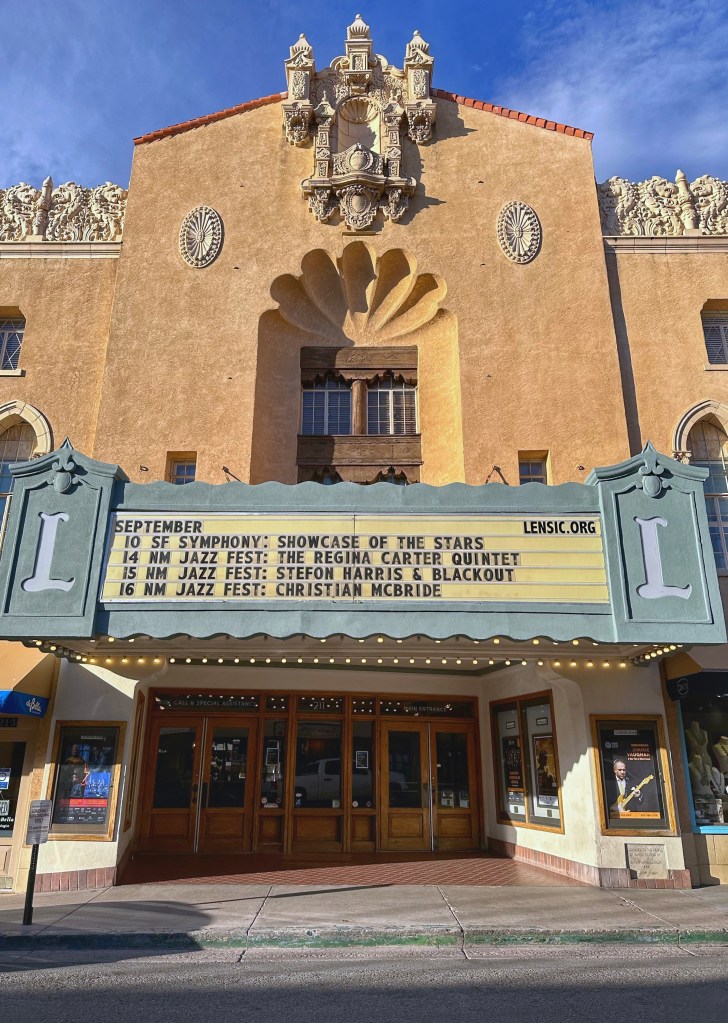
Close to the Plaza is the Lensic Theater, a “Spanish-Moorish” style theater built in 1931. In the 1990’s the theater closed for renovations and re-launched in 2001 after a multi million dollar renovation. It hosted this year‘s New Mexico Jazz Festival where we attended two wonderful performances.

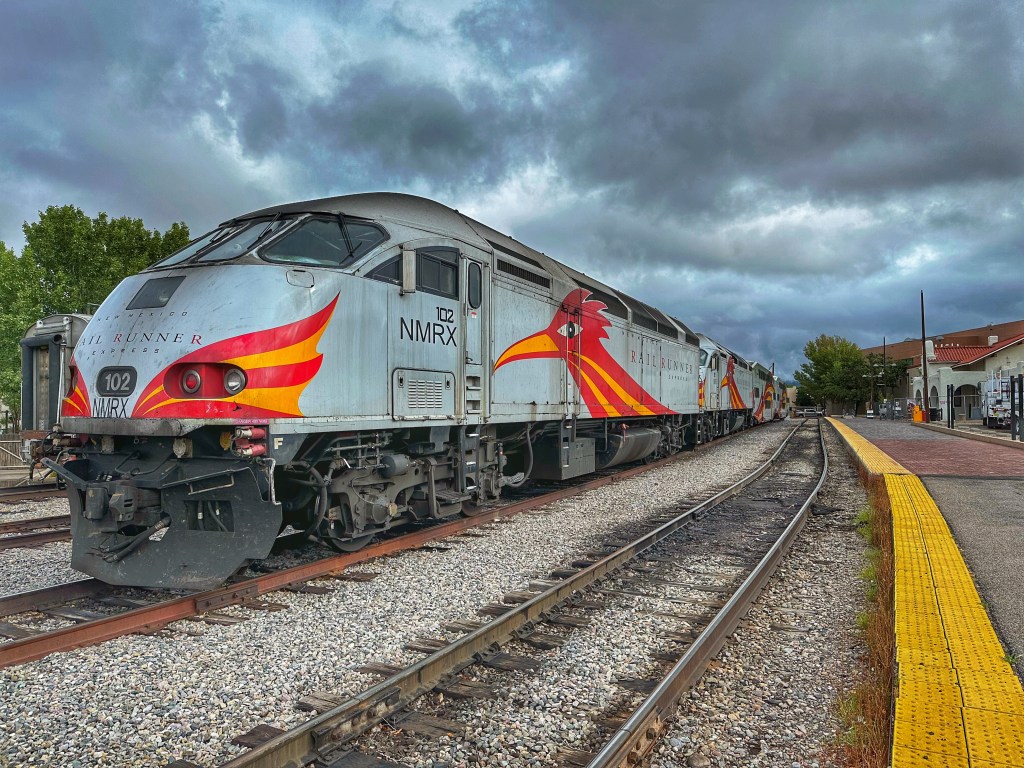
Not far from the Plaza is the Railyard District where a popular farmer’s market convenes twice a week.
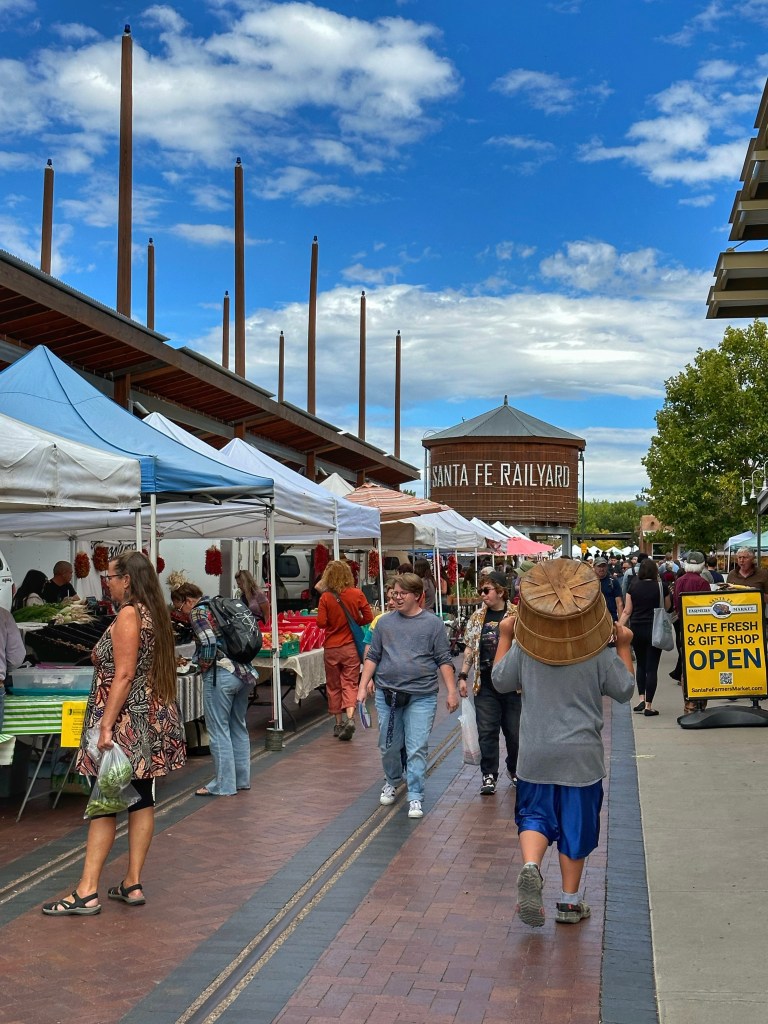
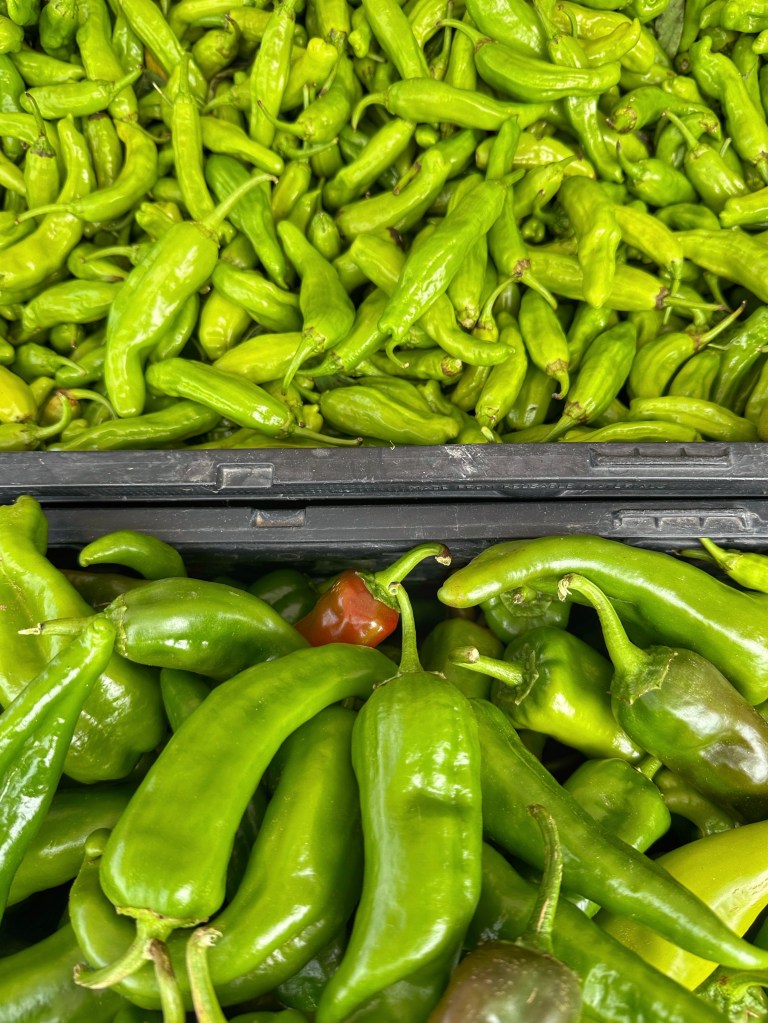
We love shopping the farmers market in the fall during chili pepper season. Nothing better then a New Mexican green chili.
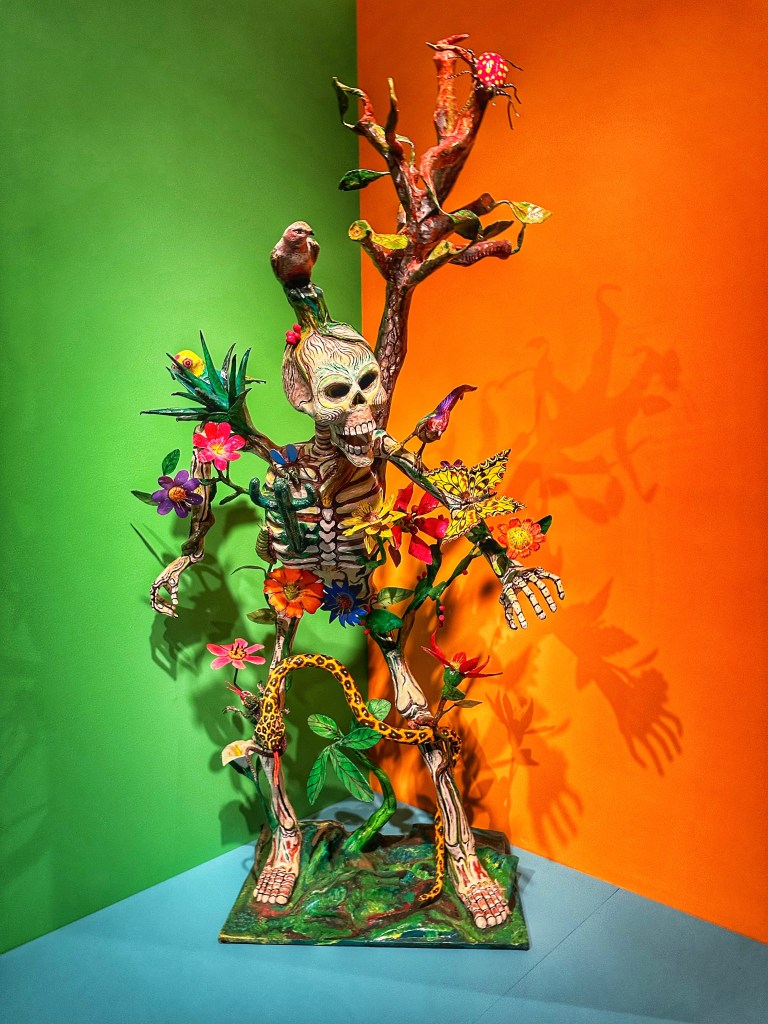
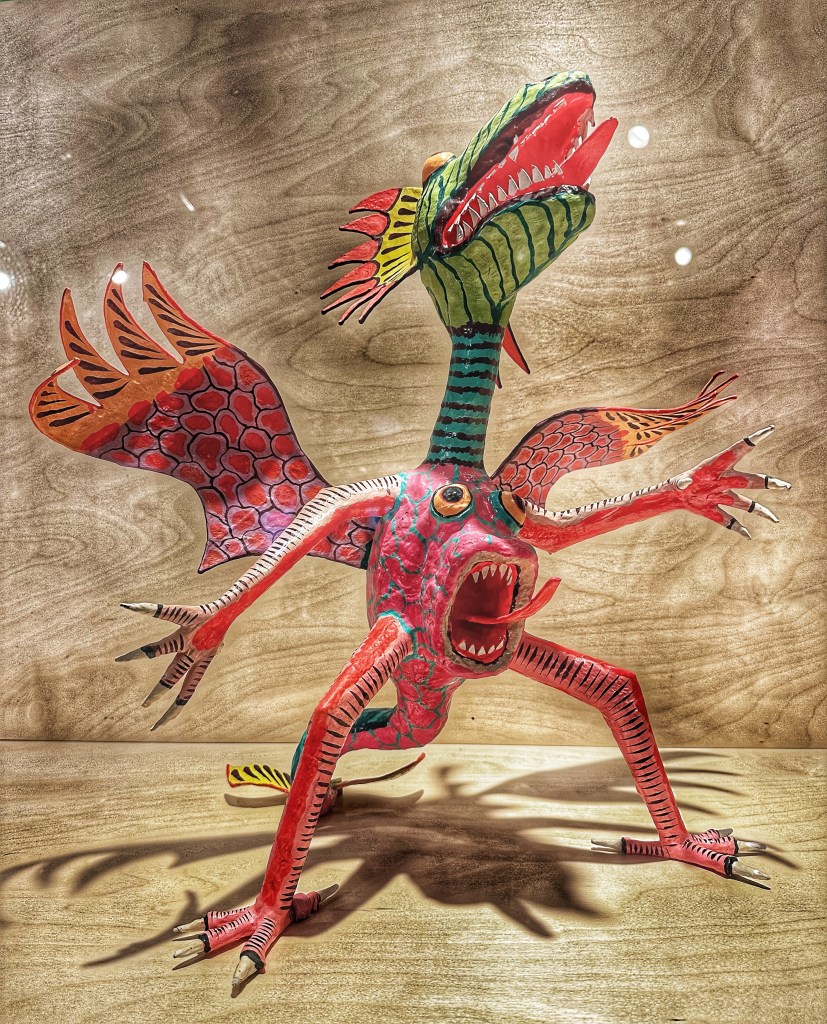
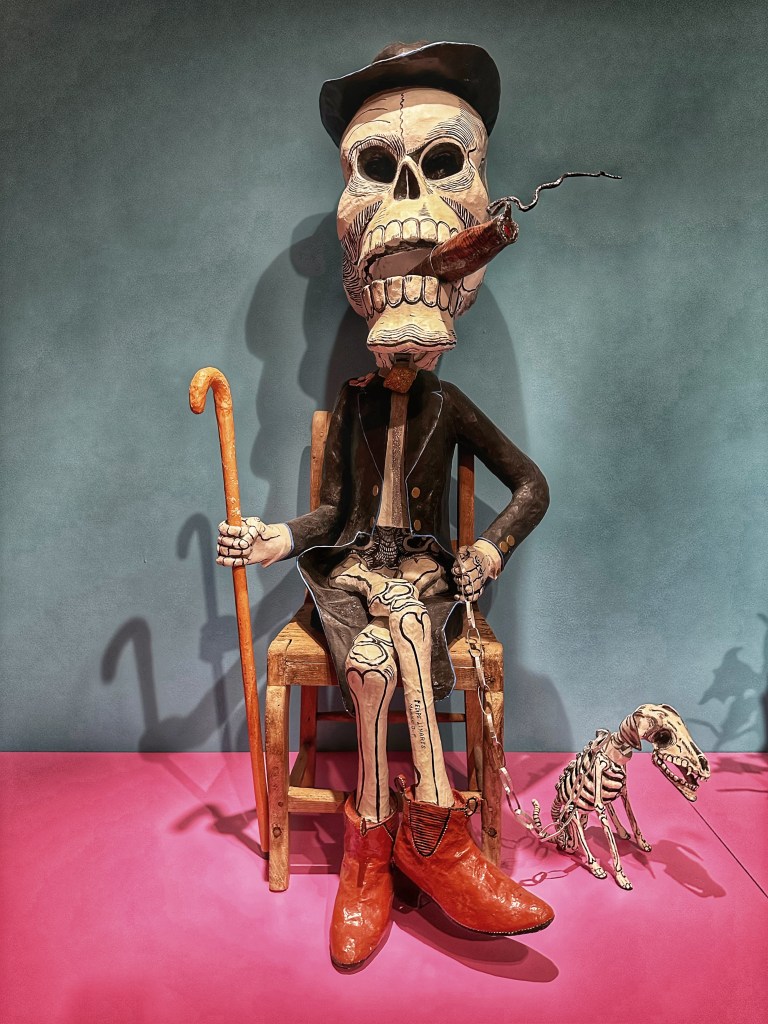
Santa Fe is a city steeped in art. Civic and private art galleries dot the city. On the east side of the city is an area known as Museum Hill. This is where you will find the International Museum of Folk Art and the Museum of Indian Arts and Culture among others. The Folk Art Museum was featuring an exhibit of Mexican Cartoneria. This work is created using paper and paste, papier-mâché. The technique is thought to have come to Mexico with the Catholic priests from Spain.
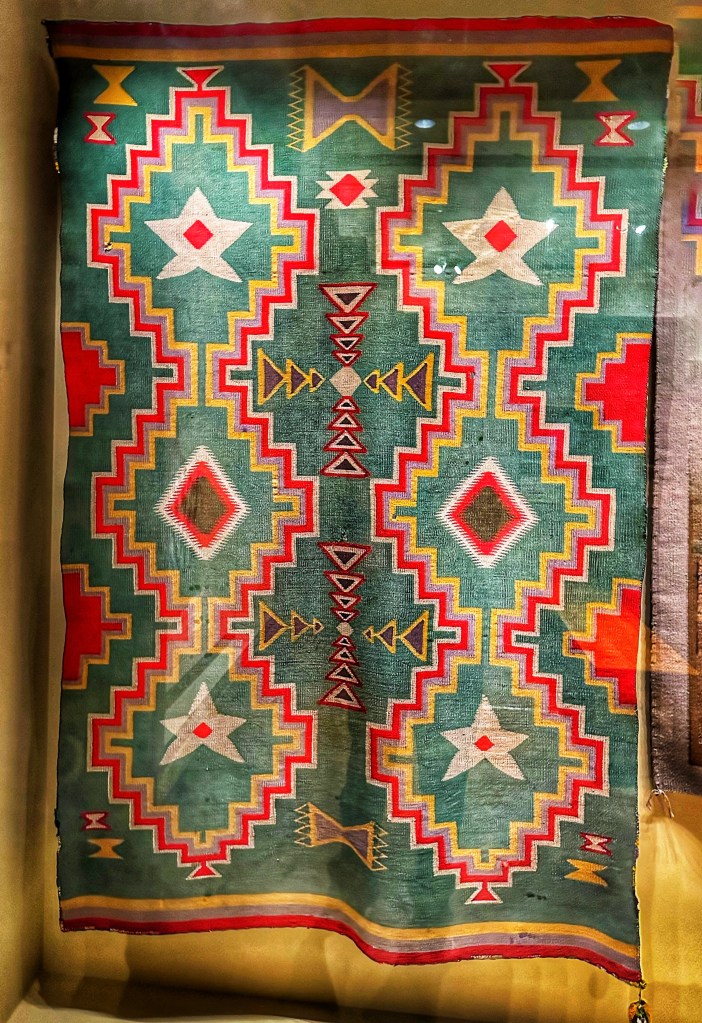
The Museum of Indian Arts and Culture featured antique and new Diné (Navajo) rugs.
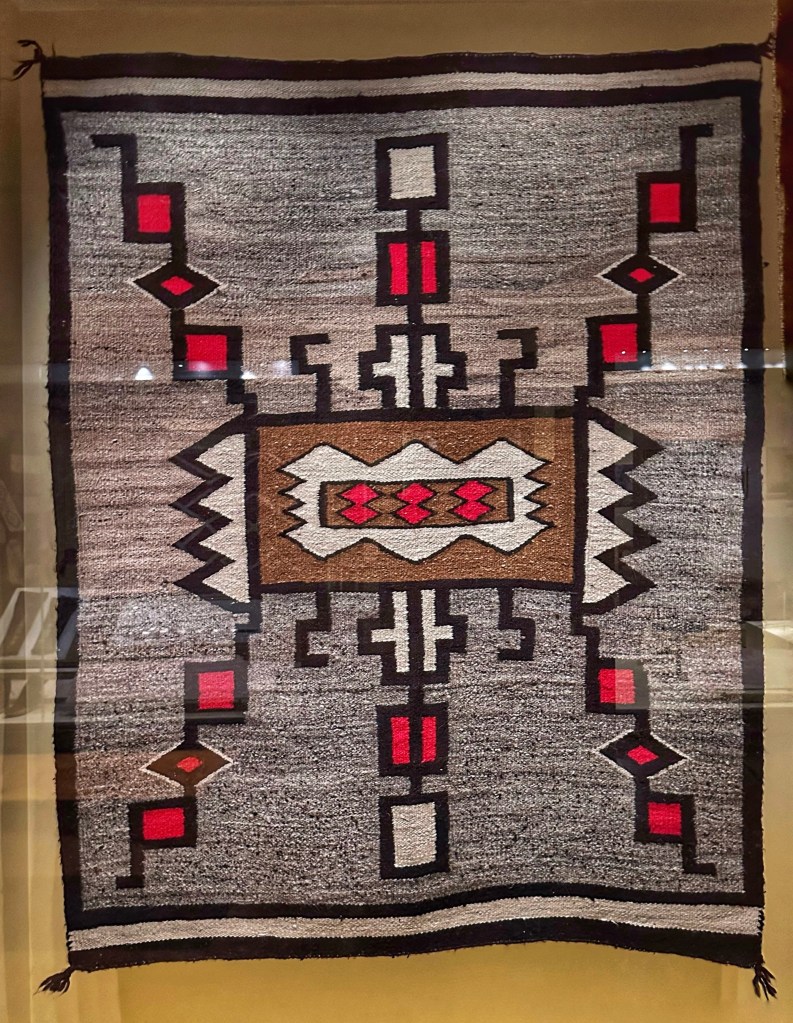
Storm Weaving (1936) by a male weaver known as The One Who Weaves
We plan on staying in Santa Fe for almost a month so this will be the first installment of the stay.
 Tincan Travels