We’ve driven through Kansas City, MO a number of times but have never spent any time there. This trip west we decided it was time to spend some time exploring the city and sample some of the city’s famed barbecue.
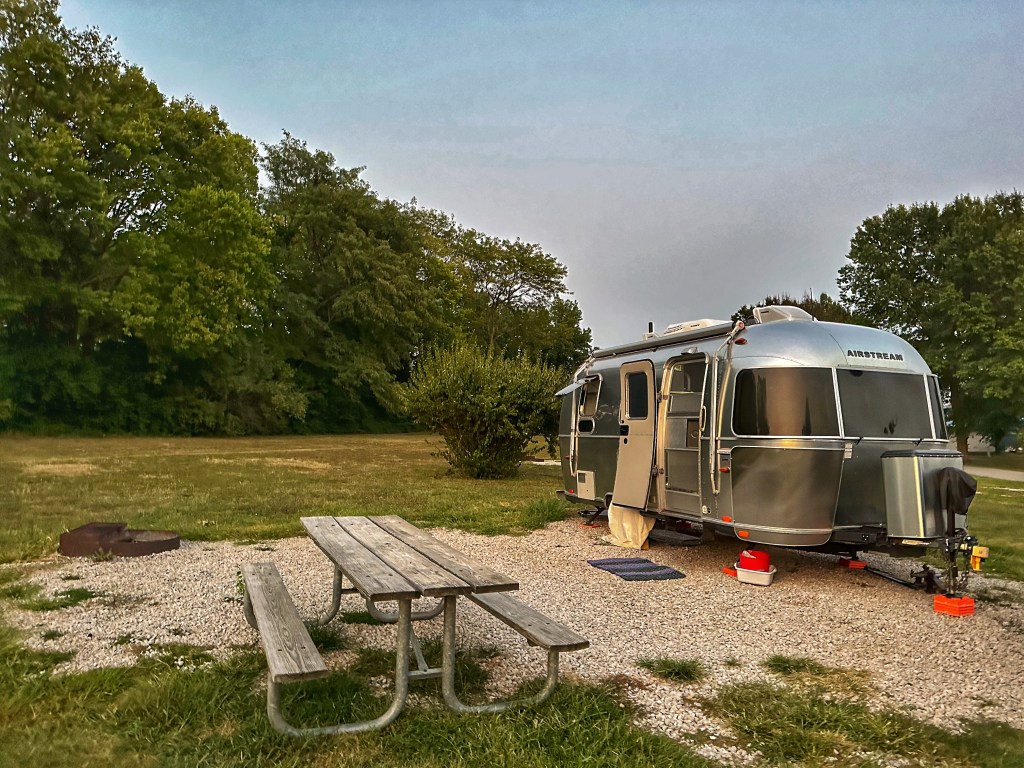
We set up camp south of the city in Longview Lake County Park.
In addition to barbecue we wanted to visit the American Jazz Museum and the Negro Leagues Baseball Museum located in Kansas City’s 18th & Vine entertainment district.
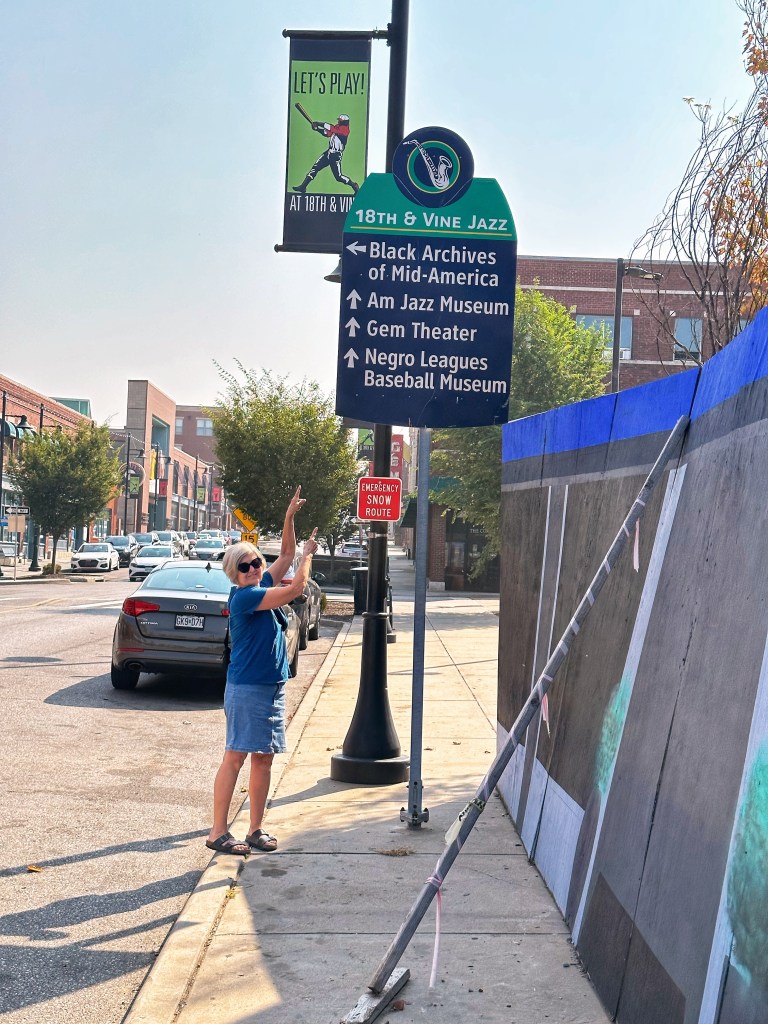
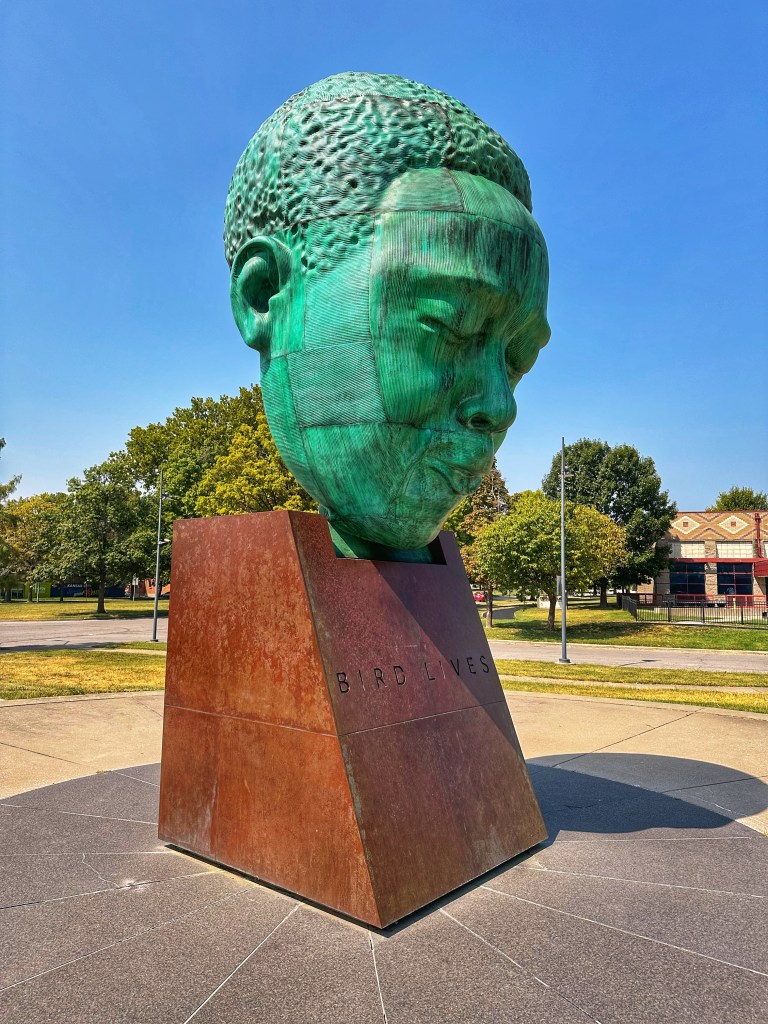
The American Jazz Museum celebrates all things Jazz with a focus on the rich history of the music in Kansas City.
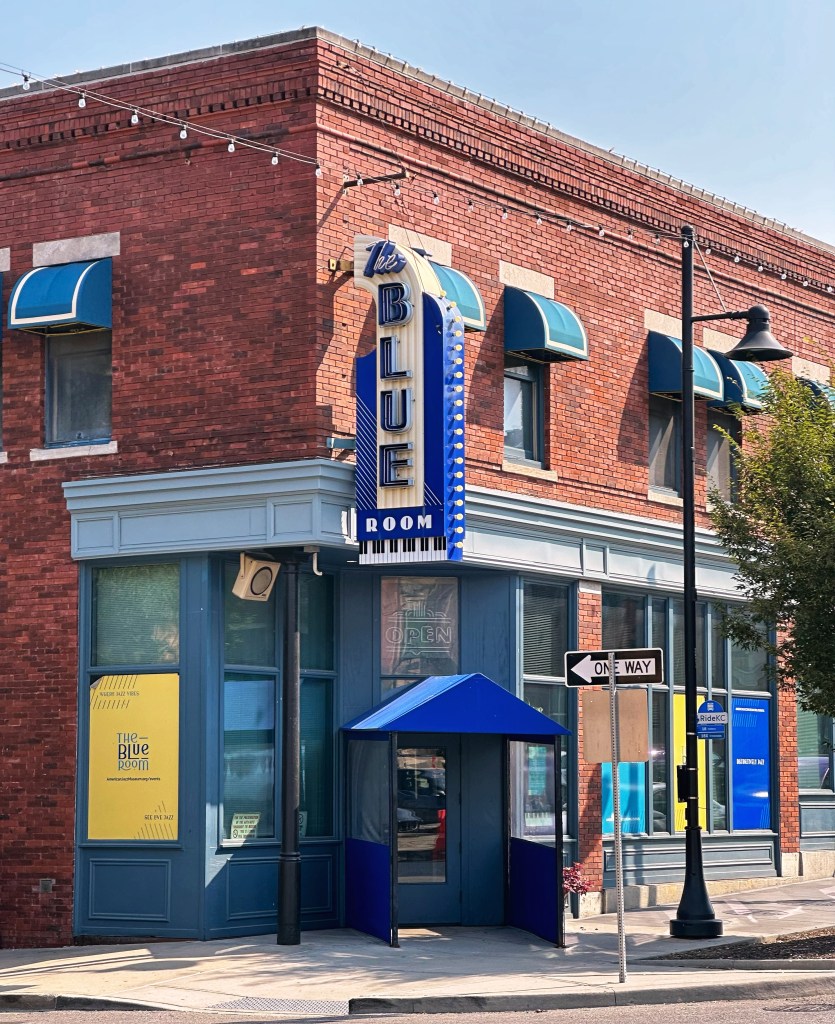
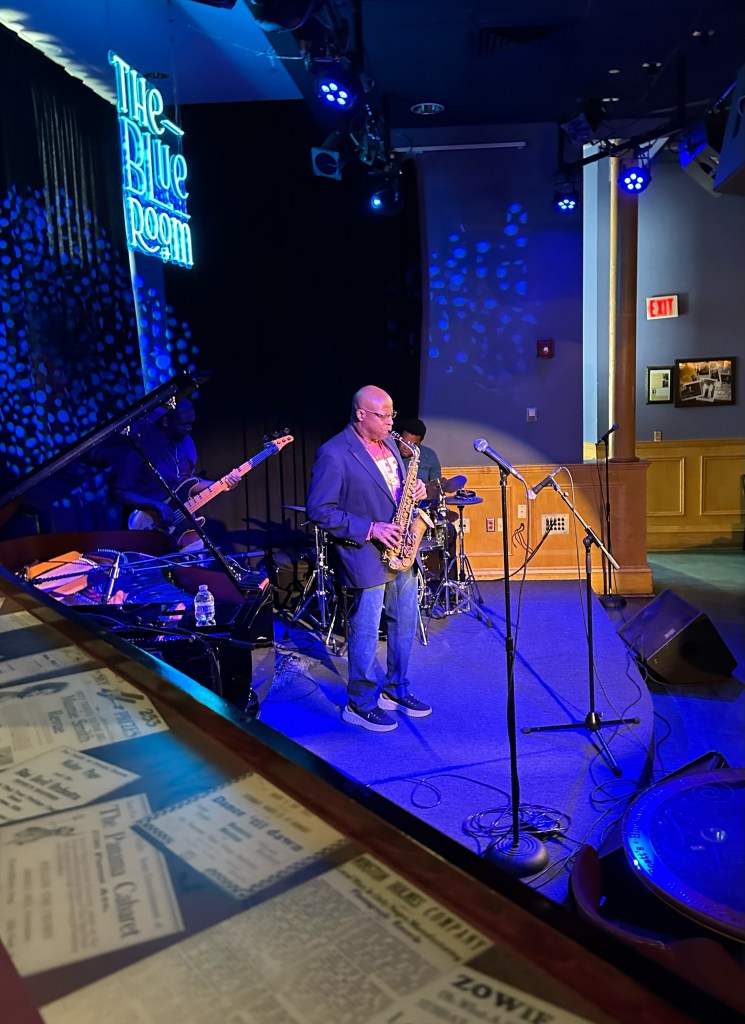
The Blue Room is part of the Jazz Museum and also a functioning Jazz club. Every day at noon a local Kansas City group performs for museum patrons. The day we visited we listened to the Jazz Disciples.
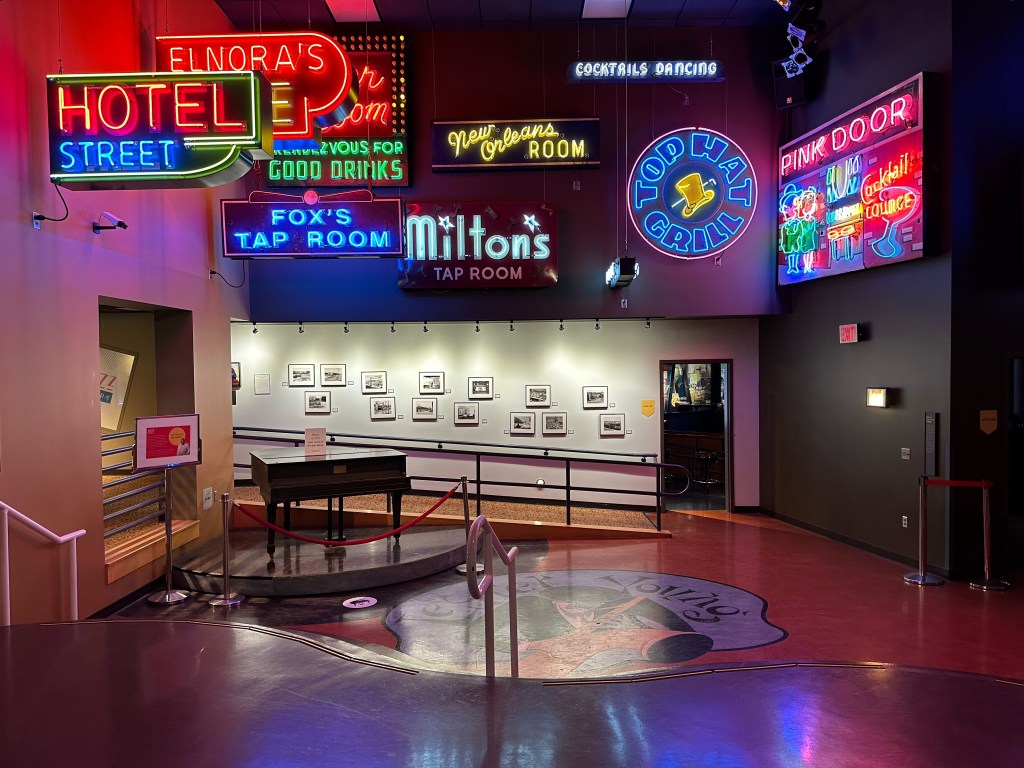
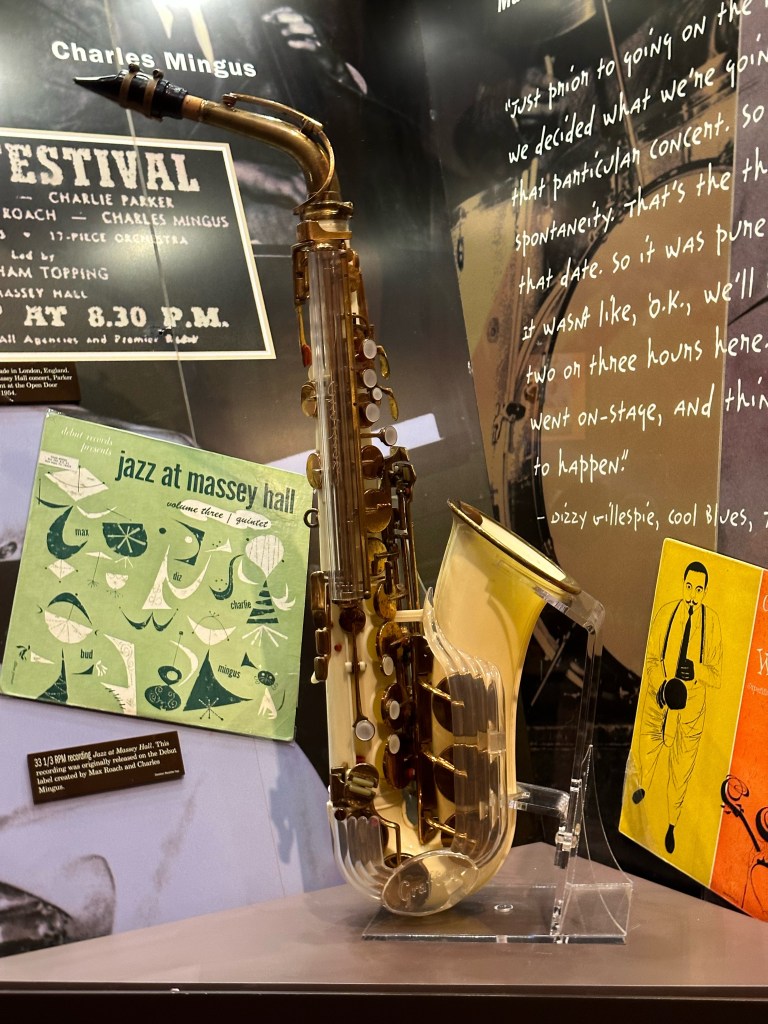
The museum is filled with lots of listening stations and performance footage. Historic artifacts however, were in short supply. They did have a Grafton plastic saxophone like the one Charlie Parker played on the famous Massey Hall recording from 1953.
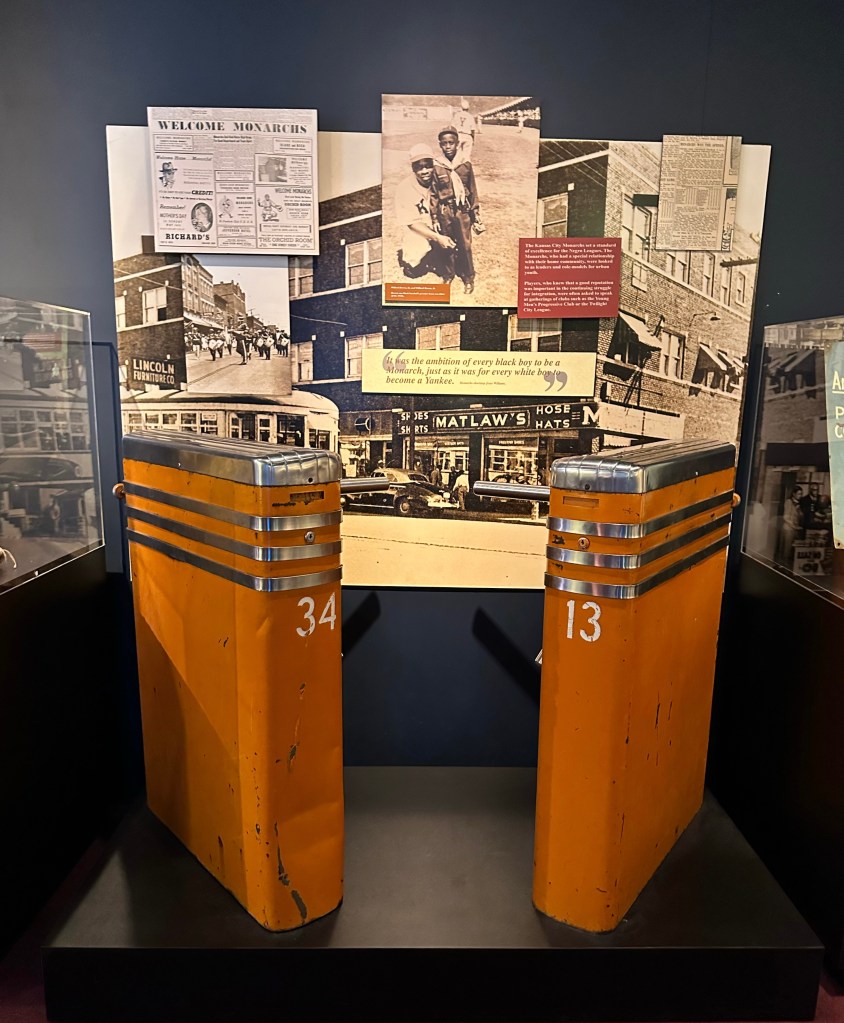
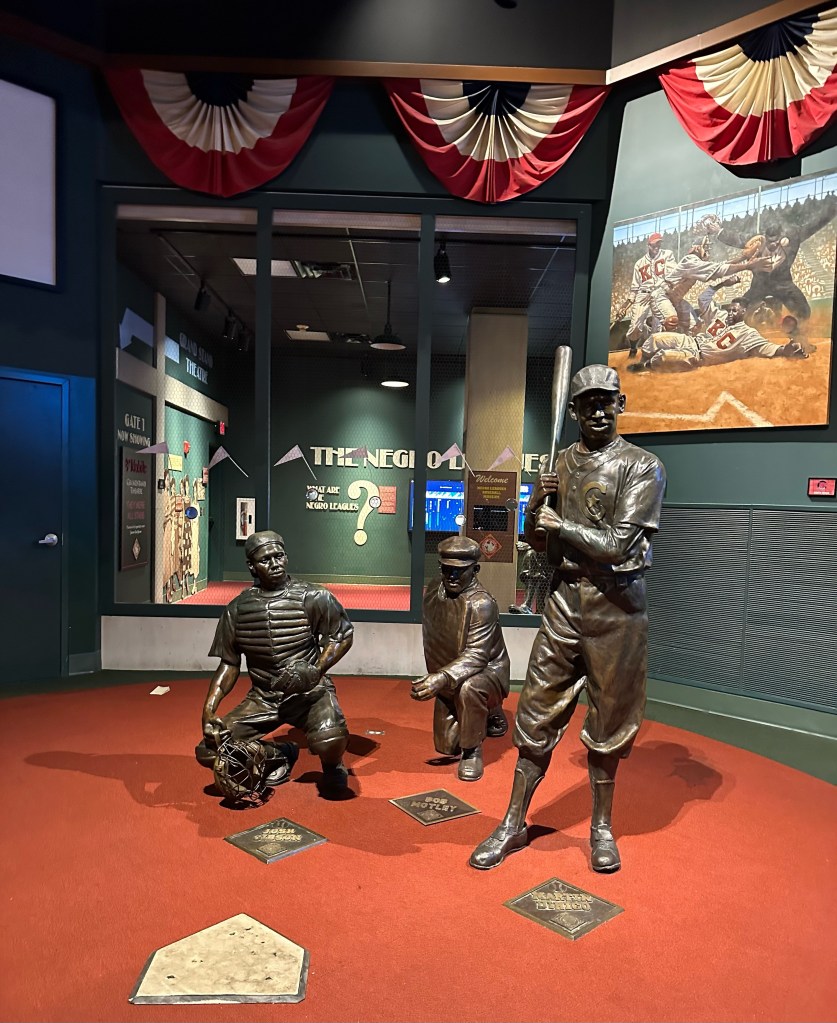
The Negro Leagues Baseball Museum shares the same building as the Jazz Museum. The museum traces the history of the Negro Leagues and celebrates the achievements of its players. The museum juxtaposes that history with United States history which makes for enlightening reading. The museum also features artifacts and interviews of former players.
Kansas City is well known for its barbecue. It all comes down to the sauce. KC style sauces are thick and sweet. The recipe usually includes a base made of tomato and molasses. The sauce is cooked into the meat or brushed on immediately after cooking.
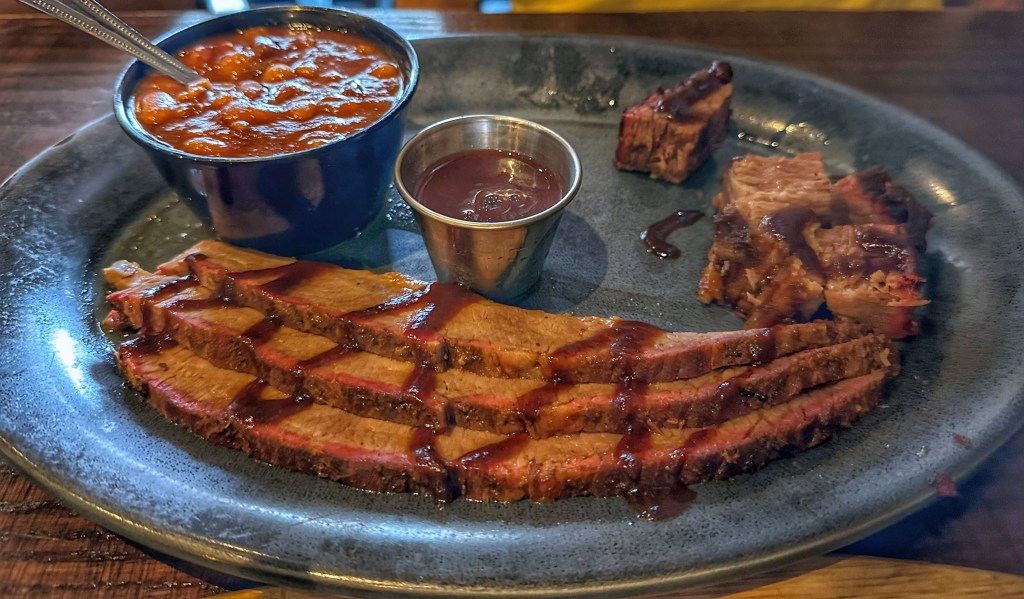
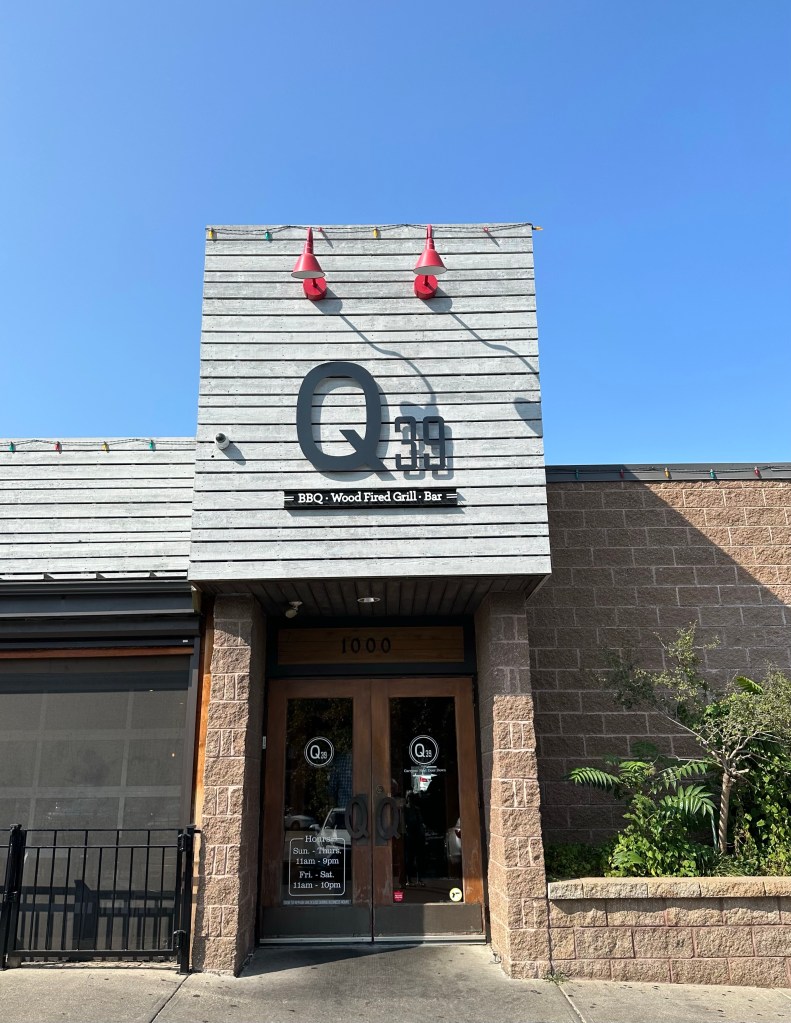
We tried a number of barbecue establishments but the one that topped our list was Q39 a newish restaurant (open for nine years) in midtown Kansas City.
During our Kansas City stay the temperatures reached into the 90’s. We decided to spend some time in air conditioned art galleries.
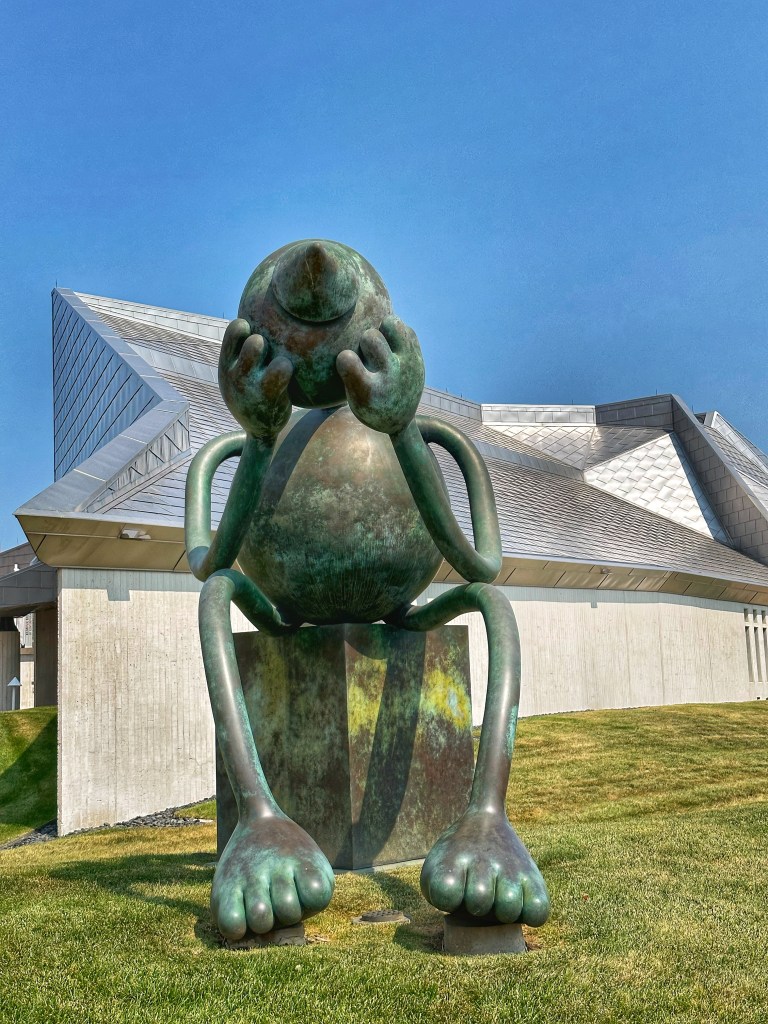
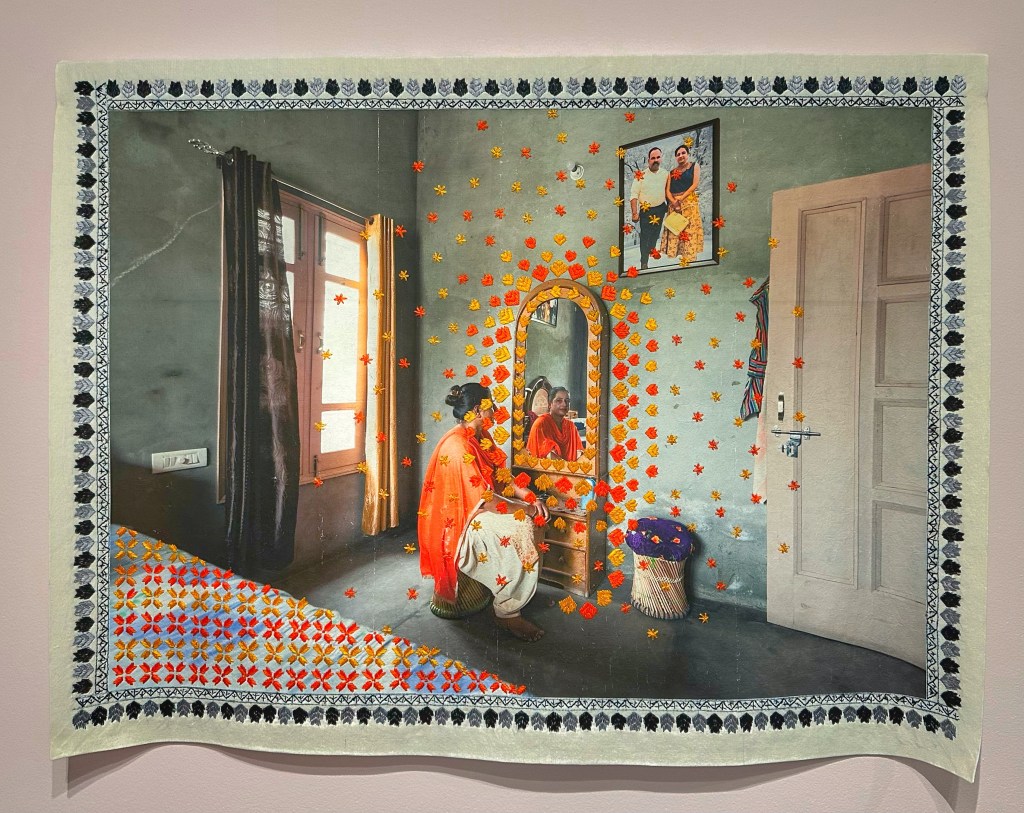
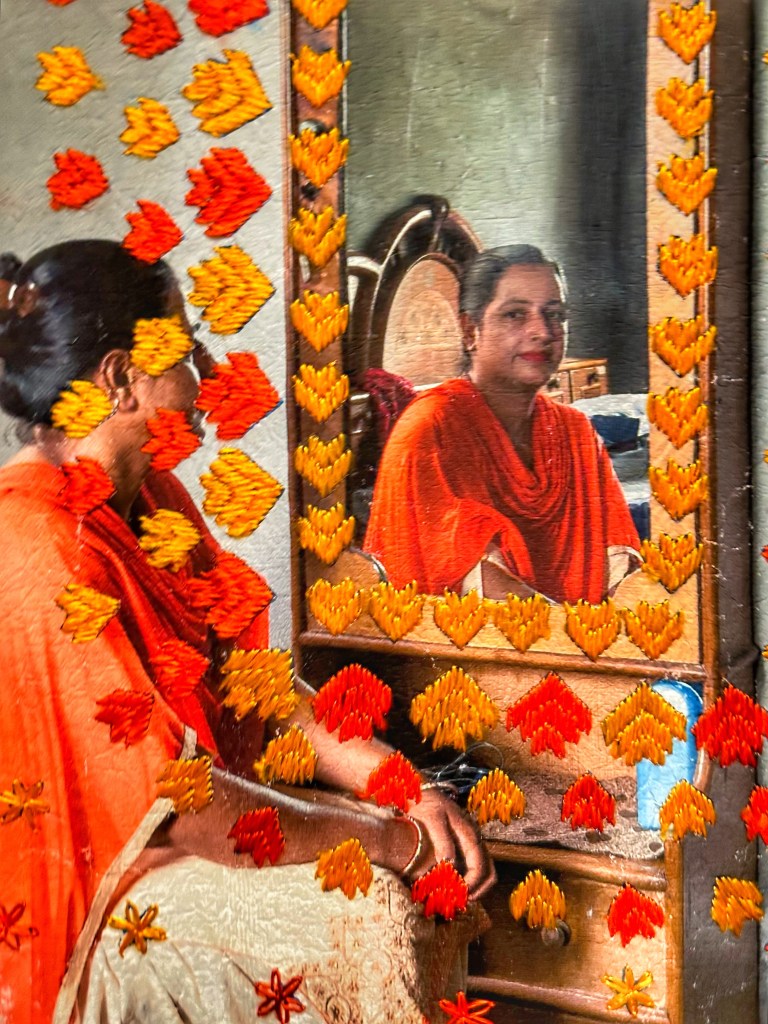
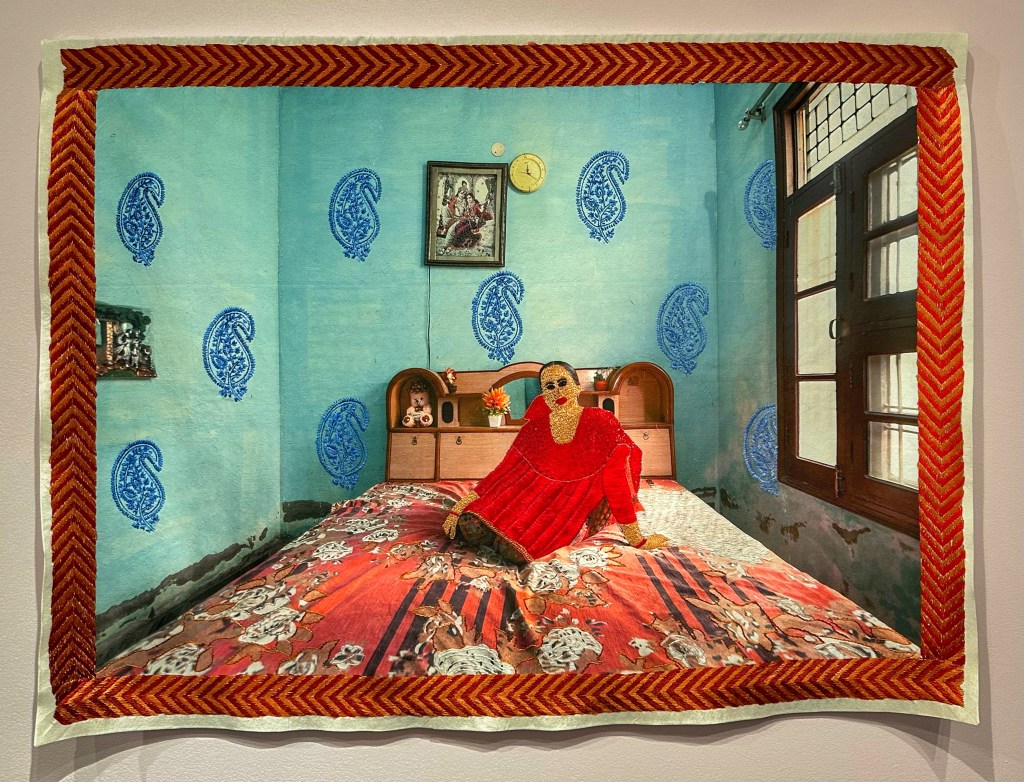
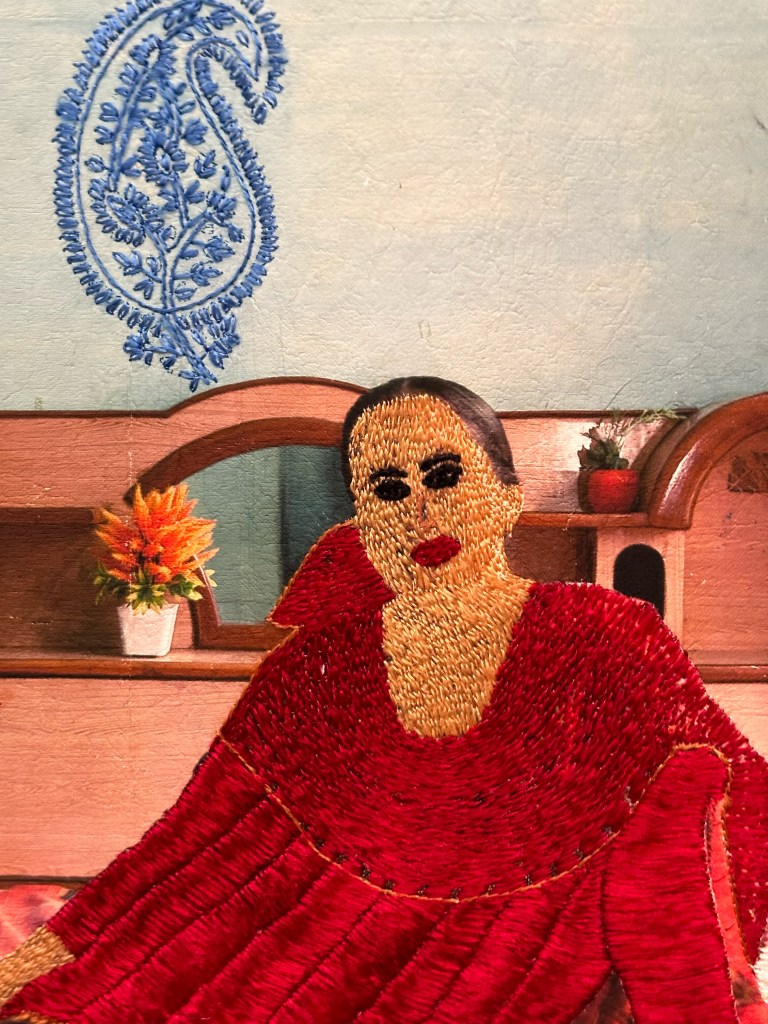
The Kemper Museum of Contemporary Art opened in 1994 and is Missouri’s largest contemporary art museum. They were featuring the work of Spandita Malik an Indian photographer and her collaboration with women across North India. Her subjects are survivors of domestic and gender based abuse. The portraits are printed on khaadar fabric and the women are asked to embroider their own portraits. In this way the women claim agency over their portrayal.
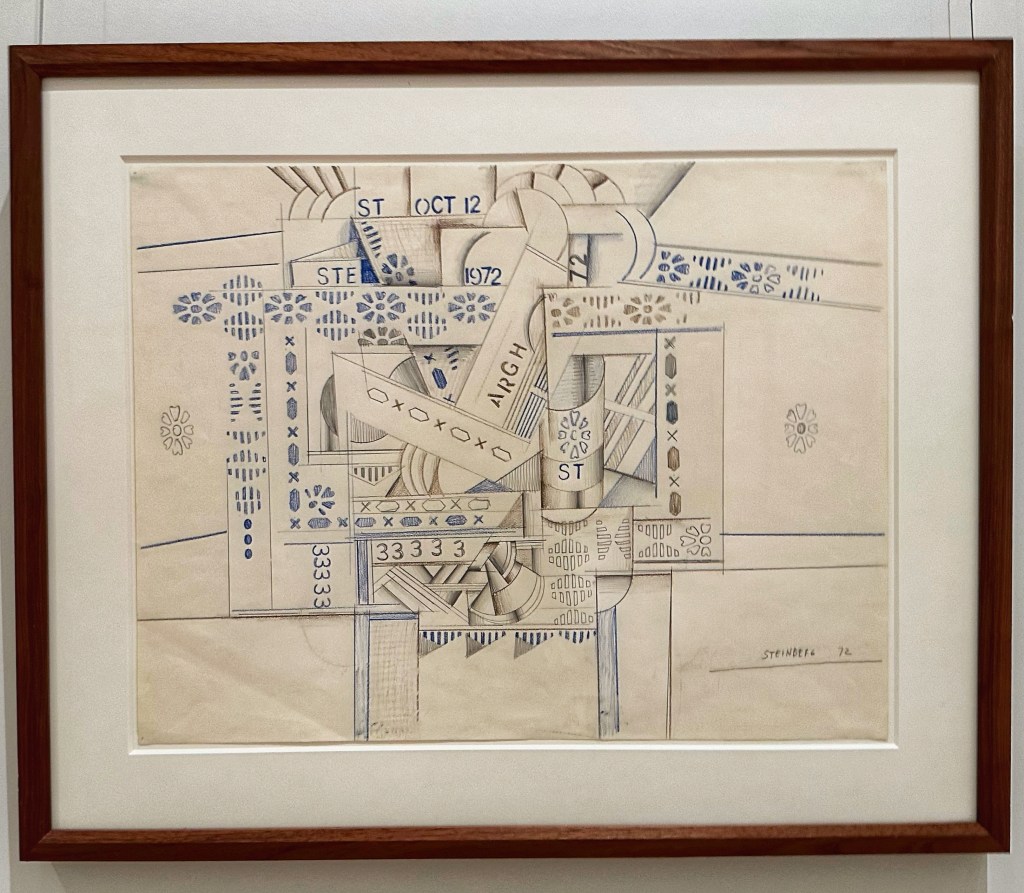
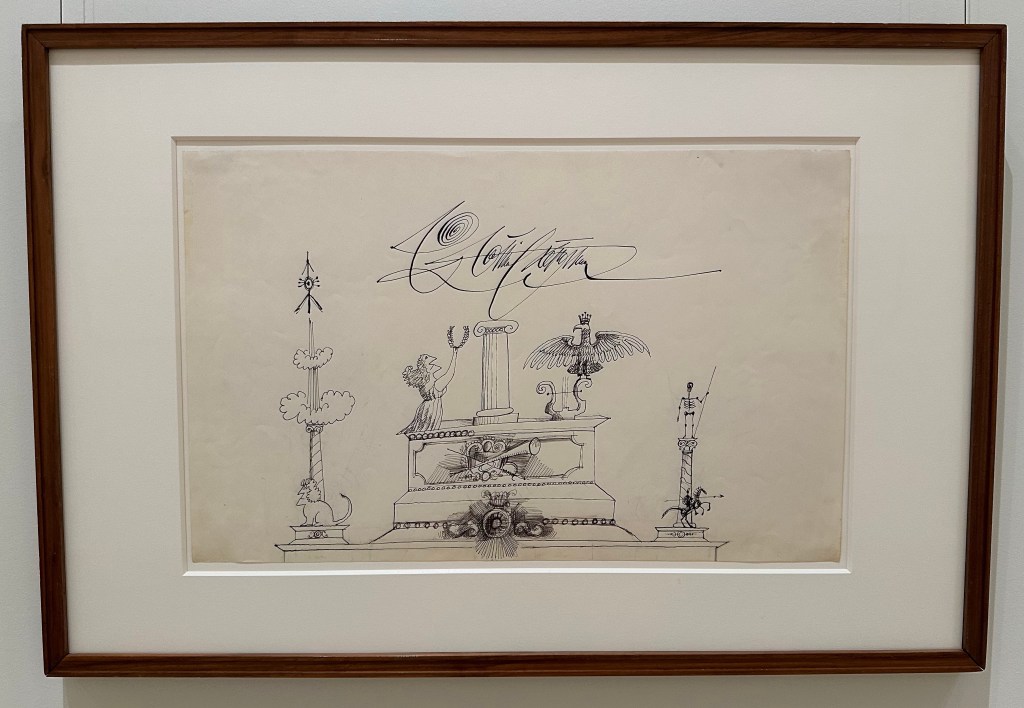
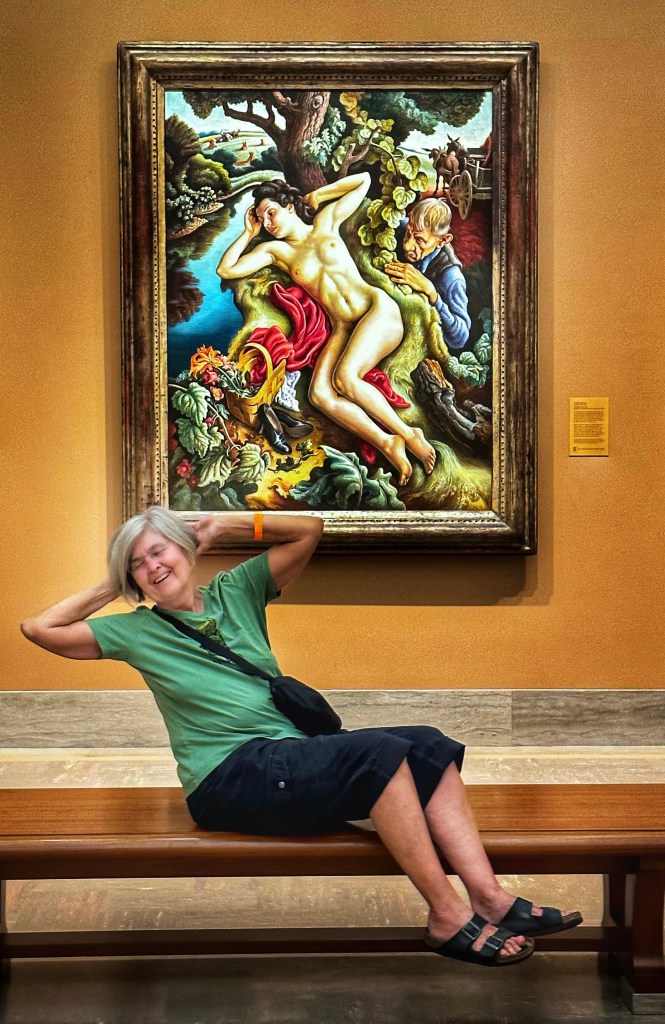
We left the Kemper and walked a short distance to the Nelson-Atkinson Museum of Art. The museum is known for its extensive collection of work from around the world. The museum was far too large to see everything in the time we had. We focused in on the work of Saul Steinberg(1914-1999) and Thomas Hart Benton(1889-1975). Steinberg is best known for the New Yorker Magazine covers he created. Benton was known as a leader in the regional art movement where he portrayed everyday people going about their lives.

In the 1830’s the town of Westport was established along the Missouri River. The site was chosen as a place to outfit pioneers on the Santa Fe trail. In 1838 a group of investors bought up property along the river front. The area included Westport and was incorporated in 1850 as the Town of Kansas, named after the local Kansa Indians. The state of Missouri renamed it the City of Kansas and later Kansas City. At the time of its naming the territory on the other side of the river was part of an unorganized territory. The Territory of Kansas was established in 1861.They named their side of the river Kansas City in 1872 after statehood was granted.
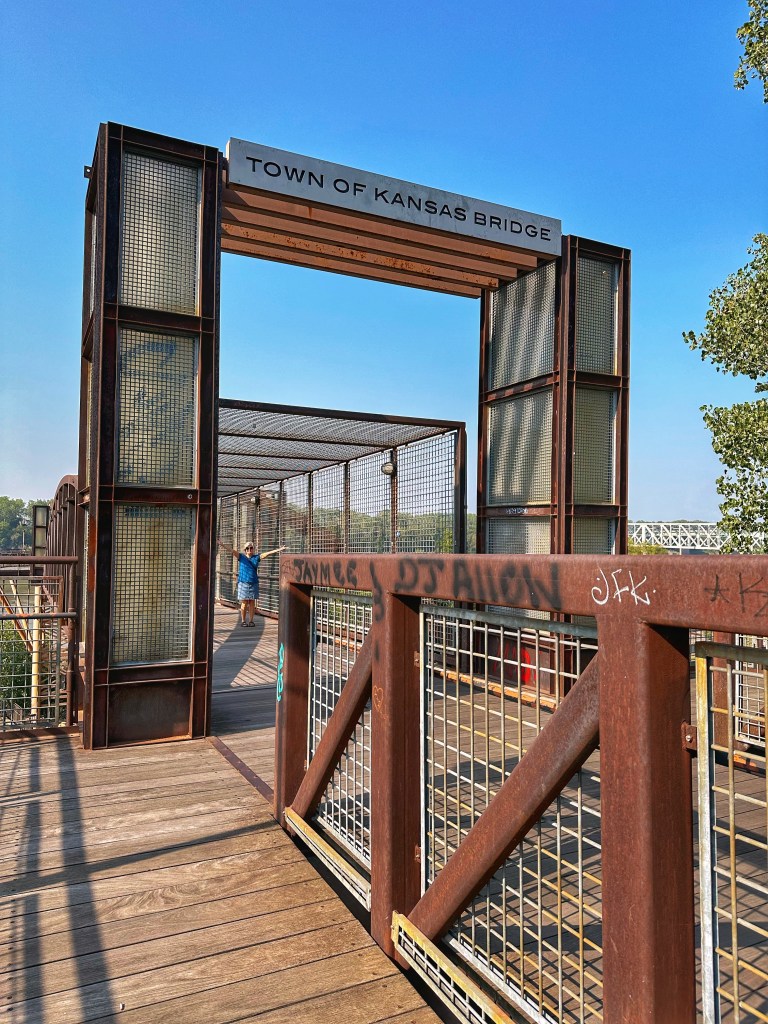
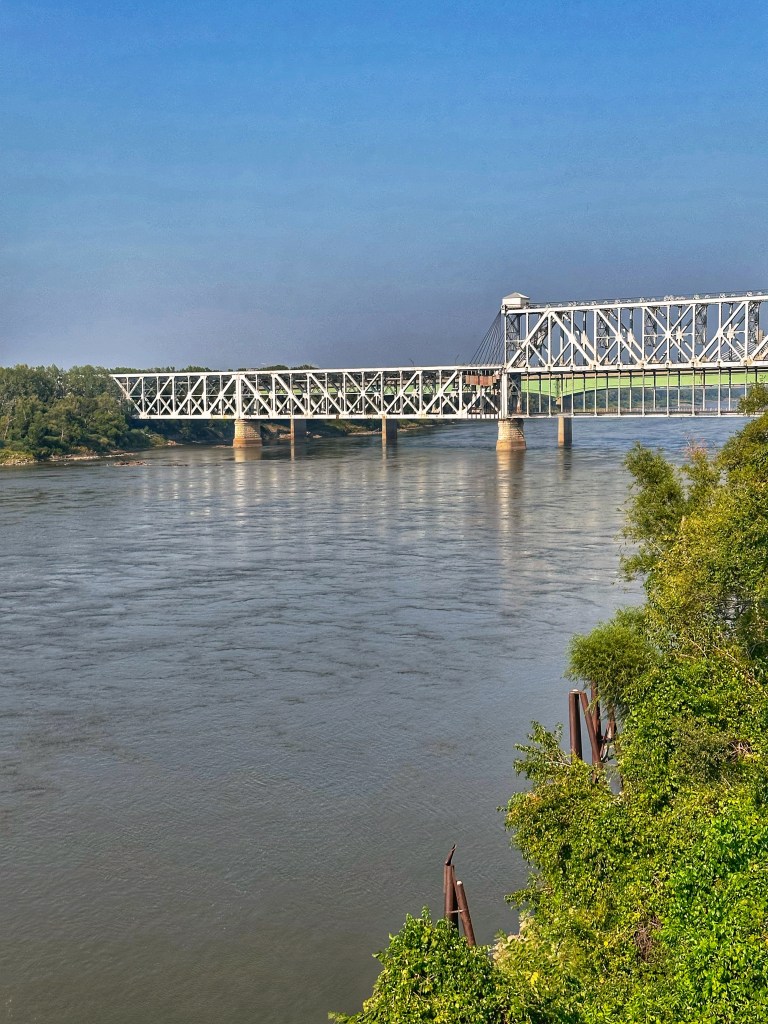
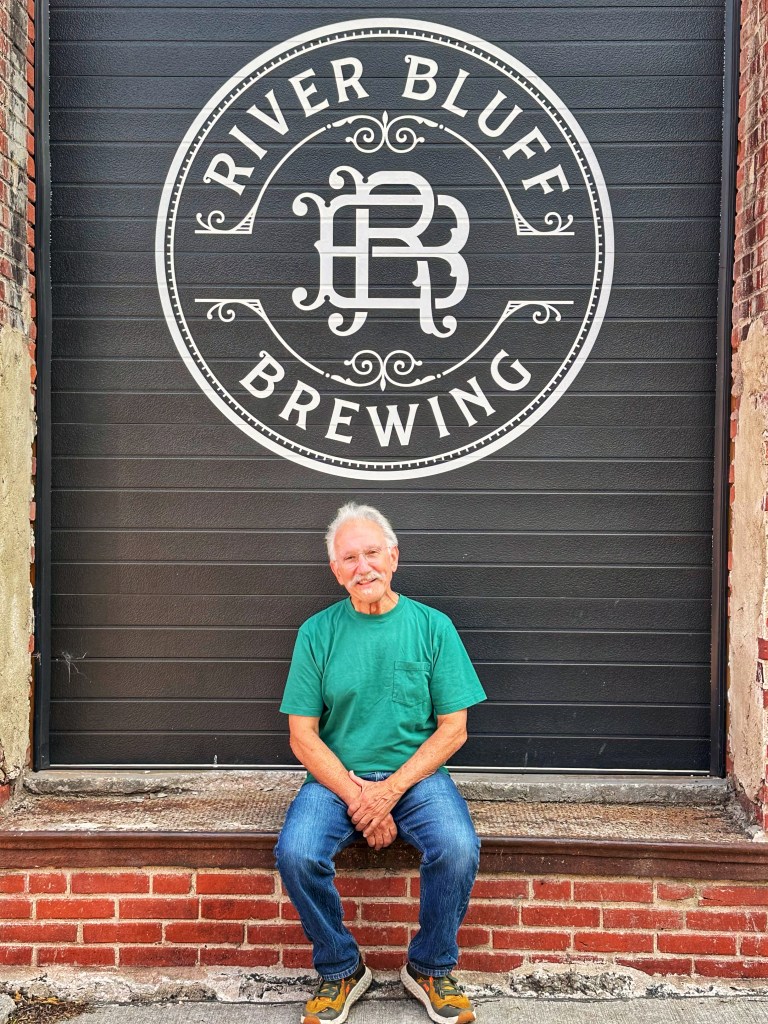
This bluff along the river is populated by old industrial sites that are being converted into loft spaces and businesses. A local brewery nearby called out for exploring.
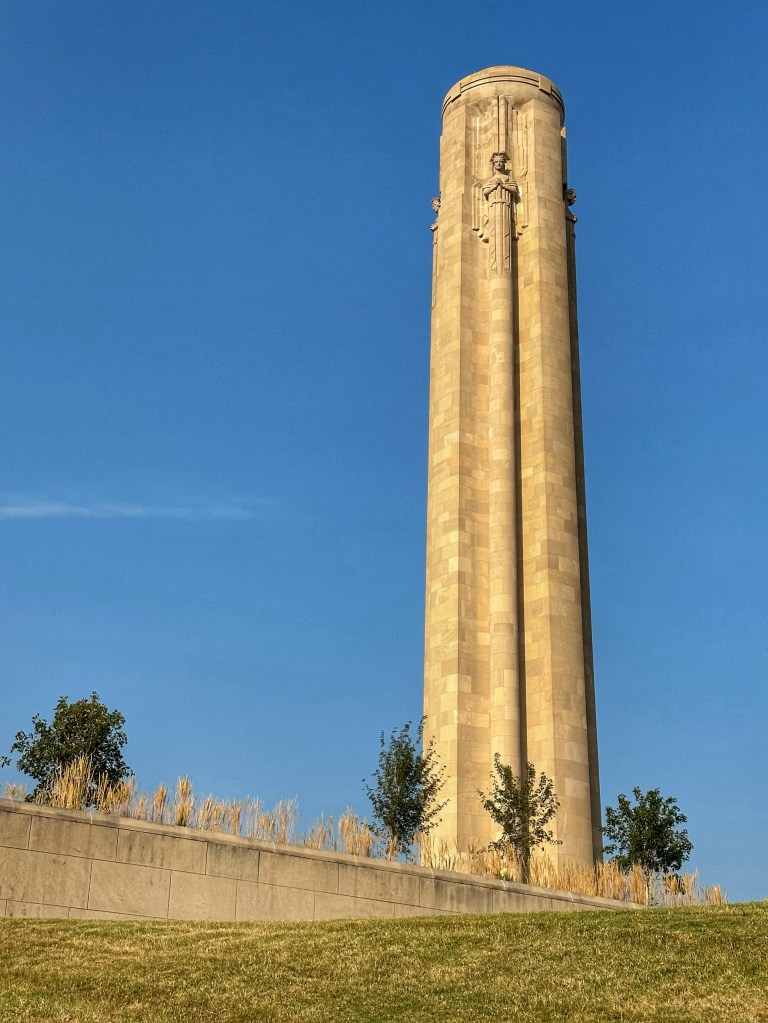
The National WWI Museum and Memorial is located in Kansas City. They claim to house the world’s most comprehensive WWI collection. It was closed by the time we got there so I can’t verify that claim but the grounds were beautiful.
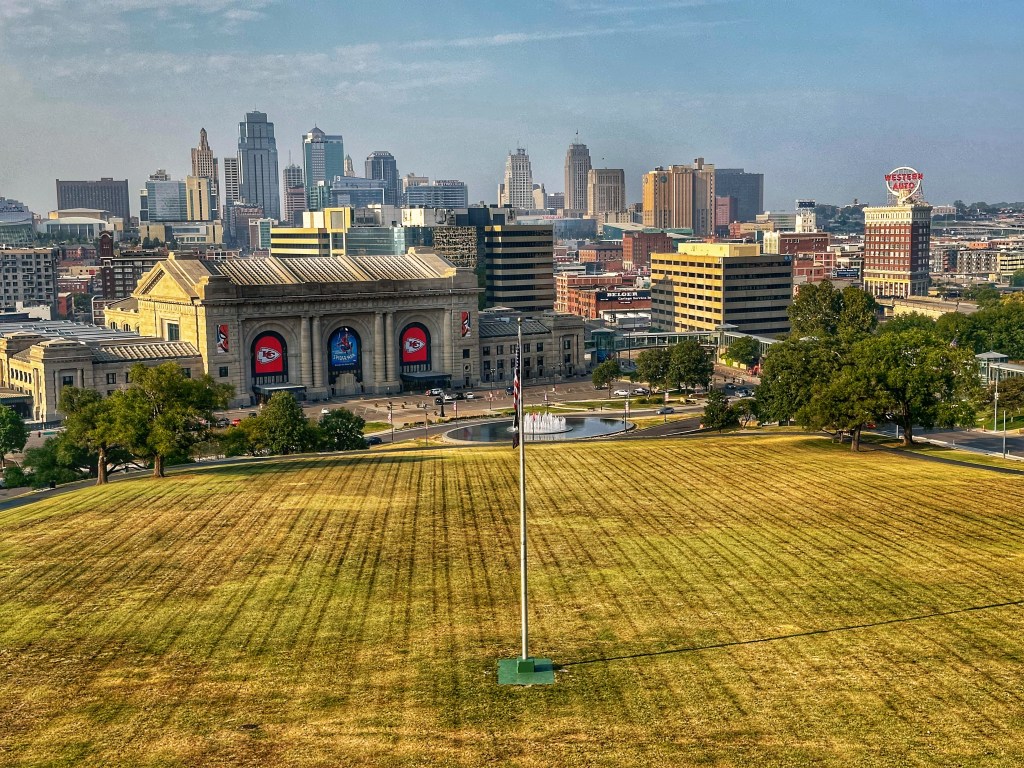
Kansas City was bigger and grittier then we expected. We felt that we just scratched the surface of what the city had to offer. A return trip is certainly in order.
 Tincan Travels
Love, love, LOVED the photo of Pat in front of the Persephone painting.
LikeLike
love the “pose” and especially the embroidered woman’s project
went to Paris (Ontario) for our 25th, canoed and biked for miles along the Grand River and stayed in a tiny house; bought some interesting earrings made by women’s cooperative in Brazil made of braided “golden grasses”…have fun, happy trails! Joanne
LikeLike
Looks like you had a great few days, I have always wanted to go to those museums? Think Geddy Lee has contributed to The Negro league hall of fame.
Keep on keeping on
4 Storeys
LikeLike
Persephone Pat – beautiful!
Is the barbecue really better than the Cap’n??
LikeLike
BBQ always great in KC or Omaha!
LikeLike
Good to see you two are back on the road! Happy Trails!
LikeLike