When we travel we don’t linger in one spot for to long. Our reluctance to stay put is a fear of running out of places to explore. That has not been the case here at Myakka River State Park or this part of the Florida coast.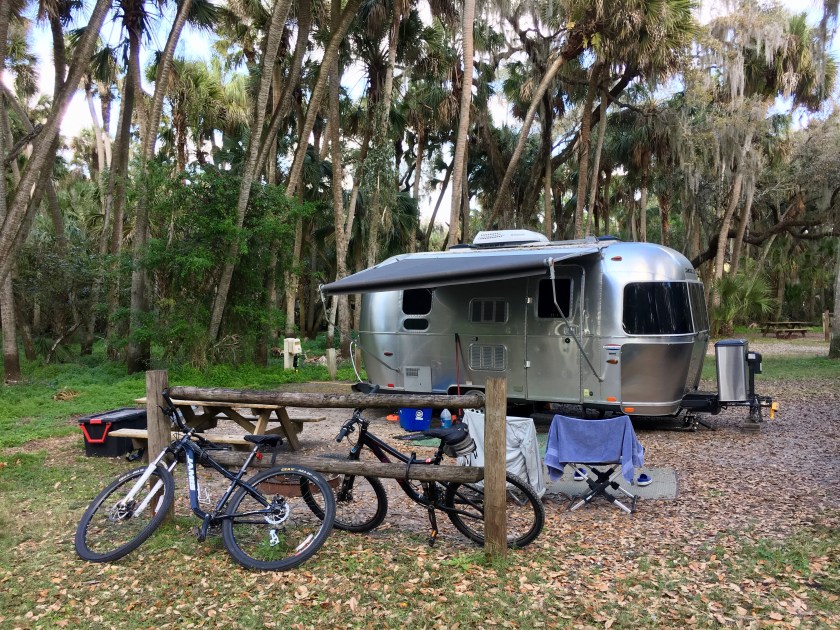 We’ve enjoyed visiting with friends, hanging around camp and filling our days with lots of hiking, biking and wildlife viewing.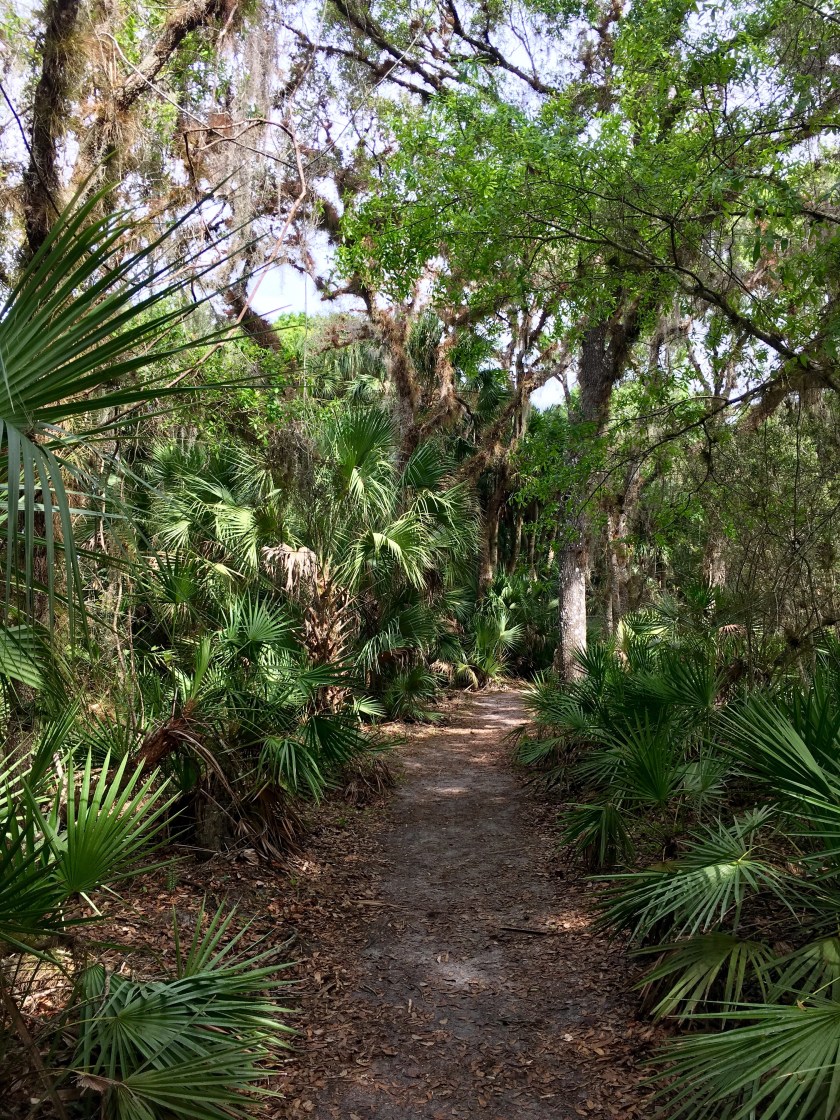
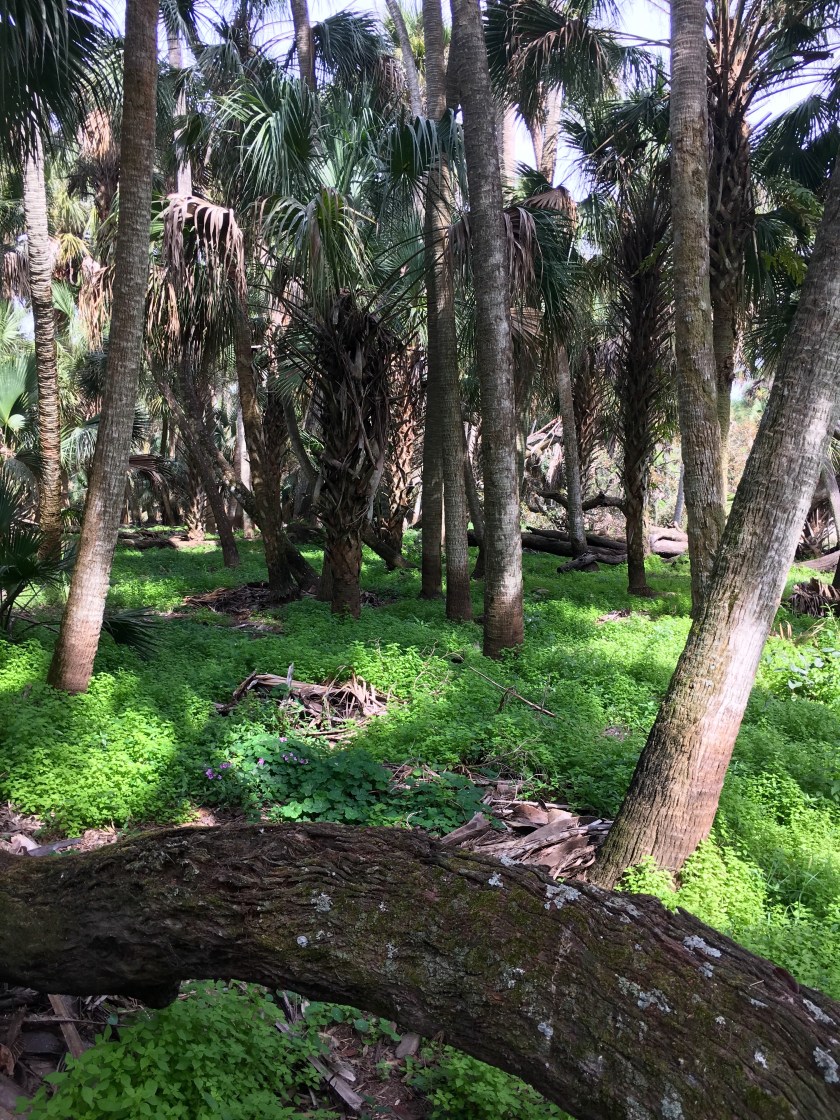
Apparently vulture poop is quite fertile-This green grass grows under the trees where they roost every evening. It also happens to be right behind our campsite.
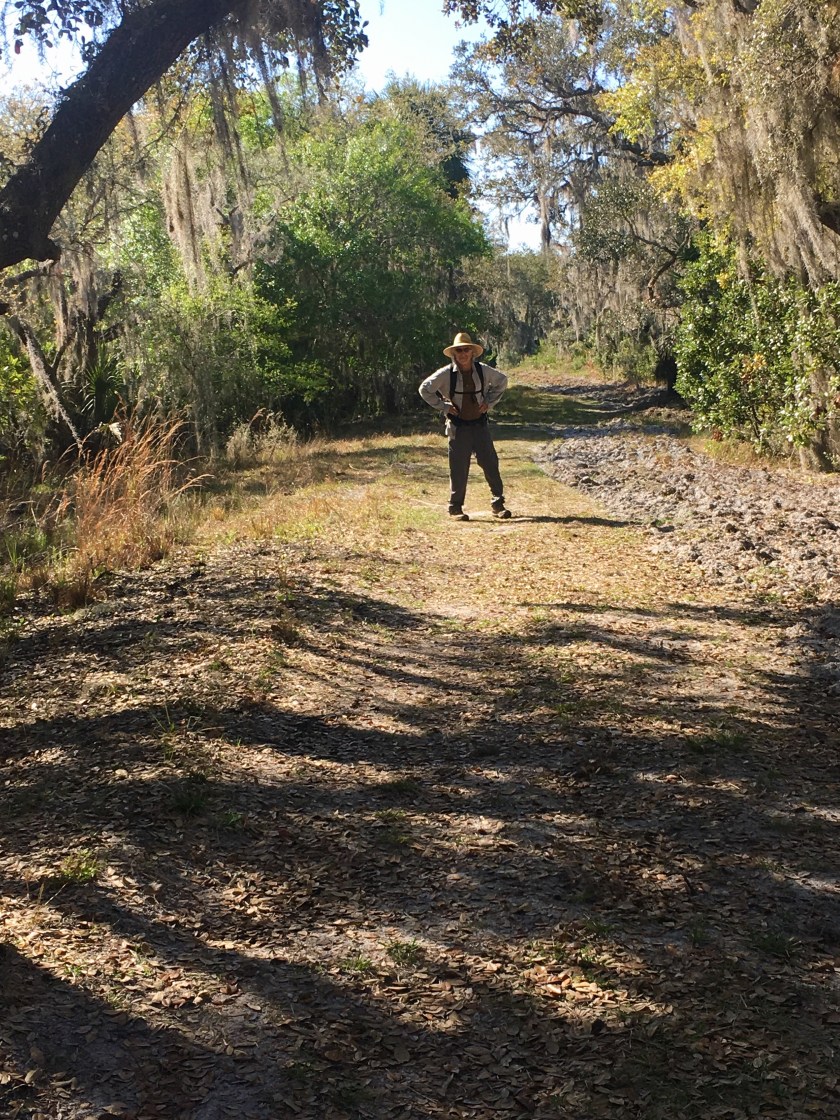
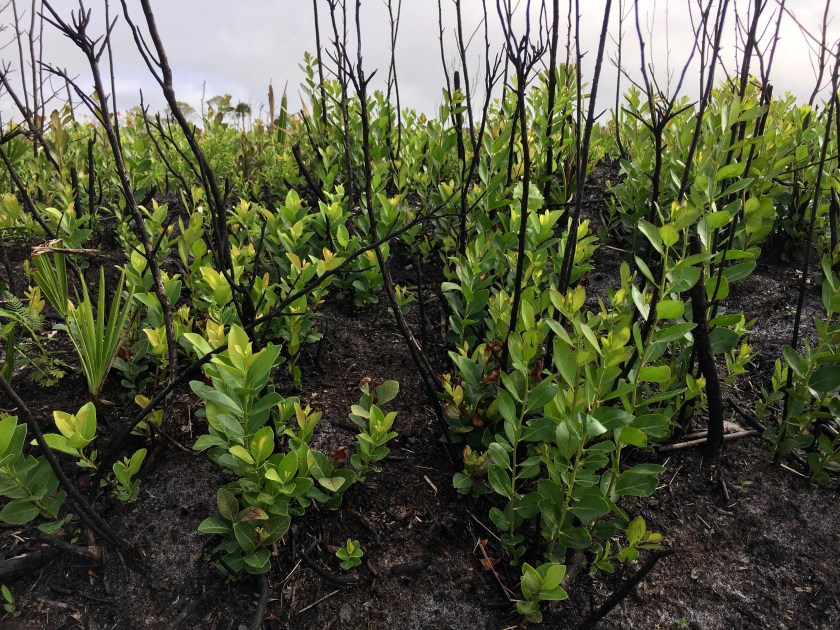
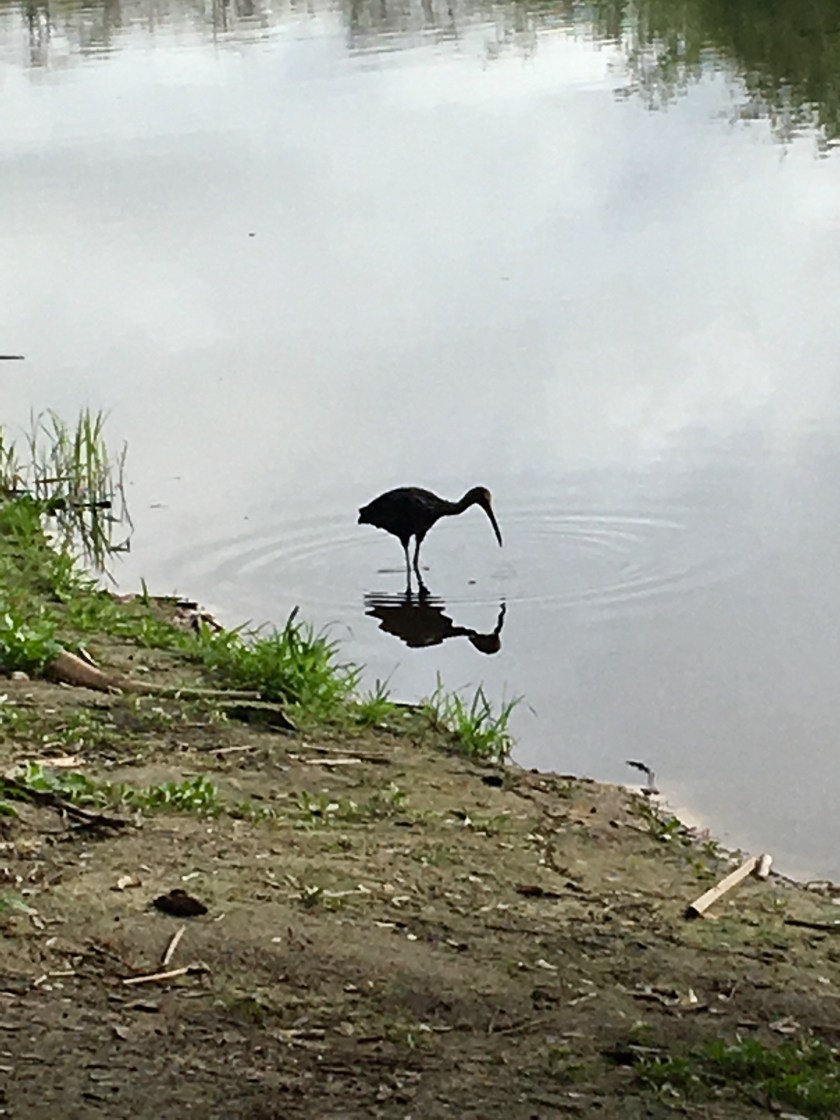 Across the road from the park is the Myakka River Wilderness Preserve. Located in the Preserve is Lower Myakka Lake and Deep Hole. Access to Deep Hole is limited to 30 people a day. There’s a 2.2 mile hike to the hole and most of it is through a sunny prairie with the ocassional pine island or oak hammock for shade.



Deep Hole is actually a 130 foot deep sinkhole where alligators converge to enjoy the cool water and sunny shores. It’s quite a sight to see these prehistoric -looking creatures just hanging out. The day we visited, we spotted about 80 alligators and at least as many black headed vultures.

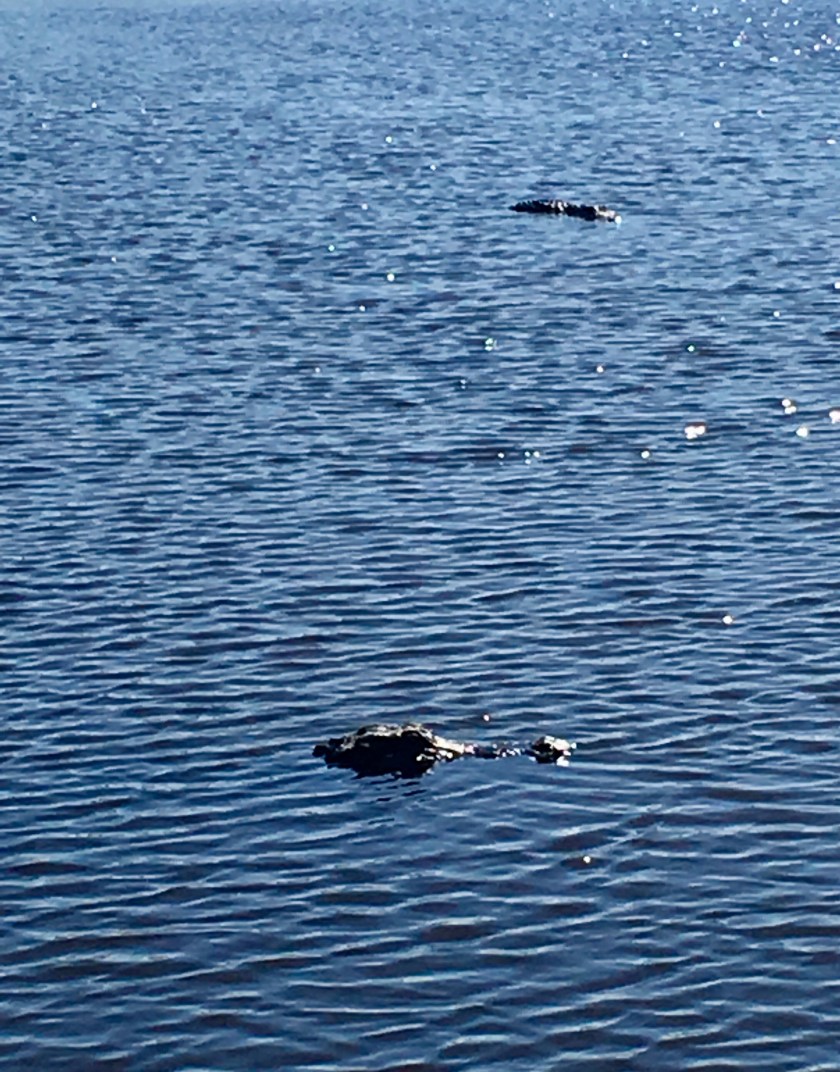
 Deep Hole
 Lower Myakka Lake
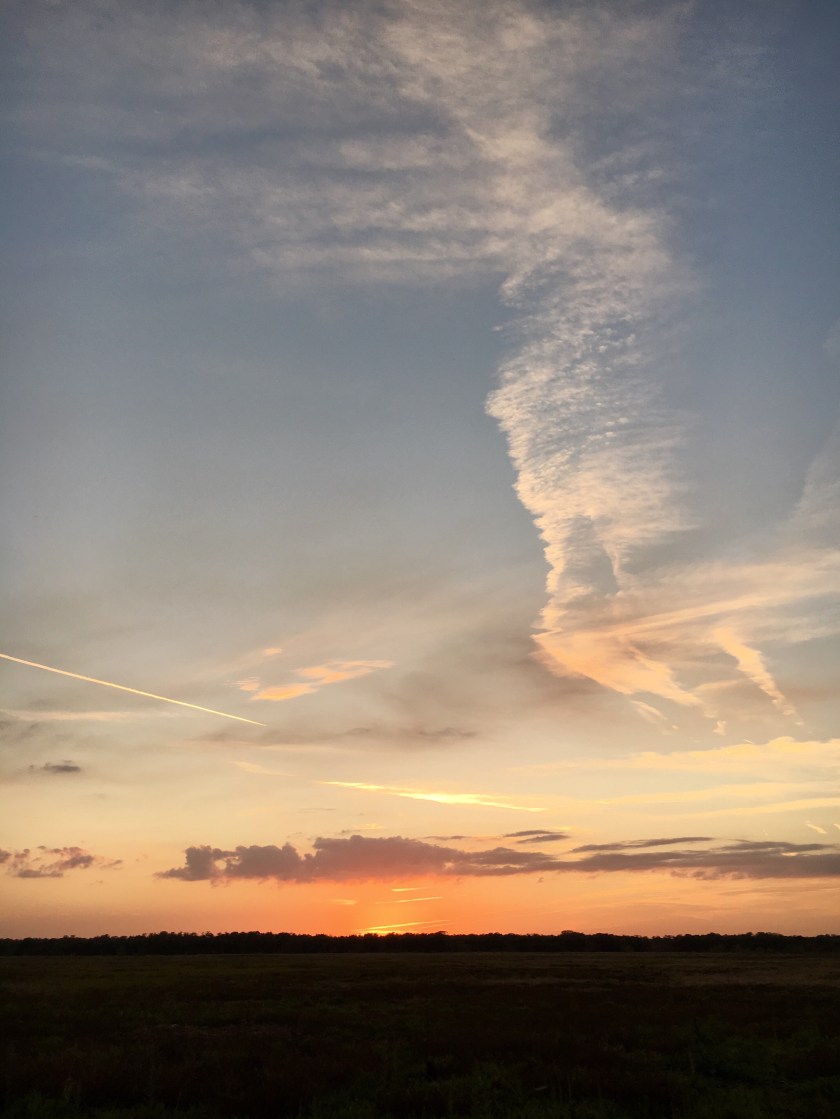 Sunset over the prairie
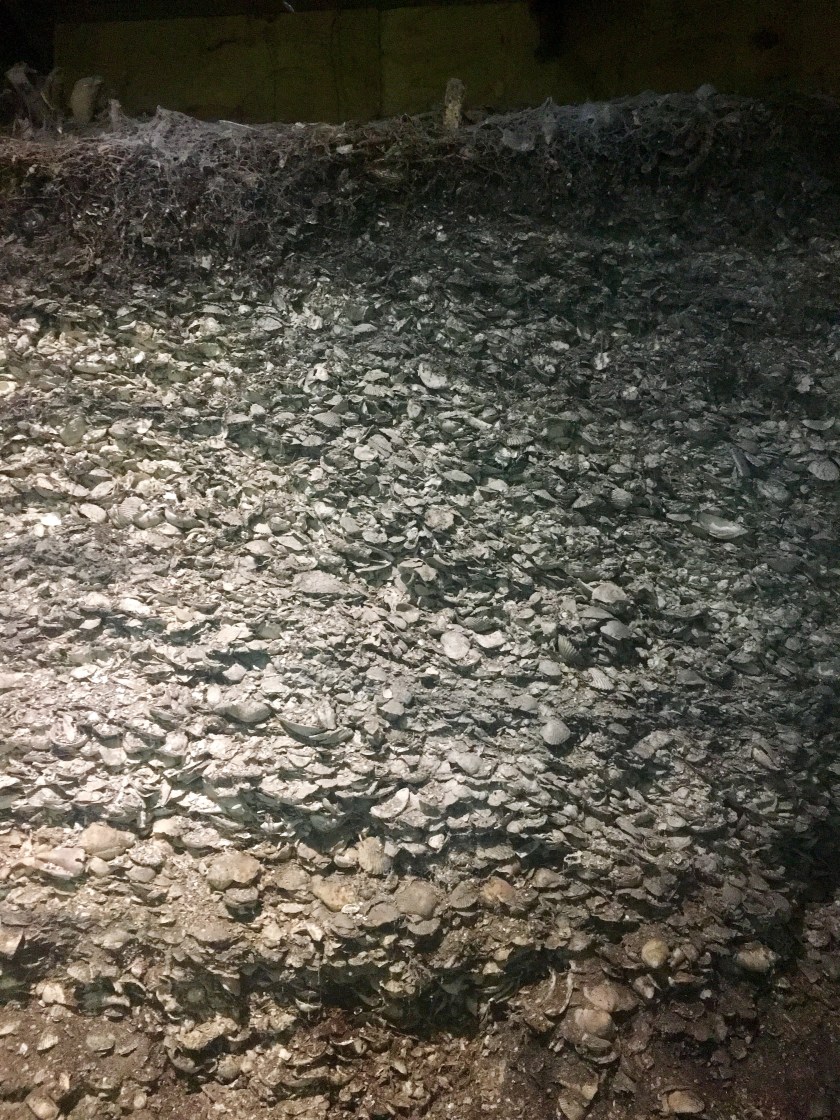
This is a cutaway image of a shell midden located on Spanish Point near the town of Osprey. Shell middens are the ancient garbage dumps of the eastern woodland natives.
Spanish Point is a peninsula jutting out through mangroves on Little Sarasota Bay. By all accounts it has been a popular spot for human habitation for thousands of years. This 20 ft high shell midden was excavated in the 1920’s when the property owner needed a space to park his car. Fortunately someone recognized the importance of the site and saved the midden for scientific research. Prehistoric people occupied the site from 5000 years ago – and they abandoned the site about 1000 years ago. Between 1959 and 1962, scientists excavated a burial mound at the site and used carbon 14 dating (a new technology at the time) to determine the age of the artifacts they found.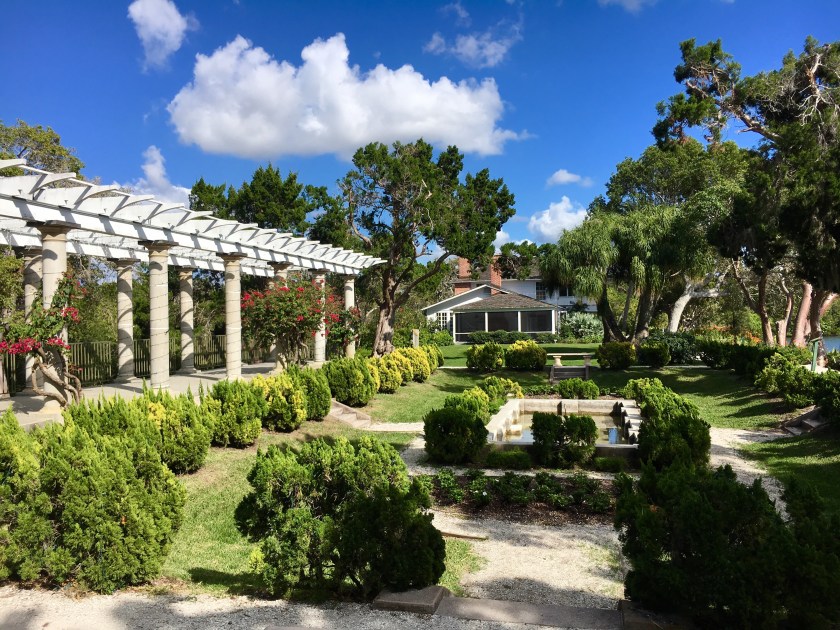
Bertha Palmer bought 350 acres on Spanish Point in 1910. She saved some of the cottages on the Point and developed gardens as she planned her winter estate. Bertha was an early real estate developer in the Sarasota environs.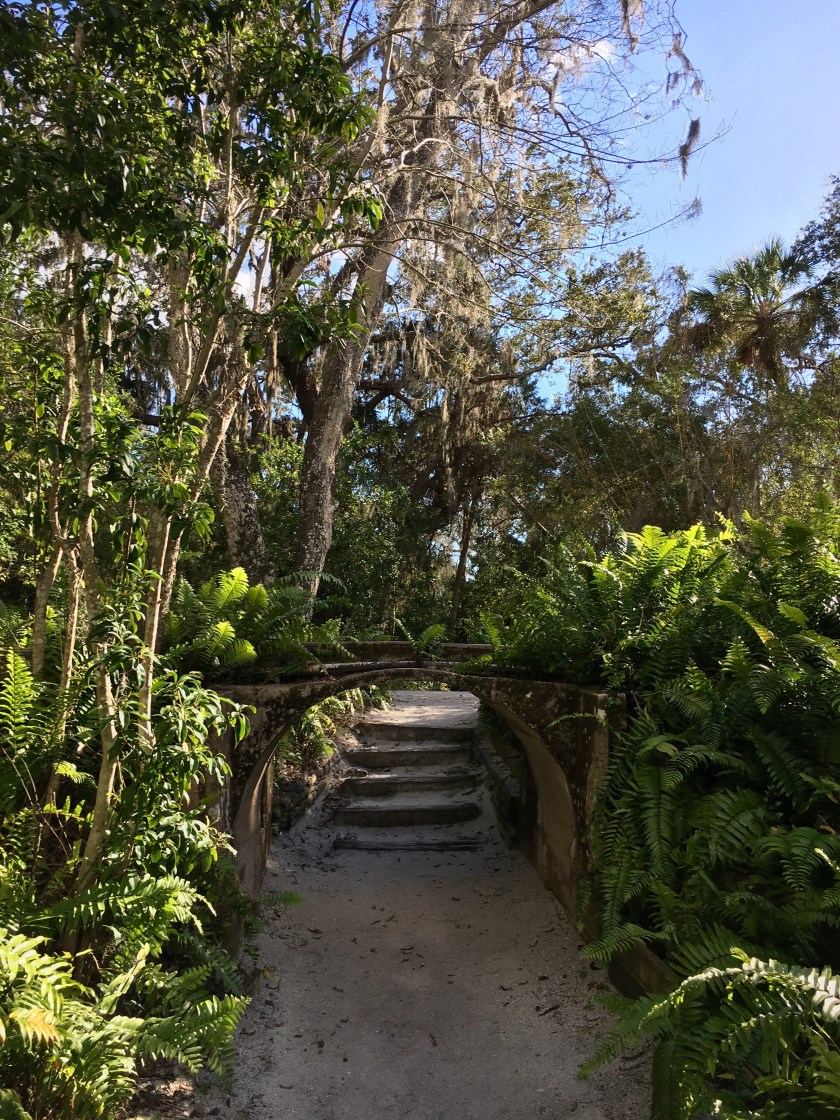
 What would a trip to Sarasota be without a visit to the circus?
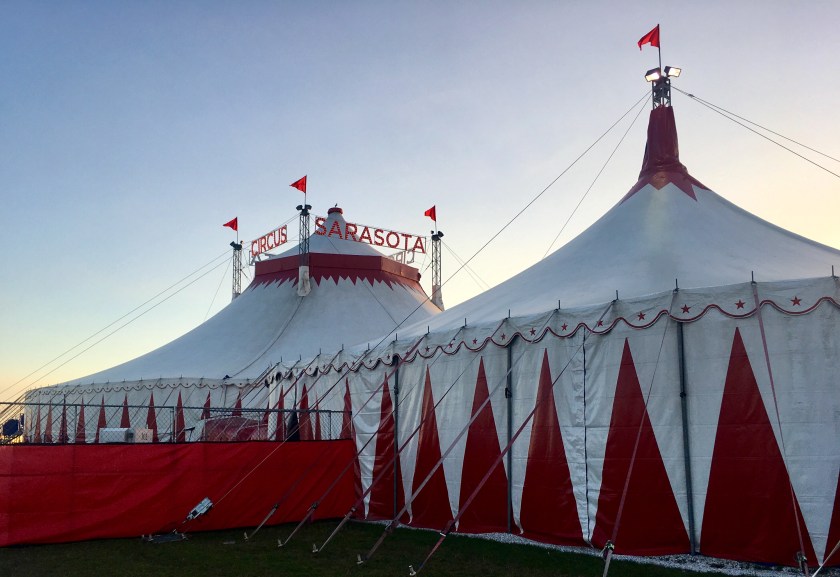 We lucked out with the circus being in town. The acts were unbelievable. It was a magical 2 1/2 hours with feats of daring and strength.
 These two brought the house down. They were amazingly agile.
 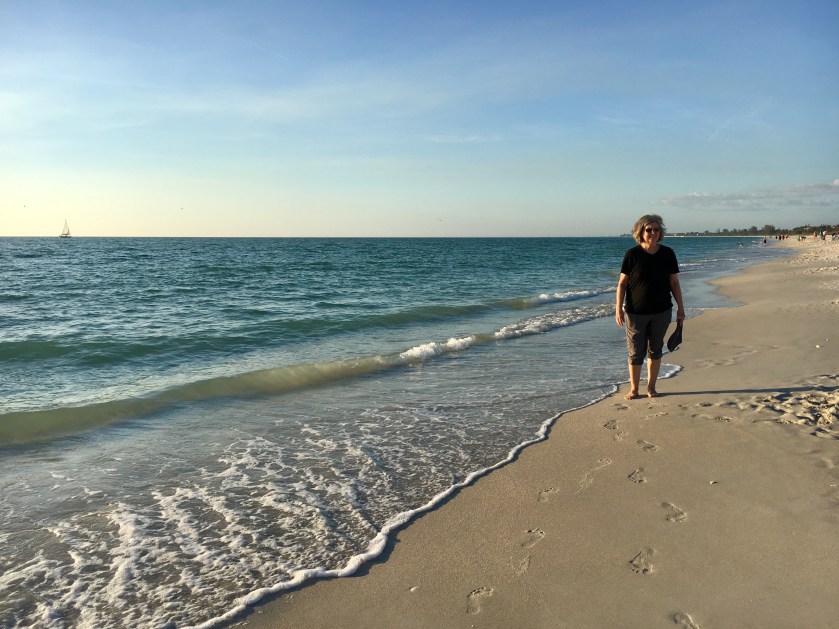 But no trip to Florida is complete without plenty of beach time.
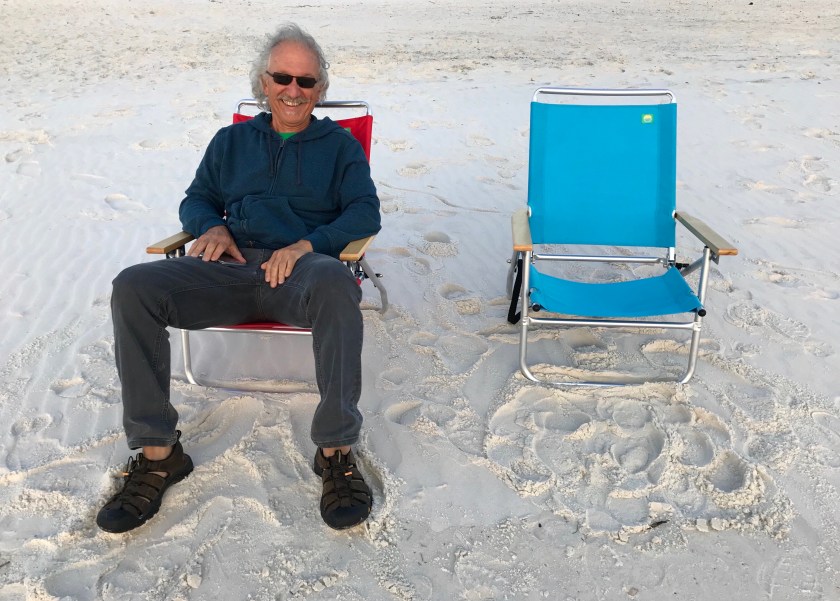
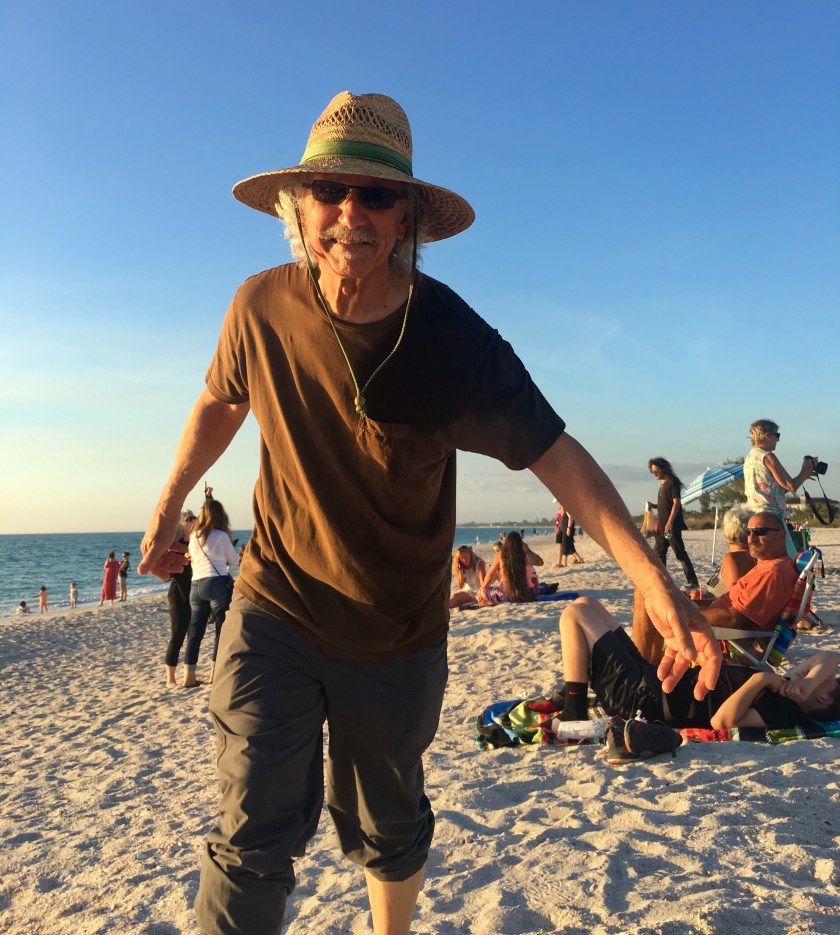 Beach goon.
 Nokomis Beach Drum Circle on Casey Key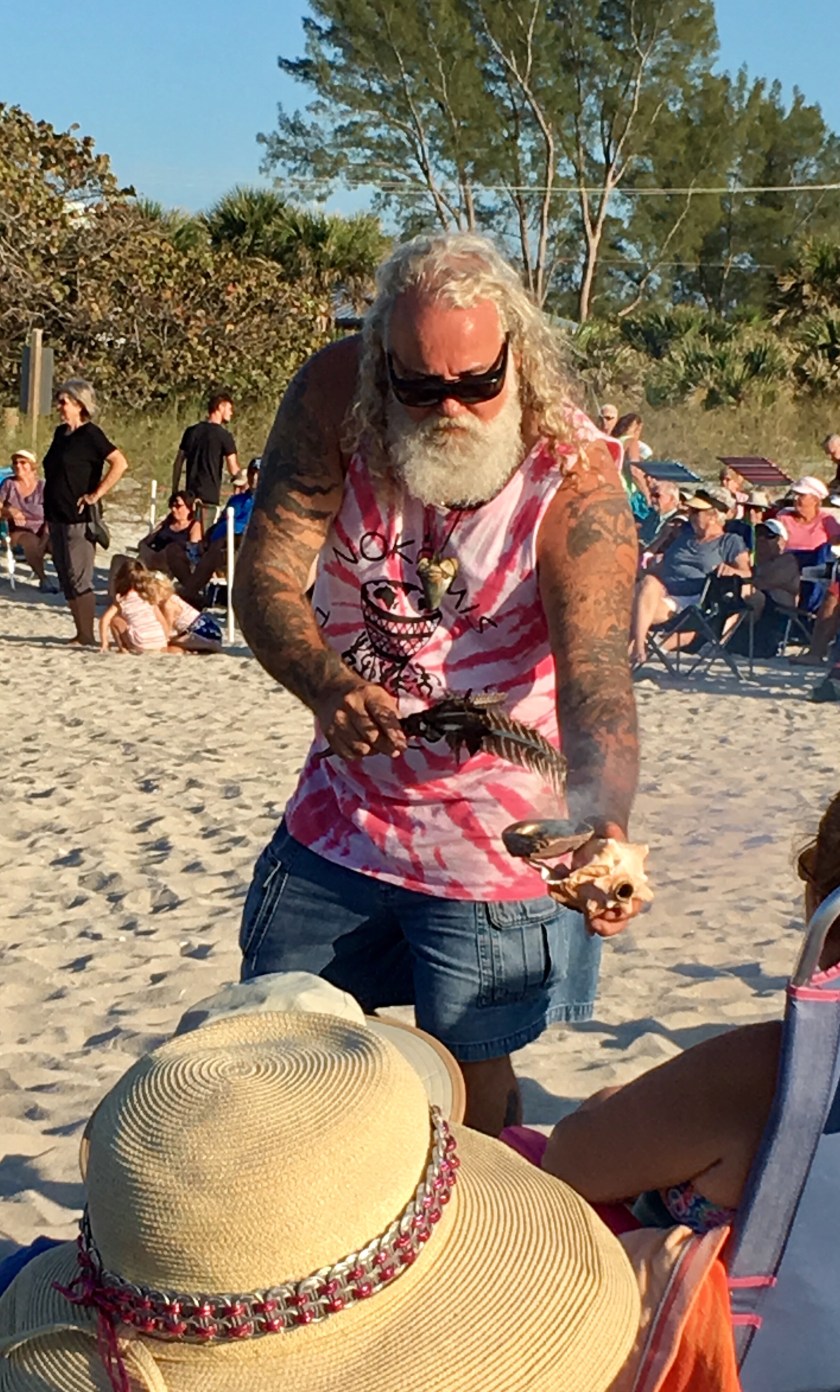
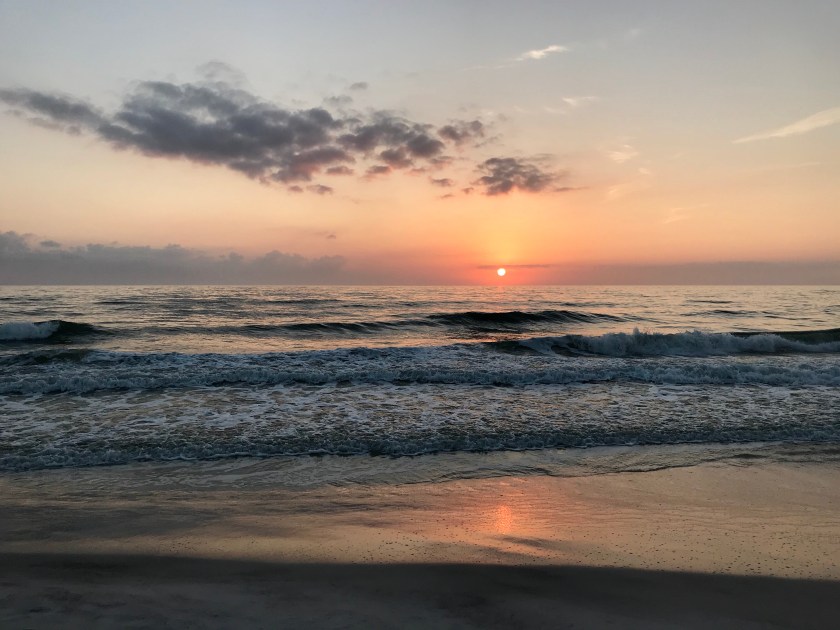
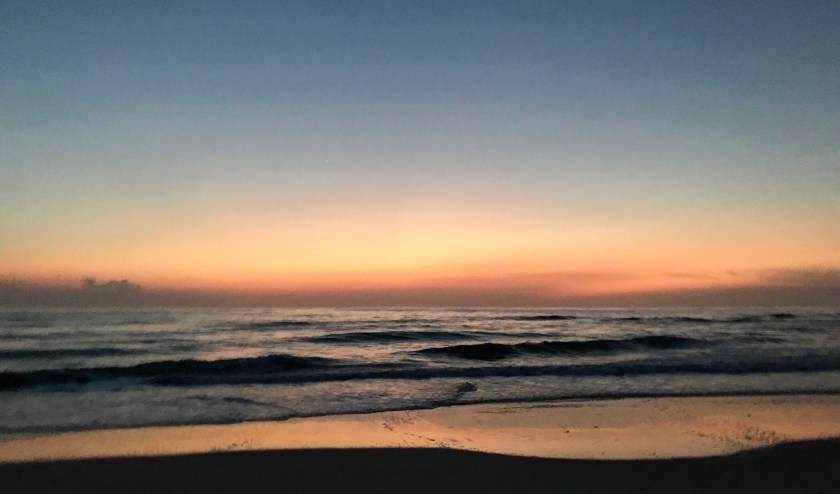
 Two ways to get ready for a sunset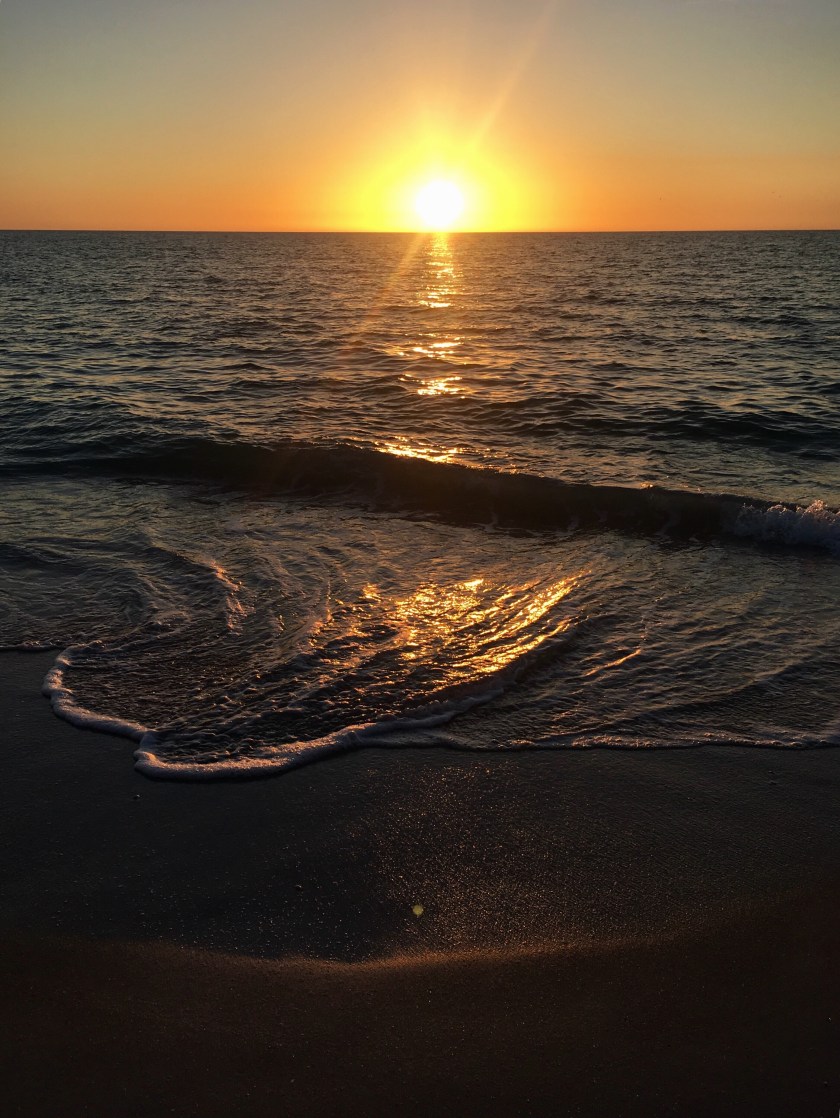
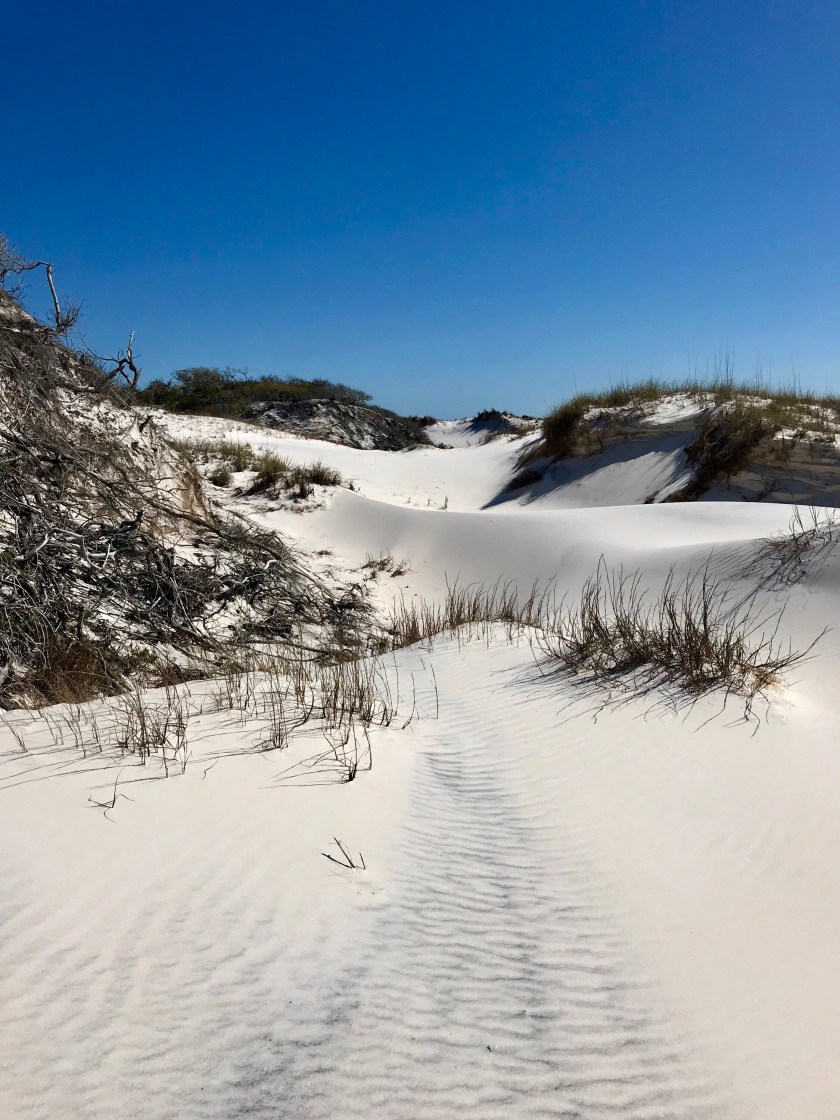
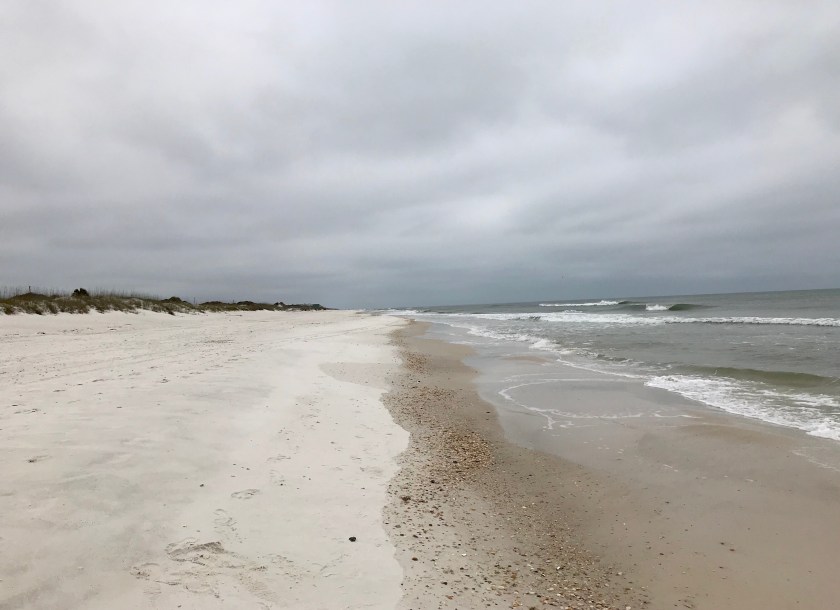
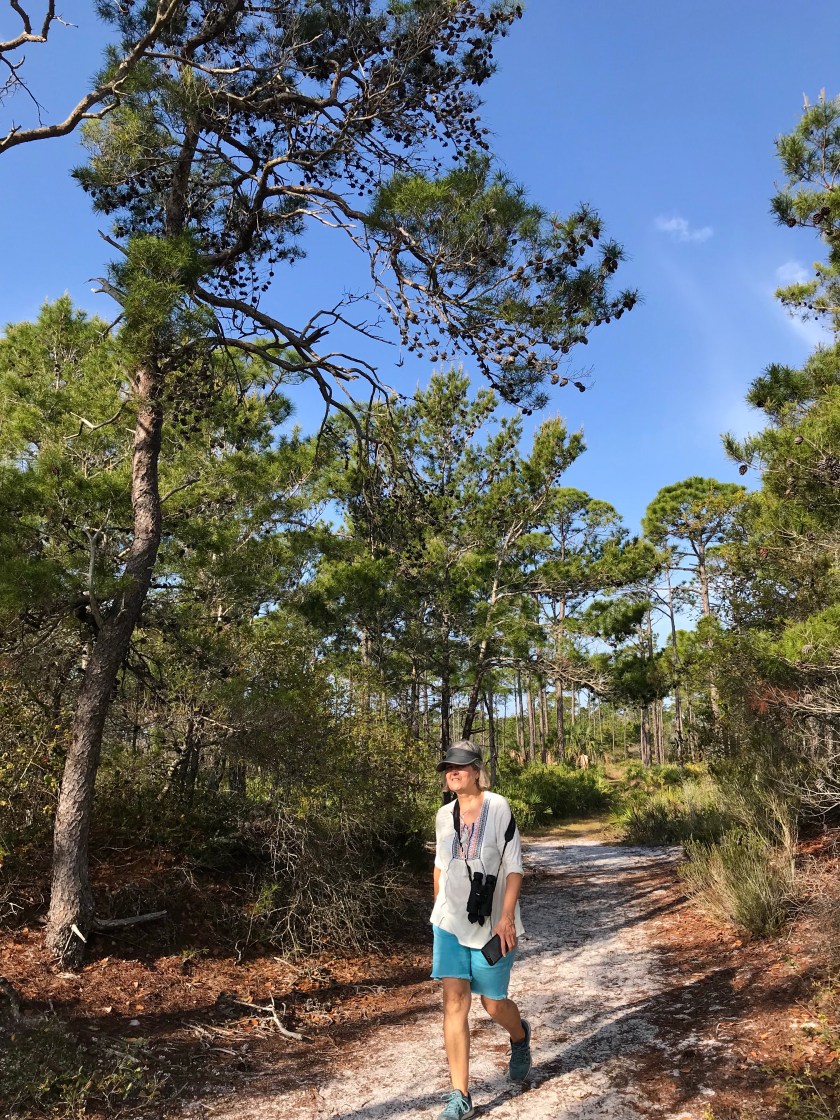
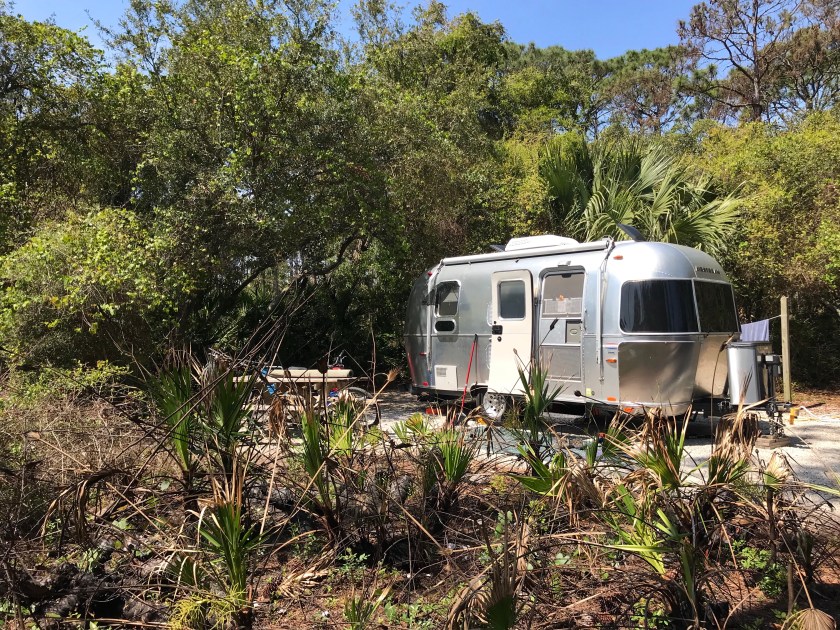 Here it’s all about the sand. The campground is tucked into the sand dunes and is about a three minute walk to the Gulf beach.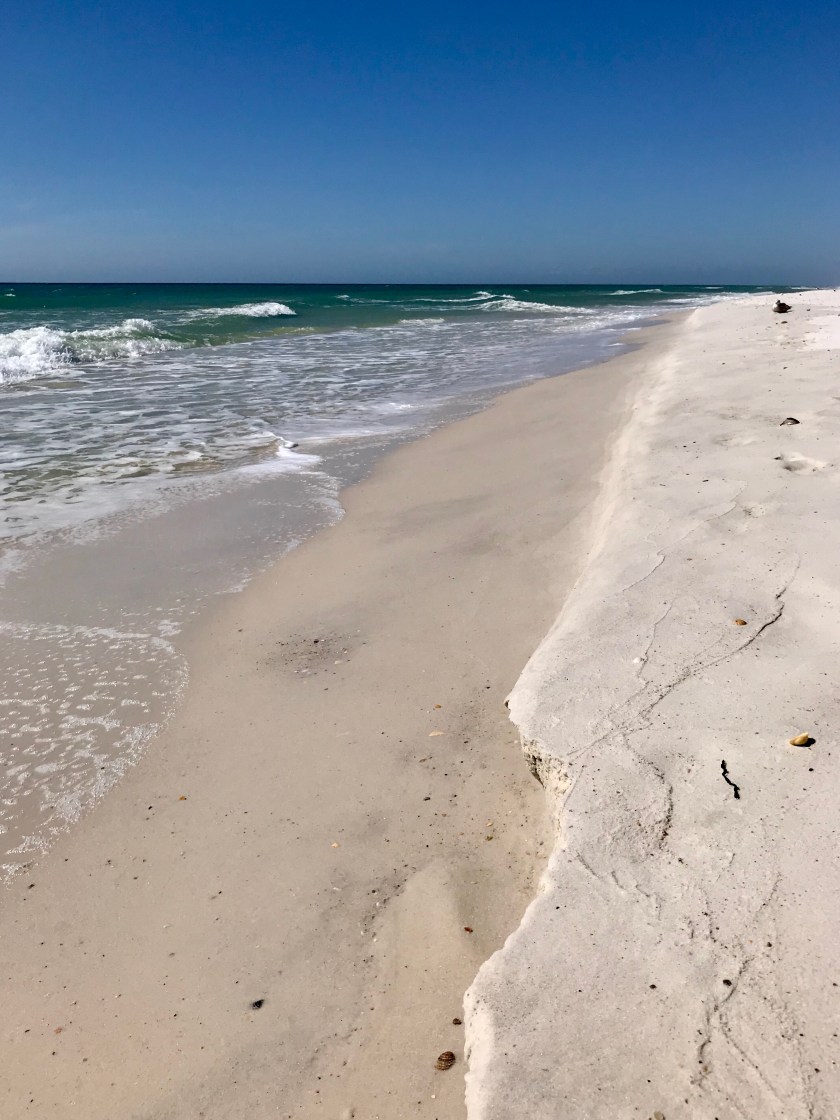
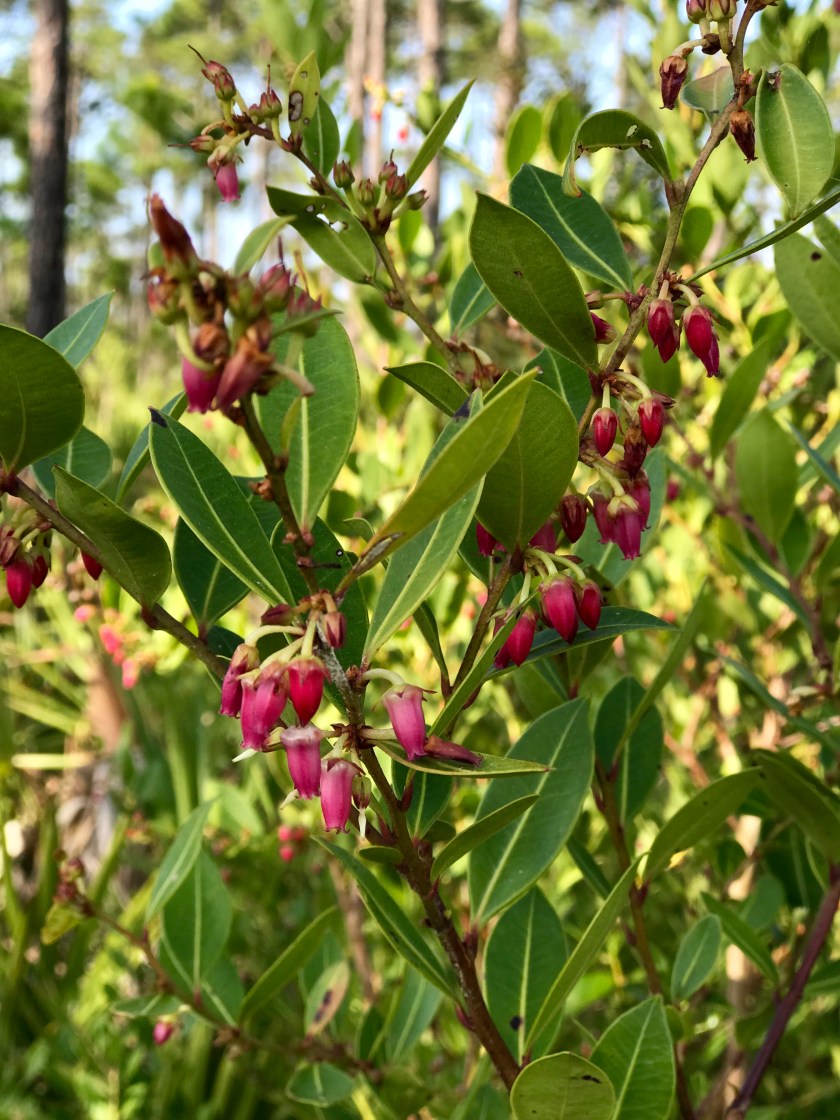 Gallberry blooms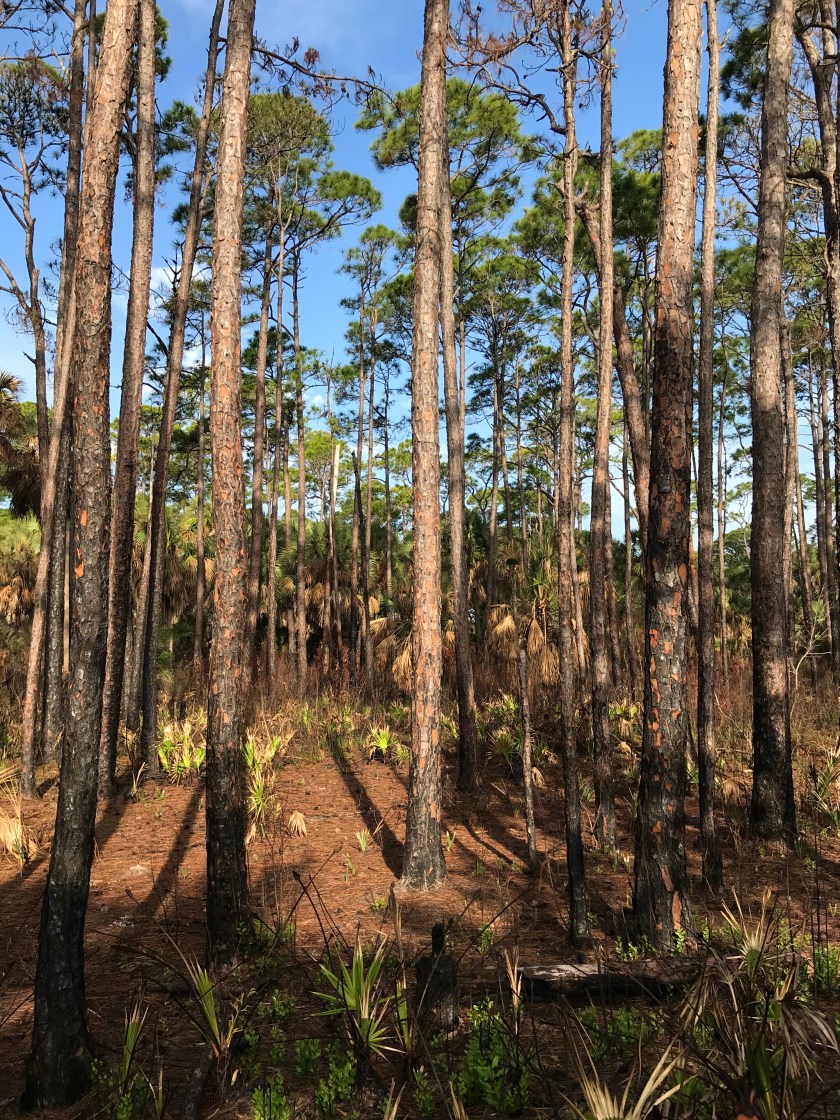
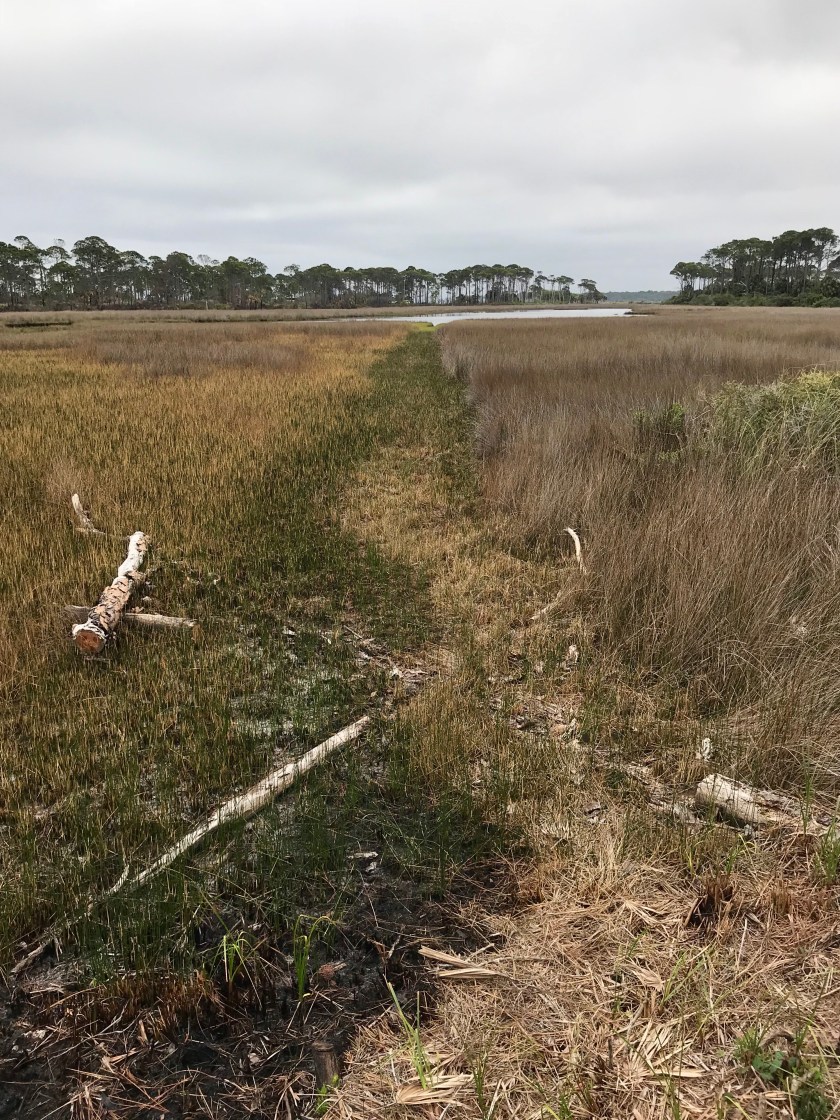
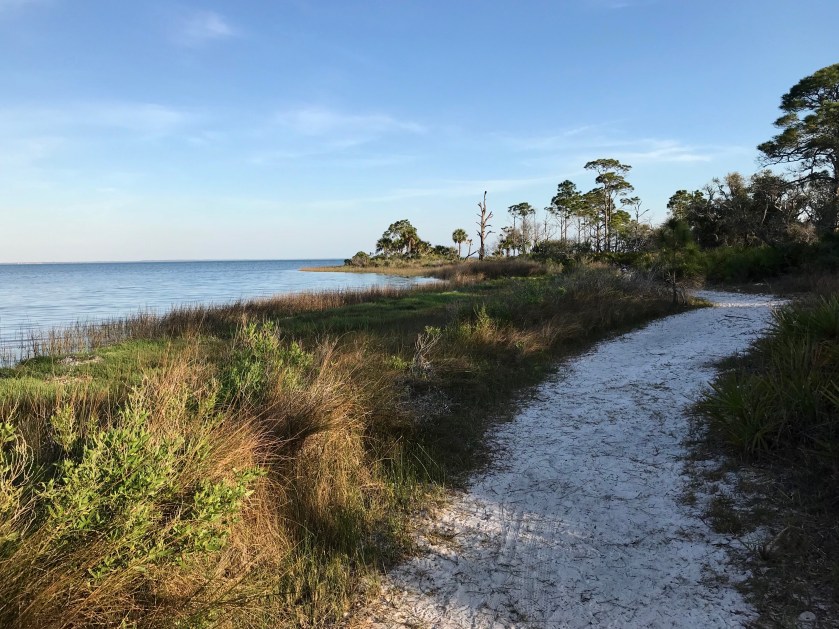
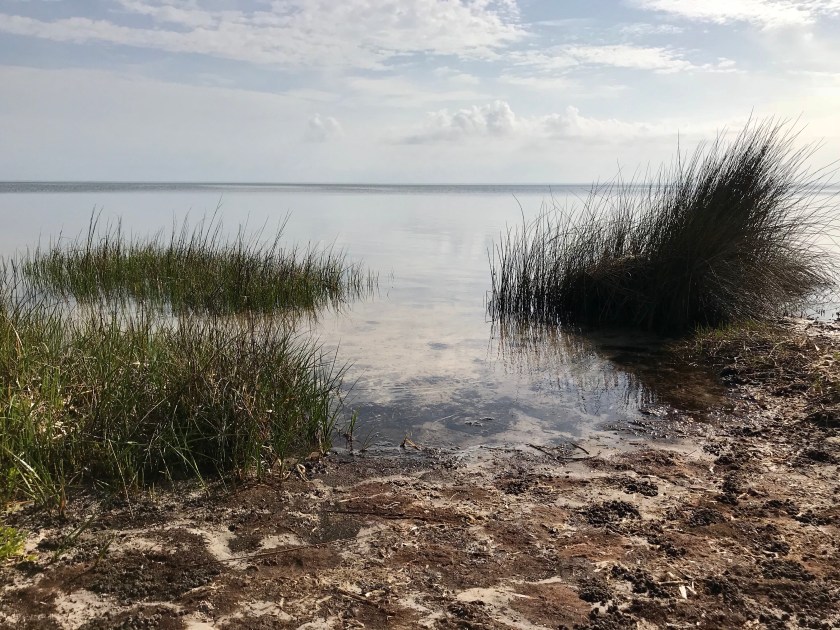
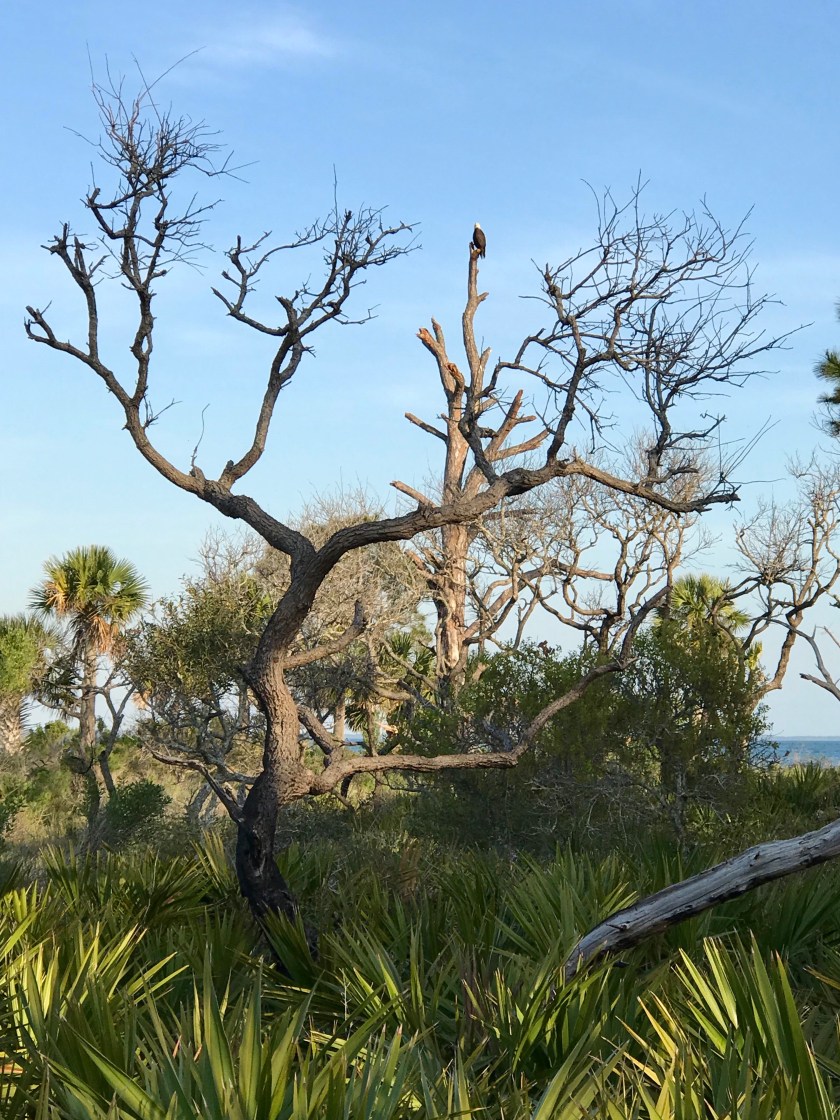
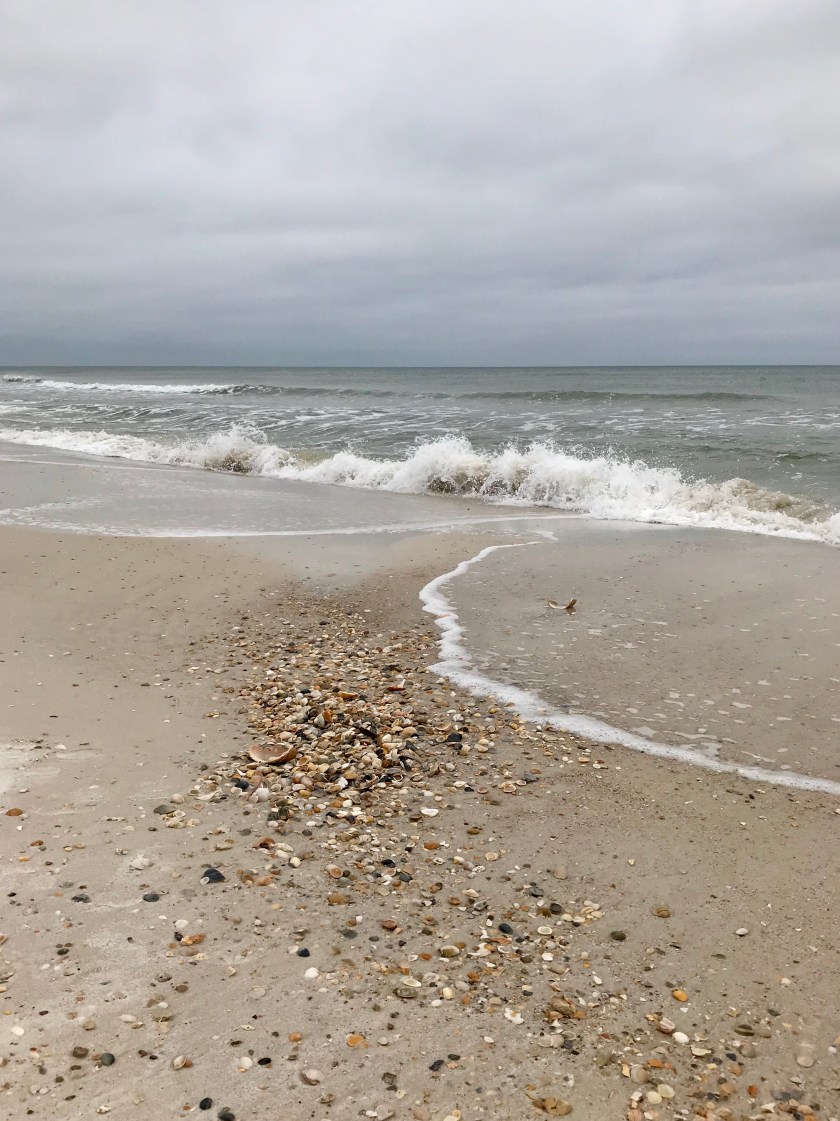
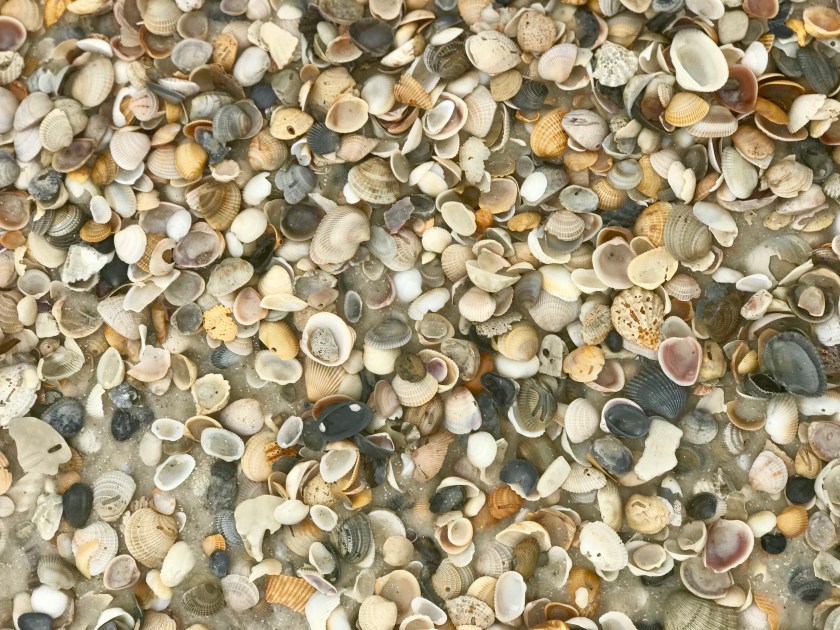
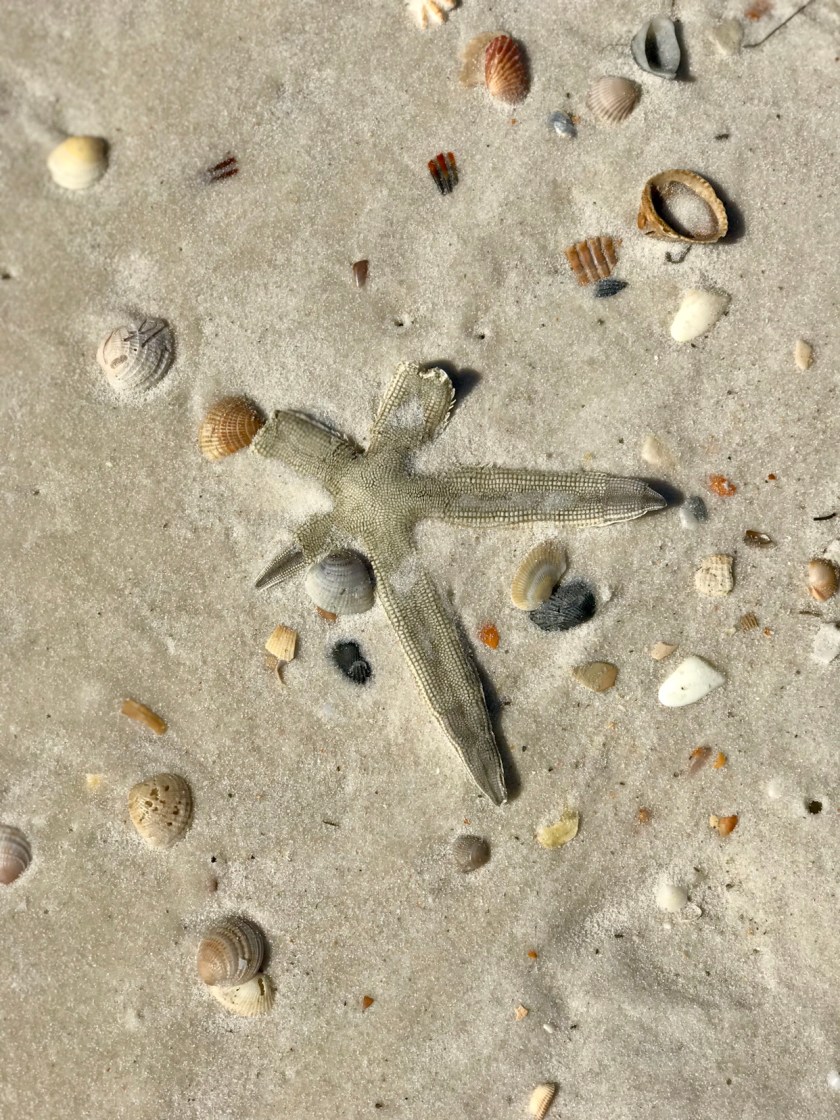
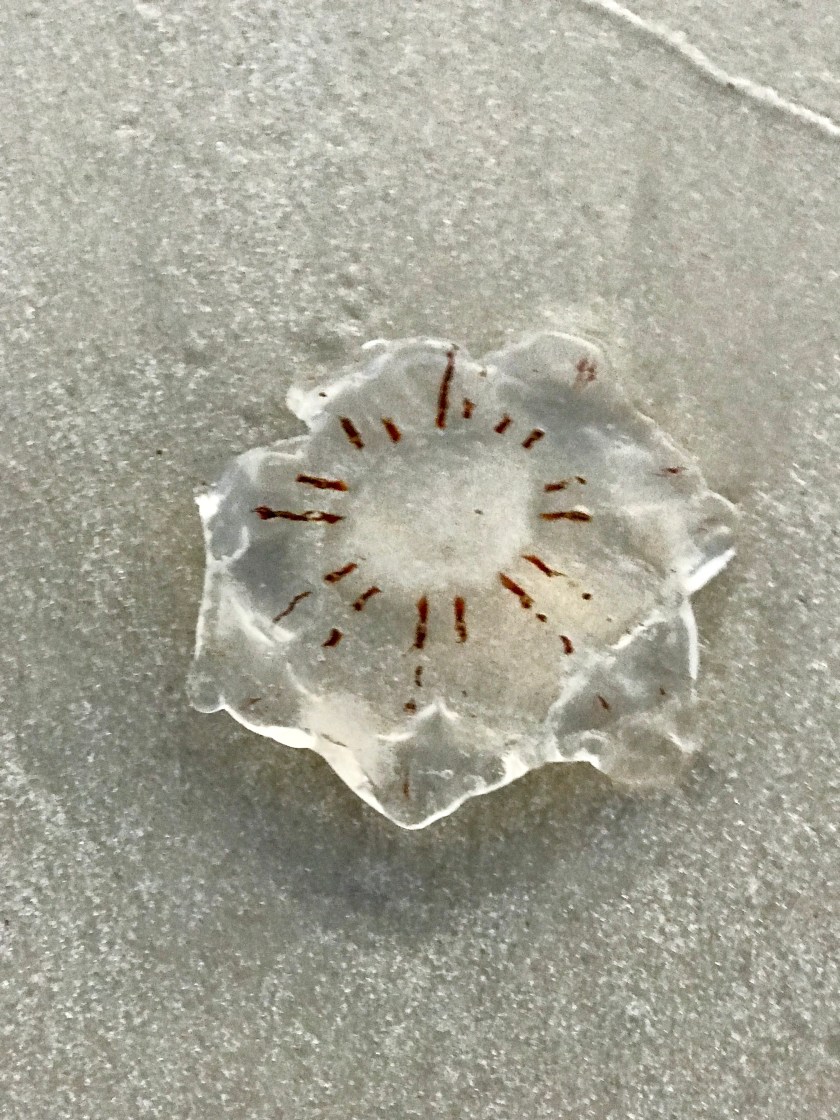
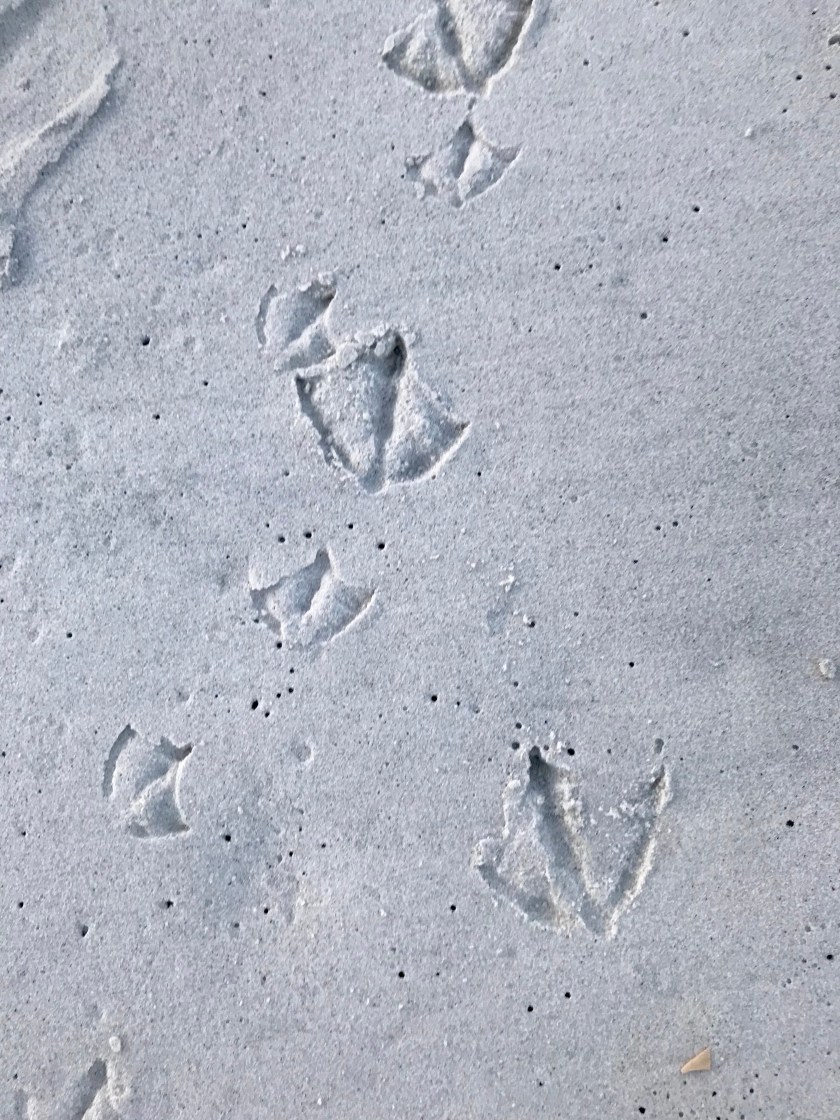
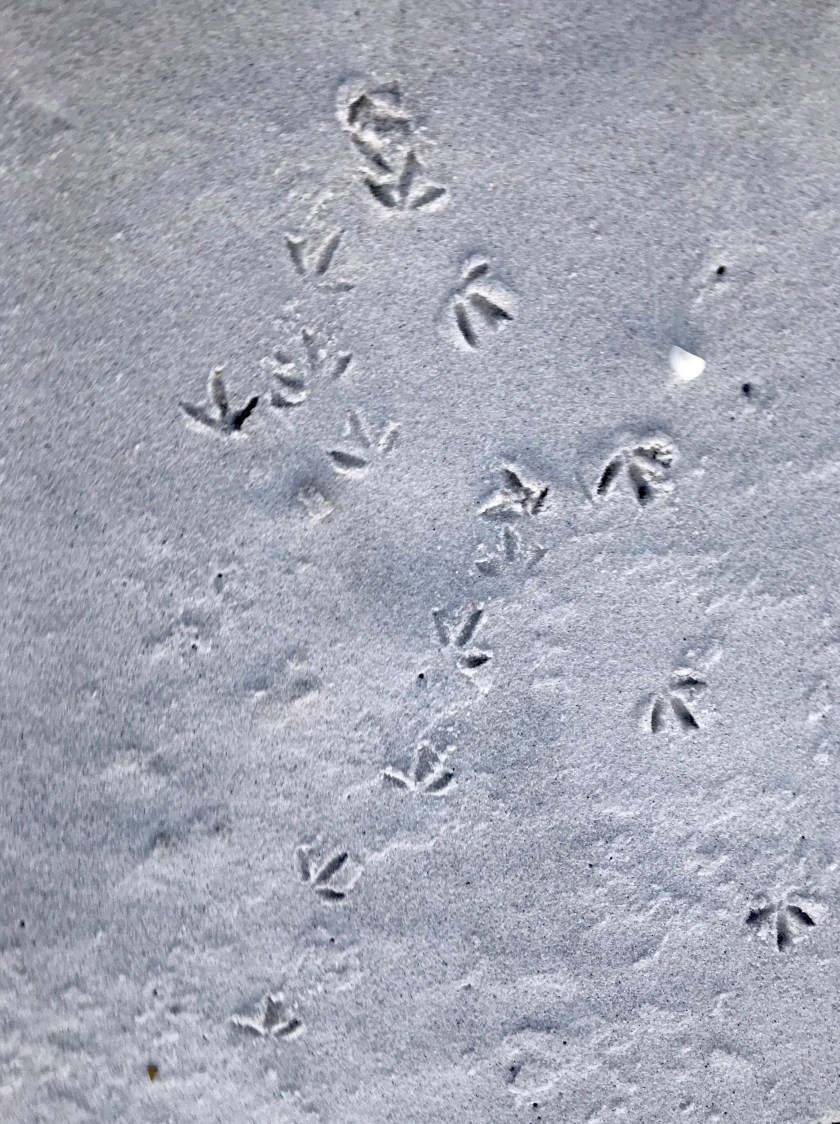
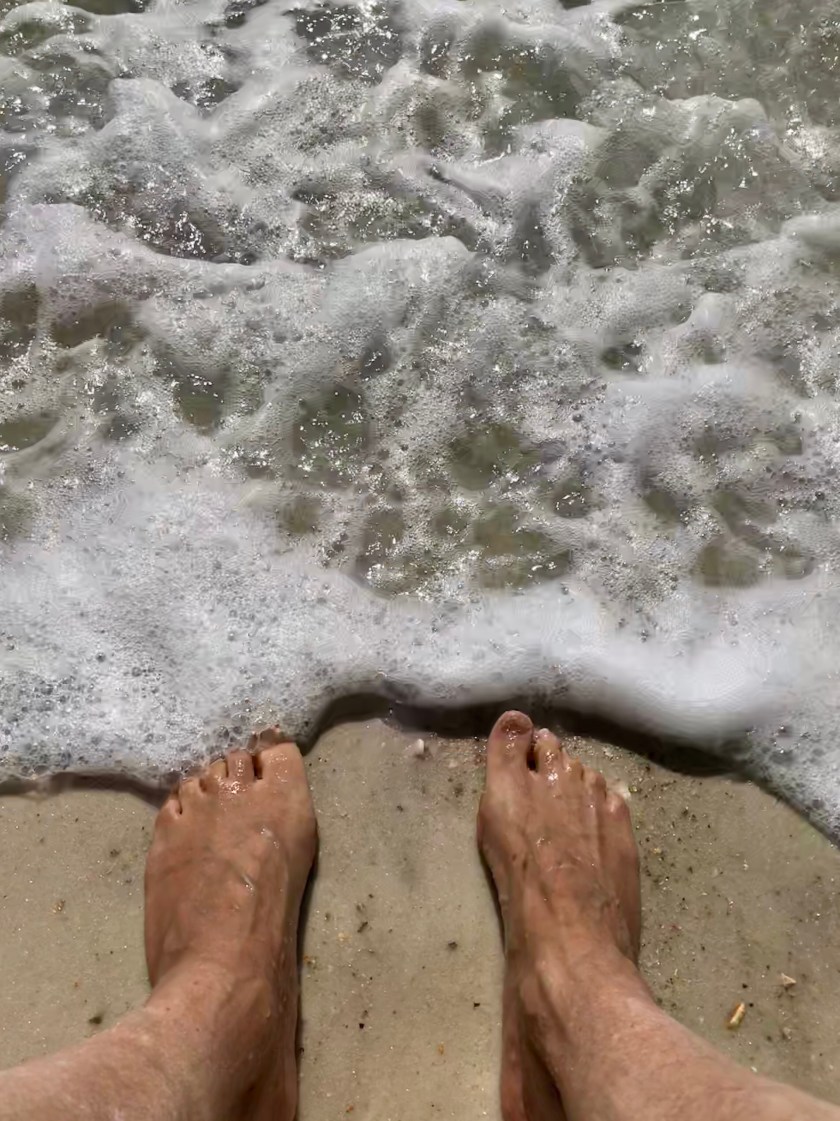
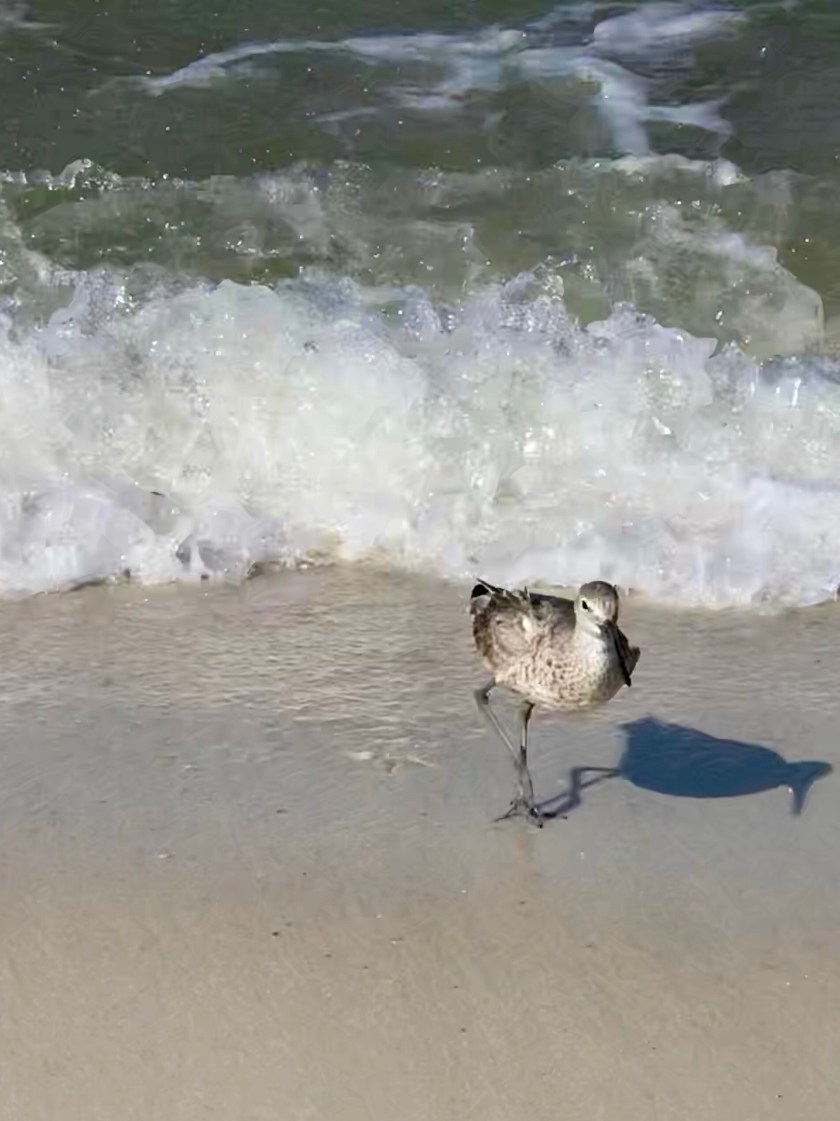
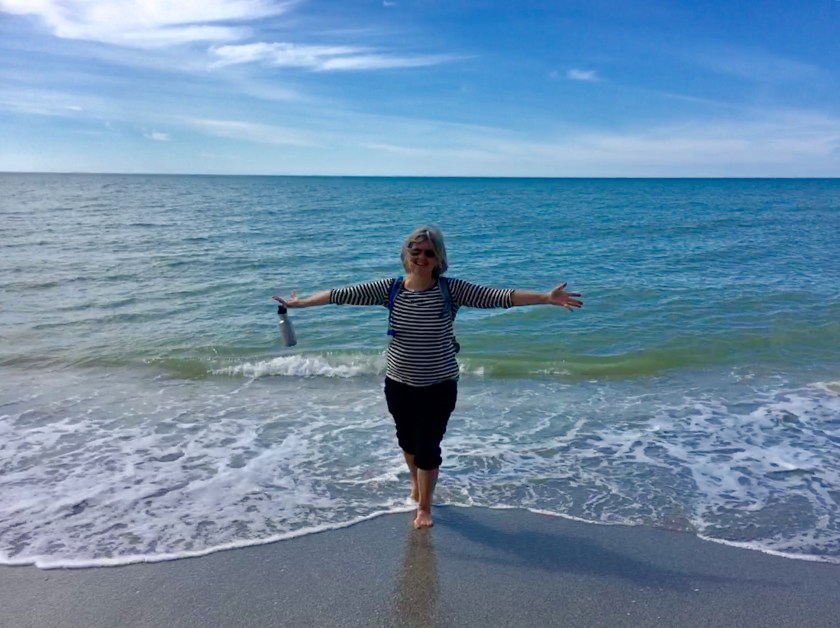
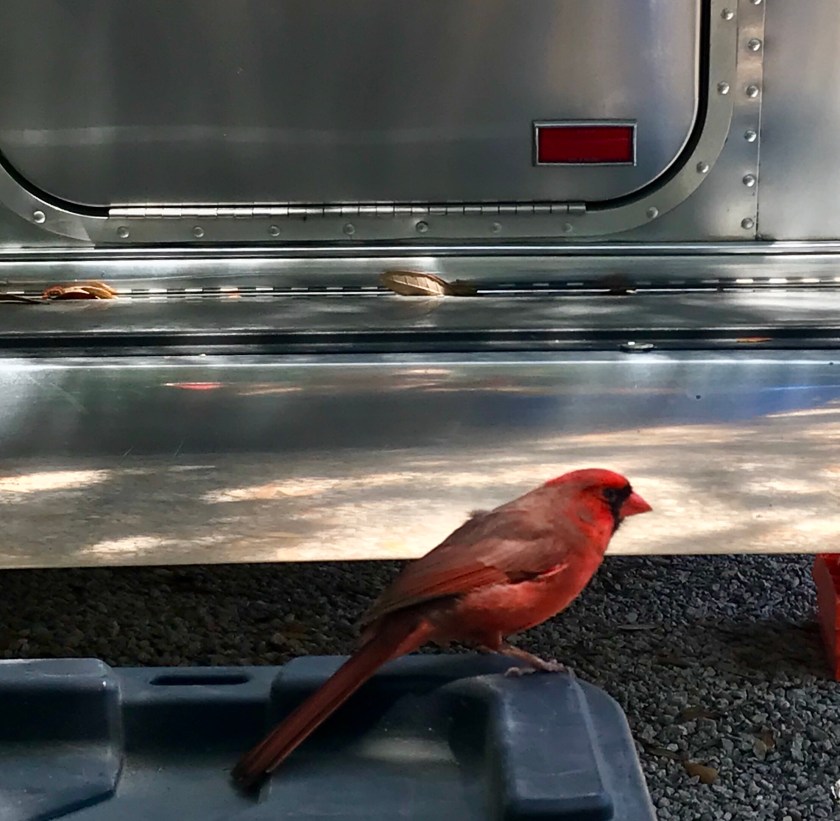 For us the most fun was on the gulf beach. We never made it to the tip of the peninsula because beachcombing for shells and the soft sugar sand kept us slowly following the 7 mile beach.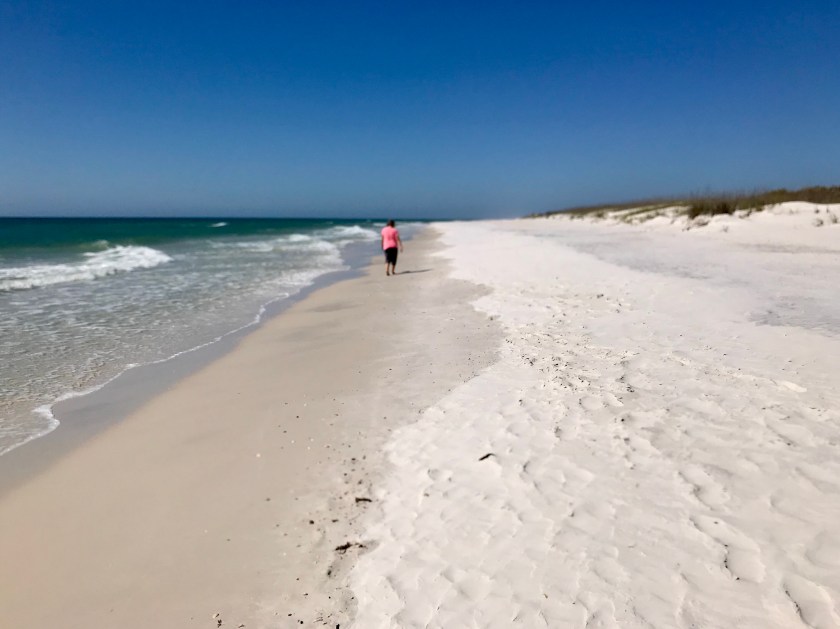
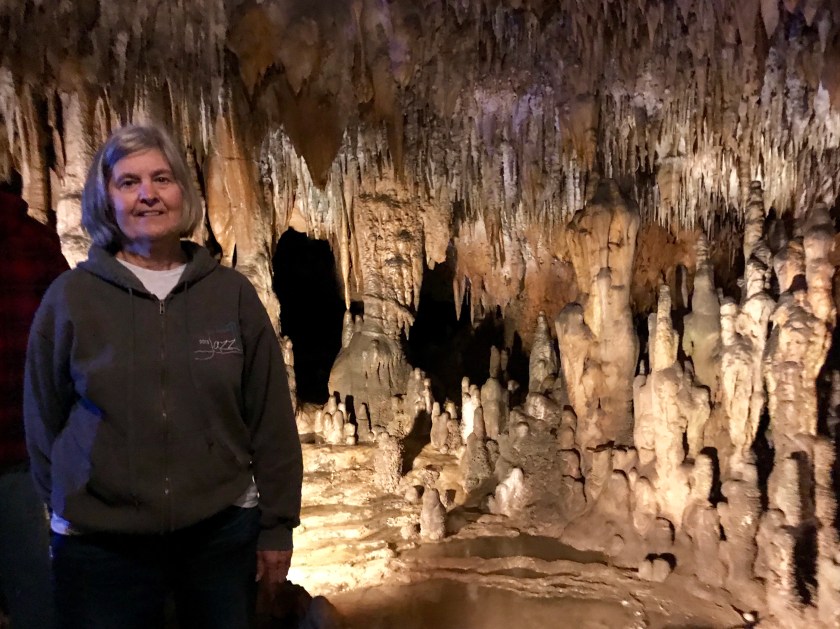
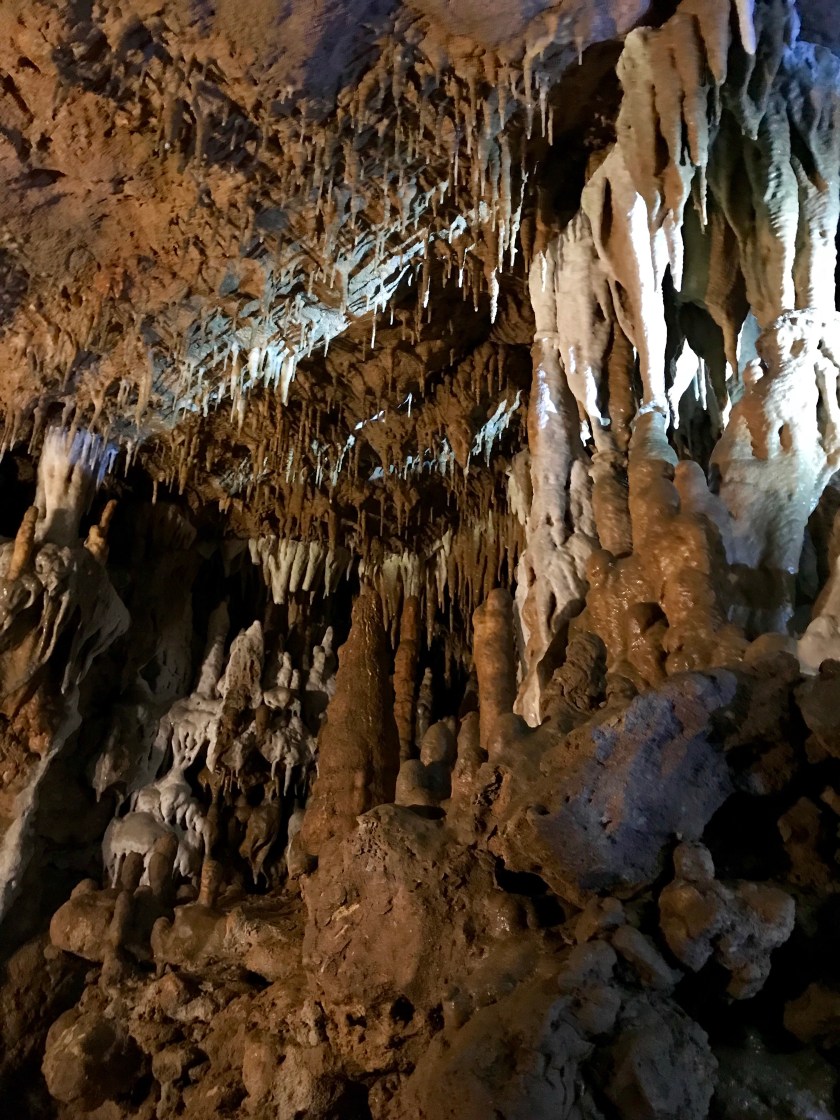
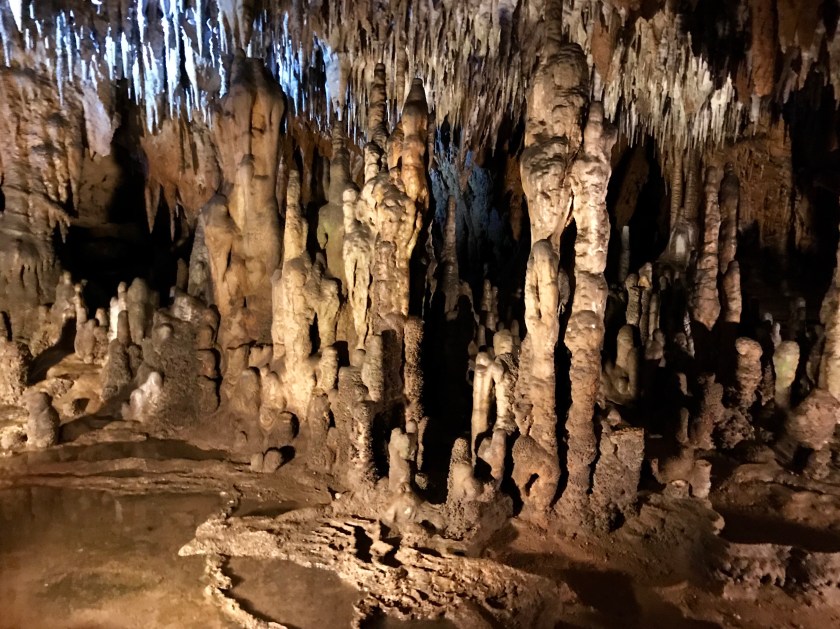
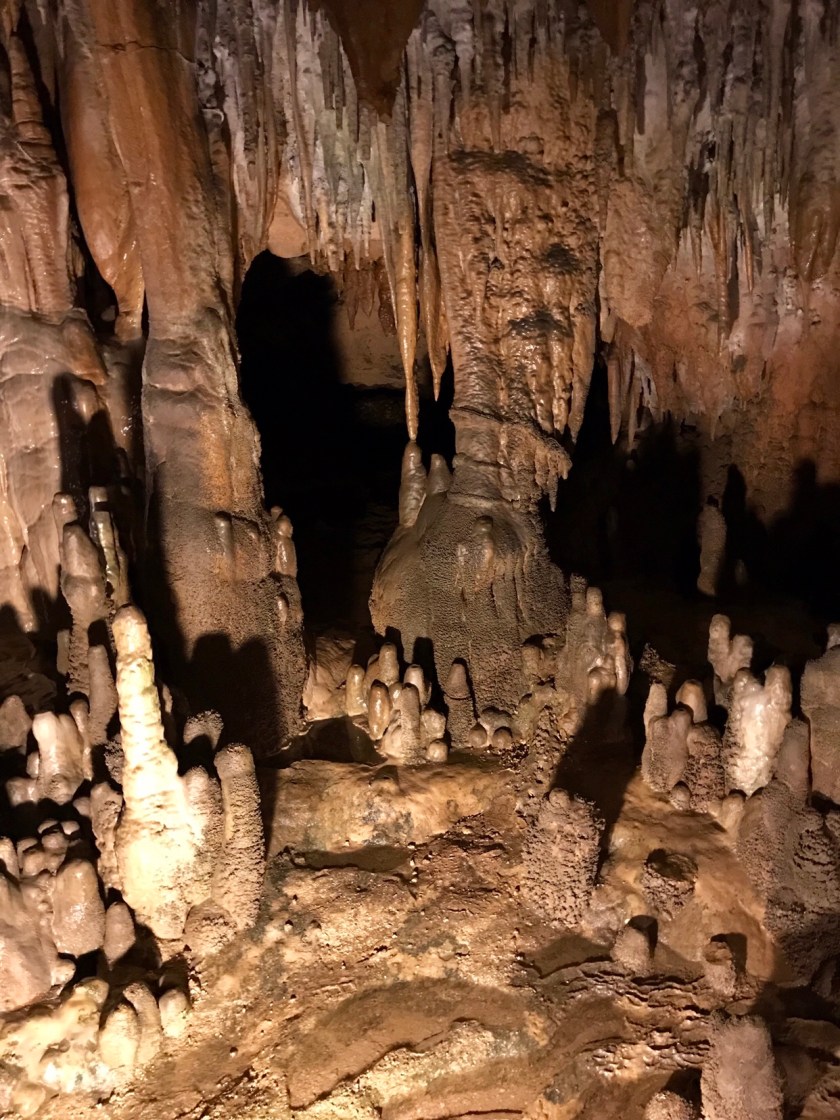
 The cavern is located in a floodplain of the Chipola River system. Instead of palm trees there is a mix of pine, tupelo cypress, southern magnolia, sweet gum mixed in with palmetto and an abundance of wildflowers.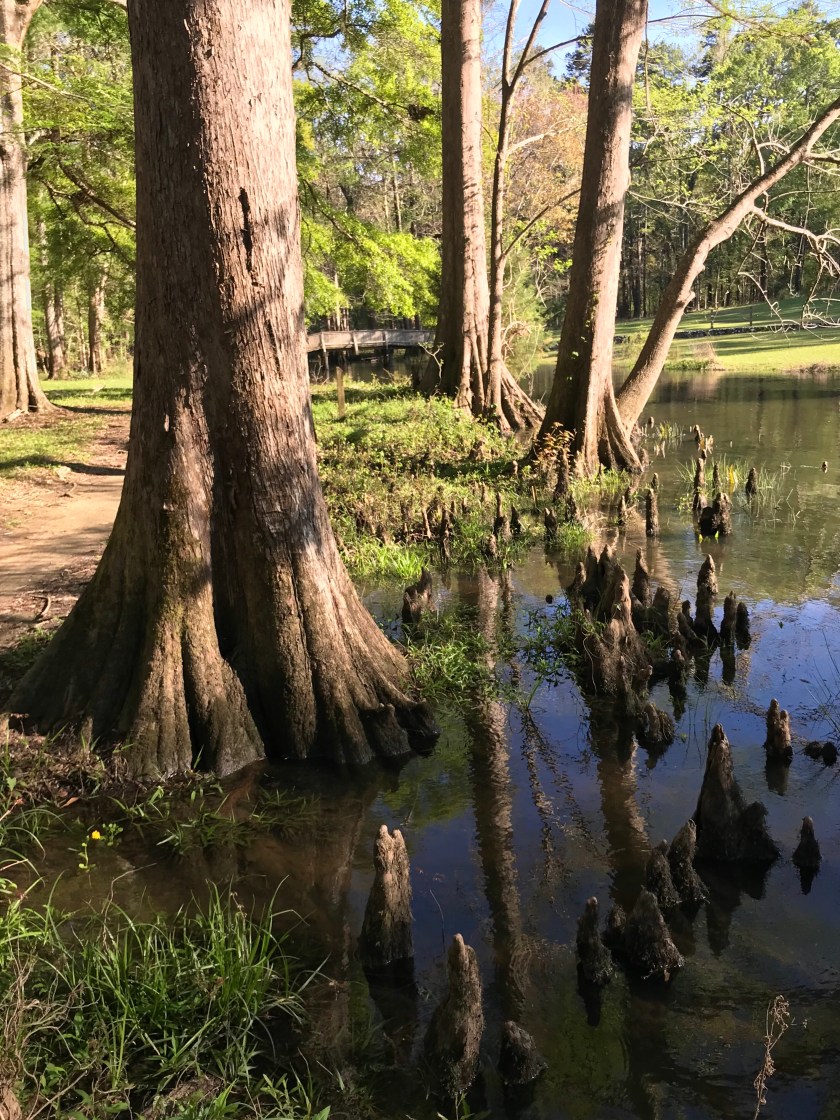
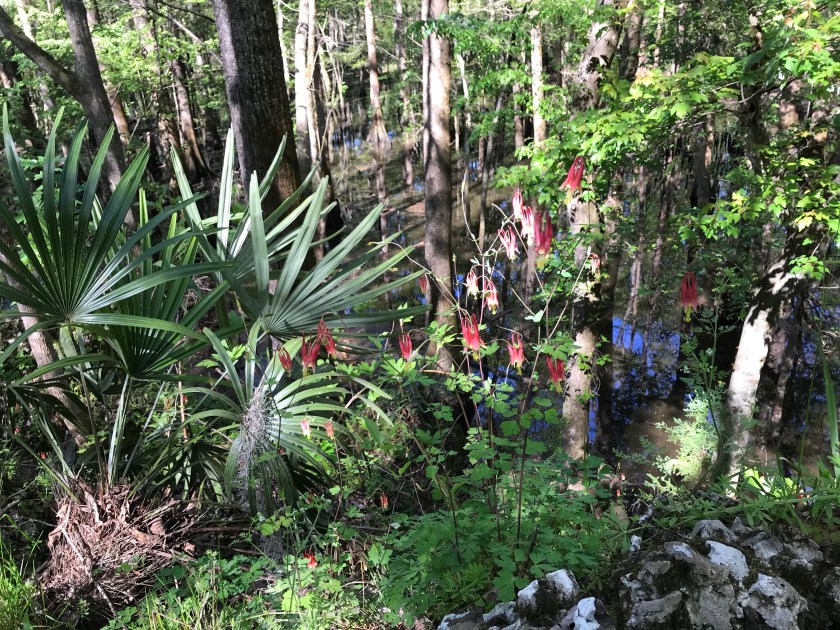
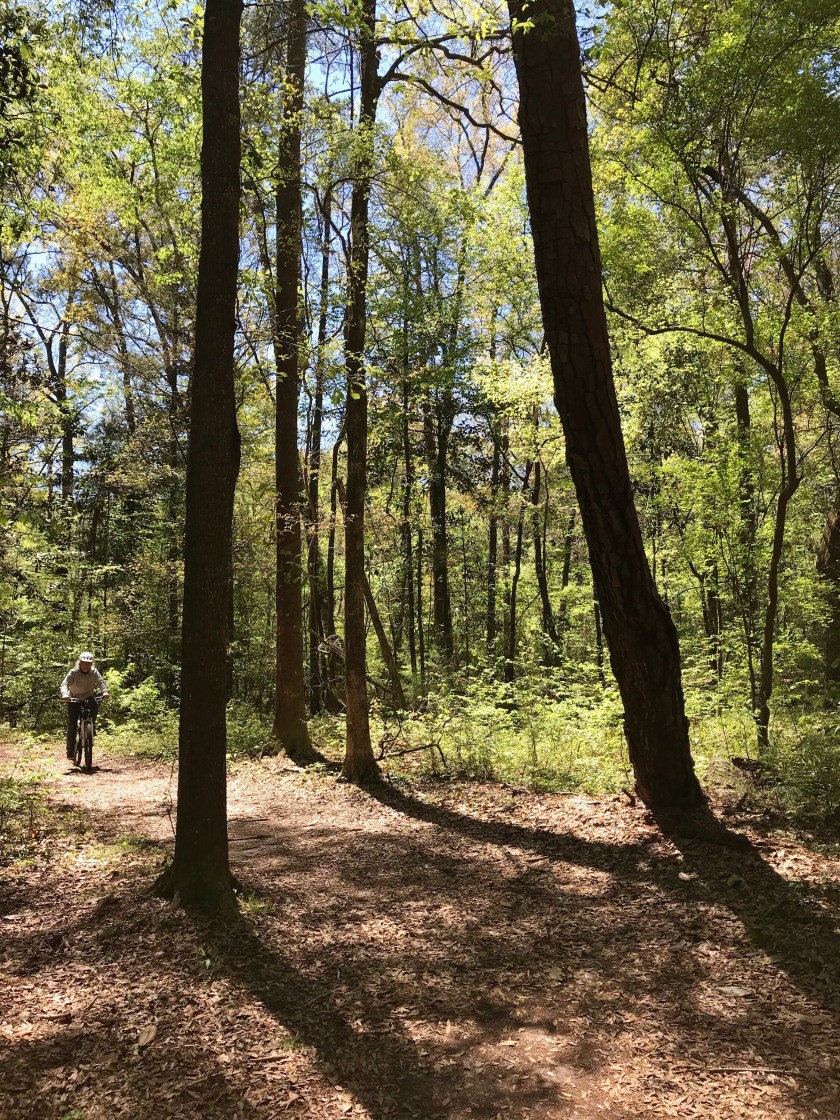
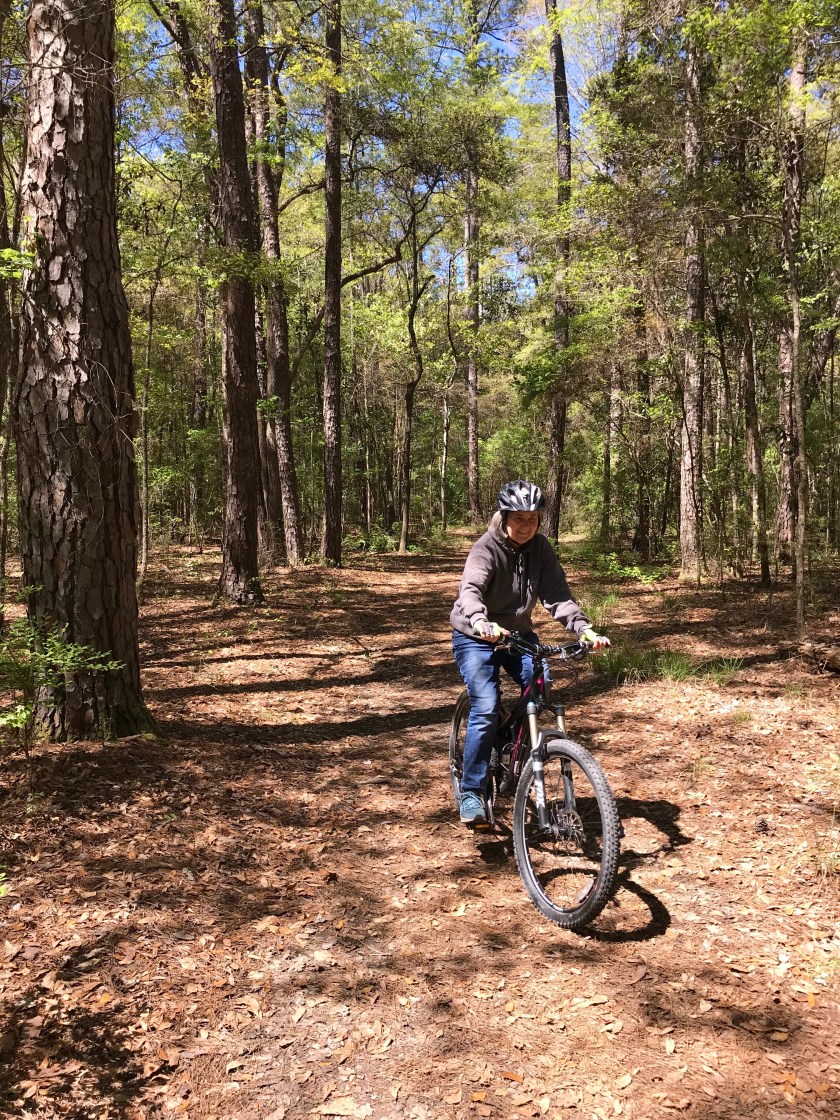
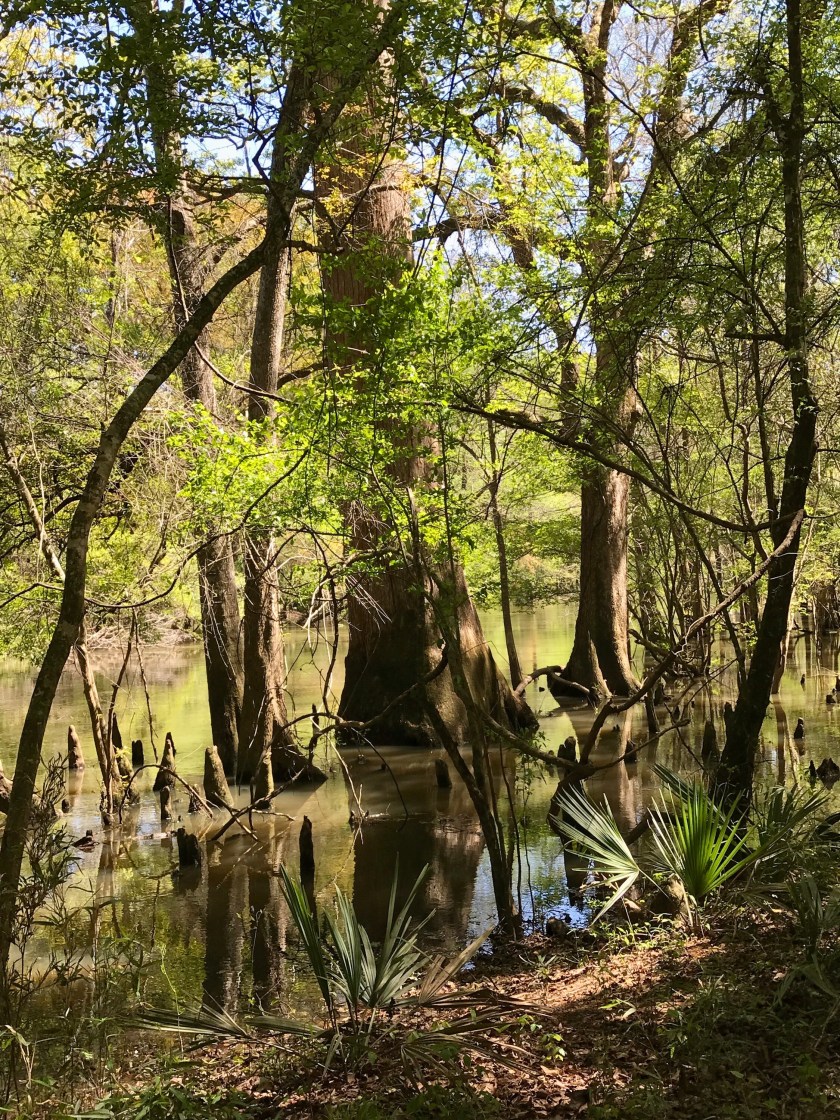 The Park offers a number of multi use trails that allowed us to explore the surrounding woods.
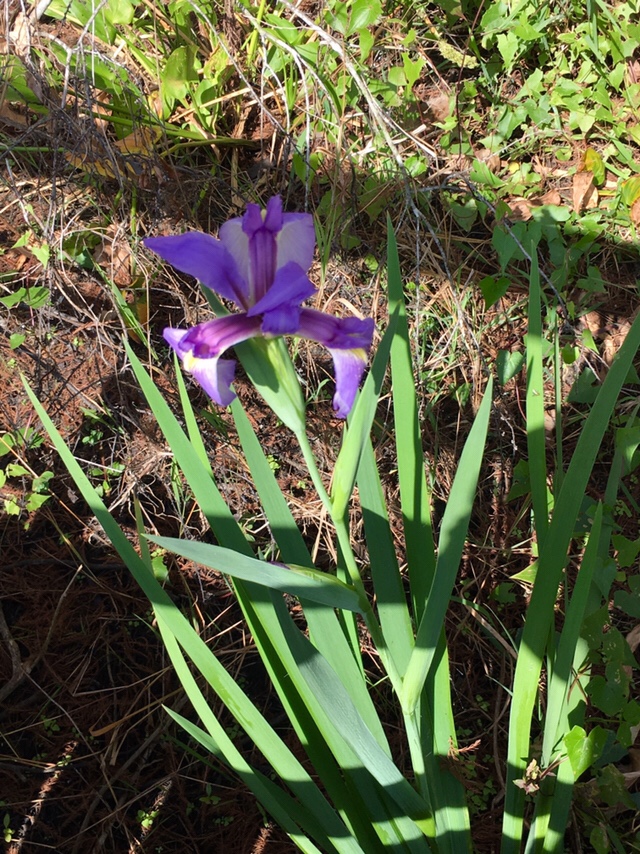
  We saw a variety of flowers blooming.
 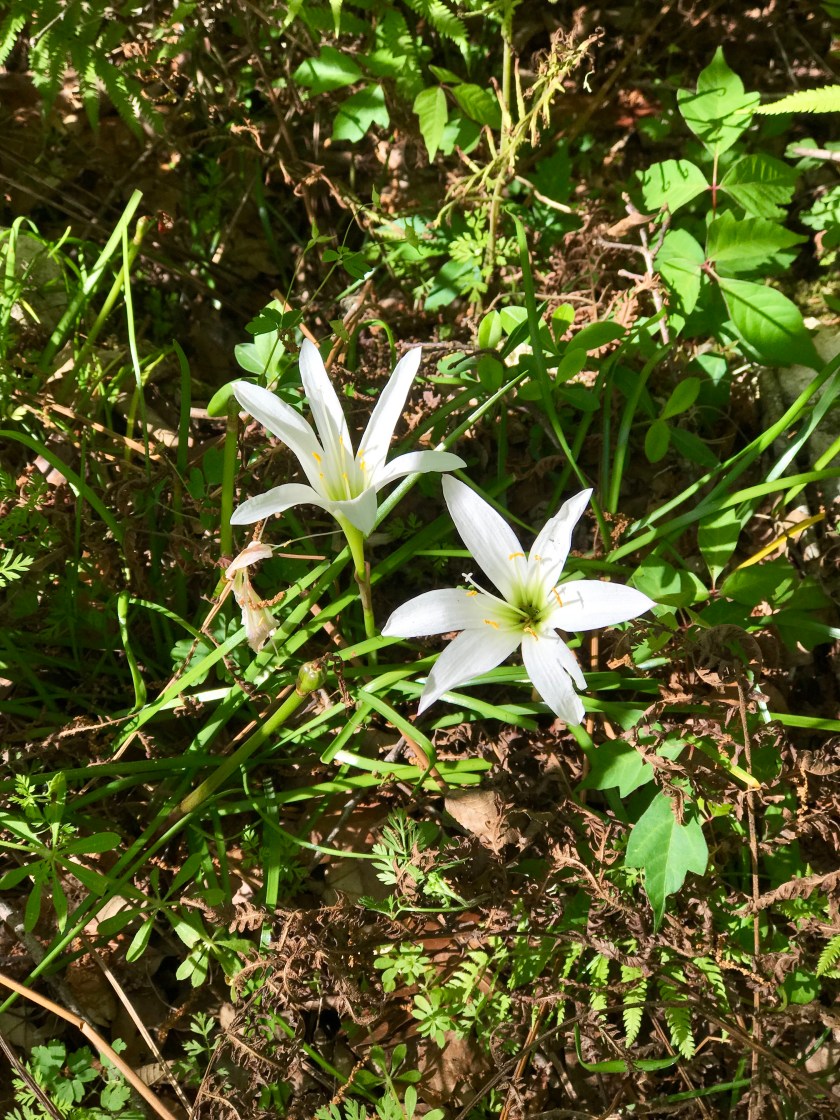 Atamasco Lily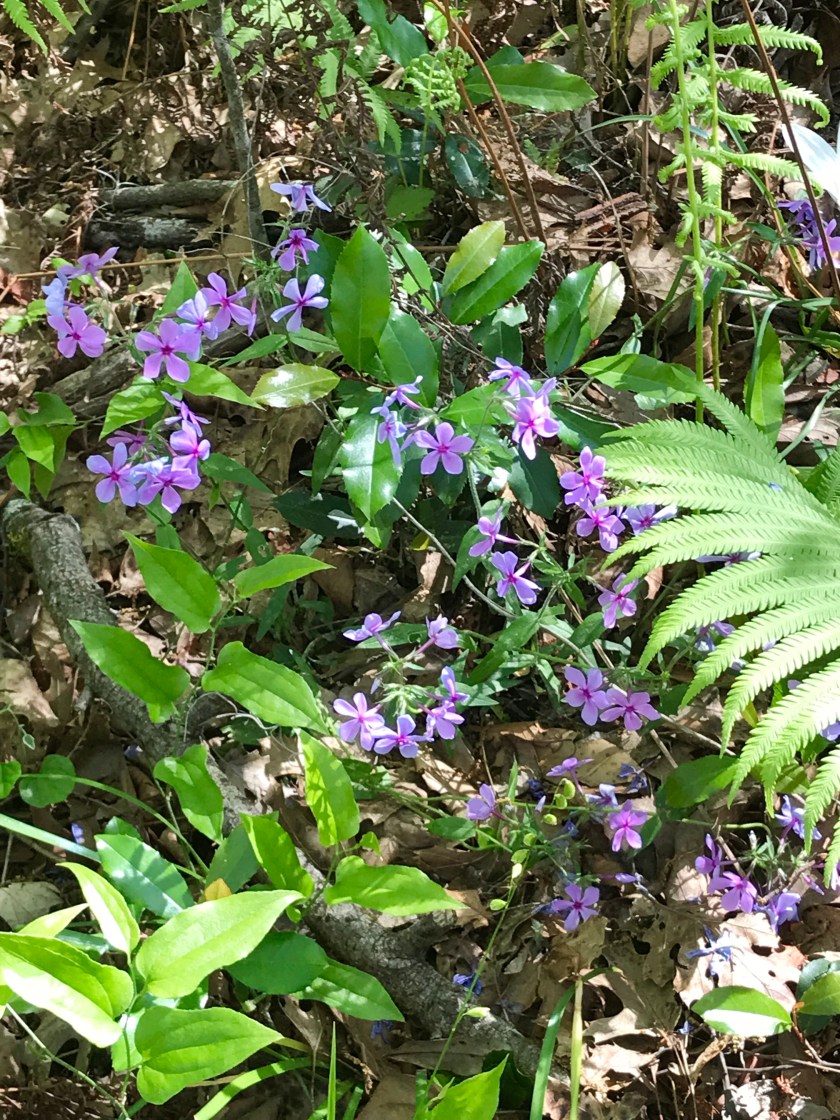
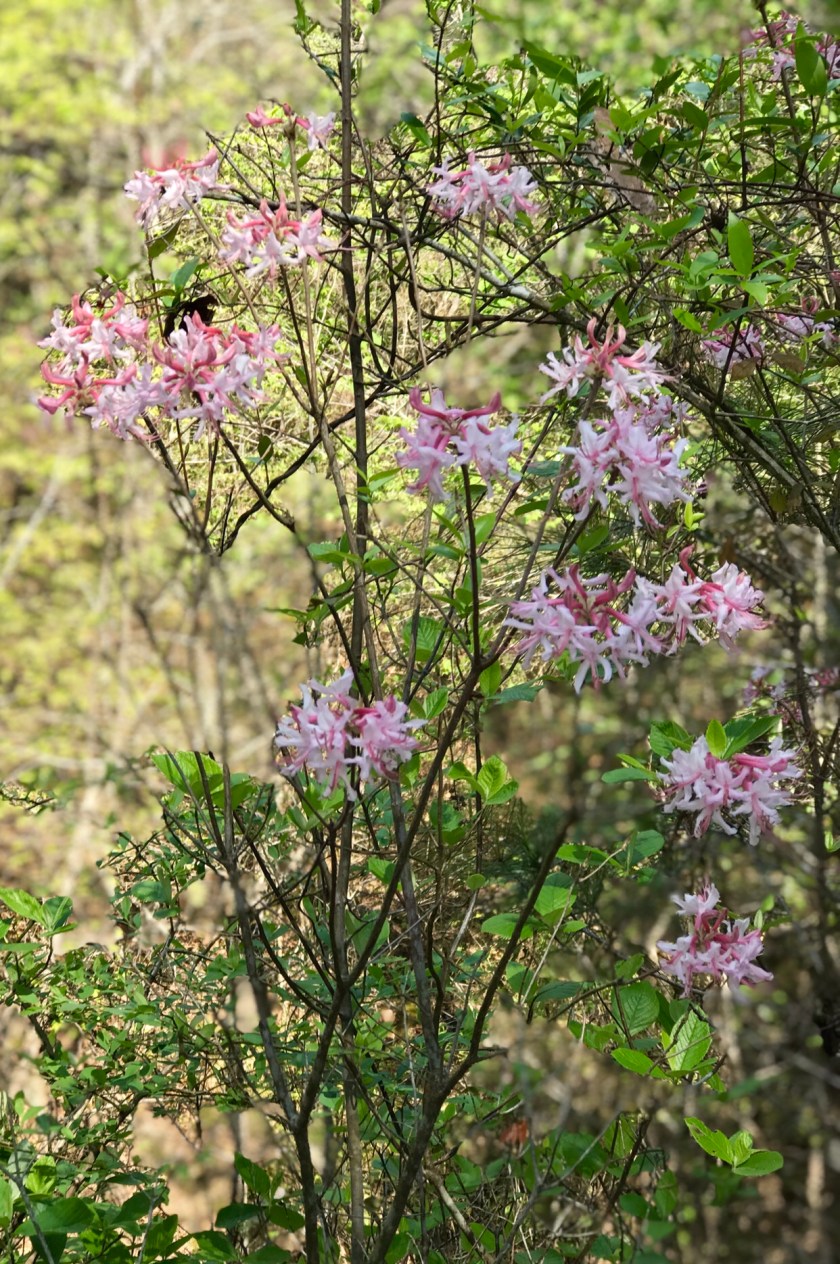 ???
???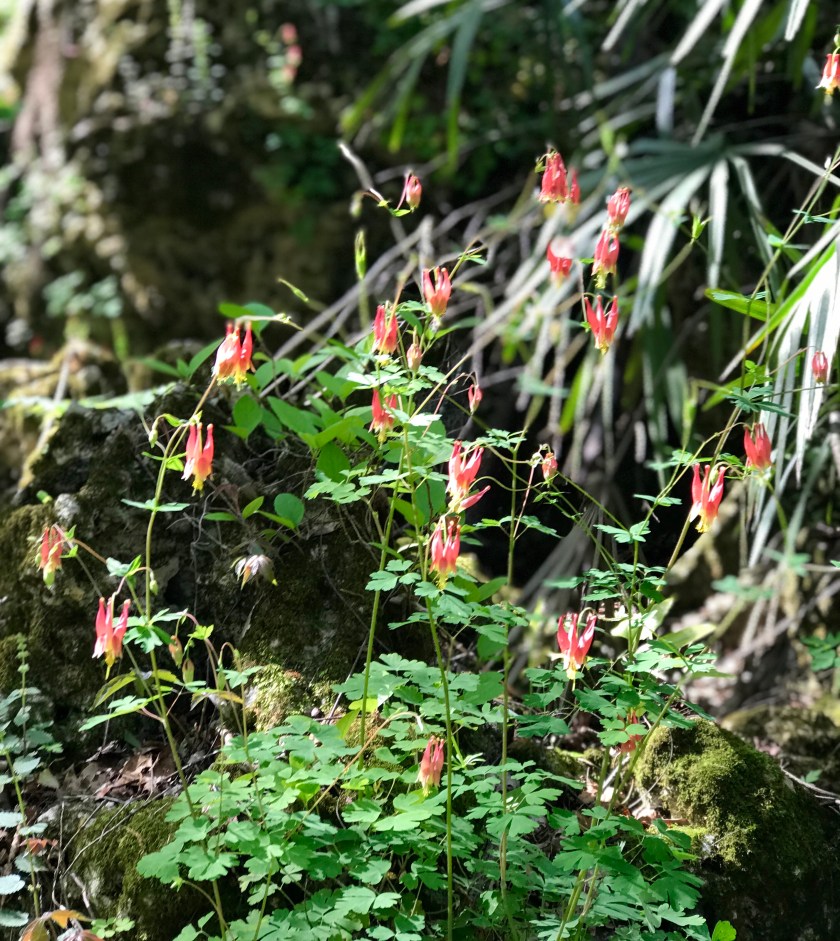 Columbine
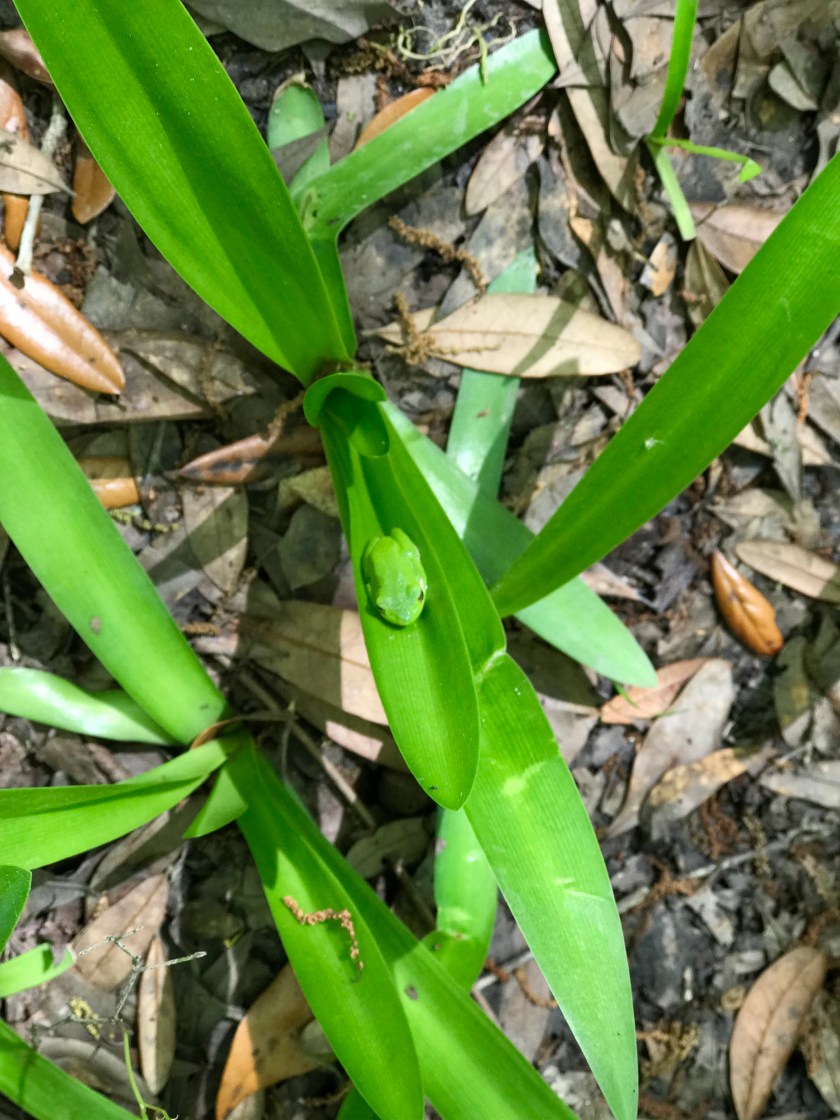 And some fauna as well.
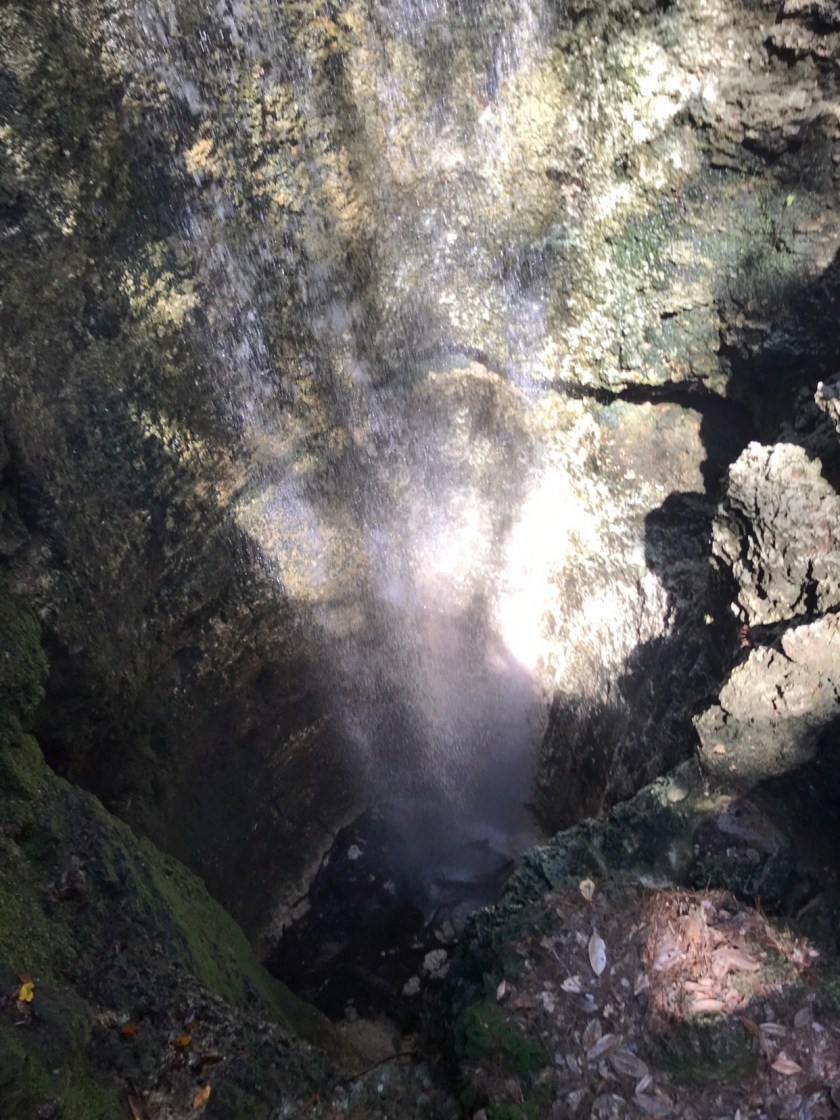
 While touring the cave a fellow spelunker told us about the highest waterfall in Florida. A waterfalls in Florida? We needed to check this out for ourselves.
 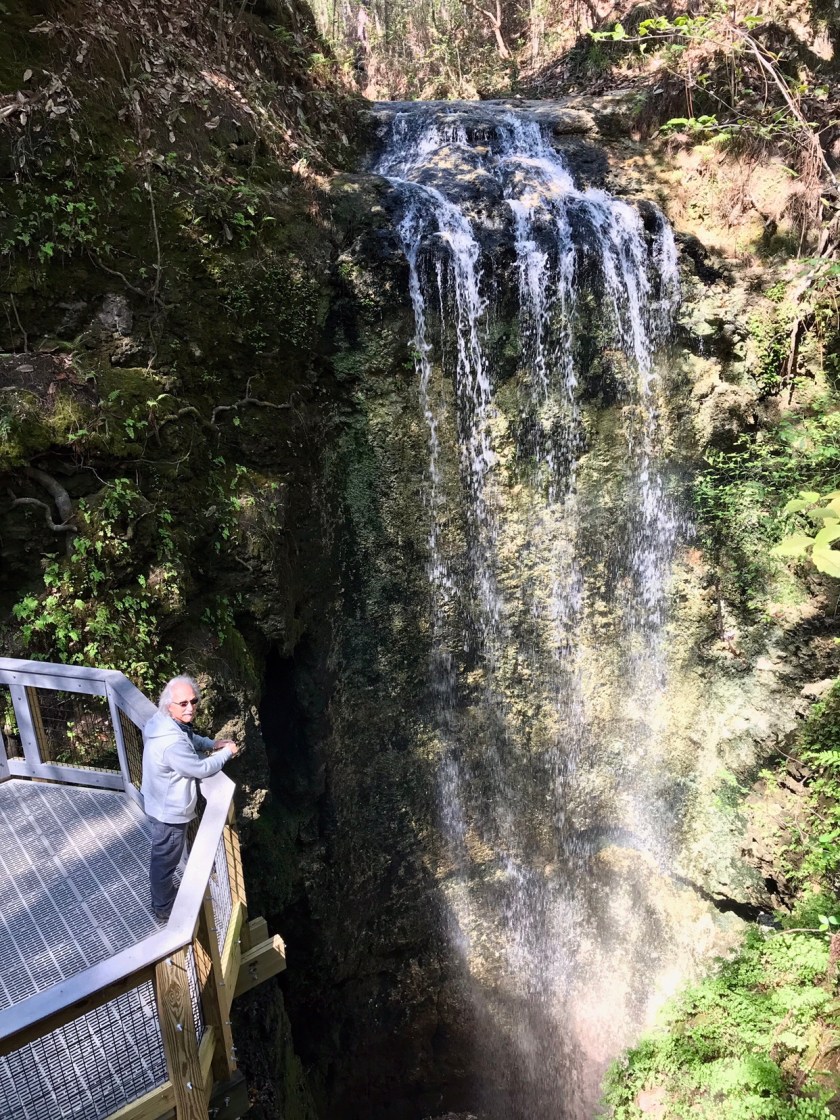 Here it is in all its glory(76 feet tall). This is where a stream drops into a sinkhole and disappears into a cave.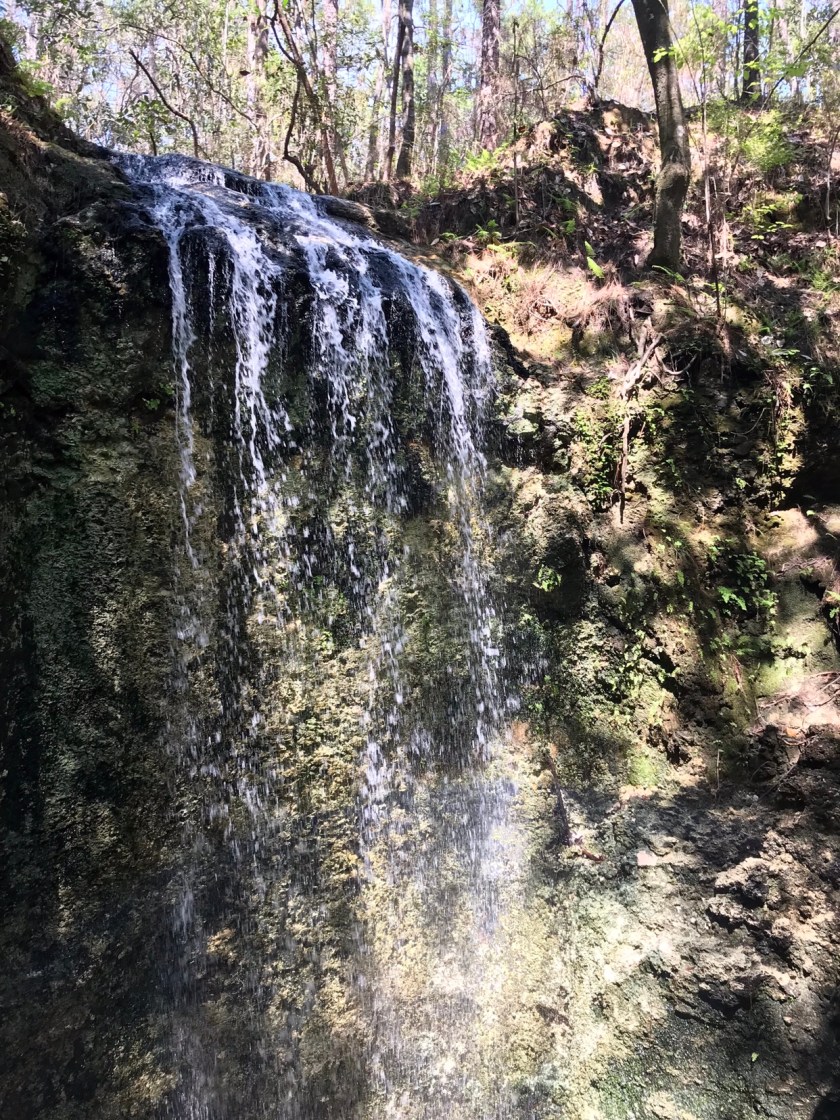
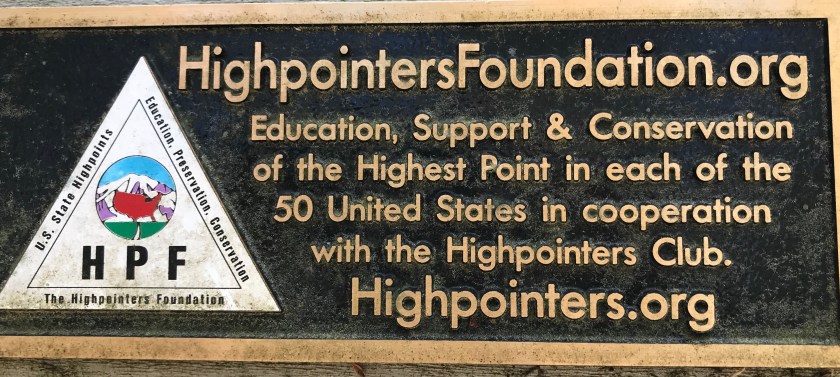
 Speaking of high points, we also visited Britton Hill- the highest natural point of Florida. At 345 feet it’s actually the lowest state highpoint in the US. You may not know that there is an organization of high point enthusiasts. These folks visit all 50 state high points. Not many people can claim all 50 but we actually have a handful under our hiking shoes.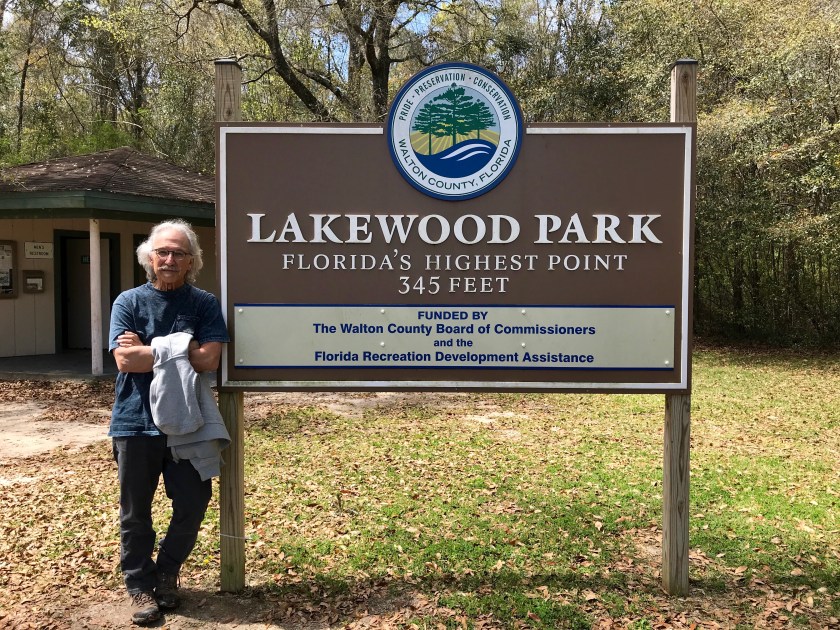
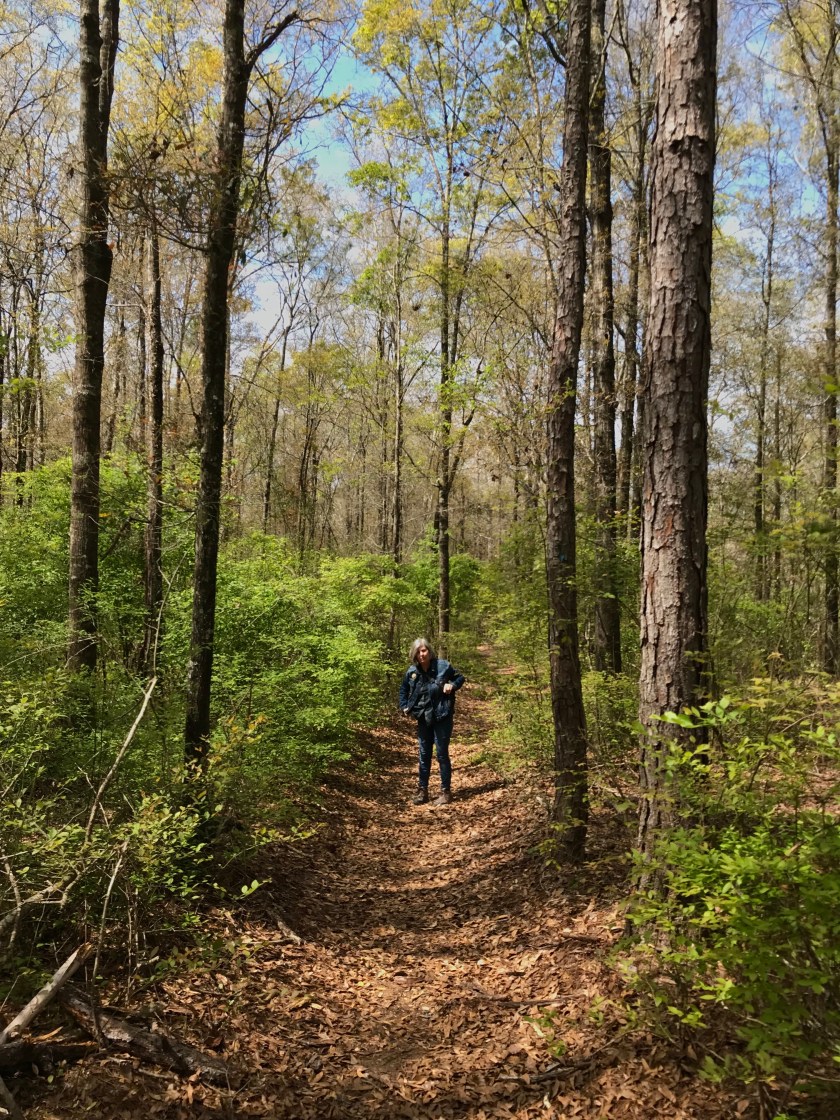
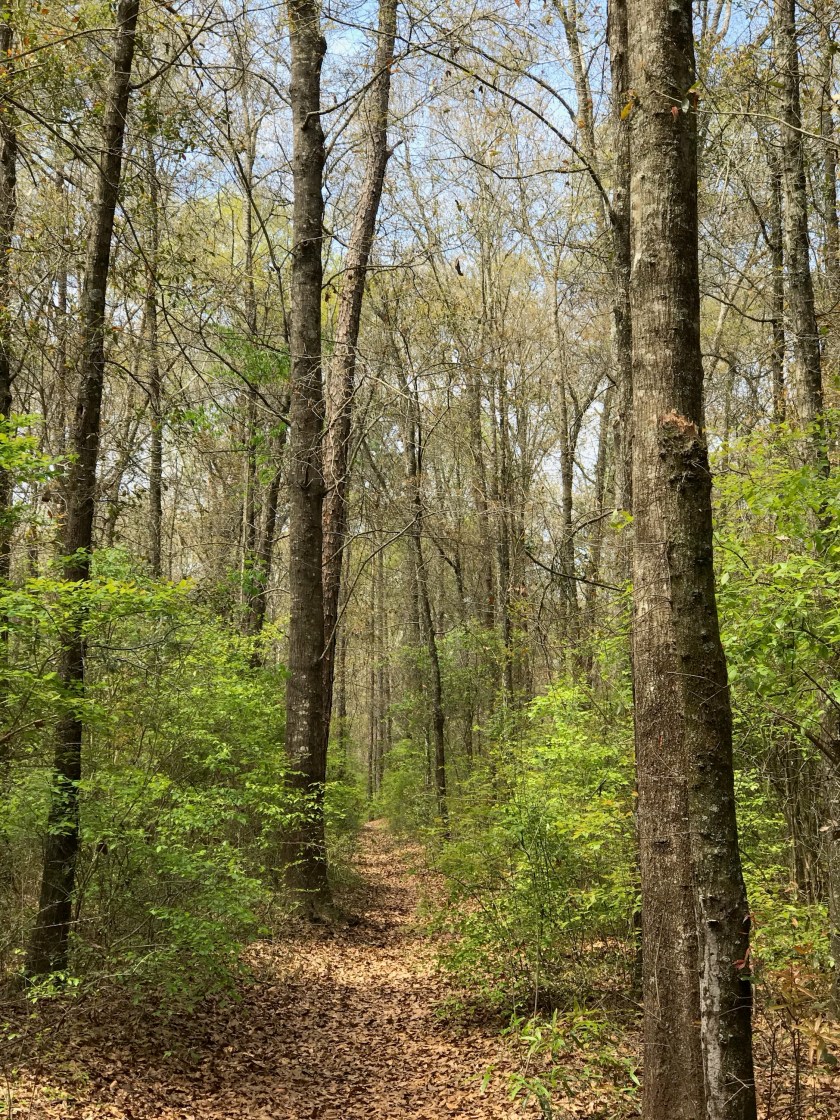 After a few days in the woods we are heading back to the Gulf coast for more beach time.
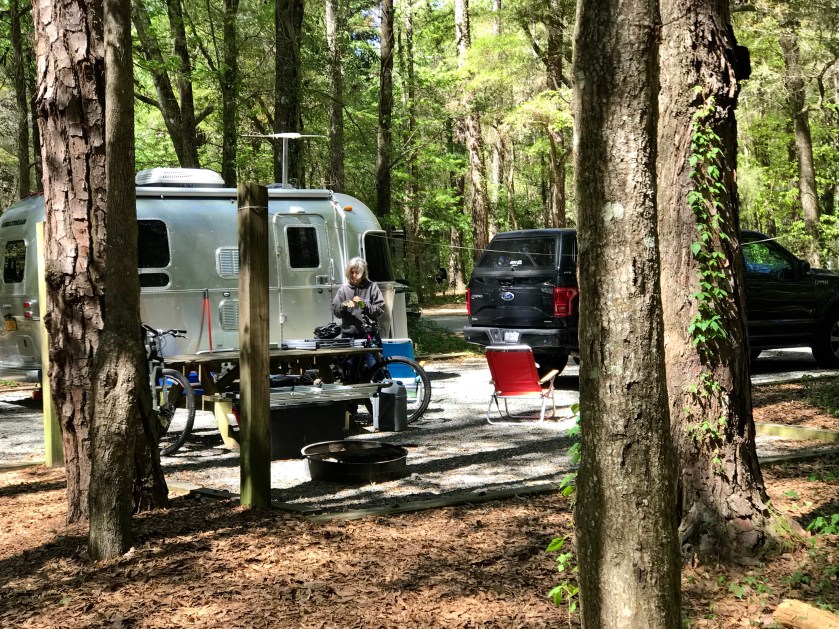
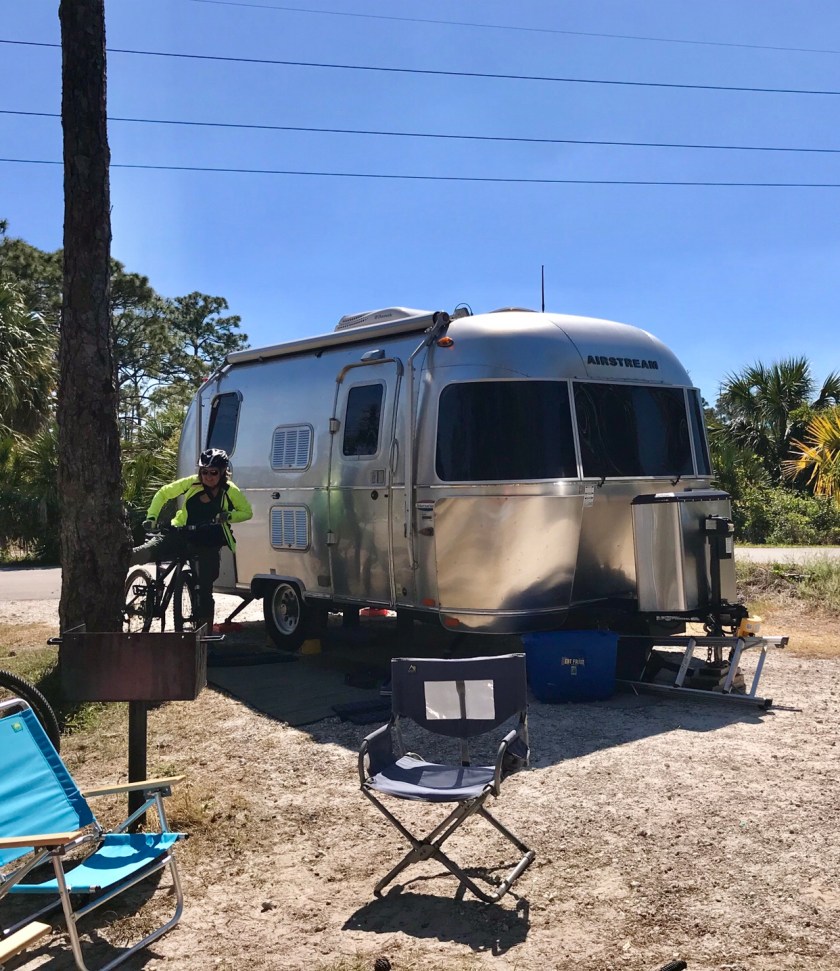 Site 114 in the River Campground
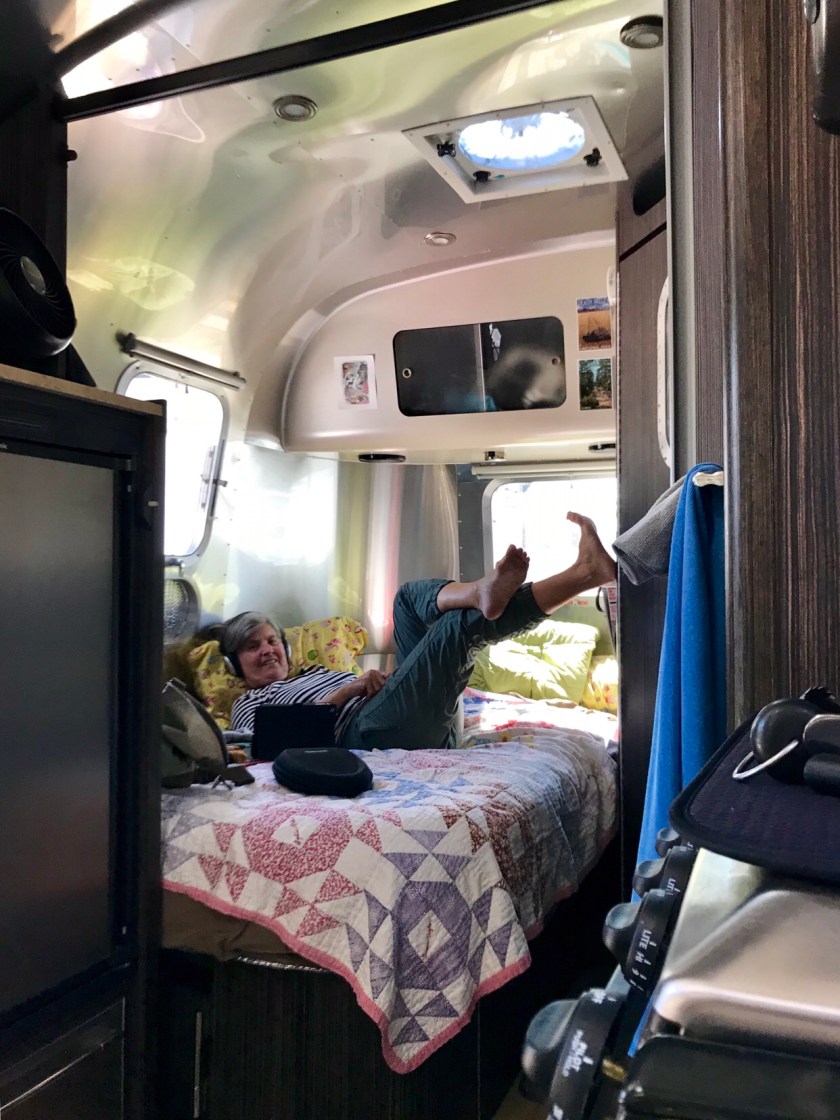 Camping is hard work.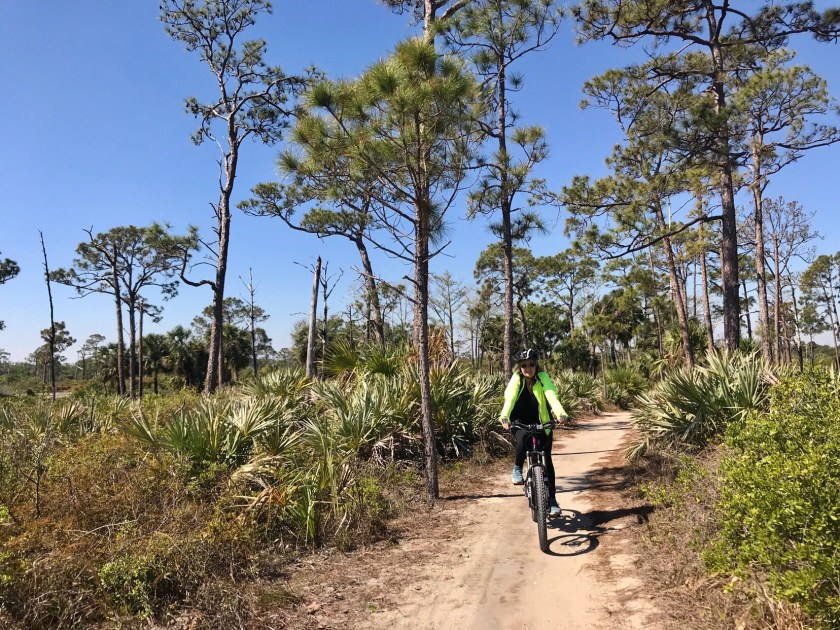
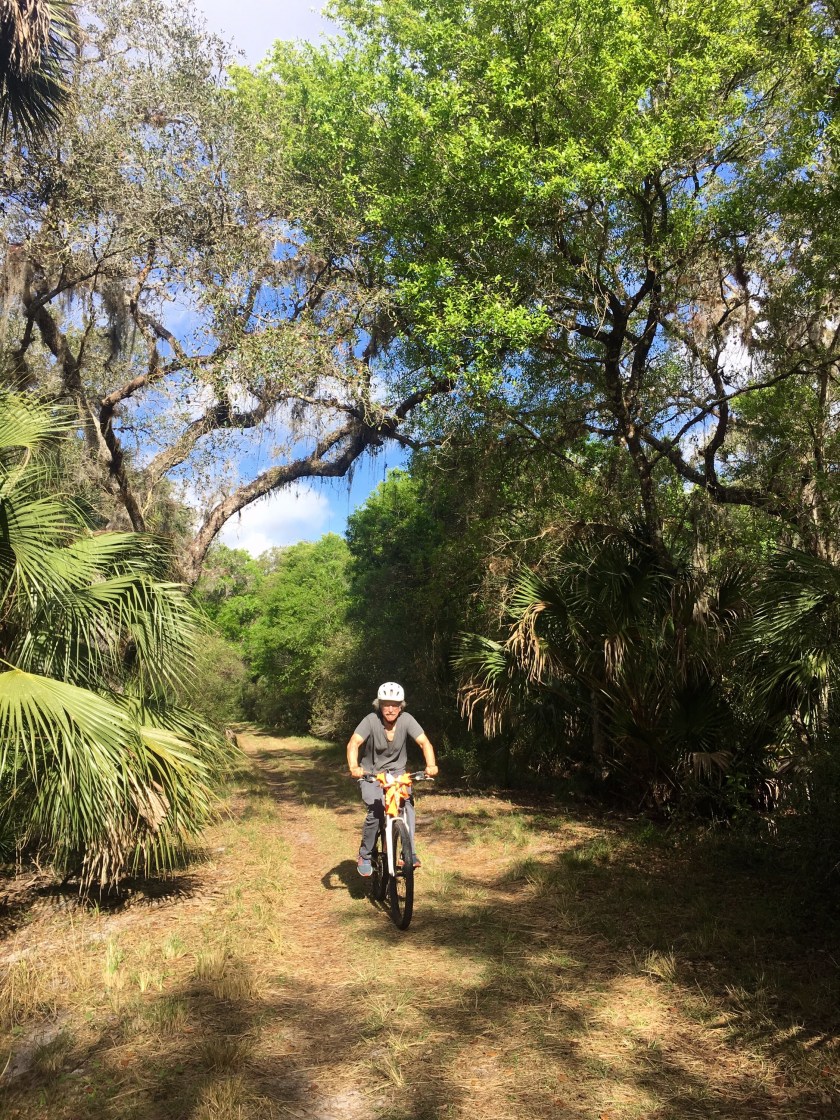
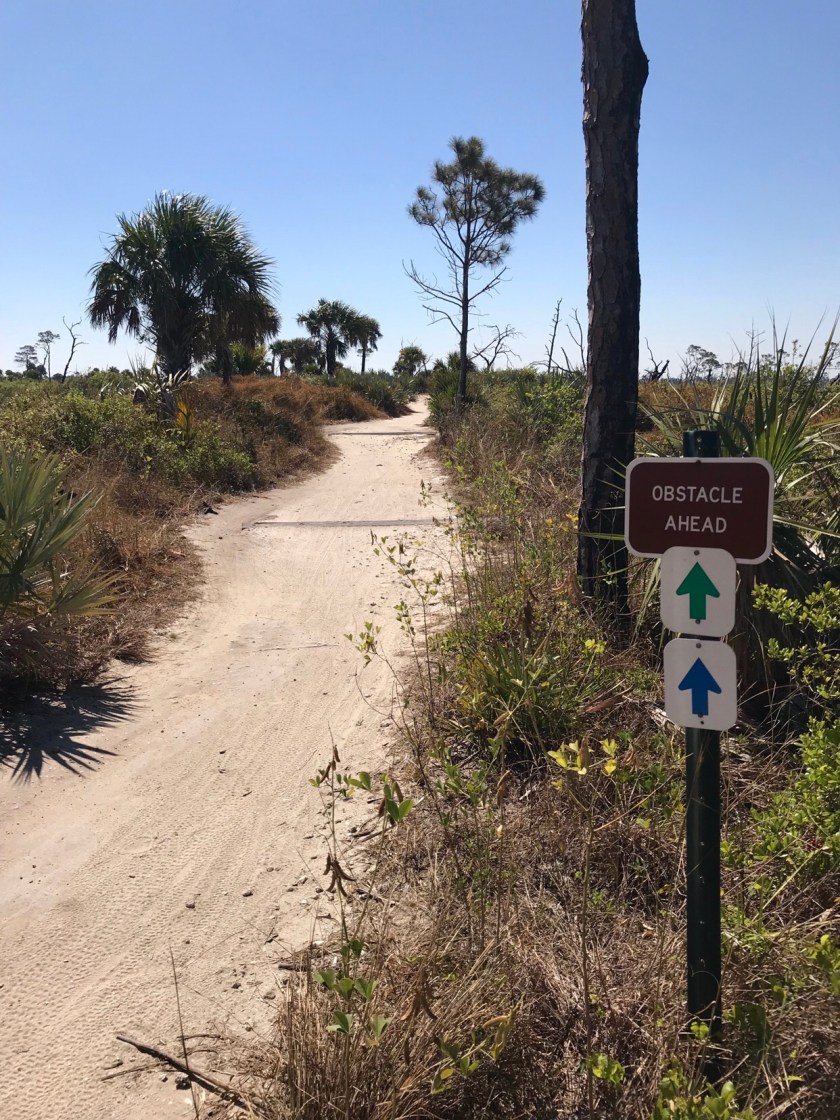 The Park features a nine mile network of mountain bike trails. Great fun.
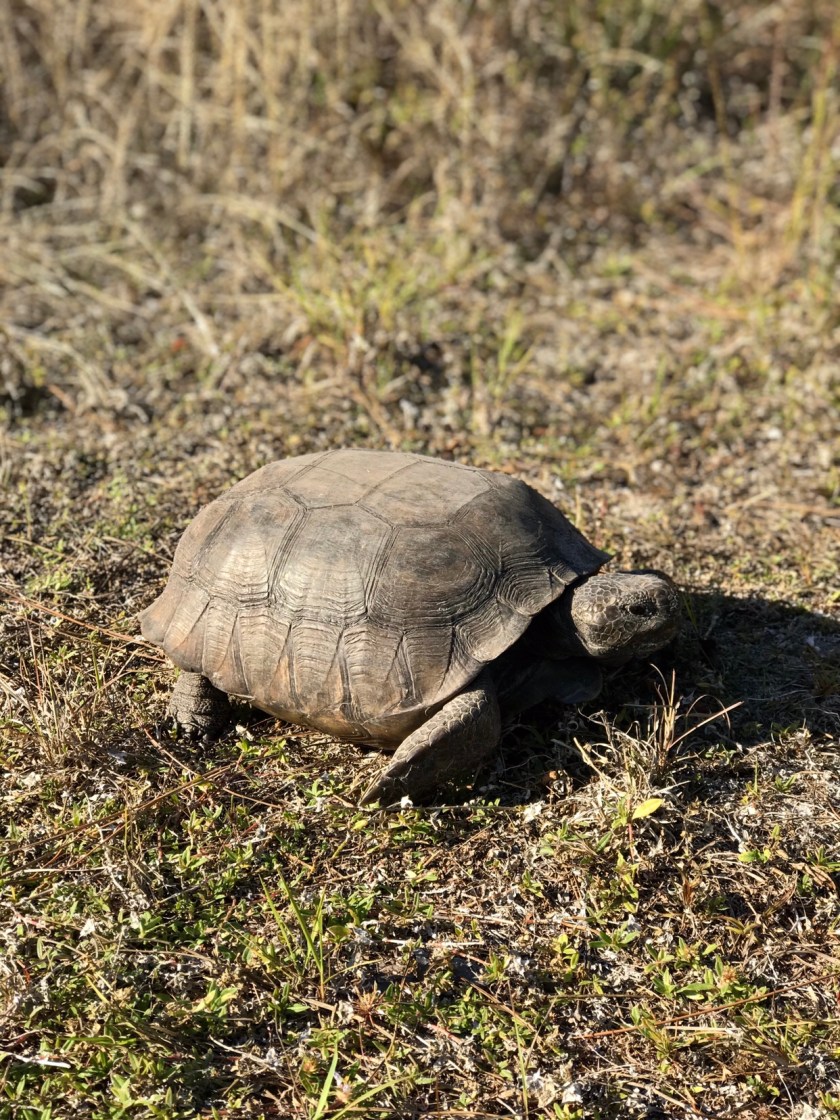
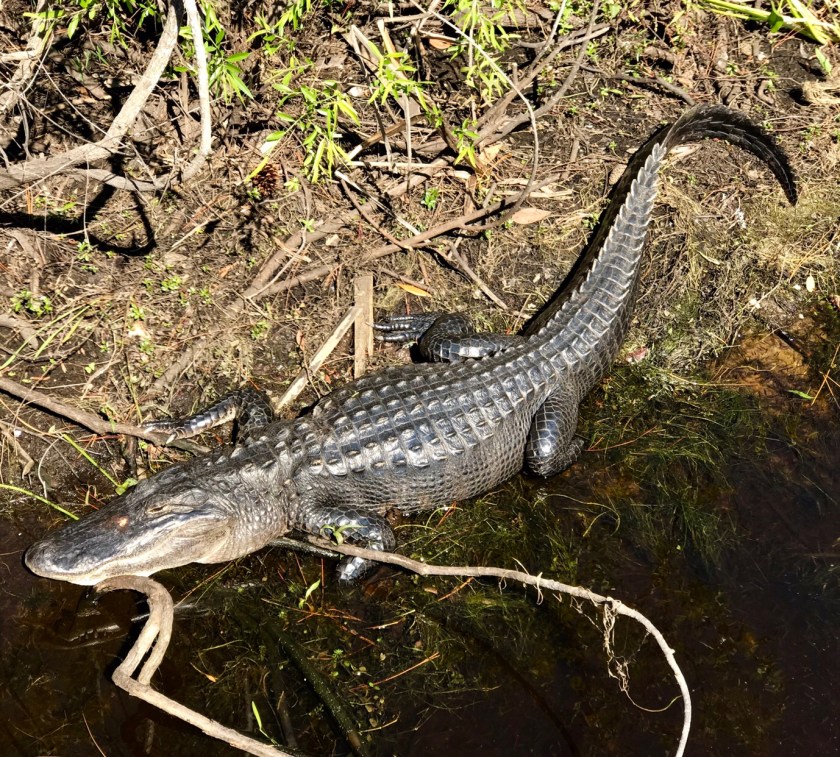
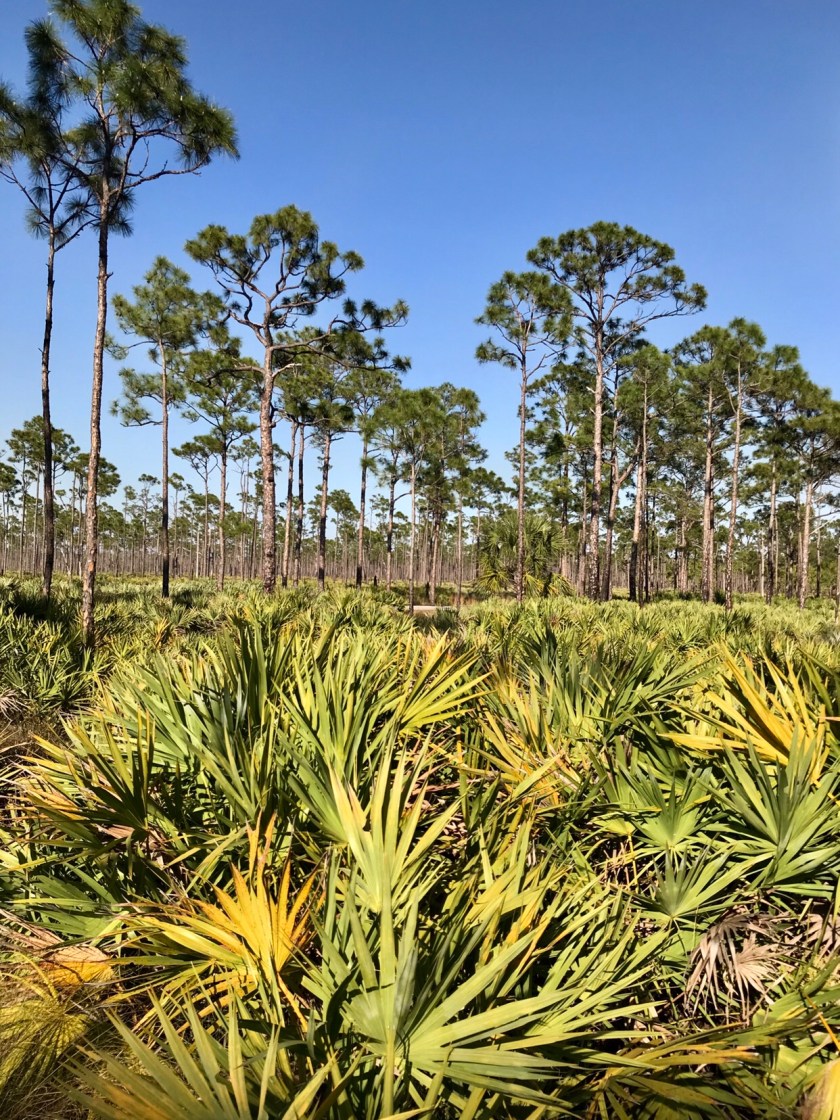 The Park also offers lots of wild life viewing opportunities. We spent every morning checking on the Bald Eagle nest along the paved bike path. A fifteen week old eaglet and its mom made for some must see birding(sorry, no photos). But there were other wildlife sightings as well.
 The Park is home to Hobe Hill- the highest point(86 ft) in Florida south of Lake Okeechobee.
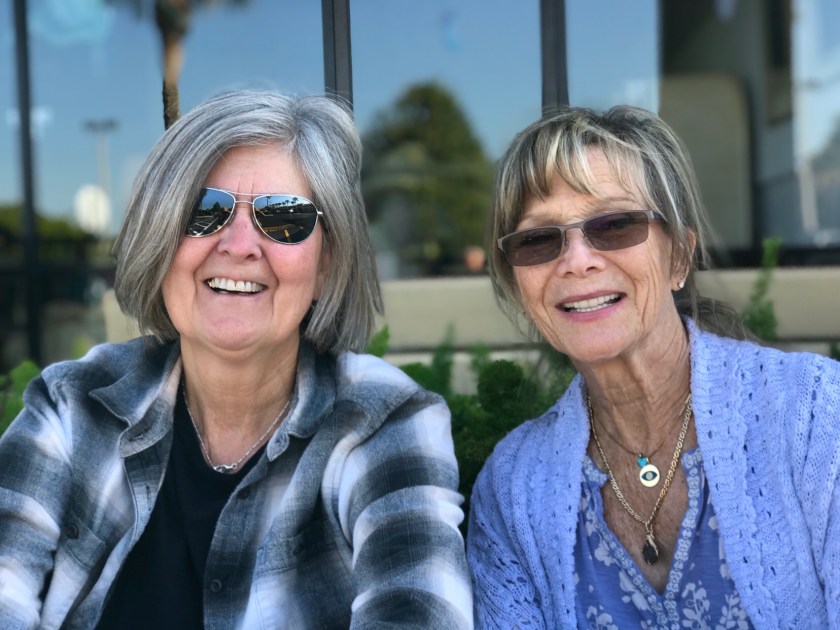
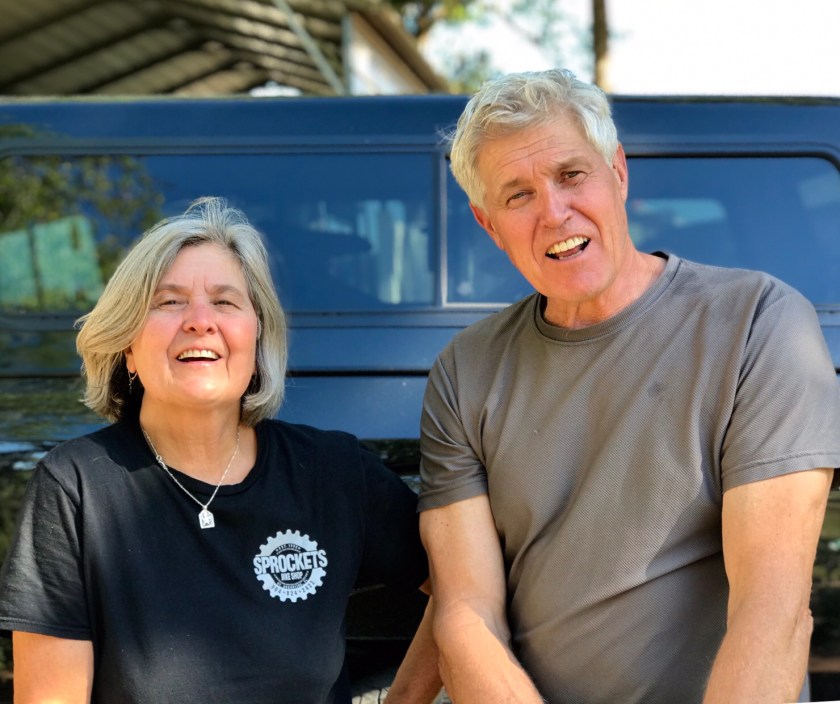
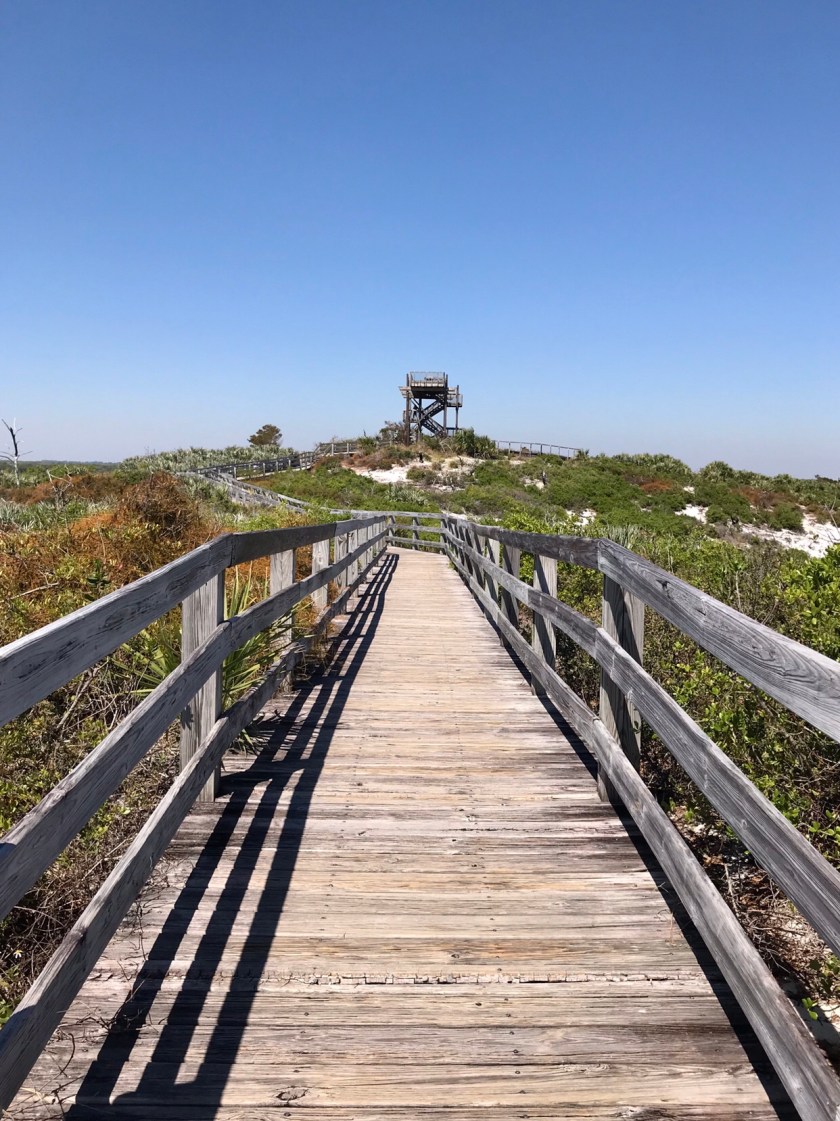 Part of our motivation for making a stop in Jupiter was to connect with Pat’s High School buddy Lynne.
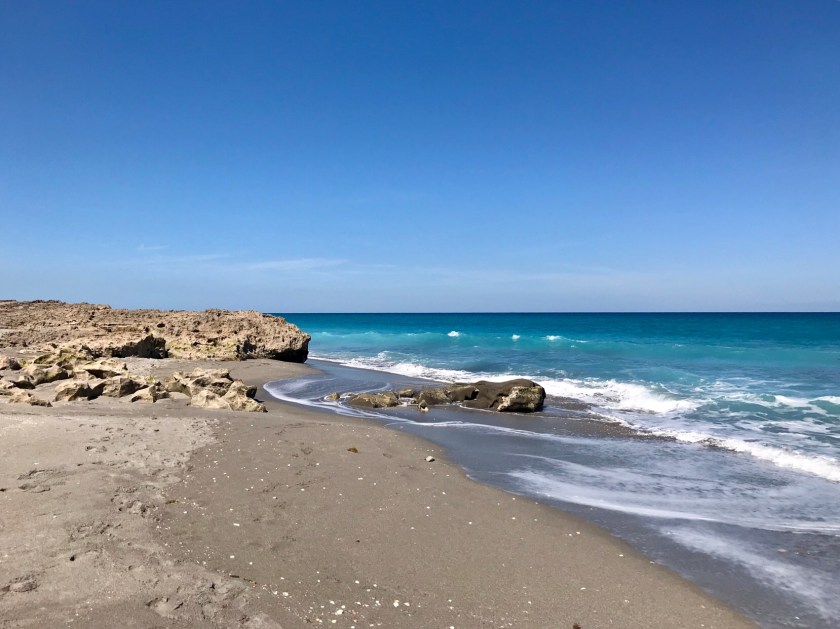
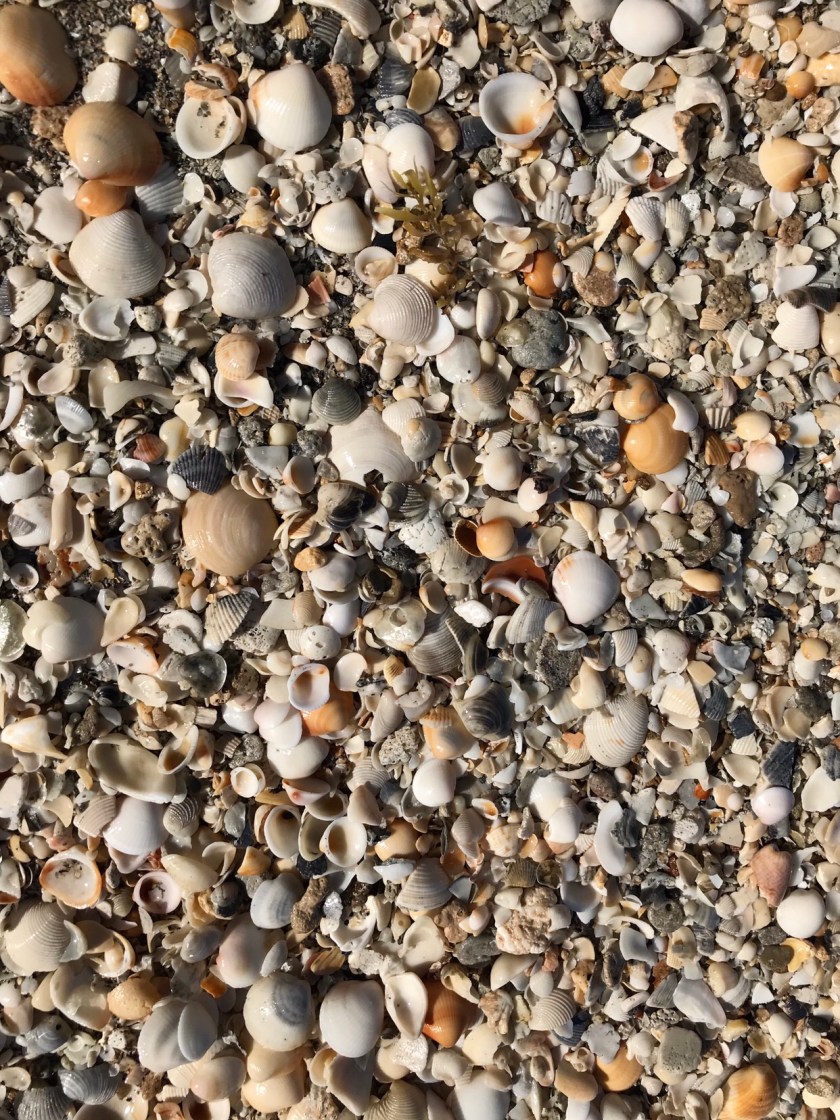
  We spent an afternoon on Jupiter Island walking the beach and collecting shells.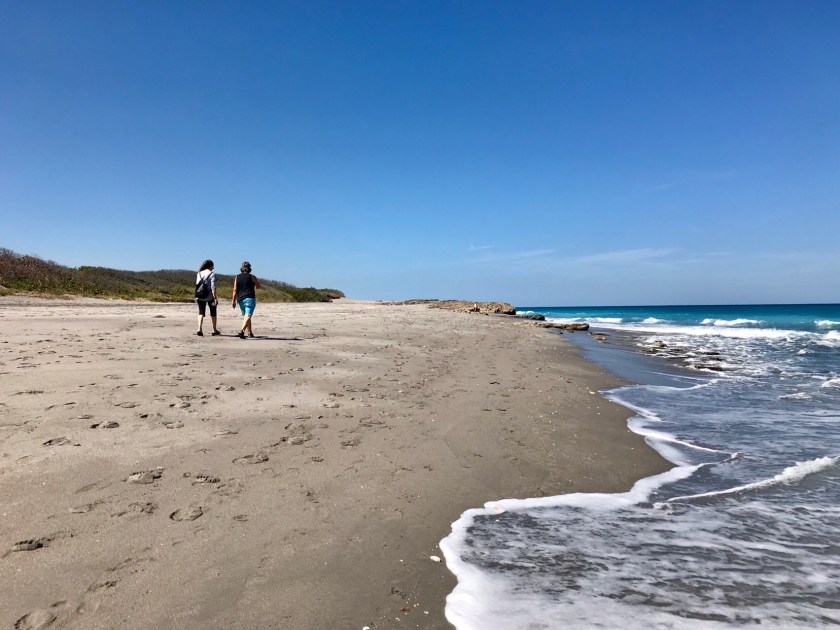

 From Jupiter, we traveled inland to central Florida to visit with Pat’s brother Mike and his wife Donna.
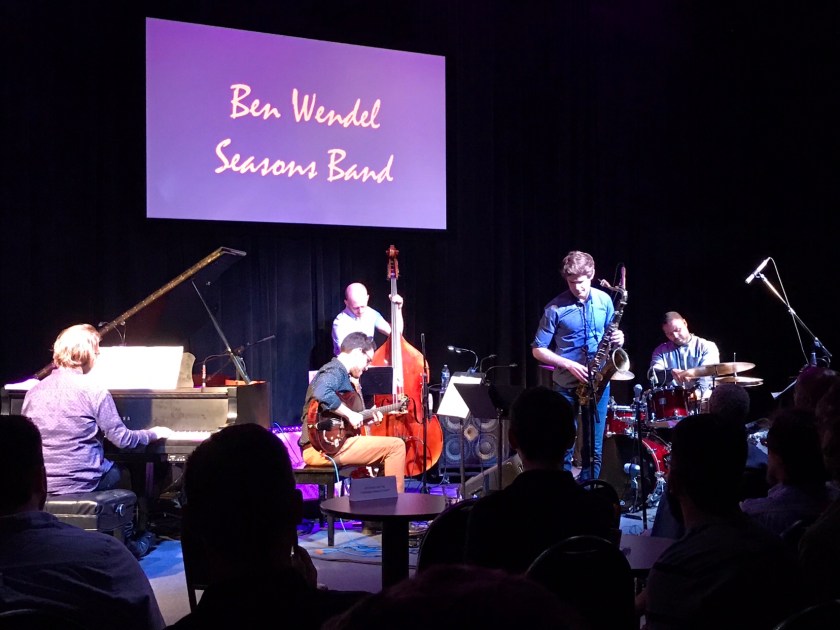
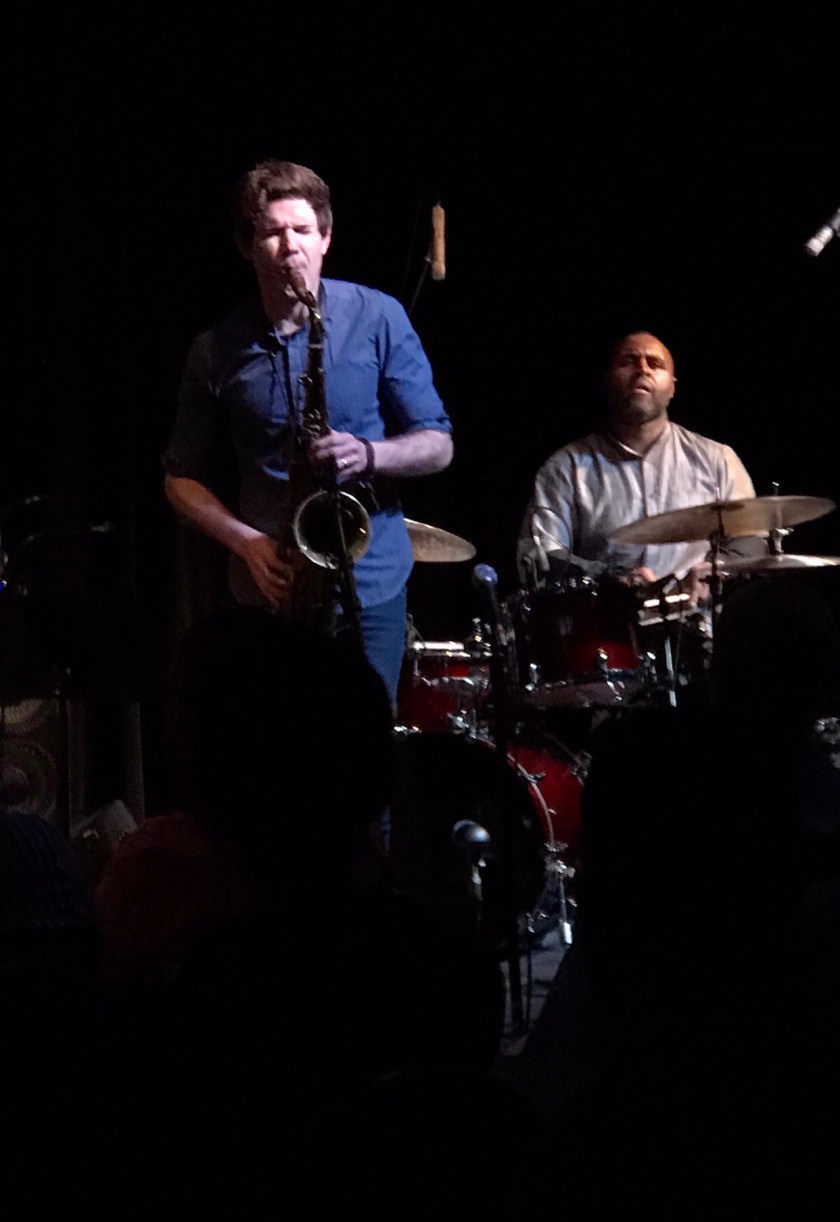
  We had purchased tickets for Ben Wendel’s Seasons Band jazz show in Winter Park at the Blue Bamboo Center for the Arts. Wow, what a great band and performance, (Gilad Hekdelman, Matt Brewer, Aaron Parks and Kendrick Scott).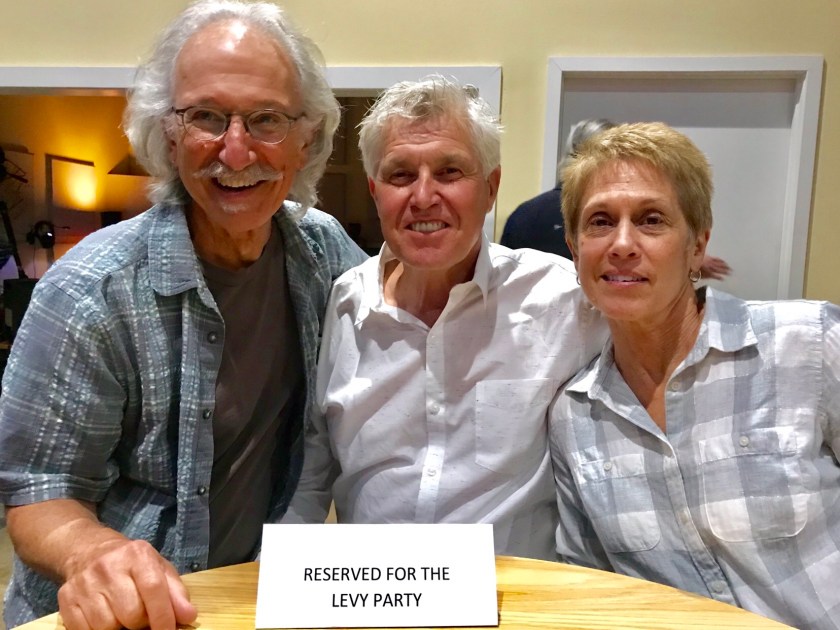
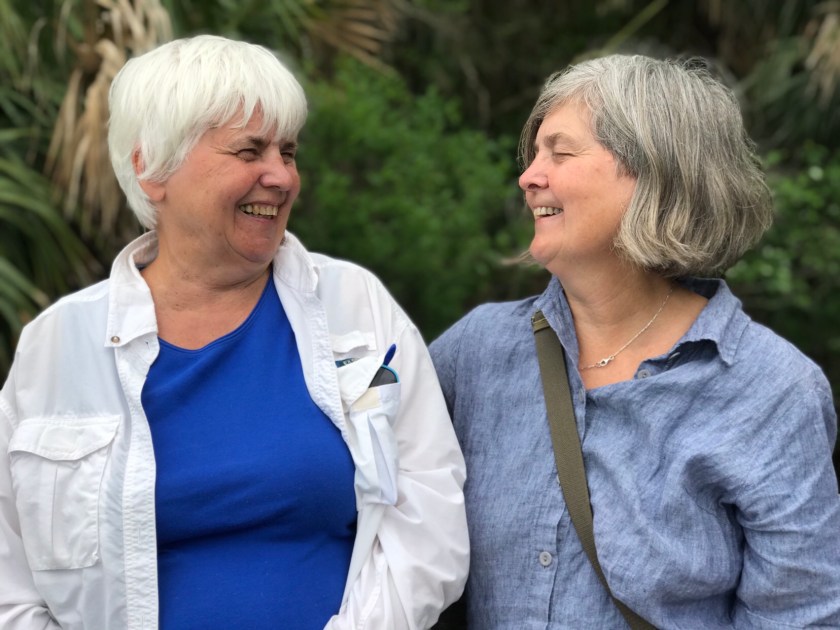 Their new home is near Mt. Dora, which is a picturesque town on a lake.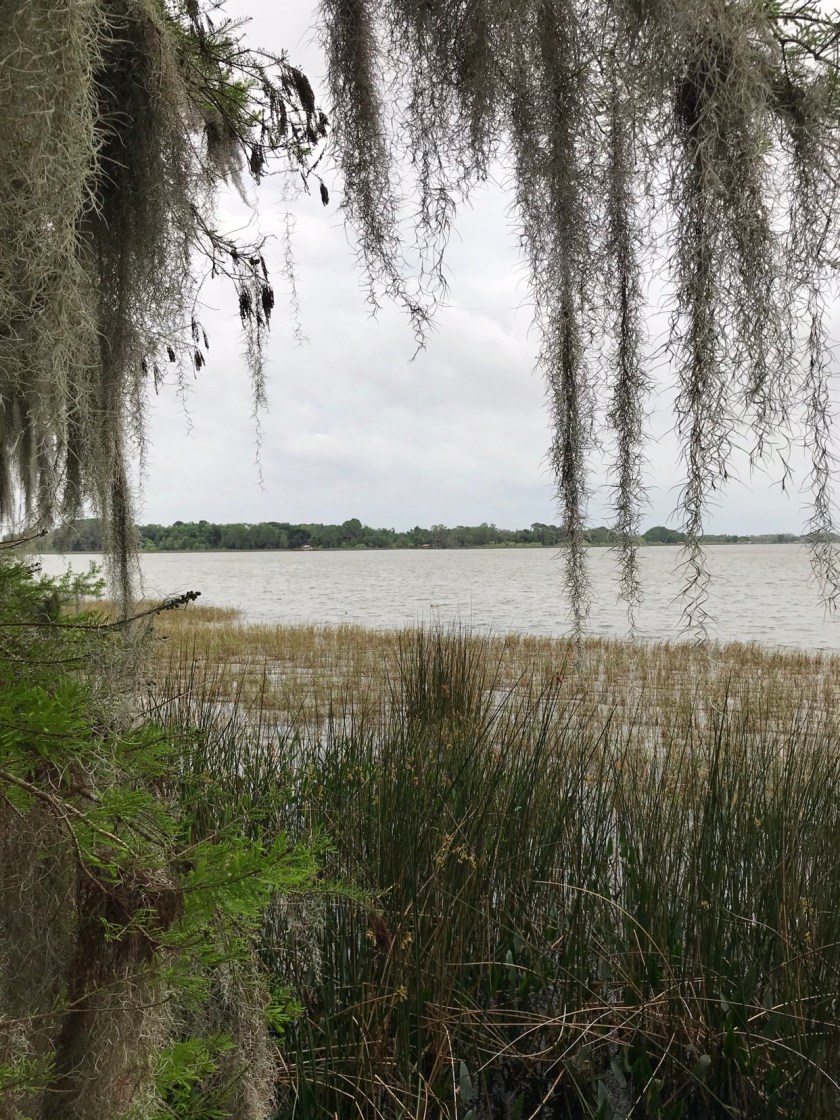
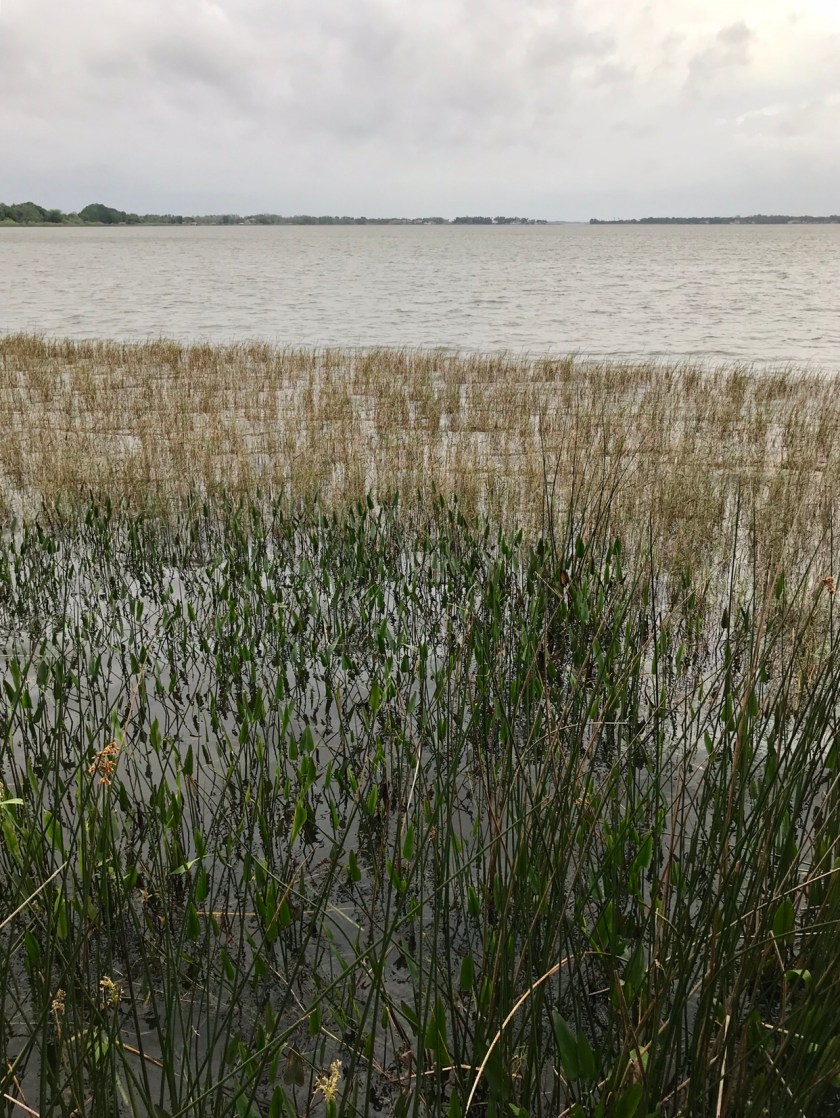 The 1/4 mile boardwalk gives you the opportunity to check out the local fauna.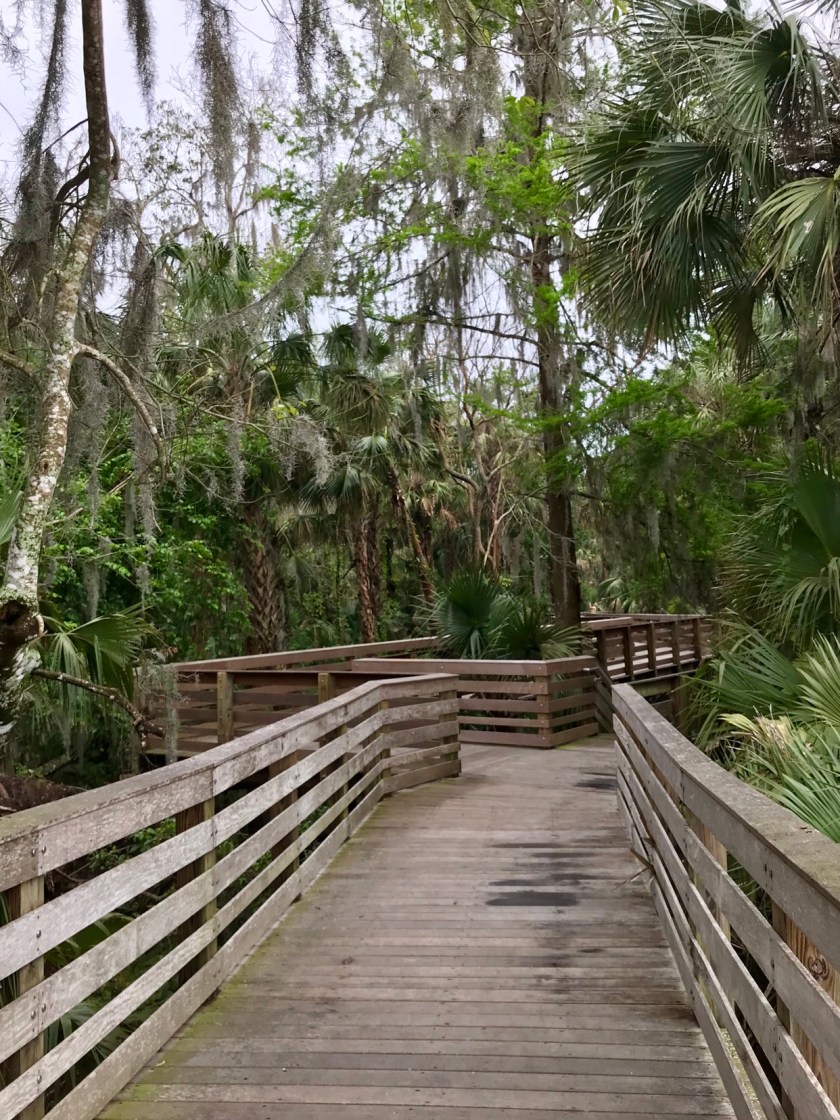
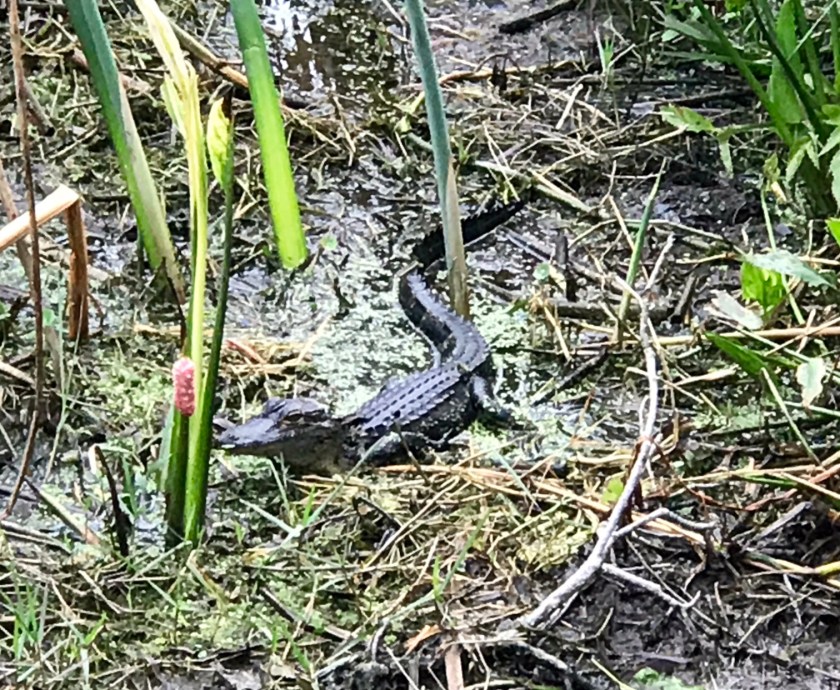 Baby Alligator
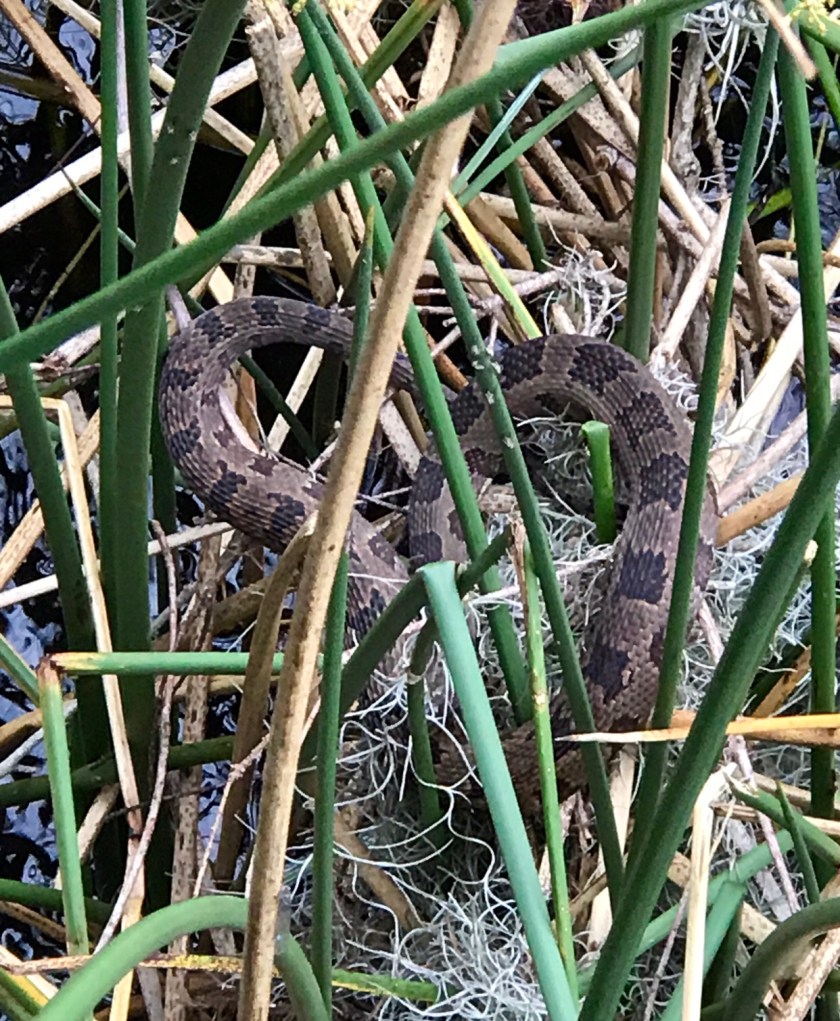 Brown Water Snake
 Night Heron
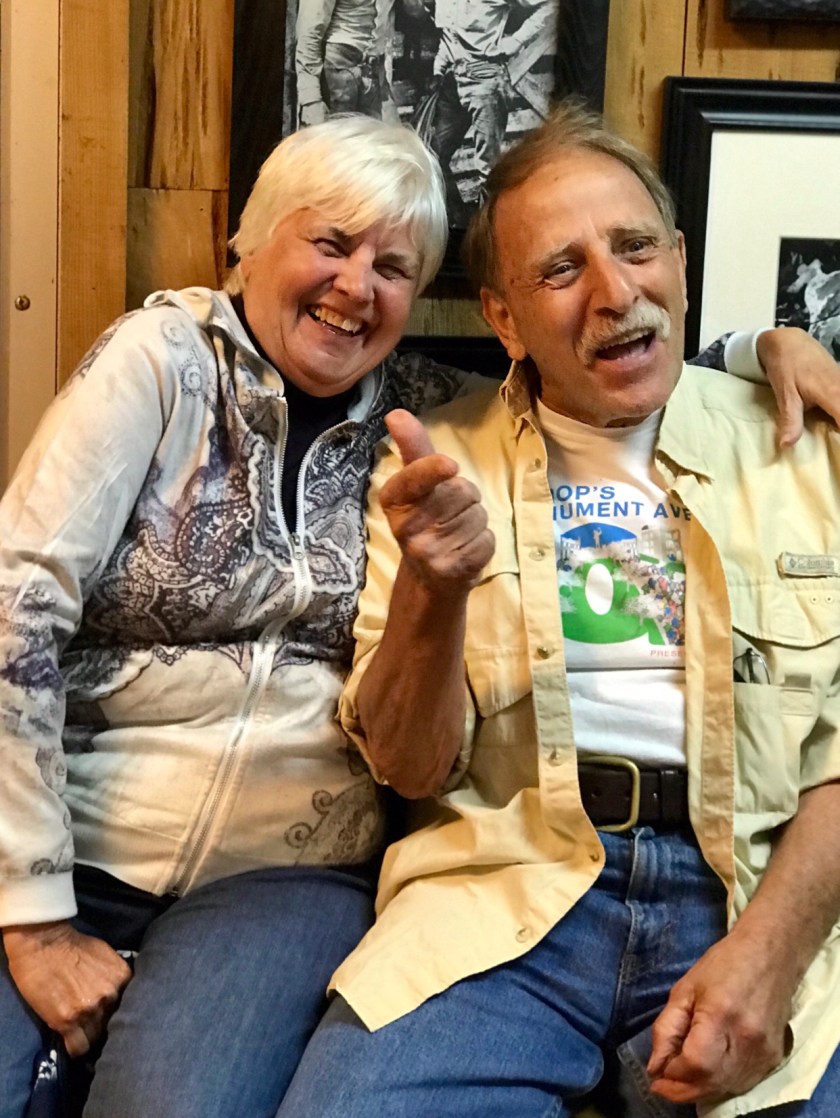 A fun time was had by all.
 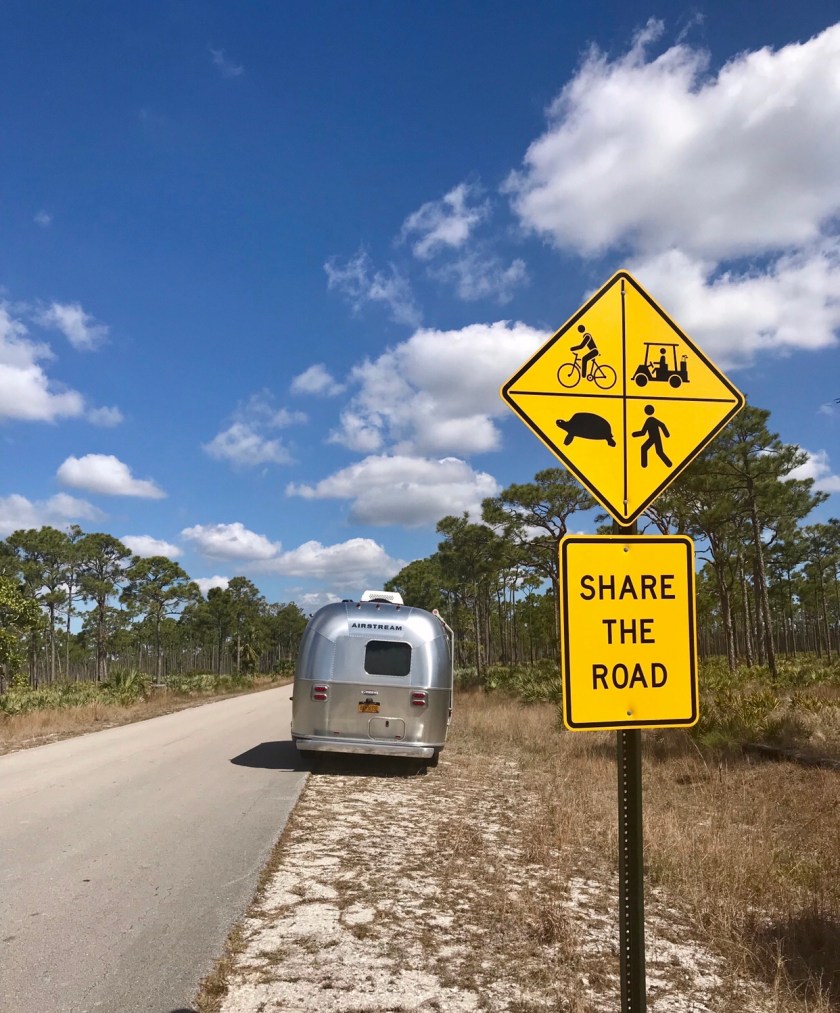 And down the road we go.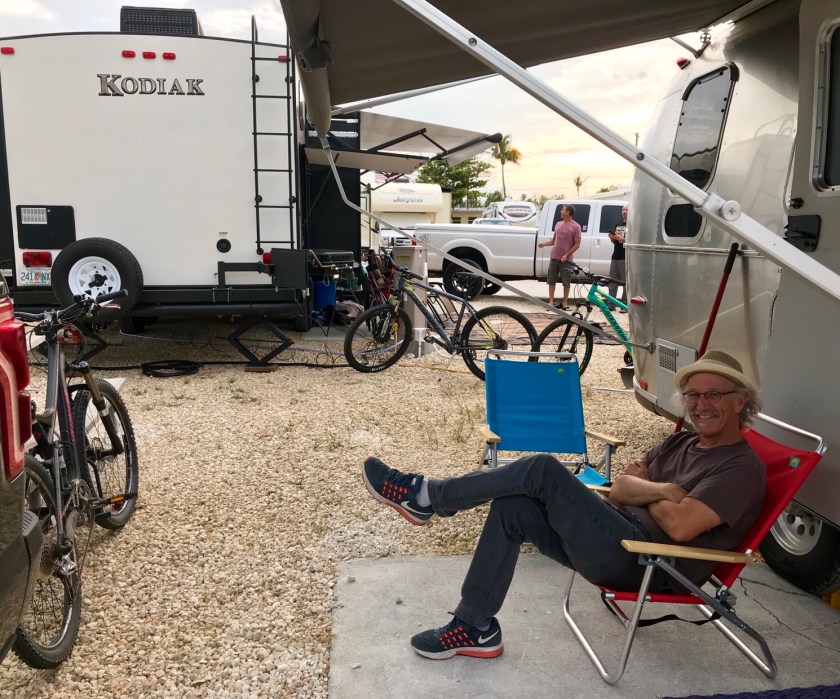
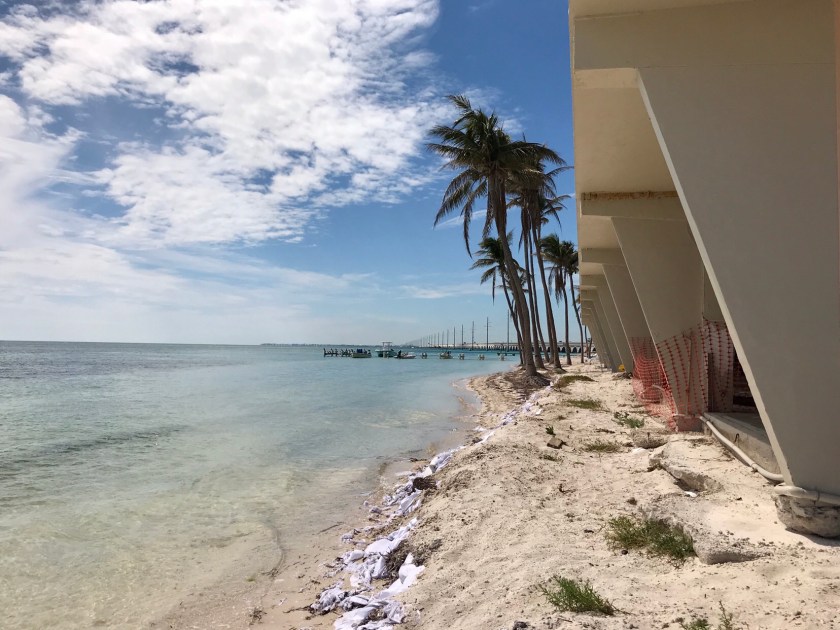 Much of the beachfront has been lost throughout the Keys and storm debris was visible wherever we went.
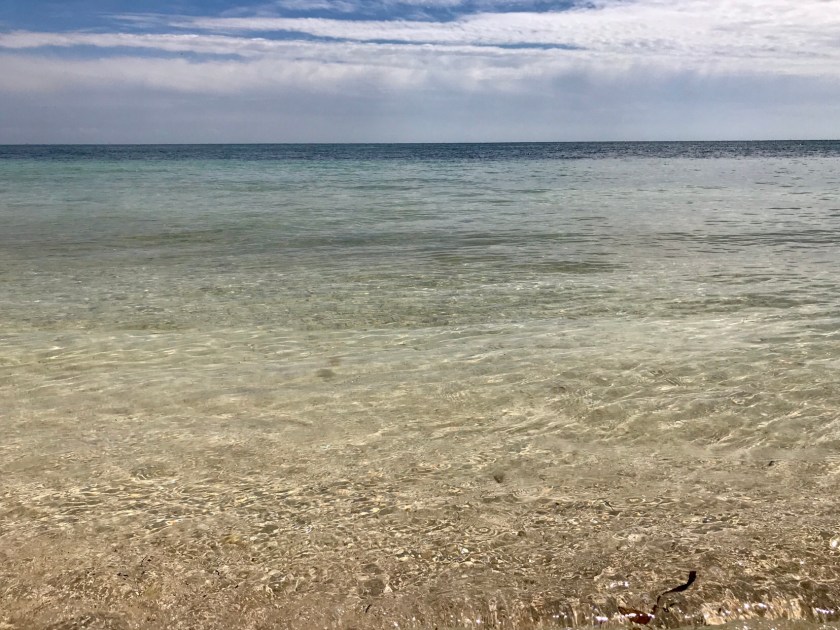
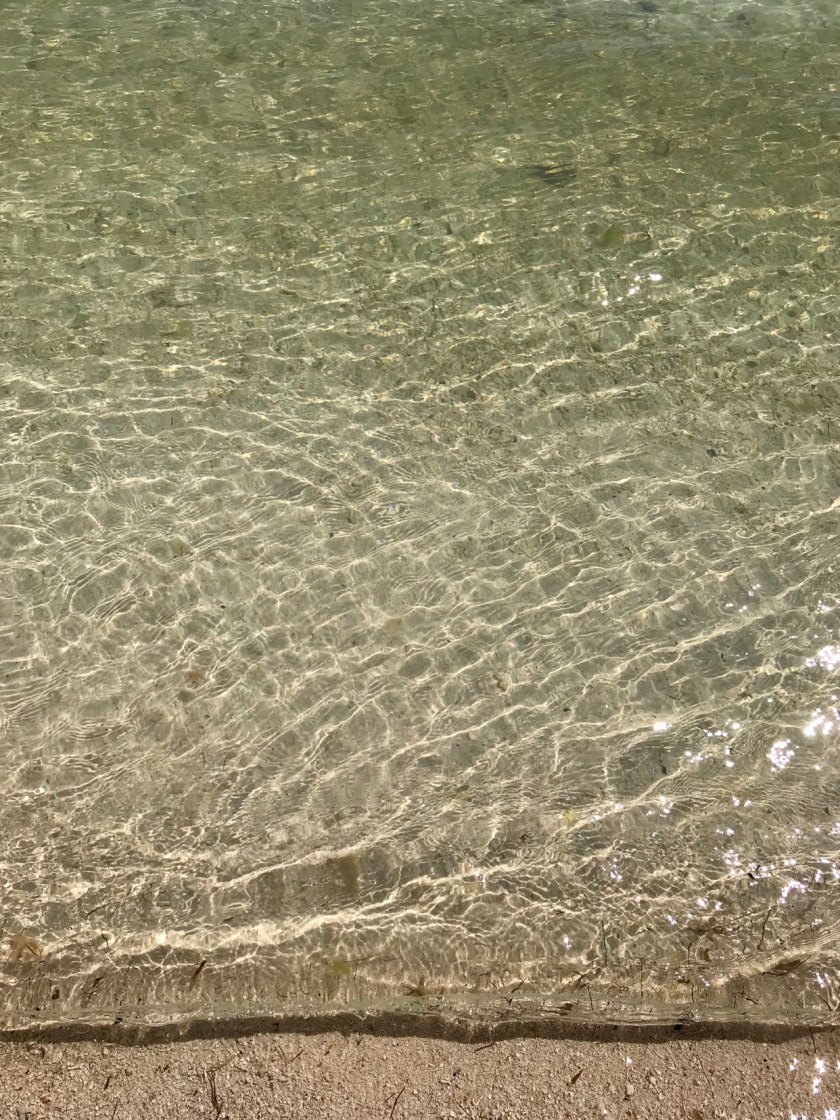
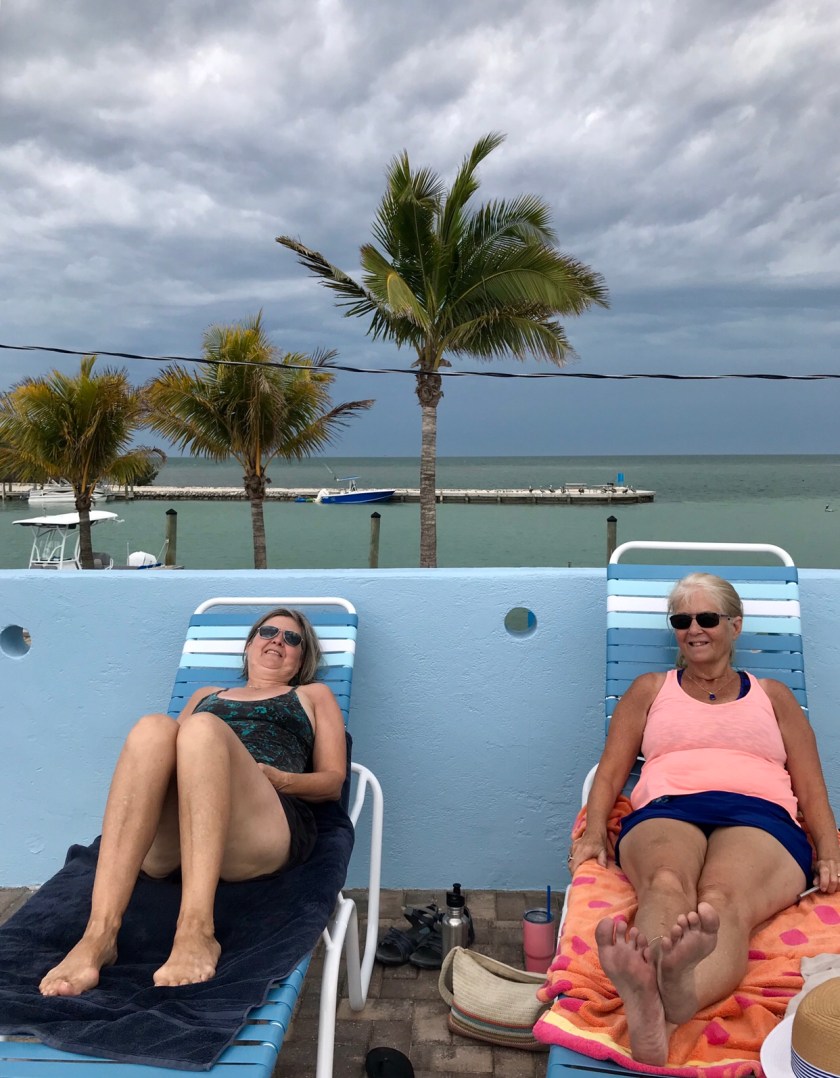
 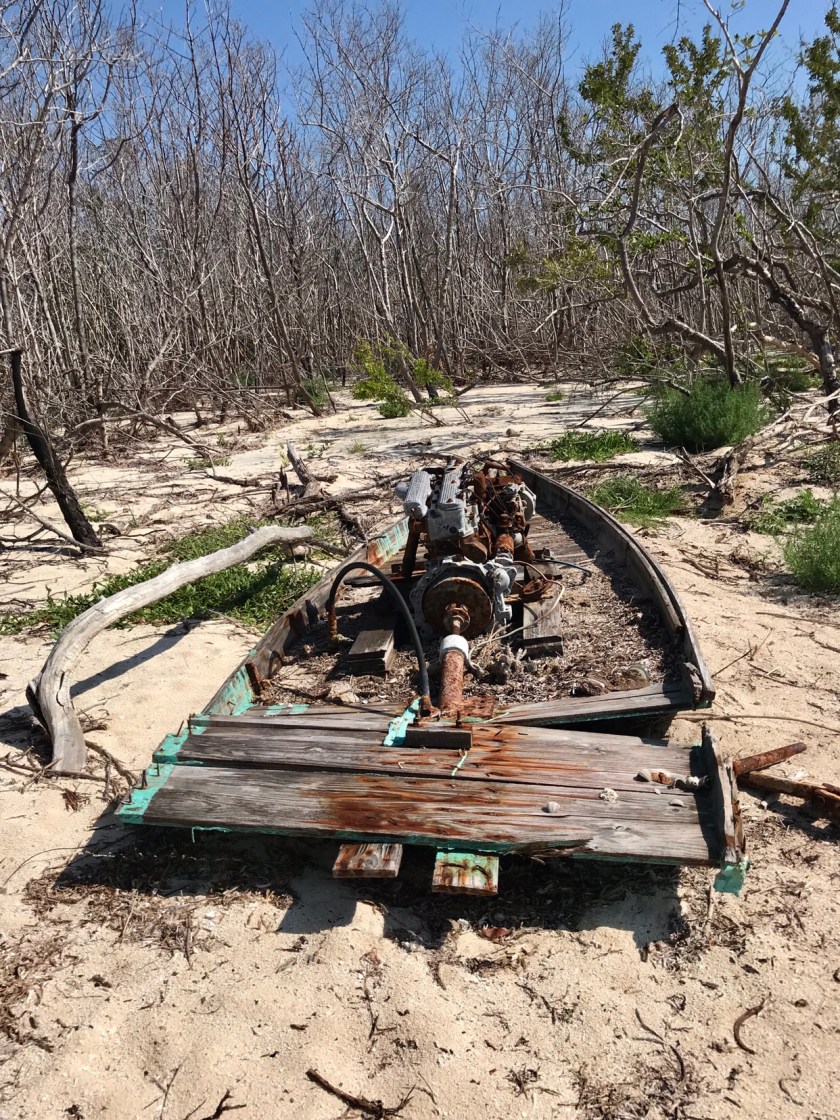 In spite of all this we did enjoy the sun and crystal clear waters of the Keys. We came to Fiesta Key to spend some time with Pat’s sister Mary and her husband Jeff.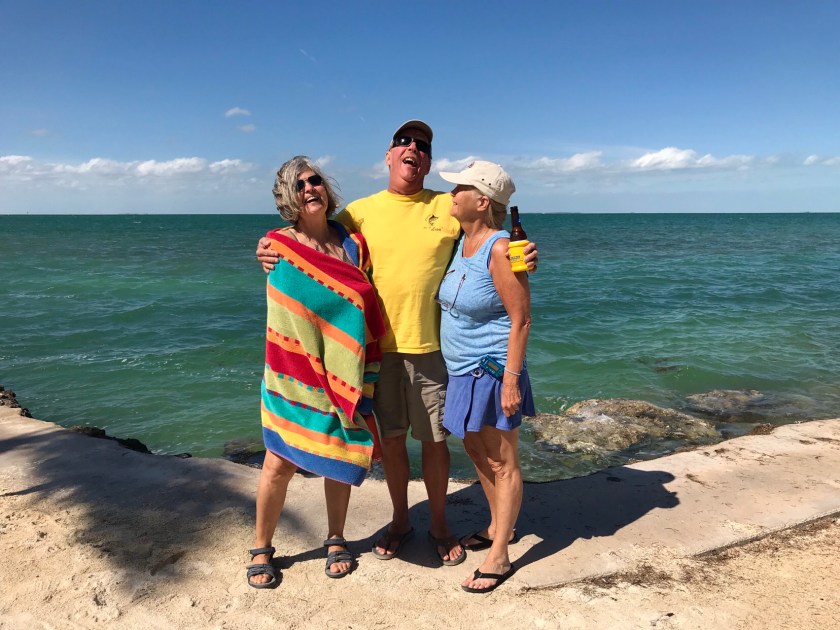
 We camped about 70 miles from Key West. It’s as close as we were going to get for some time- so we couldn’t resist a visit to the Conch Republic.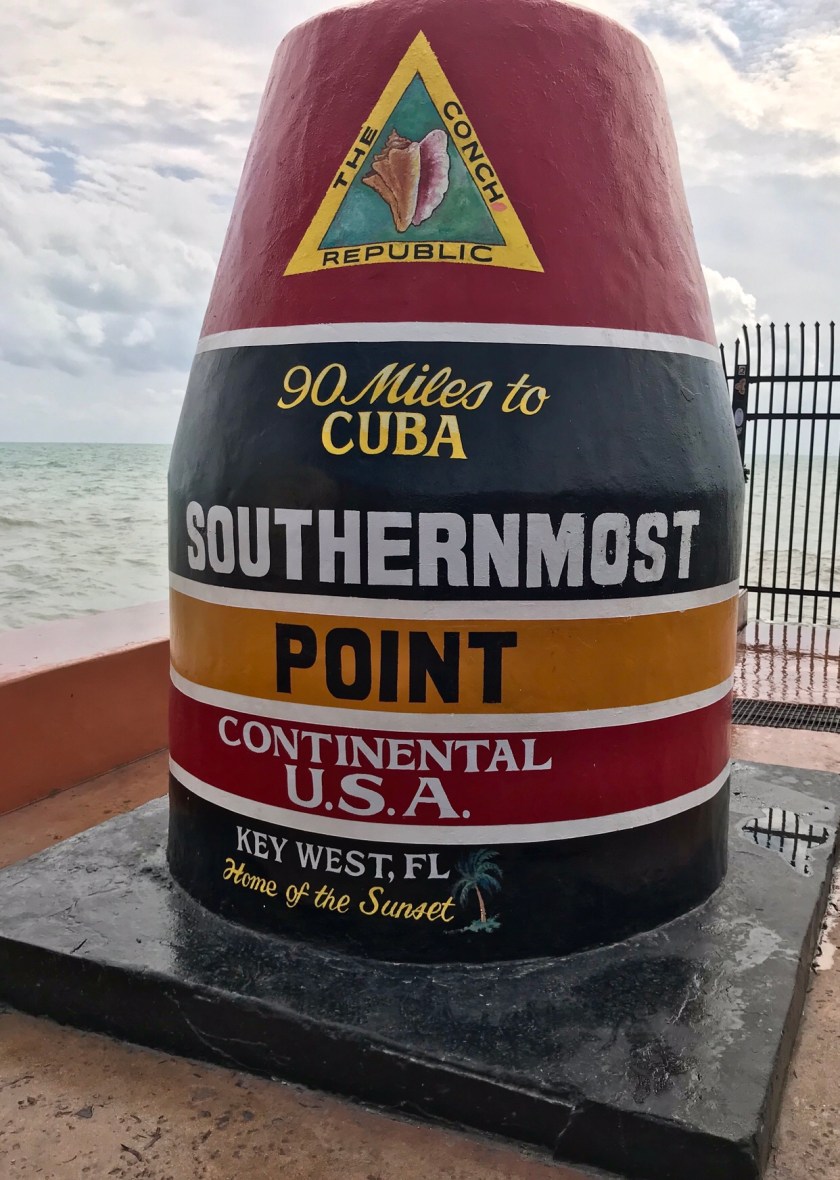
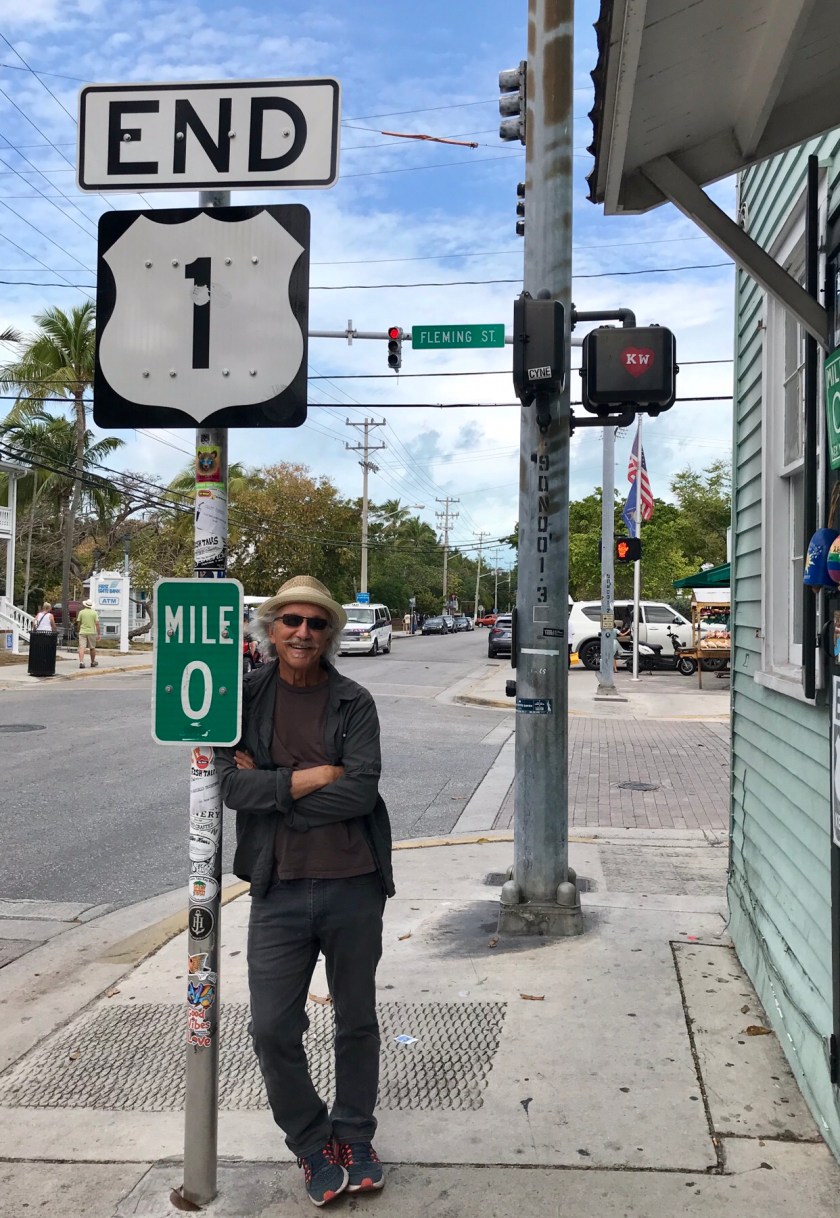
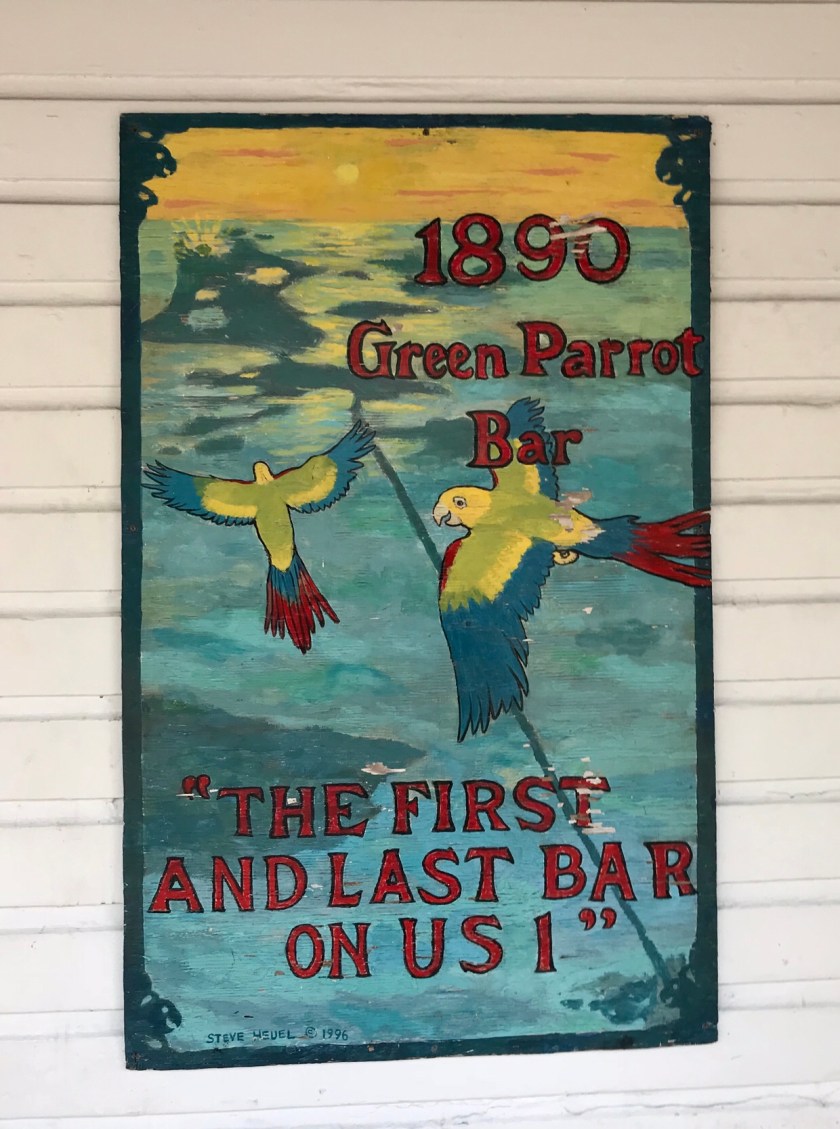
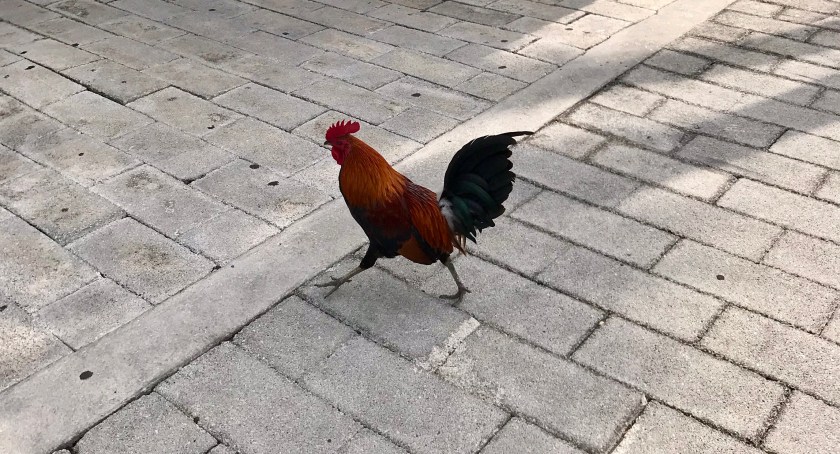 We went to all the hot spots, including a tour of the Audubon House and a walk through the Truman Annex(lovely homes and gardens).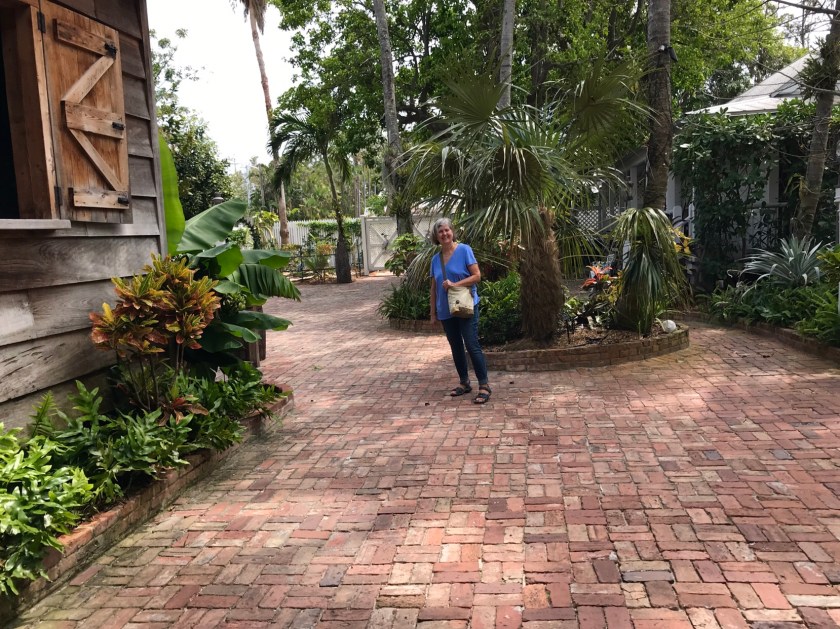
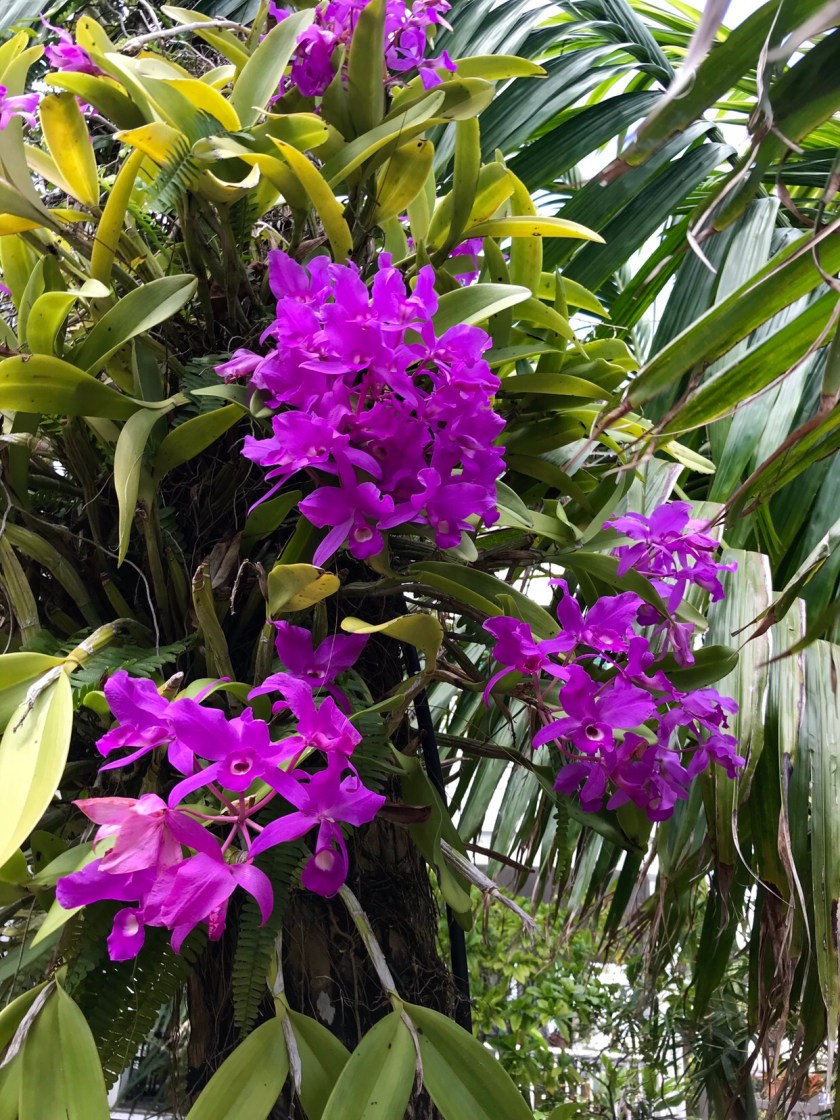
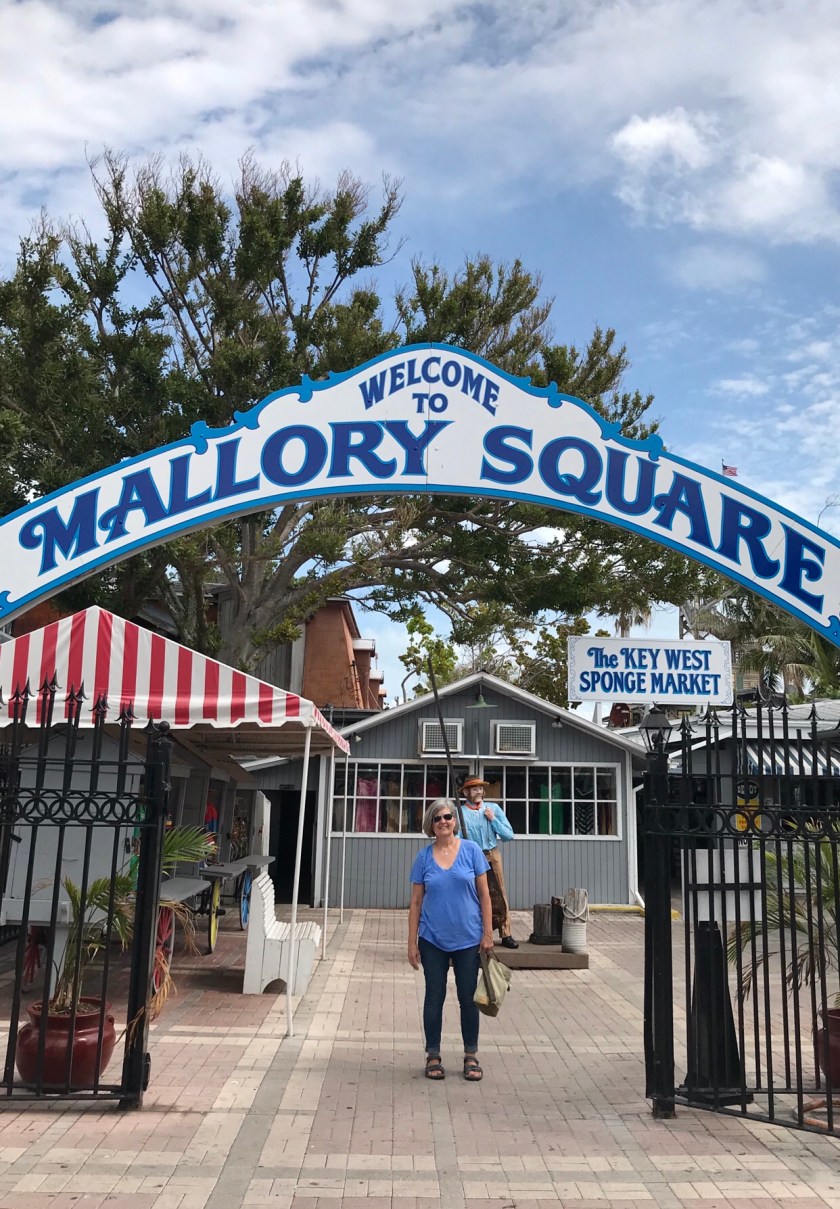
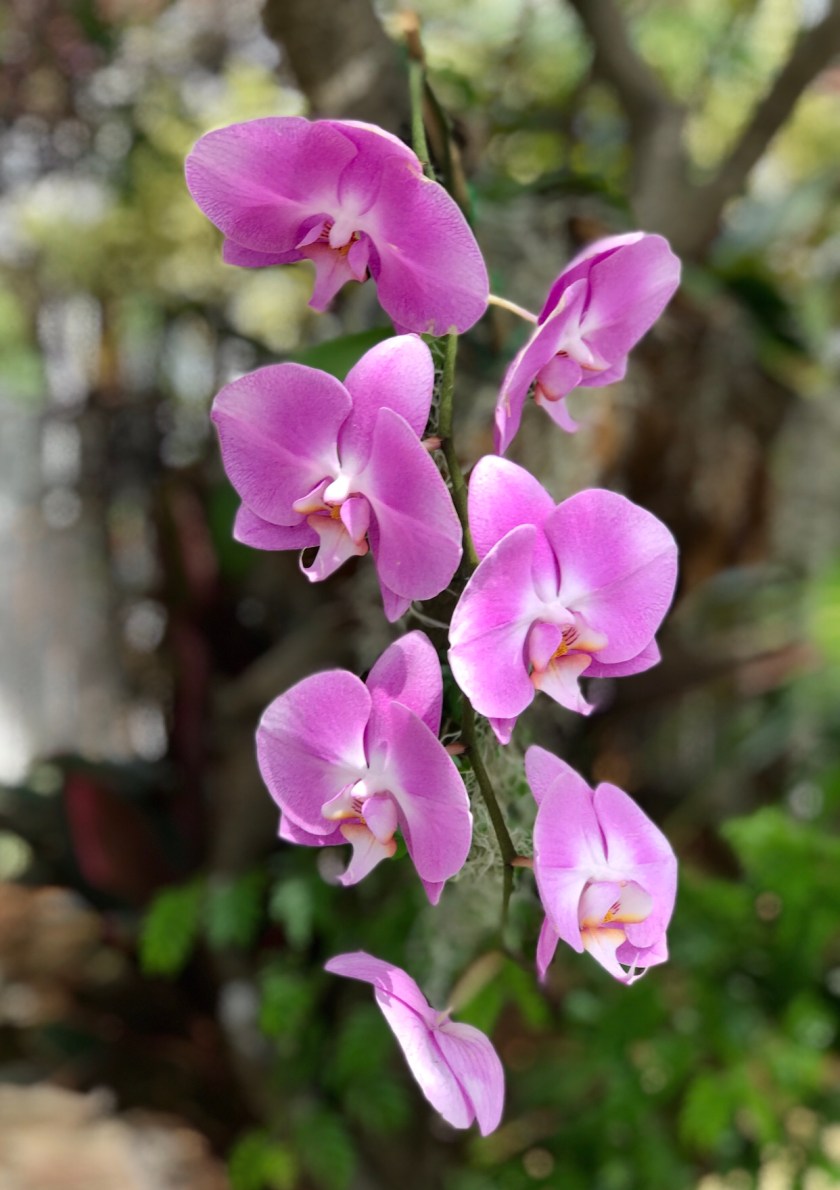 We strolled through Mallory Square
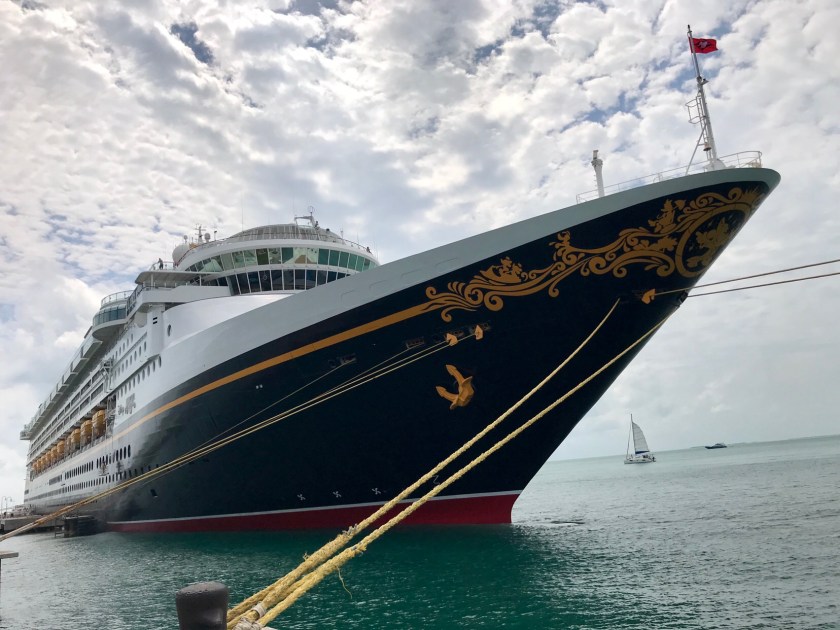
  and saw this monster Disney Cruiseliner.
  Fiesta Key is only 2 1/2 miles from Long Key State Park. We had tried to reserve a spot at this park pre-Irma and got closed out. That was a bit of good fortune as the campground no longer exists. We did bike down for a look around.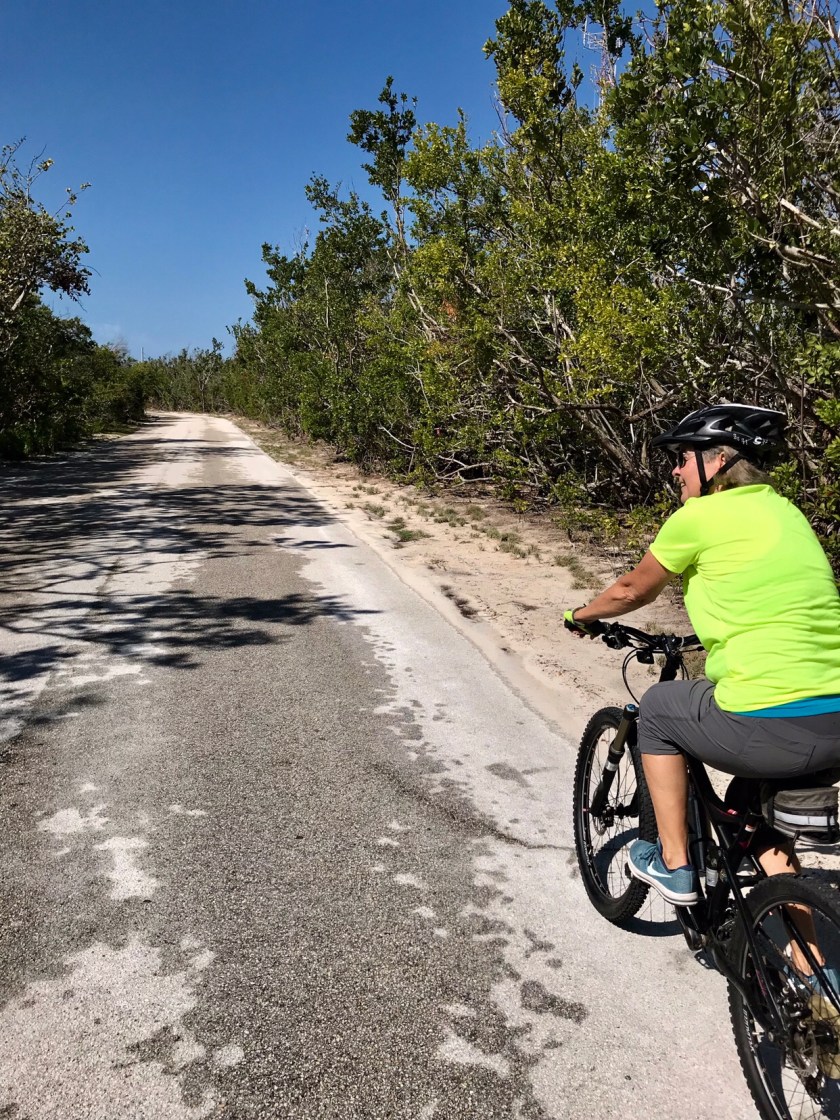
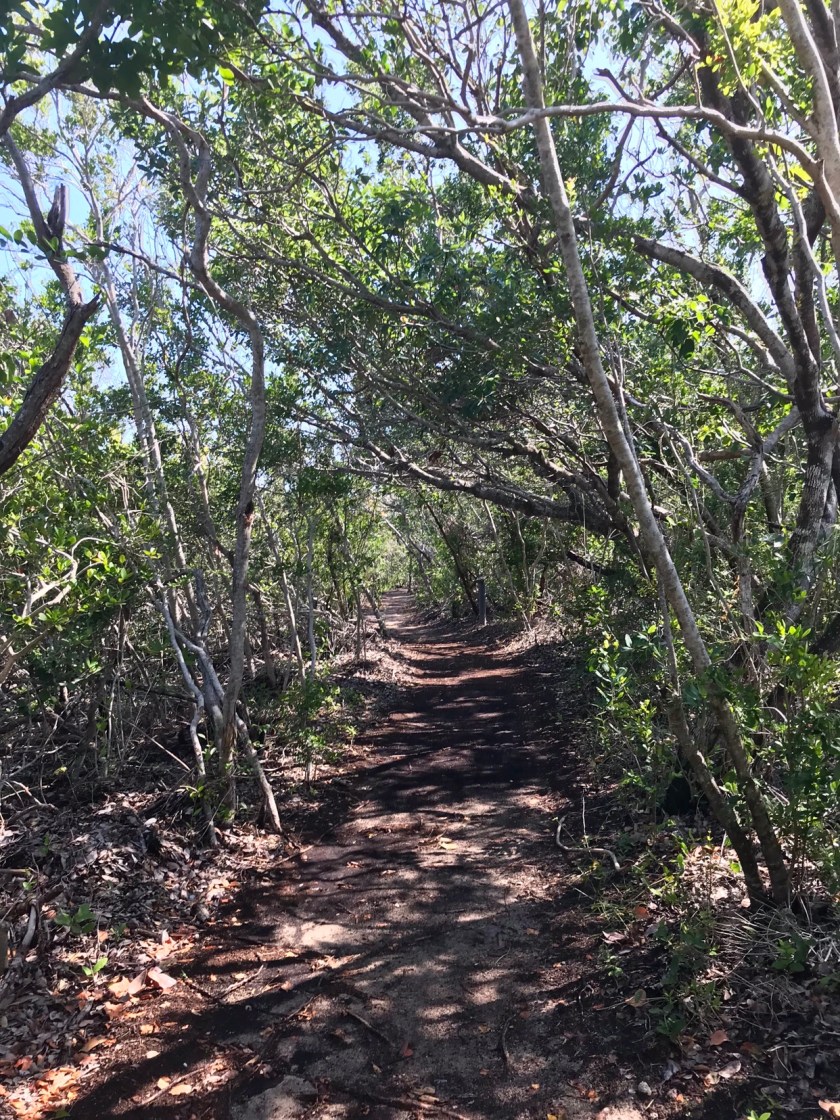
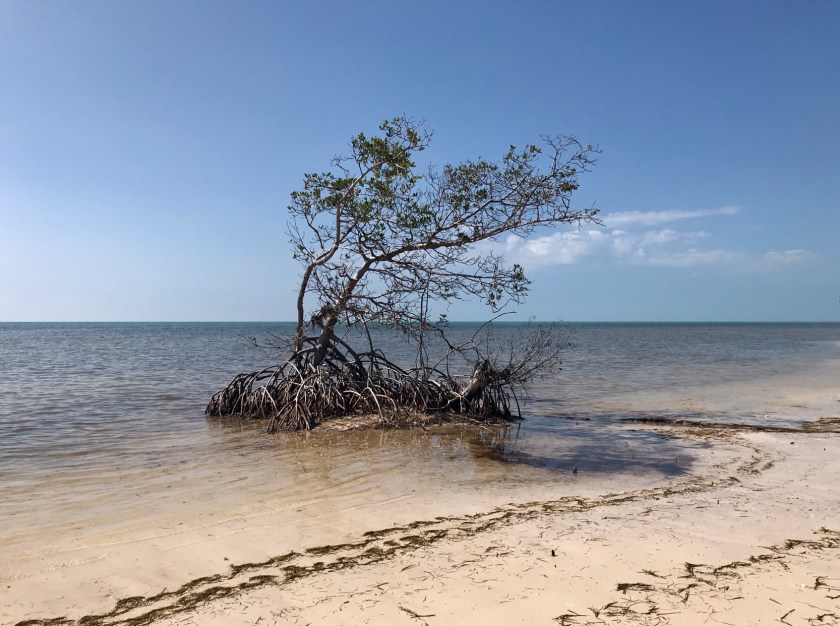
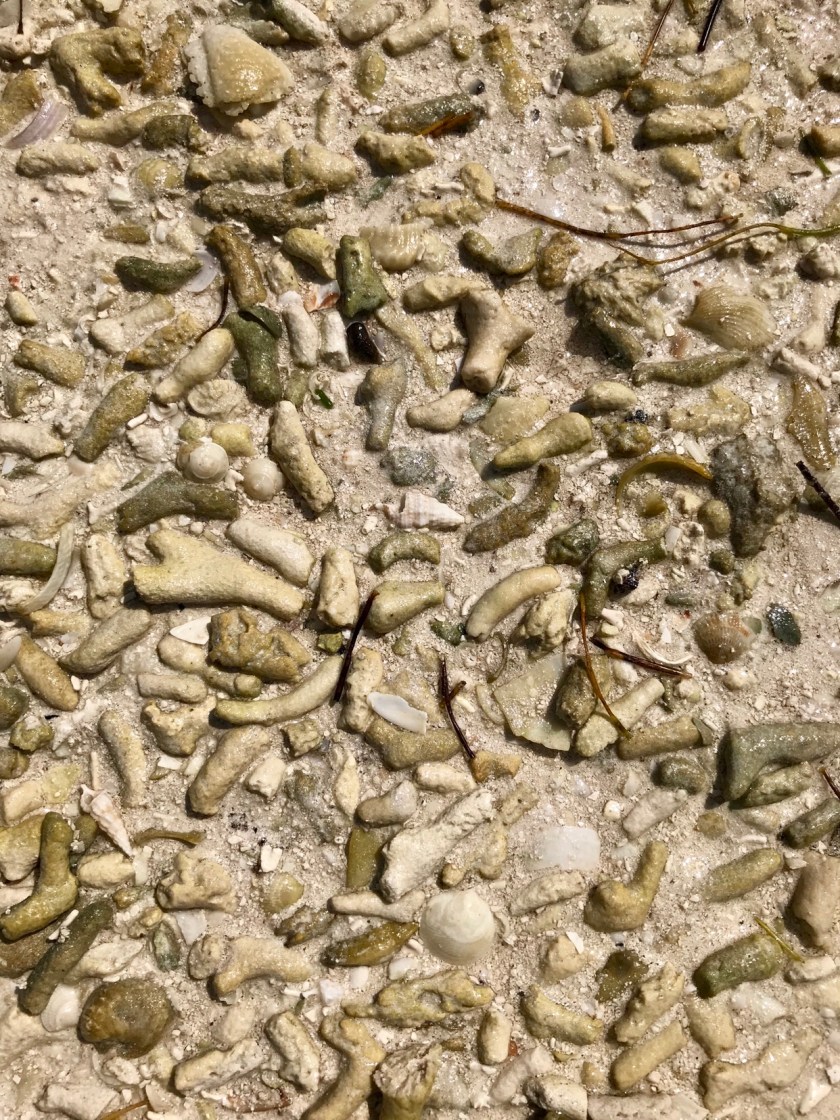 Bits of stag horn coral littered the beaches.
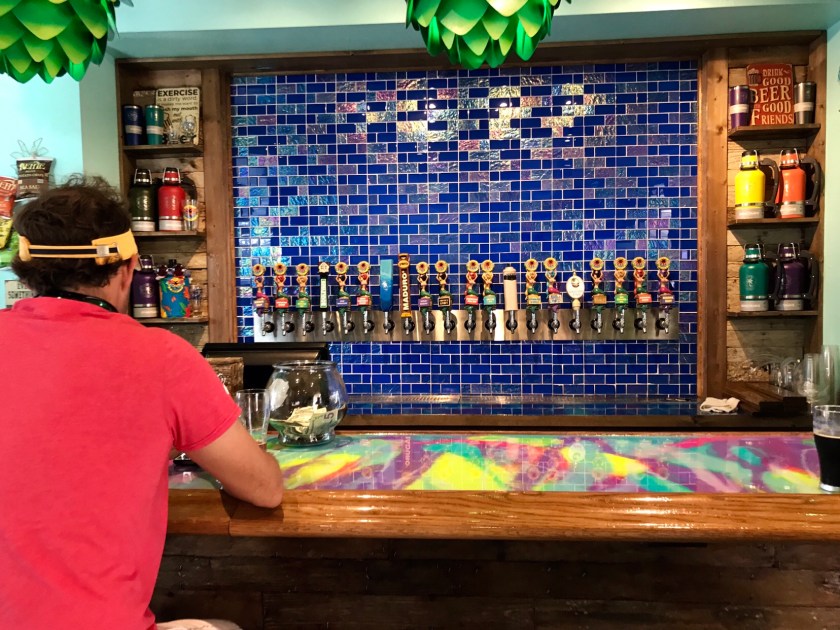 Always on the look out for some local flavor we stumbled on the Florida Keys Brewing Co. Good beer with a laid back island vibe in their beer garden. Recommended.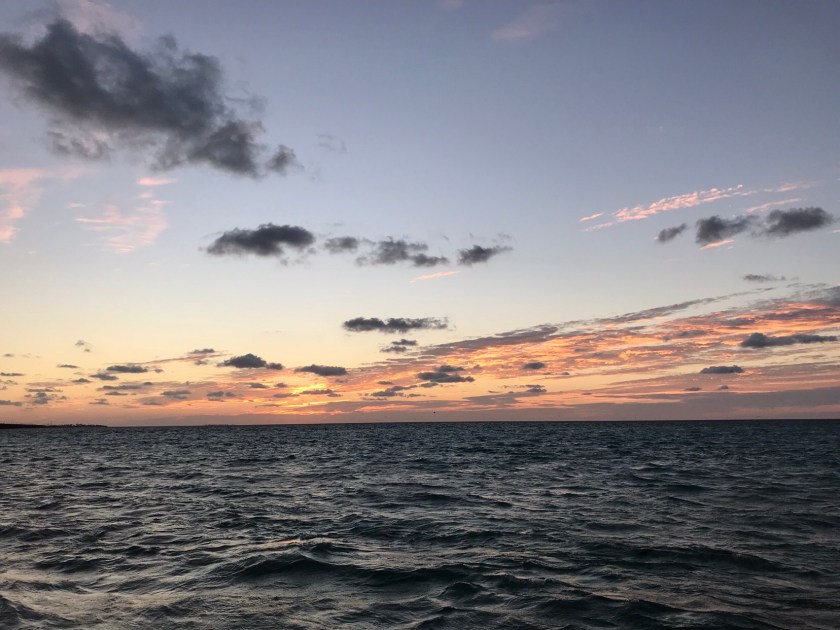
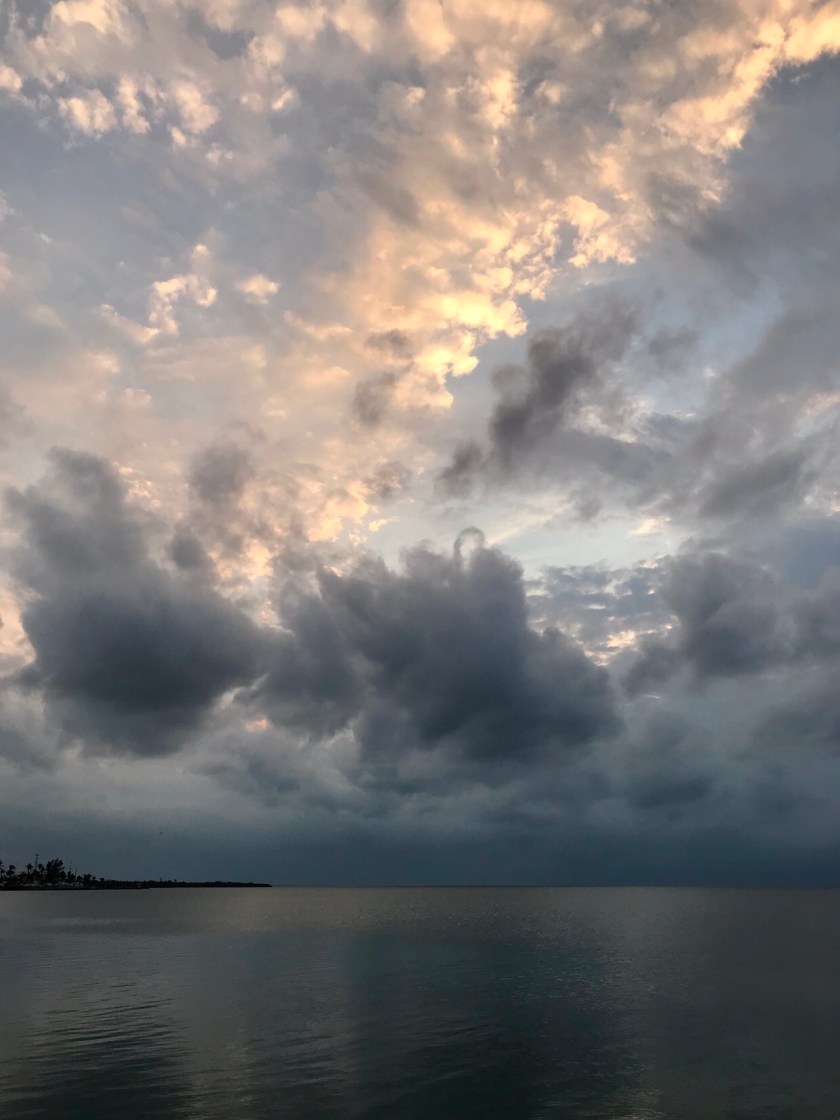
 That’s it for the Keys. We head up the Atlantic coast toward Jupiter and a get together with Pat’s high school friend Lynne.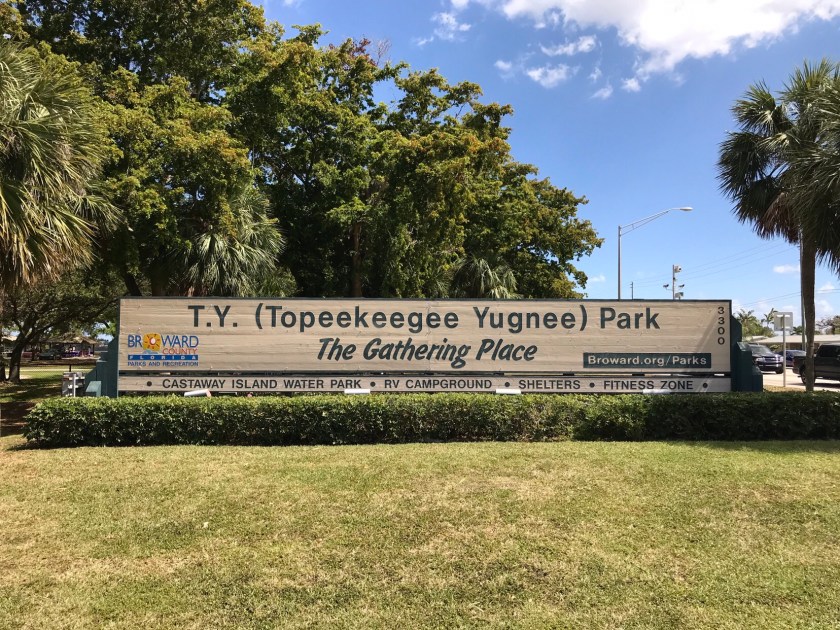
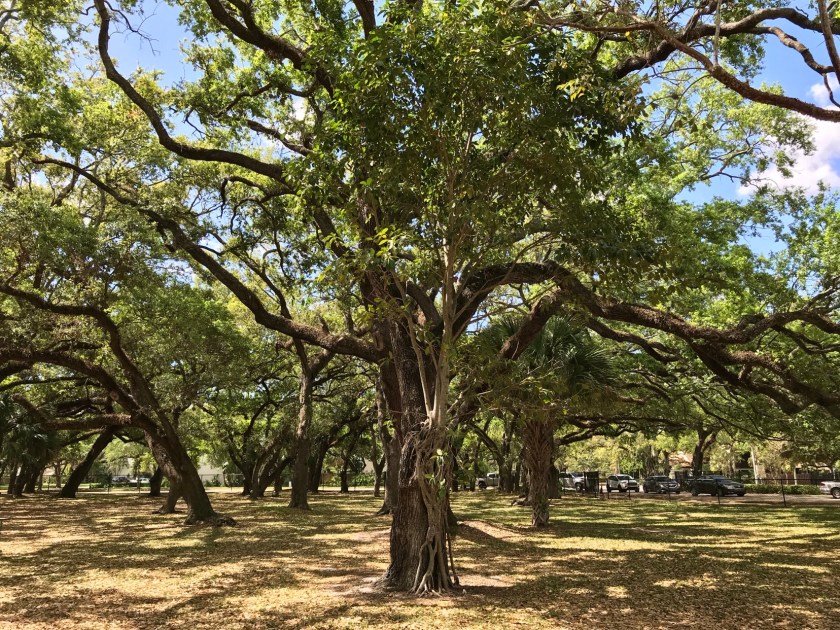
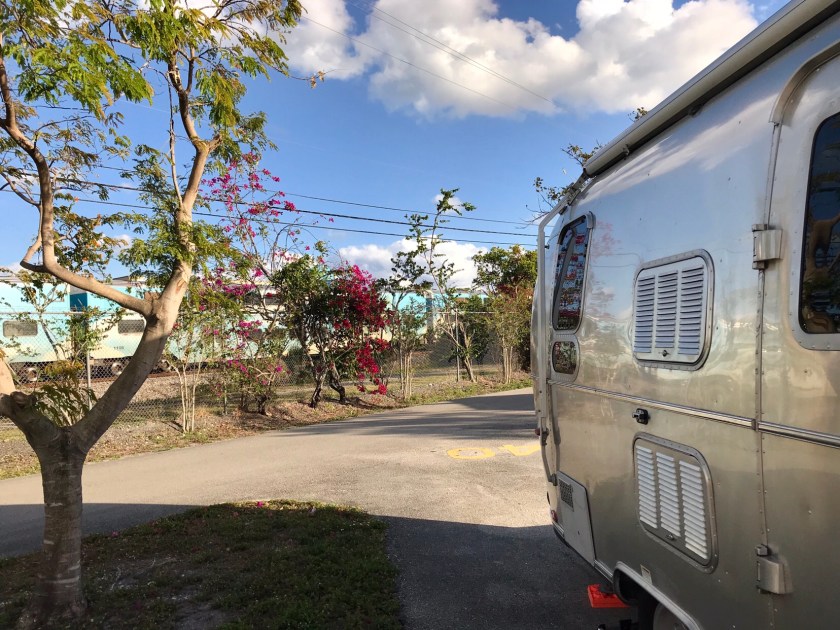 That’s the commuter train not far from the Tin Can. It is amazing what you can ignore when you find a location that perfectly fits your needs. If the campground was a parking lot beside a train track, the park itself was lovely. It had a 2 1/2 mile walking trail(Pat was happy) and beautiful grounds. Despite the urban setting there are a lot of birds. One day we saw a flock of wild green parrots come through. They are really noisy.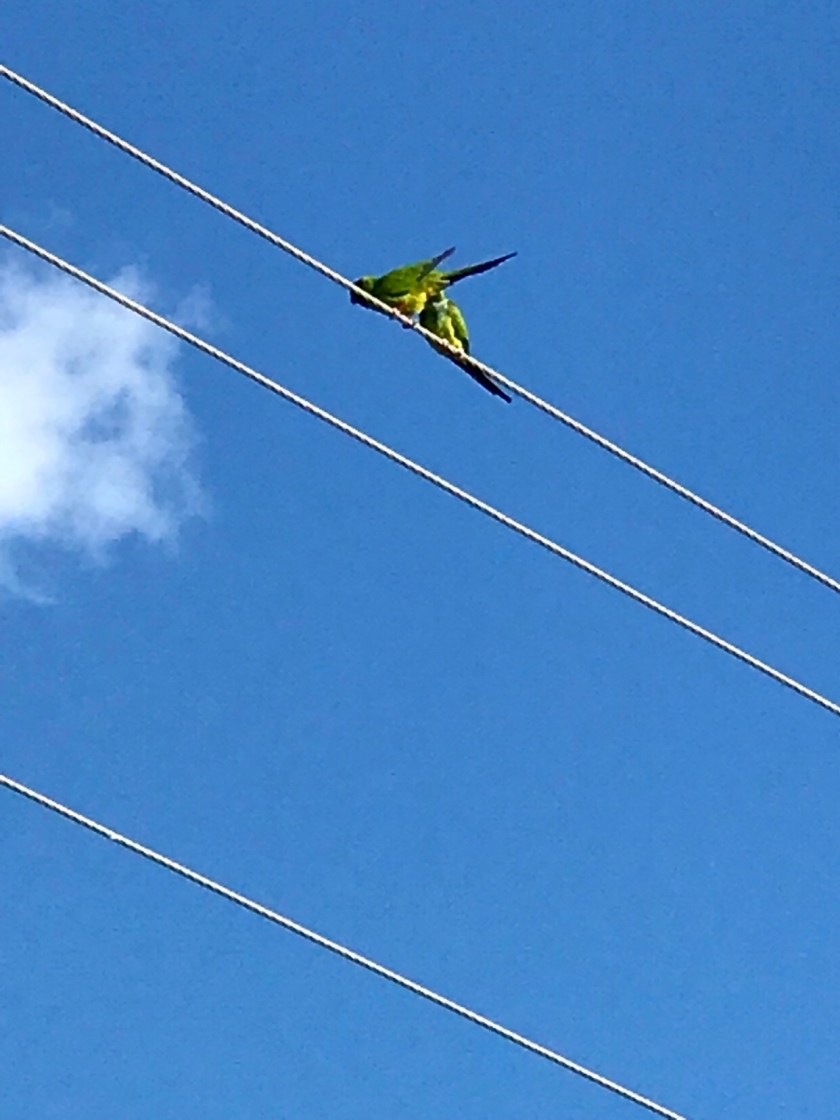
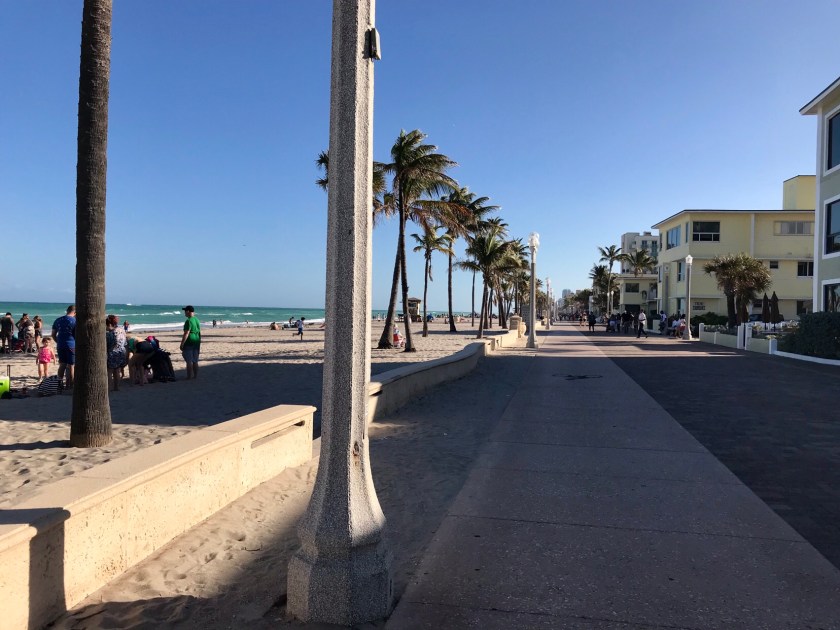
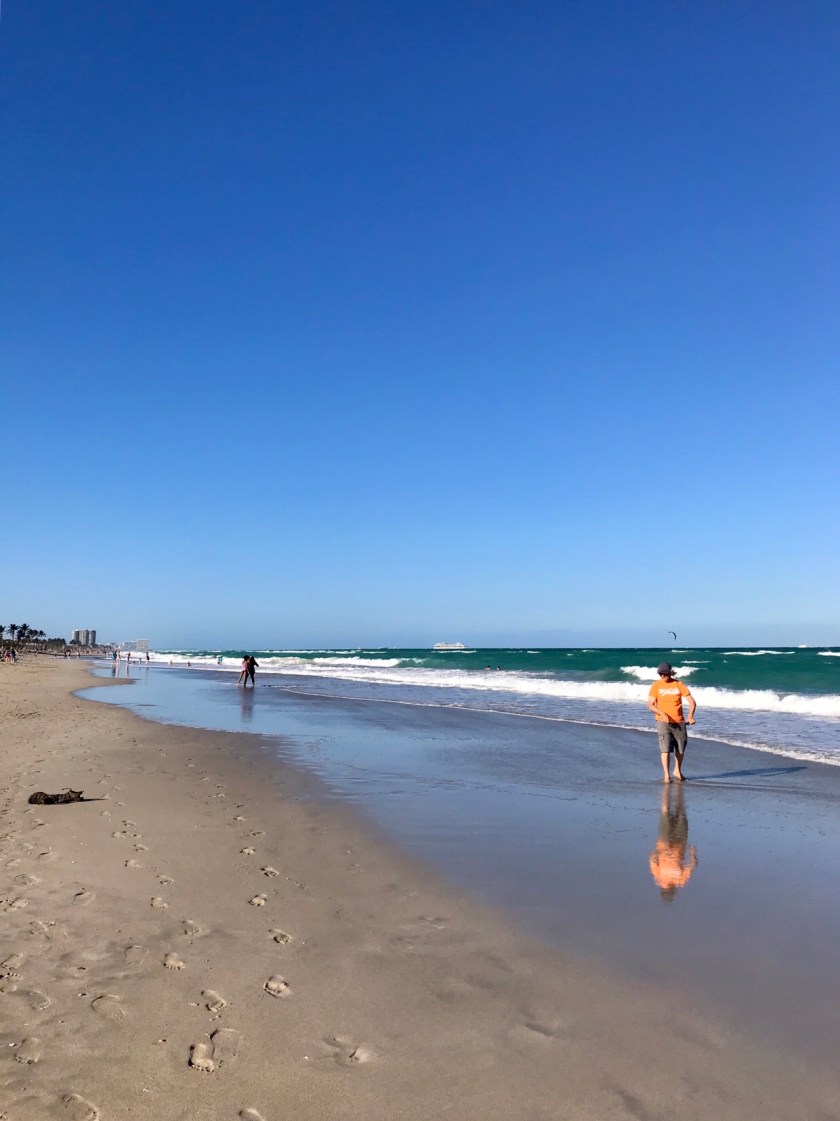
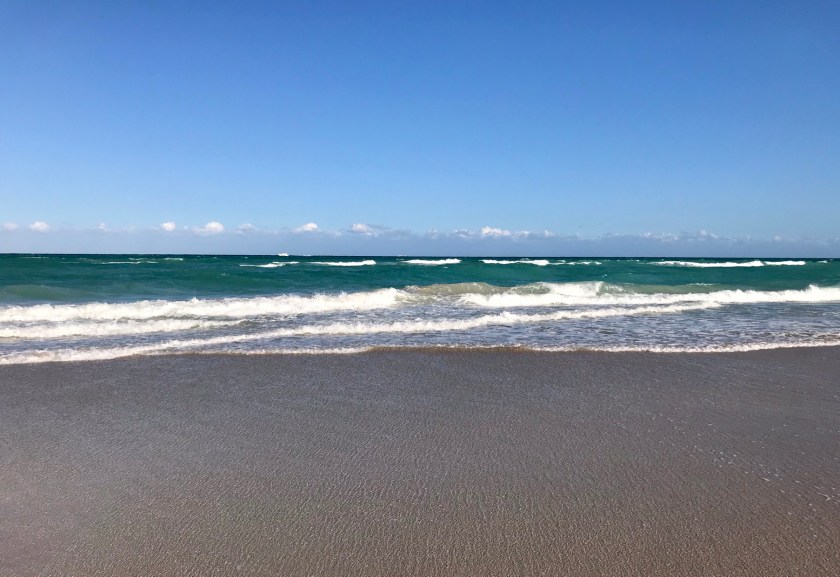
 We didn’t spend a great deal of time in camp. The idea was to explore the area. We made the short trip to Hollywood Beach to check out the boardwalk and ocean. Hurricane damage was still visible.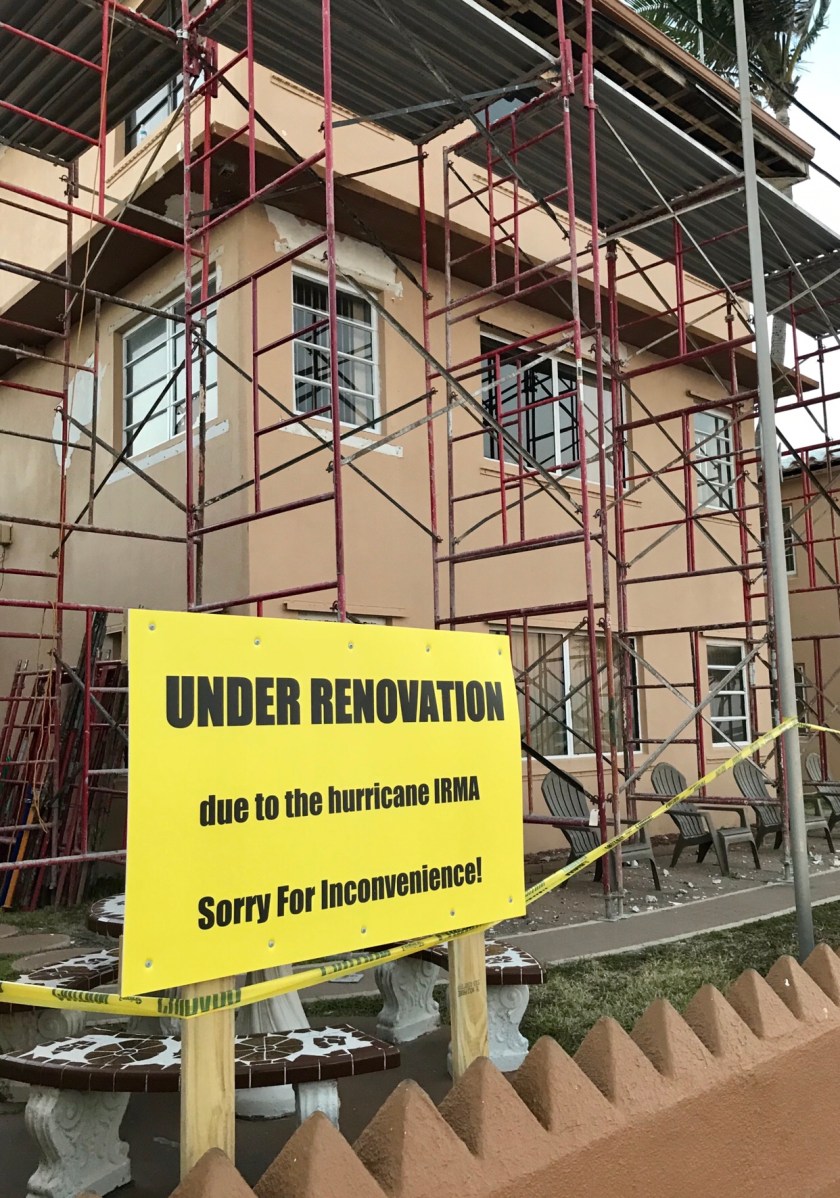

 While checking out the commuter train station we saw a sign for a Farmers Market. We never pass up a chance for local flavor. This market was a sprawling affair that included food vendors, crafts, coffee and lots of ethnic fare.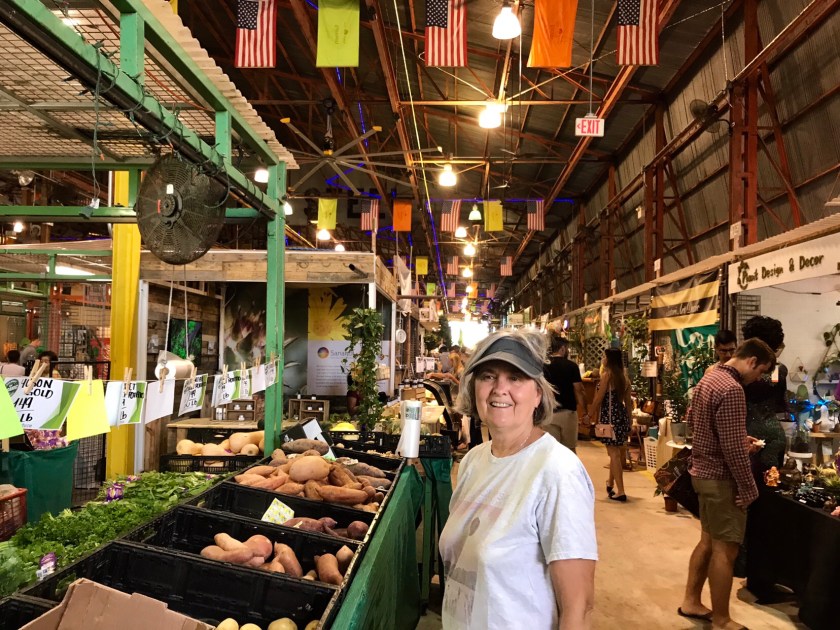
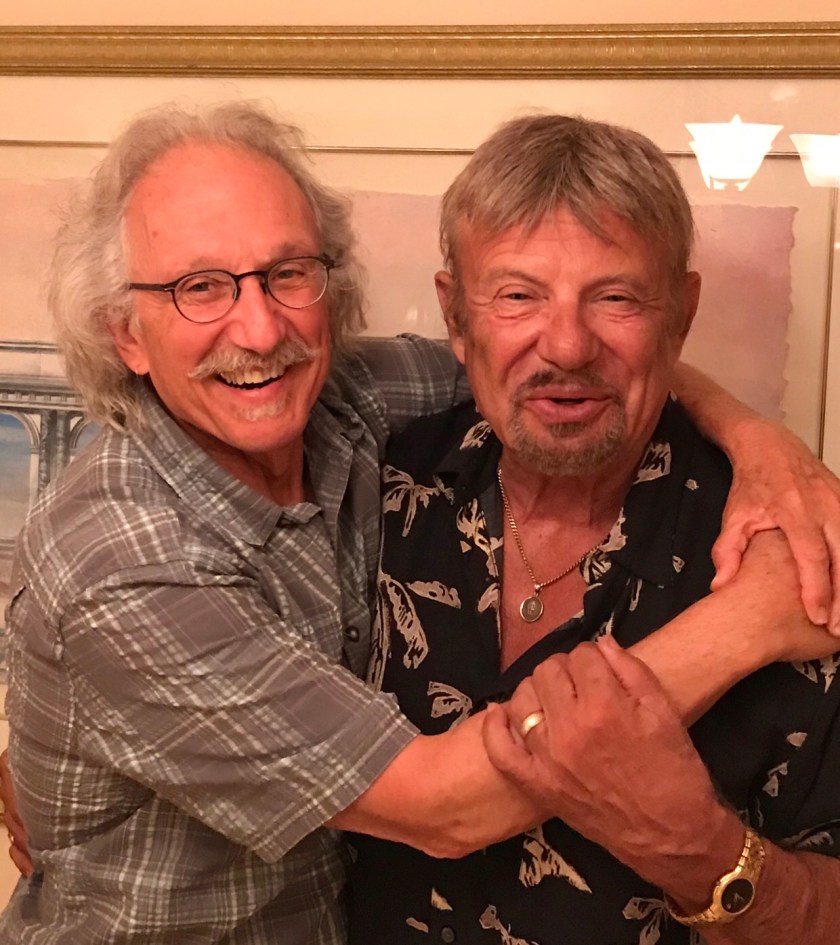
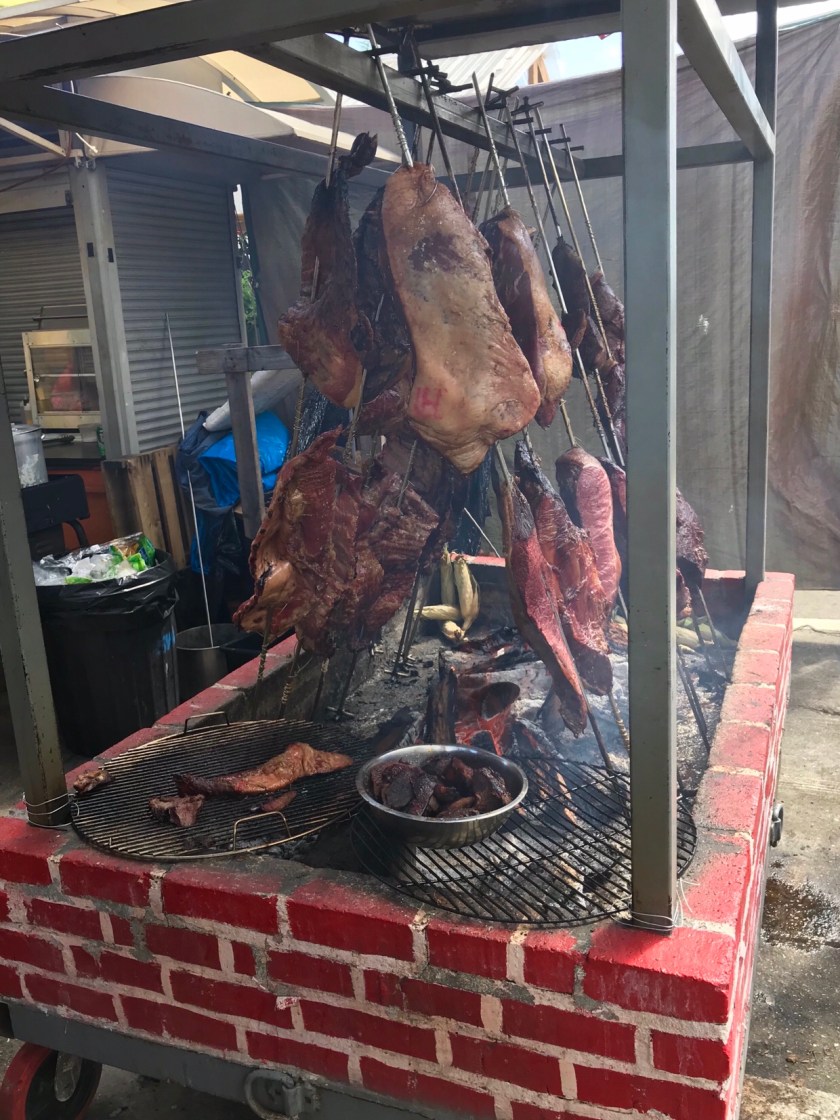 Shelly contacted a friend from elementary school who spends part of the year in Boca Raton. Andy and his wife Carolyn served up a lovely meal while we reminisced. Great fun.
  We woke early, walked to the commuter train and headed into Miami for an overnight visit.
 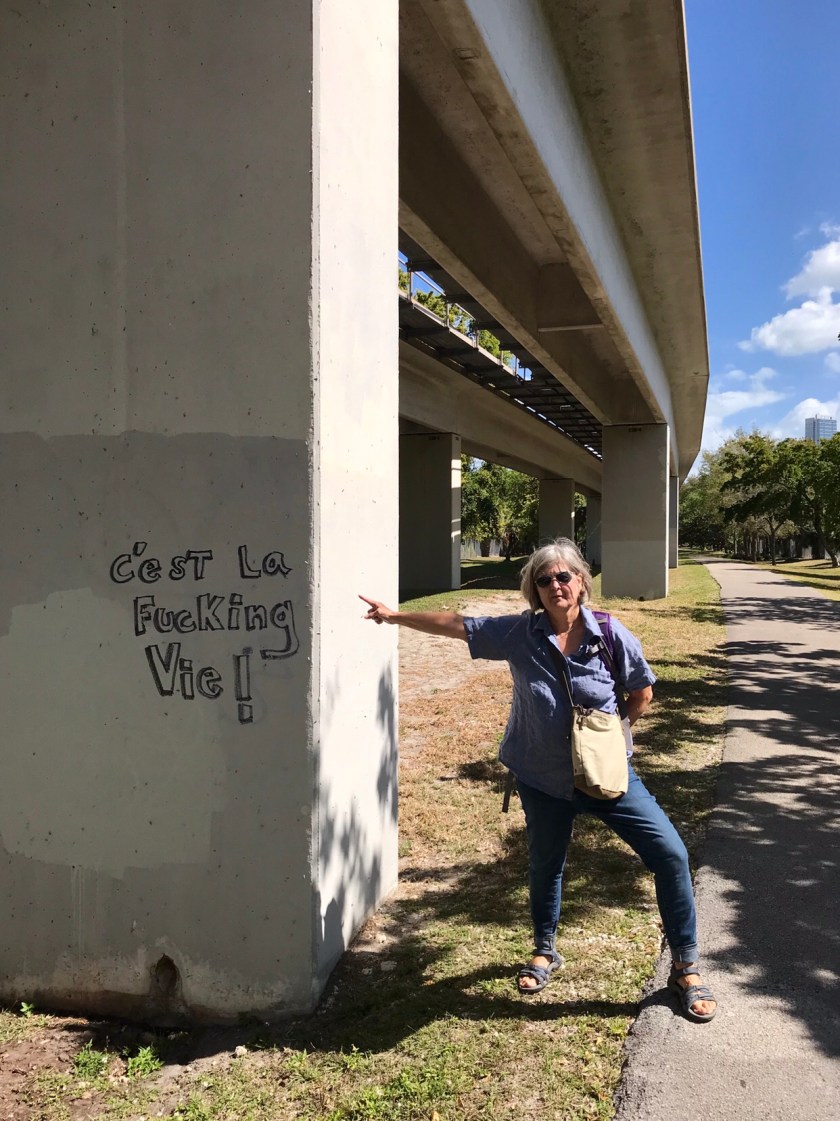 The plan was to meet Shelly’s sister Ellen and her husband Rory for a couple of days of fun in downtown Miami.
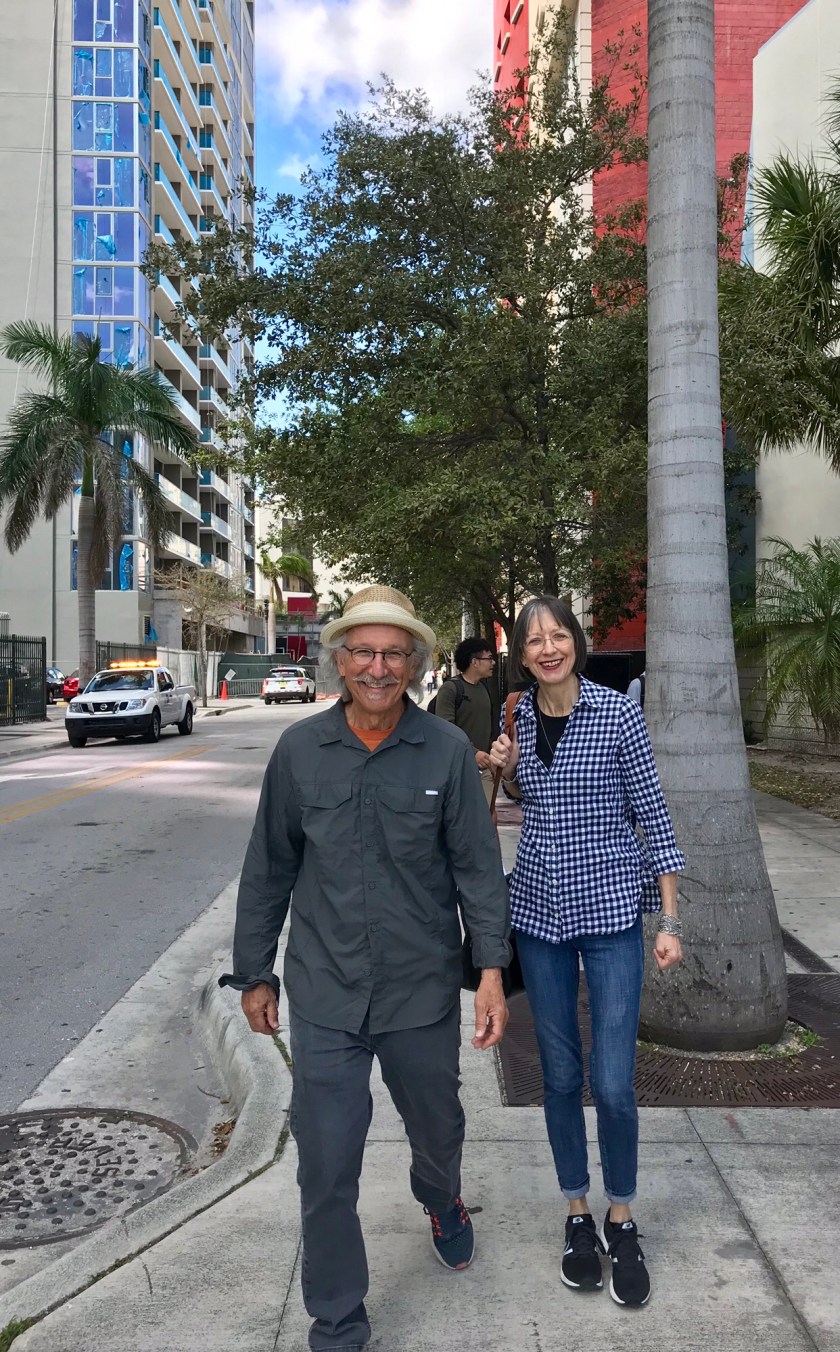 We checked into our hotel and then headed to Little Havana for lunch and sightseeing.
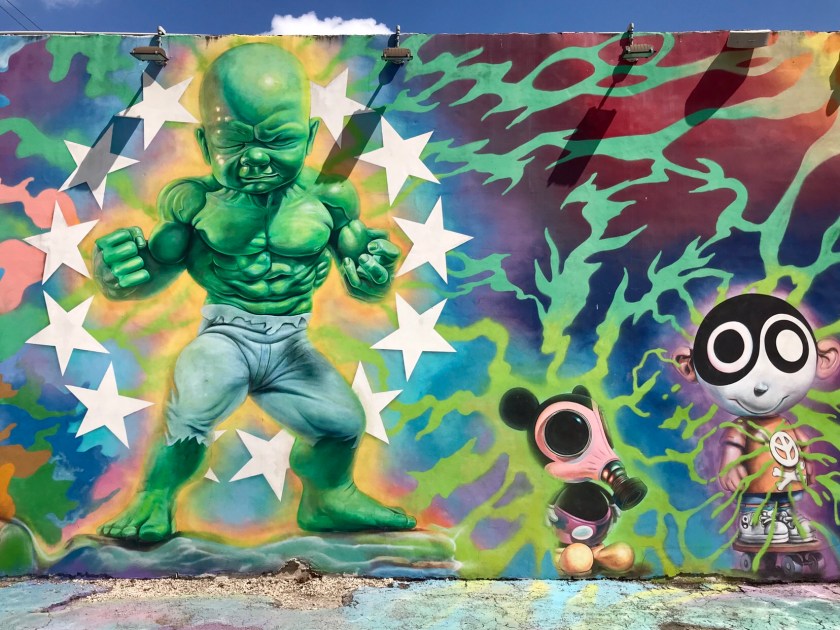
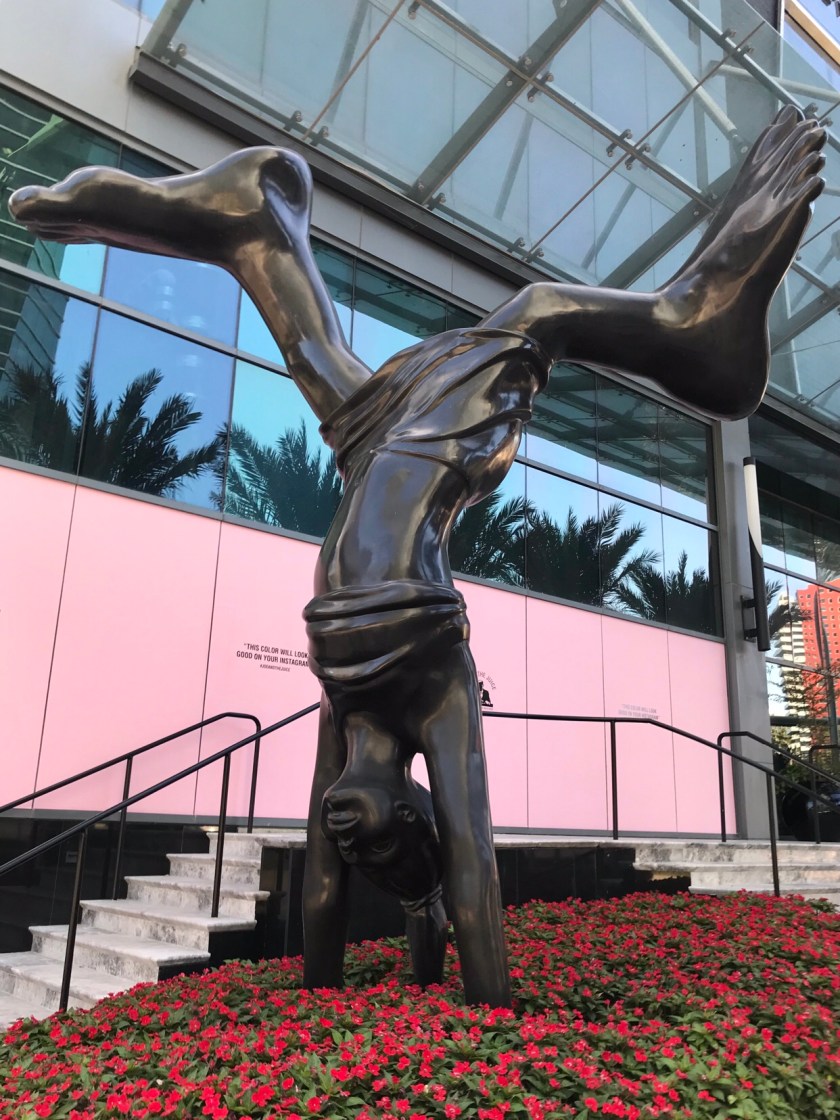
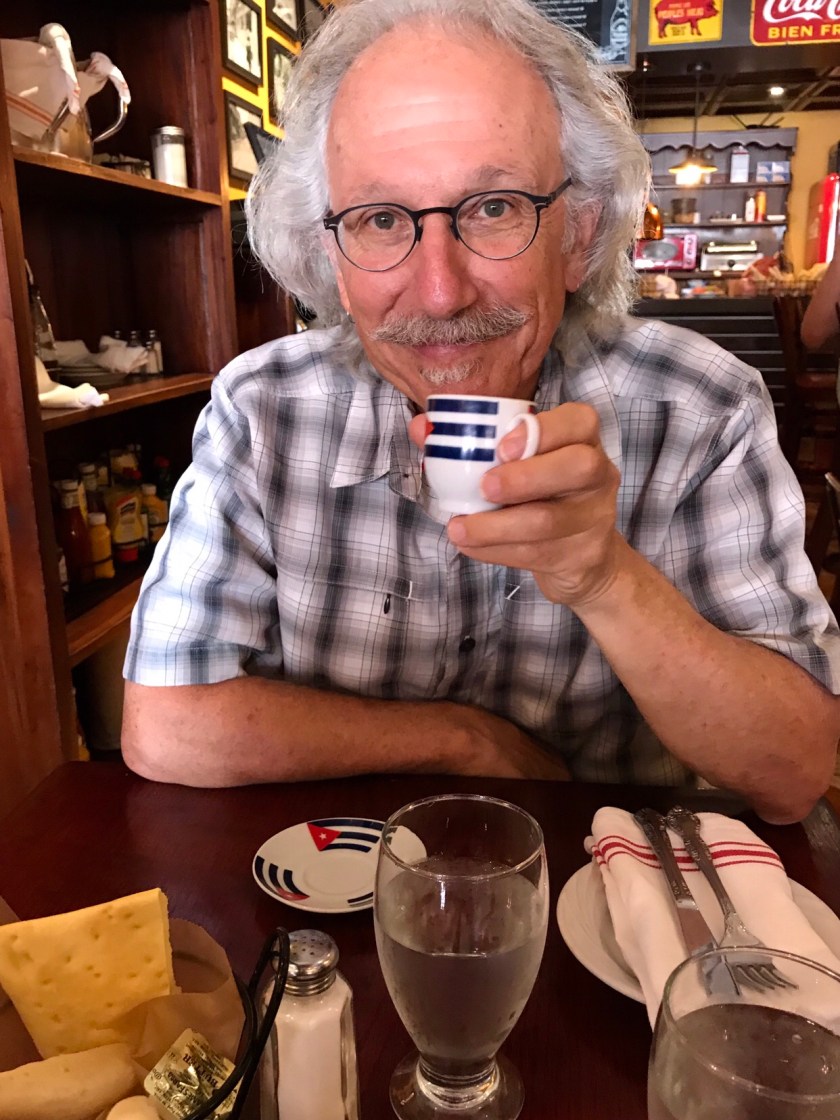 We where pleasantly surprised by all the public art throughout the city. Here’s some of what we saw in Little Havana.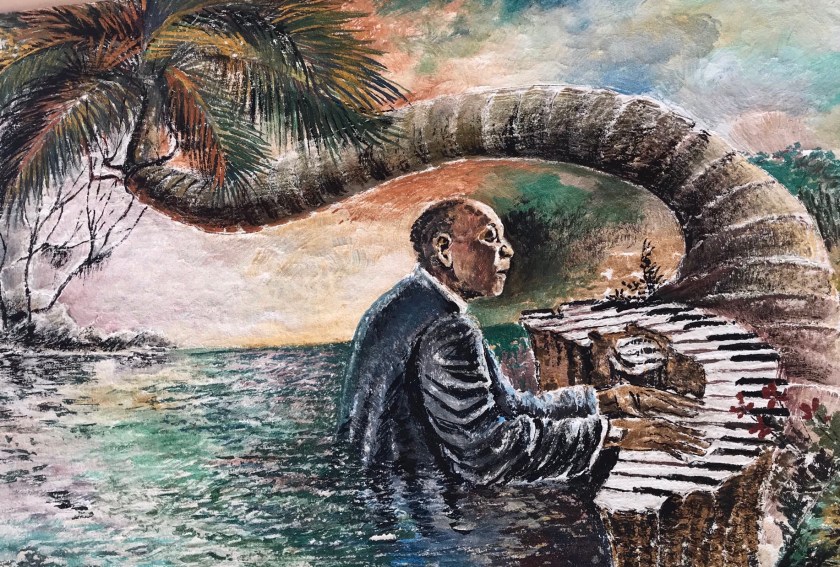
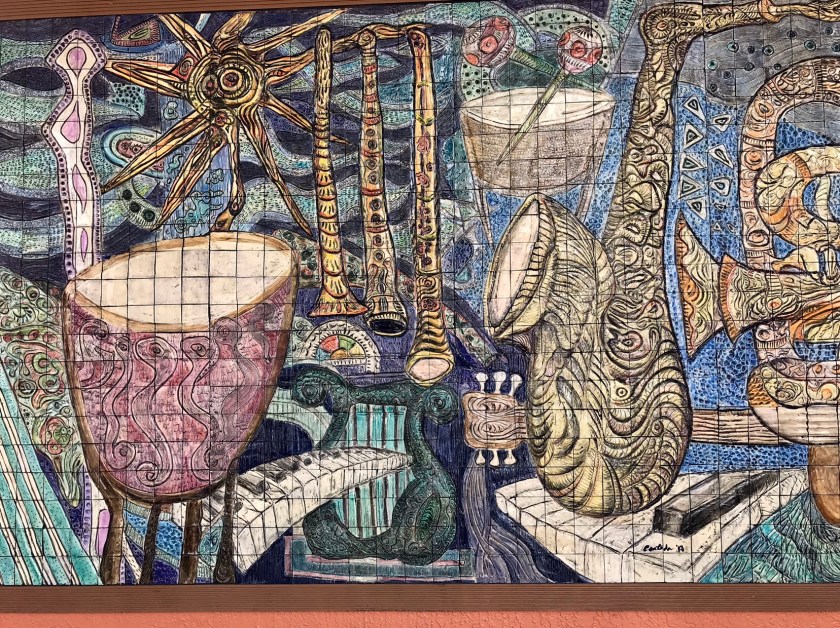
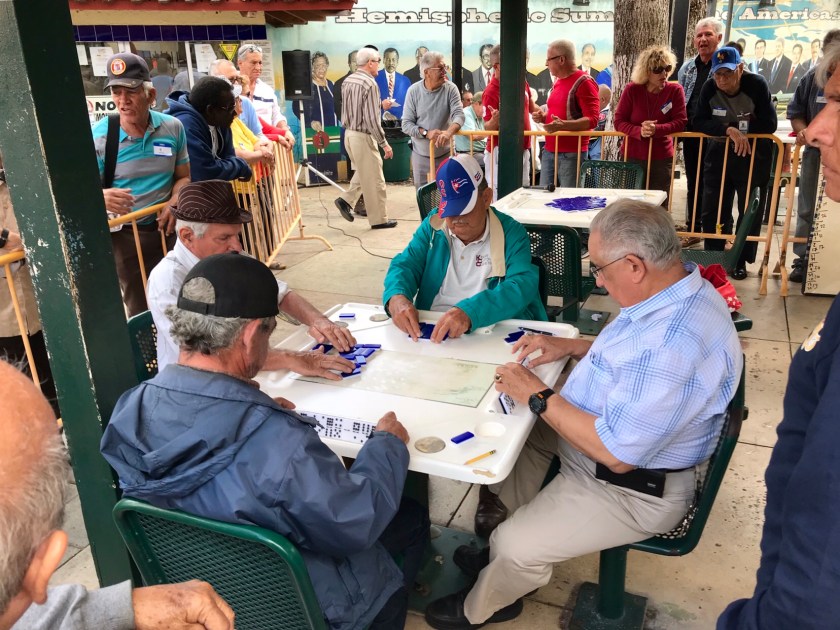
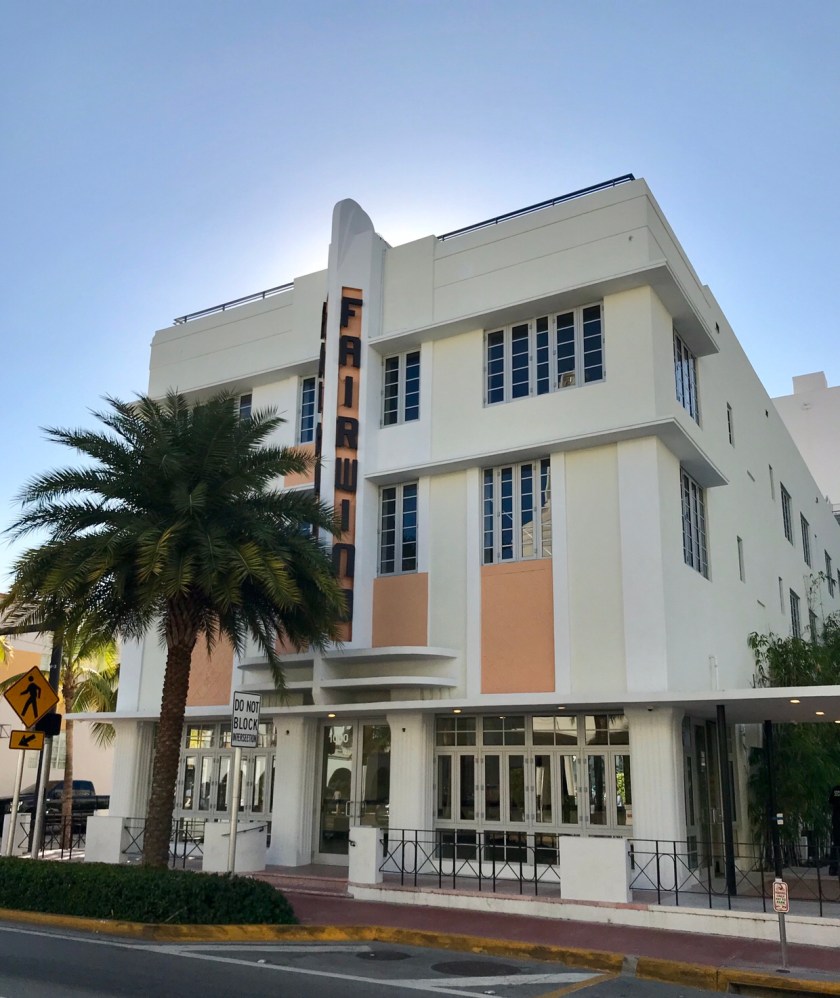
 What visit to Miami would be complete without a visit to South Beach. We soon realized that we were too old for the frantic pace of this part of Miami. However we did enjoy walking around and enjoying the architecture.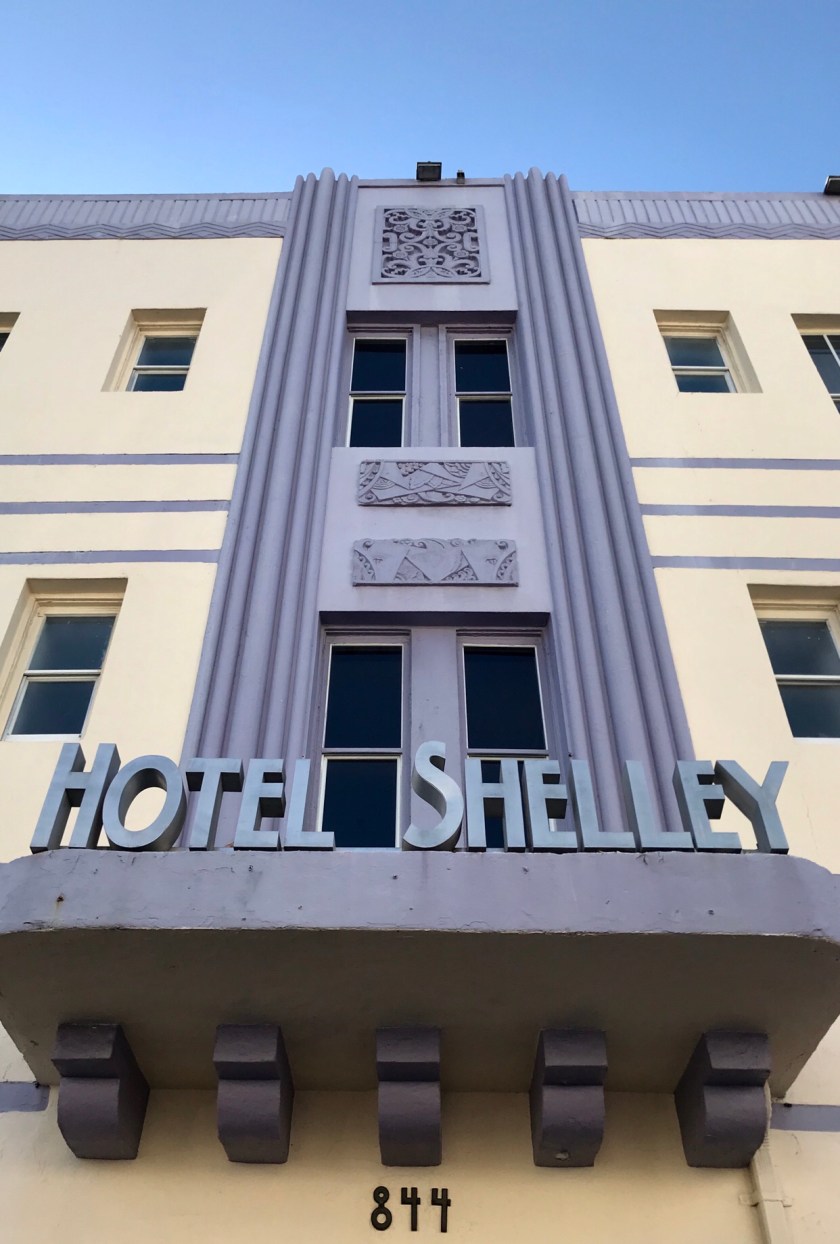
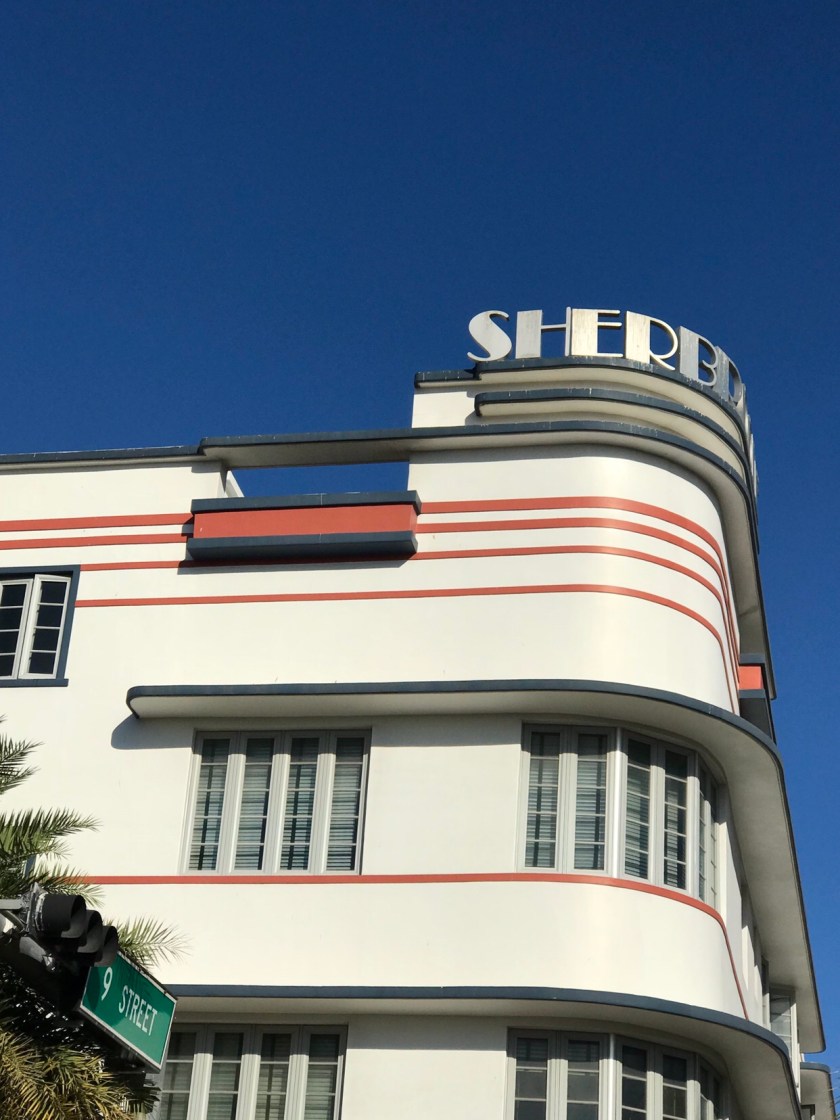
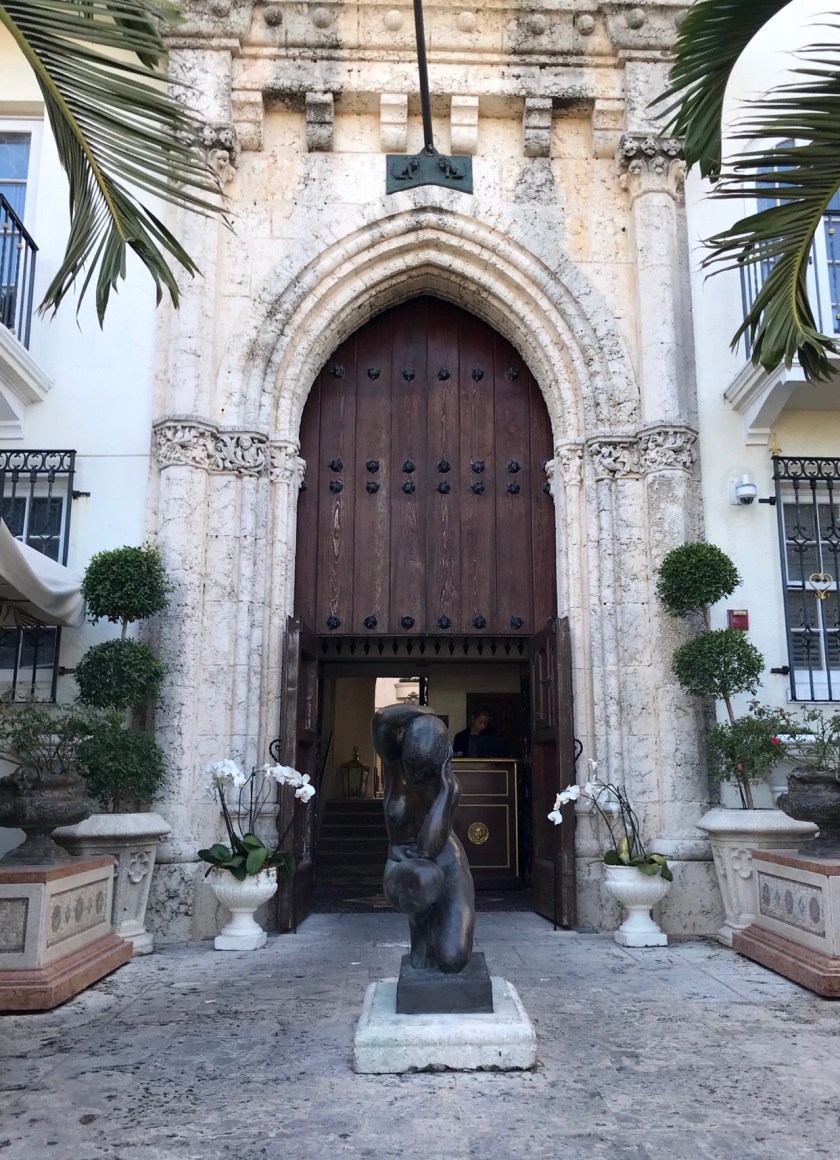 The entrance to the former Versace home.
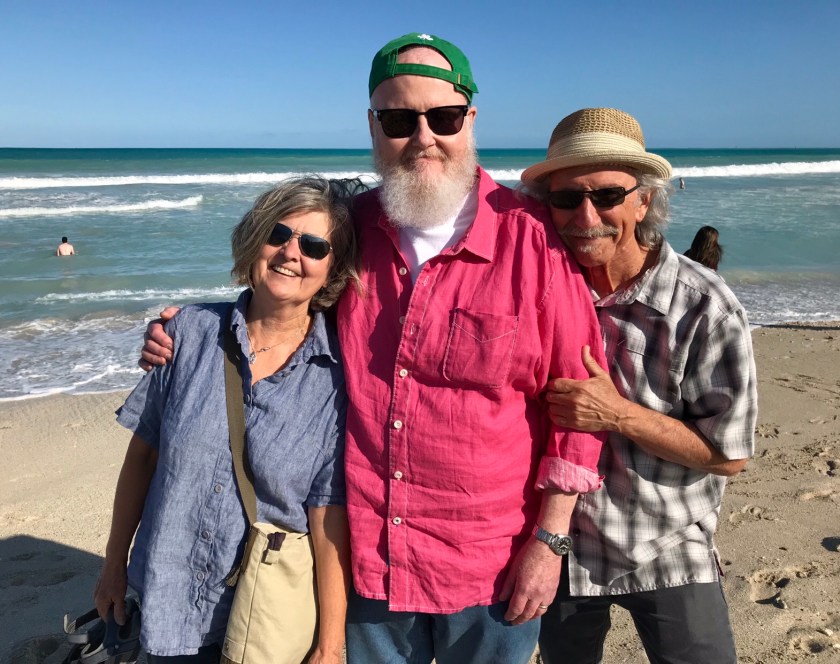 On South Beach with Rory
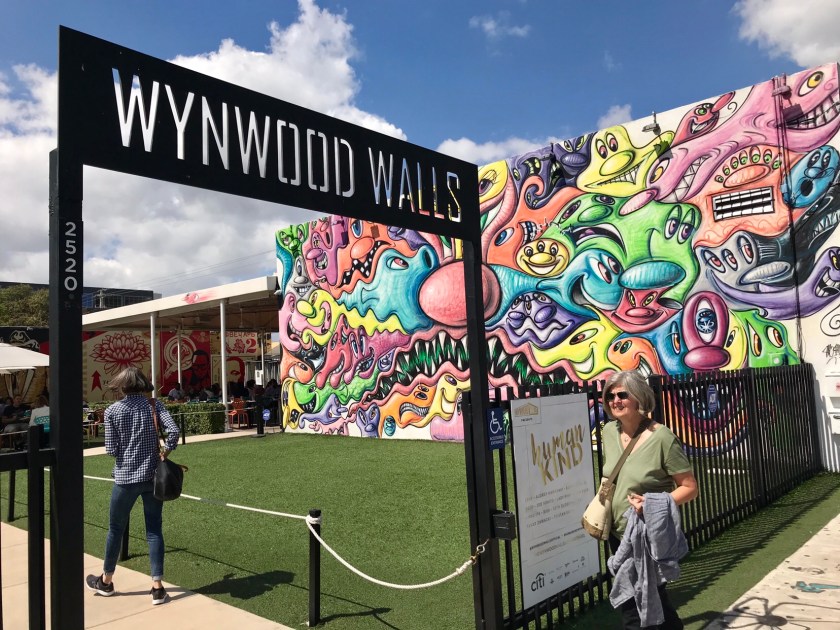 From South Beach we rolled on to the Wynnwood section of town. This part of town has been turned into an outdoor museum with its world famous murals.

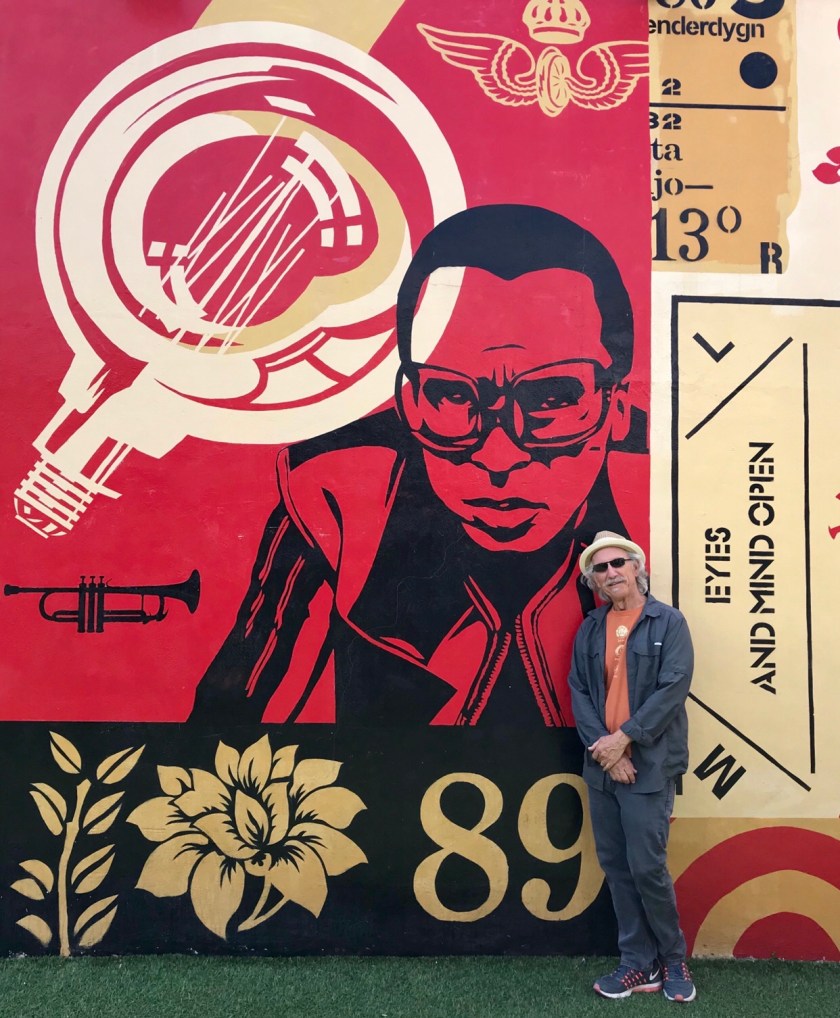 We want Miles!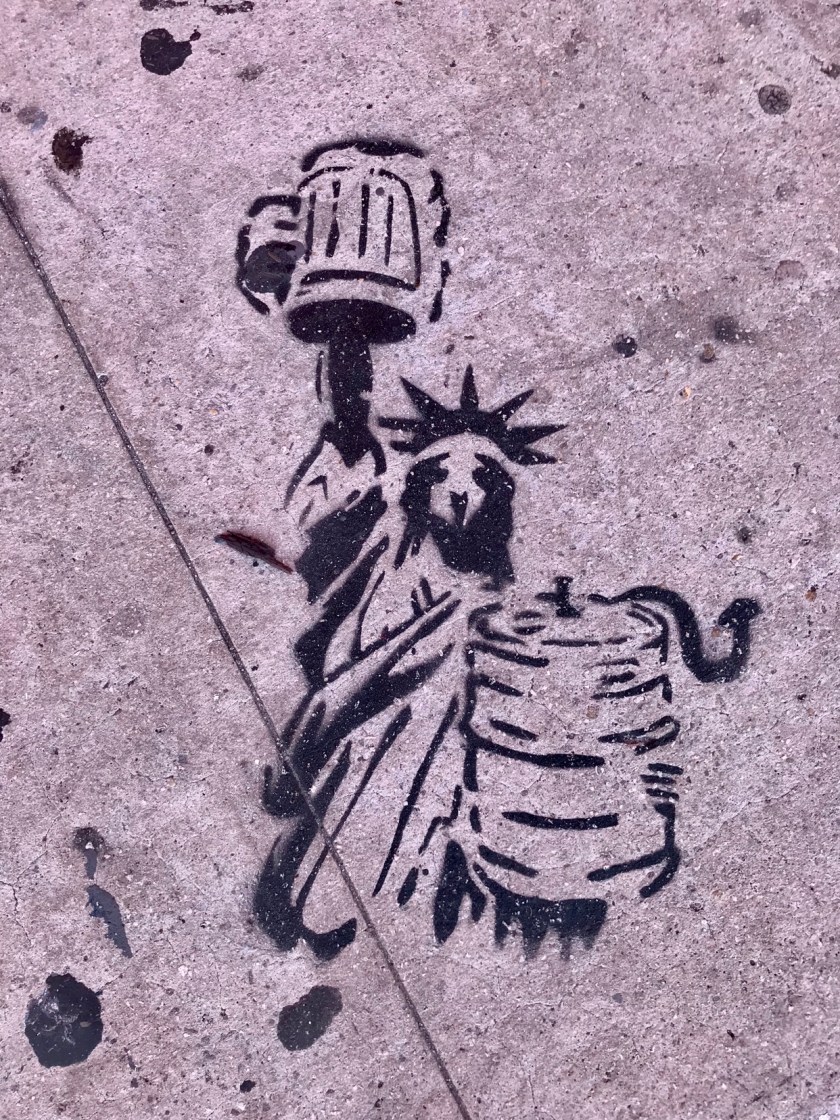
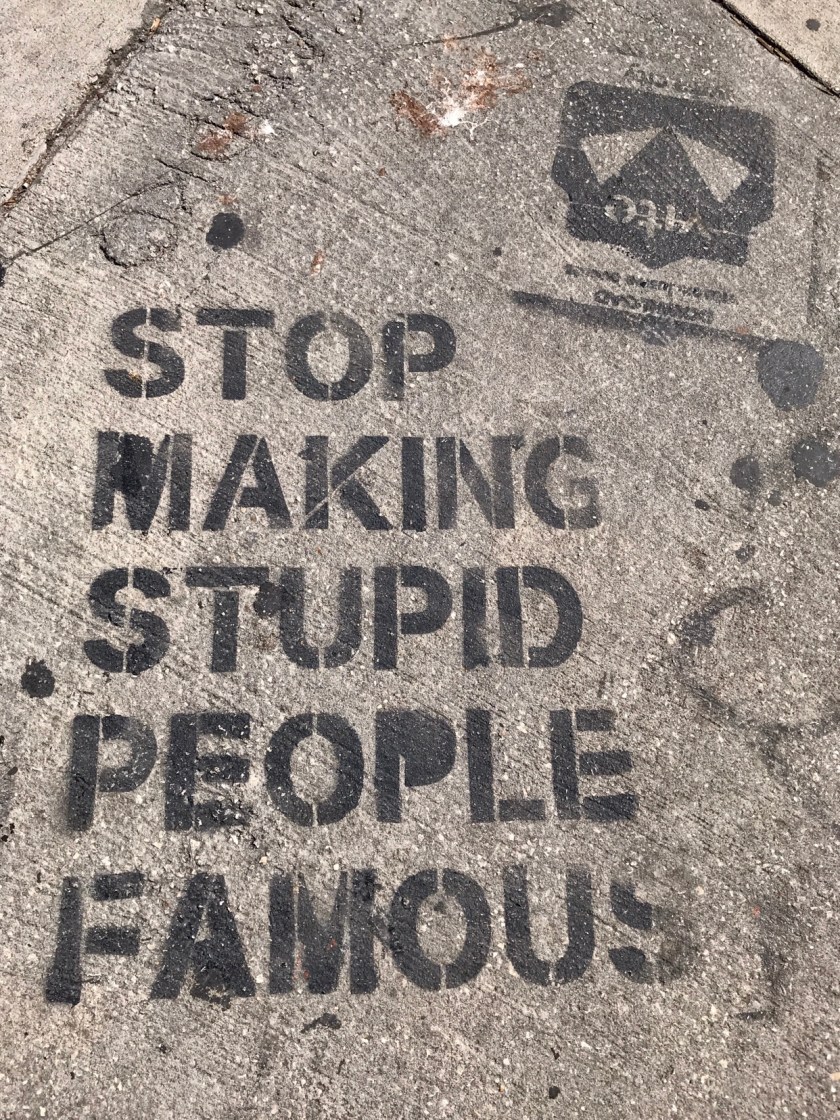
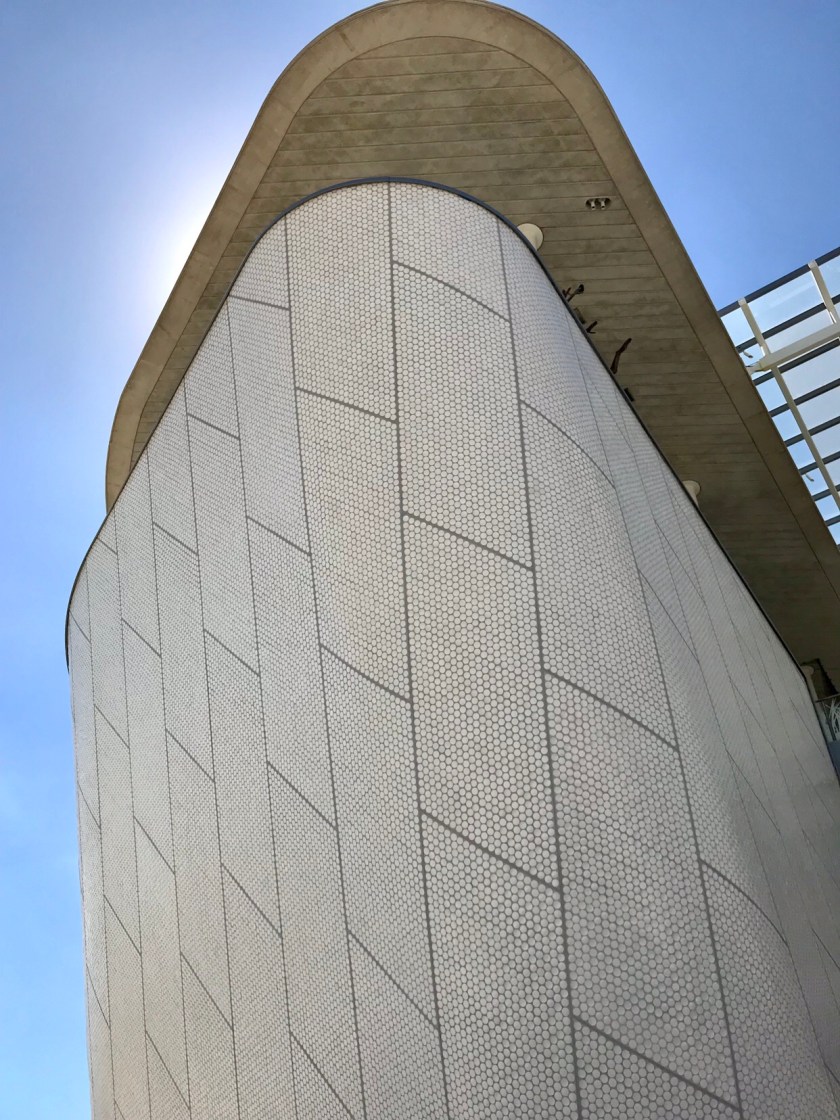
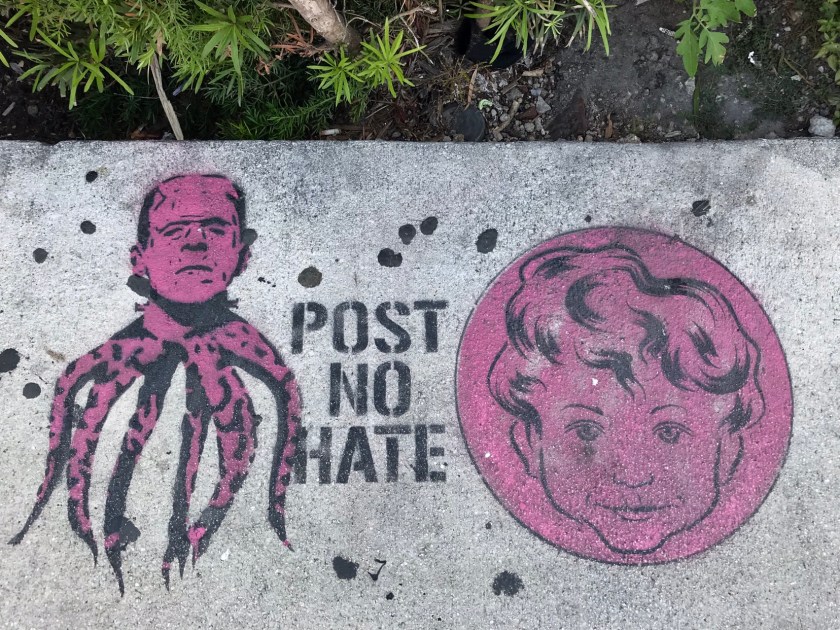 Miami is a surprisingly attractive city, interesting architecture and lots of public art.
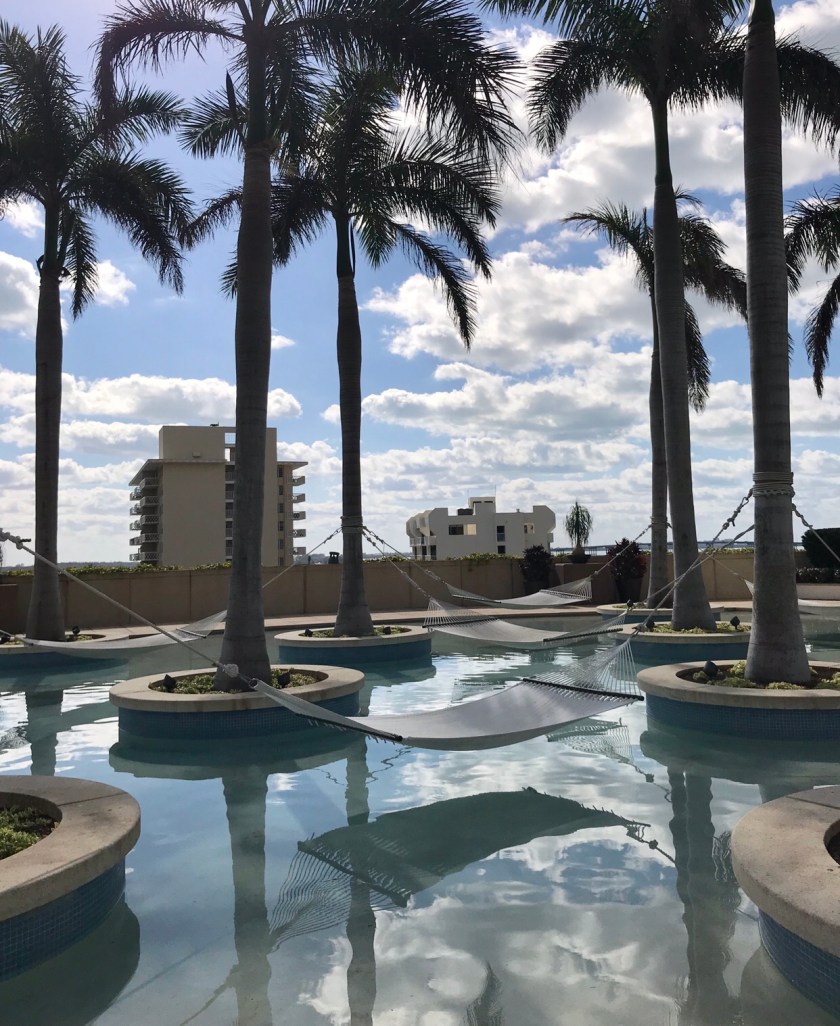
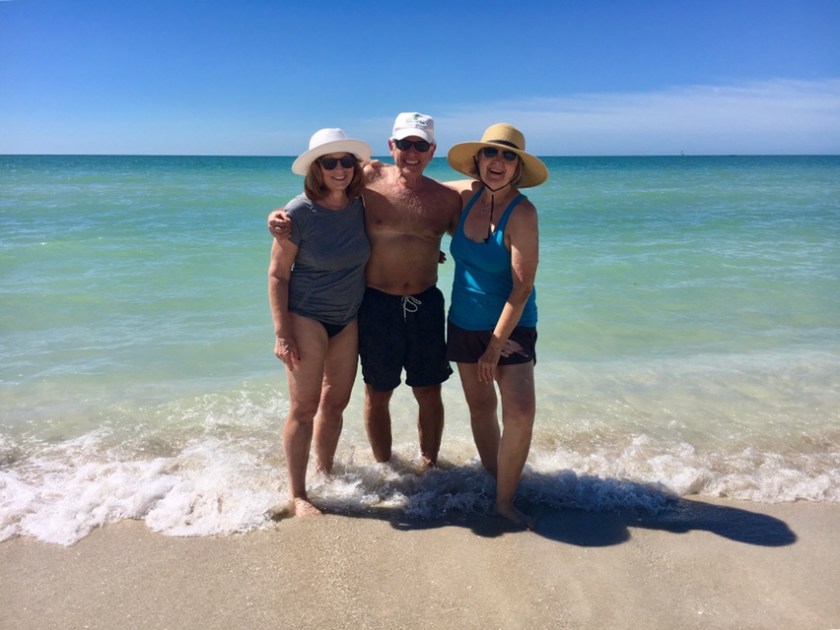 We moved our base of operations from the state park to the Naples KOA–Think parking lot with a full hookup.
 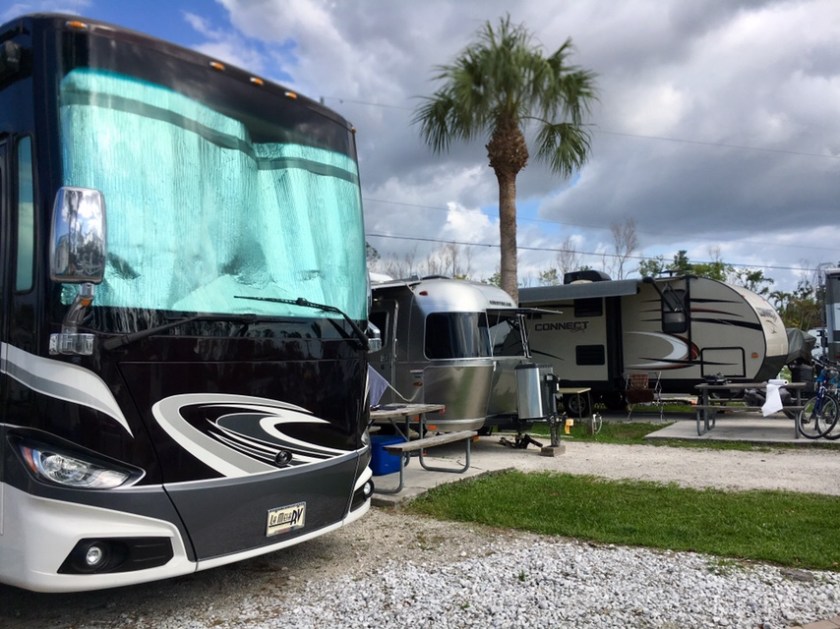 It’s not as bad as it looks. There are plenty of friendly people, there’s a salt water swimming pool and we’re usually out exploring during the day. A ten minute drive from the KOA was Eagle Lakes Town Park. A great place for walking, biking and watching birds.
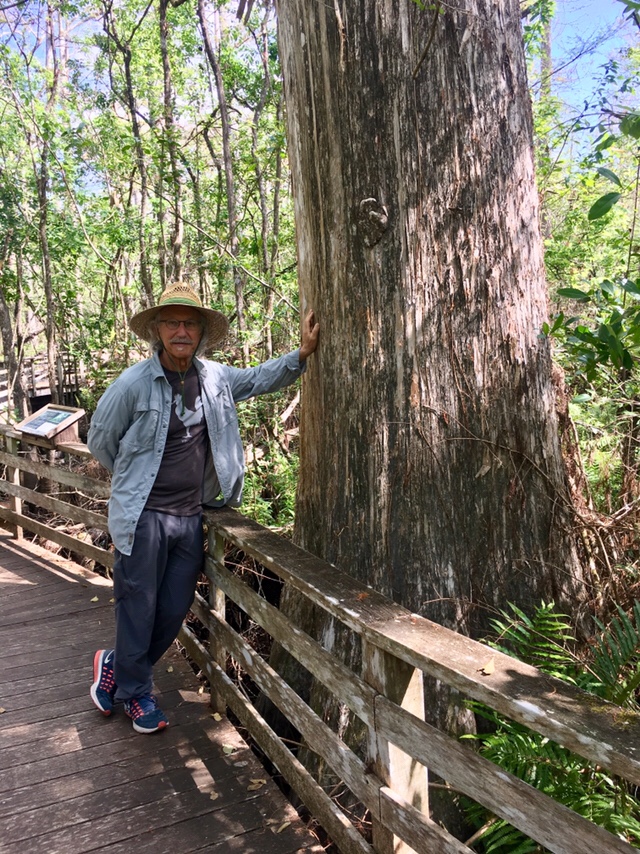
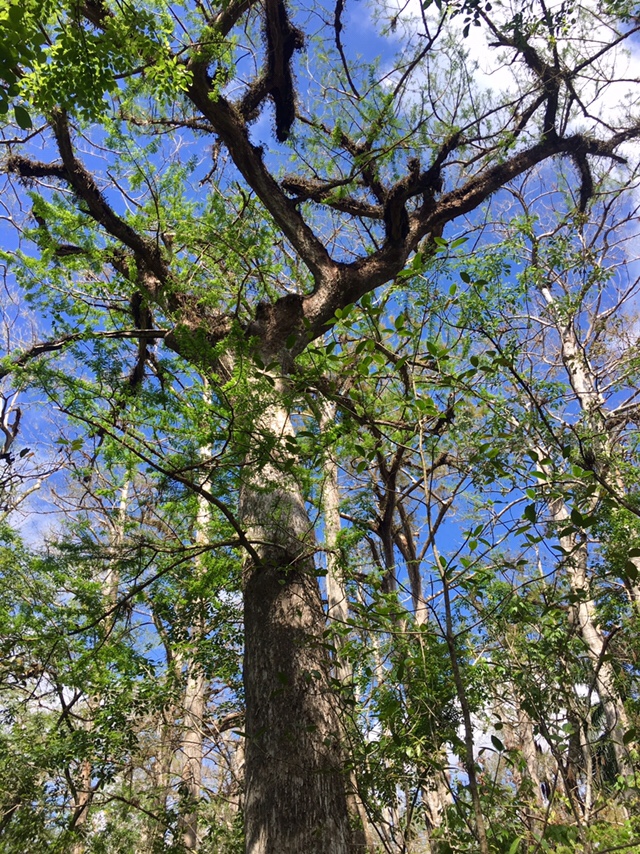
 There’s a 2 1/2 mile boardwalk that winds through a wet prairie, Florida pine forest and cypress swamp. The last hurricane took its toll on the trees in the sanctuary.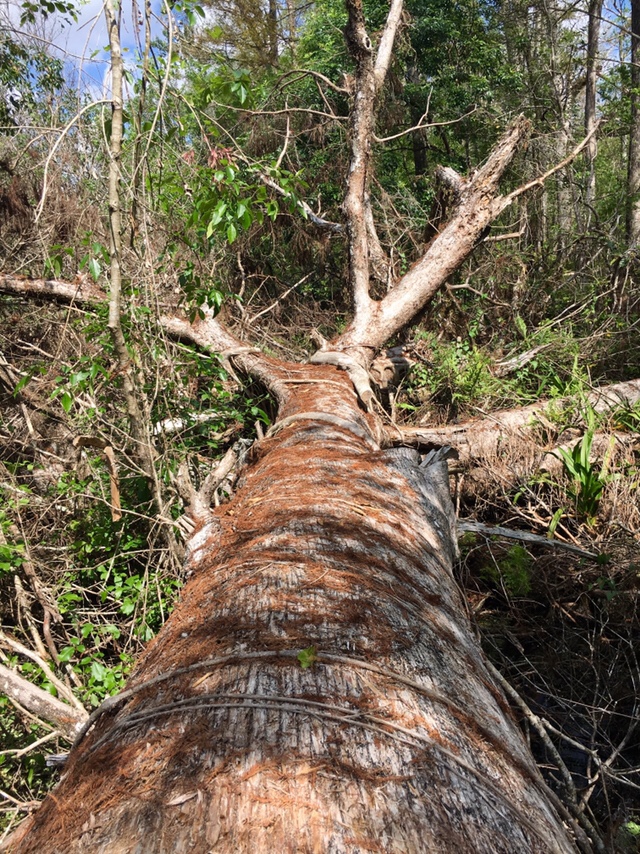
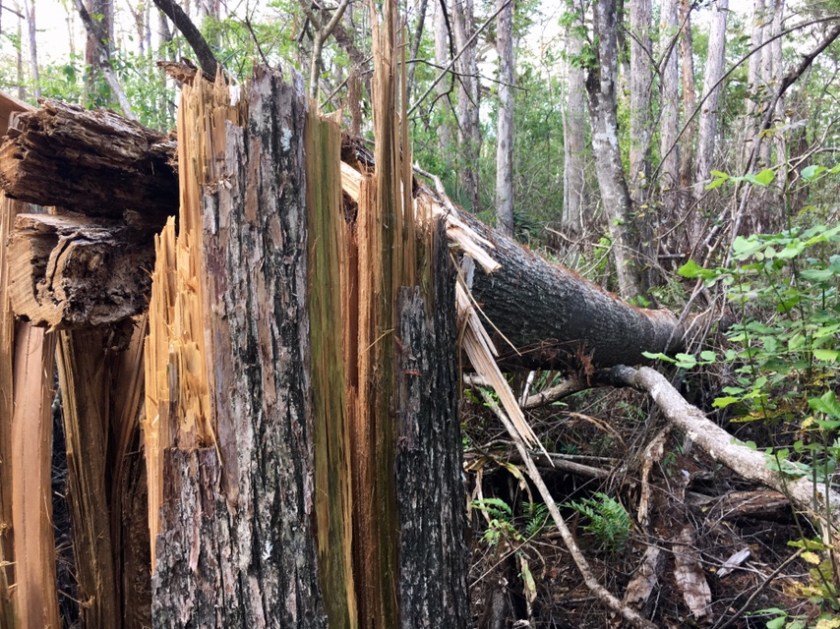 In spite of of the damage there were still plenty of birds and other wildlife.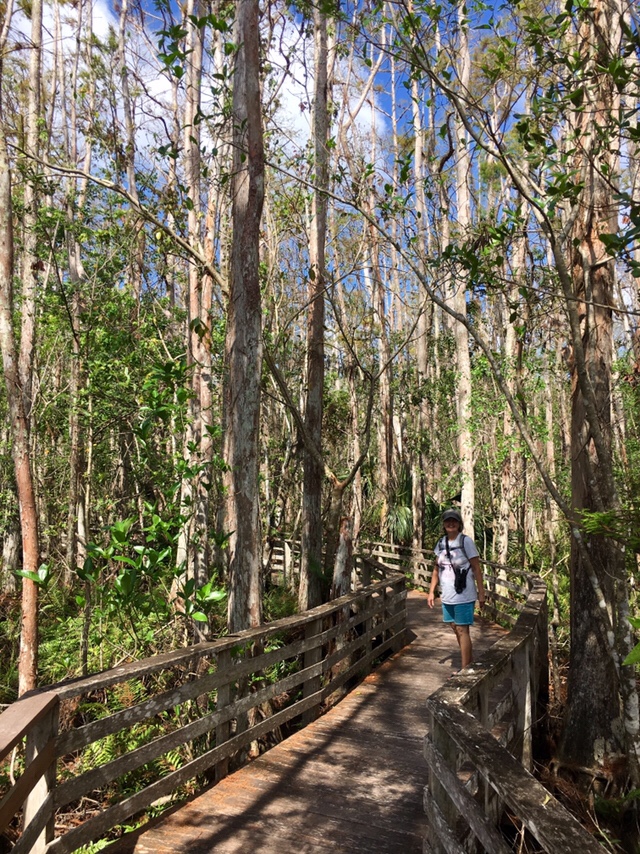
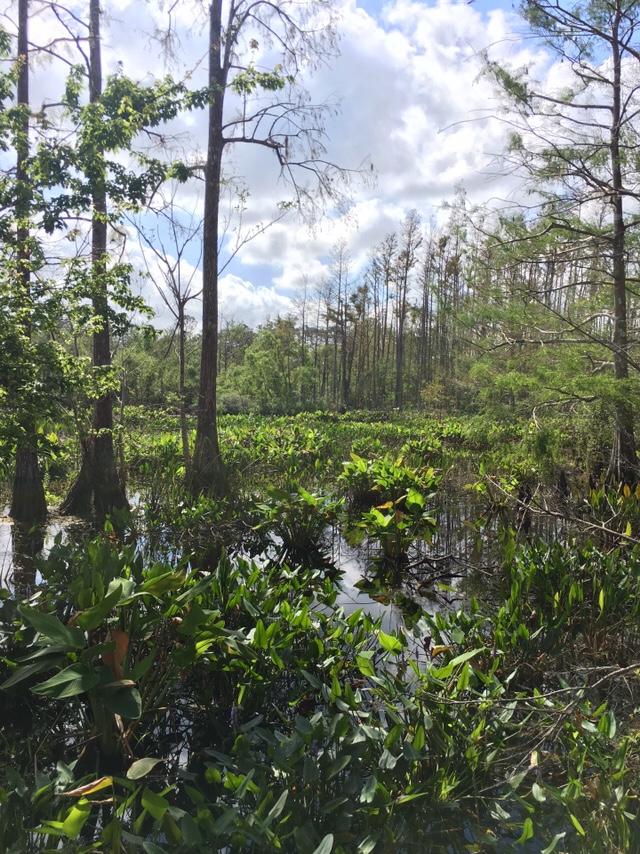
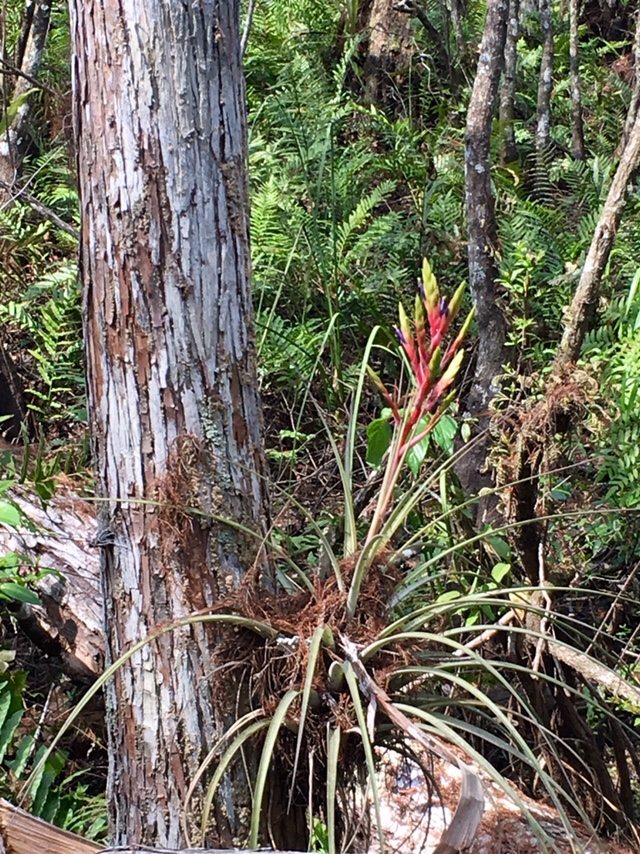
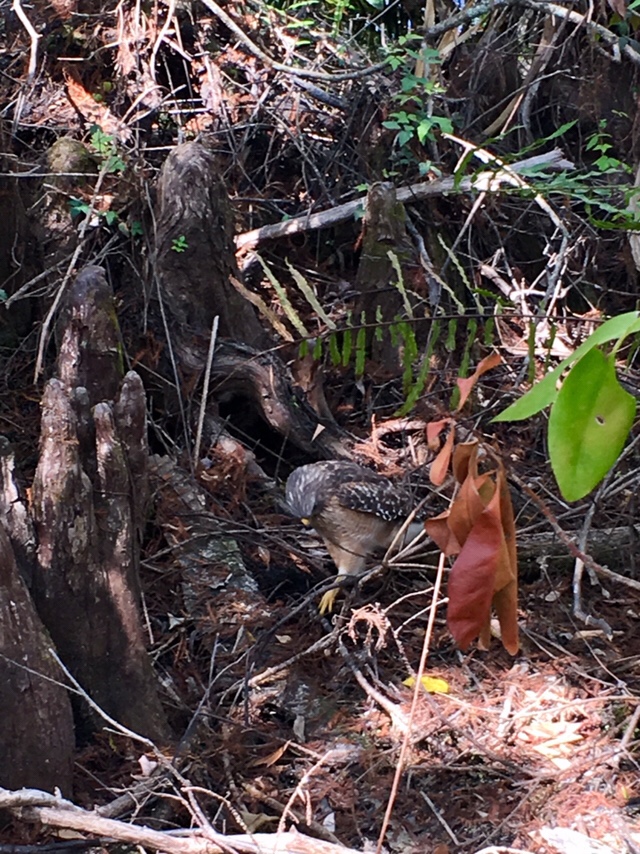
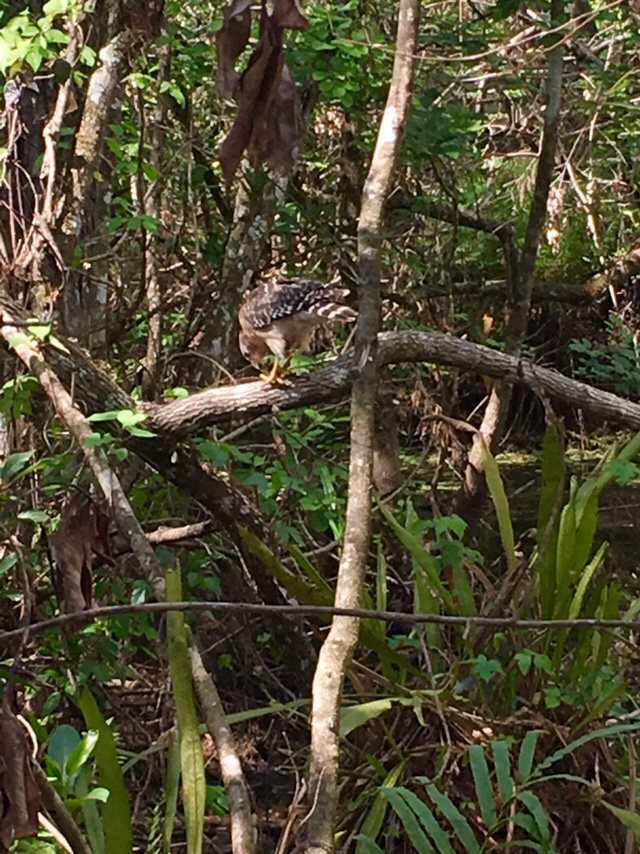
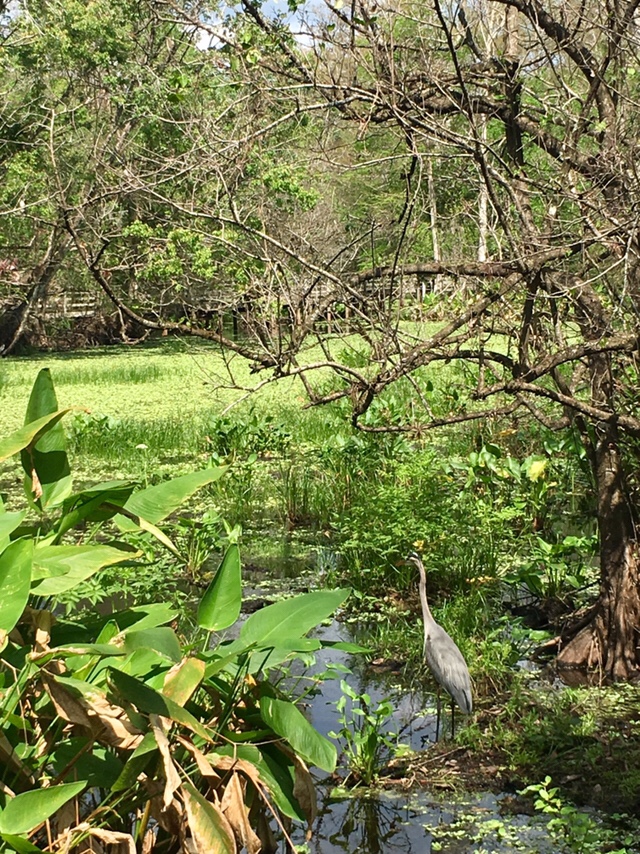 We saw birds, butterflies, snakes and turtles.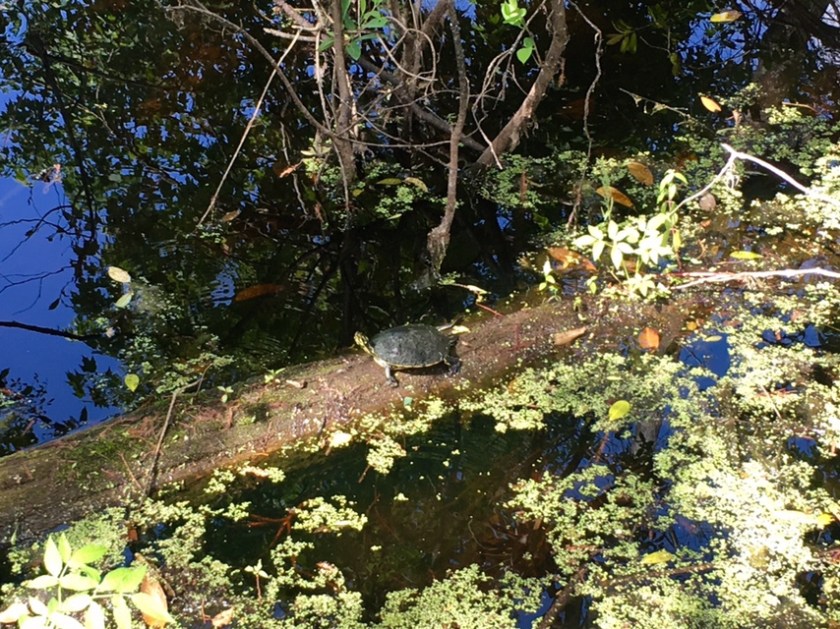
 While visiting with Micheal and Vickie we explored Naples. We spent the day at Delnor-Wiggins Pass State beach.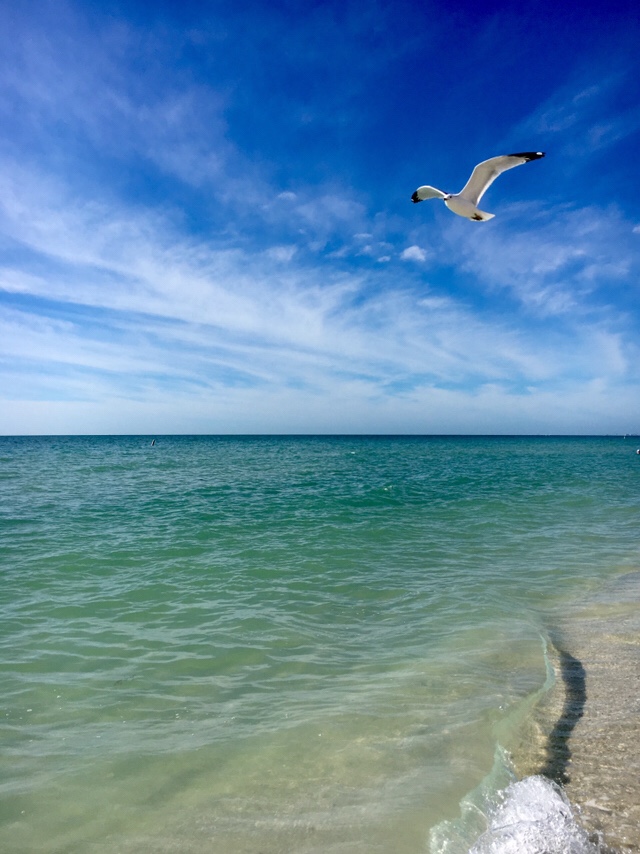
 Another day we met them for a late lunch to explore historic 3rd Street in downtown Naples and a sunset stroll on the Municipal Beach by the Pier.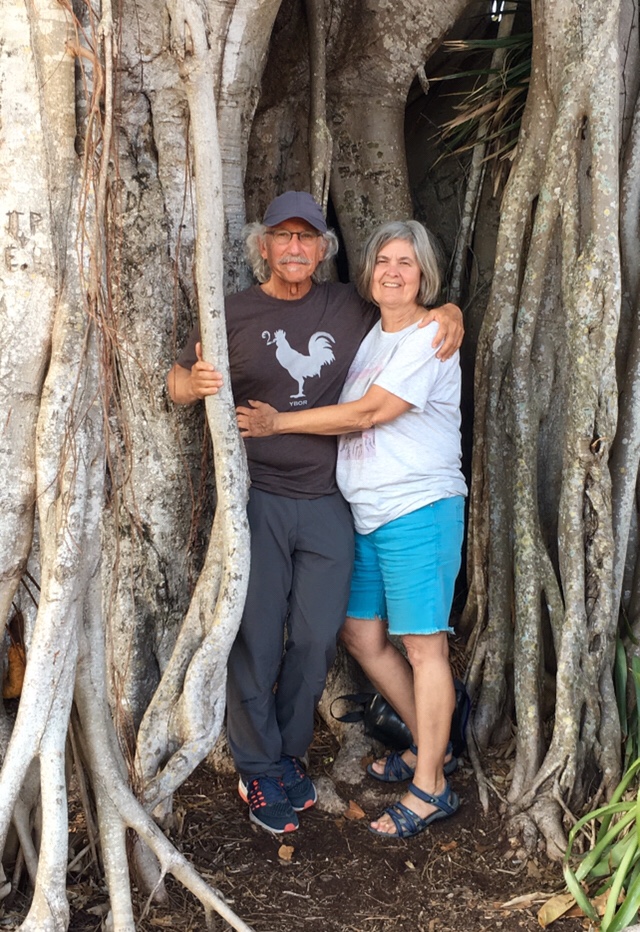
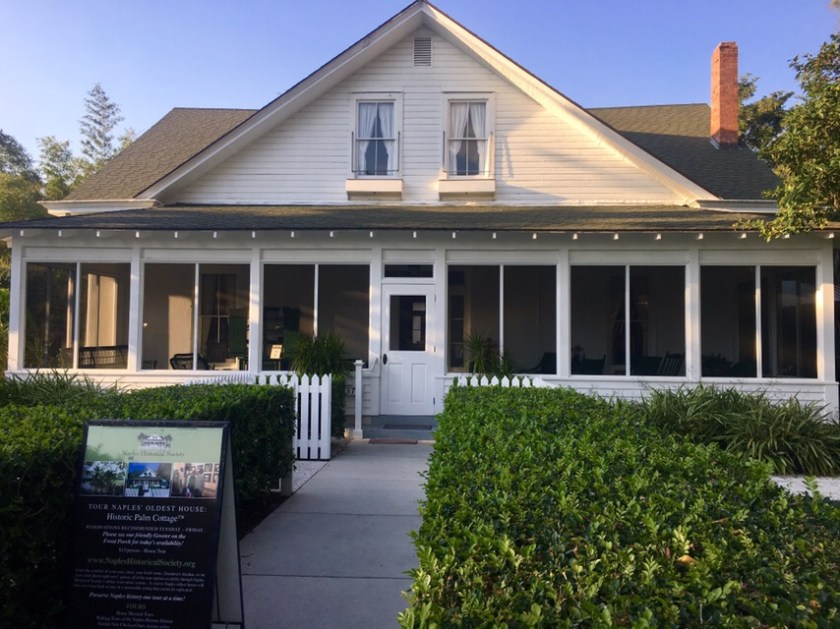 Palm Cottage(1895) oldest house in Naples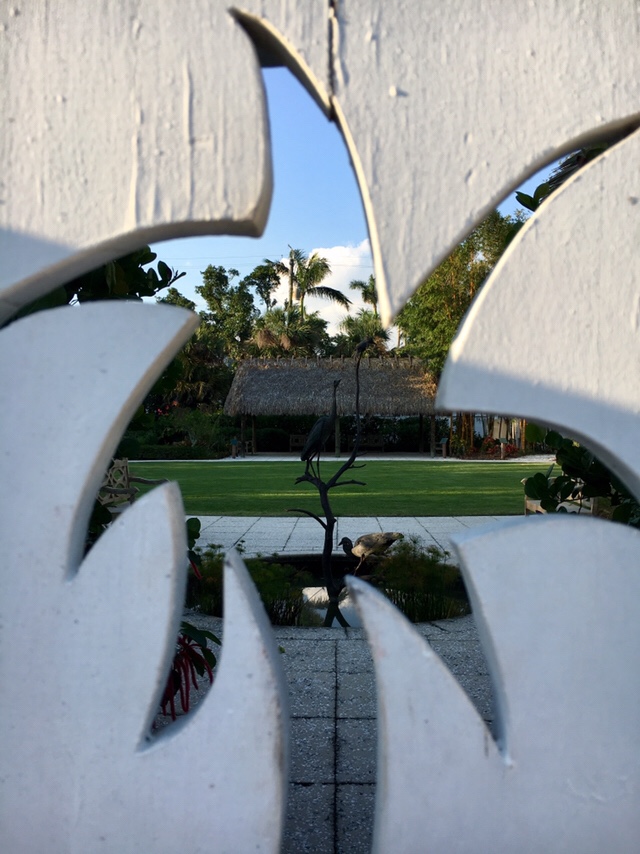
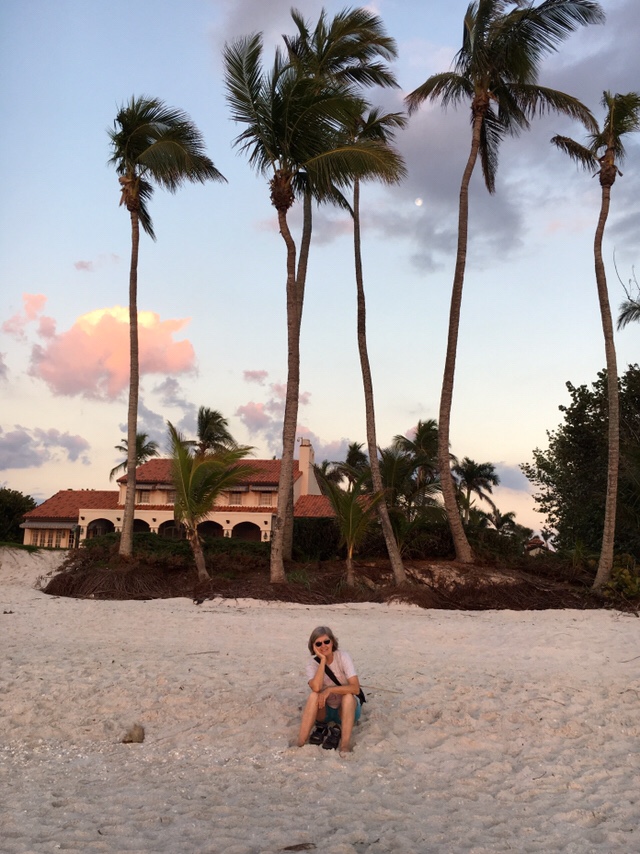
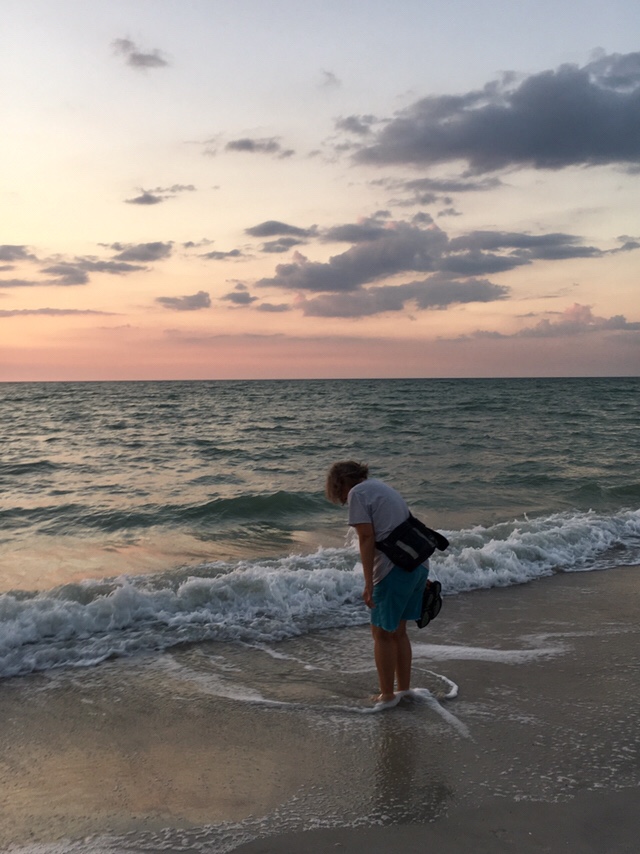
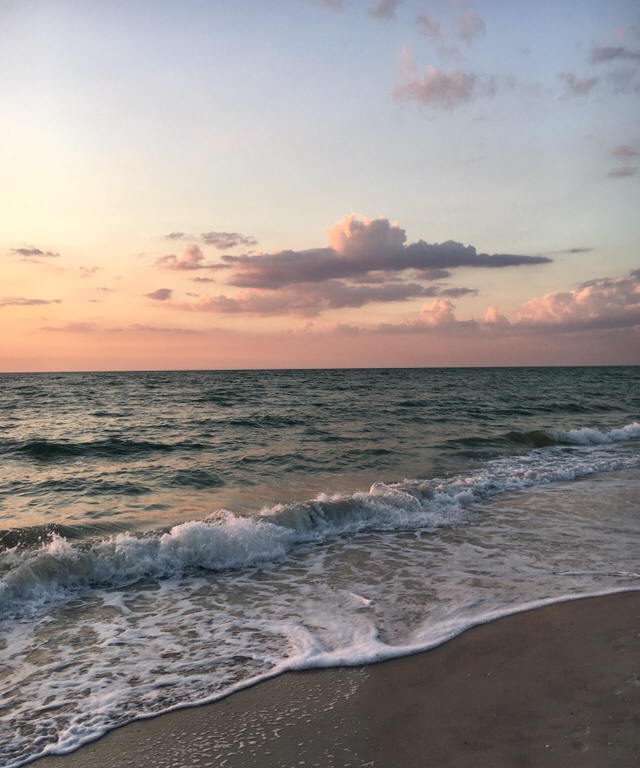
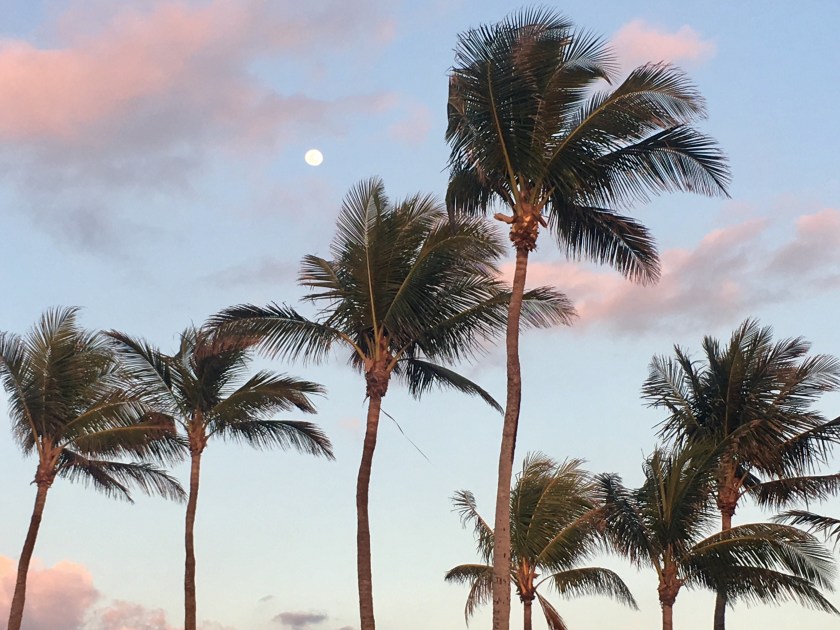
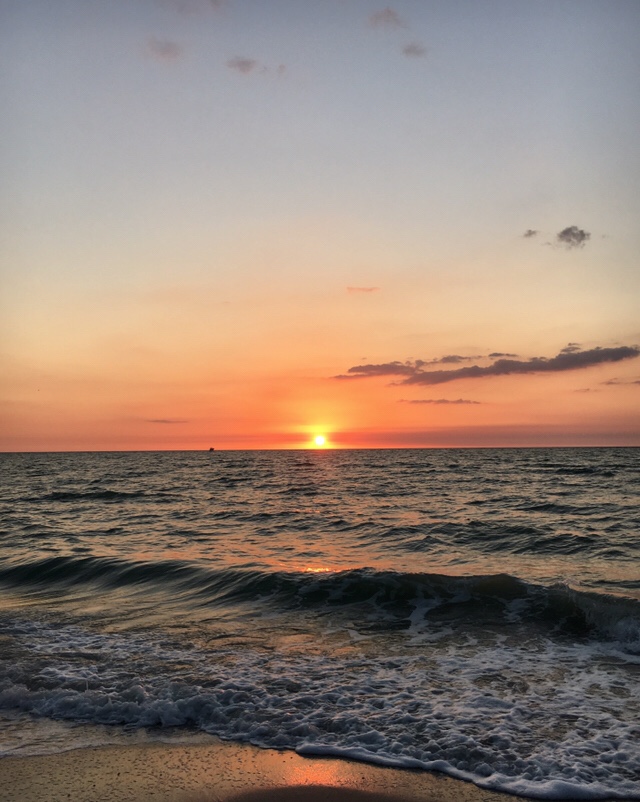

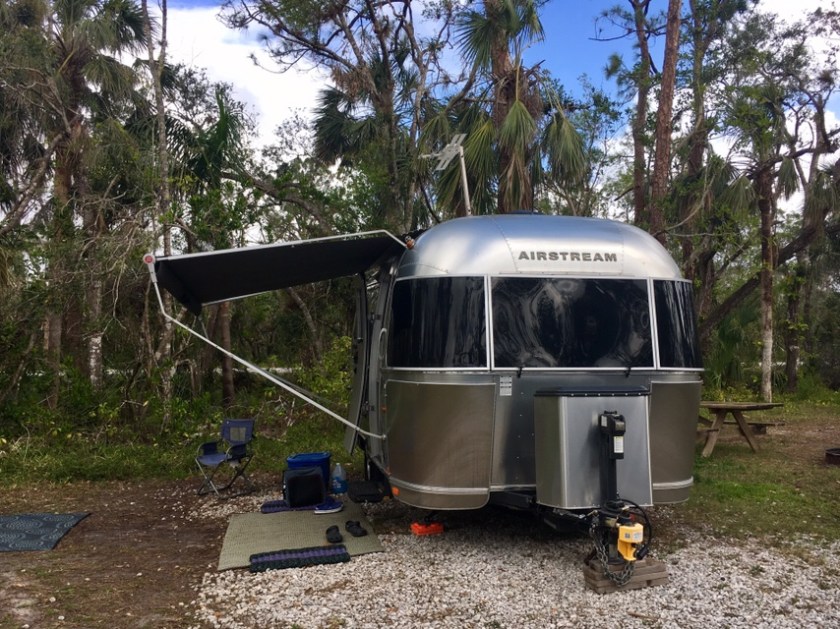 We’ve moved our base of operations ten miles east of Marco Island to Collier-Seminole State Park. While the park doesn’t offer much in the way of a “camping” experience it puts us in easy striking distance for the numerous parks in the Everglades.
 The campground is on the western edge of the Everglades nestled up to a mangrove swamp, popular with canoeists and kayakers.
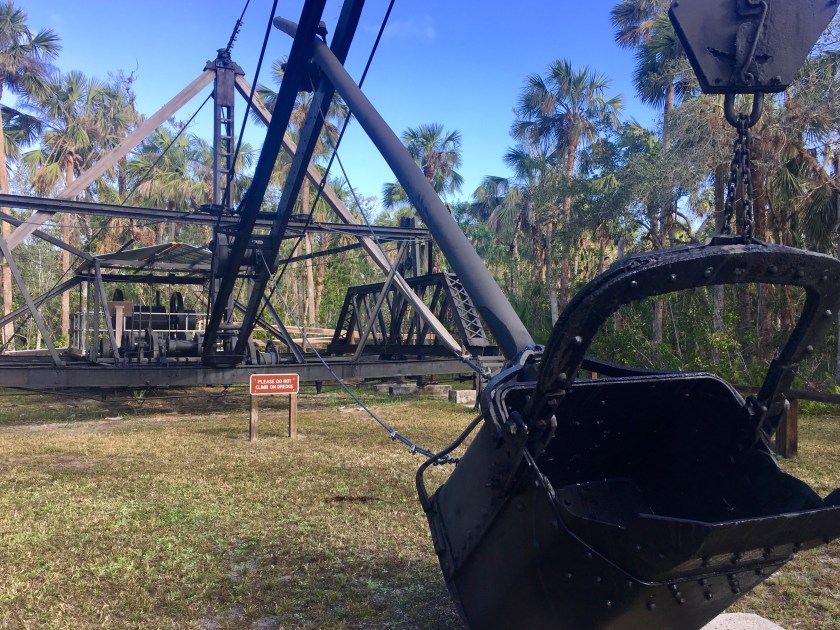
  The Tamiami Trail (Rt. 41)was developed in the twenties using a technological advancement that made it possible to break up the oolitic limestone that forms the bedrock of the Everglades. Manufactured in Bay City Michigan this dredge was used to break up and pile limestone chunks to create a road connecting the west and east coast of Florida.
  We took a scenic drive through the Big Cypress Swamp, a loop drive off US 41.

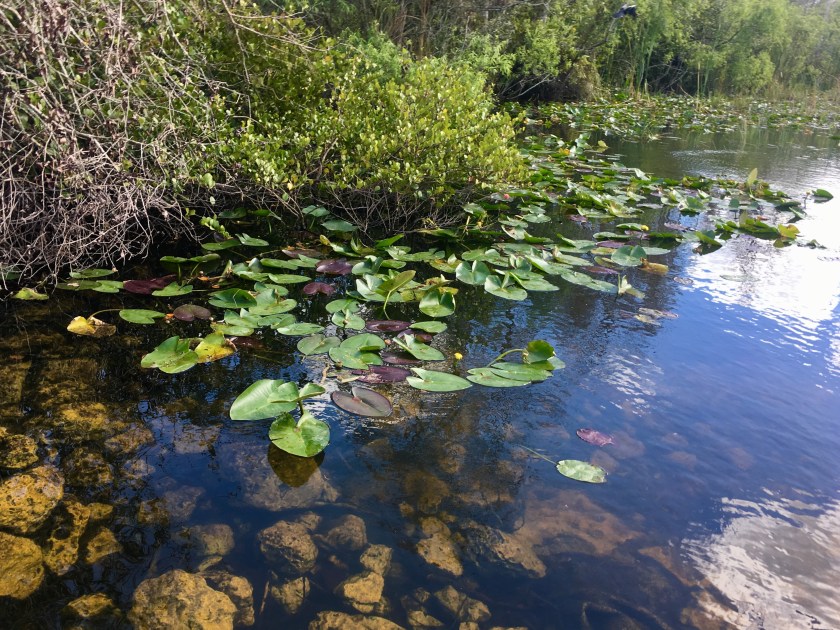 This water teams with life. Hundreds of fish make the surface boil, alligators lurk beneath and birds stalk the fringes – often perched on cypress knees.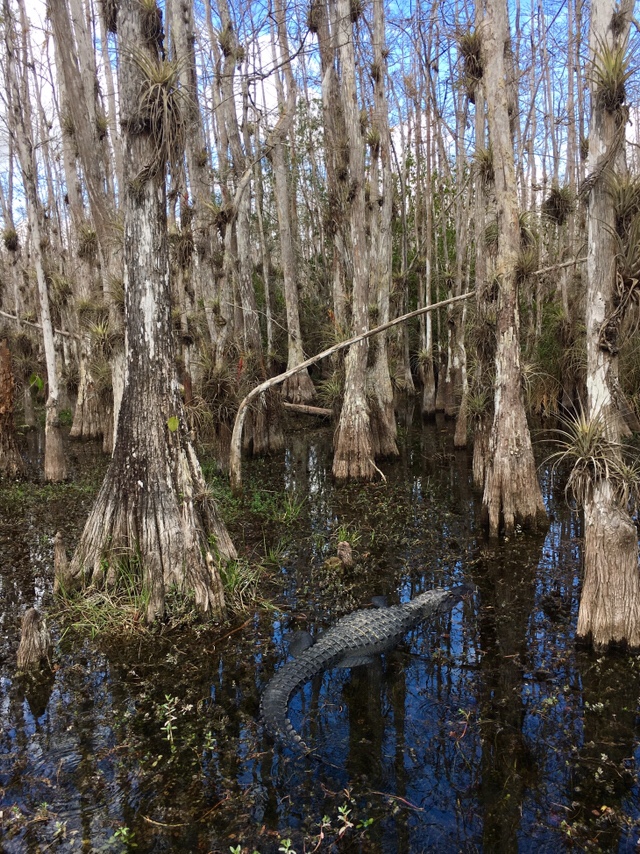

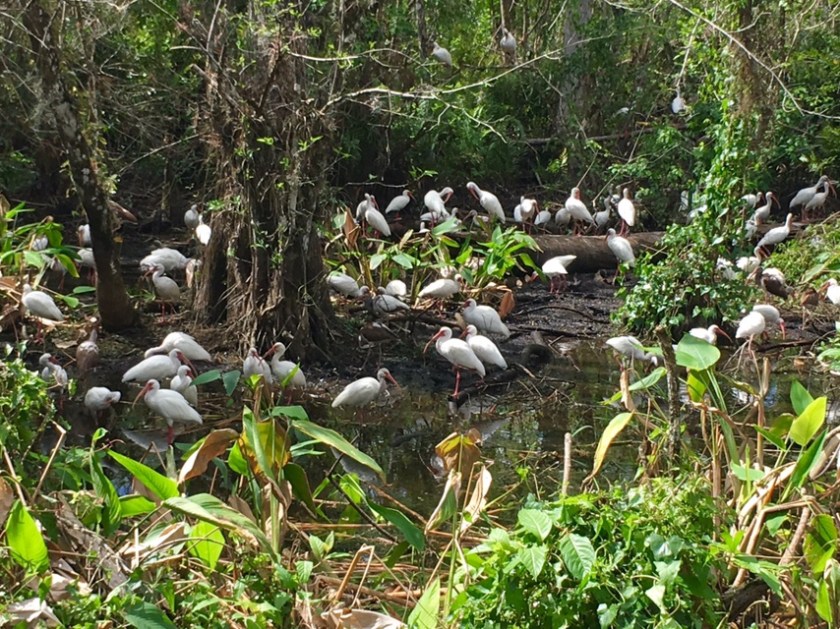 Further to the east is Shark Valley In Everglades National Park. Here is a fifteen mile paved bike path which takes you through a “river of grass” bordered by canals thick with alligators. The Everglades NP is the largest nature preserve east of the Mississippi (1.3 million acres).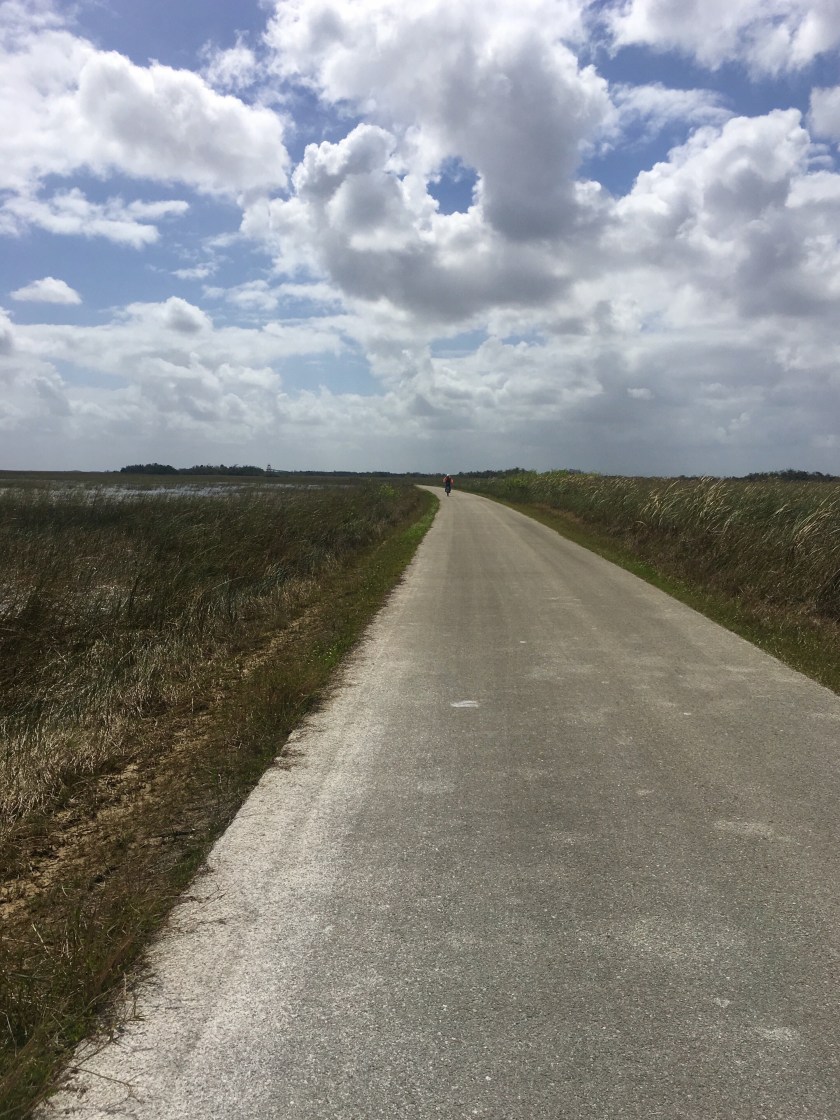

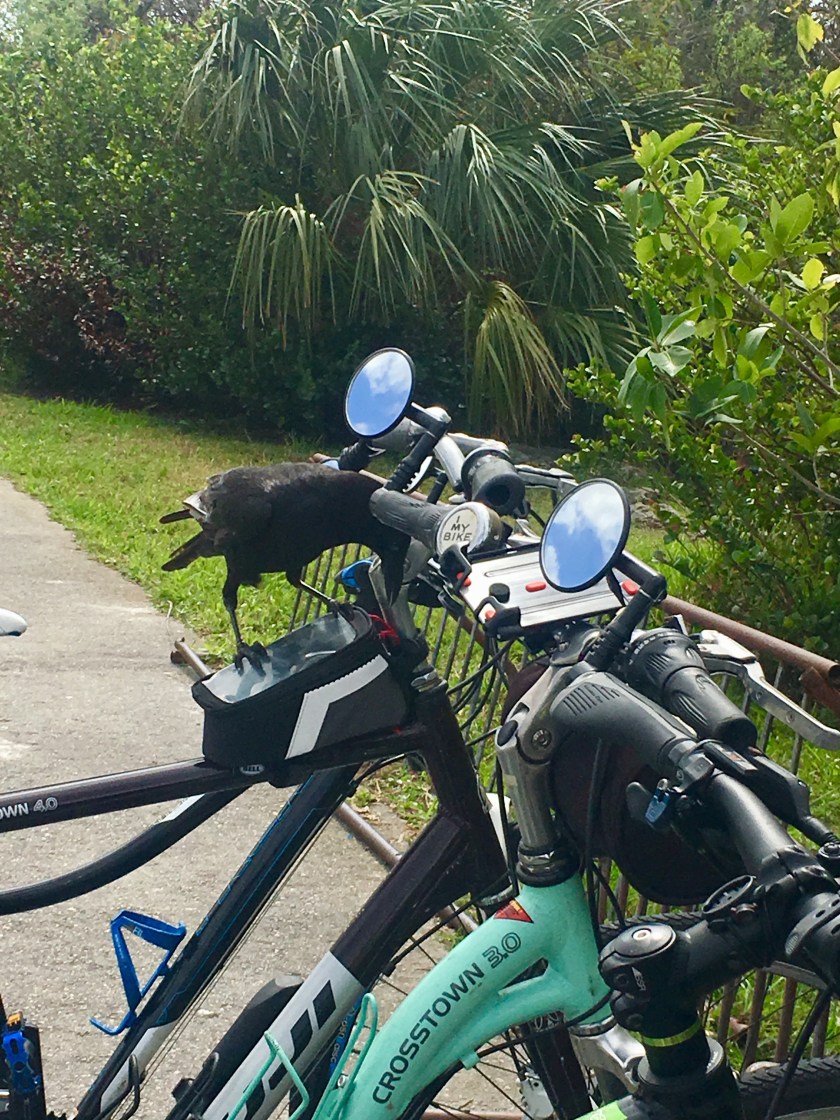
 Seven miles out on the trail is an observation tower. We parked our bikes and walked up the tower. When we returned we met this clever crow who figured out how to work a zipper and snag what was stashed away. He(she) got away with out graham crackers.
  On the way back to camp we stopped to mail a package.
 This building was pressed into service in the 1950’s. Once a shed for irrigation pumps, it is now the post office for Ochopee- and since last fall’s hurricane- the only one in the area with a working scale. In fact this area was hit hard in the last hurricane – you can see evidence of it everywhere.
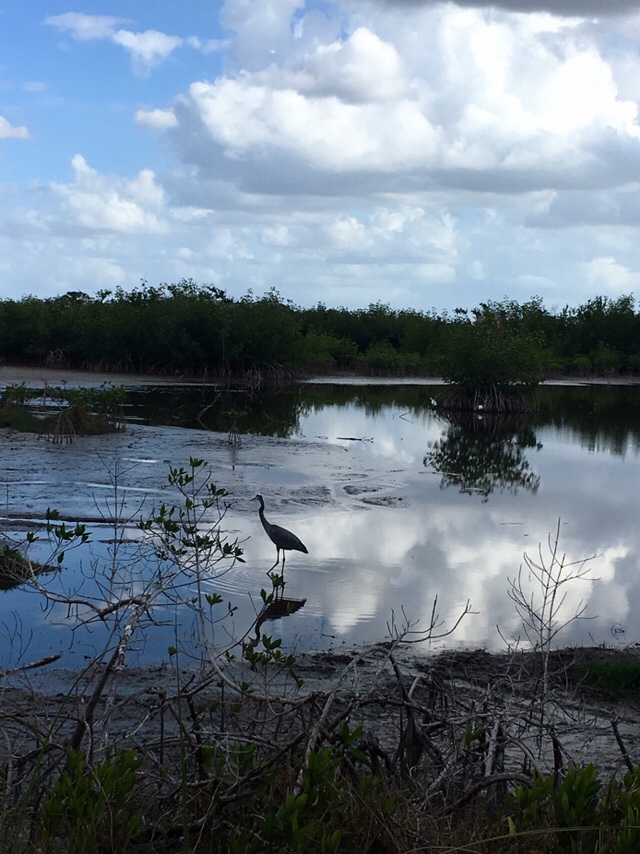 We took a day and drove up to Fort Myers to check out the Edison & Ford Estates. It was a full day of wandering the exhibits and grounds.
  The estates sit on the banks of the Caloosahatchee River.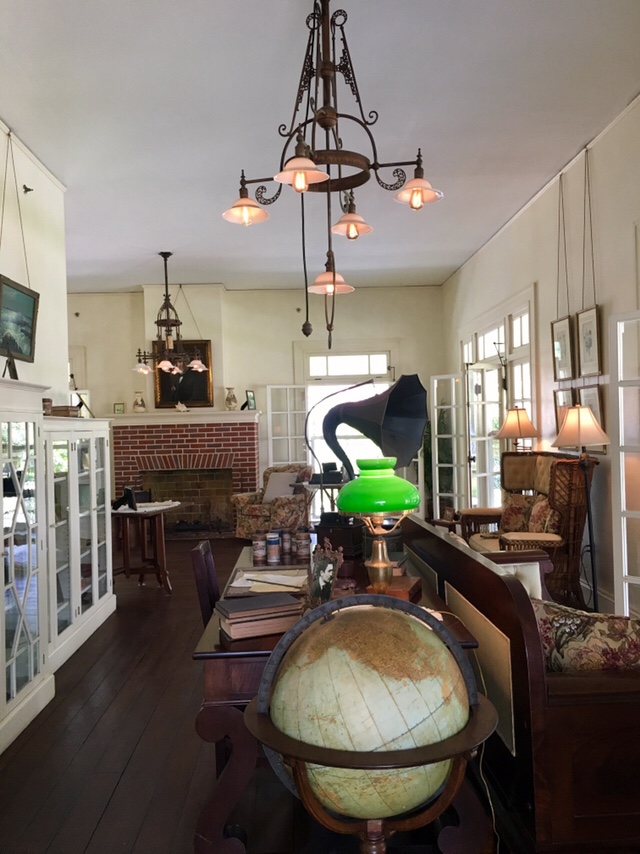
 Pool Area
 One of Edison’s labs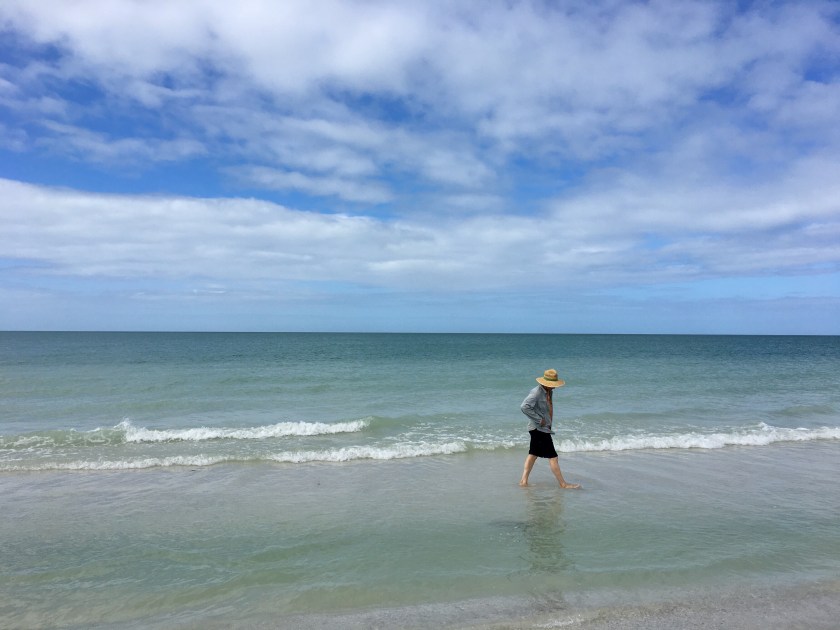
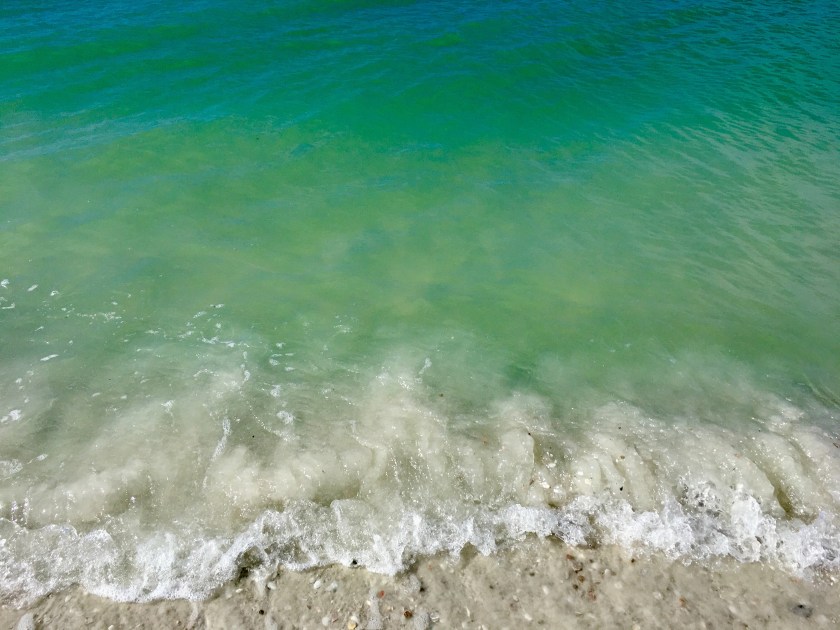
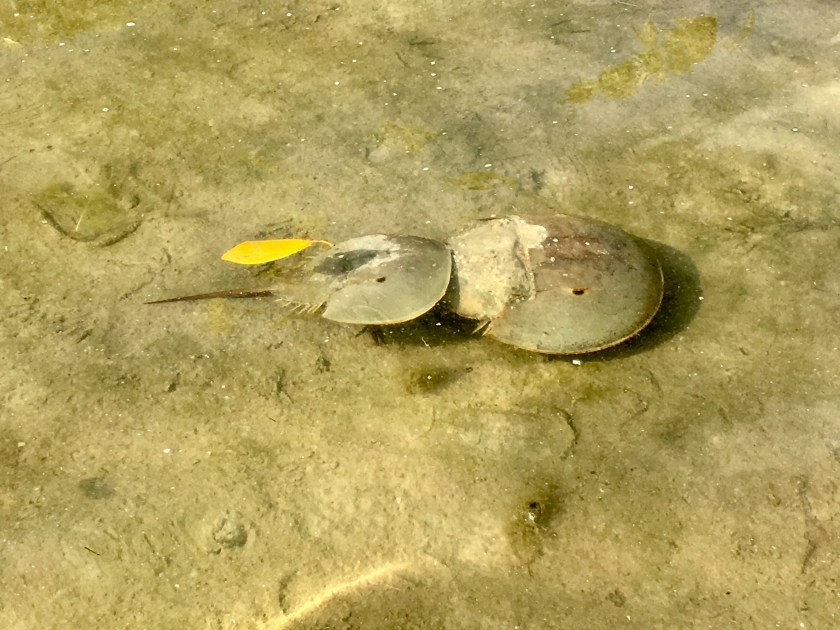
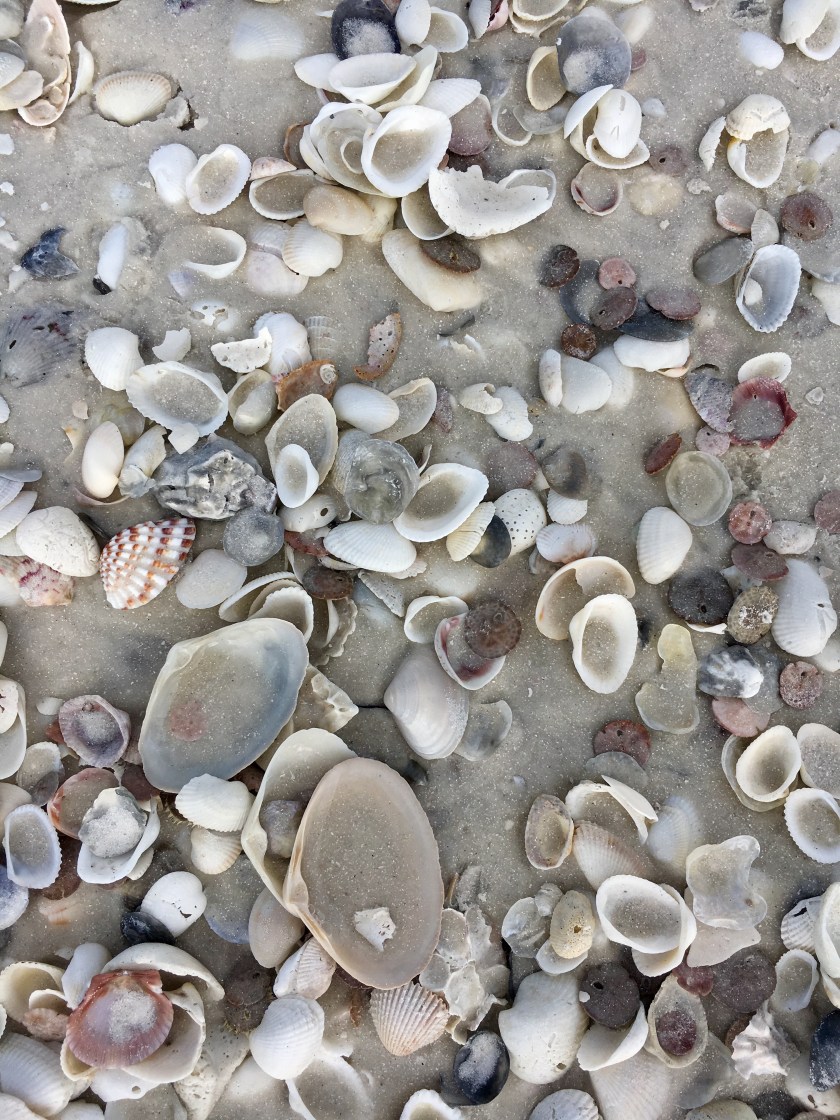
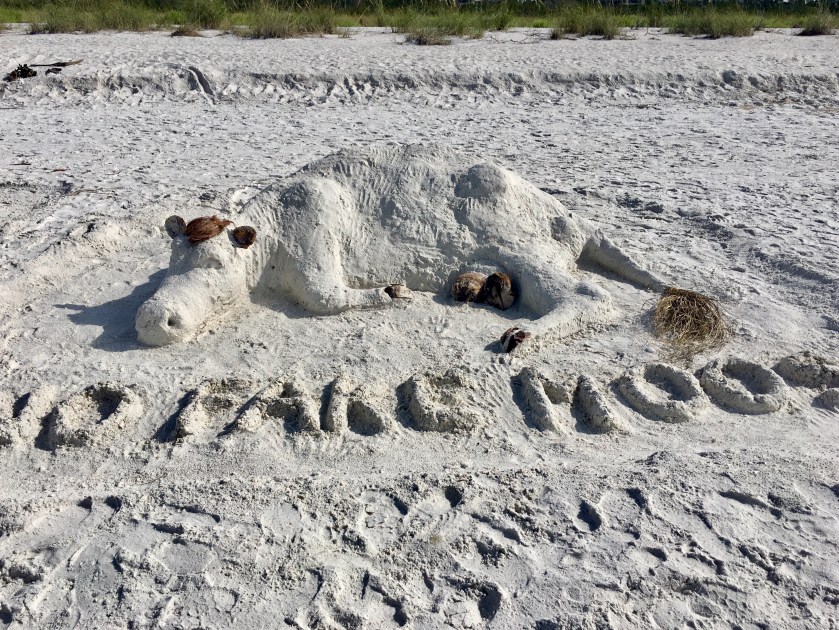
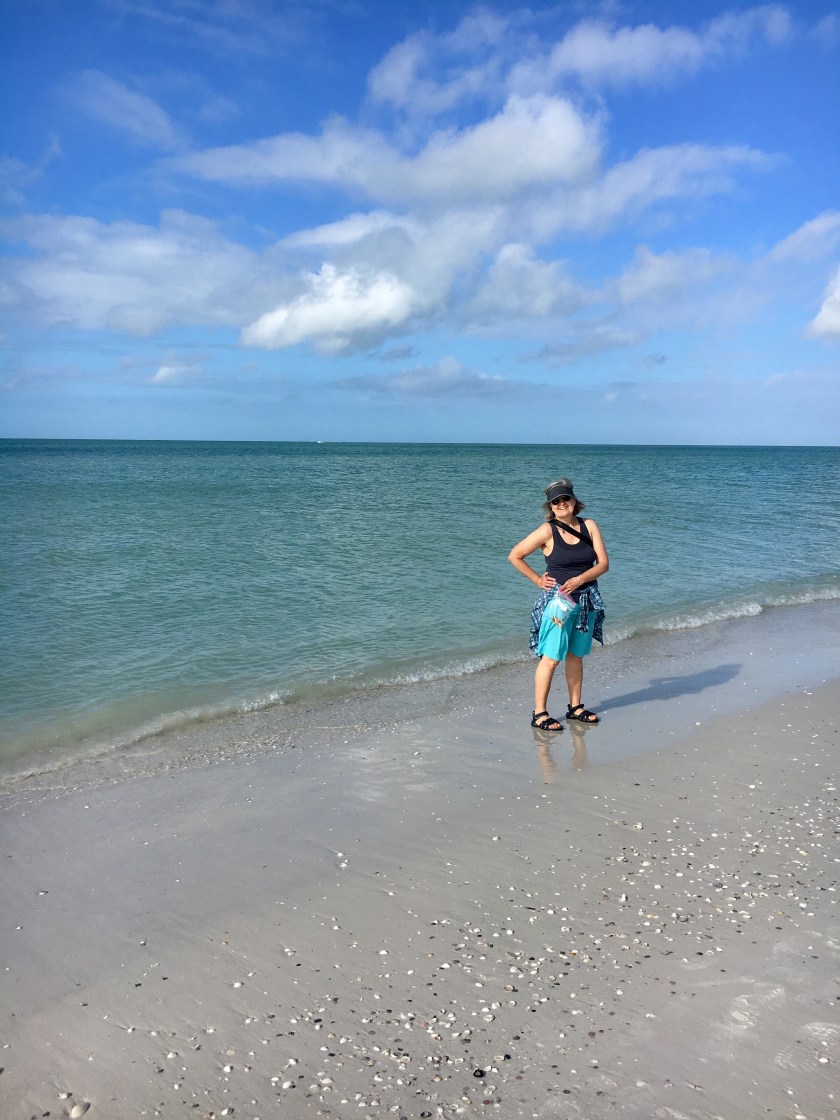
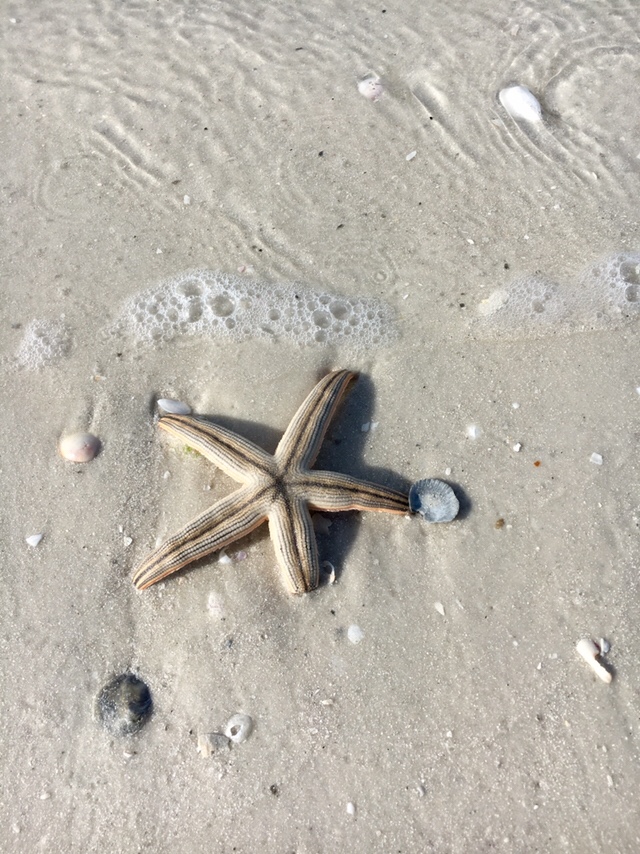
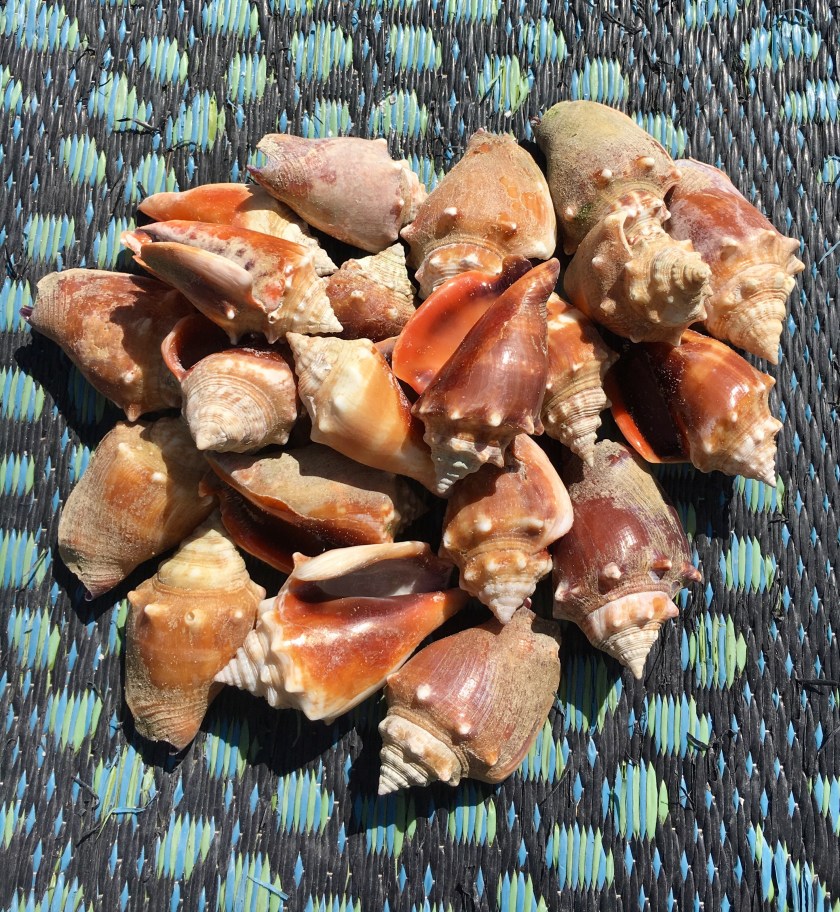 Our shelling haul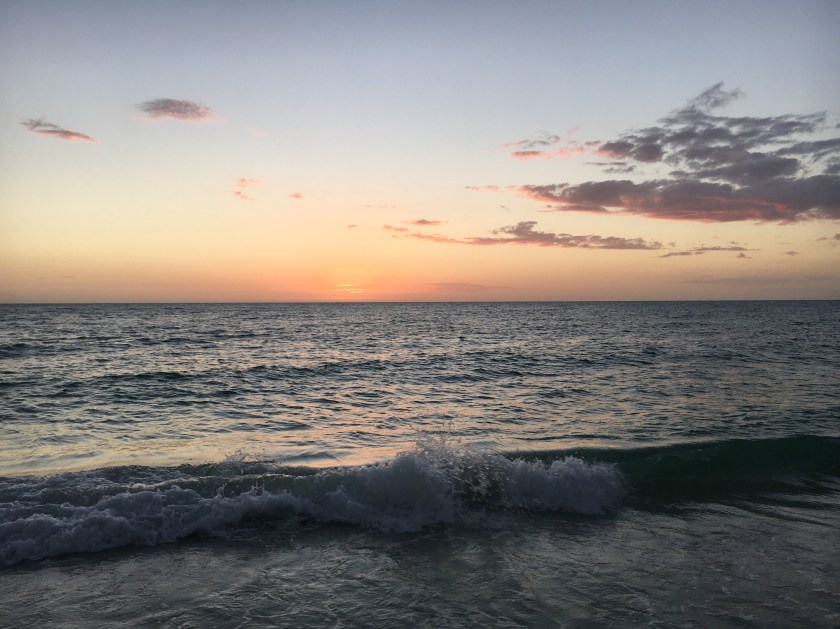

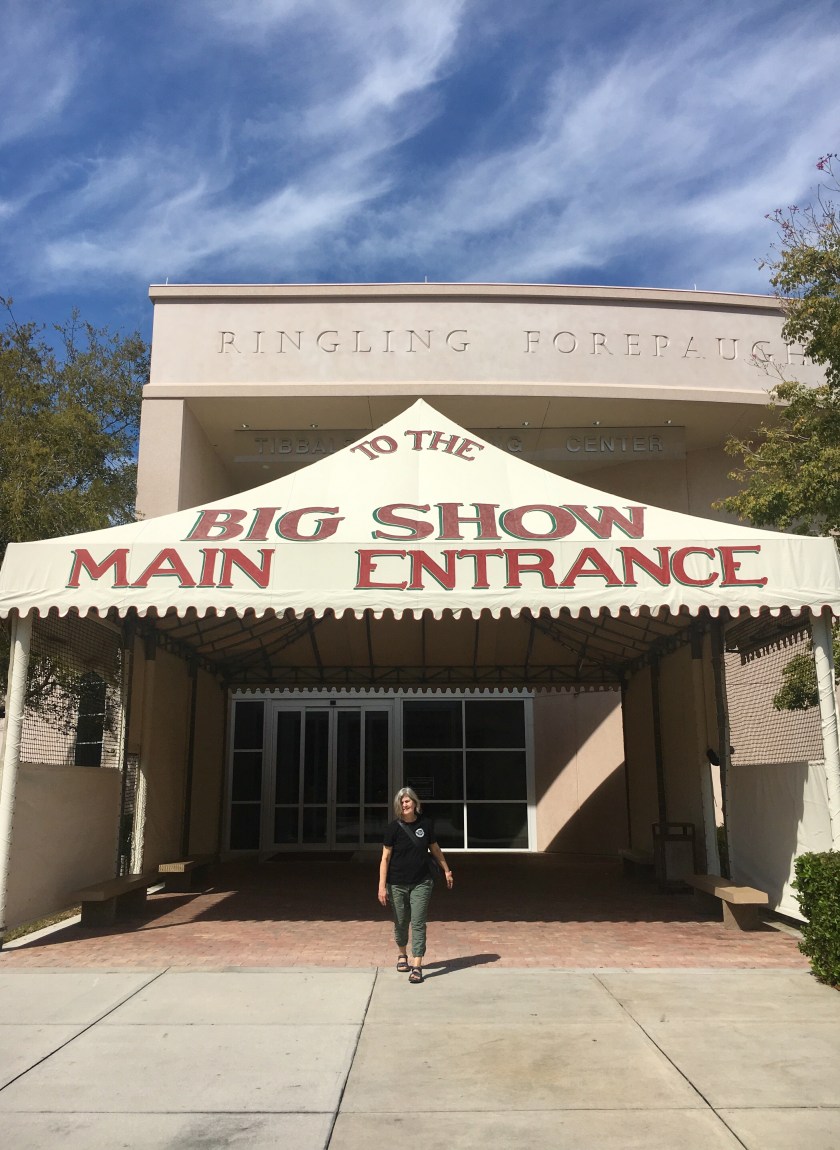
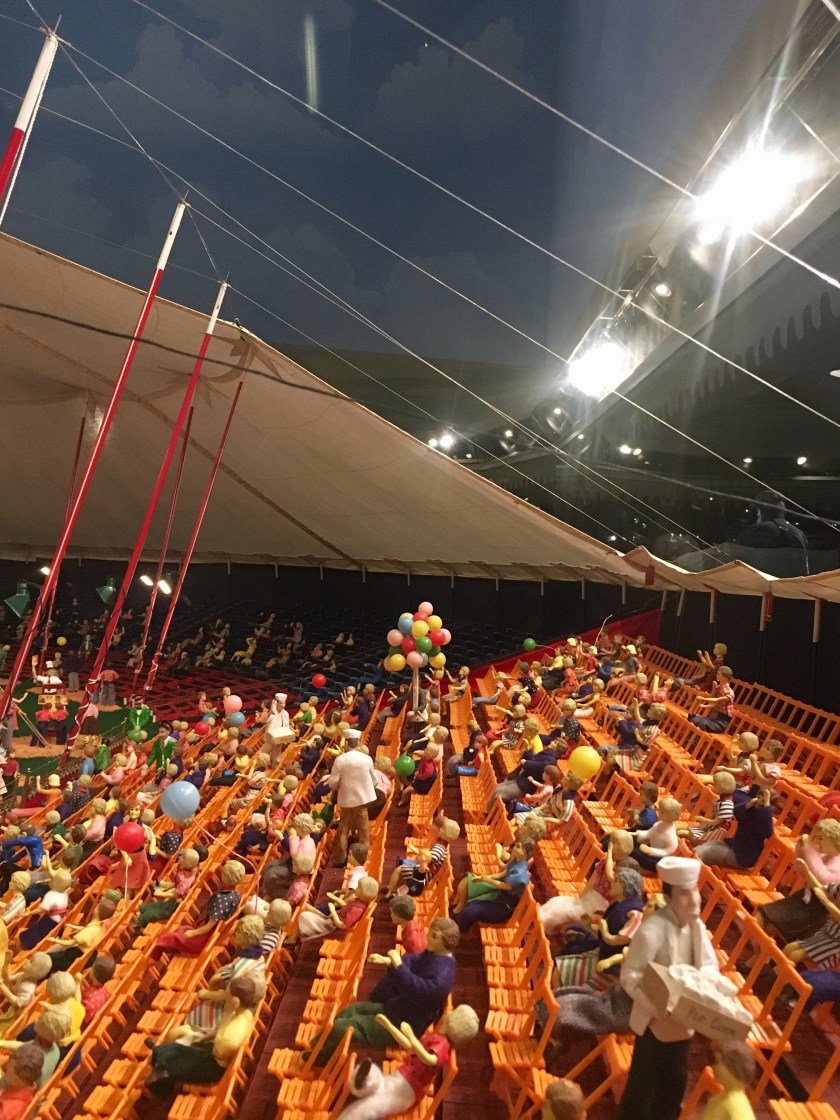
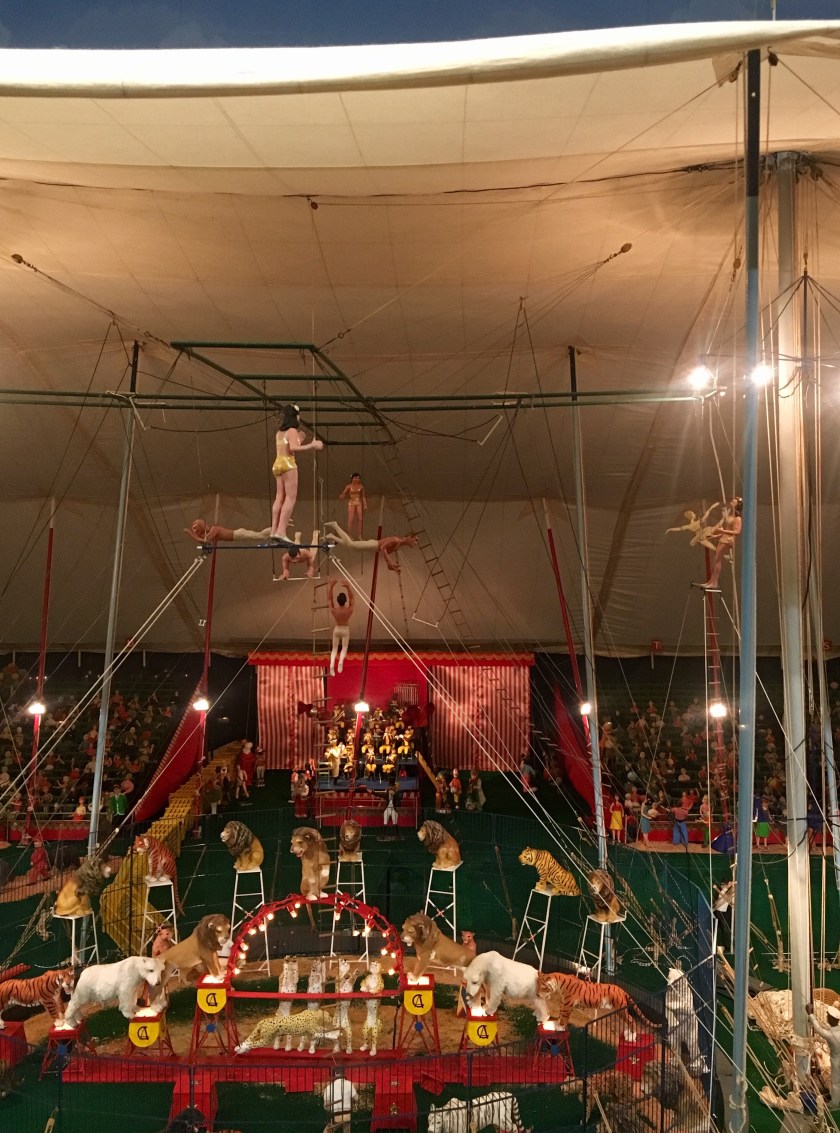 The Circus Museum houses an immense scale model of the Ringling Circus as it would be set up in the 1930’s. It is the creation of Howard Tibbals and his life’s work. These photos do not do justice to the detail and care that went into creating the model. Must be seen.
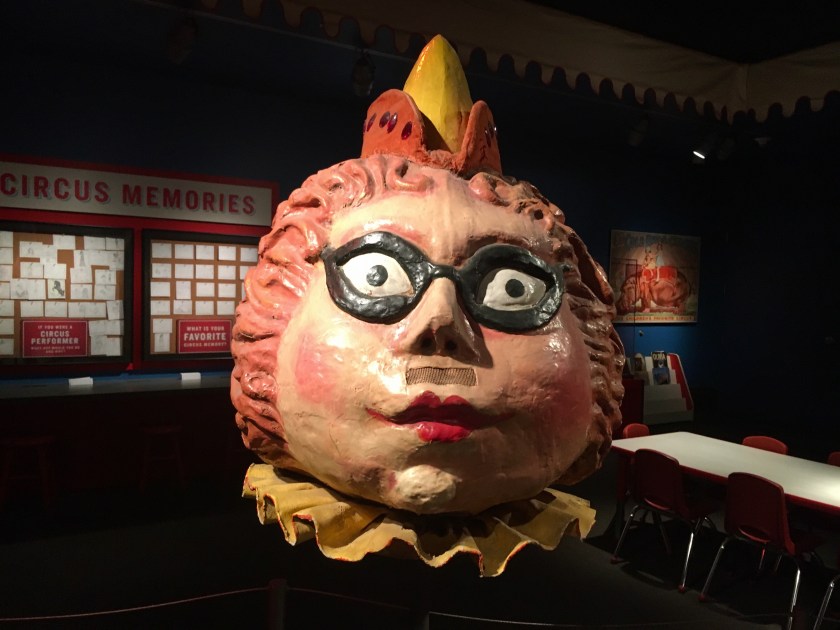
 Lots vintage posters on display
 The grounds of the estate are on Sarasota Bay. The park like setting offers beautiful gardens and art for viewing.
 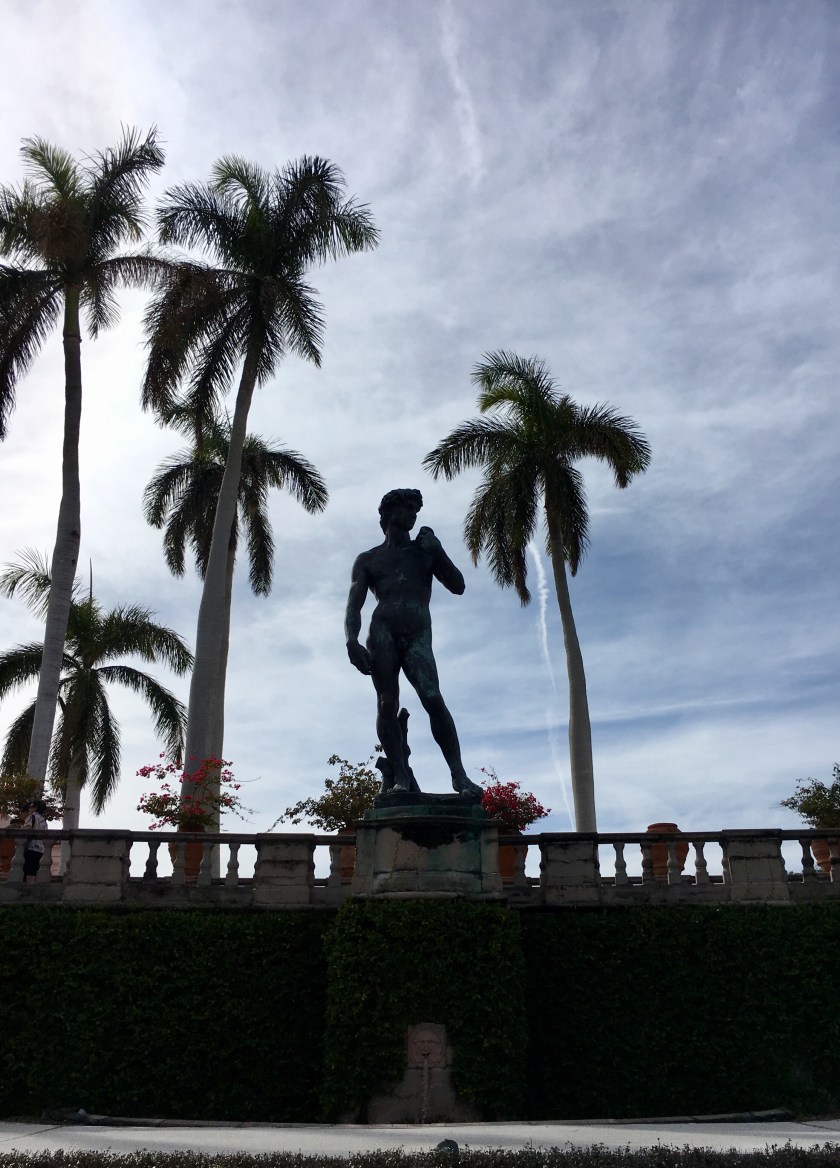 David is spending Winter in Sarasota this year.
 Ai Weiwei’s Circle of Animals/Zodiac Heads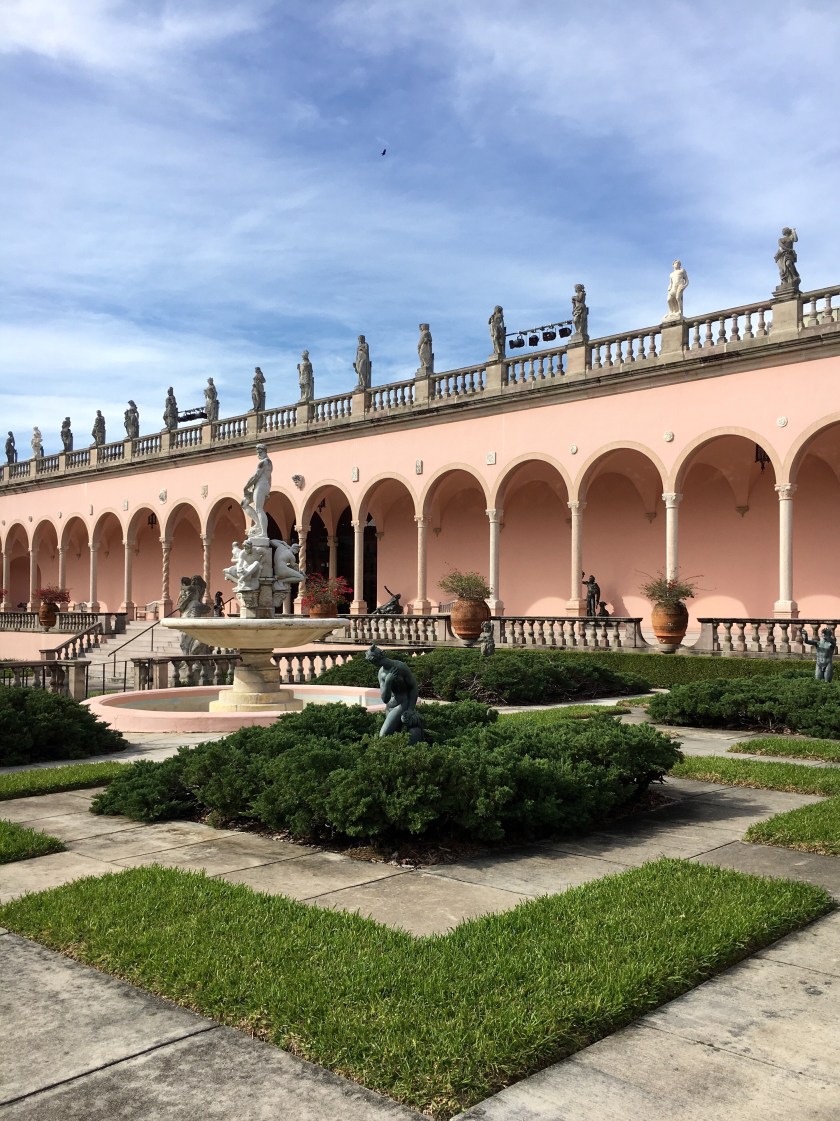
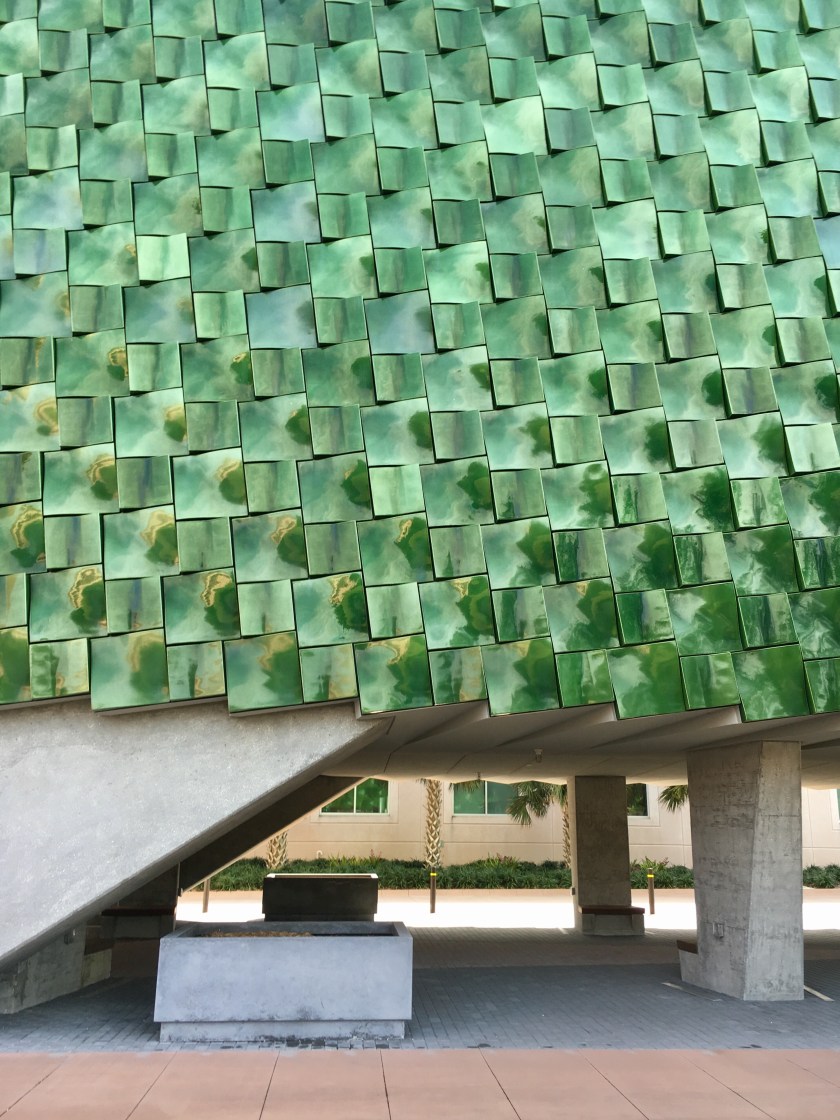 Part of the museum’s new Asian wing
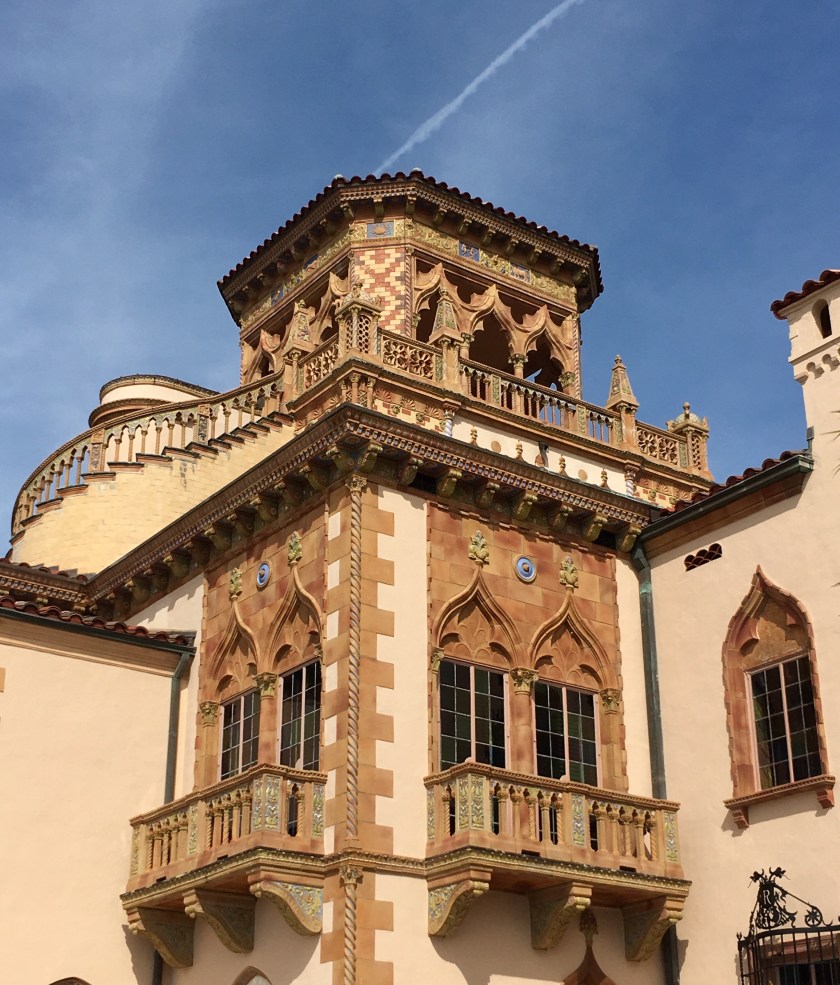 Detail of Ringling’s home
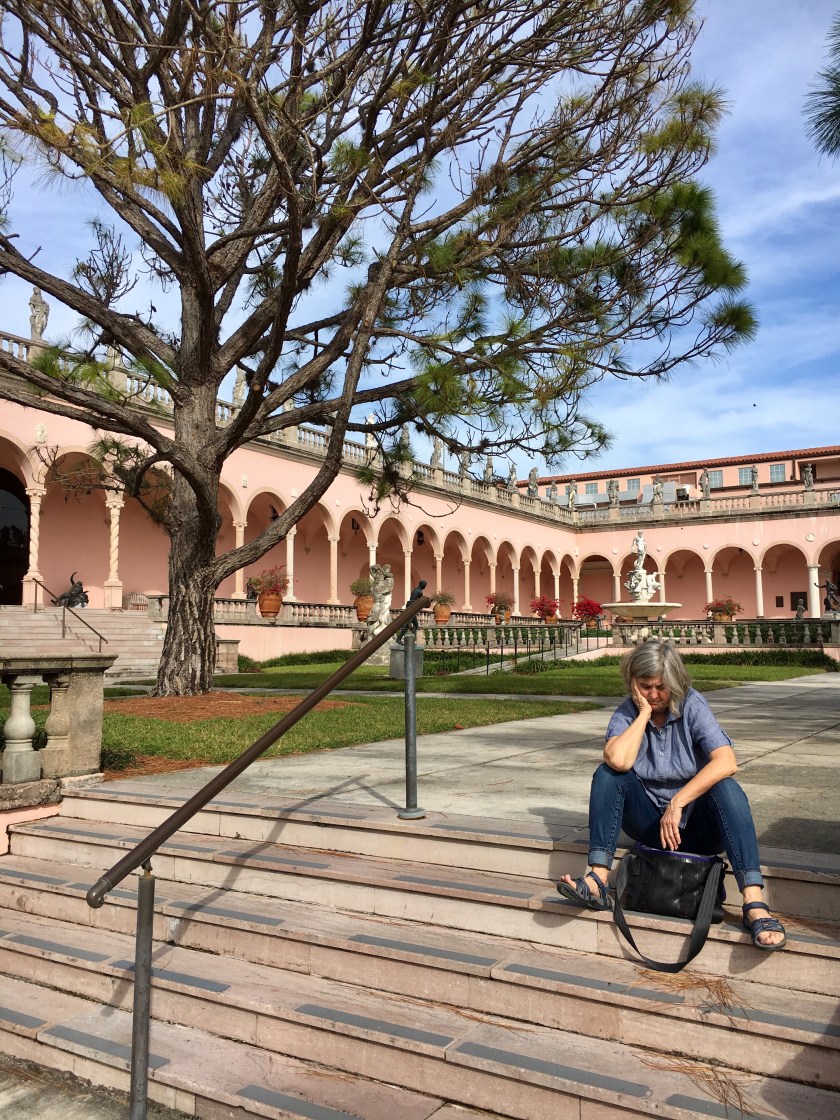 We met up with Bruce and Loretta to check out Sarasota’s Saturday farmers market. We had a fun morning.
 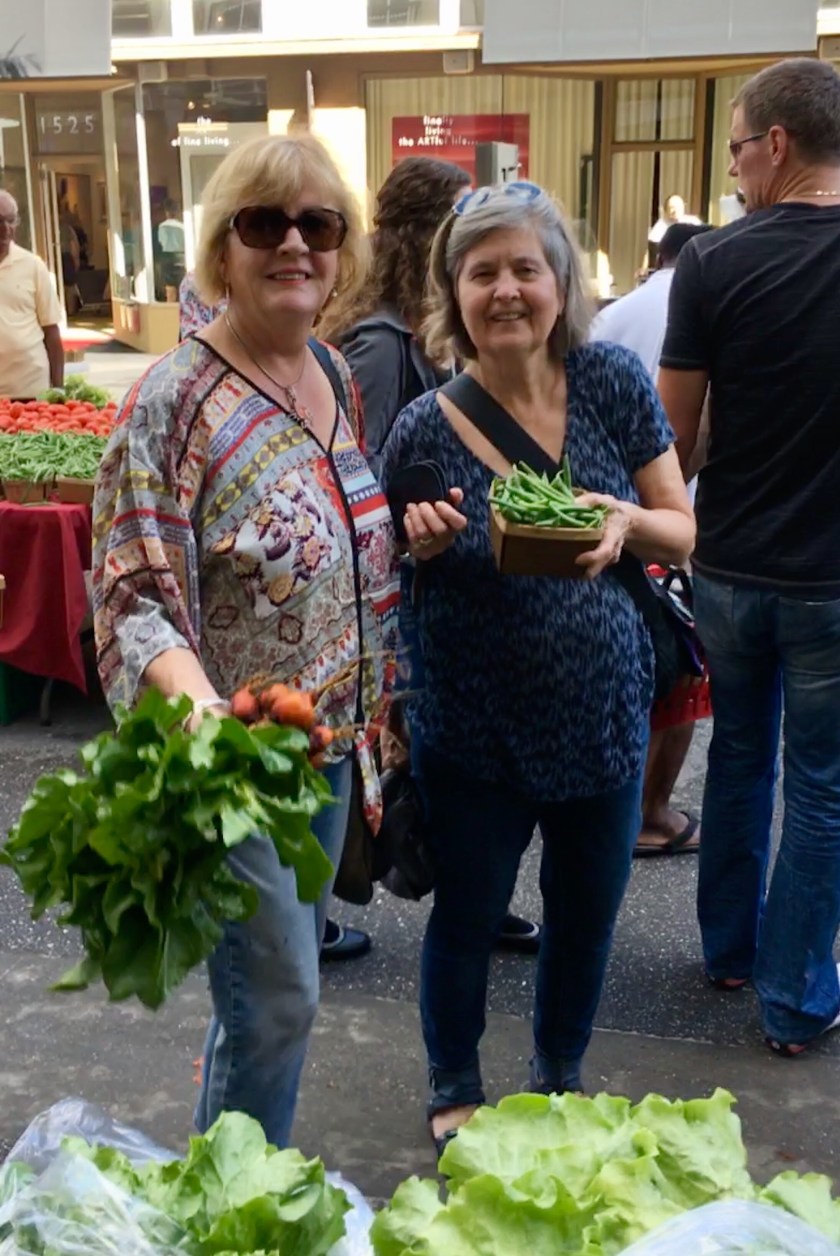 Through the miracle of Facebook we connected with a high school classmate that Pat hasn’t seen in thirty years or was it fifty. We spent an afternoon catching up.
 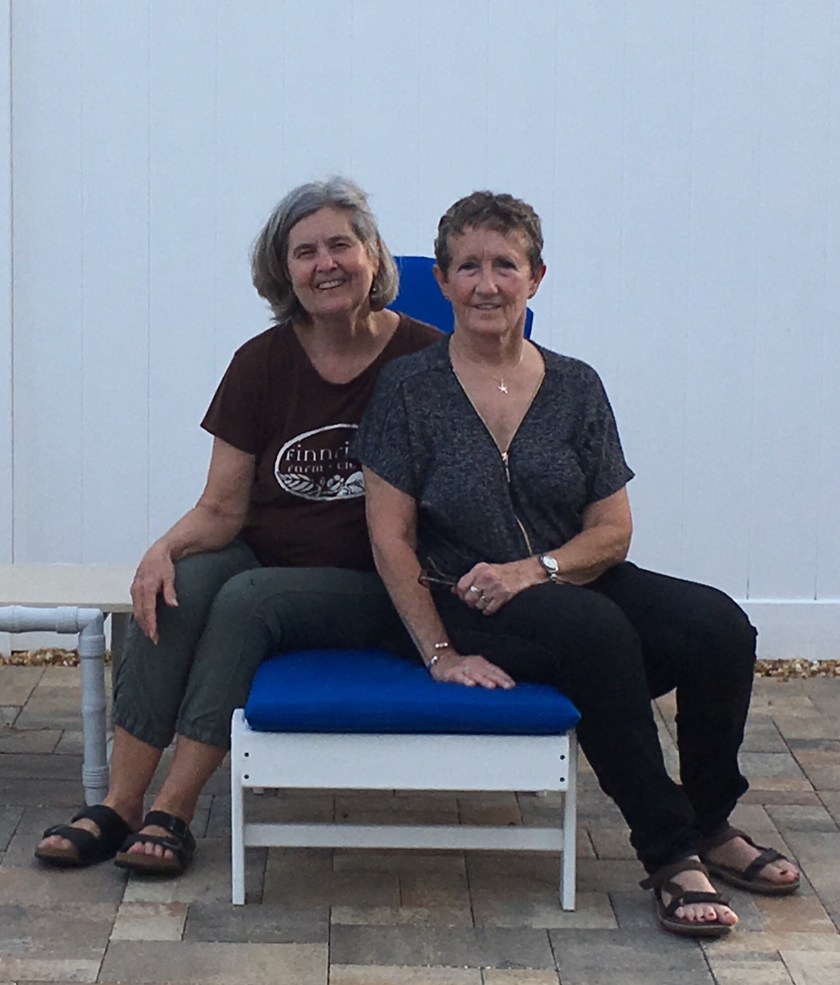 Pat and Connie
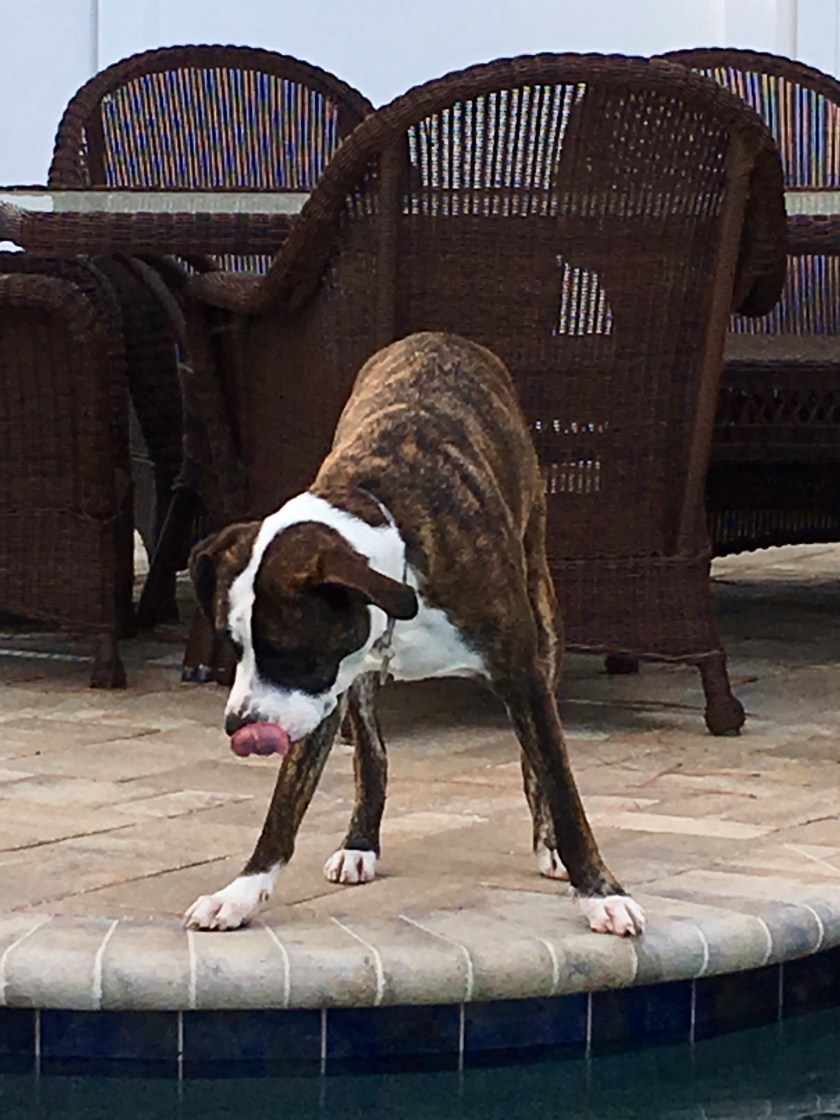 Jeffery
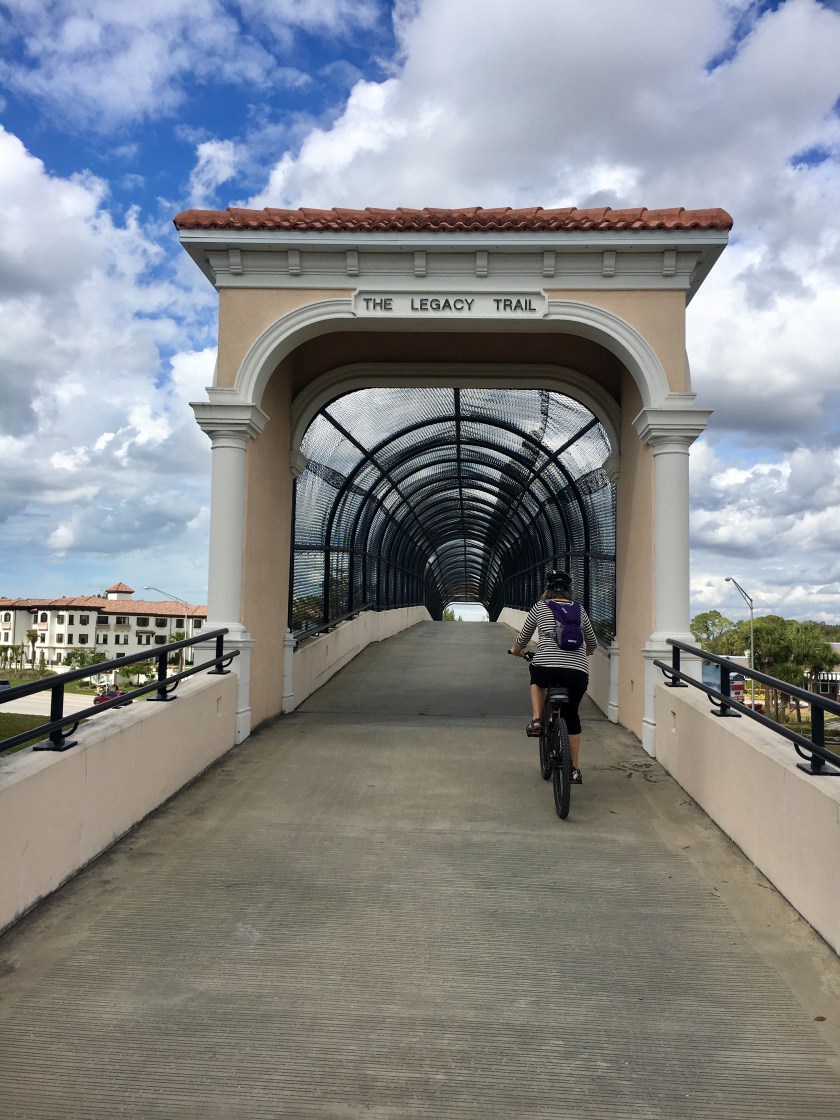 The Legacy Trail is a newer rails to trails bike path that runs between Sarasota and Venice with a side trail along the Intercostal Waterway to Caspersen Beach.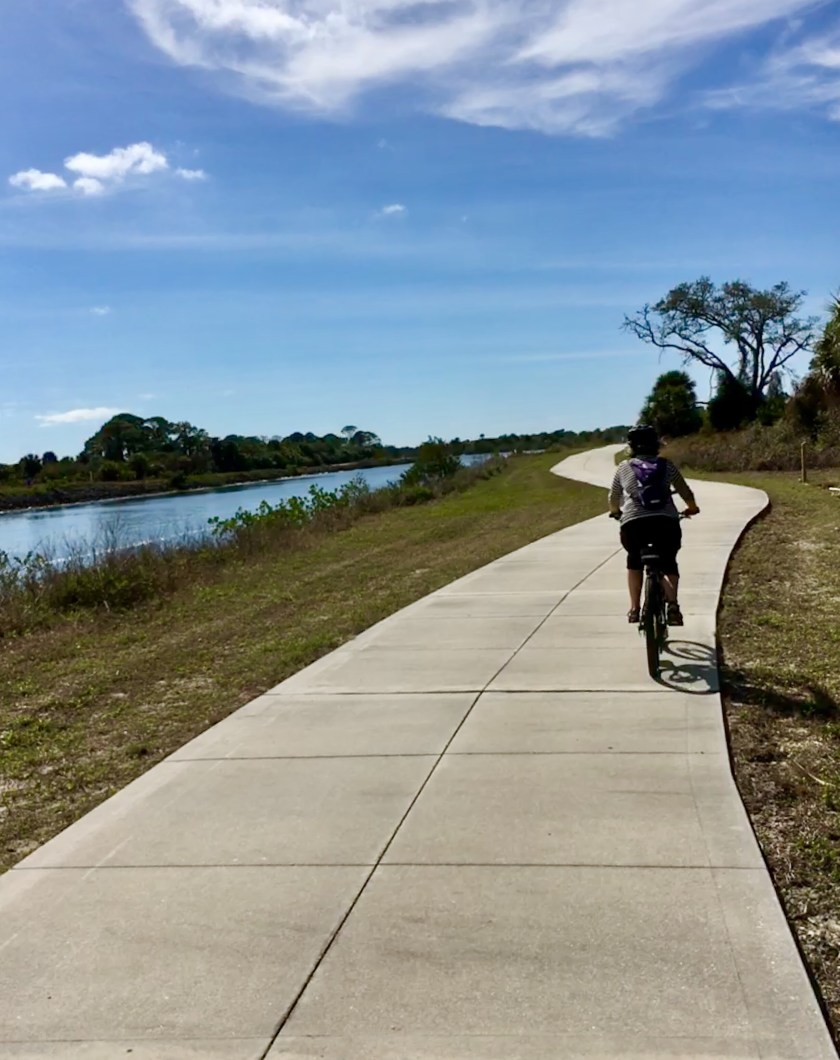


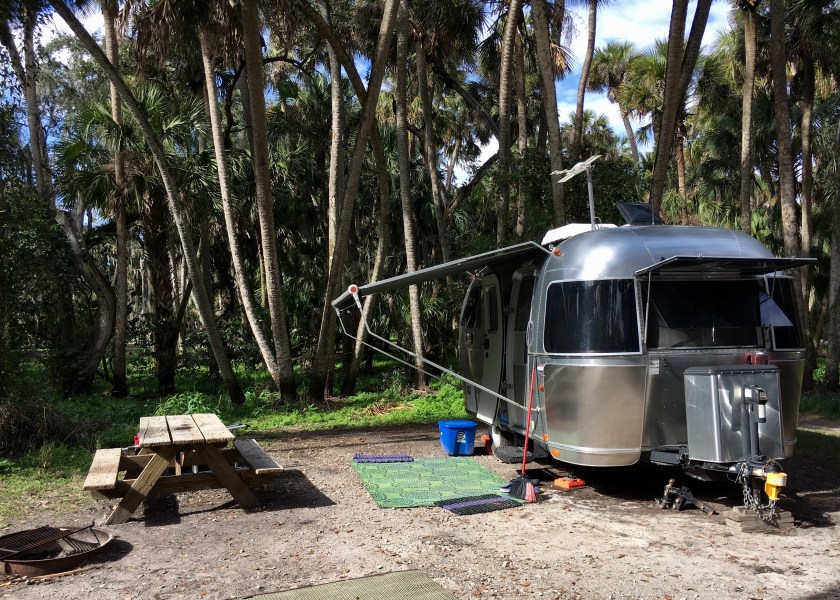 Site 13, Big Flats Campground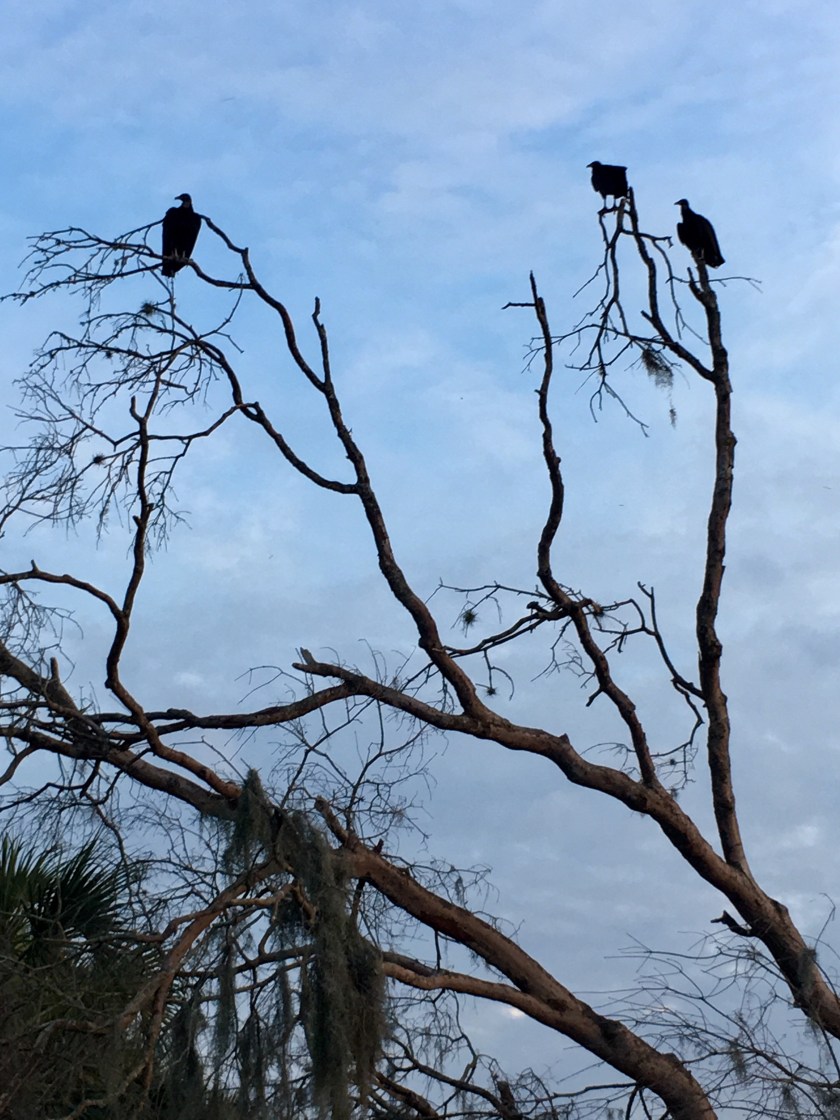
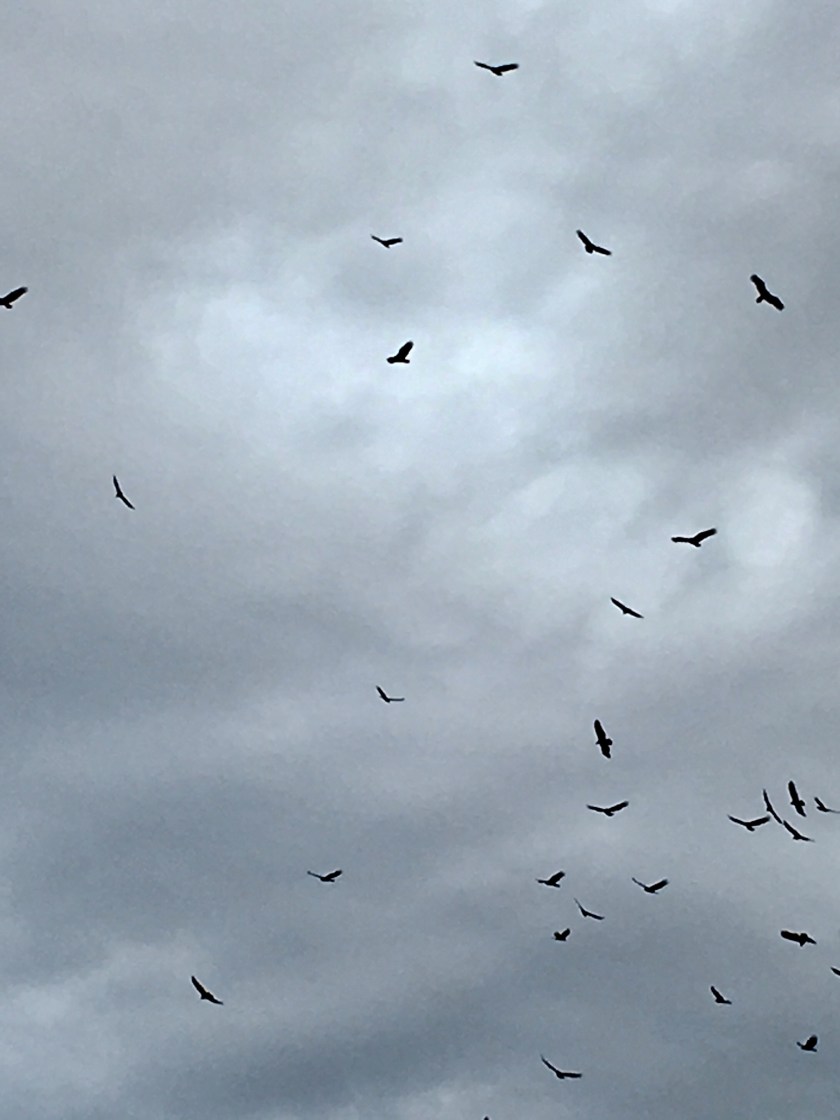 It turns out that Site 13 backs up to a stand of palms where they come nightly to roost. Every night at sundown they swarm into the tops of the palms to settle in for the night. The real issue here is they stink. At times it feels like we’re camping next to a chicken coop. But, there’s lots to do and we don’t spend a great deal of time in camp.
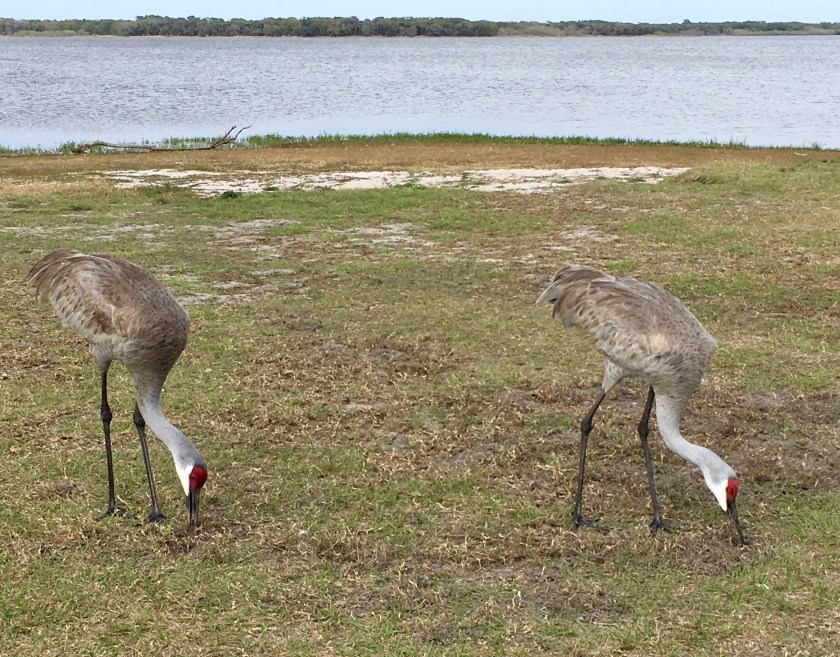 Sandhill Crane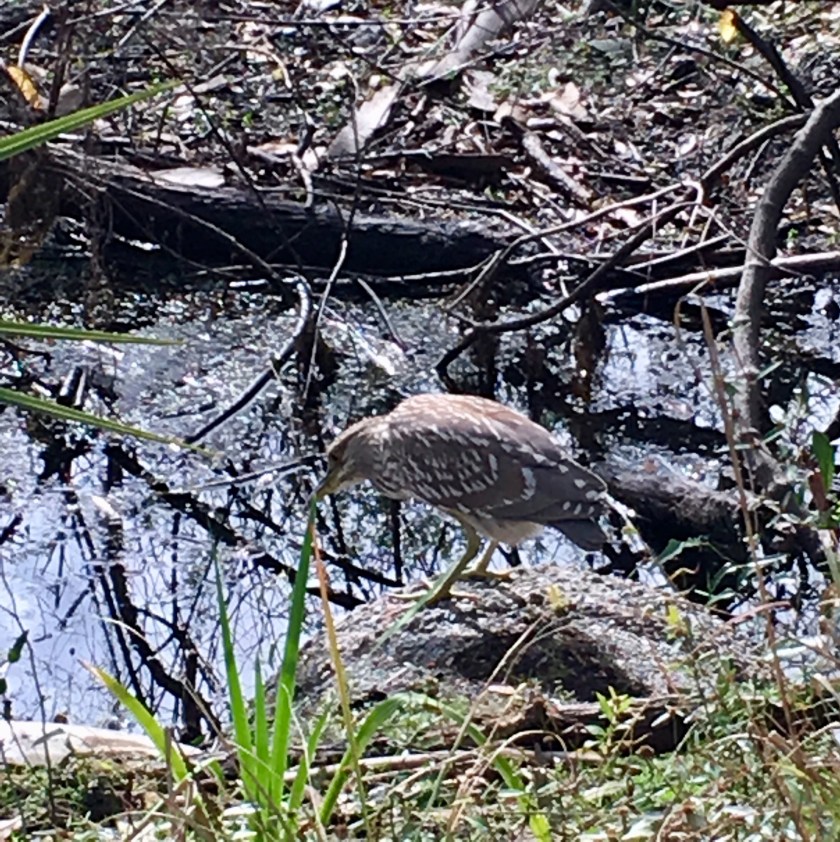
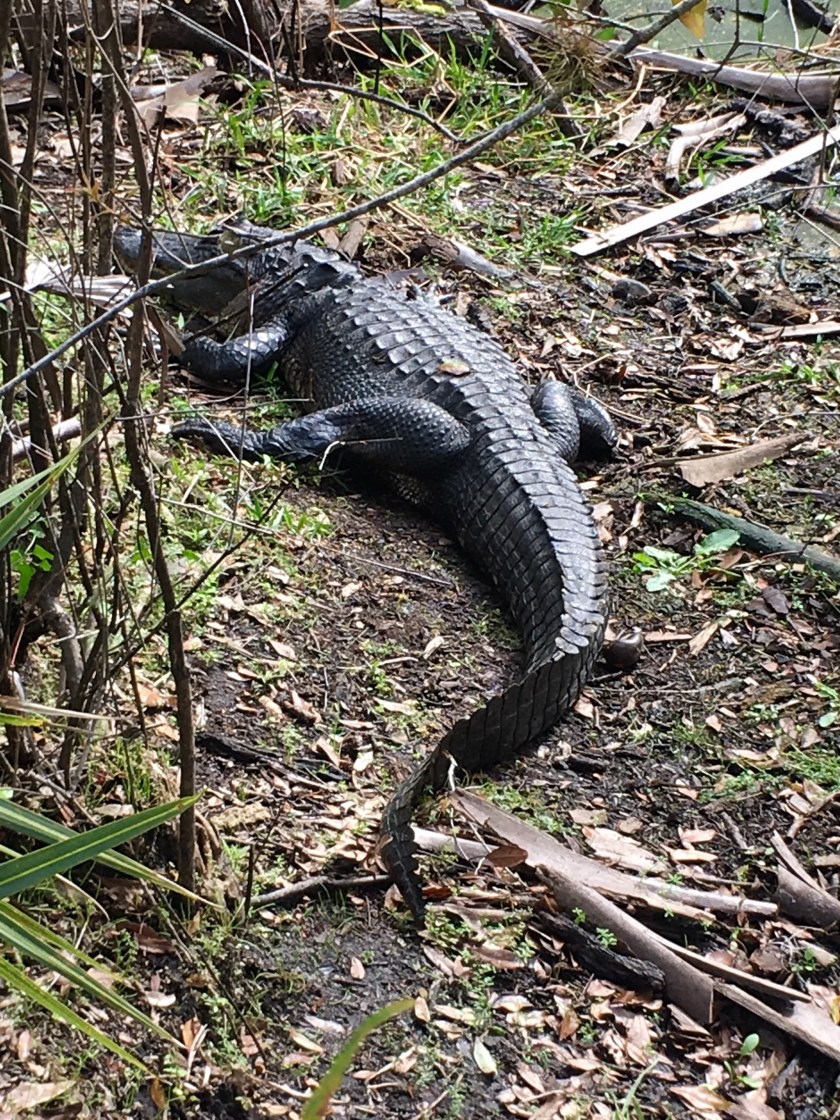 And lots of these
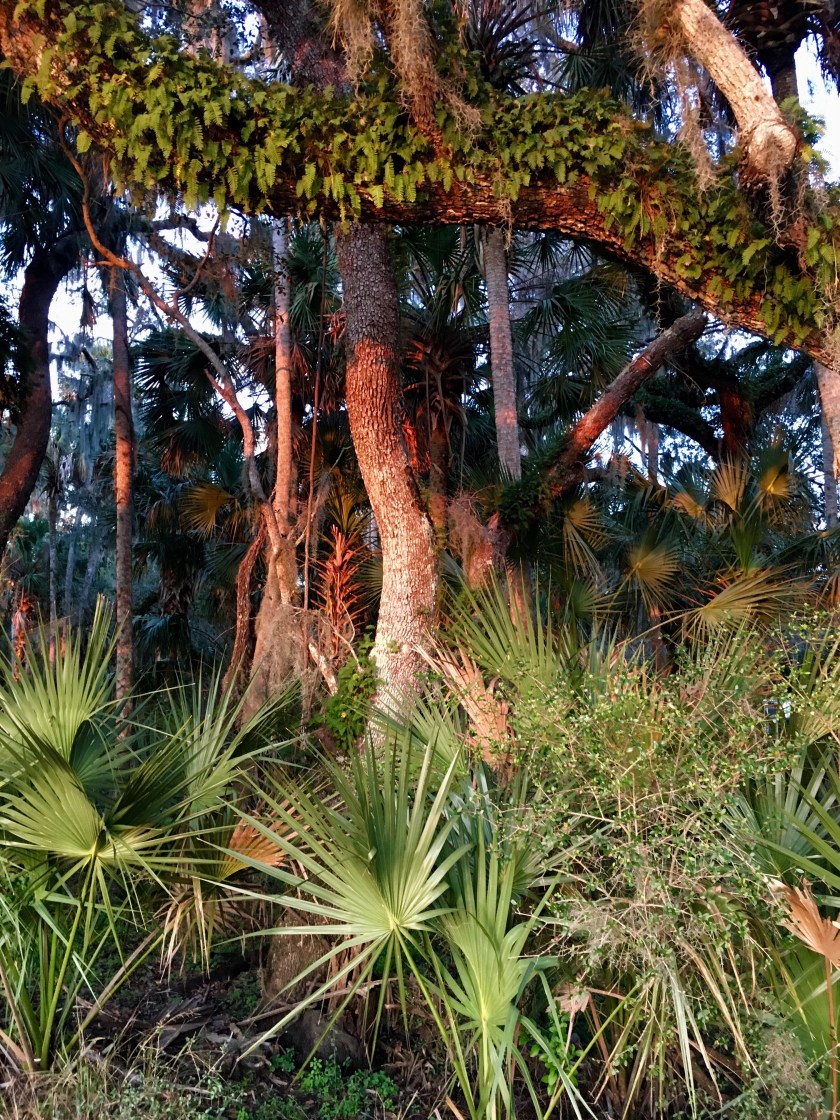
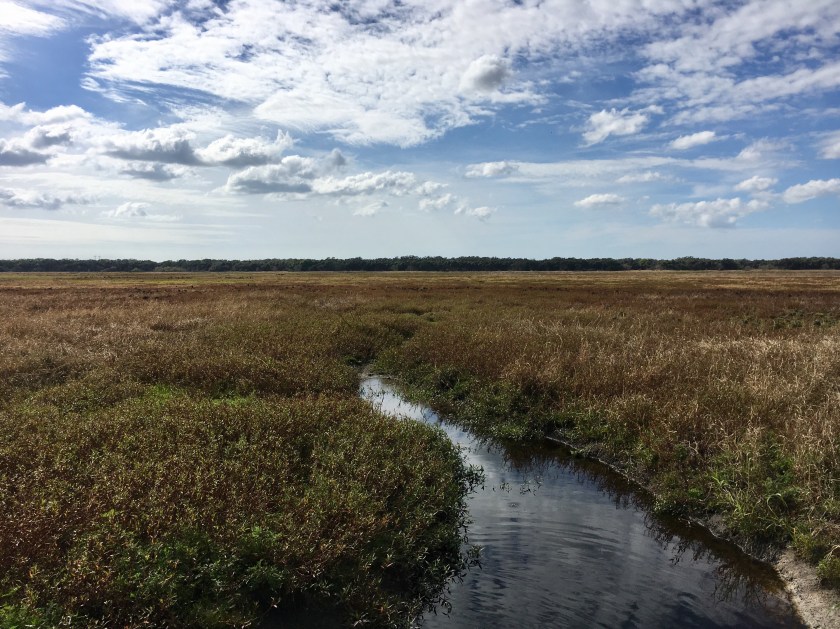 A large prairie-river system dominates the park.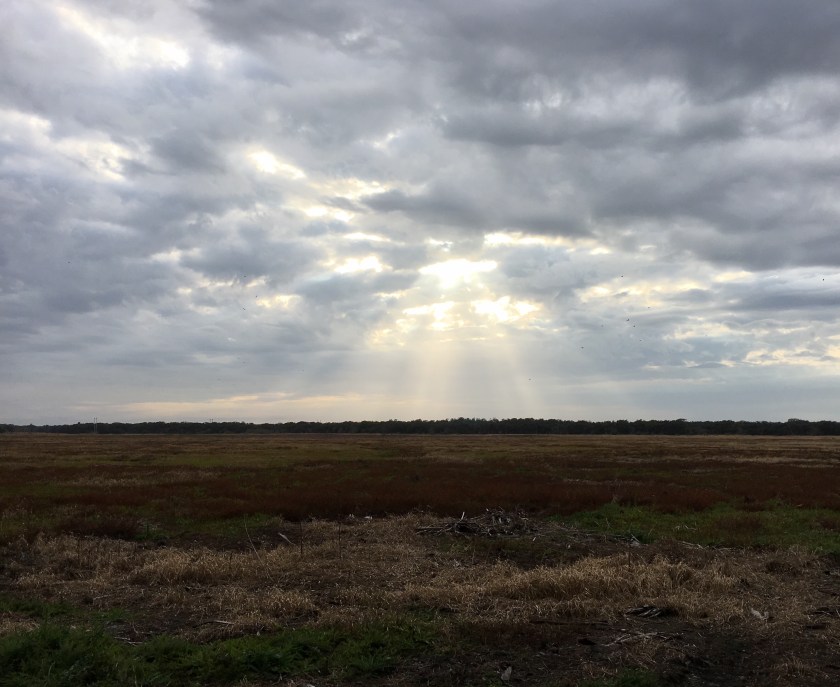
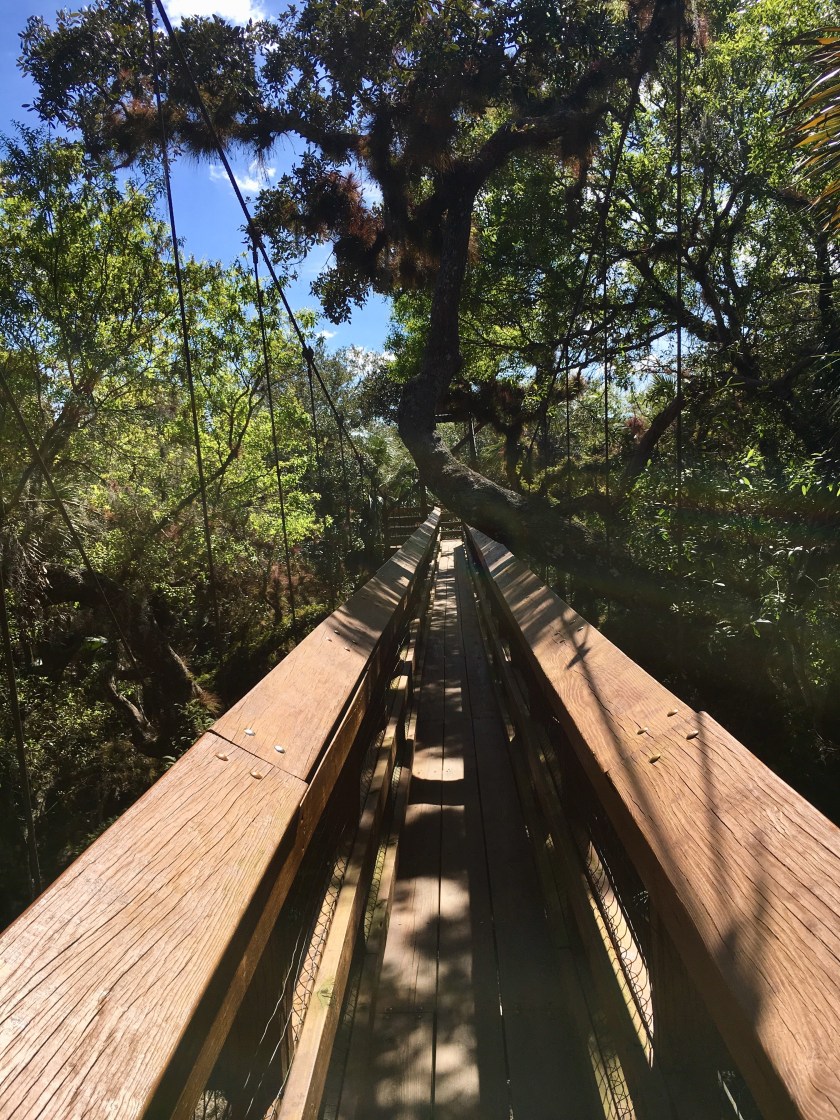
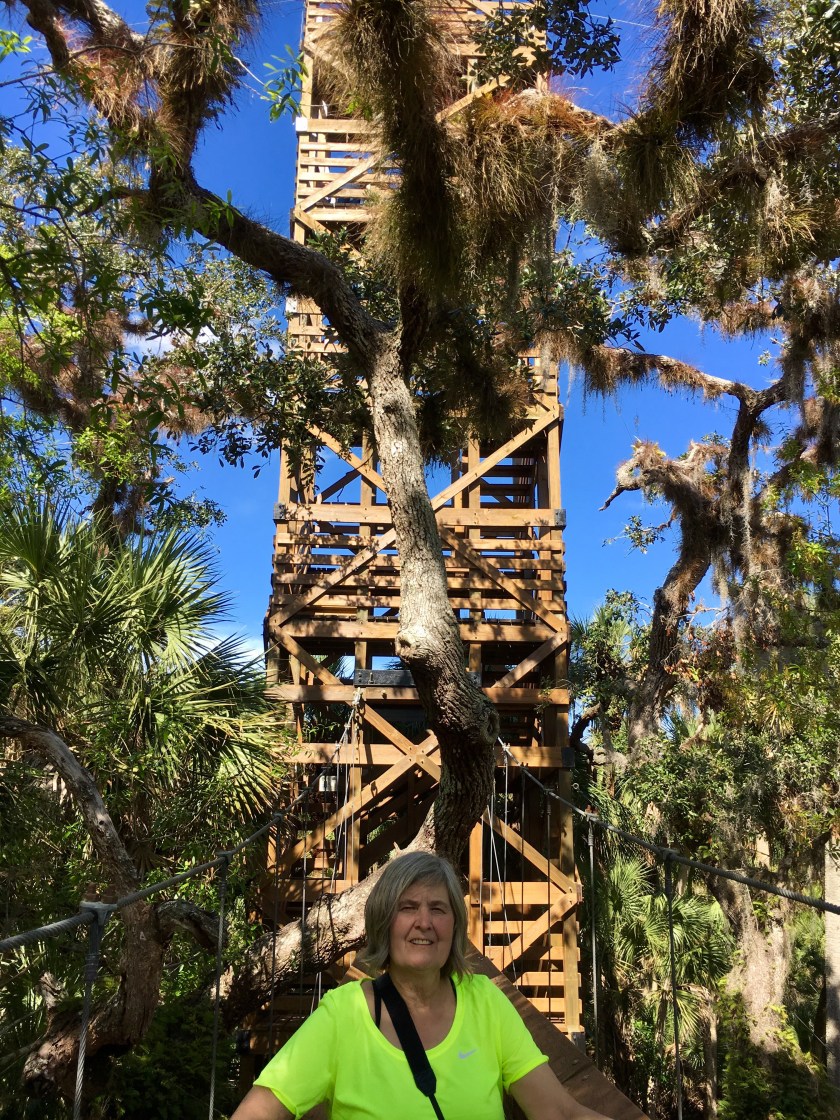
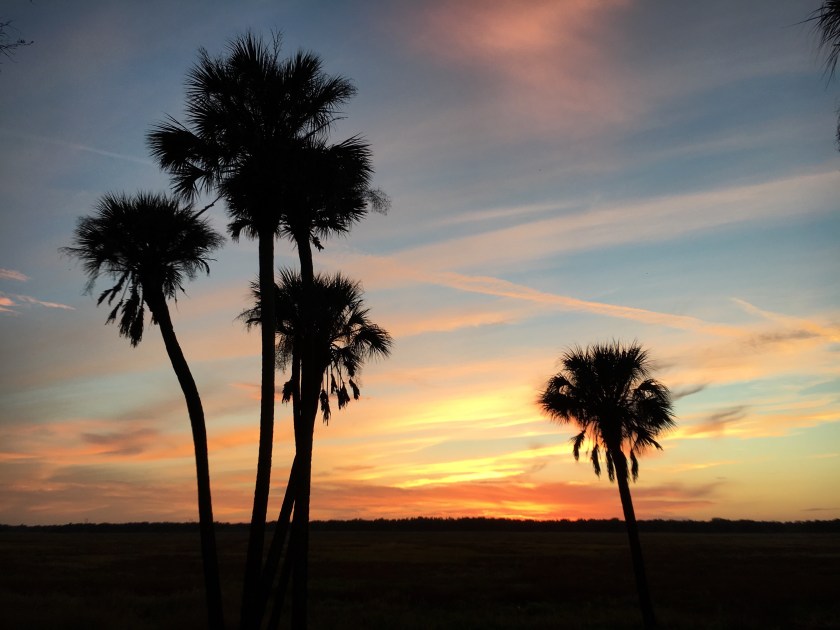 There’s plenty to do in and around the park. In the park there is birding, biking, hiking and a canopy walk.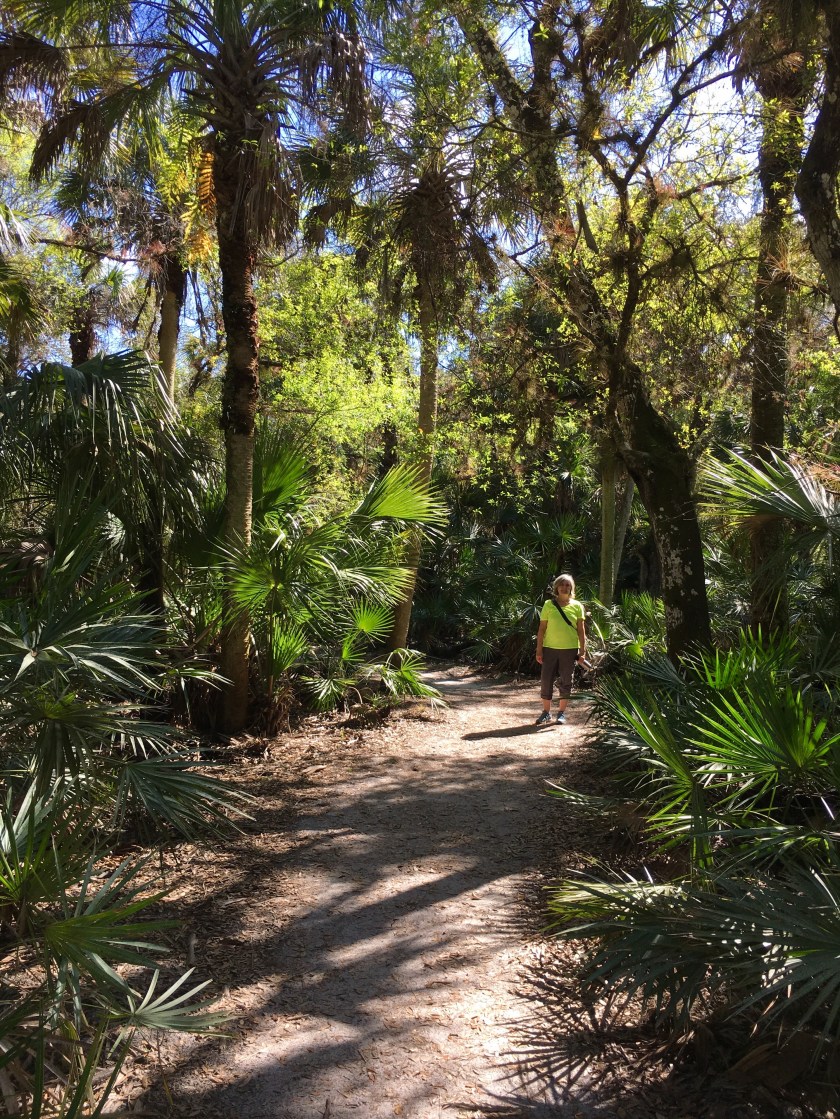
 The Park is situated near Sarasota, Siesta Key and Venice. Our plans include a visit to each of these areas.
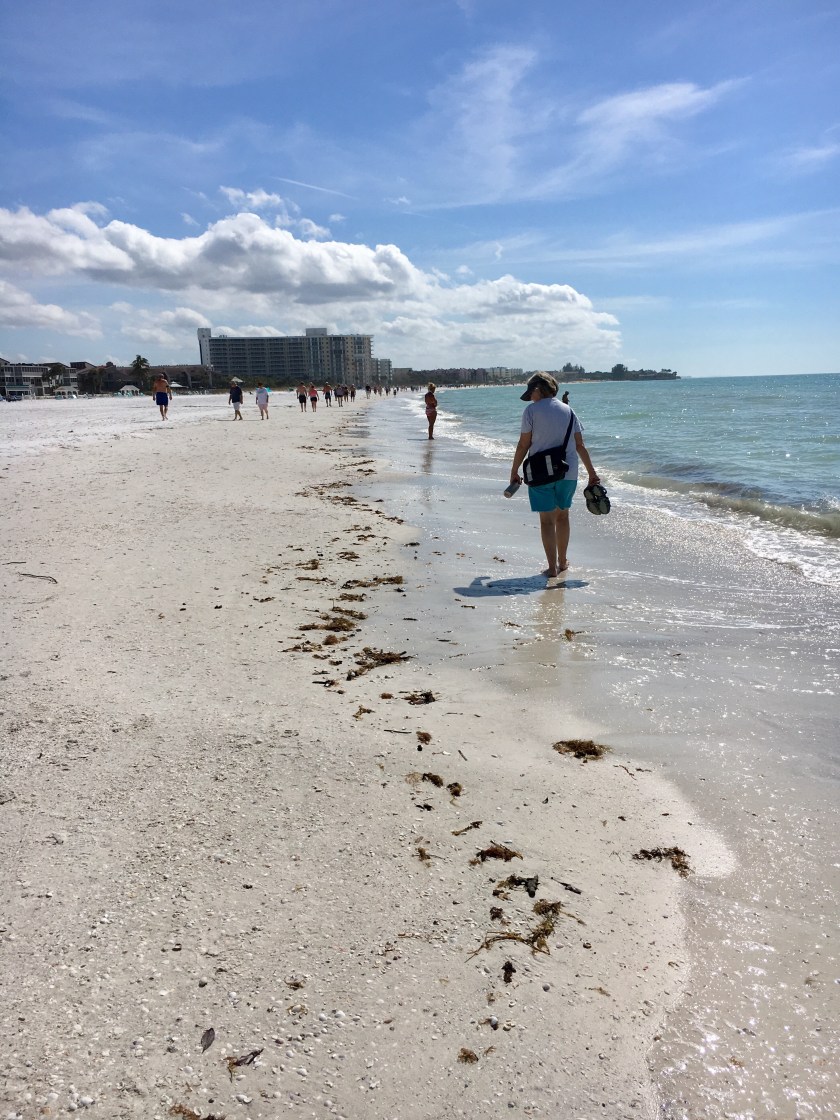 We decided to take a drive and spend the day on Siesta Key. The beach here has been rated best beach in Florida based on the sand quality. It’s very fine and white and draws a lot of people to the beach.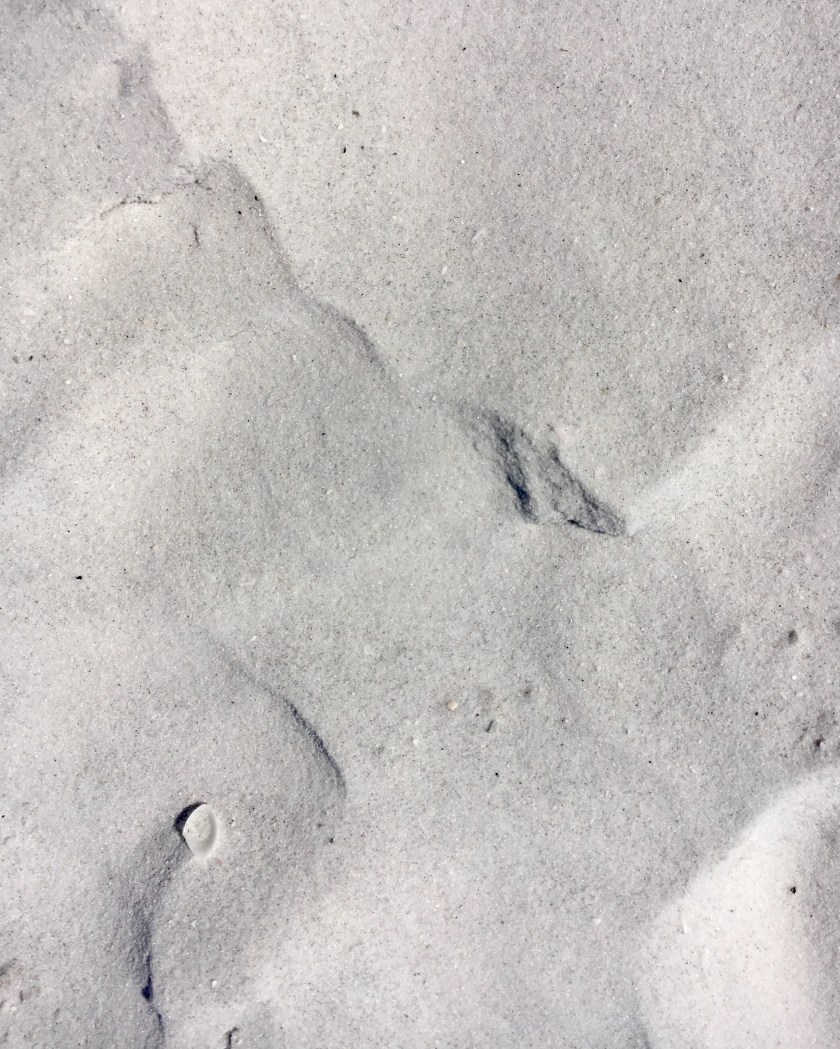
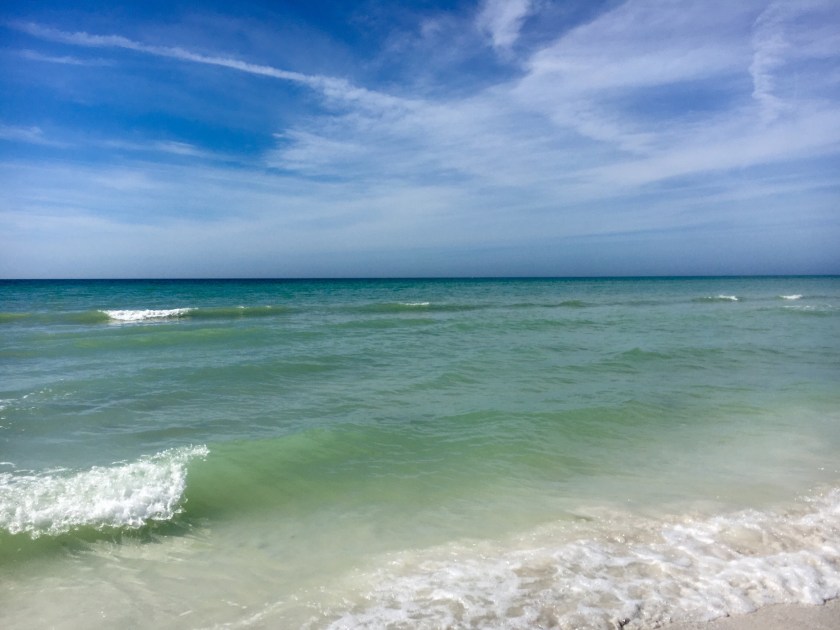
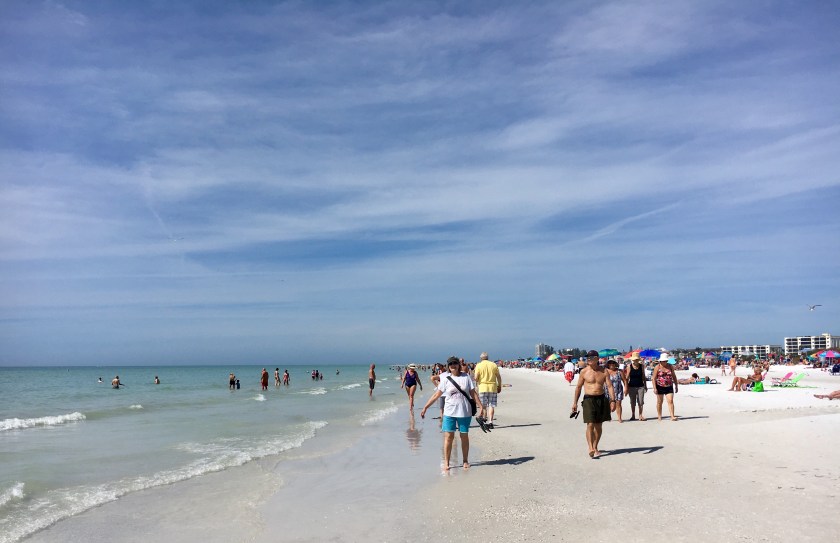 We’ll be here for one more week. The adventure continues…
 Tincan Travels