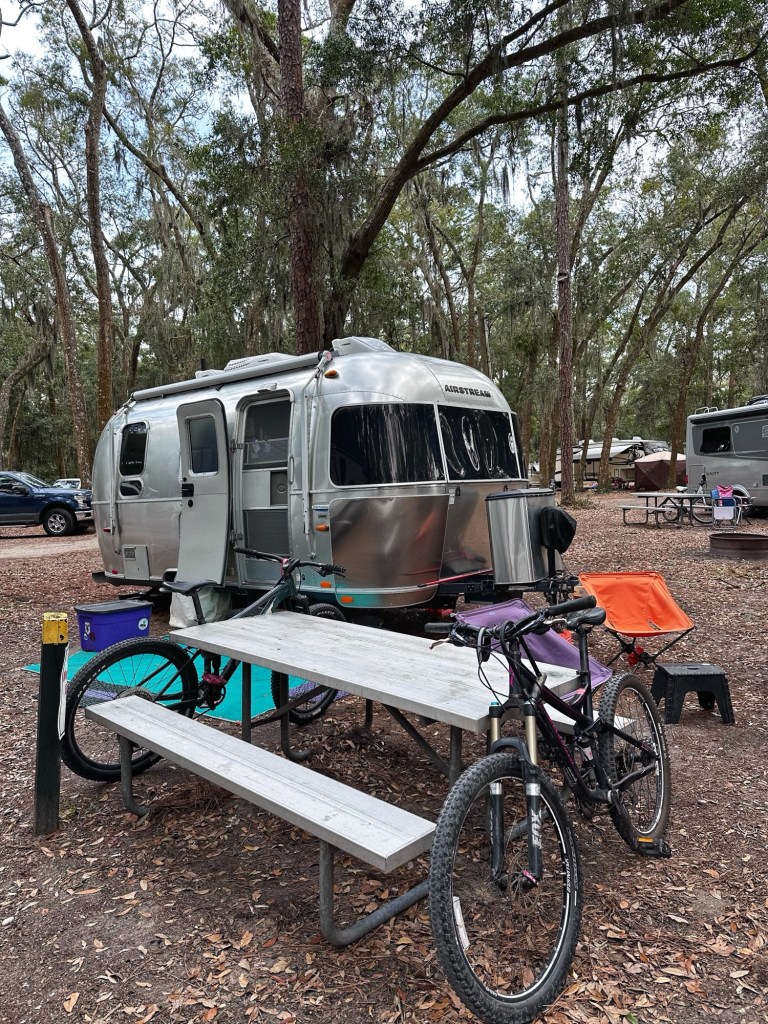
Jekyll Island is a barrier island on the southern coast of Georgia. The island is 7miles long and 1 1/2 miles wide with 24 miles of bicycle trails. The island was purchased by the state in 1947 and it became a state park the next year. We booked a camping spot in the only campground on the Island.
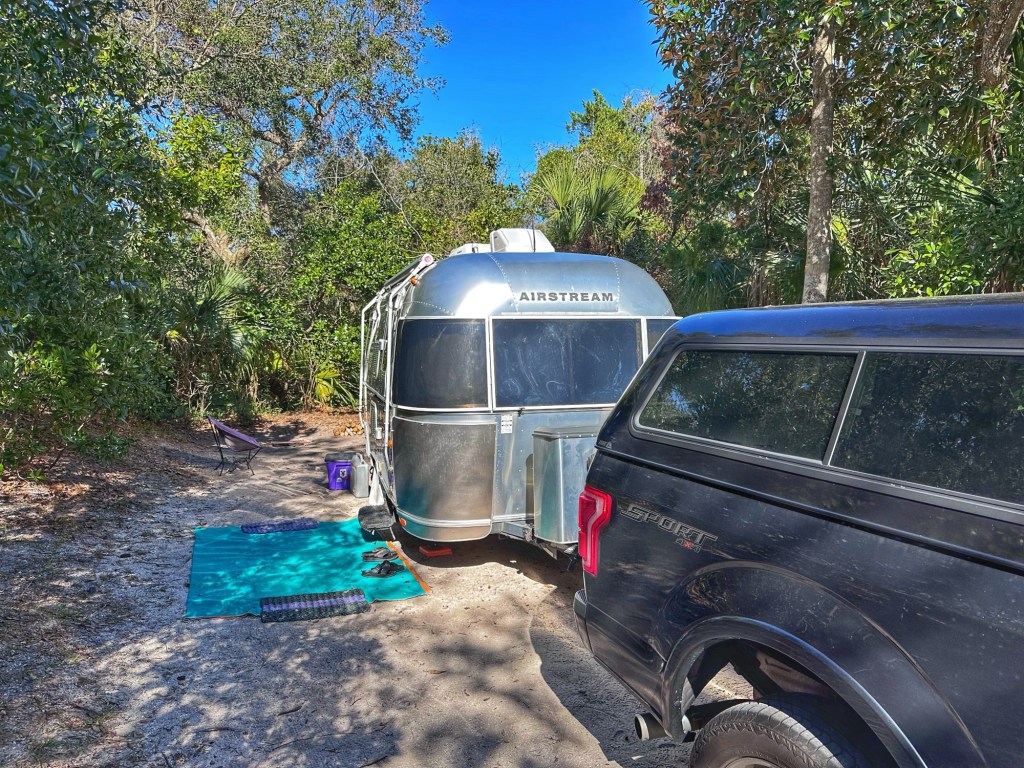
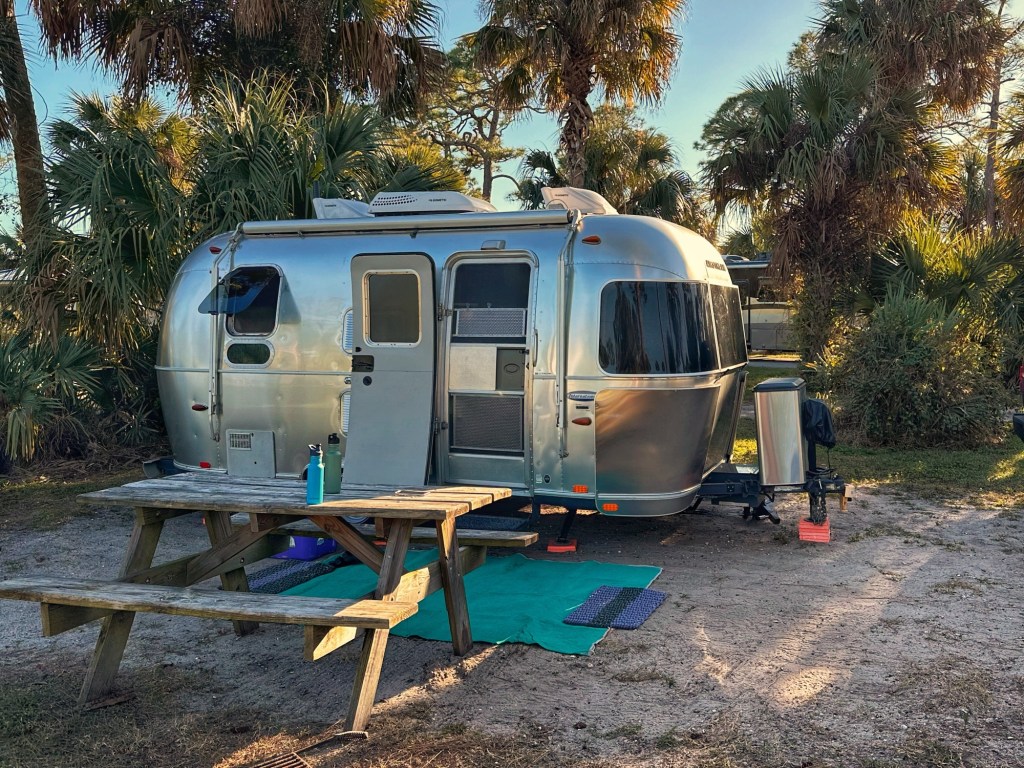
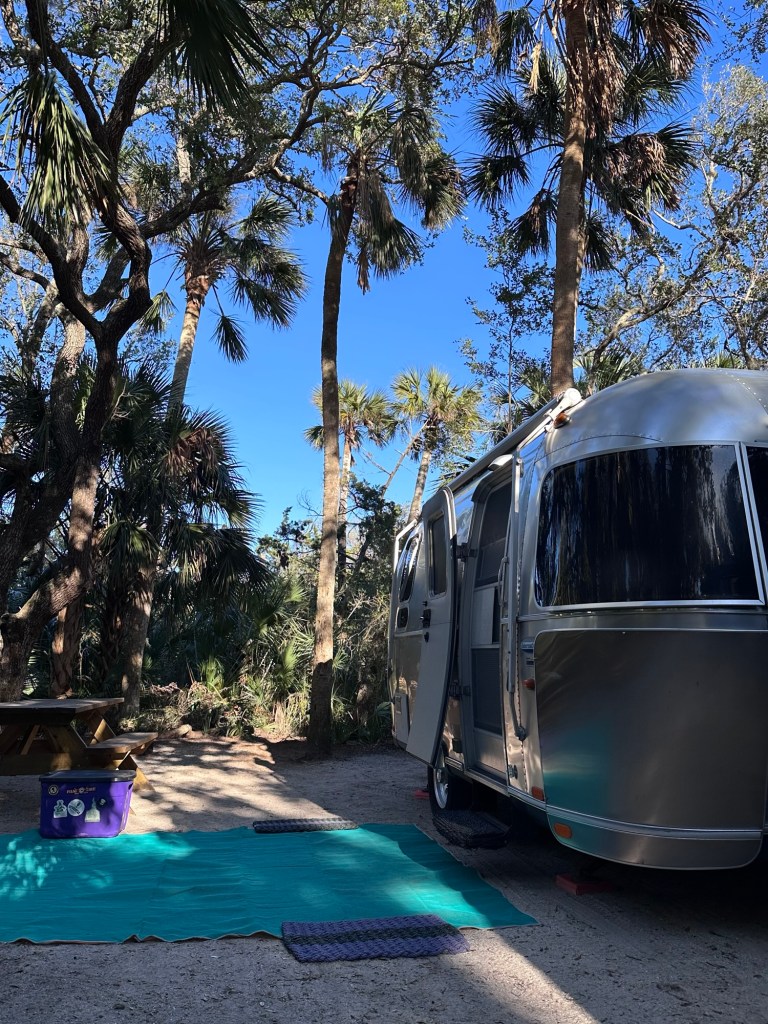
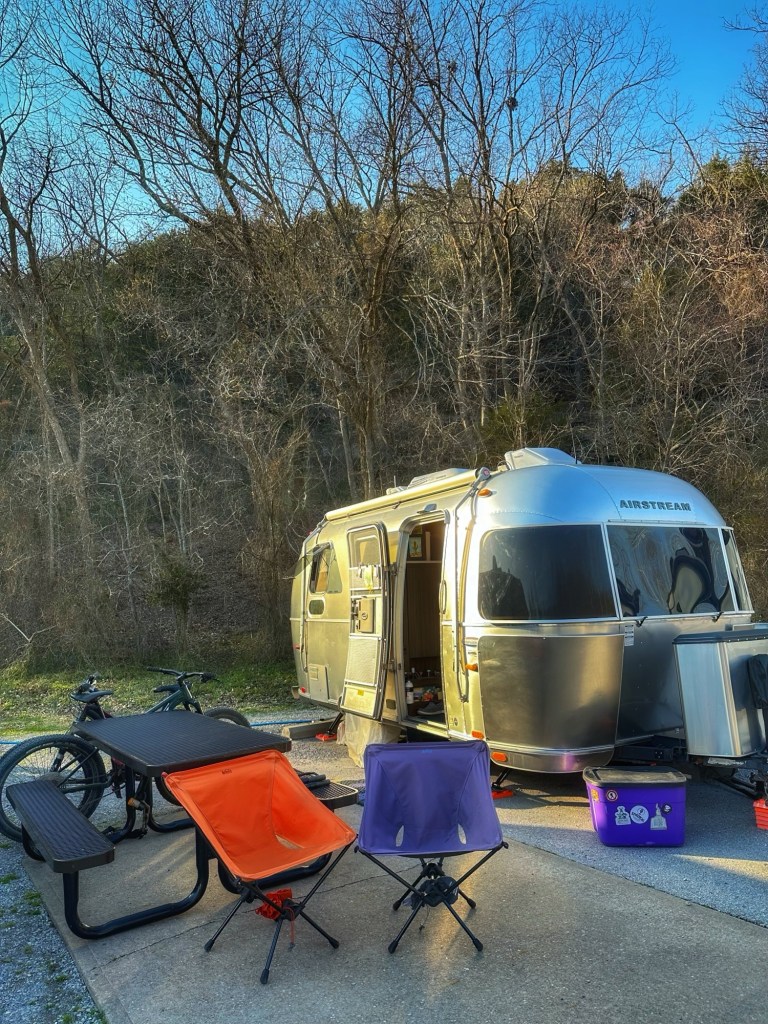
Site B18
The island was given its name by James Oglethorpe, the English general who was responsible for establishing an English colony in Georgia. He named it after his friend and financial supporter Sir Joesph Jeykell.
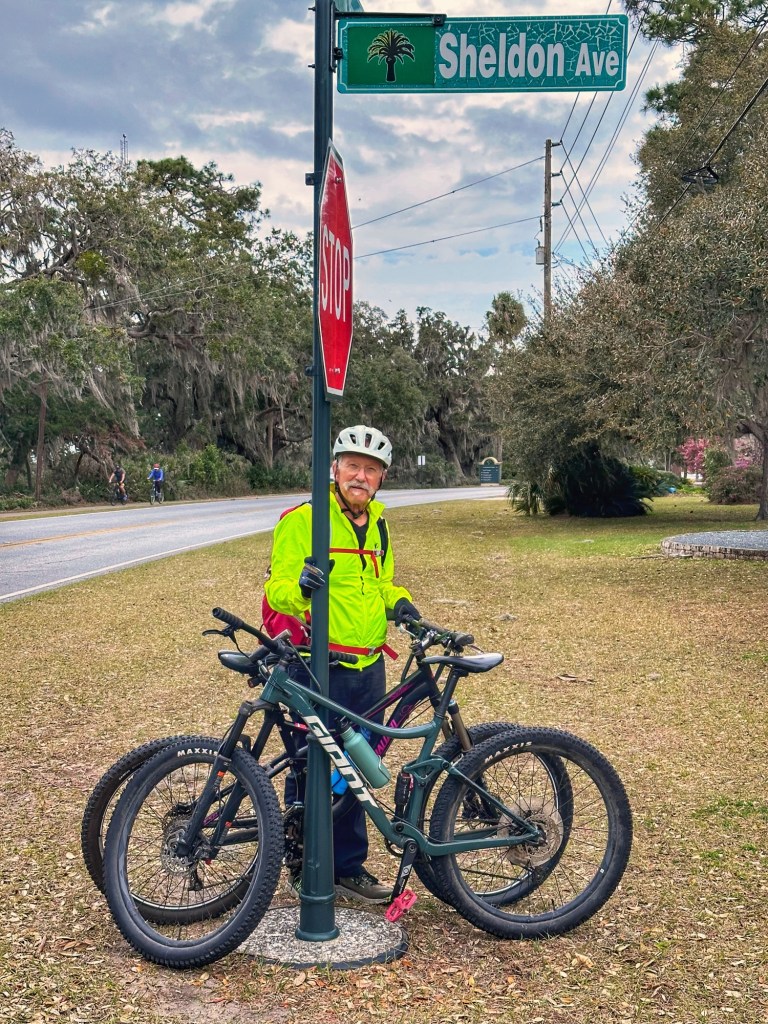
Apparently, there’s a place for Shelly on the island
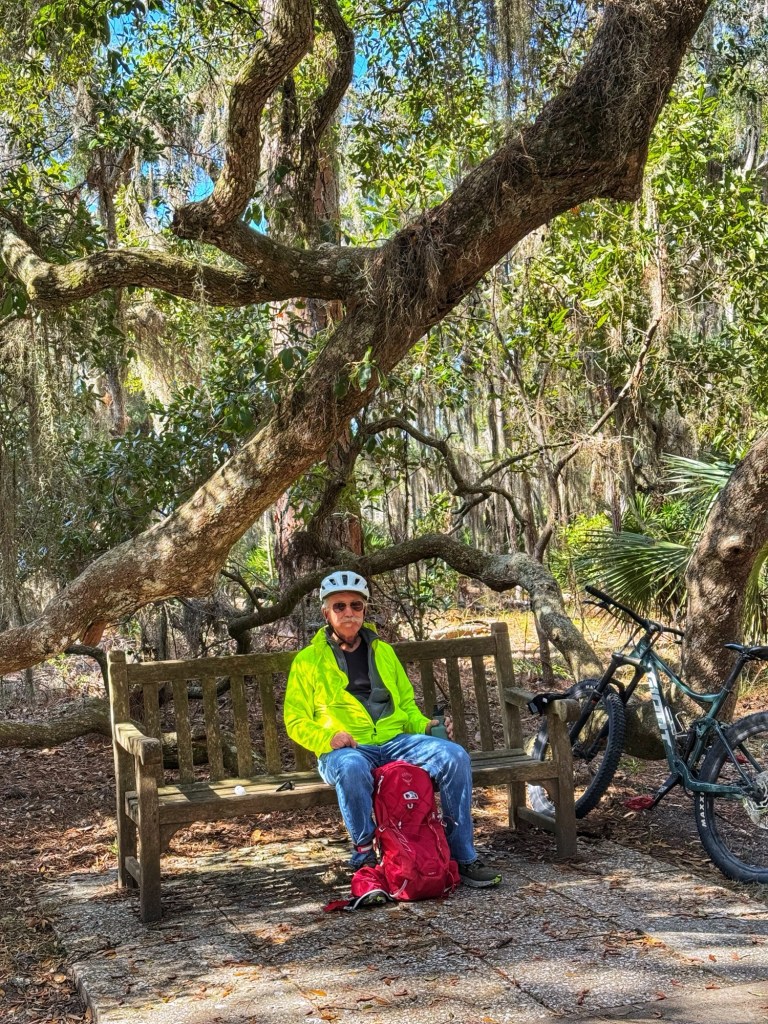
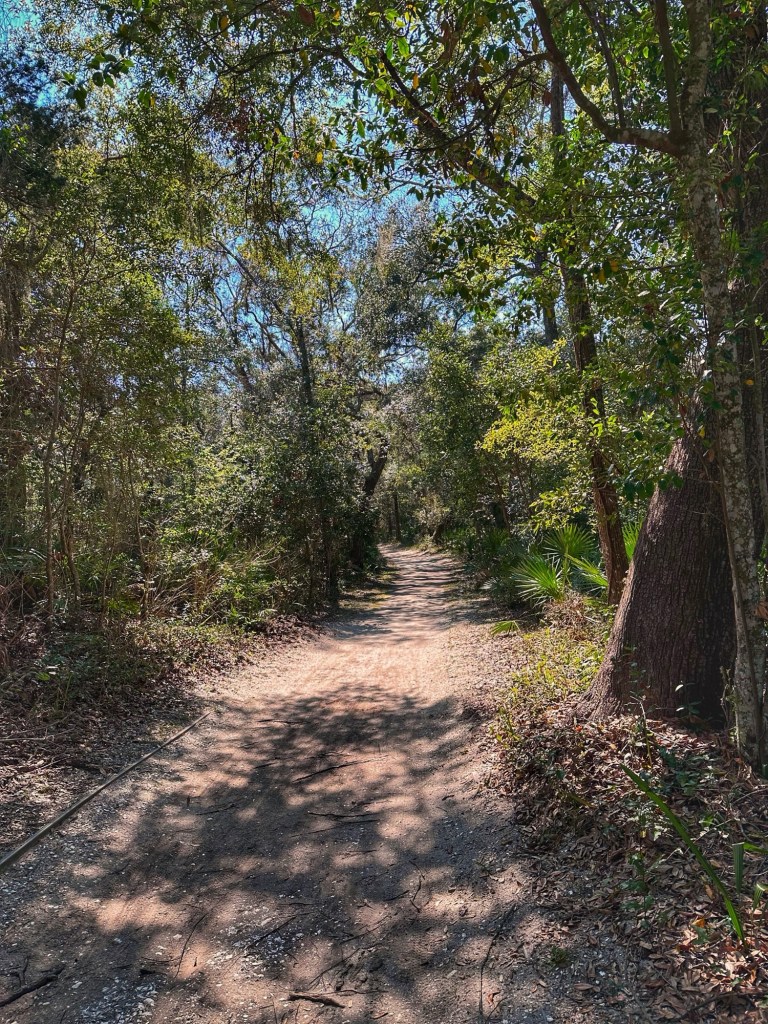
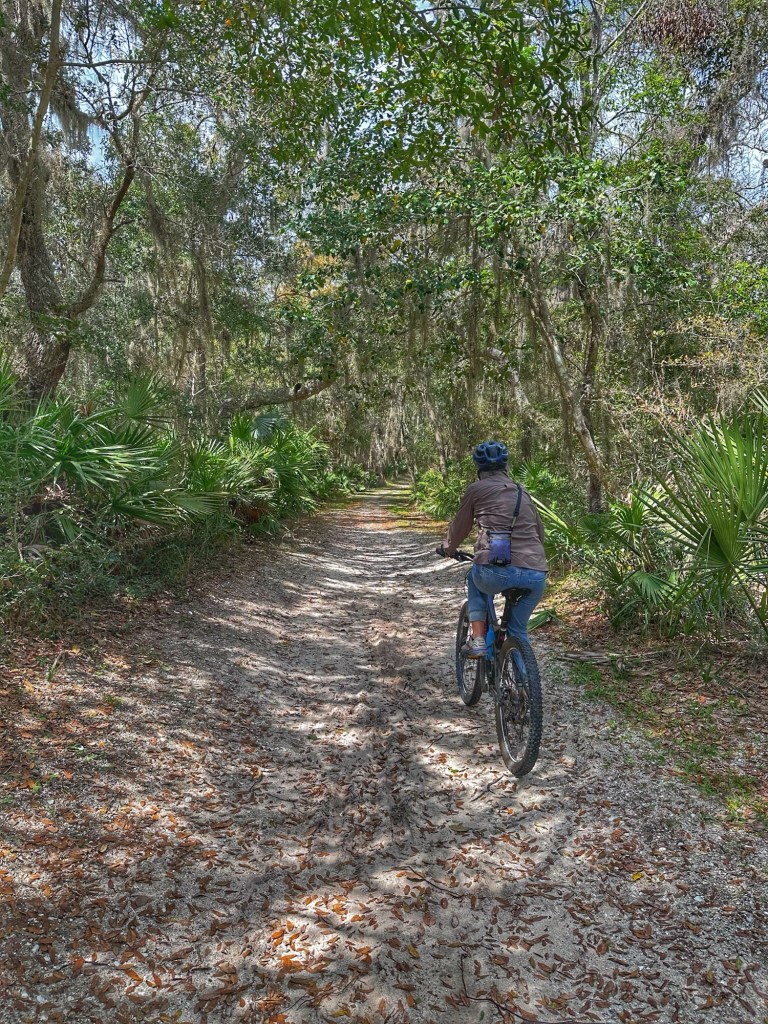
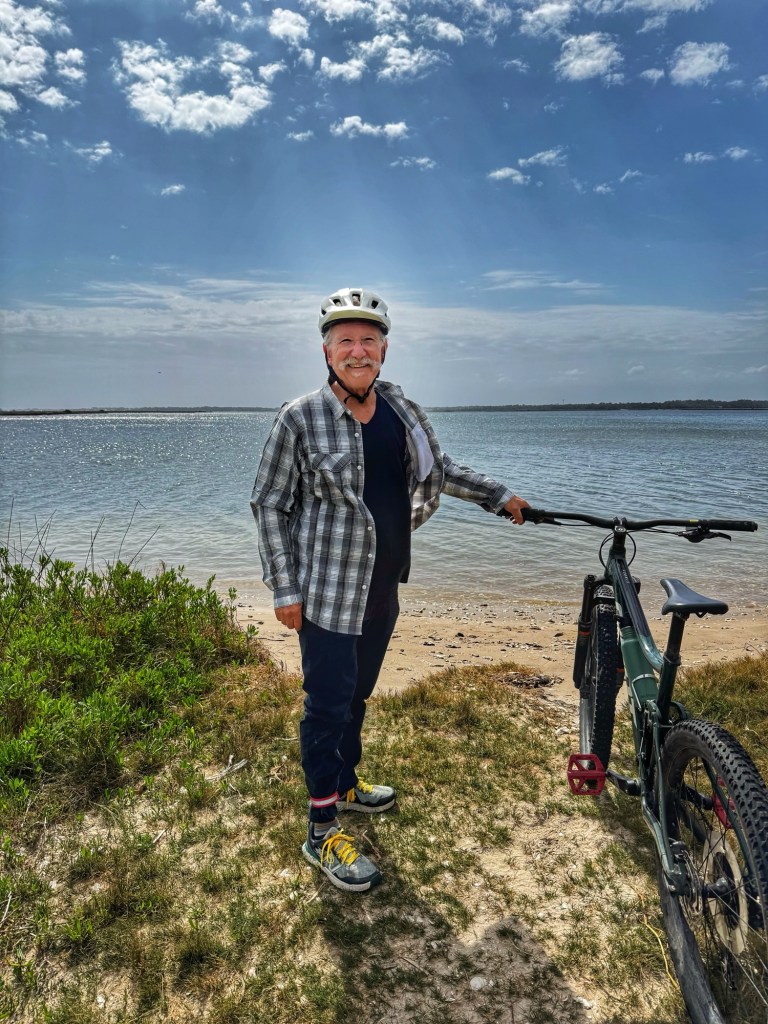
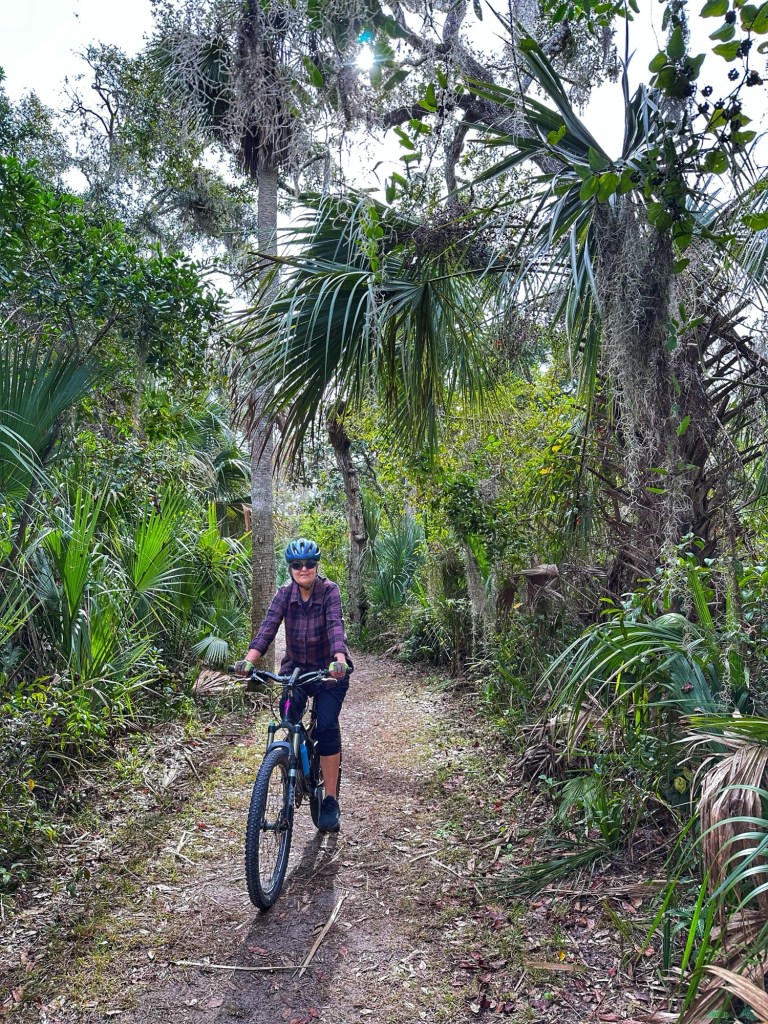
We spent most days biking the paths around the island.
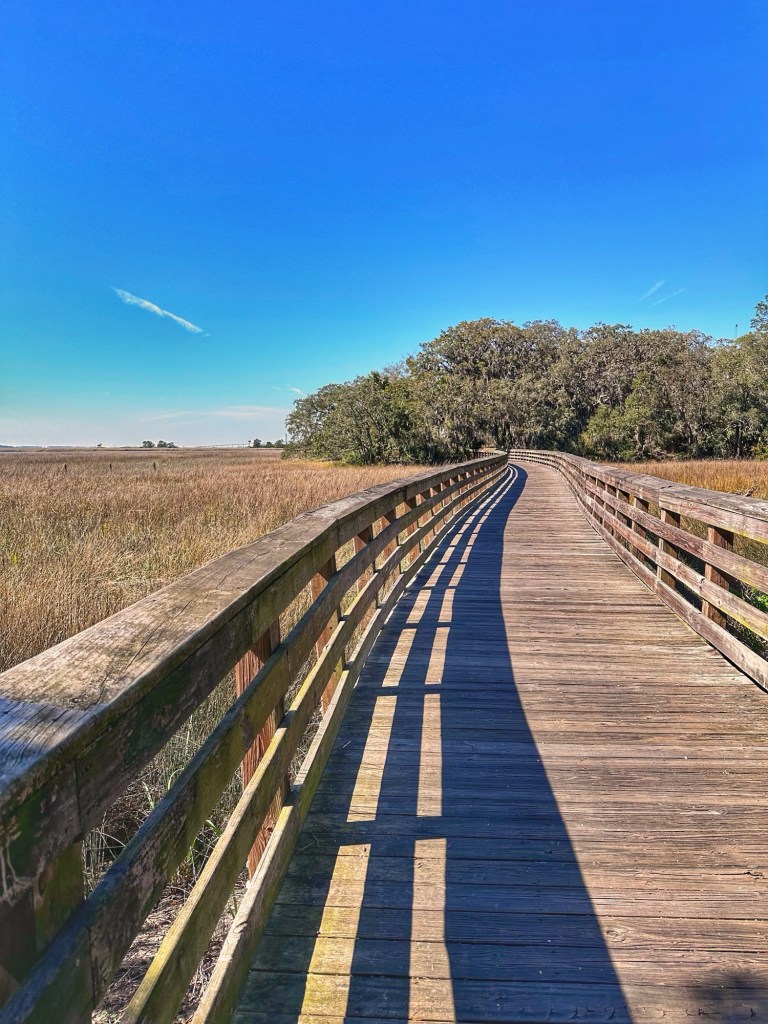
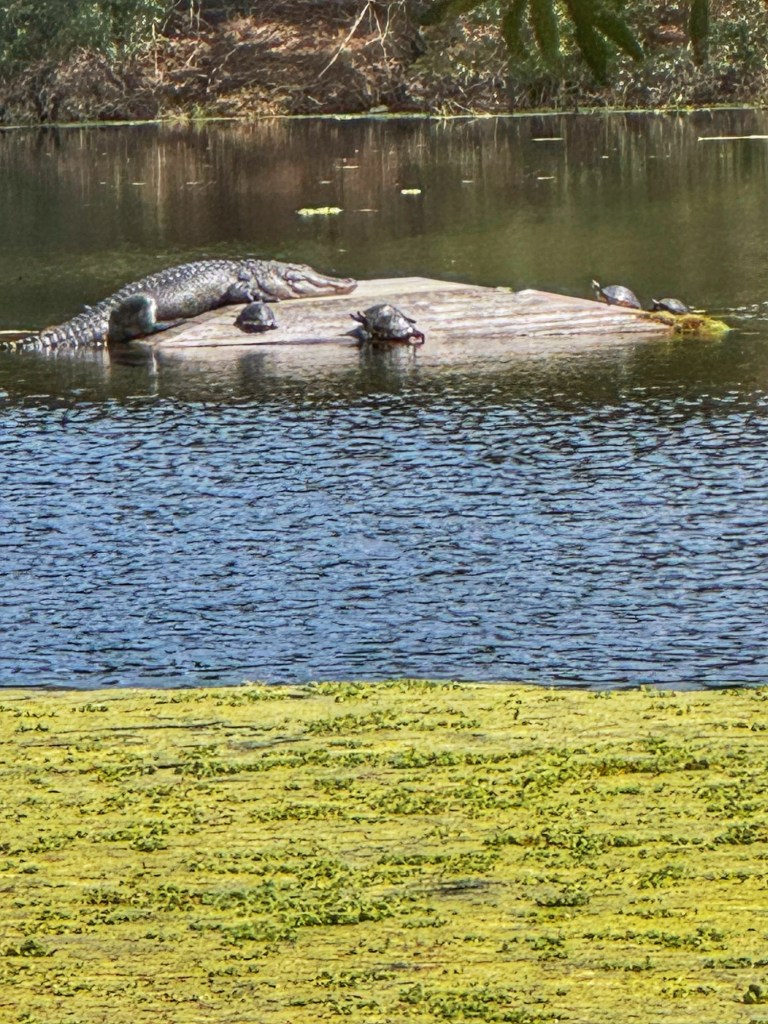
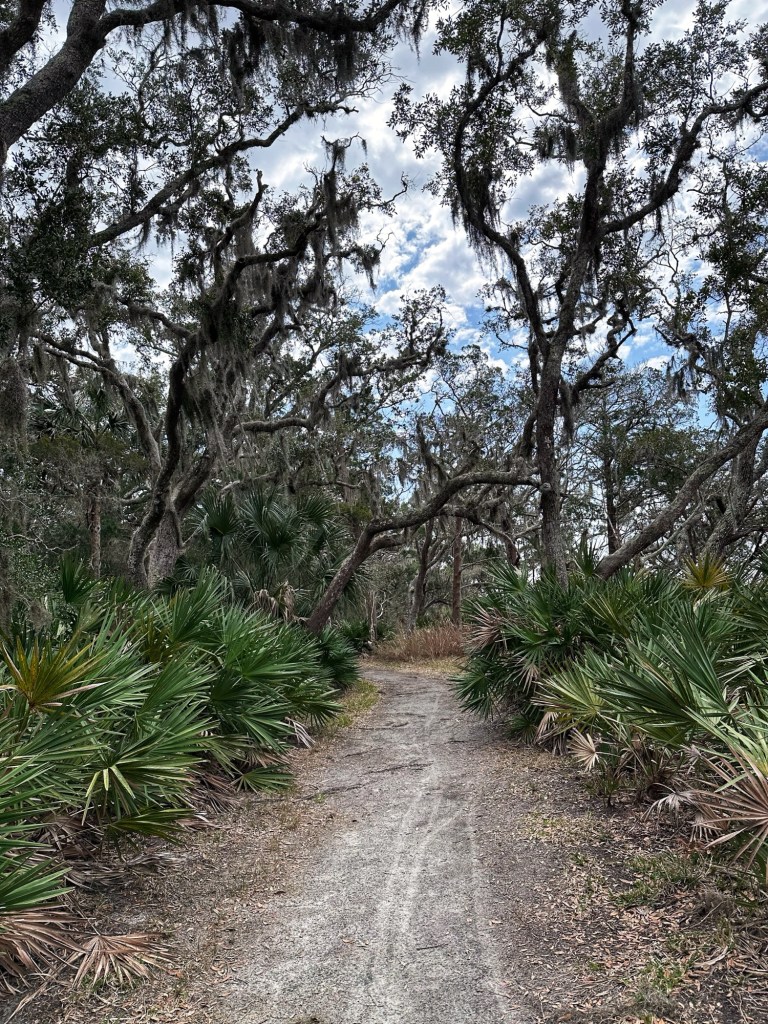
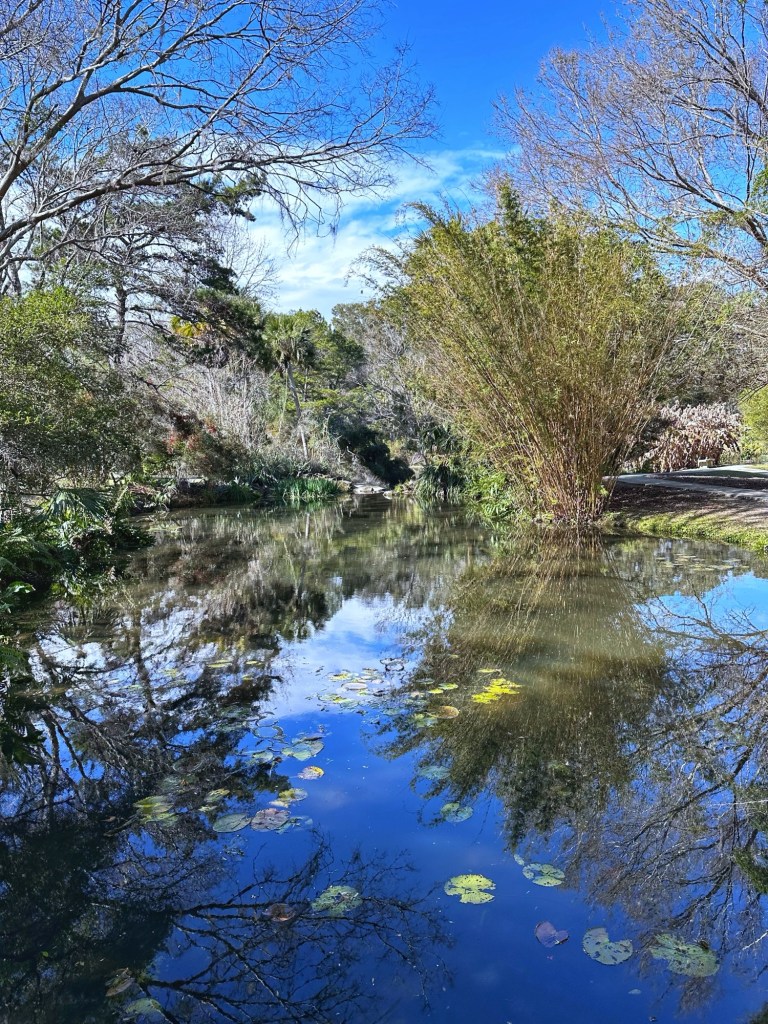
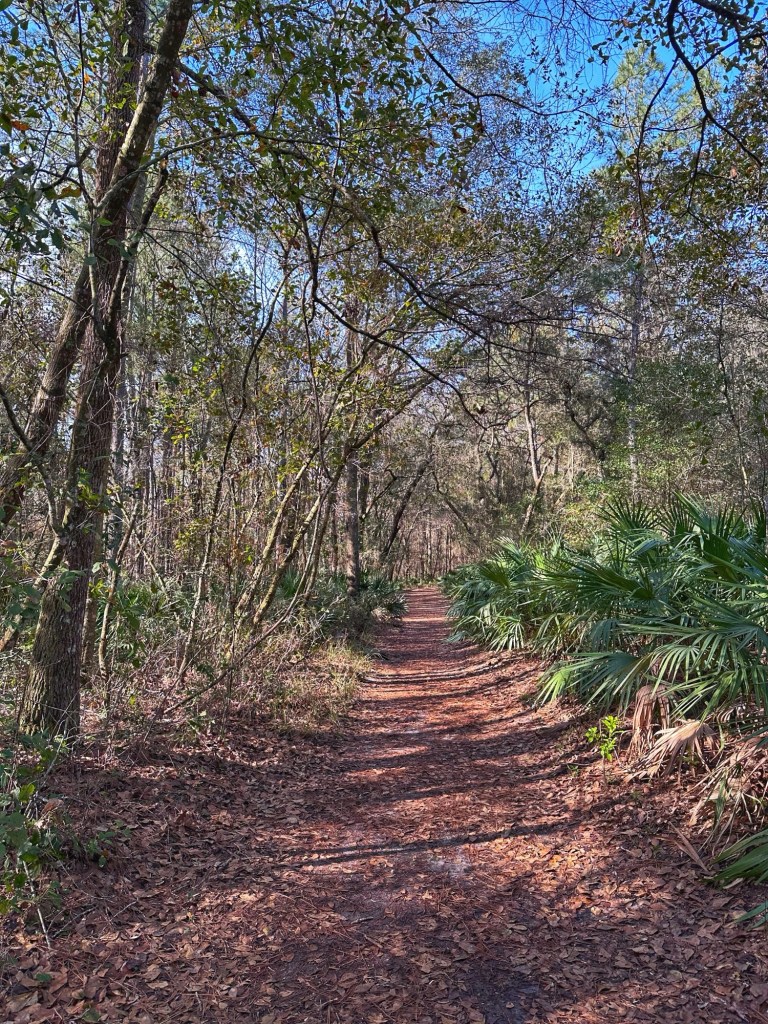
Along the trail at Horton Pond
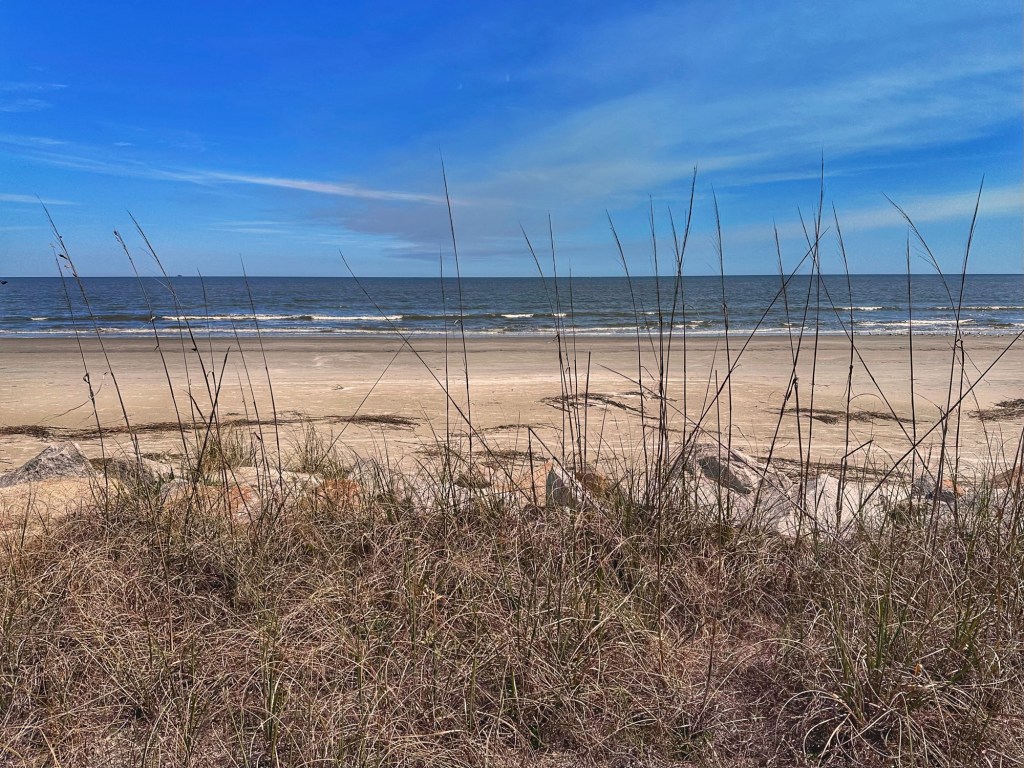
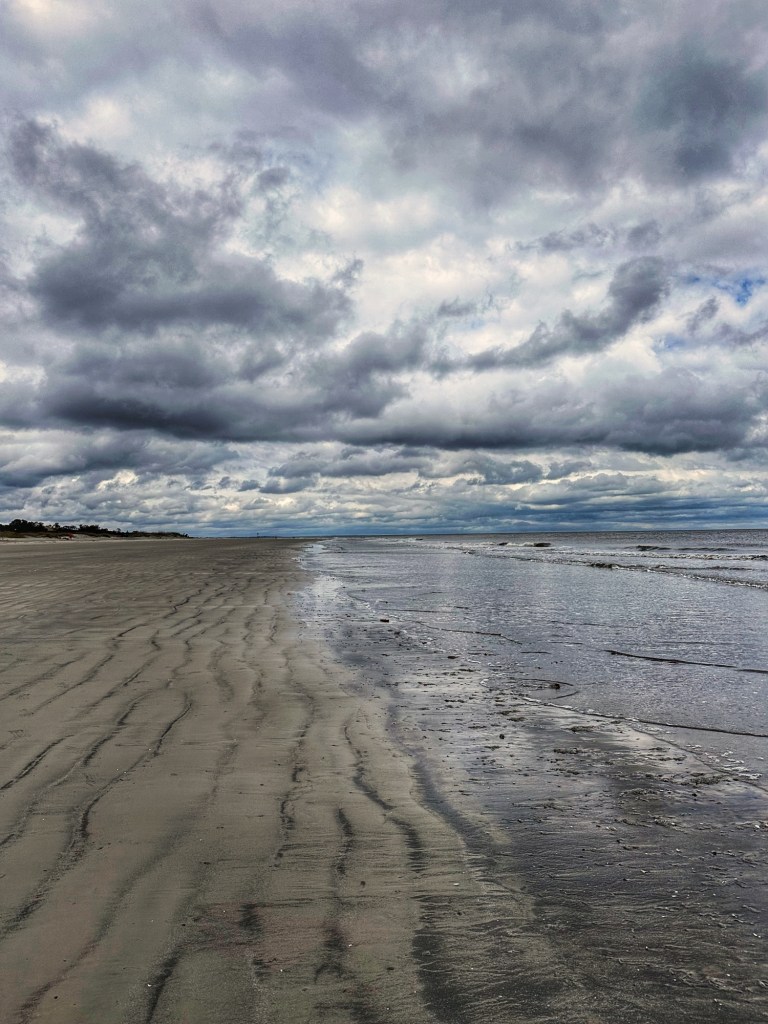
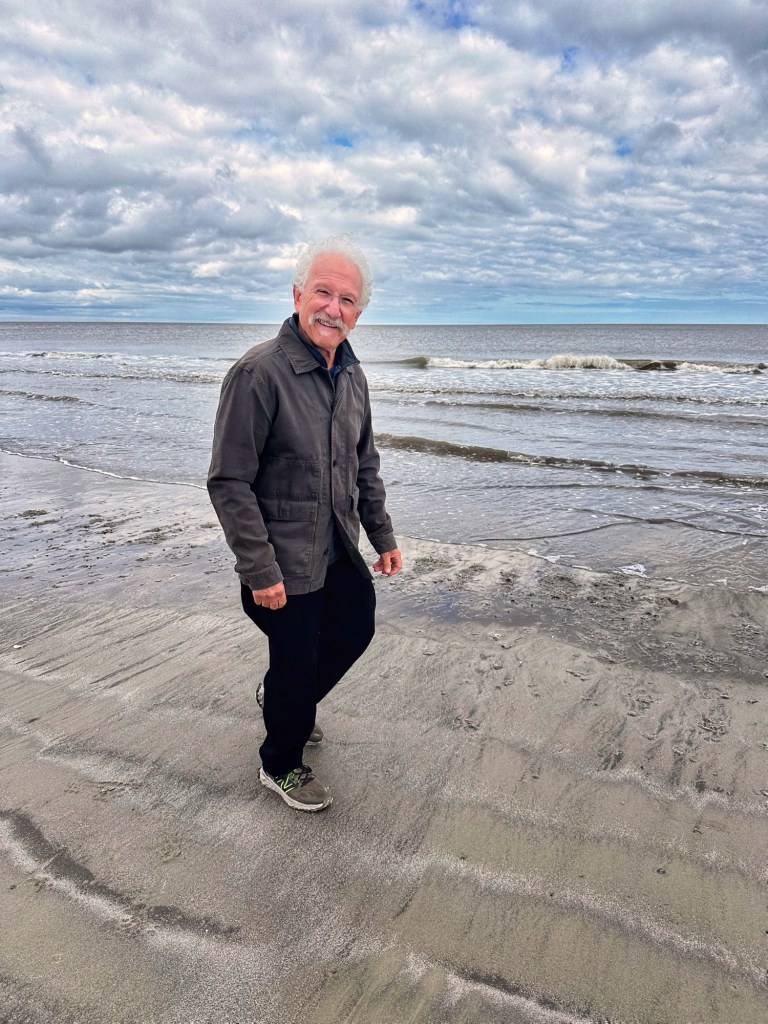
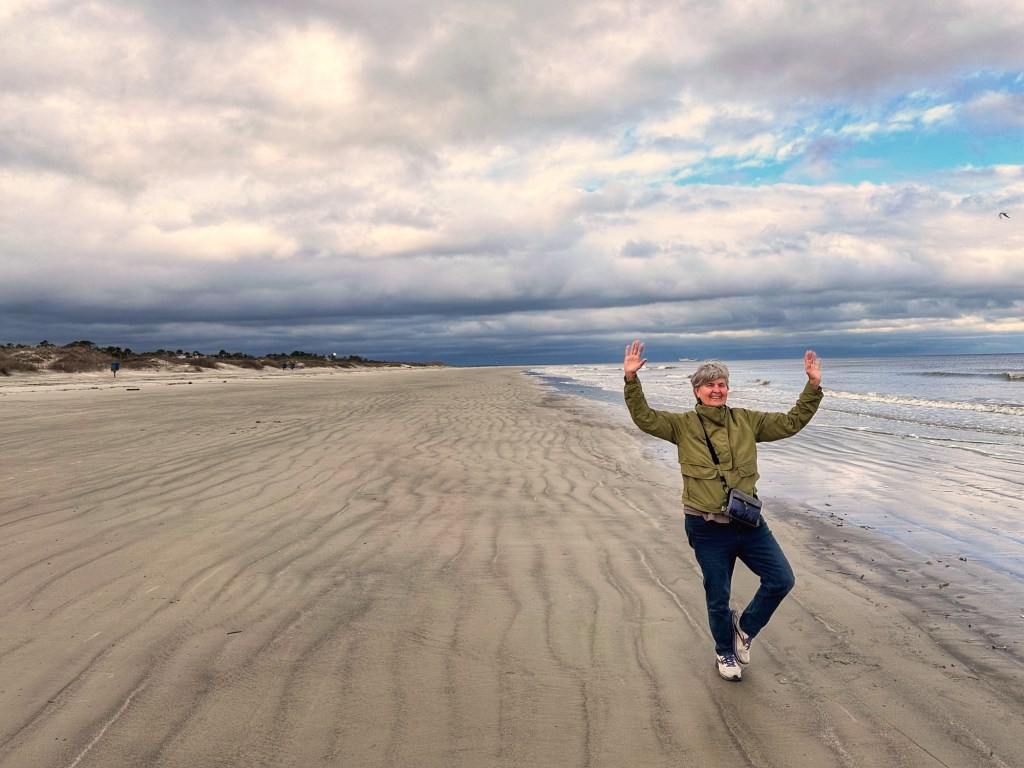
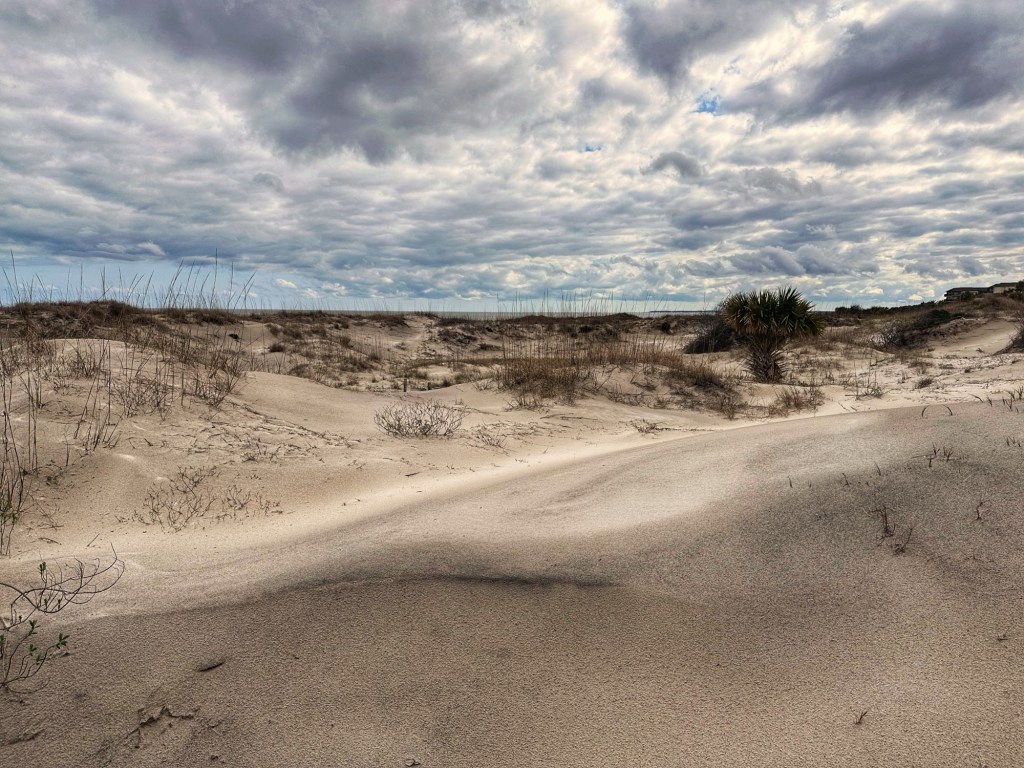
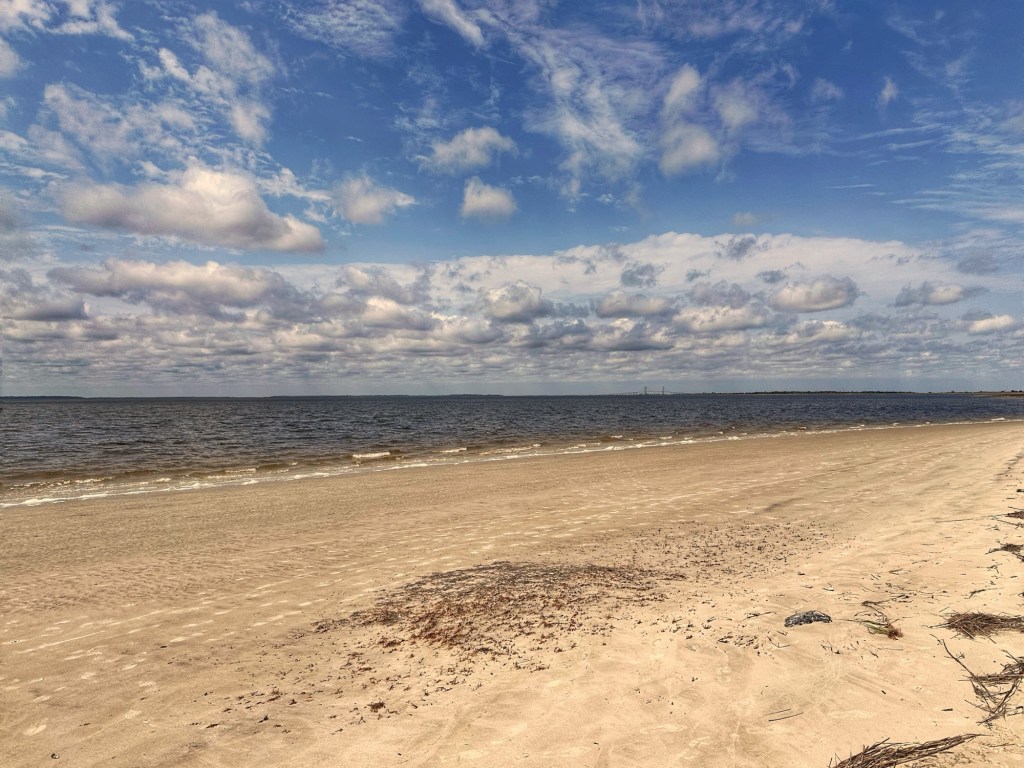
One side of the island faces the Atlantic Ocean with lots of accessible beaches. While we didn’t have many “beach” days we did make time to be on the water.
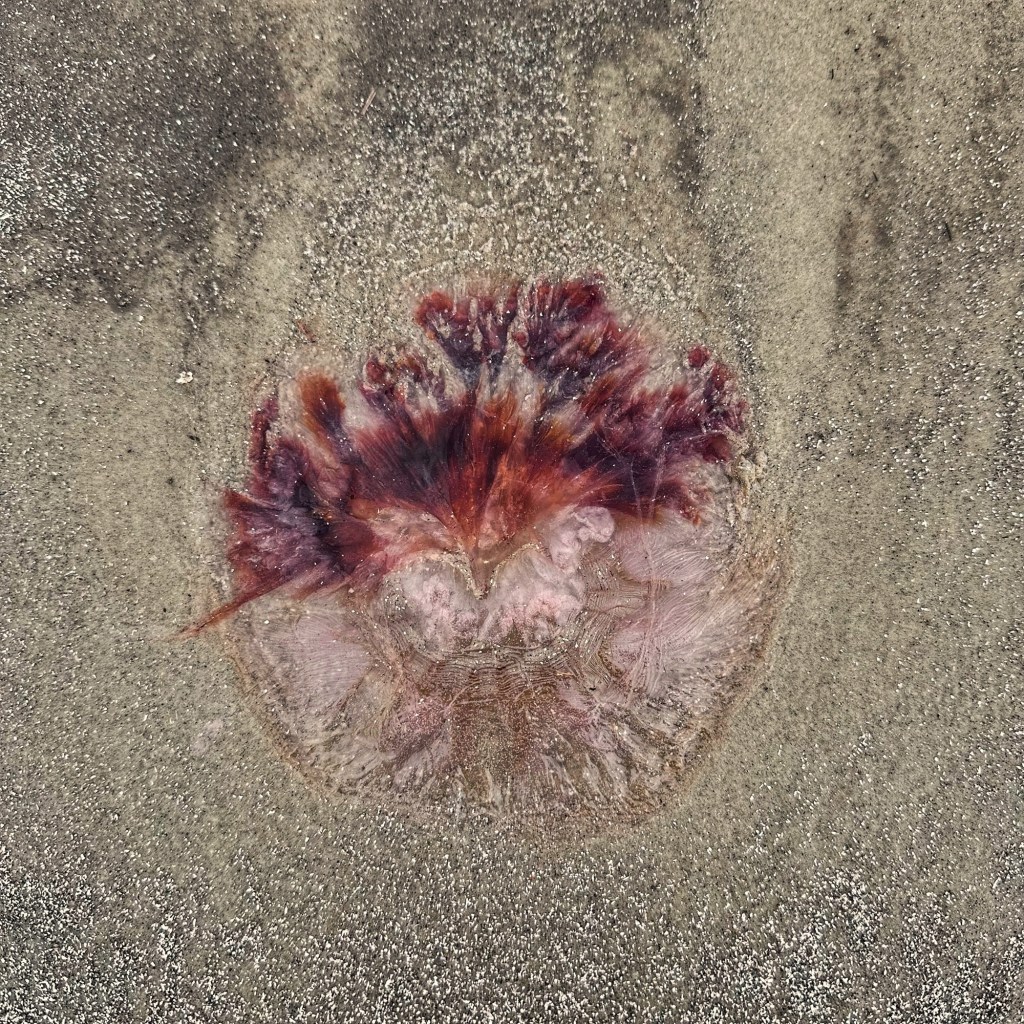
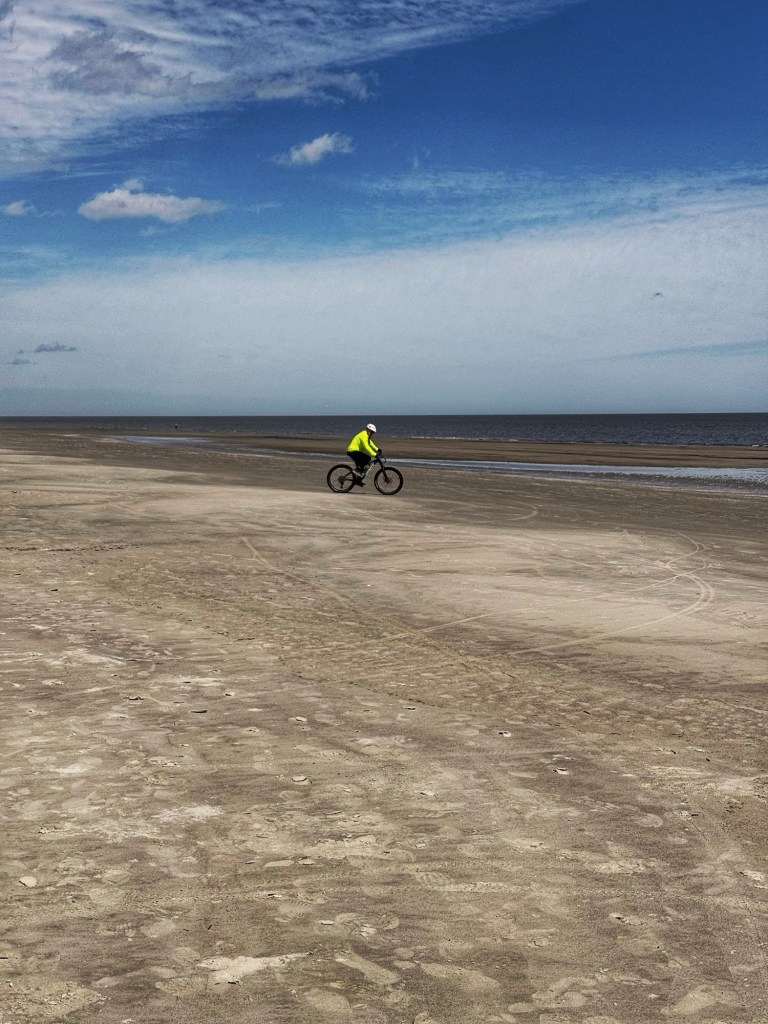
Dwarf Lion’s Mane Jelly Low tide biking
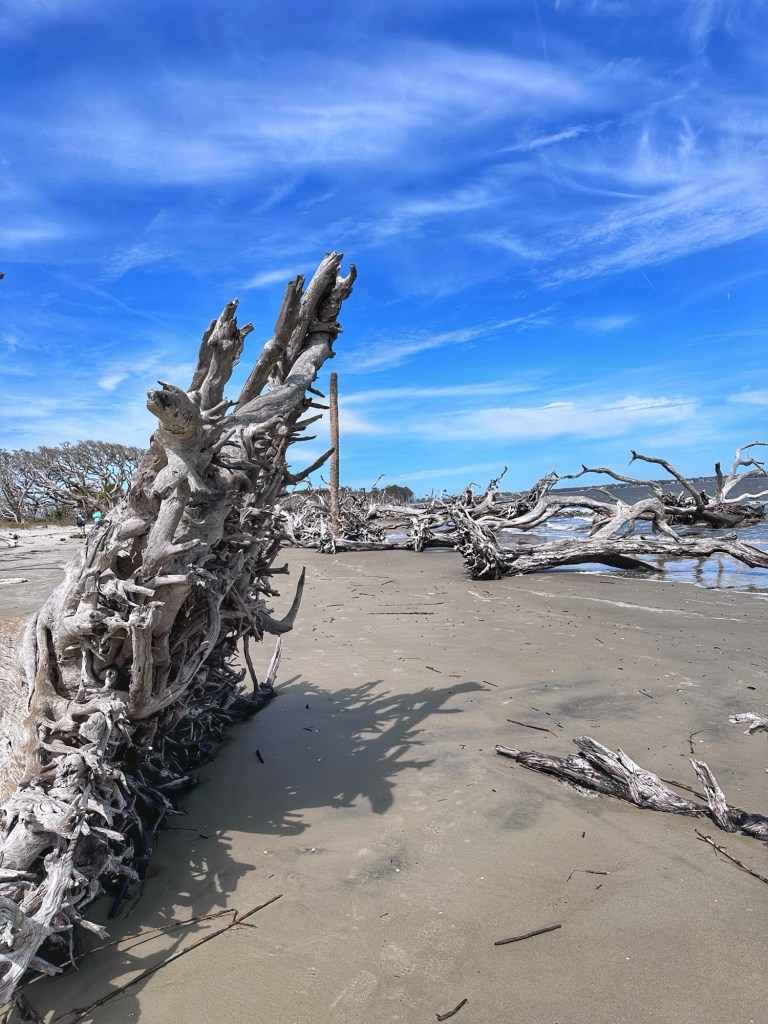
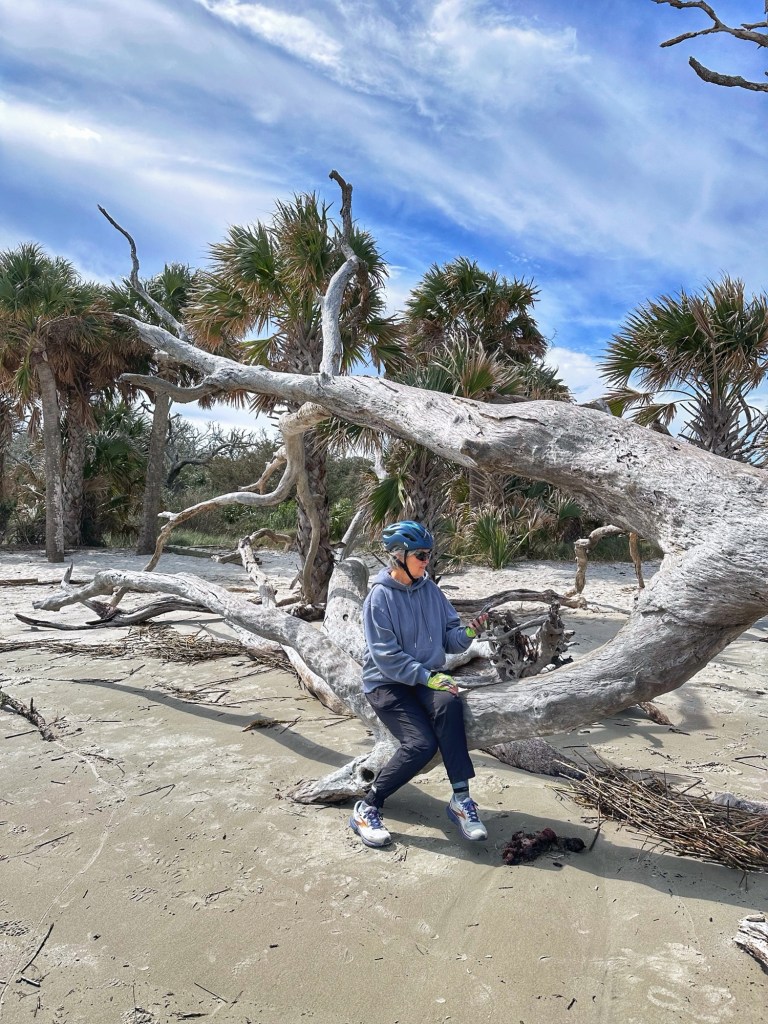
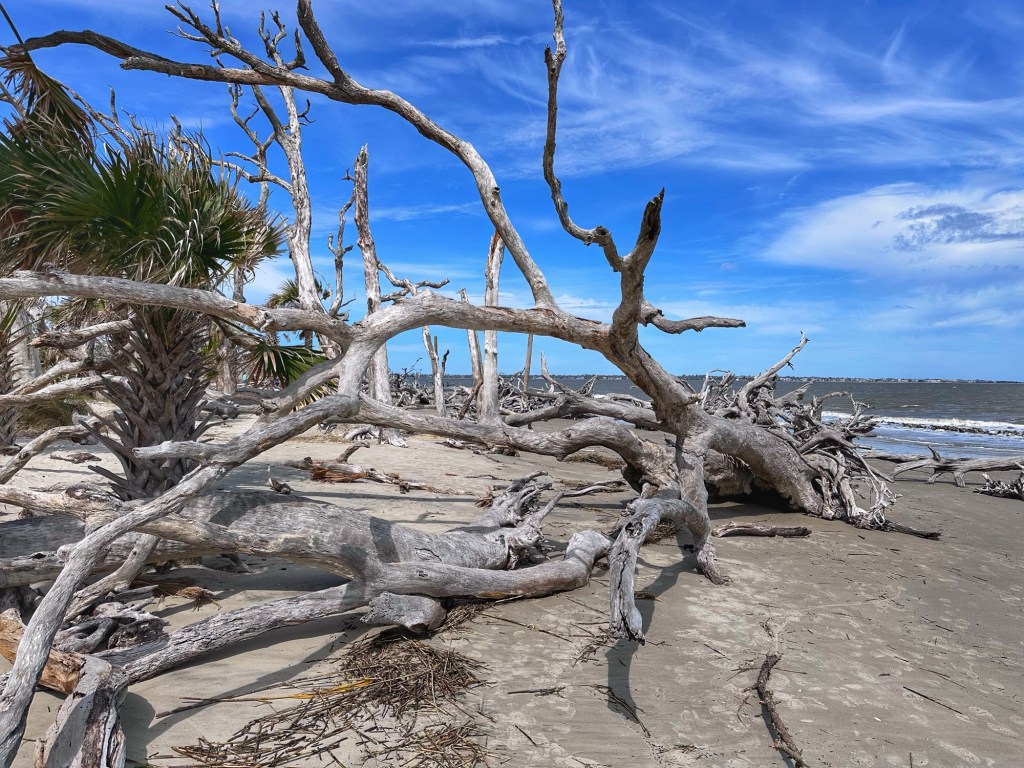
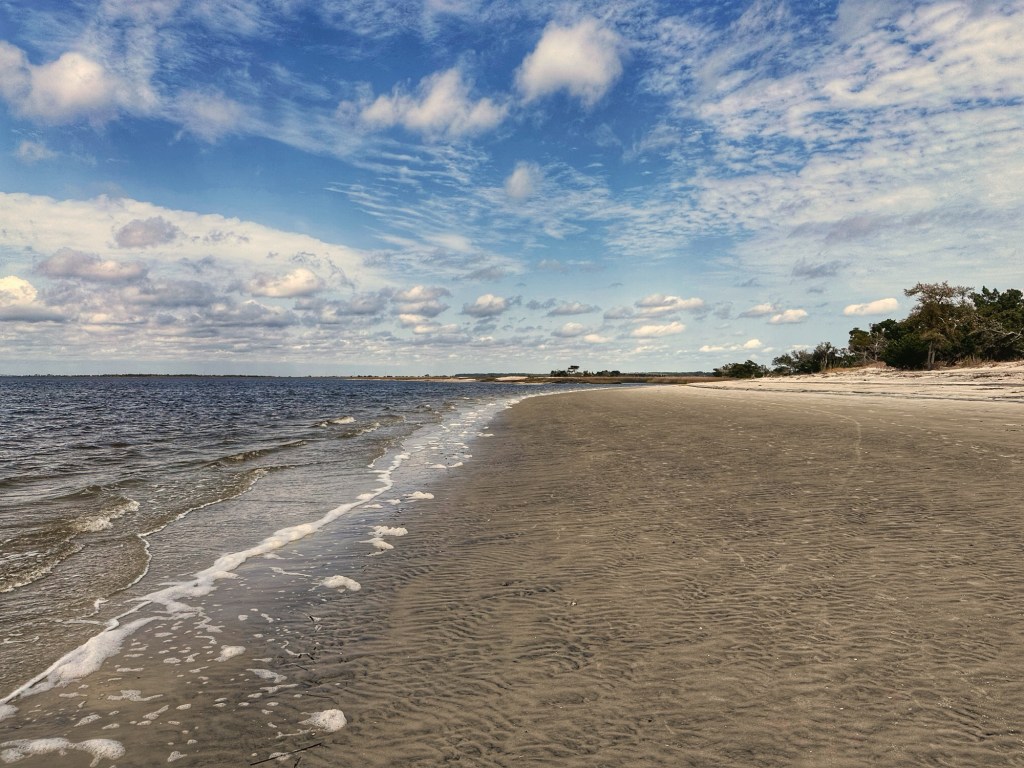
Driftwood Beach is a popular destination on the island.
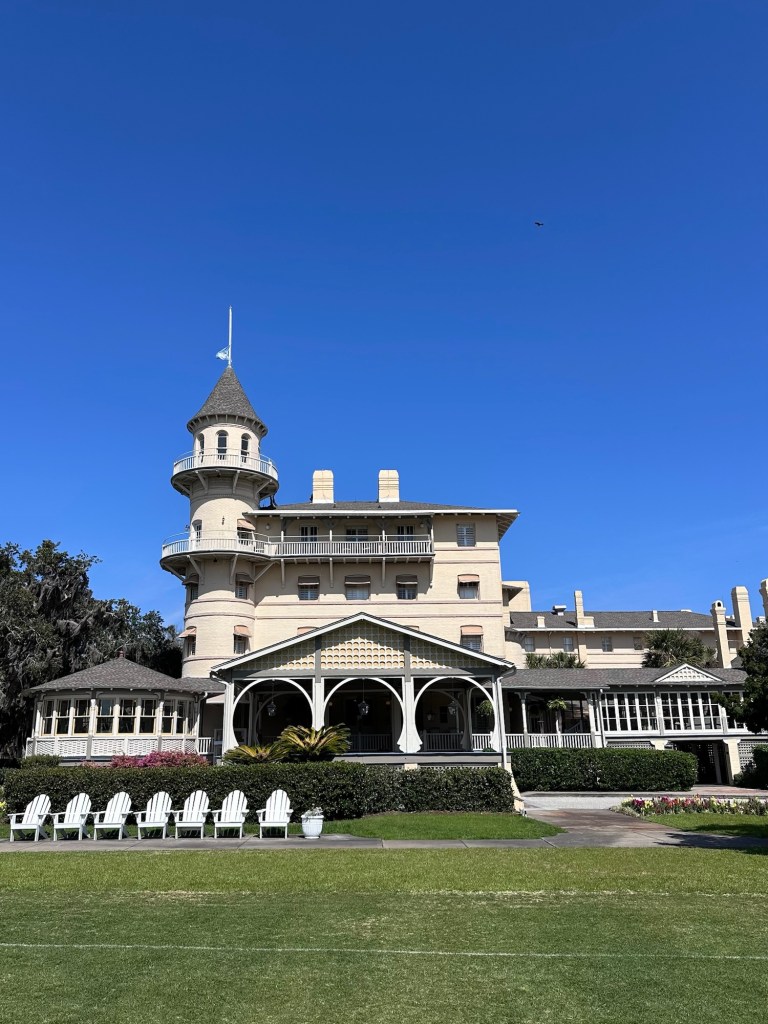
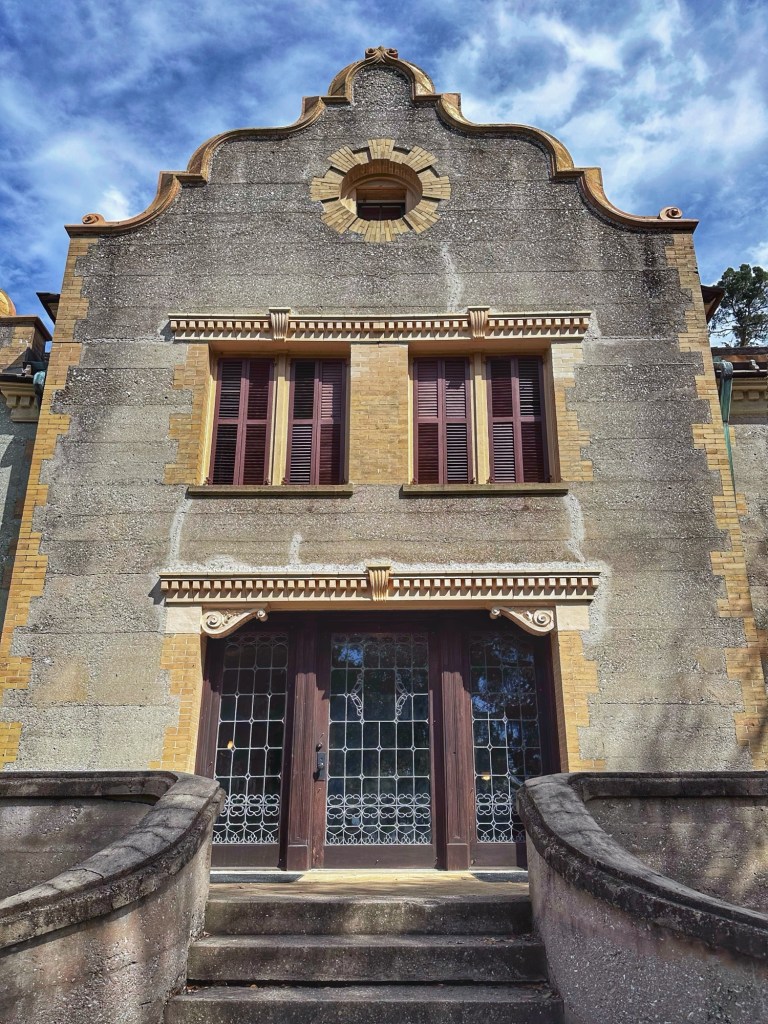
In the late 1800’s, the island became a private hunting club for some of the wealthiest families in the world (1/6th of the world’s wealth was controlled by club members). In 1886 the Jeykell Island Club was built as the club’s clubhouse.
The “Clubhouse”
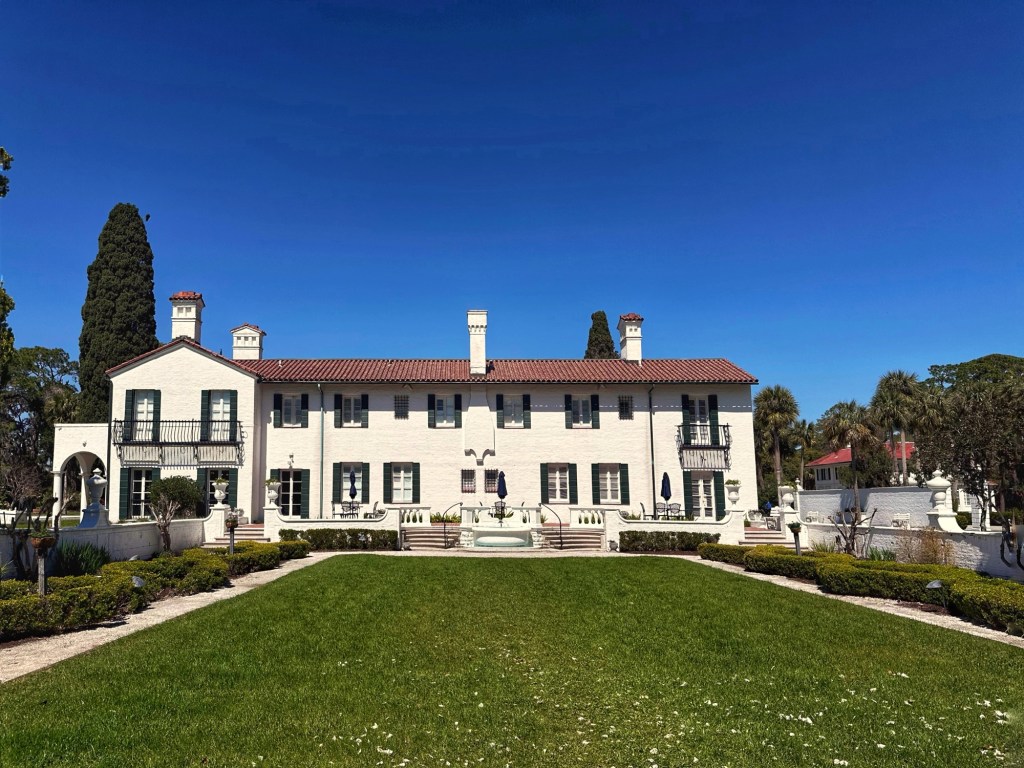
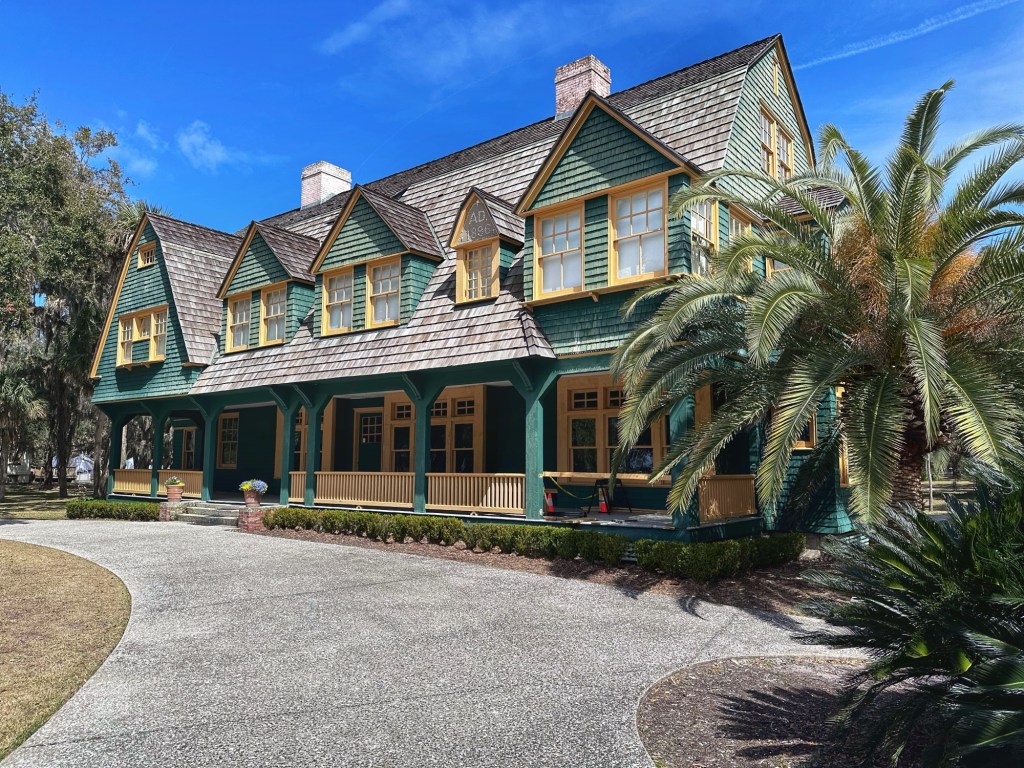
Some of the families built cottages near the Clubhouse when they felt that the clubhouse could not adequately provide for their families needs.
Dungeon Cottage-1884Crane Cottage-1917The entrance to Hollybourne Cottage-1890Moss Cottage-1896
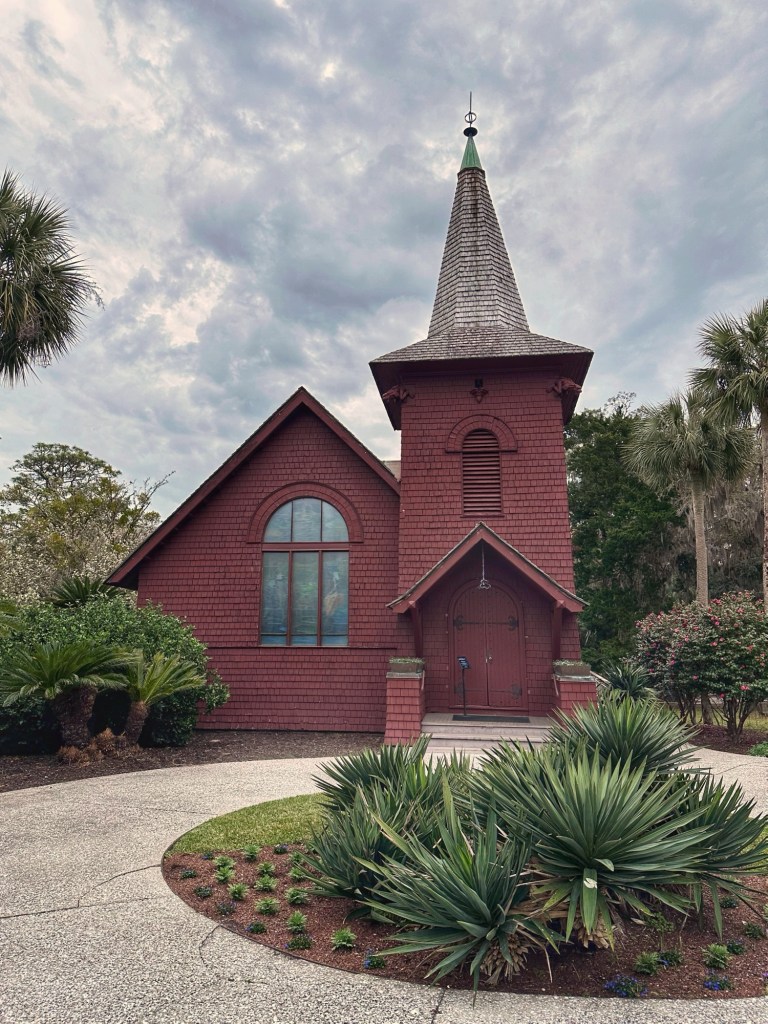
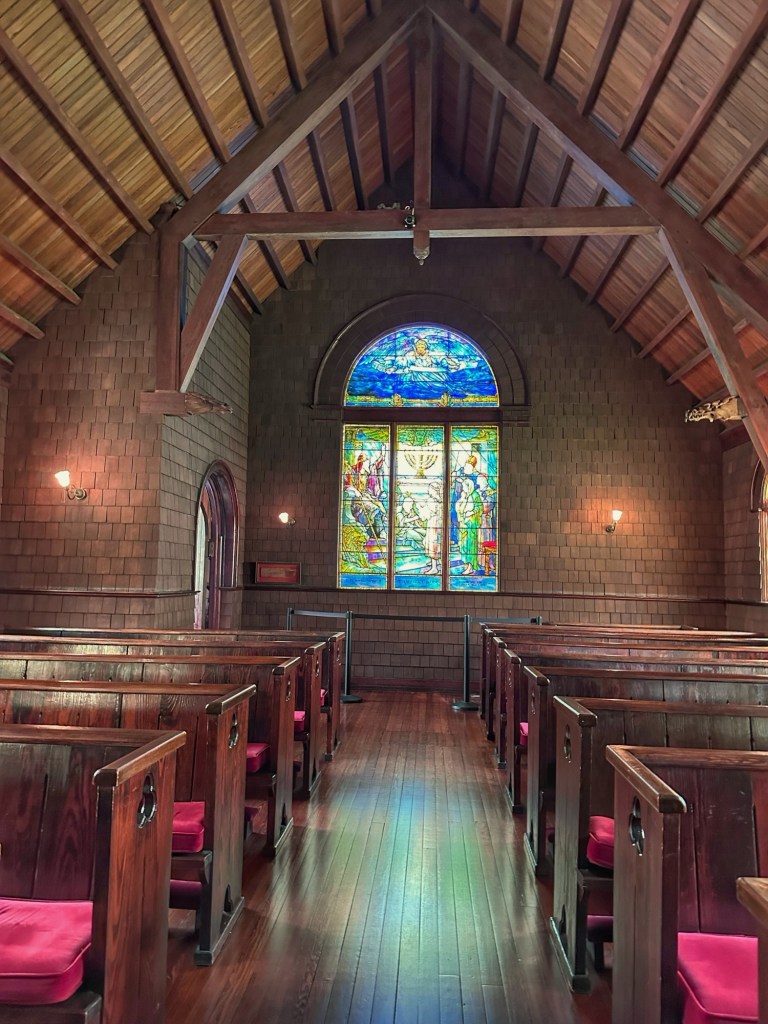
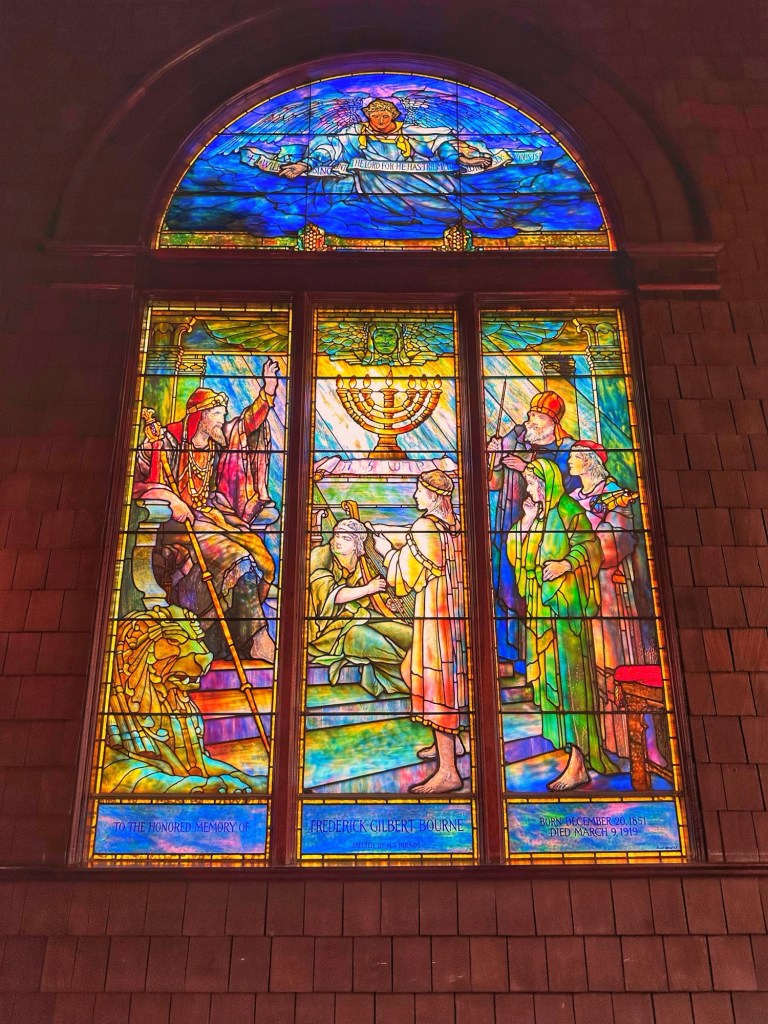
The members also constructed an interfaith chapel, Faith Chapel, for members use.
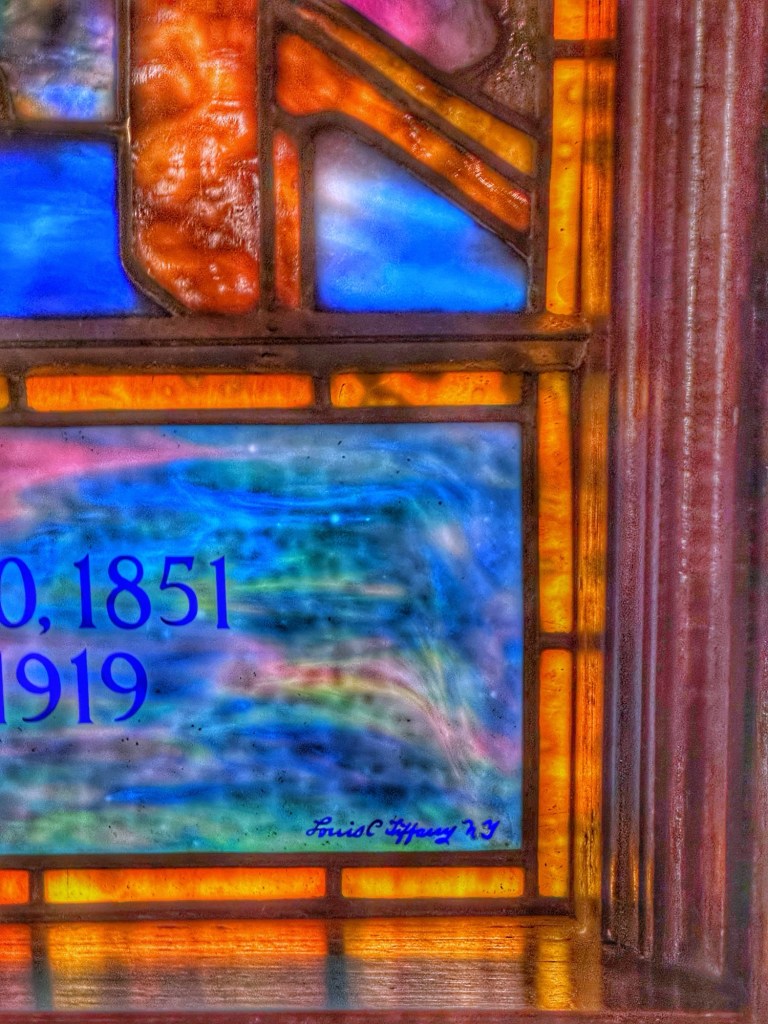
Faith Chapel-1904The Chapel was adorned with a lovely signed Tiffany stained glass window
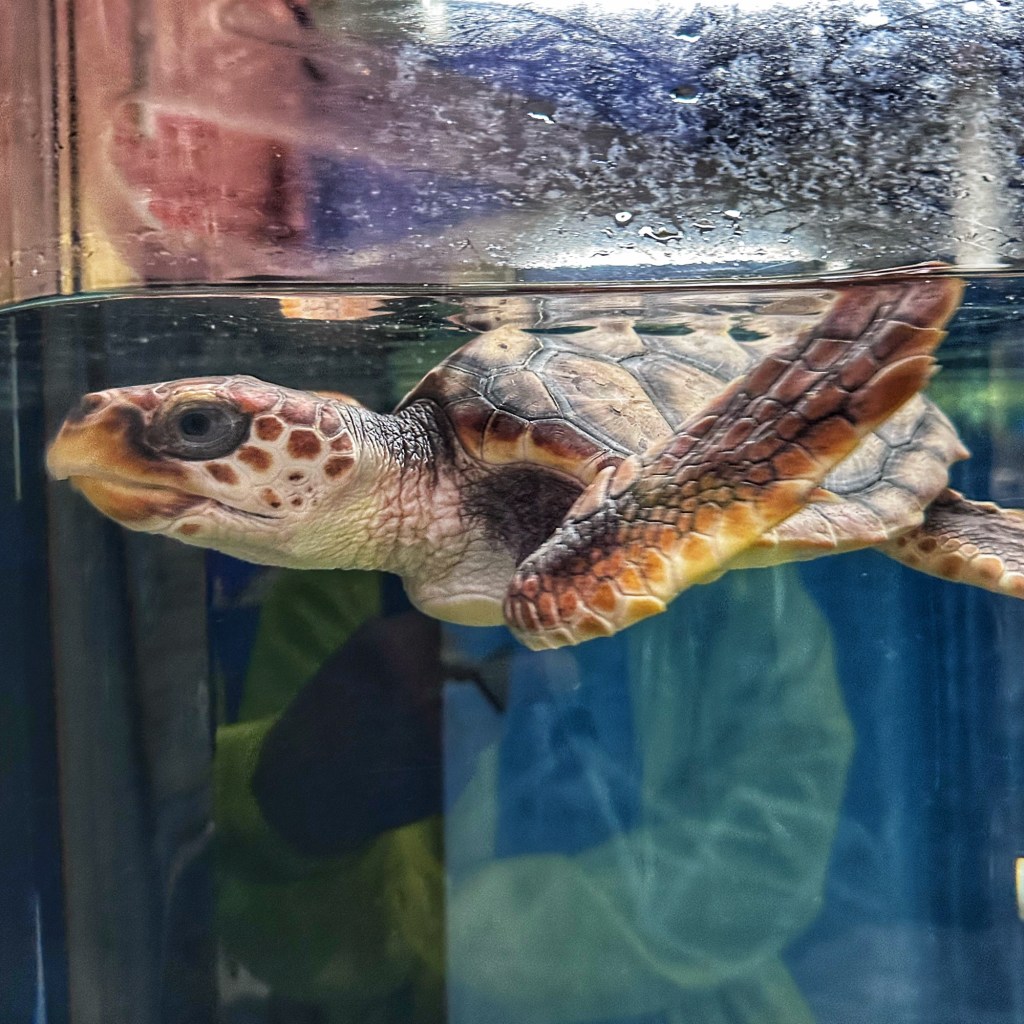
Sandwiched into the historic district of Jekyll Island is the Georgia Sea Turtle Center. Distressed and damaged sea turtles are rescued and nursed back to health and later released. A worthy endeavor that’s worth checking out.
When Jekyll Island opened as a state park in 1948 all of Georgia’s citizens were not welcomed to the new park. Because of segregation African Americans could not visit many parts of the island, including its beaches. In 1950 African Americans from nearby Brunswick requested a portion of the island for their enjoyment. The state designated an area at the south end of the island for their use. St. Andrew’s Beach was the only beach in Georgia open to black Georgians.
Coincidentally, Saint Andrews Beach is also where “The Wanderer“ arrived off the coast of Georgia in 1858. The ship was one of the last documented ships carrying illegal African slaves to America. The trans Atlantic slave trade was outlawed in 1807.
St. Andrews Beach
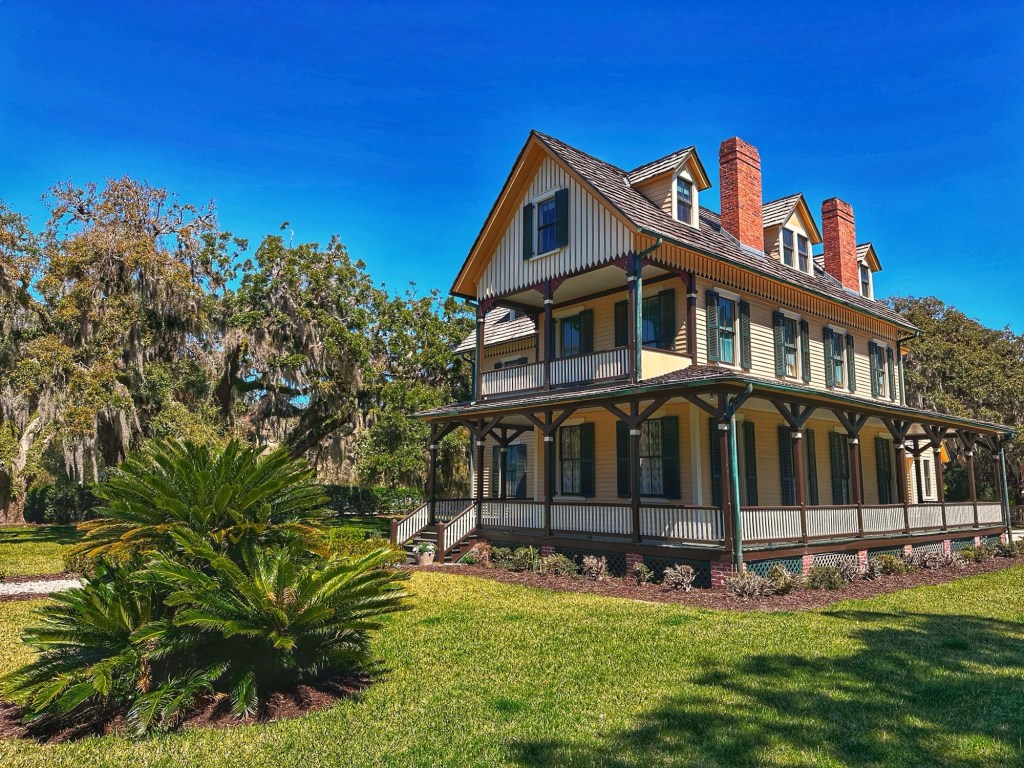
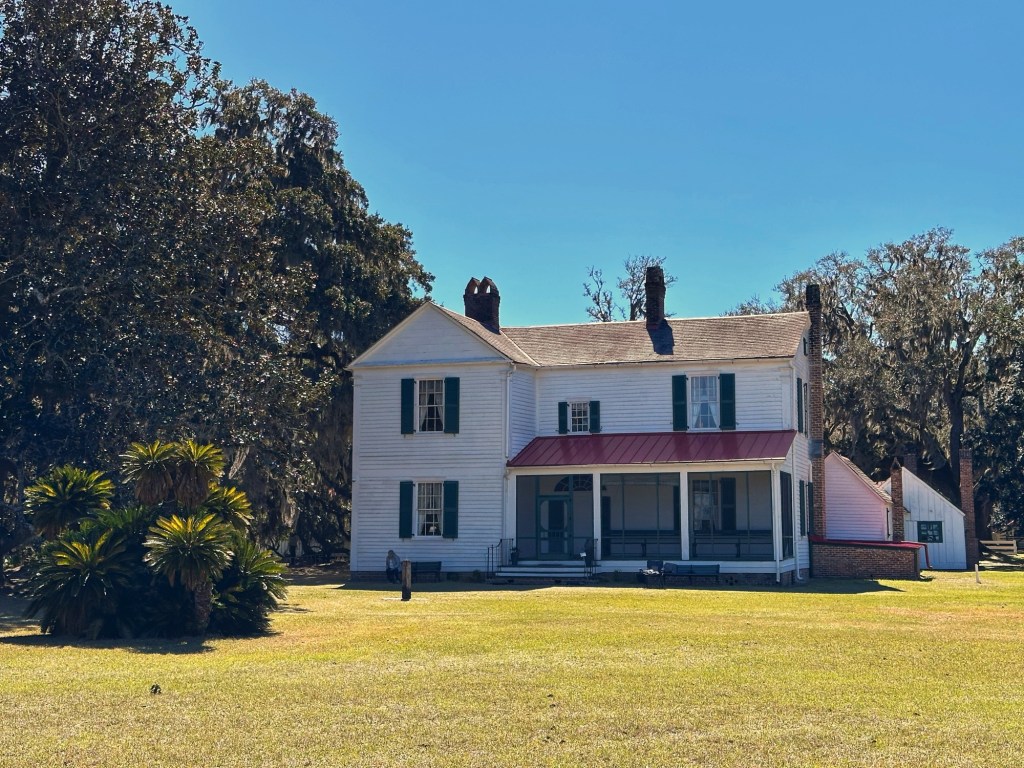
While we’ve traveled the south many times we have never visited one of the area’s plantations. A short distance from Jekyll Island is the Hofwyl-Broadfield Plantation State Historic Site.
The family home built in the 1850’s
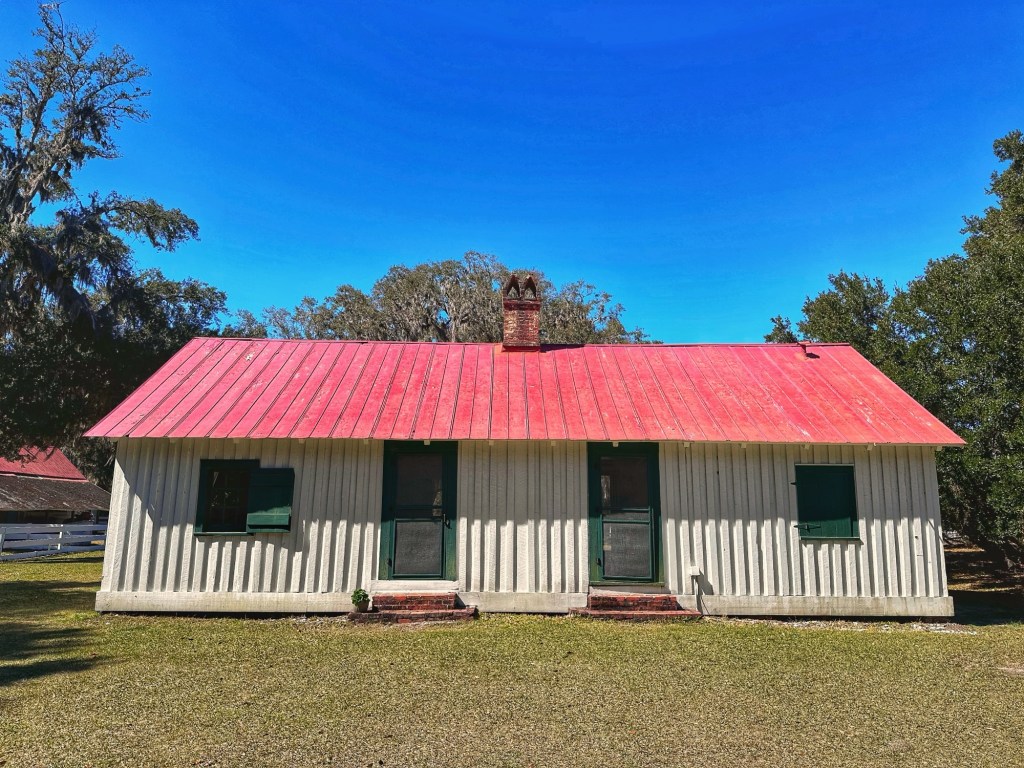
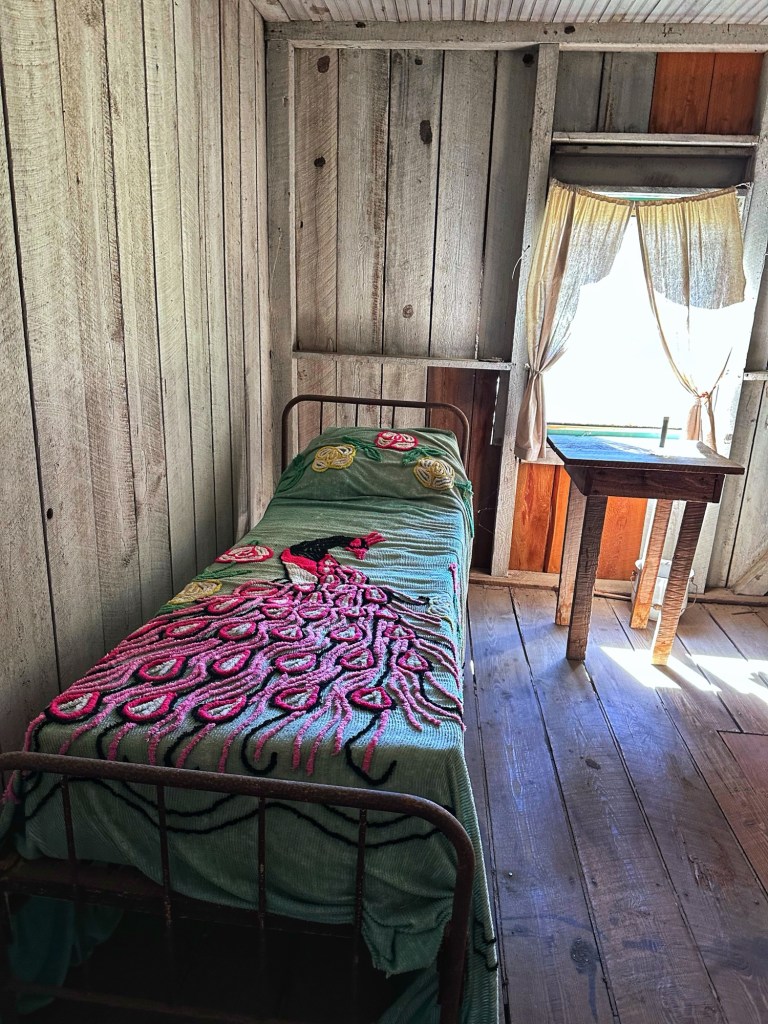
The property was purchased and the plantation established in 1806. By 1849 the plantation was using 357 slaves to cultivate 7,300 acres of rice. It was through the blood and sweat of these enslaved people that converted this cypress swamp into a profitable rice plantation.
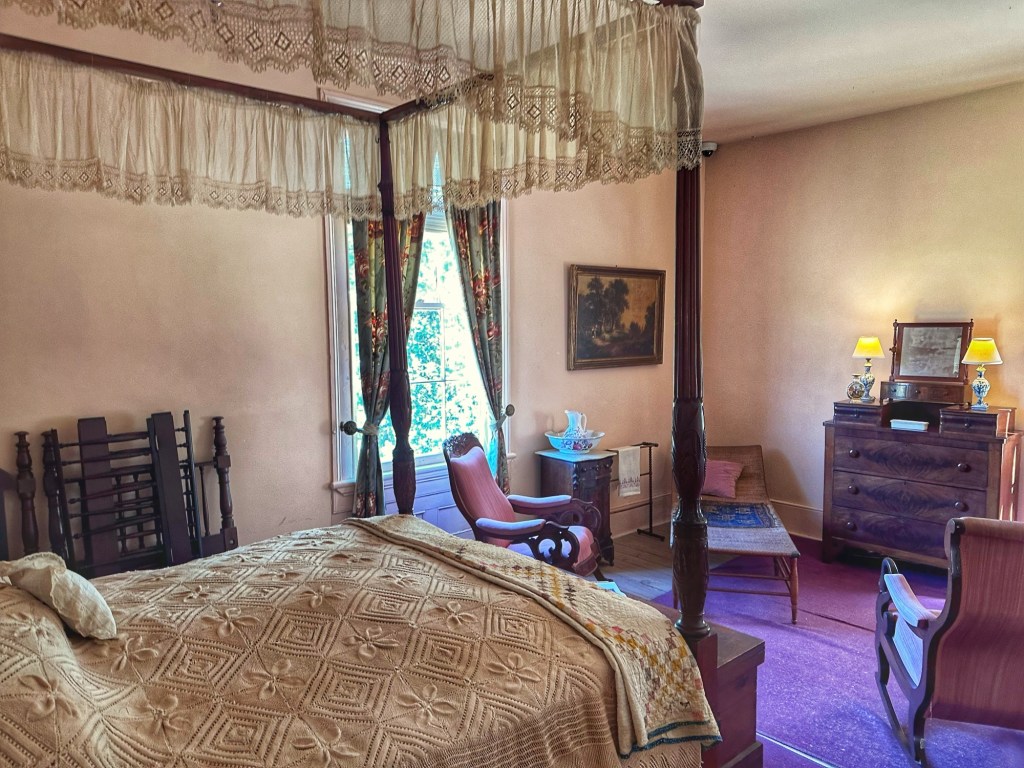
Former slave/sharecropper housing for two families Slave/sharecropper sleeping areaPlanter’s bedroom
The last family member died in 1973 and left the property to the state of Georgia with a trust to preserve the site for posterity.
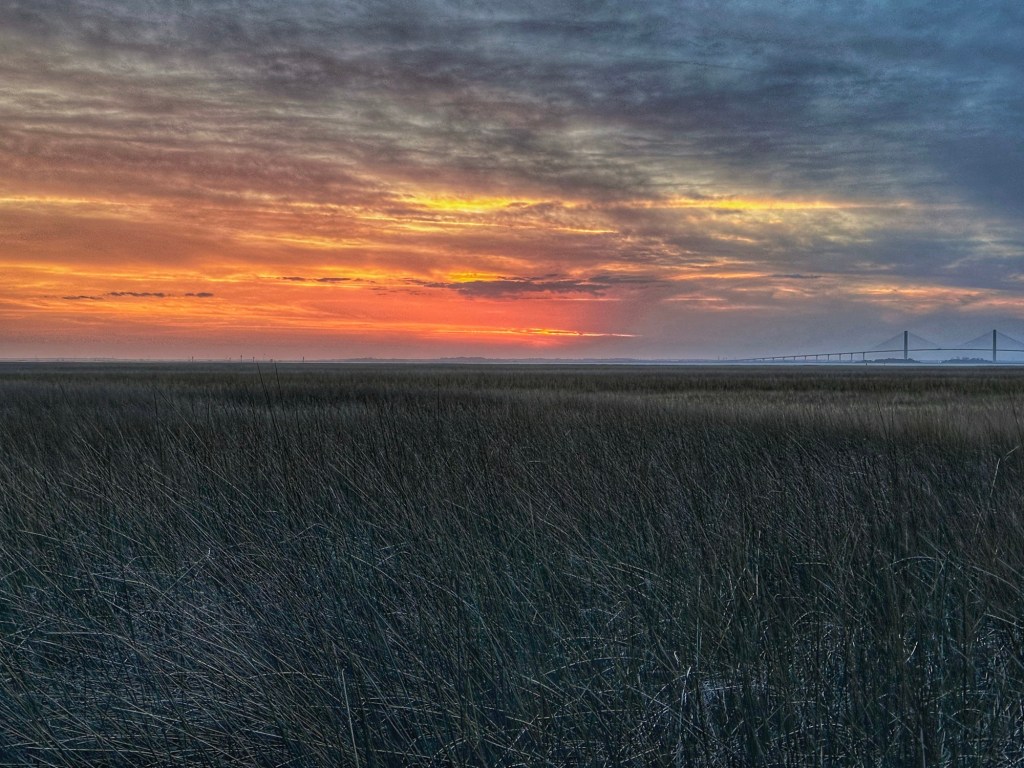
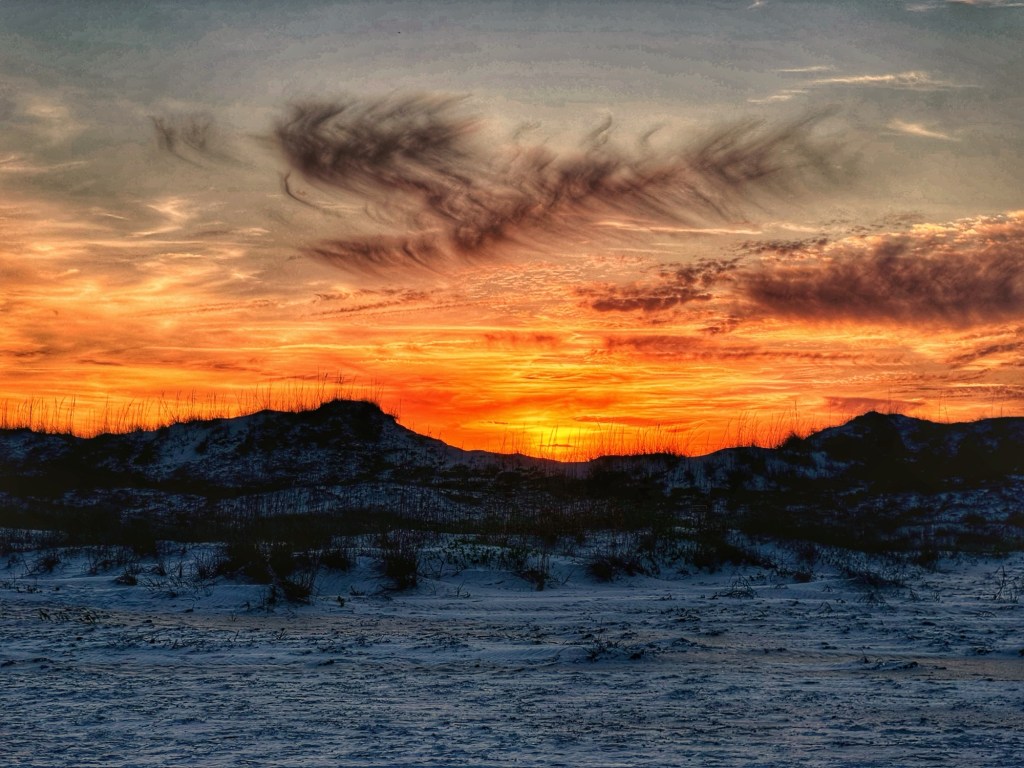
Low Country Sunset
While there is plenty to explore in the area we’re feeling the need to move on. We hear Savannah calling.
Most state campgrounds limit your stays to two weeks. We wanted to stay the month of February in the St. Augustine area on the ocean. Bryn Mawr Ocean RV Resort fit the bill as it is located on the ocean side of historic A1A.
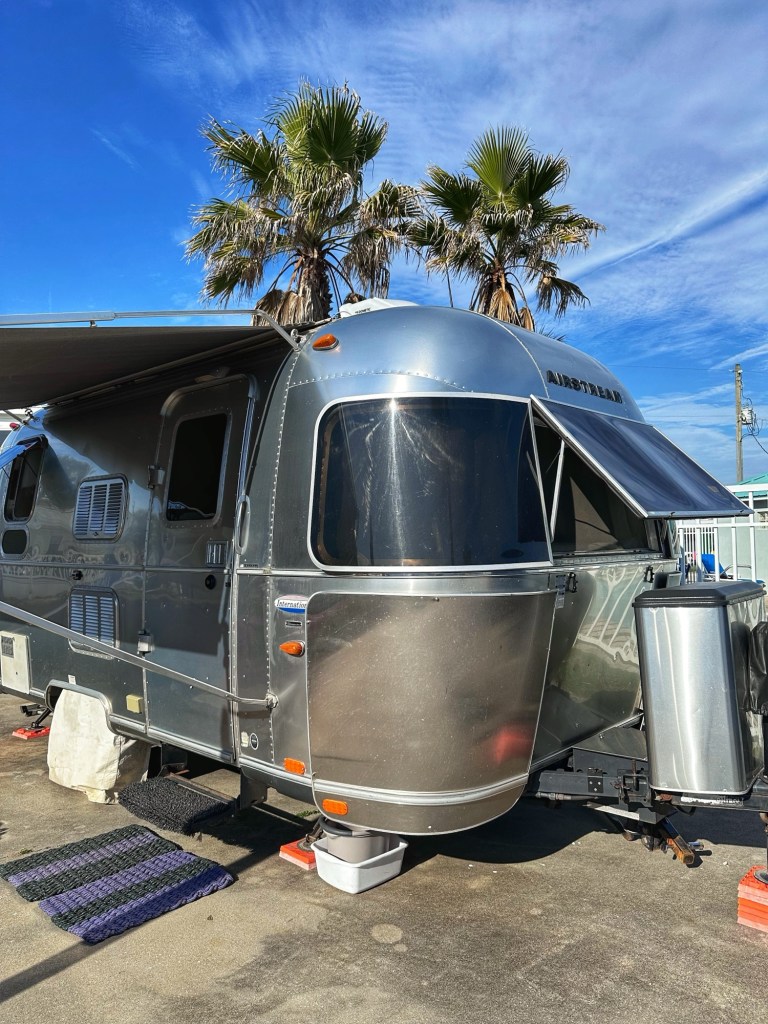
Site 152
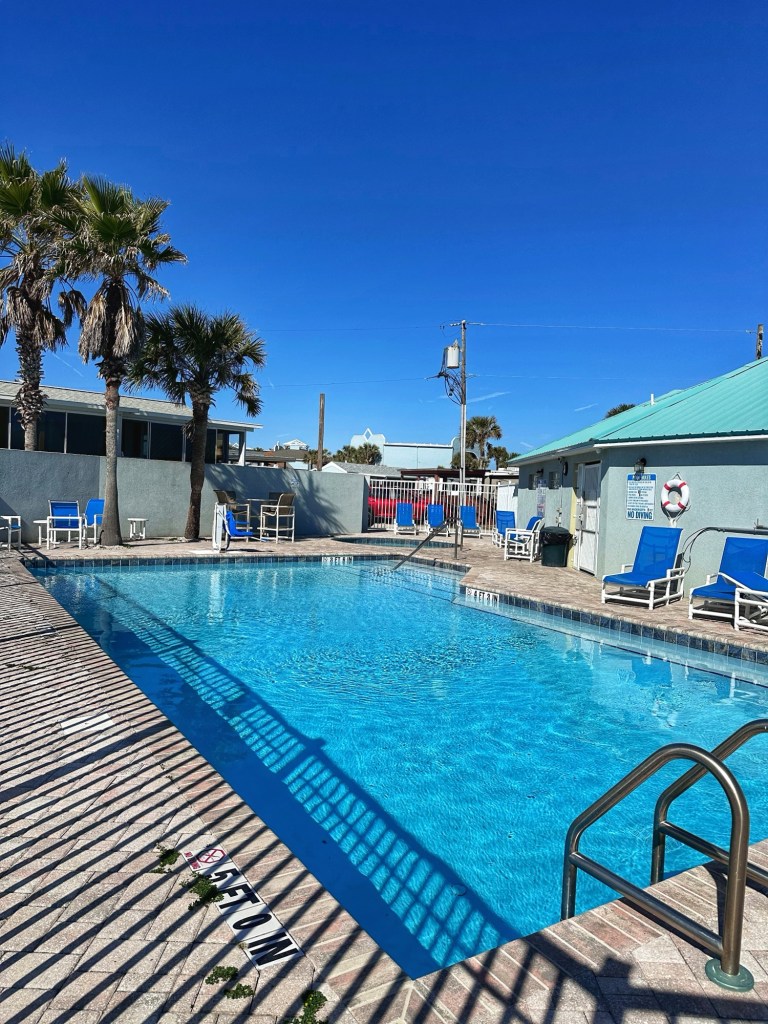
Our site is next to the park’s heated pool and spa.
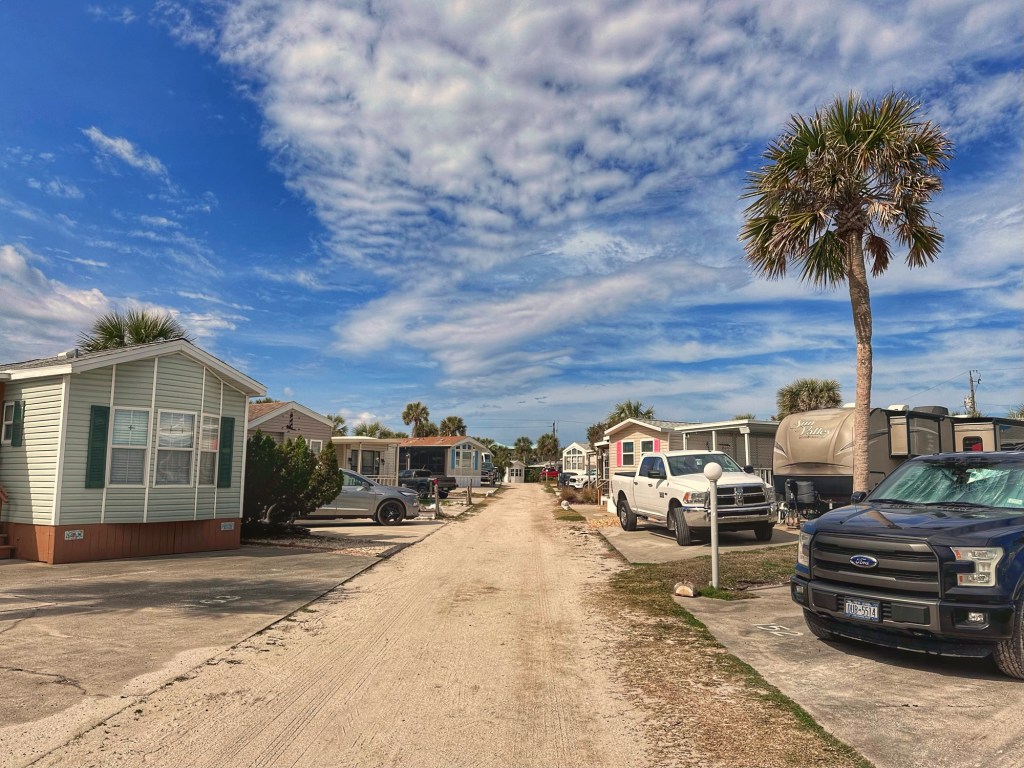
Our ( not very ) scenic lane
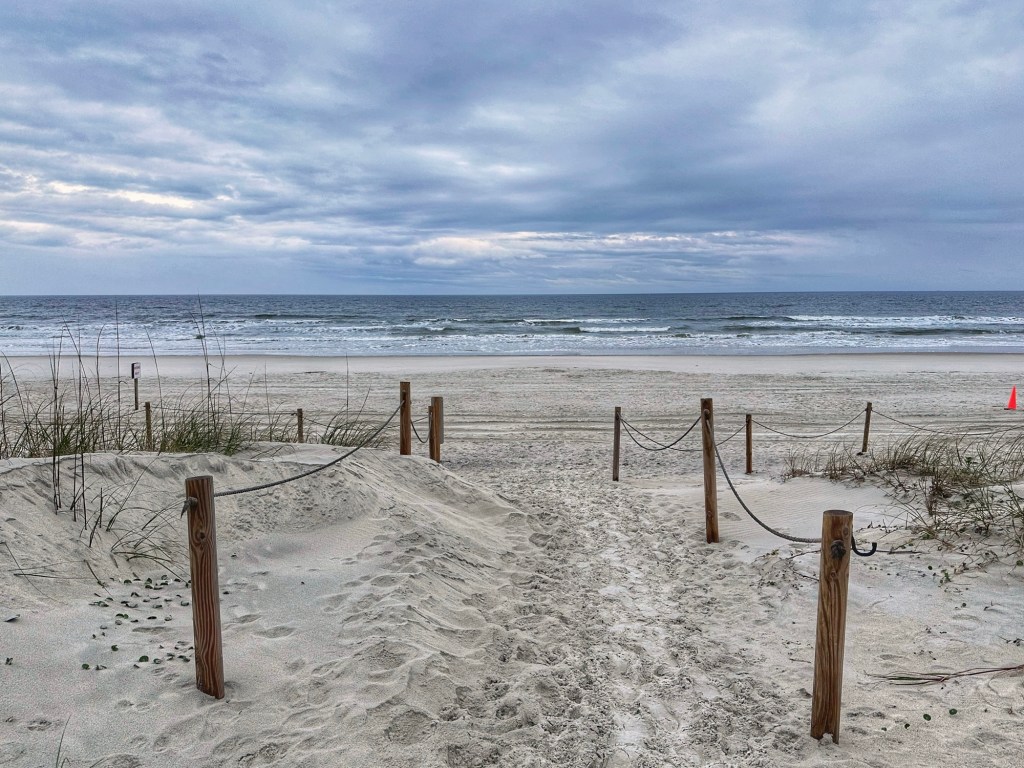
It’s just a five minute walk over a dune to a wonderful beach.
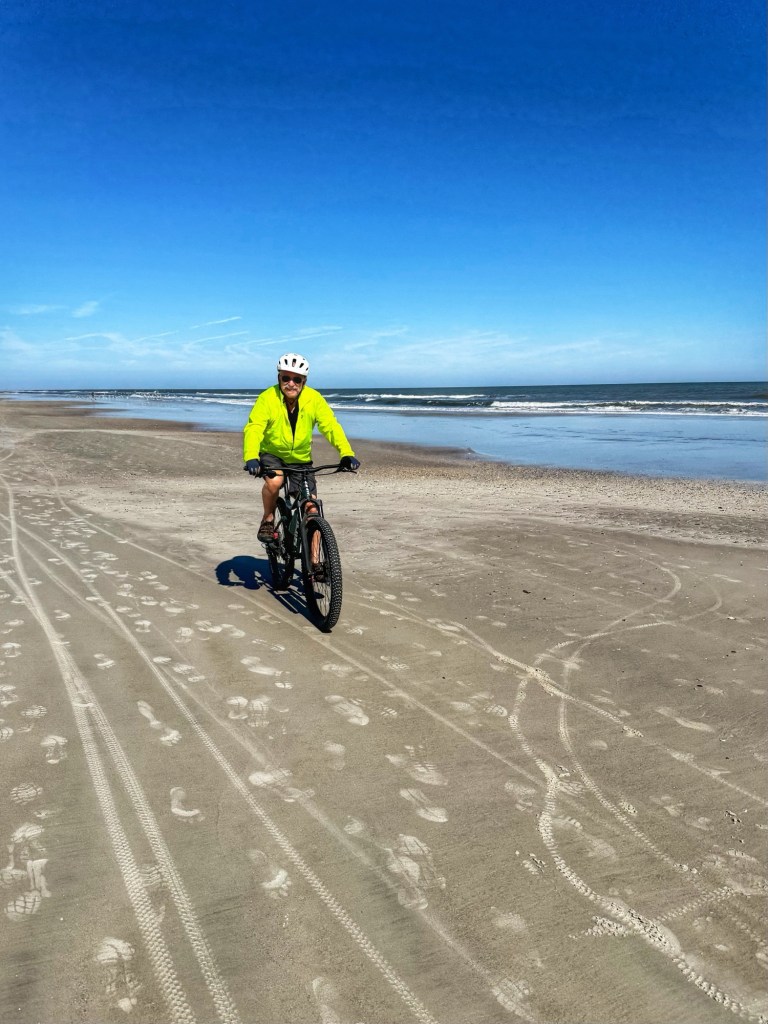
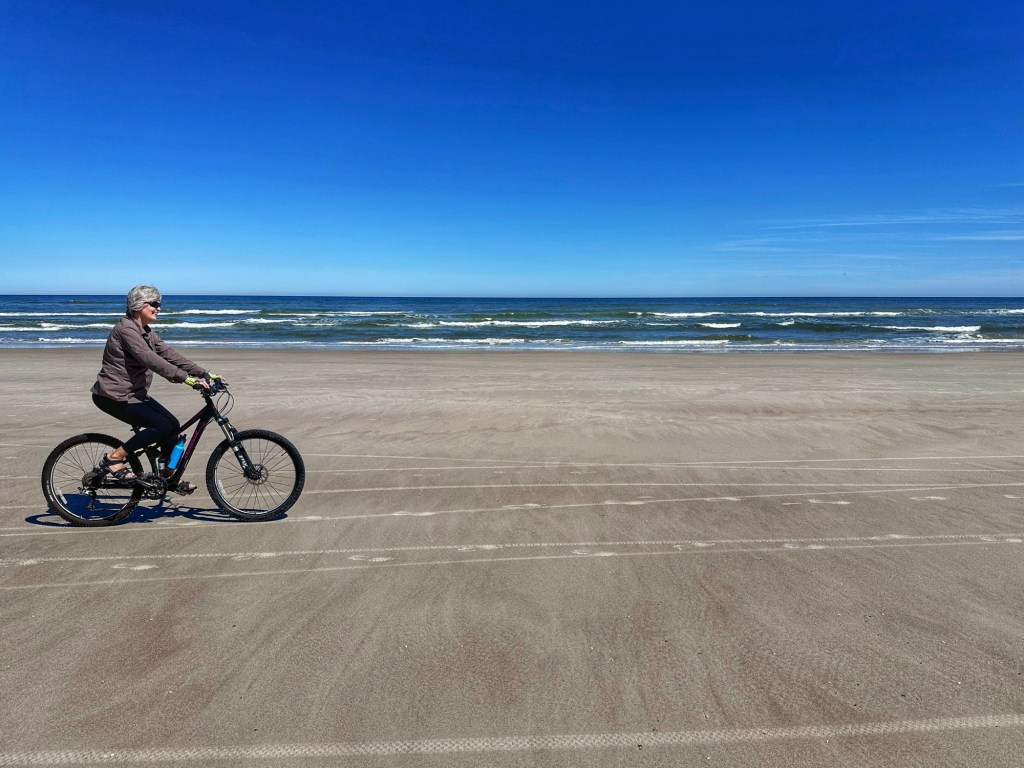
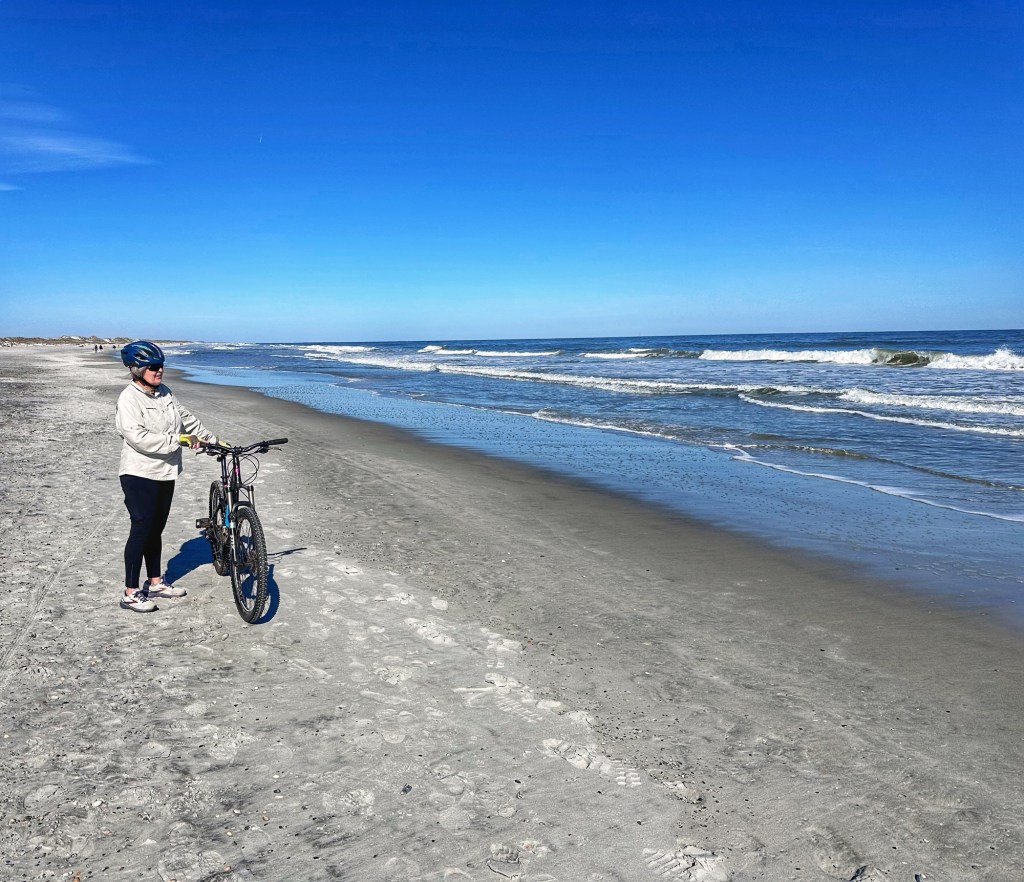
The beach is wide and at low tide hard enough to ride your bike for 10 miles.
This area is adjacent to the land that was purchased by local African American businessman Frank B. Butler in 1927. He bought the land out of frustration with the beaches of St. Augustine being designated “Whites Only”, with violators being arrested. Despite white opposition Butler Beach became the only beach available to African Americans between Daytona Beach and Jacksonville. When Butler died in 1974 the family left the remaining parcel to the county for a park.
Butler Park East
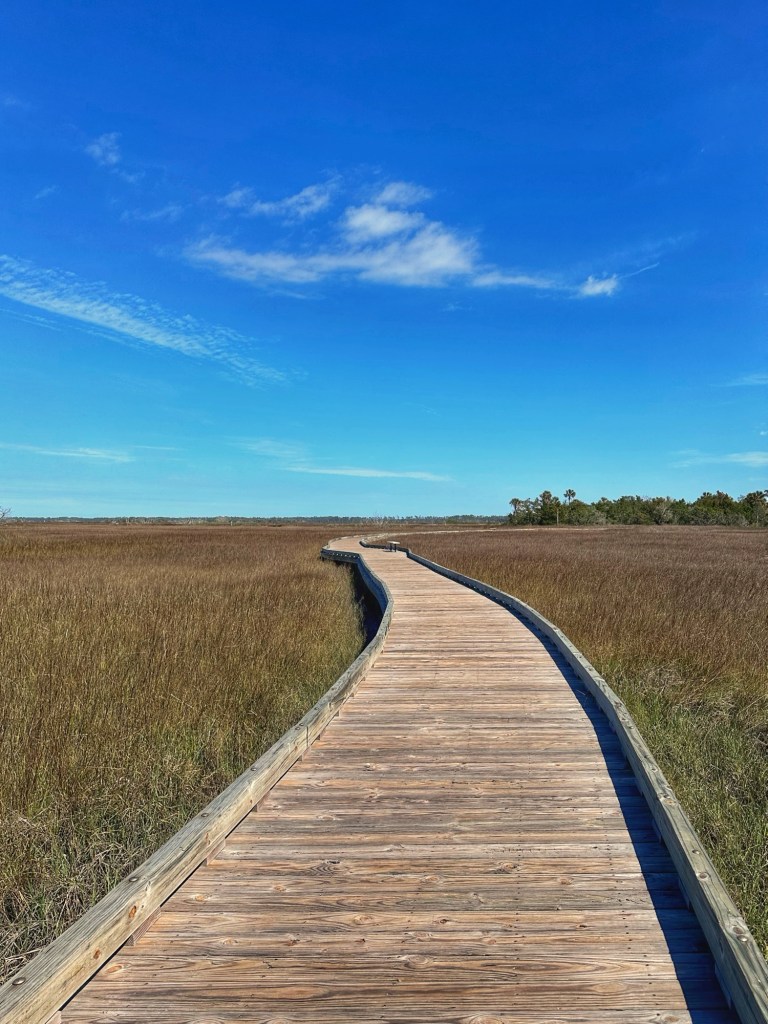
While walking and biking along a beautiful ocean beach is a great way to spend the day you have to change it up periodically. We searched the area and headed to the Tolomato River Boardwalk Preserve. The 1.7 mile(round trip) boardwalk is located just north of St. Augustine.
At the trailhead
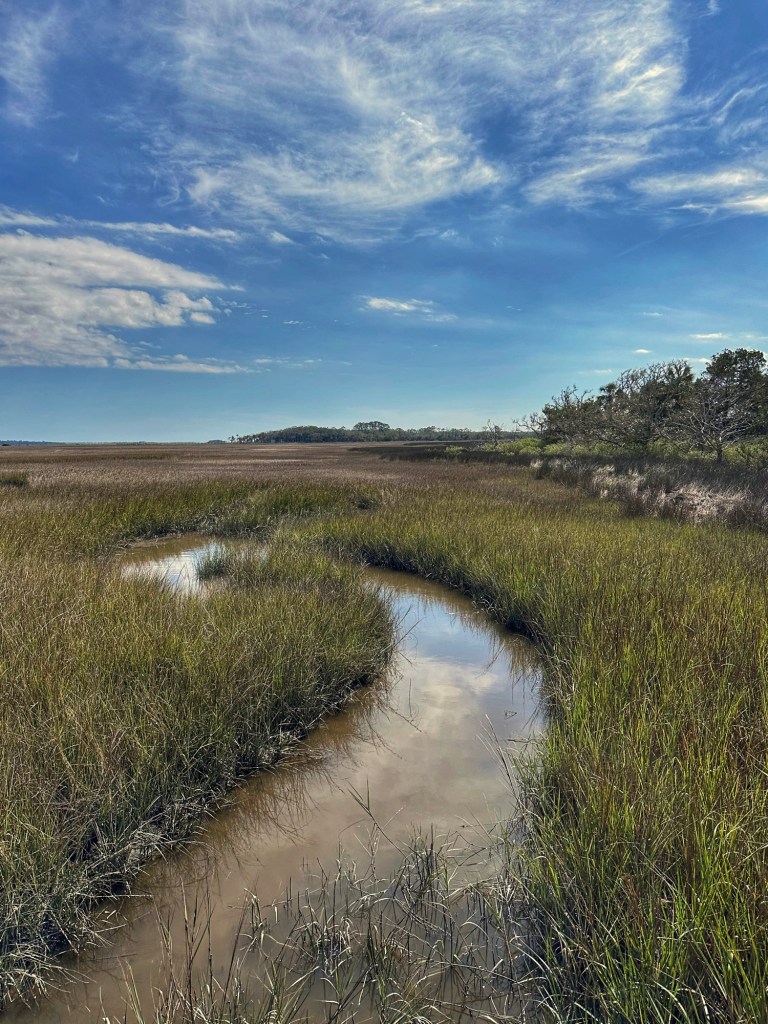
The boardwalk takes you through a large marsh of needle rushes to the Tolomato River.
One of the many tidal streams seen from the boardwalk
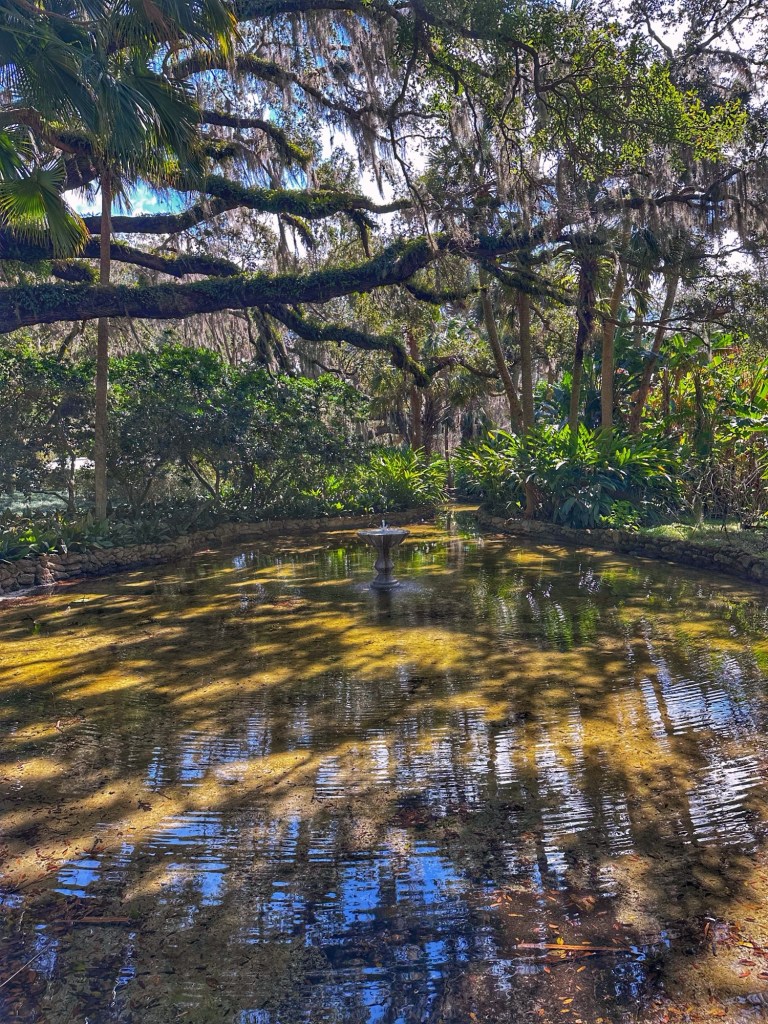
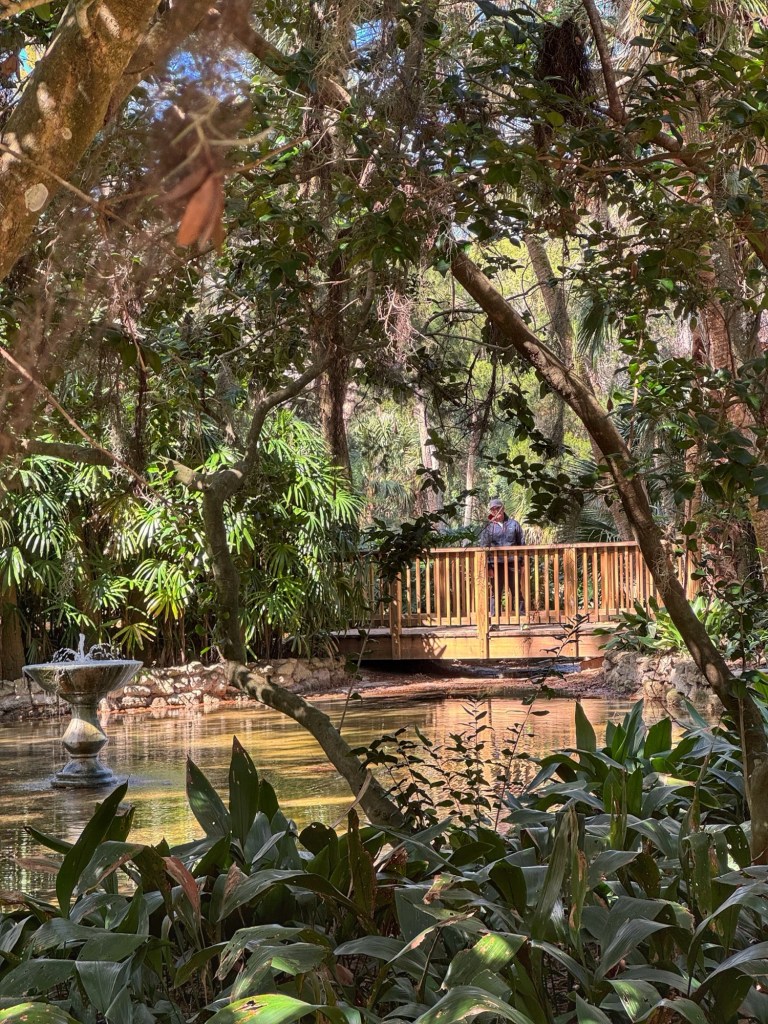
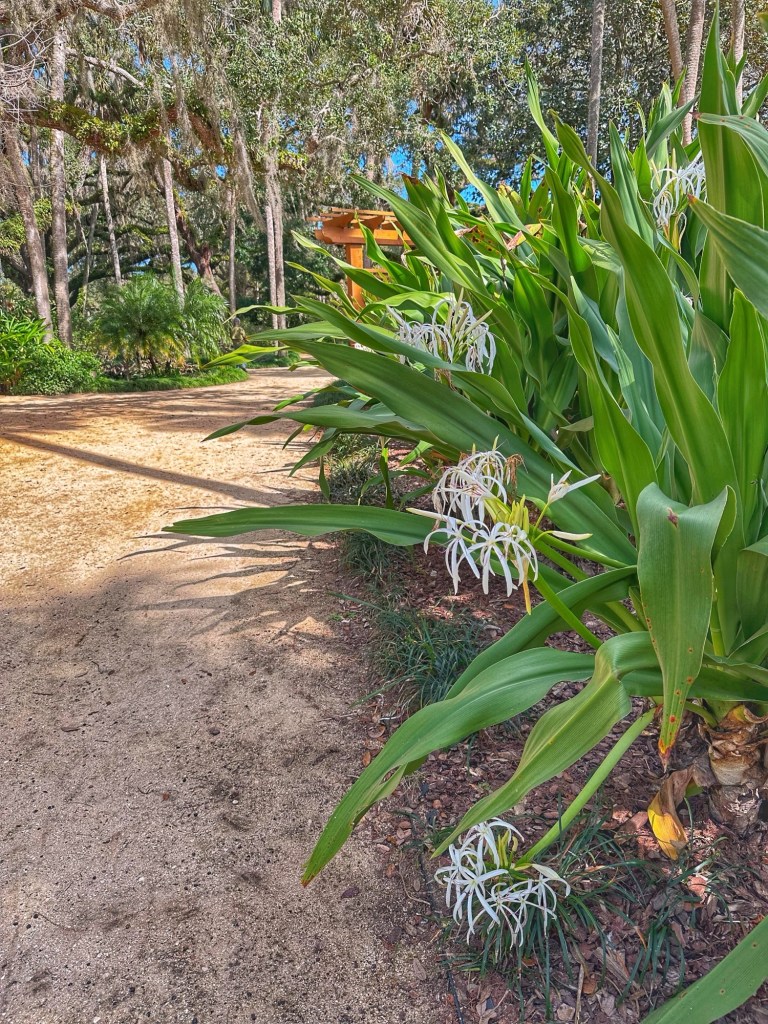
Gardens always attract our attention. A short drive south of our “camp” is Washington Oaks Gardens State Park. Owen D. Young (a founder of the RCA Corporation) purchased the property as a winter home in 1937 and it was later donated to the state by his wife Louise in 1964.
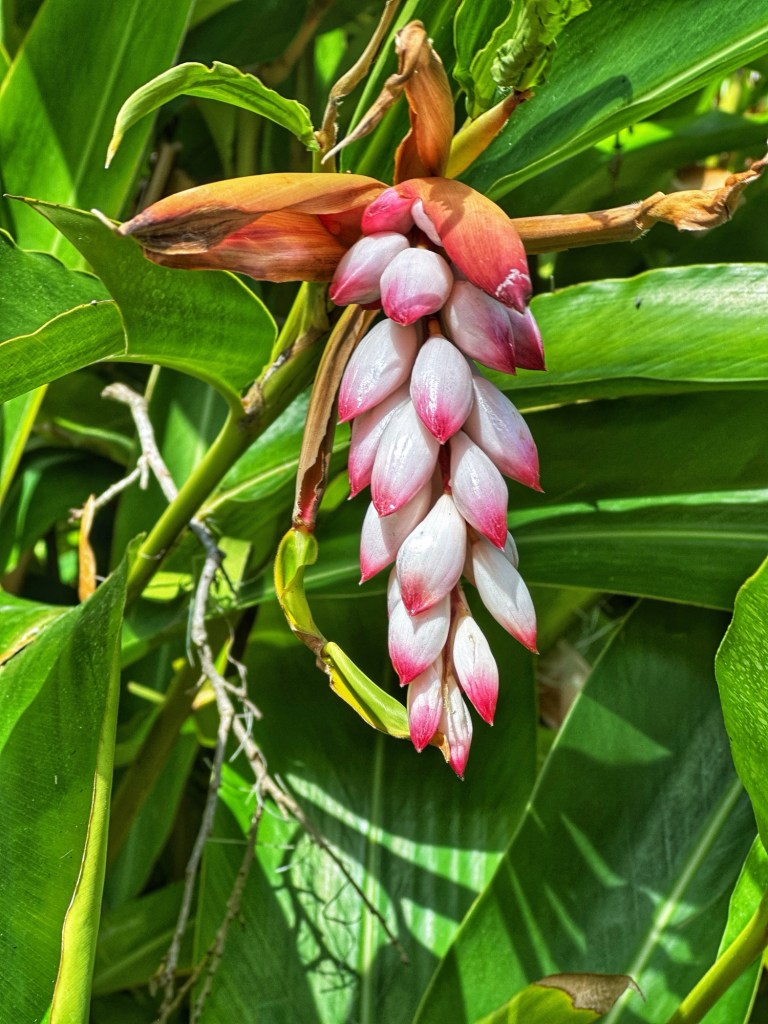
A number of ponds dot the formal gardens Spider Lilies along the garden paths Shell Ginger bloom
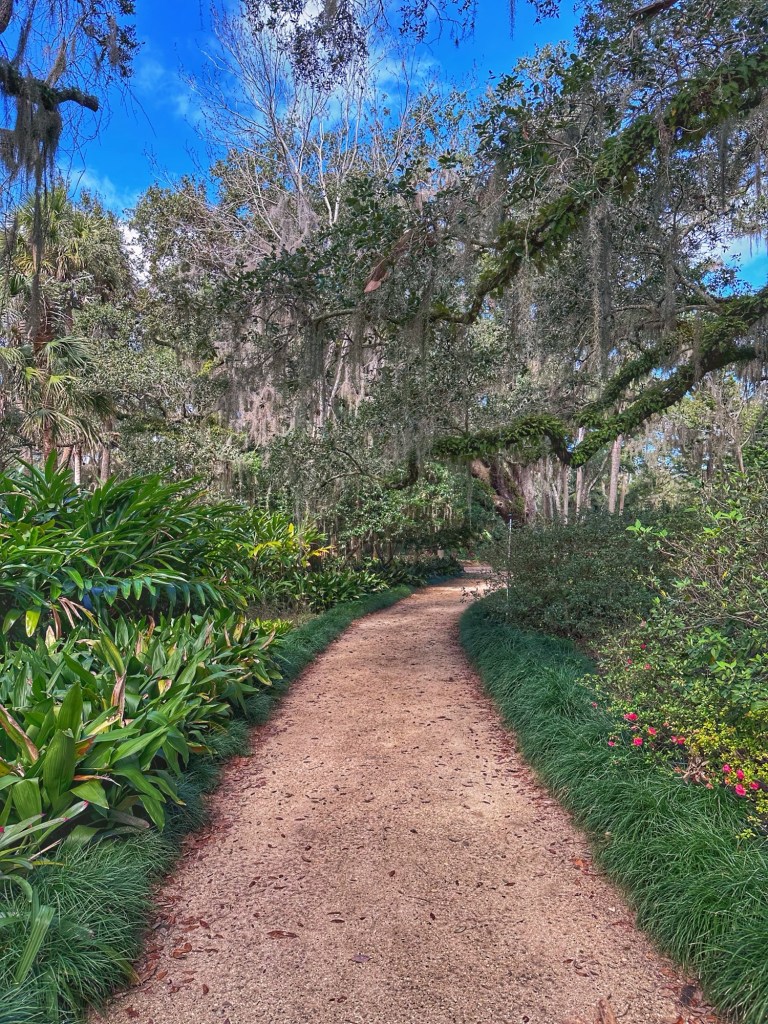
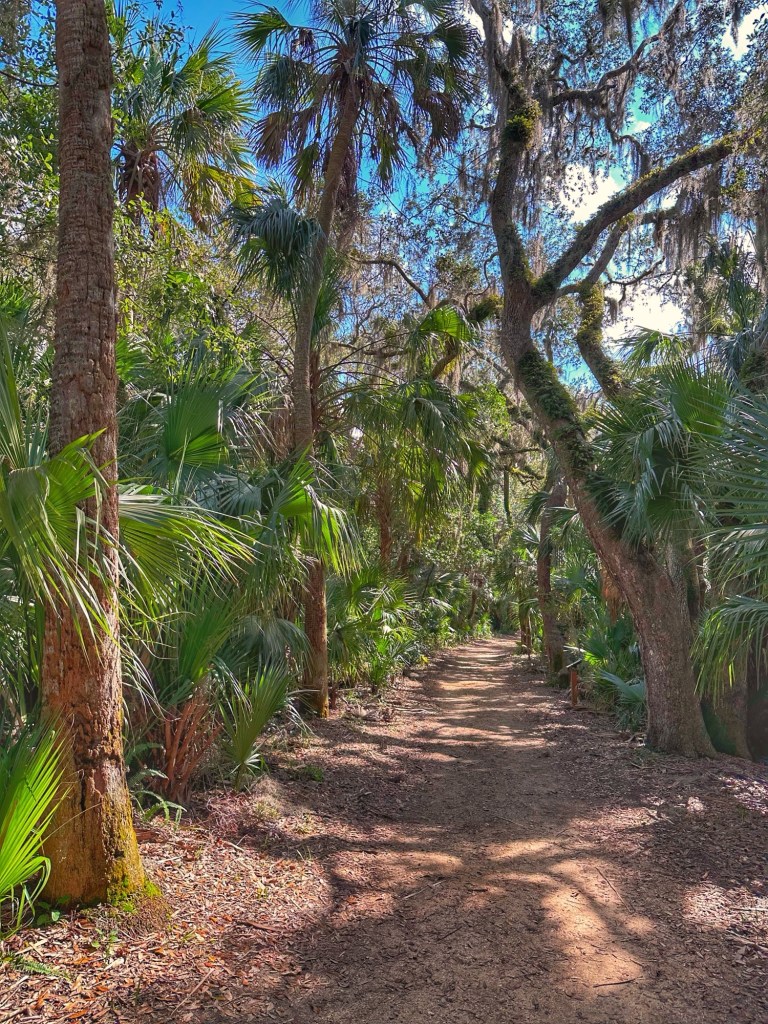
The gardens also have a number of hiking trails.
North of St. Augustine on a barrier island is the Guana Tolomato Matanzas National Estuarine Research Reserve which protects 76,000 acres of Florida’s northeast coast. The reserve offers hiking, biking and fishing opportunities.
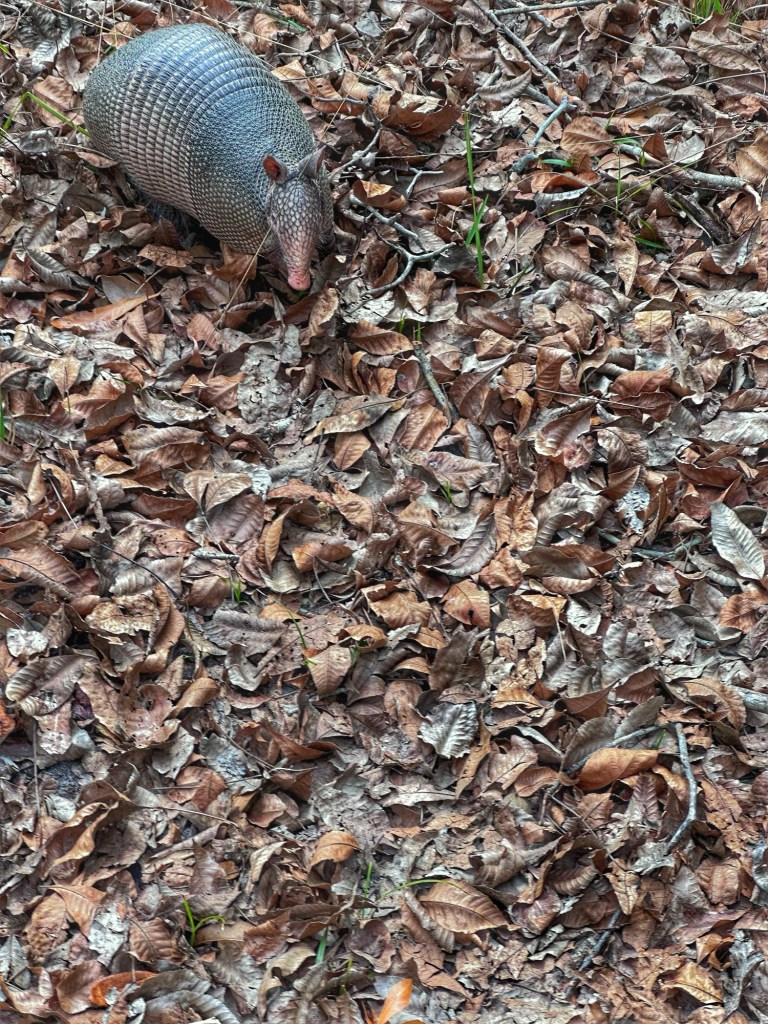
You never know who you’ll meet along the trail.
Nine Banded Armadillo
The bike trails take you to the convergence of the Guana, Tolomato and Matanzas Rivers where we saw a pod of dolphins.
No dolphin pictures, just Shelly
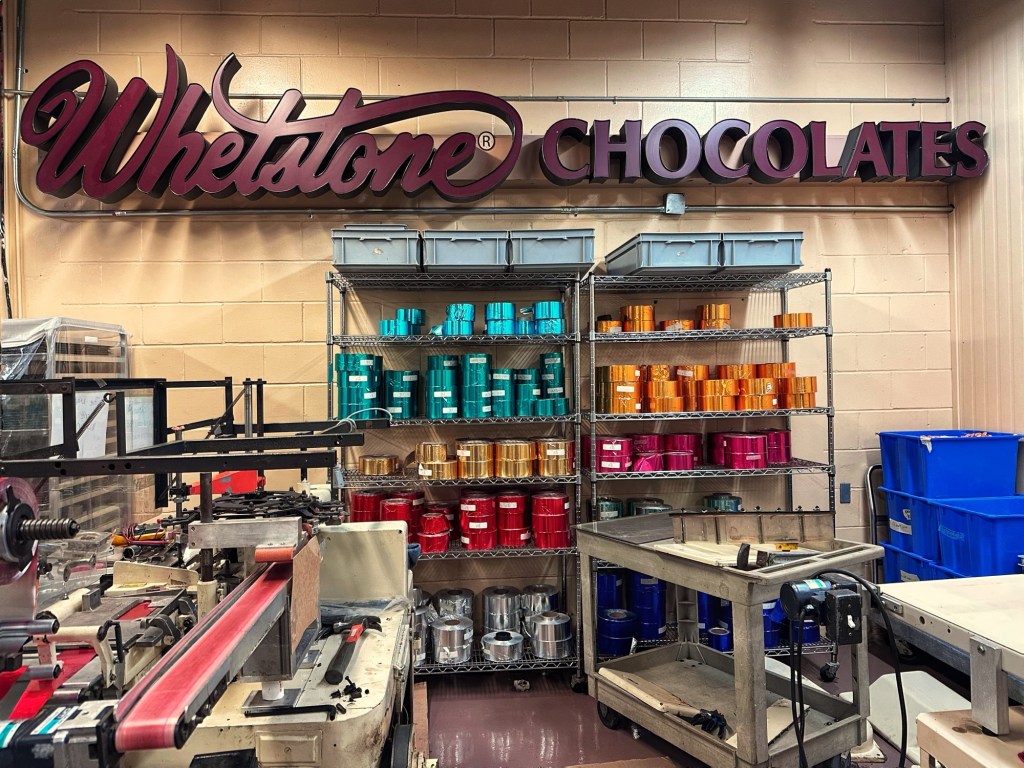
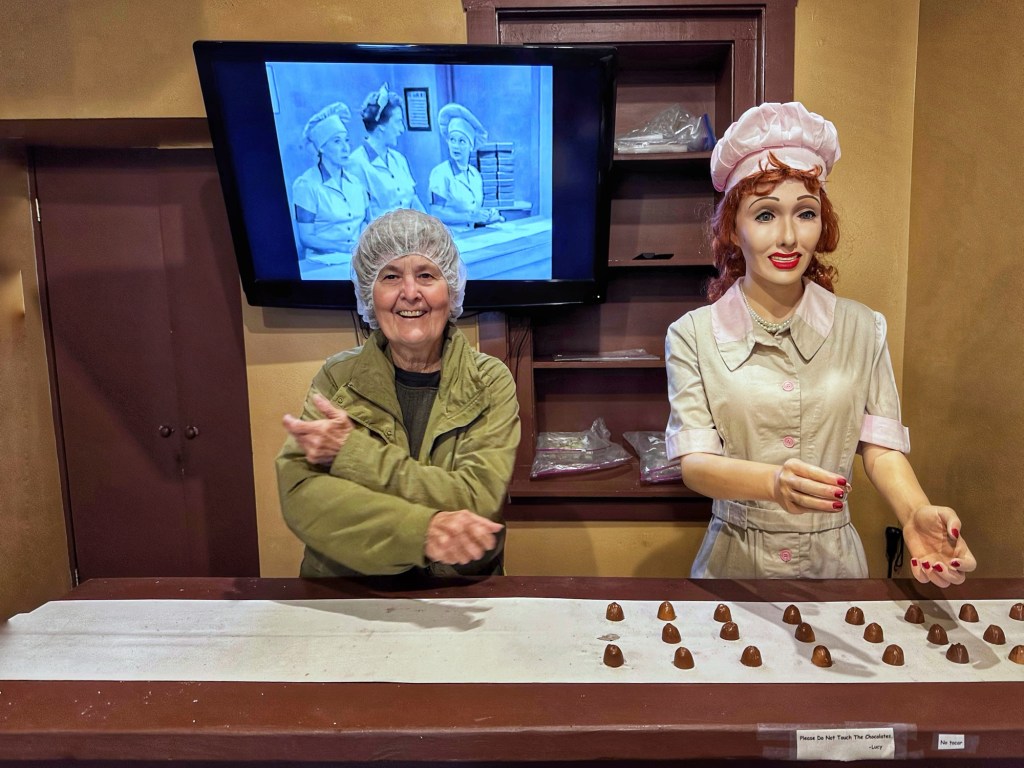
On one of the many cold wet days this month we drove to St. Augustine for a tour of our favorite local chocolatier.
While we spent a great deal of time at the beach our goal was to spend time with our extended families in Florida.
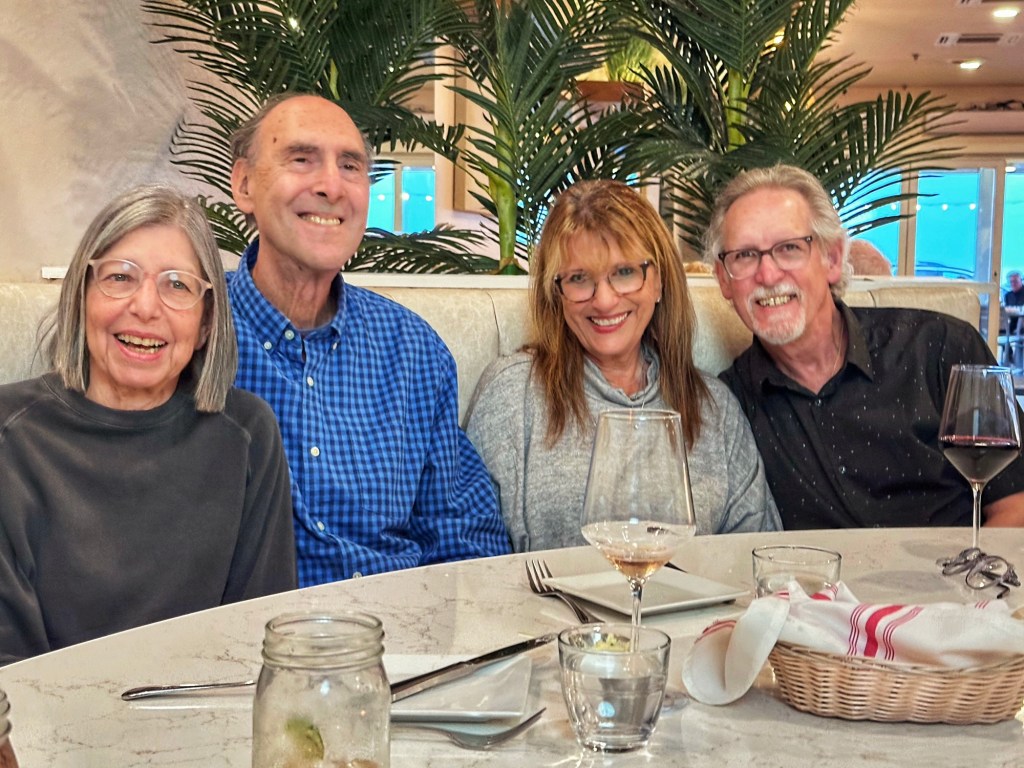
Shelly and his sisters Pat and two of her siblingsShelly with niece Nancy Beth Niece Amy and husband Duane Andrea, Jeff, Lindsay and SteveJeff, Pat, Shelly, Andrea and LennonEllen and Rory
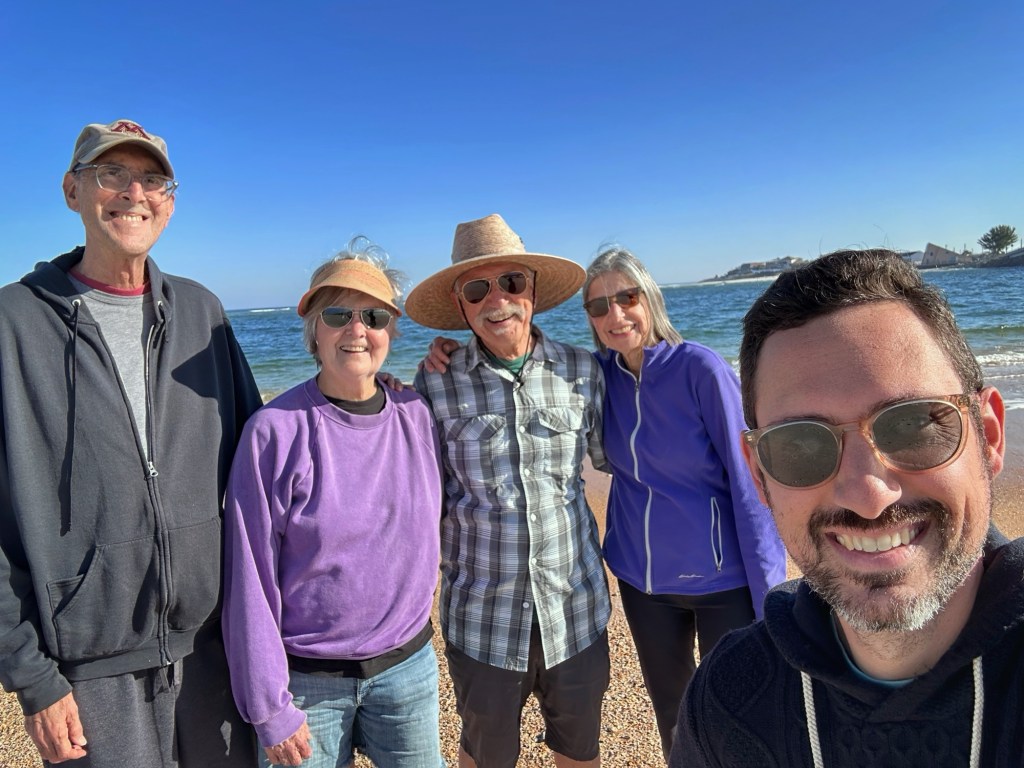
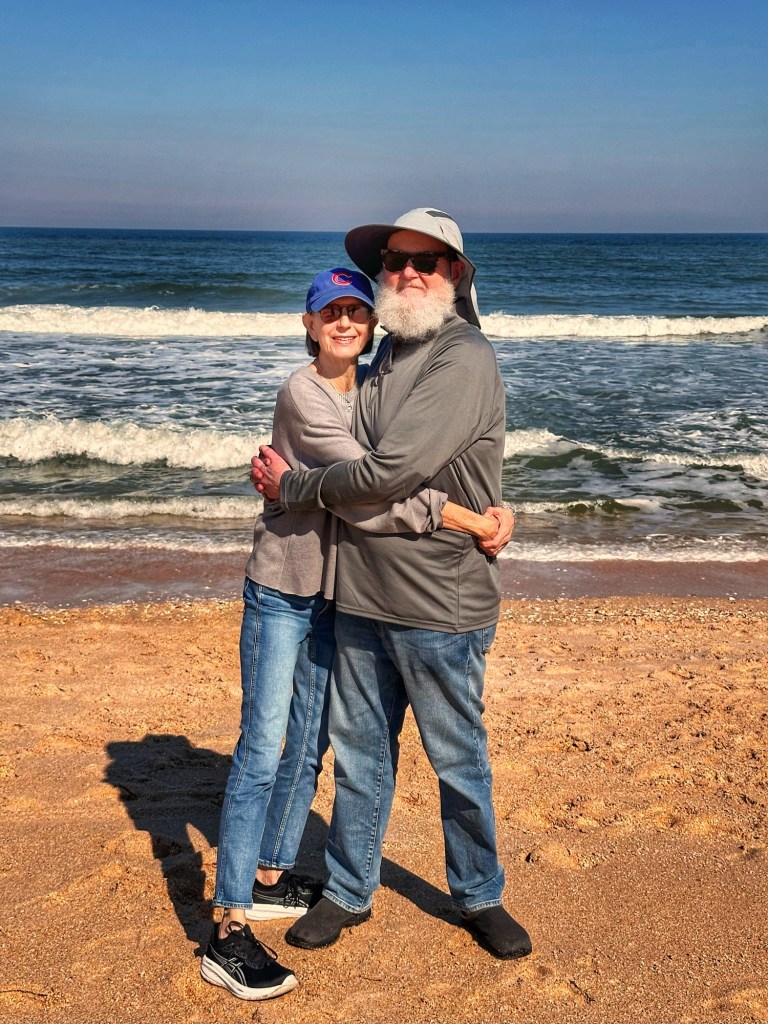
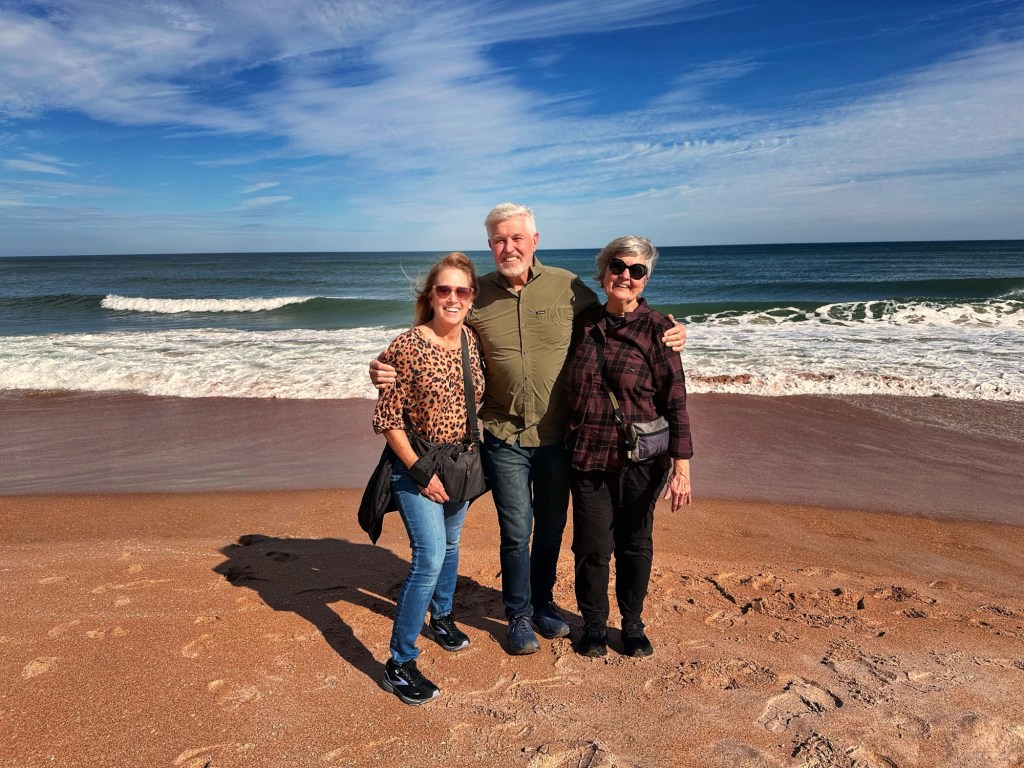
While we did a lot visiting we still found time to wander the beaches.
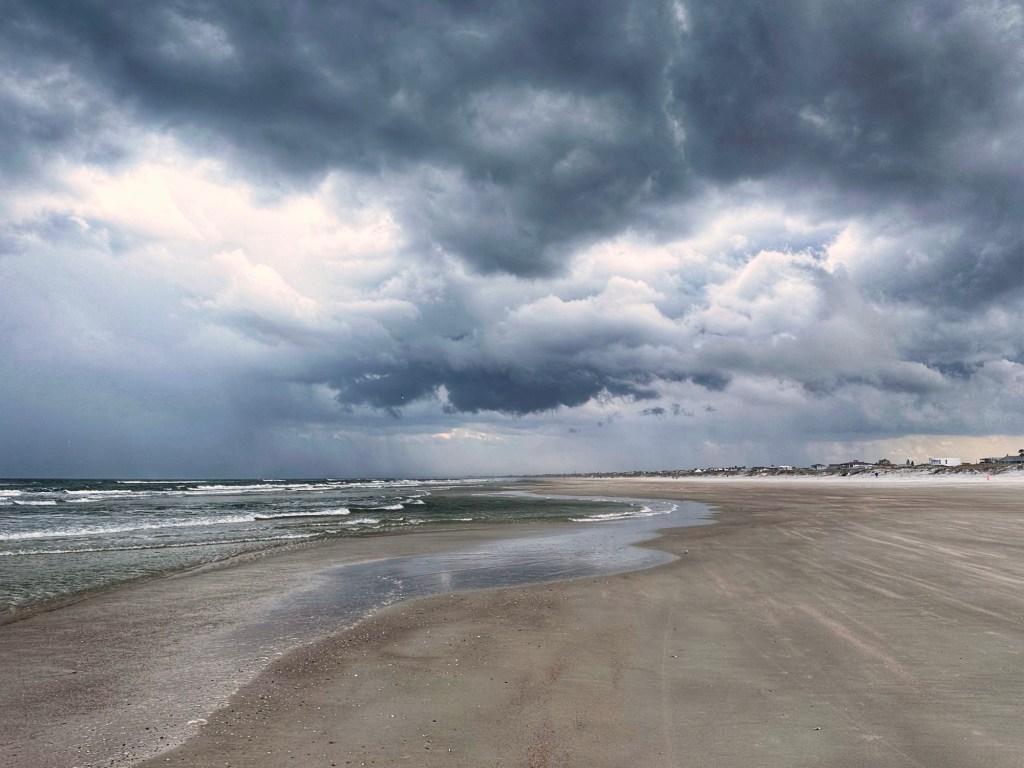
You can never tell who you’ll see at the beach A foggy morning walkStorms to the South
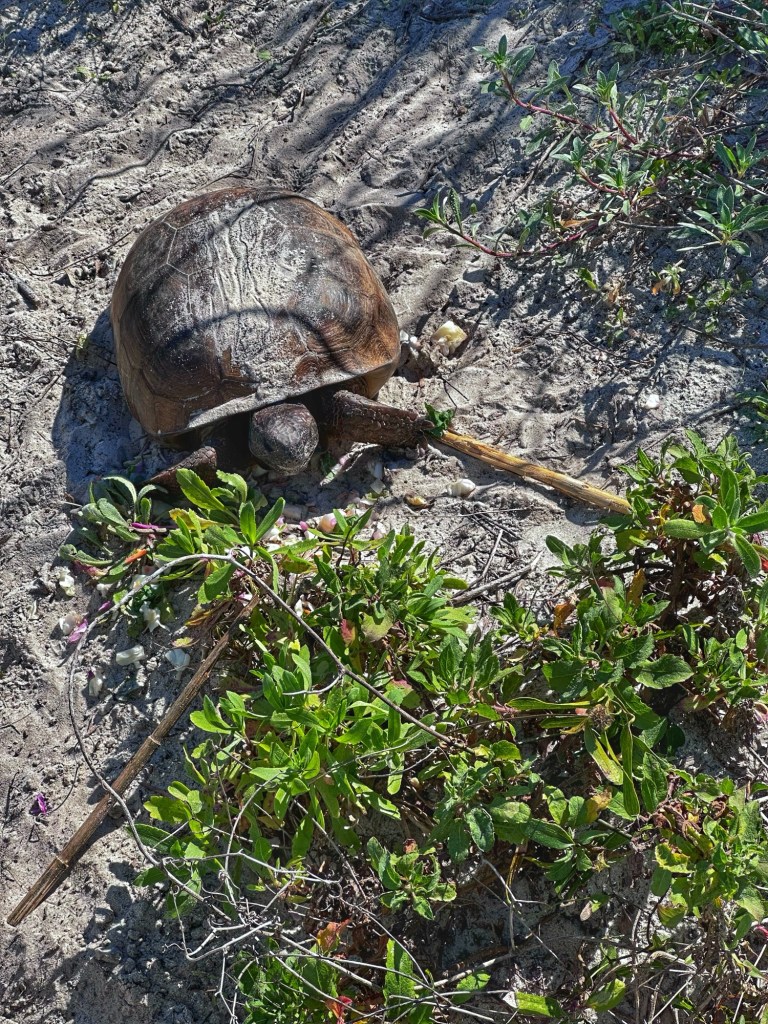
Our daily walk over the dunes to the beach gave us a chance to visit with the locals.
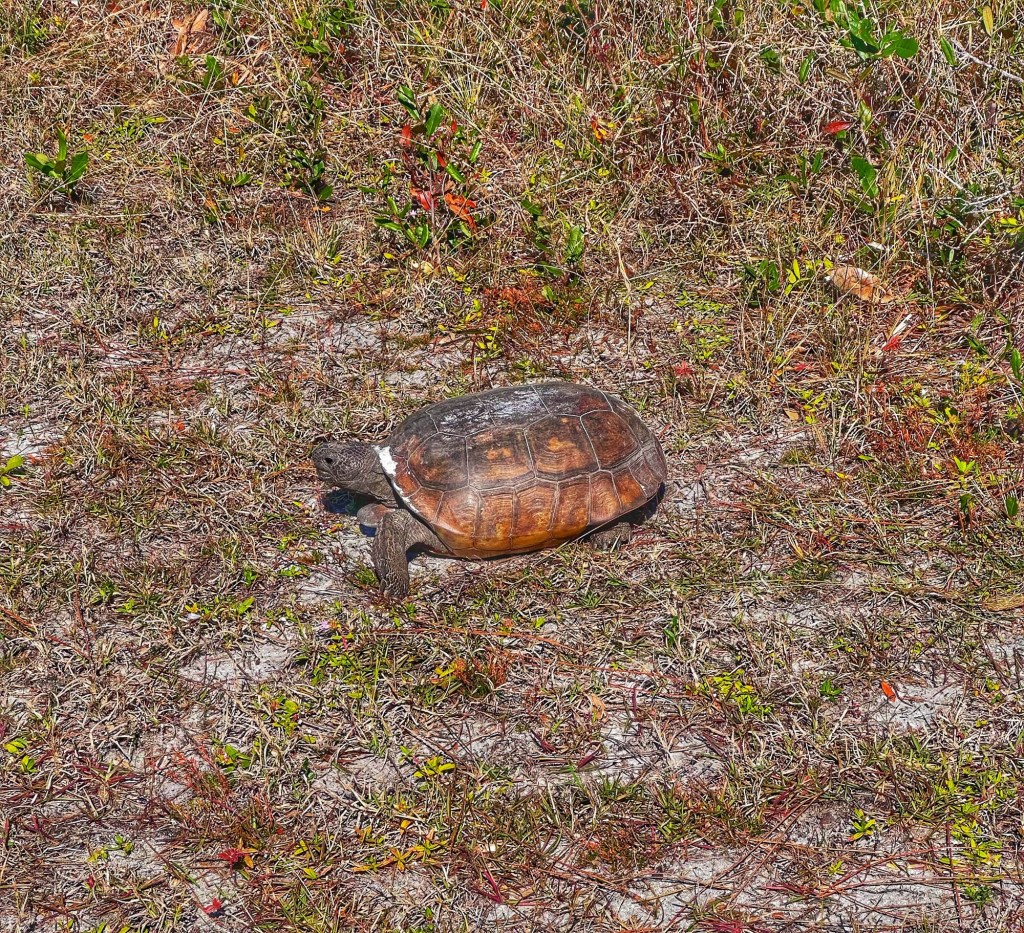
Gopher Tortoise
We’ve enjoyed our time in Florida catching up with family and friends. In spite of the allure of life at the beach we’ll be moving north into southern Georgia.
While Florida may not be our favorite destination we decided to begin our winter travels by visiting with our numerous relatives and friends that are scattered around the state.
We started out at one of our favorite Florida State Parks, Anastasia State Park.
Site 87
This St. Augustine park puts us about 30 minutes from Shelly’s sister Andrea and brother in-law Jeff.
Pat and Andrea
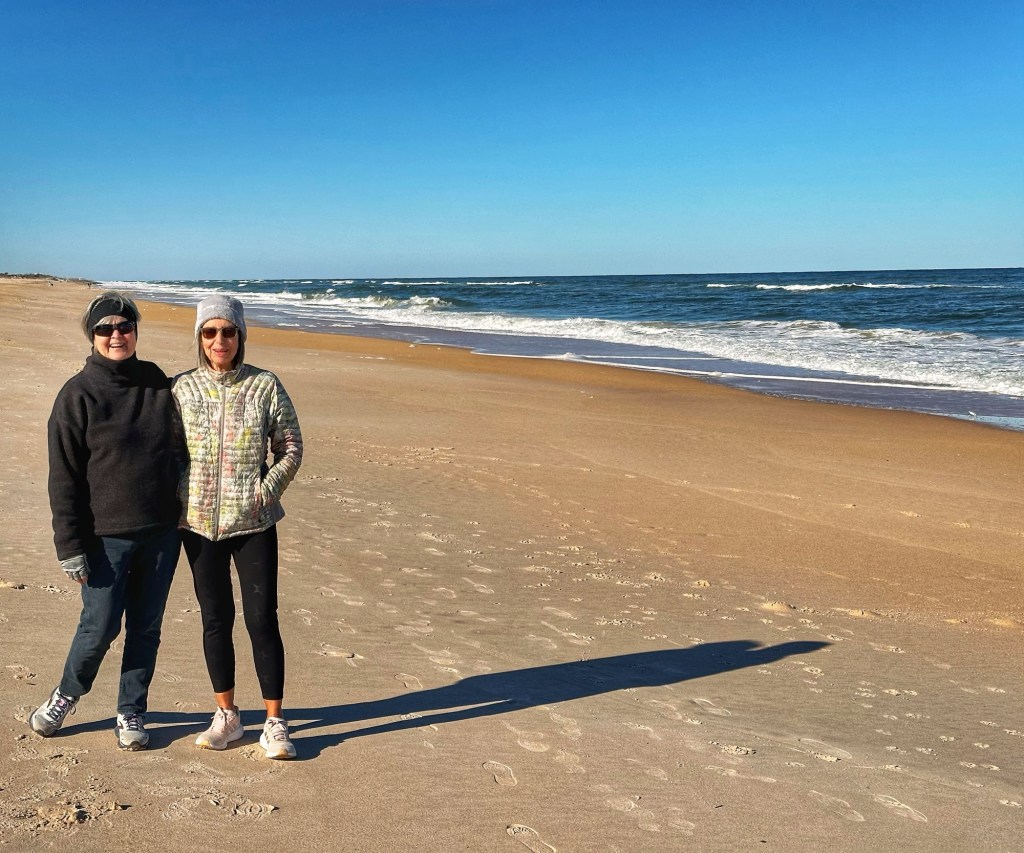
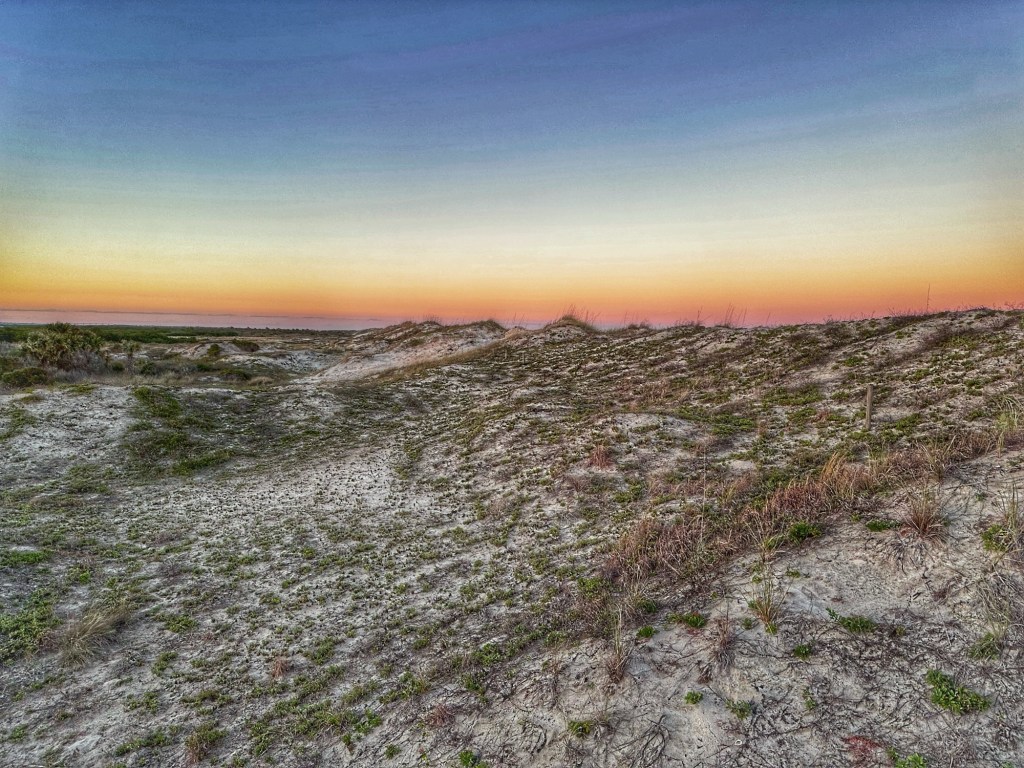
What we love about this park is the easy access to its undeveloped five mile shoreline. It’s a great beach for walking and at low tide bike riding.
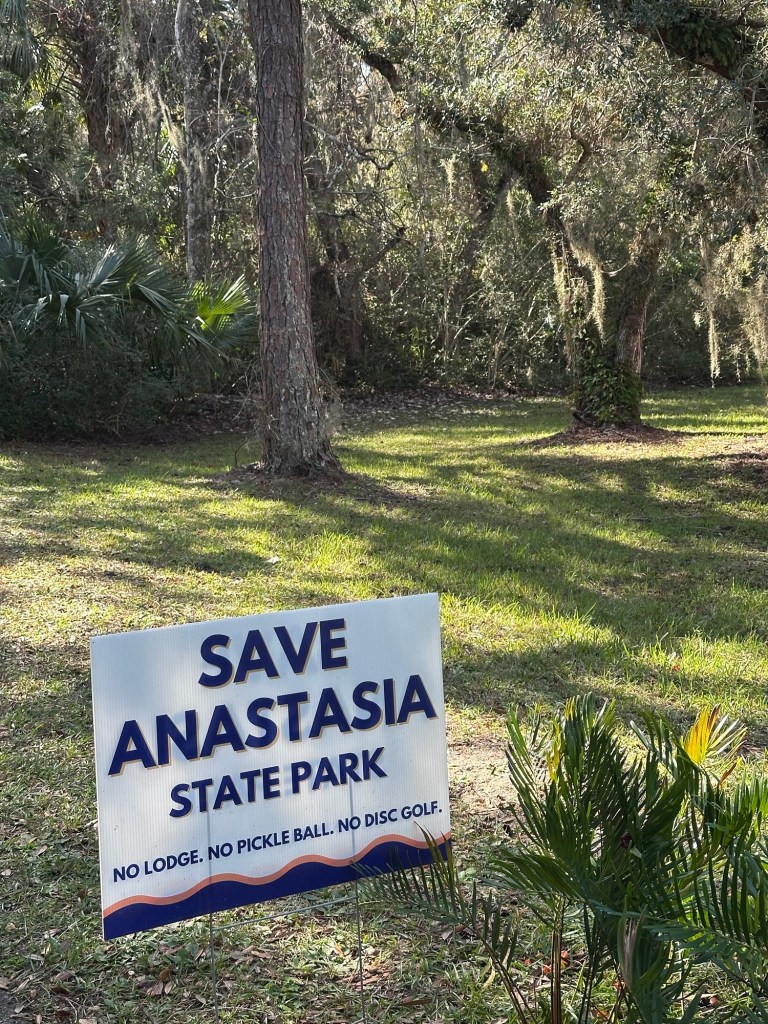
As beautiful as this stretch of undeveloped shoreline is, it has not been safe from development. Ron DiSantis, the governor, has proposed building a lodge, high rise condos and a golf course here. So far, local residents have rallied enough support to beat back this plan.
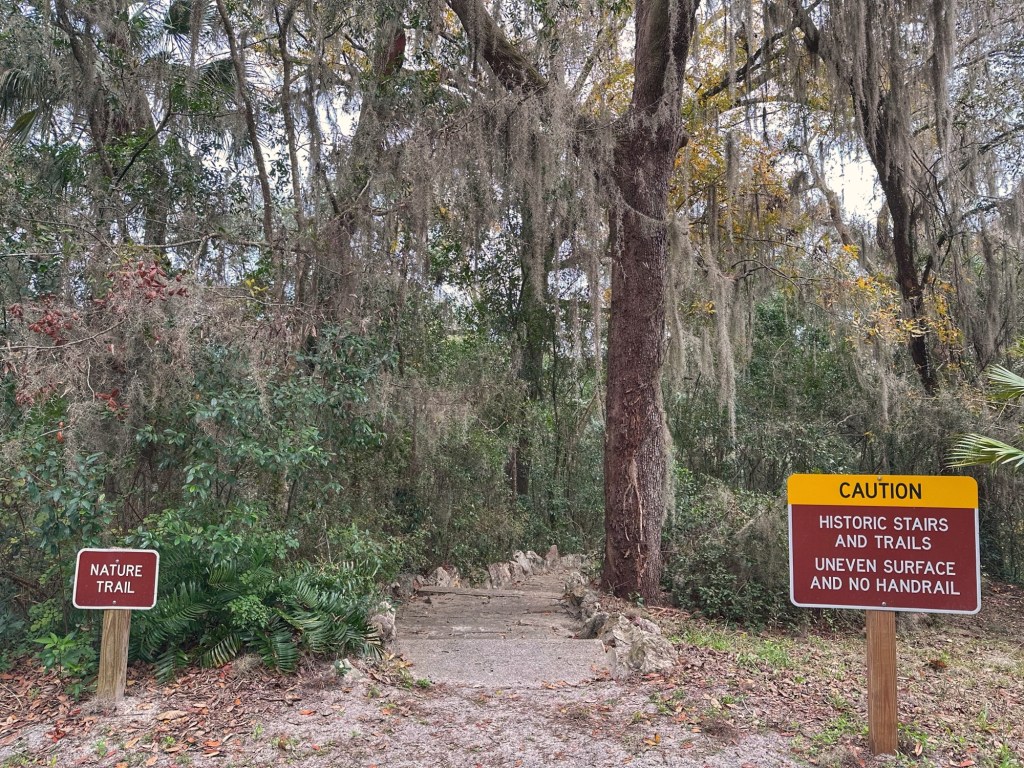
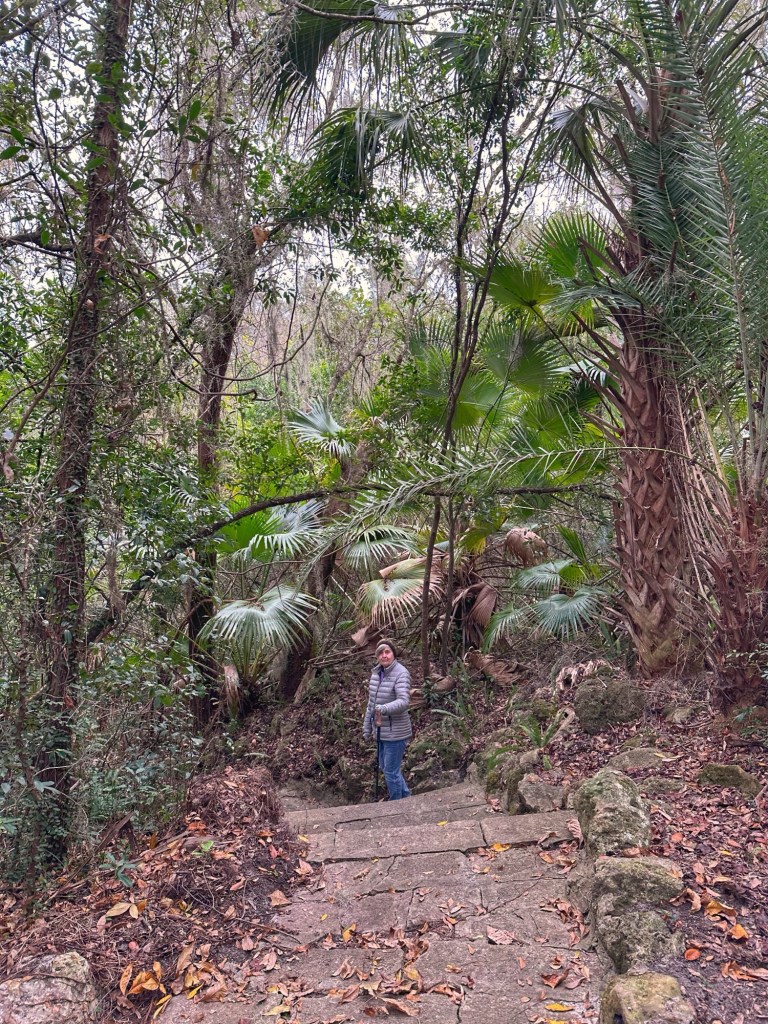
Florida weather in January can be iffy. This January it’s been colder than we remember from past visits. Biking and walking the beach have been a chilly affair. We decided to do a side trip Palatka and checkout the Ravine Gardens State Park.
This 152 acre park contains steelhead ravines surrounding a spring fed stream. Unlike ravines that are created by surface erosion, steelhead ravines are the result of seeping underground water which undercuts the sandy slopes and causing them to collapse.
In 1933 the city of Palatka decided to turn the ravines into a formal garden. The Works Progress Administration (WPA) got to work transforming the ravines into formal gardens.
The slopes of the ravines were heavy planted with over 40,000 azalea plants and two suspension bridges were built for viewing the plantings.
The city of St. Augustine has an interesting history and is always a fun place to wander. We started our wandering in the historically black neighborhood of Lincolnville.
The Lincolnville Museum & Cultural Center
The museum focuses on the vibrant African American community that thrived in St. Augustine. Definitely worth a visit if you find yourself in St. Augustine. (They don’t allow photography in the museum.)
Flagler College
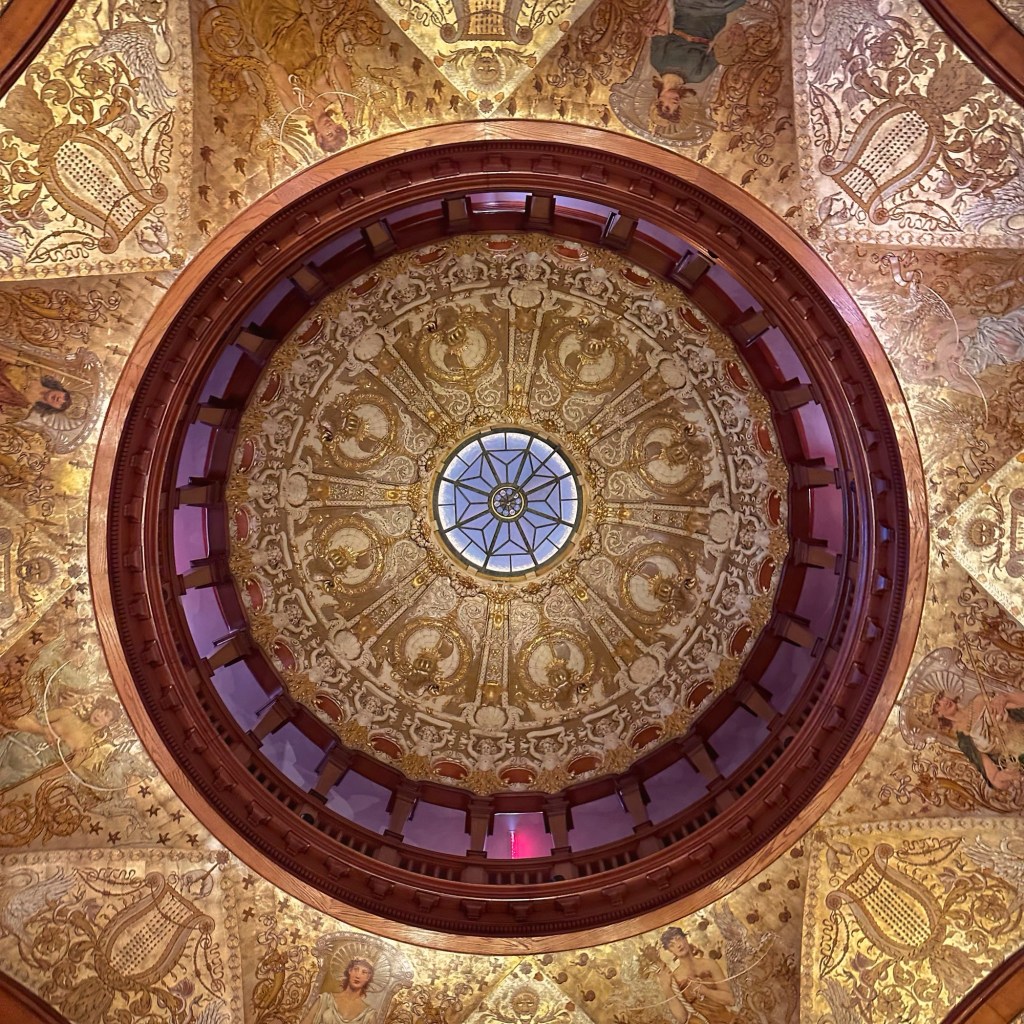
The centerpiece of the college is the former luxury hotel Ponce de Leon. The hotel was built in 1888 by railroad magnate Henry Flagler and is now listed as a National Historic Landmark.
Entryway dome at Flagler College
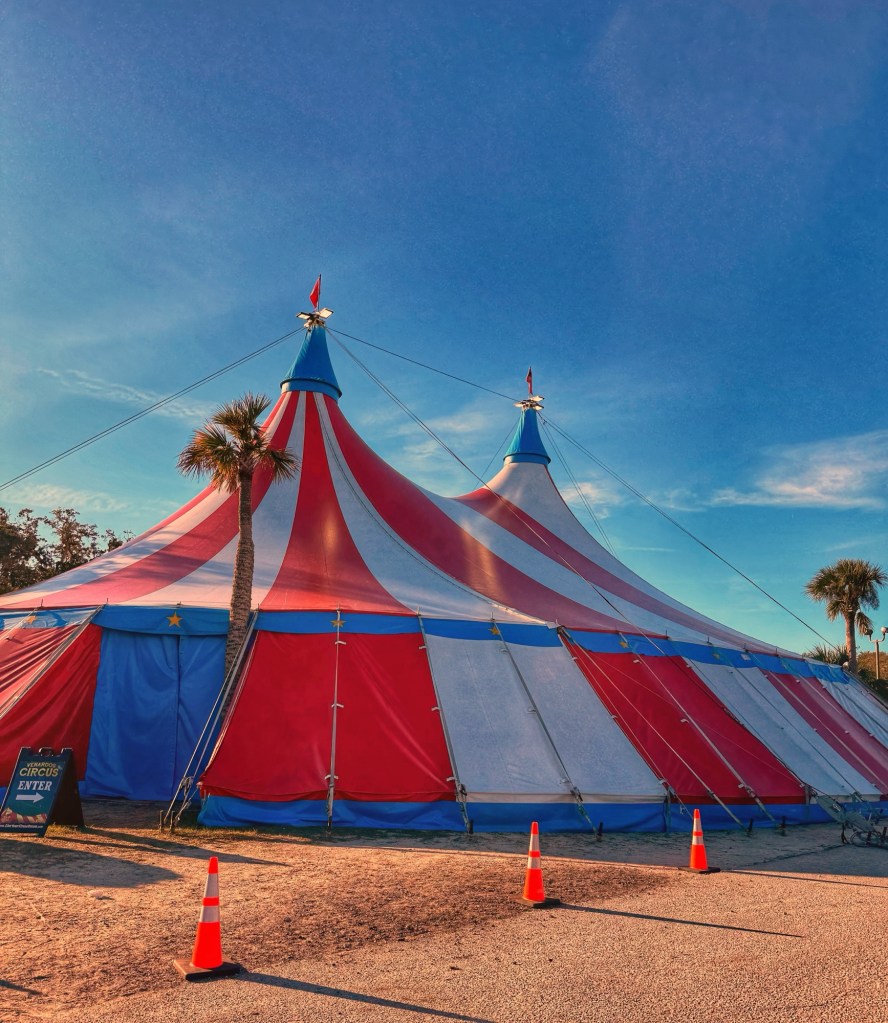
Adjacent to the state park is the St. Augustine Amphitheater. The parking lot of the amphitheater hosts a popular Saturday Farmer’s Market. Whenever we are camping we check the market out. During this visit we were greeted with a large red, white and blue striped tent.
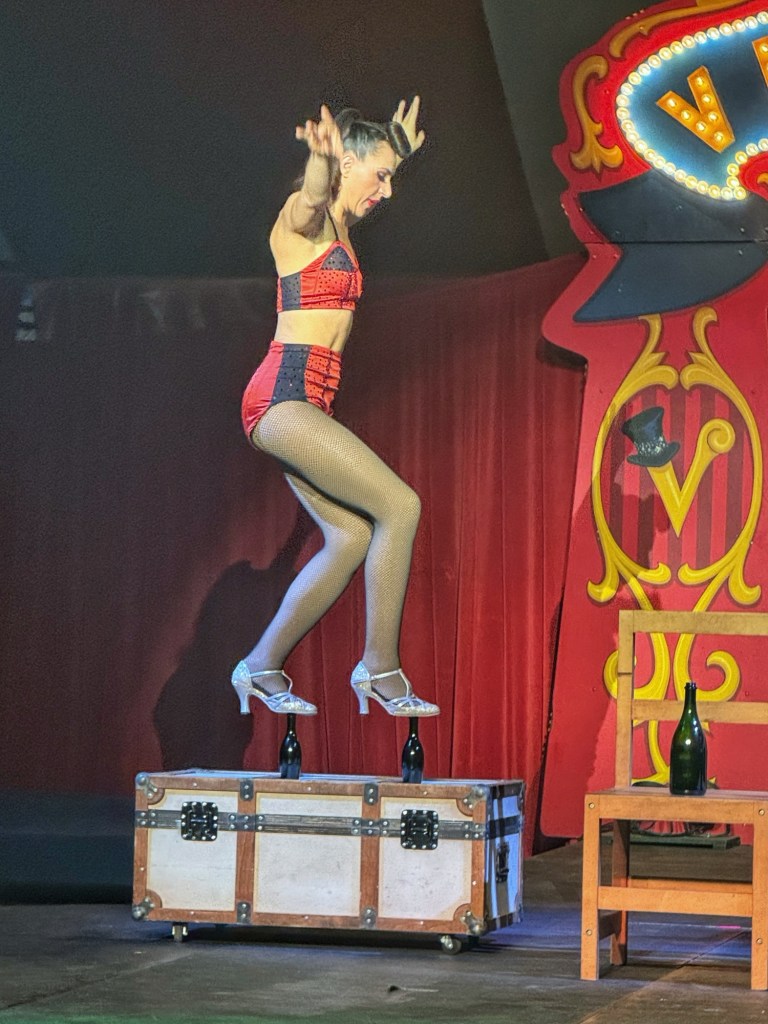
It turned out that a circus was in town. We love the circus and snagged a couple of seats for their final performance.
We enjoyed all the performers; the clown, the juggling, the Ring Master, acrobatics and feats of strength, but “Lady Beast” had a unique act that got our attention.
Camping at Anastasia State Park is always a pleasure but we were ready to continue south on the Florida peninsula.
We moved to Wickham Park in Melbourne Florida. This was just a place holder for us while we went to visit our friends Bill and Sandy in Vero Beach.
From Melbourne we travelled further south to Jupiter and Johnathan Dickinson State Park.
Site 99RC
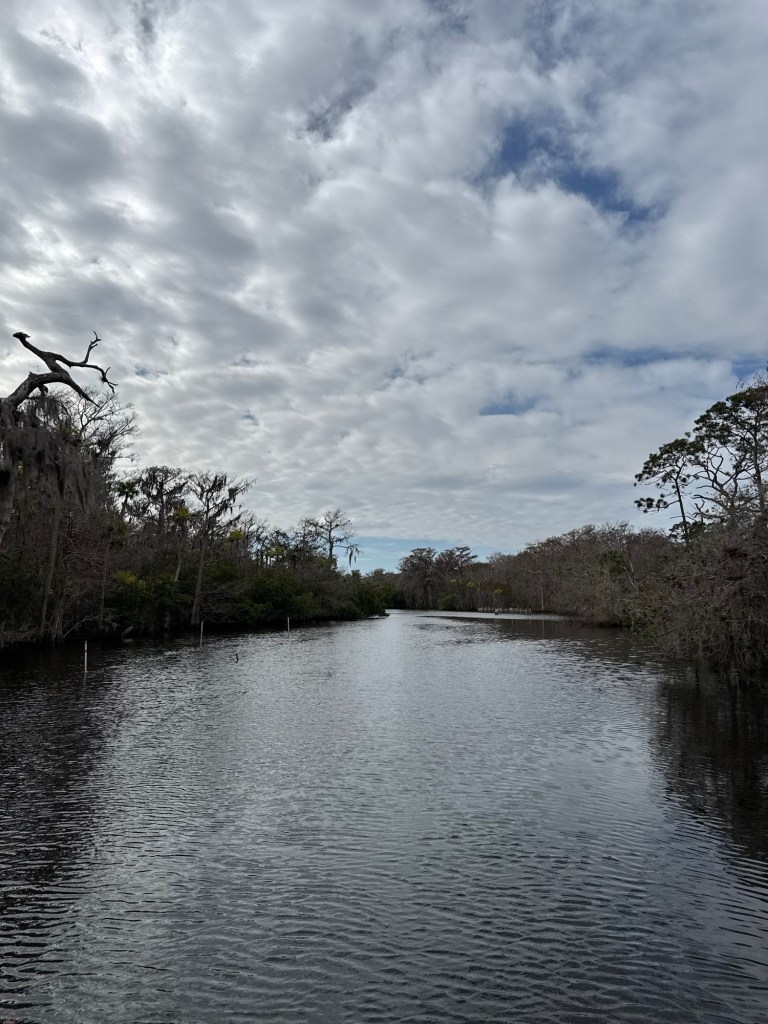
Johnathan Dickinson is Florida’s largest state park in Southeast Florida. The park offers a variety of activities from hiking, biking or paddling along the Loxahatchee River which runs through the park.
We shared the trails with some of the local residents.
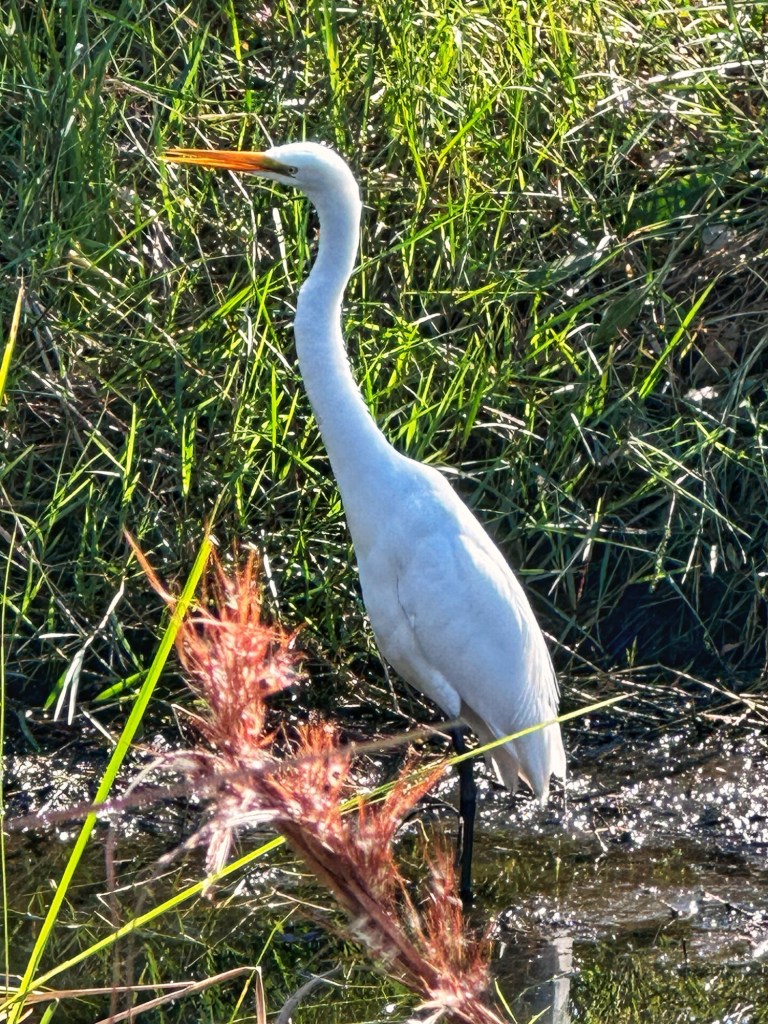
Gopher Tortoise Great Egret
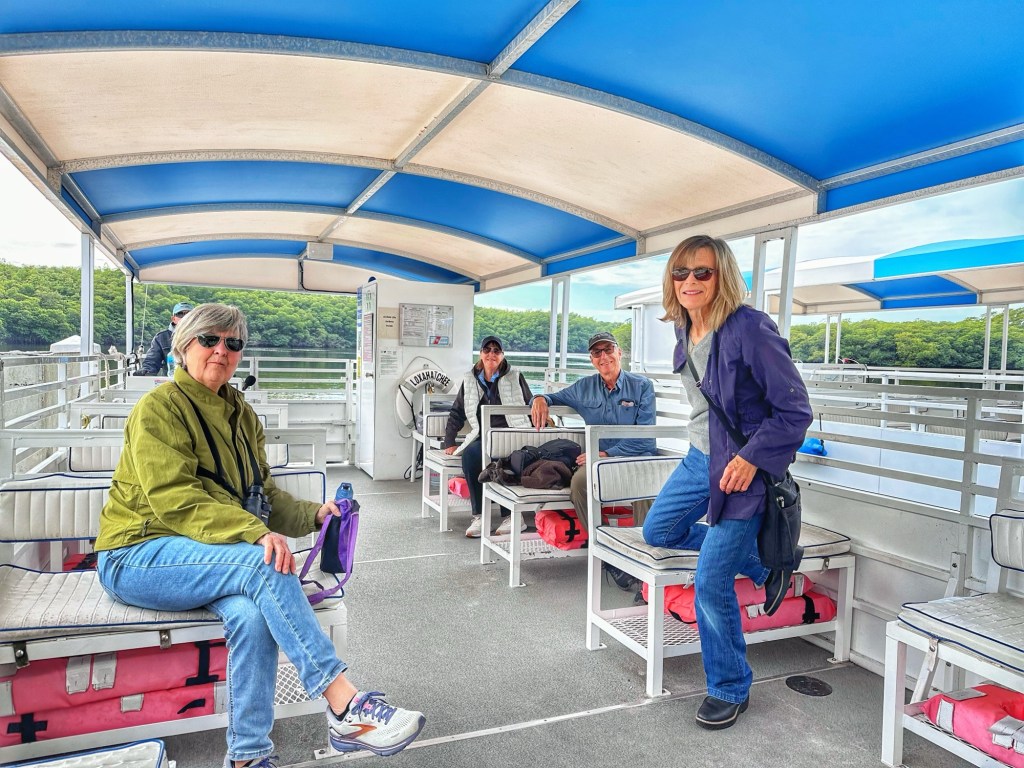
One of Pat’s high school friends, Lynne, lives in Jupiter and stopped by to spend the day. In addition, Bill and Sandy brought ther camper to the park to spend a few days. We booked a boat tour of the Loxahatchee River. The weather was cold and windy so we had the boat to ourselves.
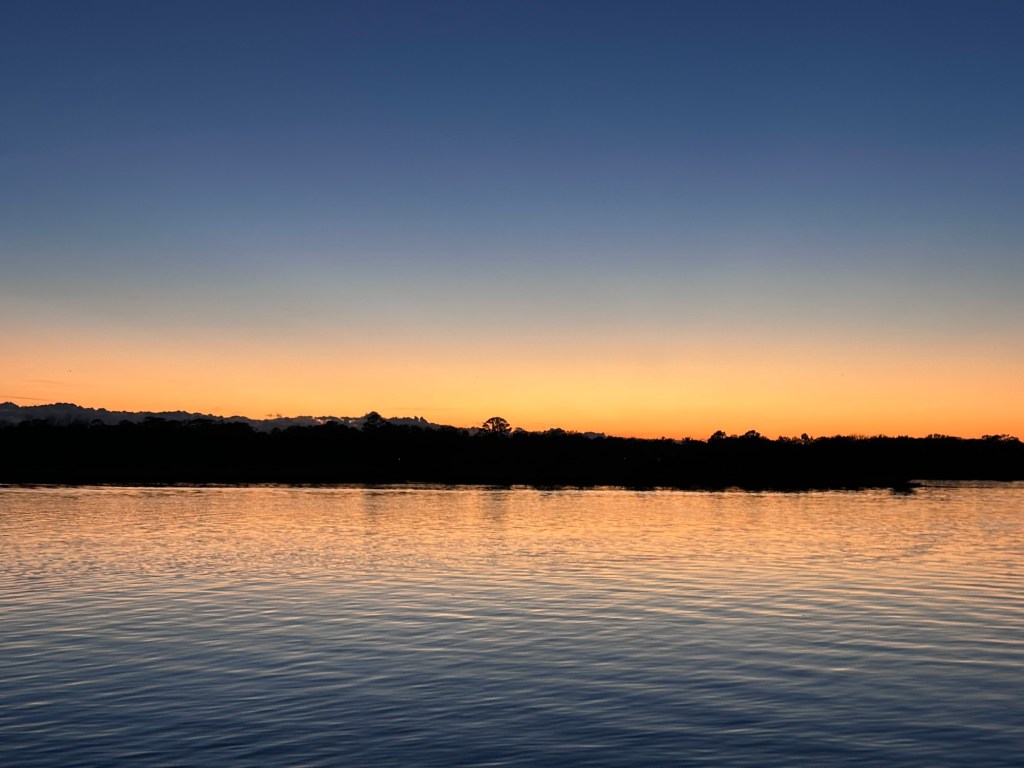
The Loxahatchee River at dusk
We left Jupiter and headed north toward Ormond Beach and Tomoka River State Park hoping for warmer weather.
Site 37
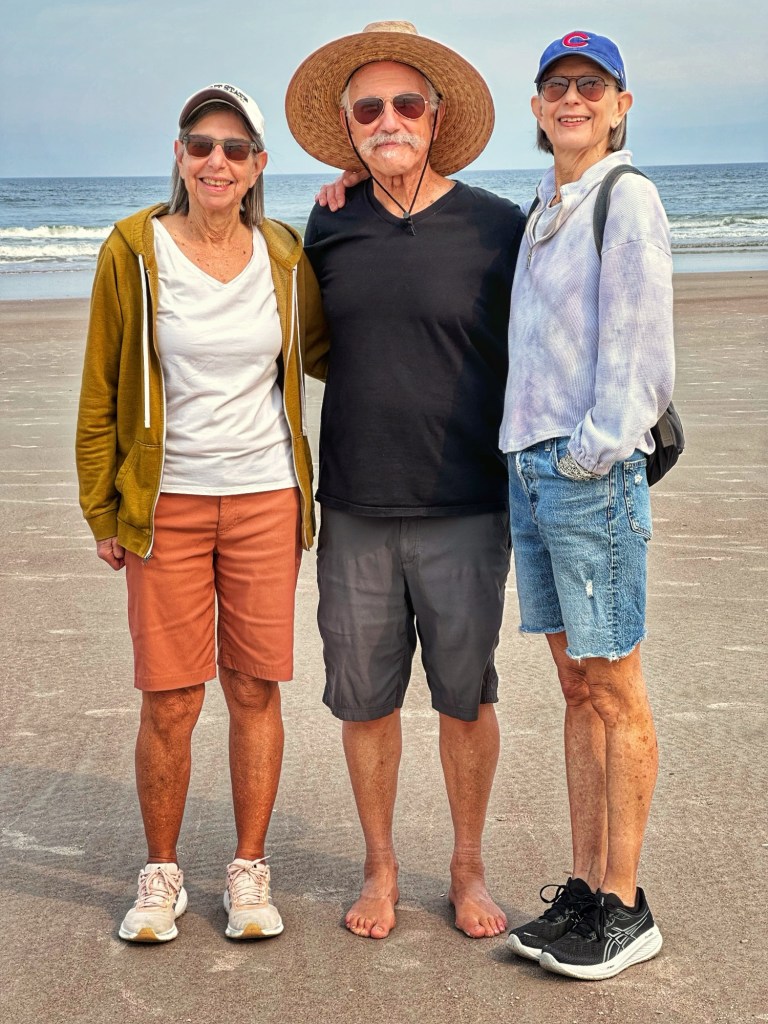
We lucked out with the weather during a beach visit with Pat’s brother Mike and his wife Donna.
Unfortunately, that warm weather was short lived, replaced with colder temperatures and rain. In between rain showers we managed to get out on our bikes and do some hiking.
Tomoka Point
Tomoka Point was the location of the Timucua Indian village of Nocoroco. It was the first Indian Village south of St Augustine encountered by the Spanish in 1605. At the time of European contact the Timucua population in Florida was in the tens of thousands. By 1698 exposure to European diseases reduced those numbers to less than 1000. The last known Timucuan died in 1767.
Sable PalmThe Tamoka River at sunset
While the weather wasn’t great we enjoyed our time in the park. We then headed to the Gainesville area, a place we’ve never visited. We booked a spot at a private park, Santa Fe River Palms RV Resort. Private parks aren’t our first choice but this one was conveniently located.
Site 214
The weather in Gainesville did not cooperate during our stay. We needed to disconnect our water for three consecutive nights to avoid damaging our water lines. One morning we awoke to 25 degrees~not the weather we had hoped for. The cold temperatures had us searching for some interesting indoor activities.
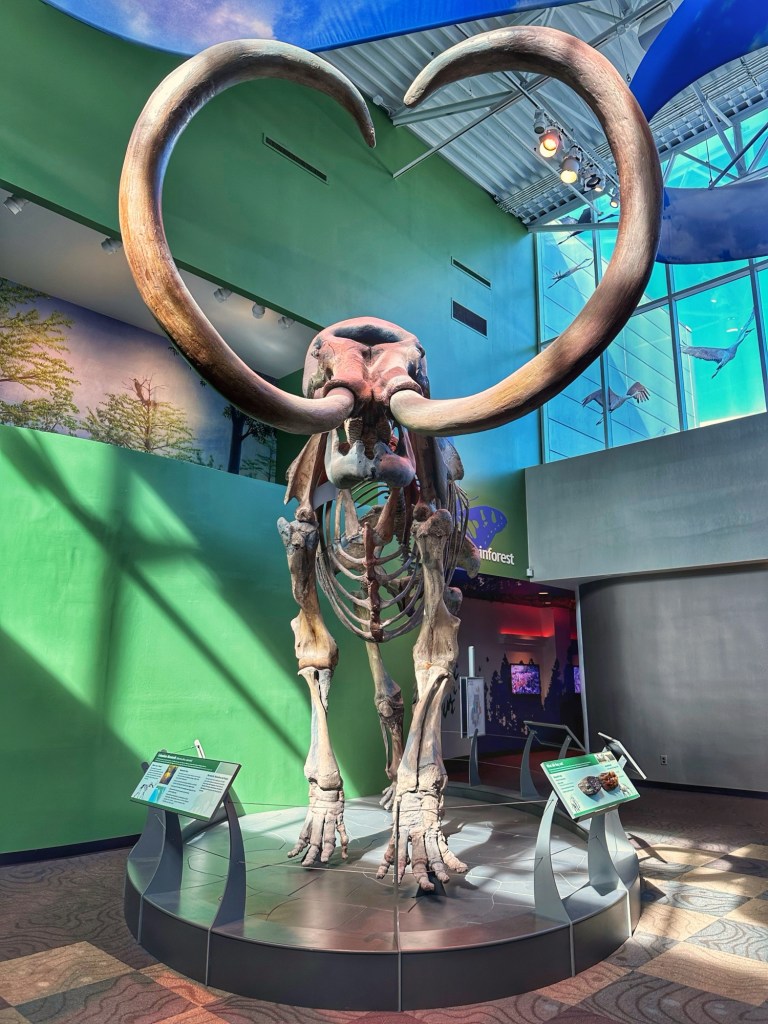
Columbian Mammoth
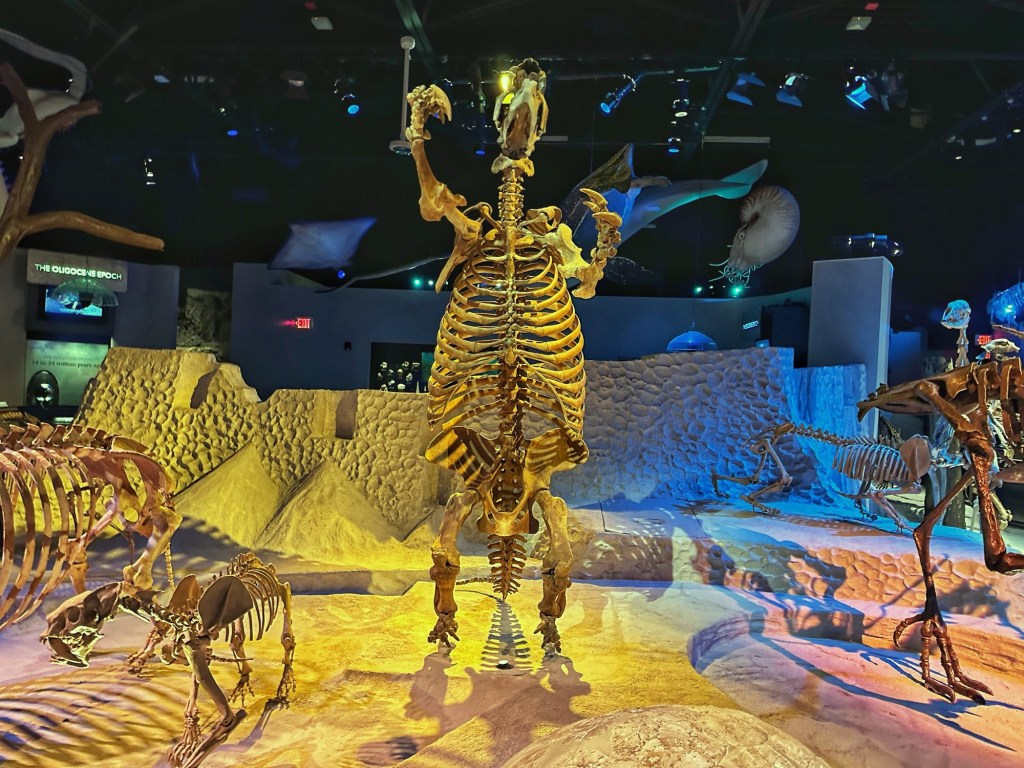
The Florida Museum of Natural History is located on the campus of the University of Florida and has an extensive collection of mammalian fossils. The above Mammoth skeleton was uncovered in the Florida panhandle and dates back 10-12,000 years.
Giant Sloth
Interestingly no land dinosaur bones can be found in Florida. Why? During the time of Dinosaurs, 65 million years ago, Florida was under water.
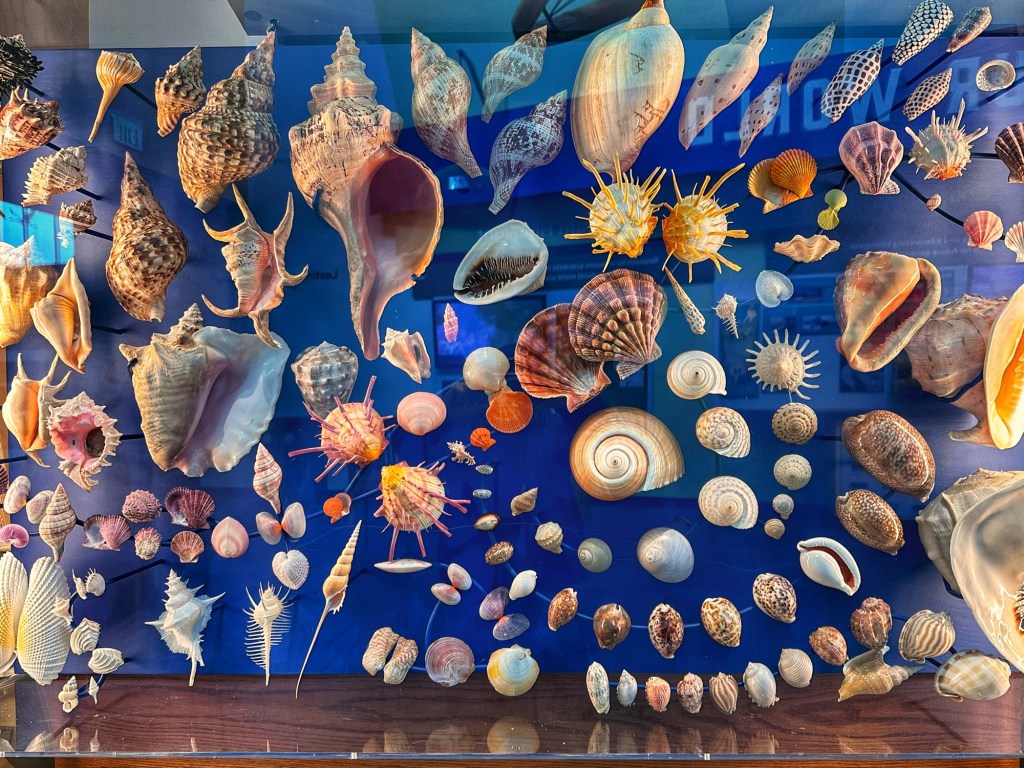
Part of the museum’s Florida shell collection
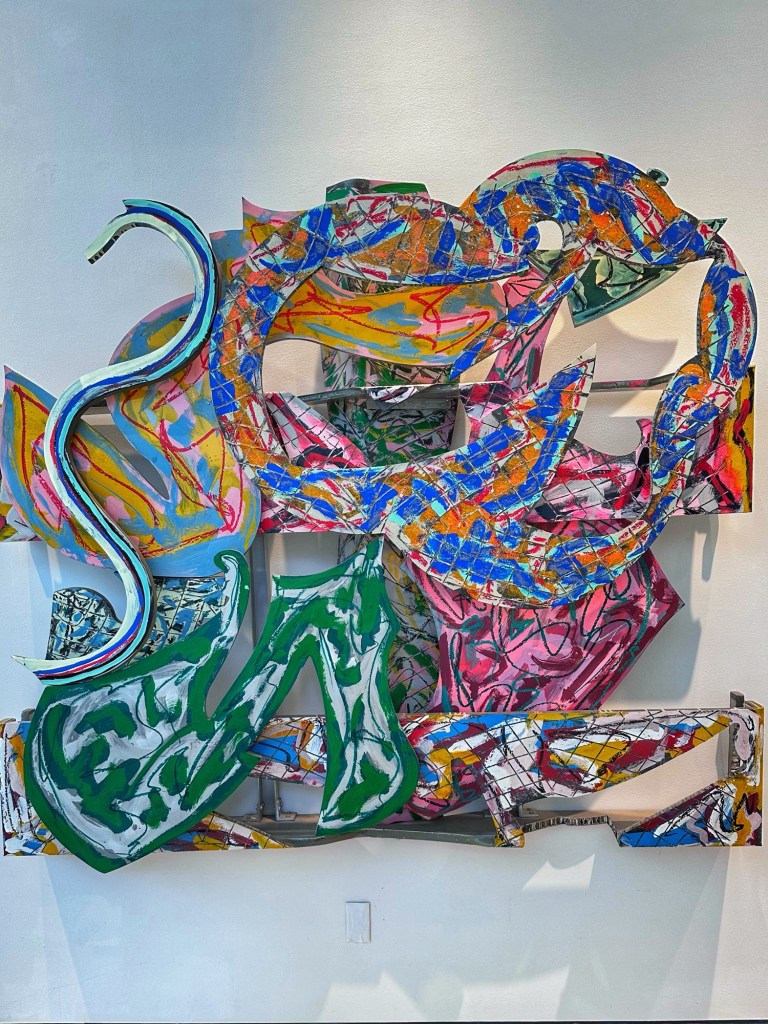
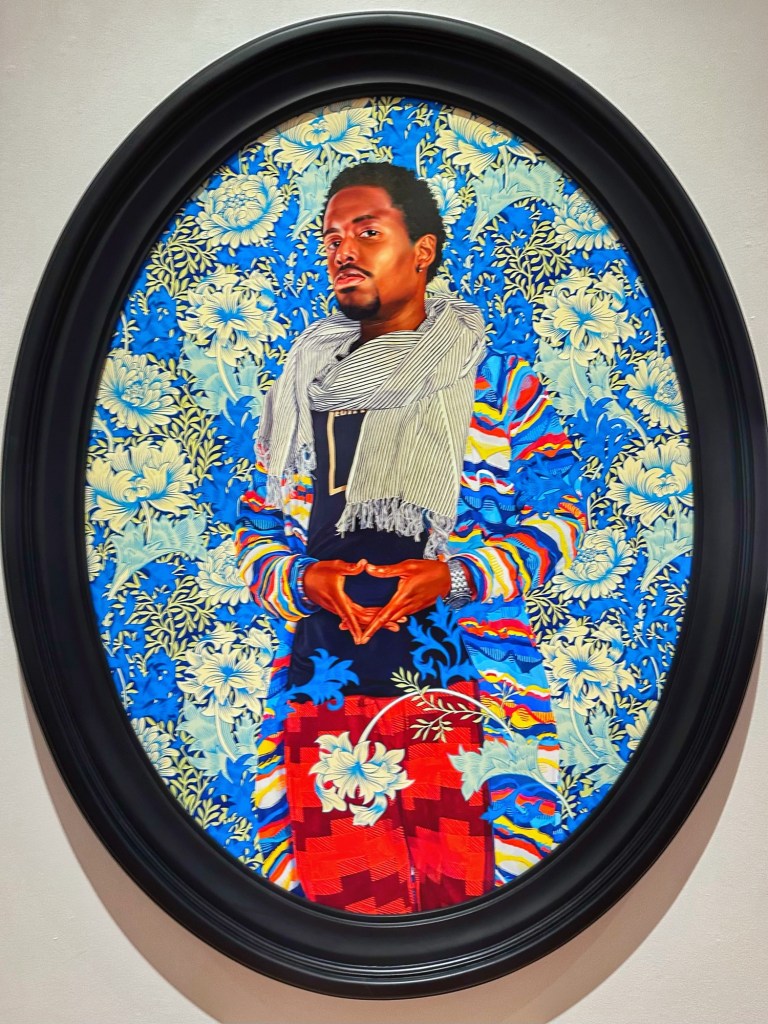
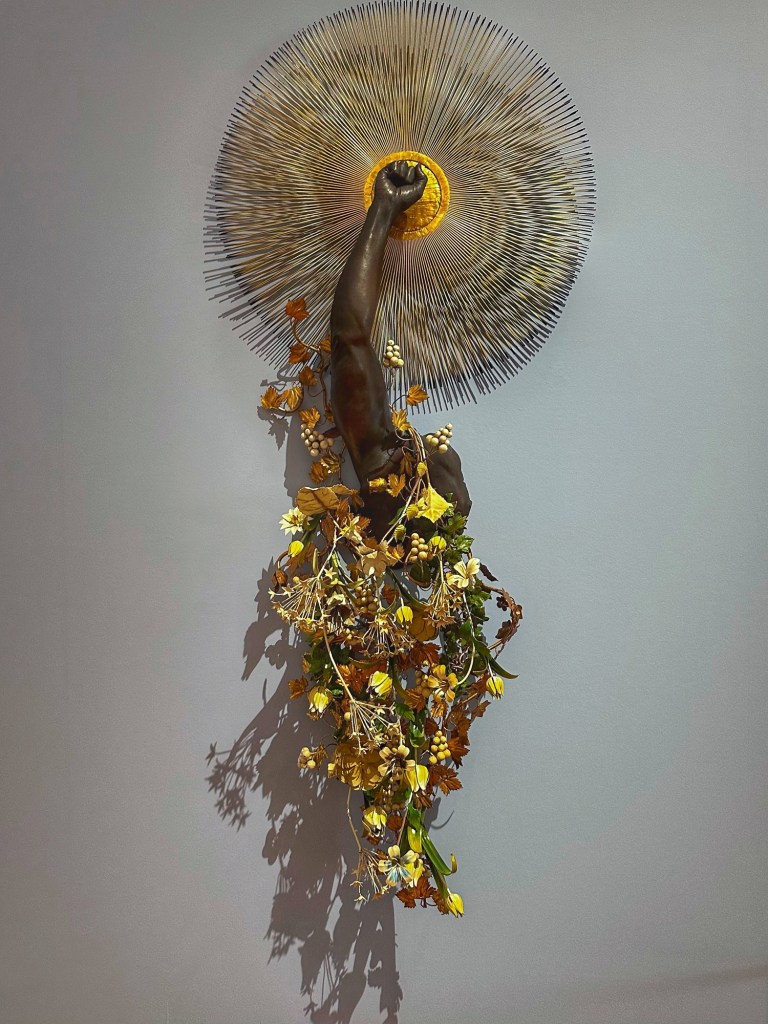
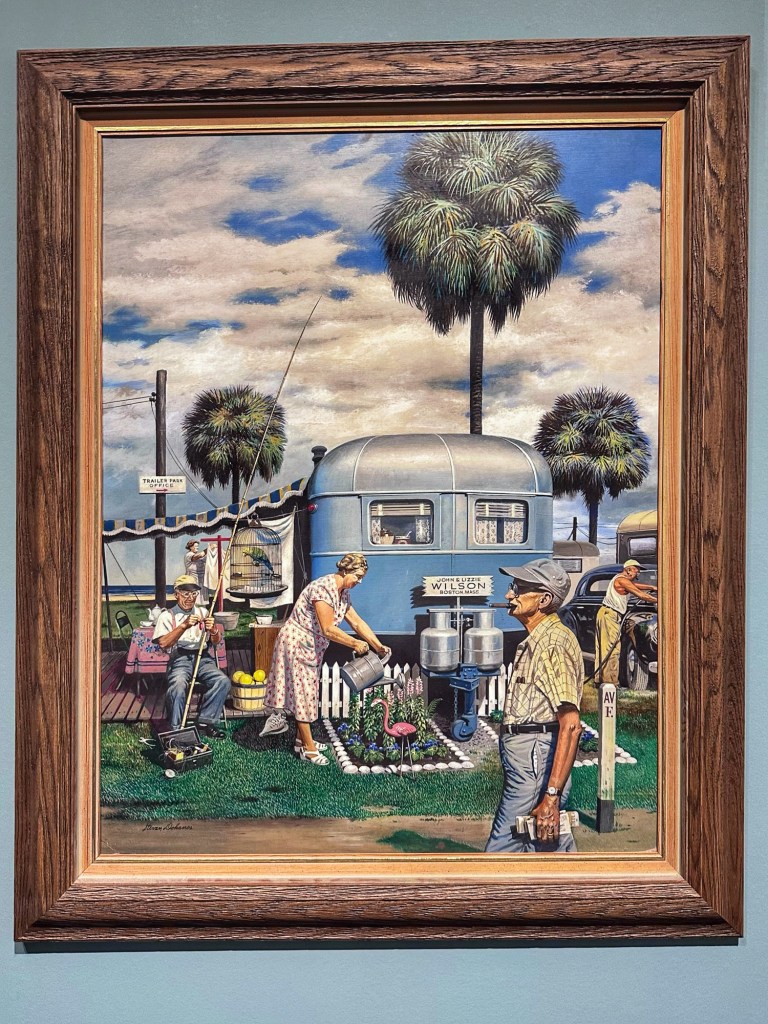
Next to the Natural History Museum is the Samuel P. Harn Museum of Art. The museum’s ten galleries opened in 1990.
Frank Stella- Zandvoort 1981Kehinde Wiley- Margret,Countess of Blessington 2018Nick Cave- Arm Peace 2018Stevan Dohanos- Trailer Park Garden 1951
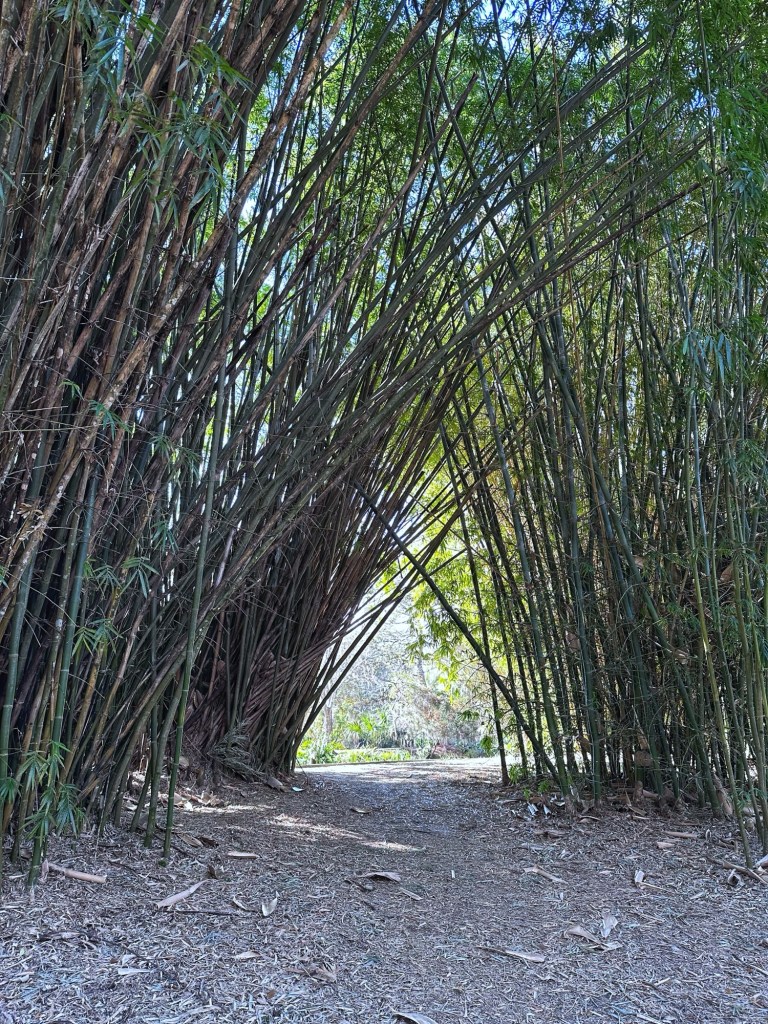
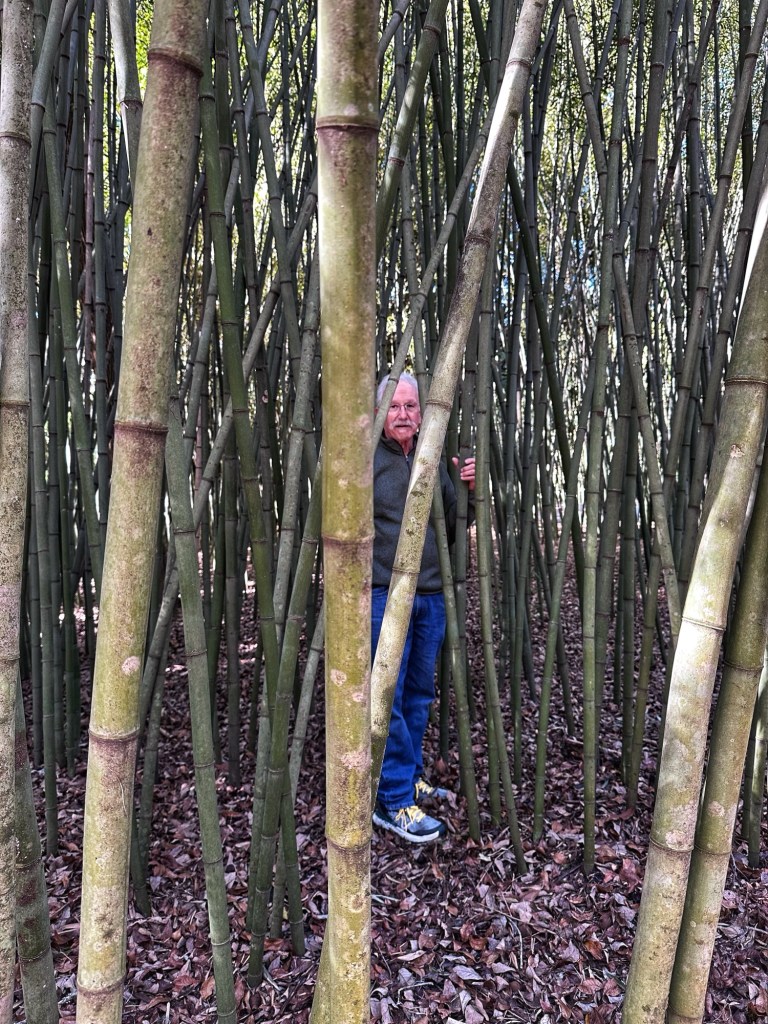
Even though the weather conditions were not ideal we decided to wander the Kanapaha Botanical Gardens. This 68 acre facility has 24 major collections that are visually accessible along 1 1/2 mile paved walkway. This includes the state’s largest public display of bamboos as well as the largest herb garden in the Southeast.
Once we decided to get outside and do some hiking and biking regardless of the temperature; we chose Paynes Prairie and headed out.
The prairie in Paynes Prairie is a large Floridian highlands freshwater marsh. The park’s 22,000 acres has 270 species of birds, a herd of bison and wild horses descended from horses brought to Florida by early Spanish explorers. The park also has eight trails for hiking and biking.
Cabbage Palmetto
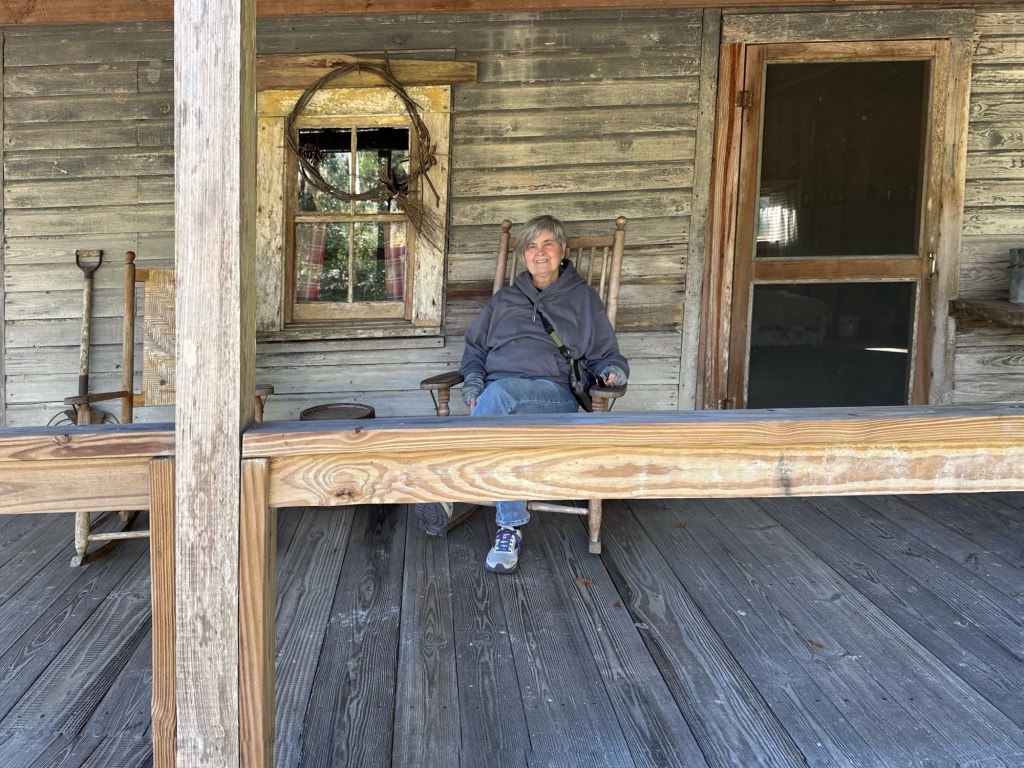
Pat’s mother, Betty, visited Marjorie Kinnan Rawlings Historic State Park and was quite taken with the experience. Her experience motivated us to visit. This old Florida homestead was MK Rawlings home in the 1930’s where she wrote her Pulitzer Prize winning novel The “Yearling”. The park consists of her home, farmyard and trails.
Relaxing on the porch of the hired hands cabin
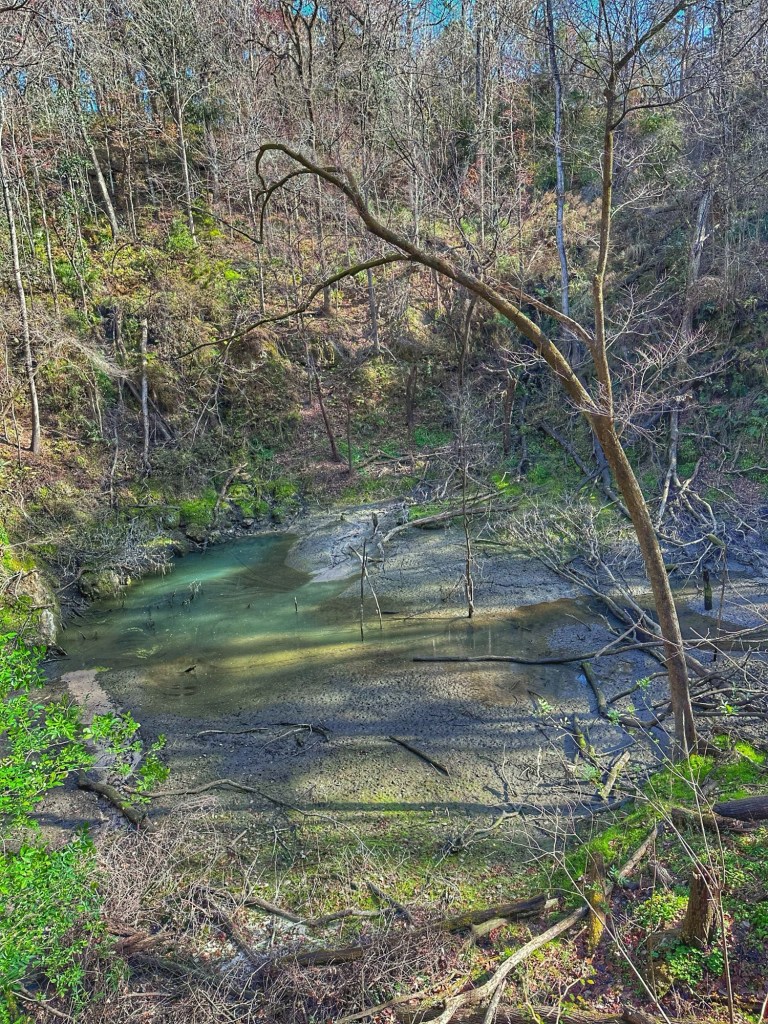
On our last day in Gainesville we made a quick trip to Devil’s Millhopper Geological State Park. The park consists of a 120 foot deep sinkhole with 132 stairs leading to an observation platform. While sinkholes are common in Florida, Devil’s Millhopper is unique in that it exposes 100 feet of rock layers for study.
At the bottom Part of the walking trail around the sinkhole
We enjoyed our stay in Gainesville in spite of the cold temperatures. There is plenty we missed and would return on our next visit to Florida.
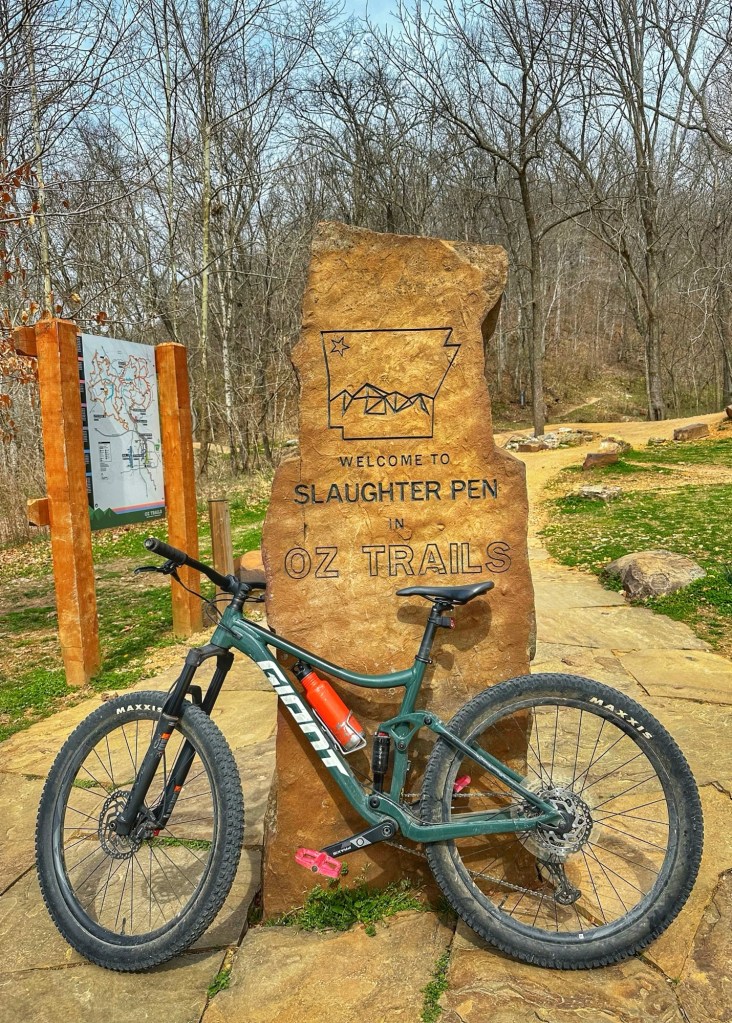
We’ve been hearing about Bentonville, Arkansas for sometime. During our extended stay in Tucson many of the mountain bikers raved up the Bentonville’s bike infrastructure. Tracy and Cooper recommended Blowing Springs Campground in Bella Vista with downtown Bentonville accessible via six miles of paved bike path.
Site 30It’s spring here in NW Arkansas
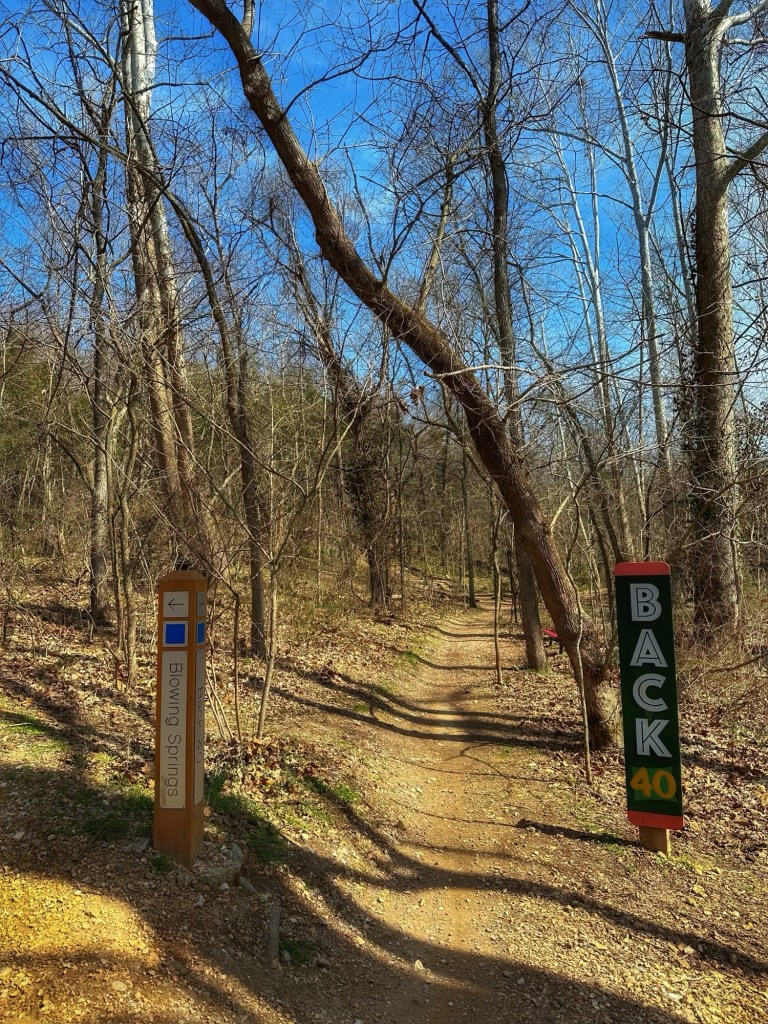
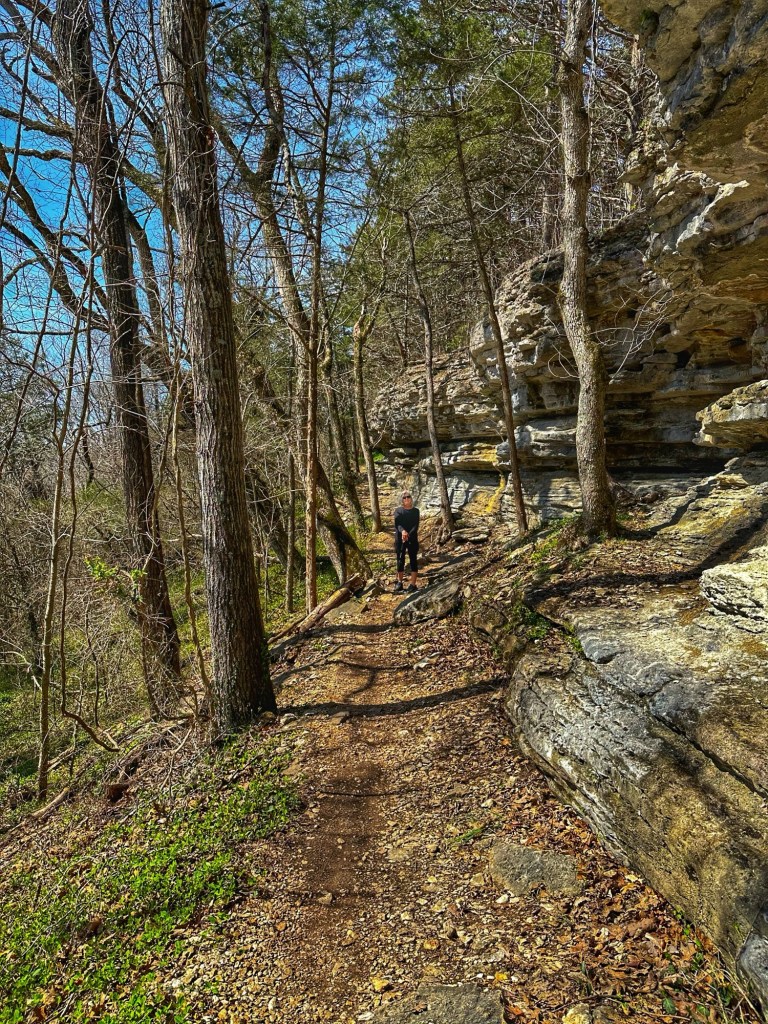
The campground sits beside the paved Razorback Greenway, a 40 mile path that connects Bentonville with Fayetteville to the south. In addition to the Greenway you have access to miles of mountain biking trails.
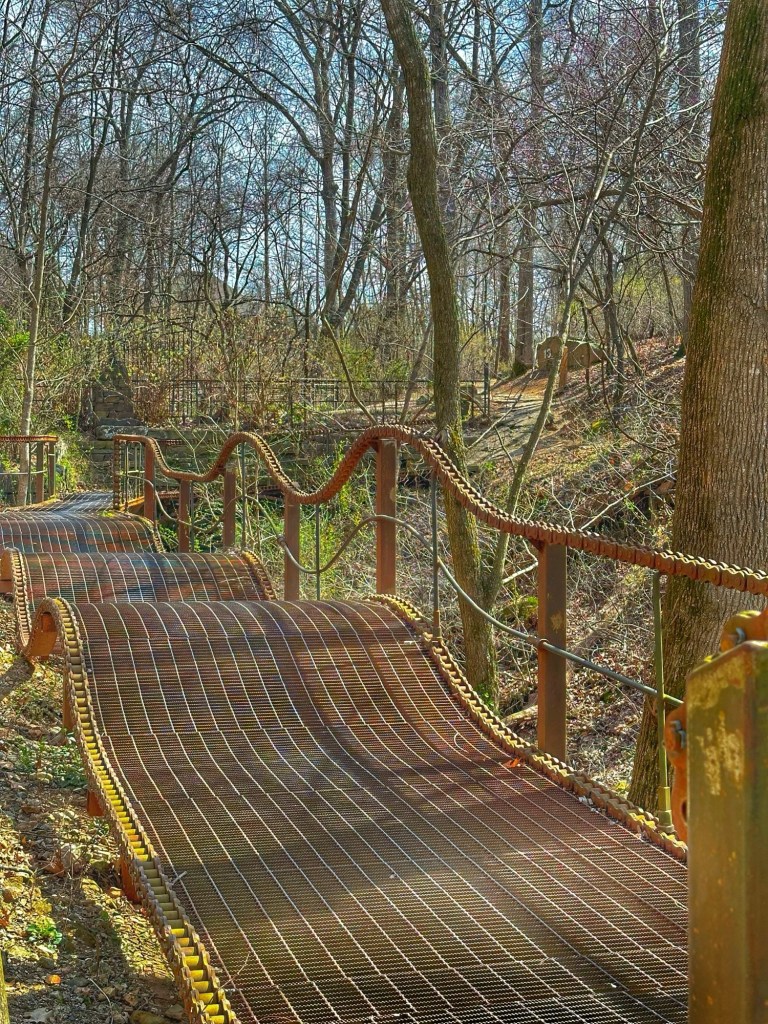
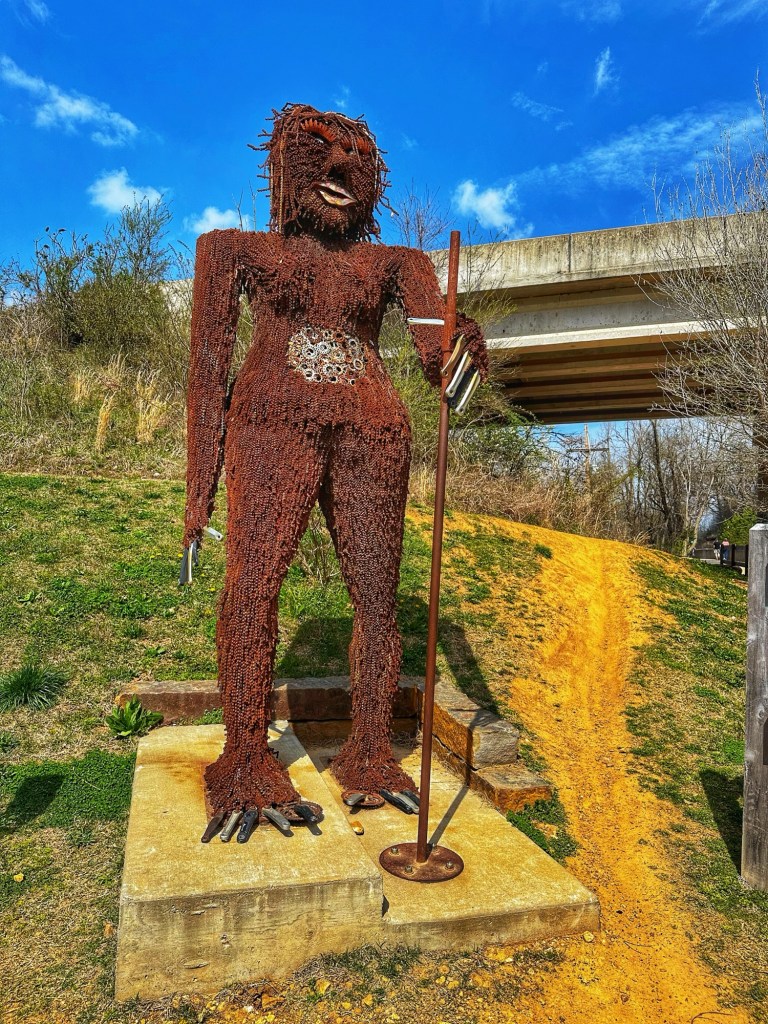
Along the Greenway you’ll encounter riders of all ages and skill levels. You will also encounter a variety of bicycle themed sculptures.
A giant furry Sasquatch made of steel and bike chains created by Amanda Willshire in 2018
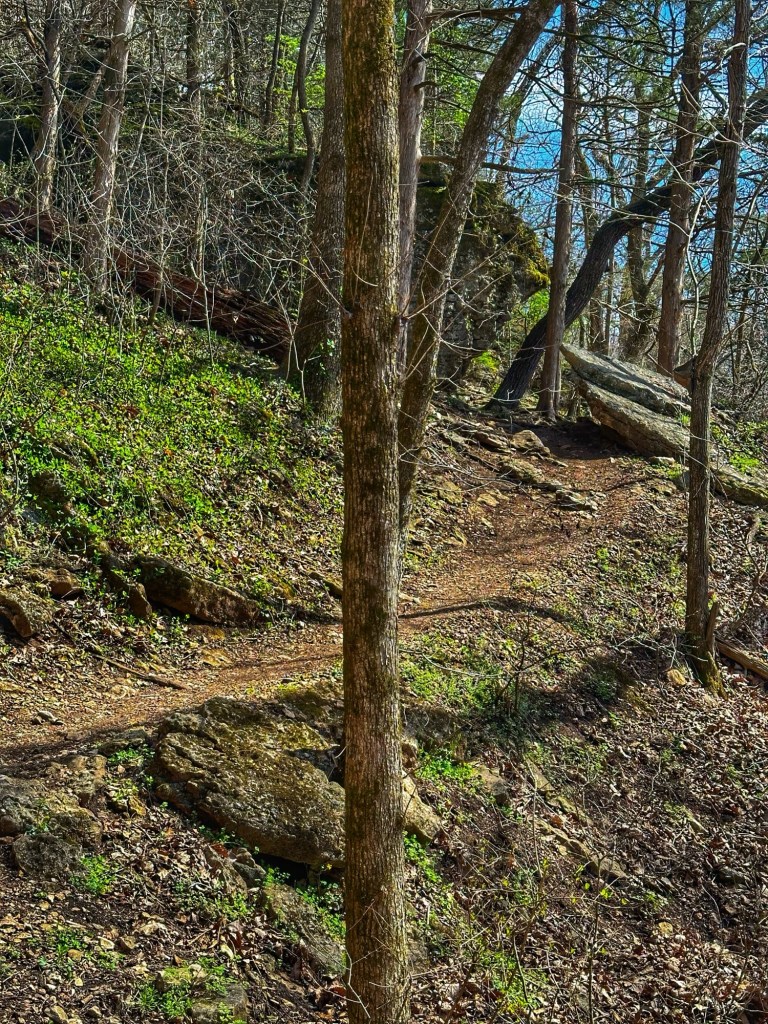
Some of the trails had advanced technical features that were more than we could handle but offered great hiking opportunities.
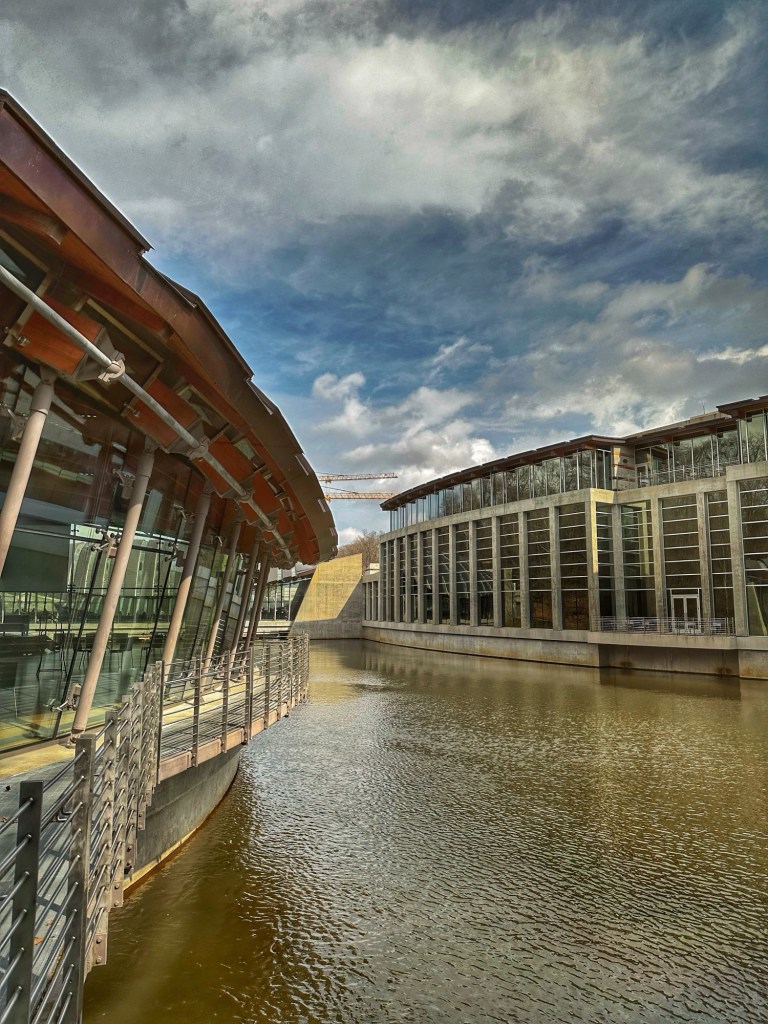
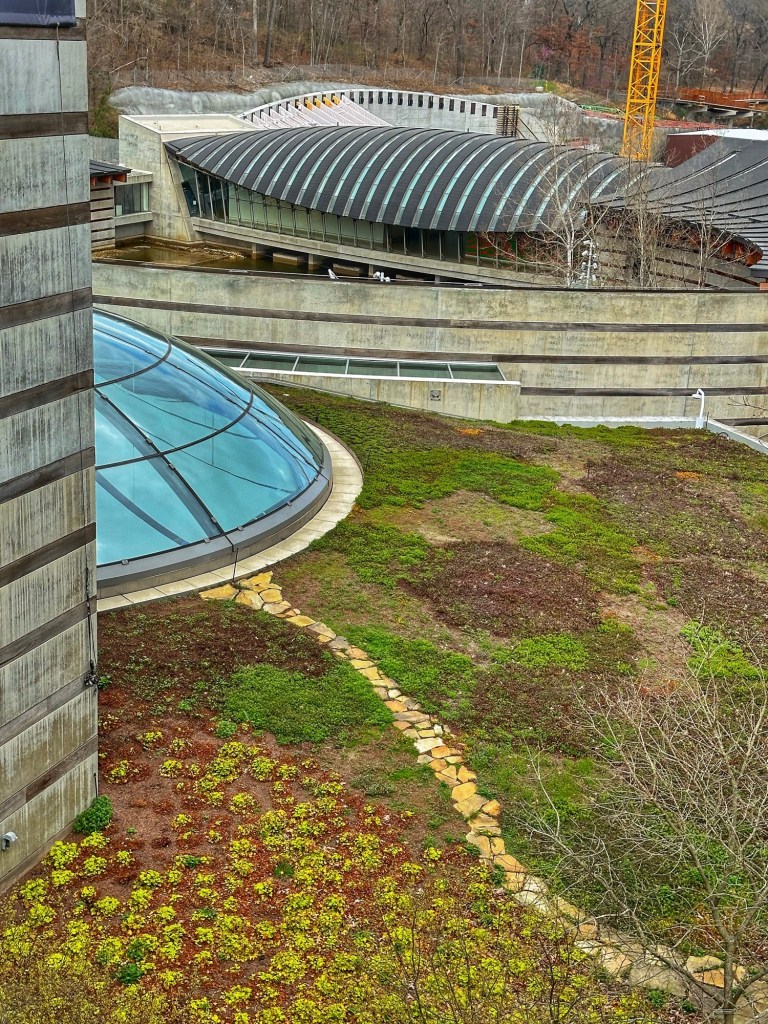
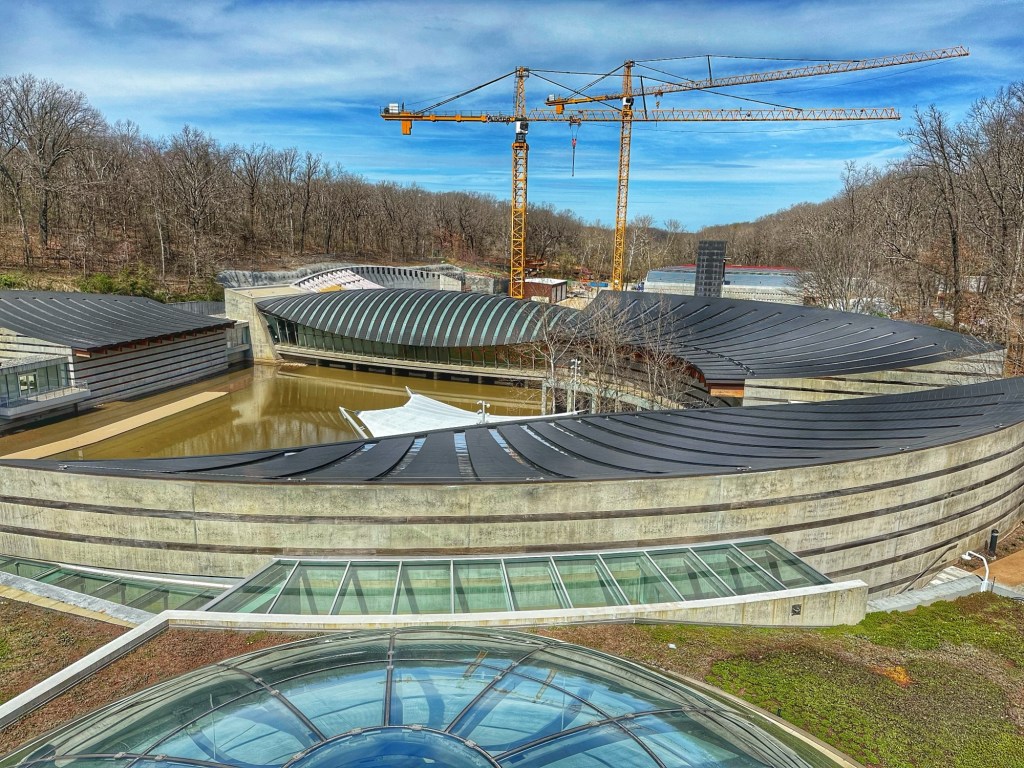
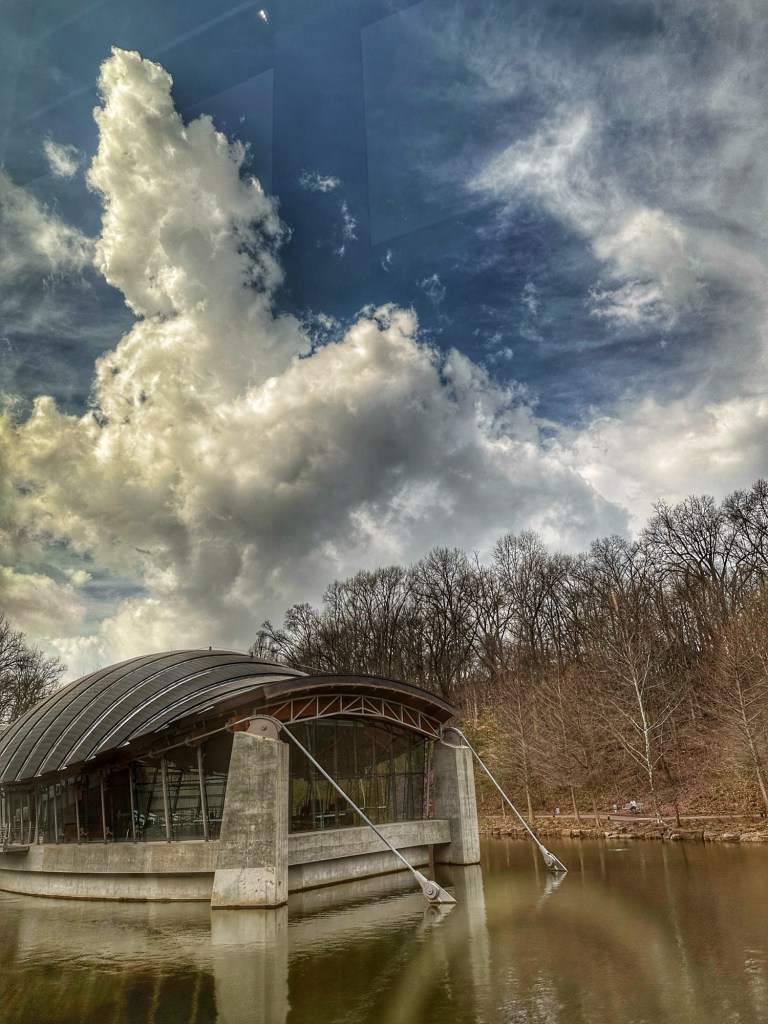
Northwest Arkansas has been undergoing a major transformation during the last two decades. At the center of that transformation is Bentonville, headquarters of the Walmart empire. One of the Walton family heirs, Alice, has made major investments in Bentonville. She’s created a collection of American art and had a museum built(2011) to house the collection, Crystal Bridges.
Part of the Museum’s green roofThe Museum is in the mist of a two-year expansion project
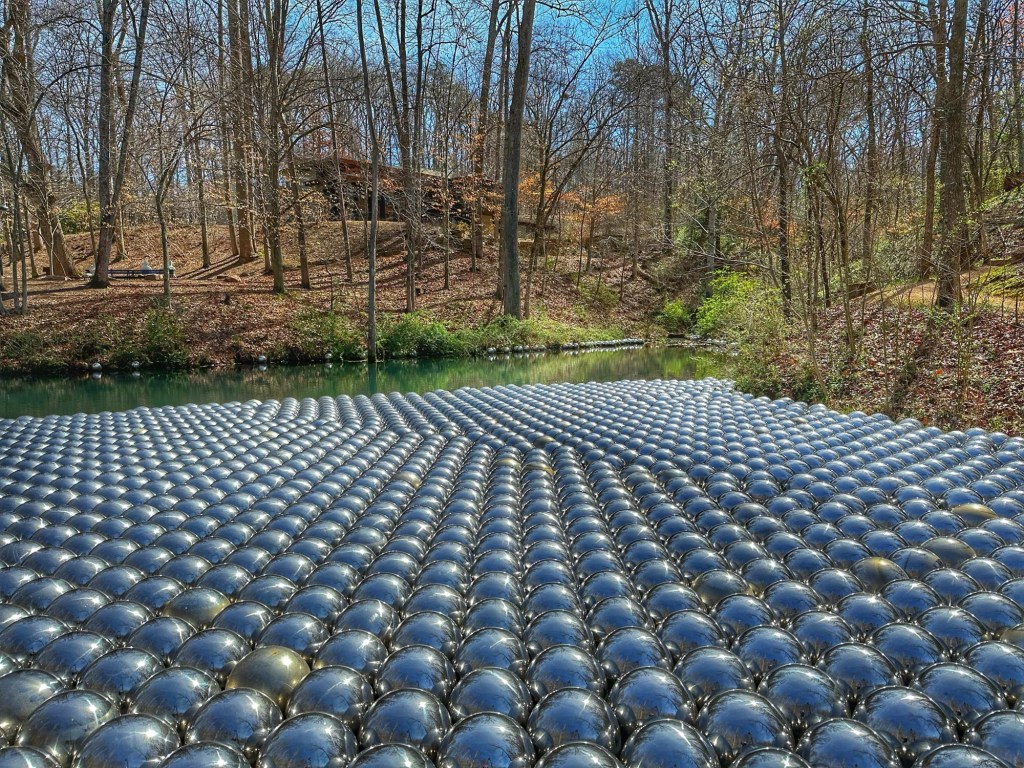
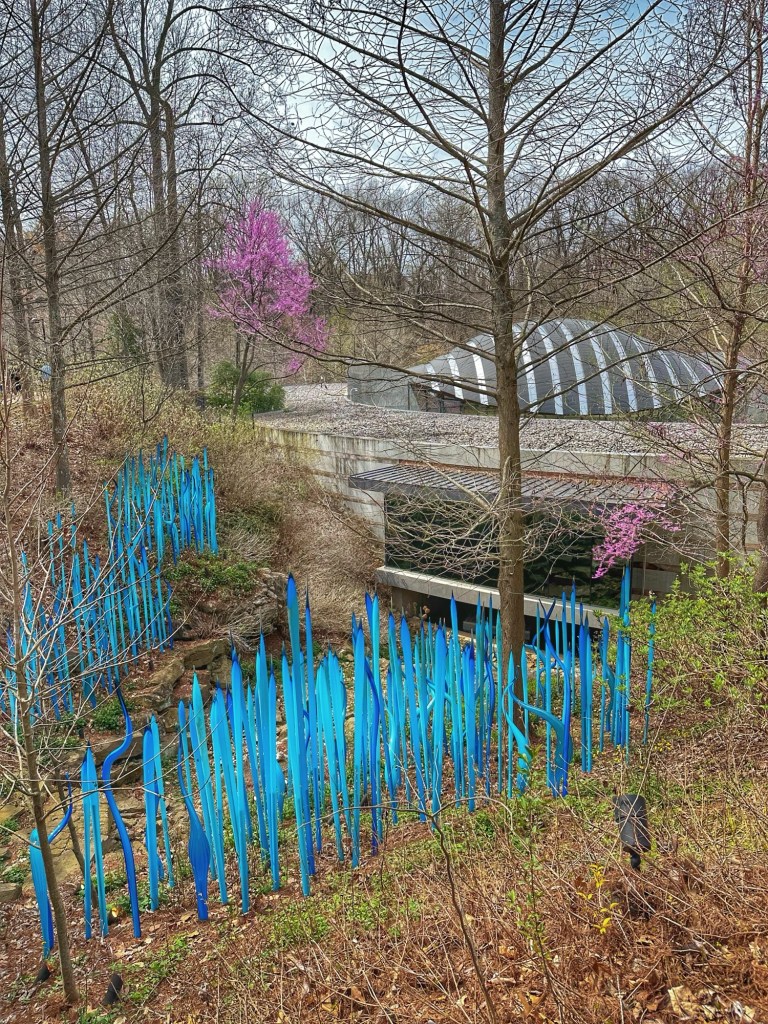
Miles of wooded walkways showcase the museum’s outdoor art installations.
Three People on Four Benches, 1979 by George SegalNarcissus Garden, 1966-present by Yayoi KusamaTurquoise Reeds and Ozark Flori, 2012 by Dale Chihuly
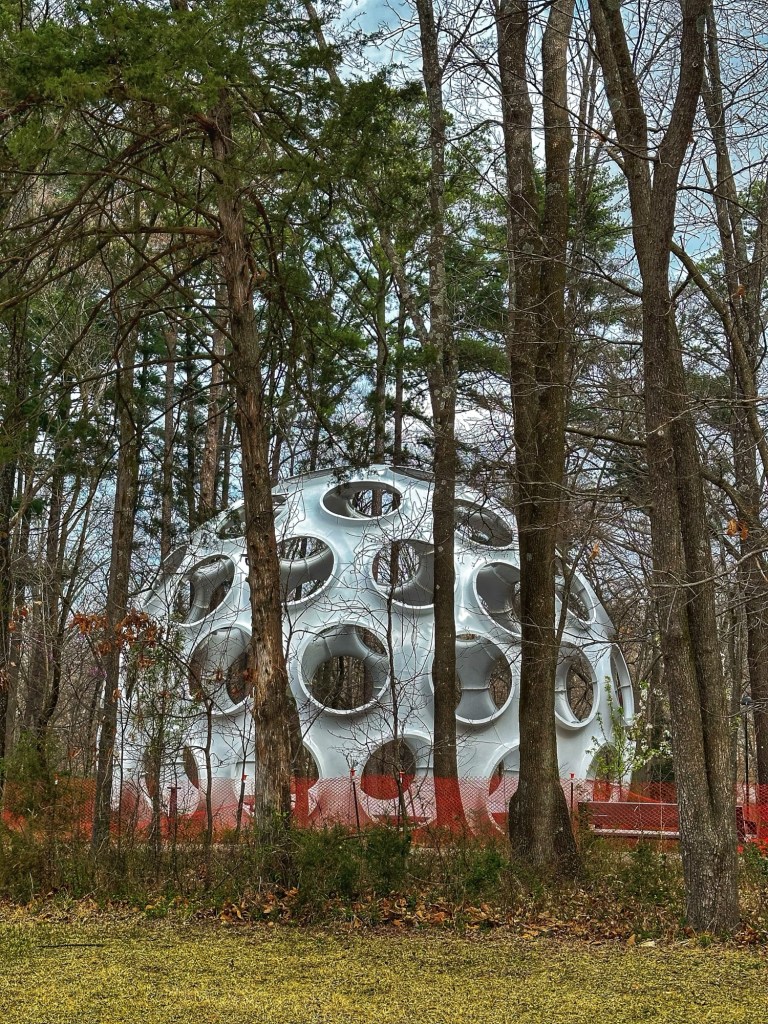
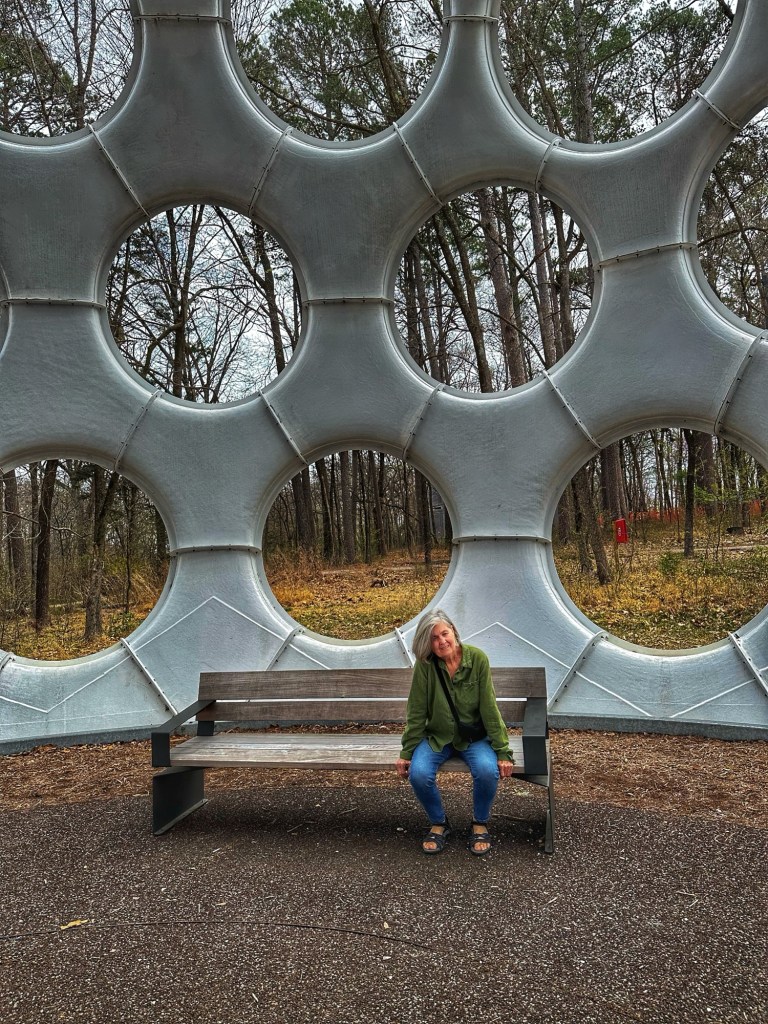
Fly’s Eye Dome, 1981 by Buckminster Fuller
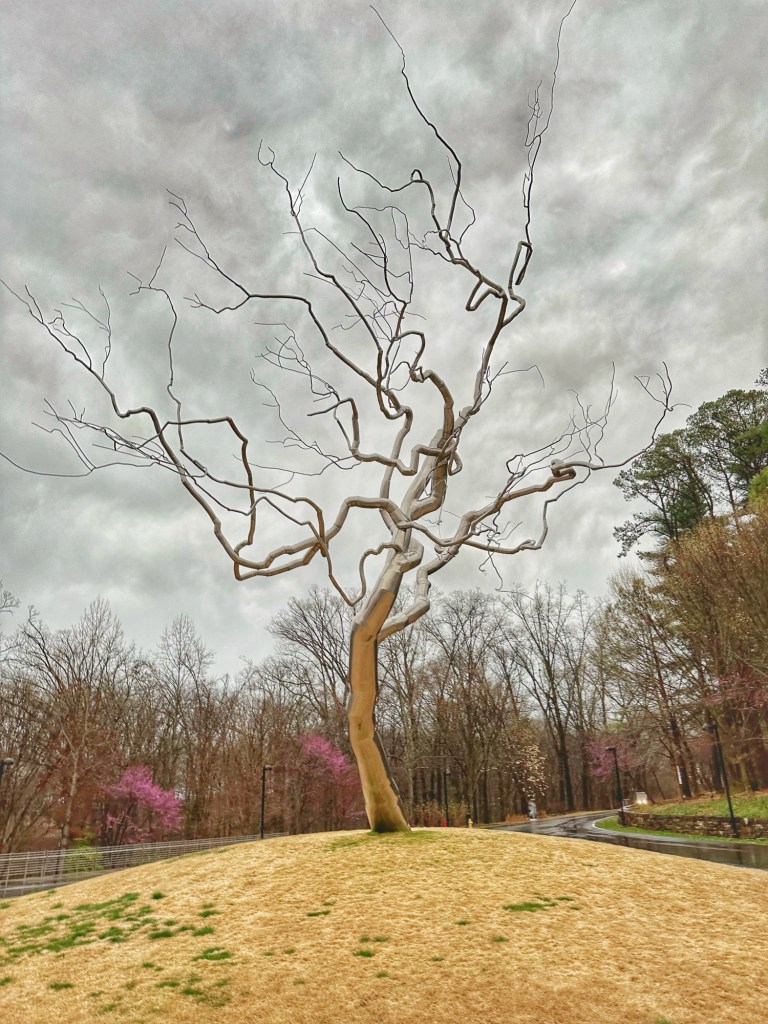
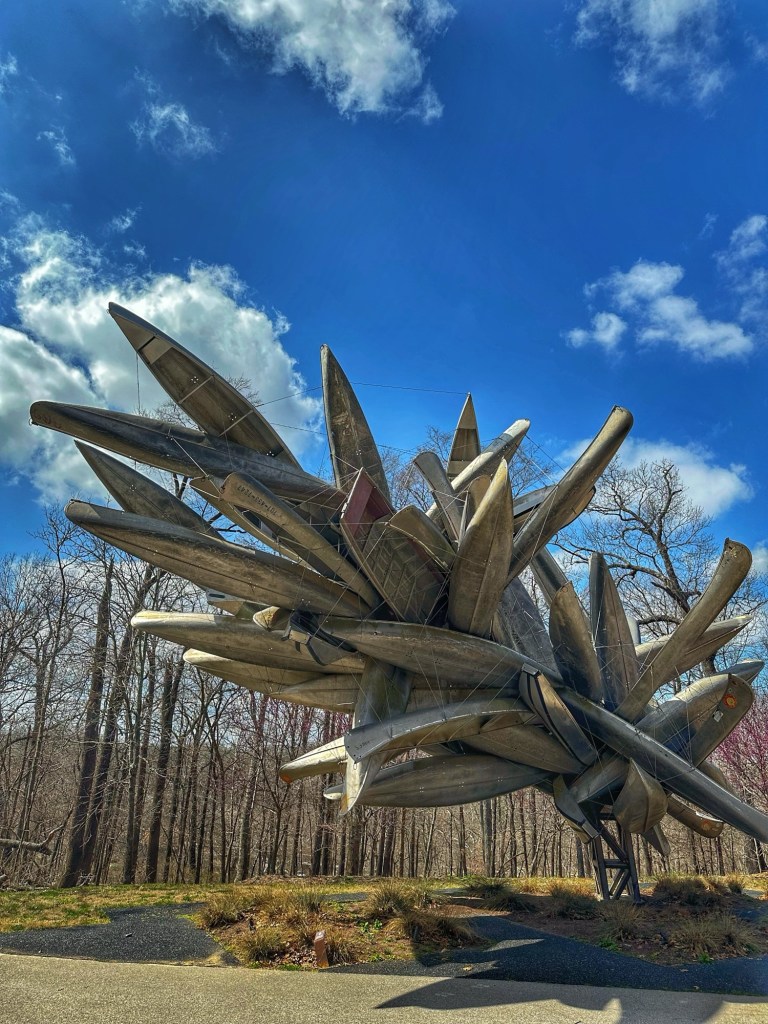
Yield, 2011 by Roxy PaineMonochrome II, 2010-2018 by Nancy Rubins
We also enjoyed wandering through the museum’s indoor exhibits.
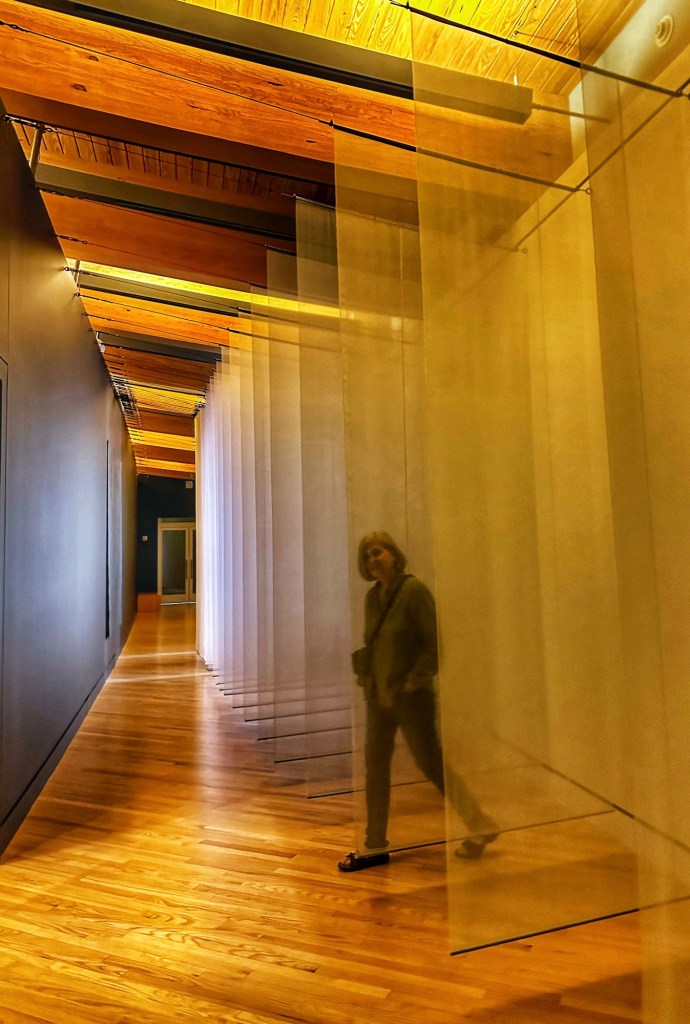
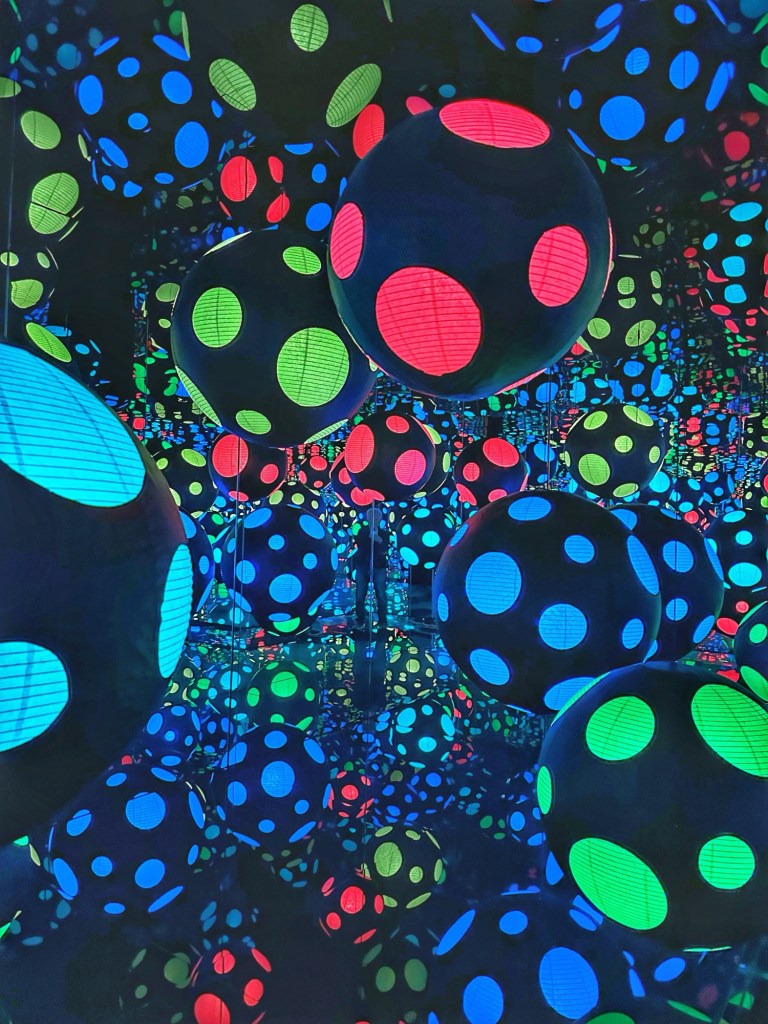
Trace Me Back, 2023 by Marie Bannerot McInerneyInfinity Mirrored Room,- My Heart is Dancing into the Universe, 2018 by Yayoi Kusama
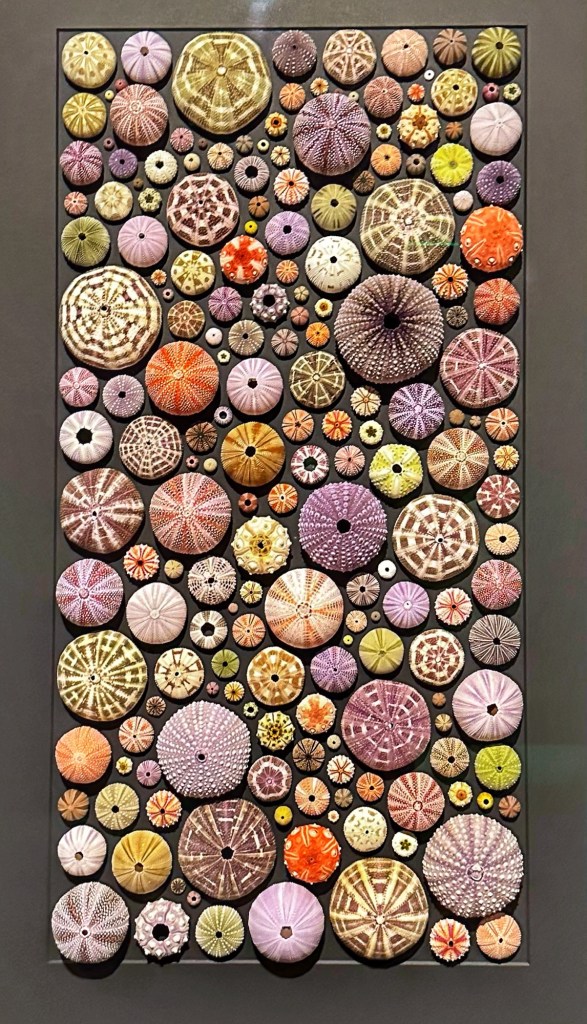
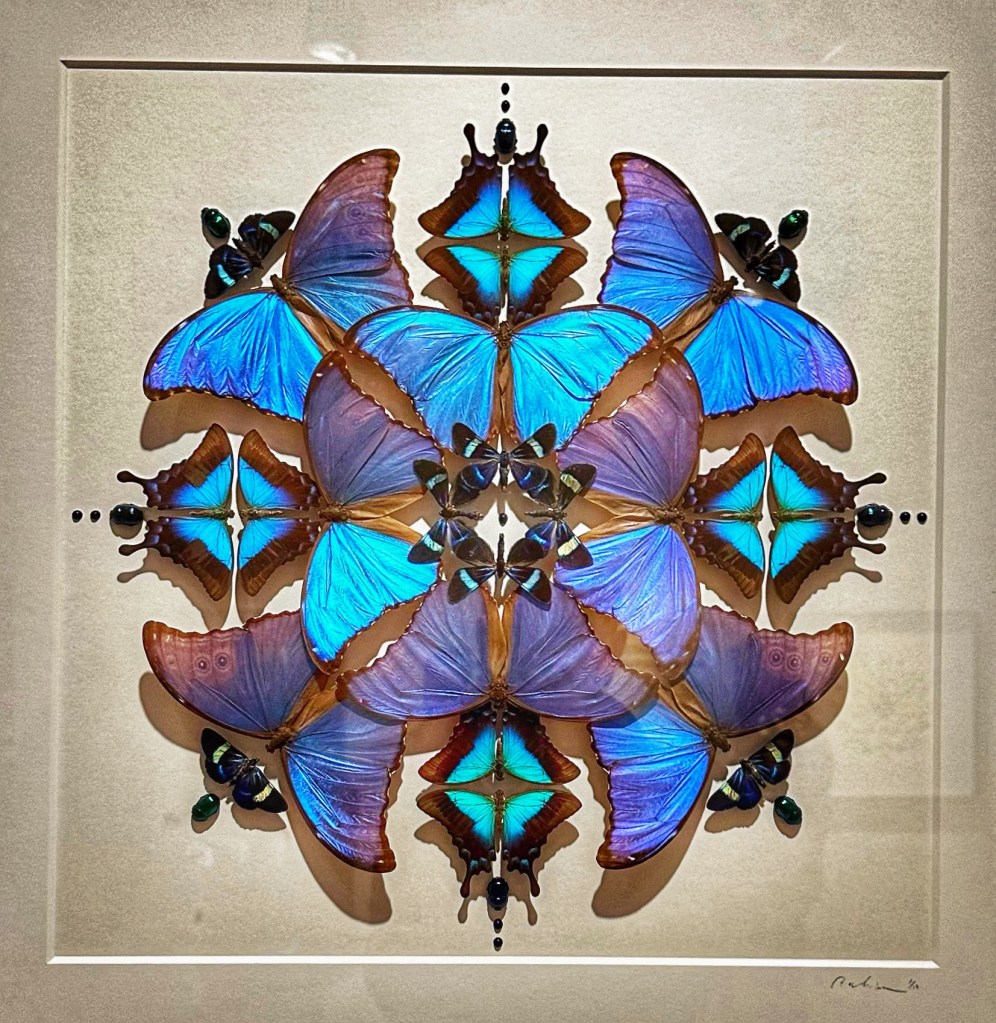
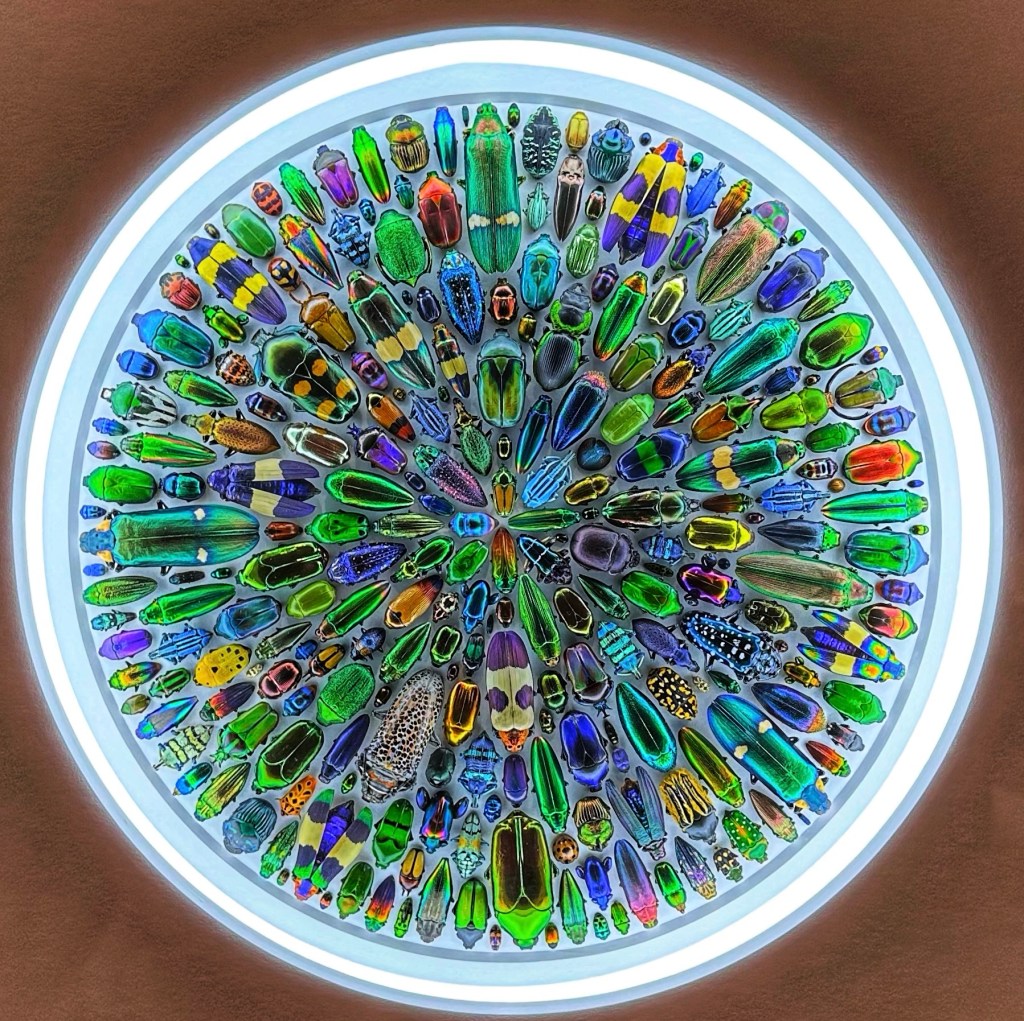
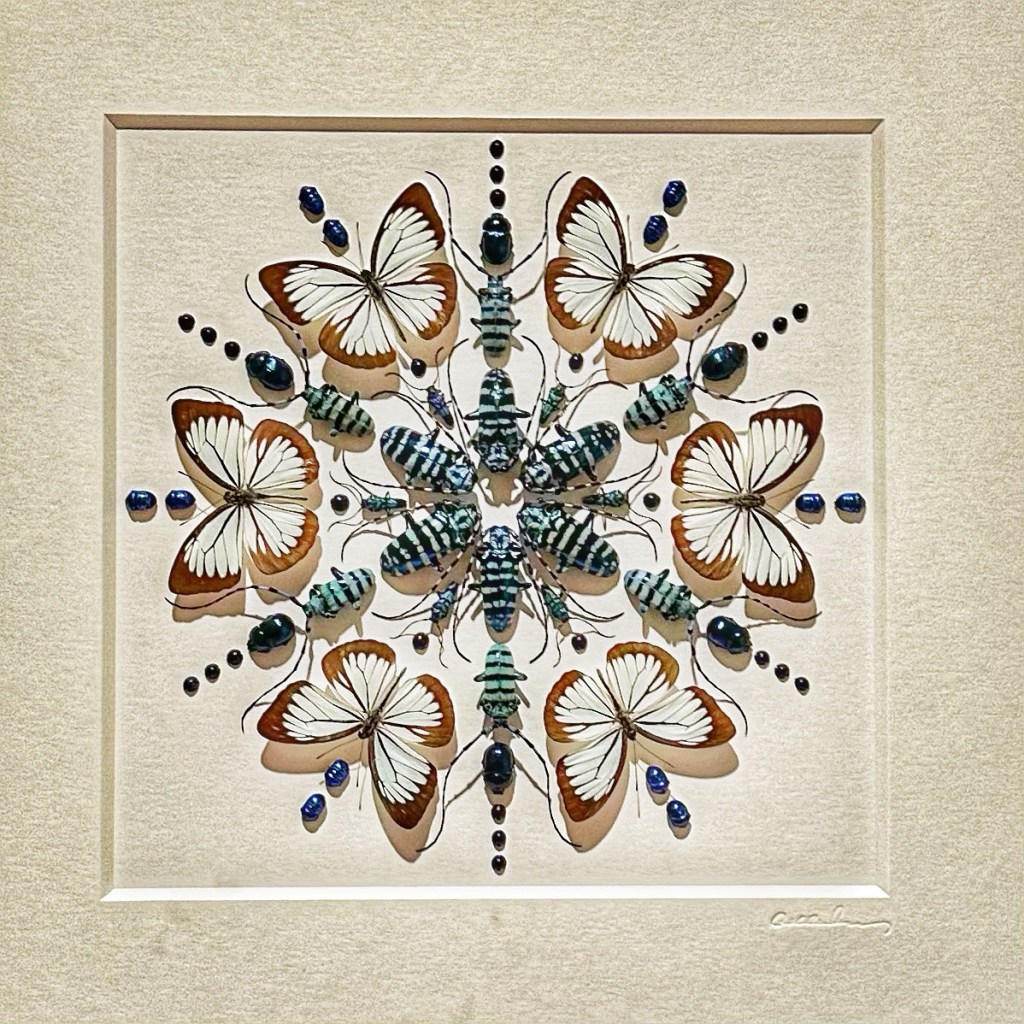
Admission to the museum and its grounds are always free. However, special exhibits can have an admission fee($12). While we were in town “Exquisite Creatures “ by Christopher Marley opened. Marley uses “creatures” from the natural world to create his work.
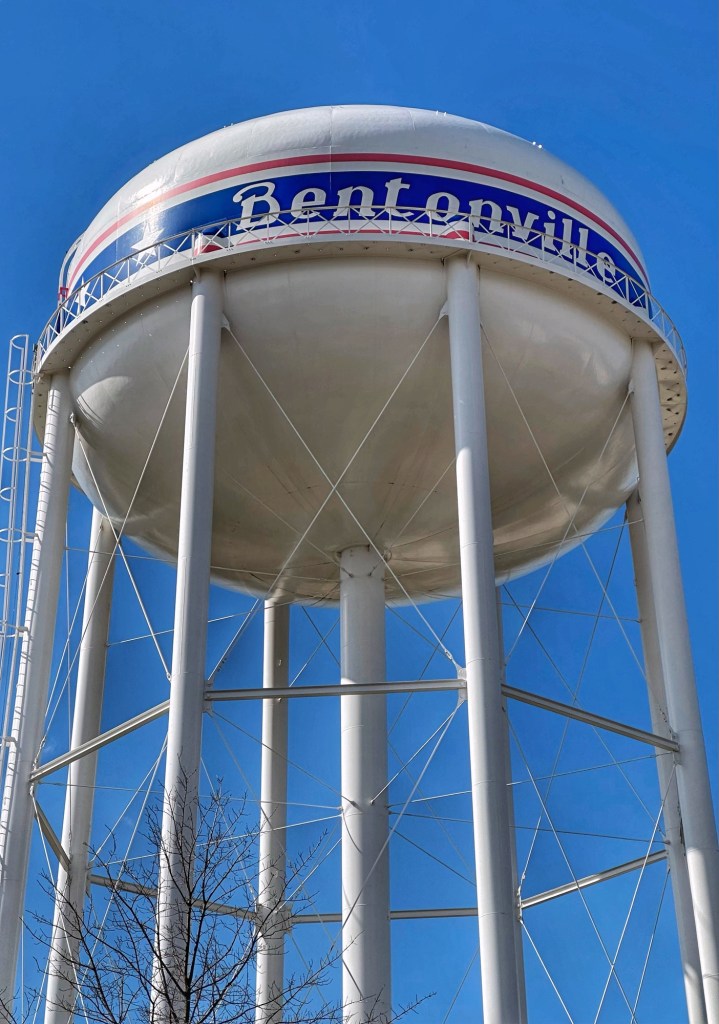
We enjoyed our time exploring Crystal Bridges and the areas bike trails as well as Bentonville. The town is attracting tourists and new residents by the droves. We were there during spring break which attracts lots of young families who all seemed to be on bicycles.
The Town Square
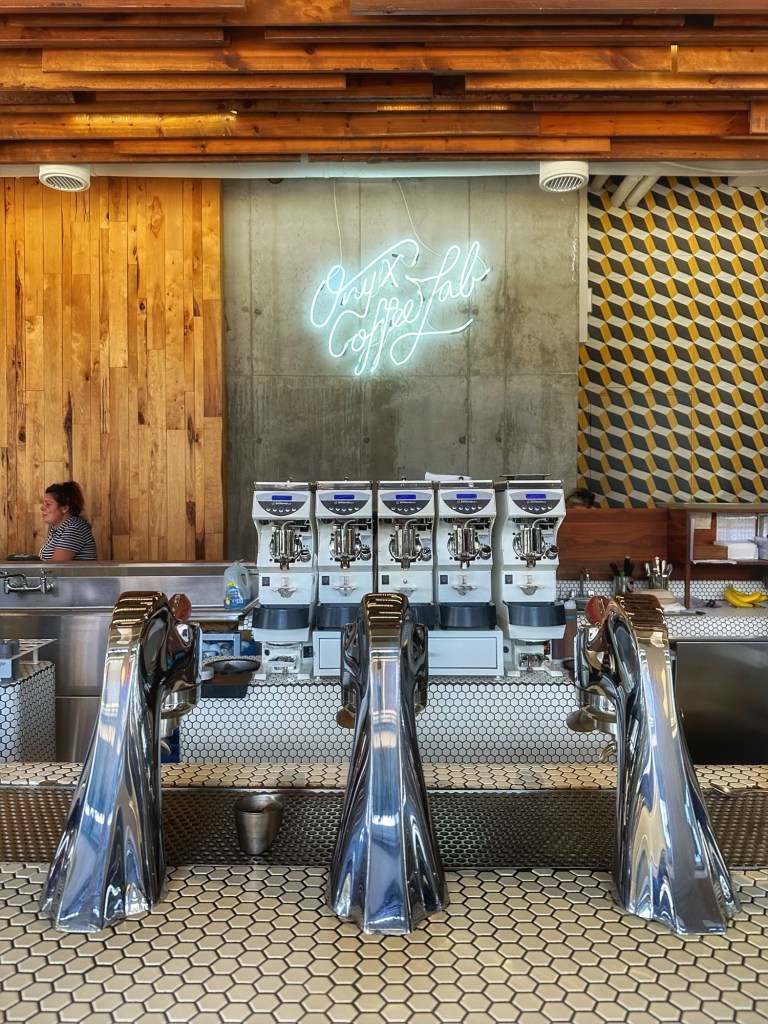
There are numerous bike shops, coffee roasters, entertainment and quality restaurants.
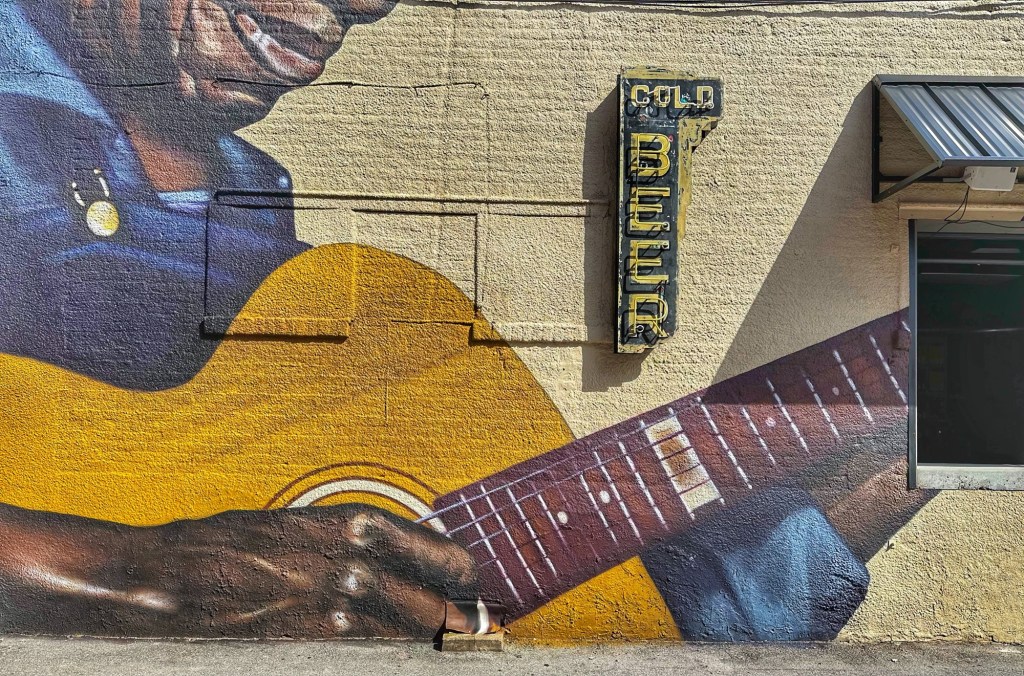
Our favorite coffee shop Numerous bars featured live music
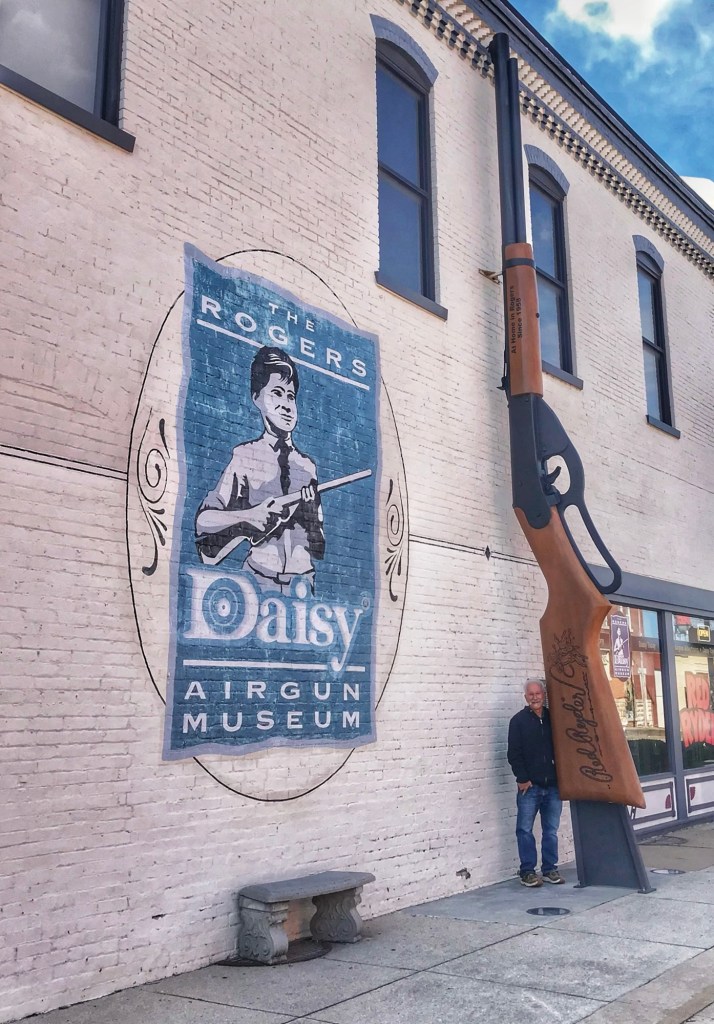
A short distance southwest of Bentonville is Rogers, another up and coming Northwest Arkansas town.
Part of the Rogers entertainment district Rogers is also home to this can’t miss attraction
We’ve been here for one week and are already talking about our next trip to the area. Friendly people, excellent biking, interesting art, fun restaurants, good coffee and beer, what’s not to like.
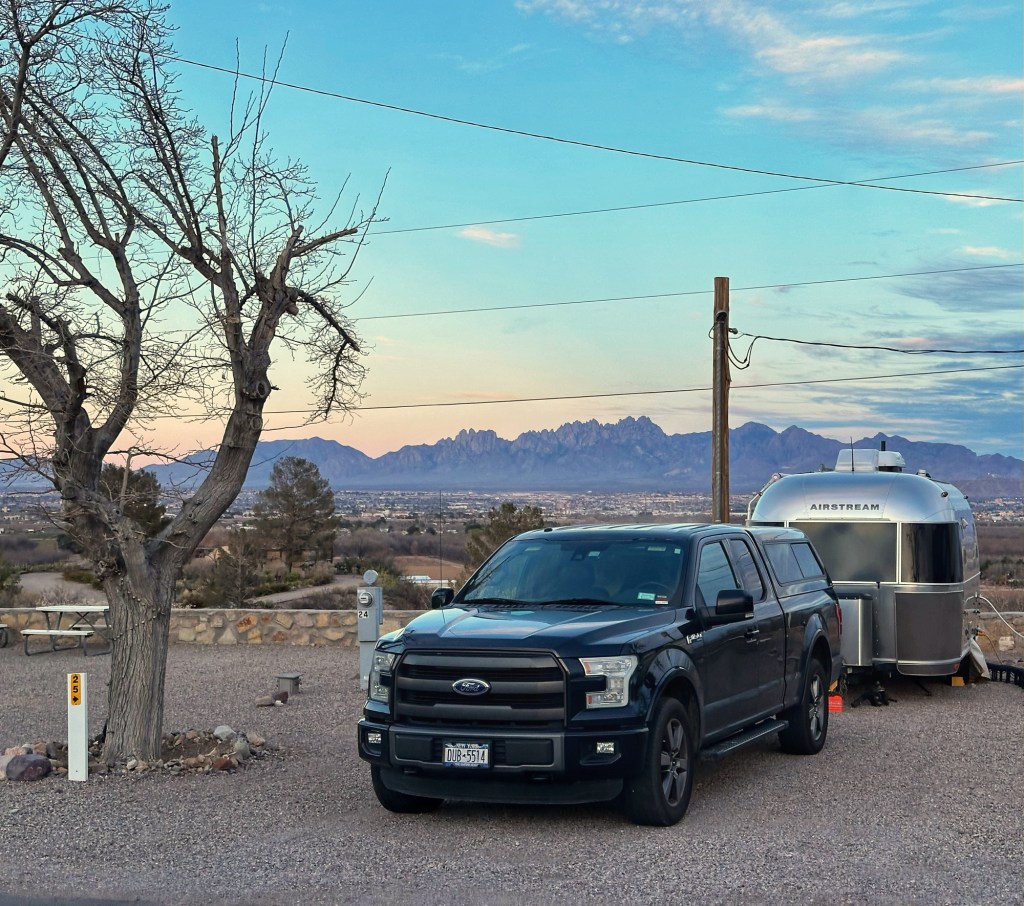
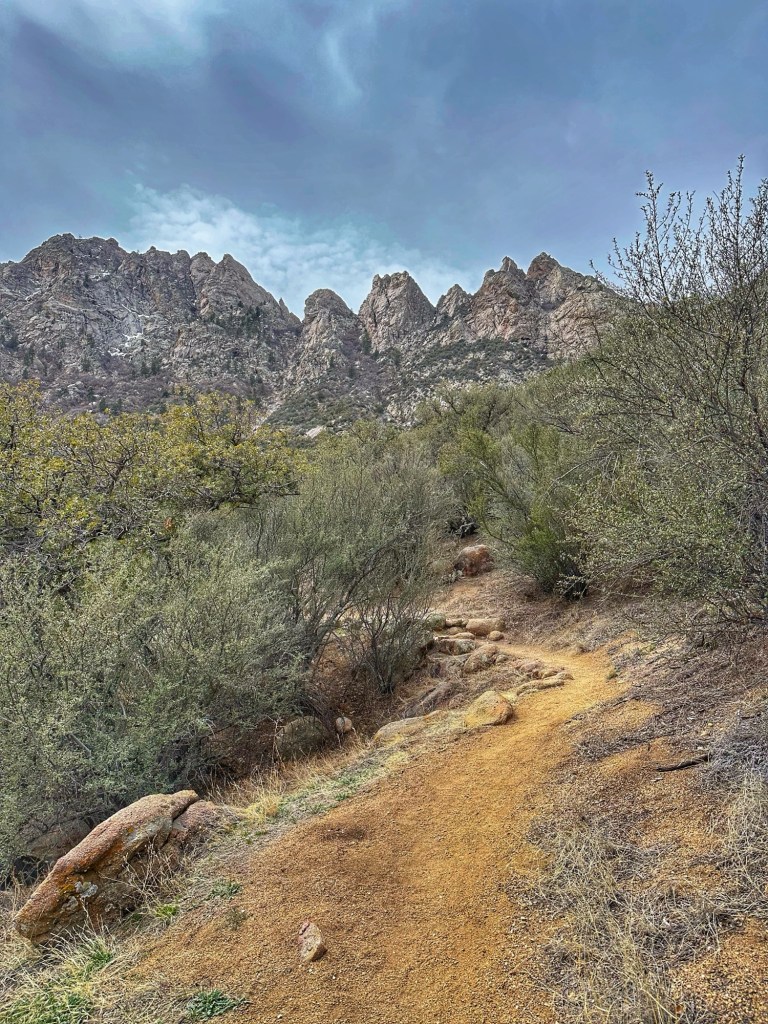
We’ve passed through Las Cruces (New Mexico’s second largest city) on past trips to New Mexico but never spent any time exploring the area. The city of 112,000 is at the base of the Organ Mountains. We found a spot at the local KOA which offered commanding views of the mountains.
Site 25
Our location put us in a position to visit White Sands National Monument, hiking in the Organ Mountains as well as a visit Hatch to purchase some of their famous green chiles. In addition Pat was able to rendezvous with a former colleague from her working days.
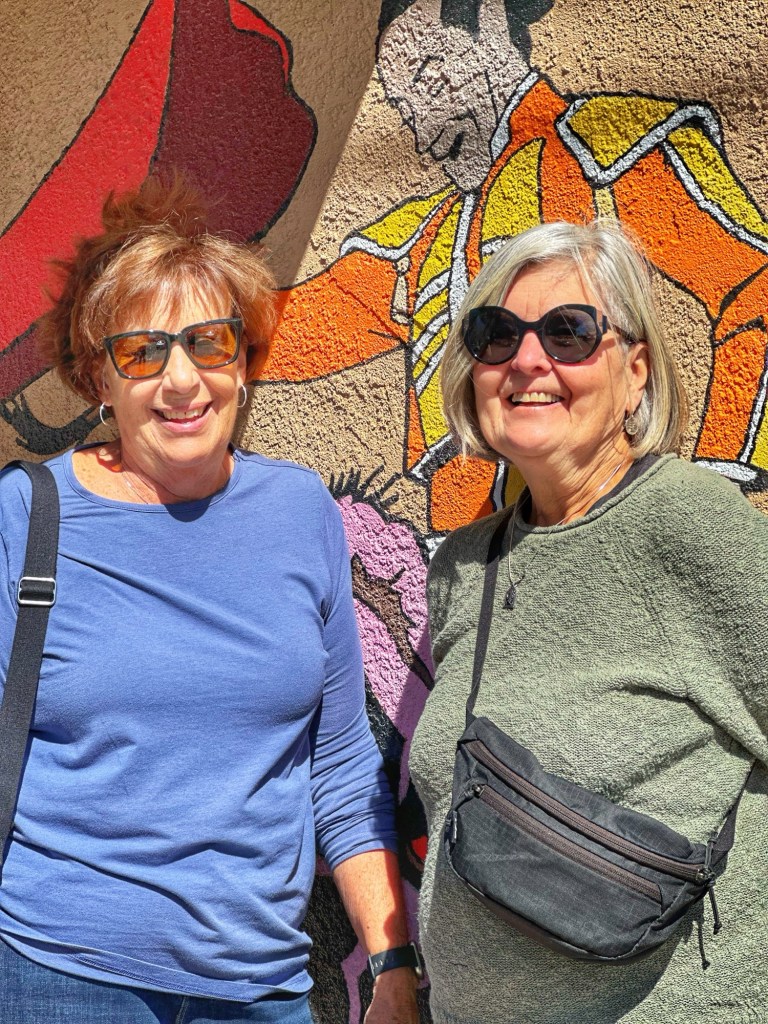
Margie and Pat
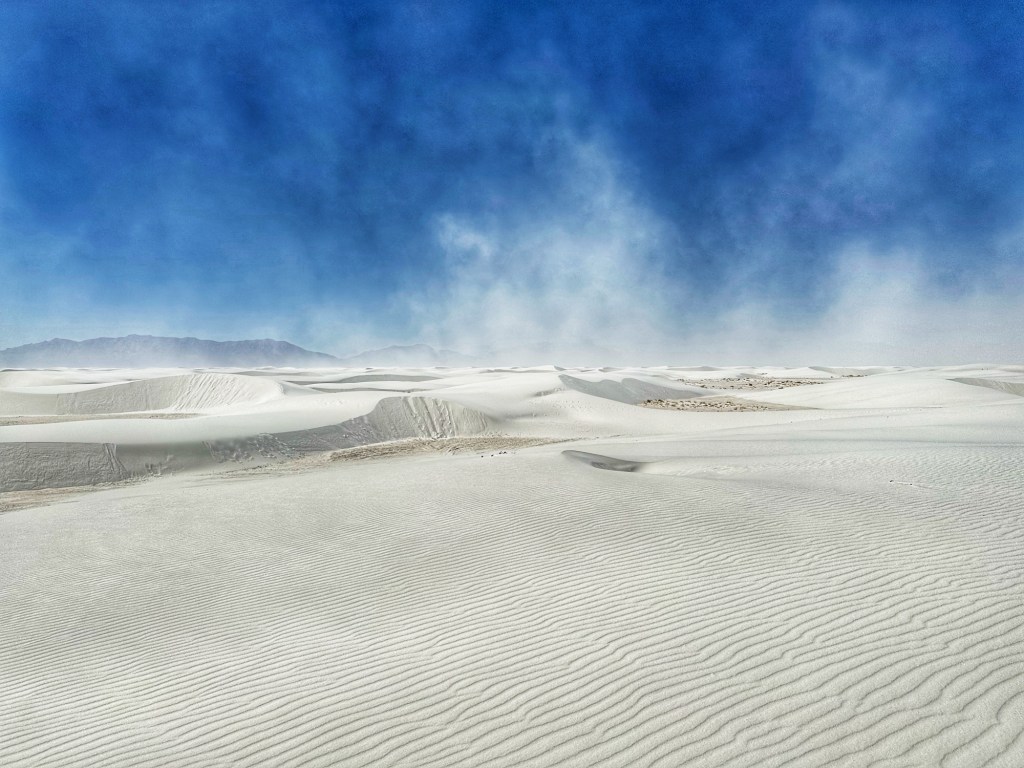
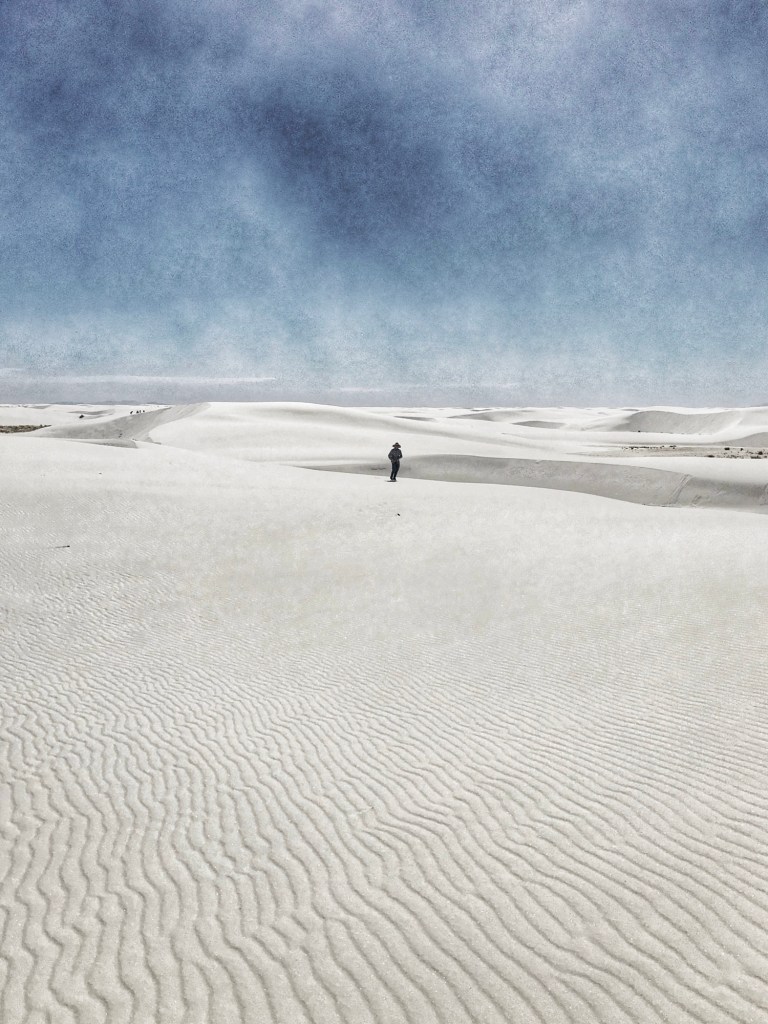
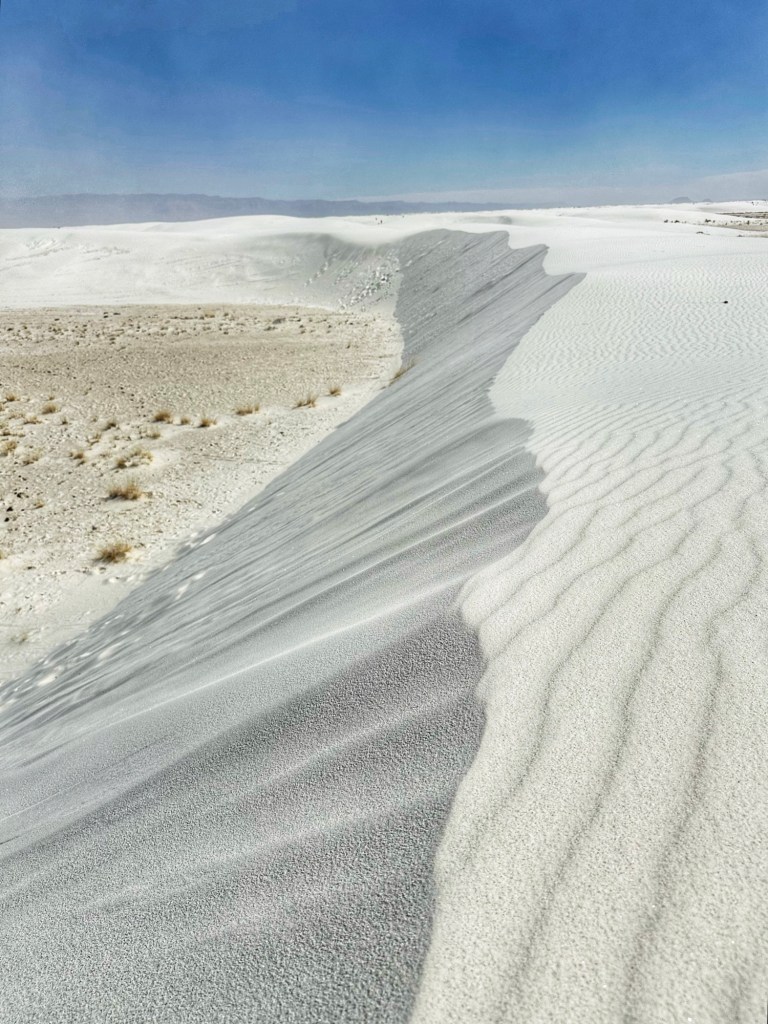
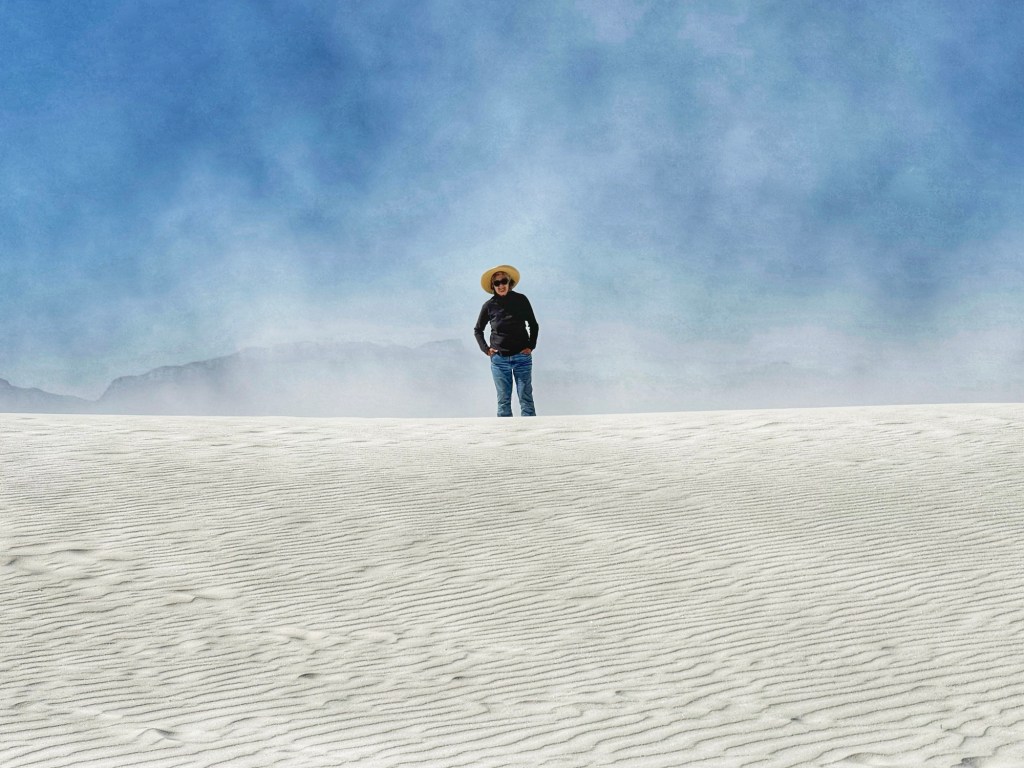
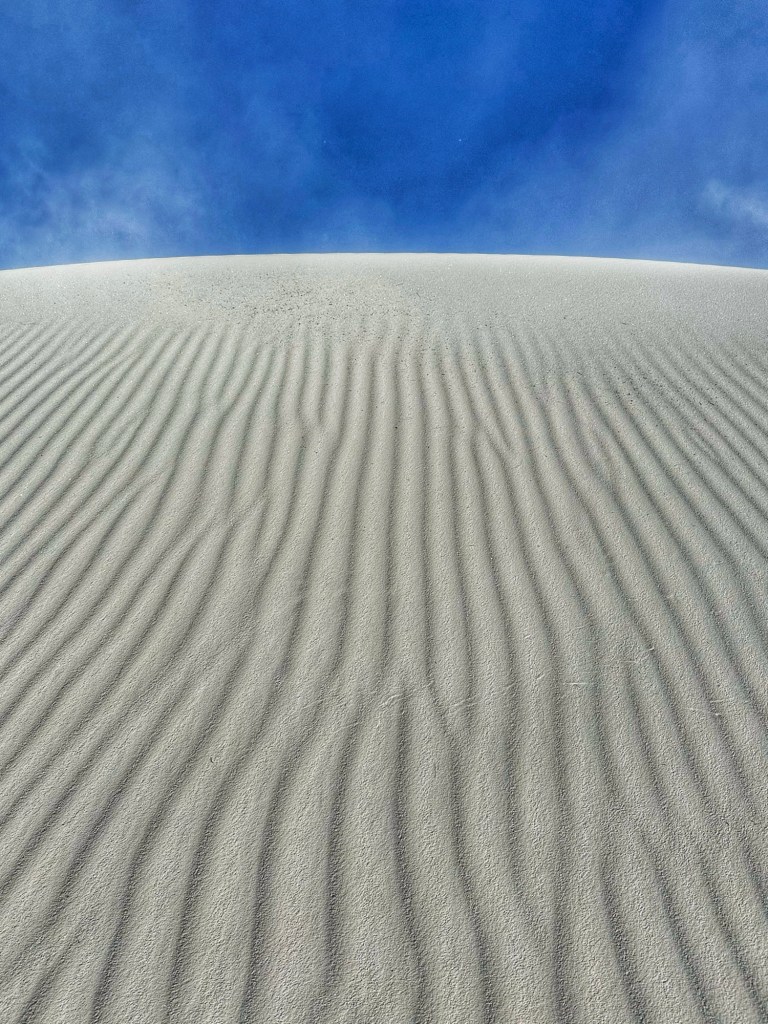
White Sands National Monument is located in the Chihuahuan Desert and covers 275 square miles of the Tularosa basin. Most of the sand we encounter is made up of granite but the sand in the Monument is made up of gypsum which has eroded from the surrounding mountains. It’s a surreal experience hiking through the dunes.
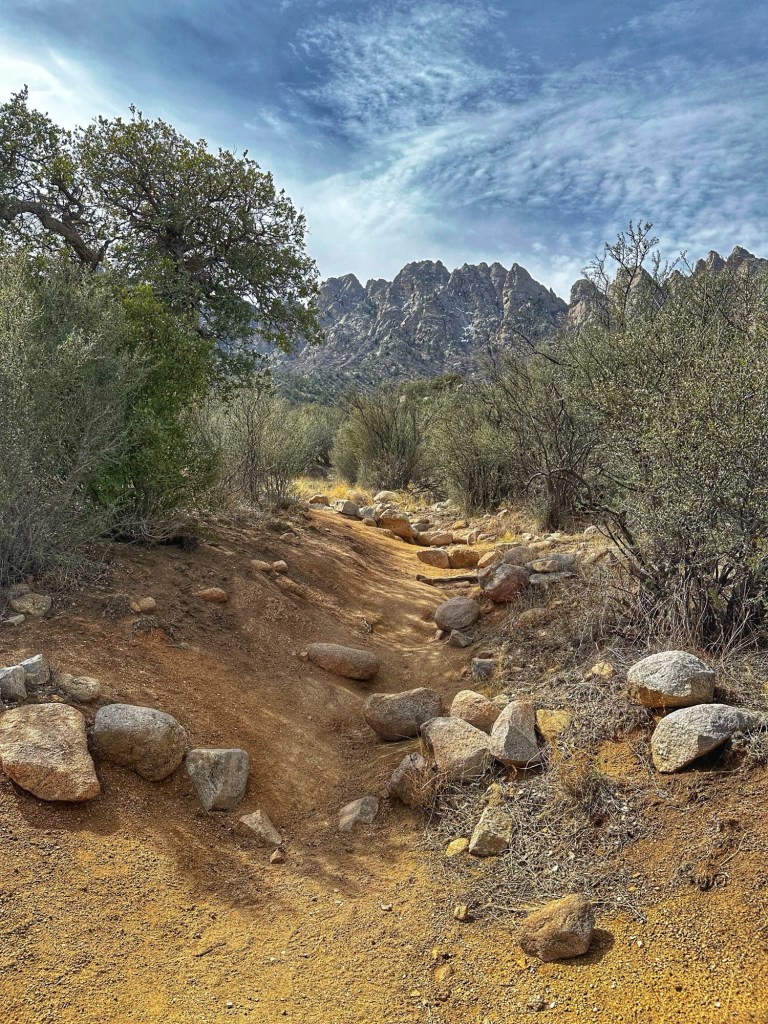
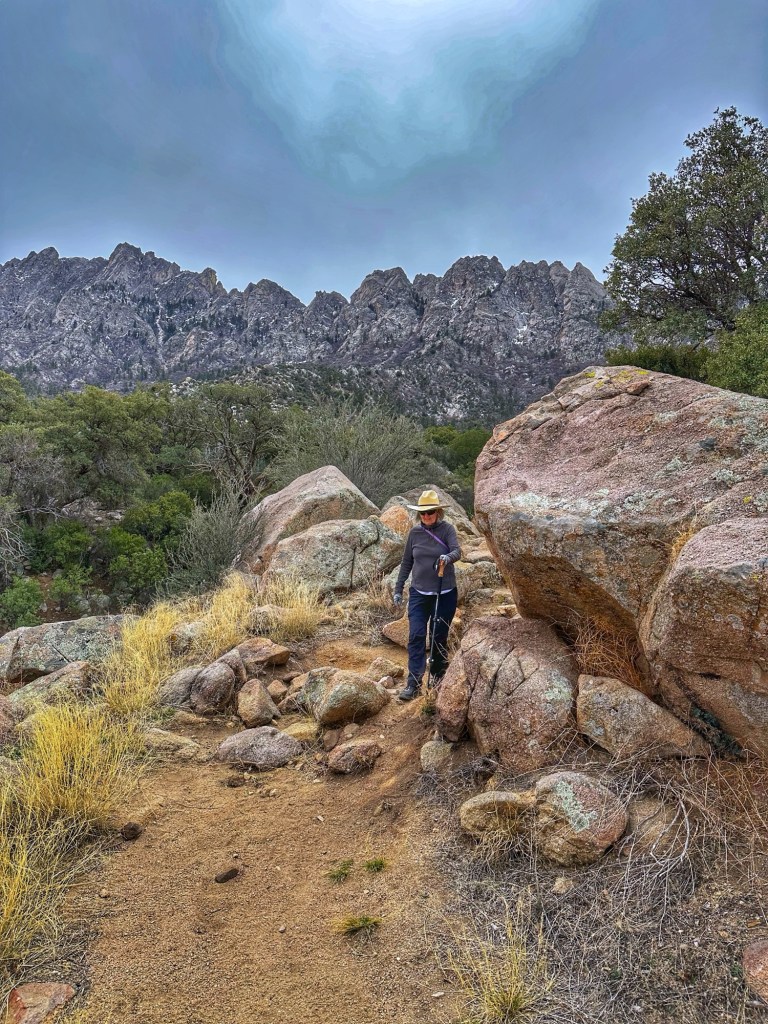
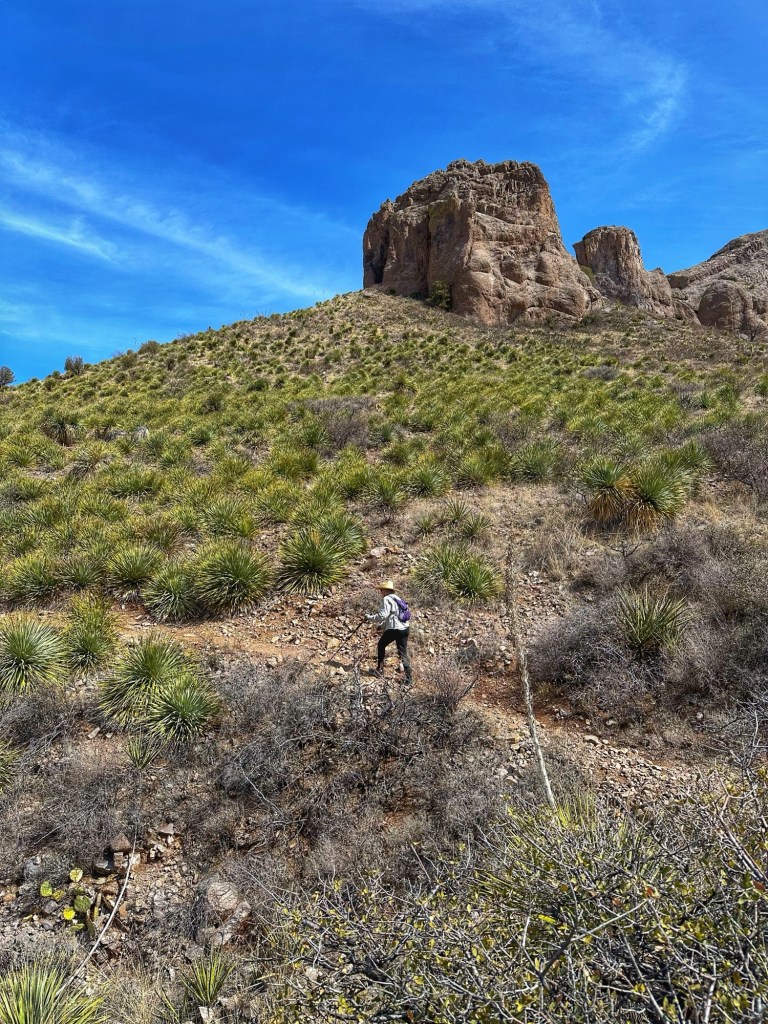
Our camp gave us views of the rugged Organ Mountains. This daily exposure made exploring them even more appealing. The mountains offer a lot of hiking options; we started at the Aguirre Spring Recreation Area with the Pine Tree Trail.
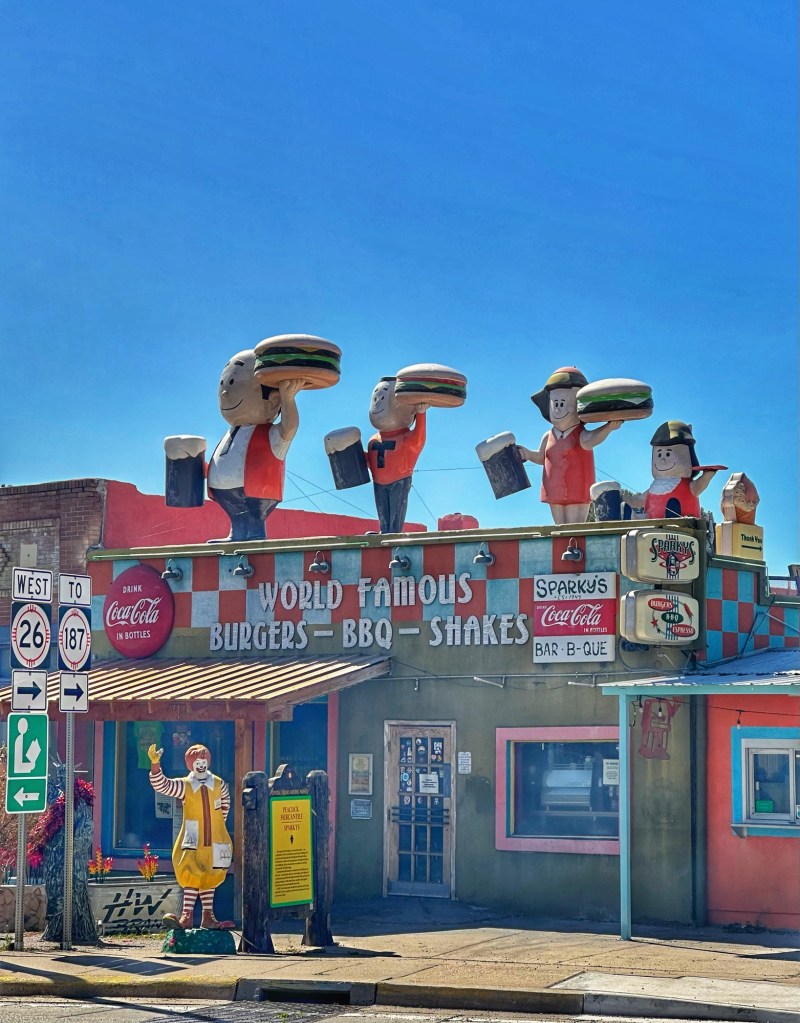
Hatch, New Mexico is an hour drive from Las Cruces and is home to some of the best green chilies available. Fresh chili season is in the Fall but we found some that were roasted and then dried(pasado). No visit to Hatch is complete without a trip to Sparky’s for one of their “world famous” green chili cheeseburgers.
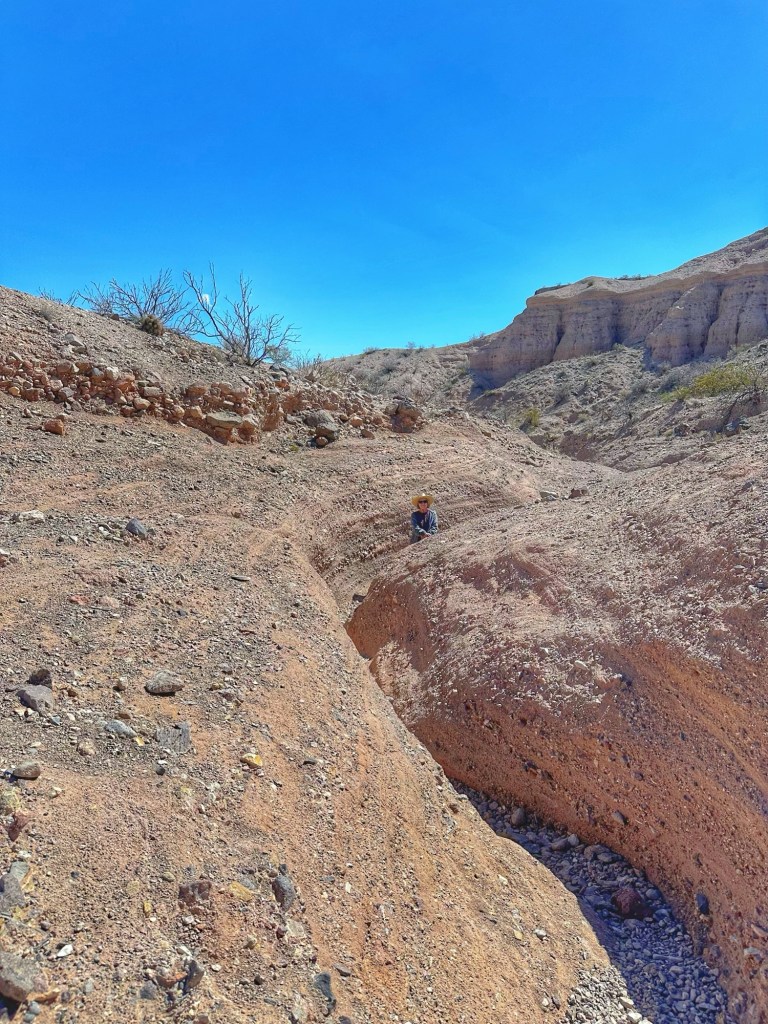
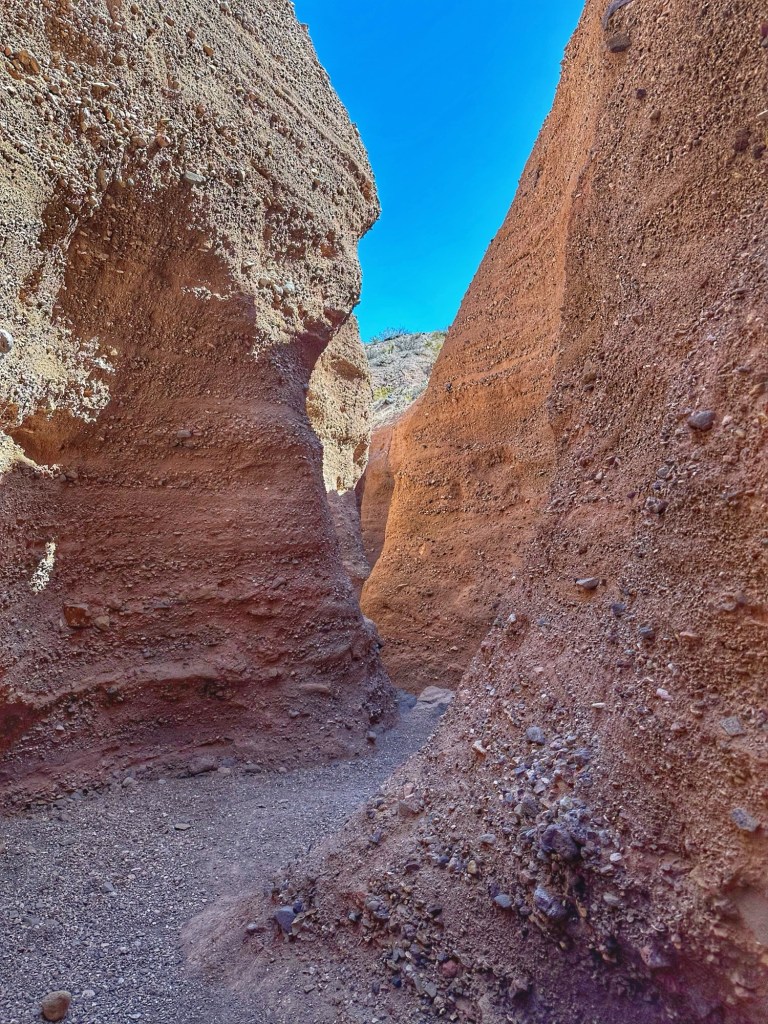
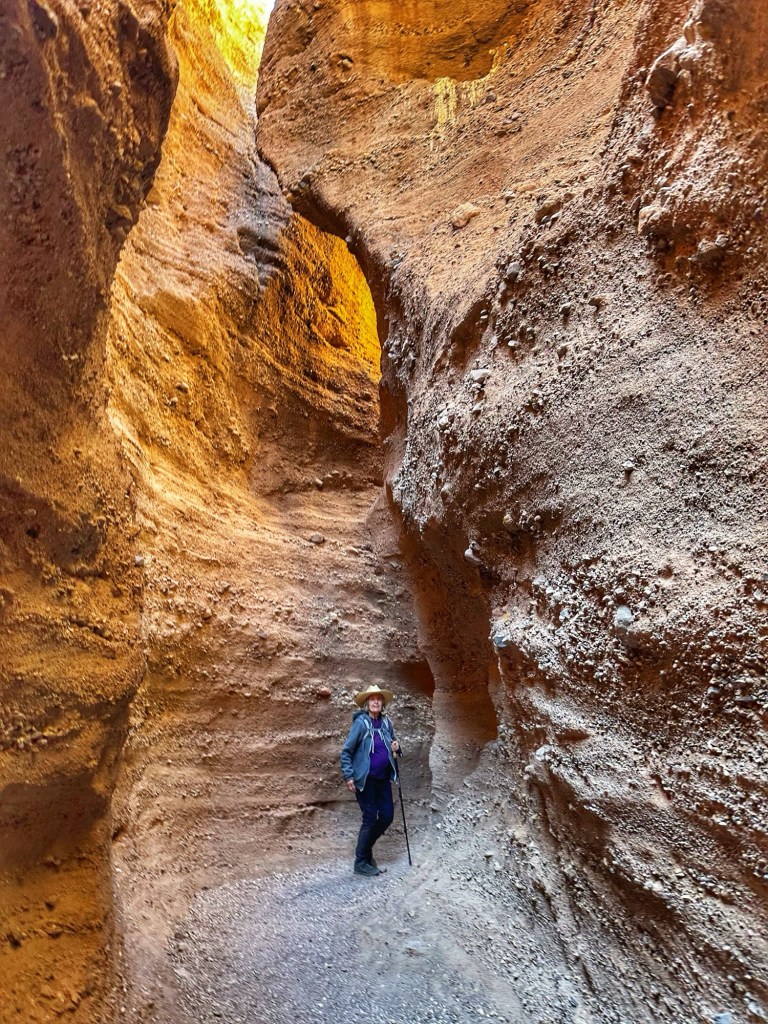
While researching hikes in the area Pat found a slot canyon just north of us in Radium Springs. We never pass up an opportunity to hike in a slot canyon.
We also hiked Bar Canyon, a box canyon located in the Organ Mountains near our camp.
Mojave Clumping CactusDried Sotol BlossomEntering the box
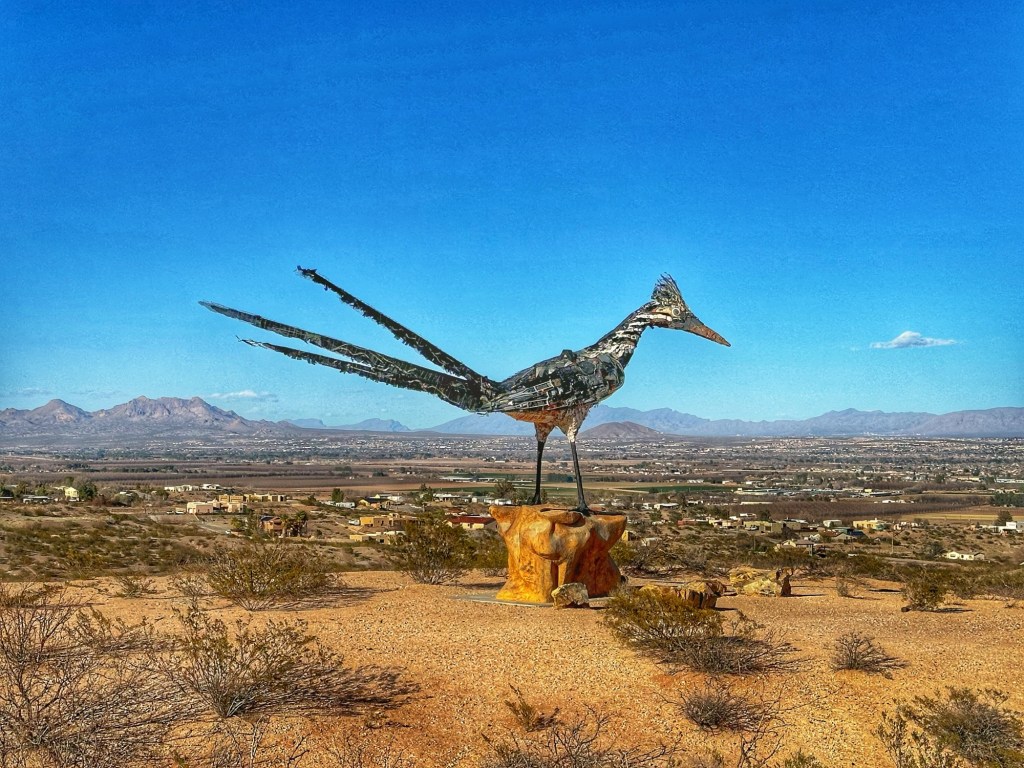
The roadrunner is the official state bird of New Mexico. Along Interstate 10 west of Las Cruces, you’ll find Olin Calk’s giant recycled roadrunner. The sculpture is created from landfill debris.
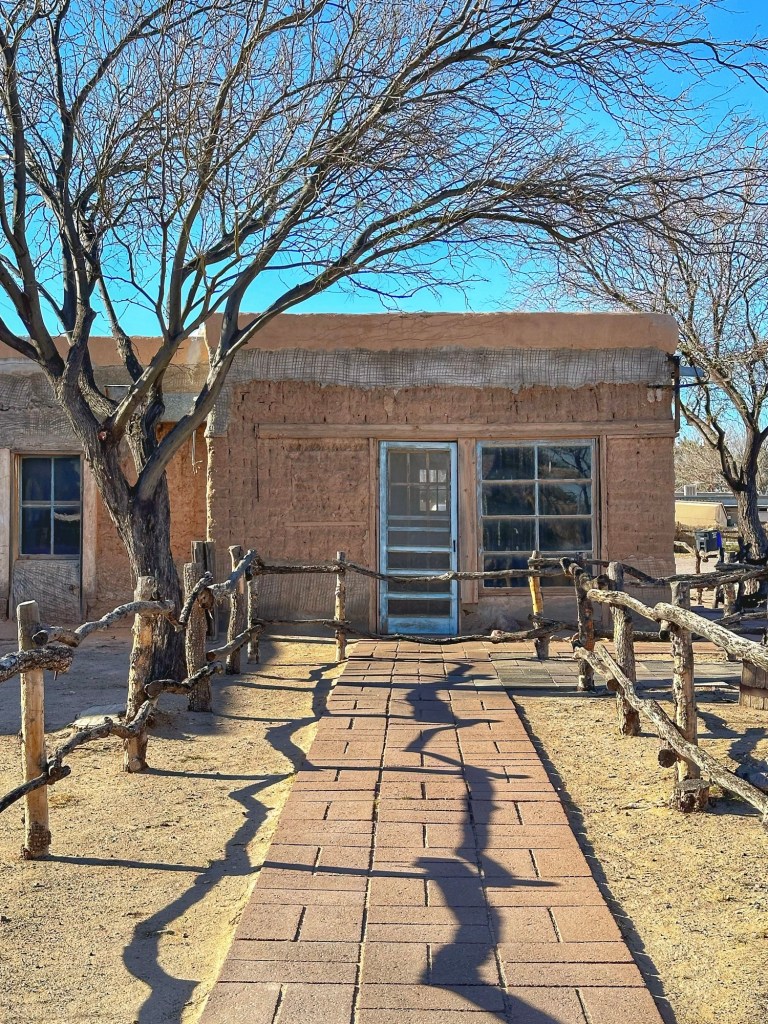
Just a few miles south of Las Cruces is the historic town of Mesilla. In the early 1800’s the Camino Real that traveled from Chihuahua to Santa Fe and the Butterfield Stage Coach from San Antonio to San Diego turned the area into a commercial hub. At that point in history it was part of Mexico. Many of the buildings surrounding the town square date to this time period.
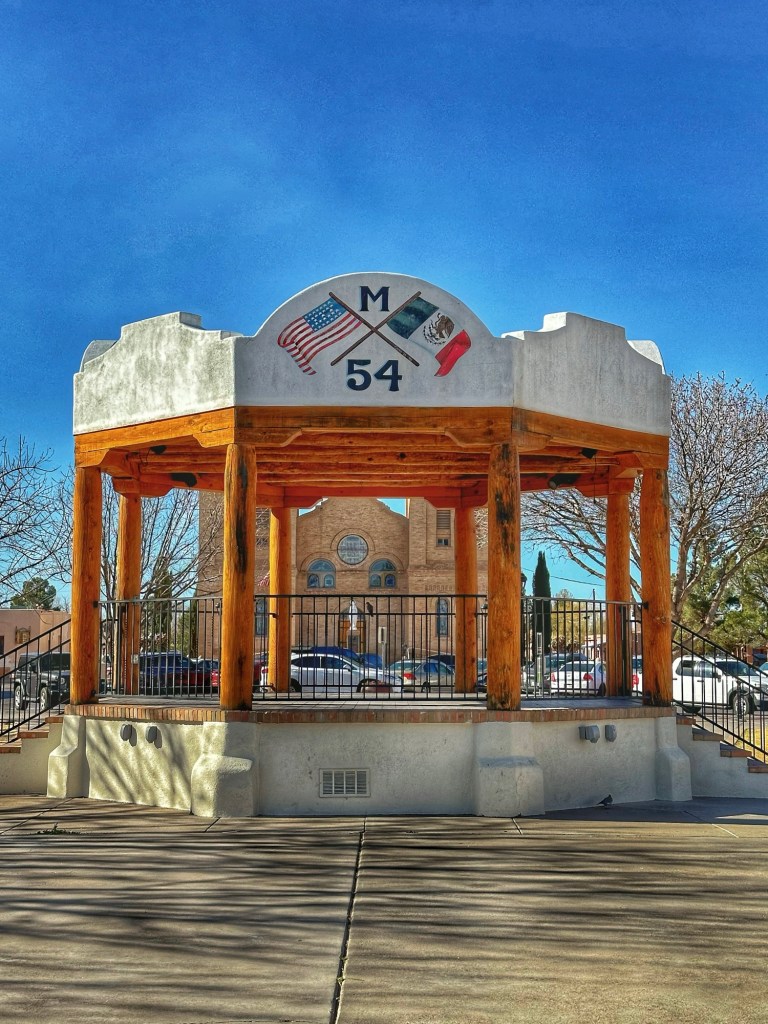
In the early 1850’s Mexico and the US were disputing their national borders. In 1854 the Treaty of Guadalupe Hidalgo, known as the Gadsden Purchase settled the boundary dispute. The bandshell in the town square commentates its signing.
Mesilla is is also the site where Billy the Kid was tried and sentenced to death in 1881.
Heading east usually means that our western adventures are nearly over. Las Cruces has been a pleasant pause and we will be back. But now it’s on to Bentonville~ bicycling capital of Northwest Arkansas.
Unforeseen circumstances required us to stay put in Tucson for an extra month. The extra month allowed us to continue our desert explorations and enjoy the friendships we’ve made during our stay. We were happy to get more time to bike the nearby desert trails.
Tim, Brian and Sue entering the quirky Fred’s Arena for dinner.
When we travel it’s always fun to meet people from around the country. Two years ago we met fellow Airstreamers Noelle and Andy. While they were in Tucson we hooked up for a hike in the Saguaro National Monument.
We chose the Sendero Esperanza trail.
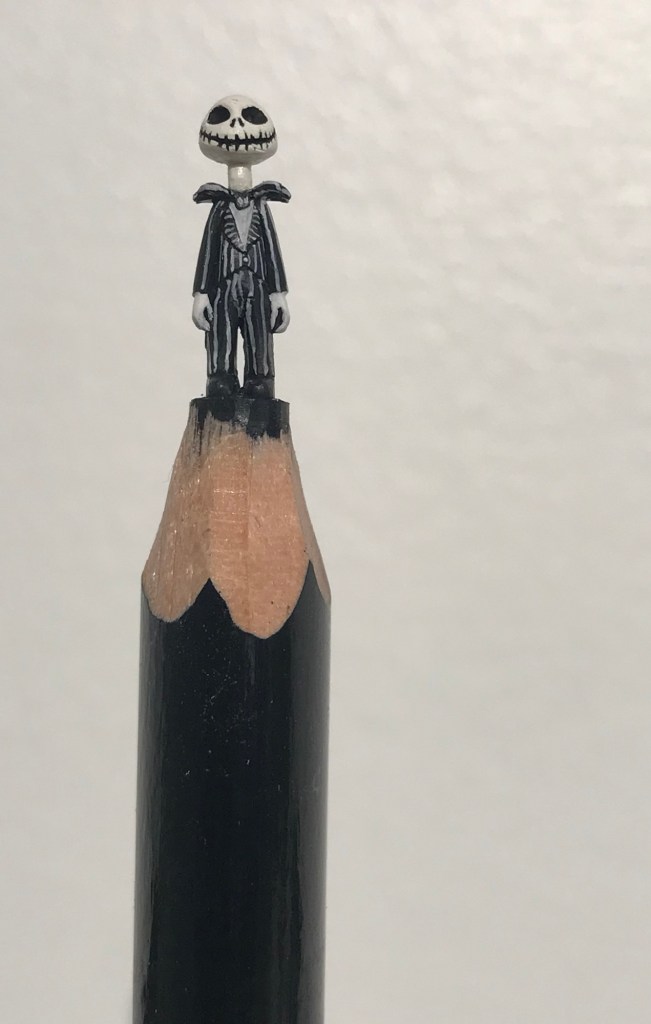
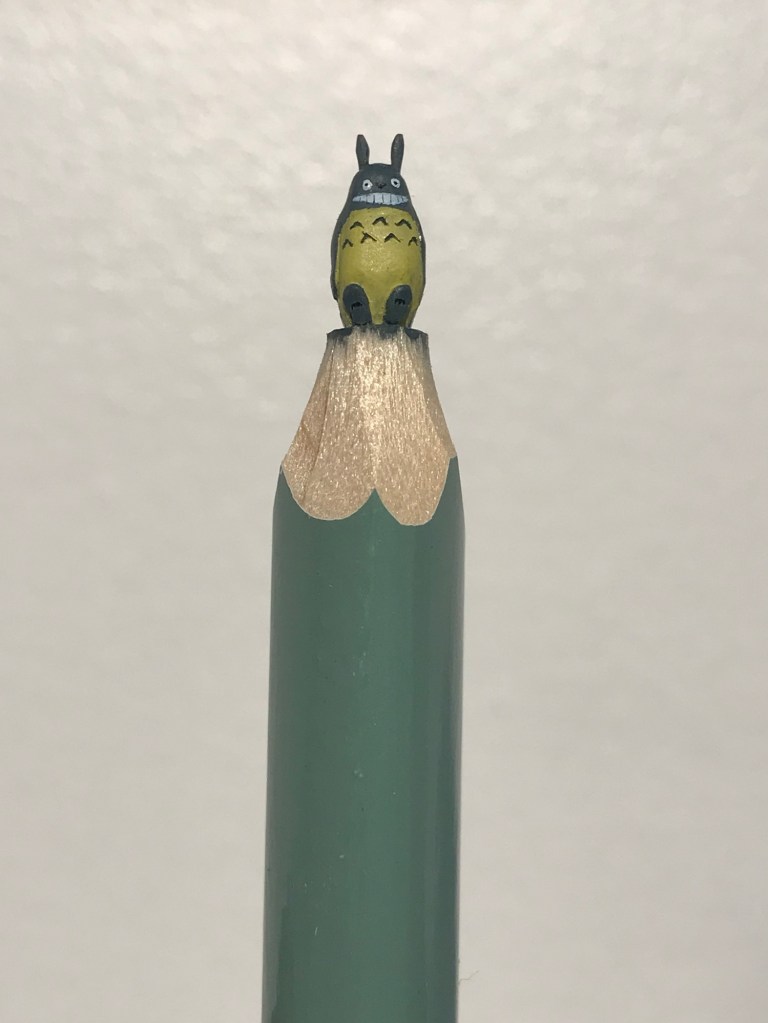
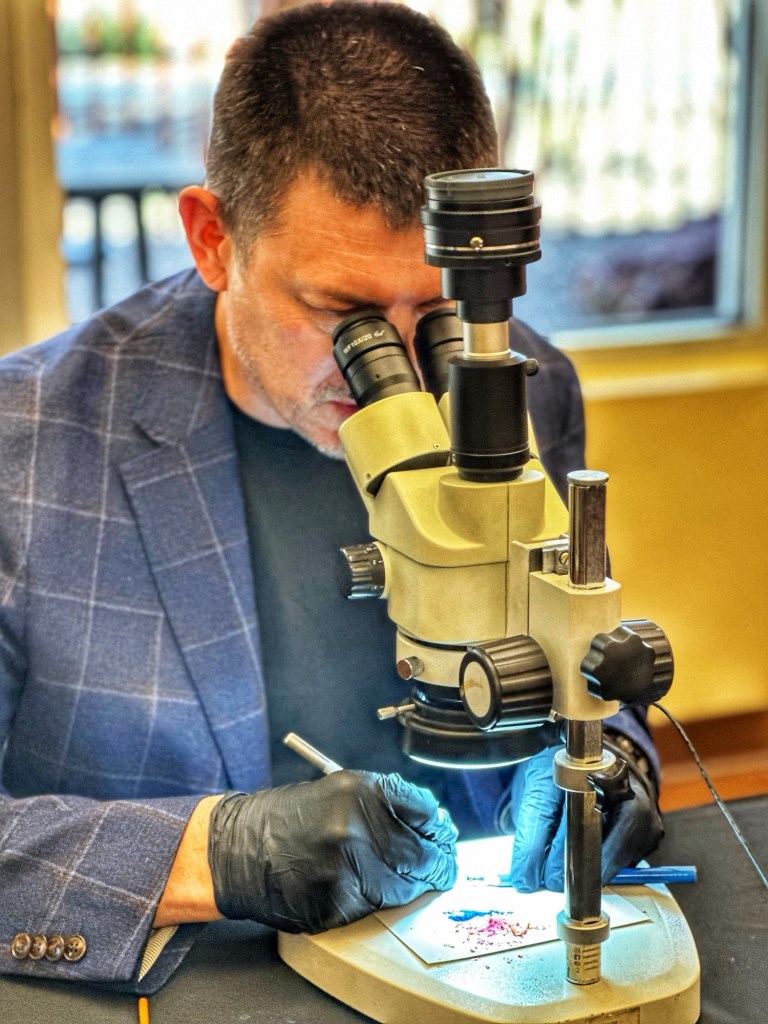
Tucson is home to a number of museums. While we’ve visited many of them over the years we’ve not made it to The Mini Time Museum of Miniatures. The museum features lots of doll houses, old and new, but we visited to see a special exhibit; The Pencil is Mightier: Art on the Tip of a Pencil by Salavat Fidai.
Salavat Fidai at work
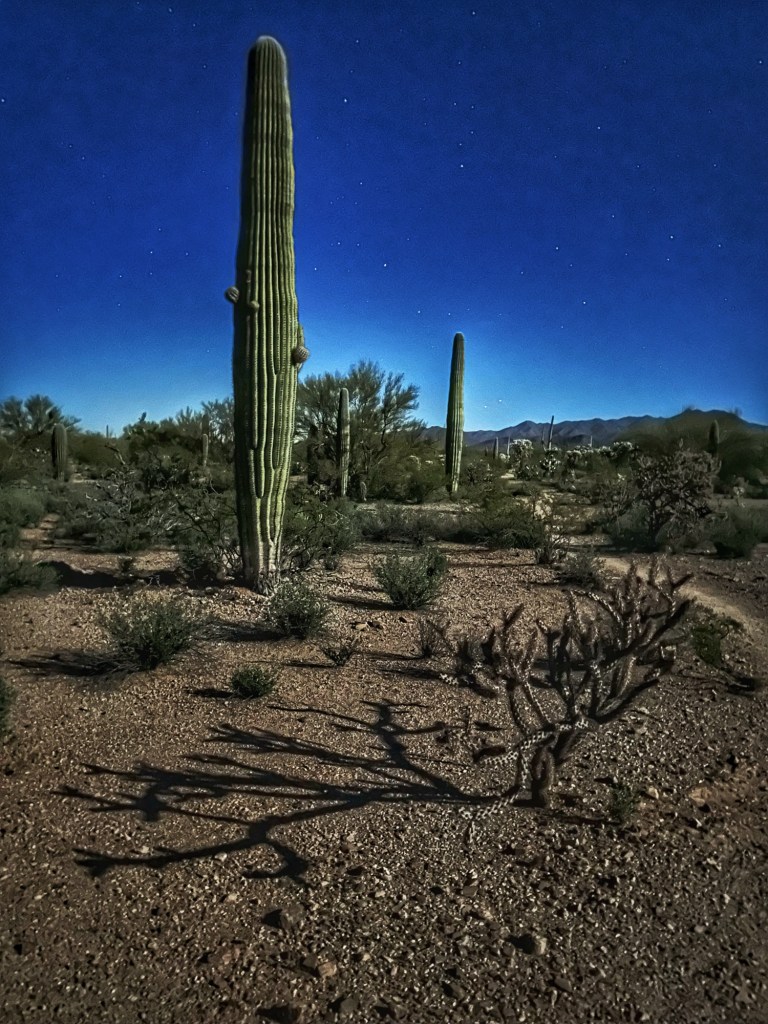
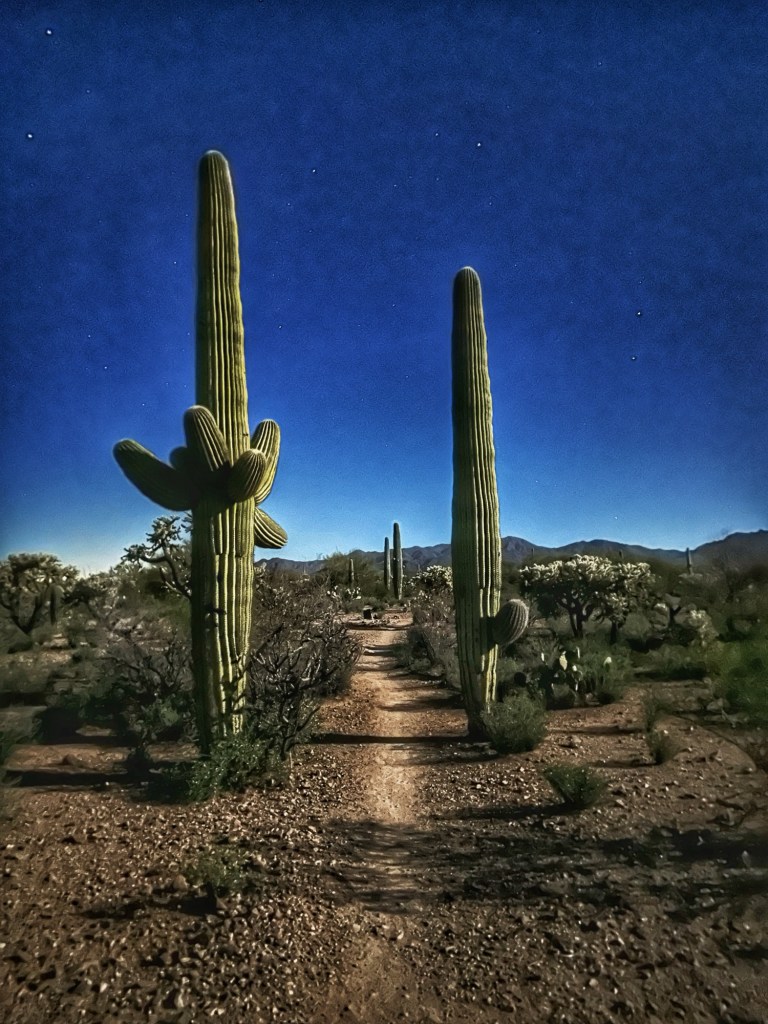
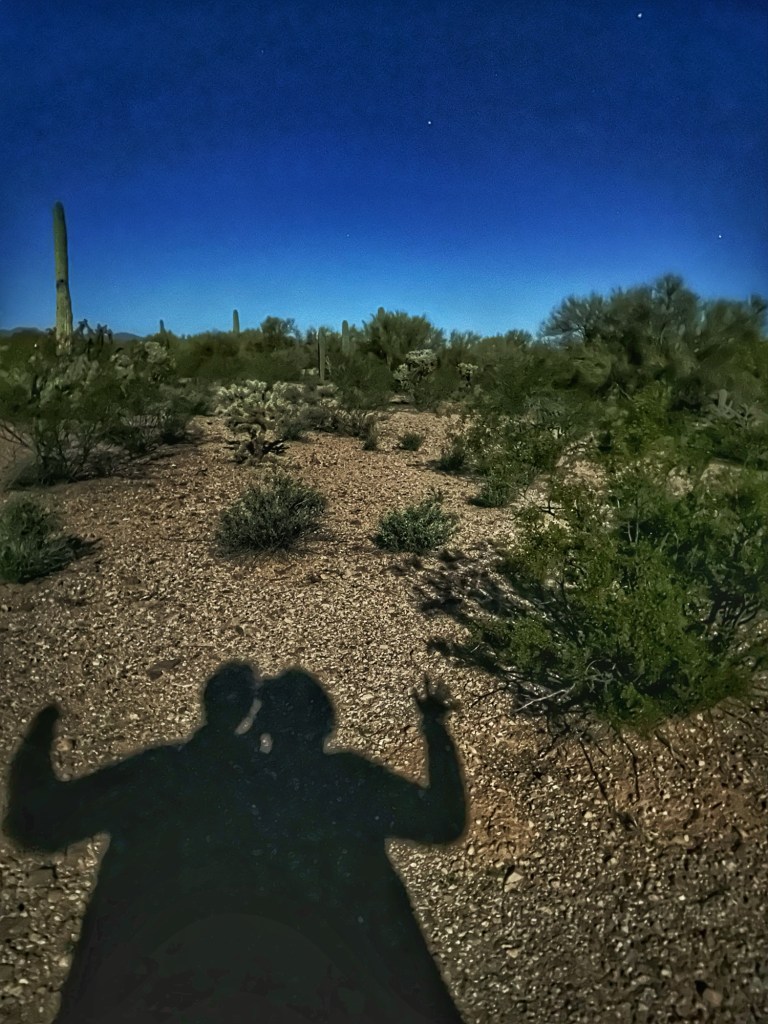
The extra month also gave us an opportunity to hike the desert under a full moon, no flashlight needed. It was as a unique experience. These photos were taken at around 8:00 pm.
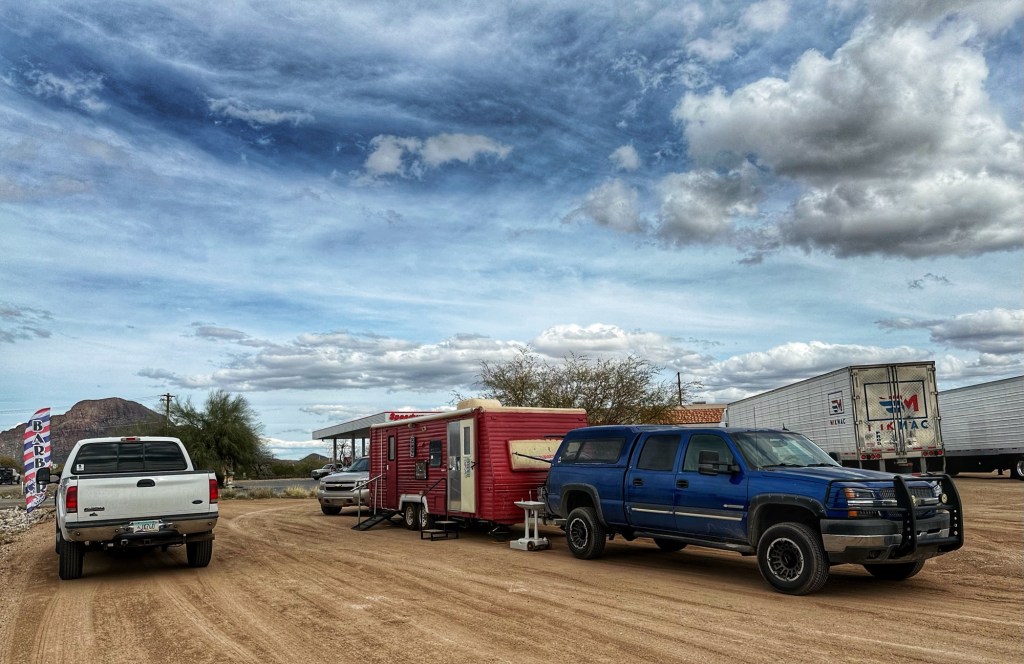
Shelly had another unique experience during our stay, a visit to the mobile barber (El Royo) that was set up next to our local Speedway gas station. The proprietor says he is one of three mobile barbers operating in Tucson.
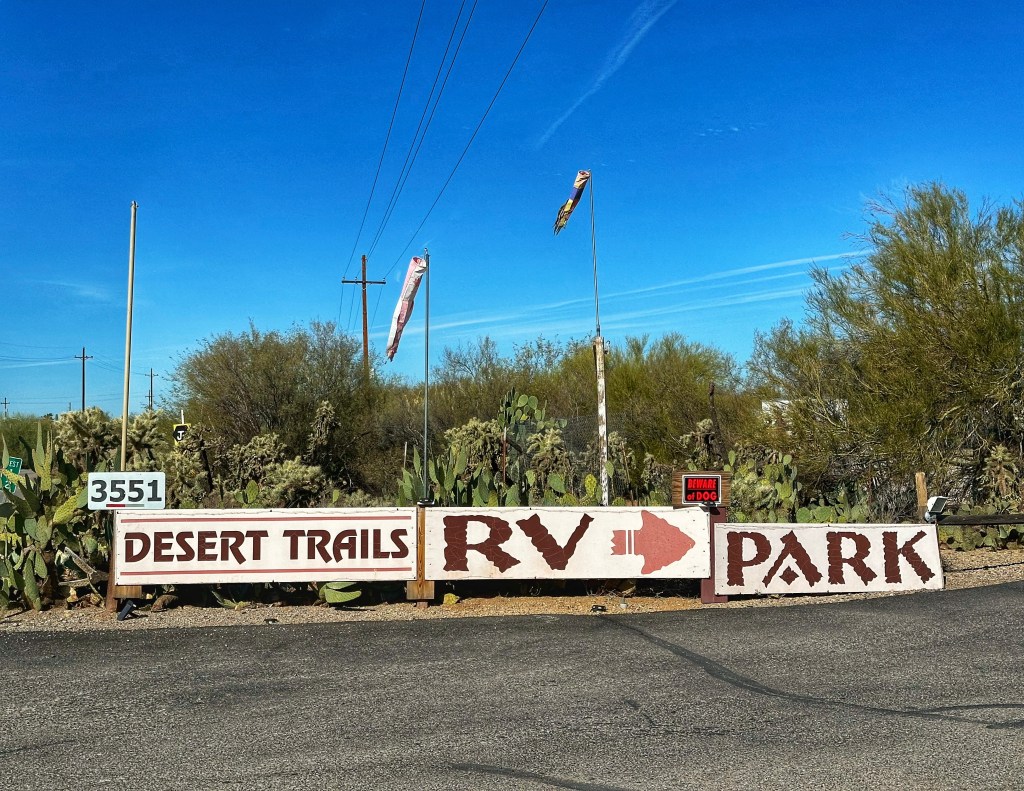
The Sonoran Desert always draws us back to Tucson. The appeal of Desert Trails RV Park, besides the friends we’ve made, is the easy desert access. We’ll be heading East but we’re sure the call of the desert will have us back in Tucson before long.
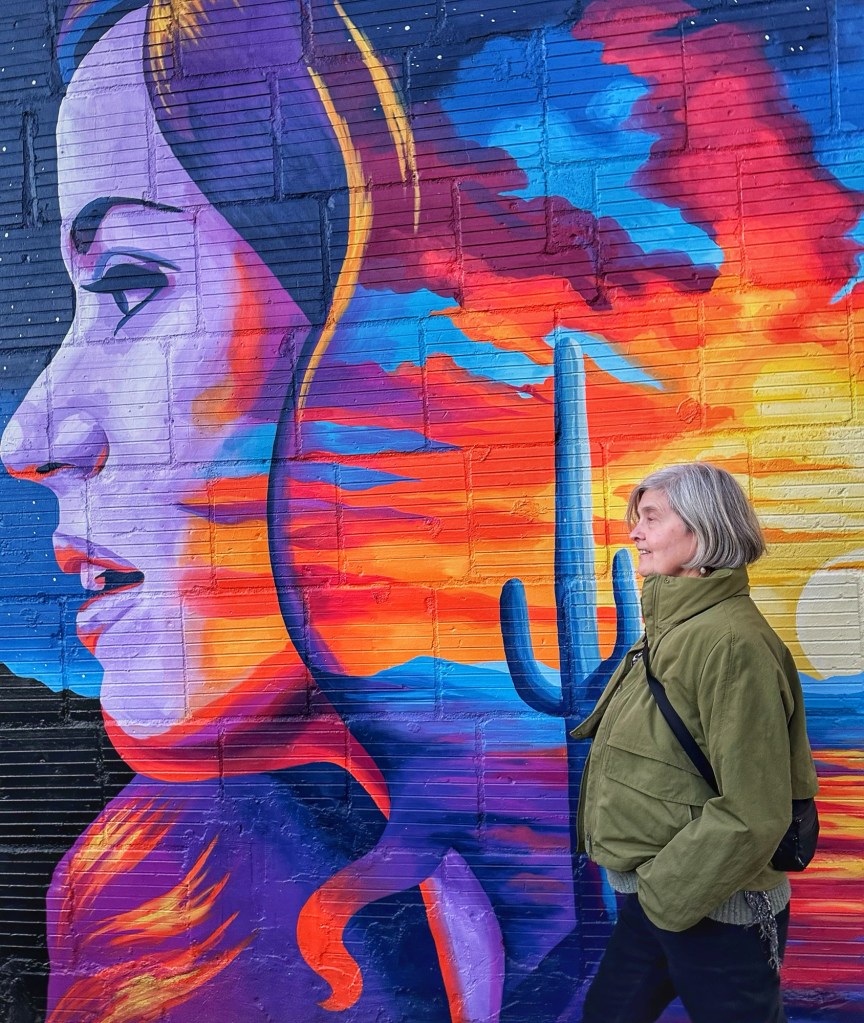
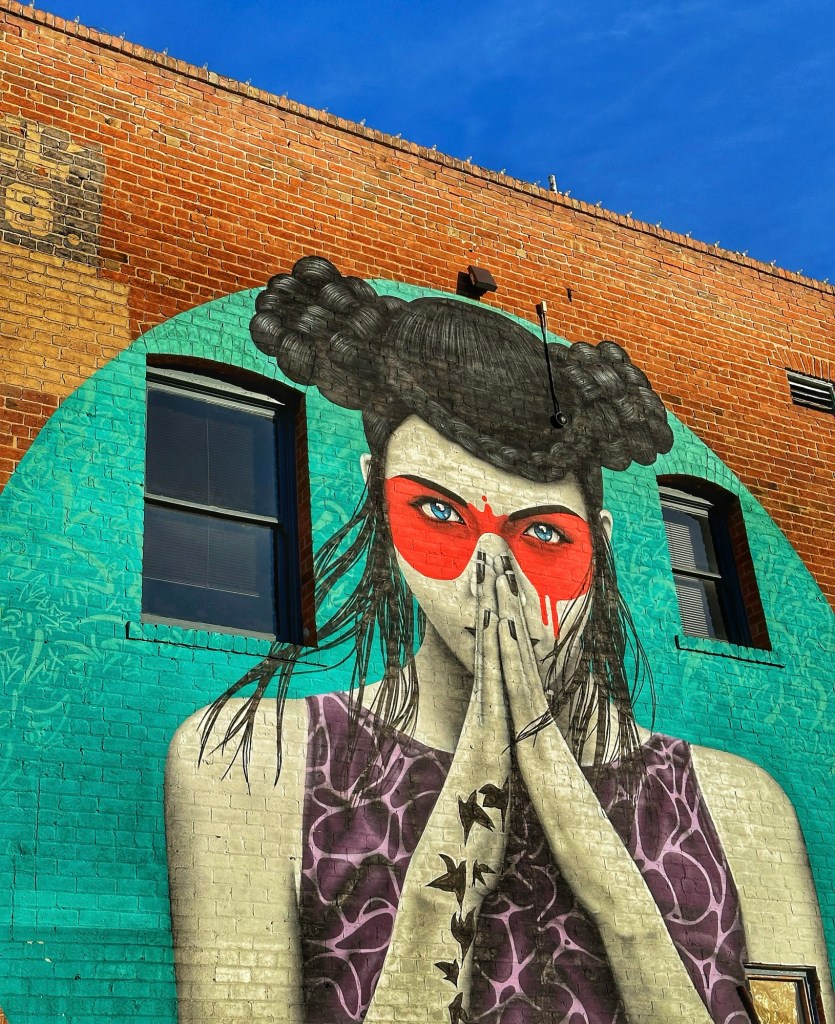
Part of our motivation for staying in Tucson was to attend the Tucson Jazz Festival and the city’s Gem and Mineral Show. Our extended stay also gave us a chance to wander downtown Tucson and checkout its many murals.
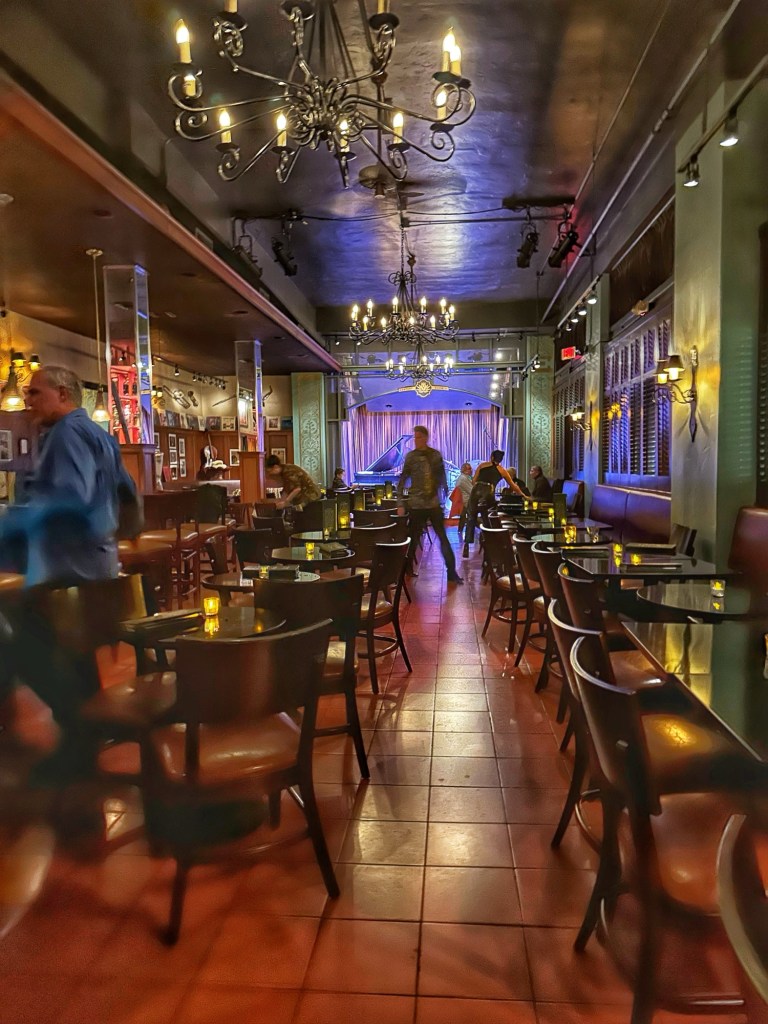
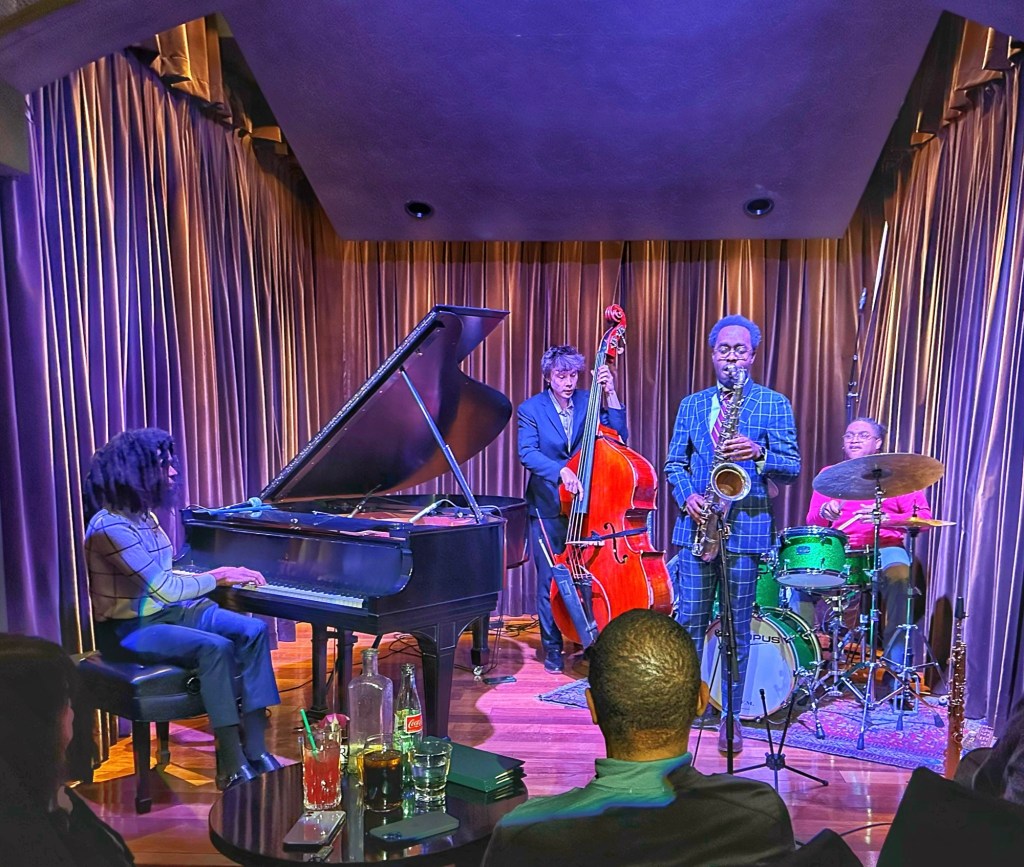
Most of the shows we attended for the Jazz Festival took place in the Century Room, a relatively new, two year old club in the Congress Hotel.
The 100 seat Century Room
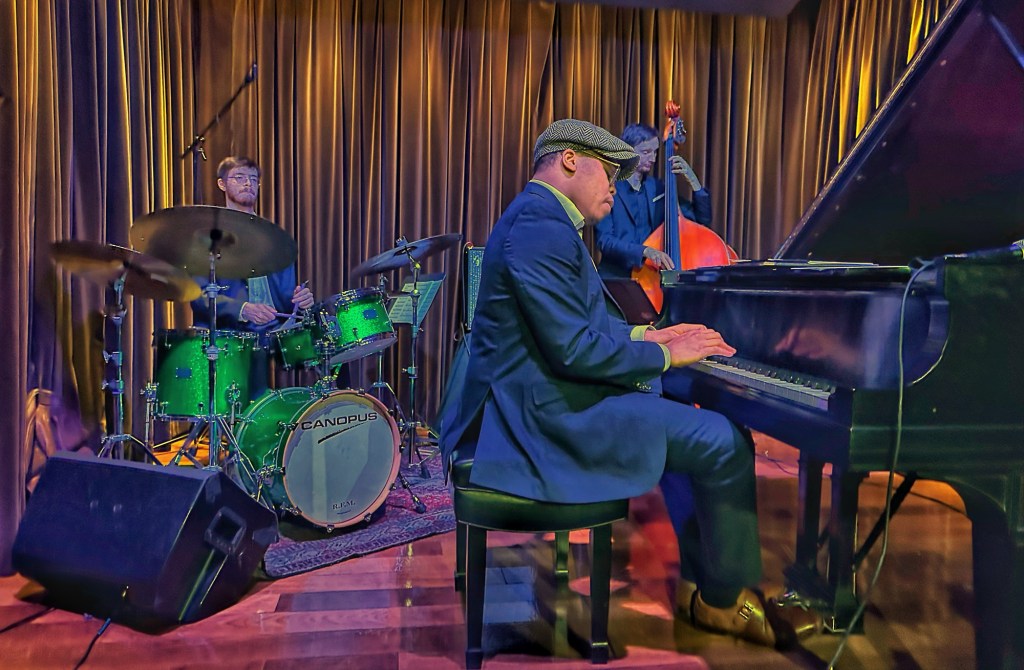
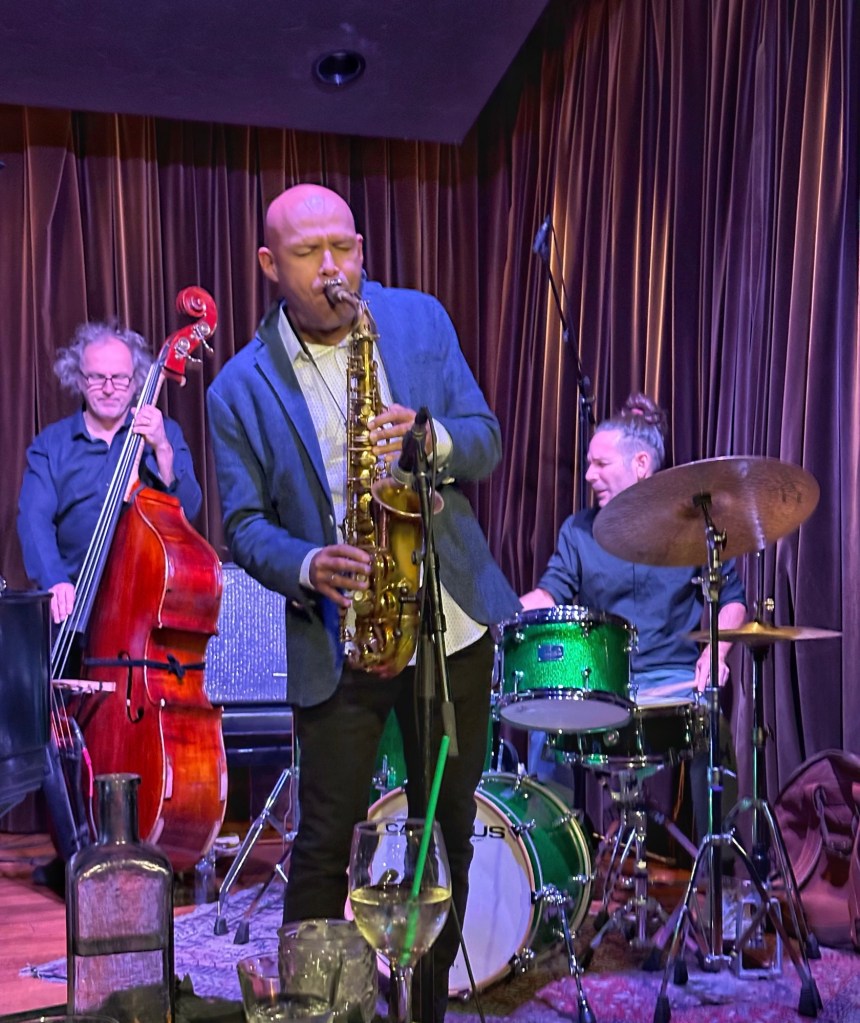
This is a world class jazz venue that offers music almost nightly. We enjoyed everything we saw at the club and the Old Fashions were tasty.
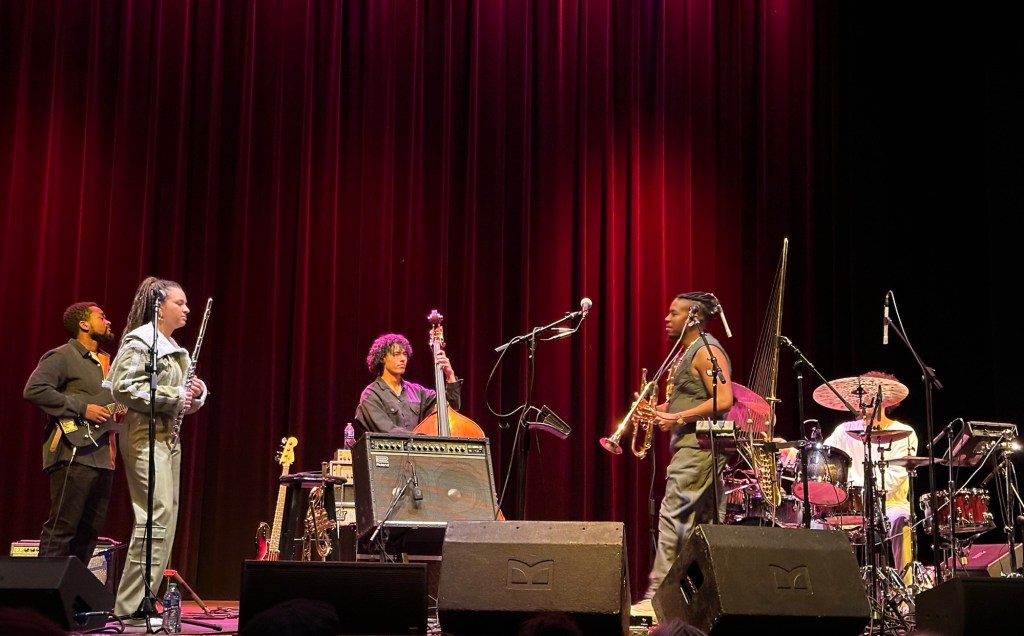
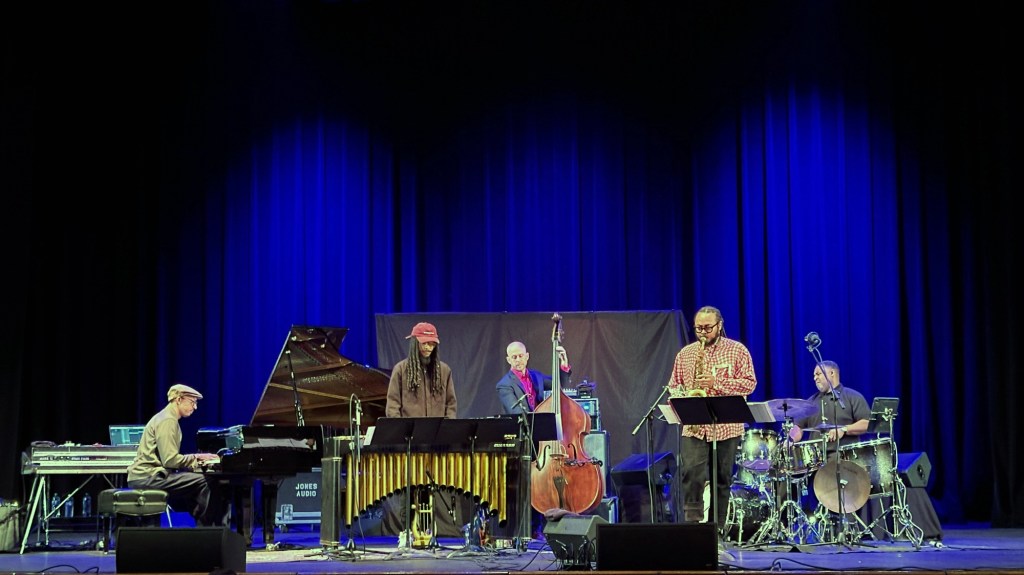
Isaiah J. Thompson TrioMiguel Zenon Sean Mason Quartet Donny McCaslin
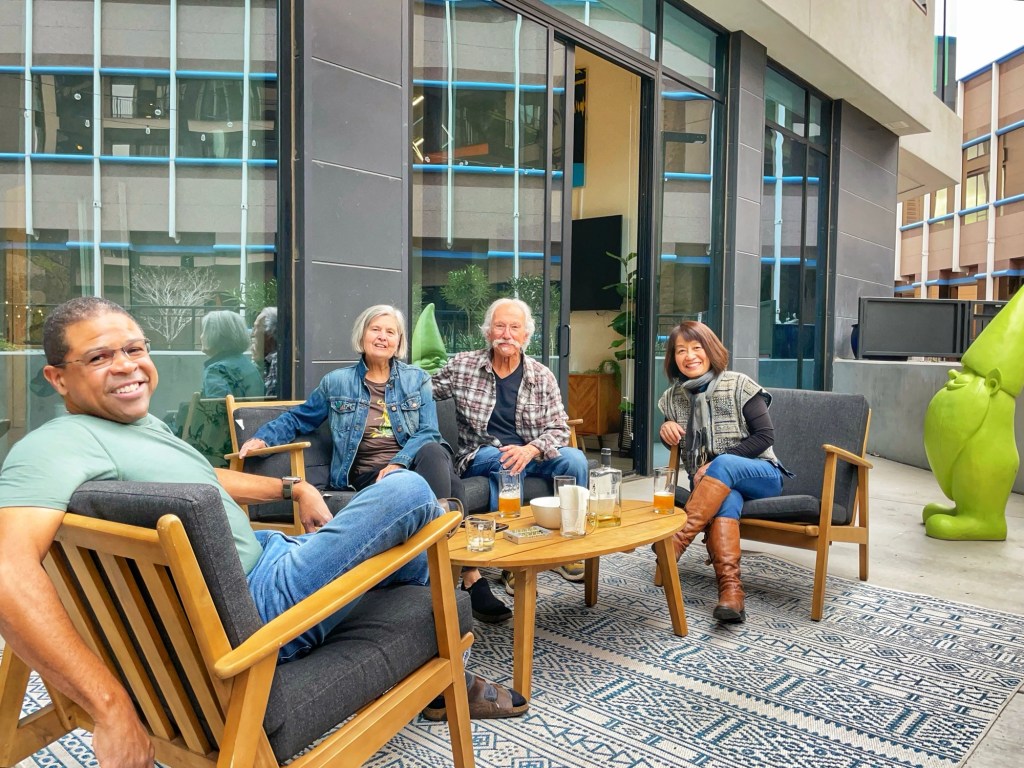
On of the great things about jazz festivals (besides the music) is meeting and connecting with fellow fans. This trip we met a terrific couple from Los Angeles, Rob and Fumiko. We hung out, went to dinner and enjoyed their company.
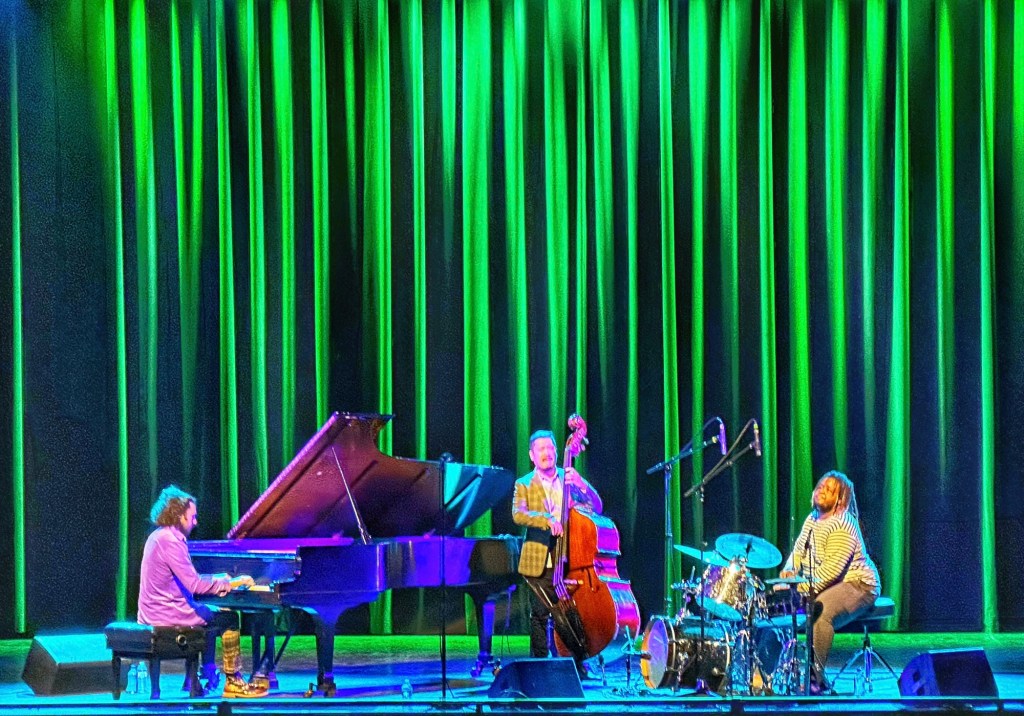
We also attended some terrific shows in some of Tucson’s larger music venues.
The Emmitt Cohen Trio at the Rialto Theatre
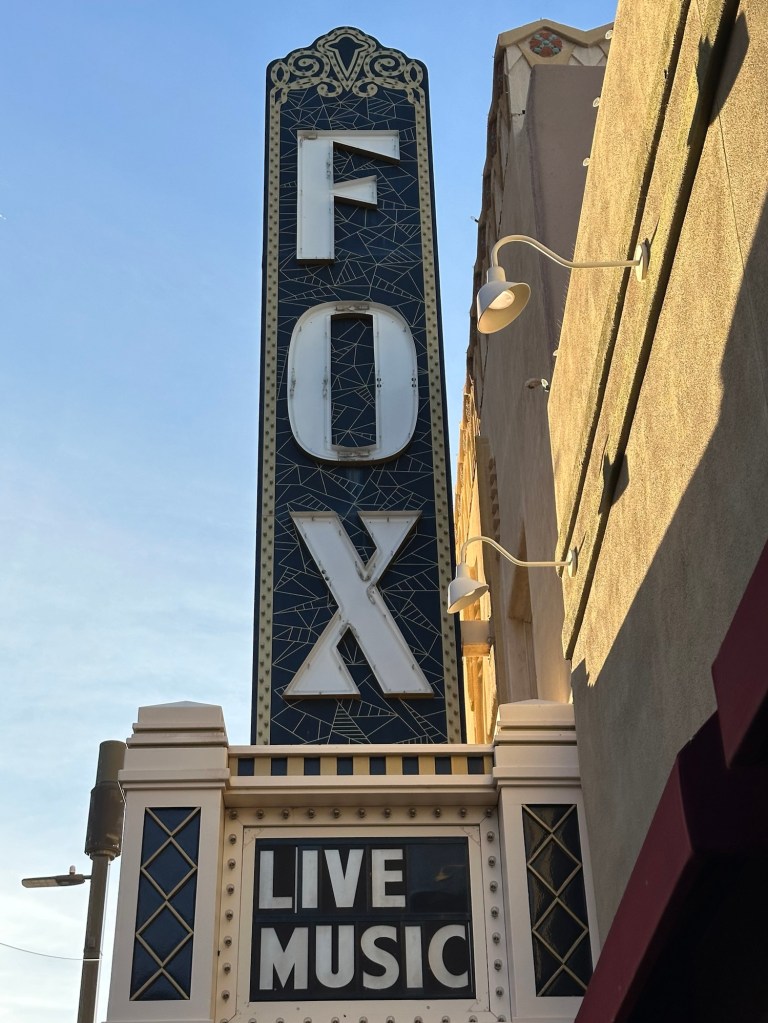
We enjoyed two shows at the restored Fox Tucson Theatre.
Chief Xian aTunde AdjuahBlue Note Quintet featuring Gerald Clayton, Joel Ross, Matt Brewer, Immanuel Wilkins, and Kendrick Scott
It was a phenomenal week of music. The festival got us downtown almost daily which gave us an opportunity to checkout downtown’s many murals.
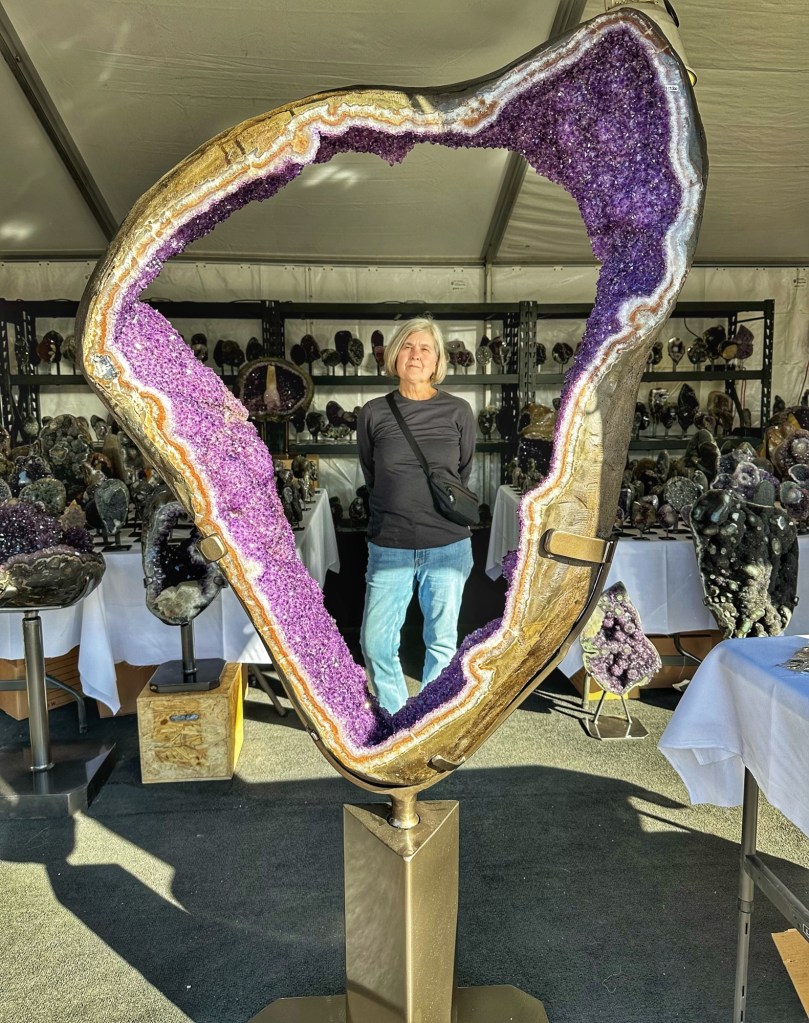
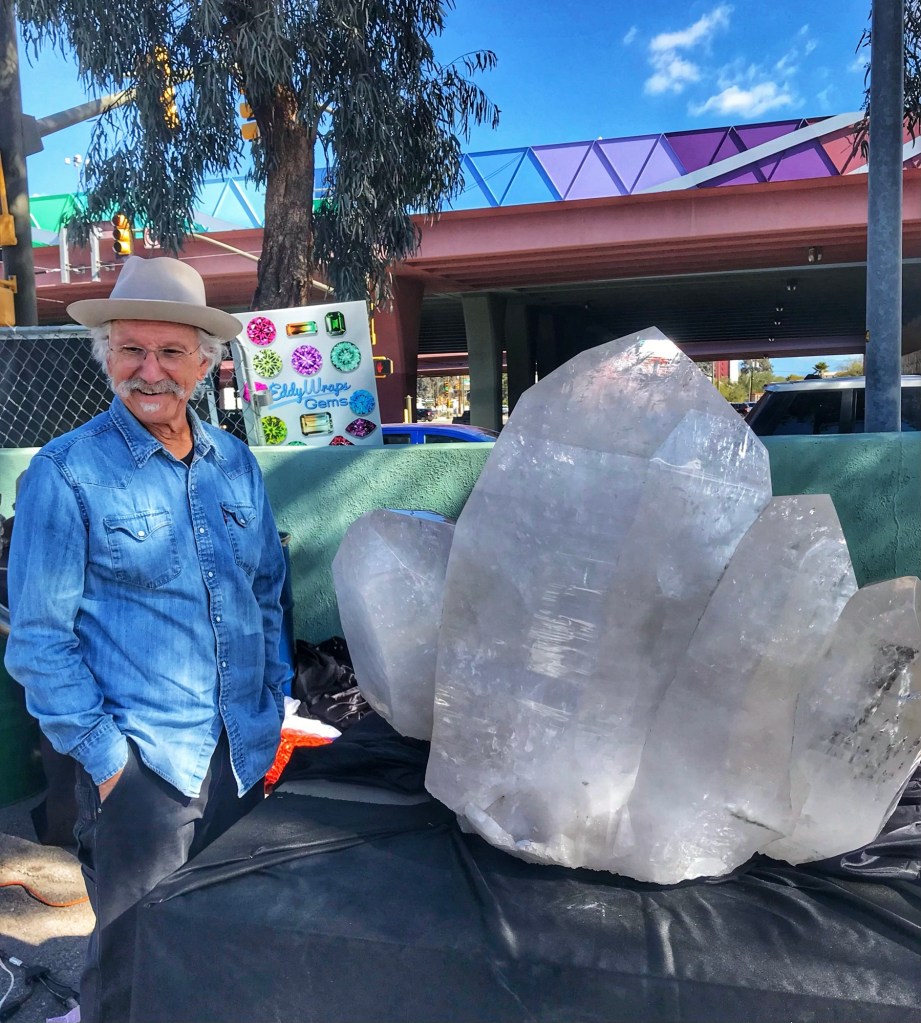
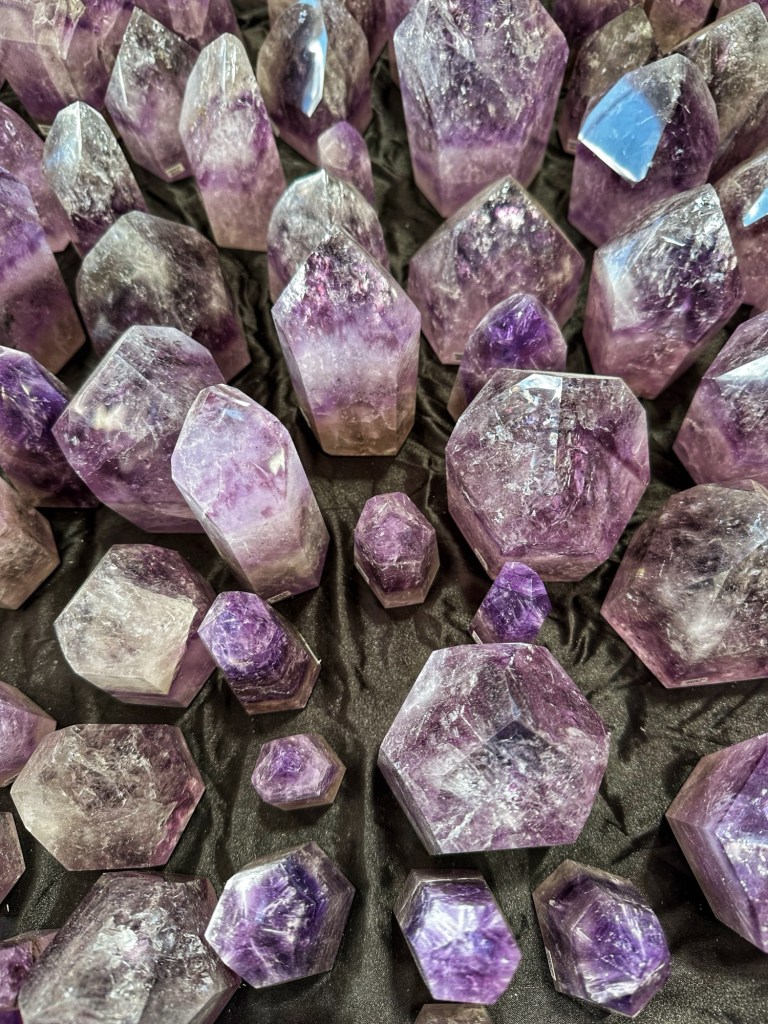
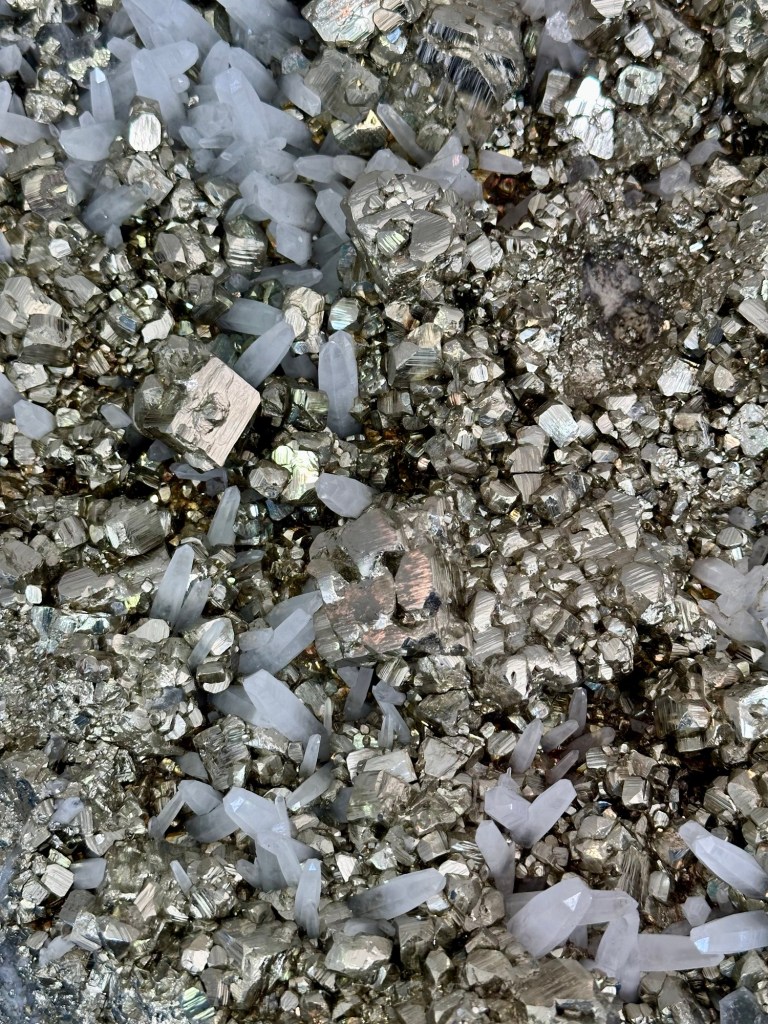
The Tucson Gem and Mineral Show is an annual event that draws thousands of visitors from around the world. The event is billed as the world’s largest gem and mineral show and we believe it. It’s been on our “to do” list for a while and this year we made it happen.
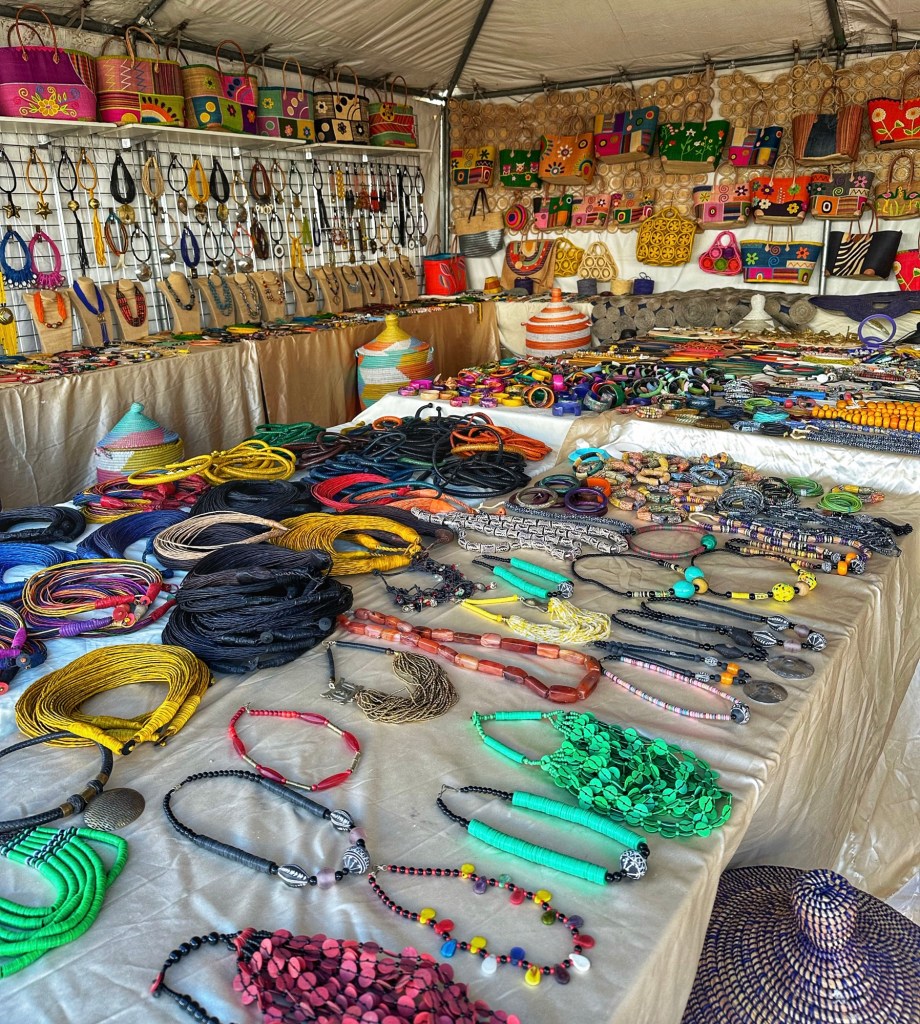
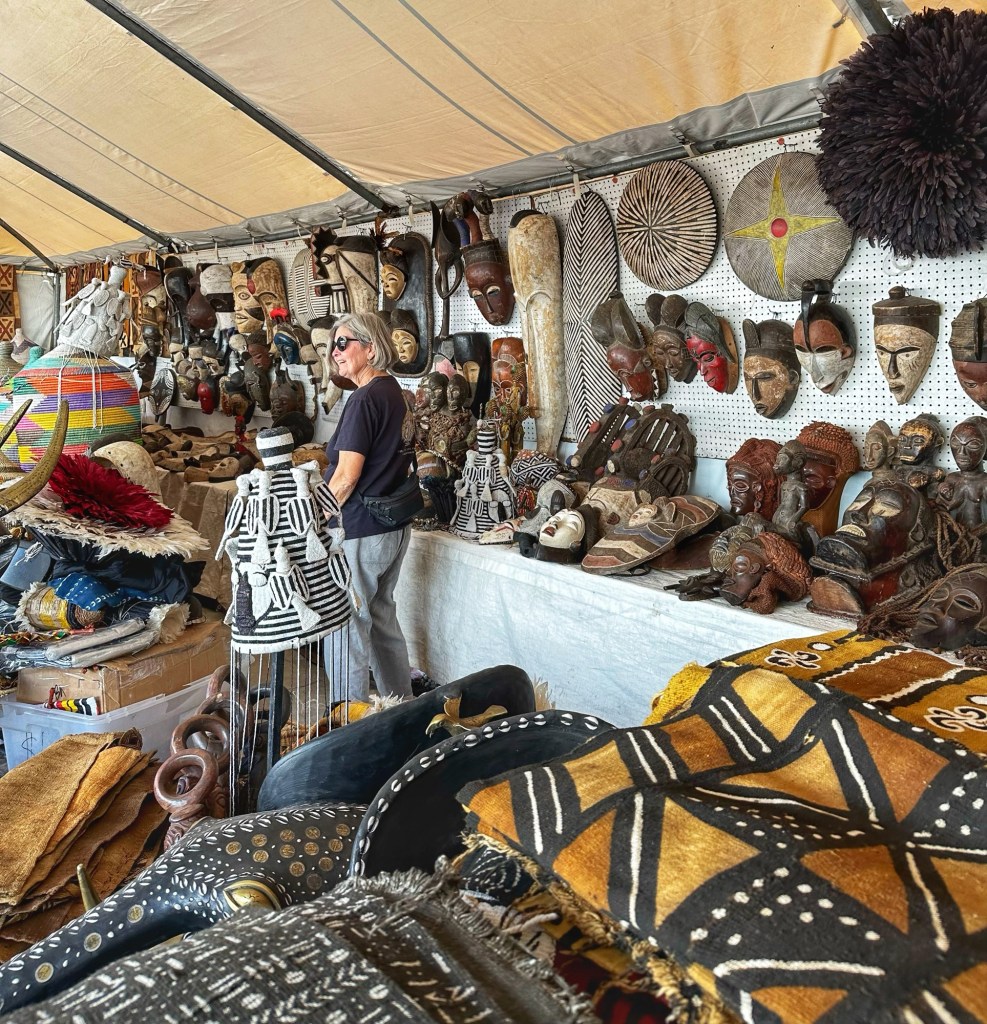
An African Village was set up in tents on a large parking lot. This is where vendors from Africa set up shop.
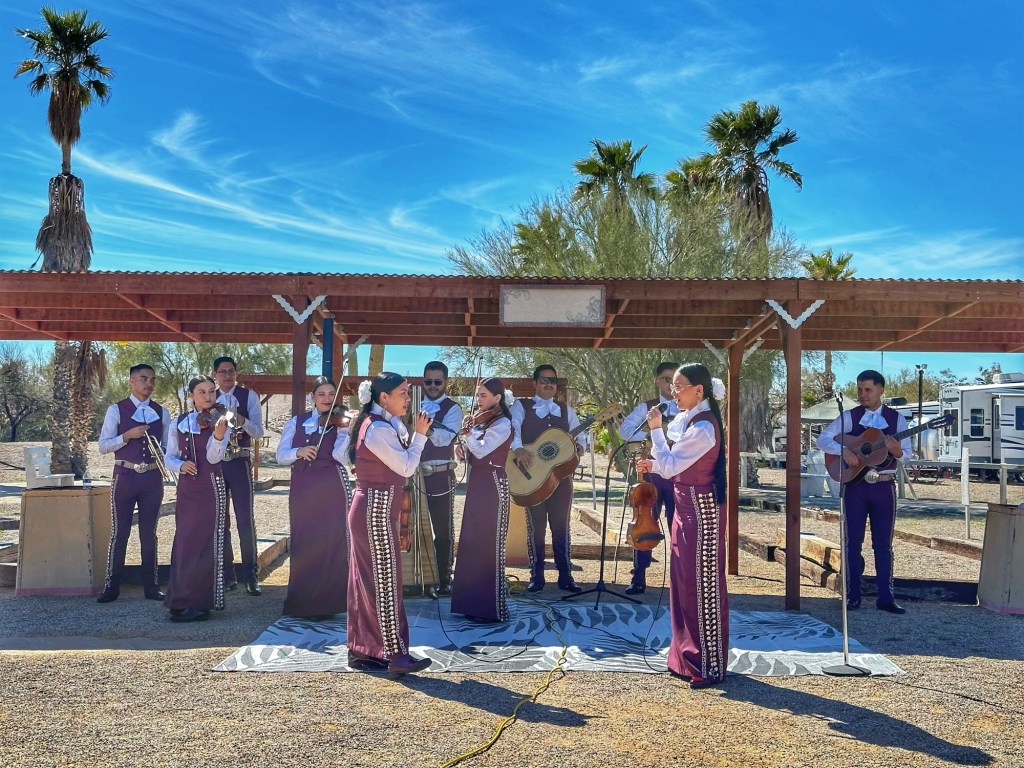
It’s an overwhelming experience to wander through the exhibits. After about four hours our eyes glazed over and knew it was time to move on. Meanwhile, back at camp the the Sunday music program continued full speed ahead.
The Sonoran DogsMariachi Nuevo Azteca
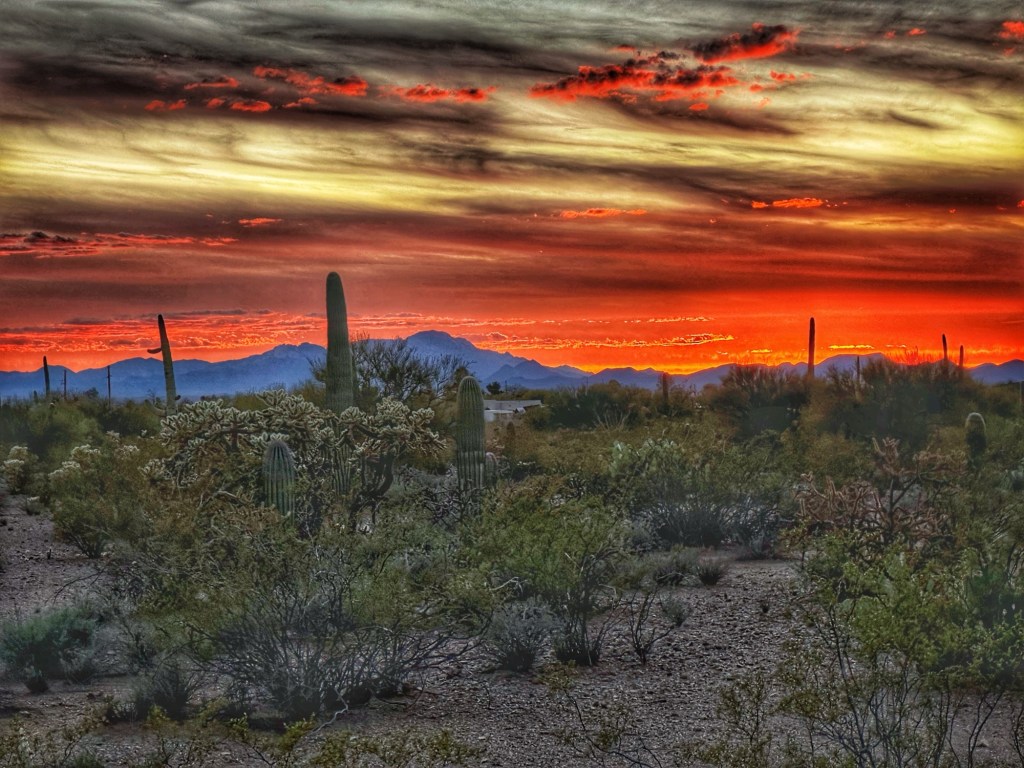
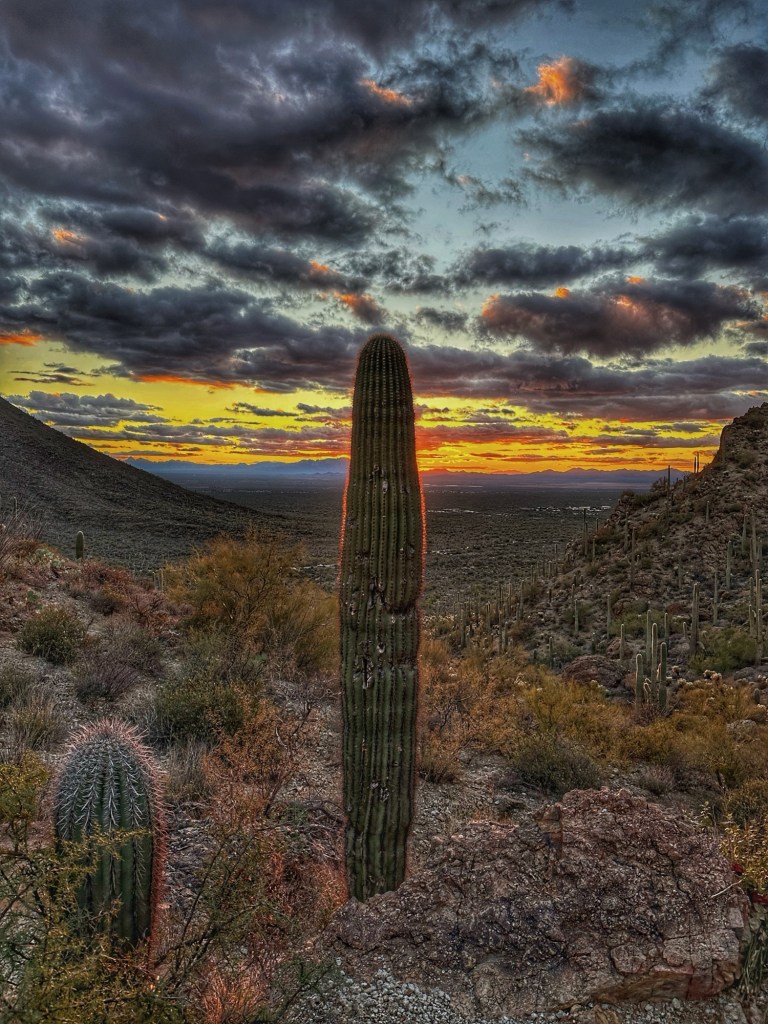
In between all the music we continue to enjoy the stunning Arizona sunsets.
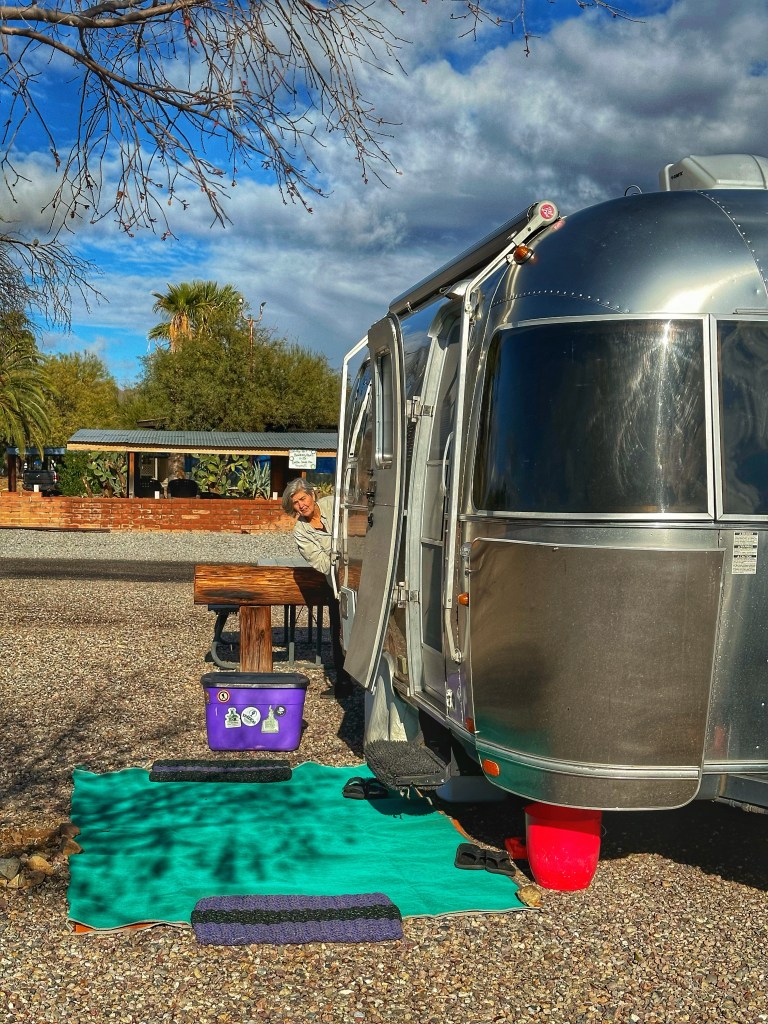
We decided to try something different during this visit to Tucson. Instead of moving around we’ve put down roots at the RV park for an extended stay. Being in the same place for an extended time has allowed us to do more socializing and more completely explore this section of Tucson. We were even able to have the Tincan washed and waxed during our stay.
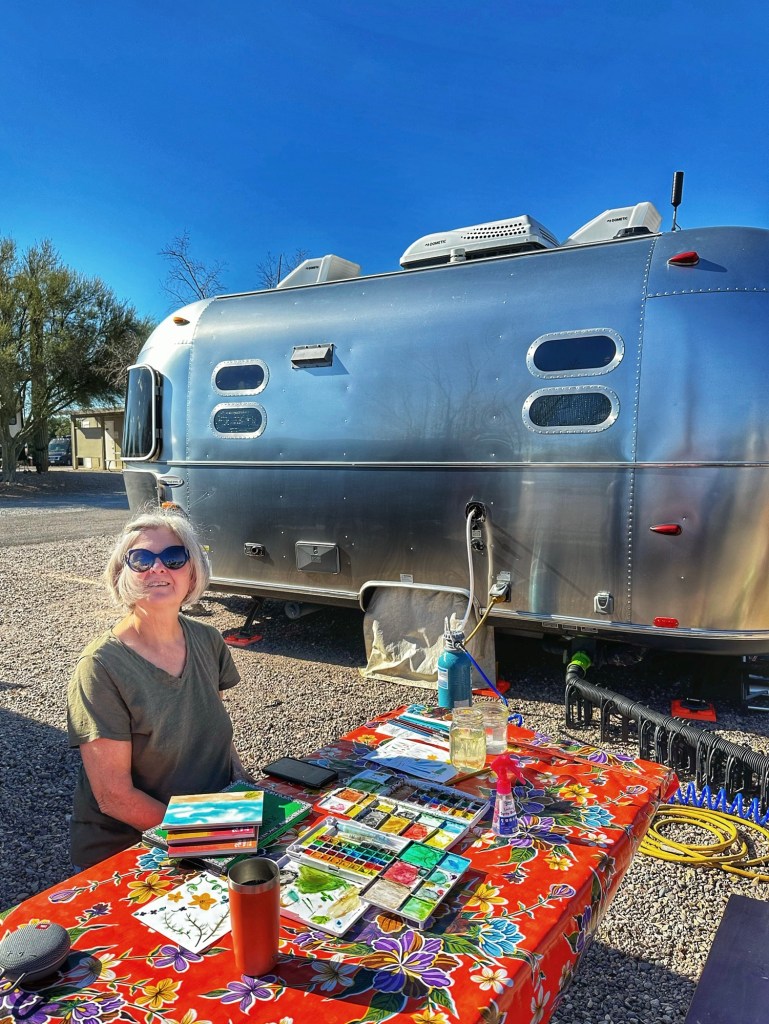
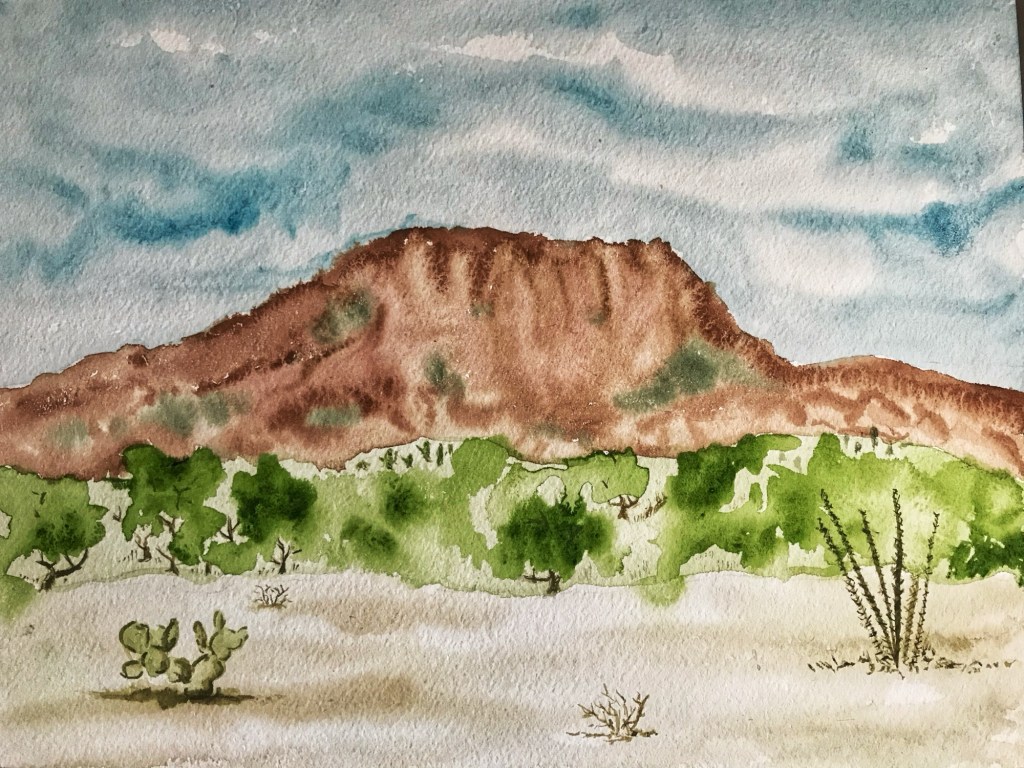
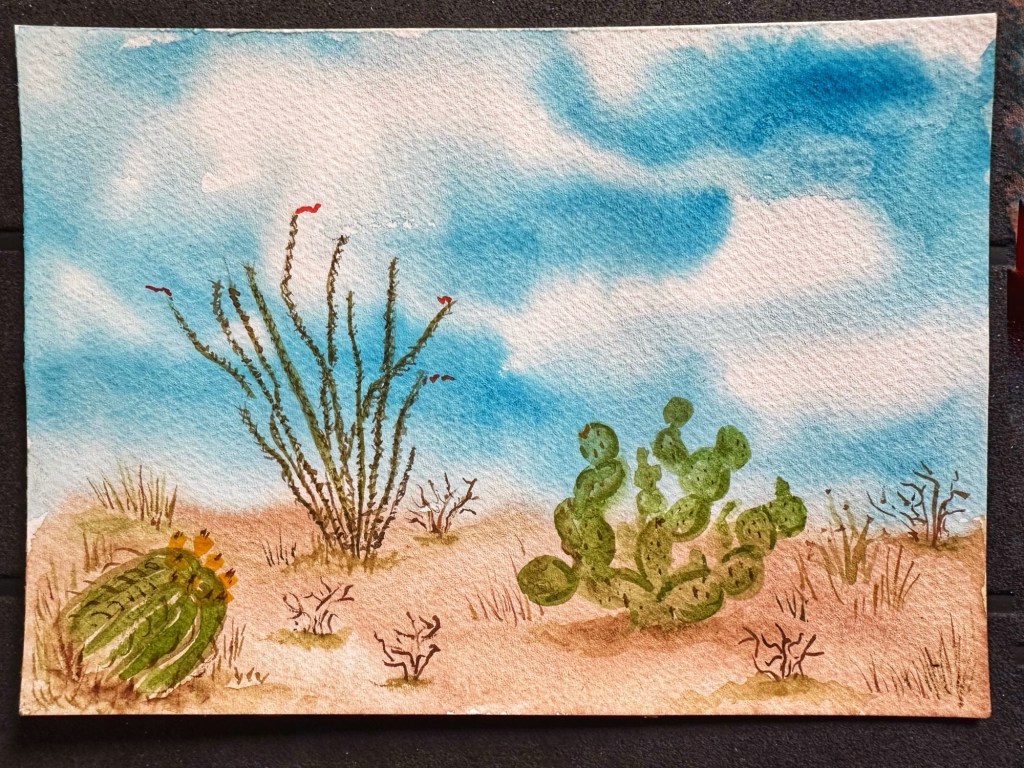
Pat has decided to take up painting with watercolors as a way to channel her creativity and create a record of our desert stay.
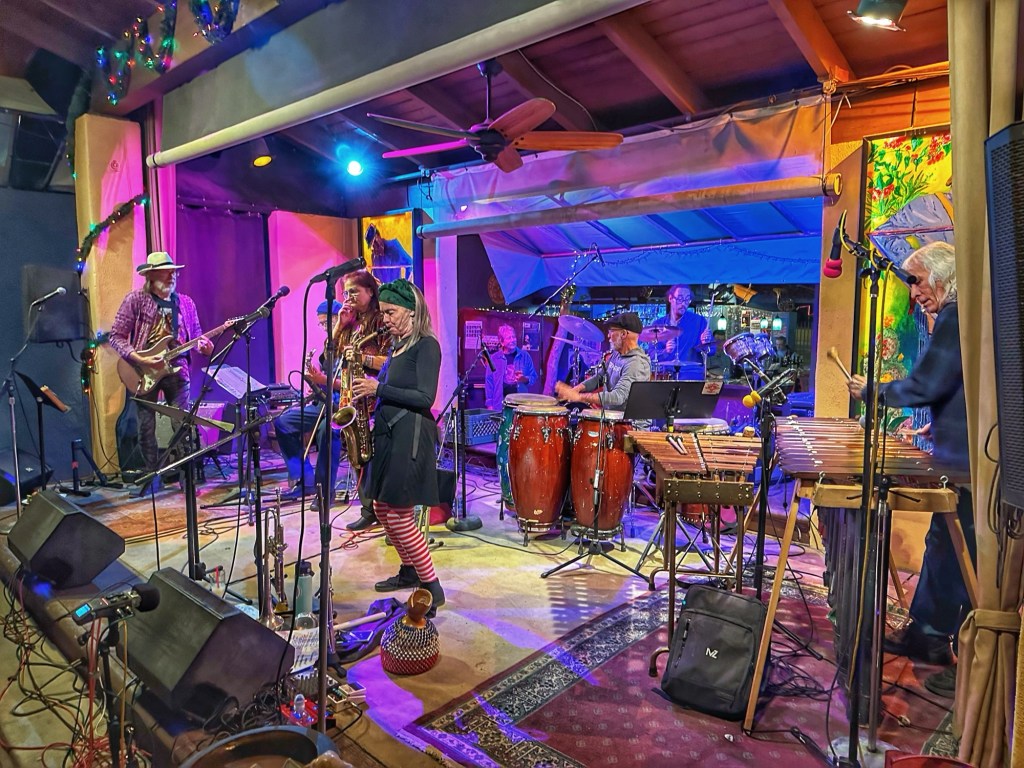
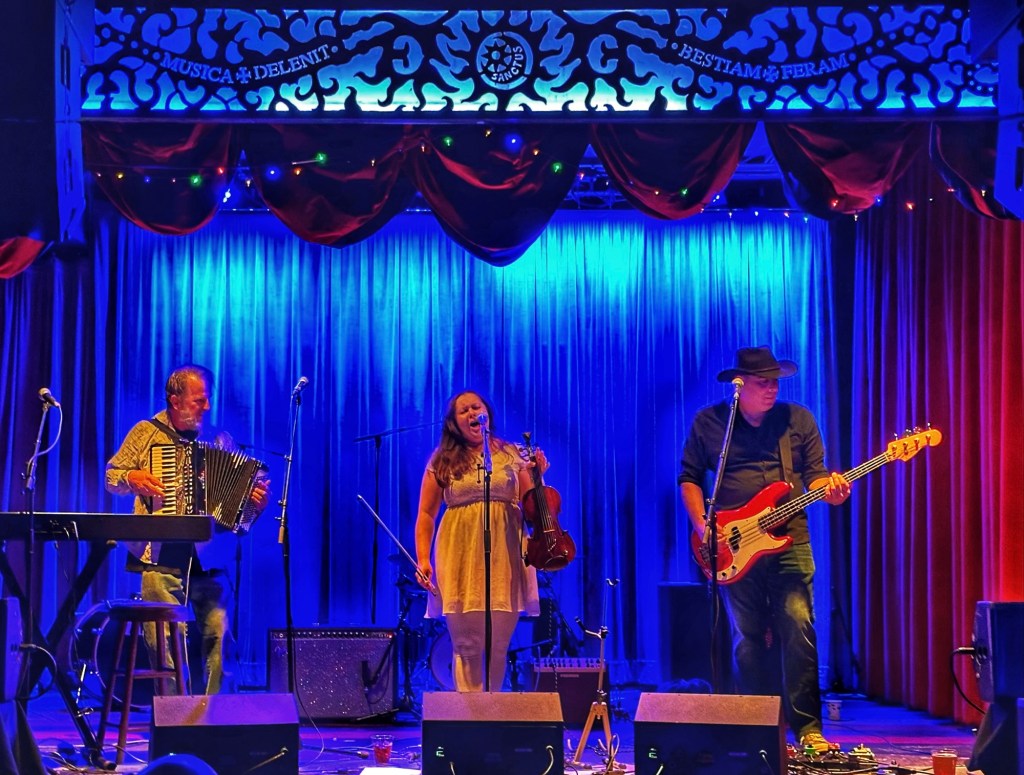
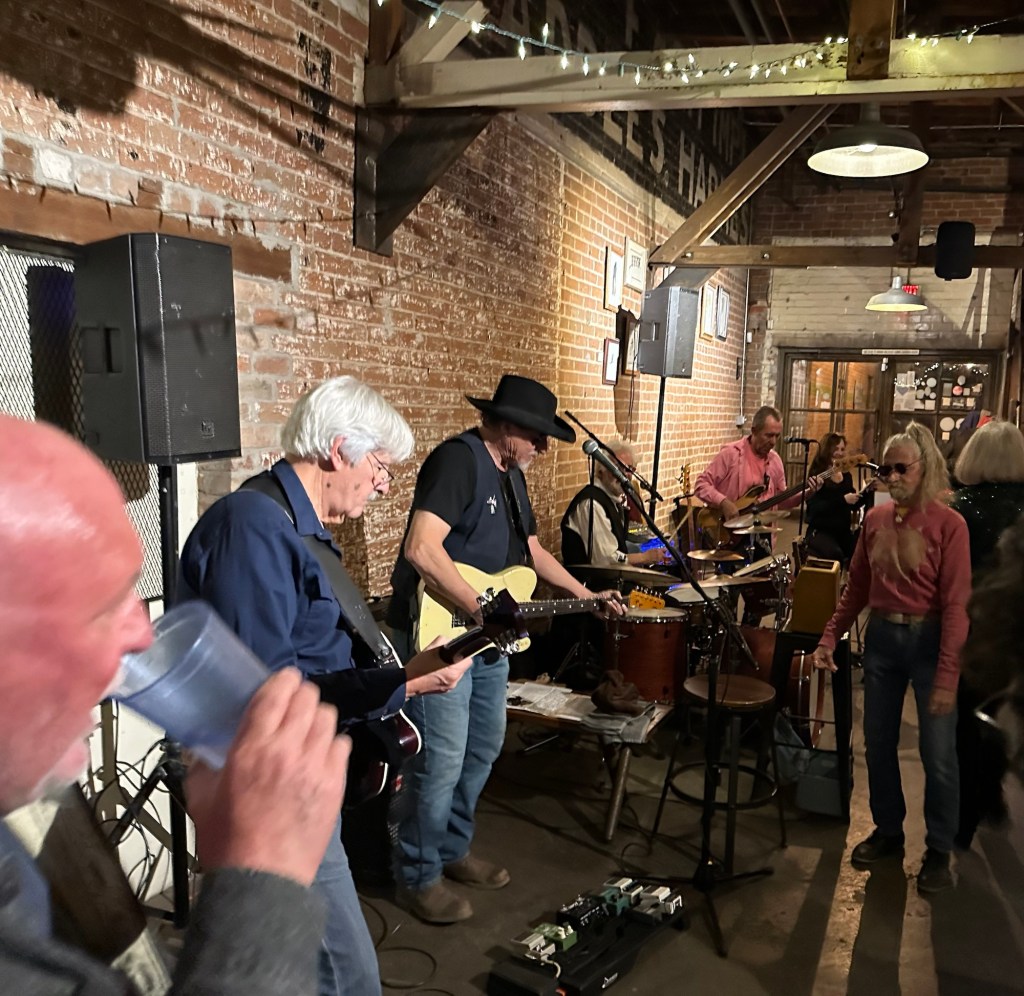
It has become apparent to us during this trip that Arizonans of a certain age enjoy going out to hear live music and dance. Always on the lookout for local music venues we have found a few we enjoy.
Baba Marimba @ Monterey Court Jimmy Carr and the Awkward Moments @ The Congress HotelKevin Pakulis Band @ Borderlands Brewing
All the bands have been different, good and playing danceable music. While it’s been fun to go out on the town it’s the desert that keeps calling us.
We’ve also continued to take our Wednesday morning 1 1/2 mile walk up Tumamoc Hill.
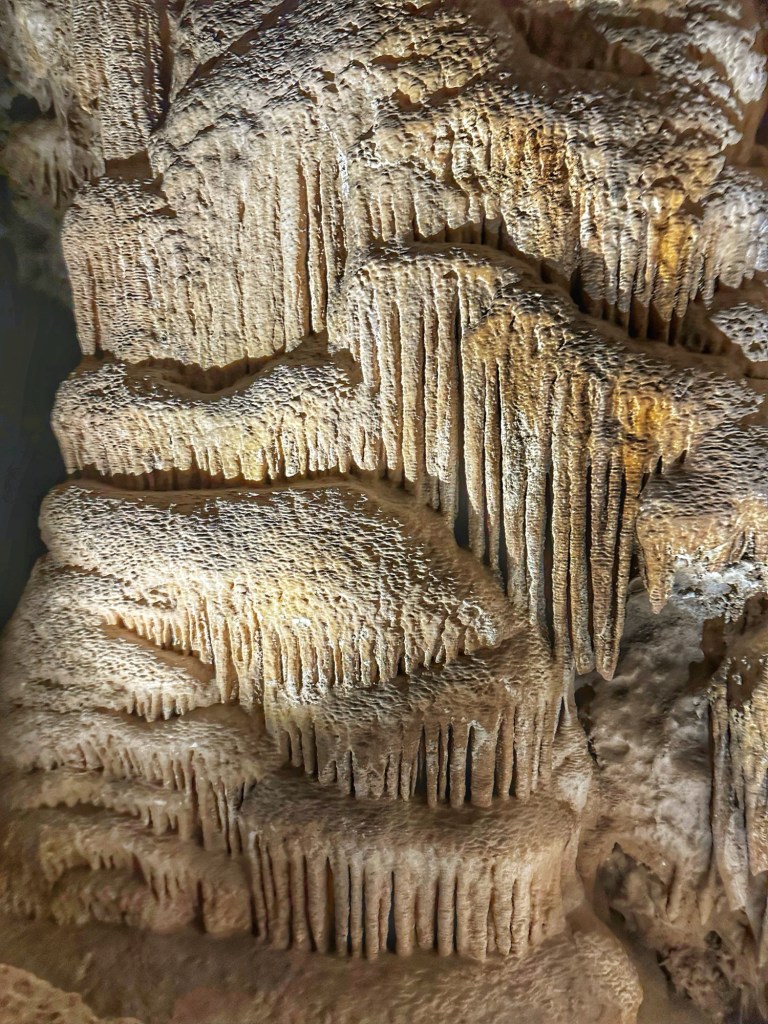
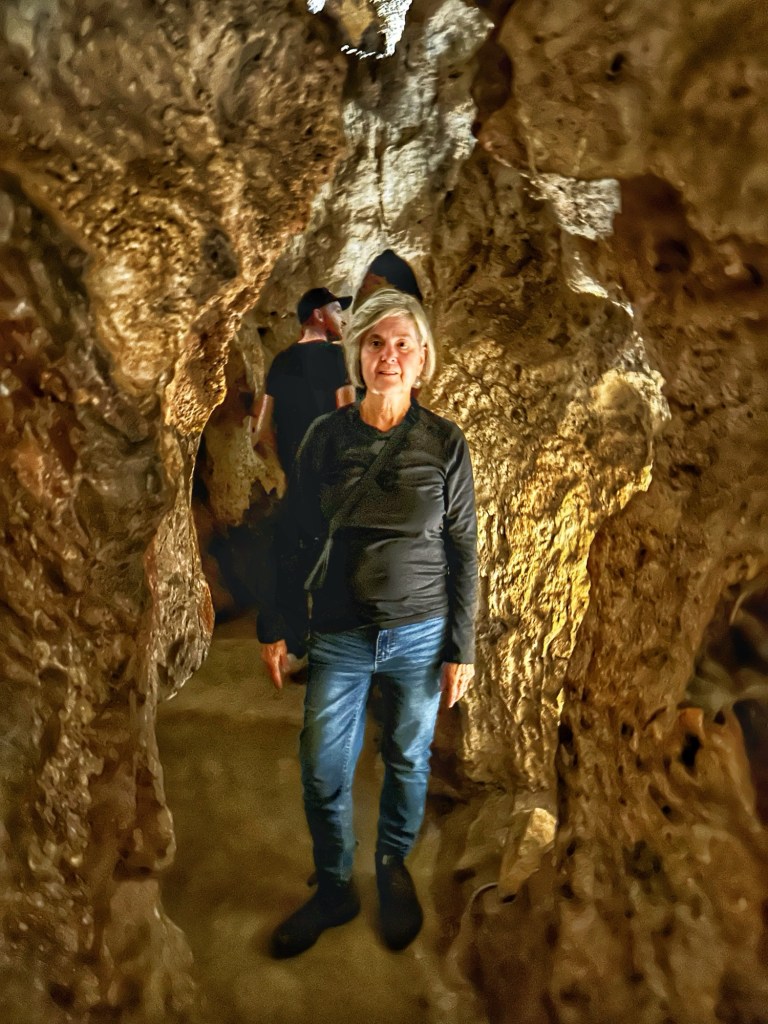
We’ve run into a spate of windy, cold and wet weather. This was not what we came to Arizona for. However, Pat found a spot 22 miles southeast of Tucson where it’s always dry and 70 degrees. Colossal Cave Mountain Park has an ancient karst cave that is classified as a dry cave. What this means is that the cave formations are dry and do not grow. The cave was discovered in 1876 and has had its stalactites and stalagmites, broken off and carted away. In 1933 the CCC came to the cave and built outbuildings, stairs, and laid out park roads. Today the cave is part of a Pima County park.
After a short hike we entered the cave.
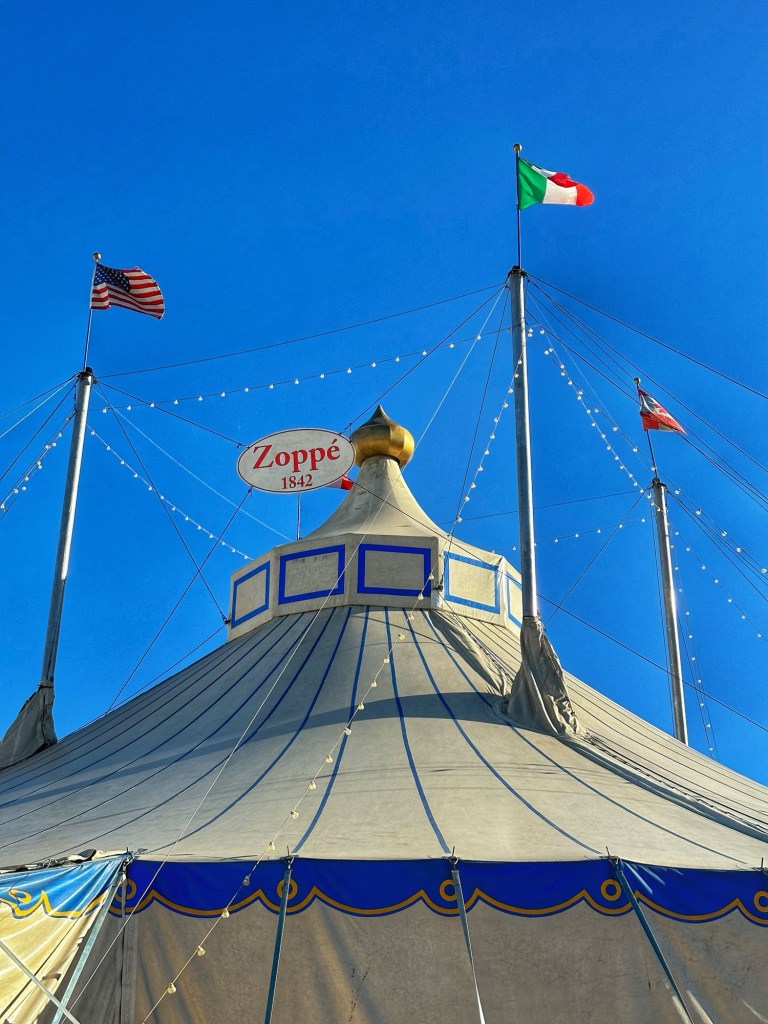
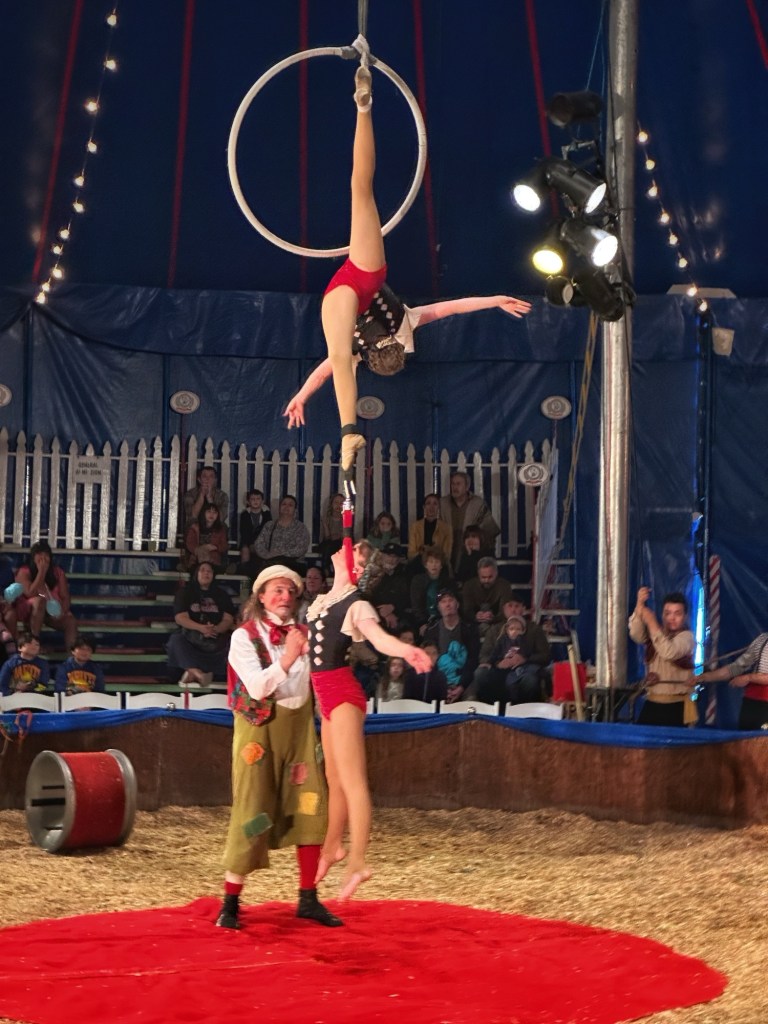
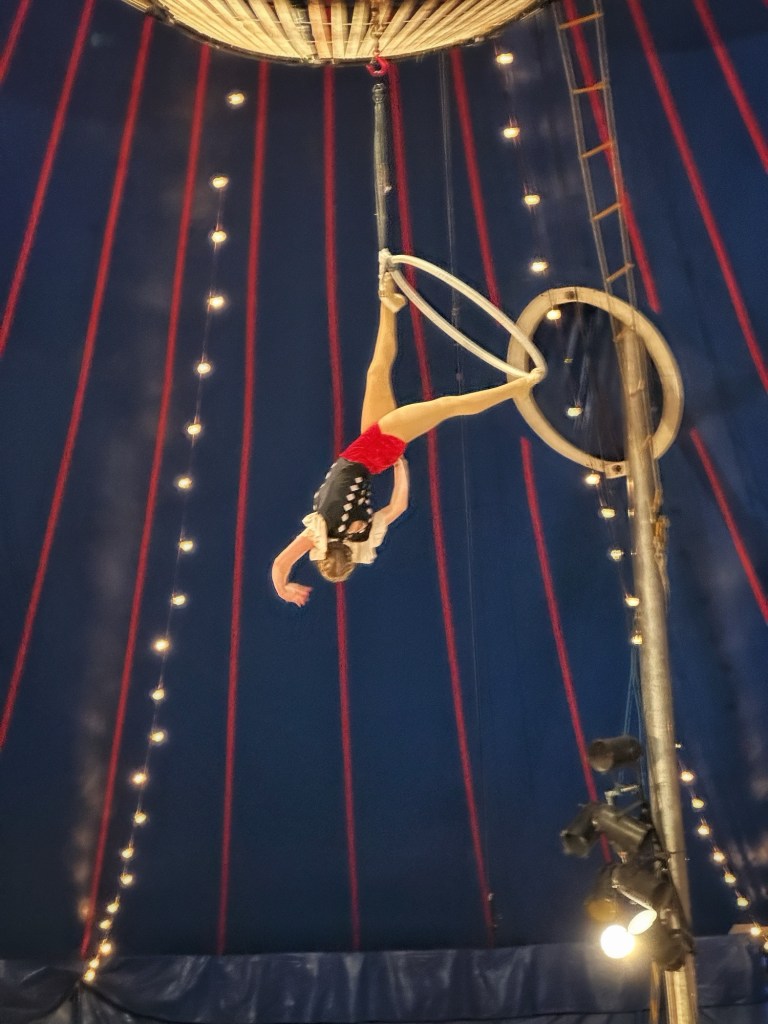
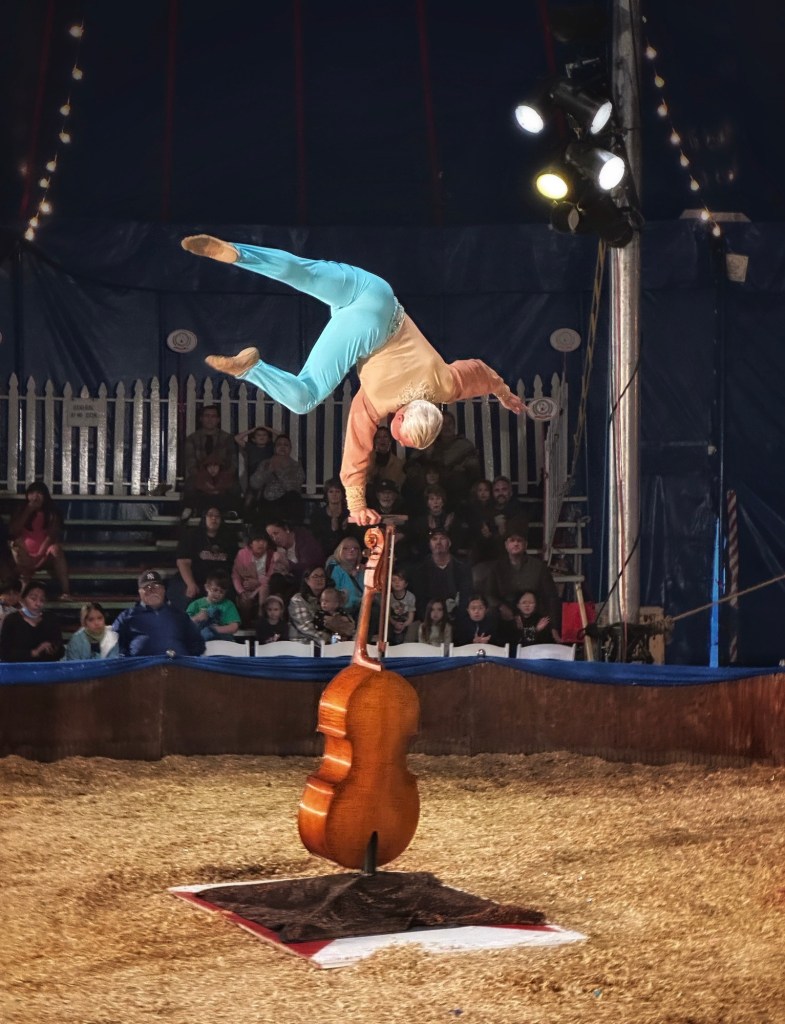
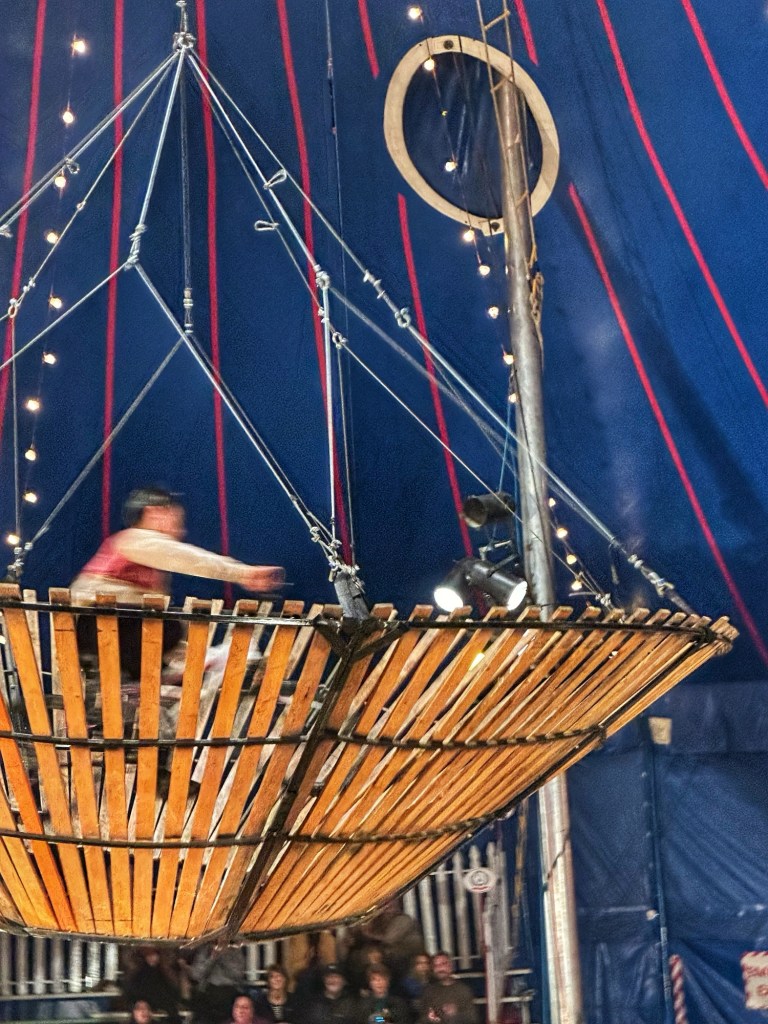
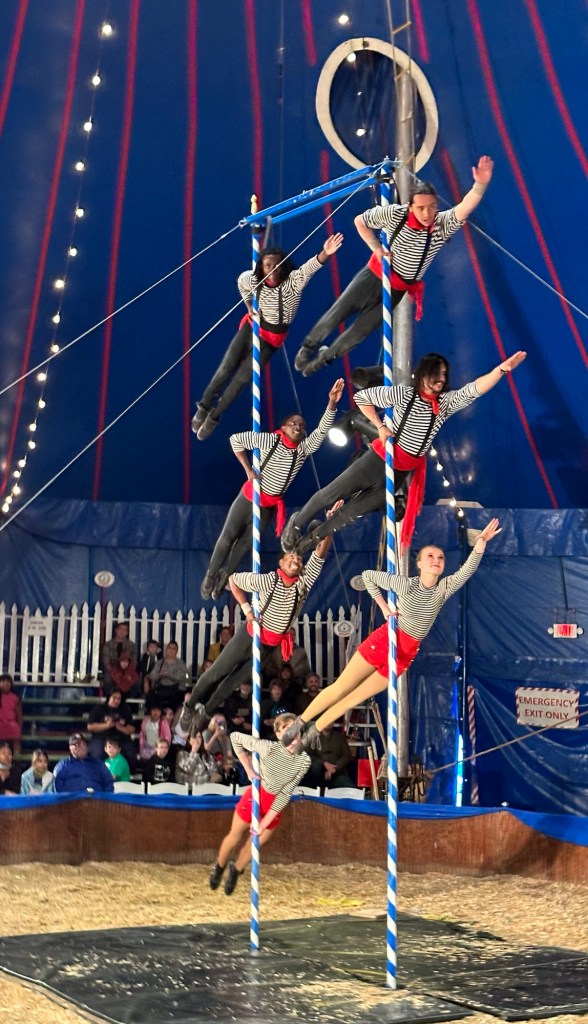
During our last visit to Tucson we saw flyers announcing the arrival of the Zoppe Family Circus. Who doesn’t love a one ring circus in a tent? We had to leave Tucson and didn’t attend. This year we made it happen.
This was done about 30ft above the floor, no net
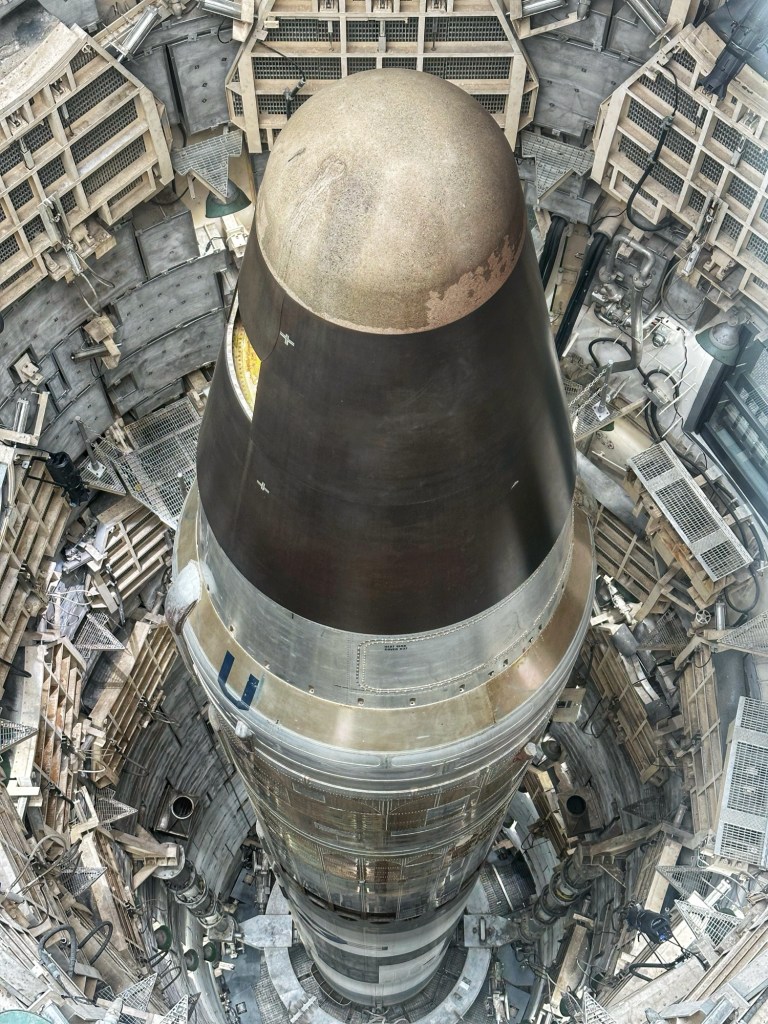
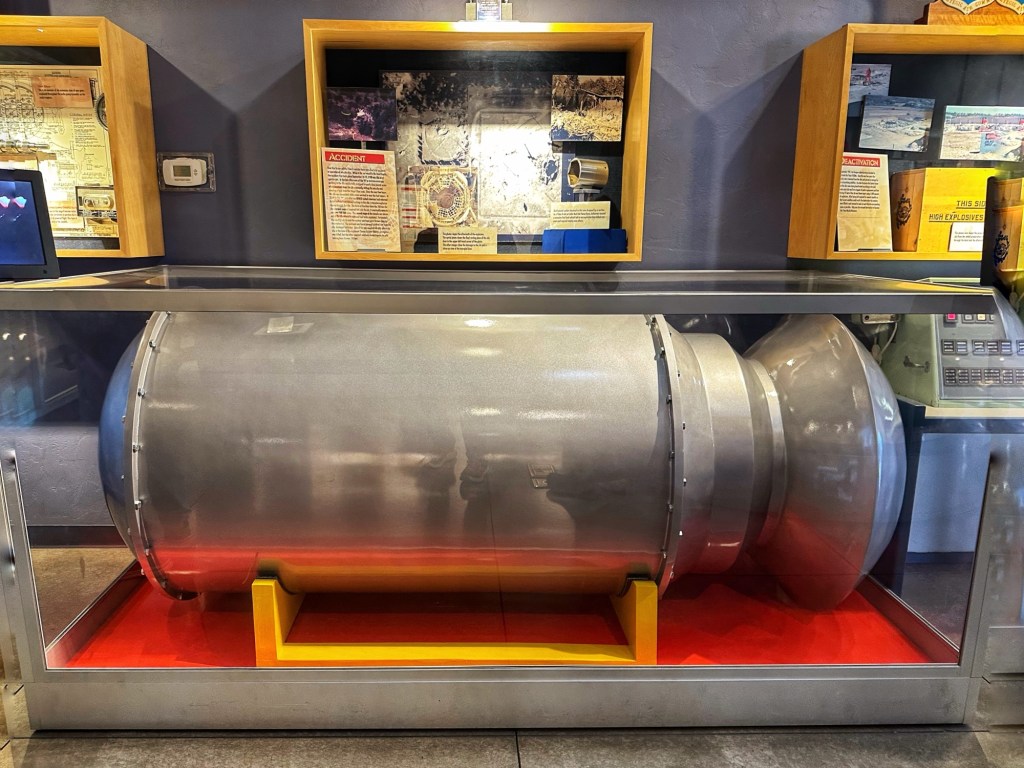
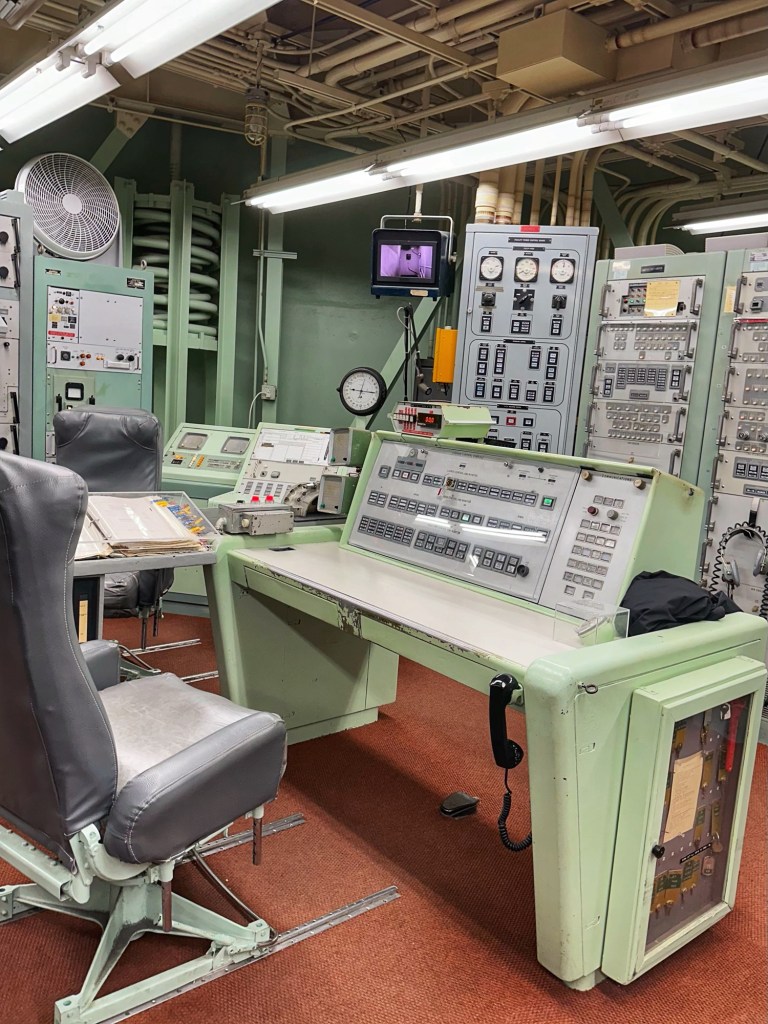
Twenty five miles south of Tucson is the Titan Missile Museum. It is the site of a former intercontinental ballistic missile (ICBM) silo which was operational from 1963 to 1984. It was declared a National Historic Landmark in1994. The inert missile is the only one you can still see in its original silo.
The missile carried one W53 warhead with a yield of 9 megatons. For comparison, the bomb that was dropped on Hiroshima had a yield of 15 kilotons.
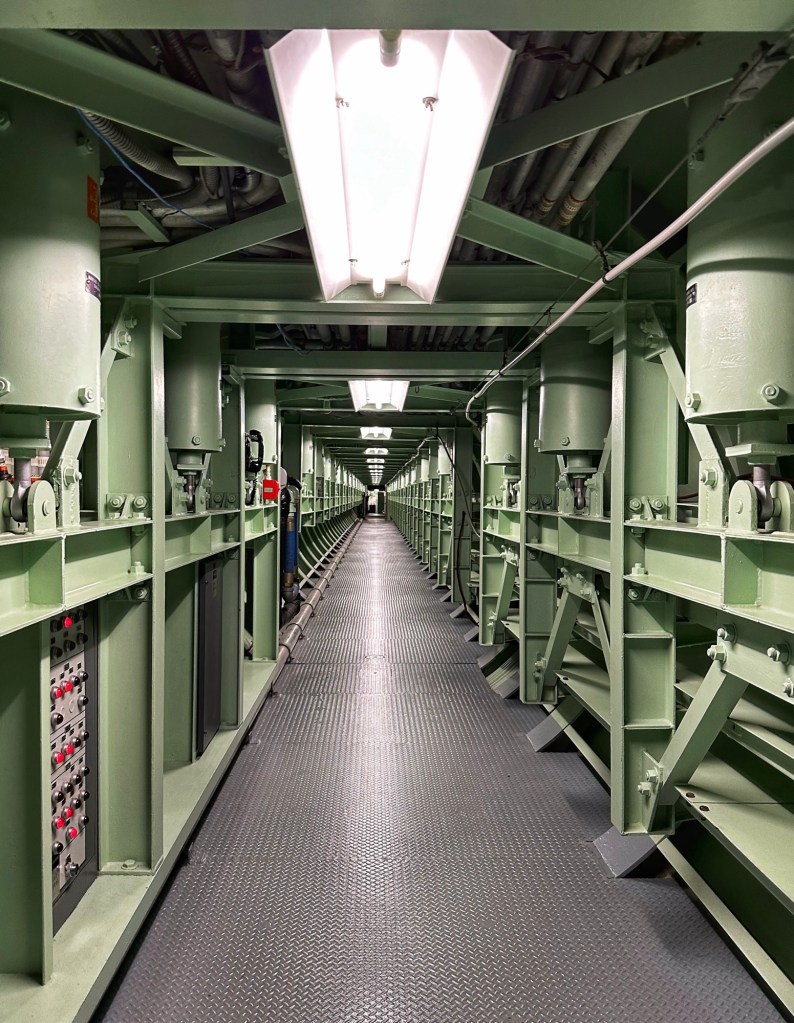
Most of the tour took place underground and culminated in the control room with a simulated missile launch.
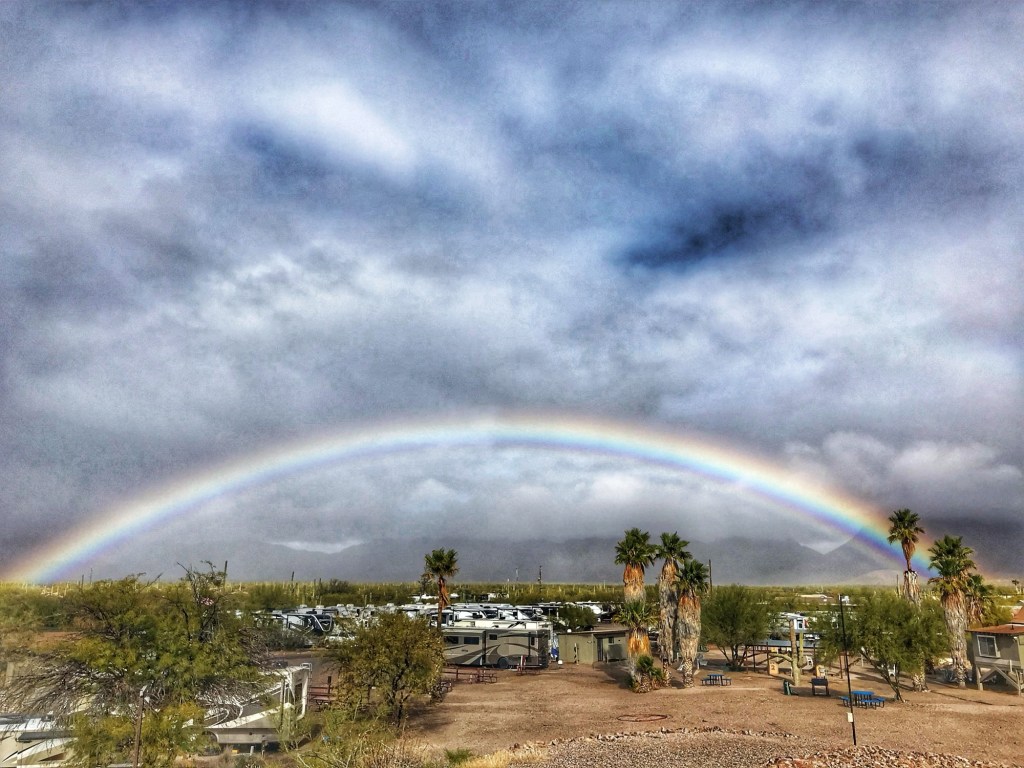
Perhaps a rainbow is in order after contemplating the Titan missile and the mutually assured destruction, that it guaranteed.
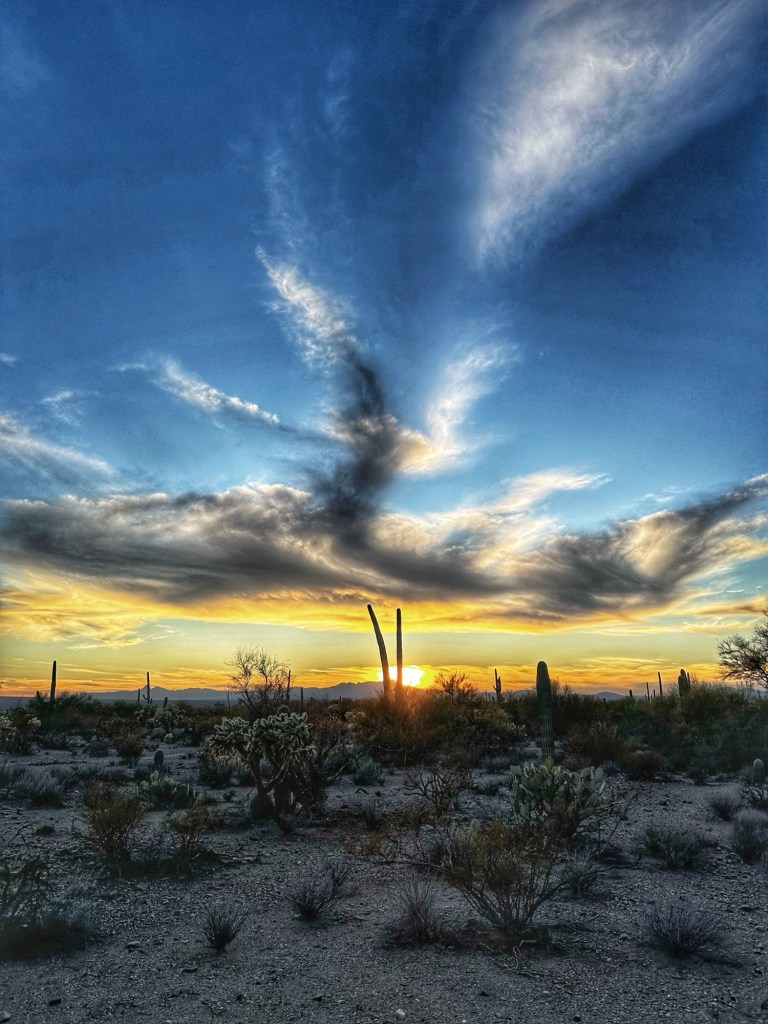
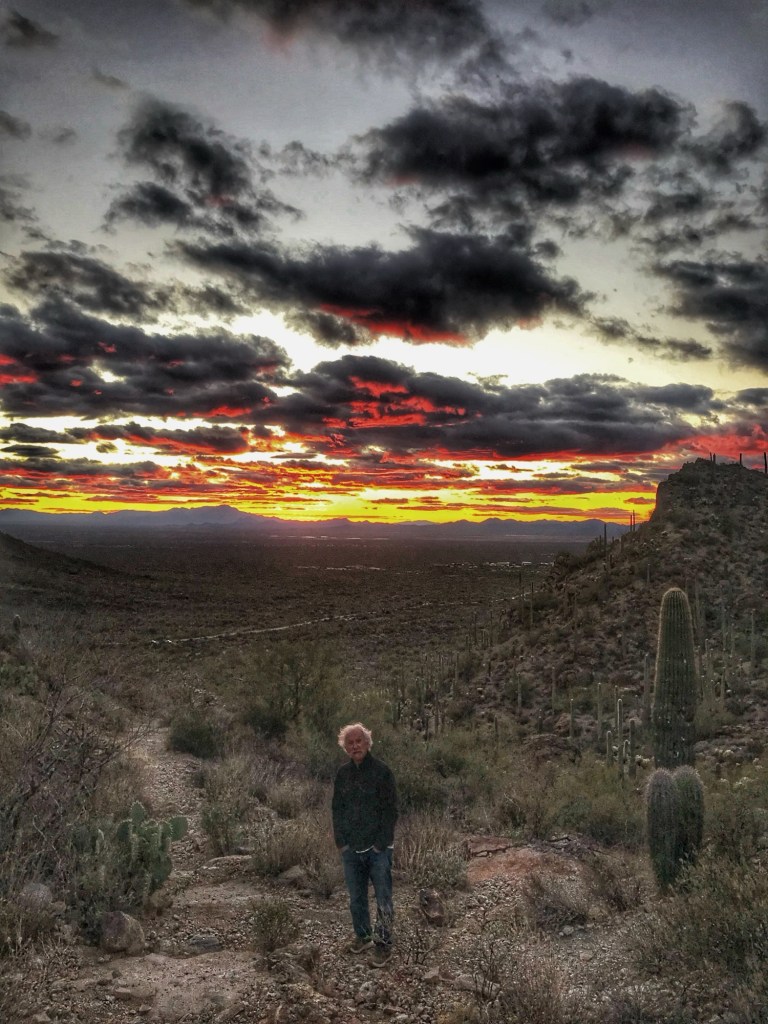
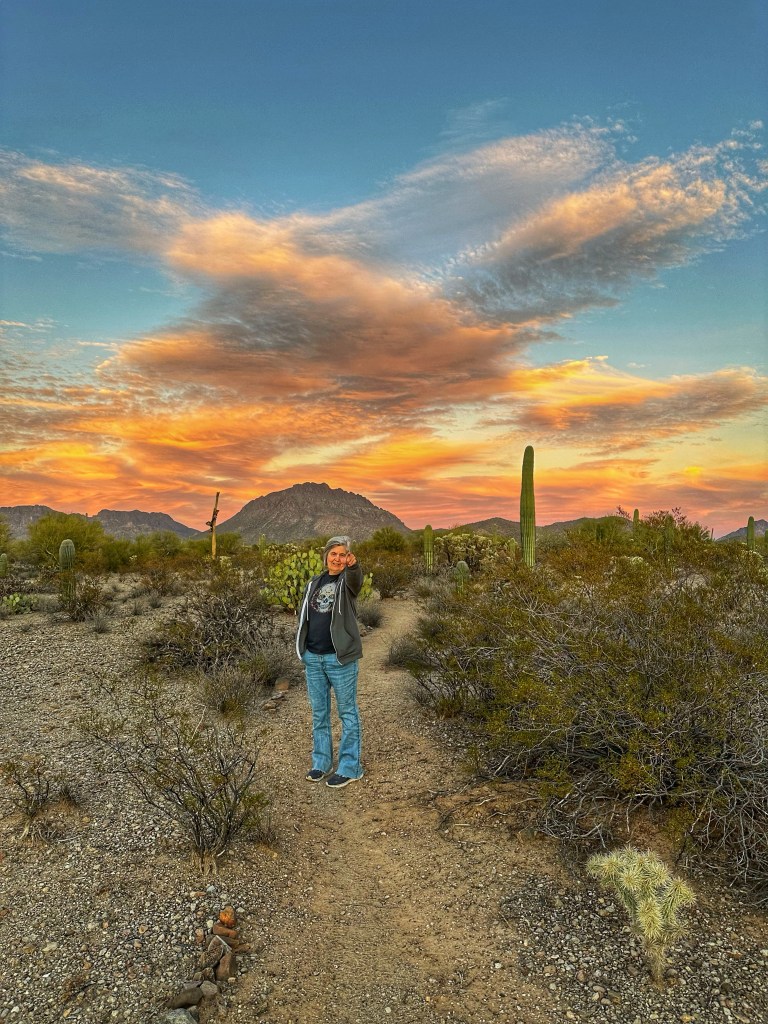
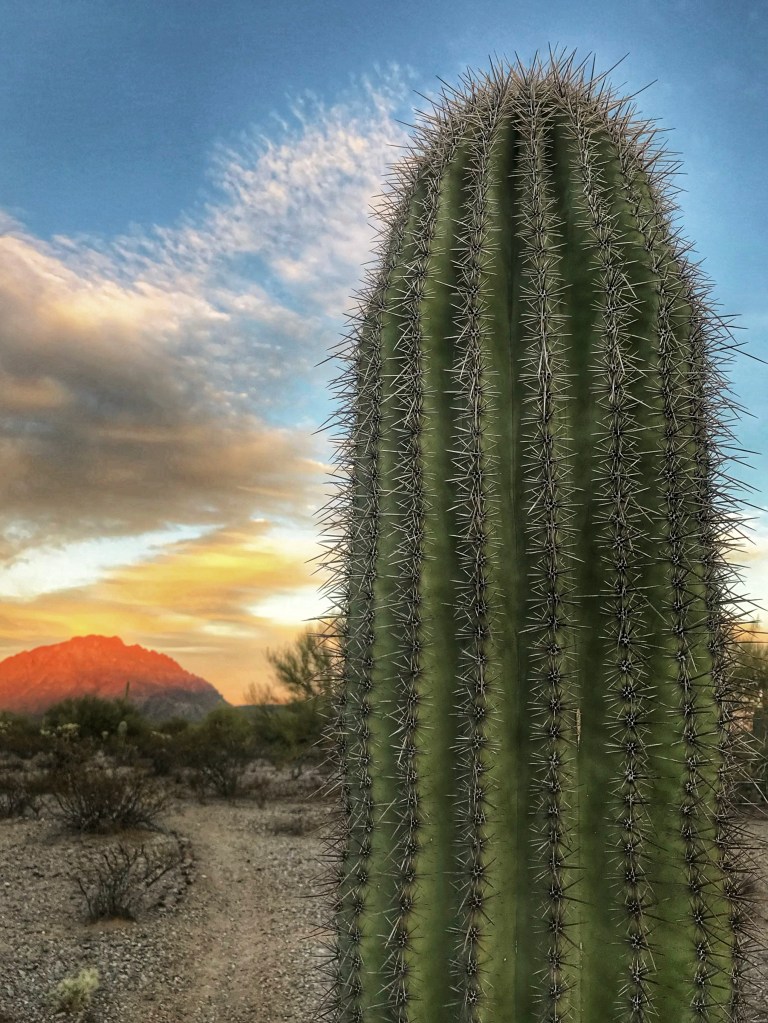
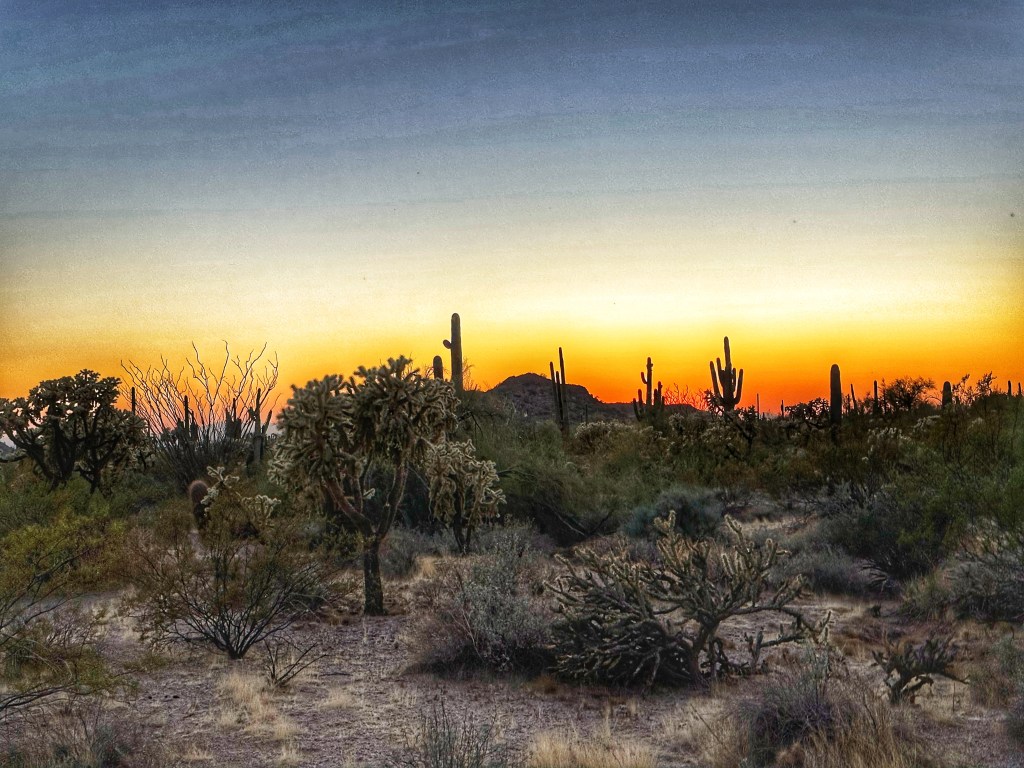
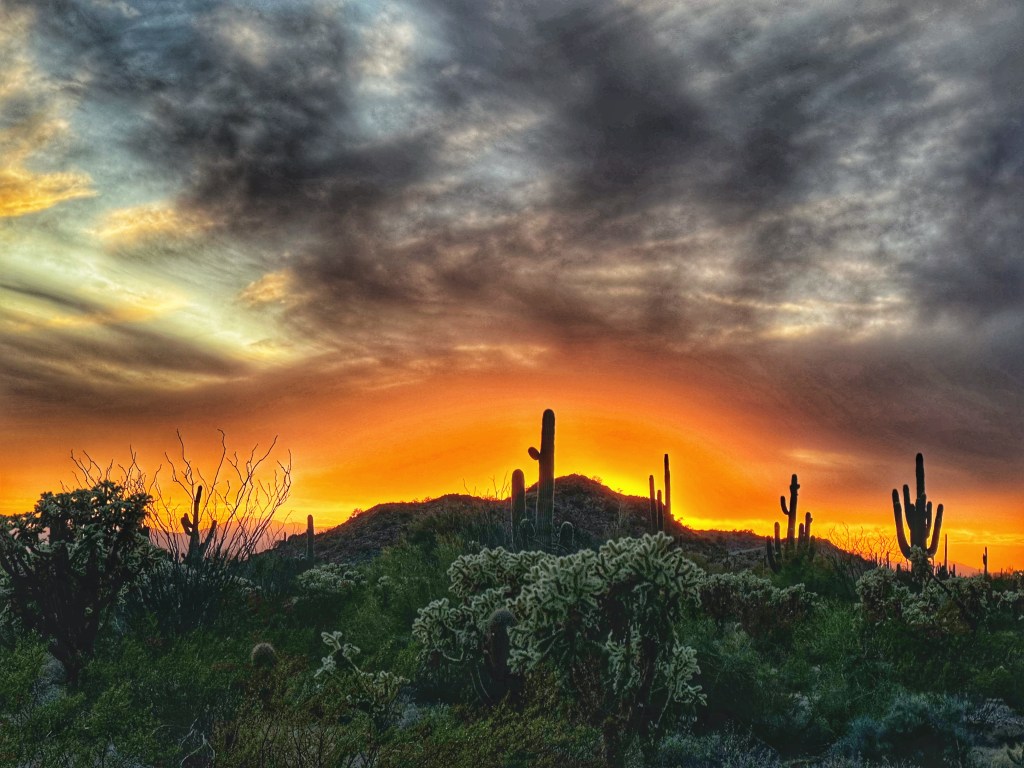
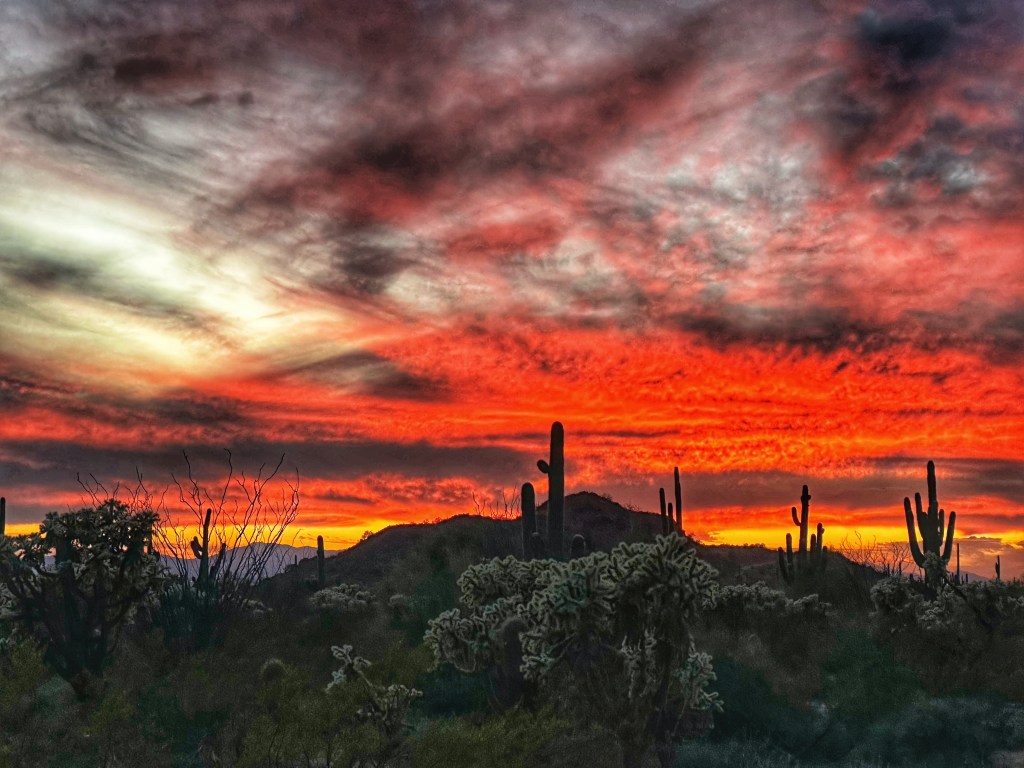
I’m not sure why, but winter sunsets in the desert are beautiful and we never get tired of them.
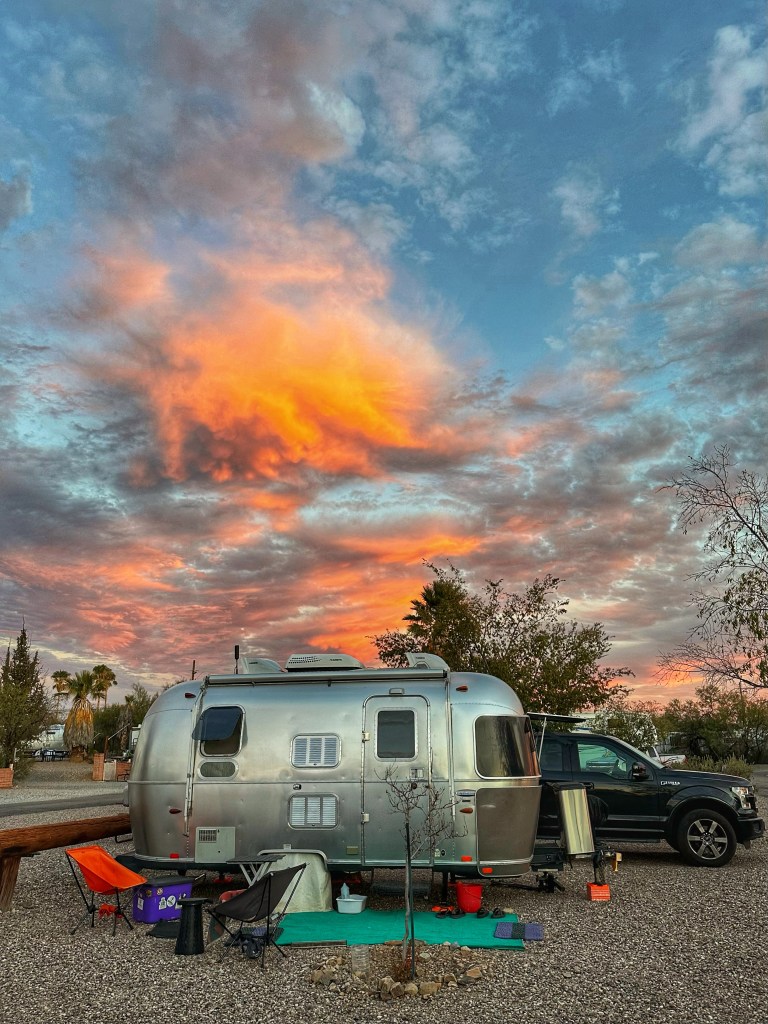
We’ve moved out of one of our favorite state parks and into a private RV park where we can stay for awhile. While our new site is not as scenic as the one in the state park it does have its charms.
Site 60Our backyard One of our neighbors
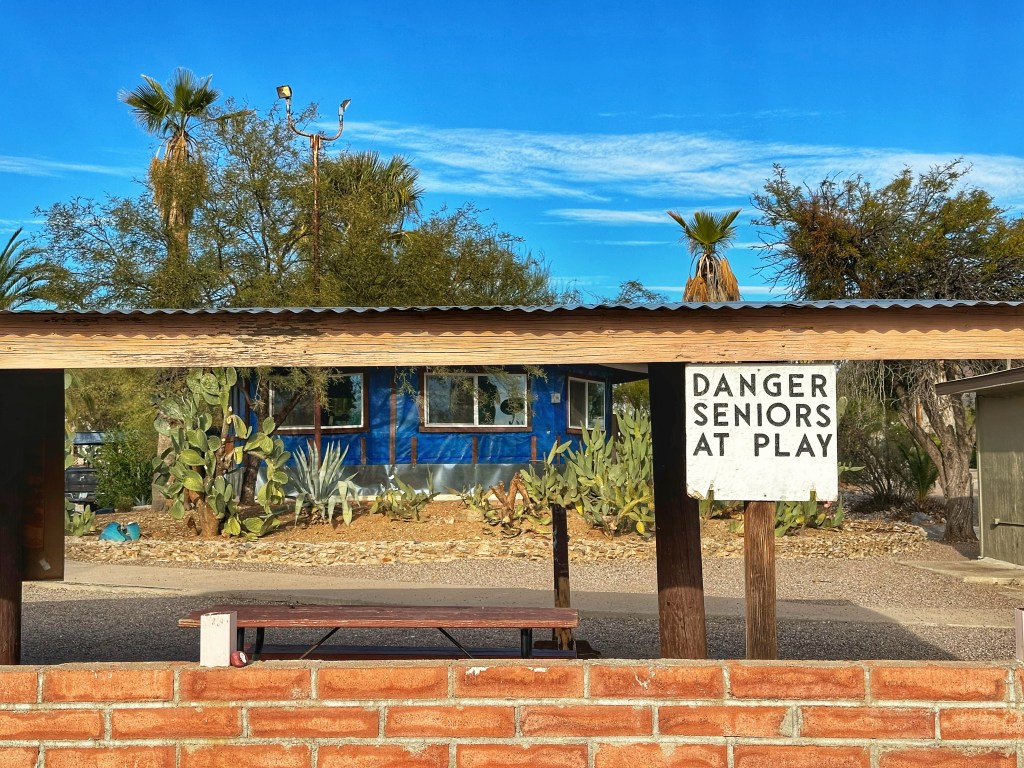
About those charms. We are a short walk to a nice private shower and a laundry room. Very convenient. Our site comes with water, electric and a sewer hookup. In addition, our monthly fee works out to be less per day than the state park. The other residents (?!) are friendly and many enjoy organizing activities in the park. The music committee brings in a band twice a month. The first band this month was the Hot Club of Tucson and they were terrific.
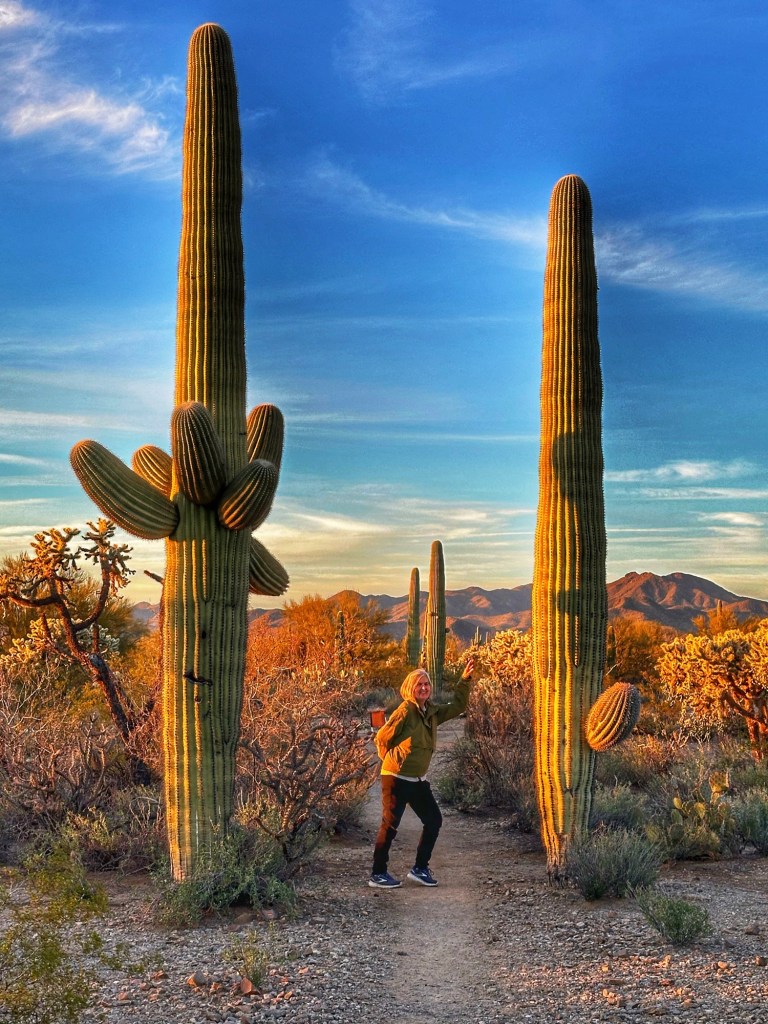
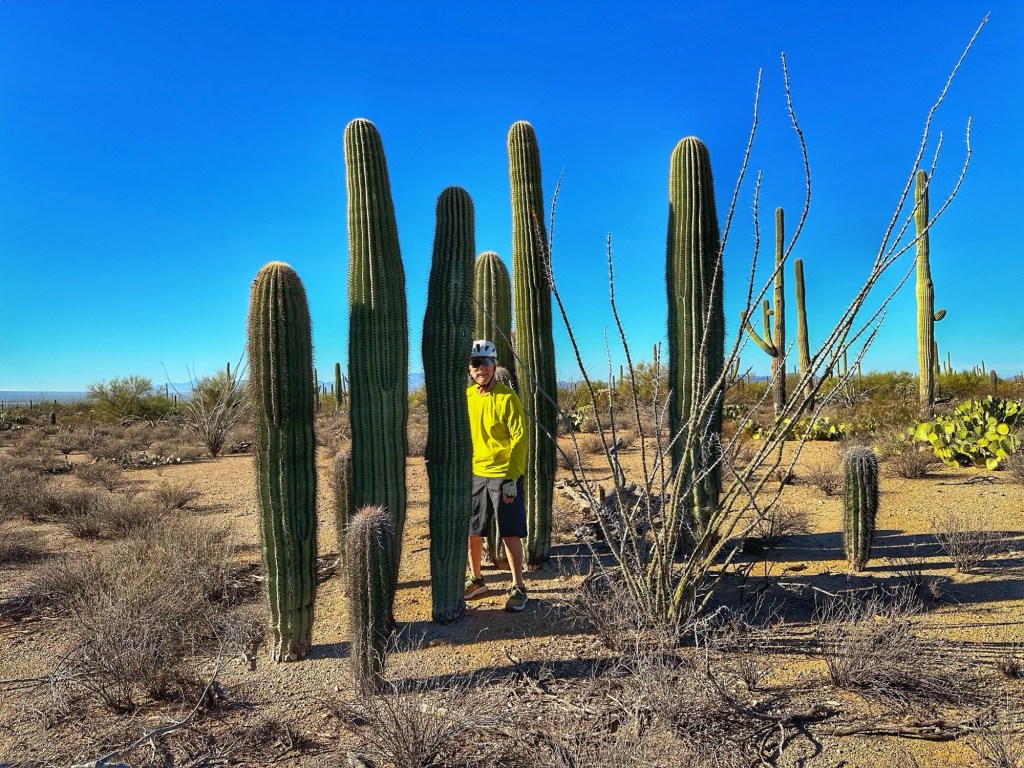
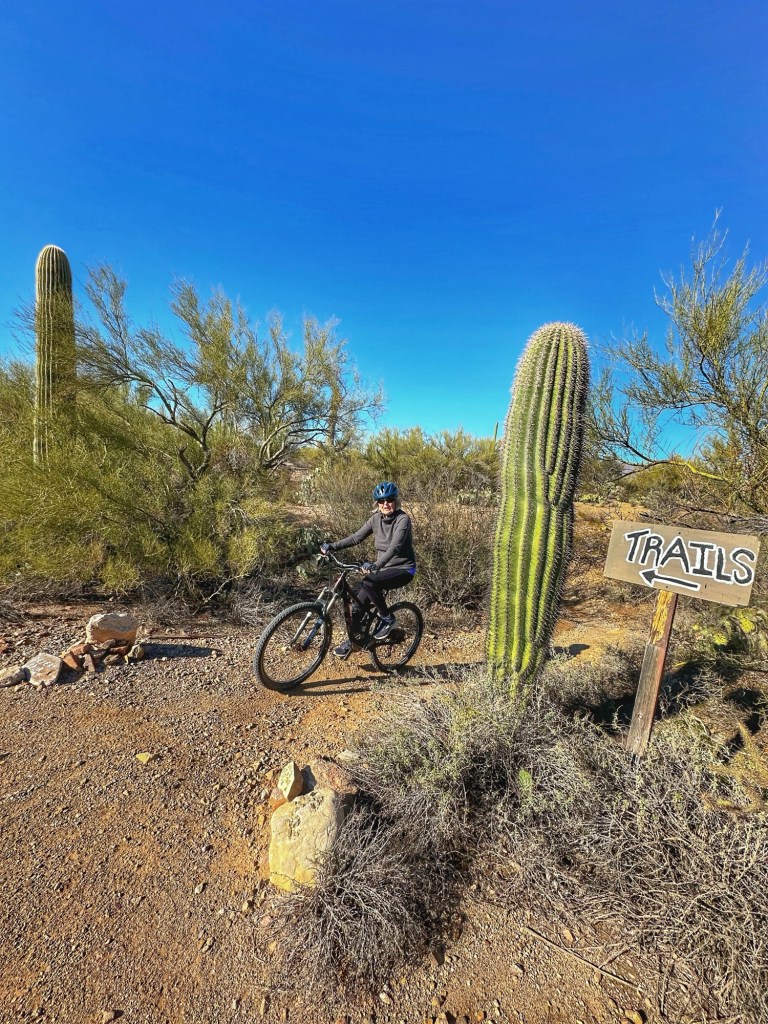
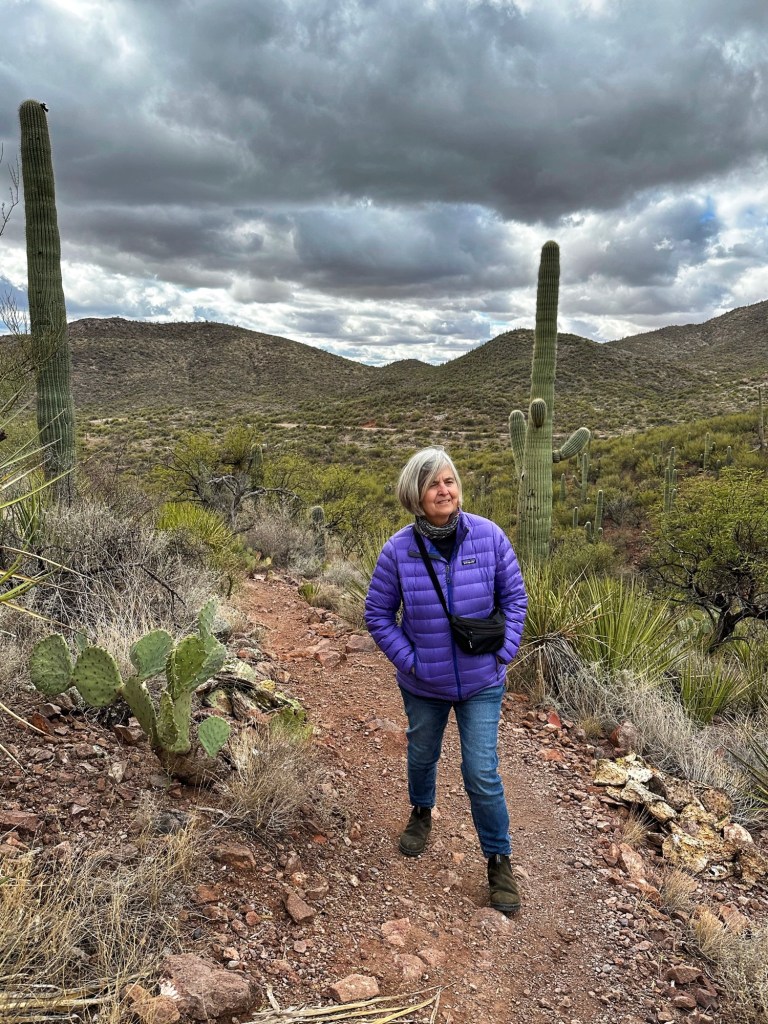
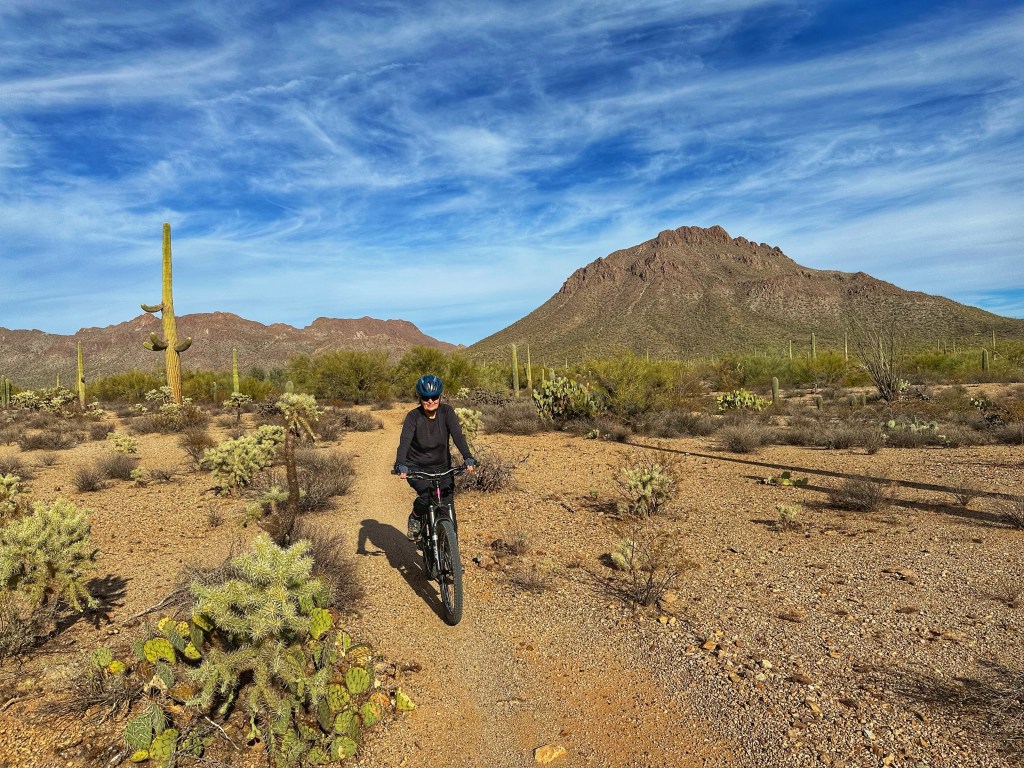
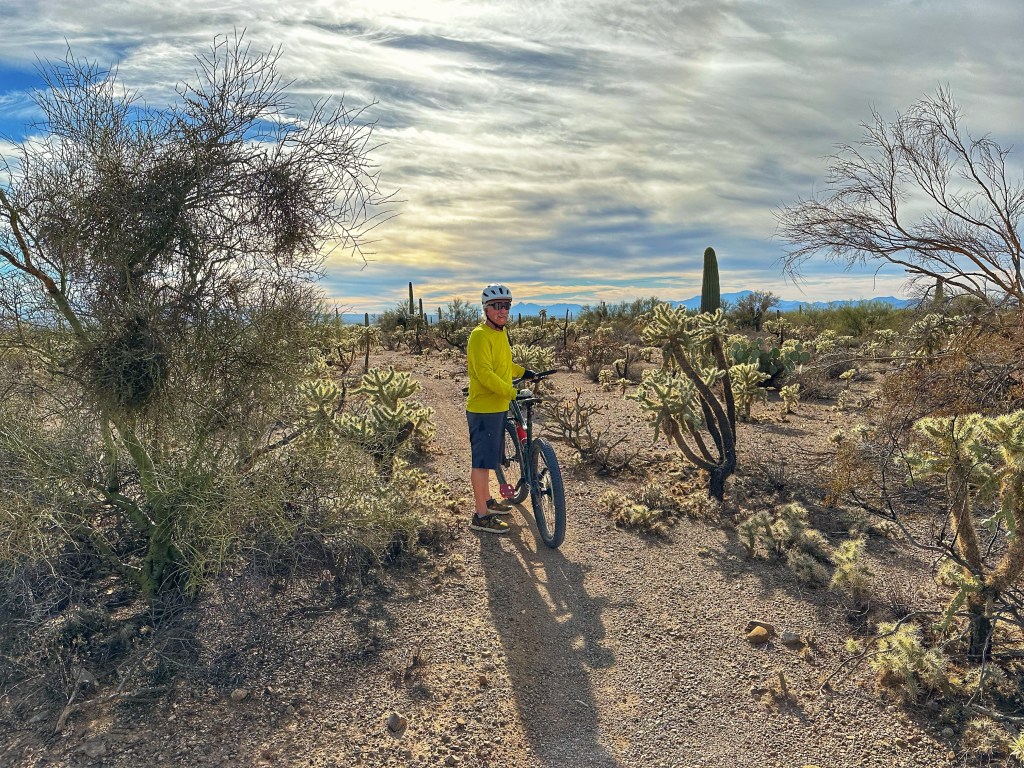
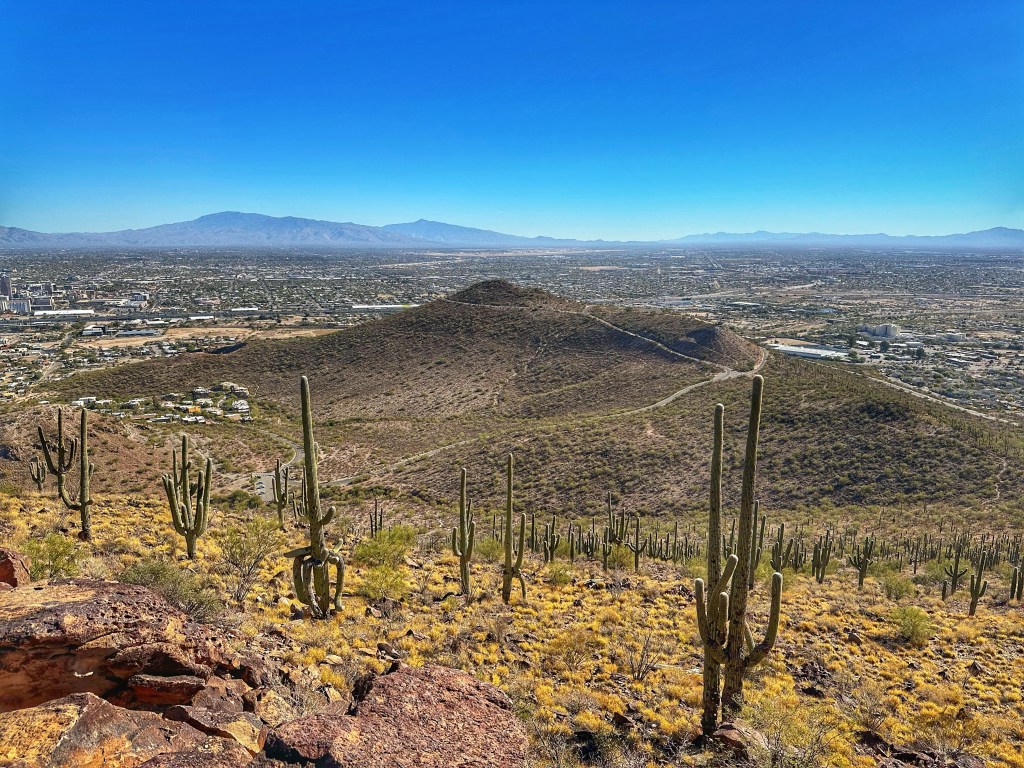
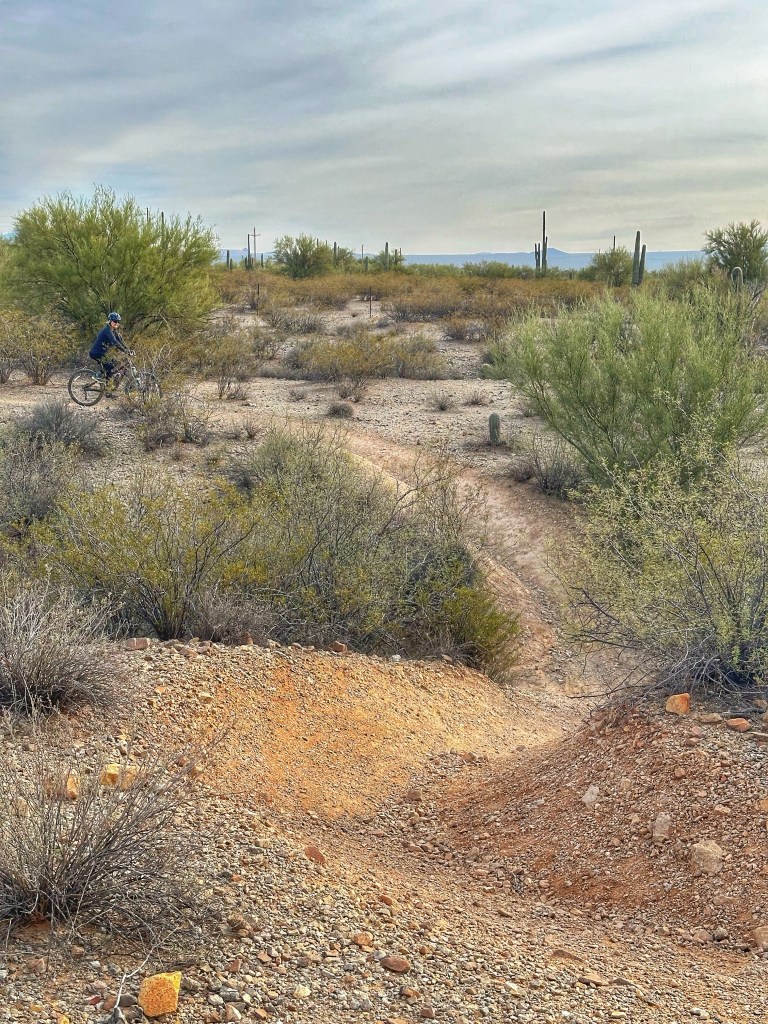
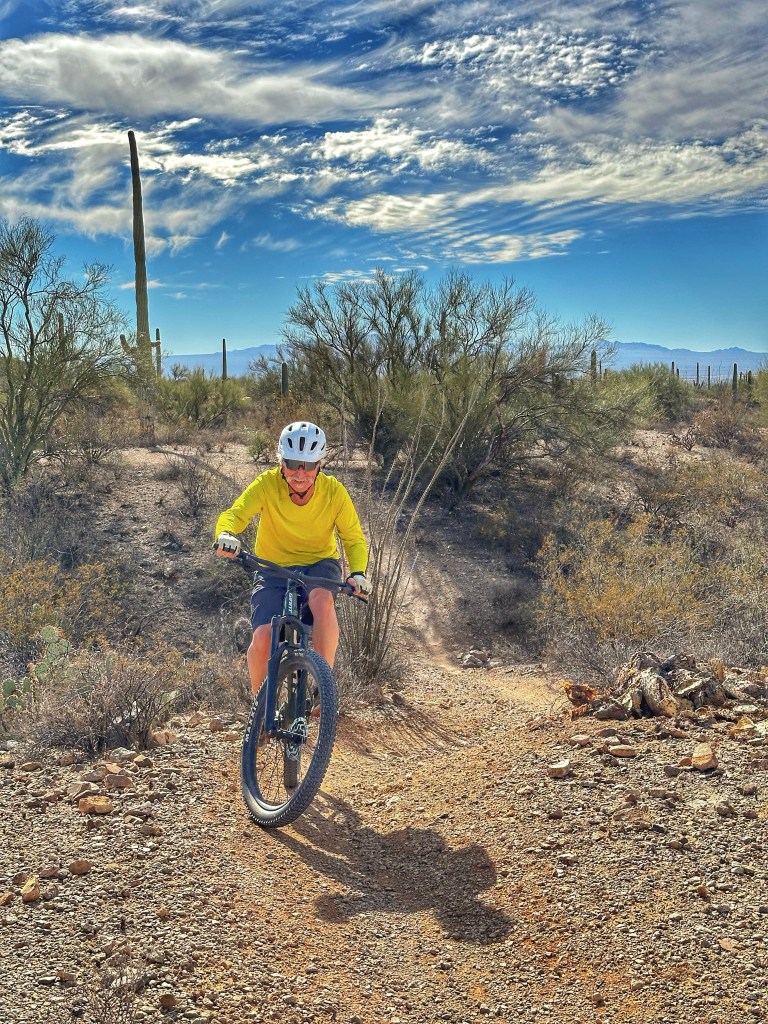
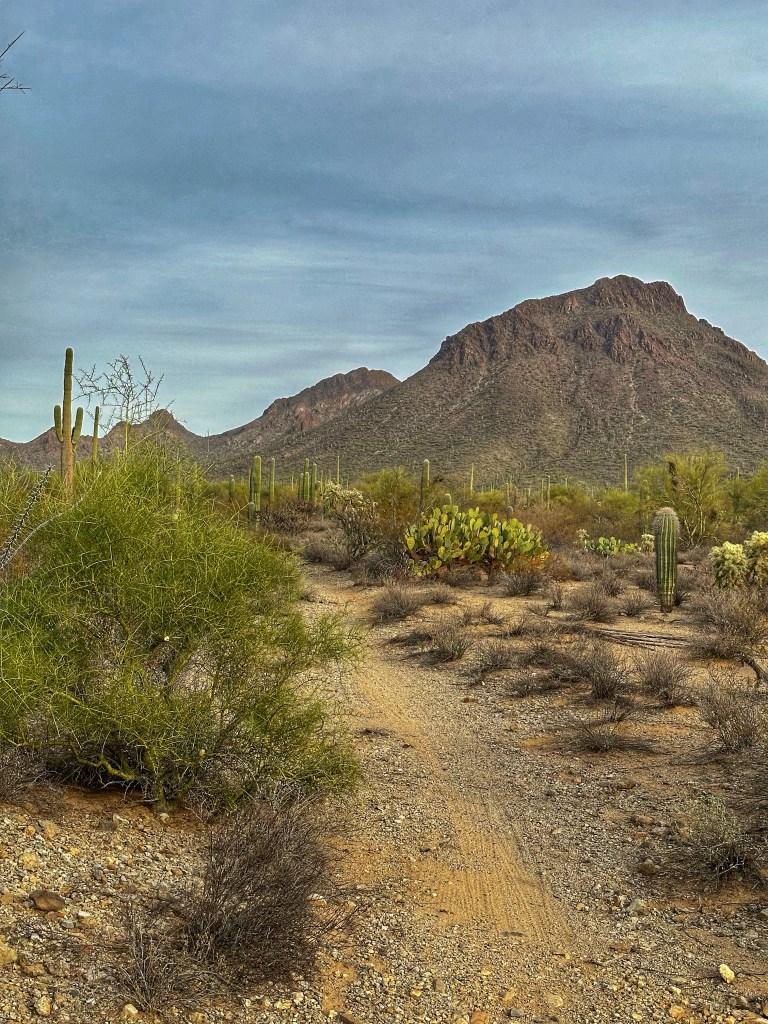
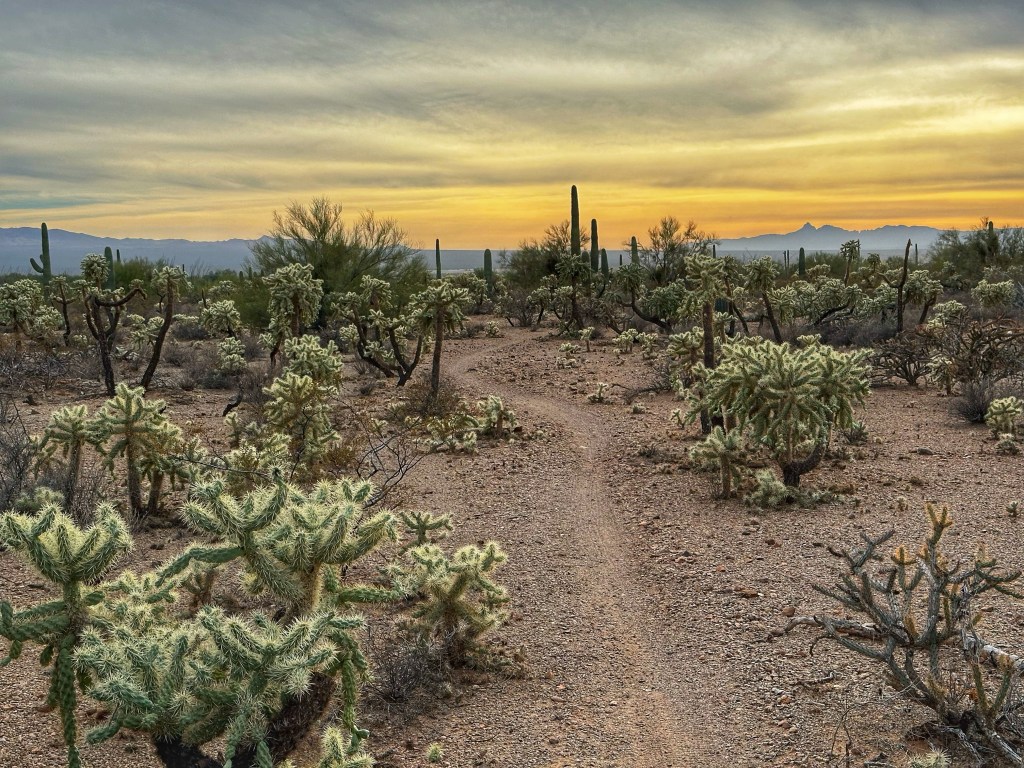
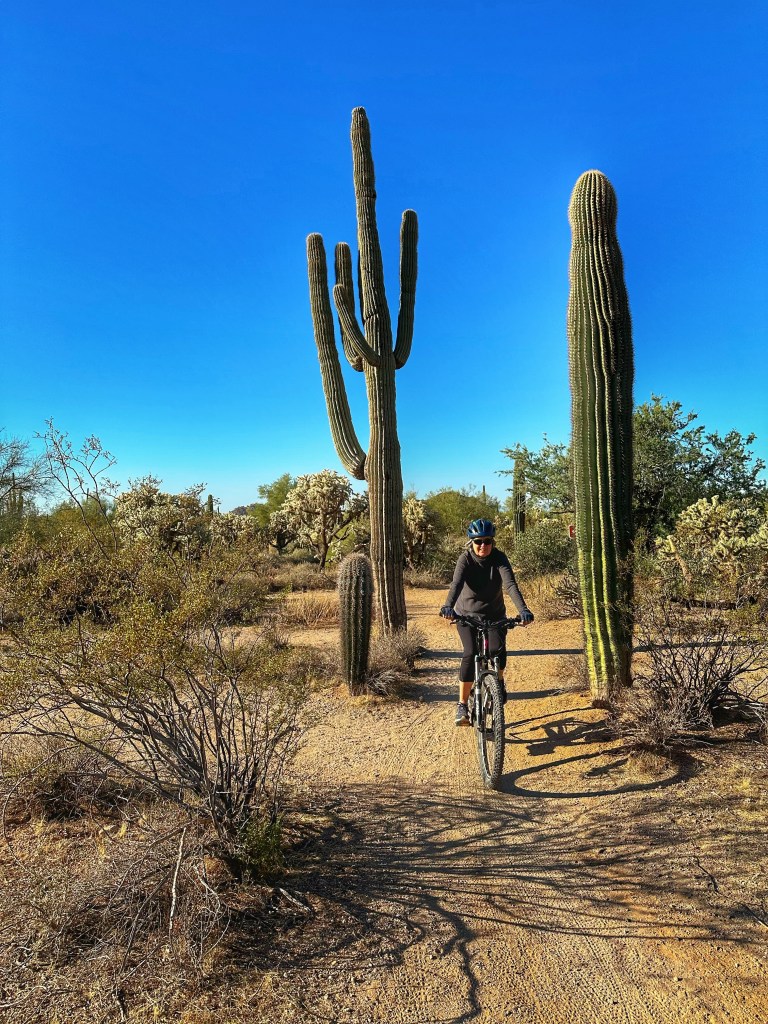
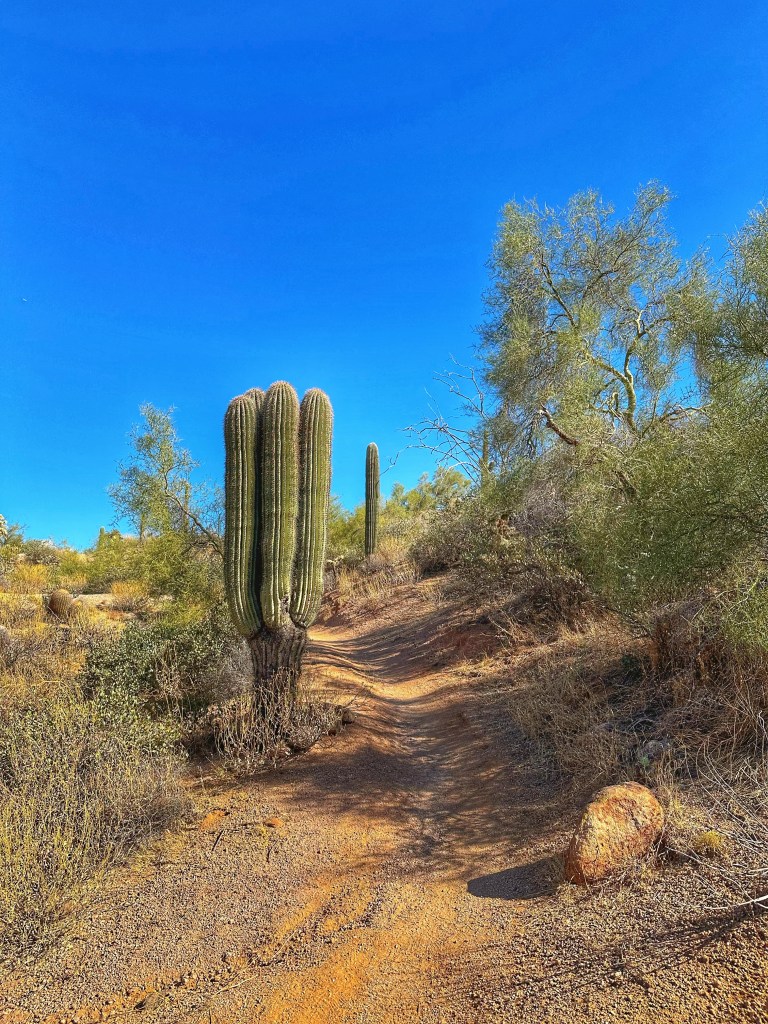
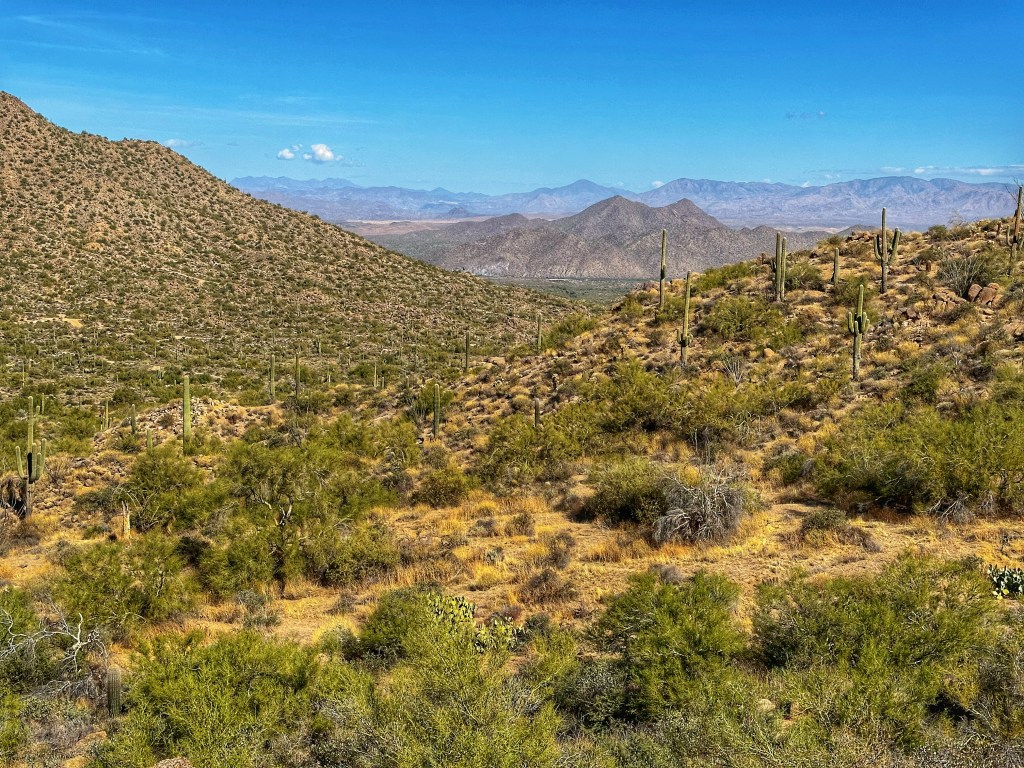
The real charm of the park comes from its proximity to Tucson Mountain Park. This Pima county park is 20,000 acres and has 62 miles of non-motorized shared use trails. A short walk or bike ride will put you on the trails.
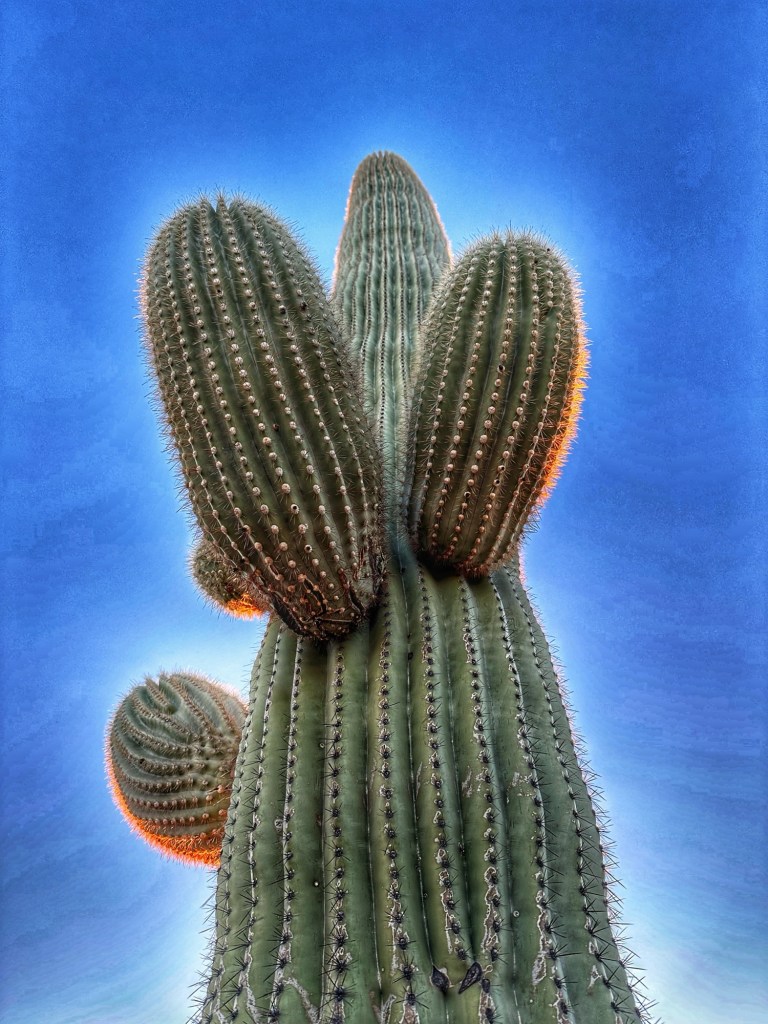
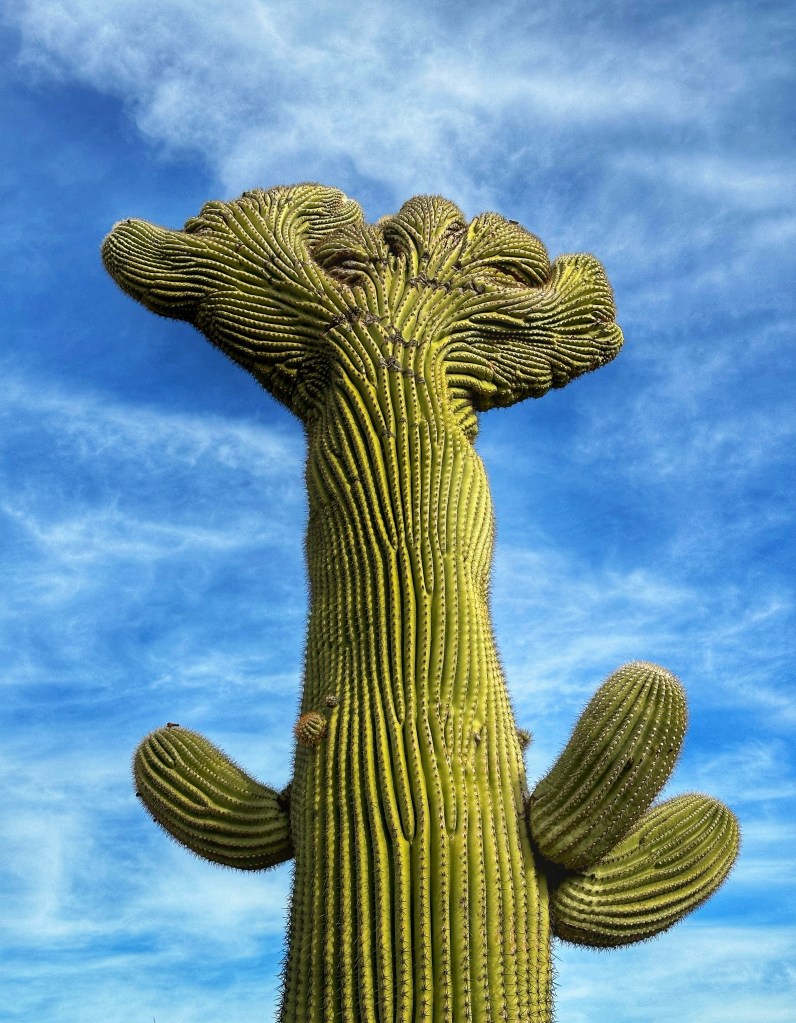
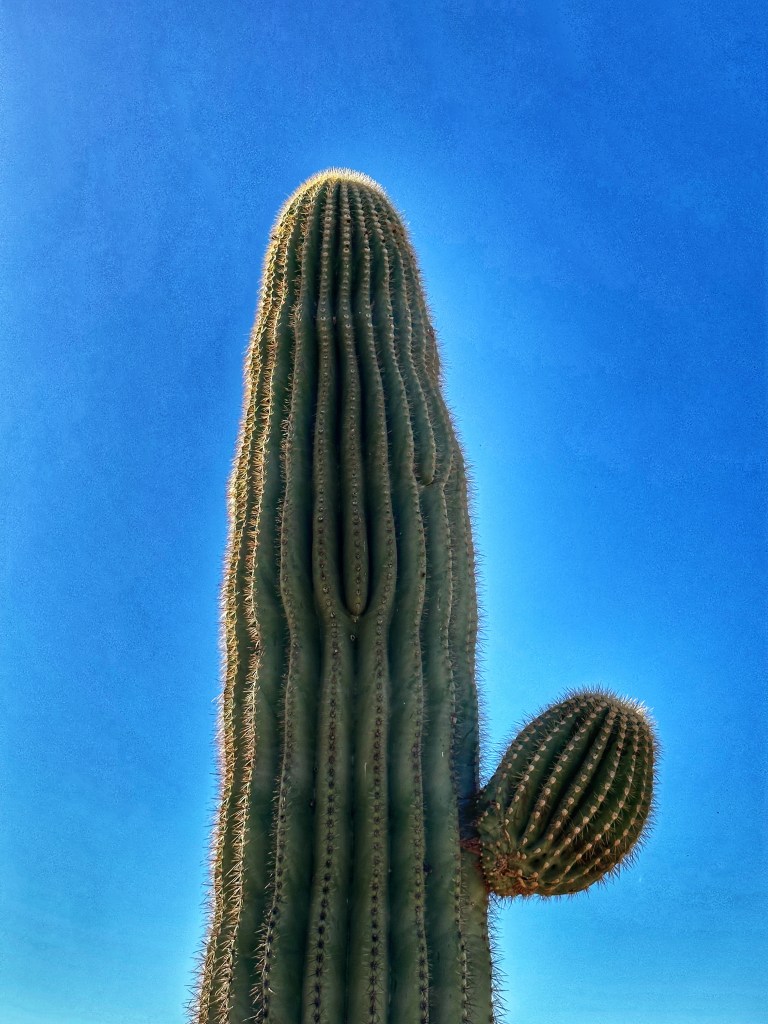
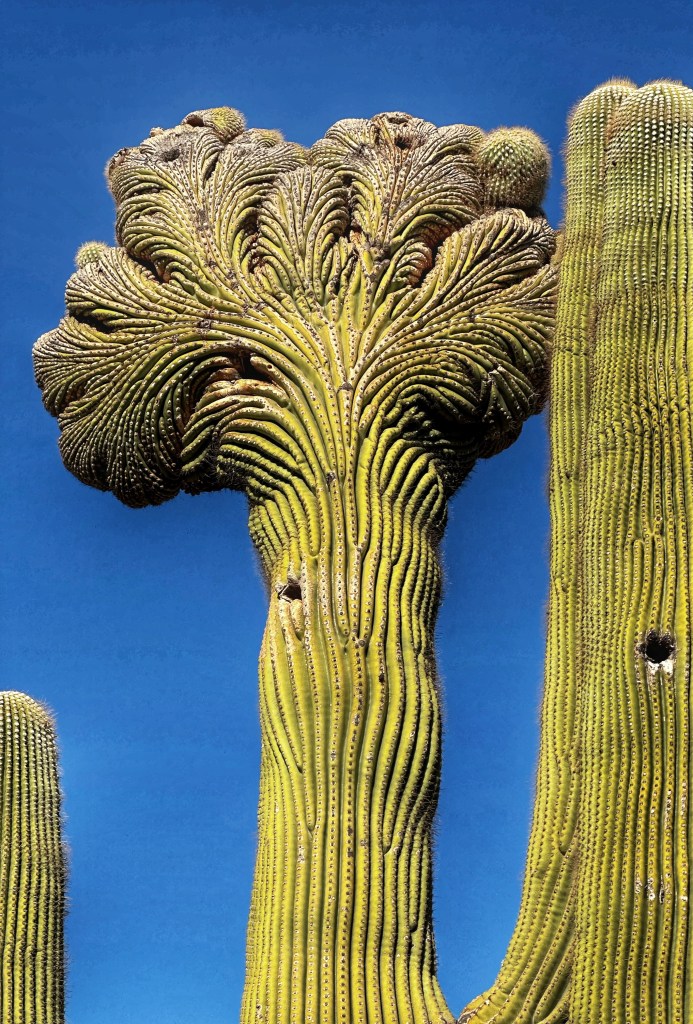
Crested Saguaro
What causes this rare mutation remains a mystery. Speculation points to freezing as a trigger which may initiate the process. Regardless of the cause they are a treat to behold.
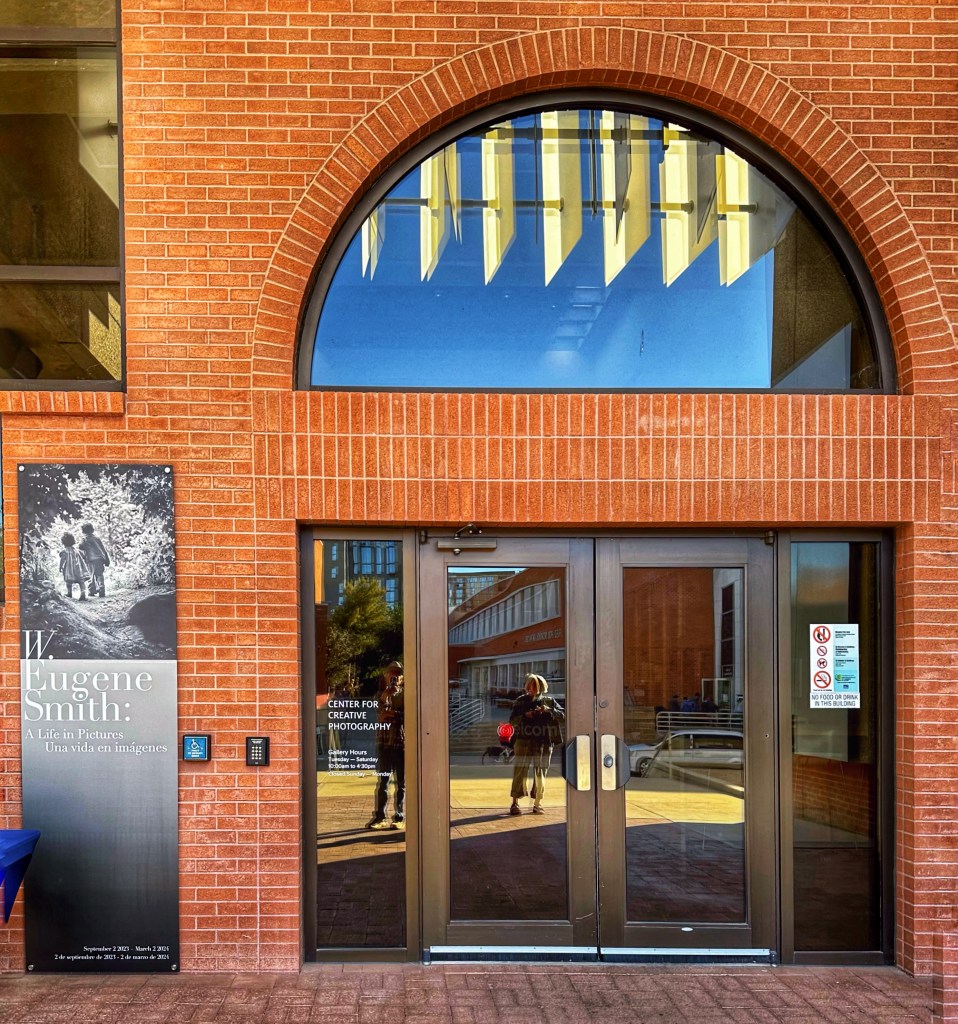
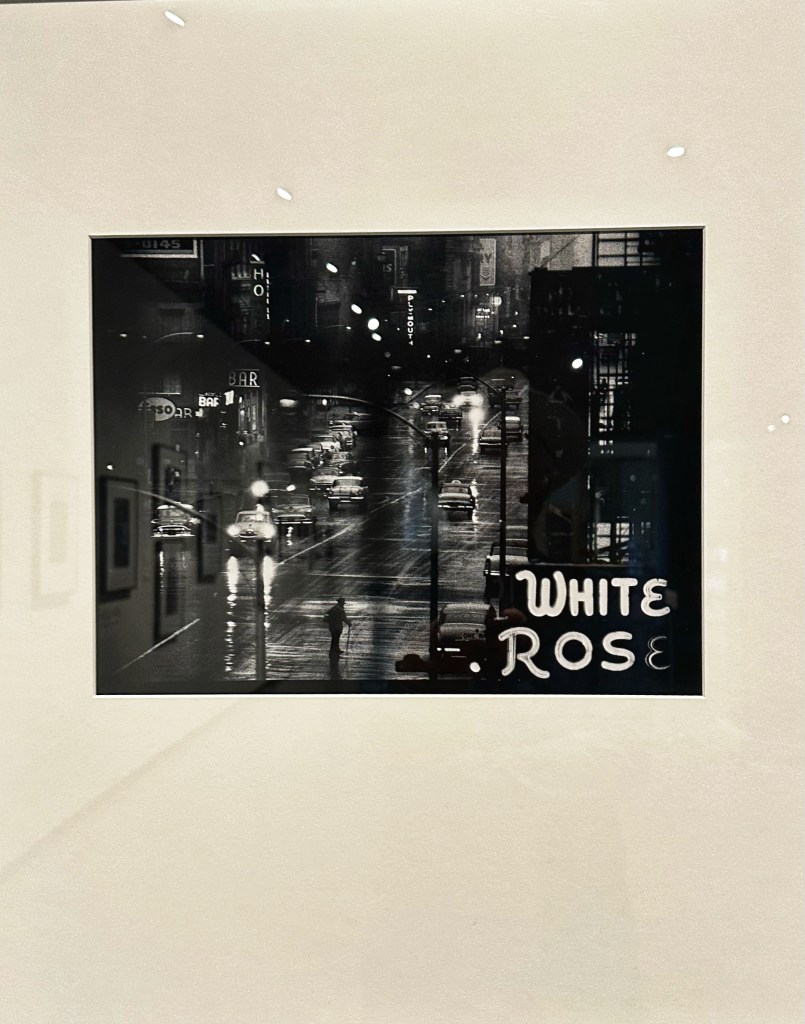
Whenever we find ourselves in Tucson we make a point to visit the Center for Creative Photography (CCP) located on the campus of the University of Arizona.
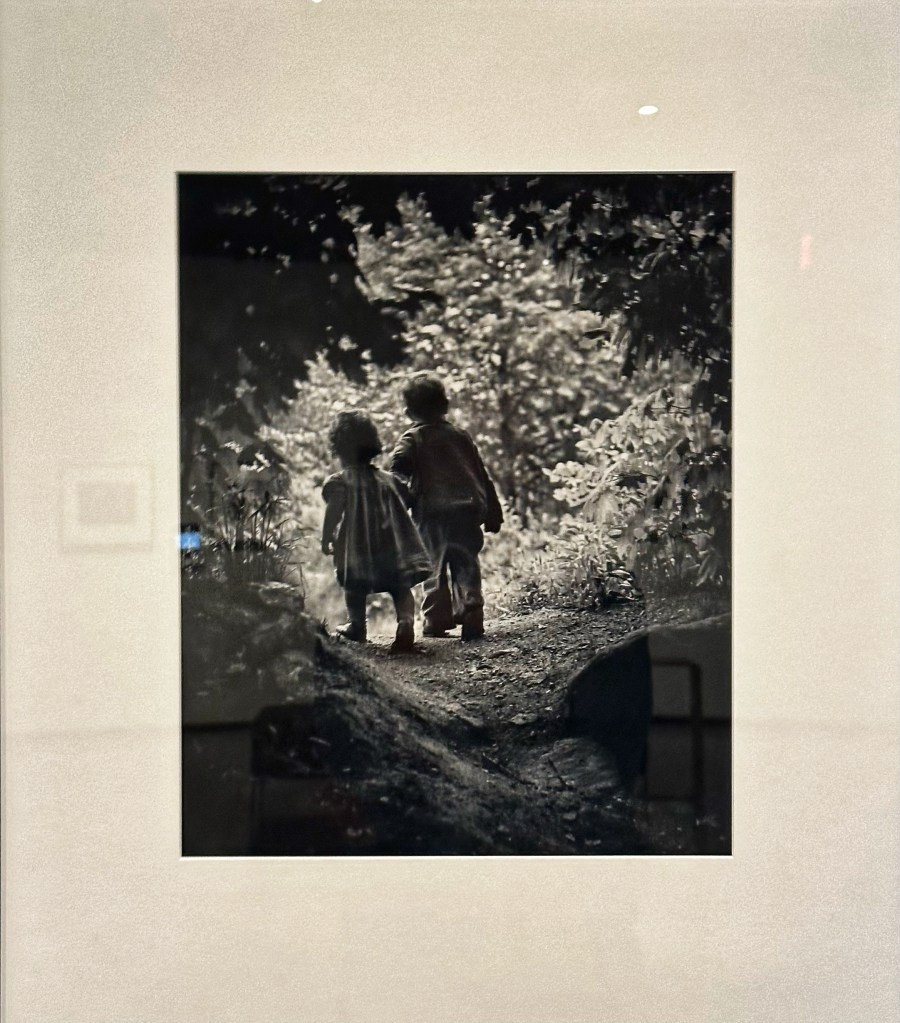
The CCP was established in 1975 and houses the full archives of some of our favorite photographers, W. Eugene Smith, Ansel Adams, Edward Weston, Harry Callahan, and Gerry Winogrand. The current exhibits featured the work of W. Eugene Smith.
A Walk to Paradise Garden, 1946 by W. Eugene Smith White Rose Sign, 1957-1958 by W. Eugene Smith
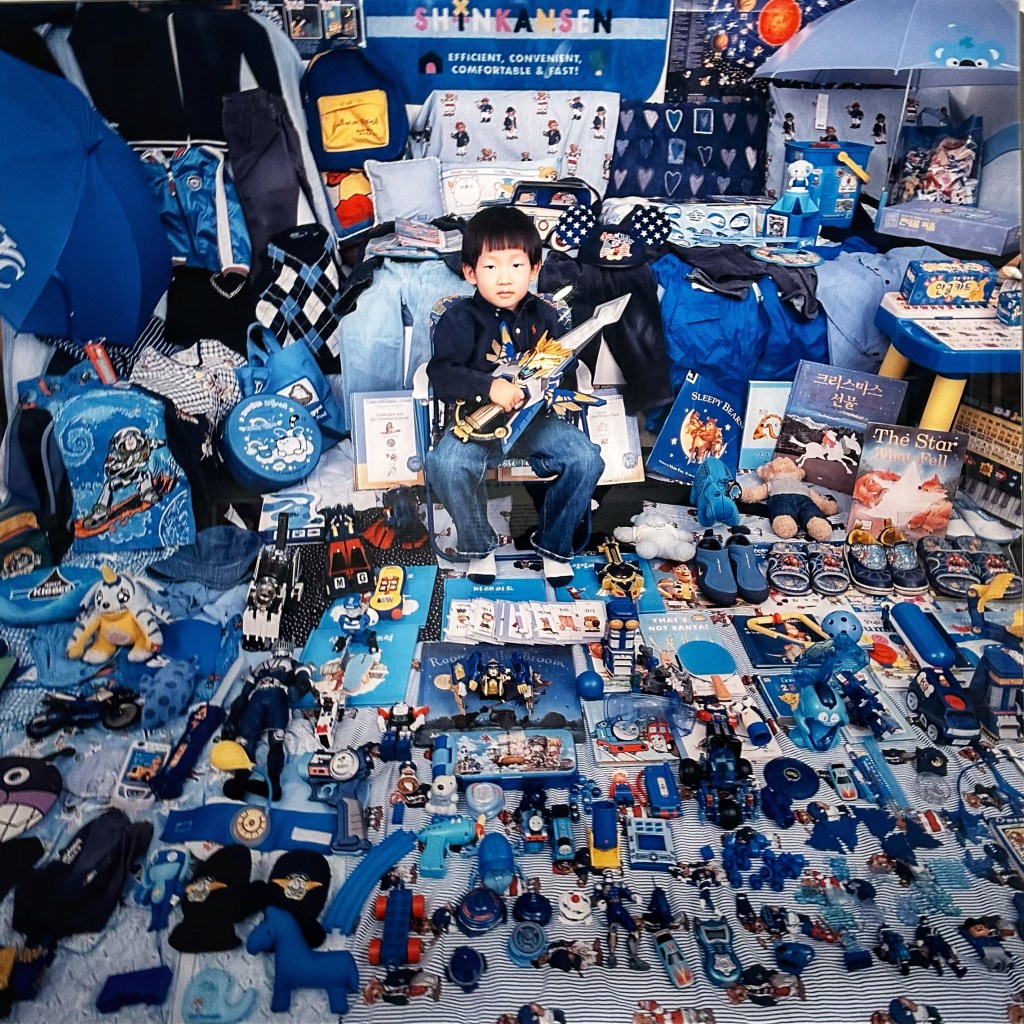
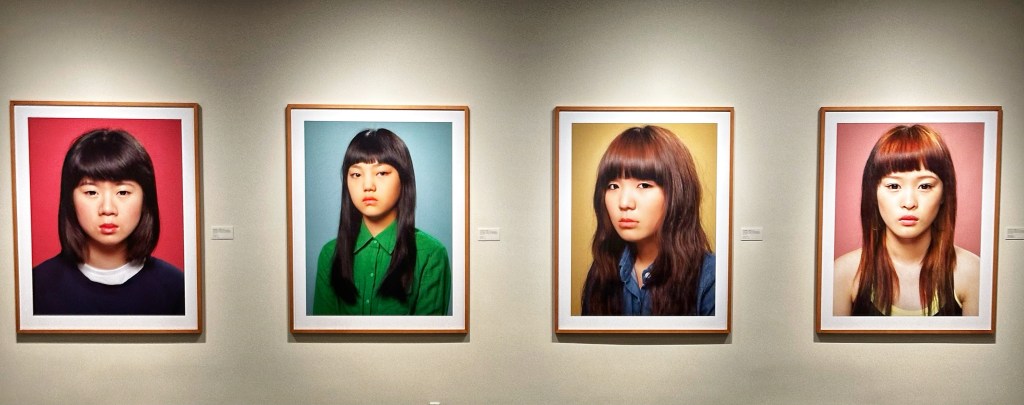
There was also a large exhibit of work by contemporary Korean photographers.
The Pink Project- Jeeyoo and Her Pink Things, Seoul, South Korea, 2007 by Yoon JeongMee The Blue Project 1-Kihun and His Blue Things, Seoul, South Korea, 2007 by Yoon JeongMeeCosmetic Girls, 2008 by Oh Heinkuhun
We joined a group of fellow RVers that hikes Tumamoc Hill every Wednesday morning and then eats lunch together. The 1 1/2 mile hike up the hill is a steep and grueling walk to the top.
We made it!A view from the top
But in the final analysis being here is all about the desert.
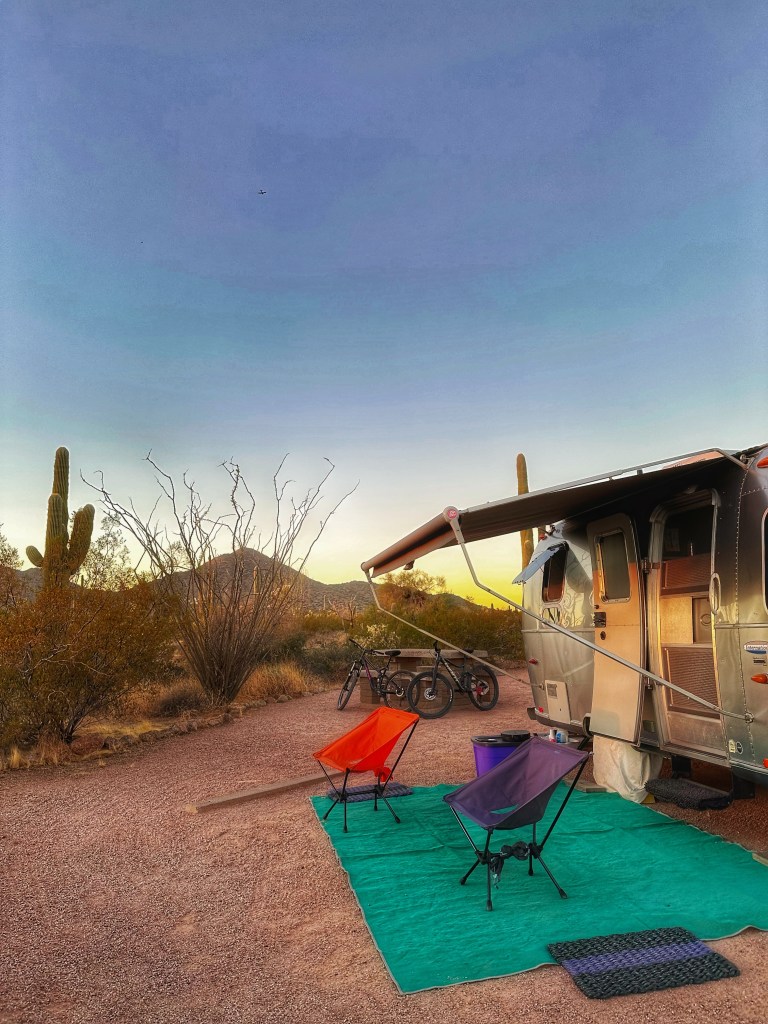
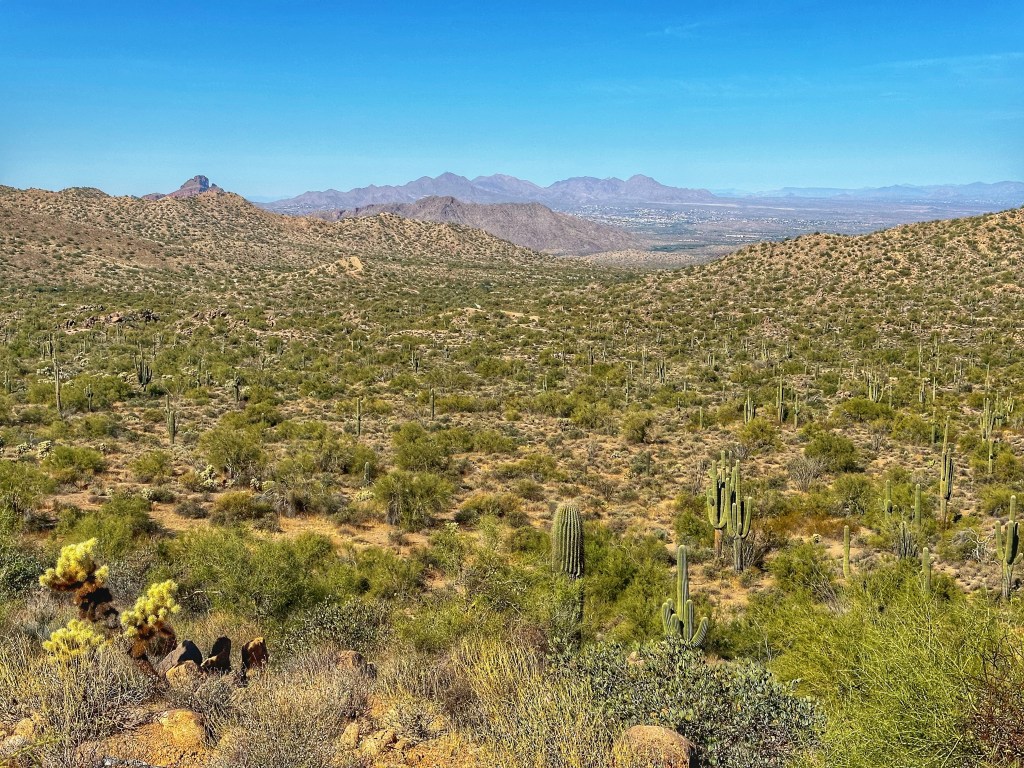
We left the Sedona area and headed toward Phoenix. It was with some trepidation that we headed to the valley that is the city of Phoenix where approximately 1.6 million people reside. The valley is surrounded by mountains where you can find some of the nicest county parks we’ve had the pleasure to stay in. We reserved eleven days in Usery Mountain Regional Park in Mesa, Arizona. It’s a great park for hiking and biking in the Sonoran Desert.
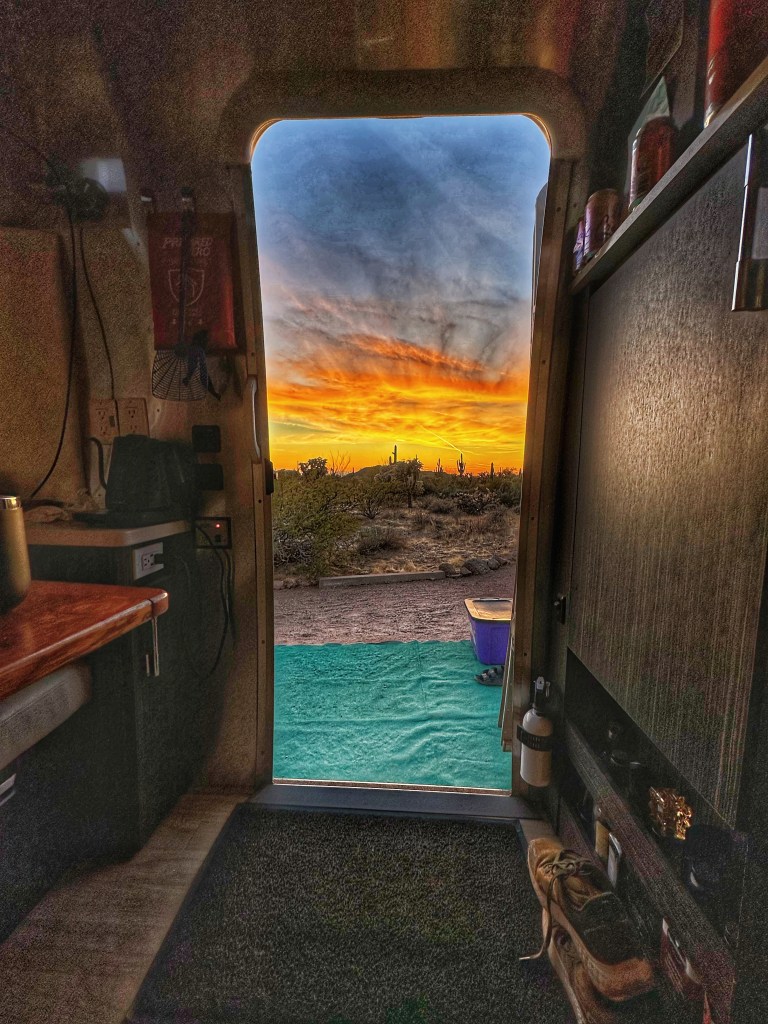
Site 10Our front yard at dusk On the Lost Sheep TrailOn the Pass Mountain Trail
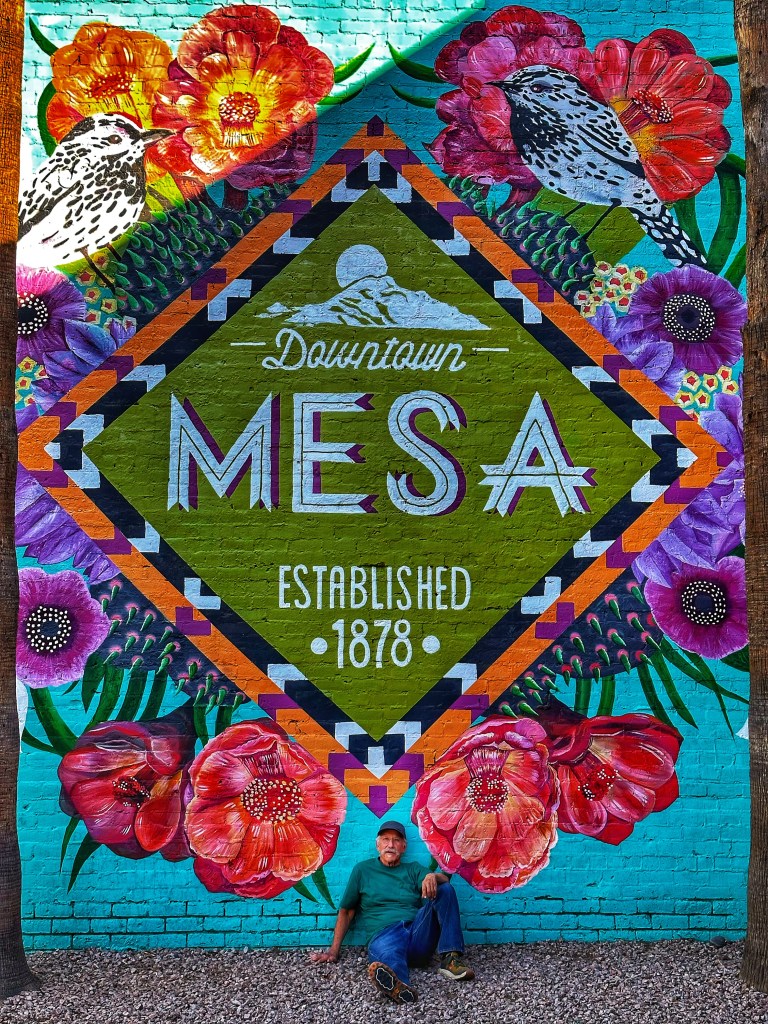
Mesa is located in the East Valley and has had double digit growth since 2010 giving the city a population of just under 500,000. If it’s growth continues at its current rate of 13.3%, in a few years it will surpass Tucson as Arizona’s second largest city.
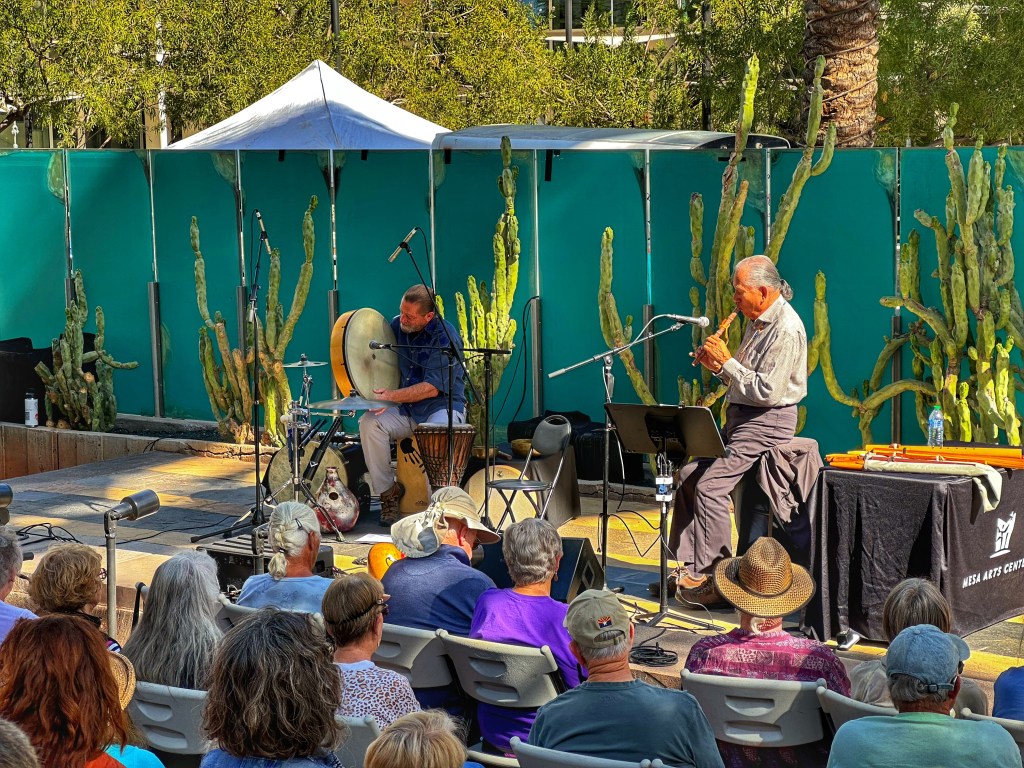
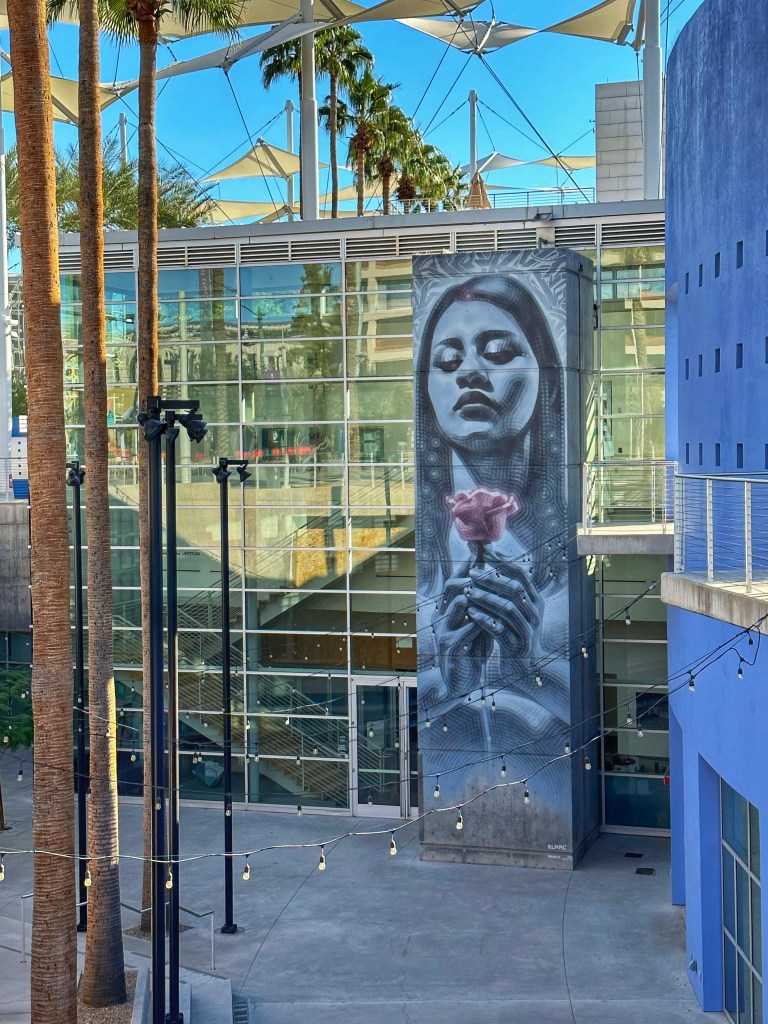
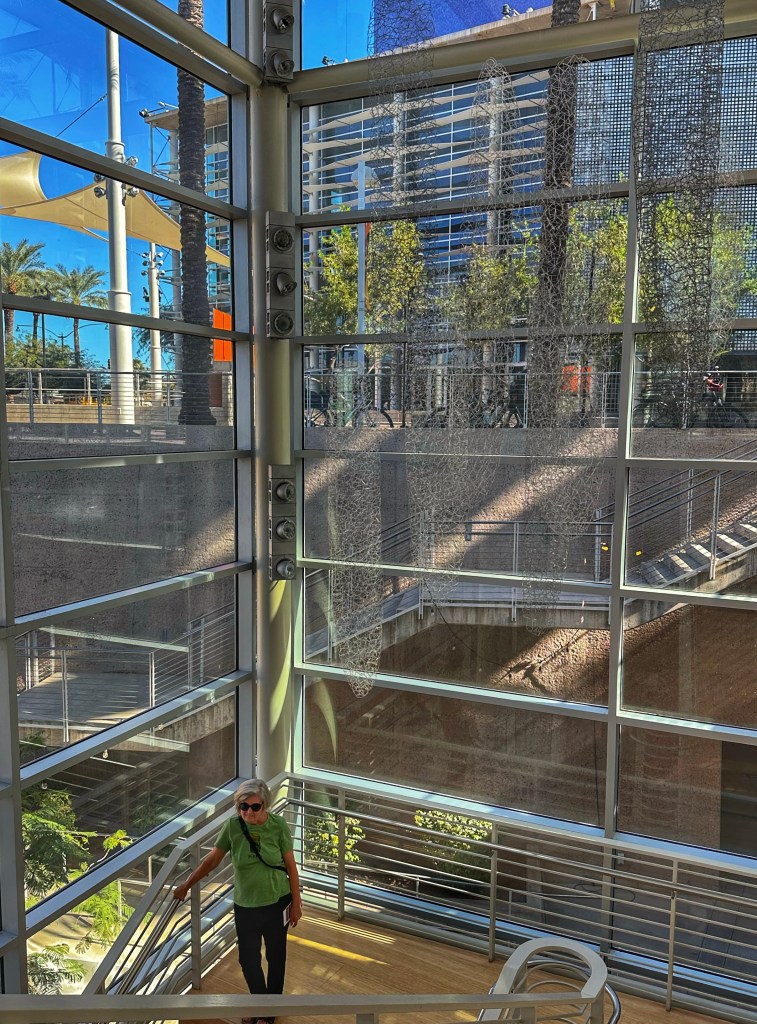
The Mesa Arts Center is an impressive complex of galleries, performance spaces and art studios. On Thursday they present a lunch time concert series.
William Clipman (percussion) and R. Carlos Nakai (Native American flute)The downstairs galleries Heading down to the galleries
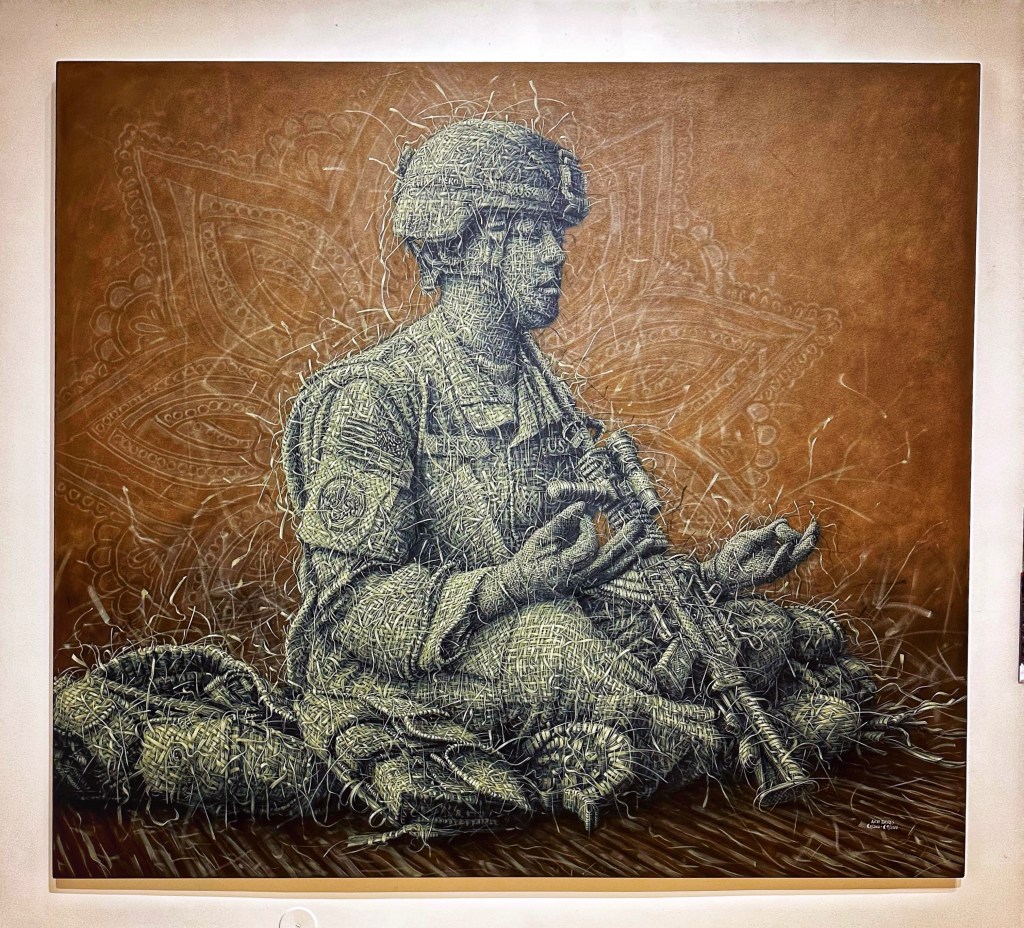
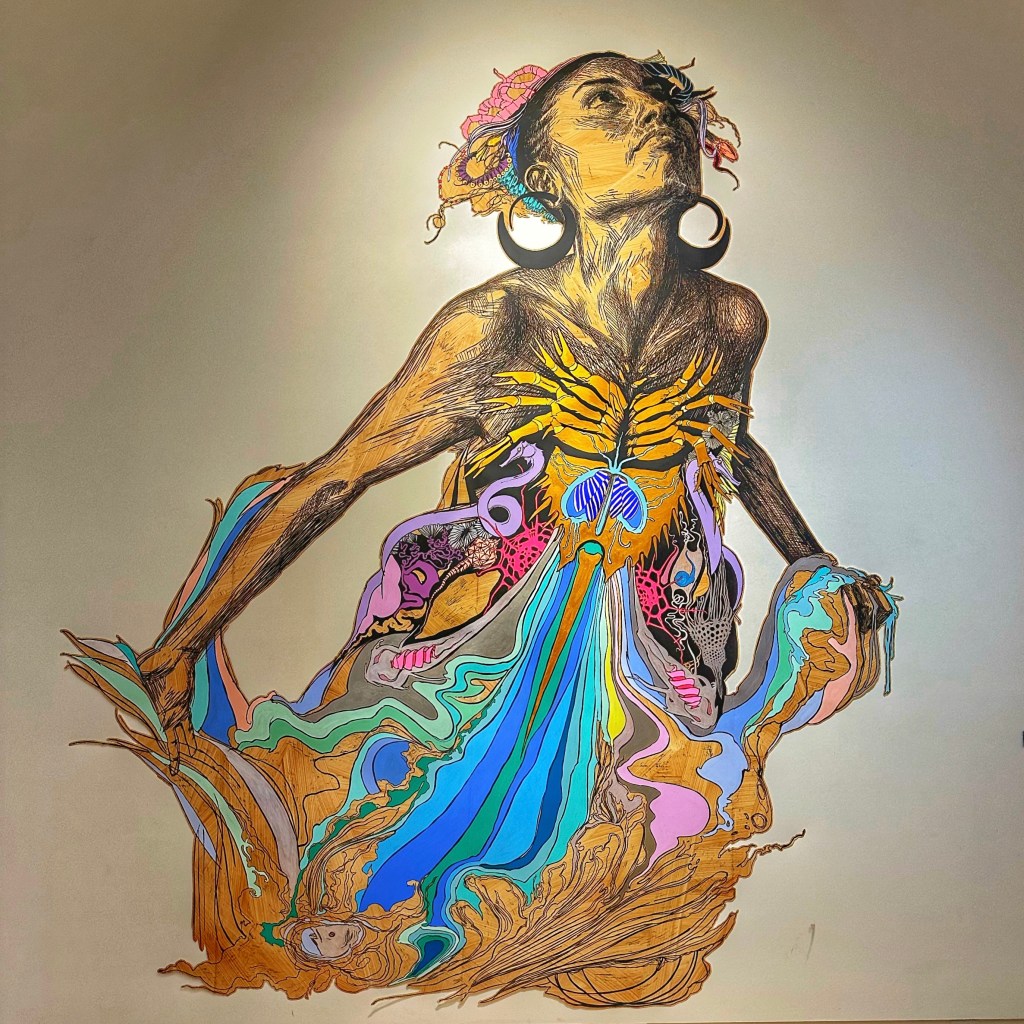
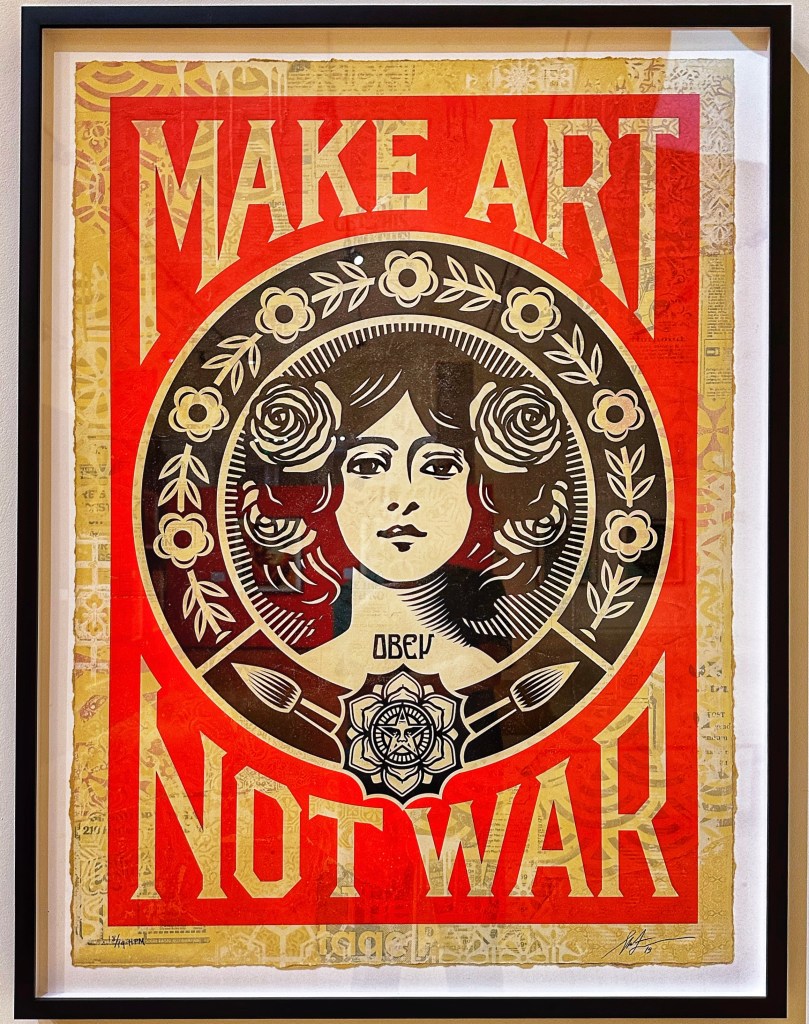
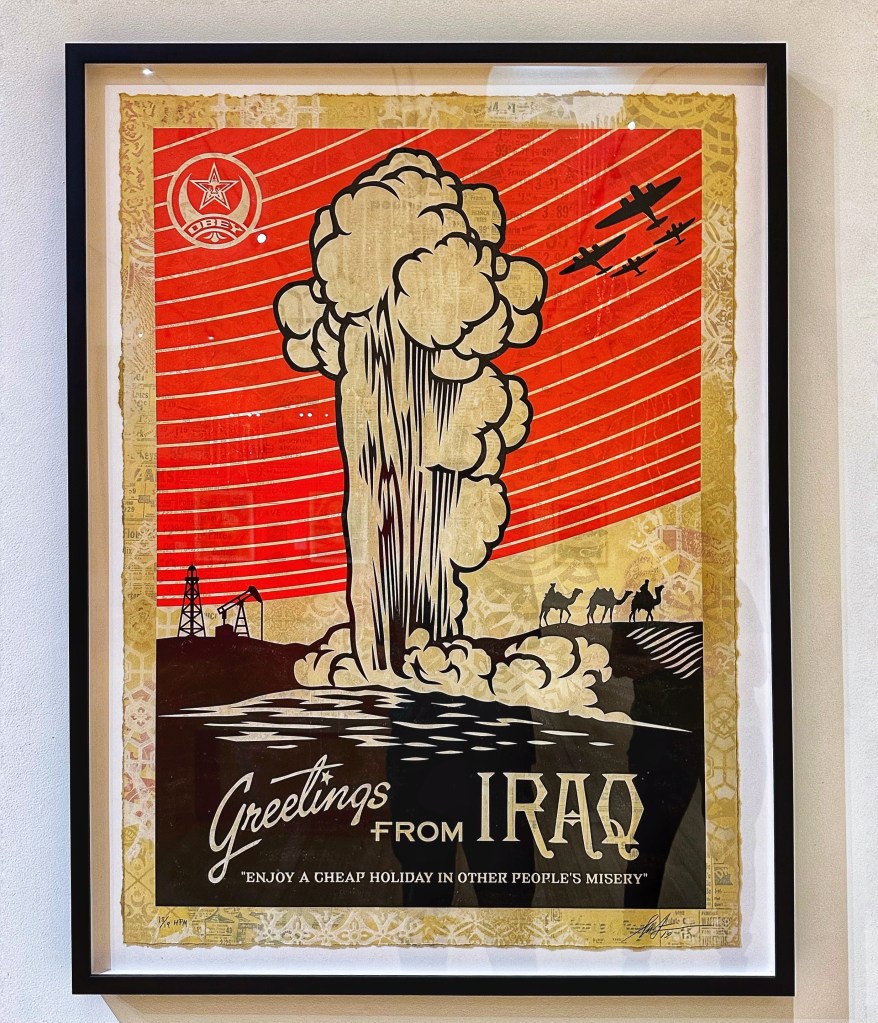
The galleries featured three exhibitions; Just Cause: The power of contemporary art in social engagement, Facing the Giant: 3 Decades of Dissent- Shepard Fairey and Gift In The Rapture- Caledonia Curry (Swoon).
Hero from the Spiritual Security series 2016 by Alexi TorresDetail Thalassa, 2022 by SWOON /Caledonia Curry
We’ve long admired the work of Shepard Fairey but have not seen his originals. We weren’t disappointed.
Make Art Not War (2005) 2019Greetings From Iraq (2005) 2019End Corruption (2016) 2019
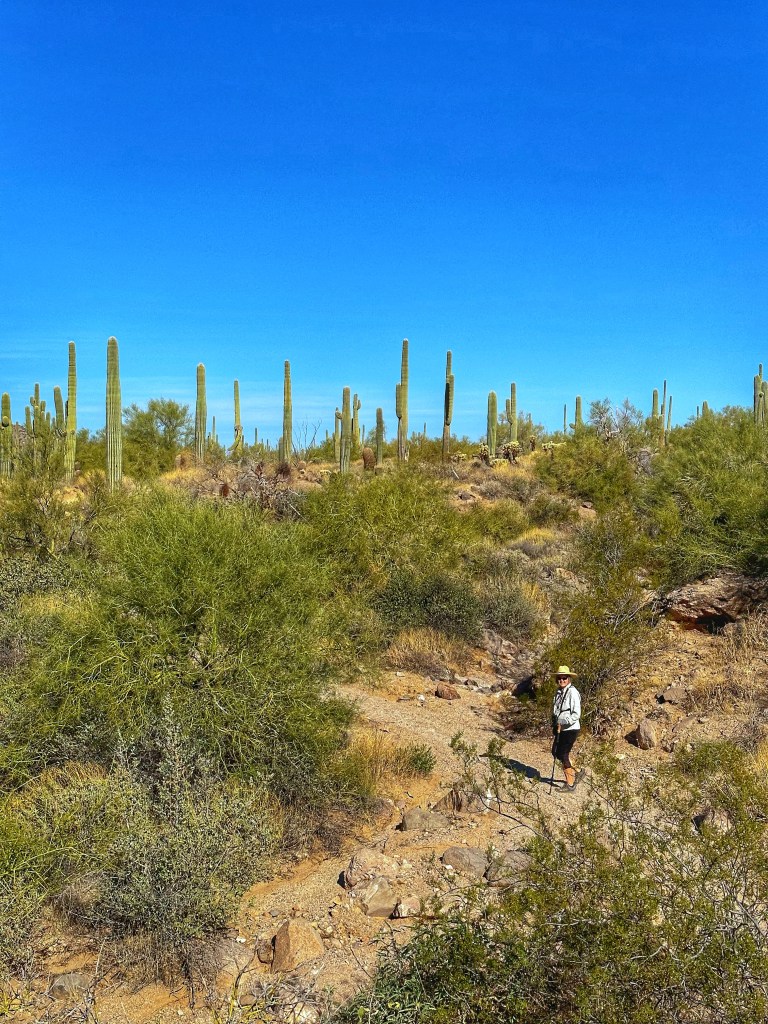
Usery Mountain Regional Park encompasses 3,600 acres with elevation ranges from 1,700 to 2,750 feet and contains a large variety of plants and animals with great birding opportunities. The park features miles of bike trails for every skill level and we spend most of our time in the park exploring those trails. There are two trails that are geared to hikers, the Pass Mountain Trail and the Wind Cave Trail.
Taking a break from biking we laced up our hiking boots and headed to the Pass Mountain Trail and it’s Vista Point, about 4.5 miles round trip.
Vista Point
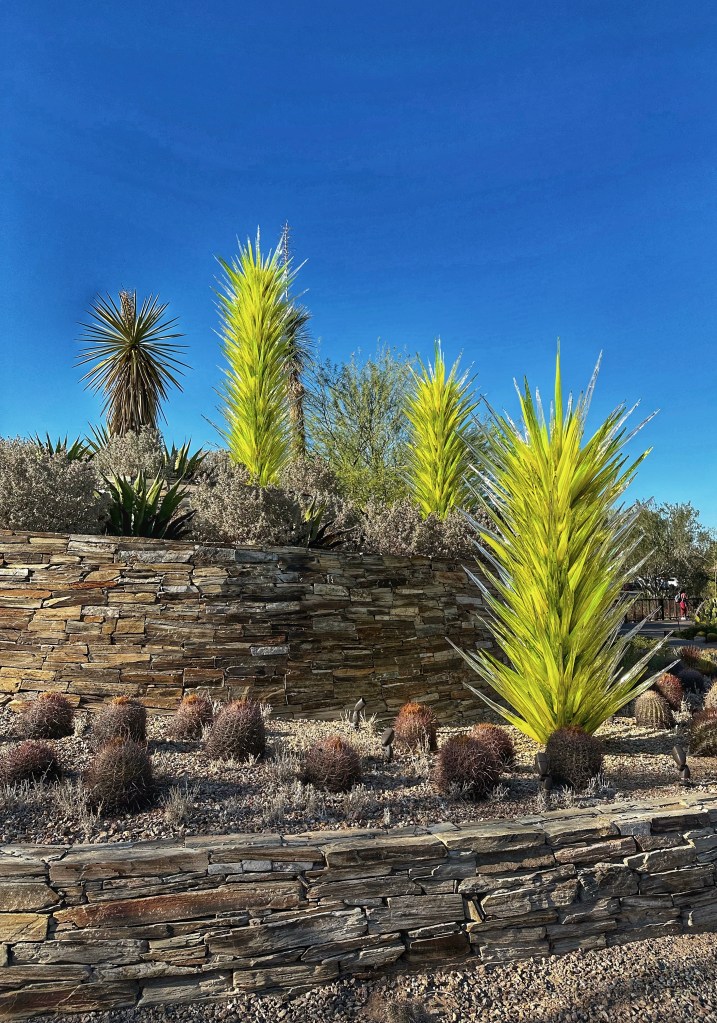
In between biking and hiking, we found time to visit the Phoenix Desert Botanical Garden. The Garden features a wide assortment of cacti as well as a gallery for rotating art exhibitions.
Crested saguaroDale Chihuly glass work
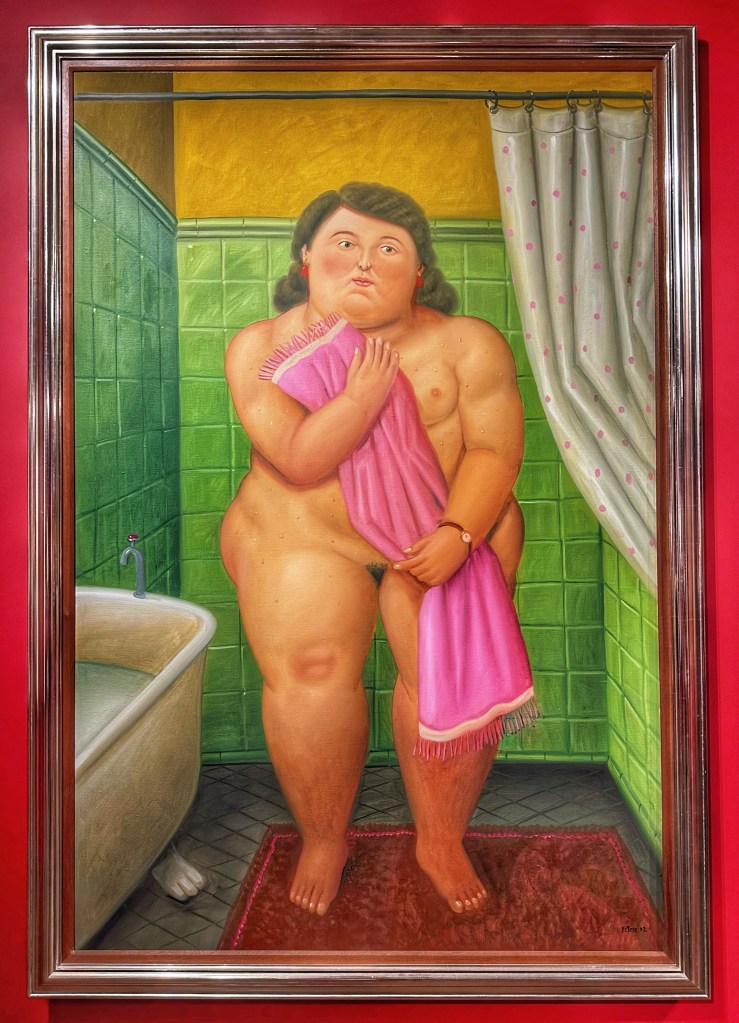
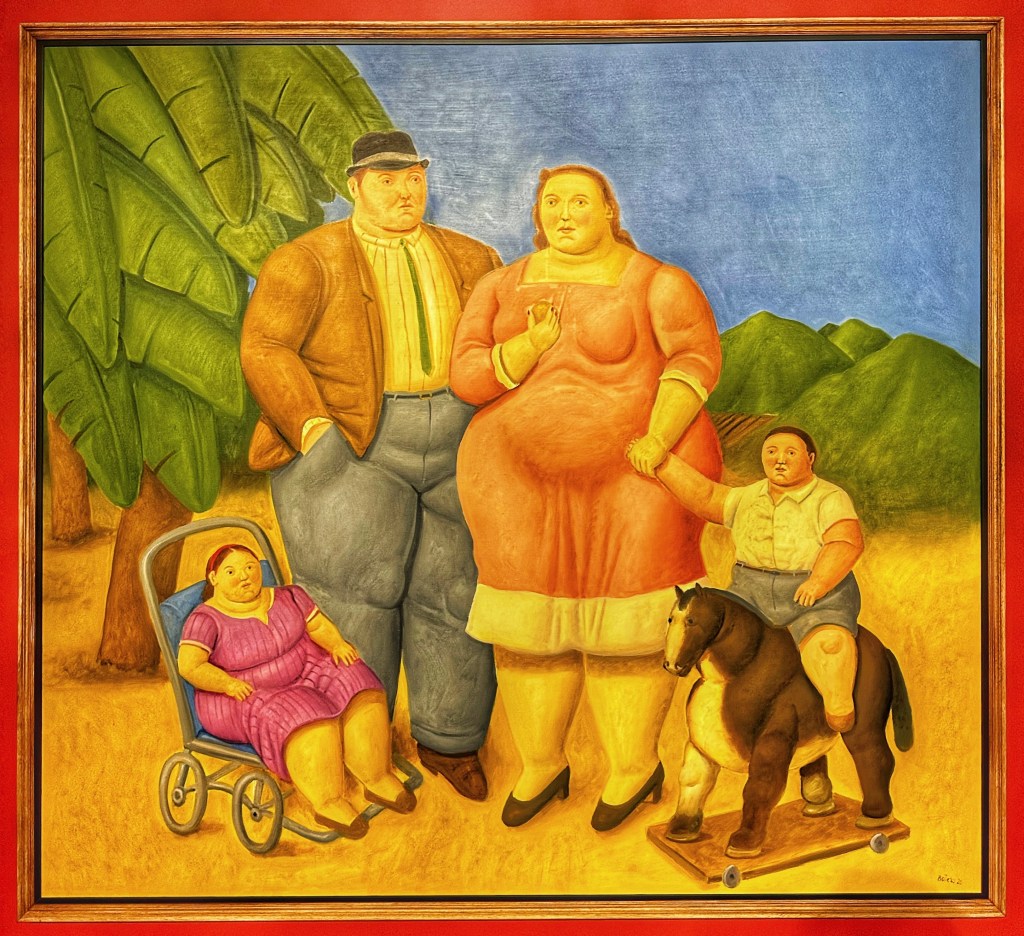
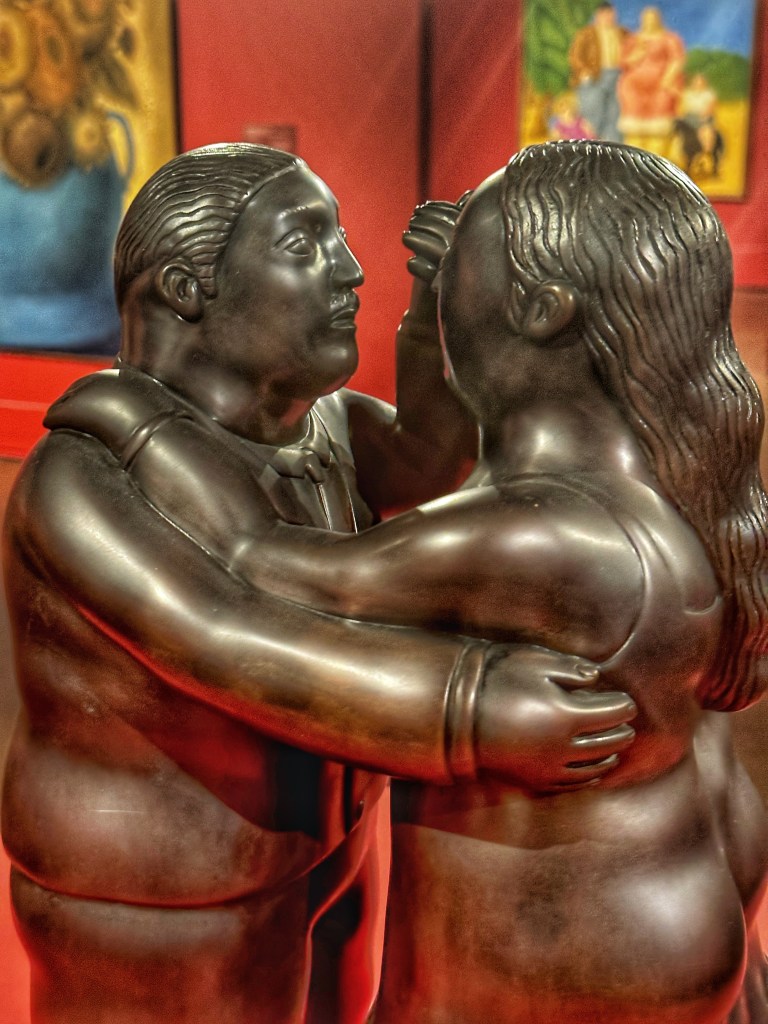
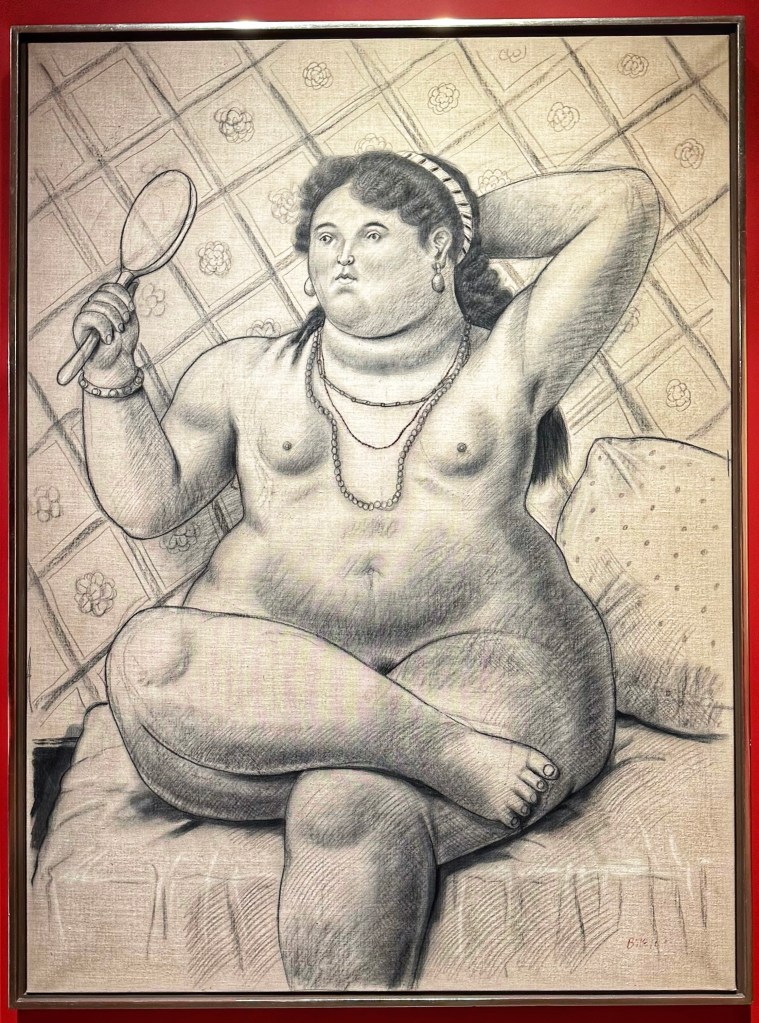
The Garden was presenting a large exhibition of the work of Columbian artist Fernando Botero.
Woman in the Bathroom, 2002Family in the Plantation, 2020Dancers, 2005Woman With Mirror, 1998
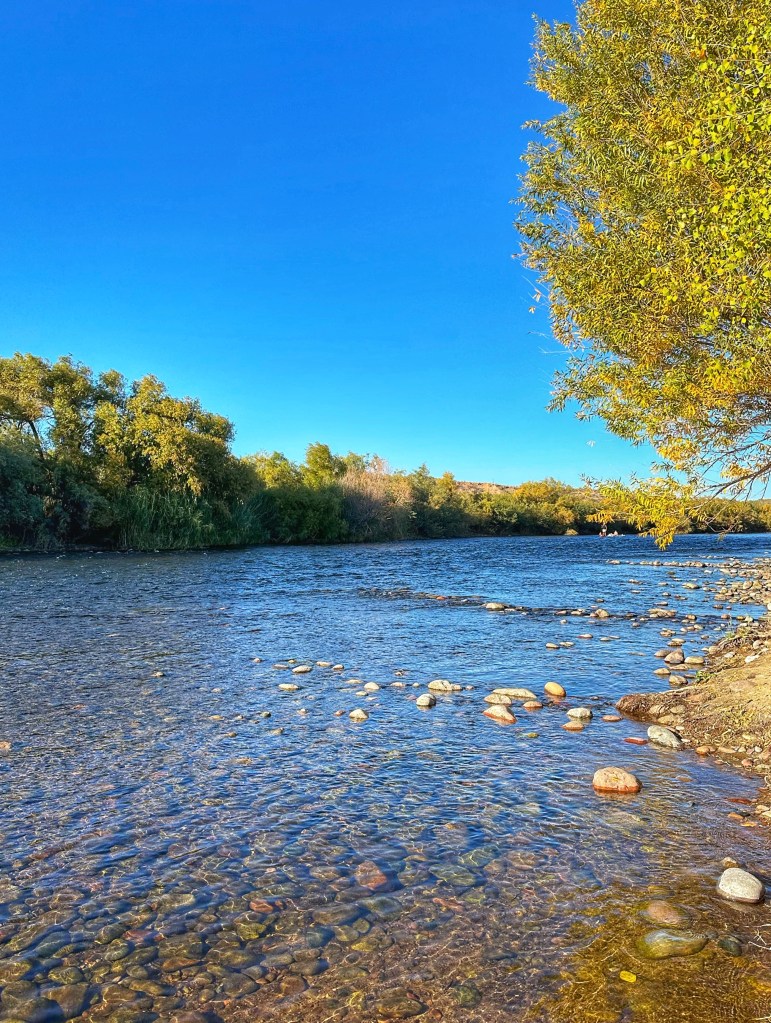
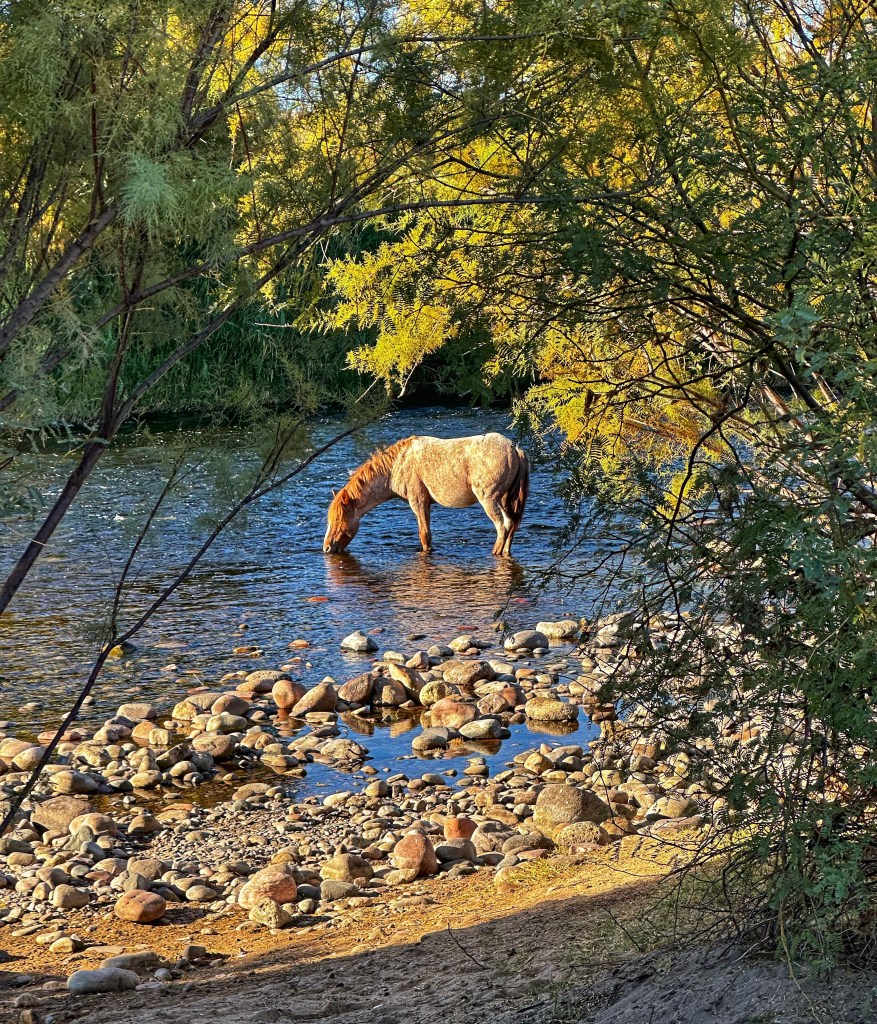
One hot afternoon we decided to drive to the Salt River in the Tonto National Forest to see if we could find the wild horses that live along the river.
The Salt River One of three horses we saw crossing the river
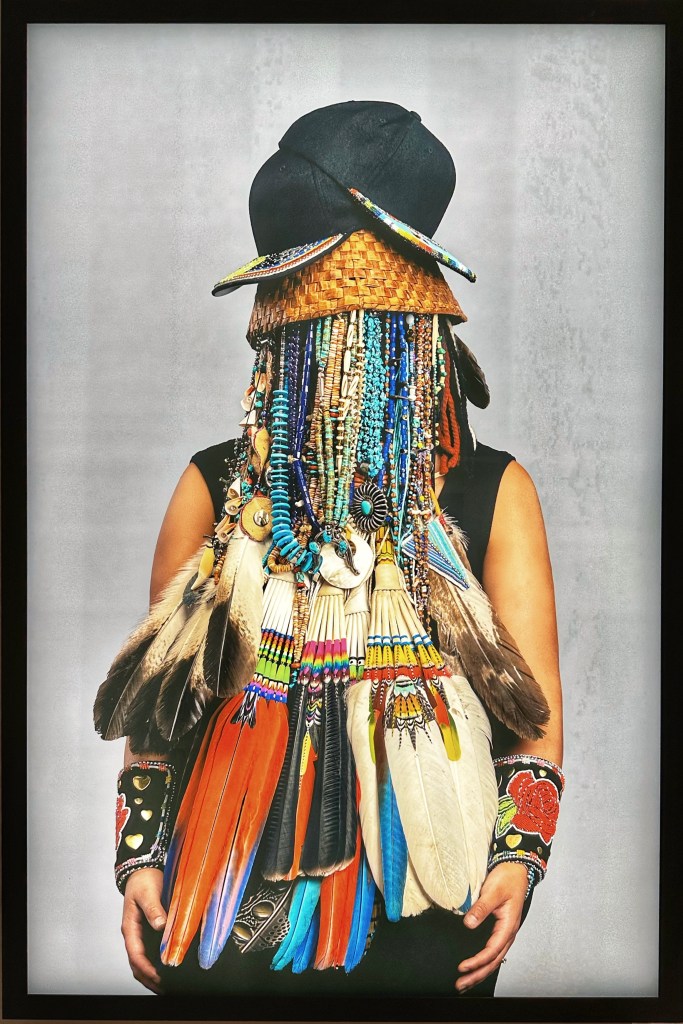
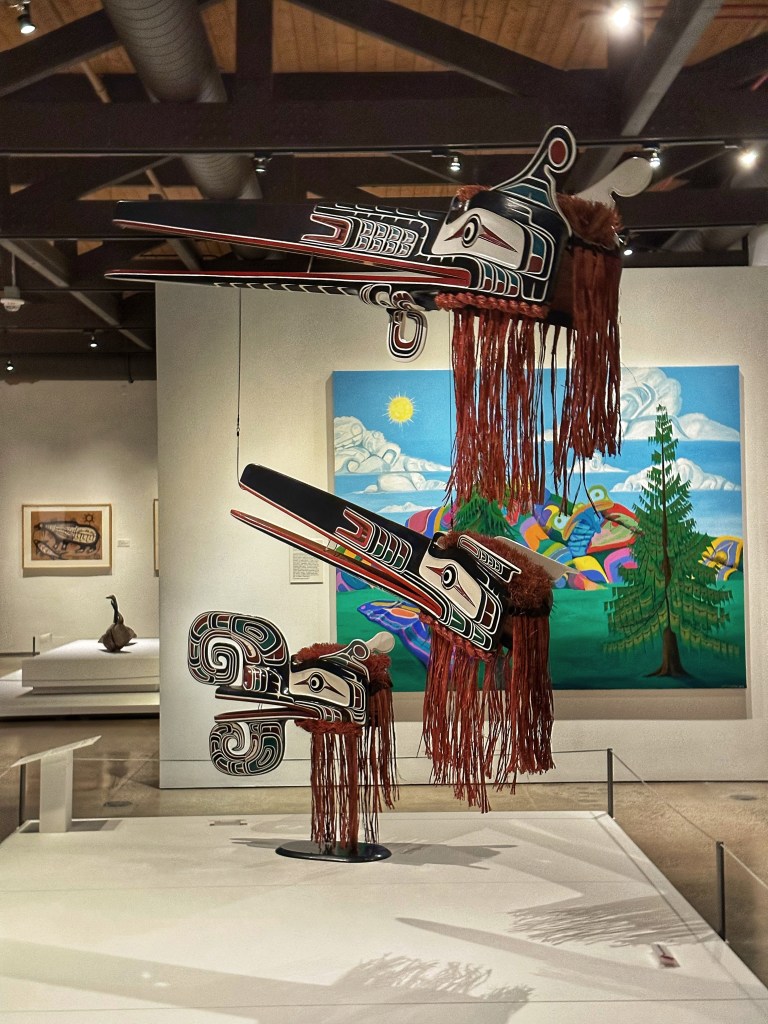
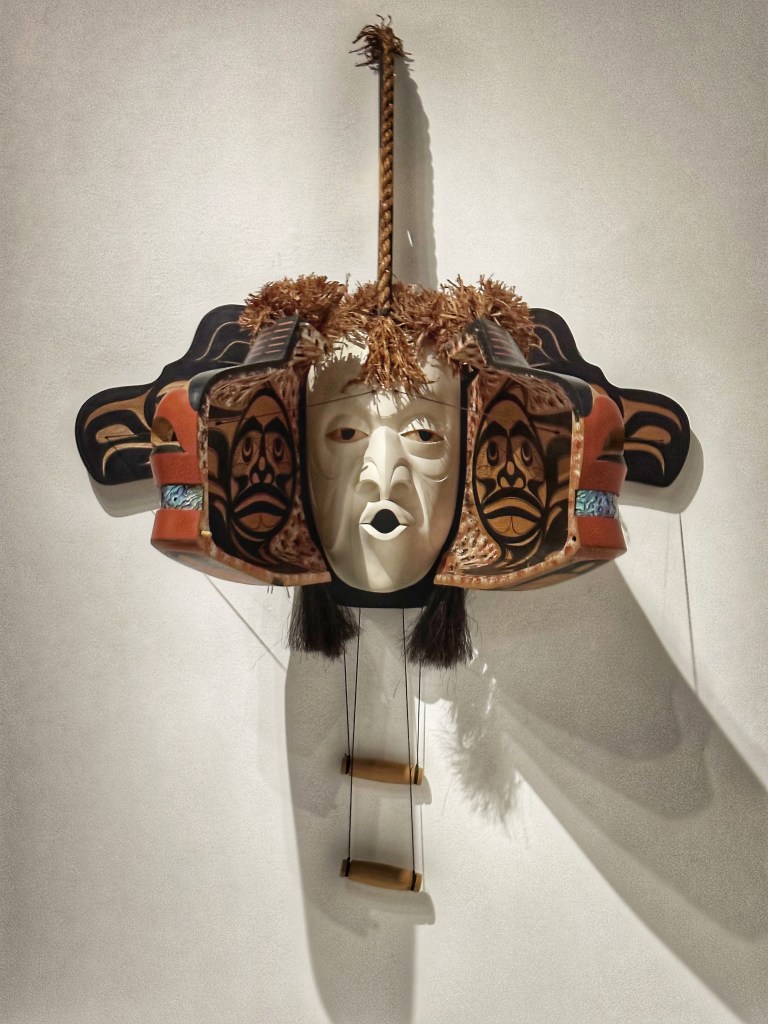
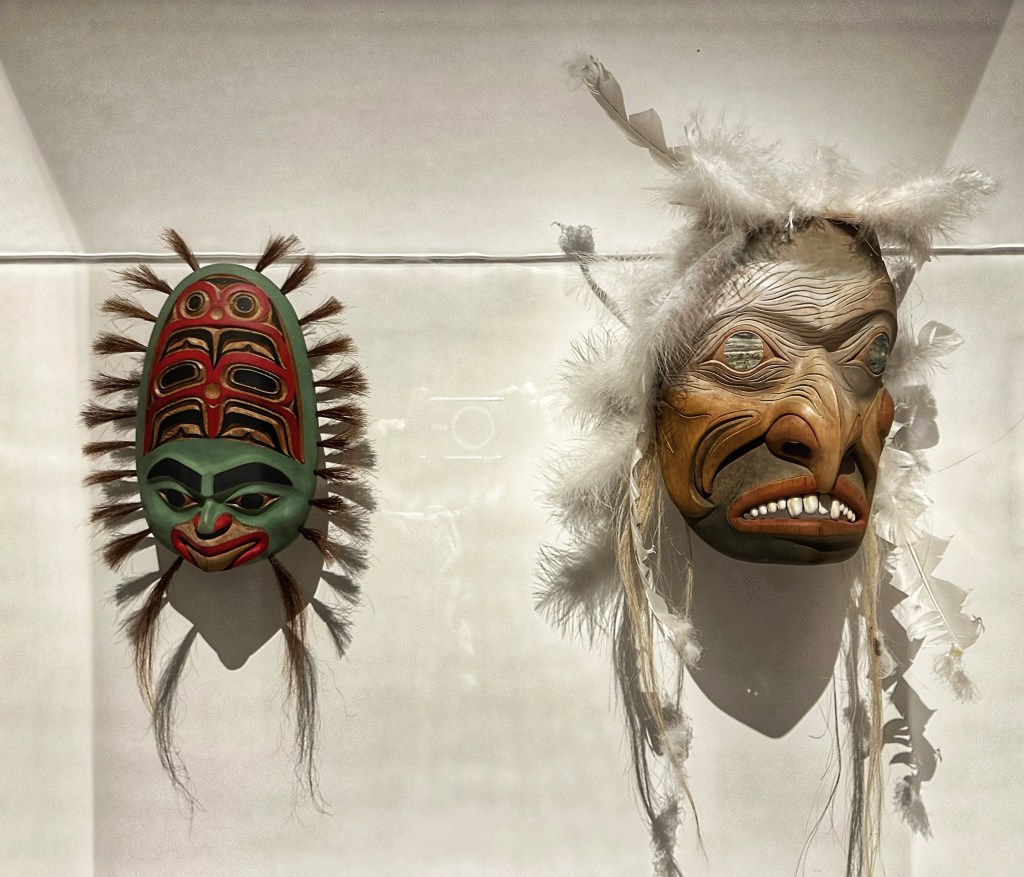
Phoenix is the home of the Heard Museum. The museum features the work of Native American artists, both traditional and modern. The featured exhibition was “Early Days: Indigenous Art from the McMichael”. It was ironic that we came to Phoenix to see work from a gallery in Ontario, Canada. The exhibit featured both historical and contemporary work from throughout Canada.
Headdress-Shadae, 2018 by Dana ClaxtonHamat’sa Crooked Beak Mask, 2005 by Henry Speck Jr. Whale and Pook-UbS Transformation Mask, 2002 by Art Thompson Taksam (left) by Beau Dick and Eagle Spirit (right), 1995 by Simon Dick
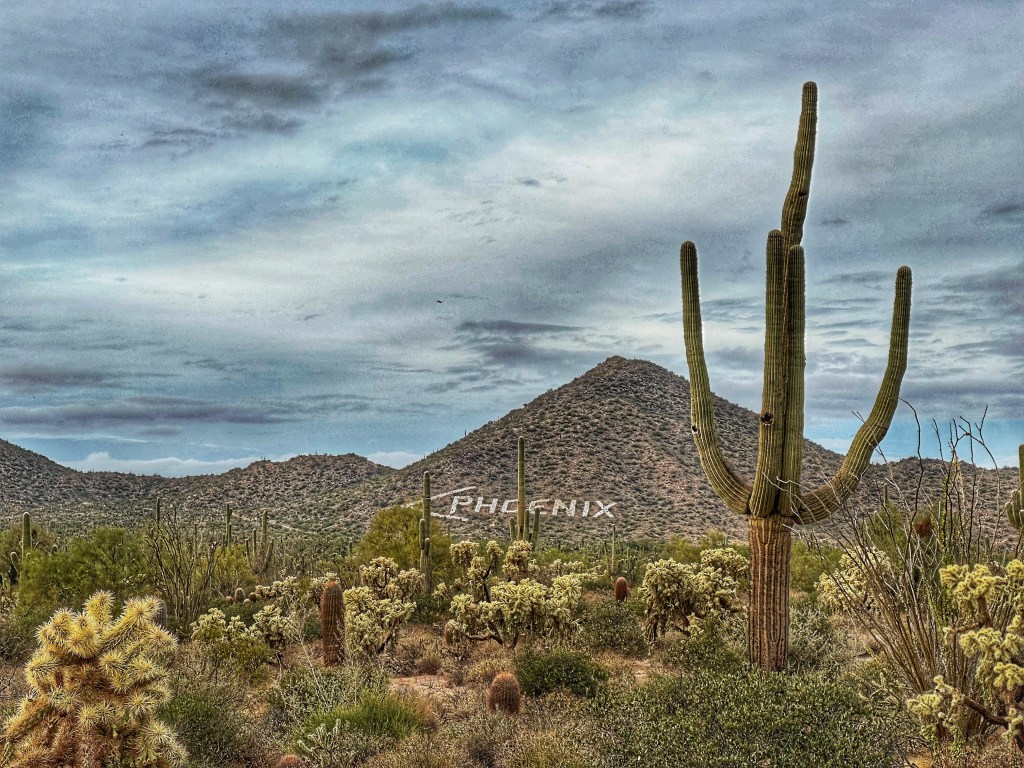
While getting around Phoenix can be problematic, it’s an area that has a lot to offer. From great art museums, botanical gardens, restaurants, and local breweries, we’ve enjoyed our stay. We haven’t even mentioned the great regional and state parks that offer outstanding hiking and biking opportunities in addition to the sunsets.
At the end of our stay we experienced a meteorological phenomenon that we had not experienced in Phoenix before. Heavy cloud cover all day. A touch of Buffalo in the desert.











































 Tincan Travels