Jeykell Island-Biked It, Liked It

Jekyll Island is a barrier island on the southern coast of Georgia. The island is 7miles long and 1 1/2 miles wide with 24 miles of bicycle trails. The island was purchased by the state in 1947 and it became a state park the next year. We booked a camping spot in the only campground on the Island.
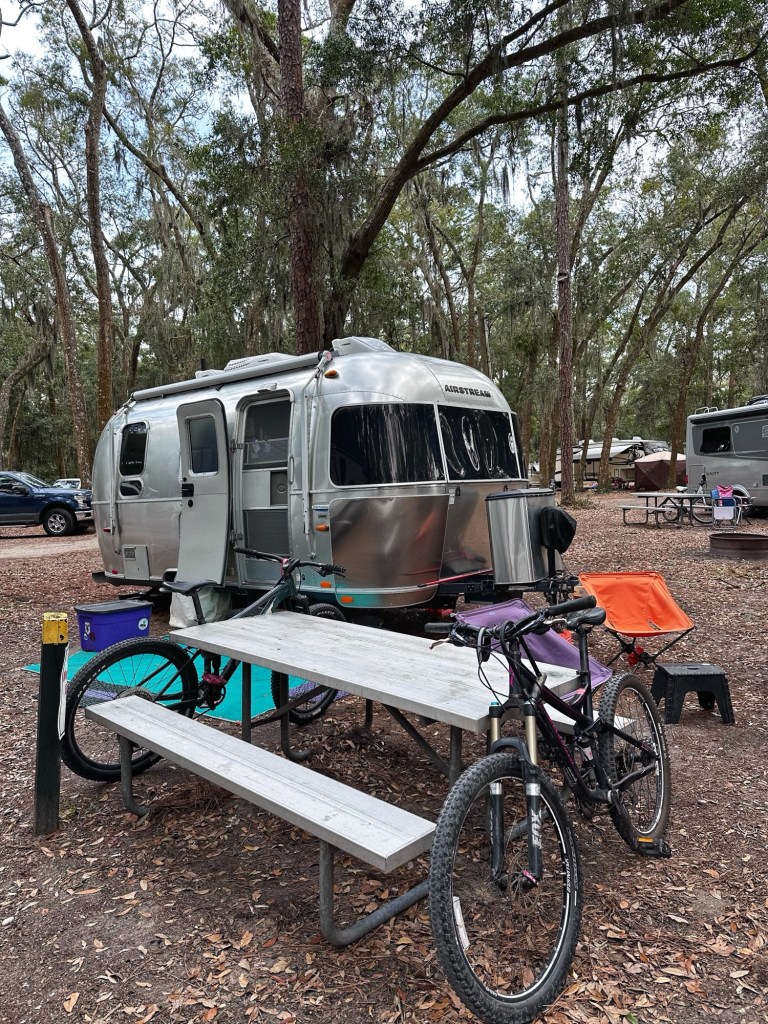
Site B18

The island was given its name by James Oglethorpe, the English general who was responsible for establishing an English colony in Georgia. He named it after his friend and financial supporter Sir Joesph Jeykell.
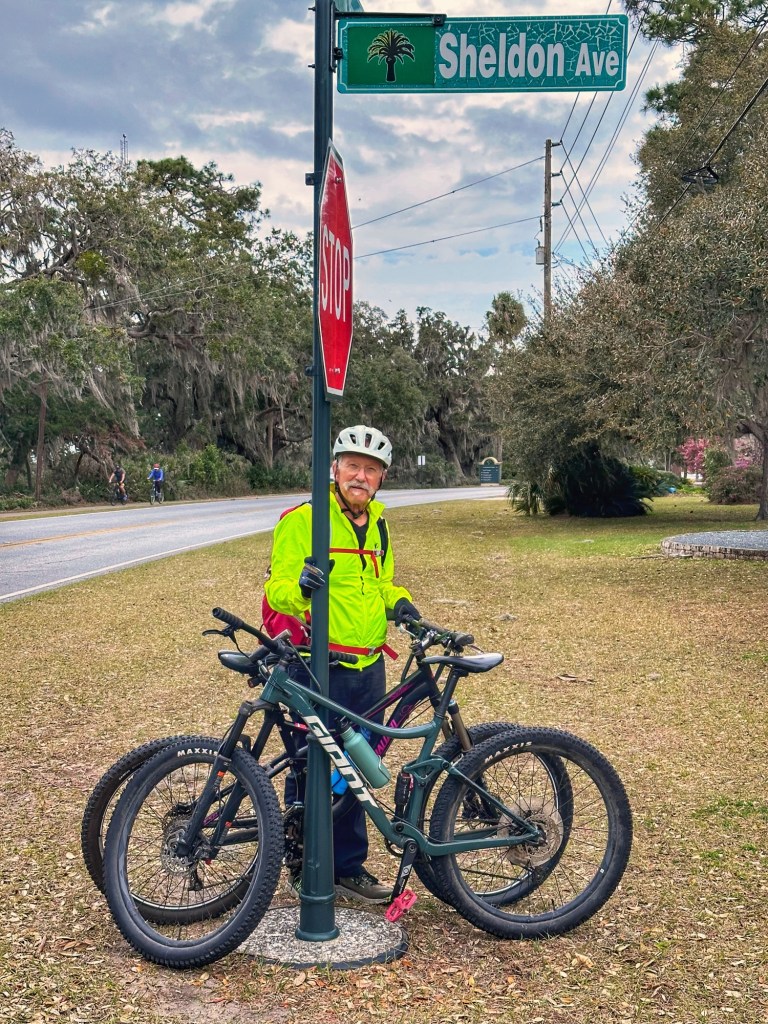
Apparently, there’s a place for Shelly on the island

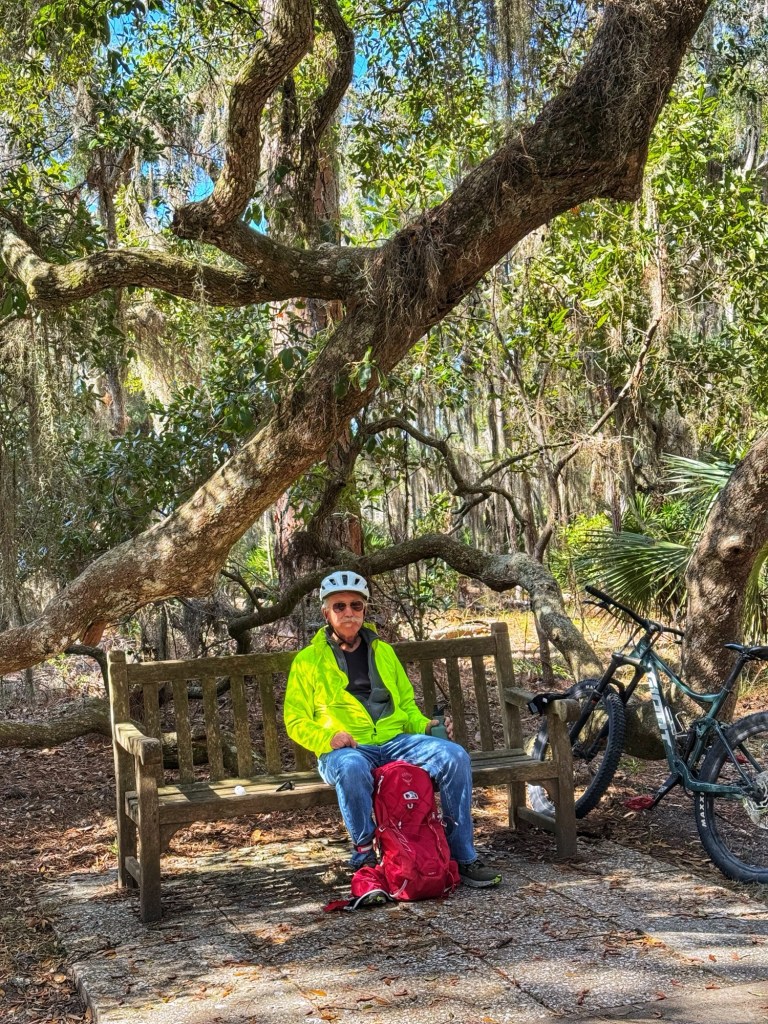
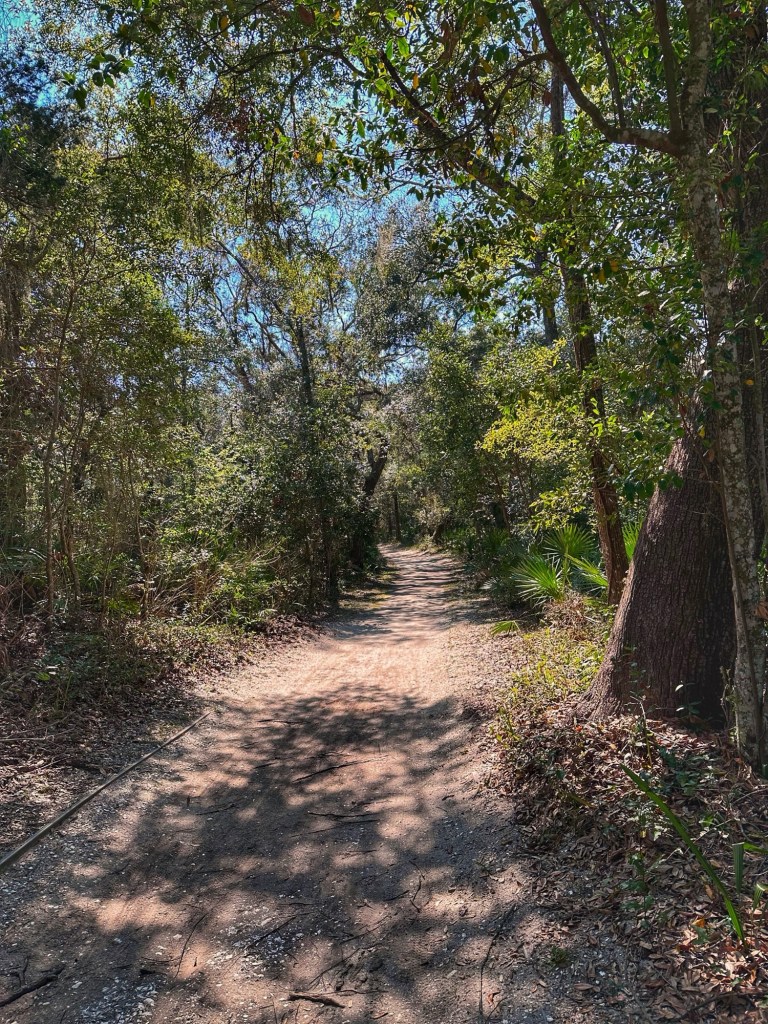
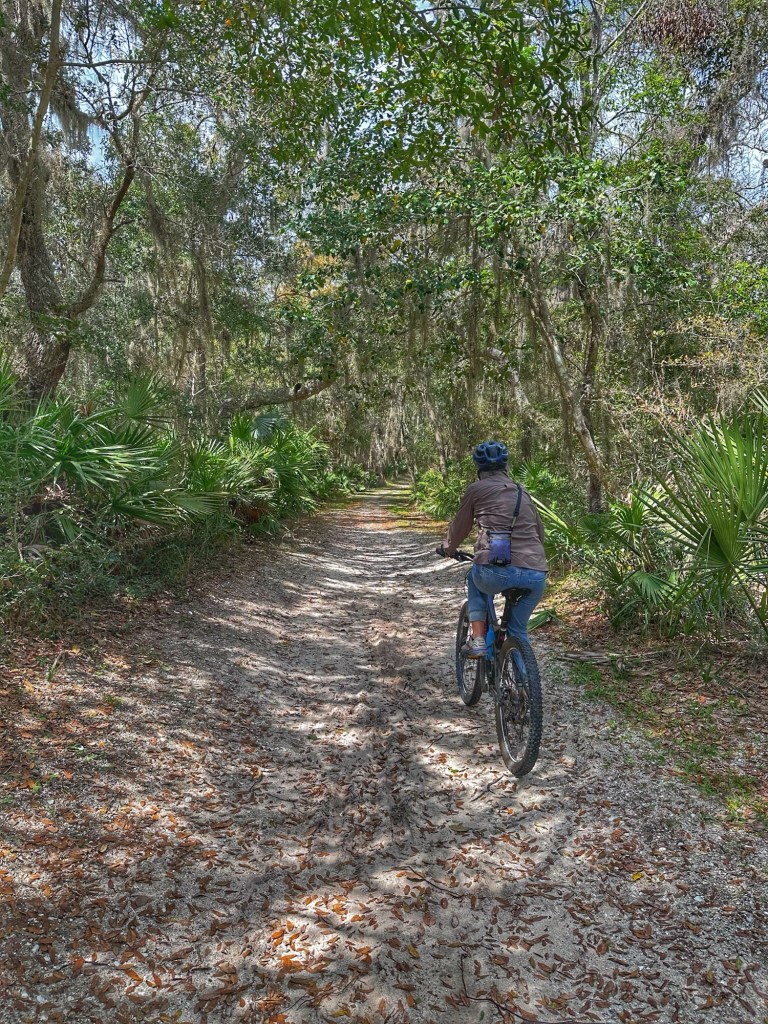
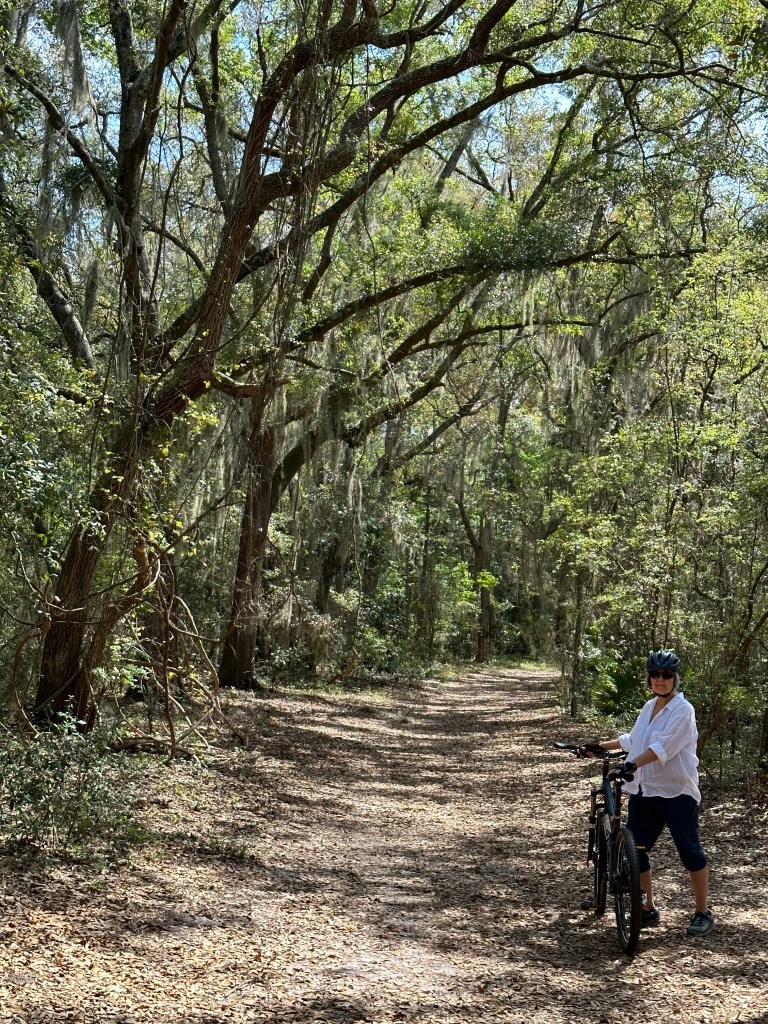
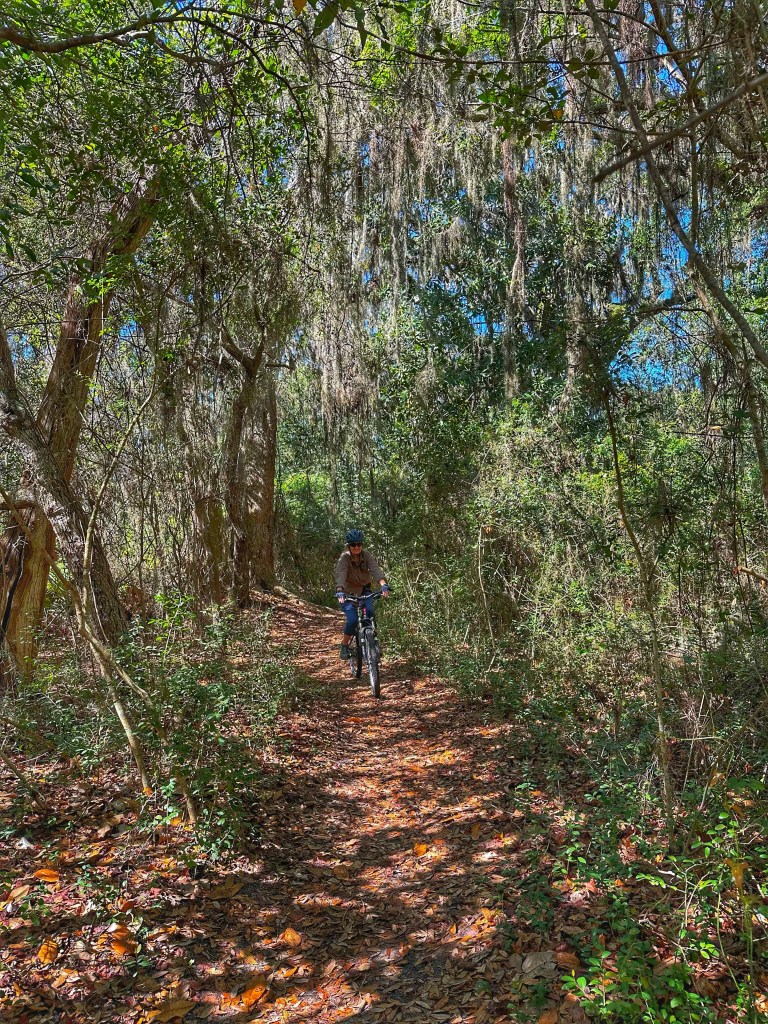
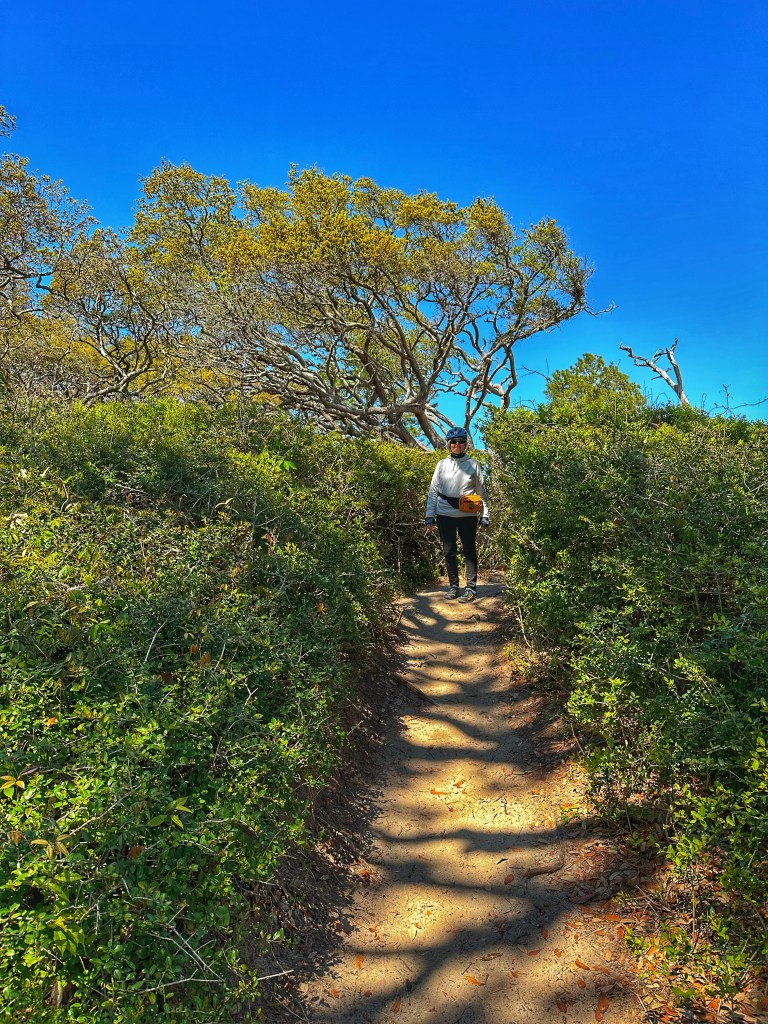
We spent most days biking the paths around the island.
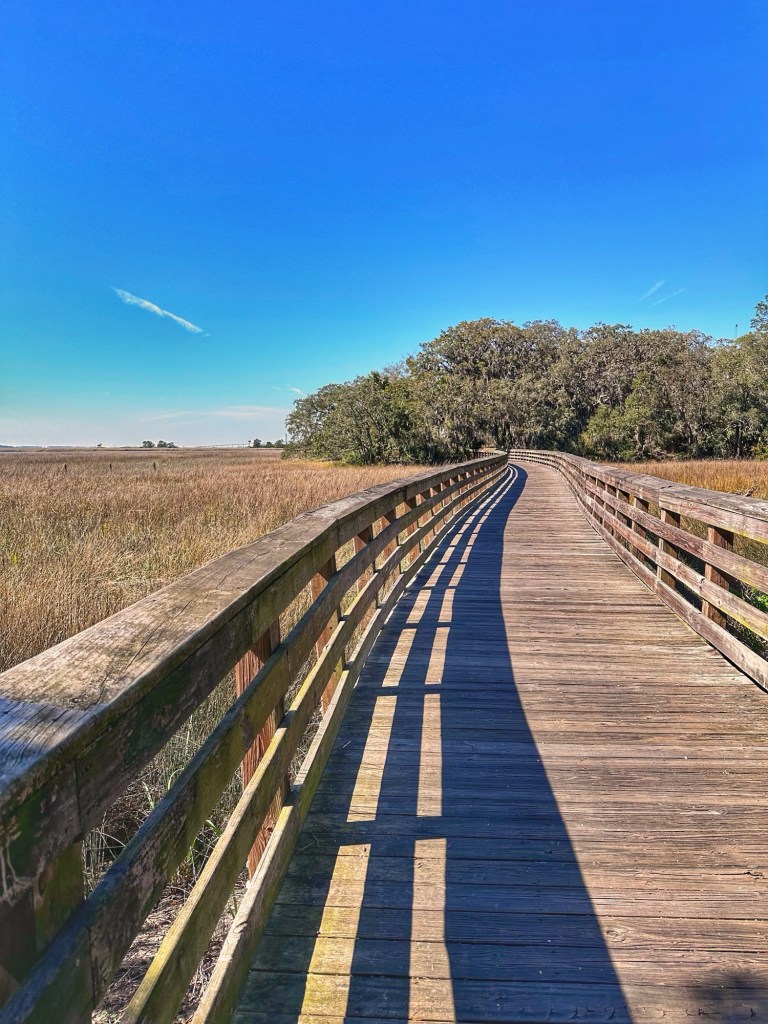
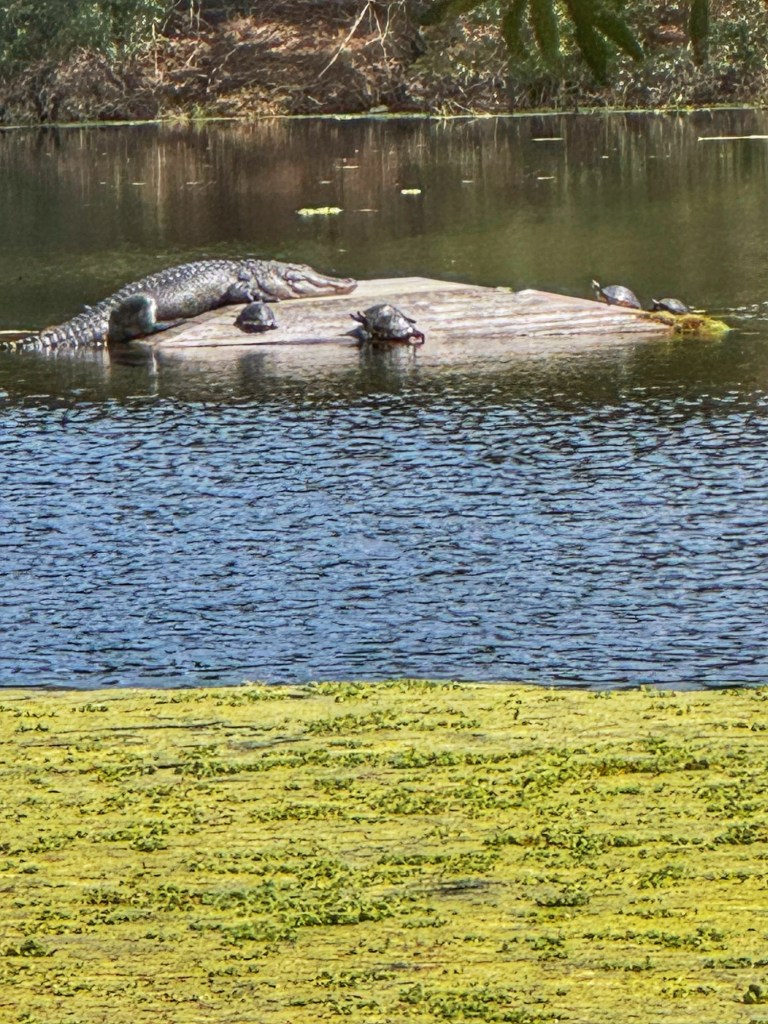
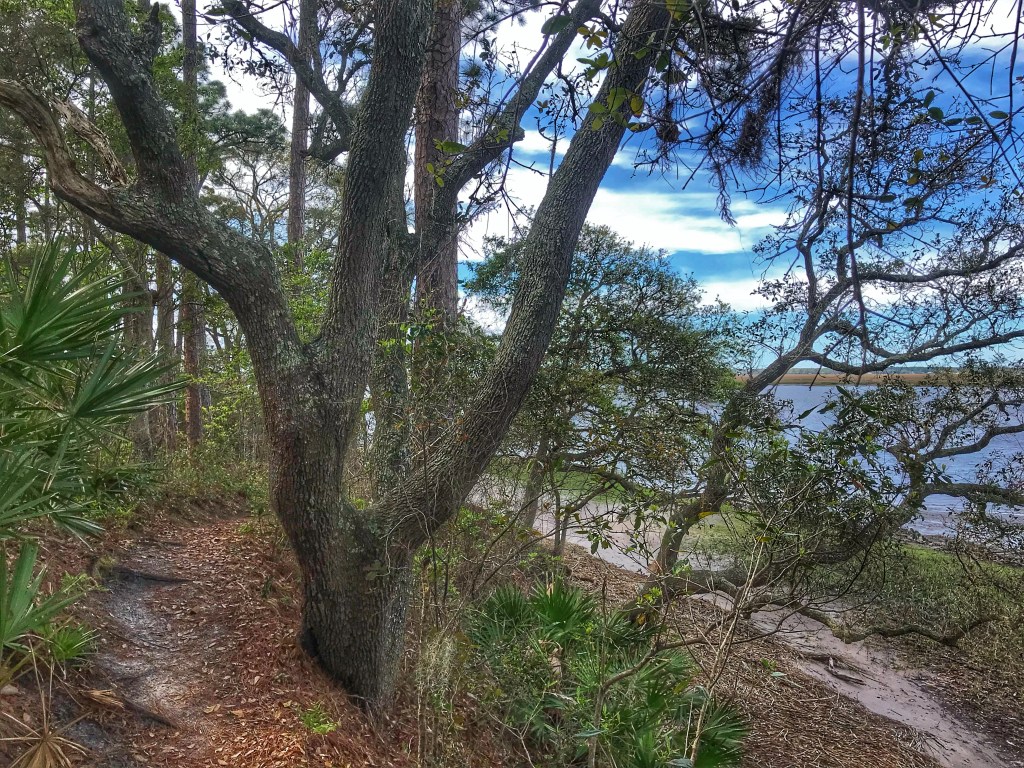
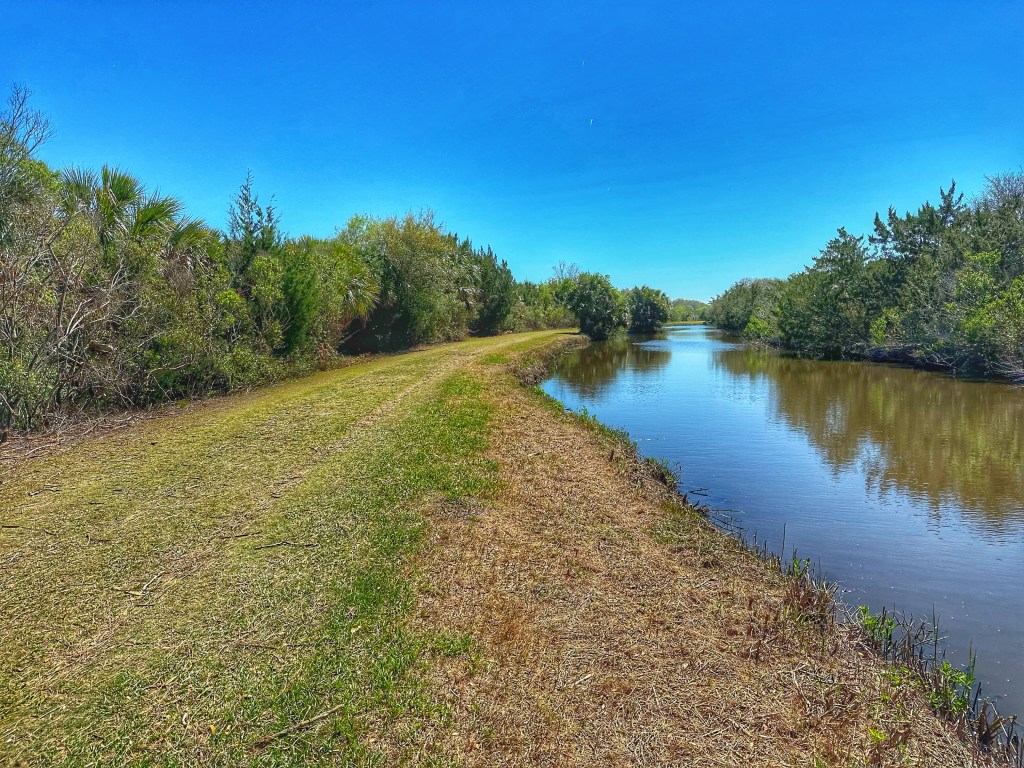
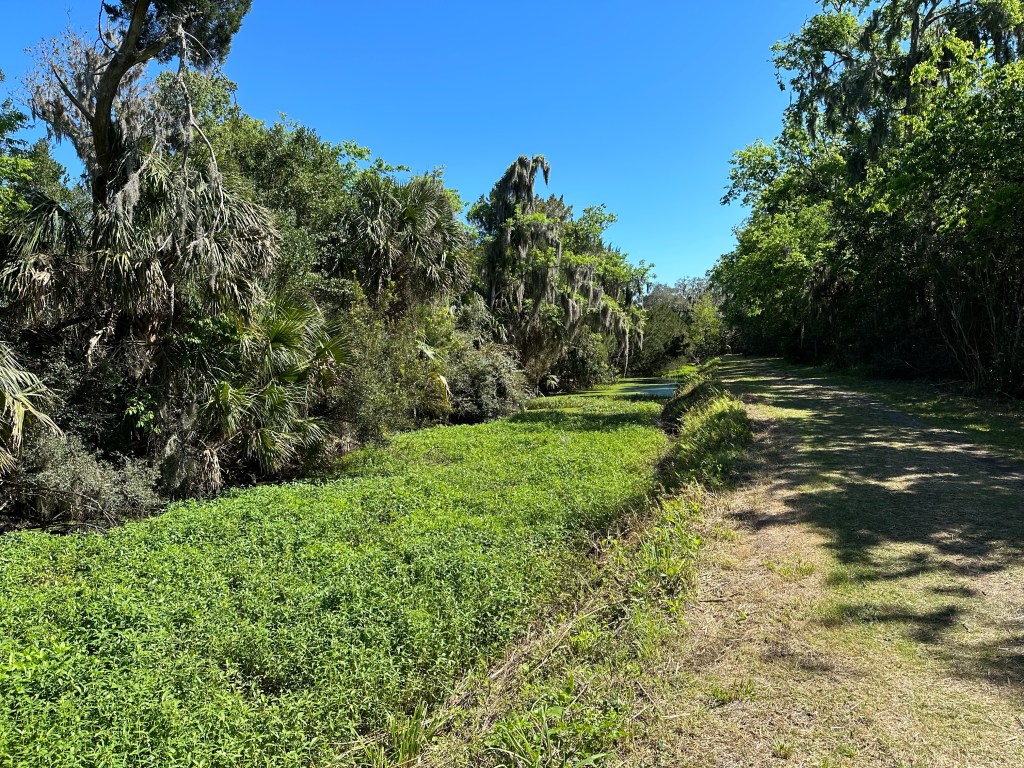
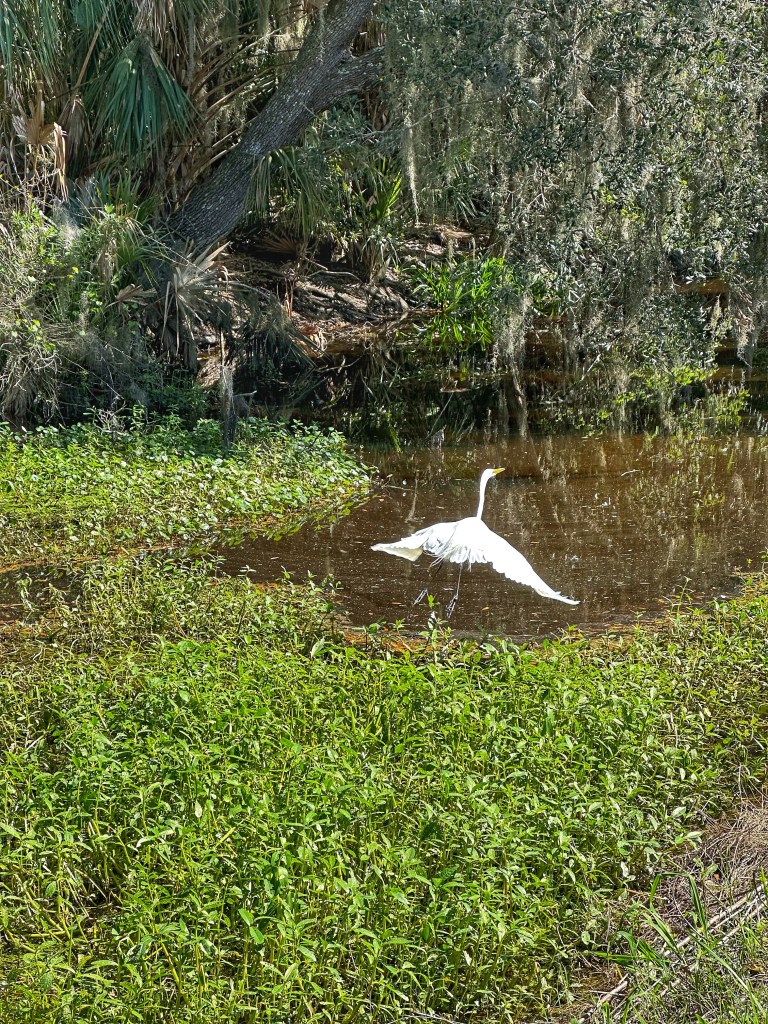
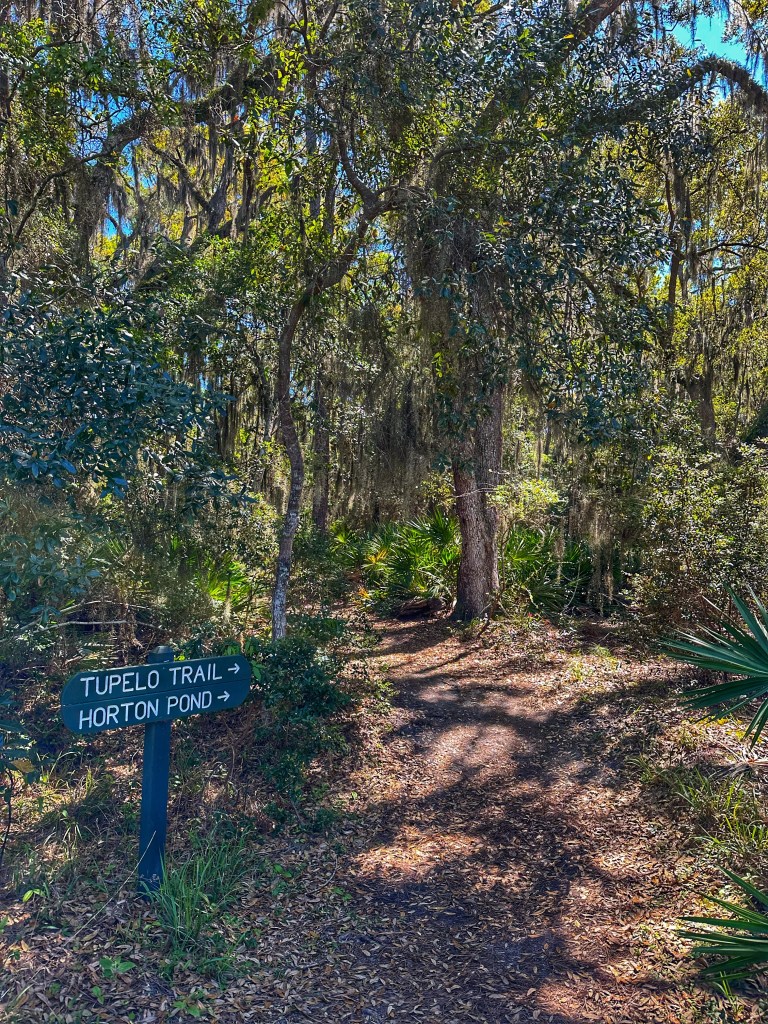
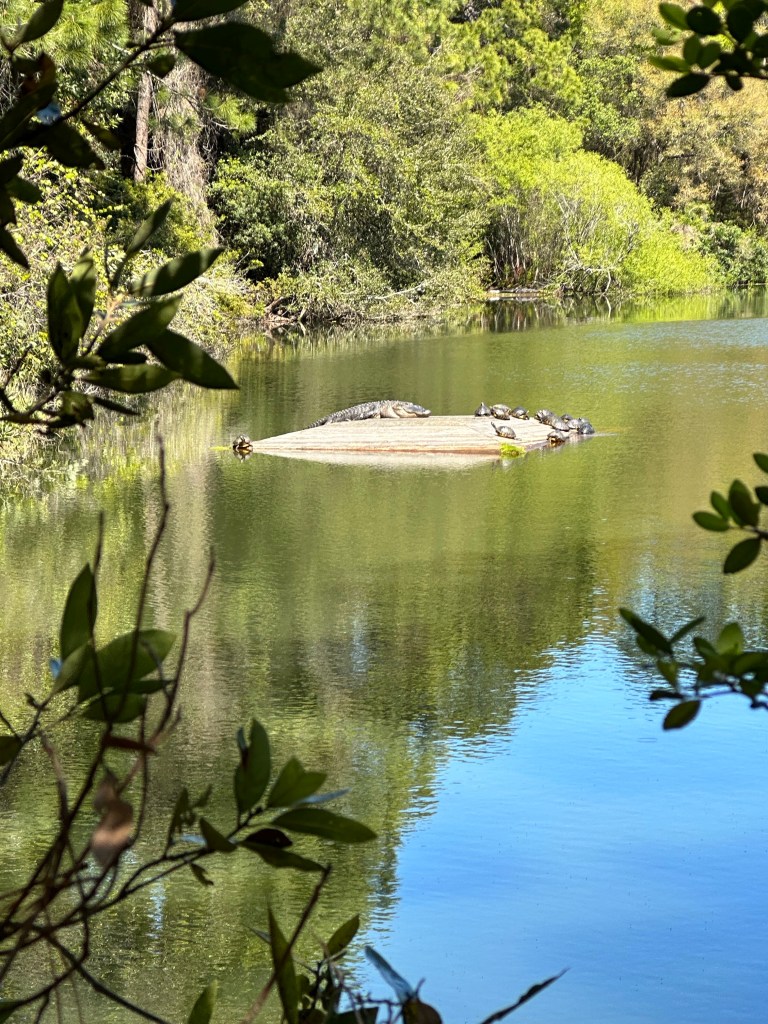
Along the trail at Horton Pond

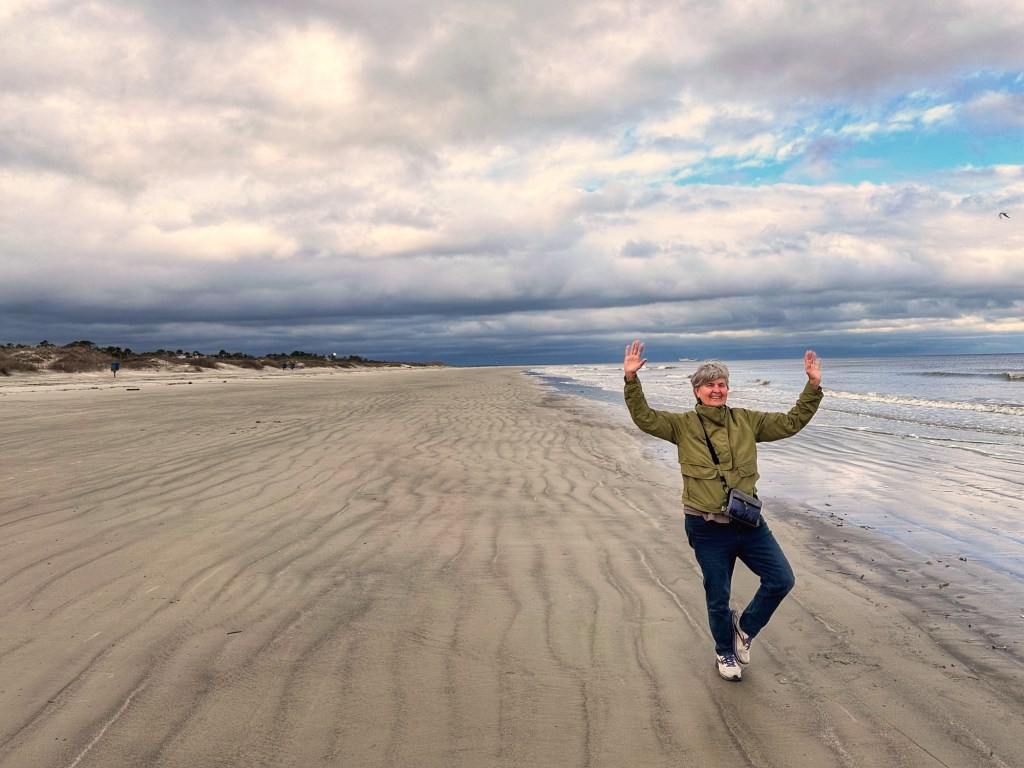
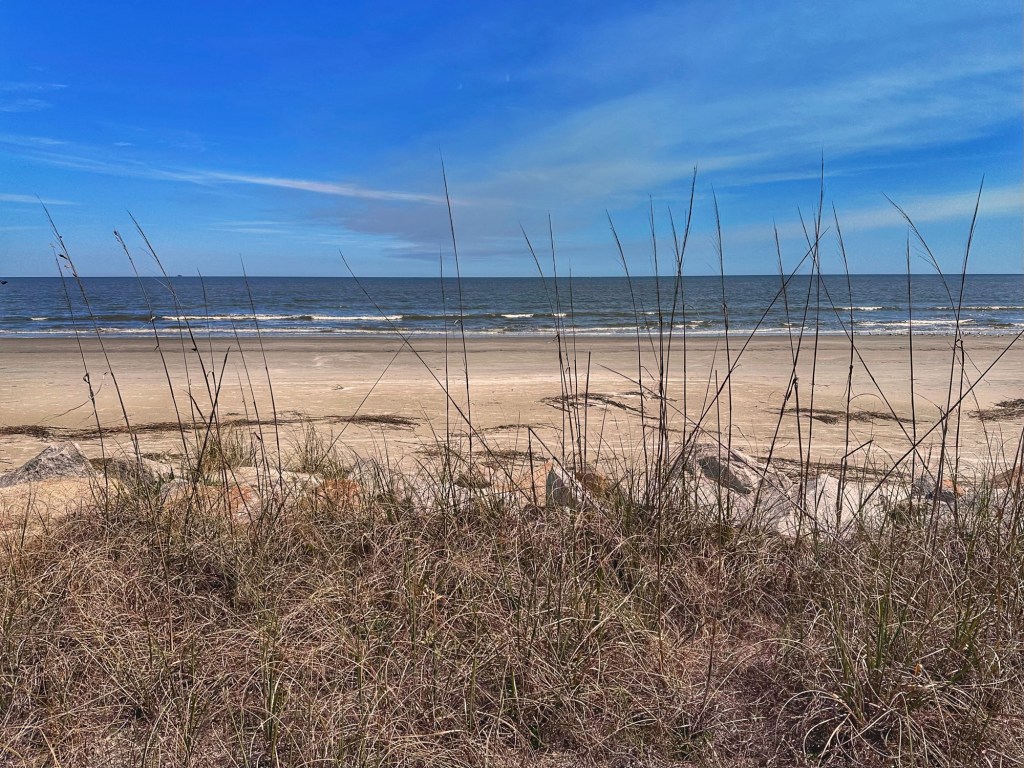
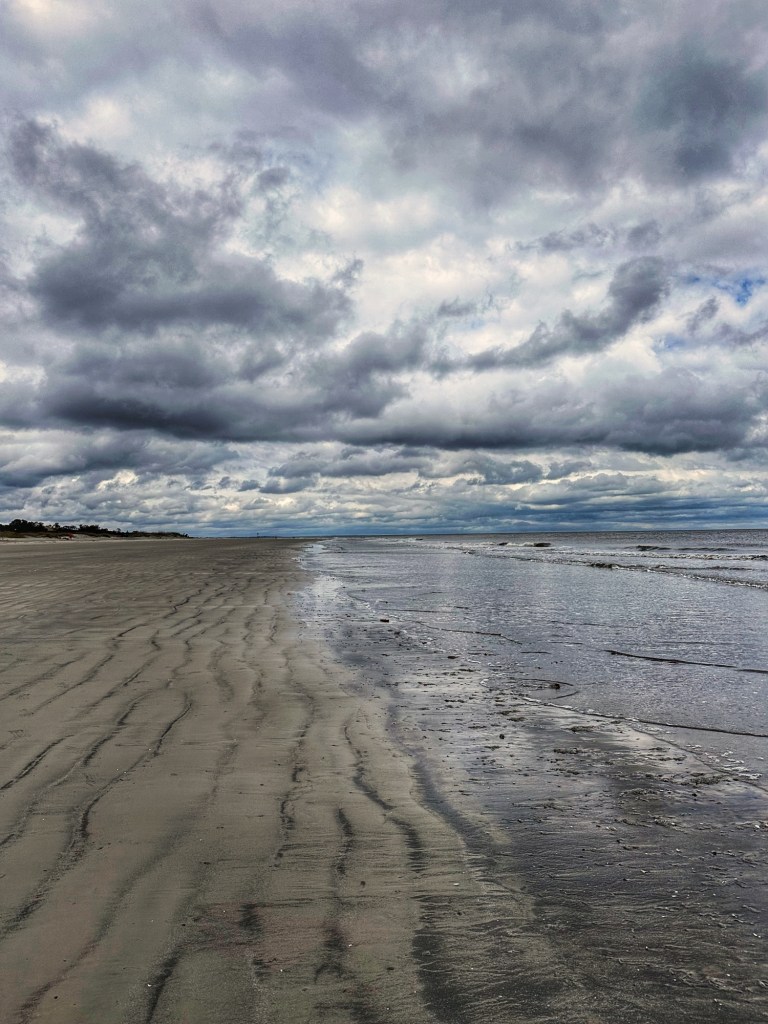
One side of the island faces the Atlantic Ocean with lots of accessible beaches. While we didn’t have many “beach” days we did make time to be on the water.
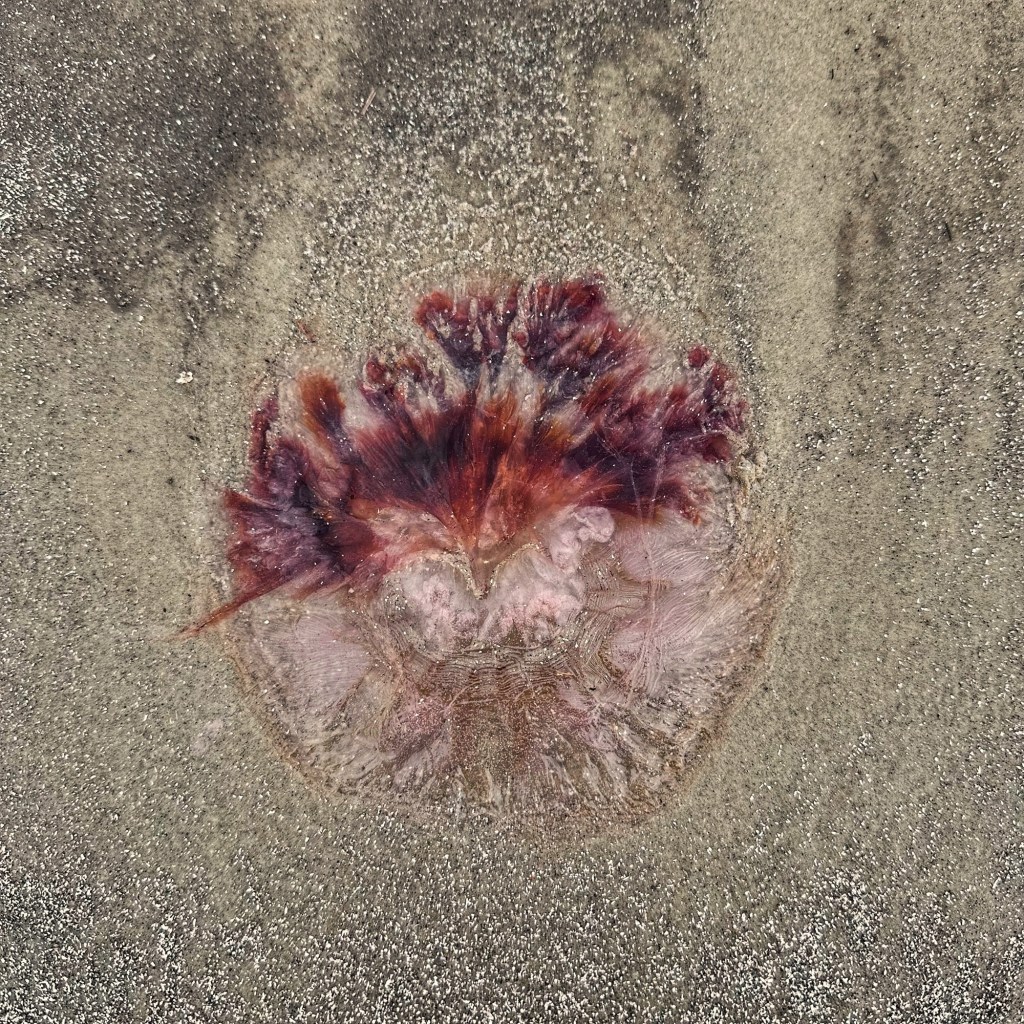
Dwarf Lion’s Mane Jelly
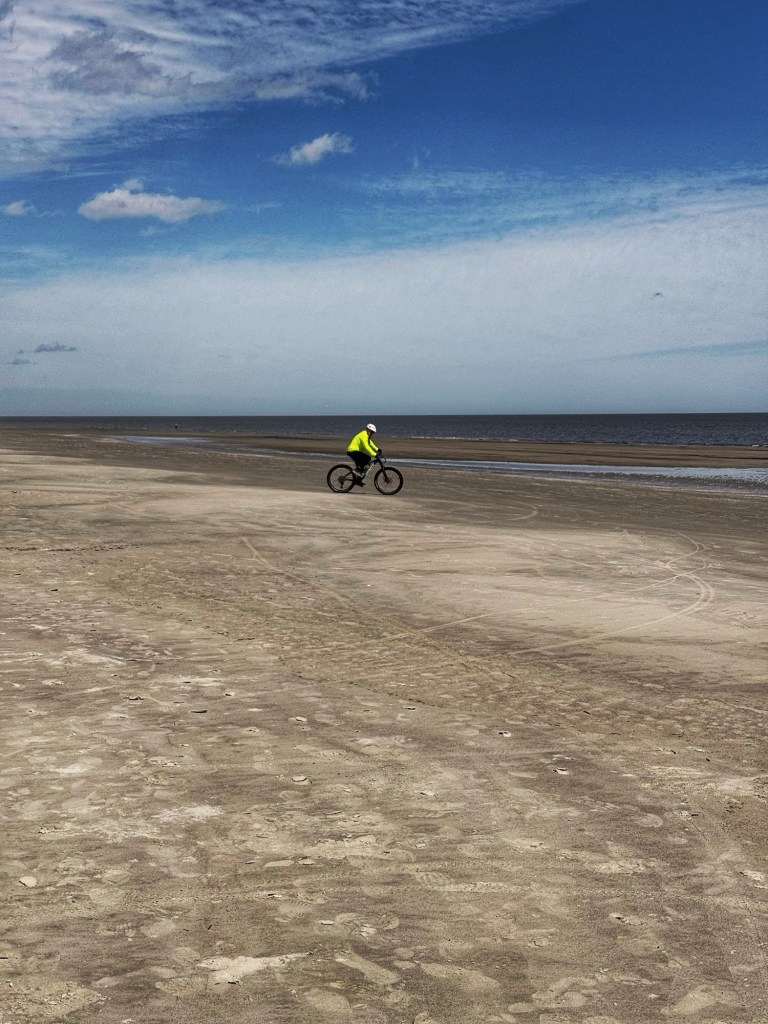
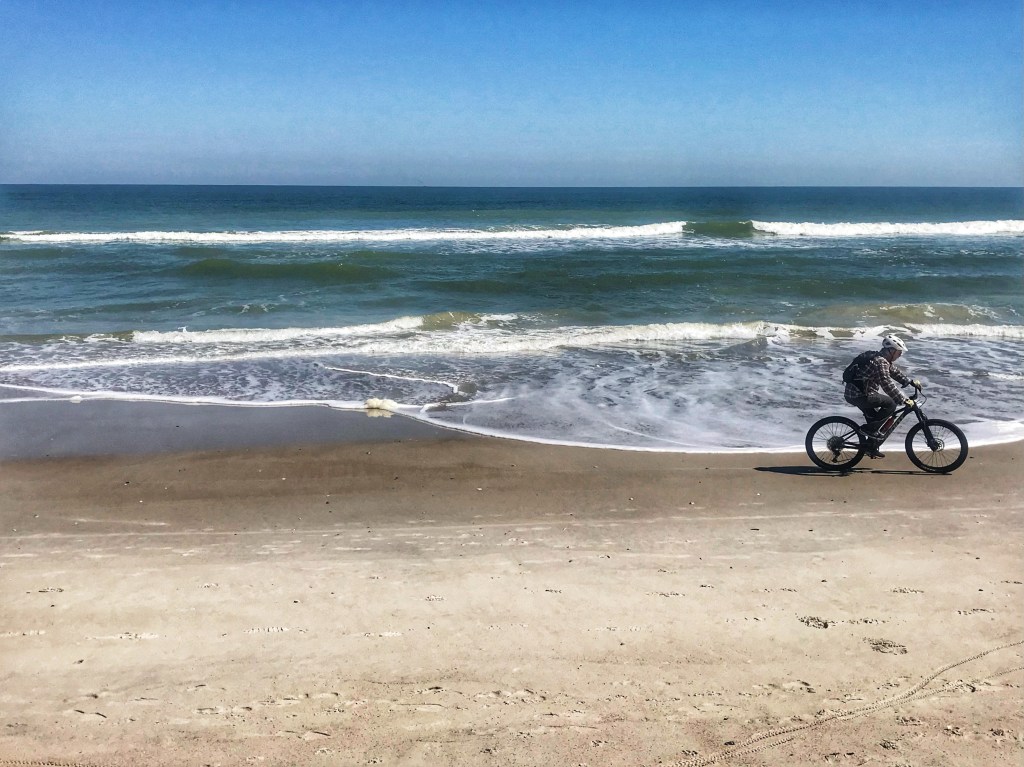
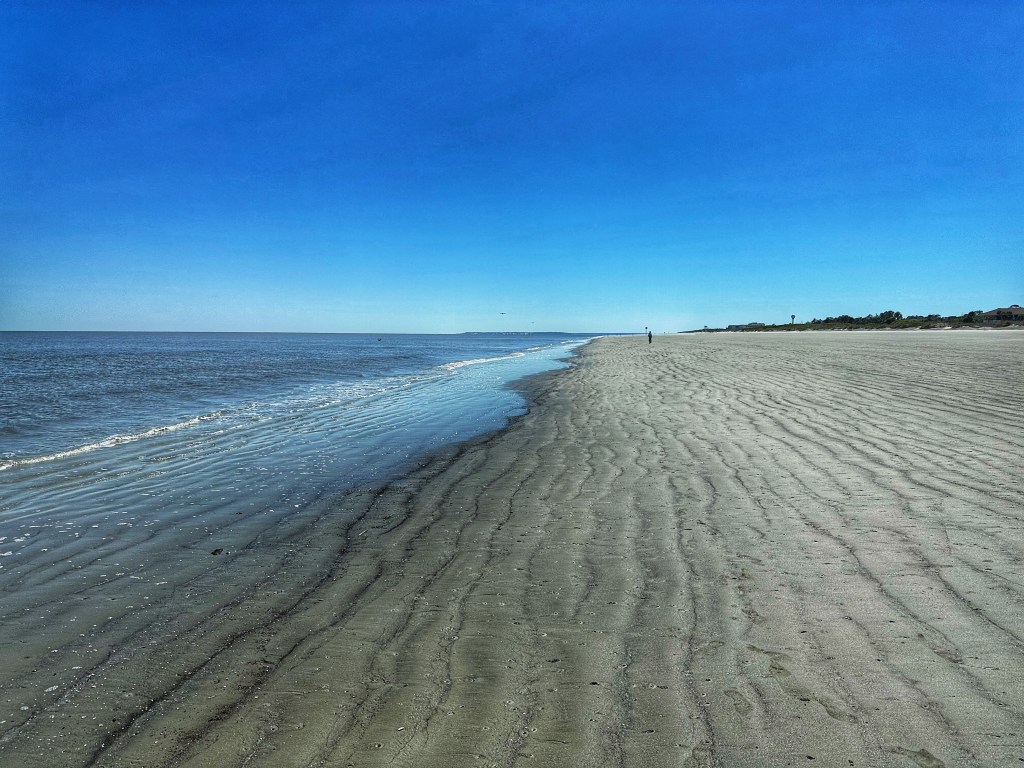
Low tide biking

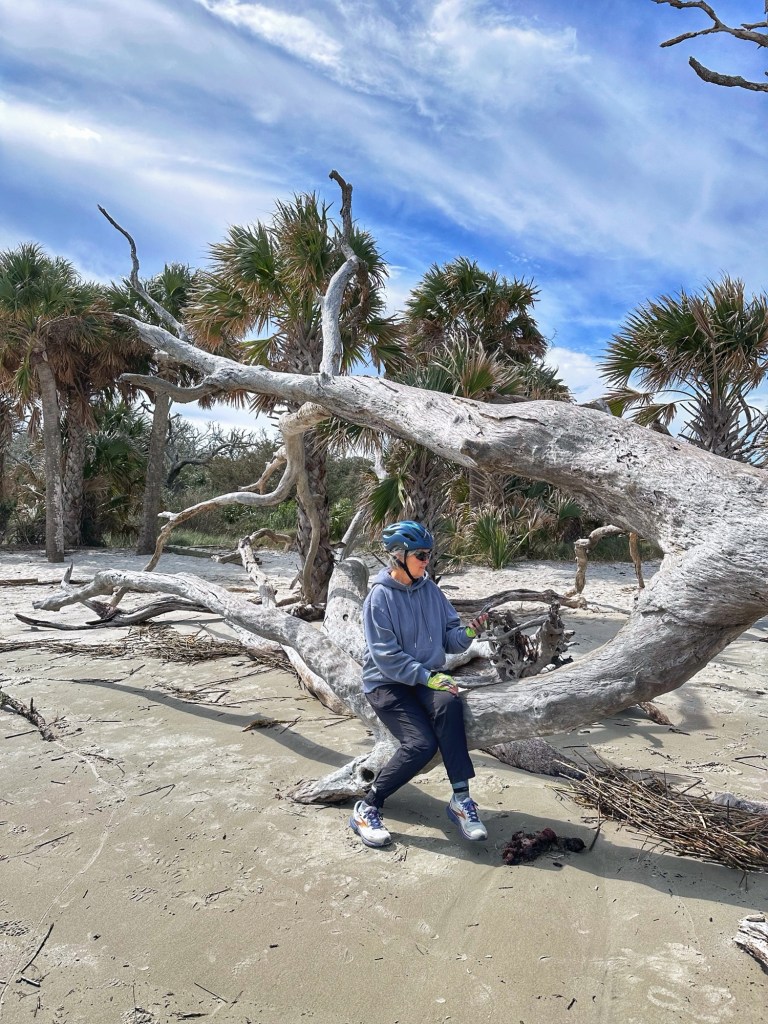
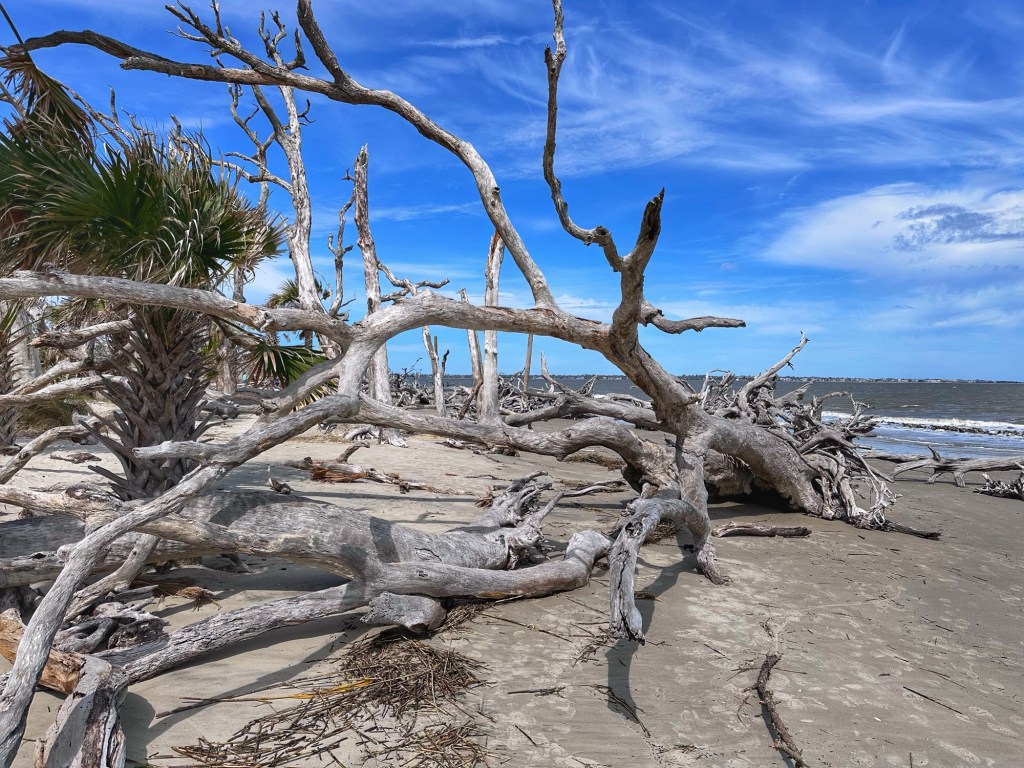
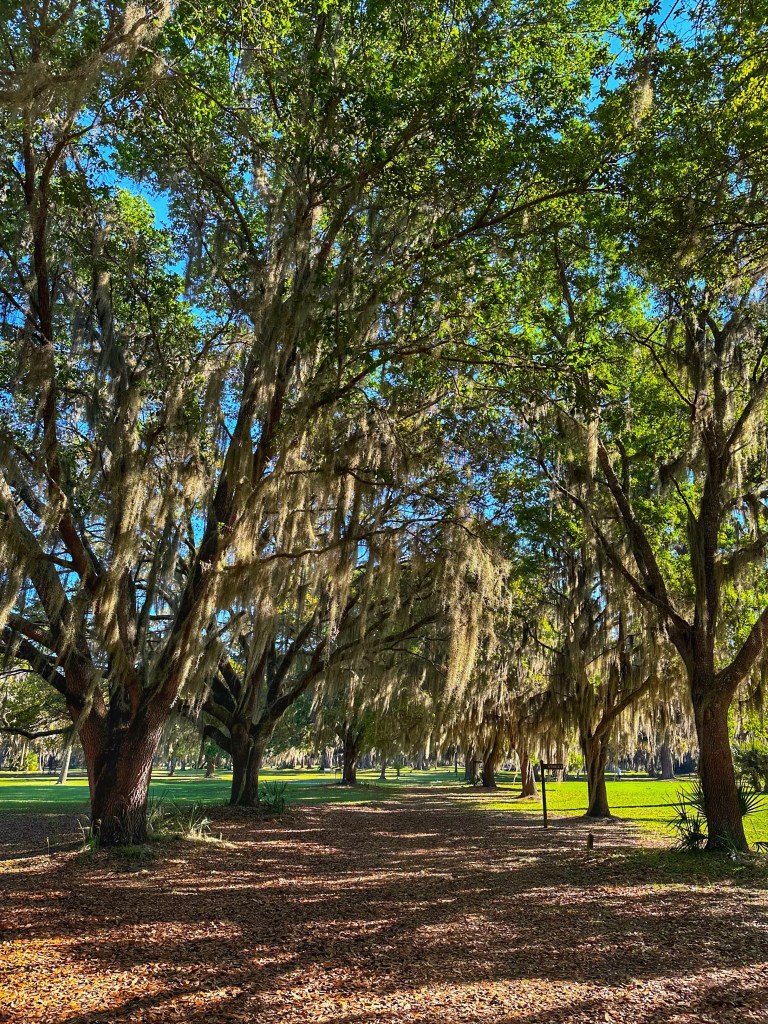
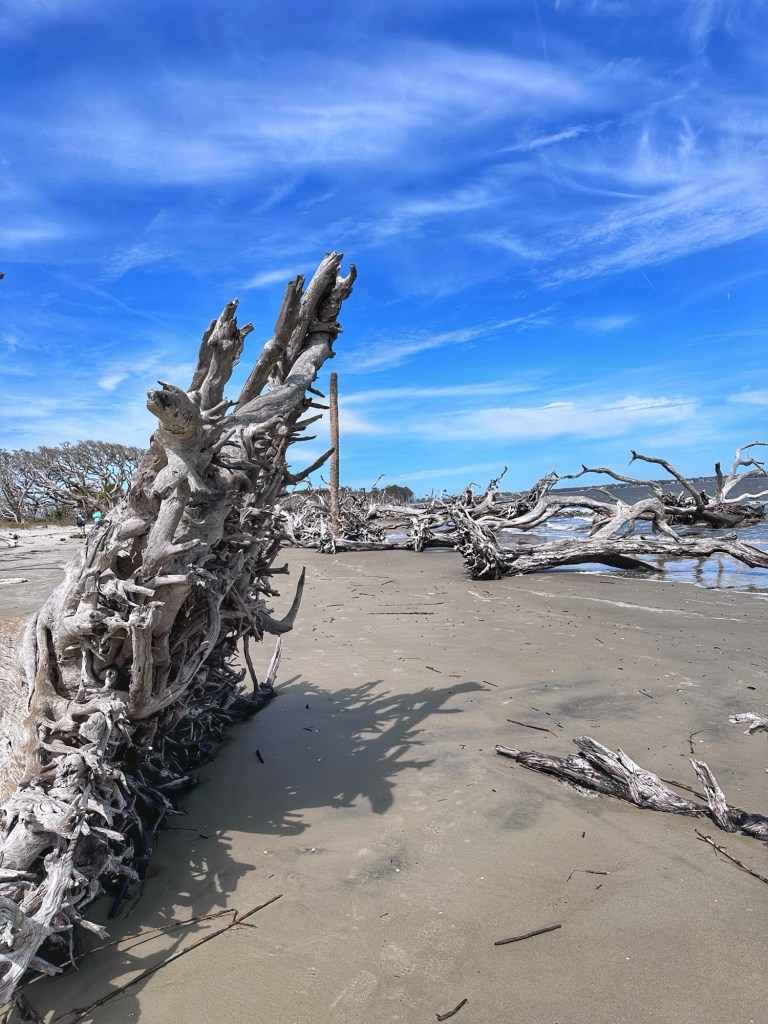
Driftwood Beach is a popular destination on the island.
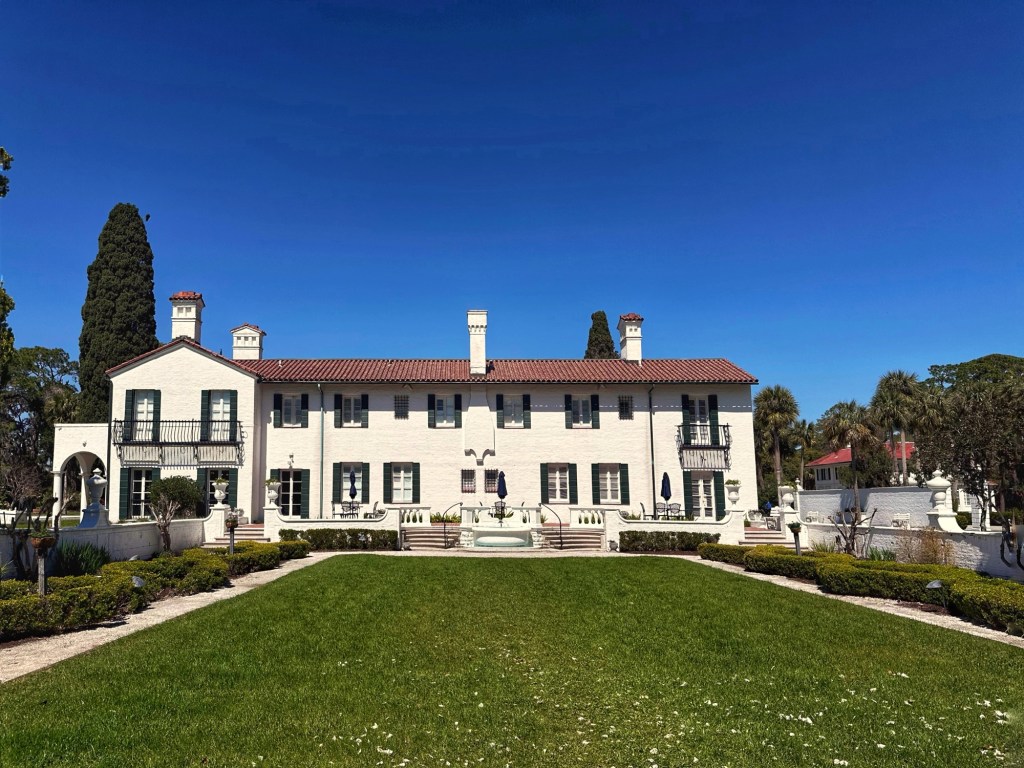
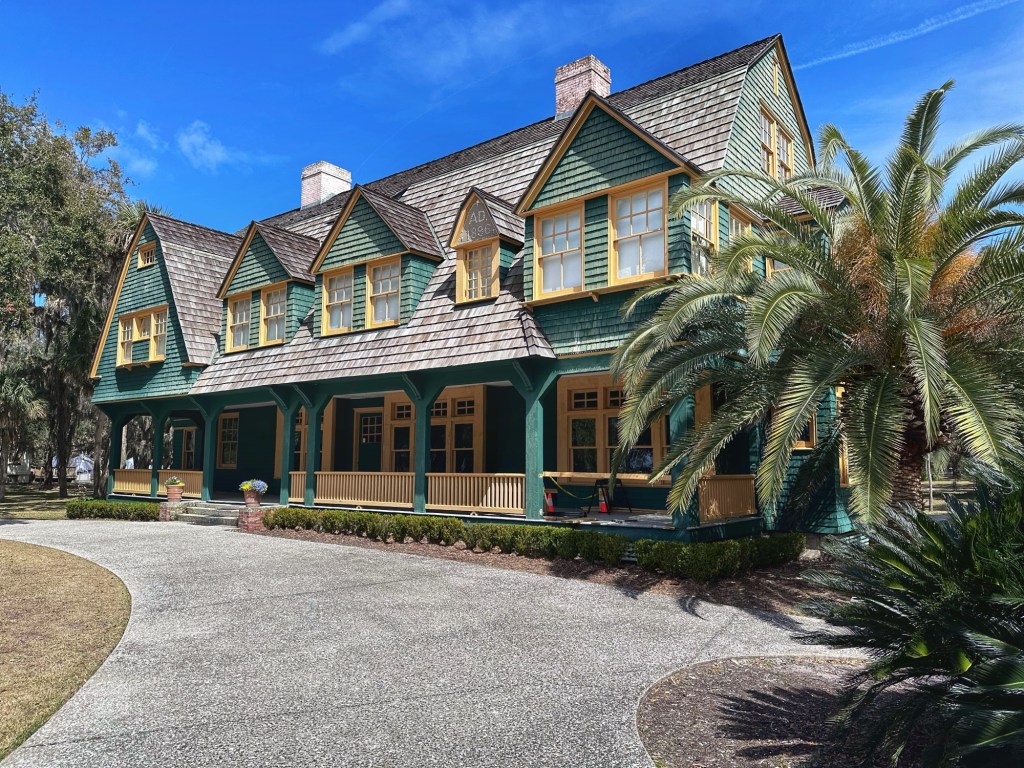
In the late 1800’s, the island became a private hunting club for some of the wealthiest families in the world (1/6th of the world’s wealth was controlled by club members). In 1886 the Jeykell Island Club was built as the club’s clubhouse.
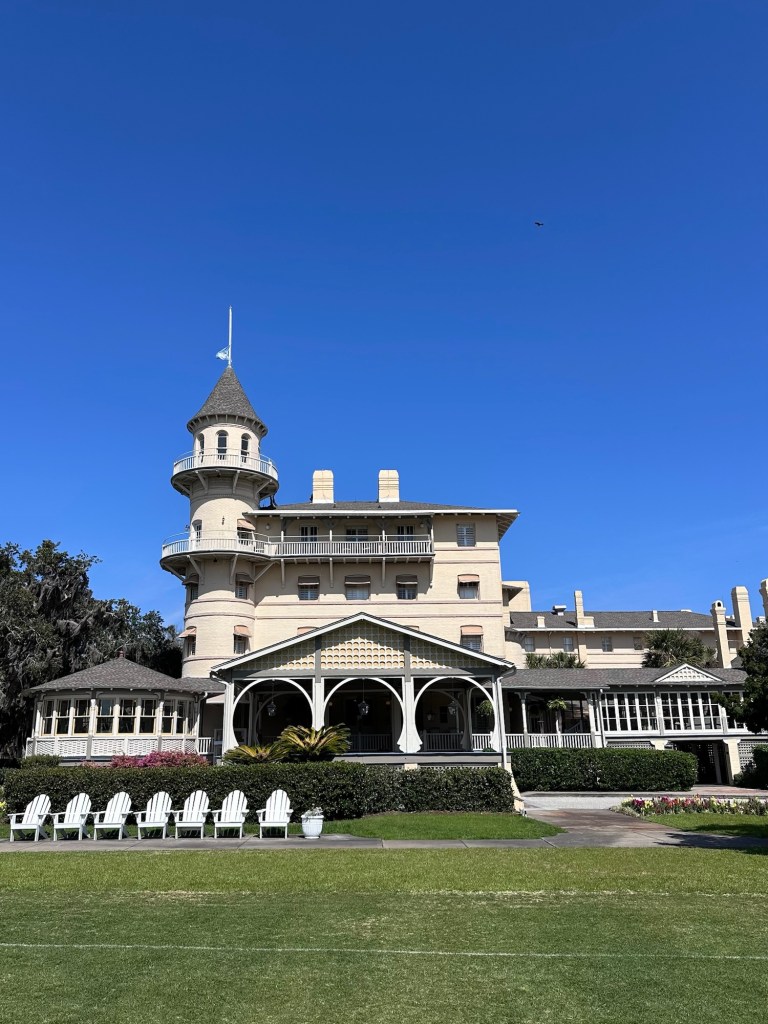
The “Clubhouse”

Some of the families built cottages near the Clubhouse when they felt that the clubhouse could not adequately provide for their families needs.
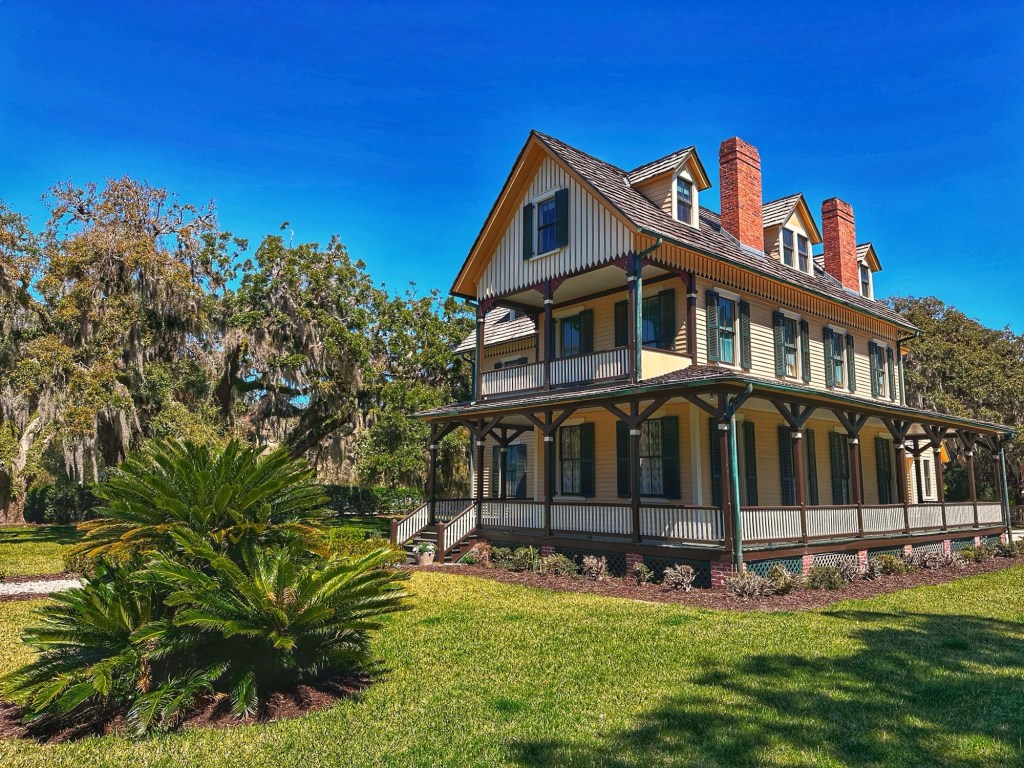
Dungeon Cottage-1884
Crane Cottage-1917
The entrance to Hollybourne Cottage-1890
Moss Cottage-1896

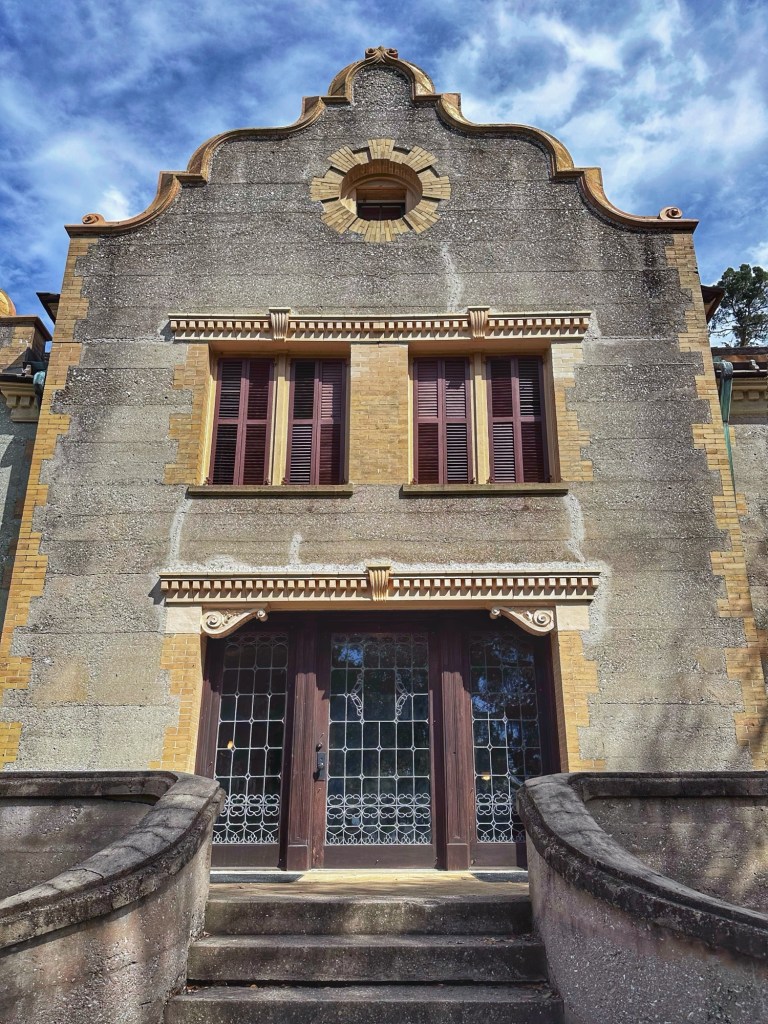
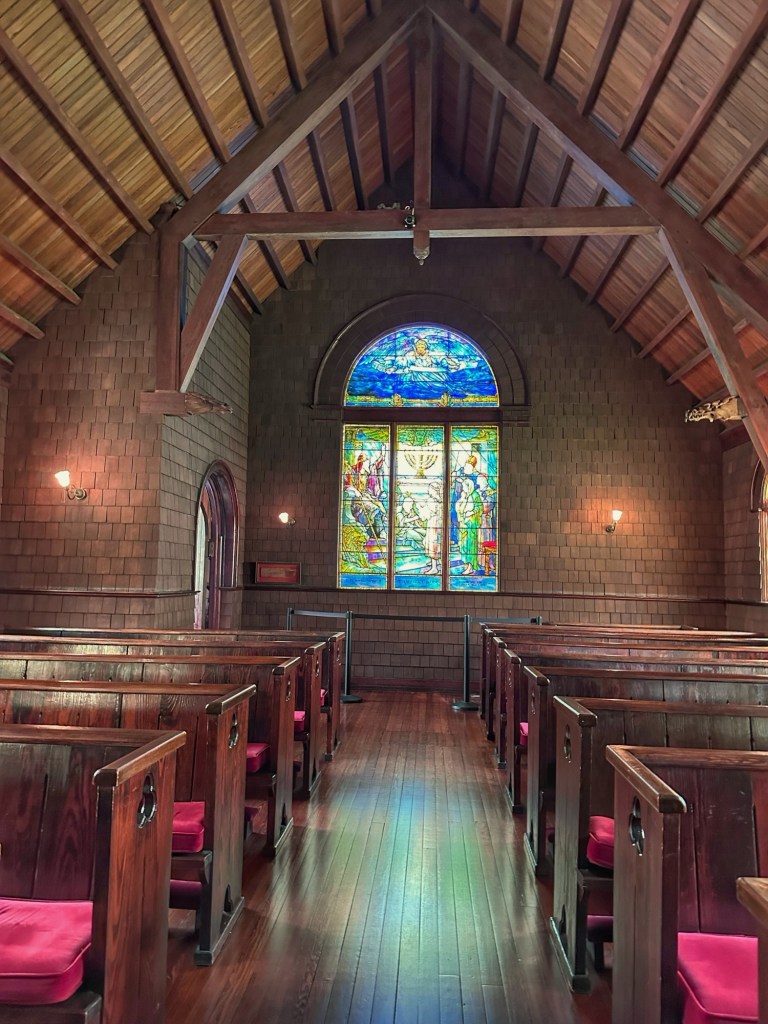
The members also constructed an interfaith chapel, Faith Chapel, for members use.
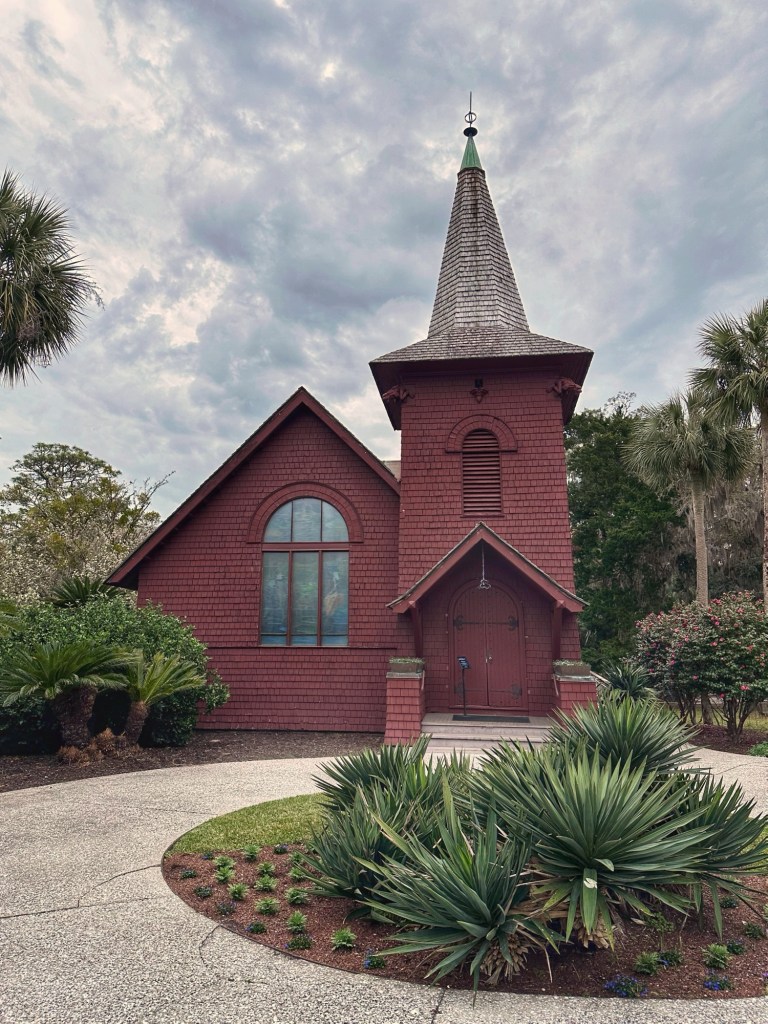
Faith Chapel-1904
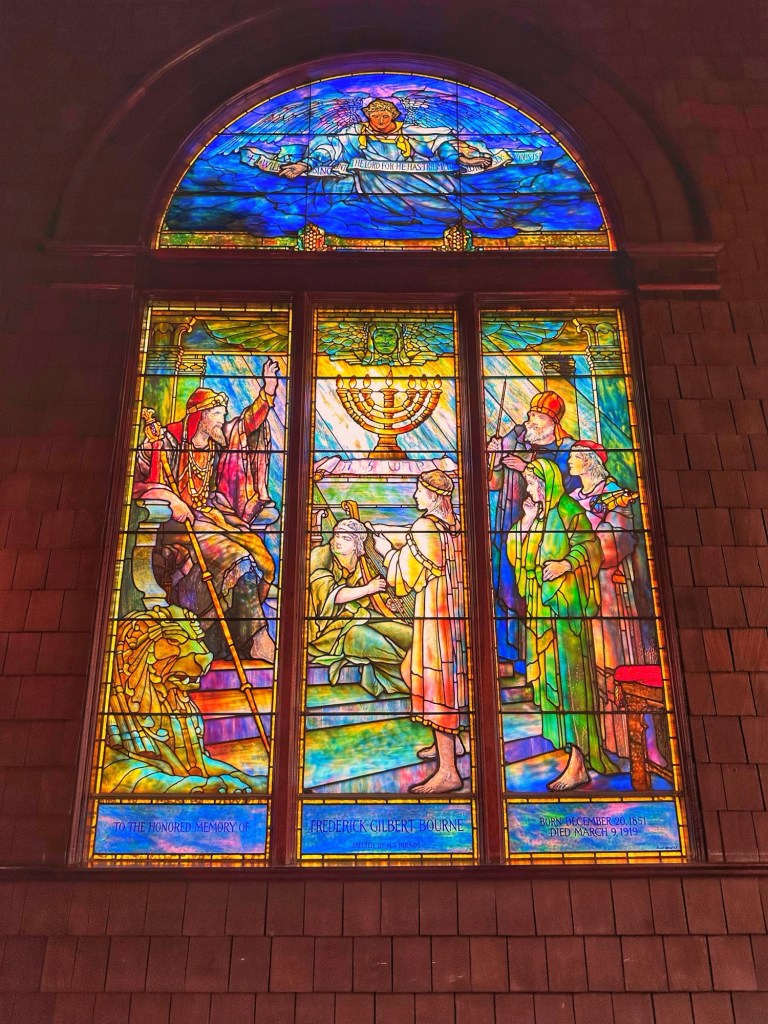
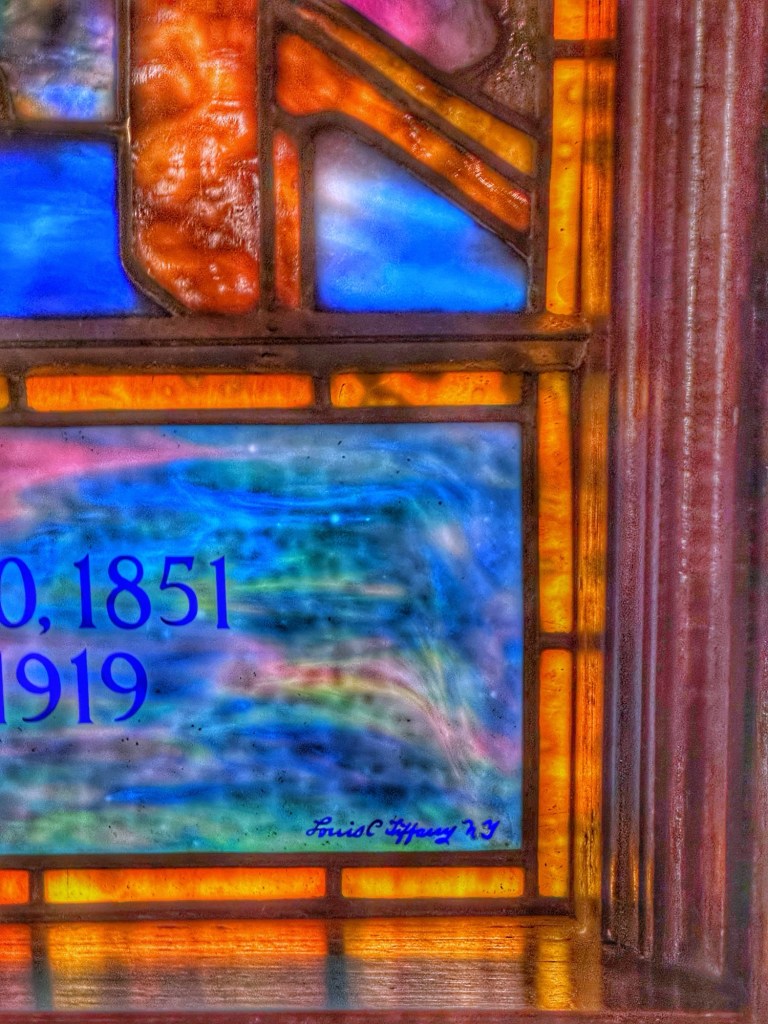
The Chapel was adorned with a lovely signed Tiffany stained glass window

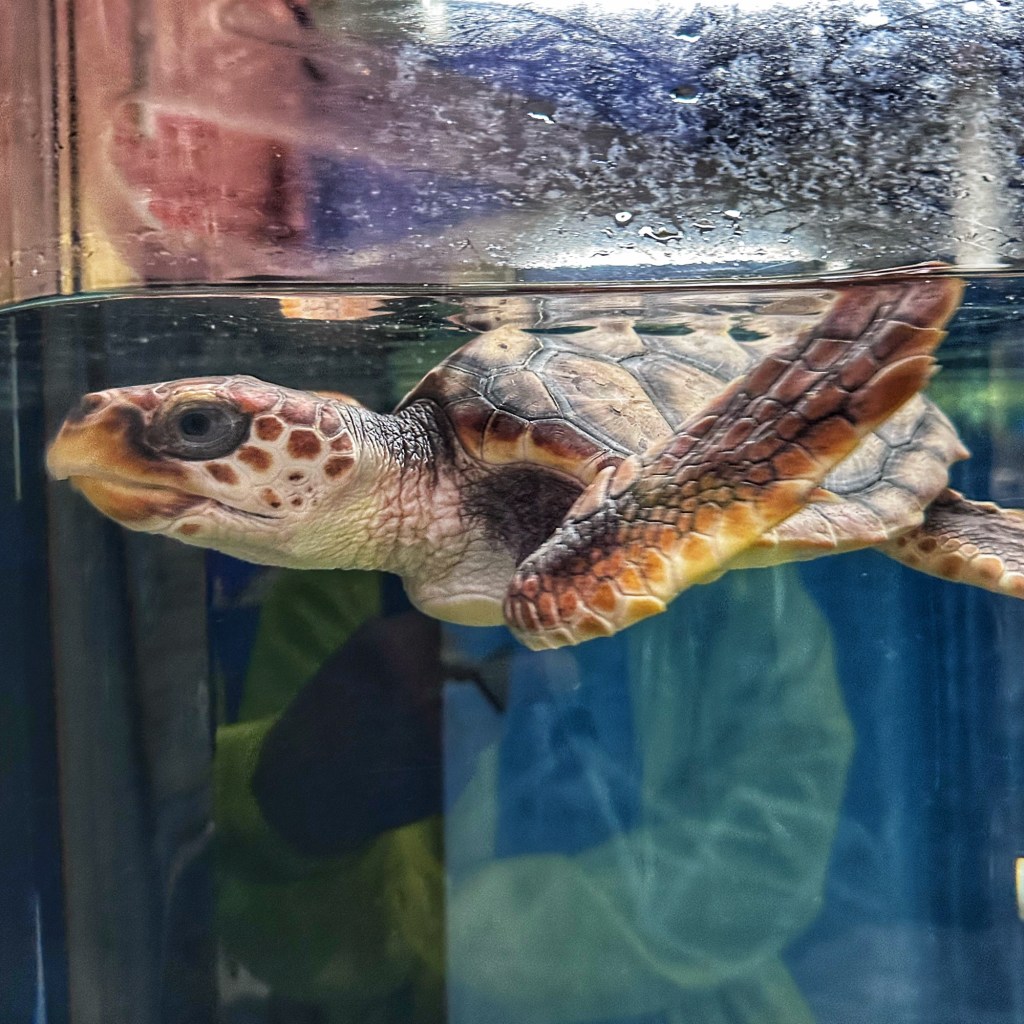
Sandwiched into the historic district of Jekyll Island is the Georgia Sea Turtle Center. Distressed and damaged sea turtles are rescued and nursed back to health and later released. A worthy endeavor that’s worth checking out.
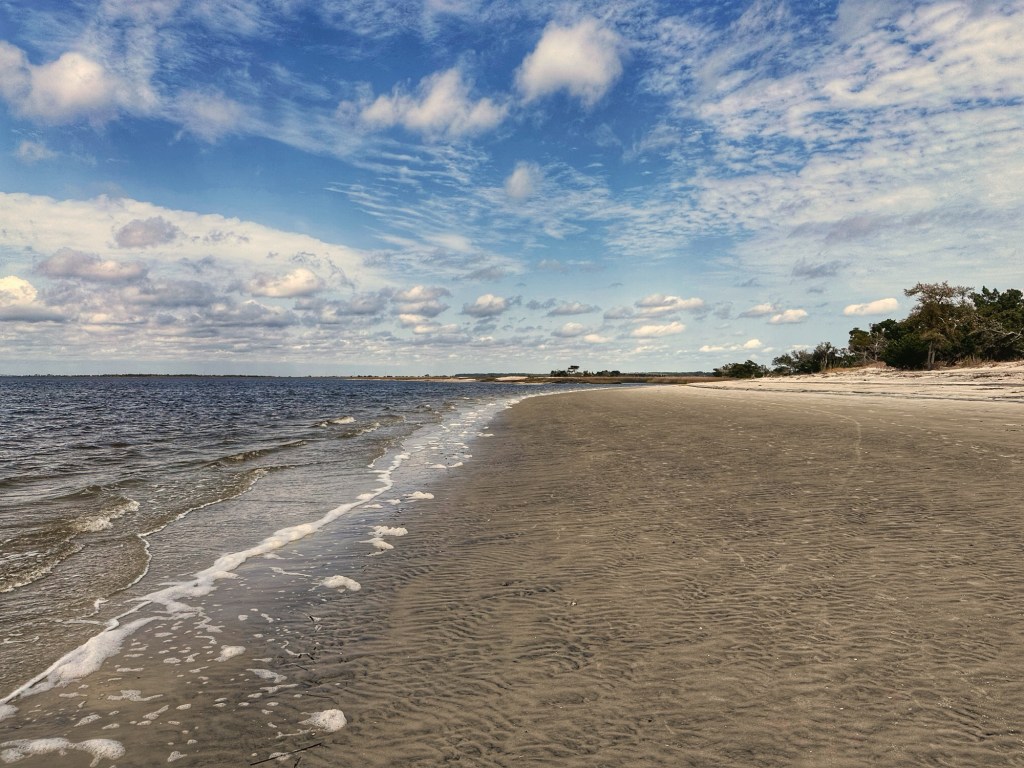
When Jekyll Island opened as a state park in 1948 all of Georgia’s citizens were not welcomed to the new park. Because of segregation African Americans could not visit many parts of the island, including its beaches. In 1950 African Americans from nearby Brunswick requested a portion of the island for their enjoyment. The state designated an area at the south end of the island for their use. St. Andrew’s Beach was the only beach in Georgia open to black Georgians.
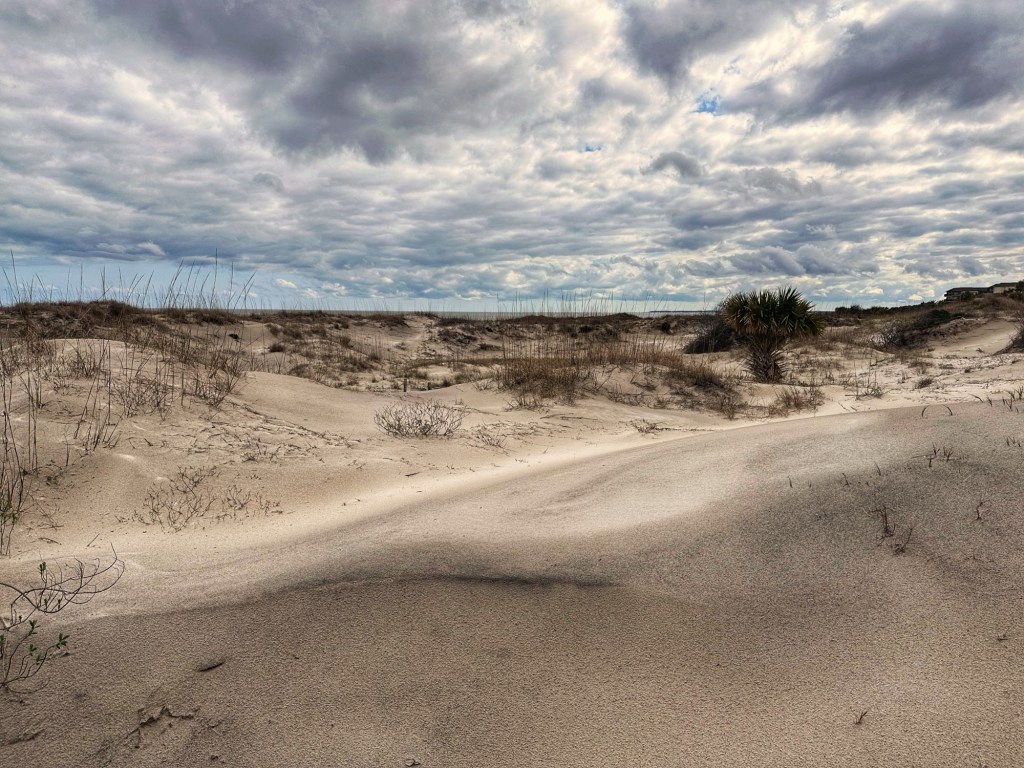
Coincidentally, Saint Andrews Beach is also where “The Wanderer“ arrived off the coast of Georgia in 1858. The ship was one of the last documented ships carrying illegal African slaves to America. The trans Atlantic slave trade was outlawed in 1807.
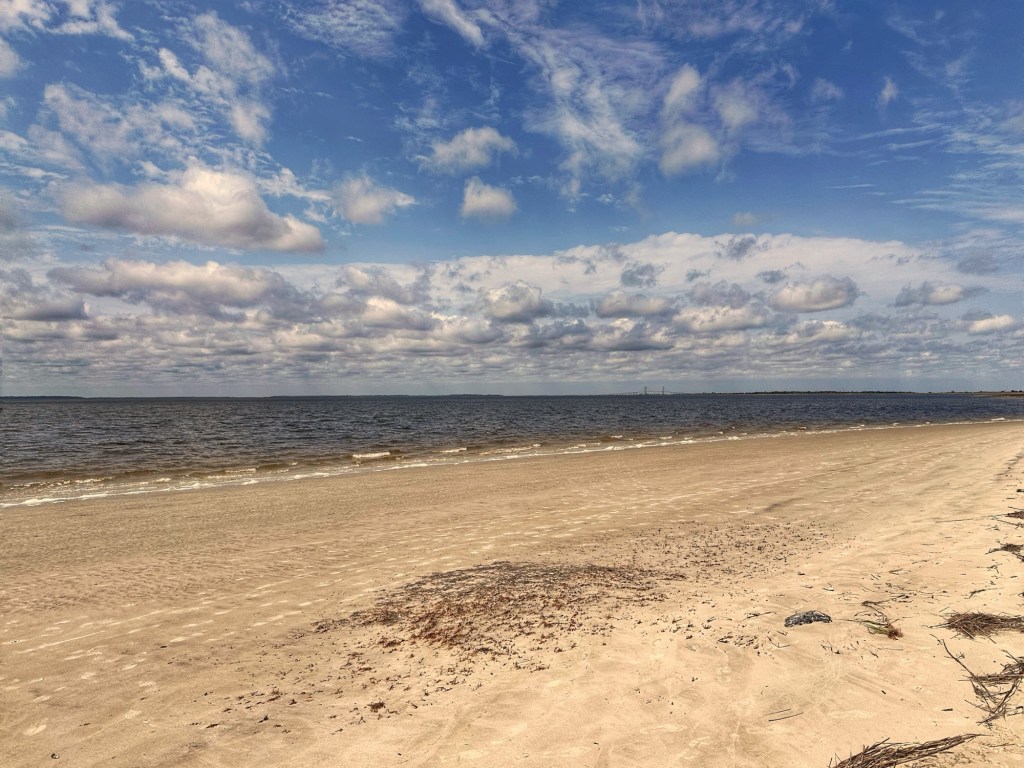
St. Andrews Beach

While we’ve traveled the south many times we have never visited one of the area’s plantations. A short distance from Jekyll Island is the Hofwyl-Broadfield Plantation State Historic Site.
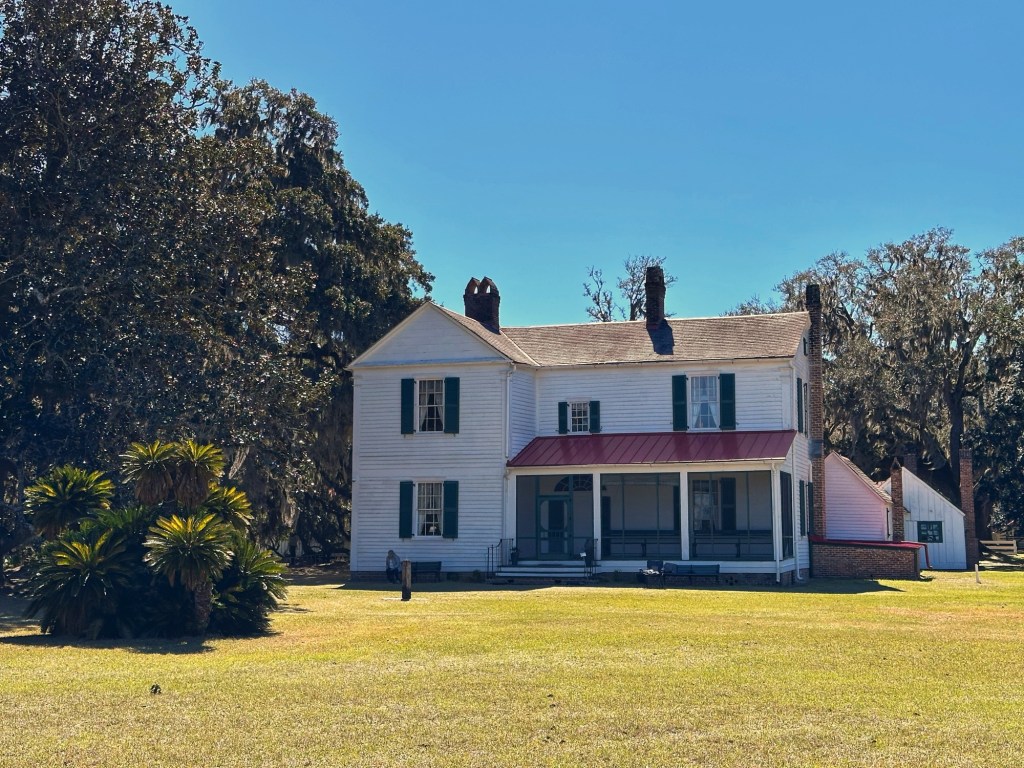
The family home built in the 1850’s

The property was purchased and the plantation established in 1806. By 1849 the plantation was using 357 slaves to cultivate 7,300 acres of rice. It was through the blood and sweat of these enslaved people that converted this cypress swamp into a profitable rice plantation.
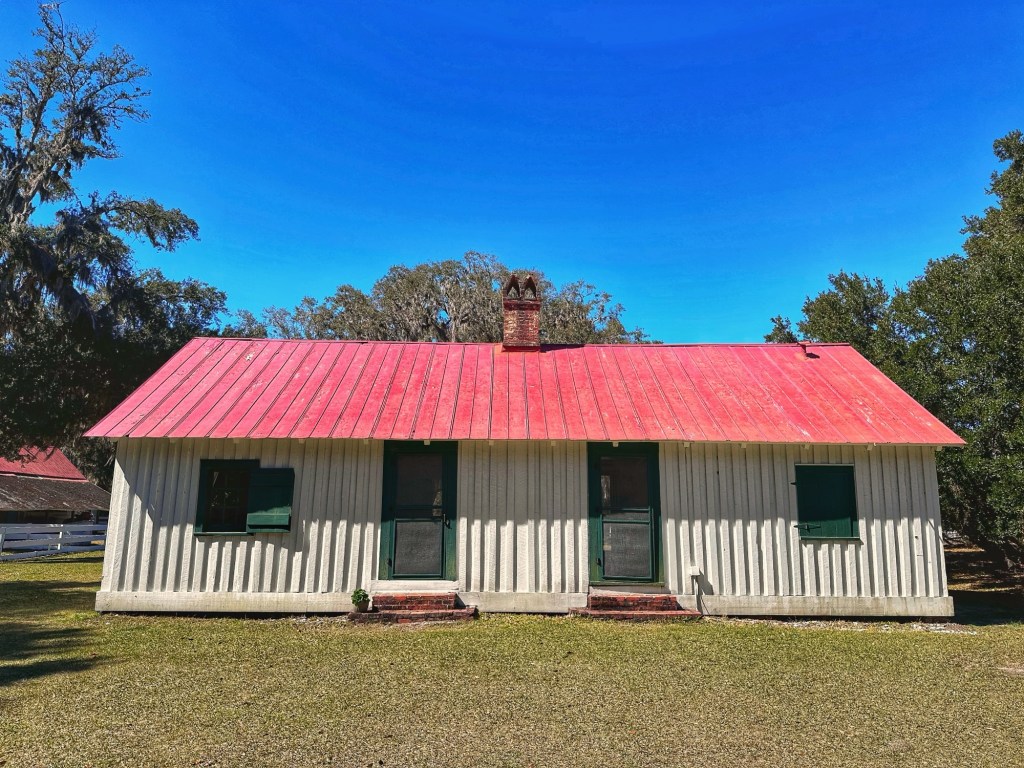
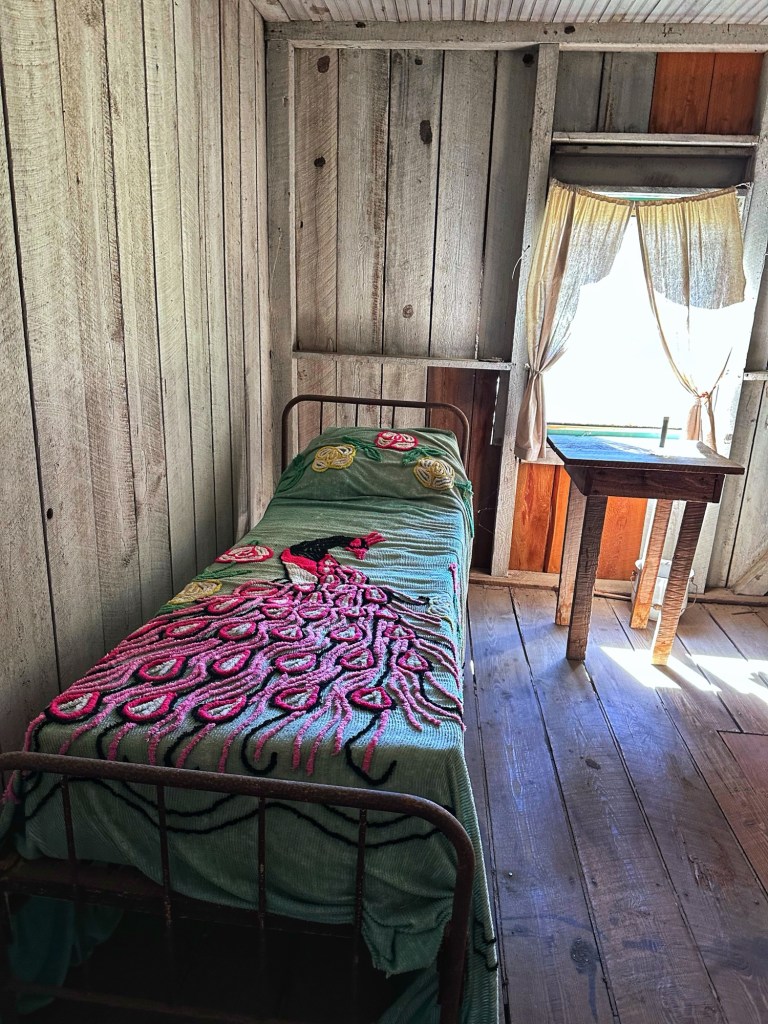
Former slave/sharecropper housing for two families
Slave/sharecropper sleeping area
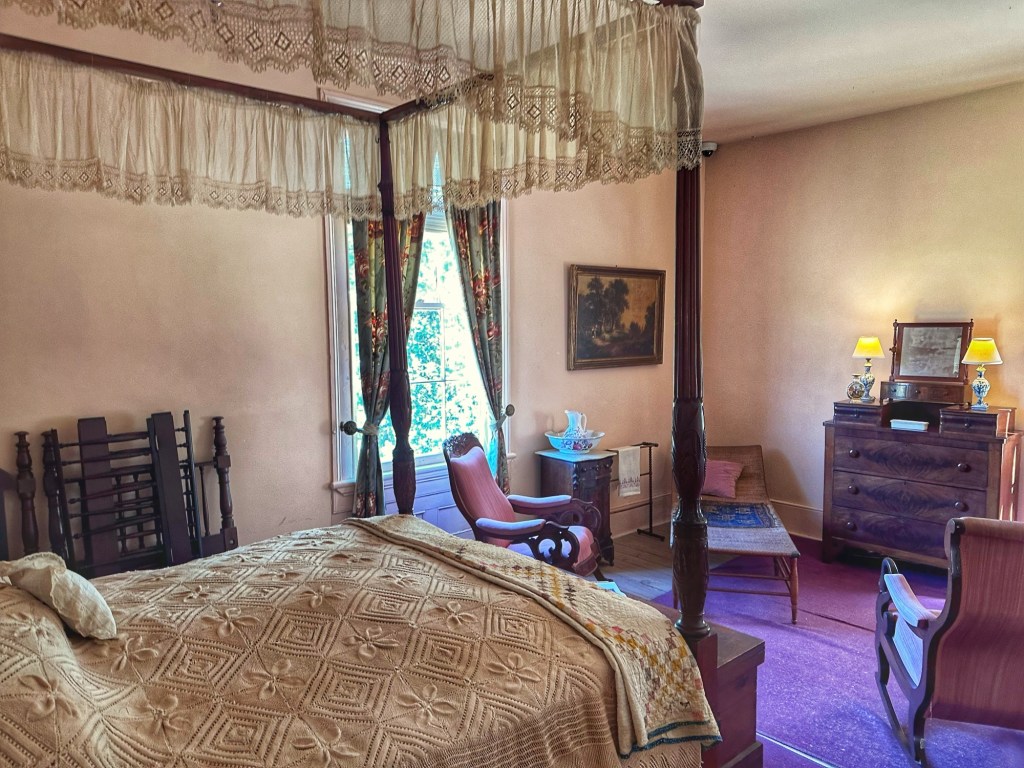
Planter’s bedroom

The last family member died in 1973 and left the property to the state of Georgia with a trust to preserve the site for posterity.
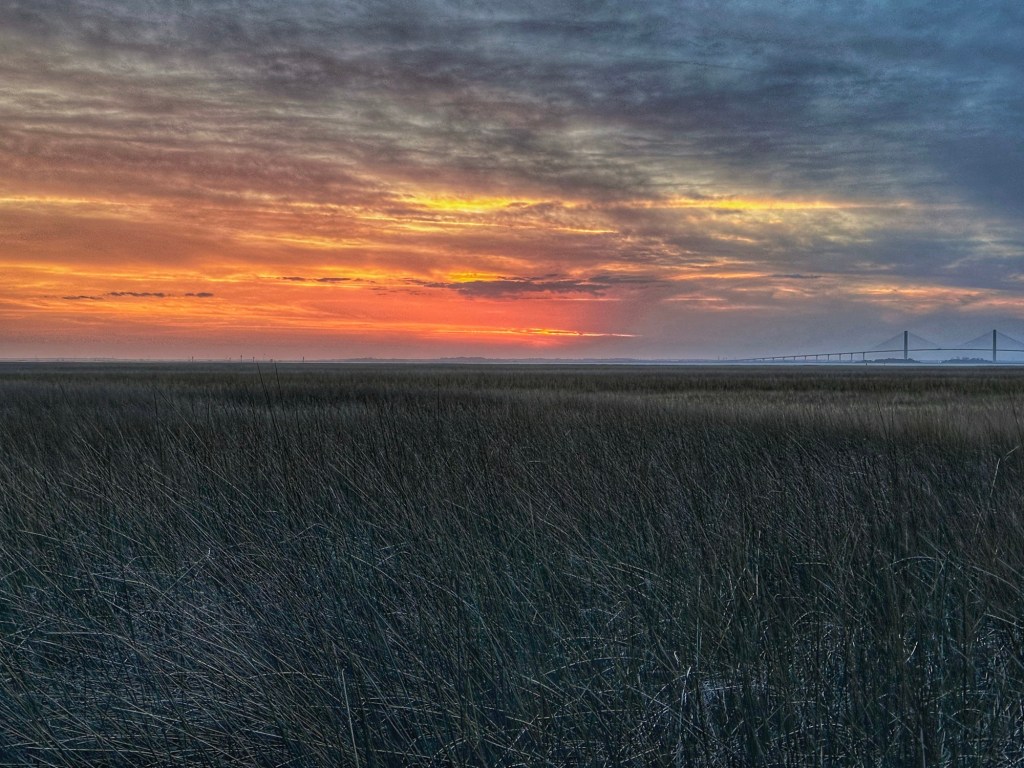
Low Country Sunset

While there is plenty to explore in the area we’re feeling the need to move on. We hear Savannah calling.
Delayed Departure

Some medical issues pushed back our southbound departure by an unexpected two months. As a result we got to experience Buffalo’s Christmas Blizzard. Very memorable. When we finally did set out, it was to the beat of Canned Heat’s “On The Road Again”. We headed south to central Florida to be reunited with the Tincan. It was waiting patiently for us at Pat’s brother and sister-in-law’s house. After some family time we drove north to Crooked River SP in St. Mary’s, Georgia.

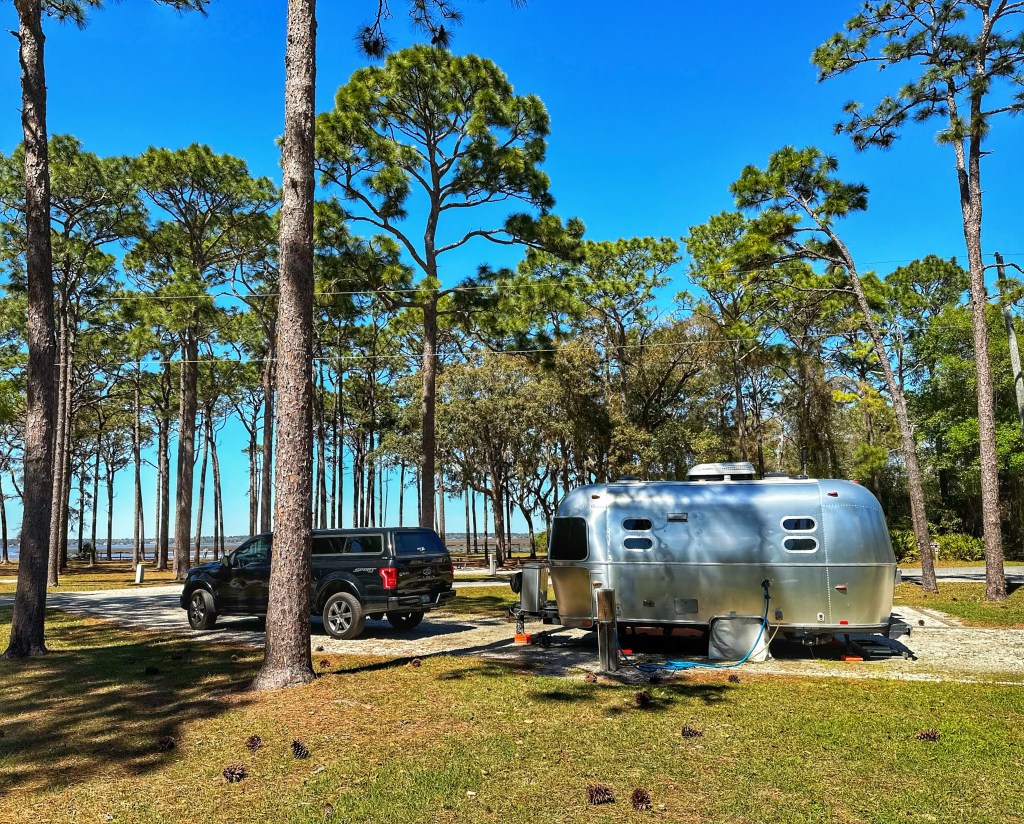
Site 9

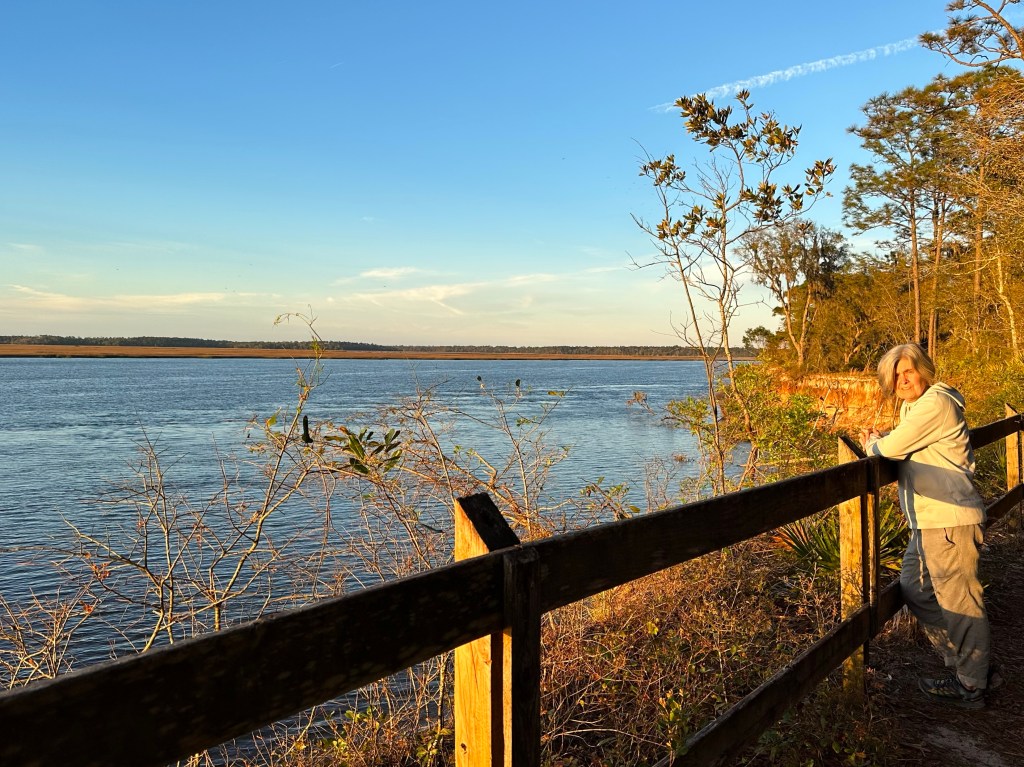
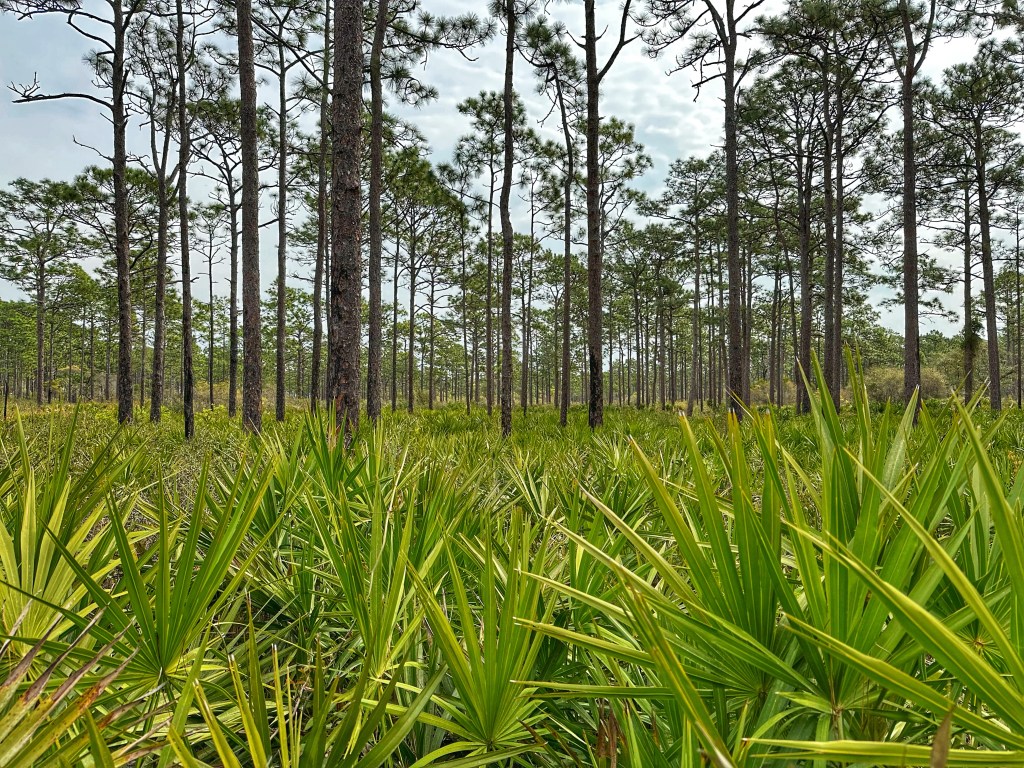
Our site was surrounded by Long Leaf Pines and gave us a view of St. Mary’s River (THE CROOKED RIVER).

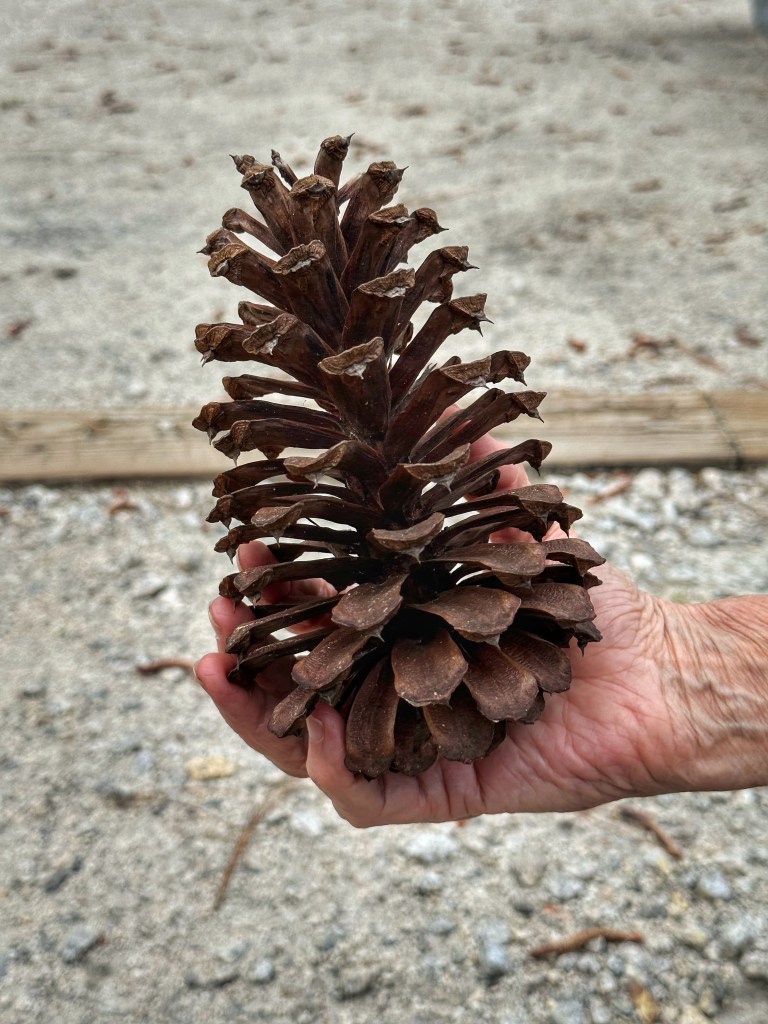
Those Long Leaf Pines produce large pine cones

The campground is just down the road from the King’s Bay Naval Submarine Base. Based on the traffic in and out of the base it must be a major employer in this largely rural part of Georgia.

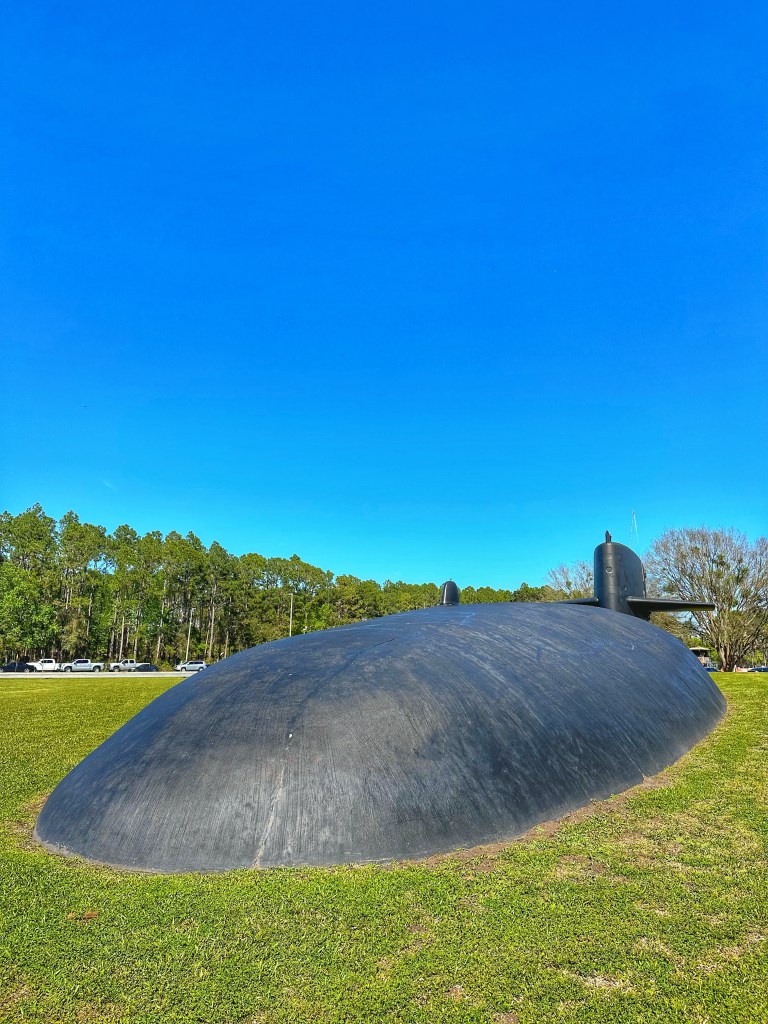
The USS George Bancroft partially buried near the main gate of the base

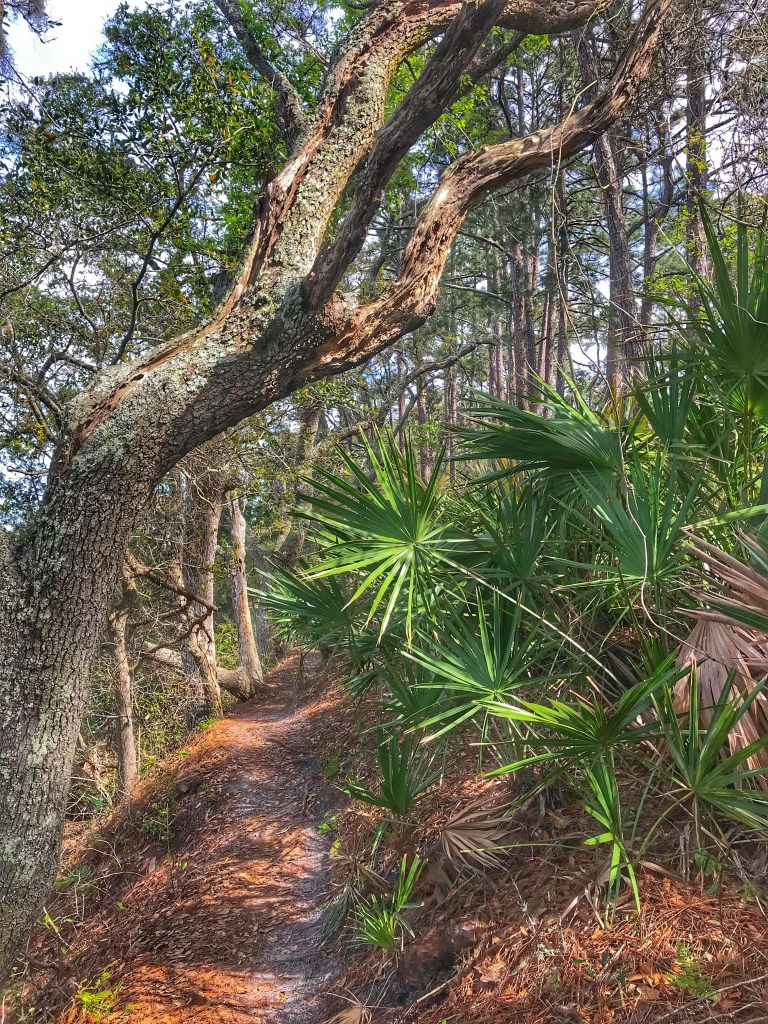
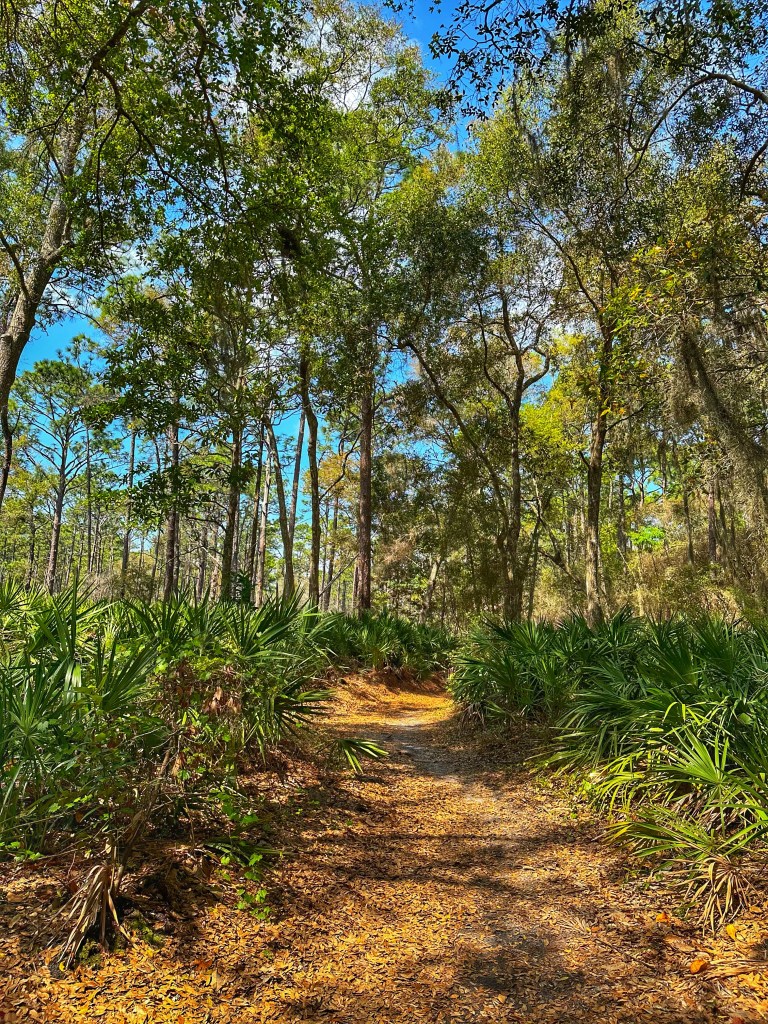
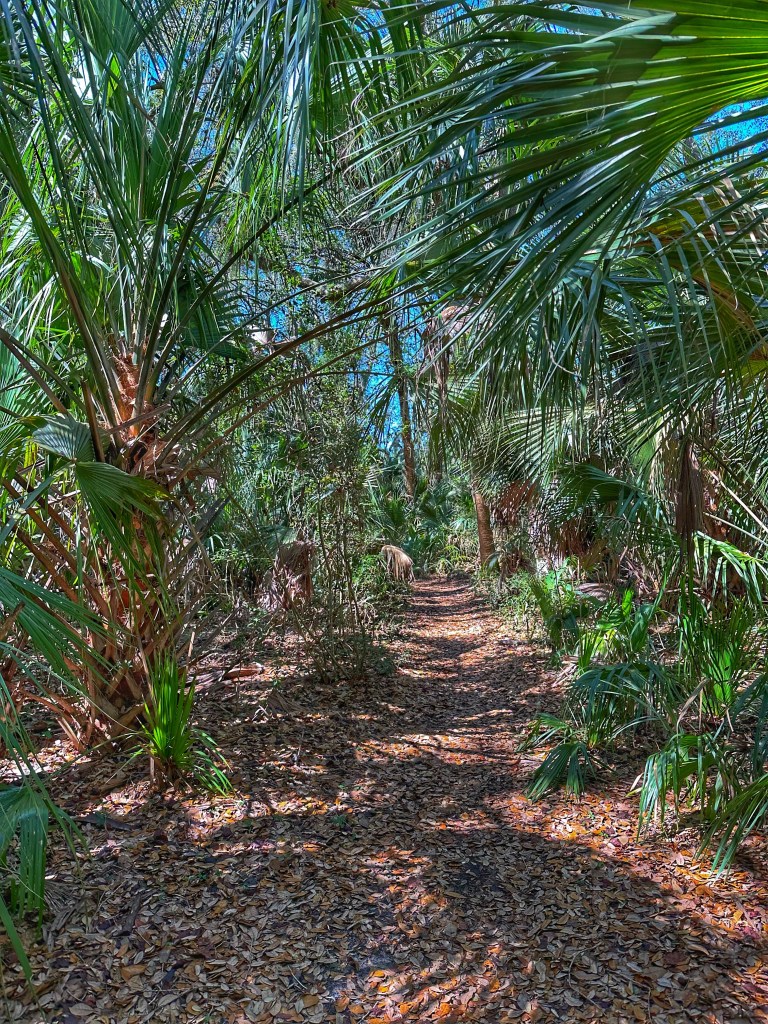
The park offers a number of hiking/biking trails through the palmetto and pine forest as well as along the River.

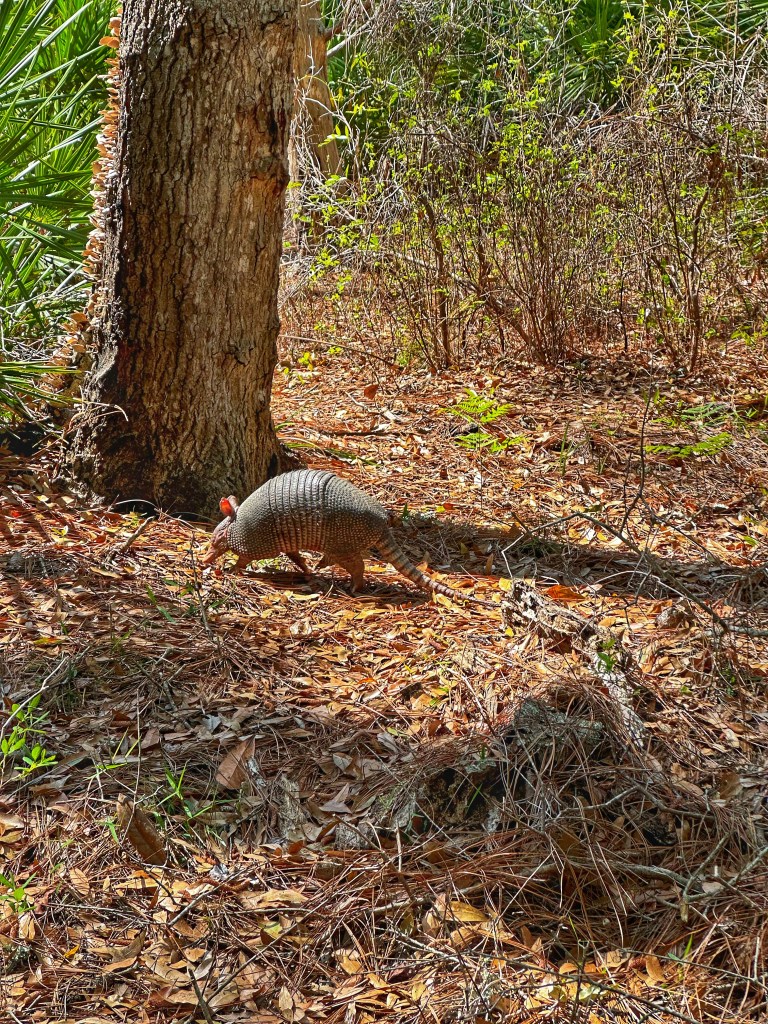
There’s no telling who you’ll run into on the trail.

Gopher tortoise
Armadillo

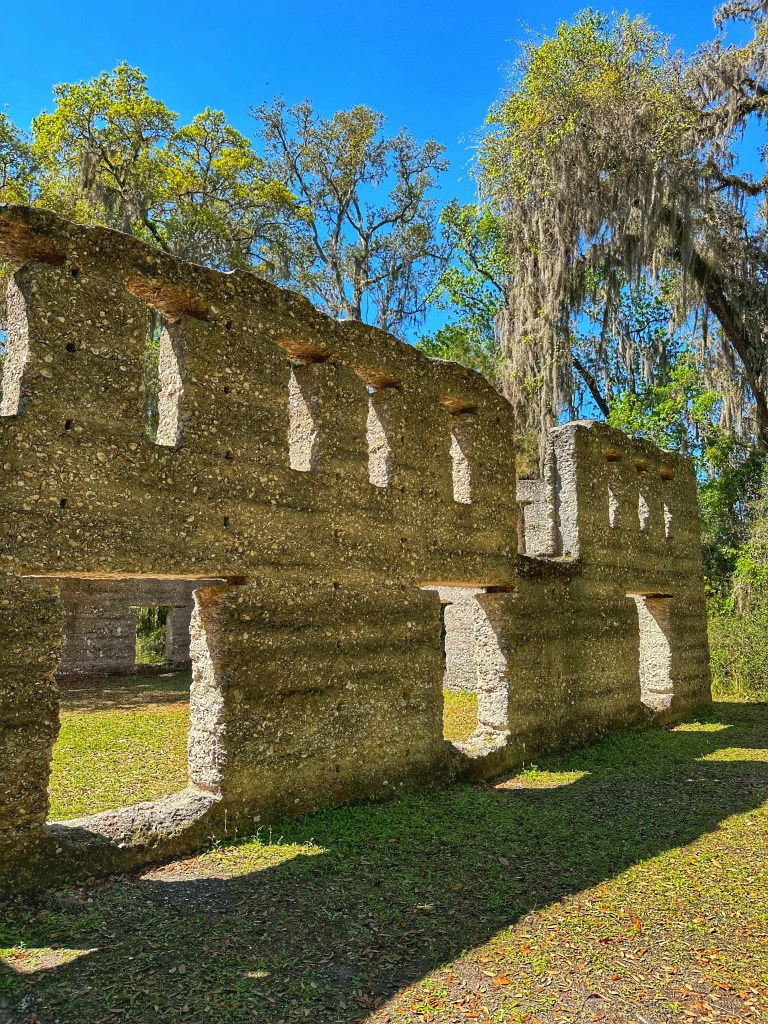
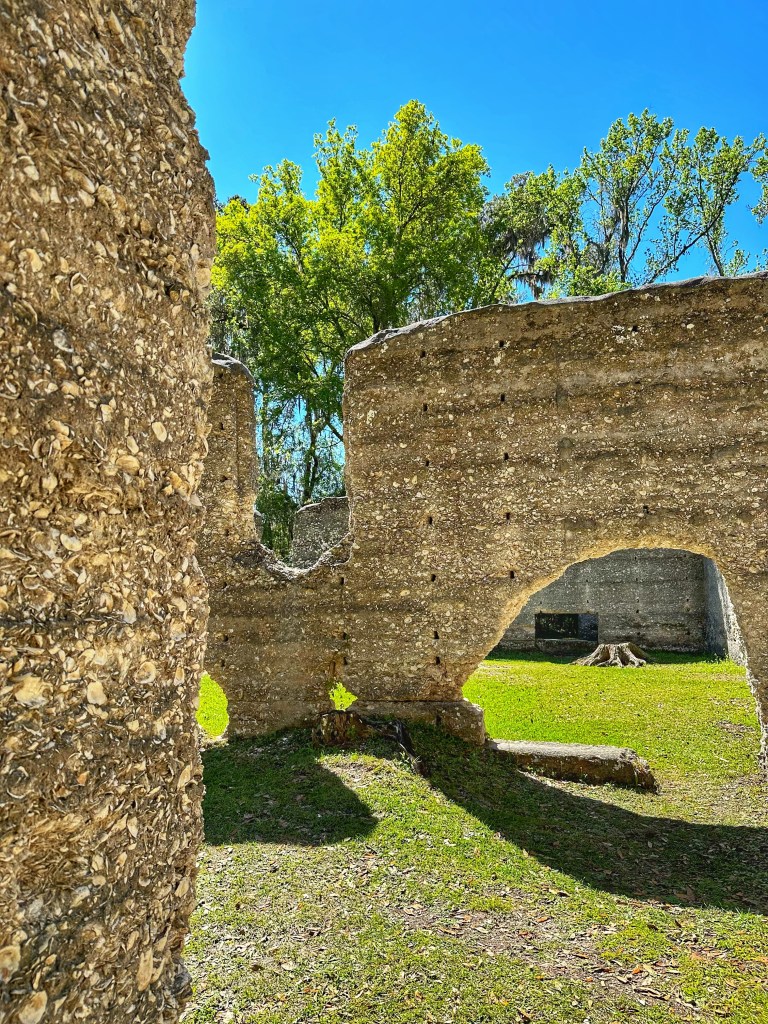
The ruins of a Tabby Sugar Works from 1825 lies just down the road from the campground. It was part of the New Canaan sugarcane plantation.

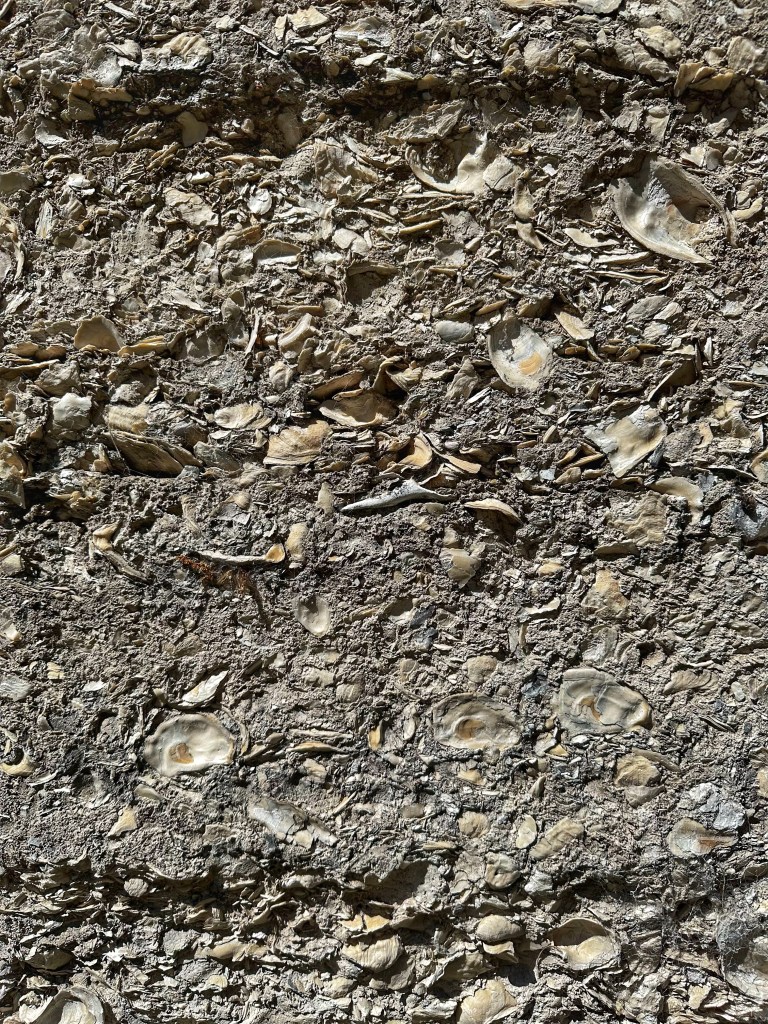
Tabby is a type of concrete made from burning oyster shells to create lime, then mixing it with water, sand, ash and other broken oyster shells. This technique is thought to have originated in Africa.

Tabby

Part of the appeal of Crooked River SP is its proximity to the Georgia sea islands: Cumberland Island, St. Simons Island and Jekyll Island. A ferry ride is required to visit Cumberland Island but St. Simons and Jekyll Island are within an hour’s drive.

The Dungeness Ruins on Cumberland Island

We took our bikes on the ferry to explore Cumberland Island National Seashore. The island is undeveloped and about 17 miles long. With limited time, we didn’t want to miss the last ferry back to St. Mary’s so we concentrated on the southern end of the island.

We rode about 4 miles north down a sand road to checkout the underutilized Little Greyfield Beach

In the 1880’s Thomas Carnegie, (Andrew’s brother) bought up much of the island and built Dungeness Mansion. He died before it was completed but his wife Lucy and their nine children lived there until 1925. The deserted mansion burnt down in 1959. The island became a National Seashore in 1972.

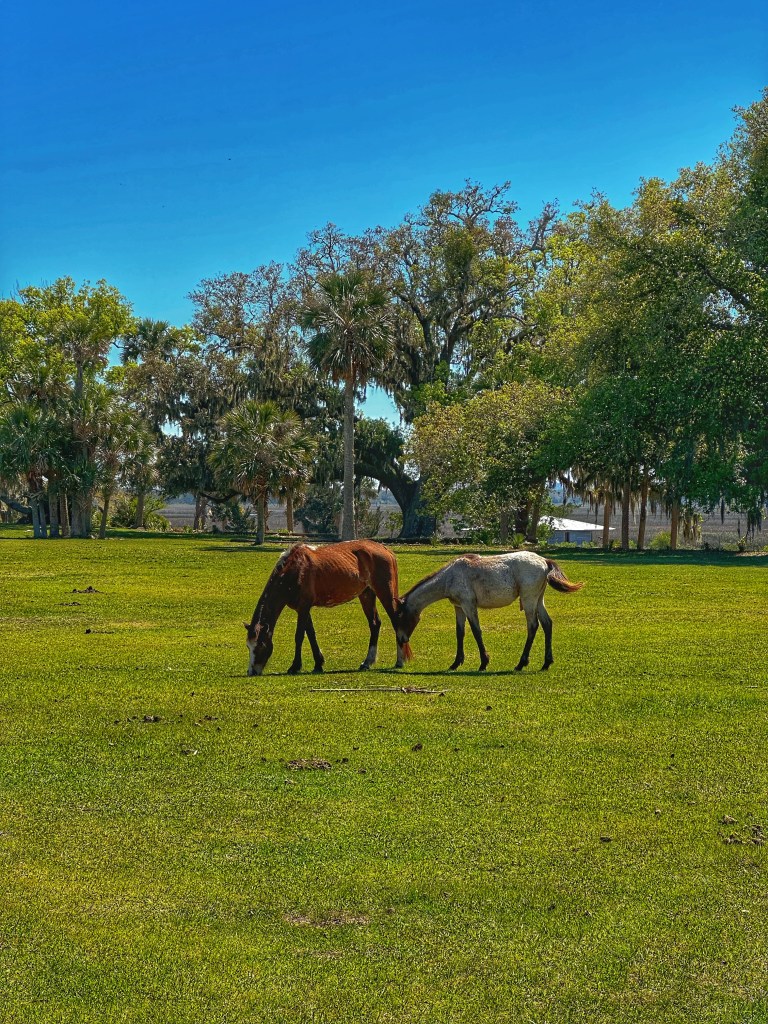
Wild horses can be seen throughout the island

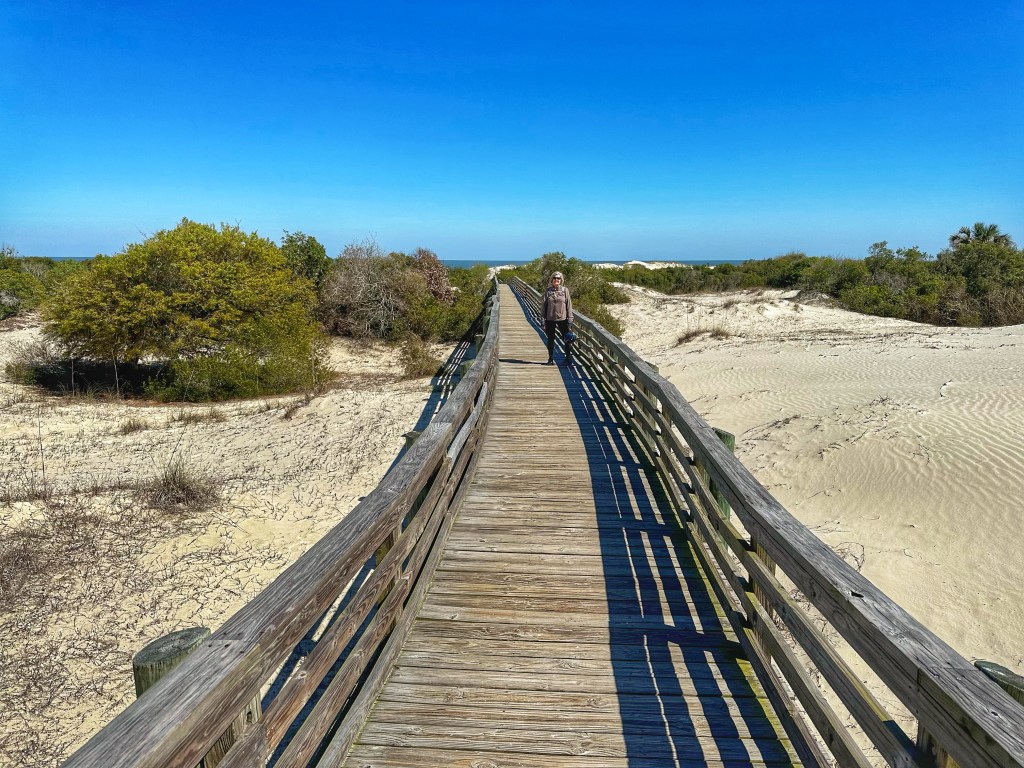
We made our way to Sea Camp Beach to check out this popular destination. The park service constructed a boardwalk over the dunes for easier access to the beach.

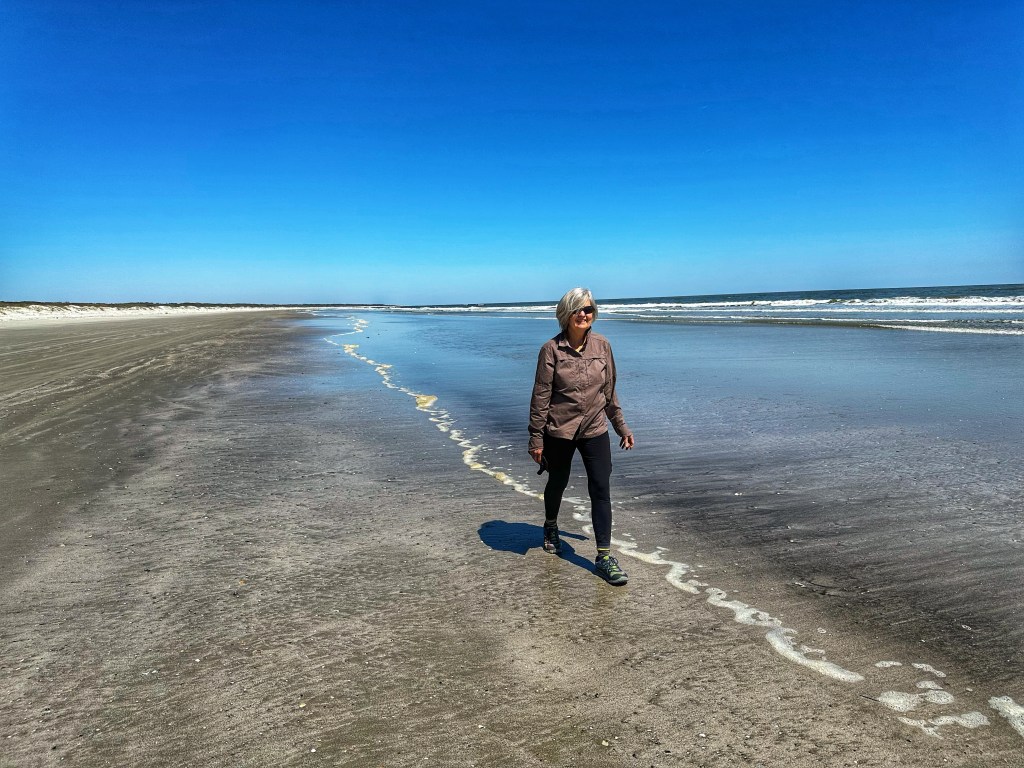
It sure is fun riding on the beach

Colonial era Fort Frederica is located on St. Simons Island about 50 minutes from our campground. James Edward Oglethorpe established this fort and colony as a way to challenge the Spanish in Florida. The grounds of this National Monument are lovely to wander.

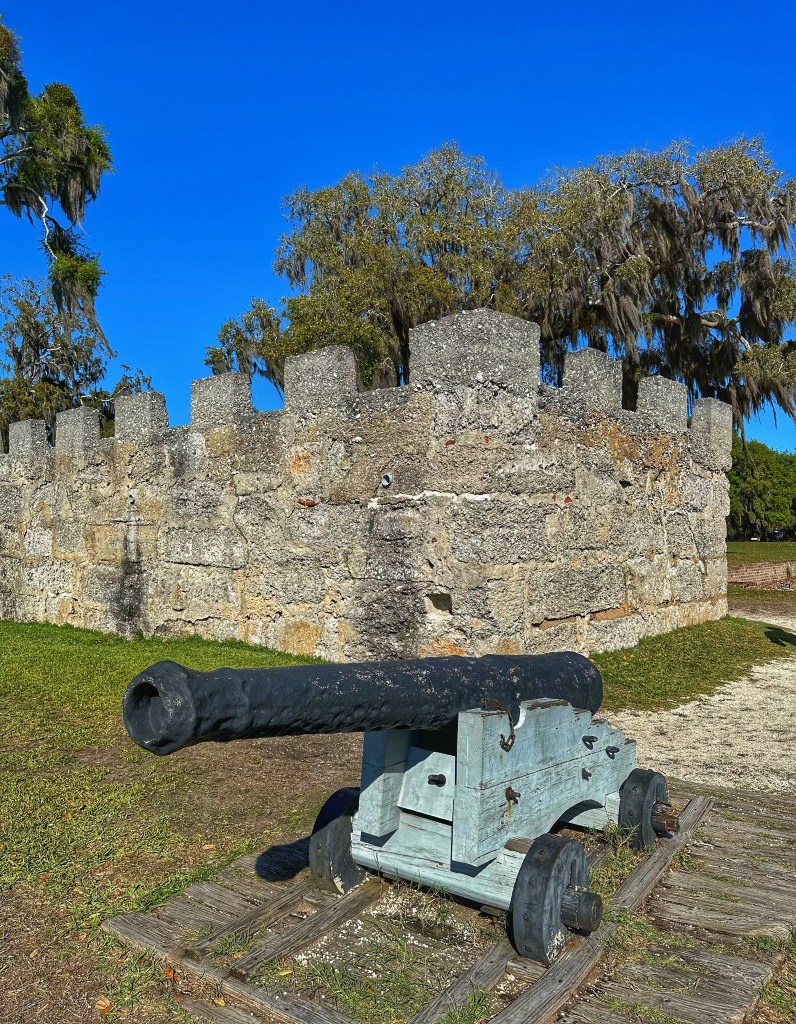
The remains of the tabby powder magazine is all that’s left of the fort that guarded the twisty river approach to the town.

Just over the Georgia border in Florida is Amelia Island, again about 50 minutes from the campground. We ventured down to the island to explore the Eagan Creek Greenway.

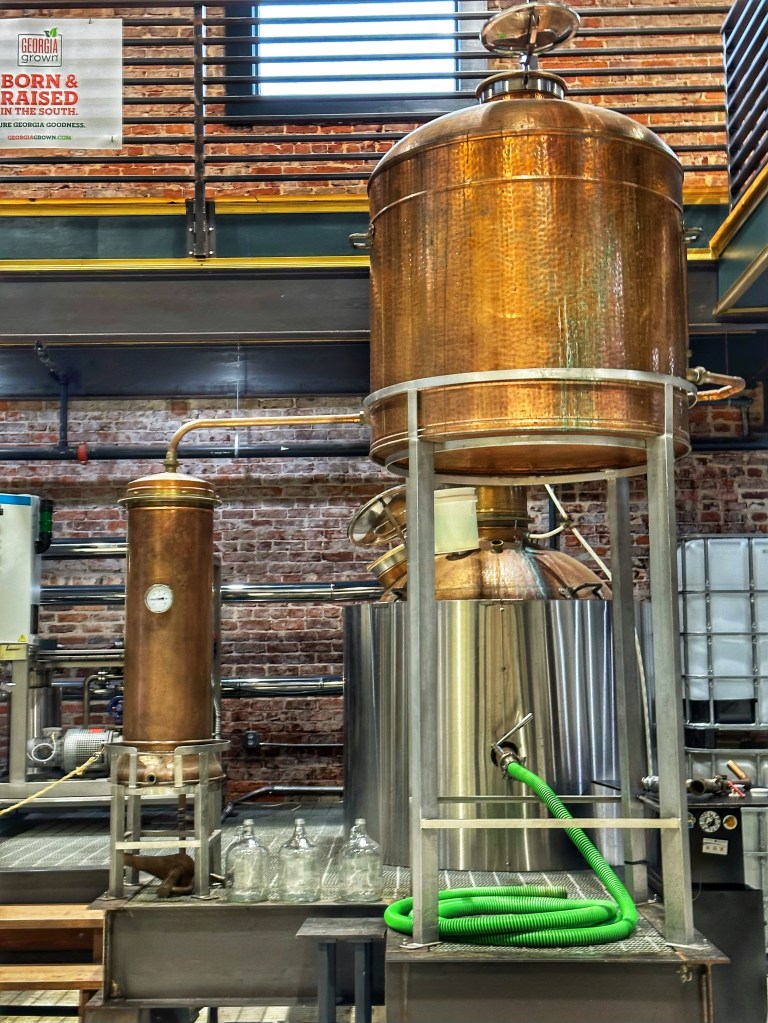
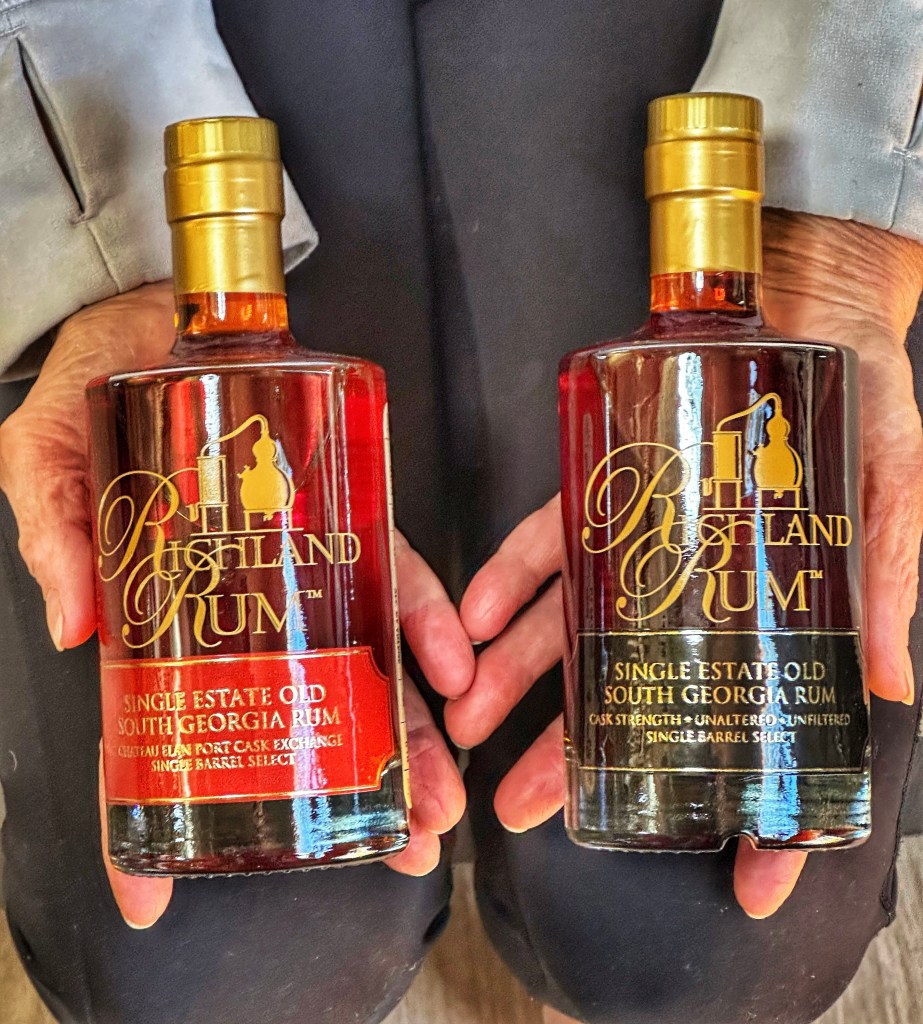
We experienced some rainy weather so decided to leave camp and check out Brunswick, Georgia. The town boasts a brewery (Silver Bluff Brewing) and a rum distillery across the street. The brewery was crowded with St. Patrick’s Day celebrants so we opted for the distillery. Richland Rum proved to be a good choice.

We did a tasting and dove in.

In 1733 James Edward Oglethorpe established an English Colony on Jekyll Island. He named the island after his financial backer Sir Joseph Jekyll. The island now boasts 23 miles of biking trails, including 10 miles of beach riding.

In 1886, the island was purchased by the Jekyll Island Club. By the turn of the century they built a vacation resort patronized by some of America’s wealthiest families.
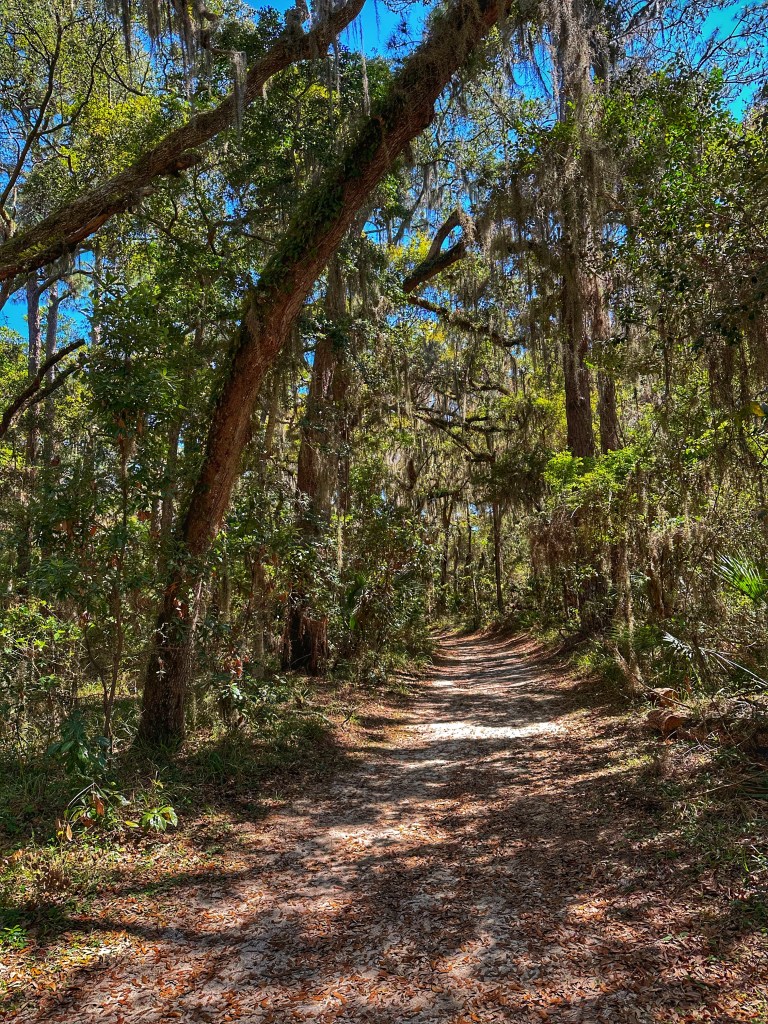
The original Club House

In 1947, the island was sold to the state of Georgia for use as a public park. National Landmark status was awarded to the island’s historic district.

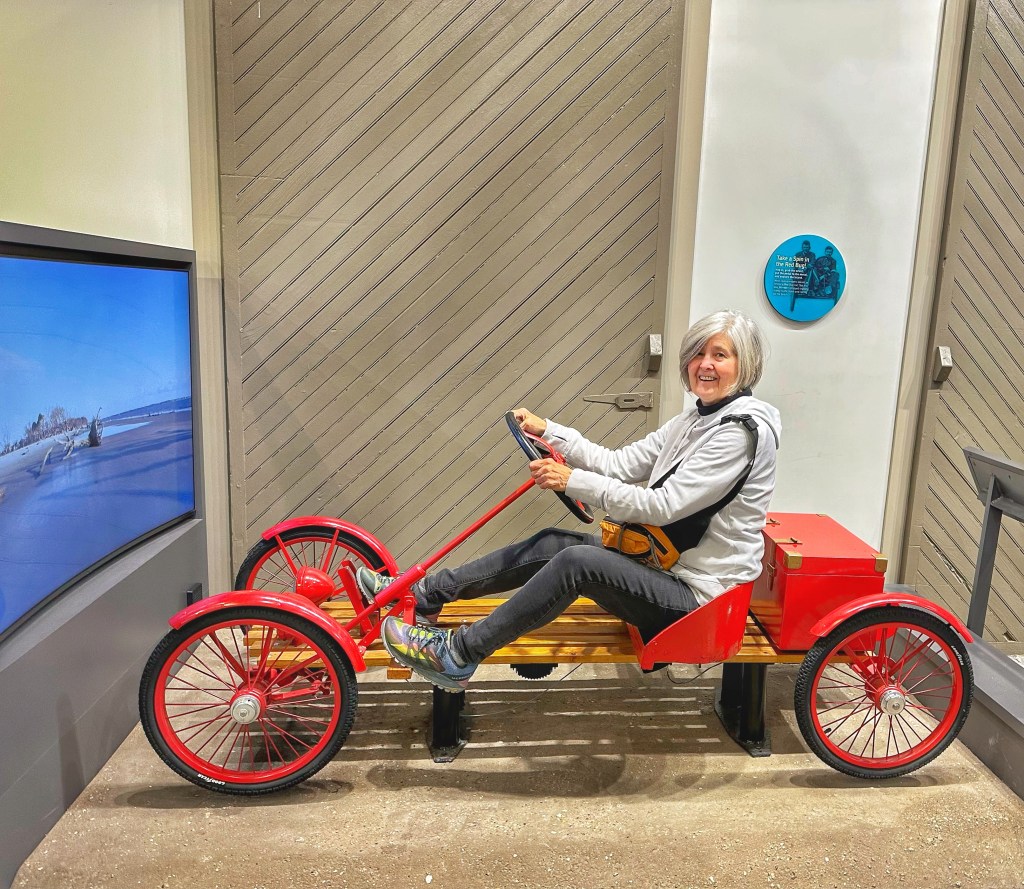
The interactive Mosaic museum does a good job of presenting the history of the island

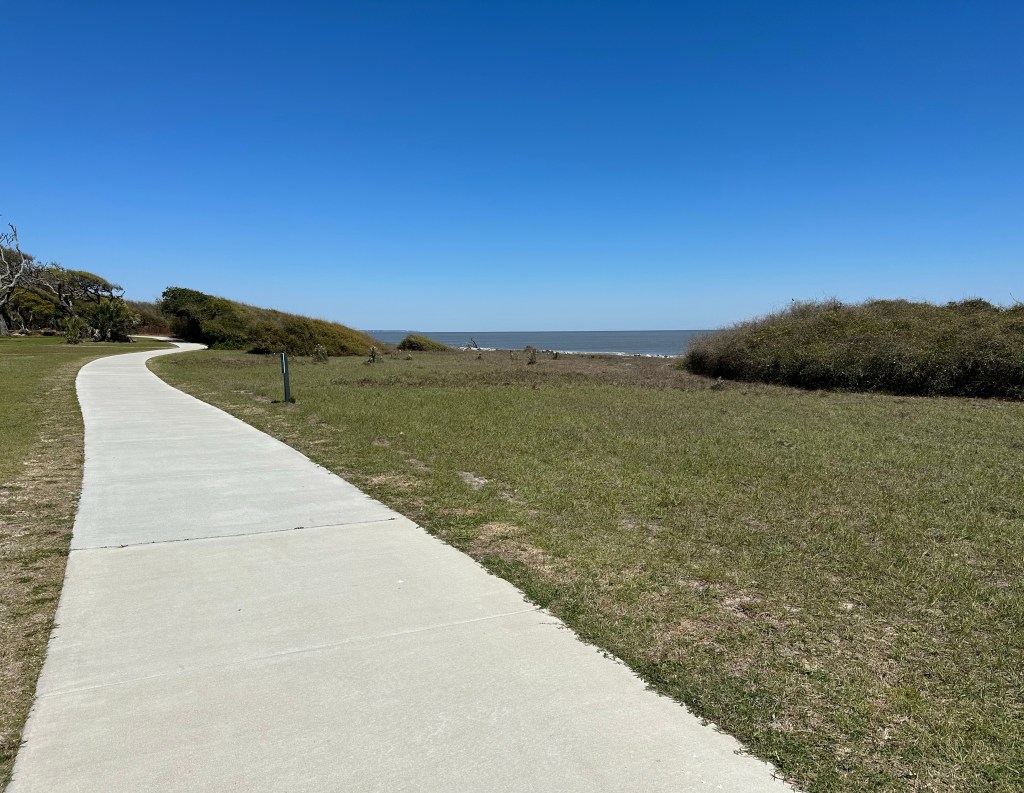
While the history of the island is interesting, the main draw for us are the beaches and bike trails.

Driftwood Beach
Horton Pond
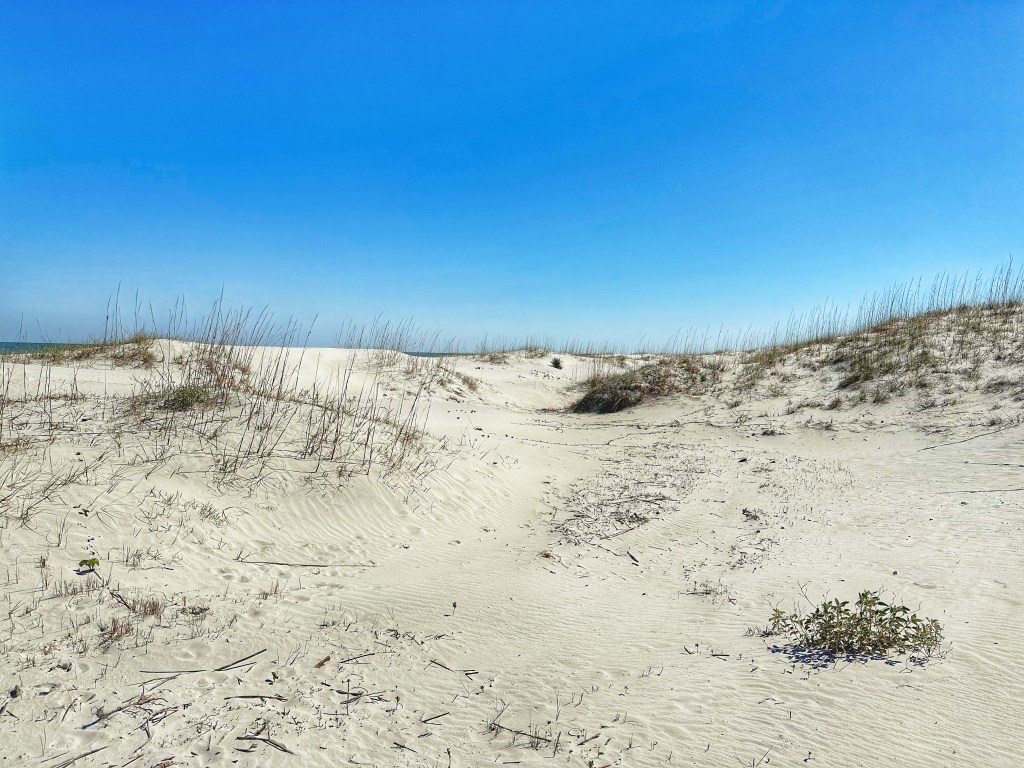
Great Dunes Beach

We have visited Georgia several times in our travels but never had the opportunity to visit the “ Golden Isles”. We are certainly glad we made the effort this trip. But we are not leaving Georgia yet- next up is the beautiful city of Savannah- just two hours up the coast.