South Bound- January in Florida

While Florida may not be our favorite destination we decided to begin our winter travels by visiting with our numerous relatives and friends that are scattered around the state.

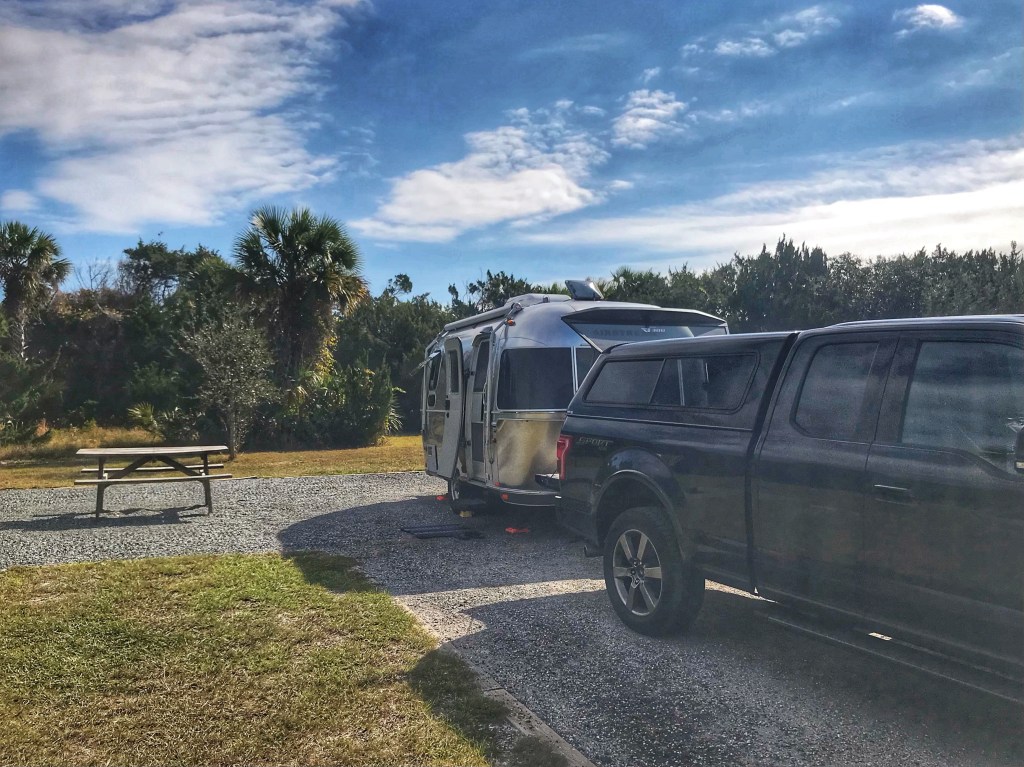
We started out at one of our favorite Florida State Parks, Anastasia State Park.
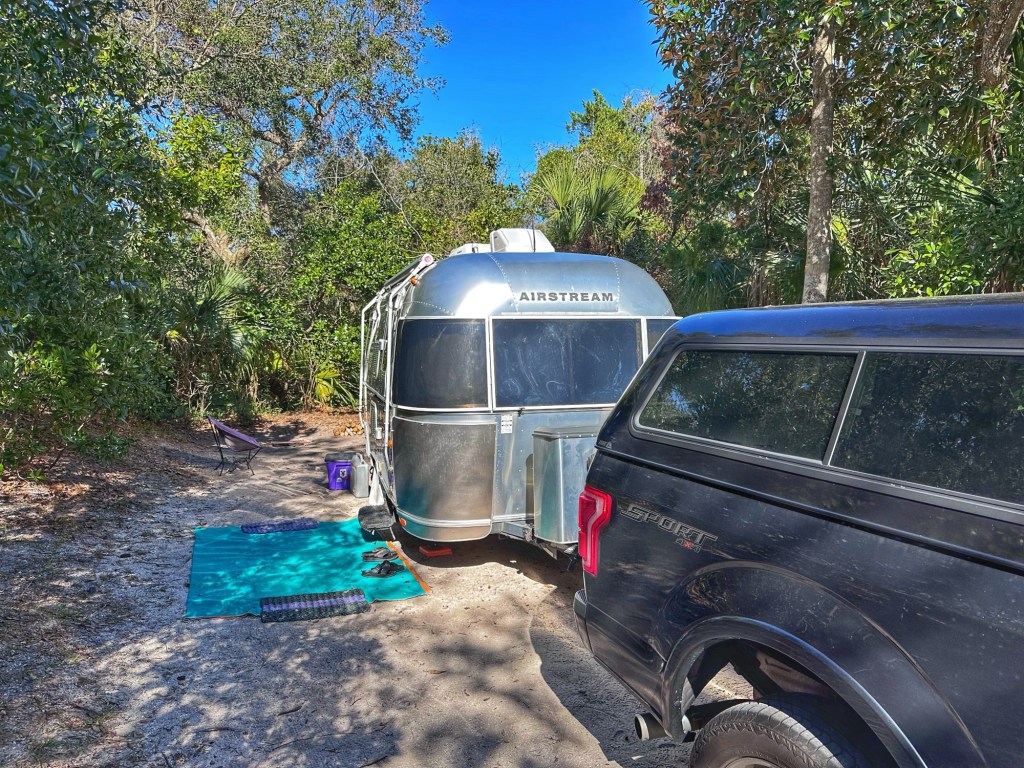
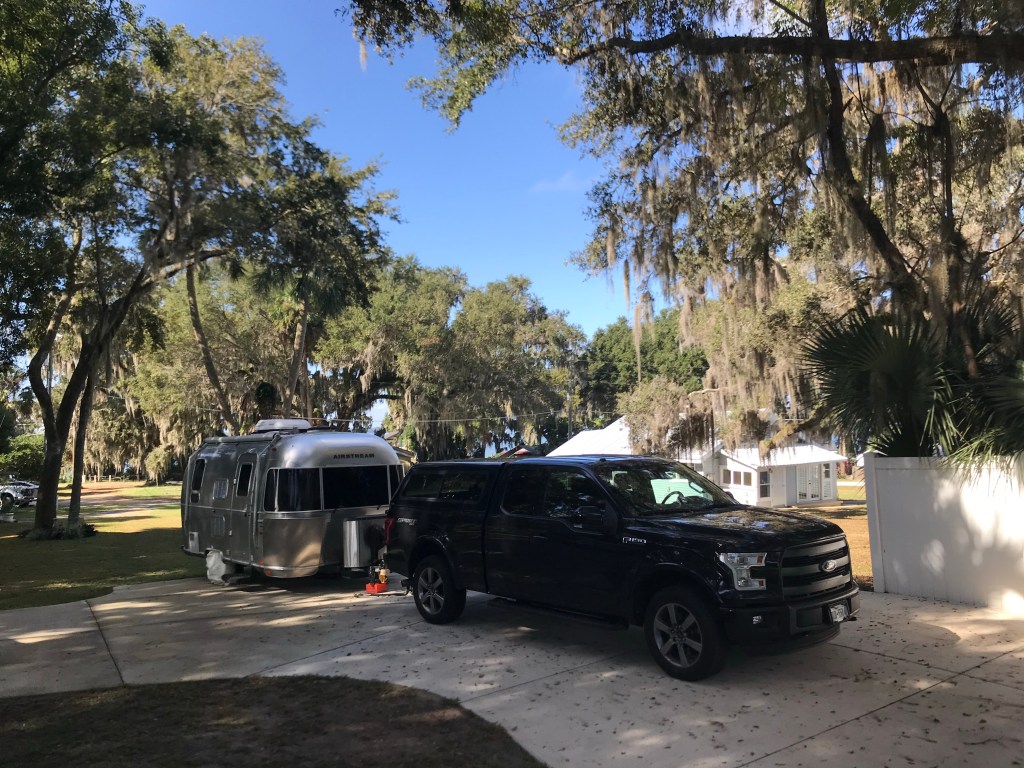
Site 87

This St. Augustine park puts us about 30 minutes from Shelly’s sister Andrea and brother in-law Jeff.
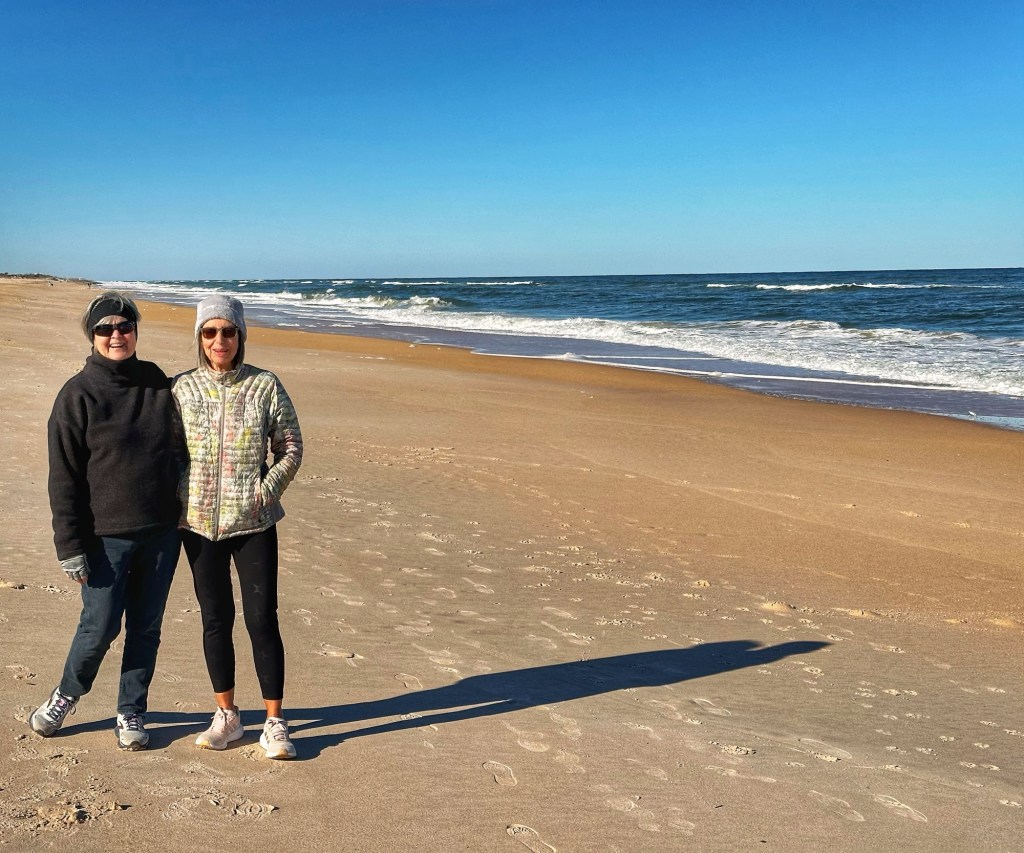
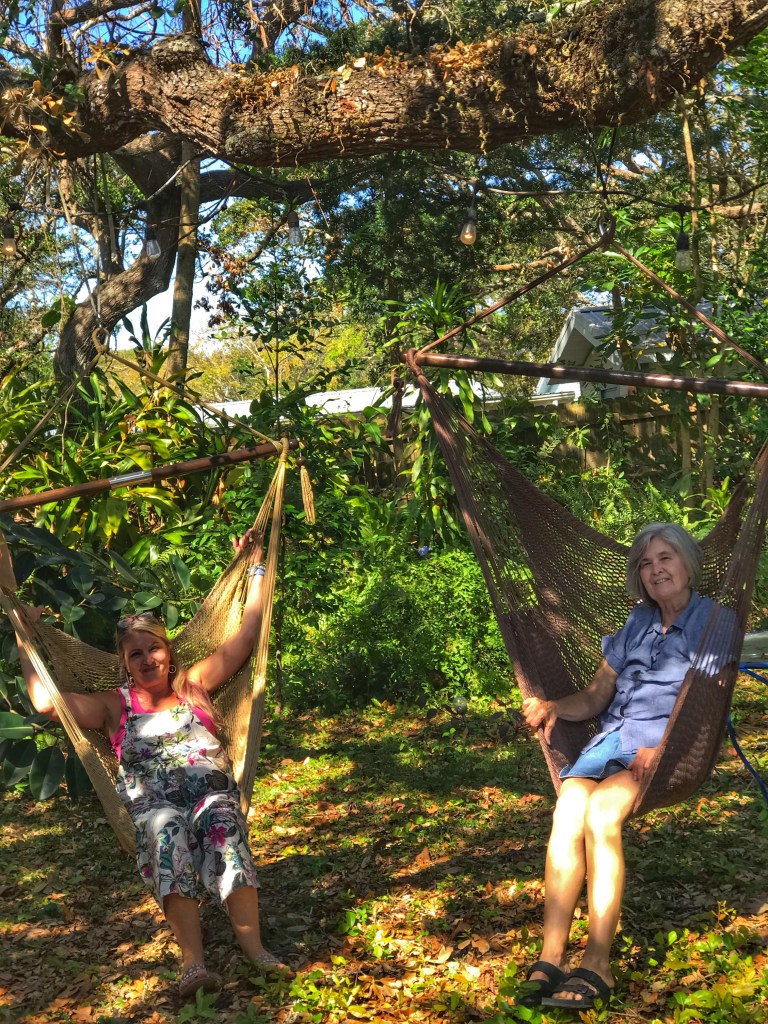
Pat and Andrea

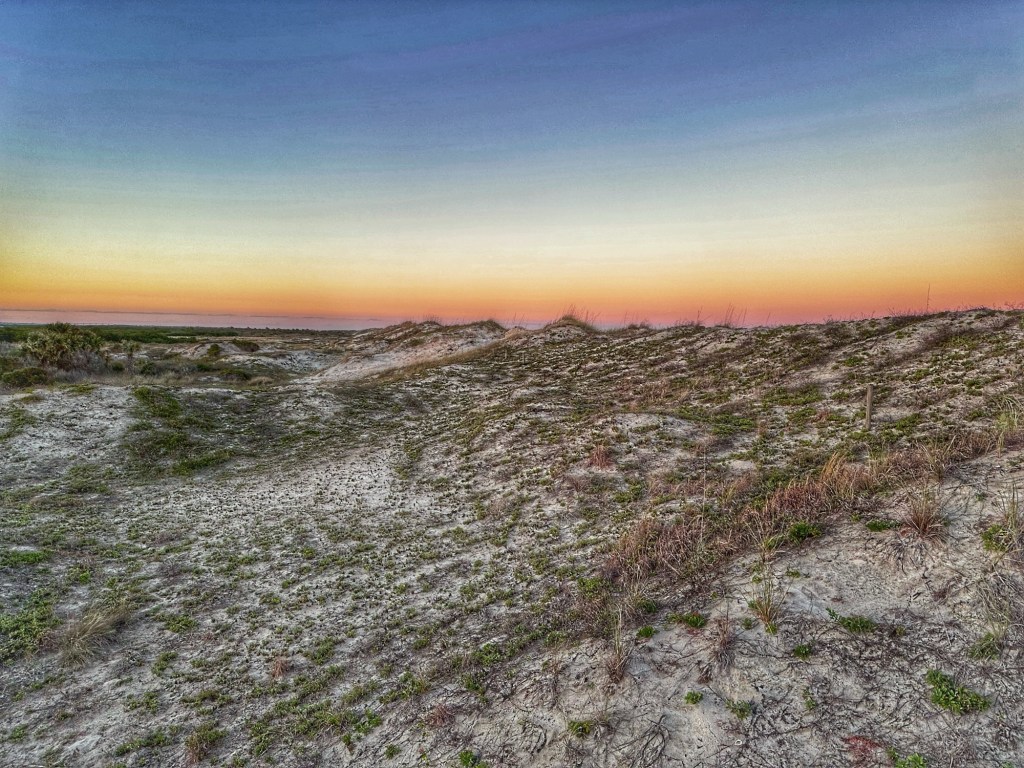
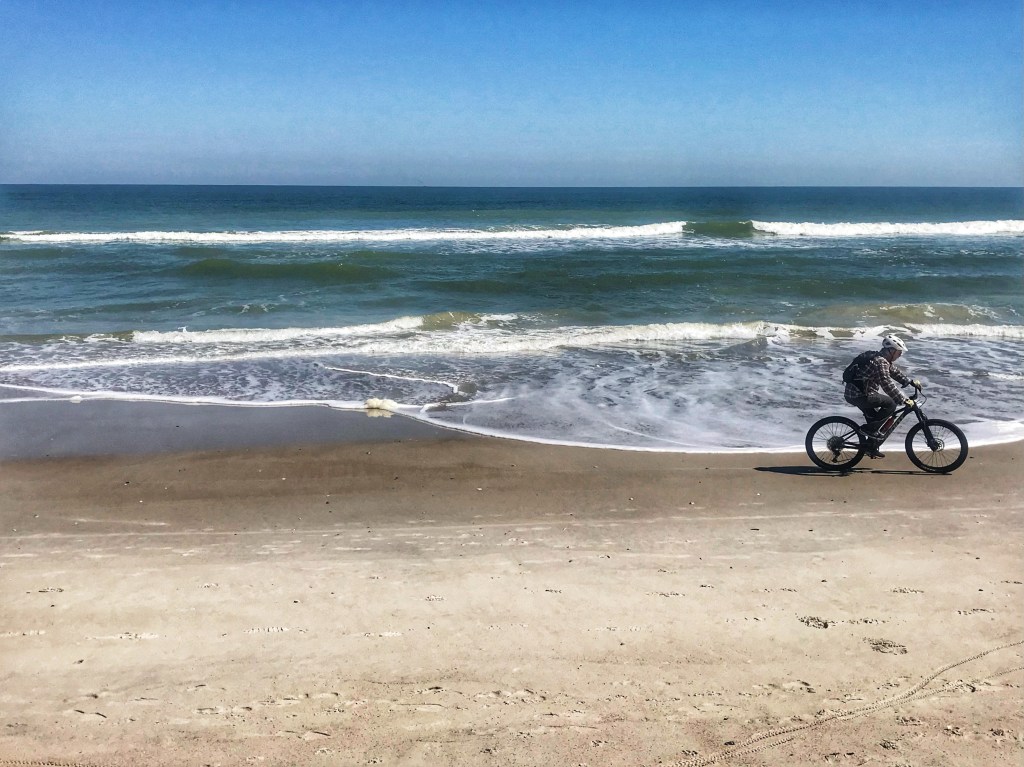
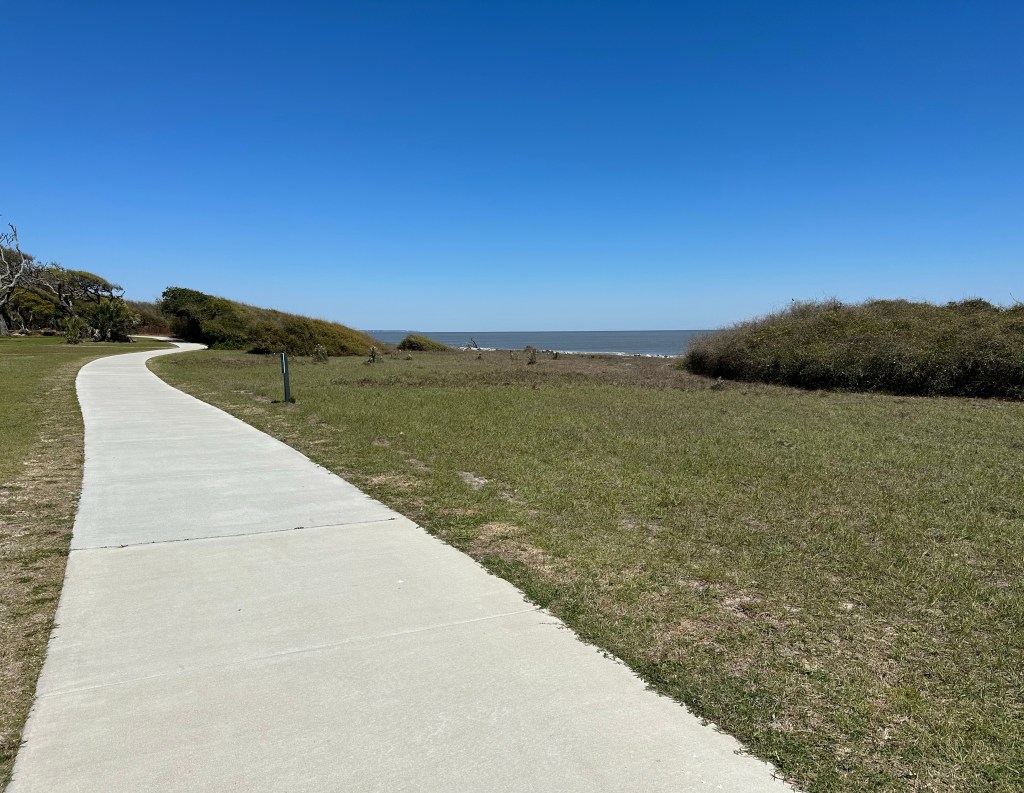
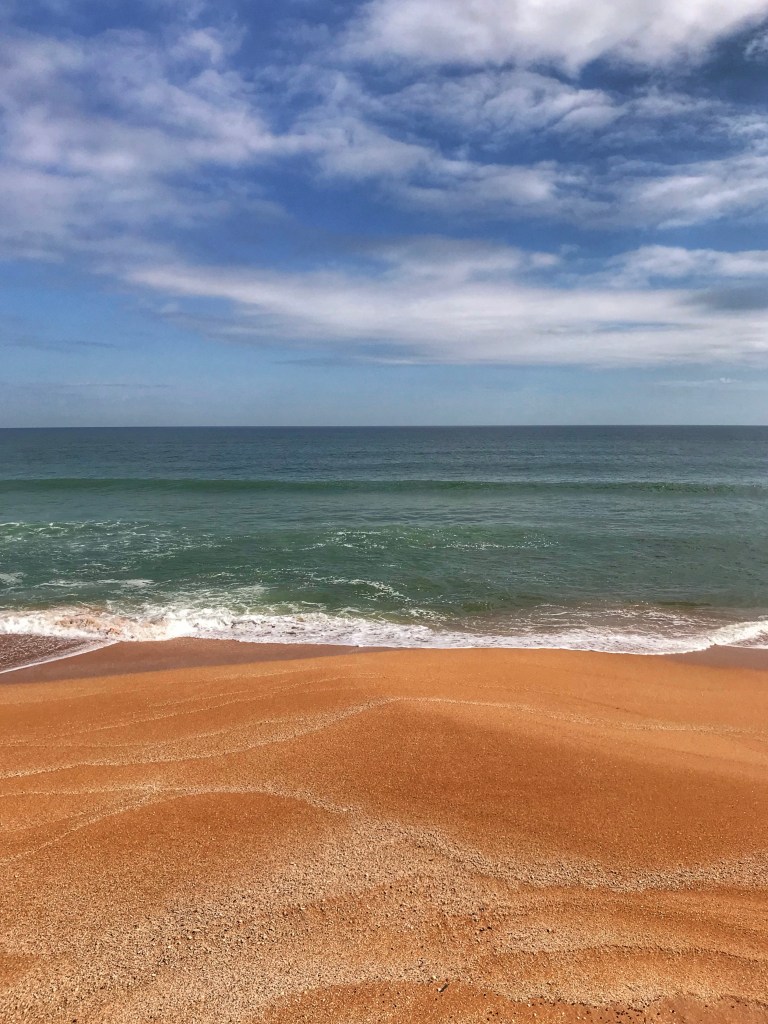
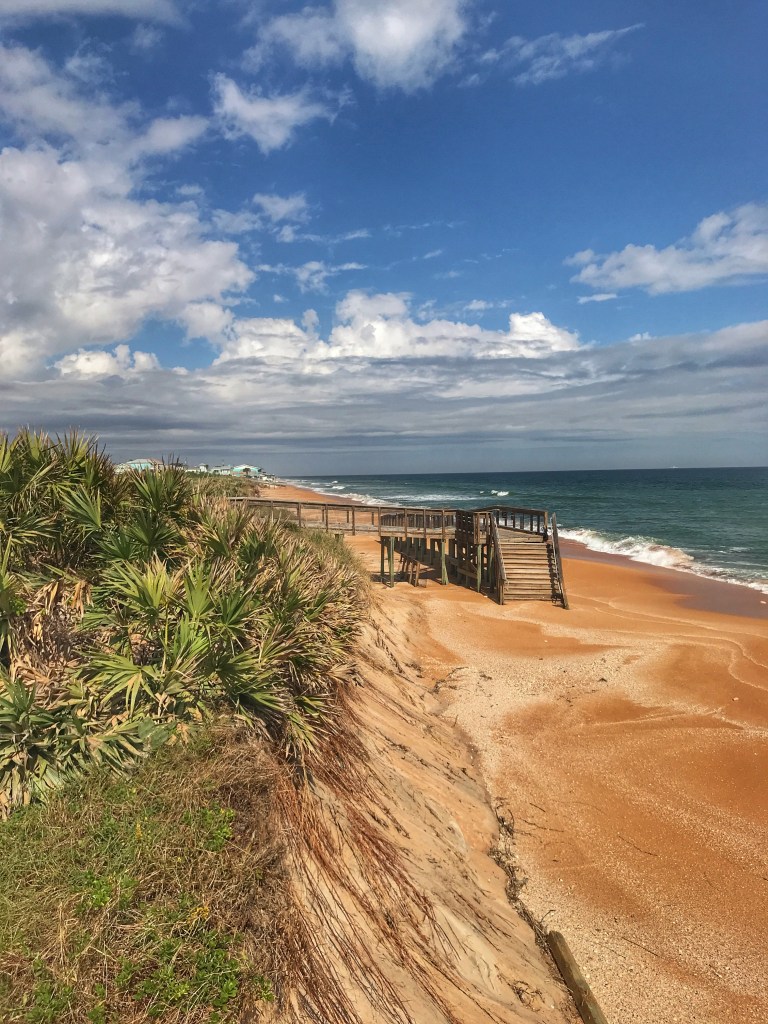
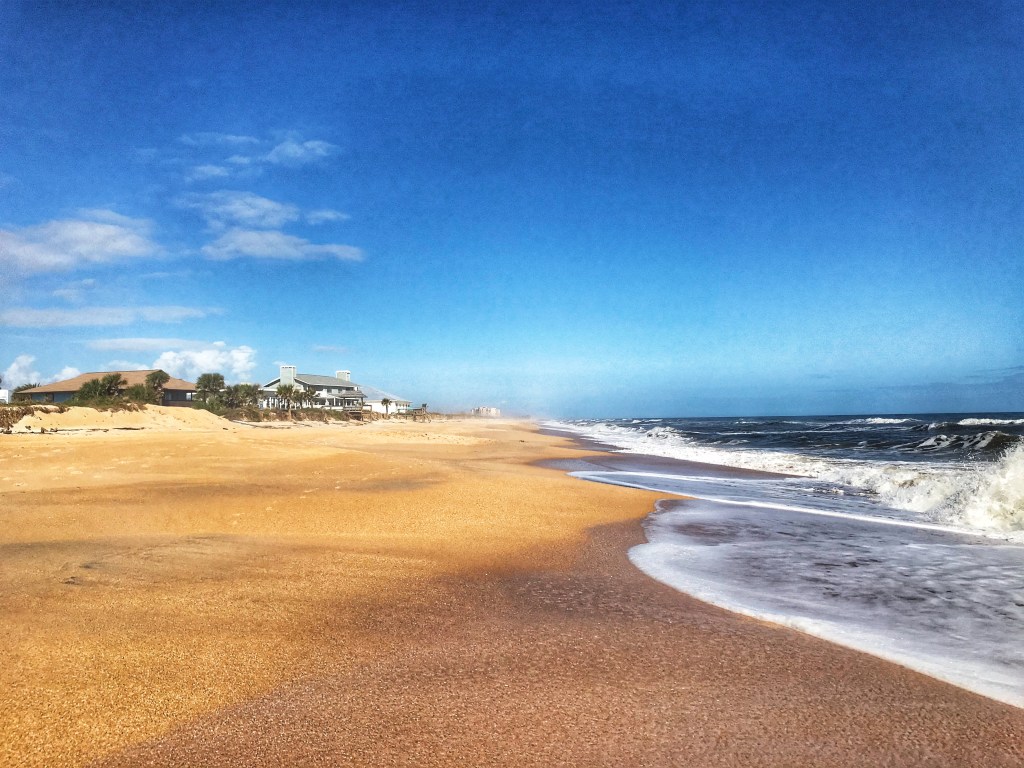
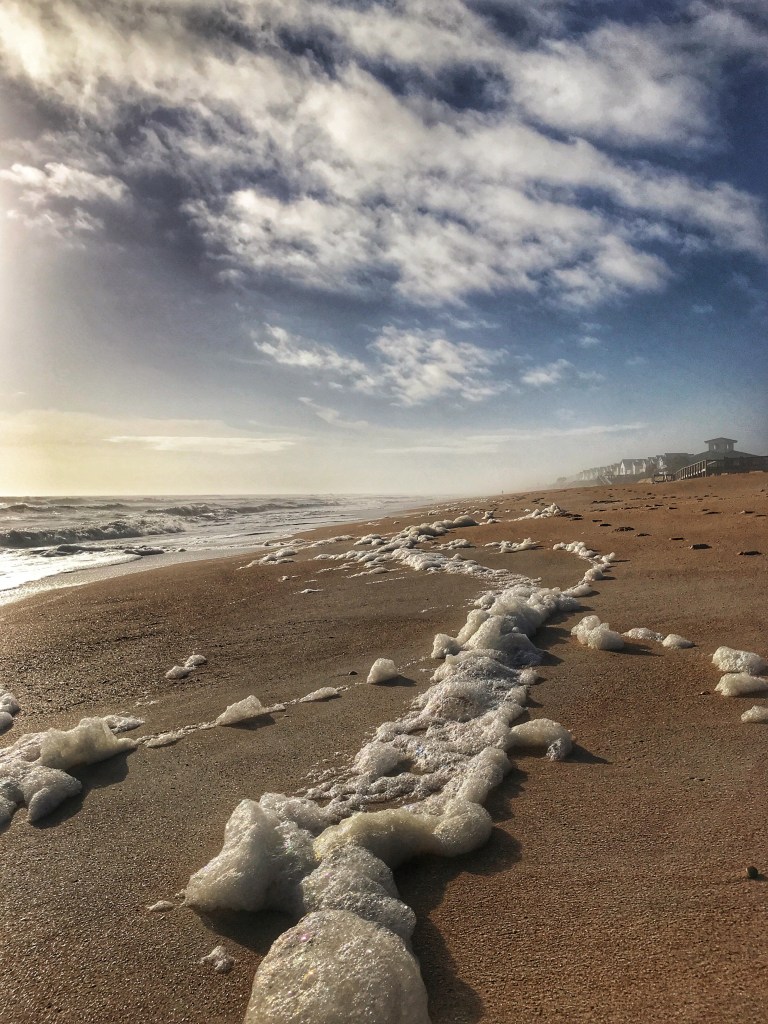
What we love about this park is the easy access to its undeveloped five mile shoreline. It’s a great beach for walking and at low tide bike riding.
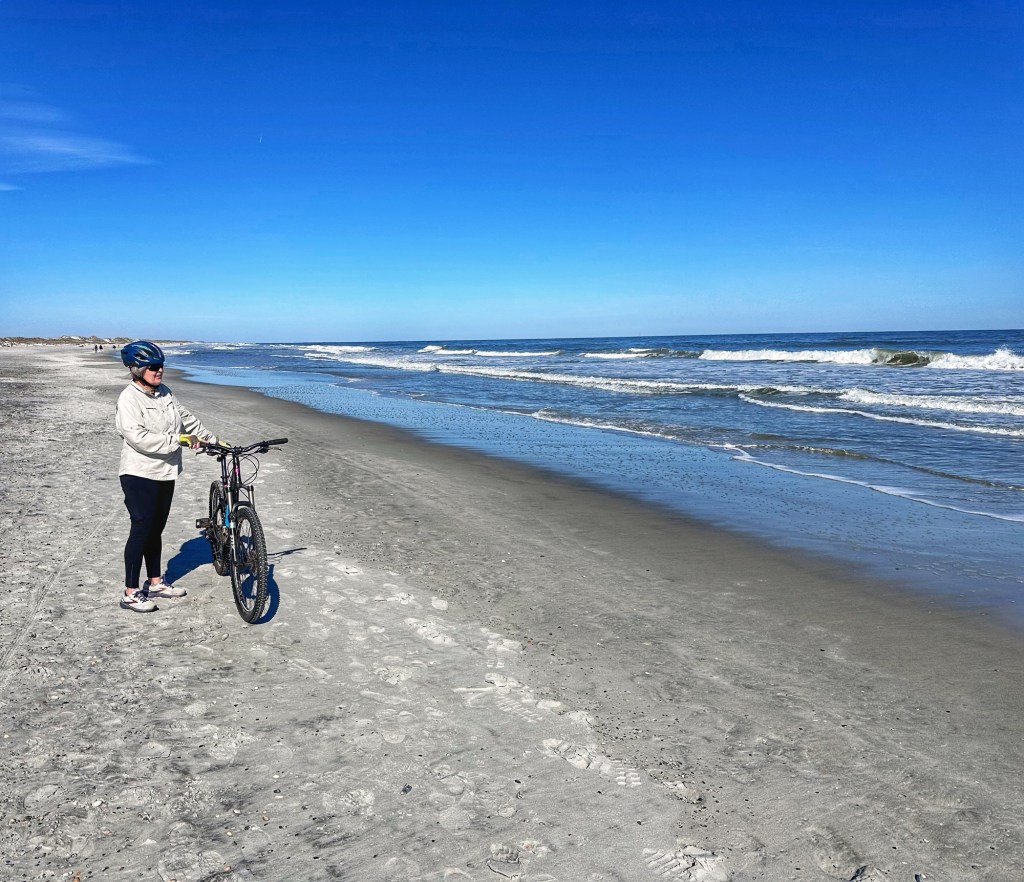
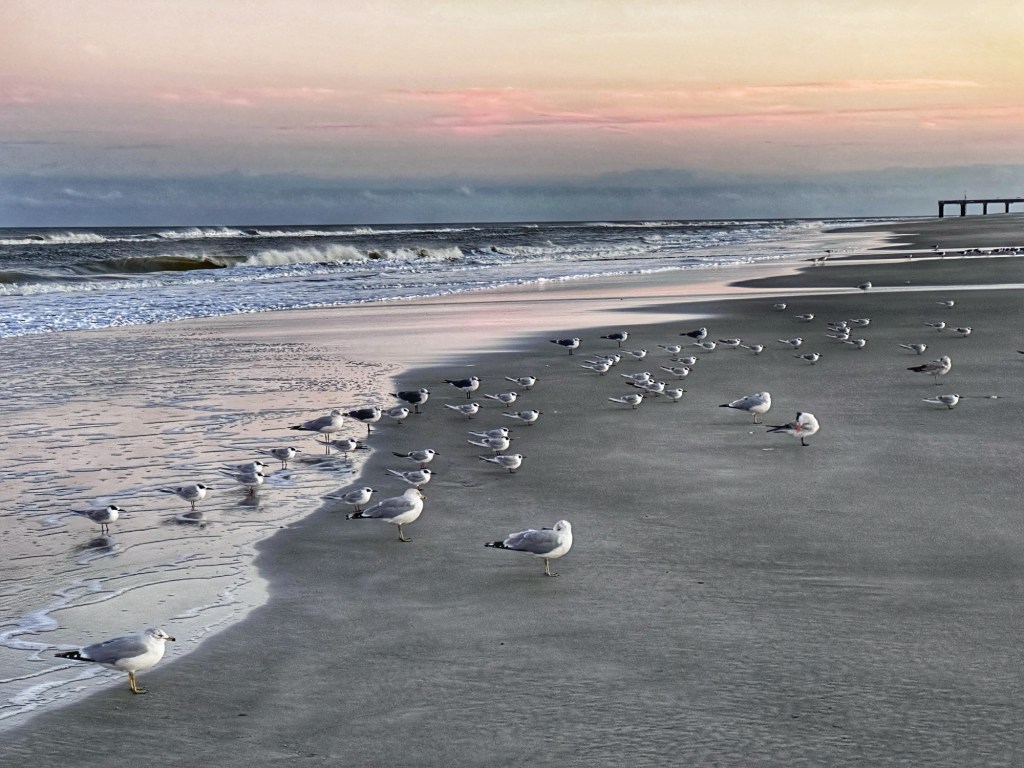
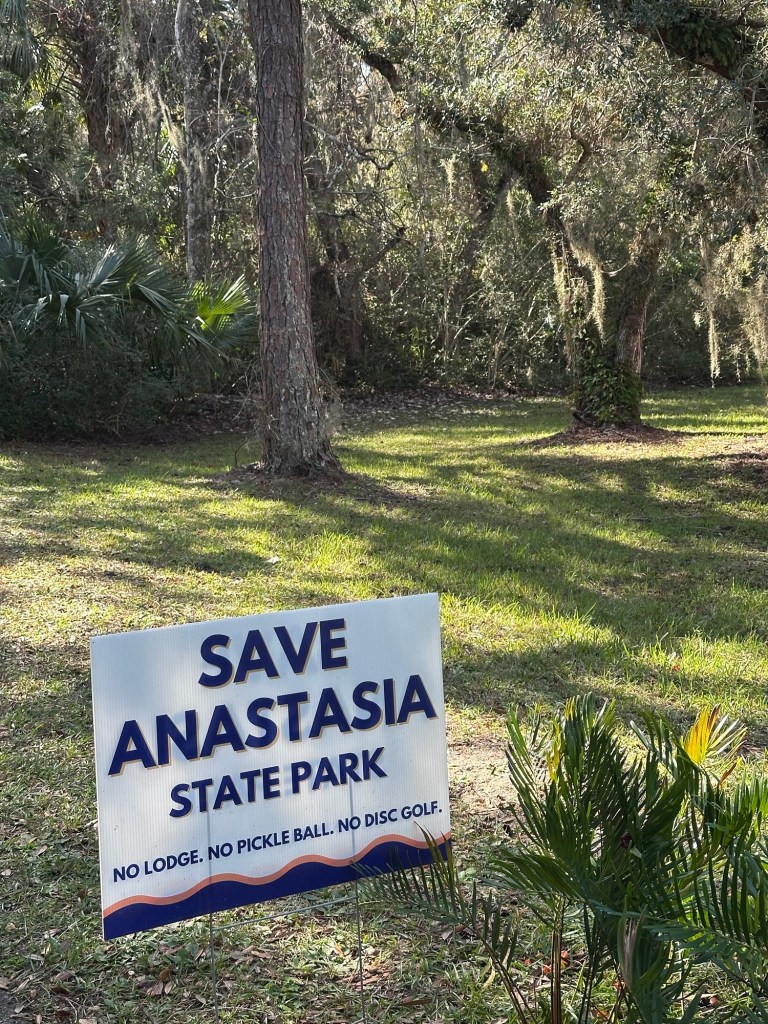
As beautiful as this stretch of undeveloped shoreline is, it has not been safe from development. Ron DiSantis, the governor, has proposed building a lodge, high rise condos and a golf course here. So far, local residents have rallied enough support to beat back this plan.
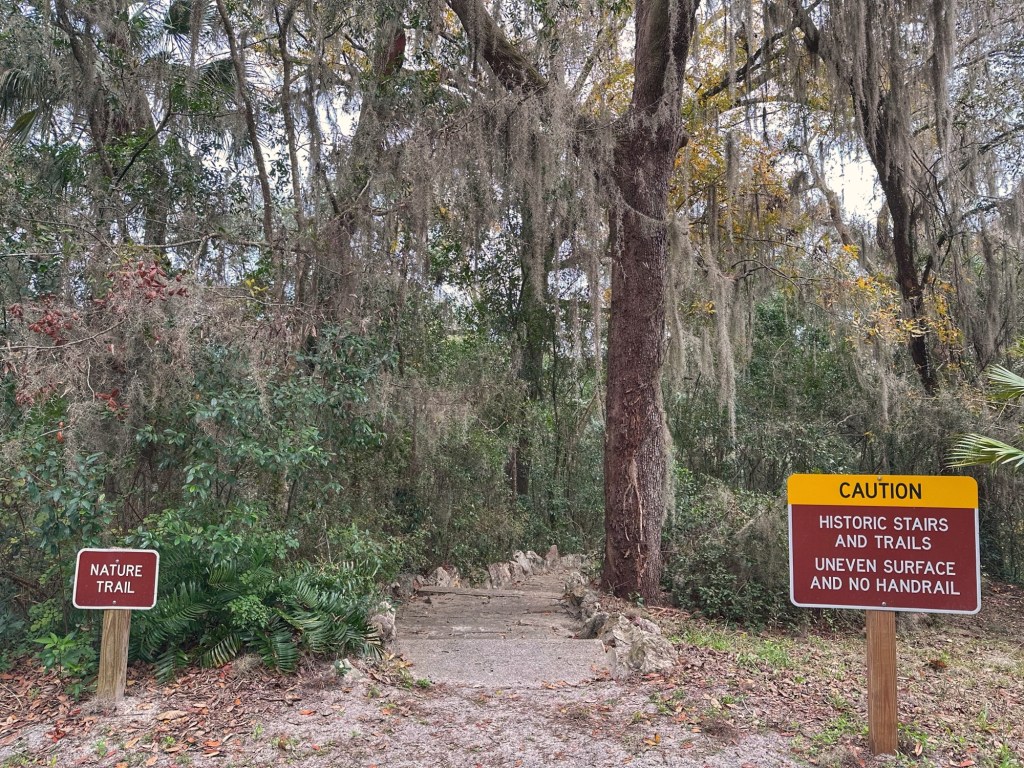
Florida weather in January can be iffy. This January it’s been colder than we remember from past visits. Biking and walking the beach have been a chilly affair. We decided to do a side trip Palatka and checkout the Ravine Gardens State Park.
This 152 acre park contains steelhead ravines surrounding a spring fed stream. Unlike ravines that are created by surface erosion, steelhead ravines are the result of seeping underground water which undercuts the sandy slopes and causing them to collapse.
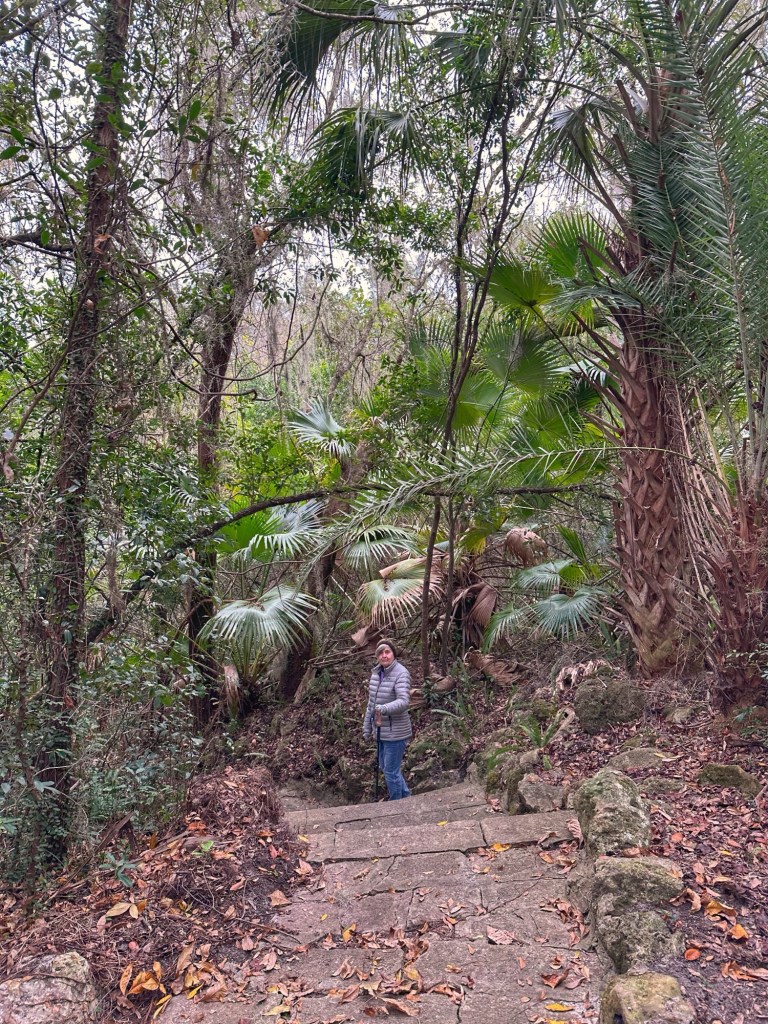
In 1933 the city of Palatka decided to turn the ravines into a formal garden. The Works Progress Administration (WPA) got to work transforming the ravines into formal gardens.
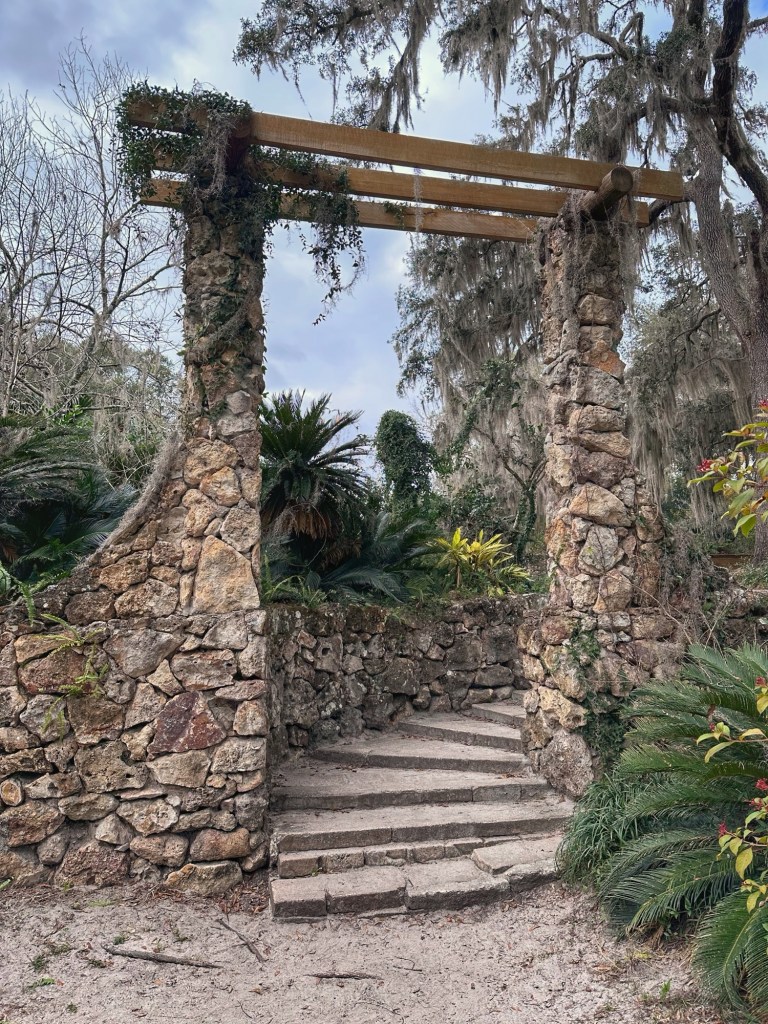
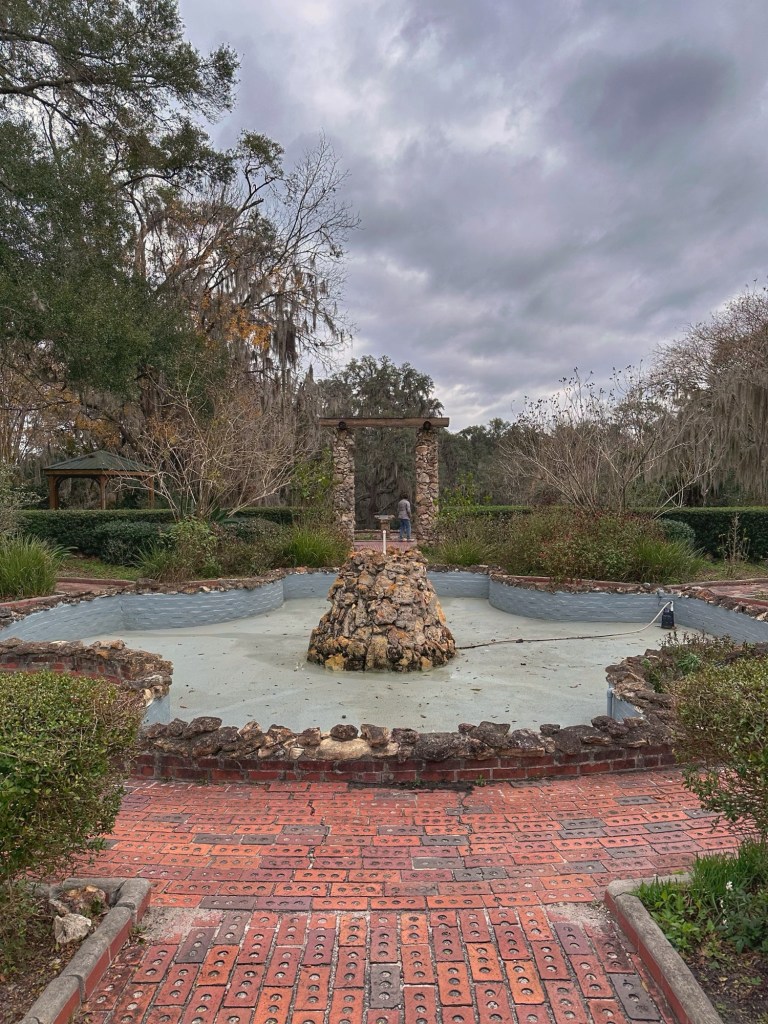
The slopes of the ravines were heavy planted with over 40,000 azalea plants and two suspension bridges were built for viewing the plantings.

The city of St. Augustine has an interesting history and is always a fun place to wander. We started our wandering in the historically black neighborhood of Lincolnville.
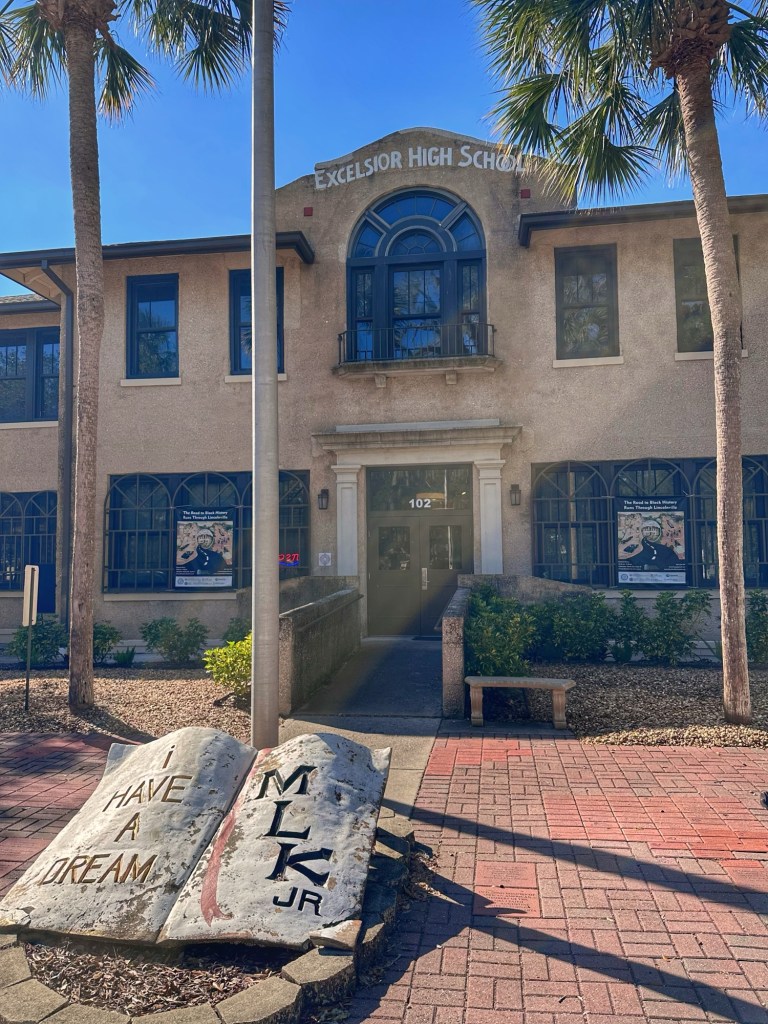
The Lincolnville Museum & Cultural Center

The museum focuses on the vibrant African American community that thrived in St. Augustine. Definitely worth a visit if you find yourself in St. Augustine. (They don’t allow photography in the museum.)

Flagler College

The centerpiece of the college is the former luxury hotel Ponce de Leon. The hotel was built in 1888 by railroad magnate Henry Flagler and is now listed as a National Historic Landmark.
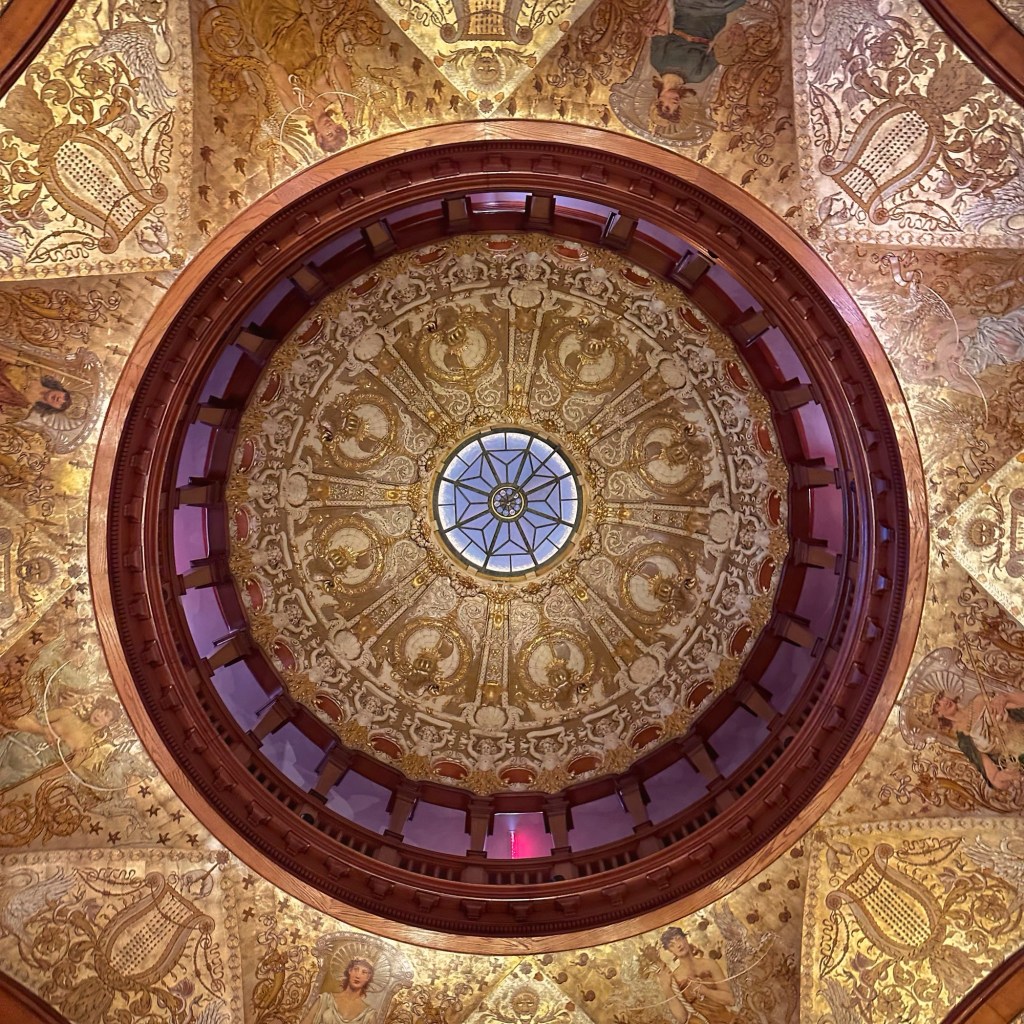
Entryway dome at Flagler College

Adjacent to the state park is the St. Augustine Amphitheater. The parking lot of the amphitheater hosts a popular Saturday Farmer’s Market. Whenever we are camping we check the market out. During this visit we were greeted with a large red, white and blue striped tent.
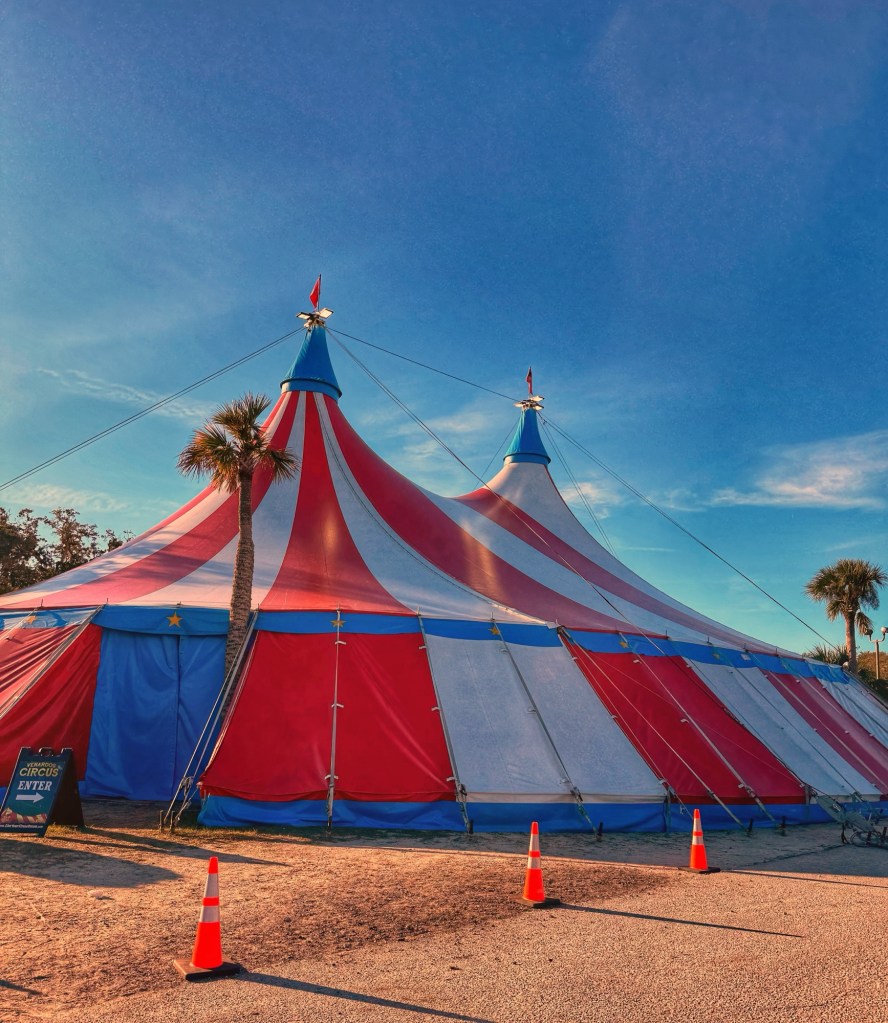
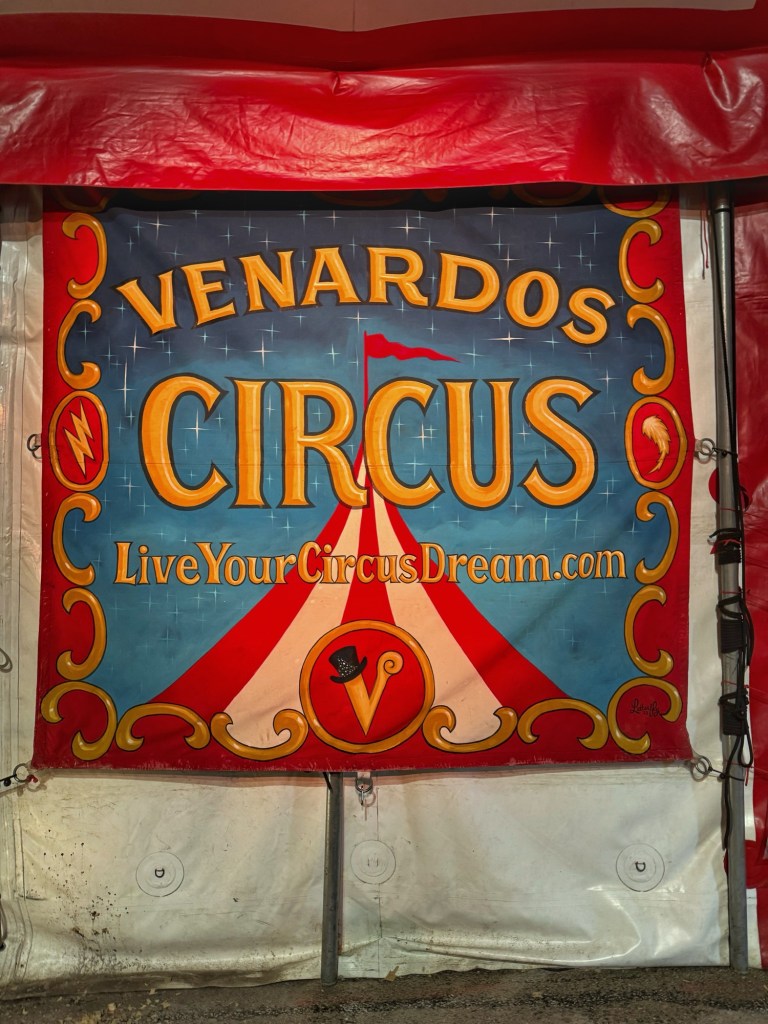
It turned out that a circus was in town. We love the circus and snagged a couple of seats for their final performance.
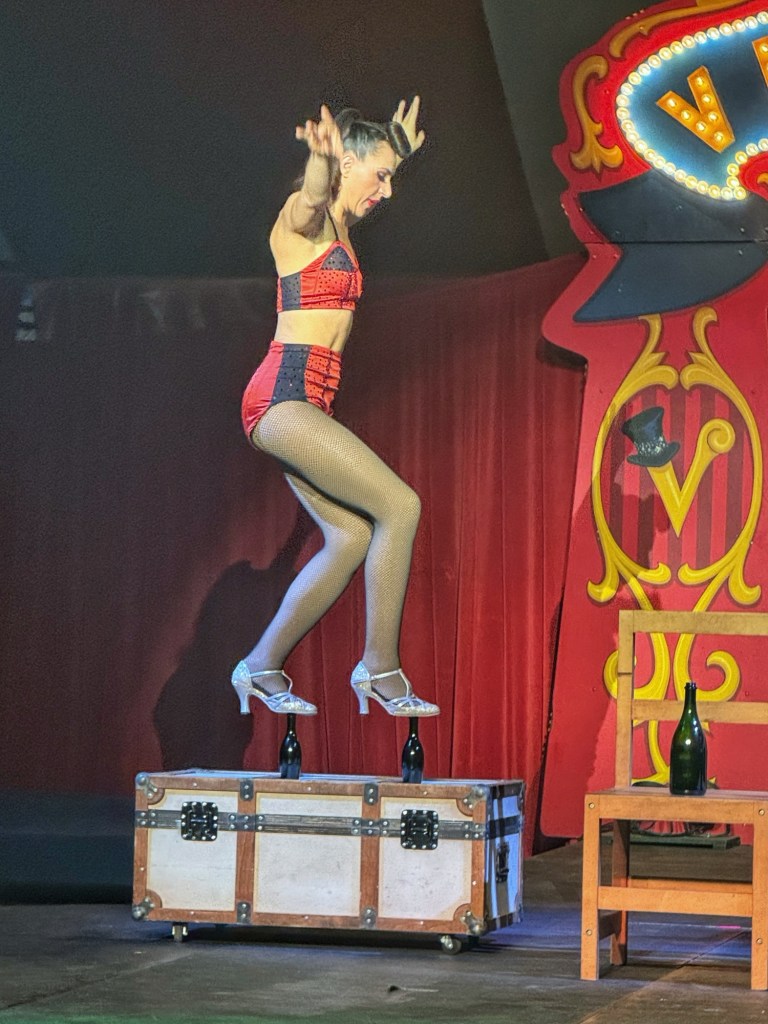
We enjoyed all the performers; the clown, the juggling, the Ring Master, acrobatics and feats of strength, but “Lady Beast” had a unique act that got our attention.
Camping at Anastasia State Park is always a pleasure but we were ready to continue south on the Florida peninsula.
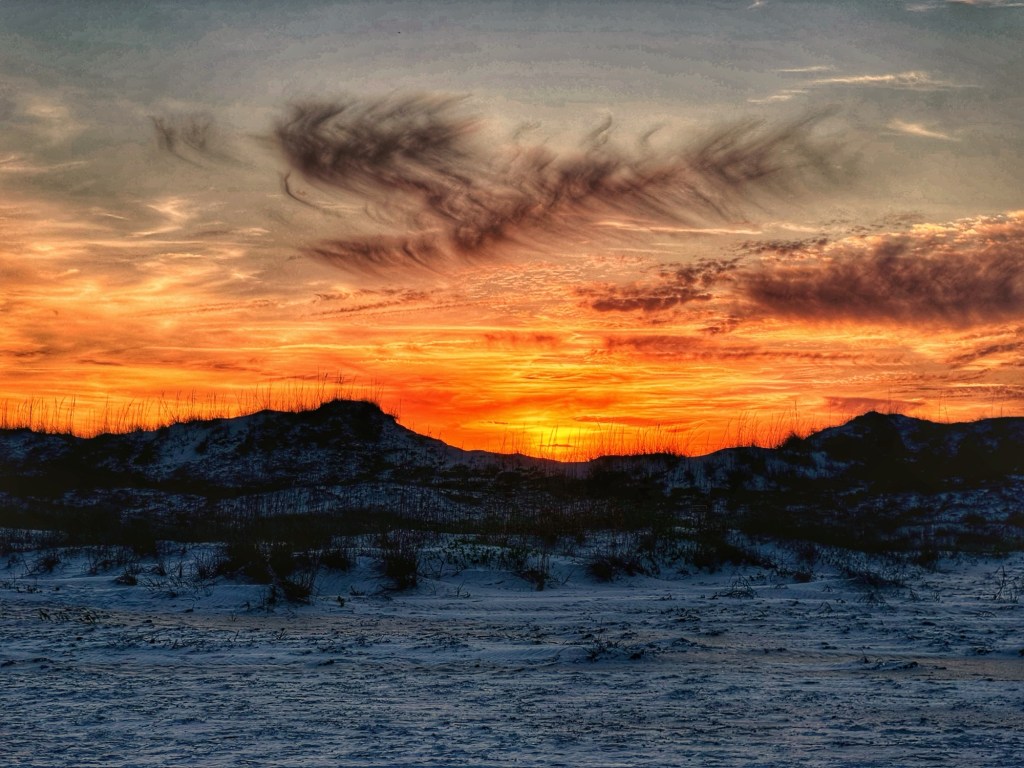
We moved to Wickham Park in Melbourne Florida. This was just a place holder for us while we went to visit our friends Bill and Sandy in Vero Beach.
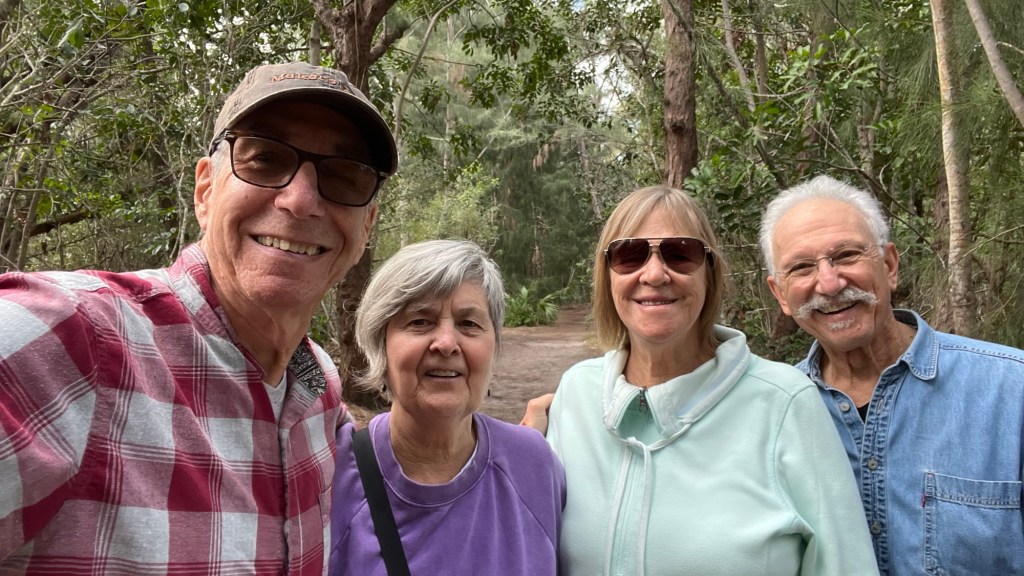
From Melbourne we travelled further south to Jupiter and Johnathan Dickinson State Park.
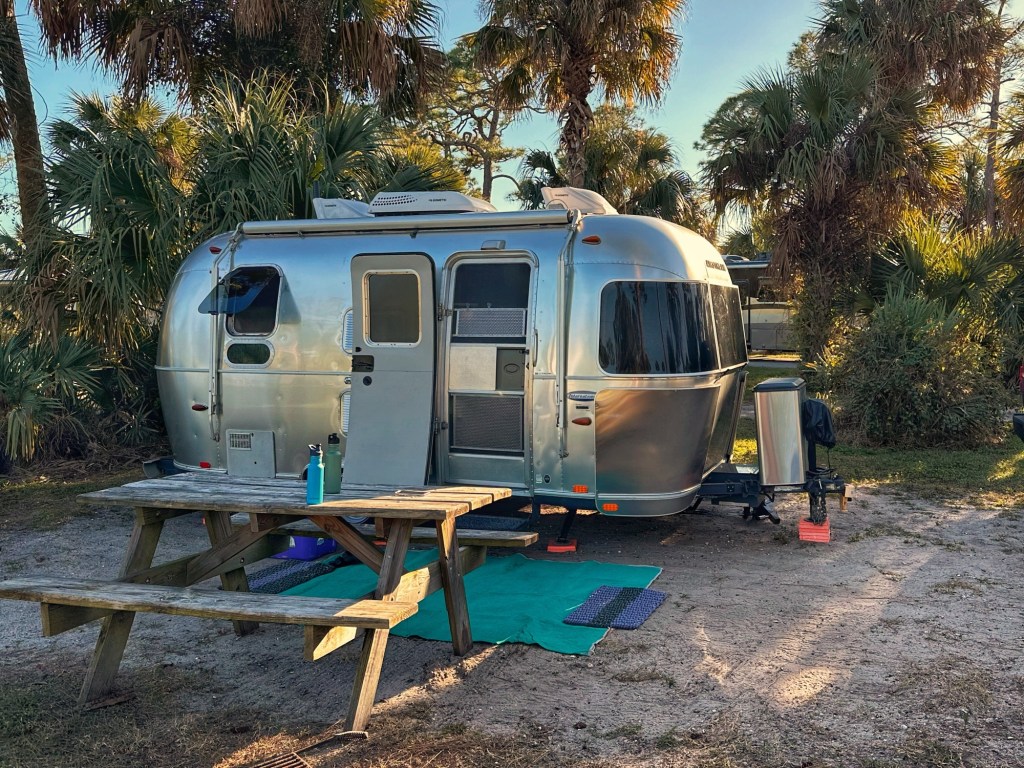
Site 99RC

Johnathan Dickinson is Florida’s largest state park in Southeast Florida. The park offers a variety of activities from hiking, biking or paddling along the Loxahatchee River which runs through the park.
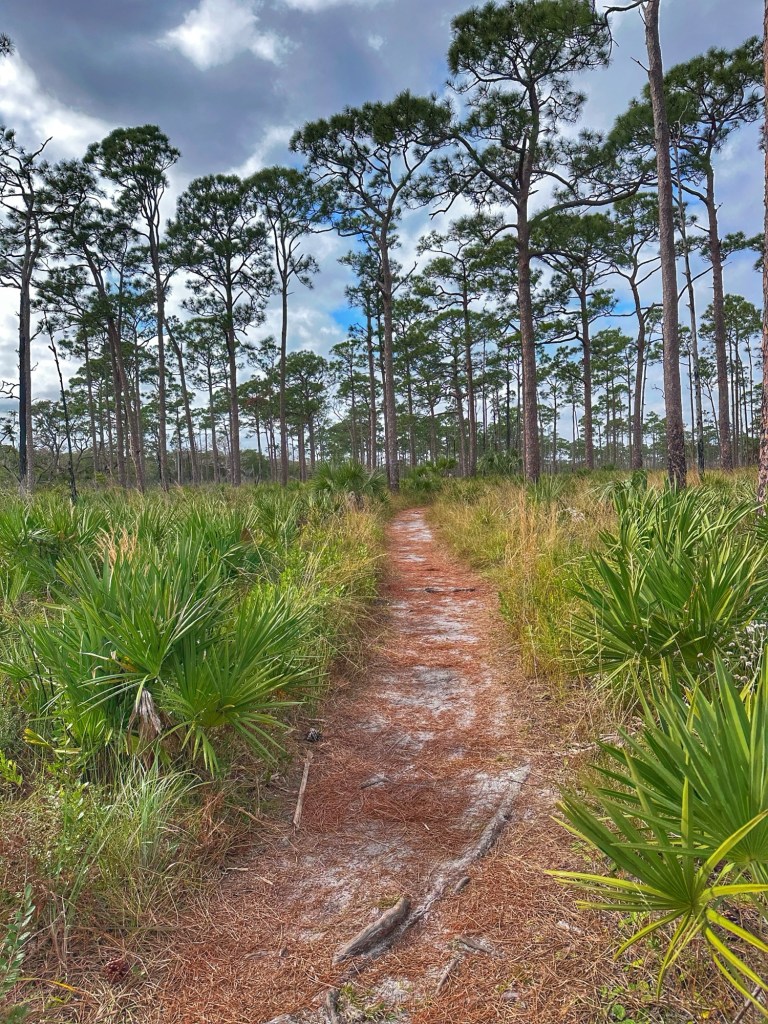
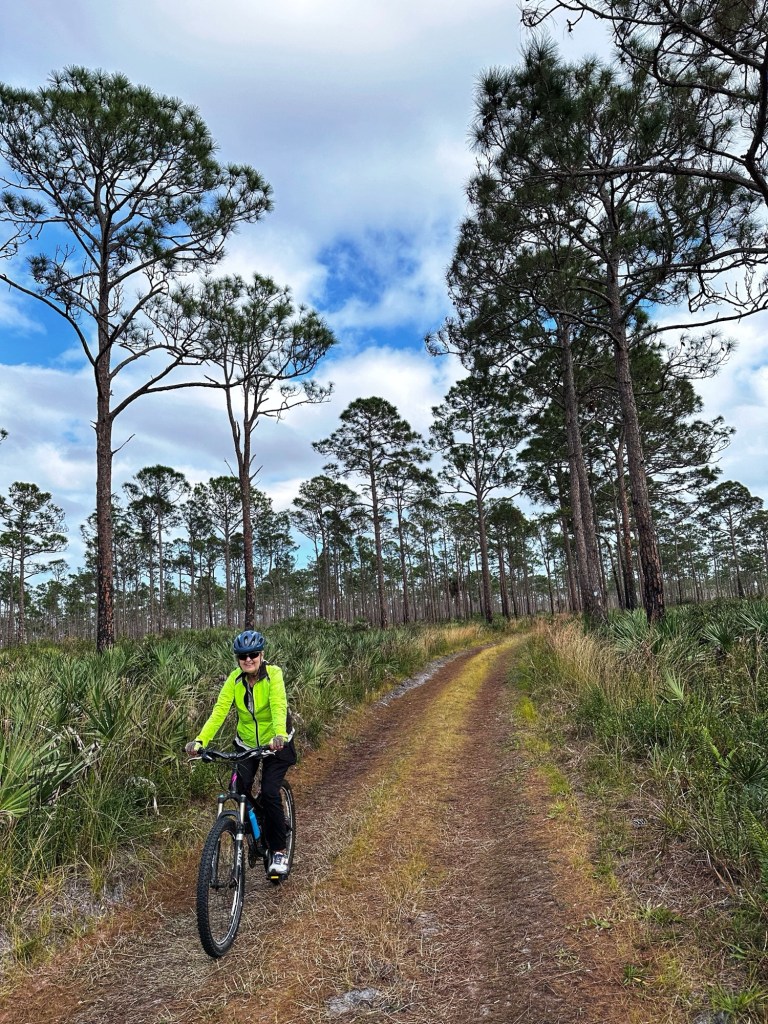
We shared the trails with some of the local residents.
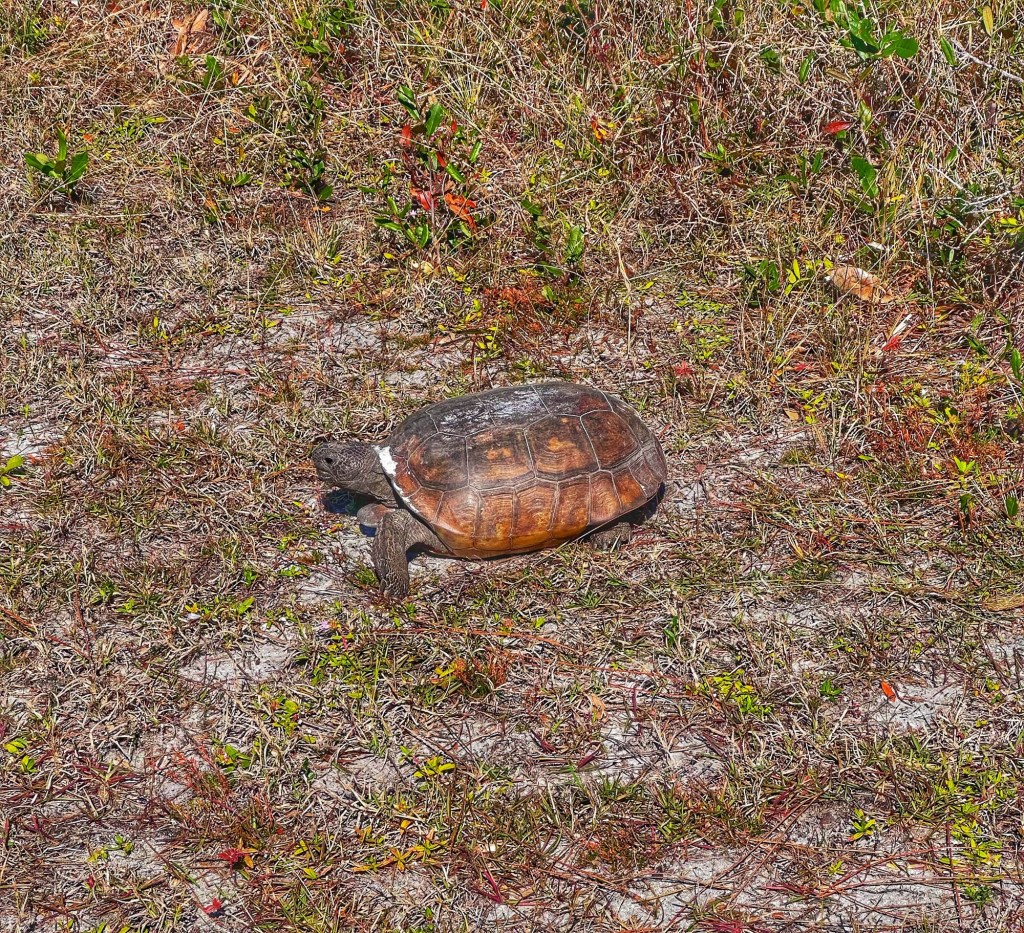
Gopher Tortoise
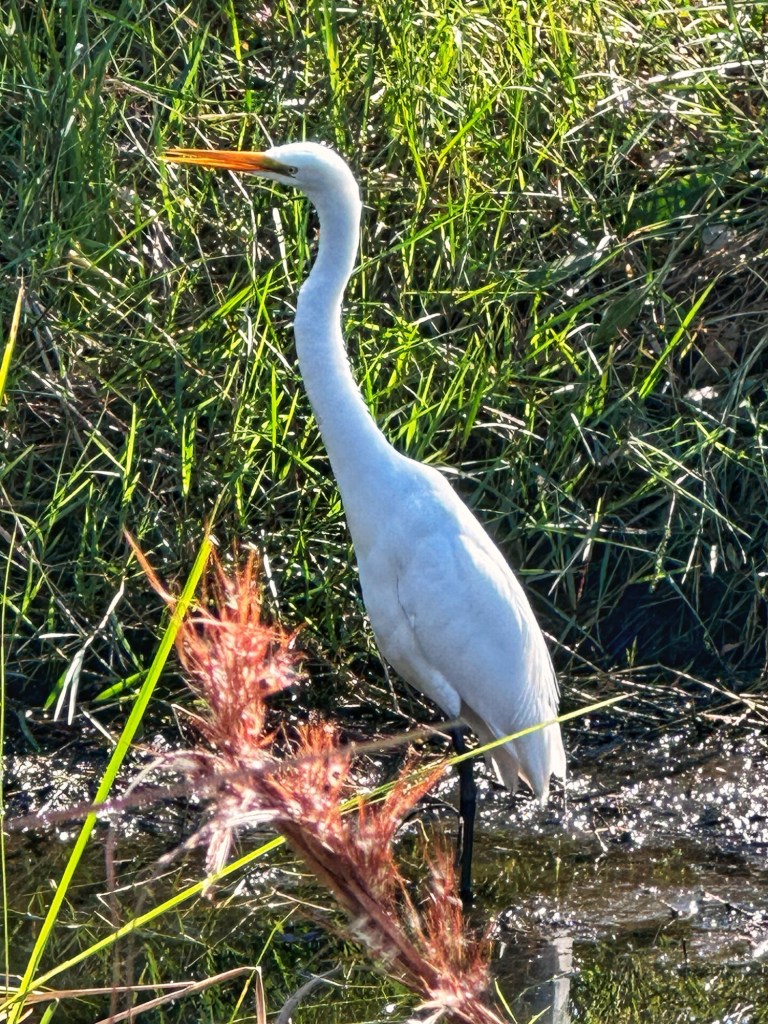
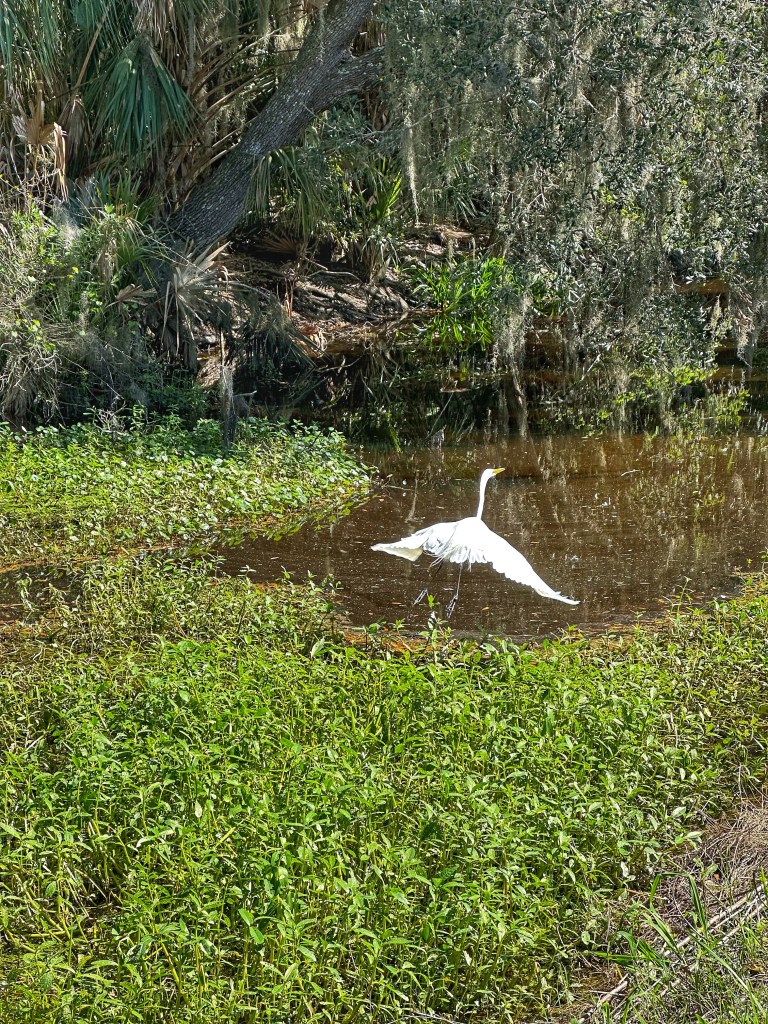
Great Egret

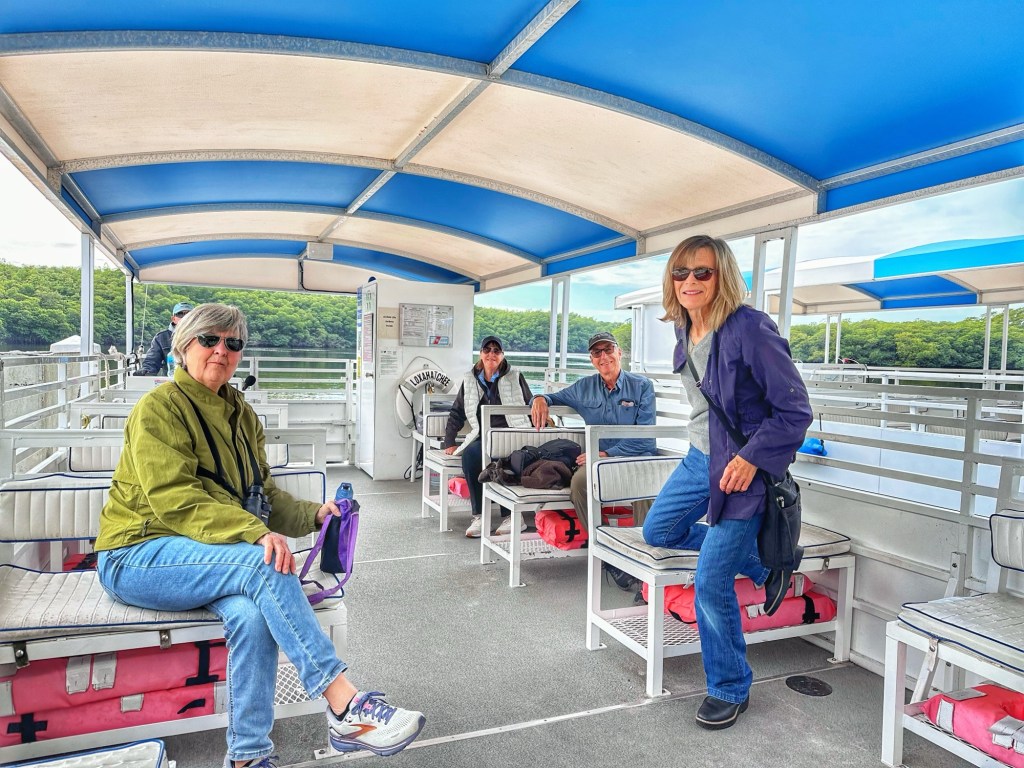
One of Pat’s high school friends, Lynne, lives in Jupiter and stopped by to spend the day. In addition, Bill and Sandy brought ther camper to the park to spend a few days. We booked a boat tour of the Loxahatchee River. The weather was cold and windy so we had the boat to ourselves.
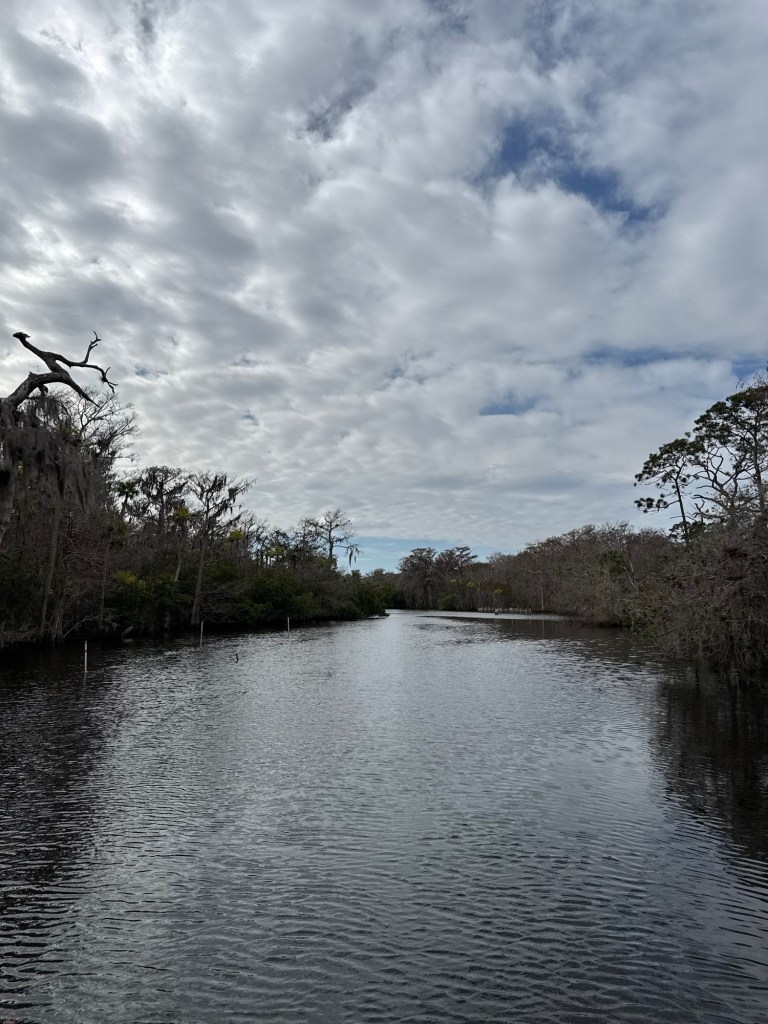
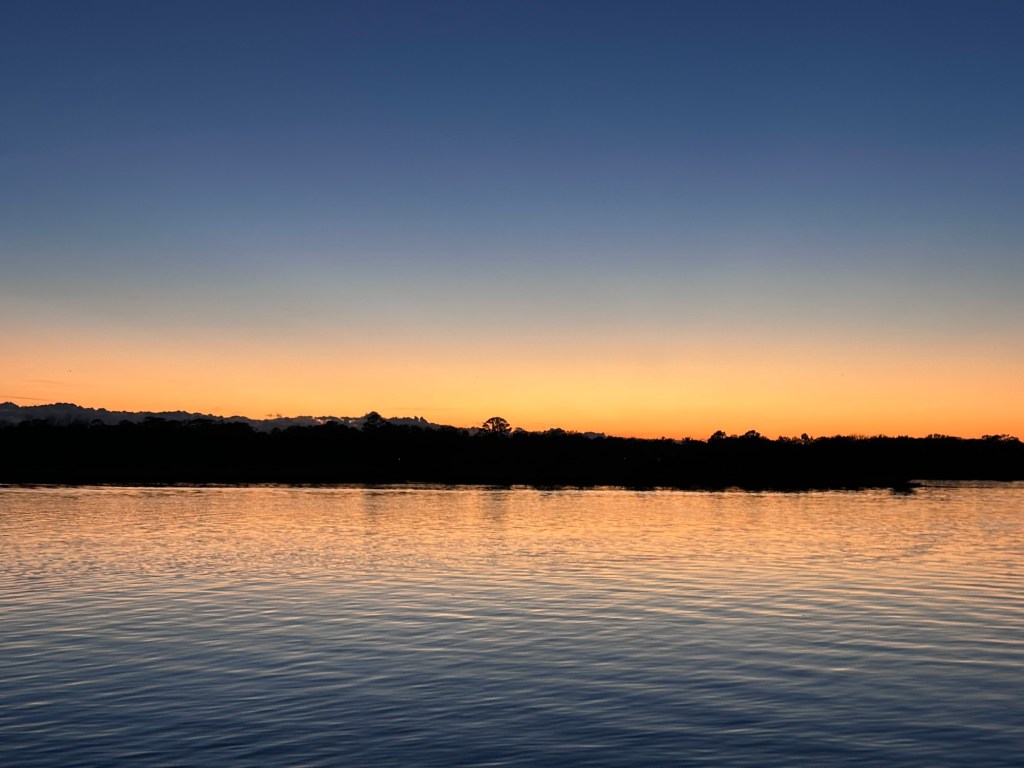
The Loxahatchee River at dusk

We left Jupiter and headed north toward Ormond Beach and Tomoka River State Park hoping for warmer weather.
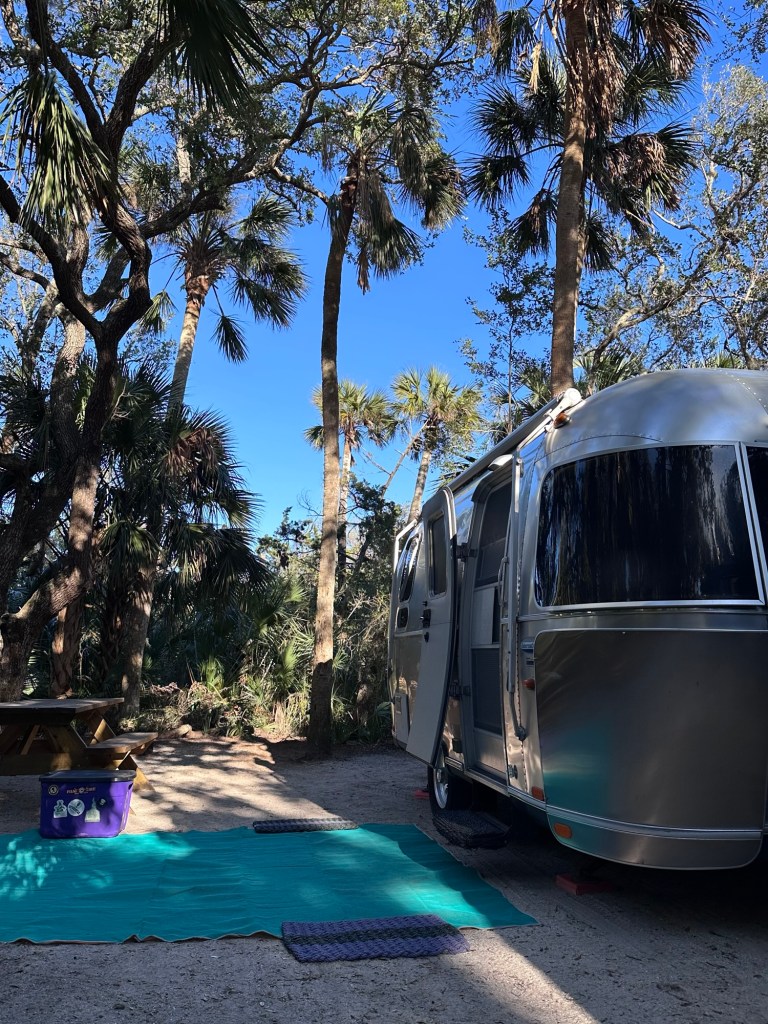
Site 37

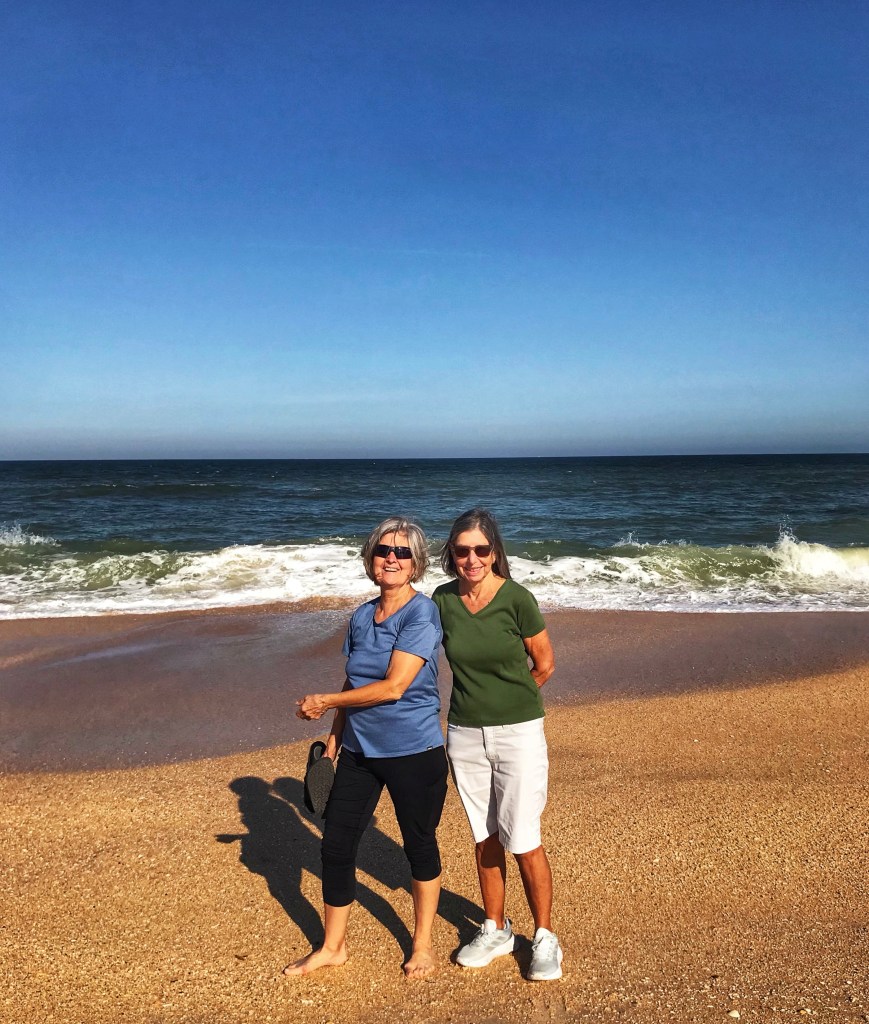
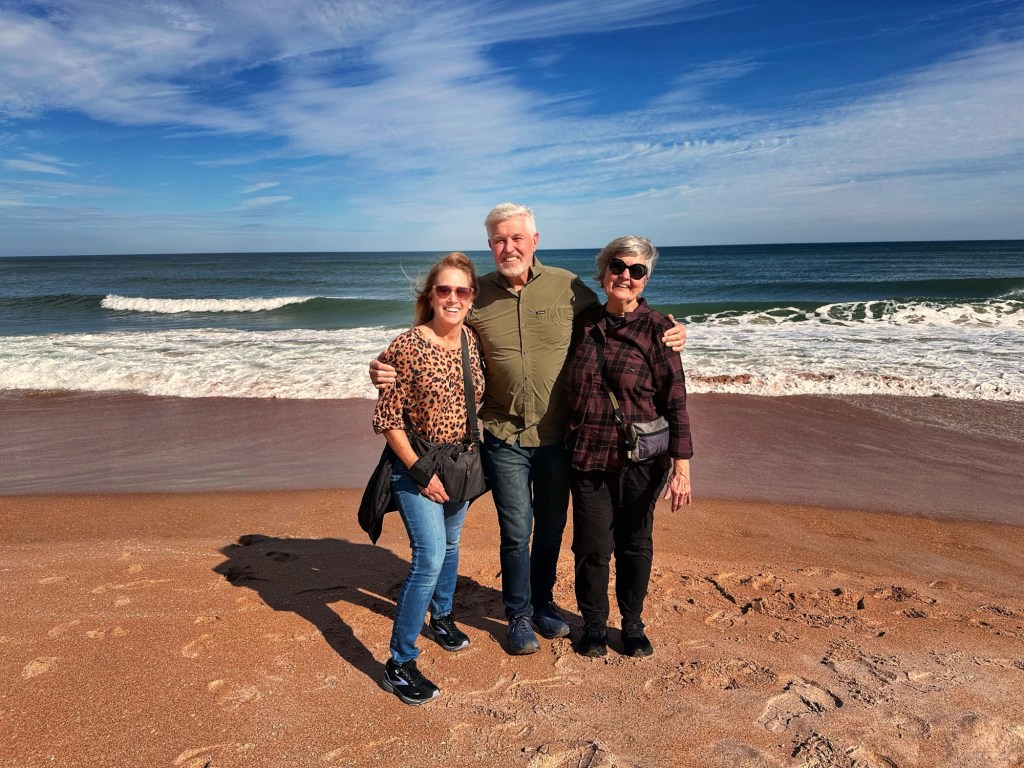
We lucked out with the weather during a beach visit with Pat’s brother Mike and his wife Donna.
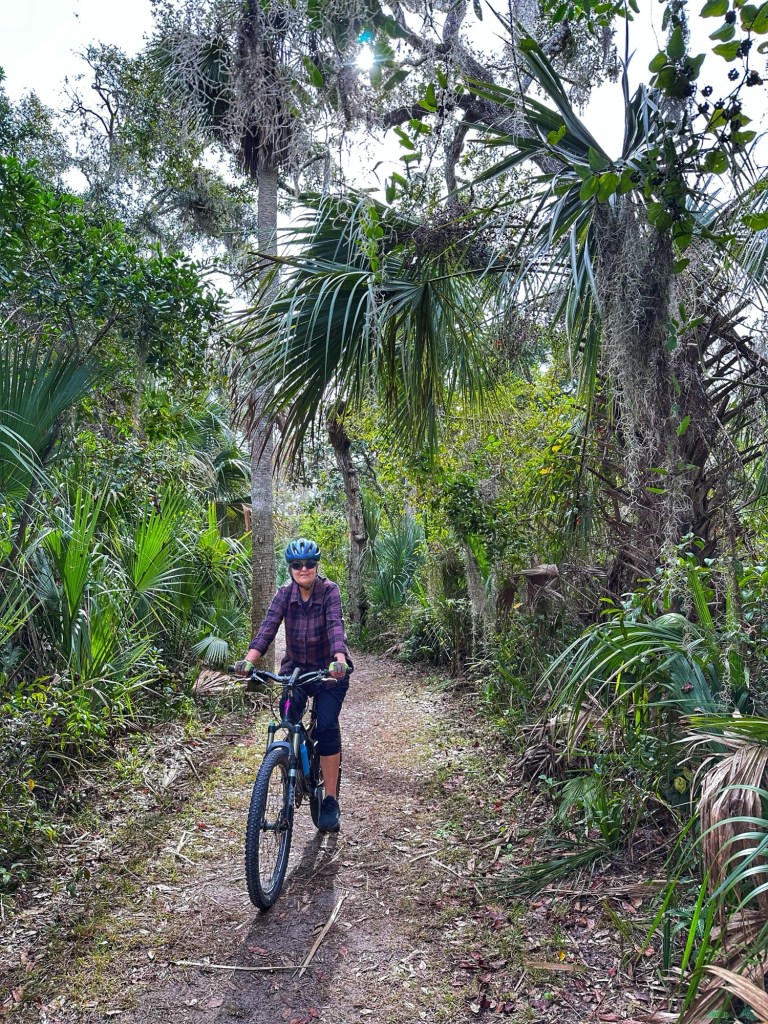
Unfortunately, that warm weather was short lived, replaced with colder temperatures and rain. In between rain showers we managed to get out on our bikes and do some hiking.
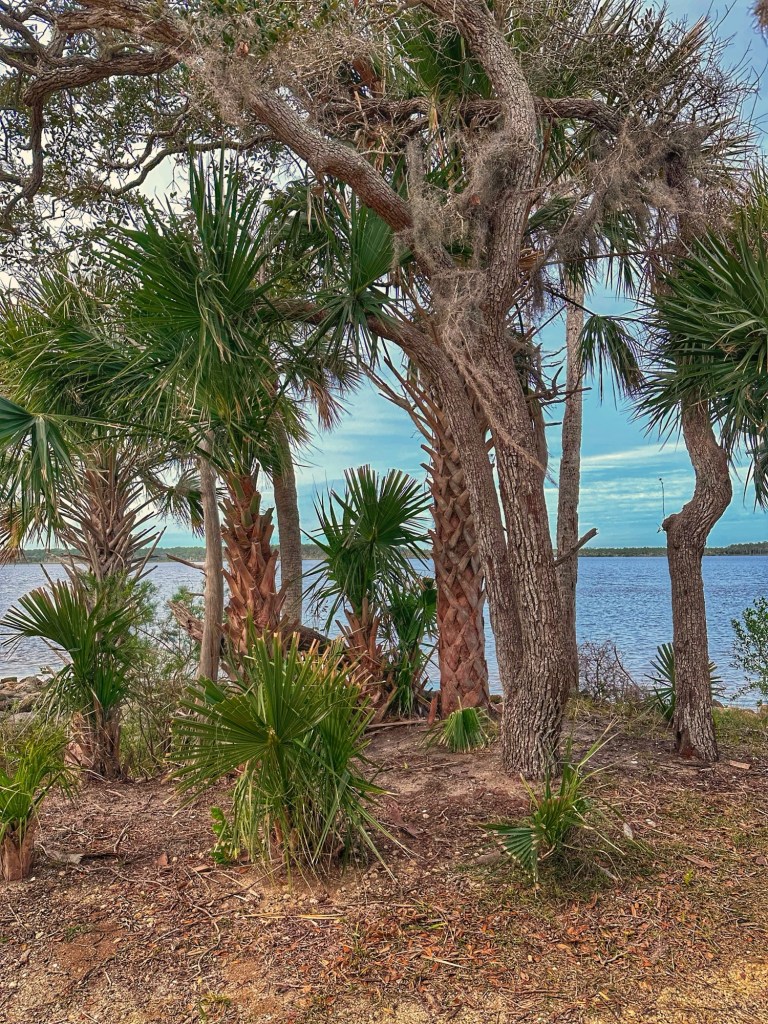
Tomoka Point

Tomoka Point was the location of the Timucua Indian village of Nocoroco. It was the first Indian Village south of St Augustine encountered by the Spanish in 1605. At the time of European contact the Timucua population in Florida was in the tens of thousands. By 1698 exposure to European diseases reduced those numbers to less than 1000. The last known Timucuan died in 1767.
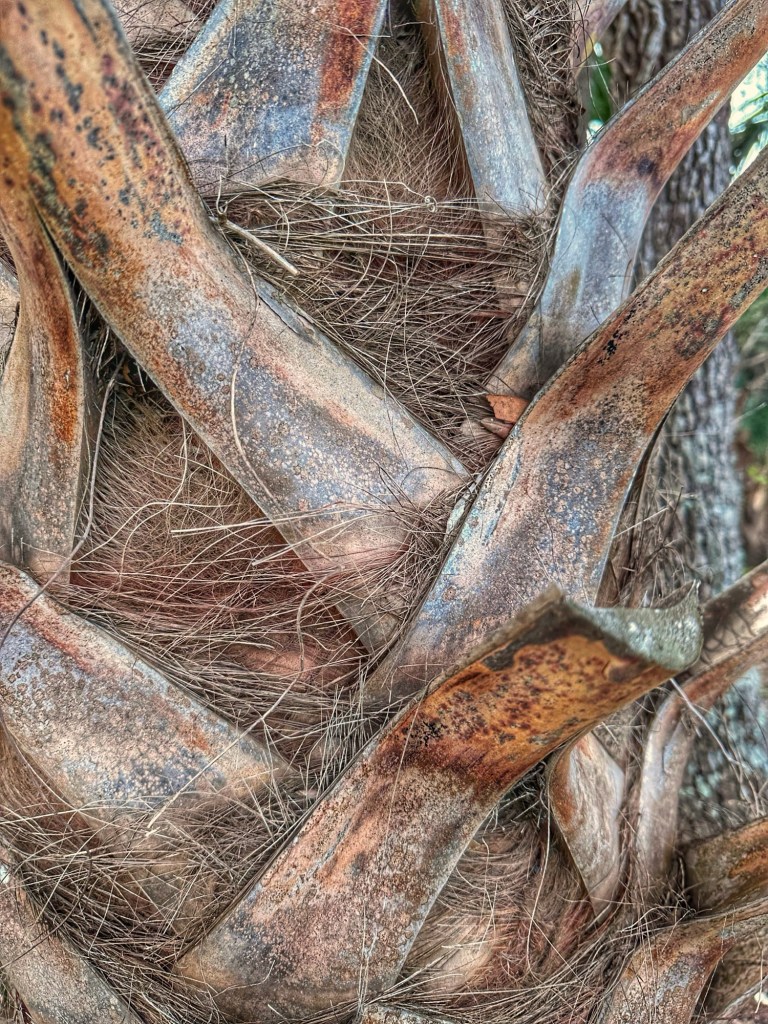
Sable Palm
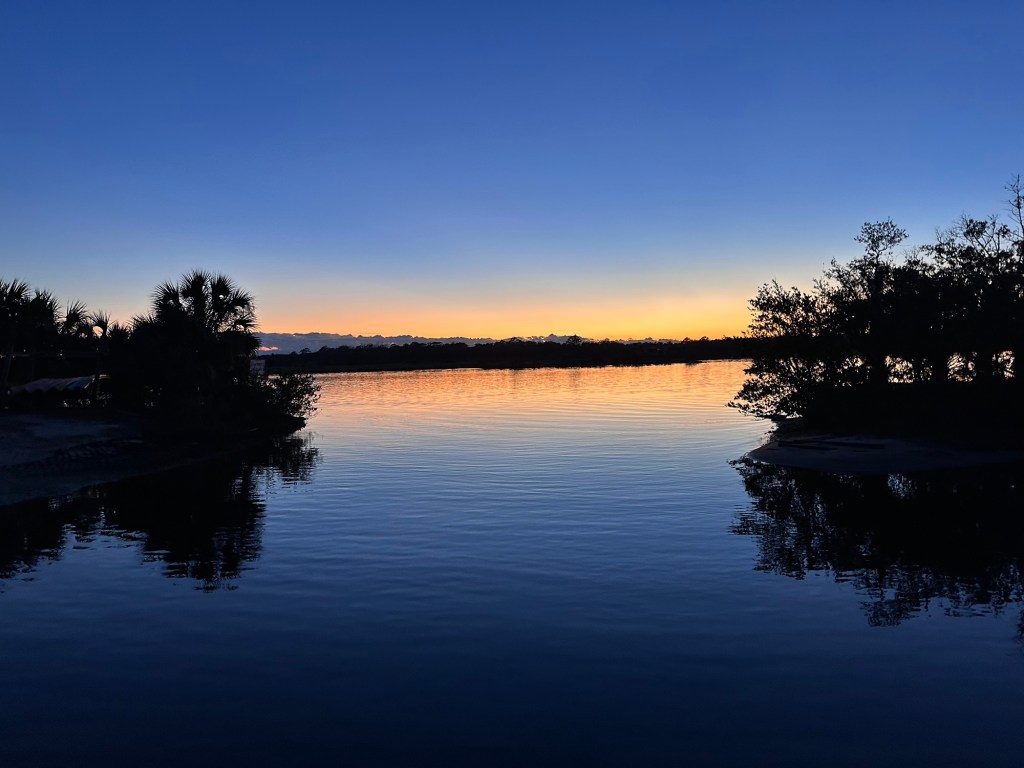
The Tamoka River at sunset

While the weather wasn’t great we enjoyed our time in the park. We then headed to the Gainesville area, a place we’ve never visited. We booked a spot at a private park, Santa Fe River Palms RV Resort. Private parks aren’t our first choice but this one was conveniently located.
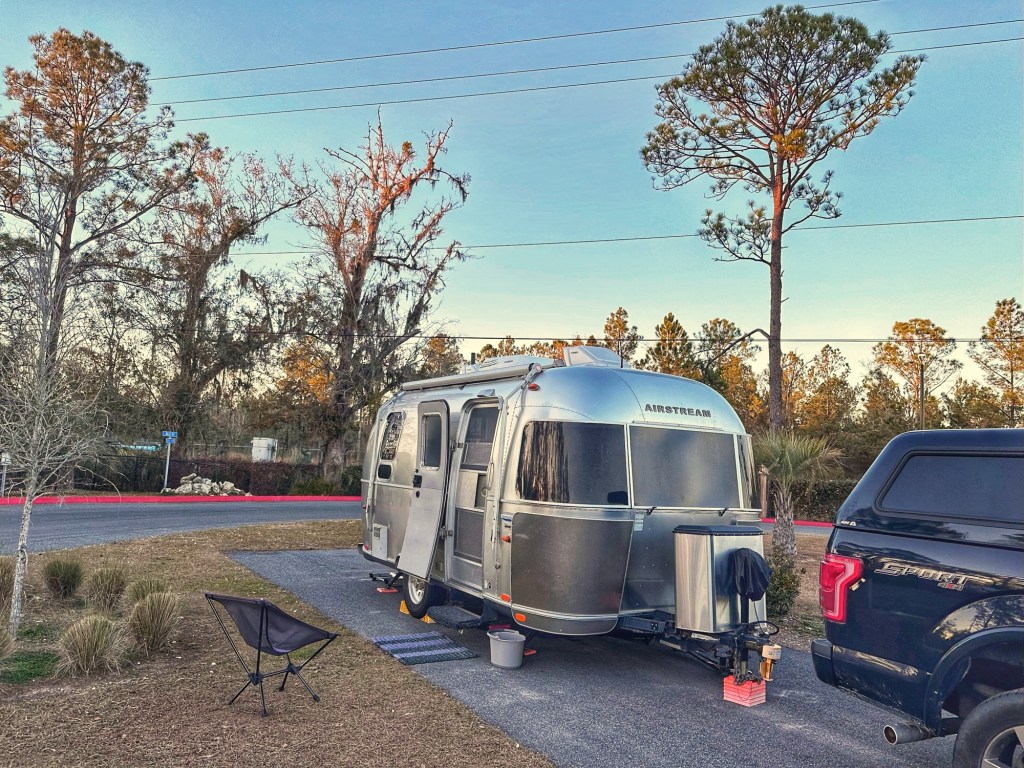
Site 214

The weather in Gainesville did not cooperate during our stay. We needed to disconnect our water for three consecutive nights to avoid damaging our water lines. One morning we awoke to 25 degrees~not the weather we had hoped for. The cold temperatures had us searching for some interesting indoor activities.
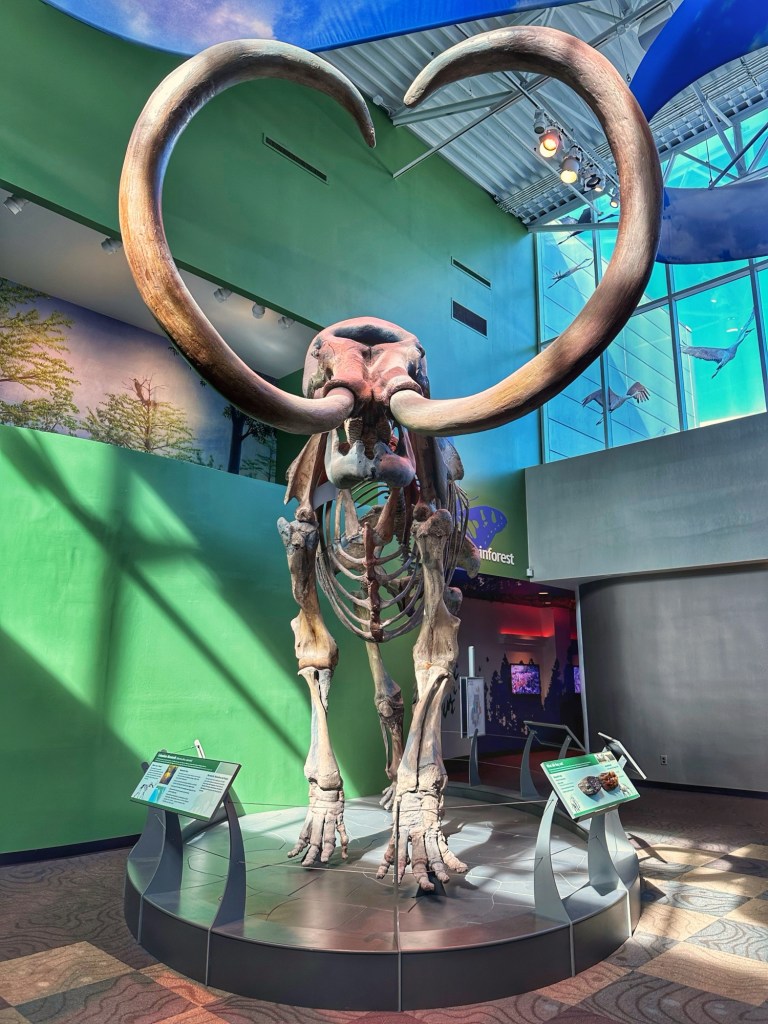
Columbian Mammoth

The Florida Museum of Natural History is located on the campus of the University of Florida and has an extensive collection of mammalian fossils. The above Mammoth skeleton was uncovered in the Florida panhandle and dates back 10-12,000 years.
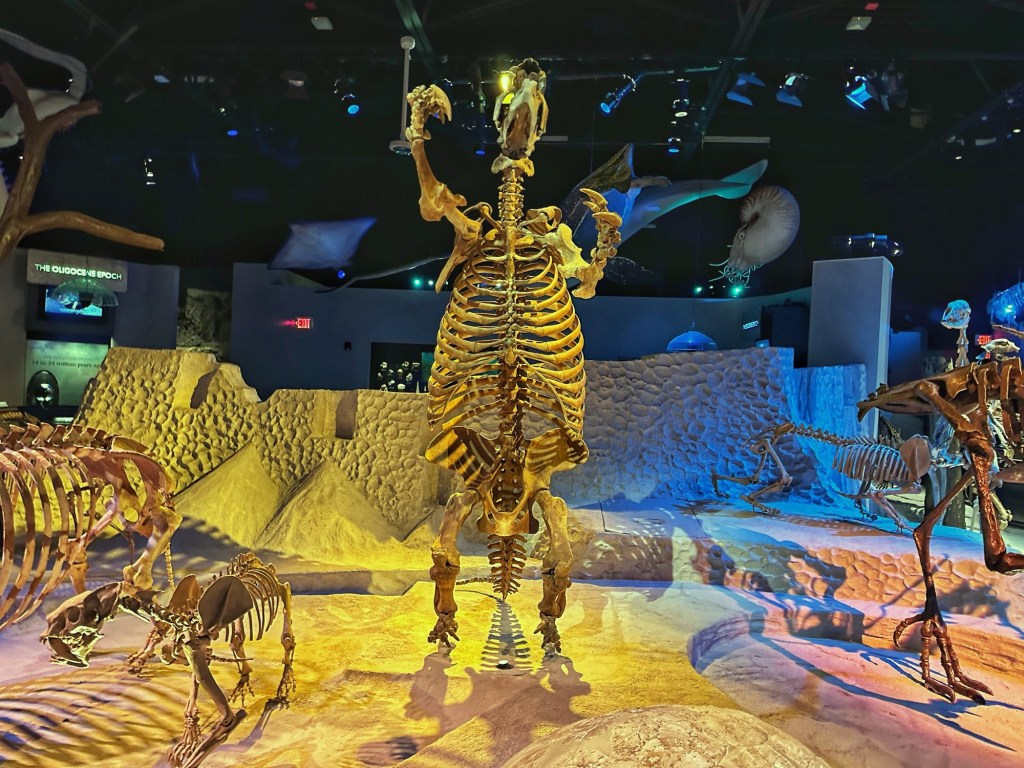
Giant Sloth

Interestingly no land dinosaur bones can be found in Florida. Why? During the time of Dinosaurs, 65 million years ago, Florida was under water.
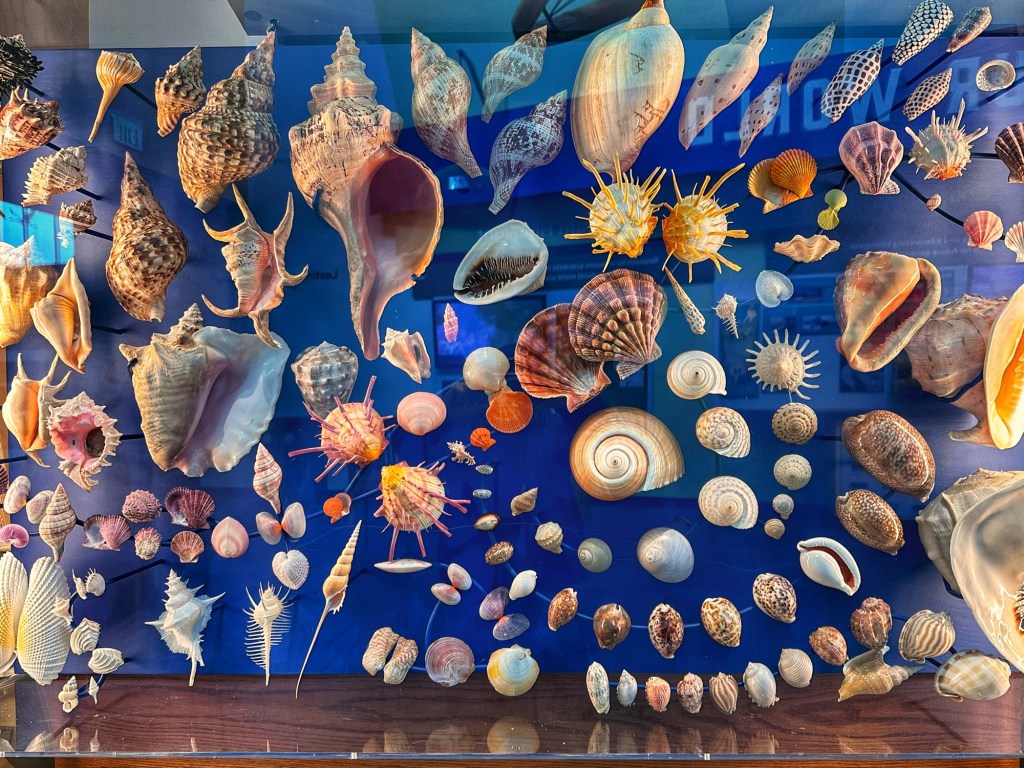
Part of the museum’s Florida shell collection

Next to the Natural History Museum is the Samuel P. Harn Museum of Art. The museum’s ten galleries opened in 1990.
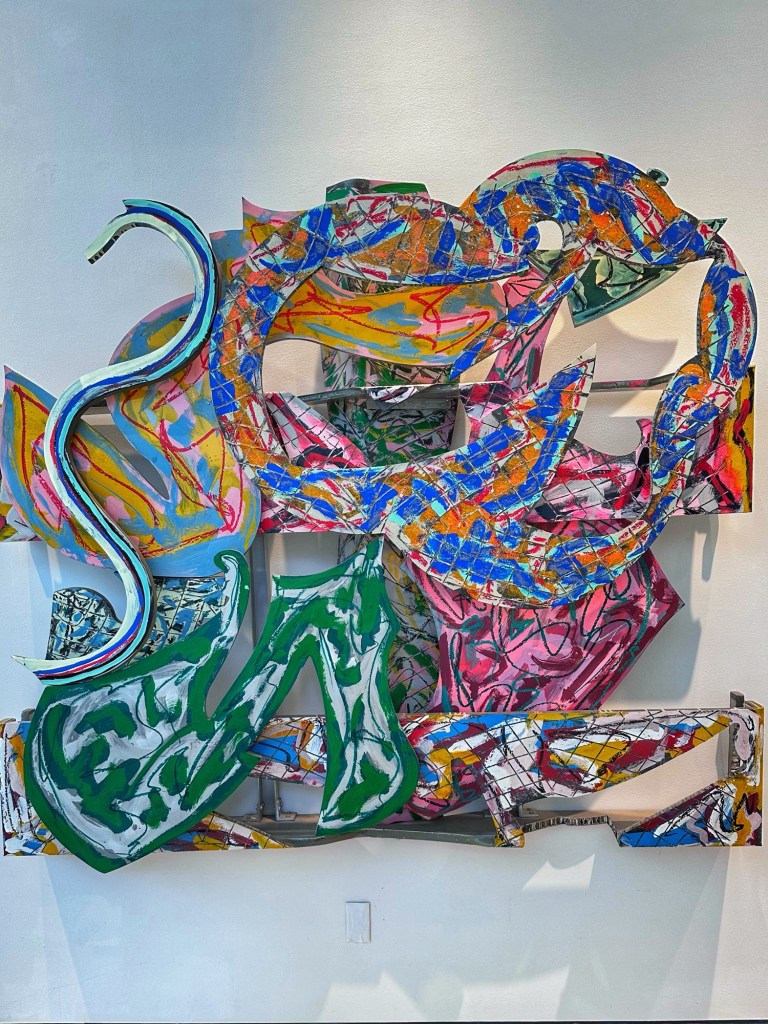
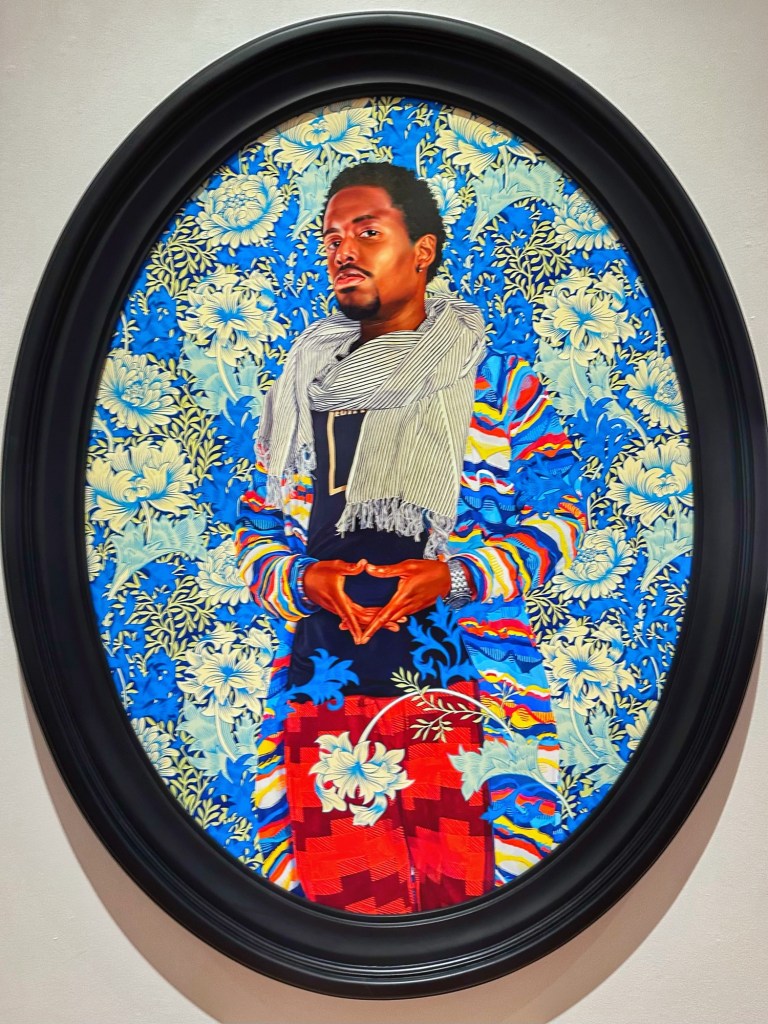
Frank Stella- Zandvoort 1981
Kehinde Wiley- Margret,Countess of Blessington 2018
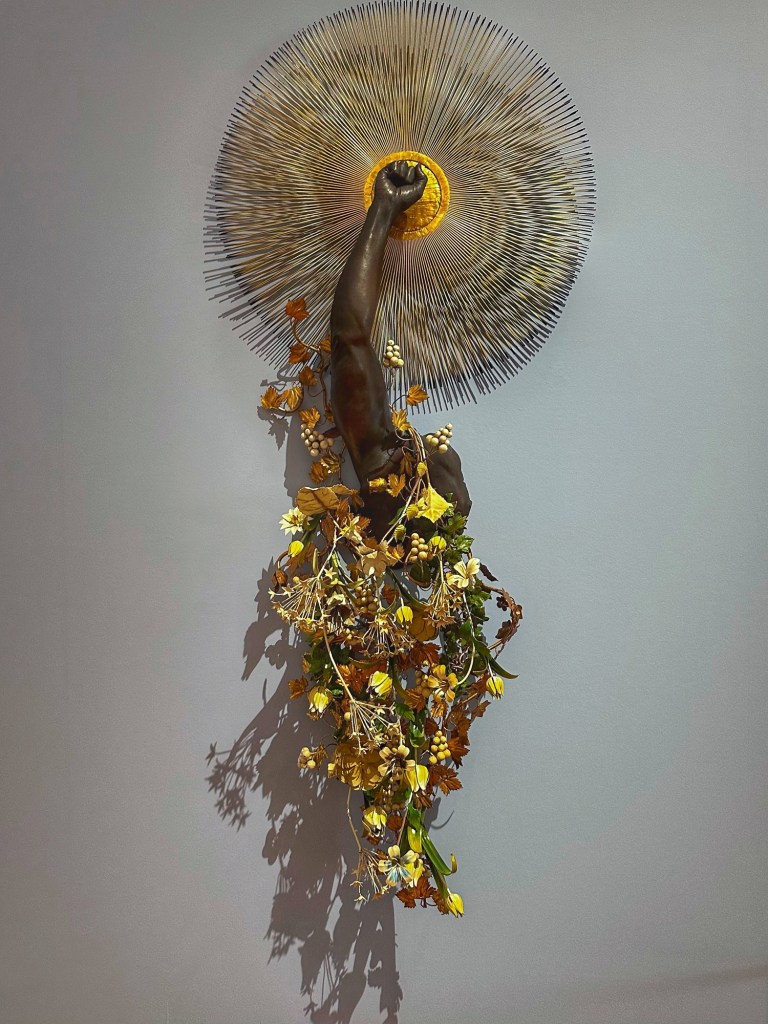
Nick Cave- Arm Peace 2018
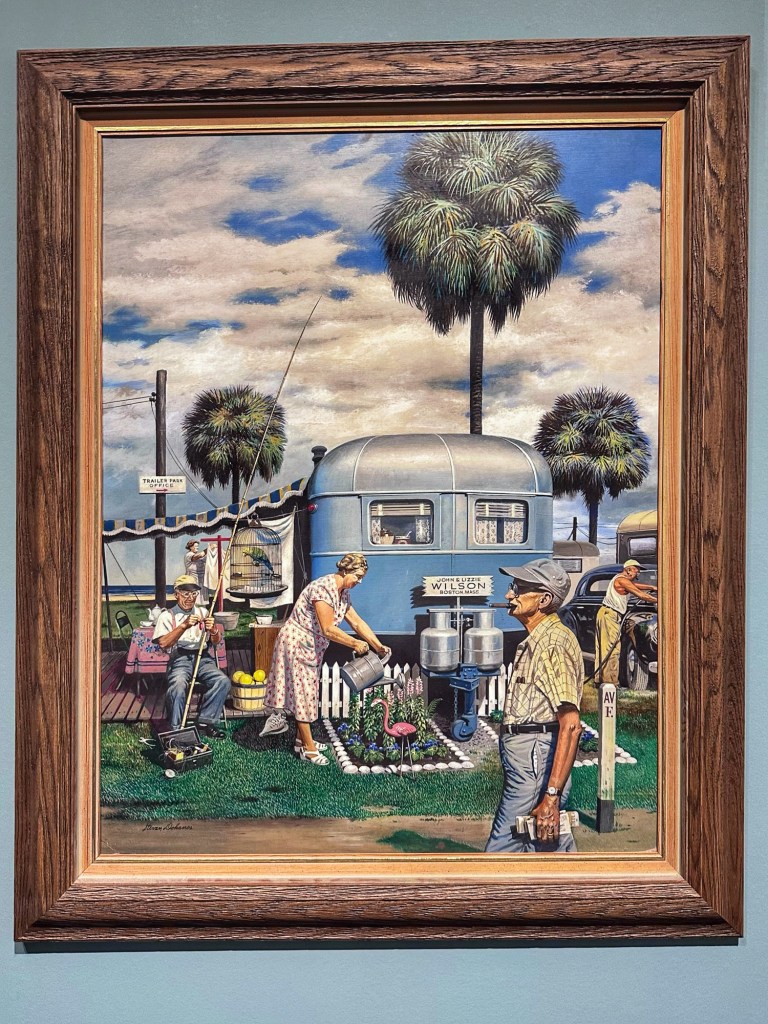
Stevan Dohanos- Trailer Park Garden 1951

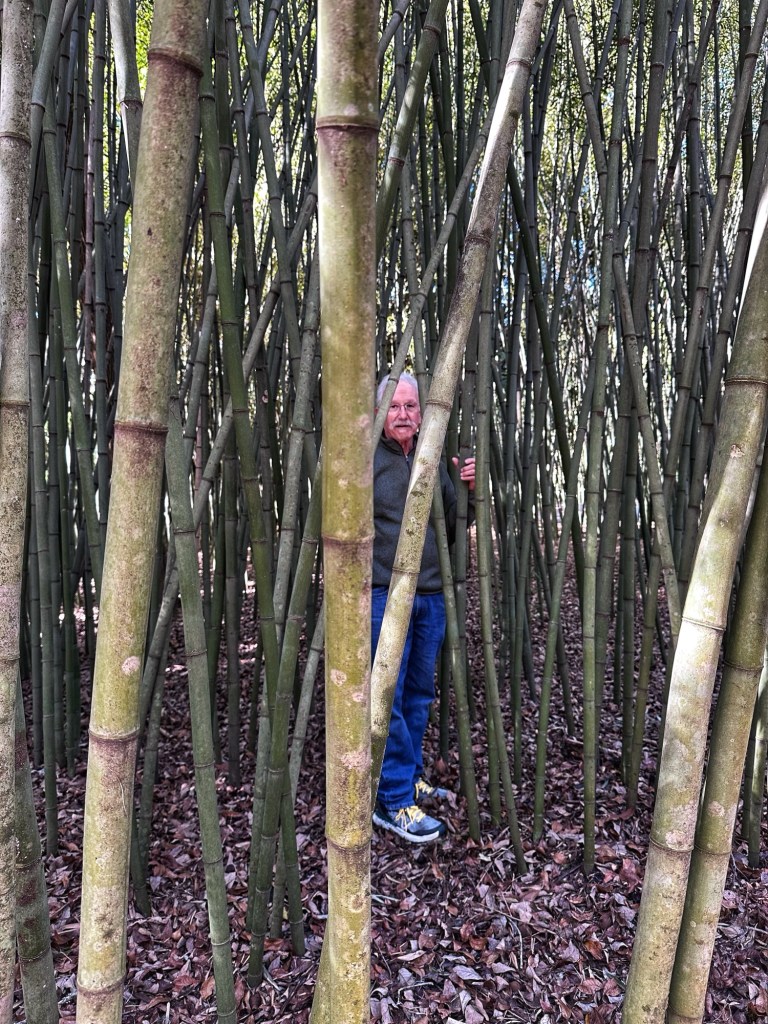
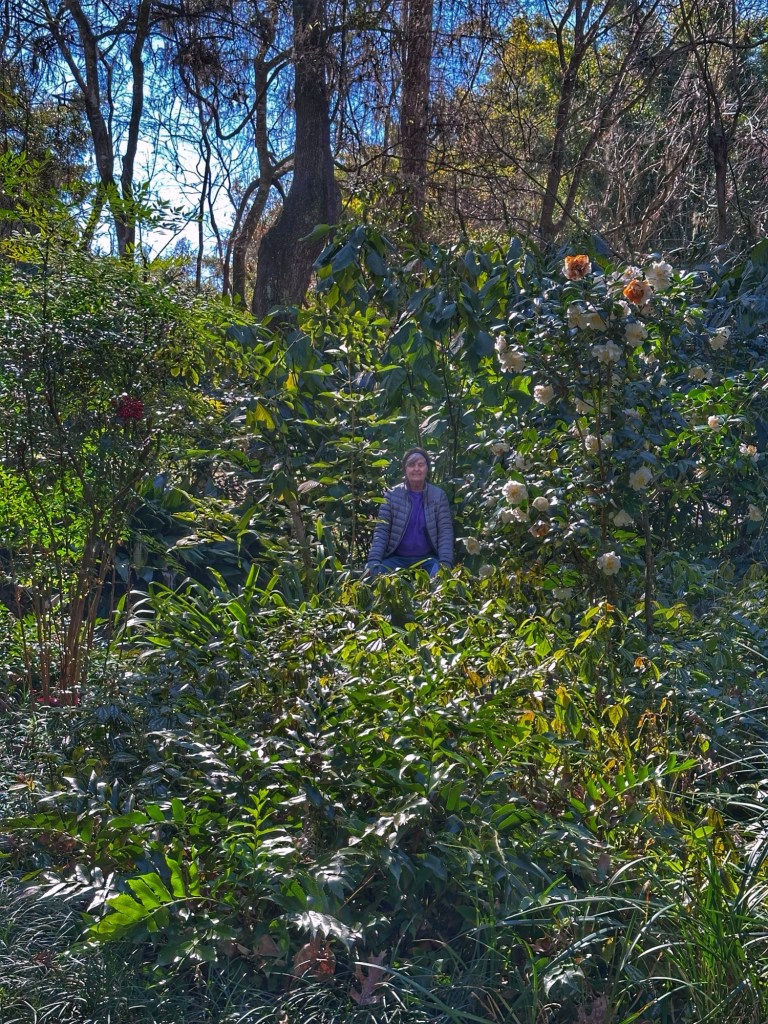
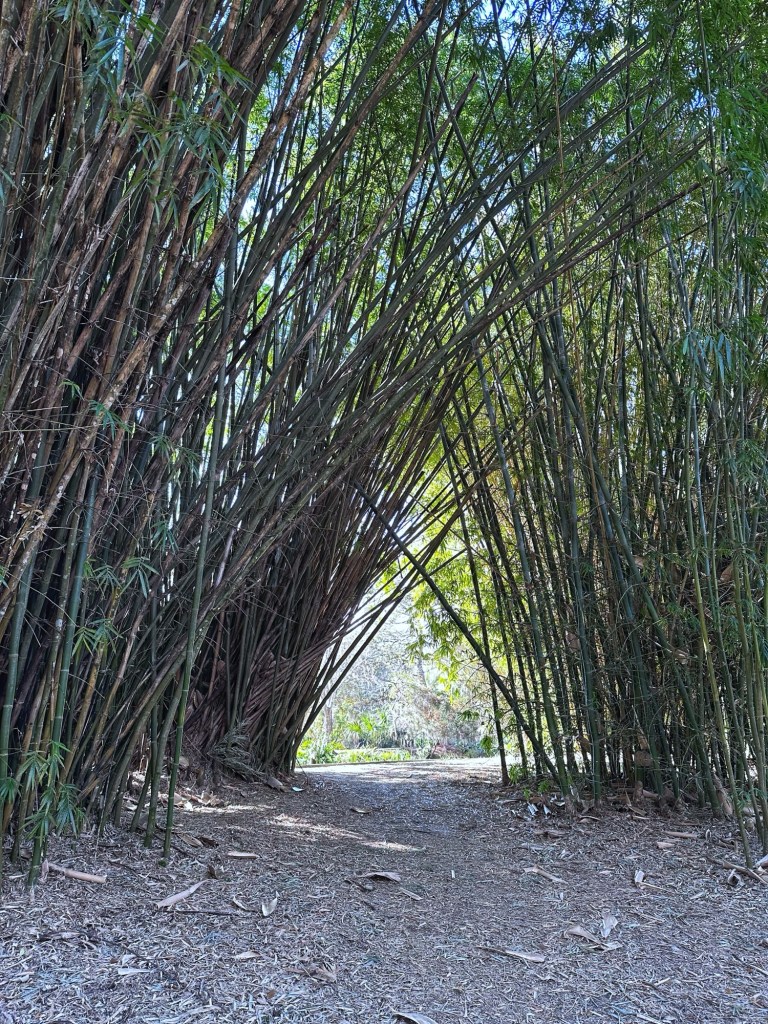
Even though the weather conditions were not ideal we decided to wander the Kanapaha Botanical Gardens. This 68 acre facility has 24 major collections that are visually accessible along 1 1/2 mile paved walkway. This includes the state’s largest public display of bamboos as well as the largest herb garden in the Southeast.
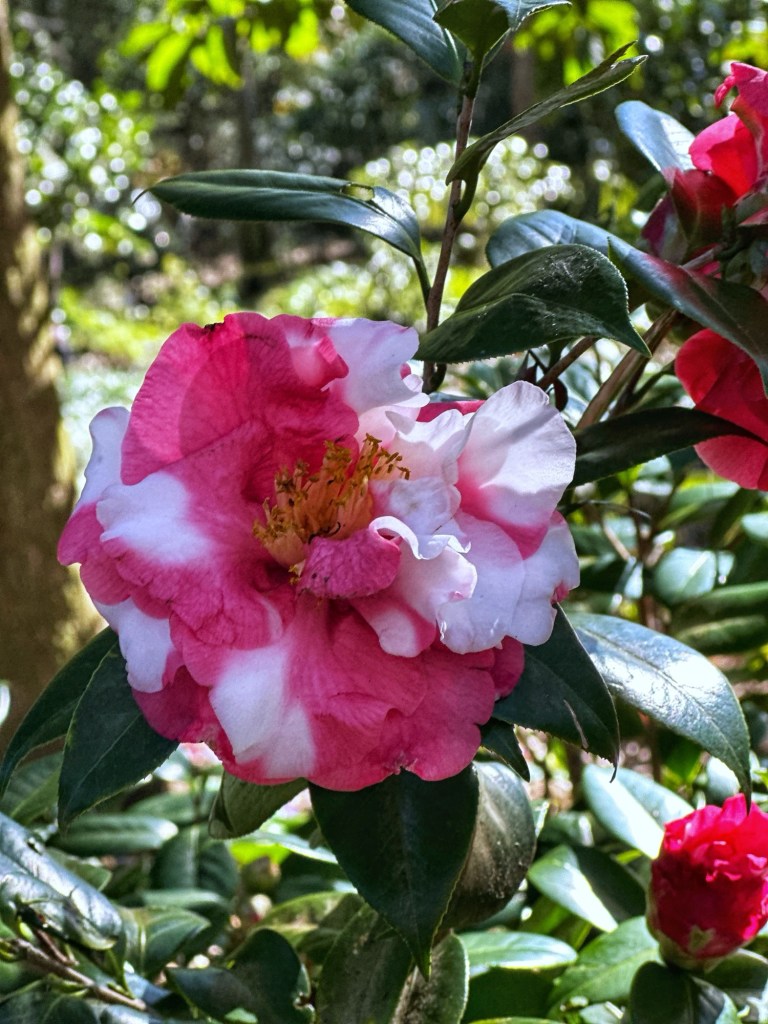
Camellia
Aechmea Bromeliifolia
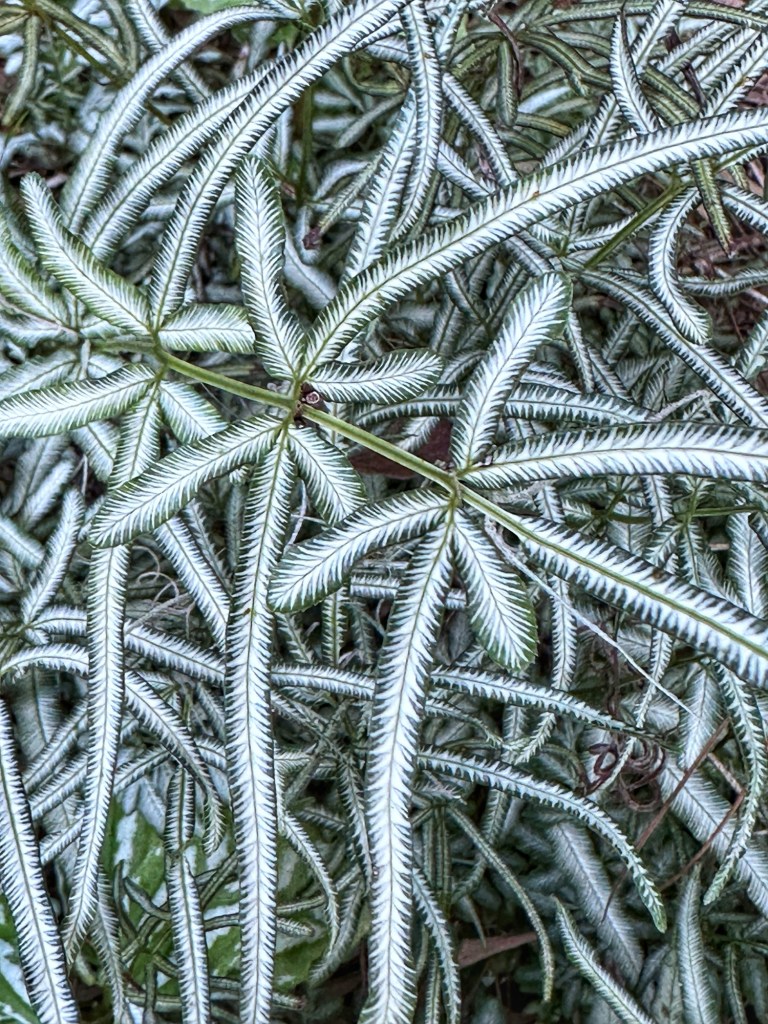
Unidentified Vascular Plant
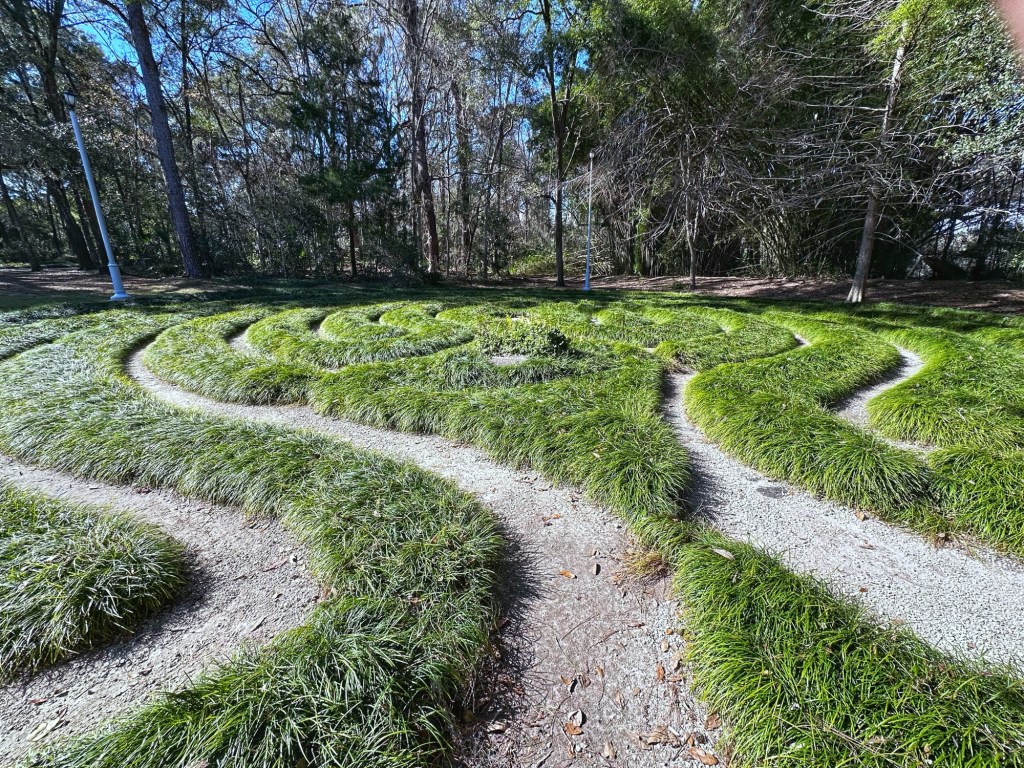
The garden’s labyrinth
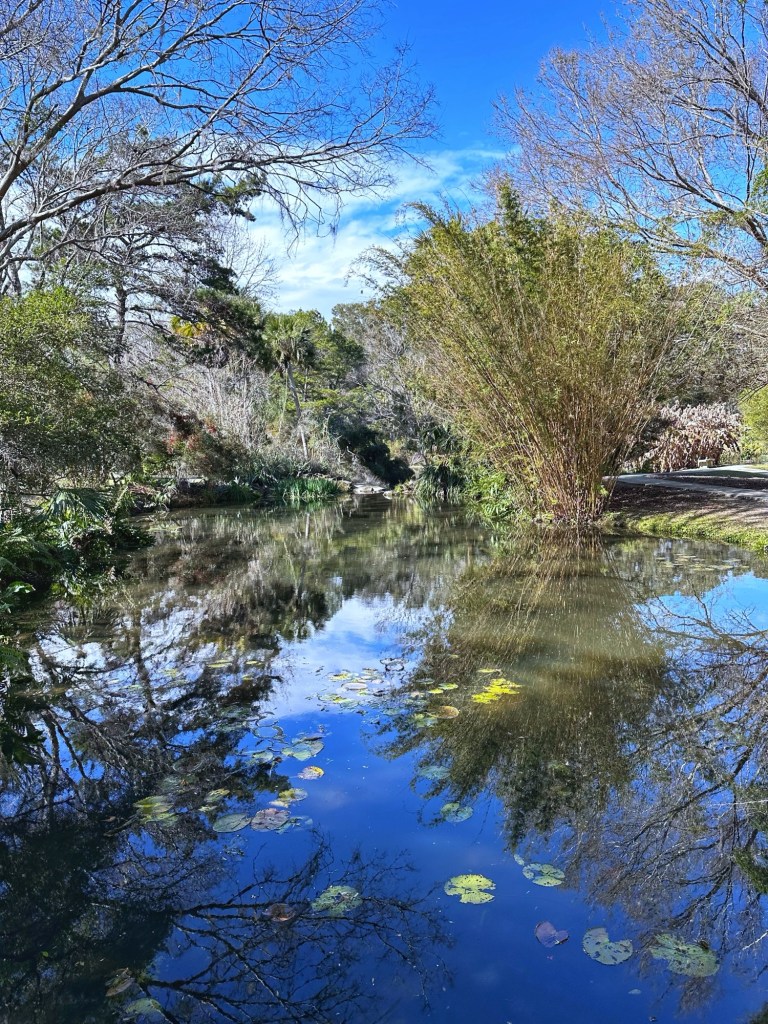
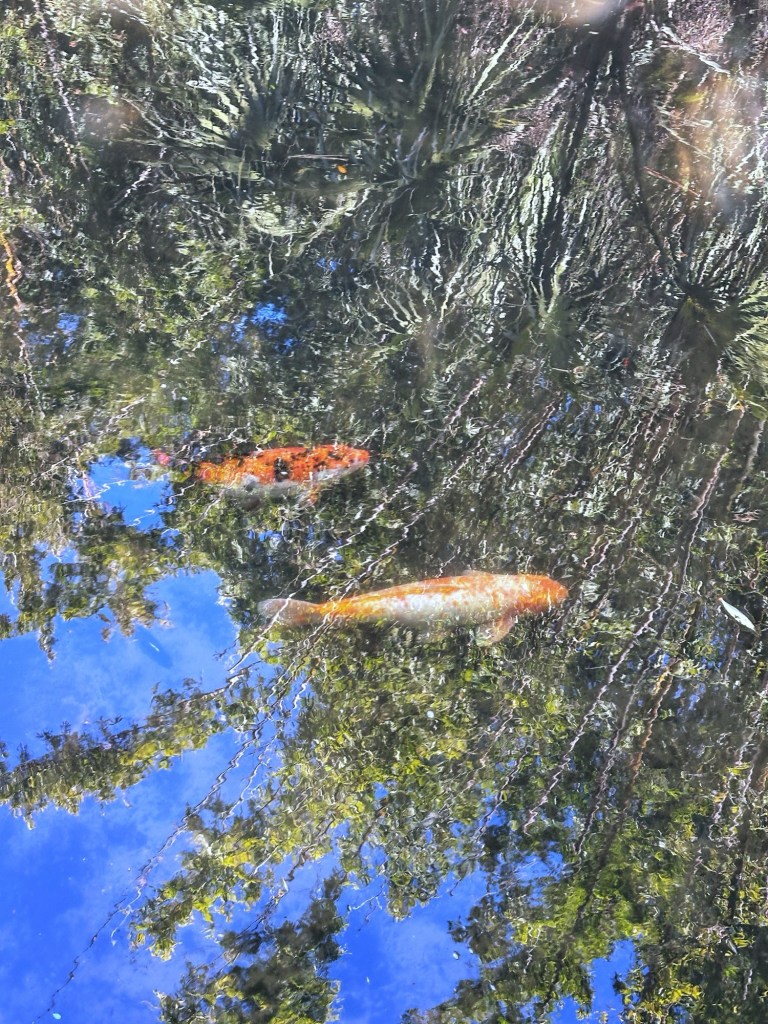
Reflections

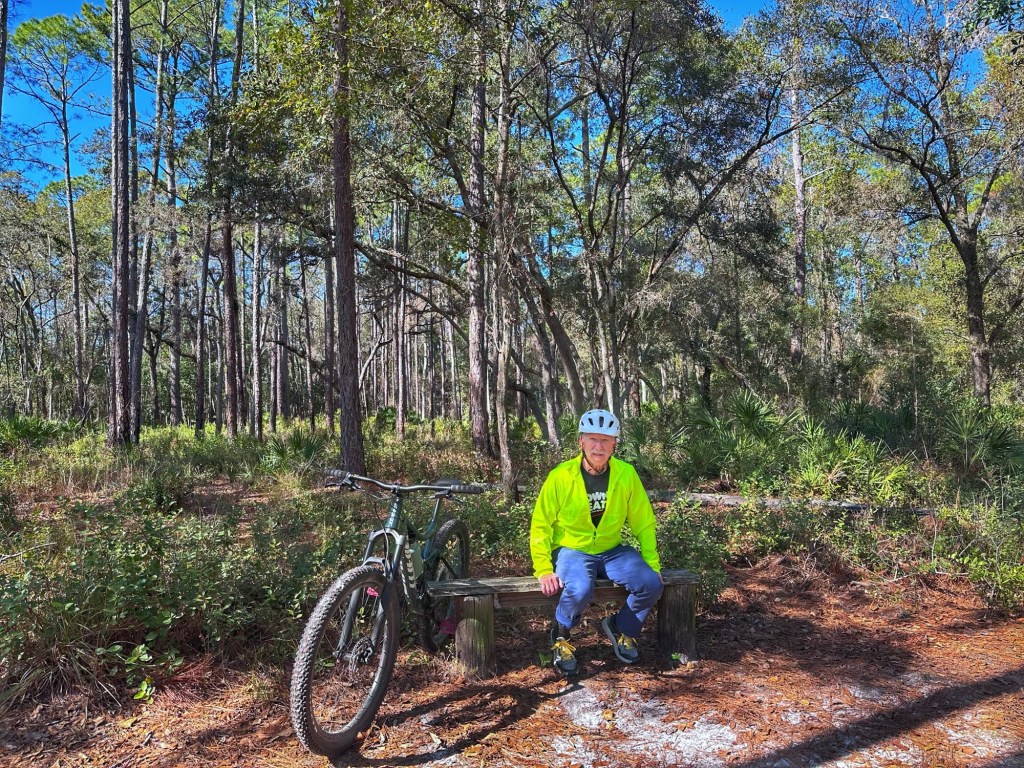
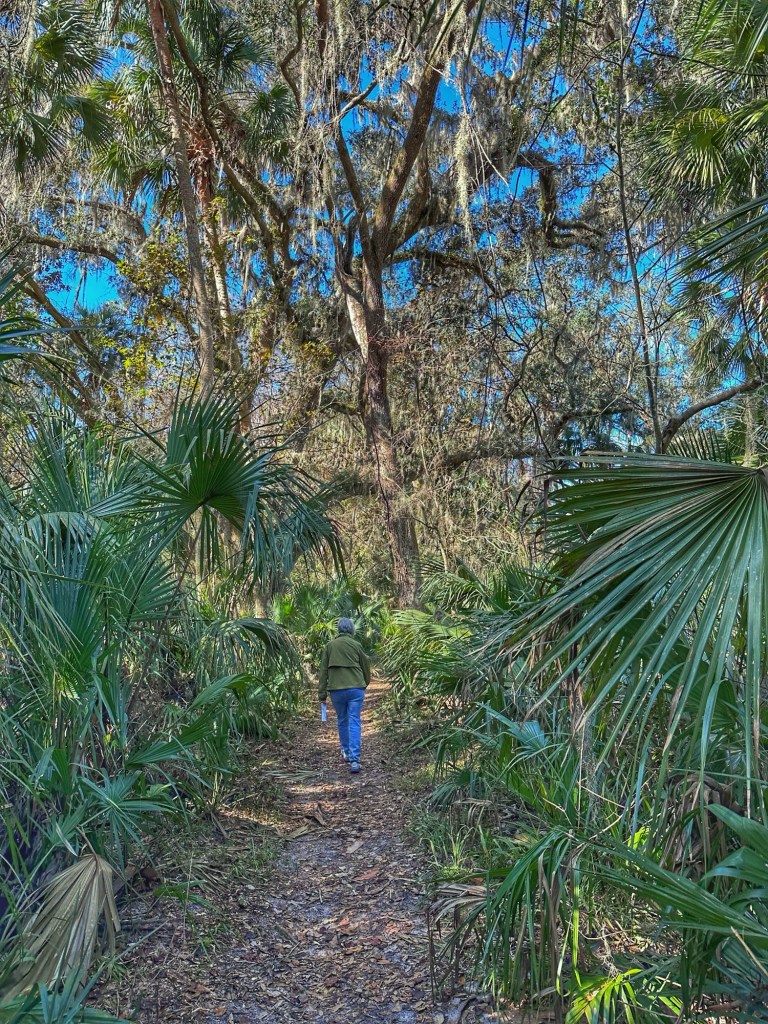
Once we decided to get outside and do some hiking and biking regardless of the temperature; we chose Paynes Prairie and headed out.

The prairie in Paynes Prairie is a large Floridian highlands freshwater marsh. The park’s 22,000 acres has 270 species of birds, a herd of bison and wild horses descended from horses brought to Florida by early Spanish explorers. The park also has eight trails for hiking and biking.
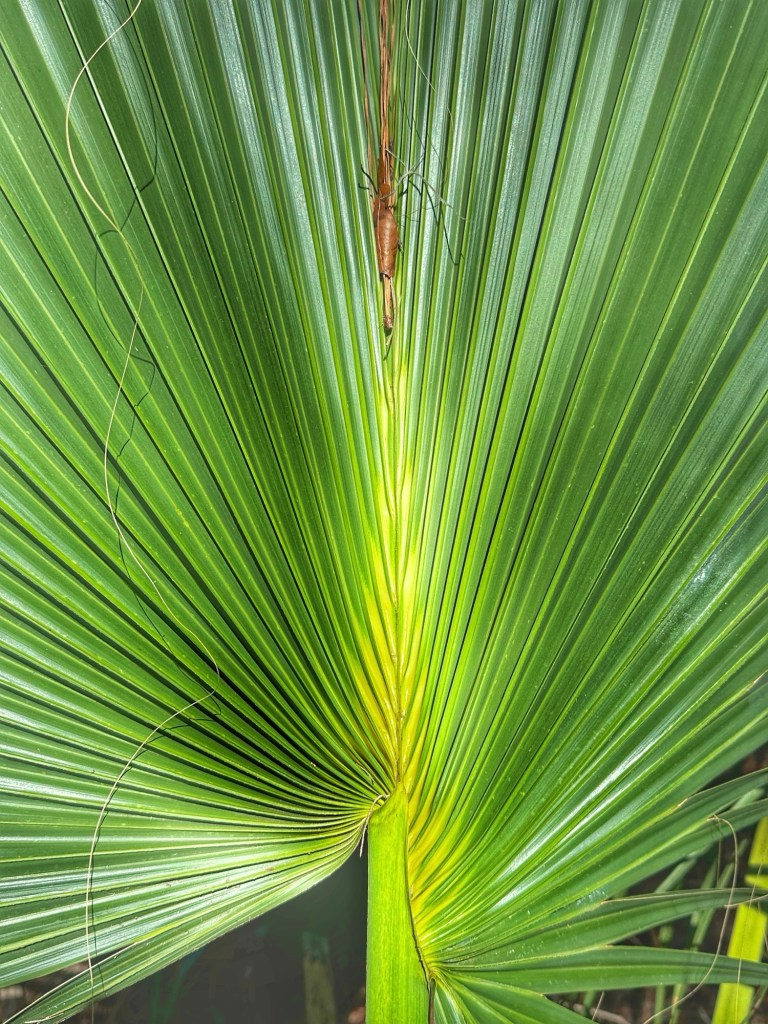
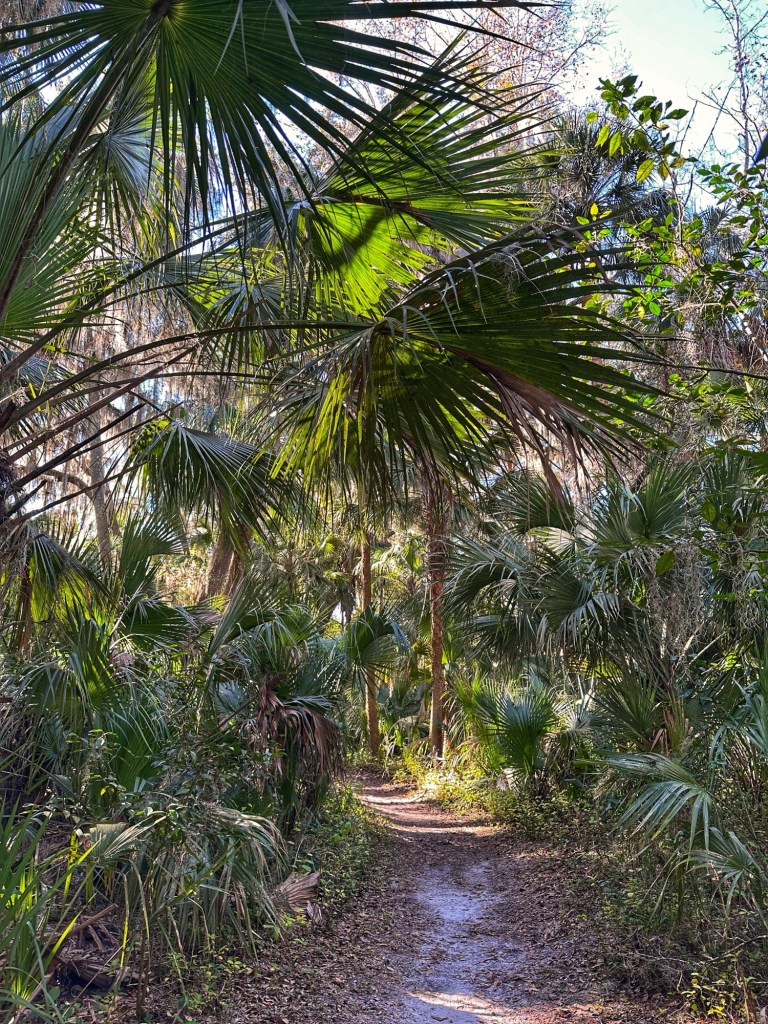
Cabbage Palmetto

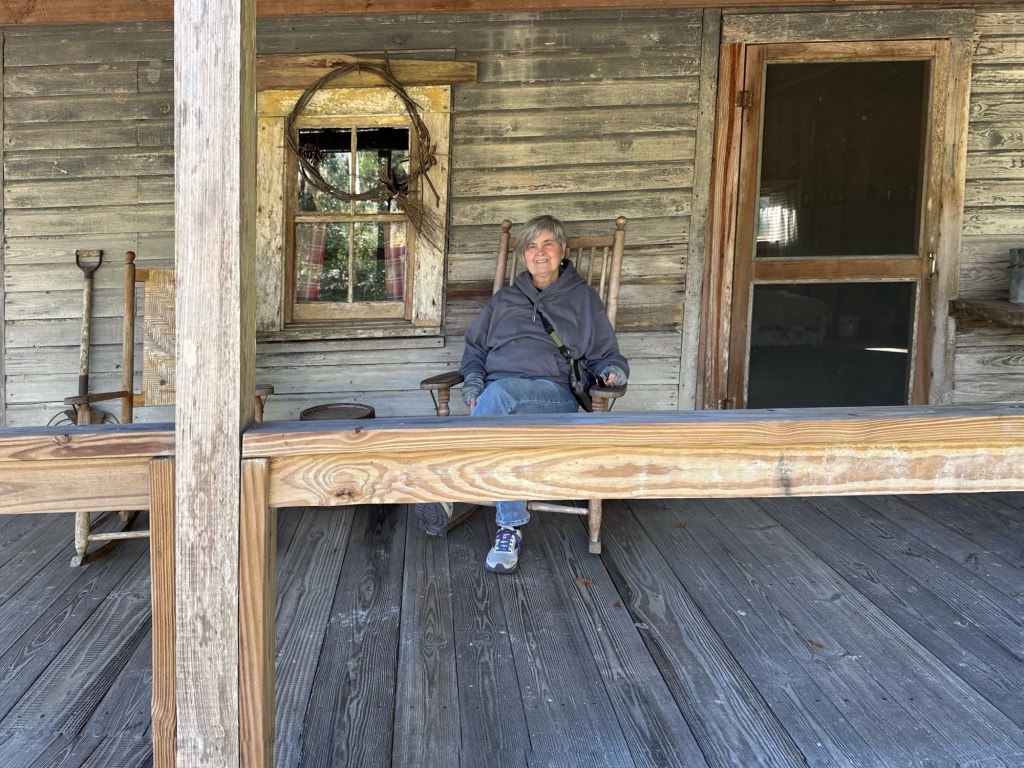
Pat’s mother, Betty, visited Marjorie Kinnan Rawlings Historic State Park and was quite taken with the experience. Her experience motivated us to visit. This old Florida homestead was MK Rawlings home in the 1930’s where she wrote her Pulitzer Prize winning novel The “Yearling”. The park consists of her home, farmyard and trails.
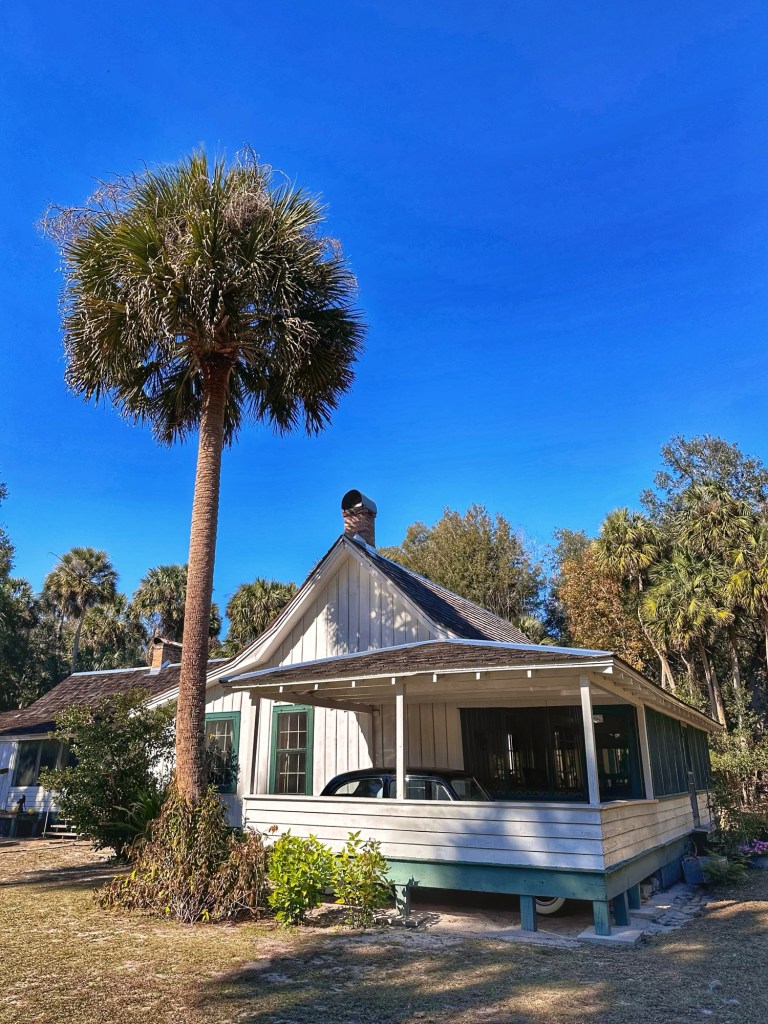
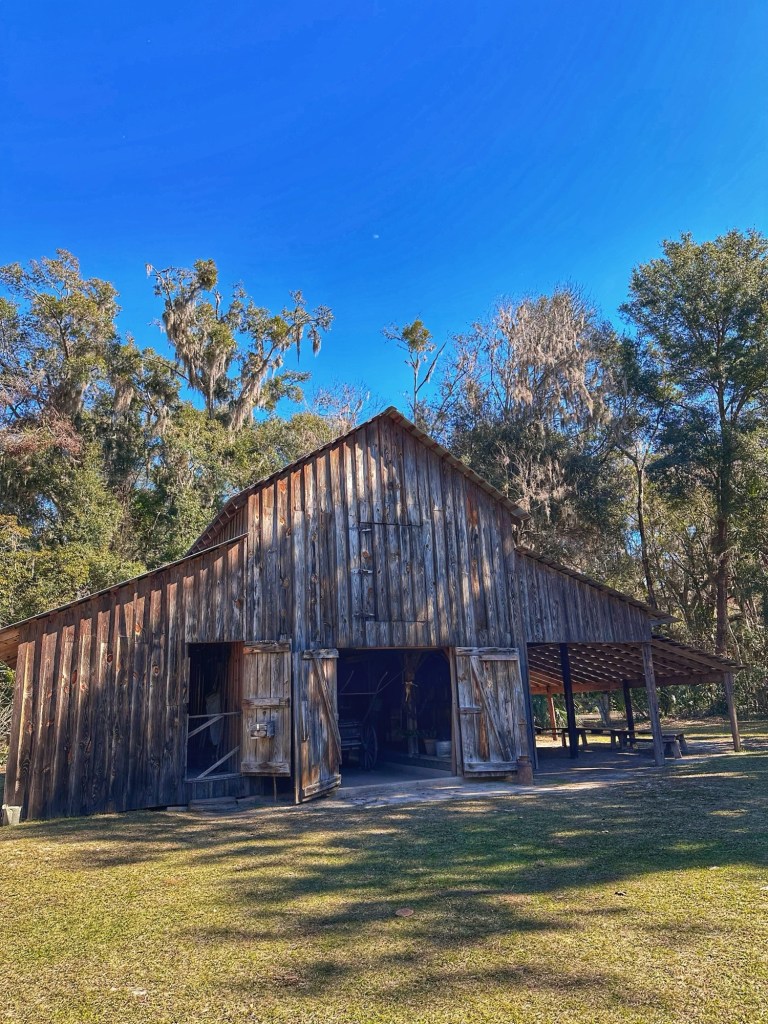
Relaxing on the porch of the hired hands cabin

On our last day in Gainesville we made a quick trip to Devil’s Millhopper Geological State Park. The park consists of a 120 foot deep sinkhole with 132 stairs leading to an observation platform. While sinkholes are common in Florida, Devil’s Millhopper is unique in that it exposes 100 feet of rock layers for study.
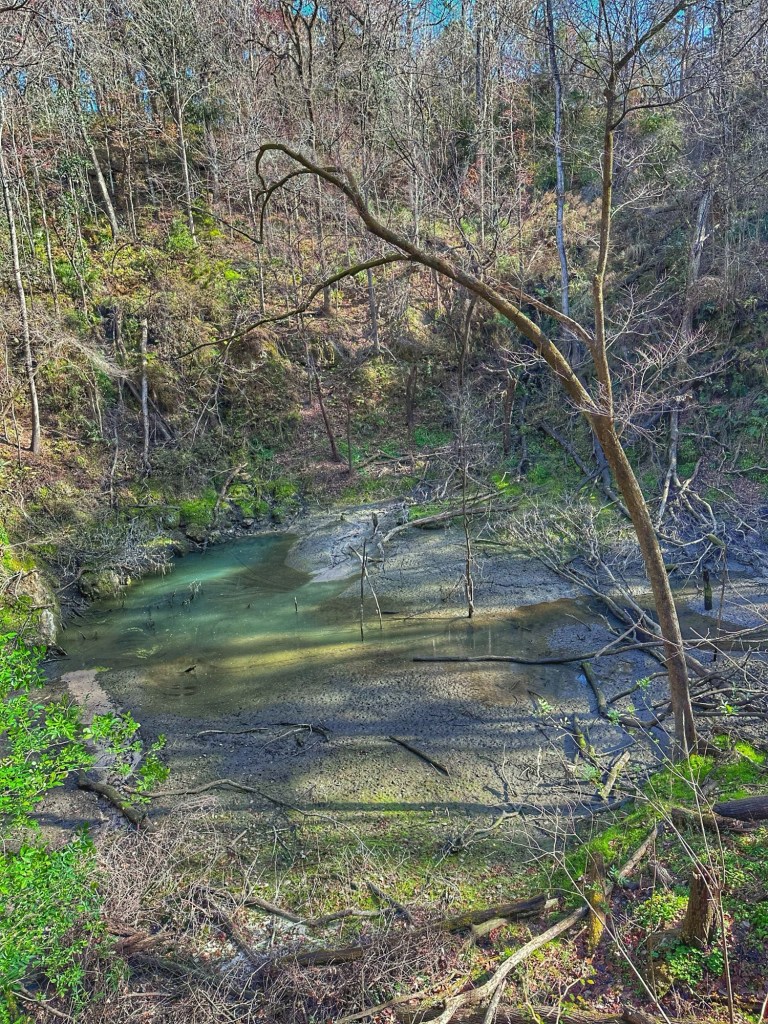
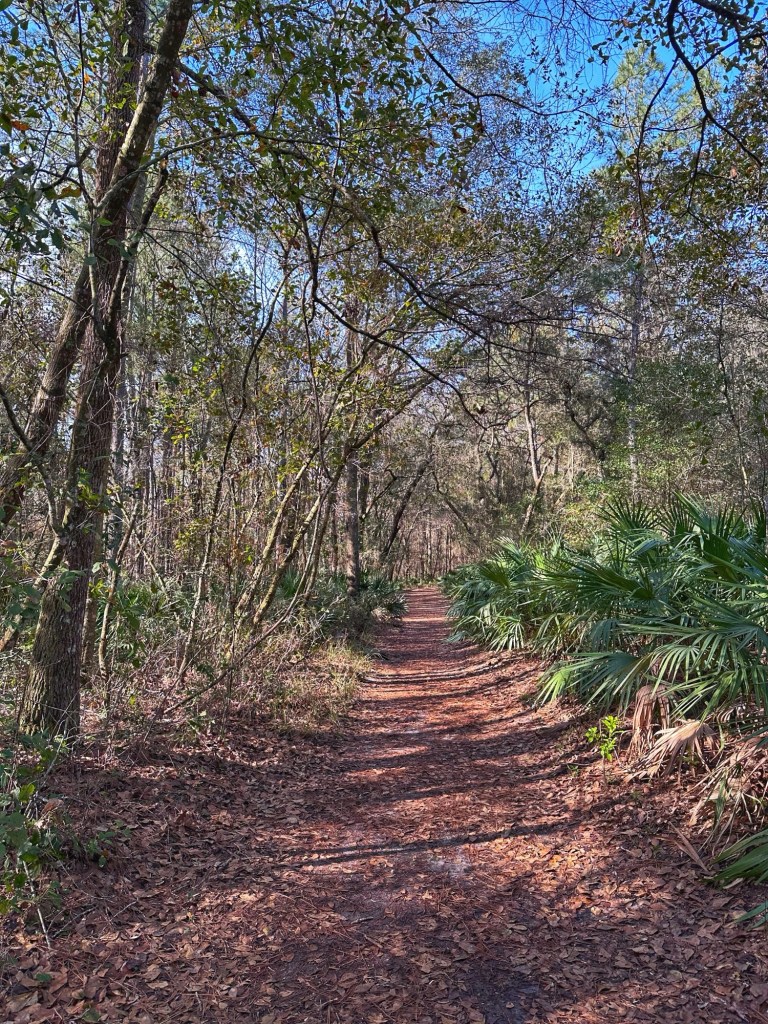
At the bottom
Part of the walking trail around the sinkhole

We enjoyed our stay in Gainesville in spite of the cold temperatures. There is plenty we missed and would return on our next visit to Florida.

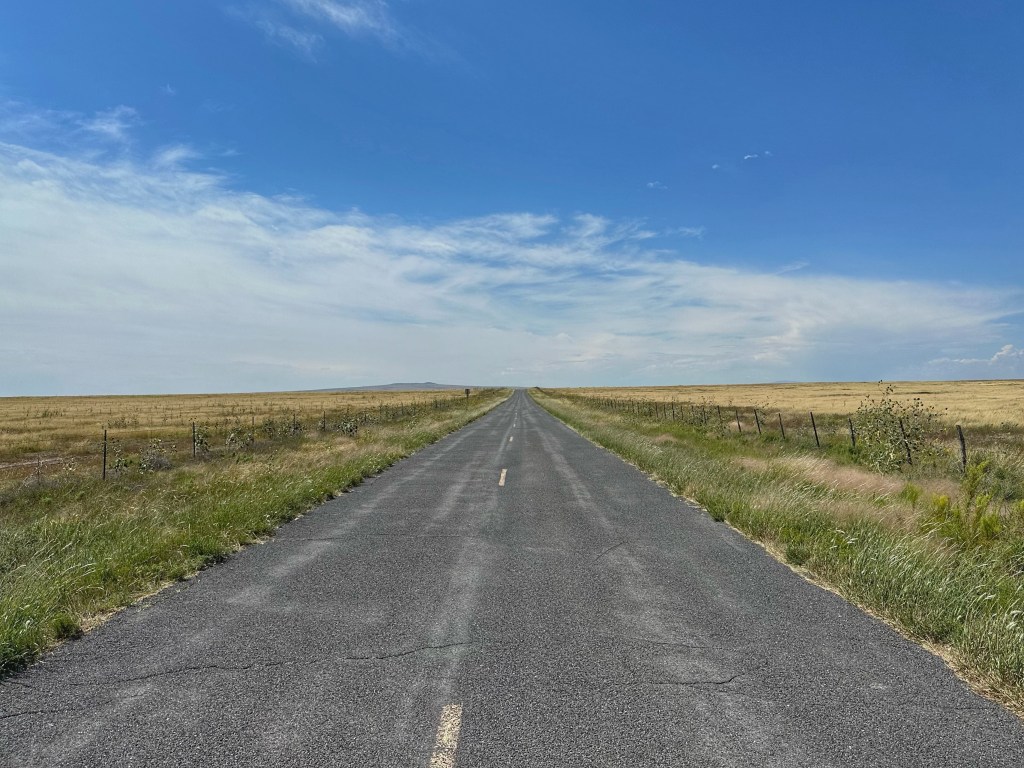
“Why do I have to stand here?”

The Land of Enchantment, part one

We drove west from Kansas City to New Mexico. Our route took us through the panhandle of Oklahoma, a part of the country we’ve never visited.

US Route 56

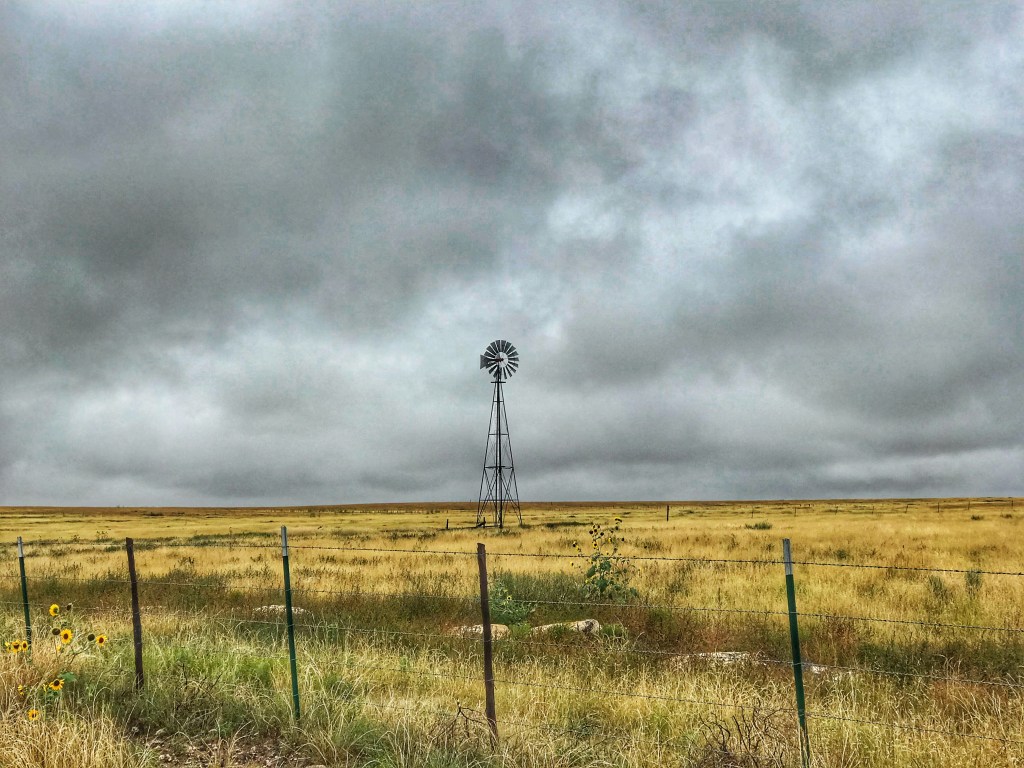
This part of Oklahoma has an interesting history. The panhandle was originally part of Texas. Texas became a state in 1845 and joined the United States as a slave state. However, the Missouri Compromise of 1820 forbade slavery north of the 36 1/2th parallel. In 1854 the Kansas-Nebraska Act created Kansas and used the 37th parallel as the border. This 37 mile gap became the panhandle. It was officially known as “Public Land Strip “ and popularly known as “No Man’s Land”. As you might expect it was a lawless and violent place. It remained that way for four decades until it became part of Oklahoma.

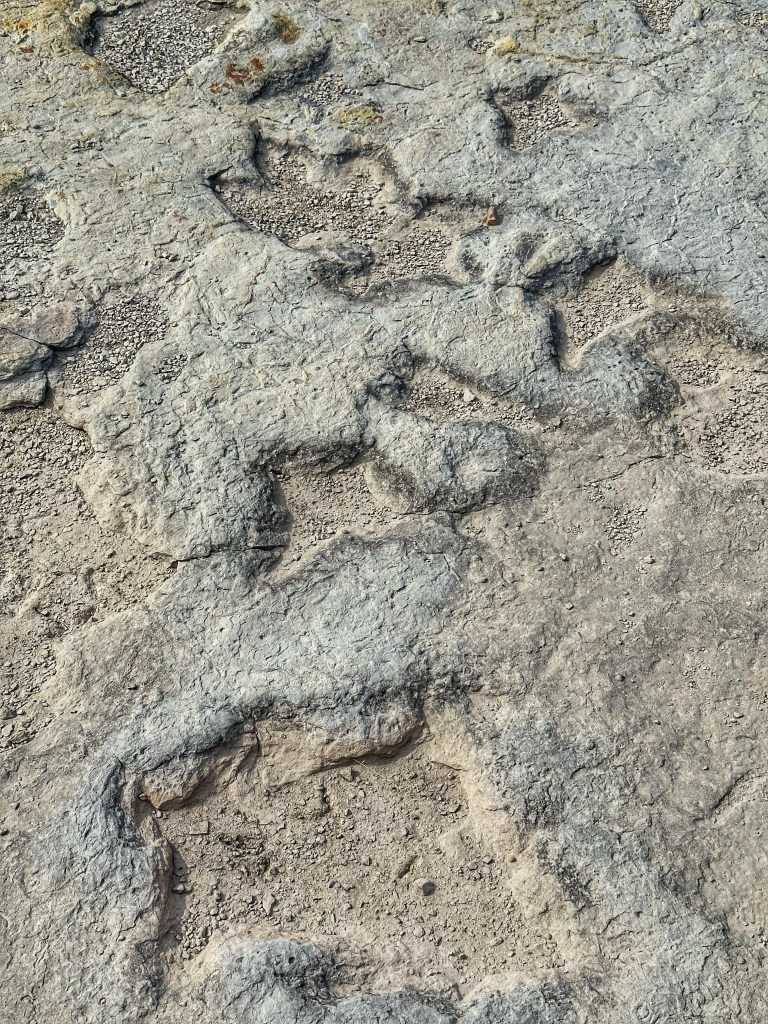
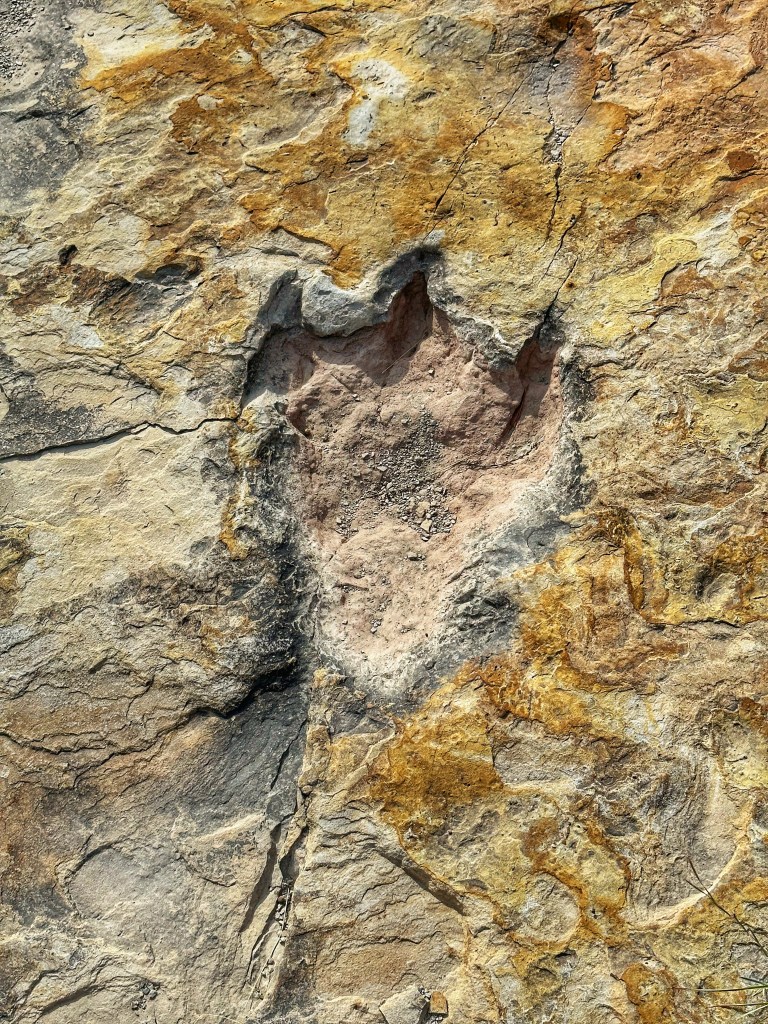
We entered New Mexico in the northeast corner of the state on the hunt for dinosaur tracks. Clayton Lake State Park is the site of a trove of fossilized dinosaur tracks.

Site E 1

In 1955 the state of New Mexico dammed up Seneca Creek to create Clayton Lake. Layers of basalt and shale were blasted away to create an emergency spillway and exposed the underlying sandstone. In 1982 the lake overflowed into the spillway and removed the last few inches of sandstone exposing the dinosaur tracks.

This was our first visit to this corner of New Mexico and hopefully not our last. There’s a lot more to explore.

New Mexico is known as the Land of Enchantment. From our first visit to the state in 2011 we were smitten by its charms. We are particularly “enchanted” with the high desert in and around Santa Fe. The landscape, cuisine and architecture all add to its appeal. We set up camp at Santa Fe Skies RV Park. This well run park is a 20 minute drive to the historic Santa Fe Plaza.

Yucca-D

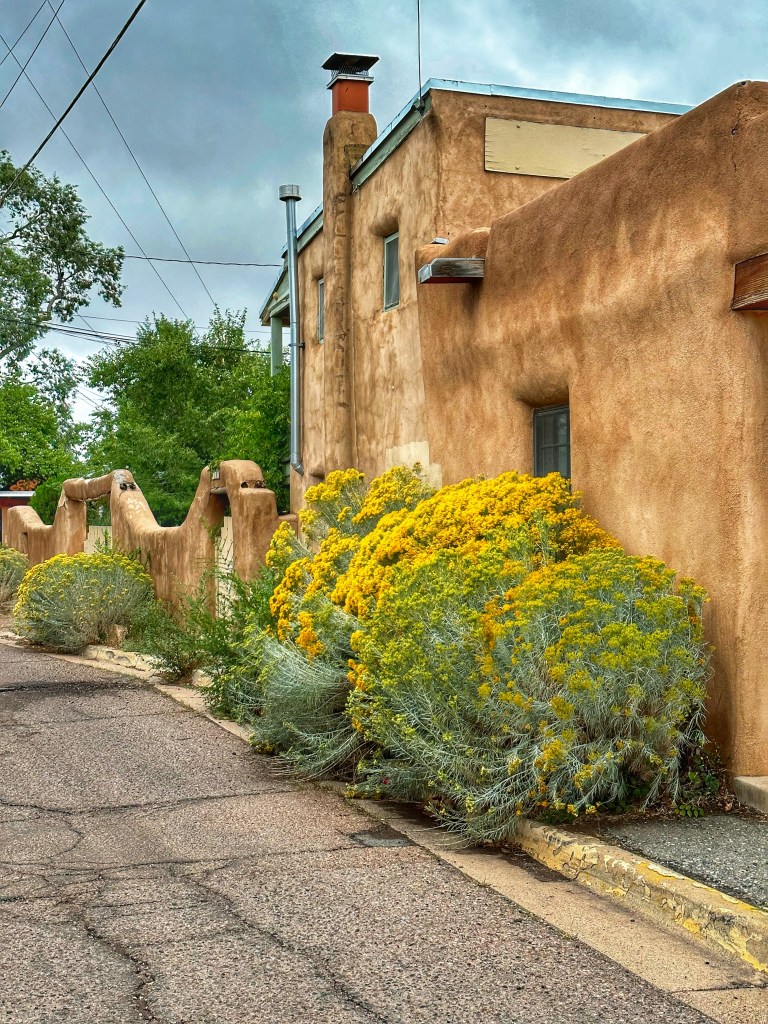
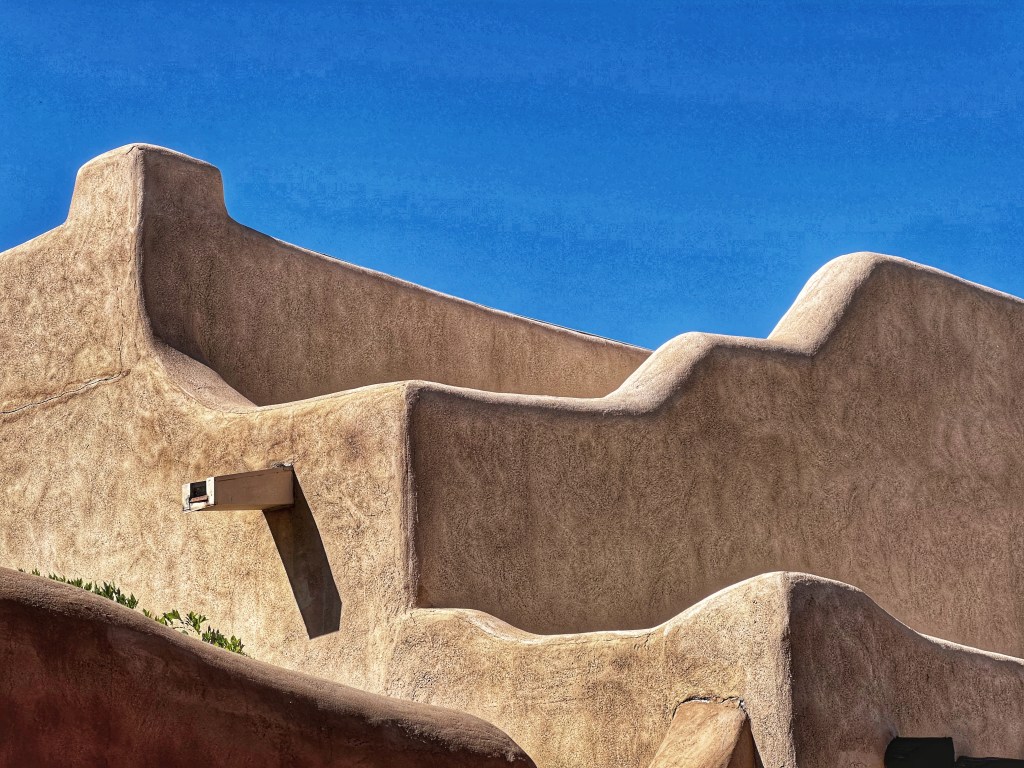
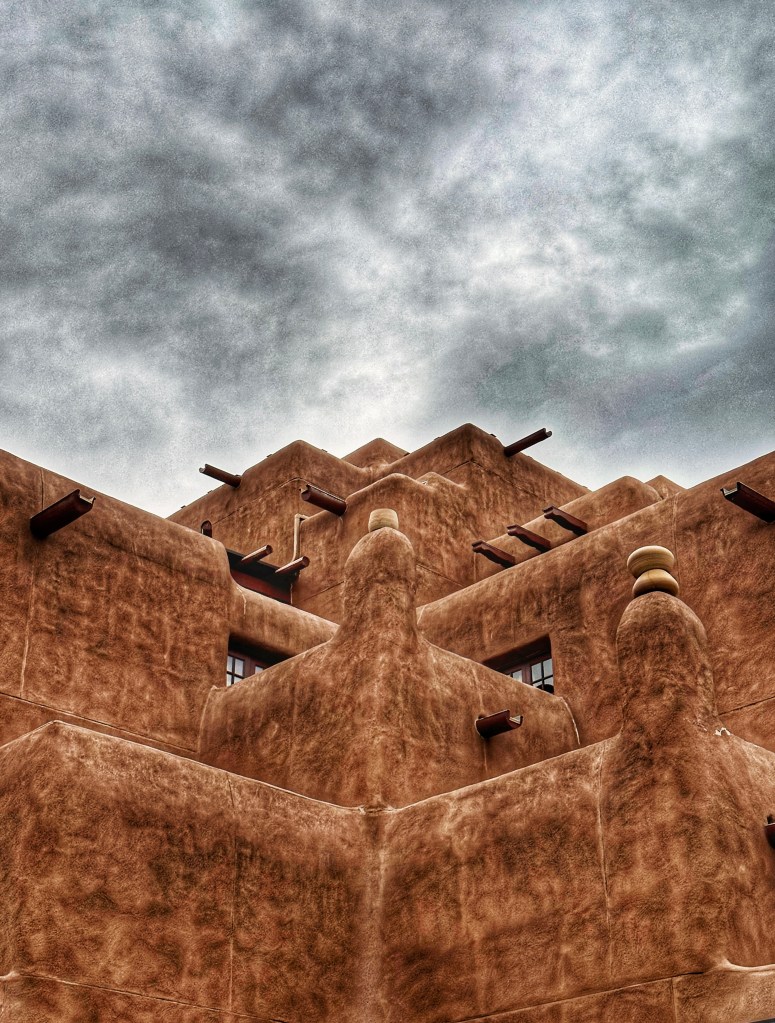
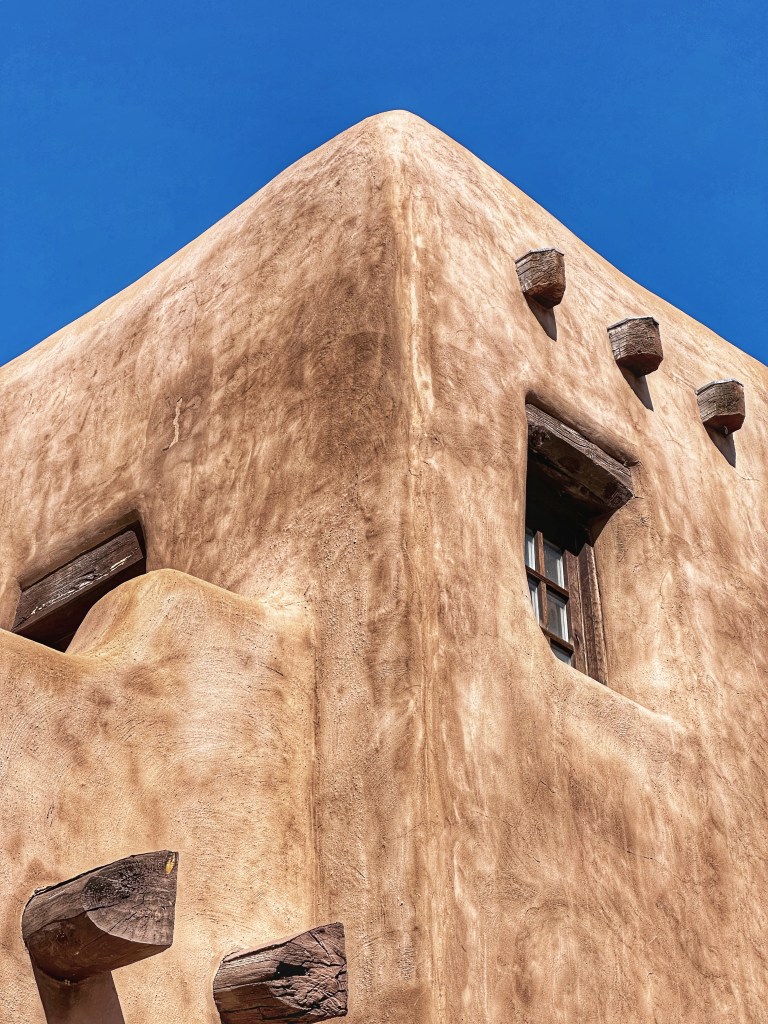
The area around the Santa Fe Plaza is a lovely mix of old and new adobe architecture.

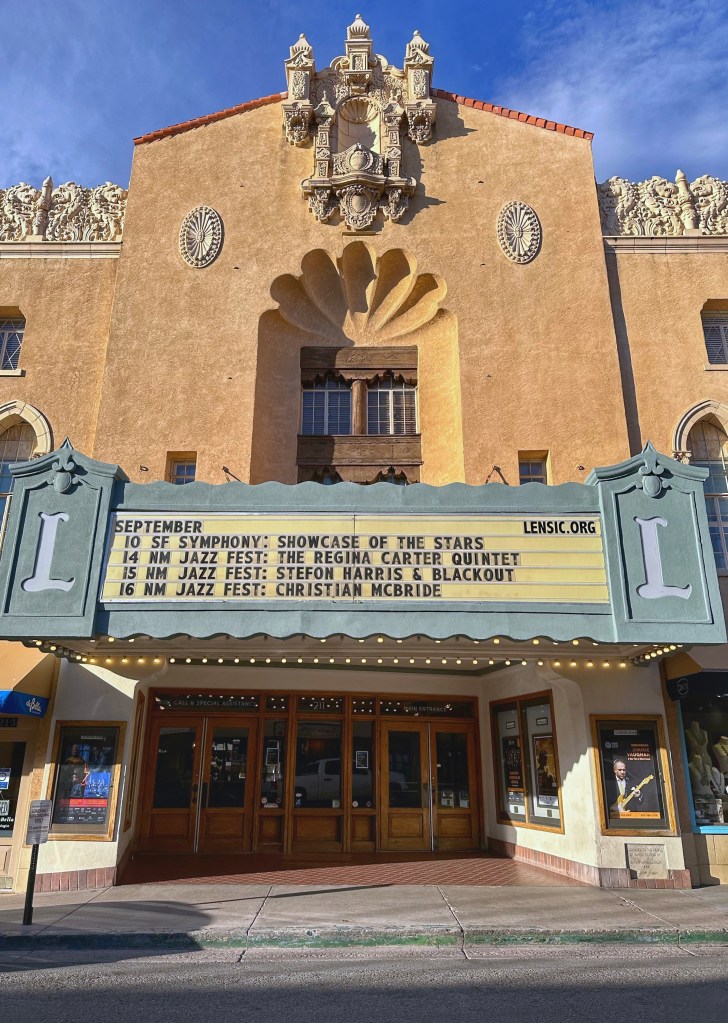
Close to the Plaza is the Lensic Theater, a “Spanish-Moorish” style theater built in 1931. In the 1990’s the theater closed for renovations and re-launched in 2001 after a multi million dollar renovation. It hosted this year‘s New Mexico Jazz Festival where we attended two wonderful performances.

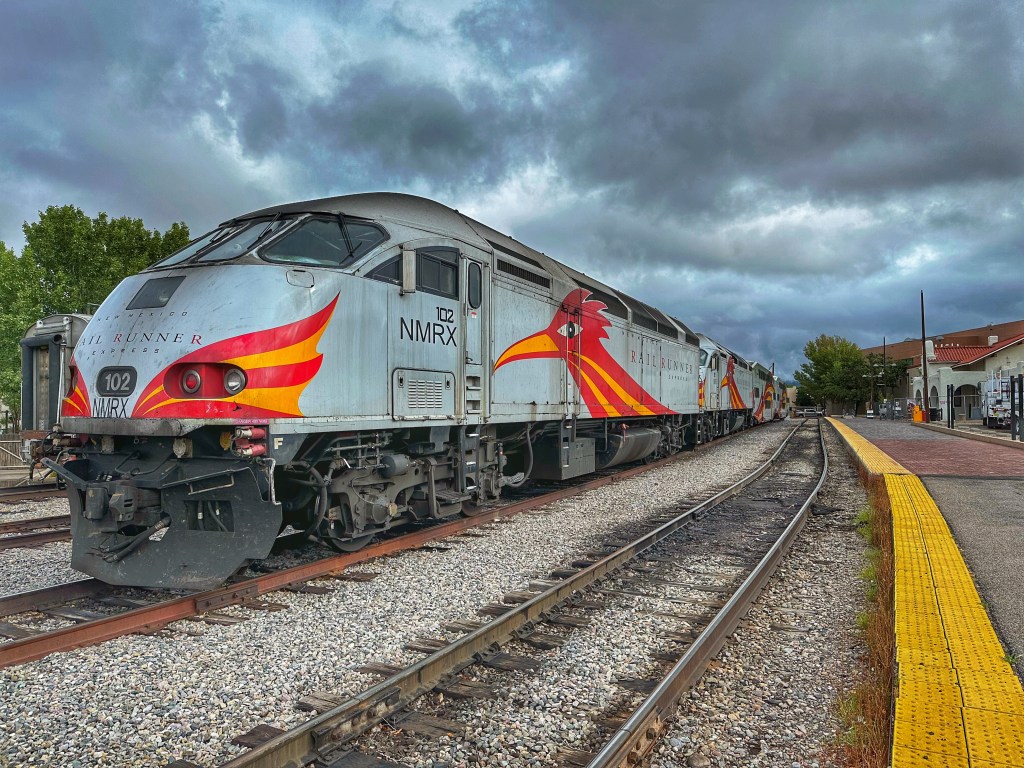
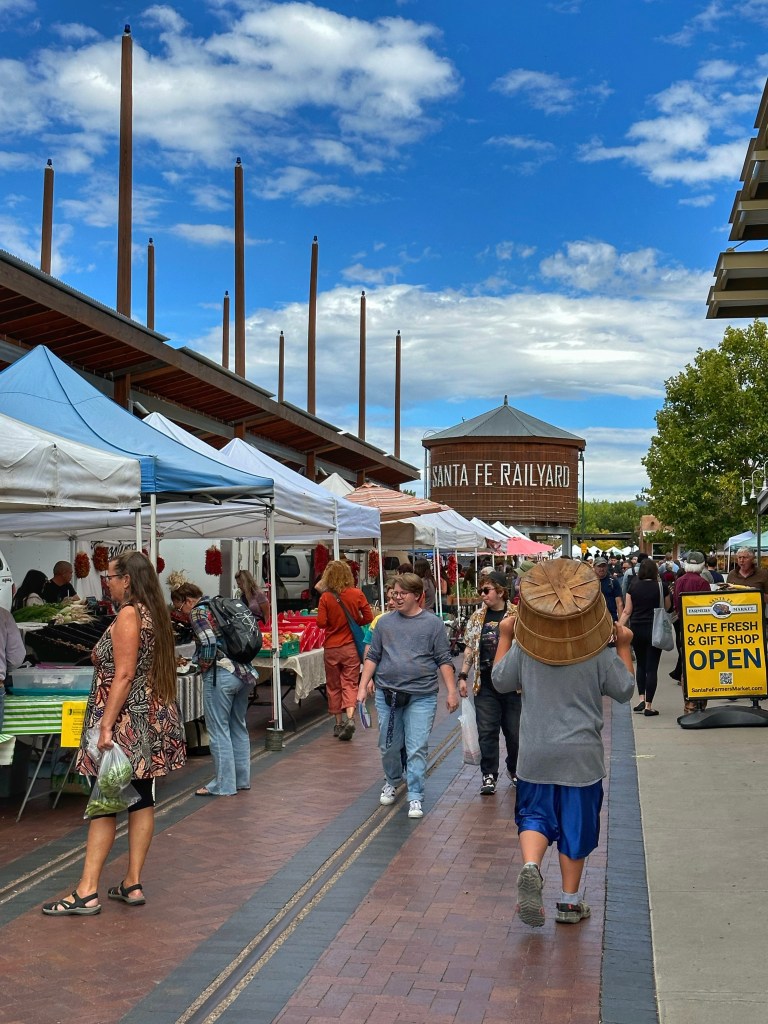
Not far from the Plaza is the Railyard District where a popular farmer’s market convenes twice a week.

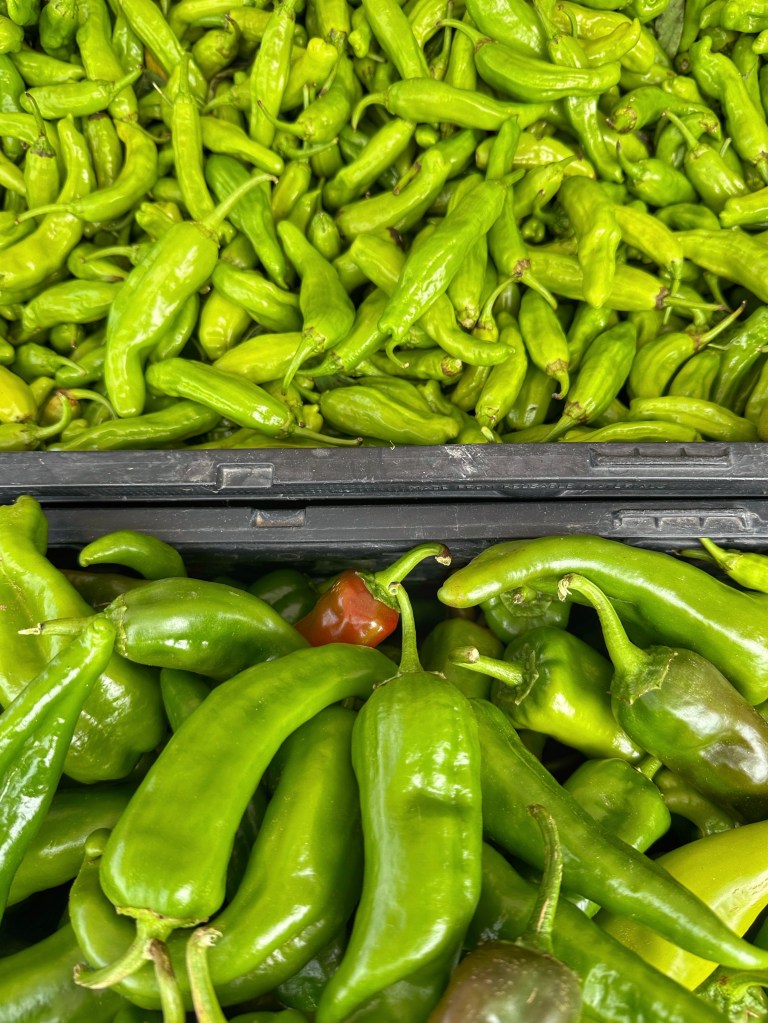
We love shopping the farmers market in the fall during chili pepper season. Nothing better then a New Mexican green chili.

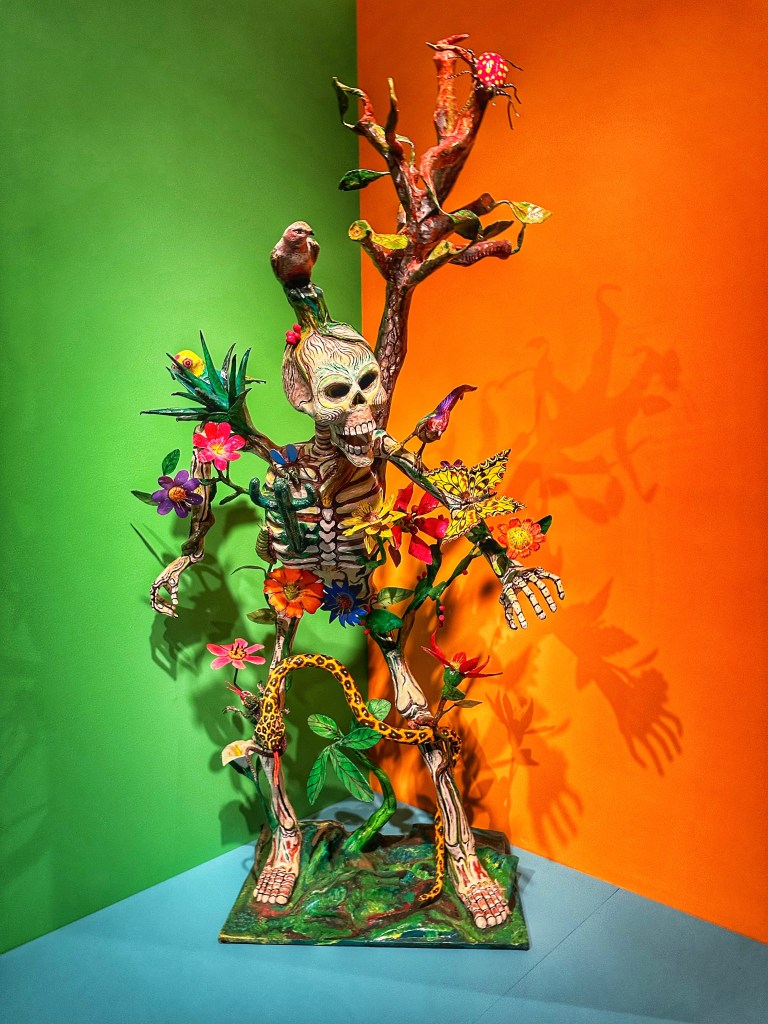
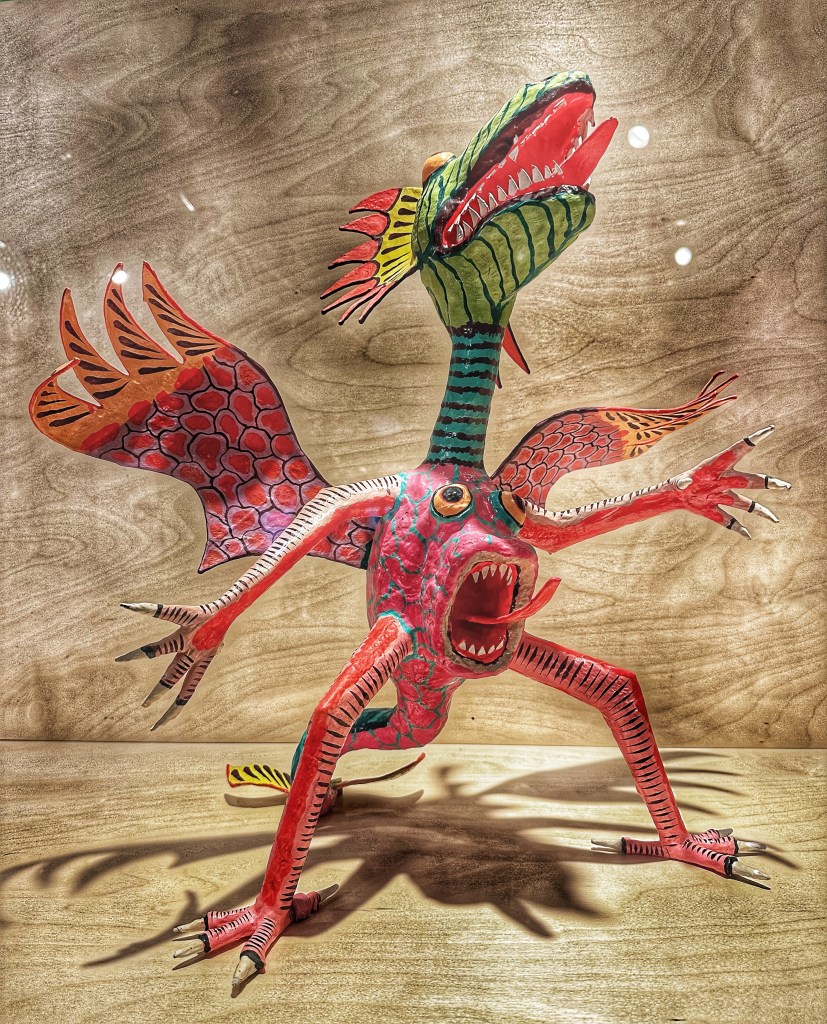
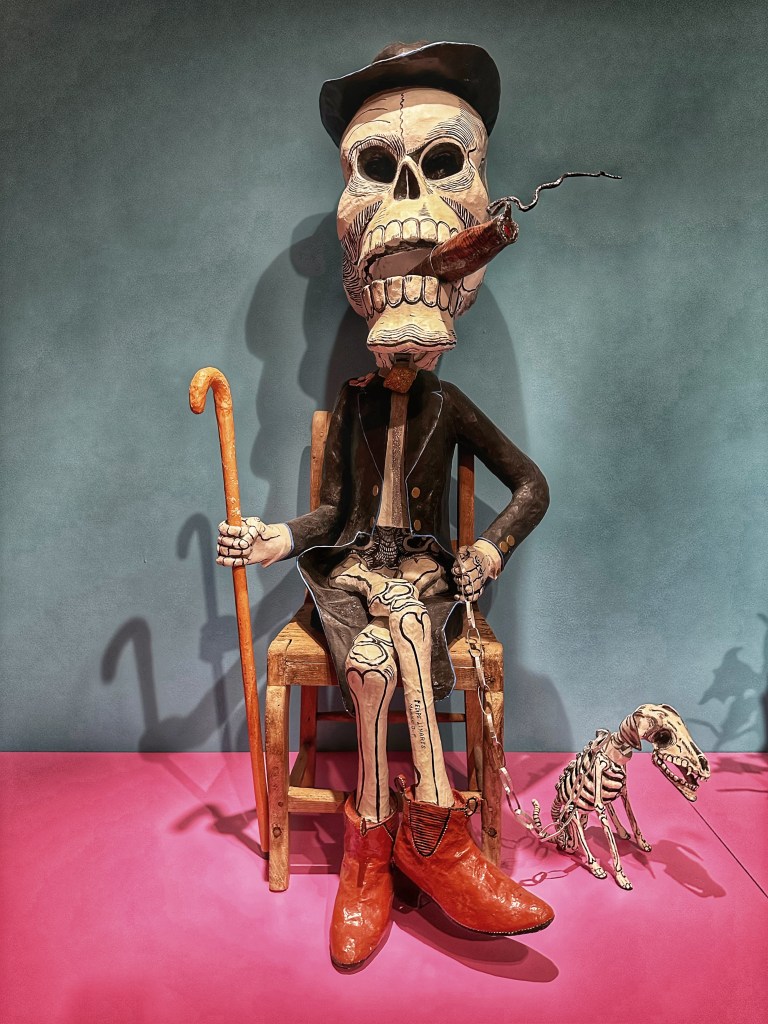
Santa Fe is a city steeped in art. Civic and private art galleries dot the city. On the east side of the city is an area known as Museum Hill. This is where you will find the International Museum of Folk Art and the Museum of Indian Arts and Culture among others. The Folk Art Museum was featuring an exhibit of Mexican Cartoneria. This work is created using paper and paste, papier-mâché. The technique is thought to have come to Mexico with the Catholic priests from Spain.

Yes! Papier-mâché

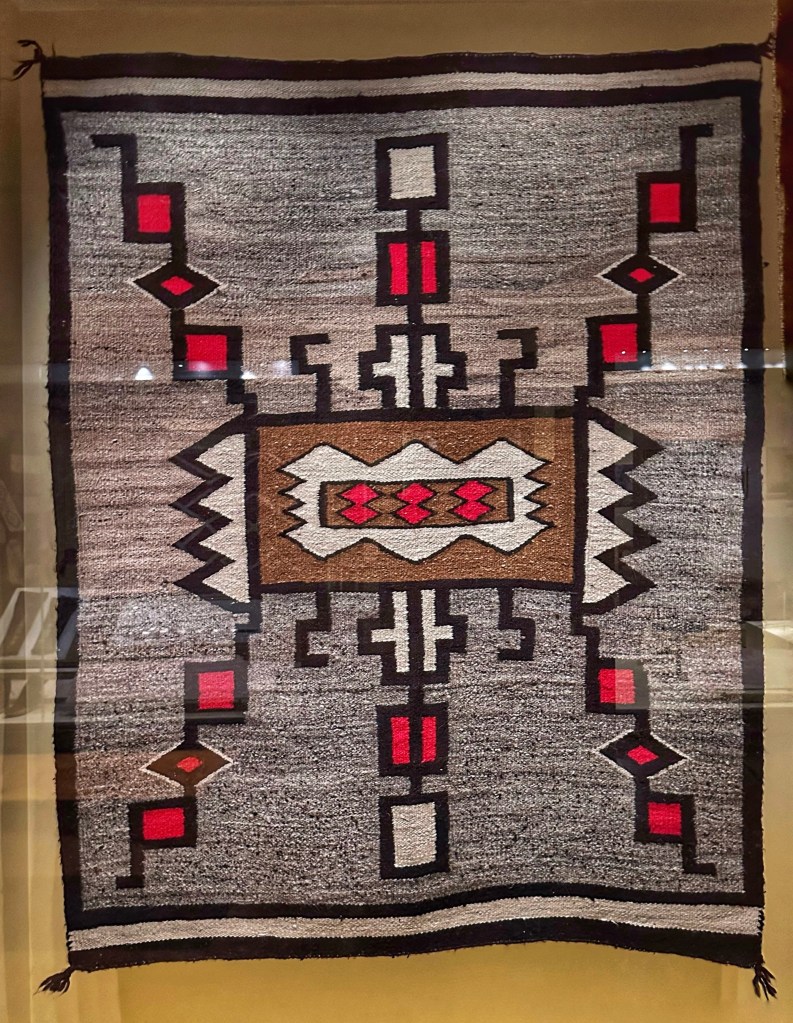
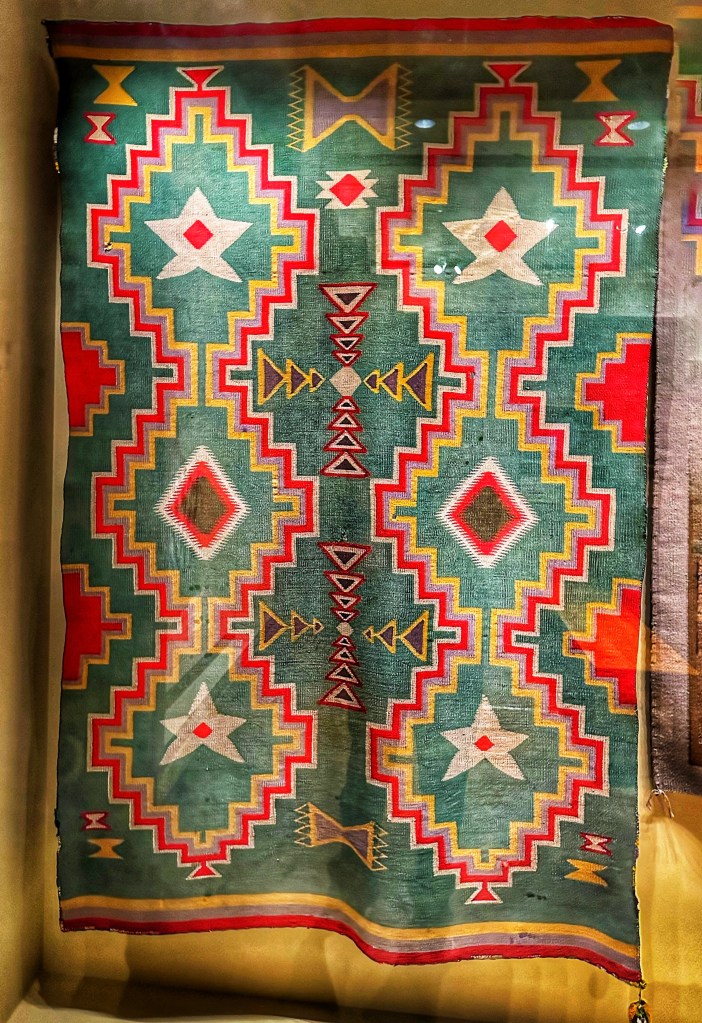
The Museum of Indian Arts and Culture featured antique and new Diné (Navajo) rugs.

Storm Weaving (1936) by a male weaver known as The One Who Weaves

Rug (1880-1897) by an Artist once known

We plan on staying in Santa Fe for almost a month so this will be the first installment of the stay.

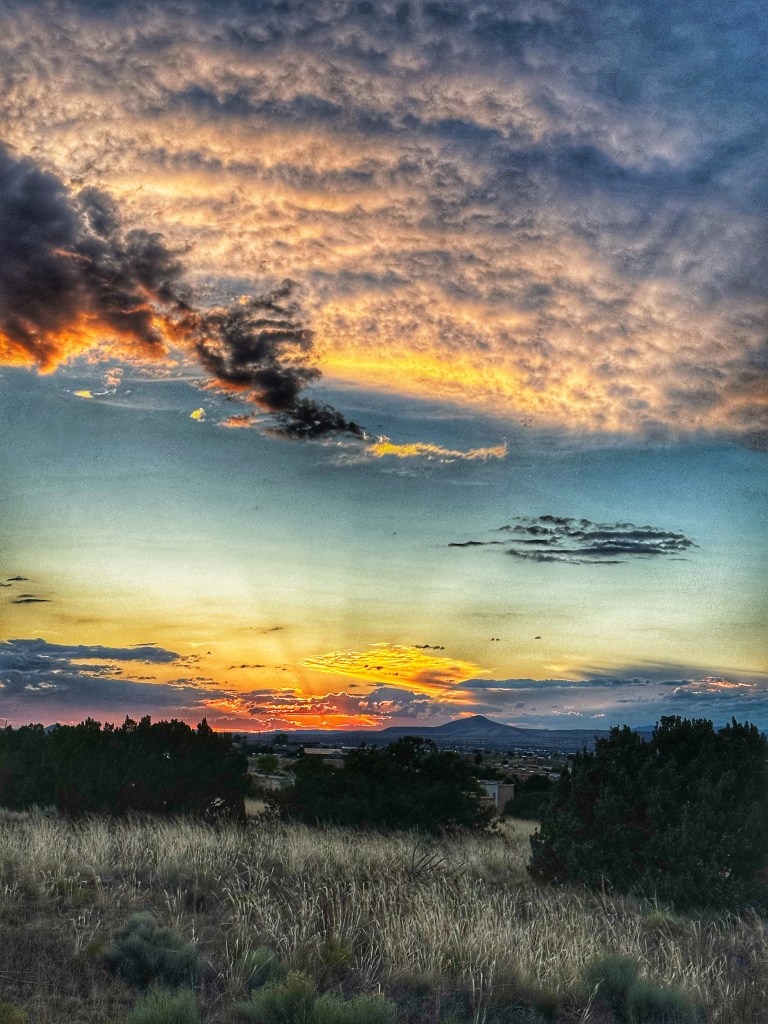
The RV Park is called Santa Fe Skies for a reason

Going to Kansas City

We’ve driven through Kansas City, MO a number of times but have never spent any time there. This trip west we decided it was time to spend some time exploring the city and sample some of the city’s famed barbecue.

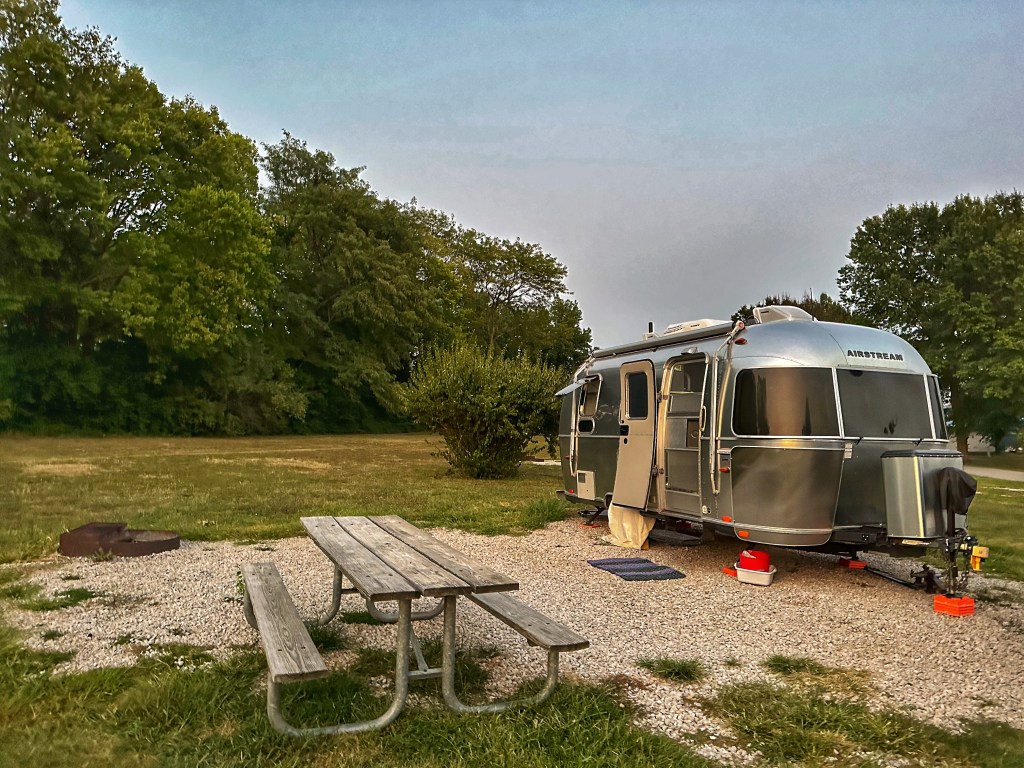
Site 62

We set up camp south of the city in Longview Lake County Park.

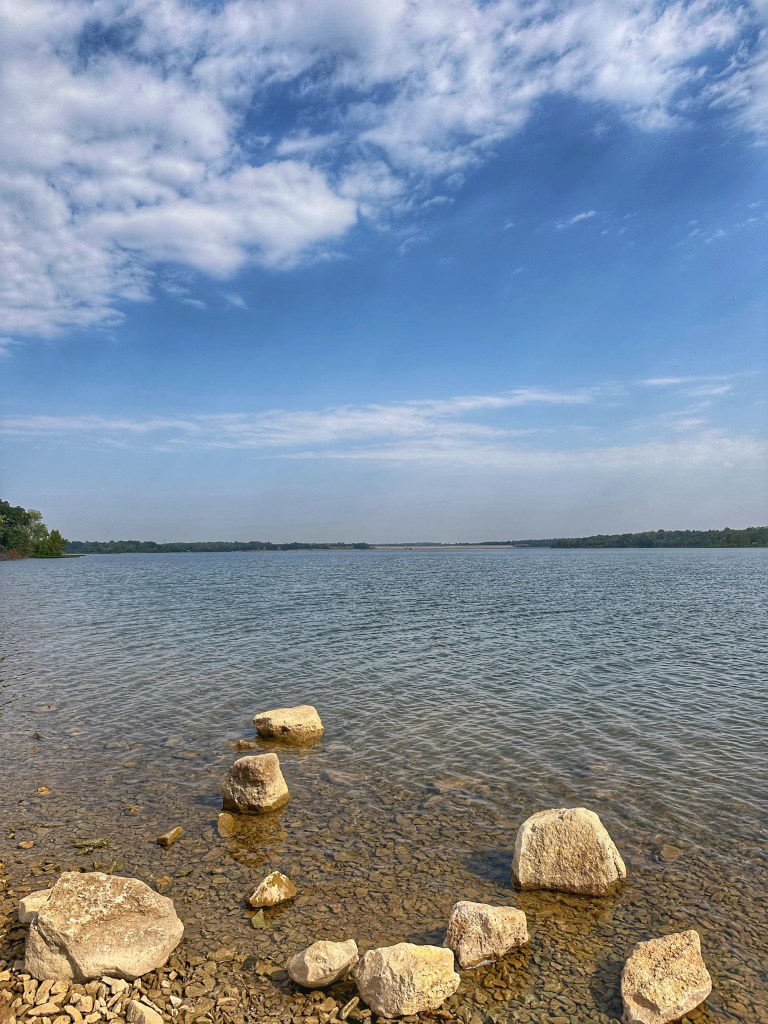
Longview Lake

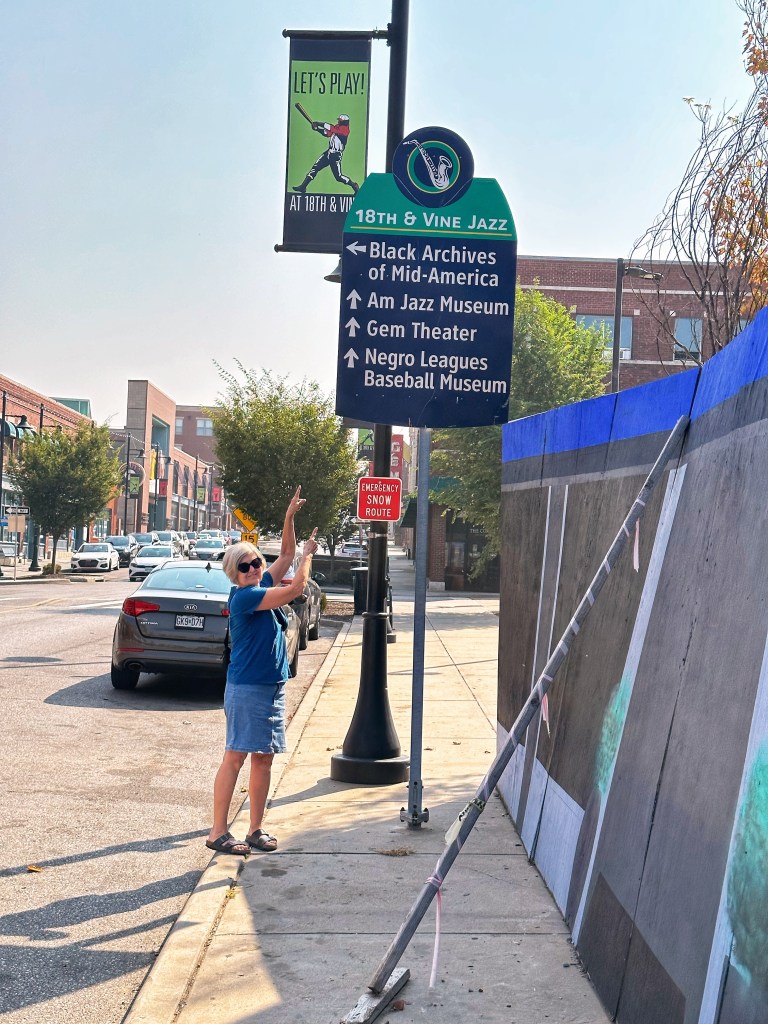
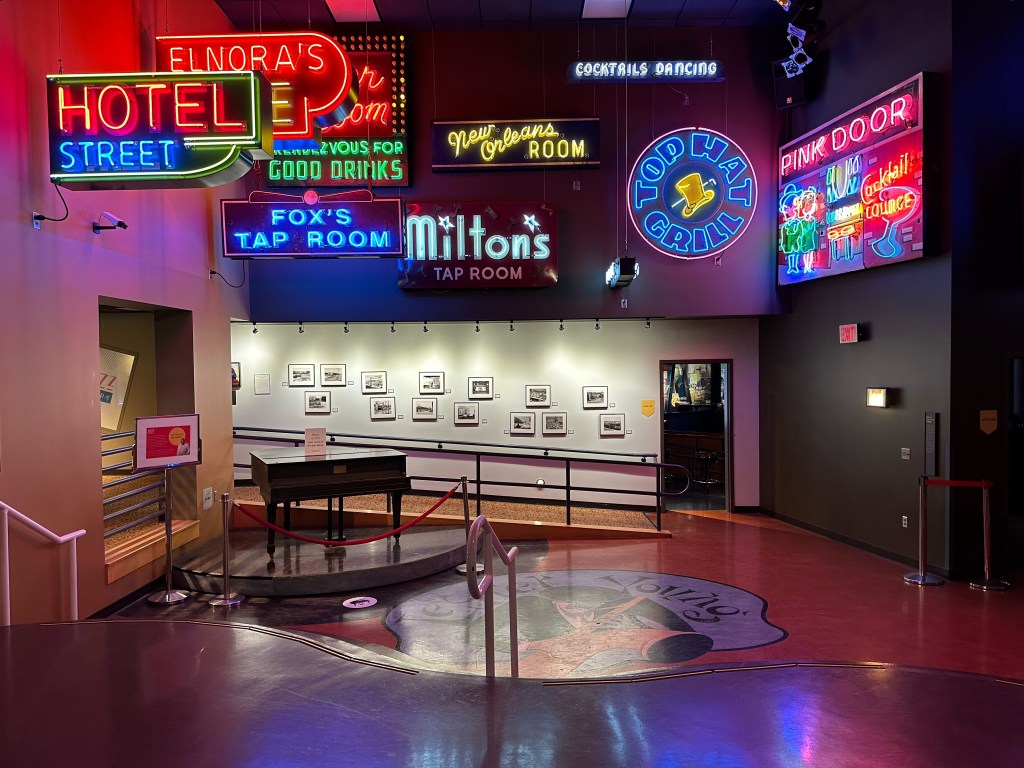
In addition to barbecue we wanted to visit the American Jazz Museum and the Negro Leagues Baseball Museum located in Kansas City’s 18th & Vine entertainment district.

The American Jazz Museum celebrates all things Jazz with a focus on the rich history of the music in Kansas City.

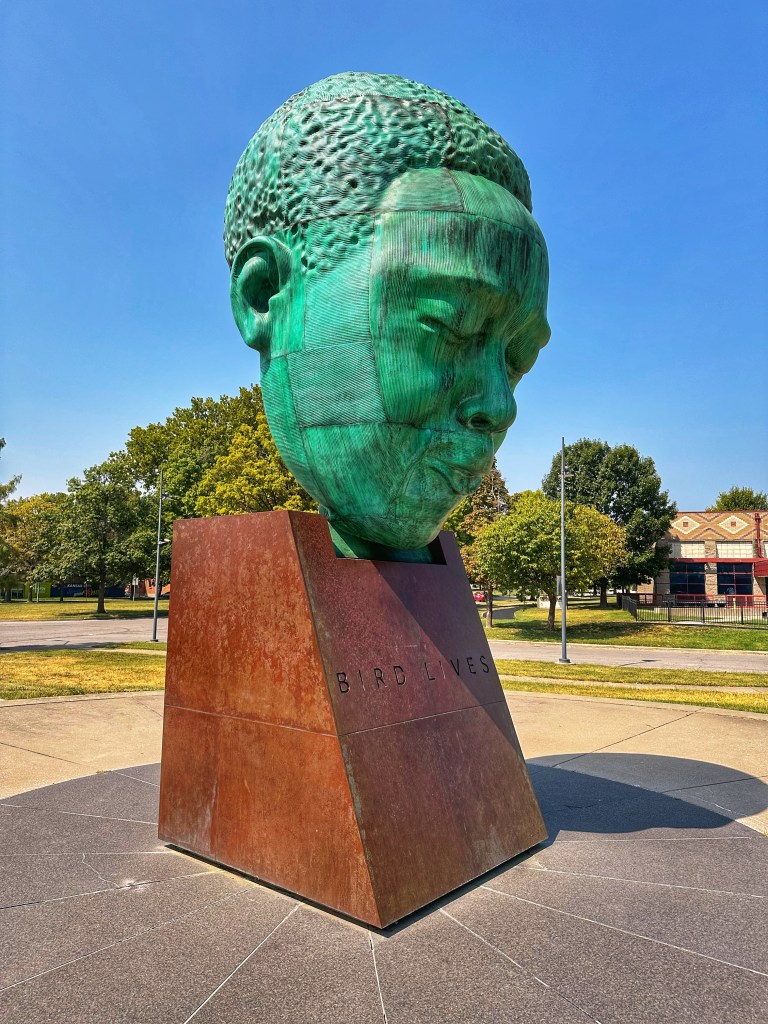
Charlie Parker Plaza at the back of the Jazz Museum

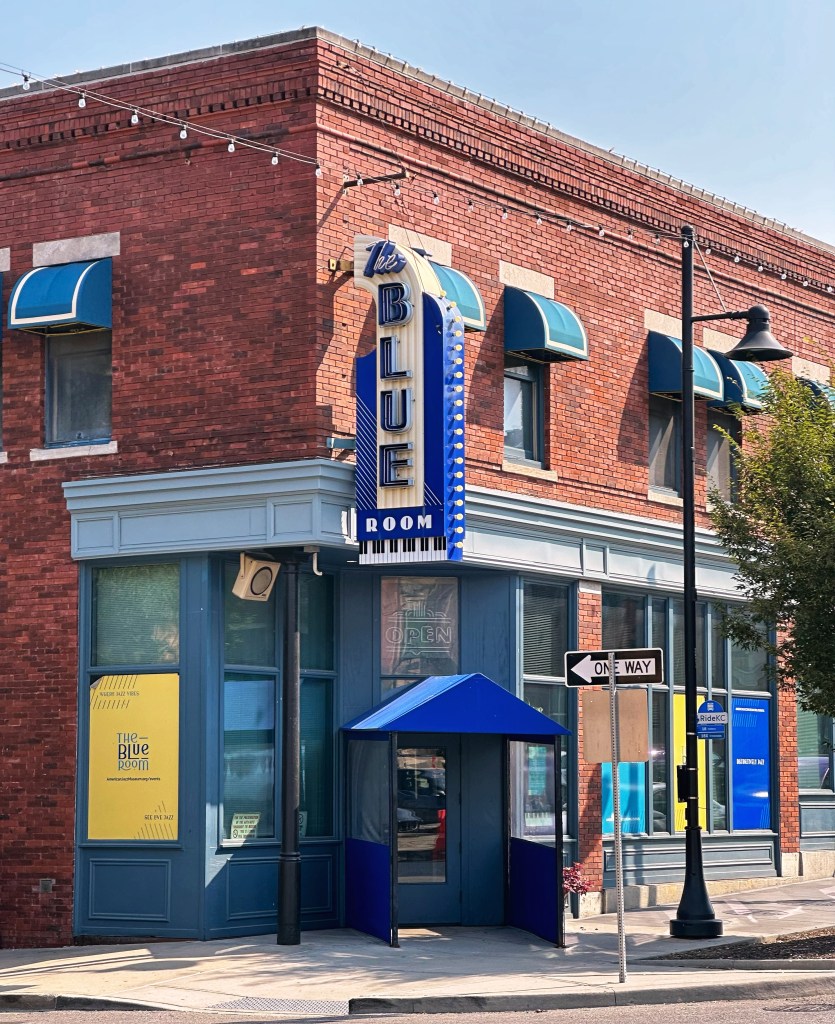
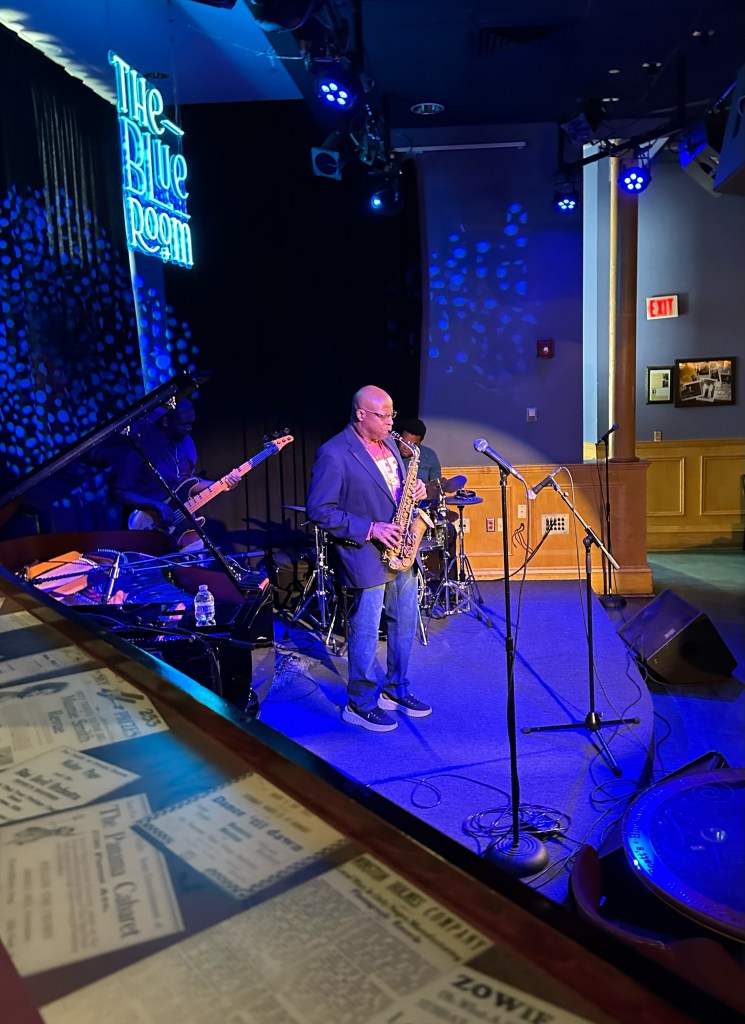
The Blue Room is part of the Jazz Museum and also a functioning Jazz club. Every day at noon a local Kansas City group performs for museum patrons. The day we visited we listened to the Jazz Disciples.

Just outside the Blue Room in the Museum

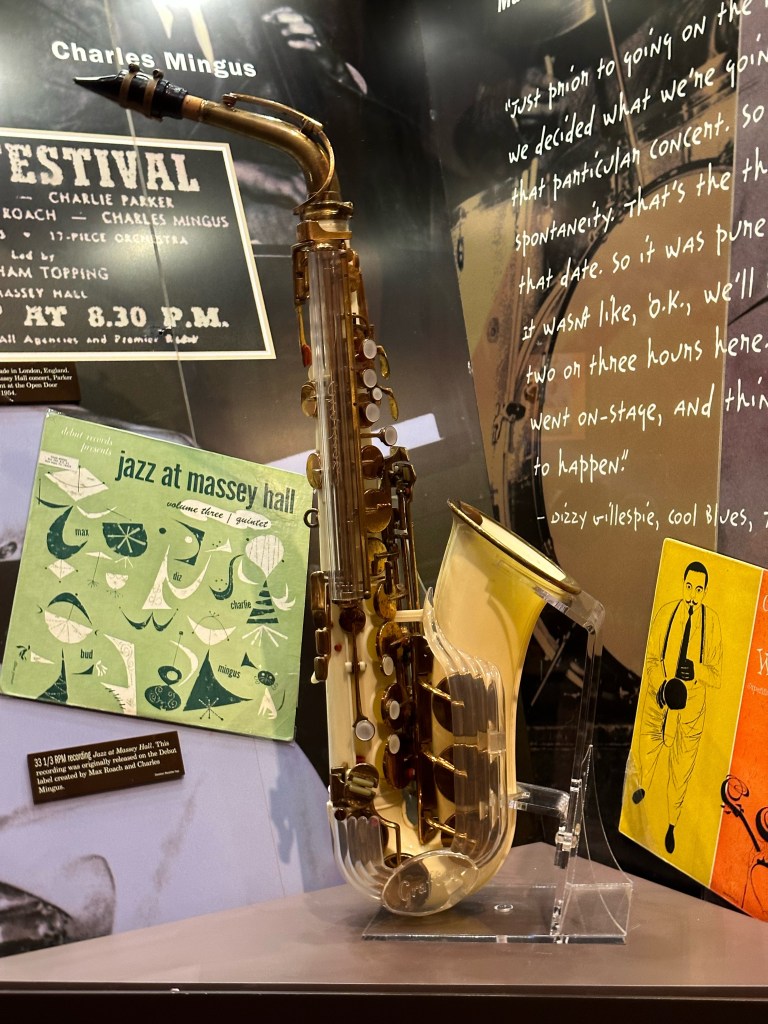
The museum is filled with lots of listening stations and performance footage. Historic artifacts however, were in short supply. They did have a Grafton plastic saxophone like the one Charlie Parker played on the famous Massey Hall recording from 1953.

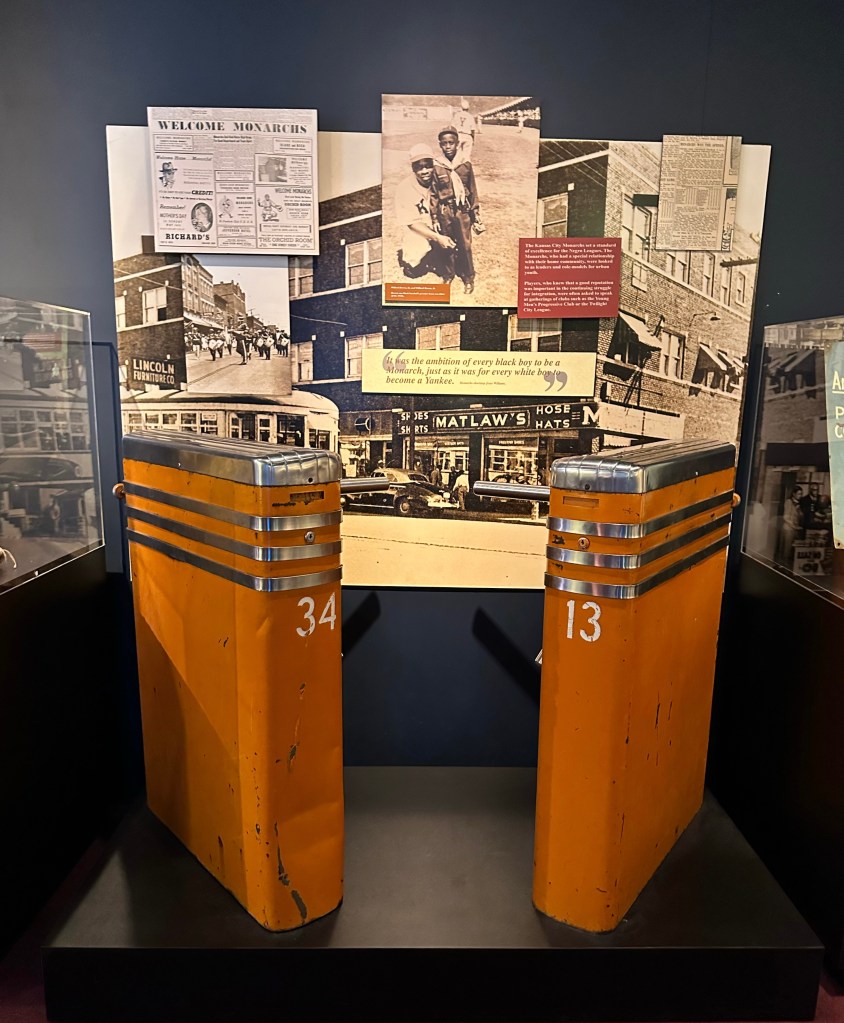
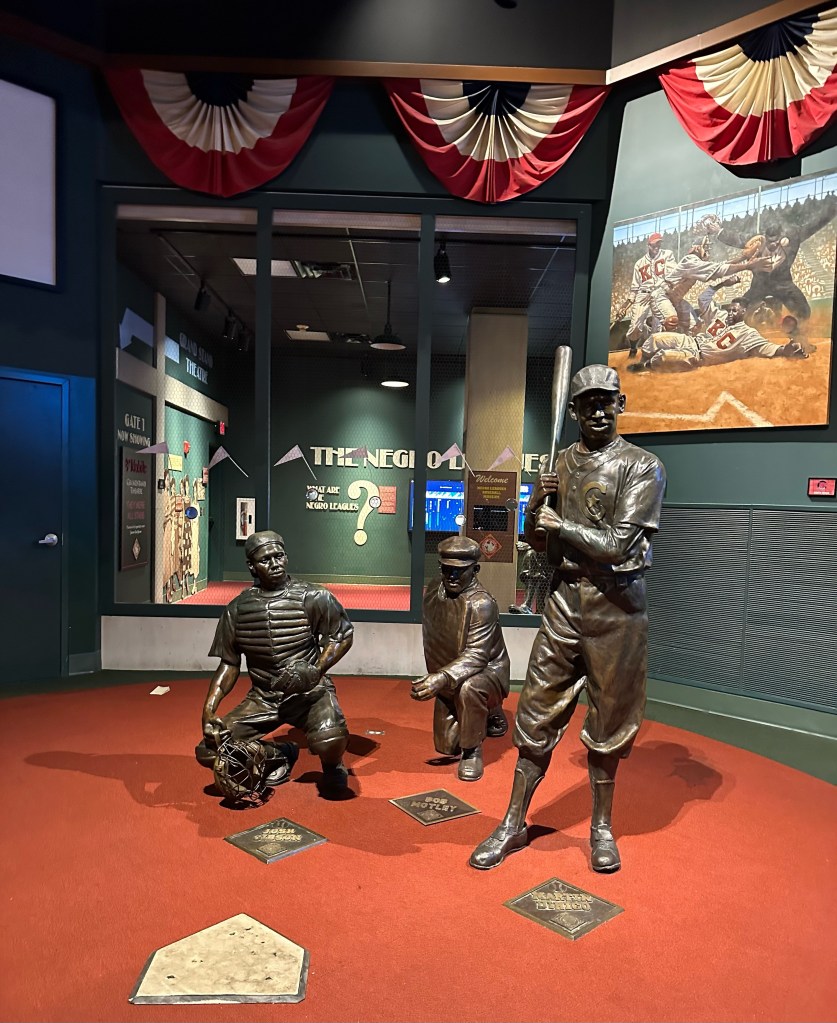
The Negro Leagues Baseball Museum shares the same building as the Jazz Museum. The museum traces the history of the Negro Leagues and celebrates the achievements of its players. The museum juxtaposes that history with United States history which makes for enlightening reading. The museum also features artifacts and interviews of former players.

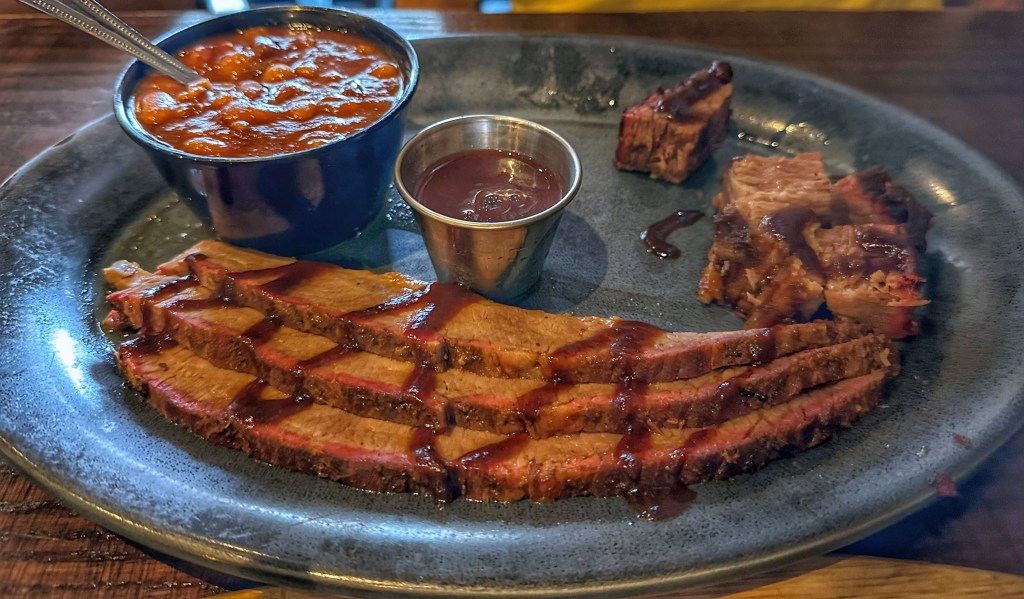
Kansas City is well known for its barbecue. It all comes down to the sauce. KC style sauces are thick and sweet. The recipe usually includes a base made of tomato and molasses. The sauce is cooked into the meat or brushed on immediately after cooking.

Brisket and Burnt Ends with barbecue beans

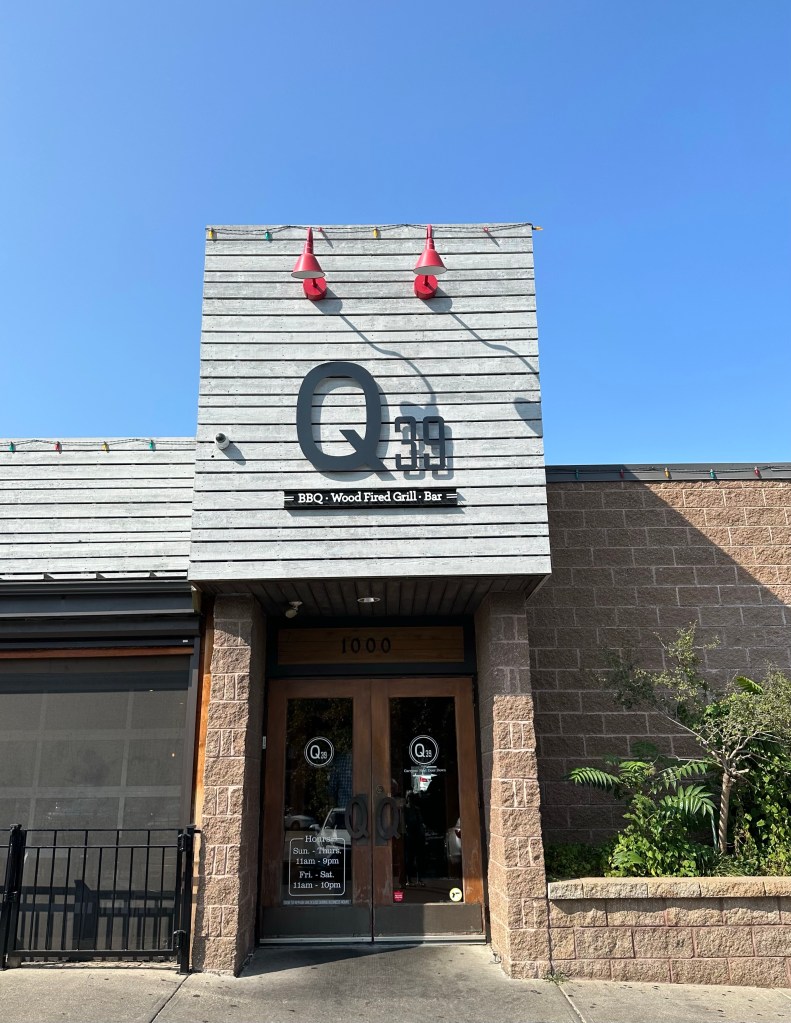
We tried a number of barbecue establishments but the one that topped our list was Q39 a newish restaurant (open for nine years) in midtown Kansas City.

During our Kansas City stay the temperatures reached into the 90’s. We decided to spend some time in air conditioned art galleries.

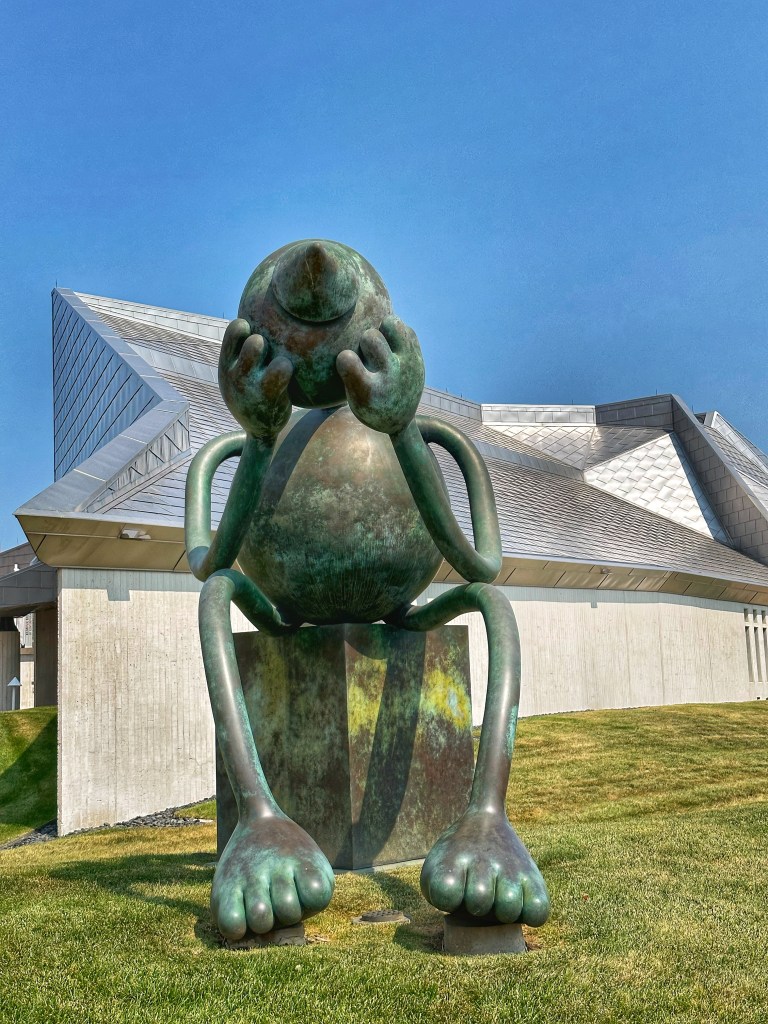
Tom Otterness’s Crying Giant, 2002

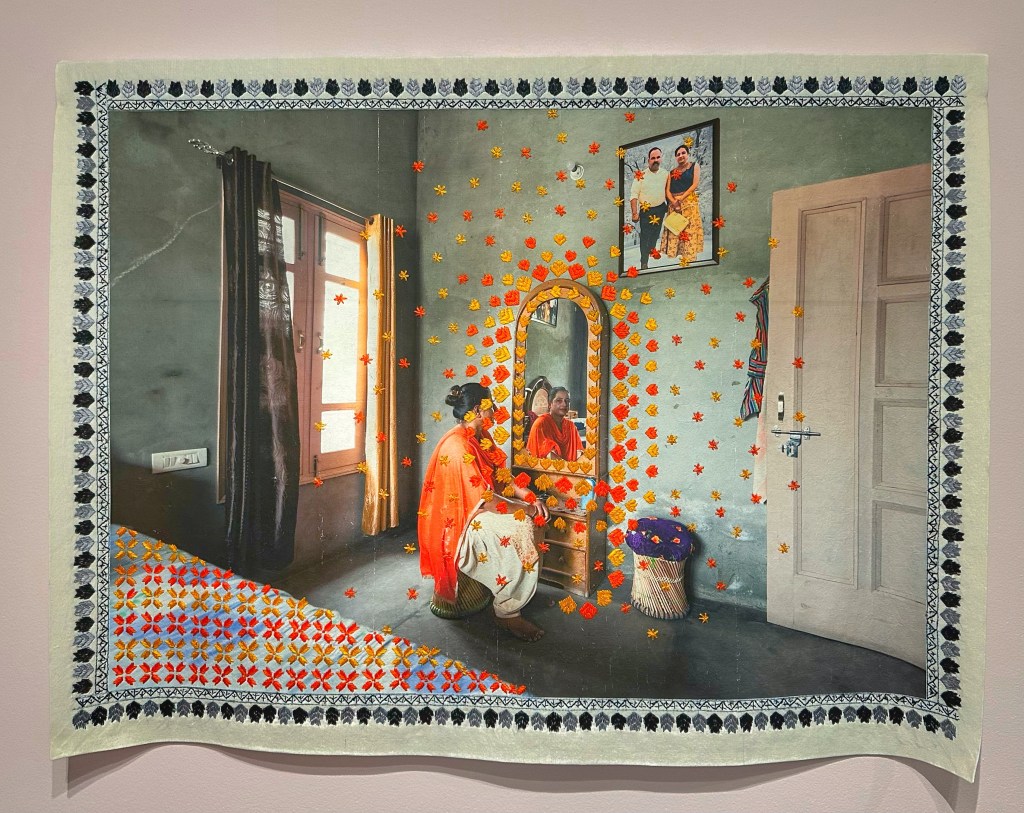
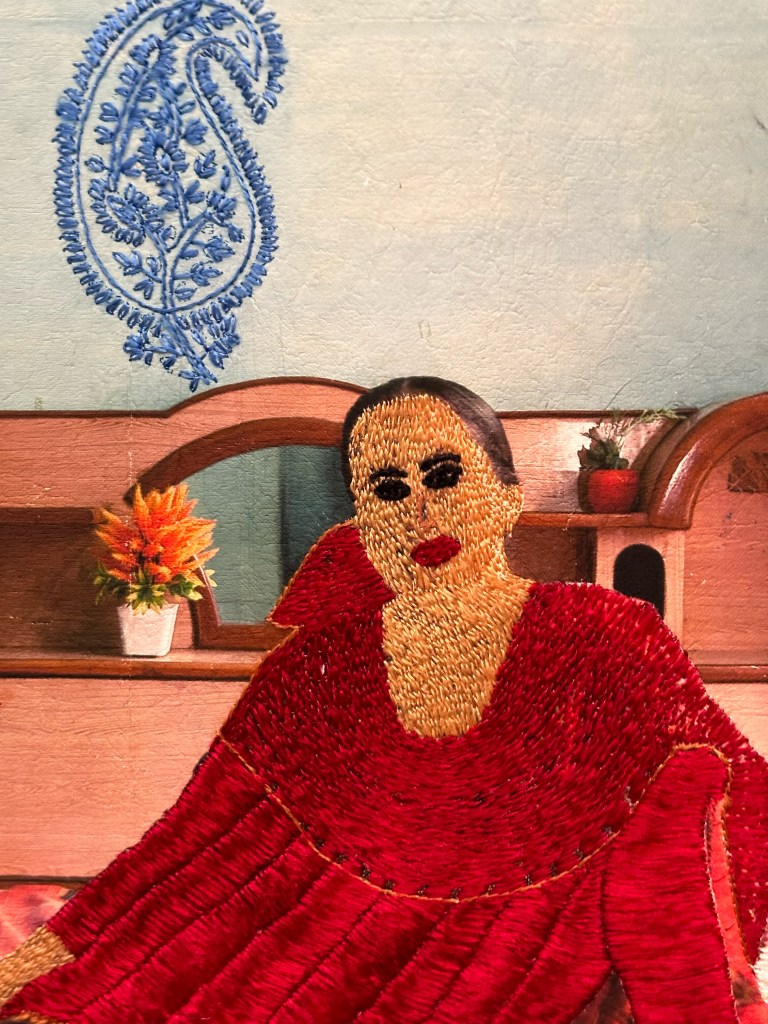
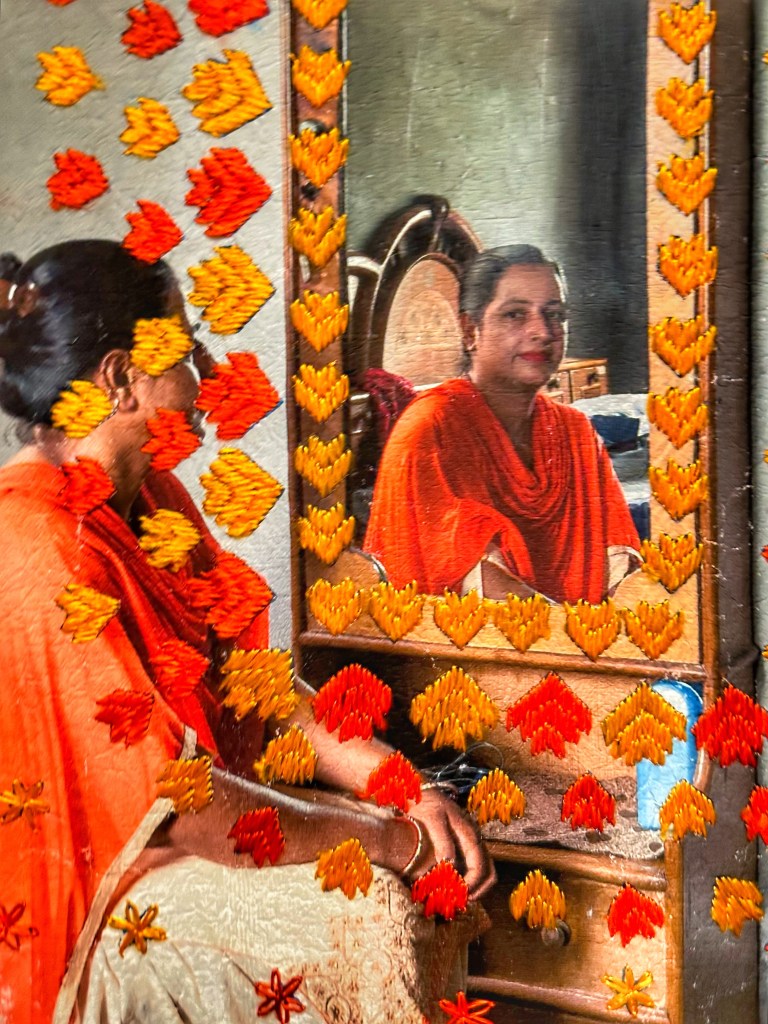
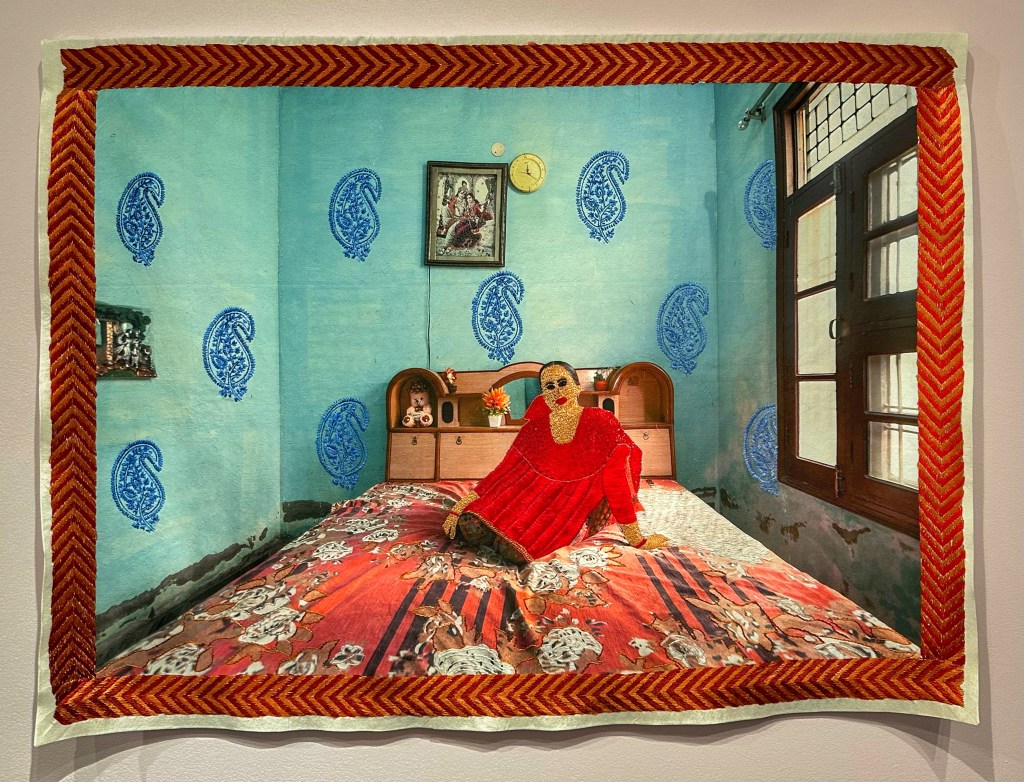
The Kemper Museum of Contemporary Art opened in 1994 and is Missouri’s largest contemporary art museum. They were featuring the work of Spandita Malik an Indian photographer and her collaboration with women across North India. Her subjects are survivors of domestic and gender based abuse. The portraits are printed on khaadar fabric and the women are asked to embroider their own portraits. In this way the women claim agency over their portrayal.

Radha Rani IV, 2023
Detail
Meena II, 2023
Detail

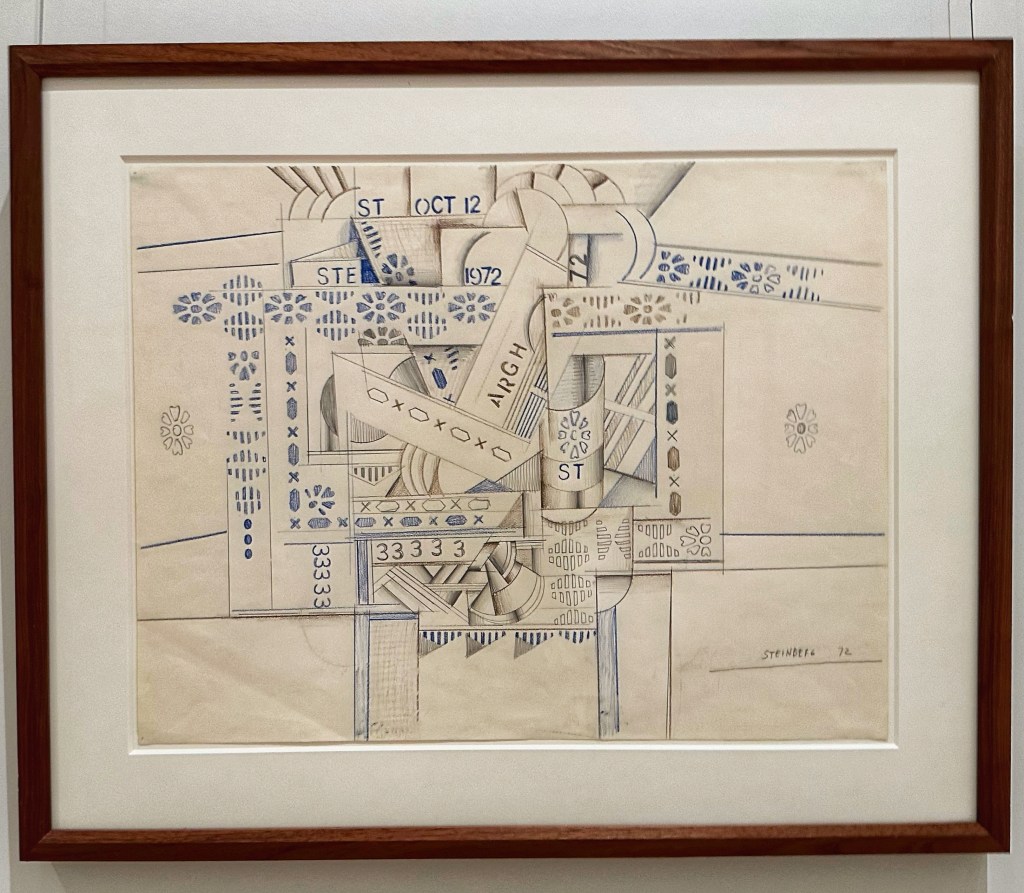
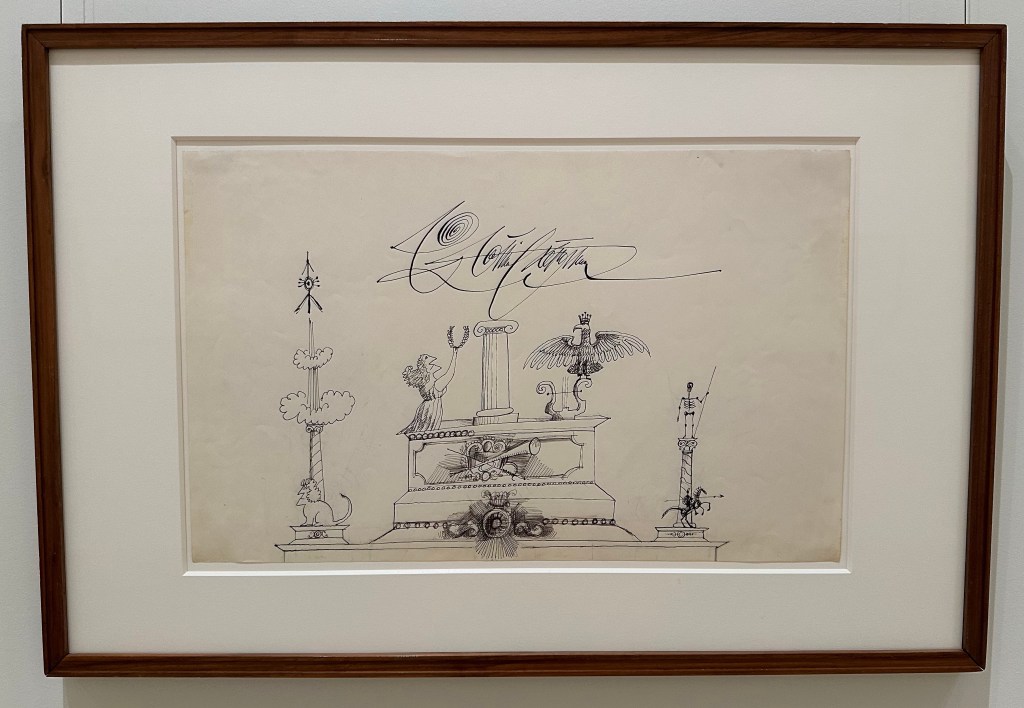
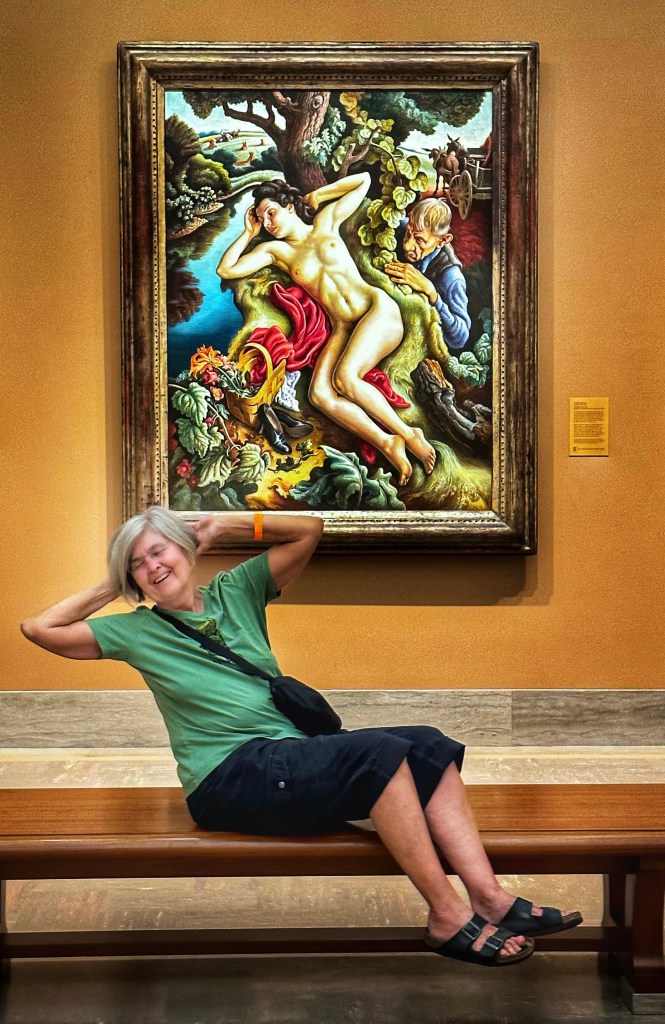
We left the Kemper and walked a short distance to the Nelson-Atkinson Museum of Art. The museum is known for its extensive collection of work from around the world. The museum was far too large to see everything in the time we had. We focused in on the work of Saul Steinberg(1914-1999) and Thomas Hart Benton(1889-1975). Steinberg is best known for the New Yorker Magazine covers he created. Benton was known as a leader in the regional art movement where he portrayed everyday people going about their lives.

Stencil Still Life, 1972 Saul Steinberg
Untitled 1961-1965, Saul Steinberg
The Benton Farm 1973-Thomas Hart Benton
Persephone 1939-Thomas Hart Benton

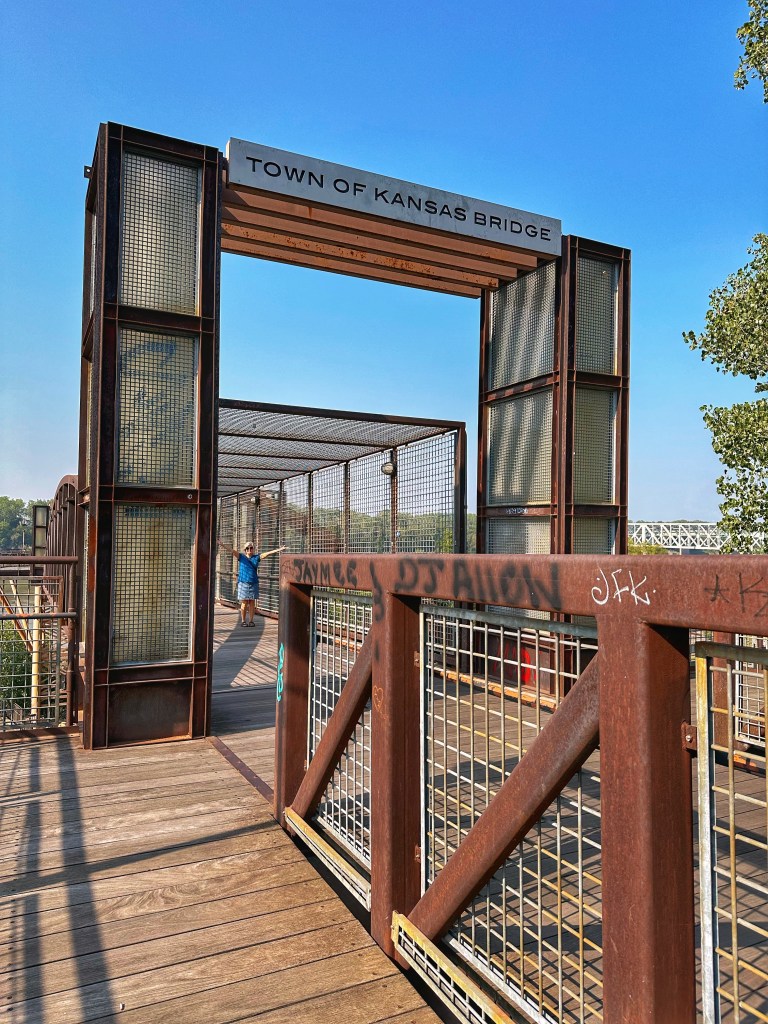
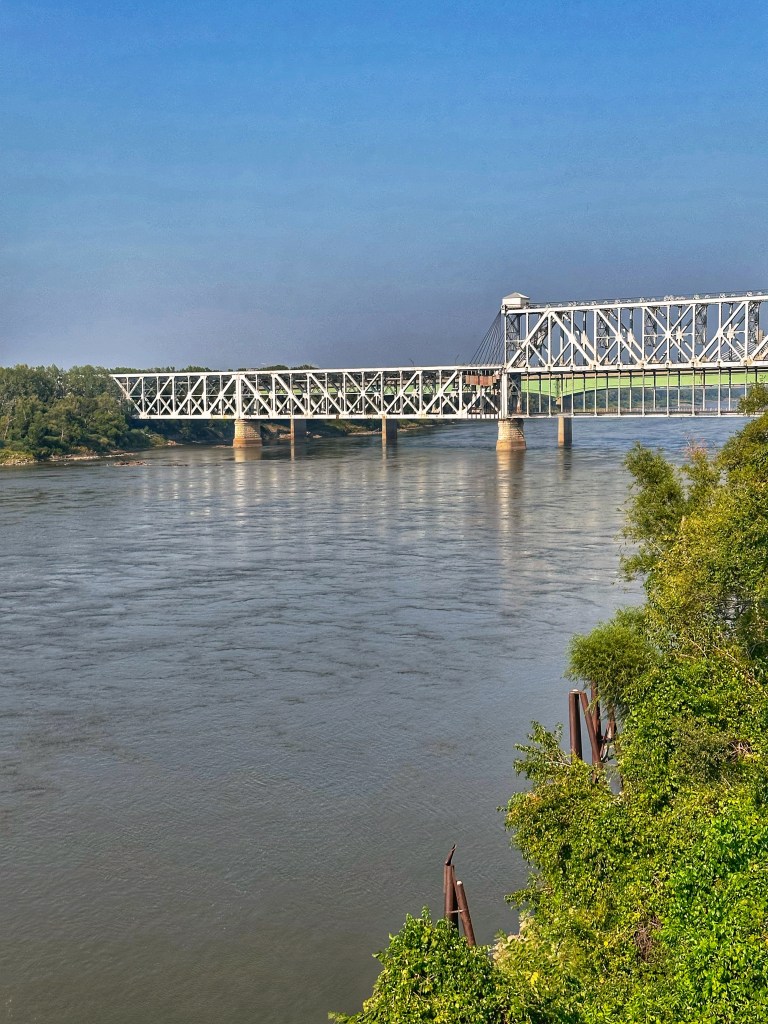
In the 1830’s the town of Westport was established along the Missouri River. The site was chosen as a place to outfit pioneers on the Santa Fe trail. In 1838 a group of investors bought up property along the river front. The area included Westport and was incorporated in 1850 as the Town of Kansas, named after the local Kansa Indians. The state of Missouri renamed it the City of Kansas and later Kansas City. At the time of its naming the territory on the other side of the river was part of an unorganized territory. The Territory of Kansas was established in 1861.They named their side of the river Kansas City in 1872 after statehood was granted.

The Missouri River at the former site of Westport

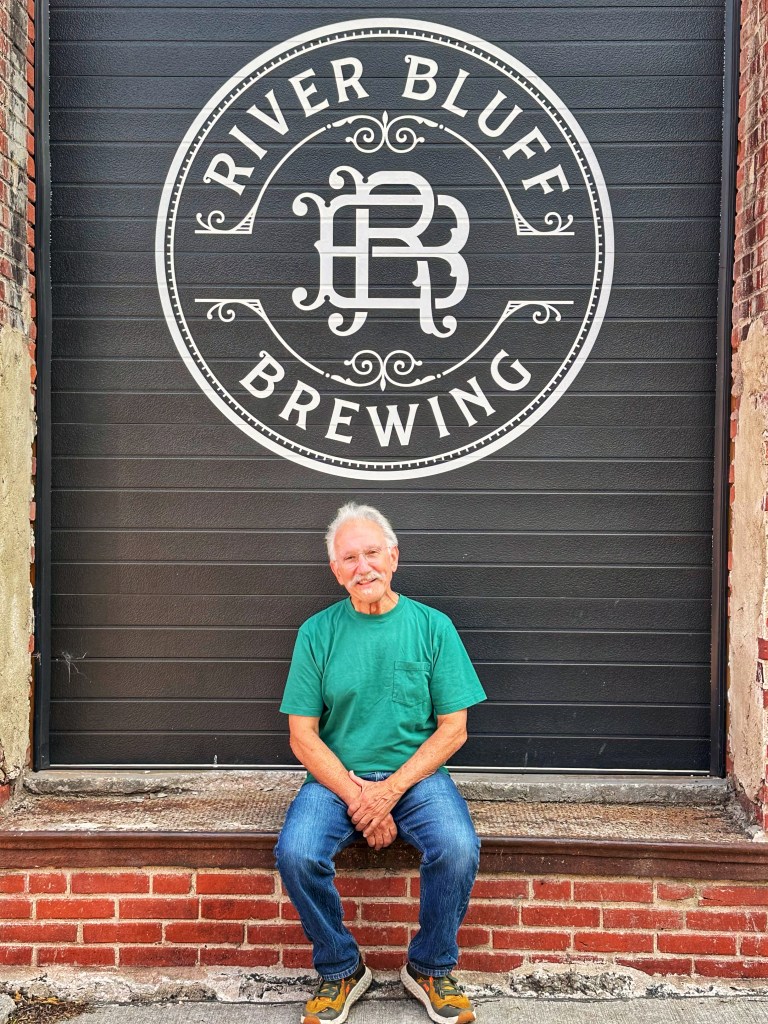
This bluff along the river is populated by old industrial sites that are being converted into loft spaces and businesses. A local brewery nearby called out for exploring.

We are happy to report that they serve a decent brew.

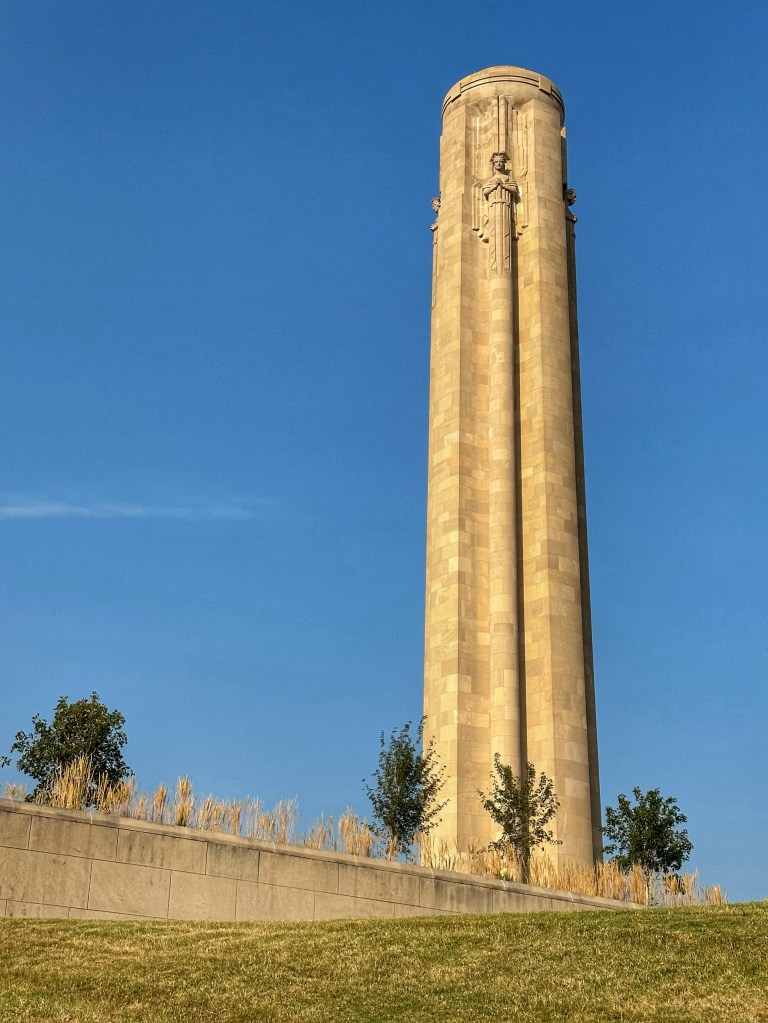
The National WWI Museum and Memorial is located in Kansas City. They claim to house the world’s most comprehensive WWI collection. It was closed by the time we got there so I can’t verify that claim but the grounds were beautiful.

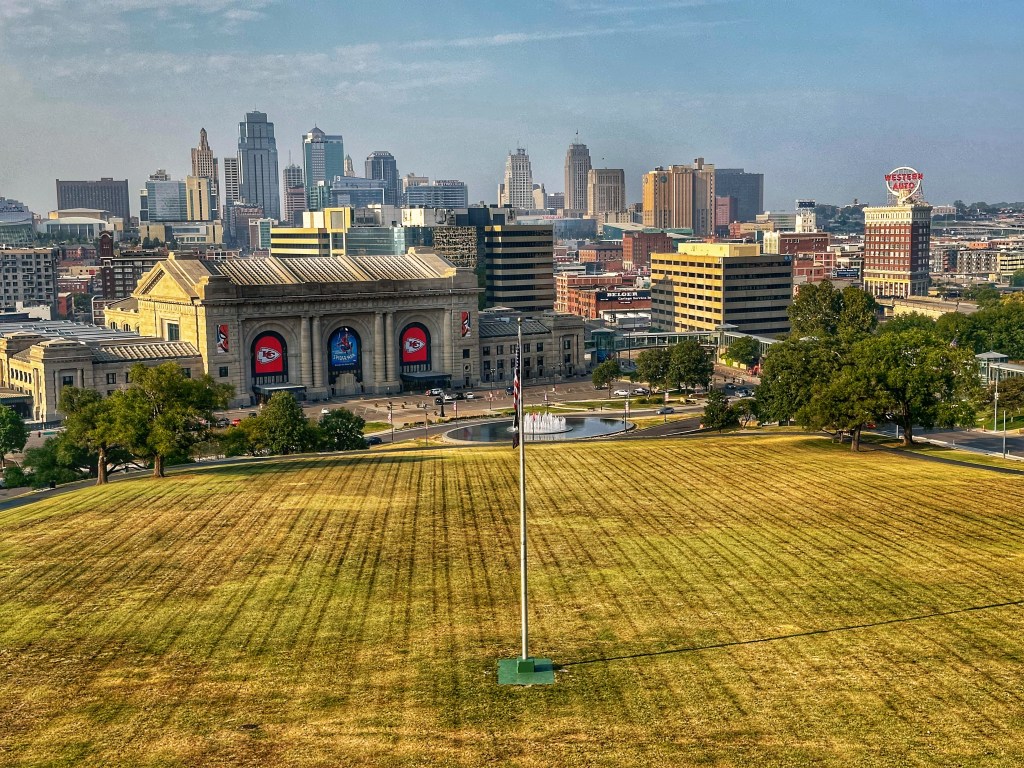
Kansas City as seen from the WWI Memorial

Kansas City was bigger and grittier then we expected. We felt that we just scratched the surface of what the city had to offer. A return trip is certainly in order.

Kentucky: Quilting to Bourbon

Paducah, Kentucky is home to the National Quilt Museum. We’ve been trying to get there for awhile. This trip we made it happen.

Fern Lake Campground

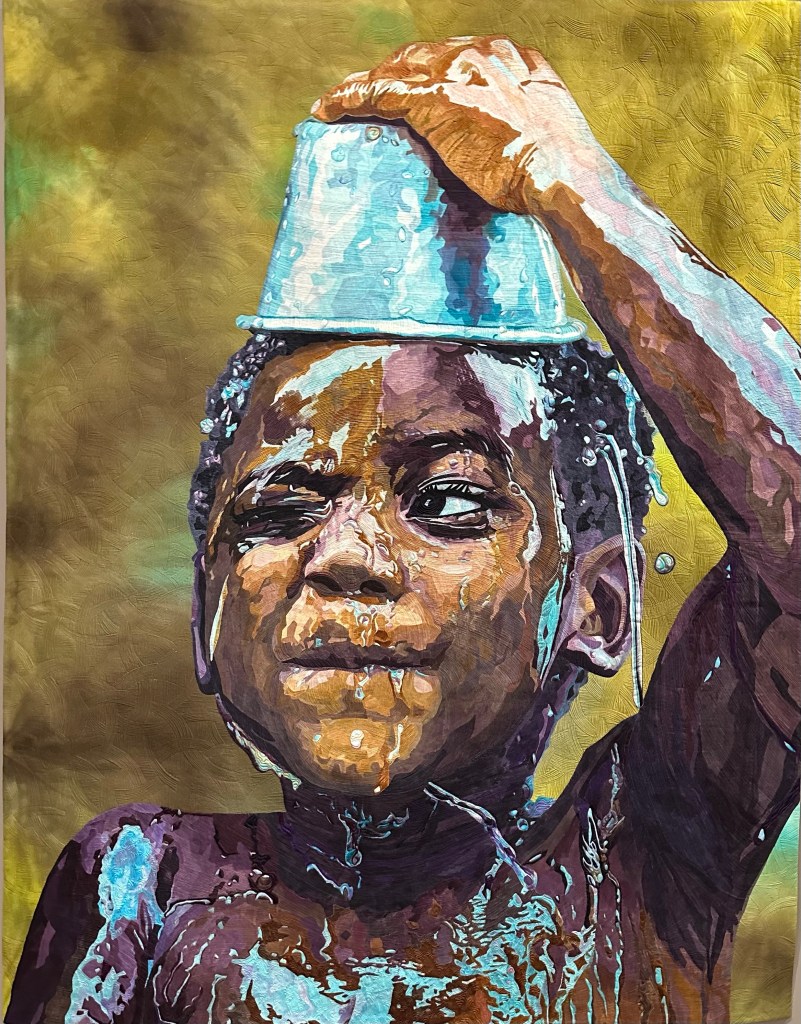
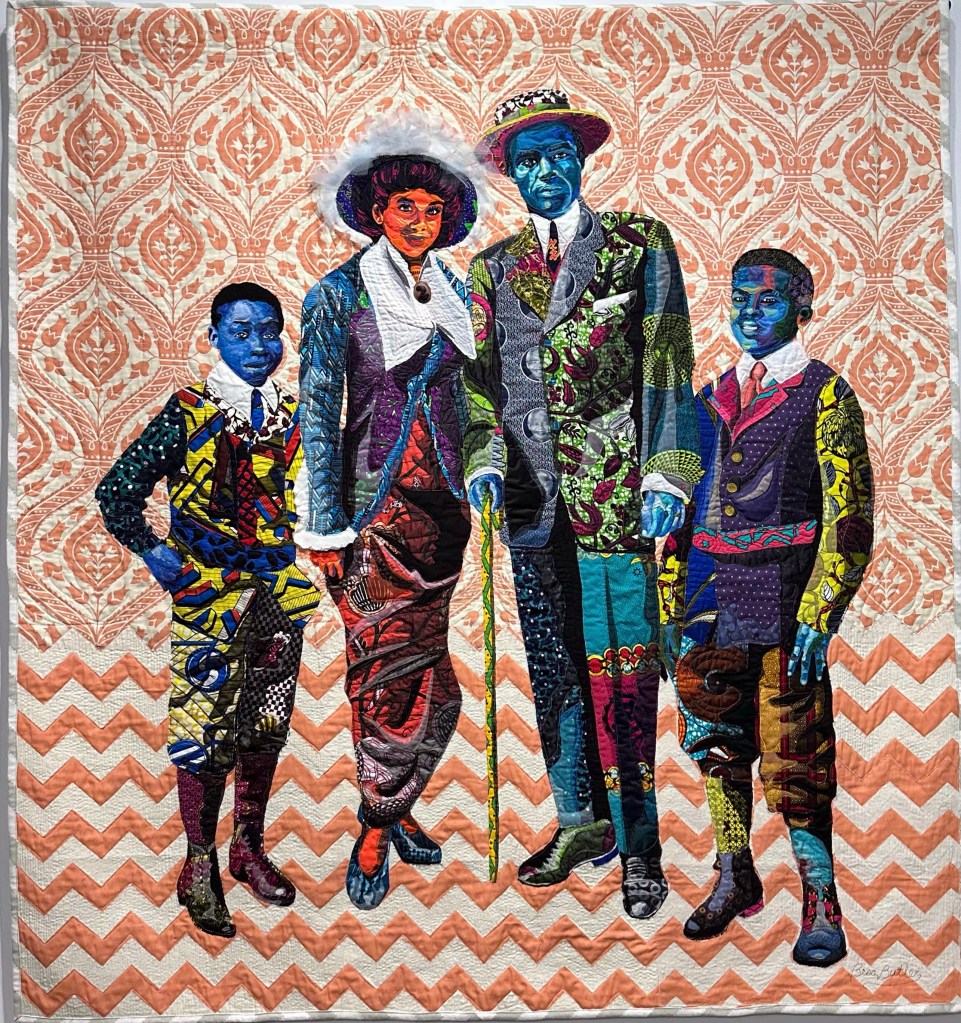
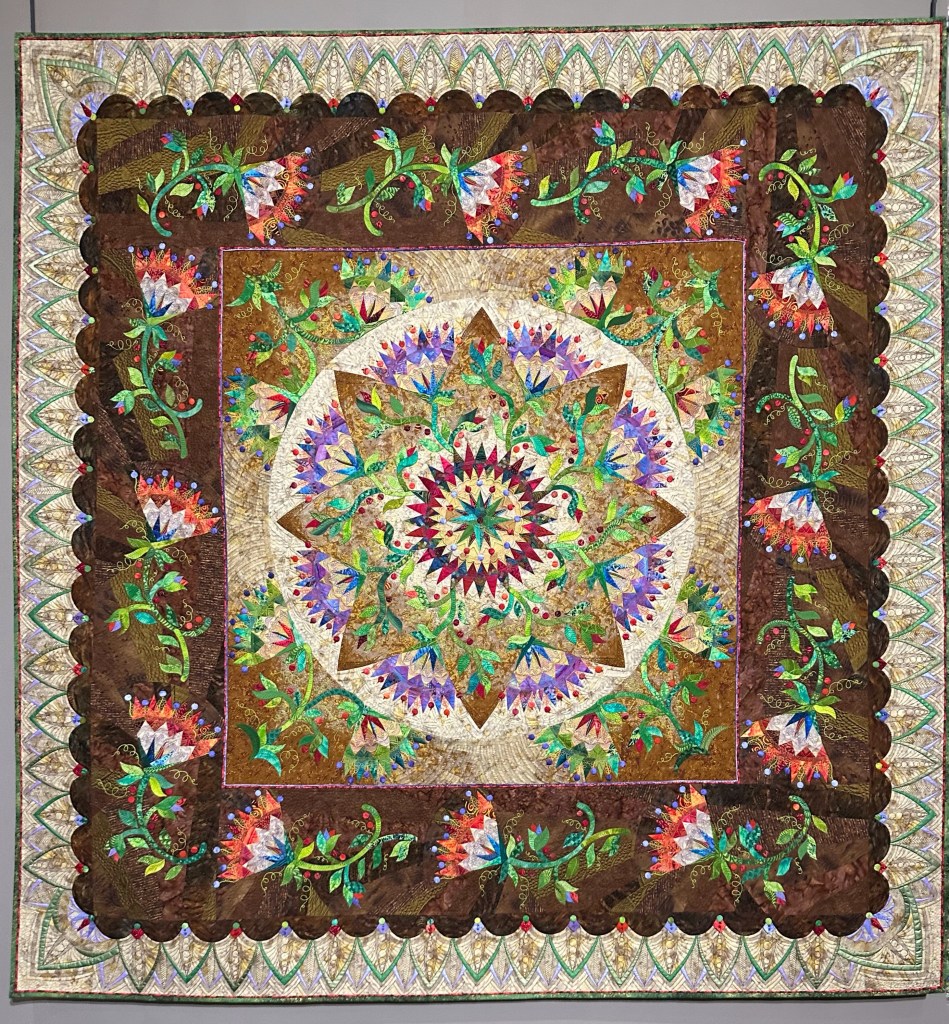
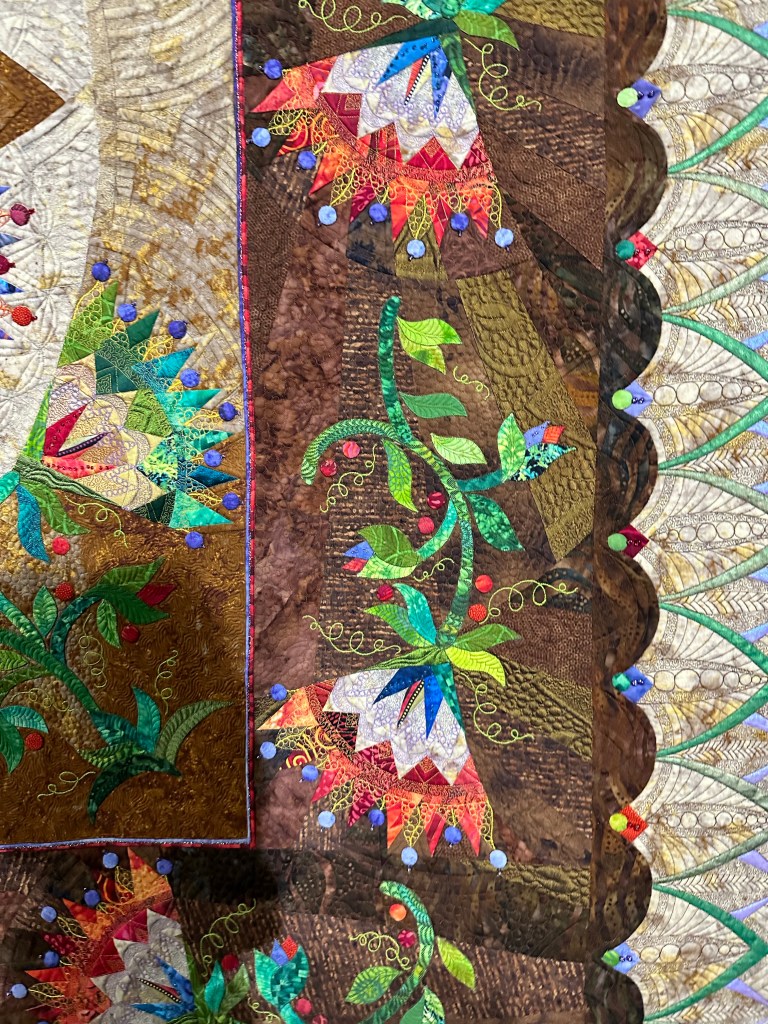
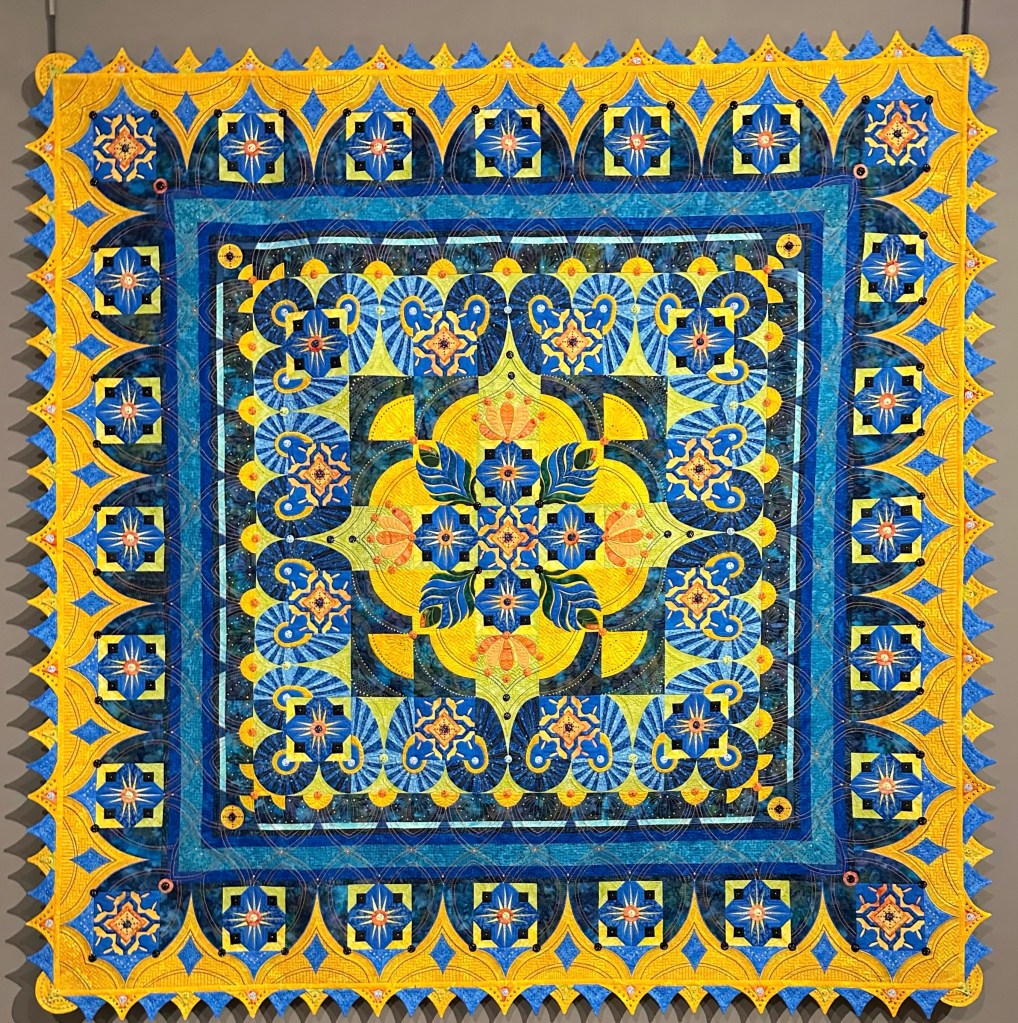
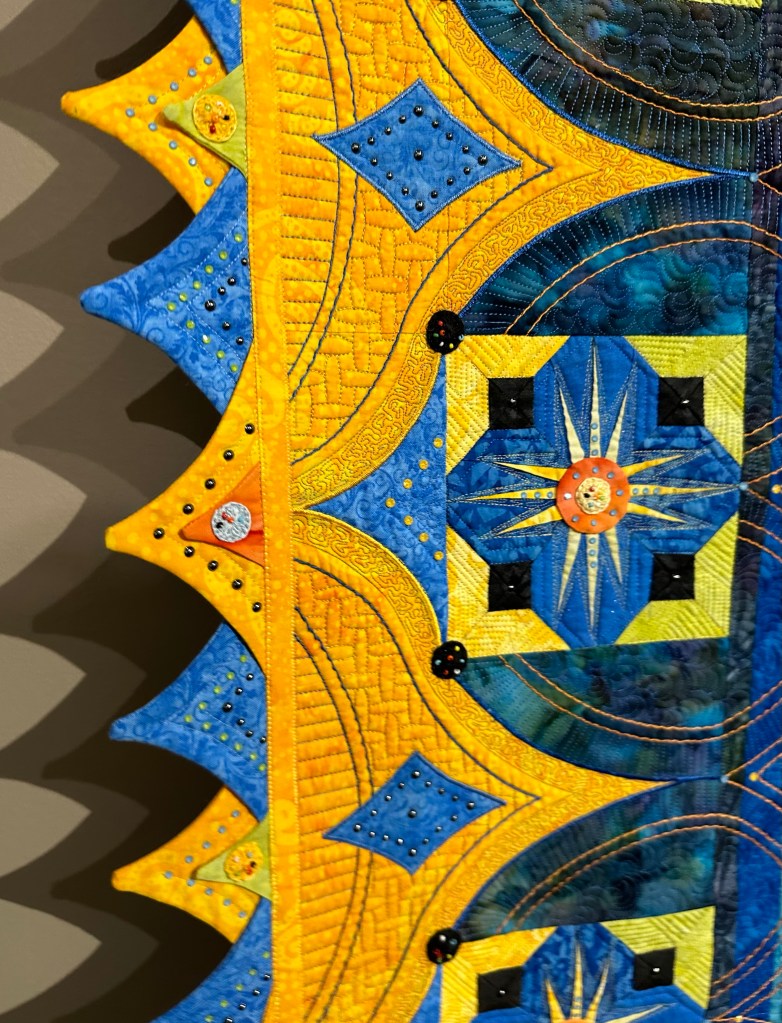
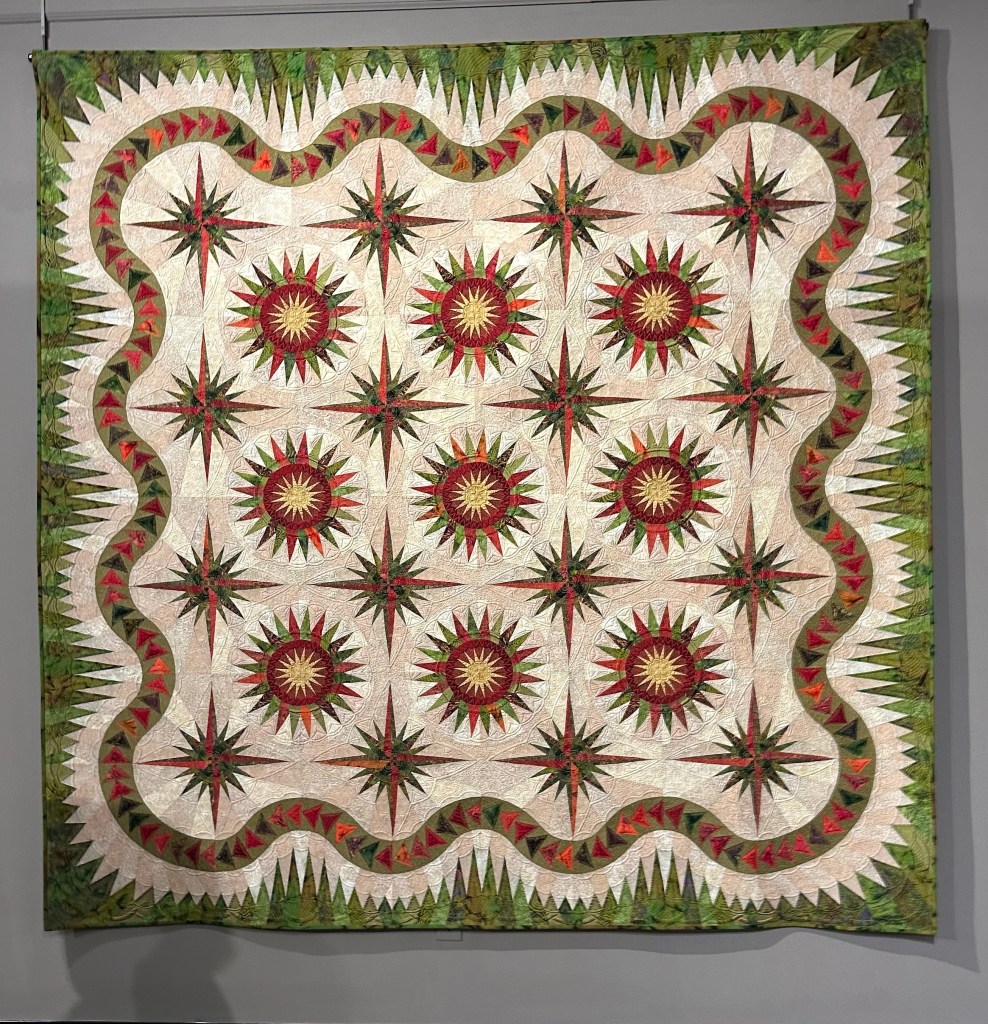
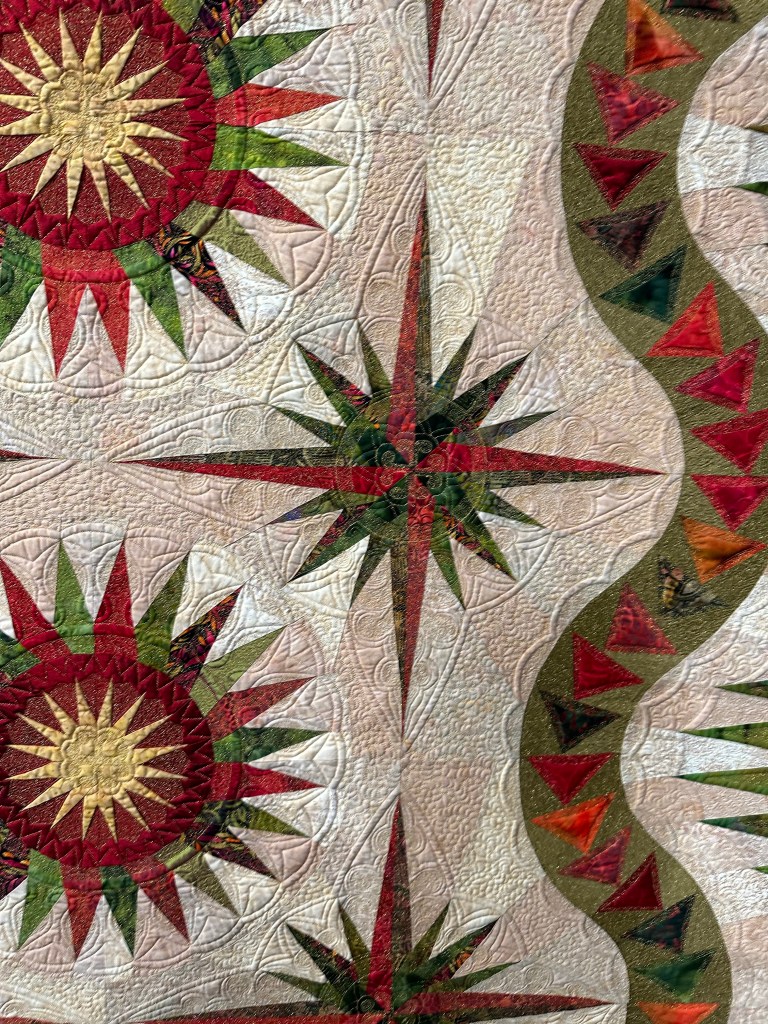
We arrived during Quilt Week, a massive gathering of quilters and vendors of all things quilting. Our focus was on the museum and their current exhibitions. We were not disappointed. To call what these quilters do quilts fails to convey the level of artistry involved in producing this work.

Summer Fun, 2022 by Marina Landi and Fabia Diniz

Yes! That was done with dyed fabric and thread.

Black Star Family, First Class Tickets to Liberia, 2018 by Bisa Butler

One of the major shows at the museum was called “Showstopper “ highlighting the work of Marilyn Badger, a competitive quilter. And showstoppers they were.

Exuberance, 2014
Detail
Midnight in Morocco, 2020
Detail
Filigree, 2009
Detail

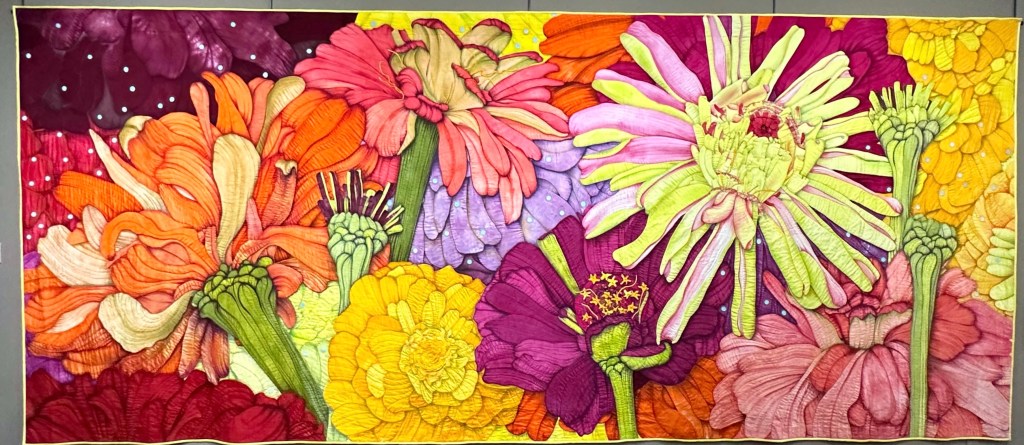
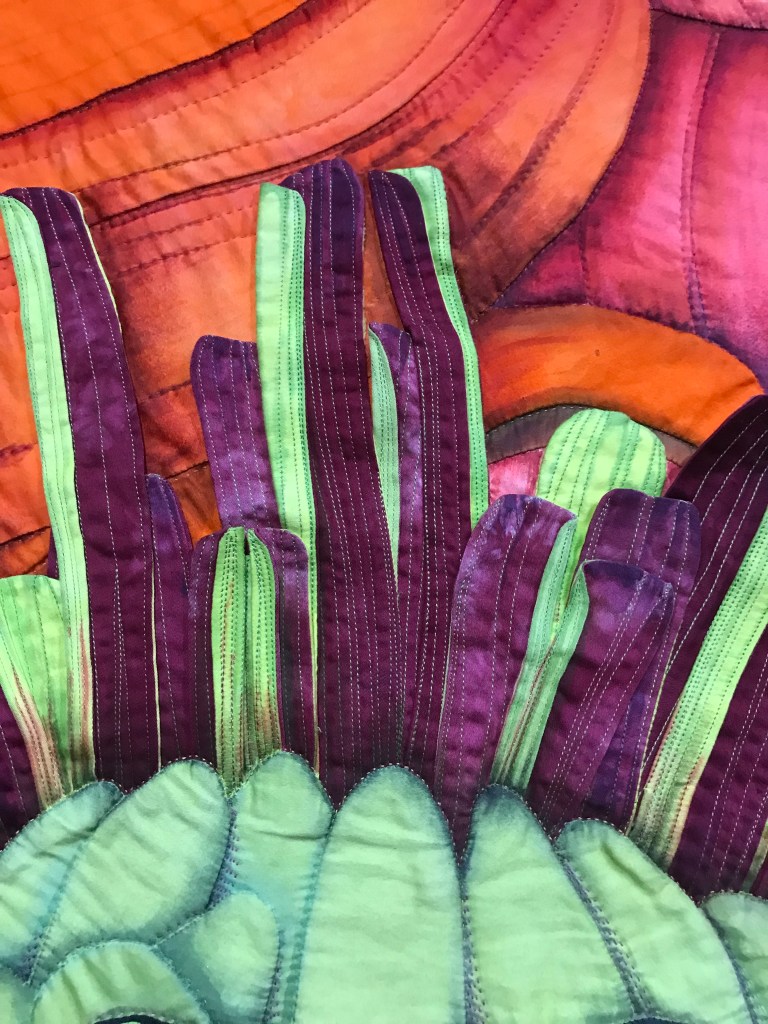
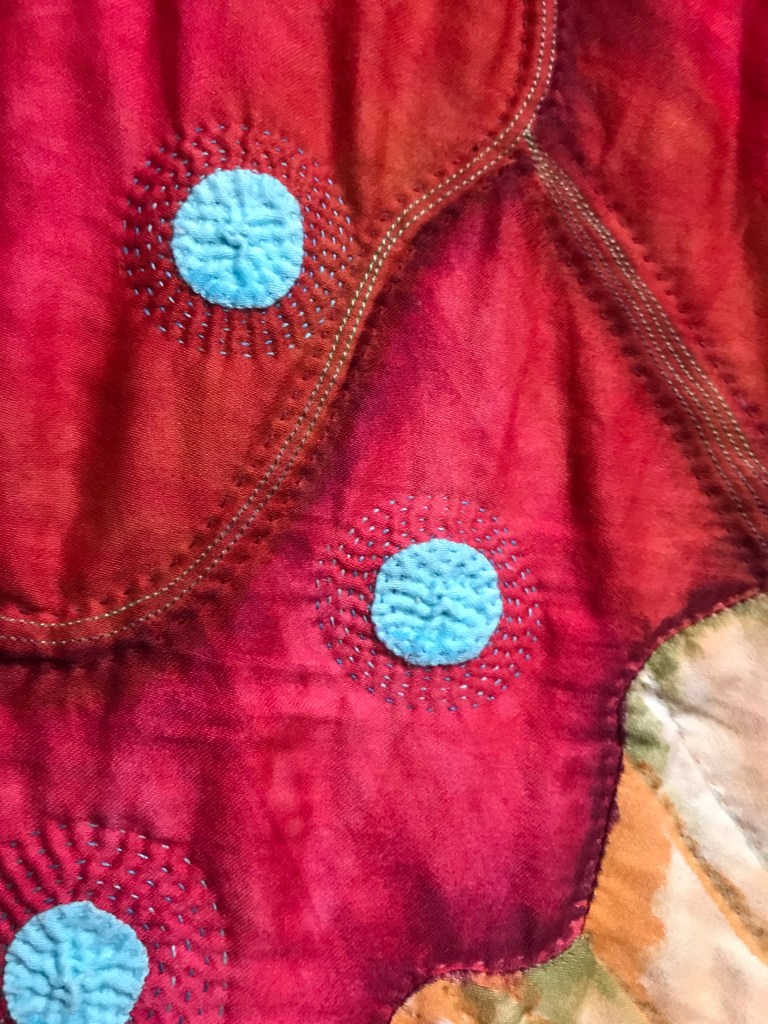
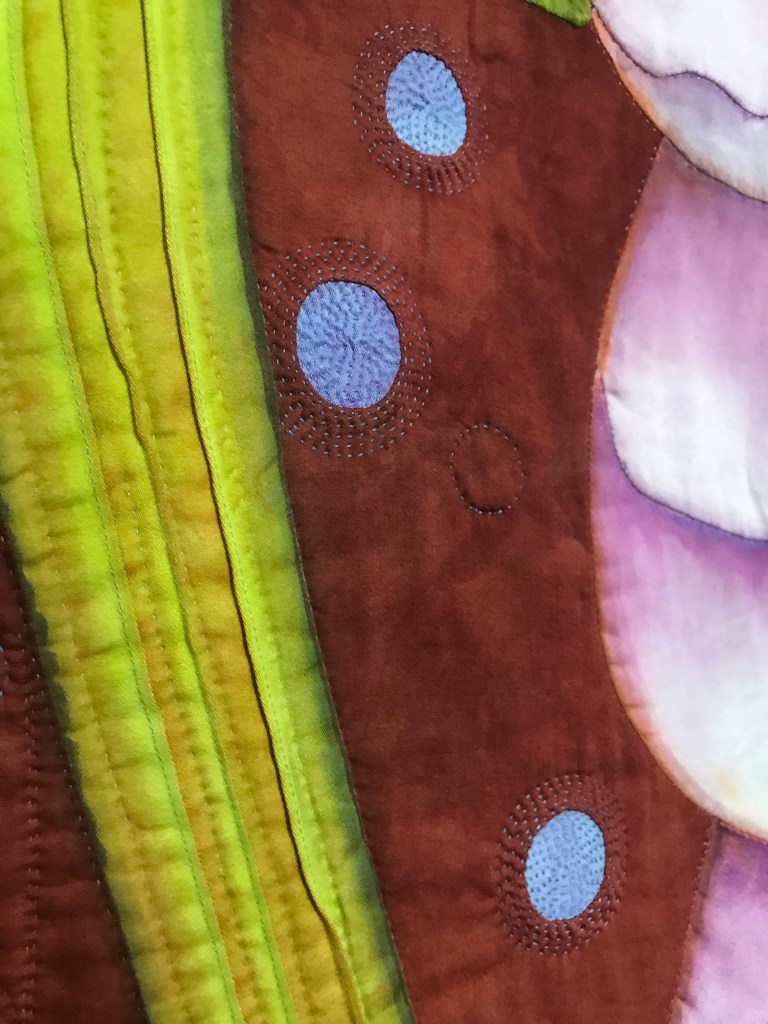
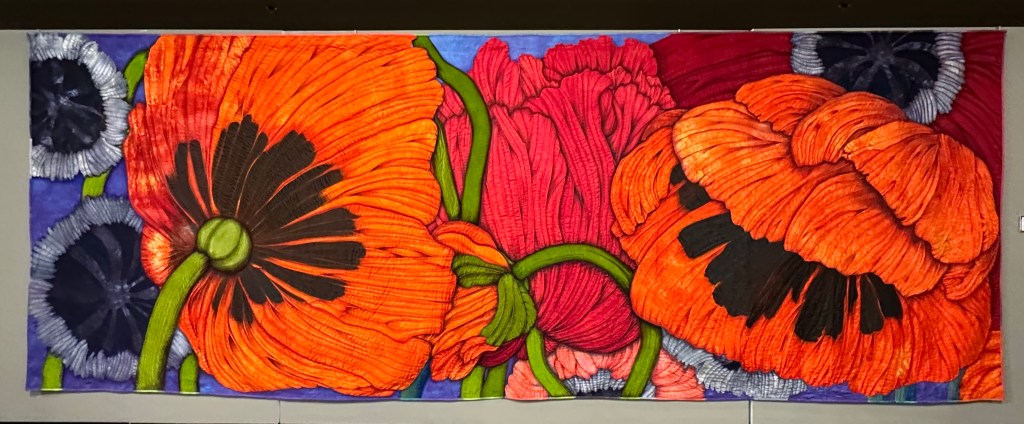
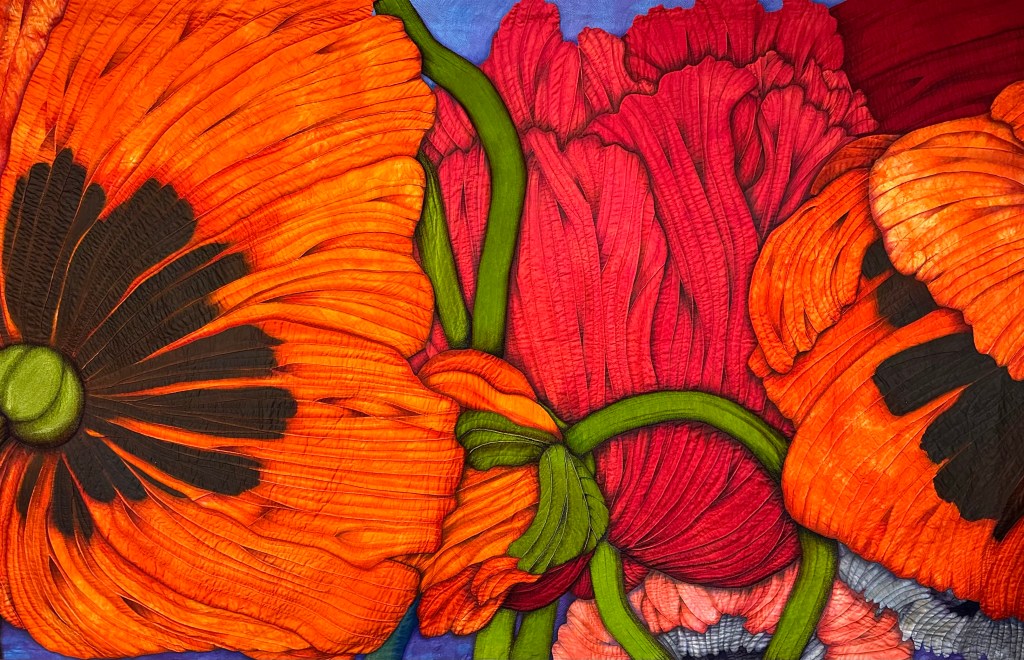
The other major museum show was “Larger Then Life” by Velda Newman. She dyes all of her fabrics and hand quilts everything.

“Zinnia” took two years to complete and is 17 1/2 feet long and over 7 feet tall
Detail
Detail
Detail
“Poppies”
Detail

There are more mind blowing “Quilts” than would be practical to include here. If you enjoy this kind of textile art you owe yourself a visit to Paducah or at least a visit to the museum’s website: quiltmuseum.org.

After spending a day looking at quilts and rubbing shoulders with the hordes we drove to the Land Between the Lakes National Recreation Area for some bike riding.

On the Central Hardwoods Scenic Trail

We left Paducah and continued our journey north for a stop along the bourbon trail in Bardstown, Kentucky.

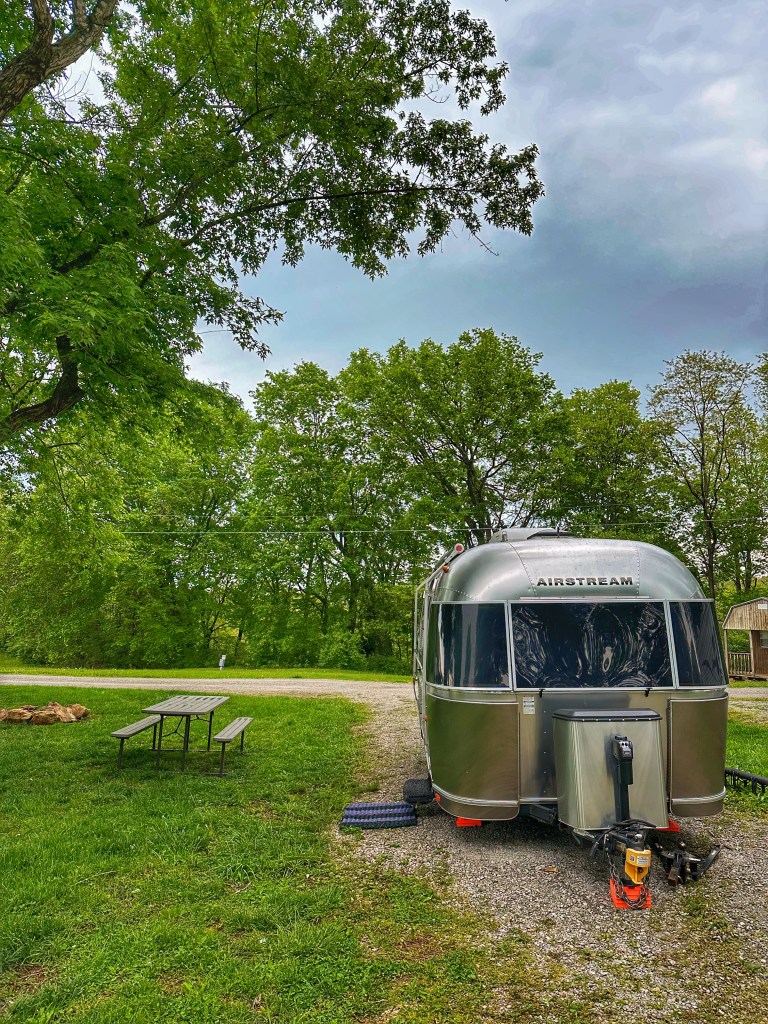
White Acres Campground

Bardstown refers to itself as “the bourbon capital of the world “. This is no idle boast given the number of distilleries in the area. In fact, as you wander the town you can smell corn mash being fermented.

Bardstown Visitor Center
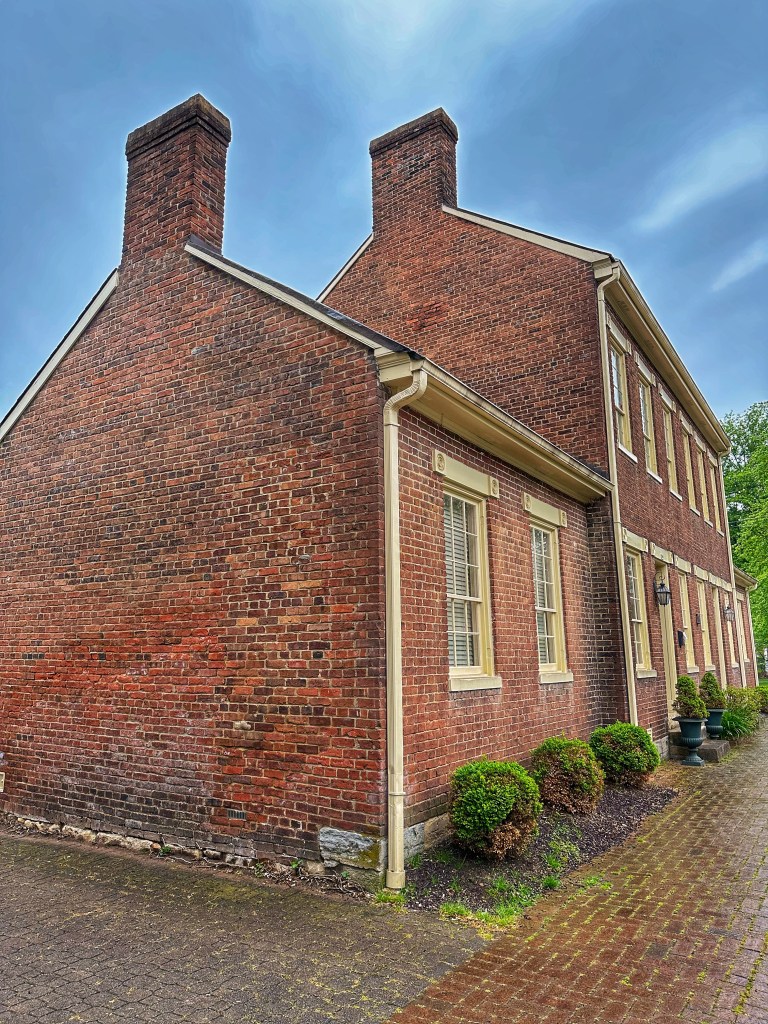
One of the lovely federalist style brick homes found in Bardstown
We enjoyed wandering the “historic “ downtown

We weren’t there to wander Main Street but visit distilleries. We had one tour booked but decided to do some visits without tours.

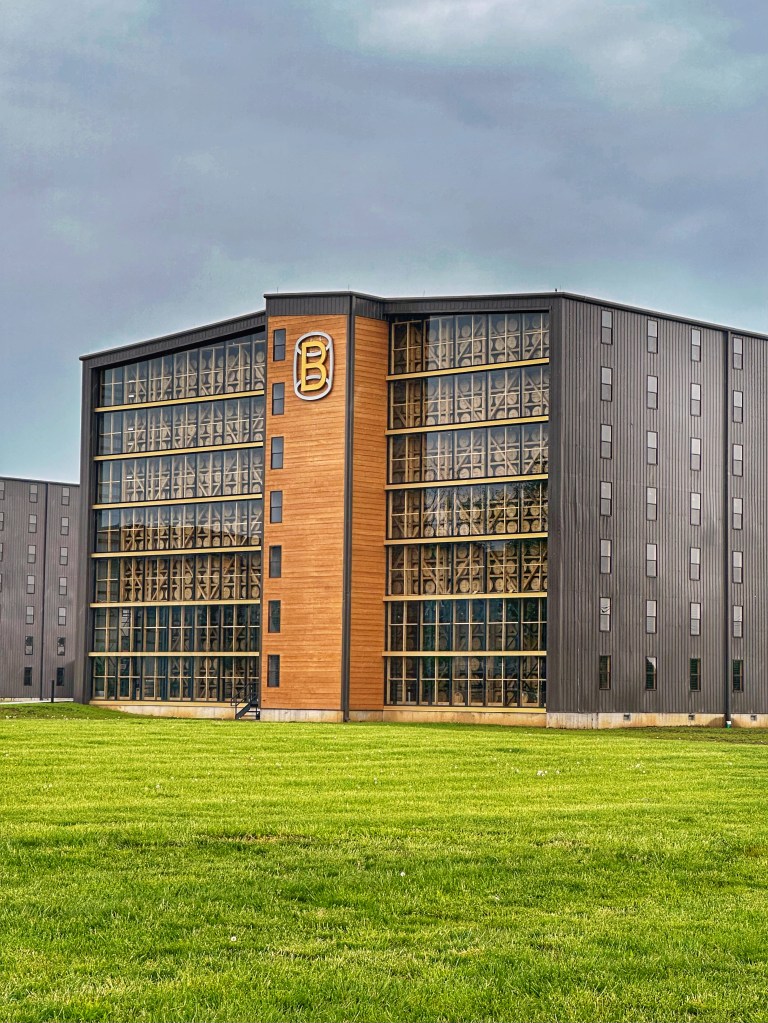
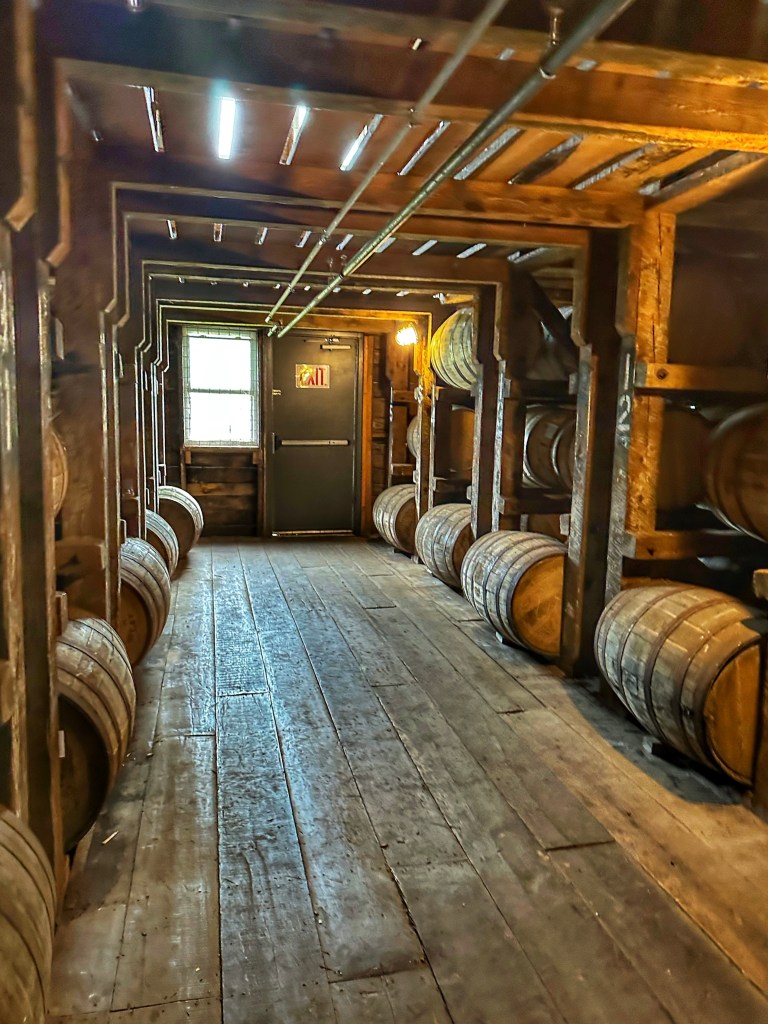
One of the numerous rickhouses ( where the barrels of bourbon are aged) found on the grounds of Bardstown Bourbon Company

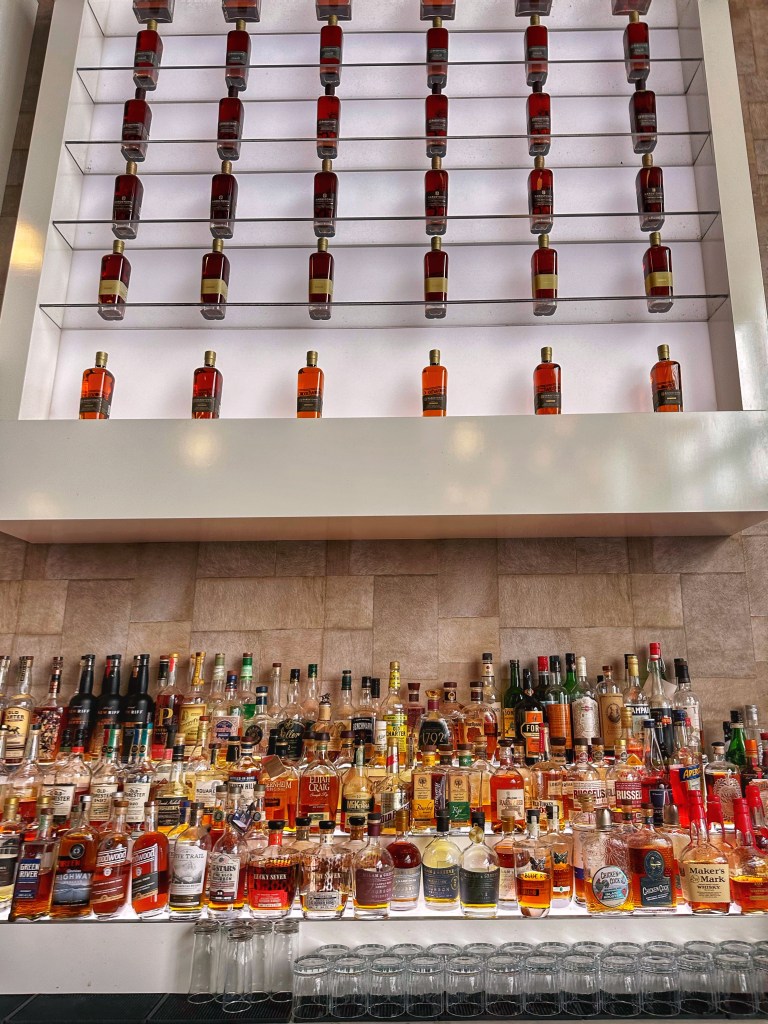
The Bardstown Bourbon Company is a new distillery in the area. They’ve been around less than seven years and have an outstanding bar in their new modern facility.

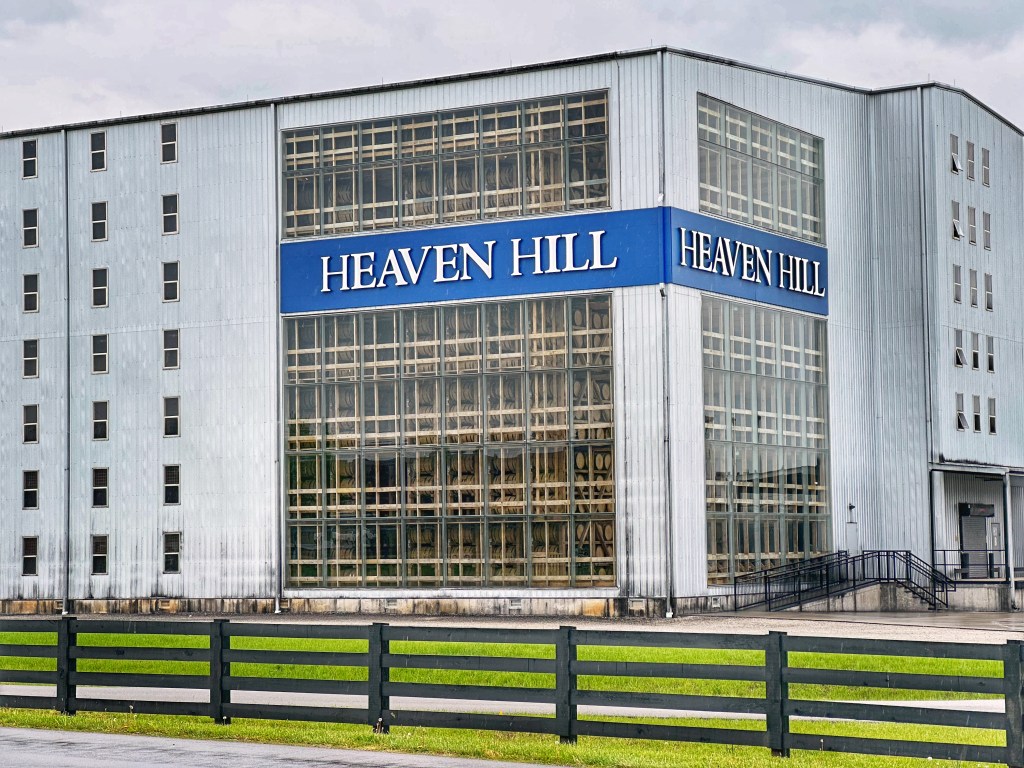
We also stopped by the Heaven Hill Distillery. The original distillery burned down in 1996 but they bought a facility in Louisville to continue to make whiskey. In 2022 they rebuilt their rickhouses on the sight of their original distillery.

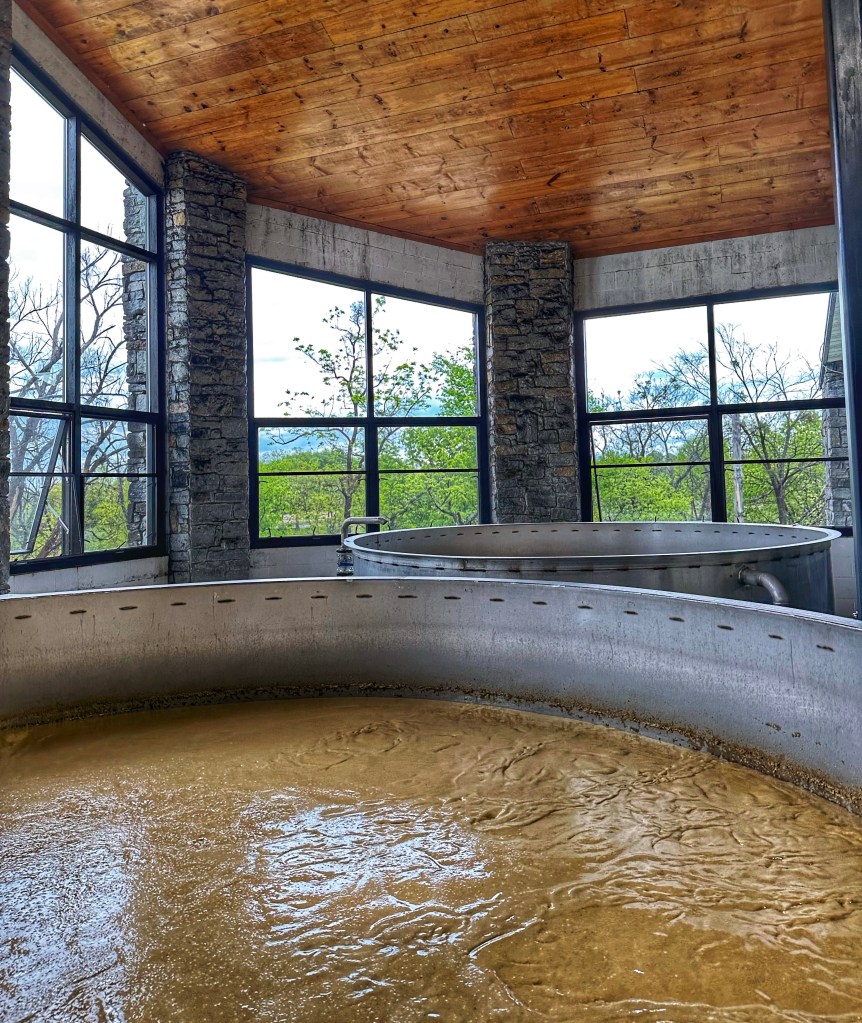
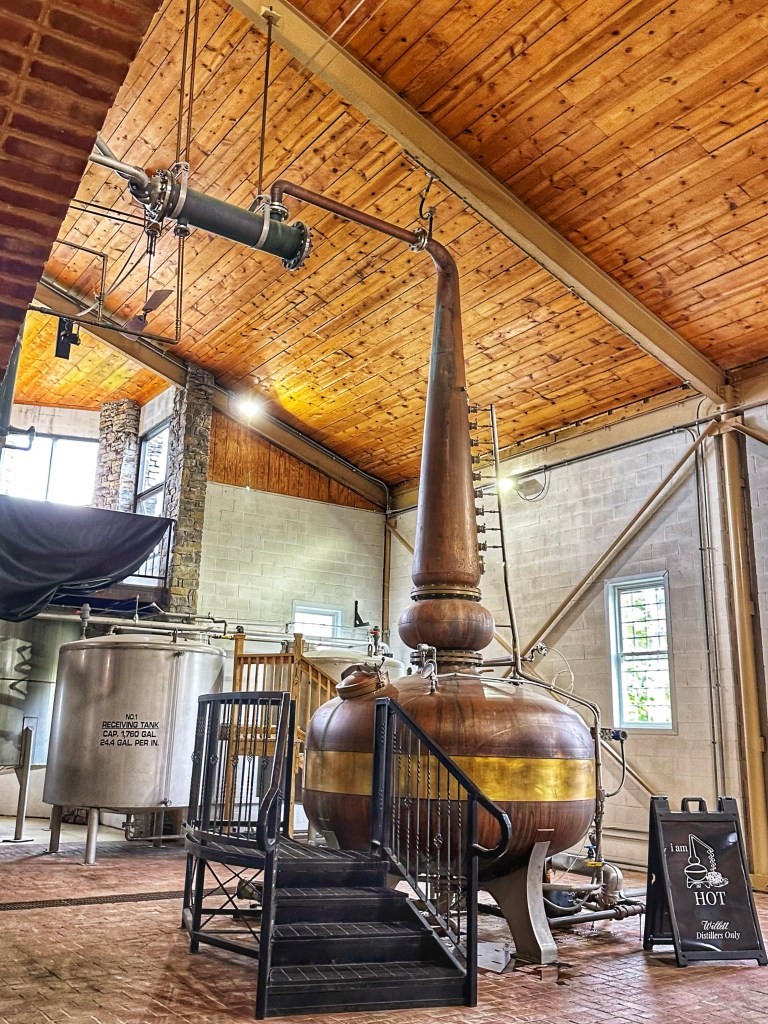
We did book a tour and tasting at Willet, a smaller, family owned and operated distillery. The family were pig farmers until the abolition of prohibition in 1933 when they decided to ride the whiskey wave sweeping the country. The grounds are beautiful and they have great food @ the bar.

Fermentation Tanks
Copper Pot Still
Willet’s original rickhouse

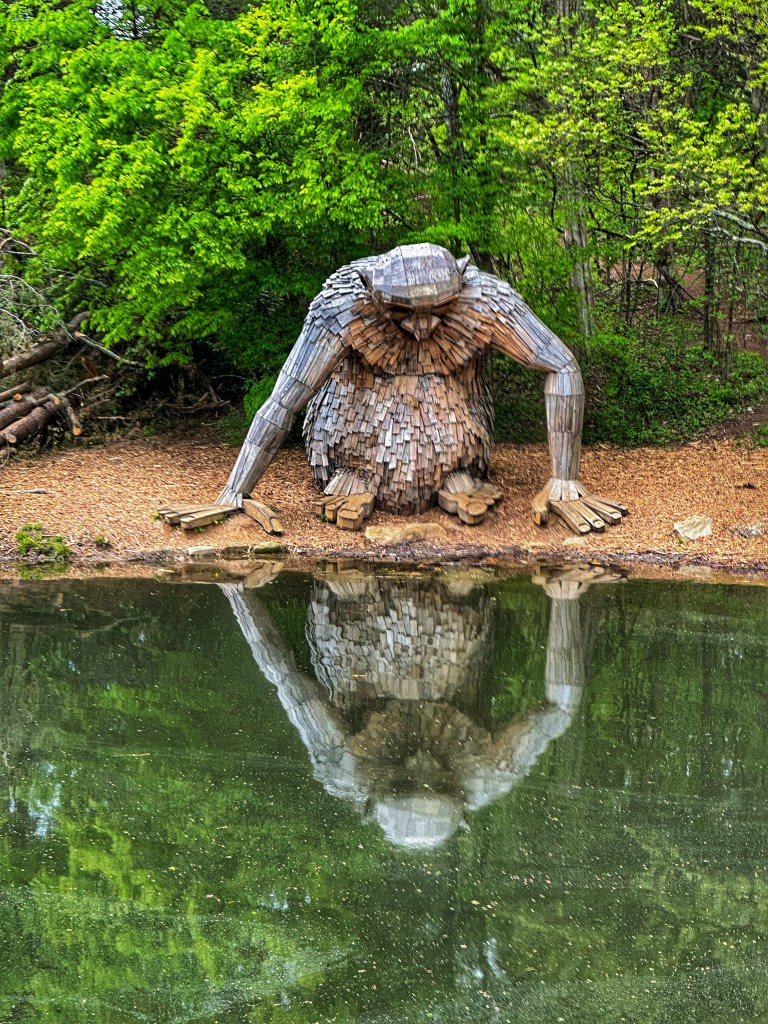
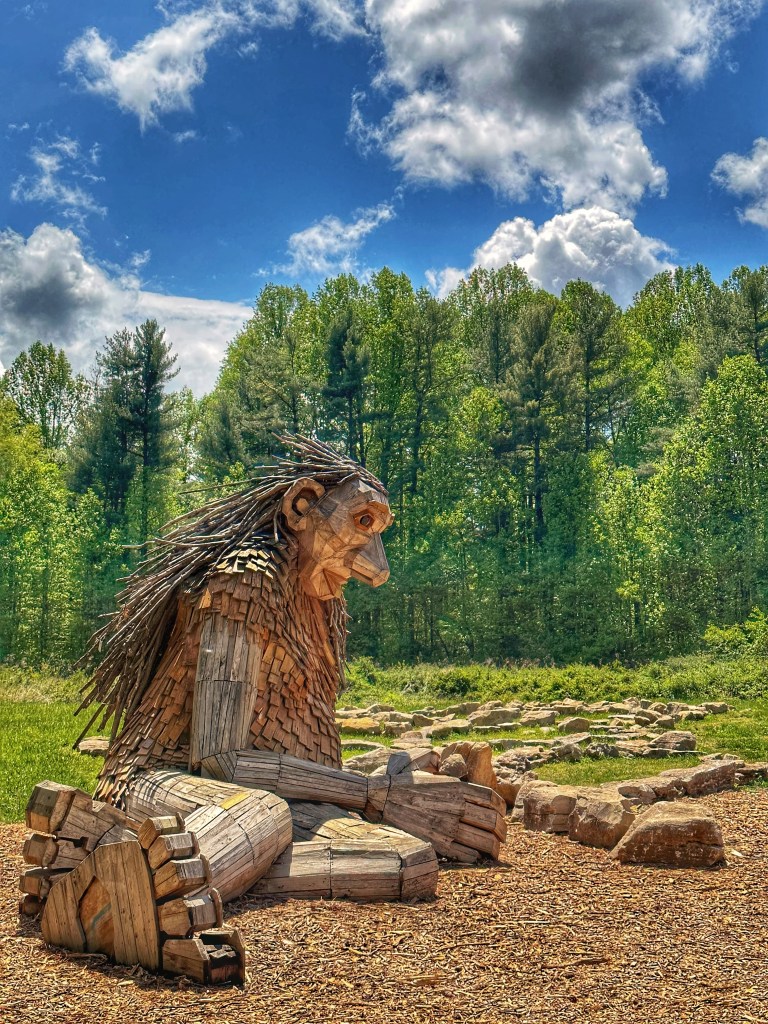
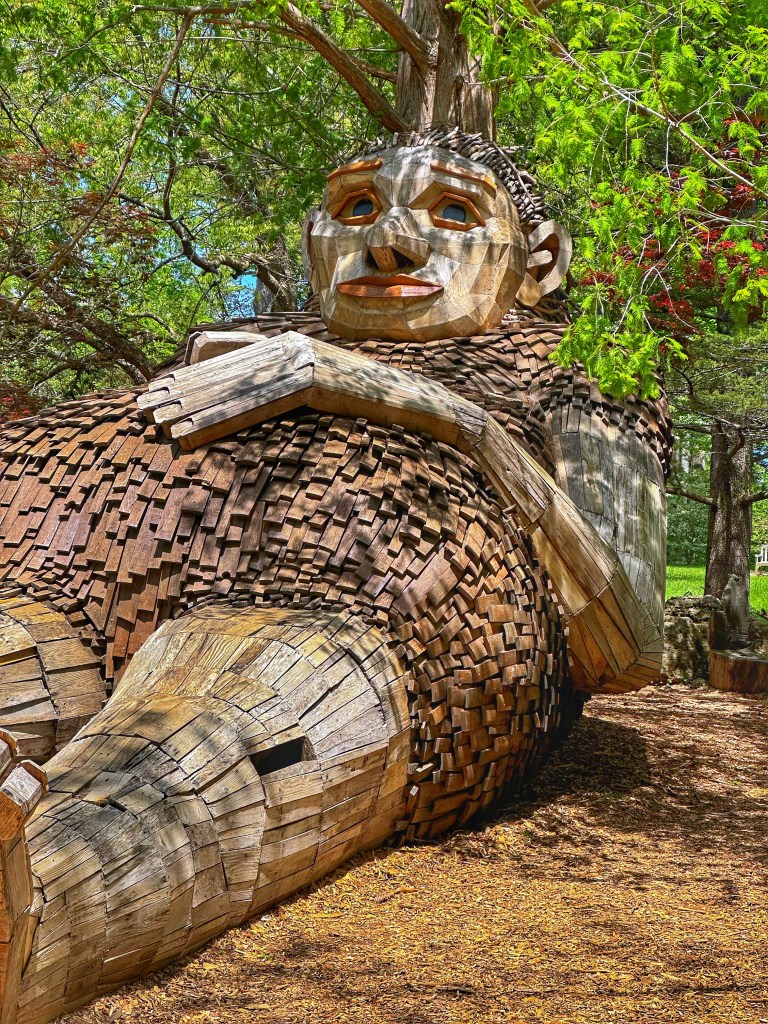
We made time to spend an afternoon at the 600 acre Bernhiem Arboretum. While wandering about we ran into few amenable trolls.

Little Nis
Little Elina
Mama Loumari

Thomas Dambo one of the many artists in residence that work with the arboretum created the troll series.

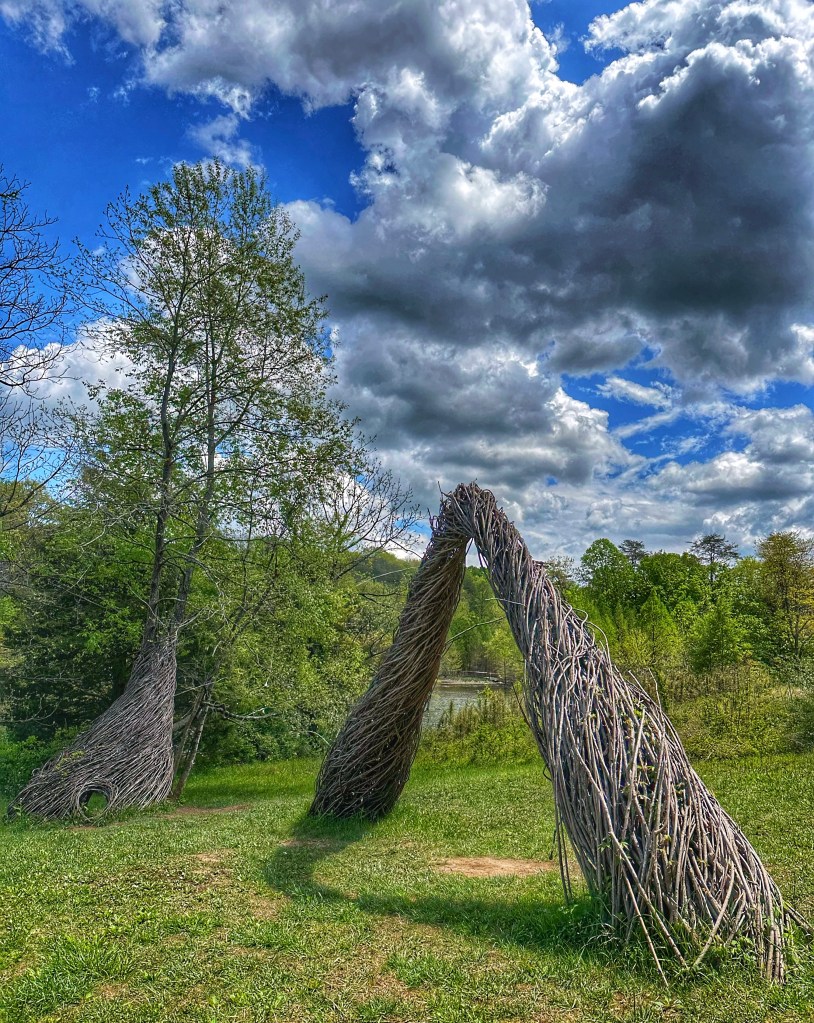
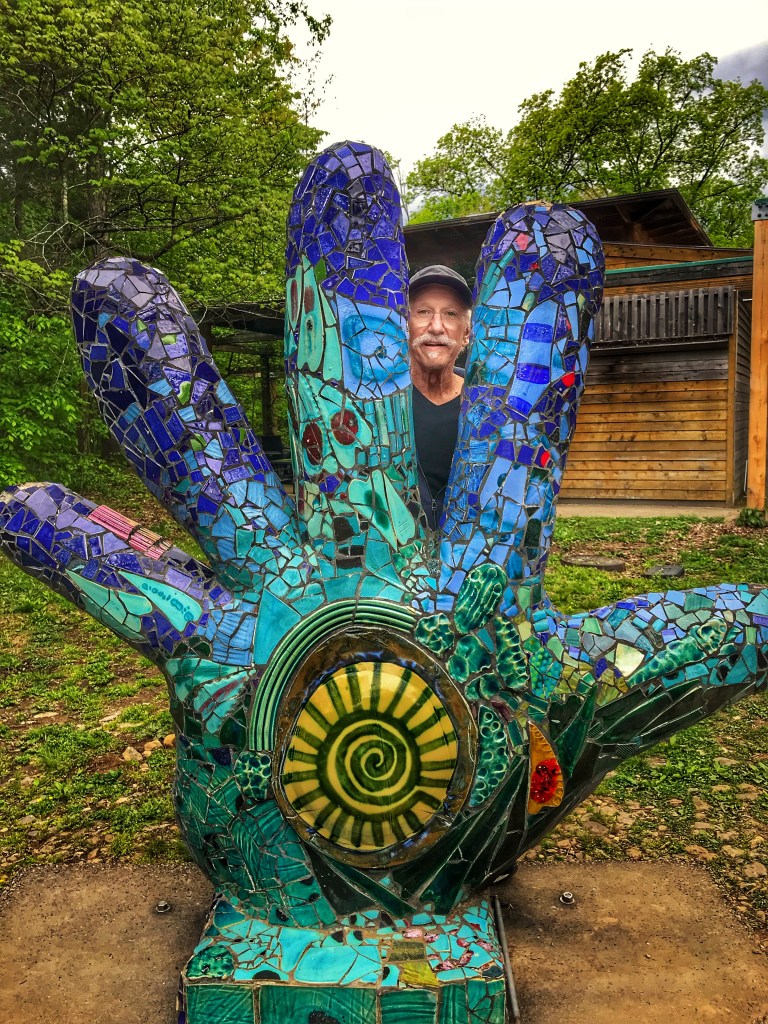
Oxygen by Akunzo
Sounds of the Whippoorwill by Justin Roberts

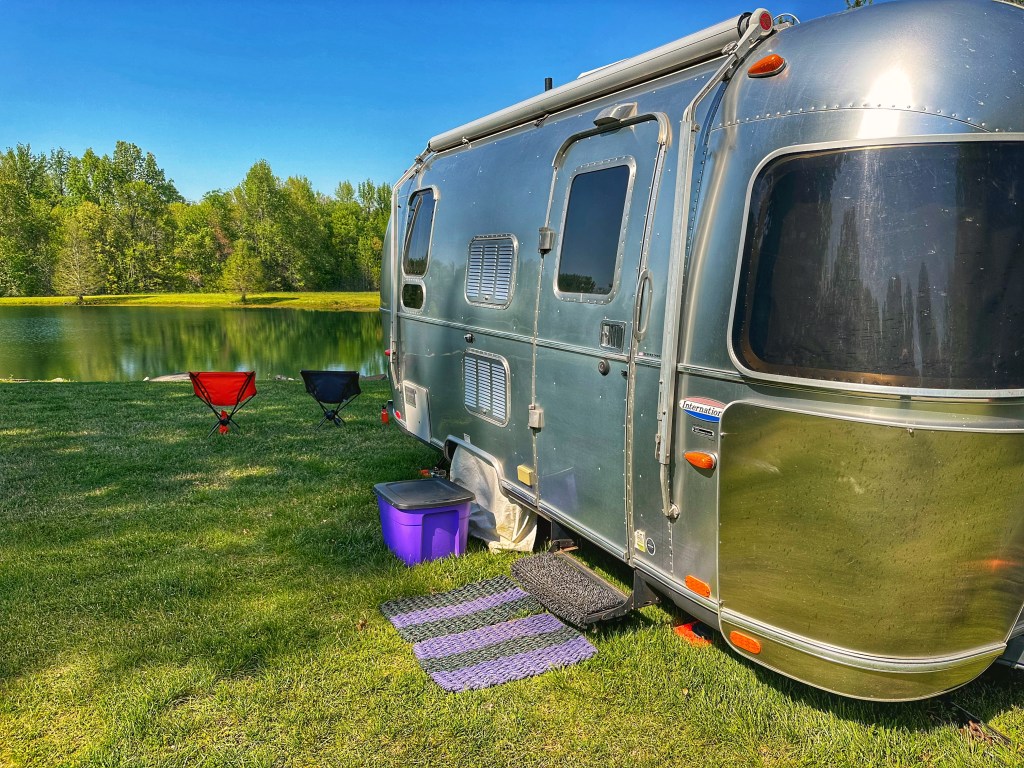
It’s been a great trip and after stopping at the Airstream factory in Jackson Center, Ohio for our annual repair and maintenance date, we head back to Buffalo. We plan on being back on the road in September.

Bayou Bound

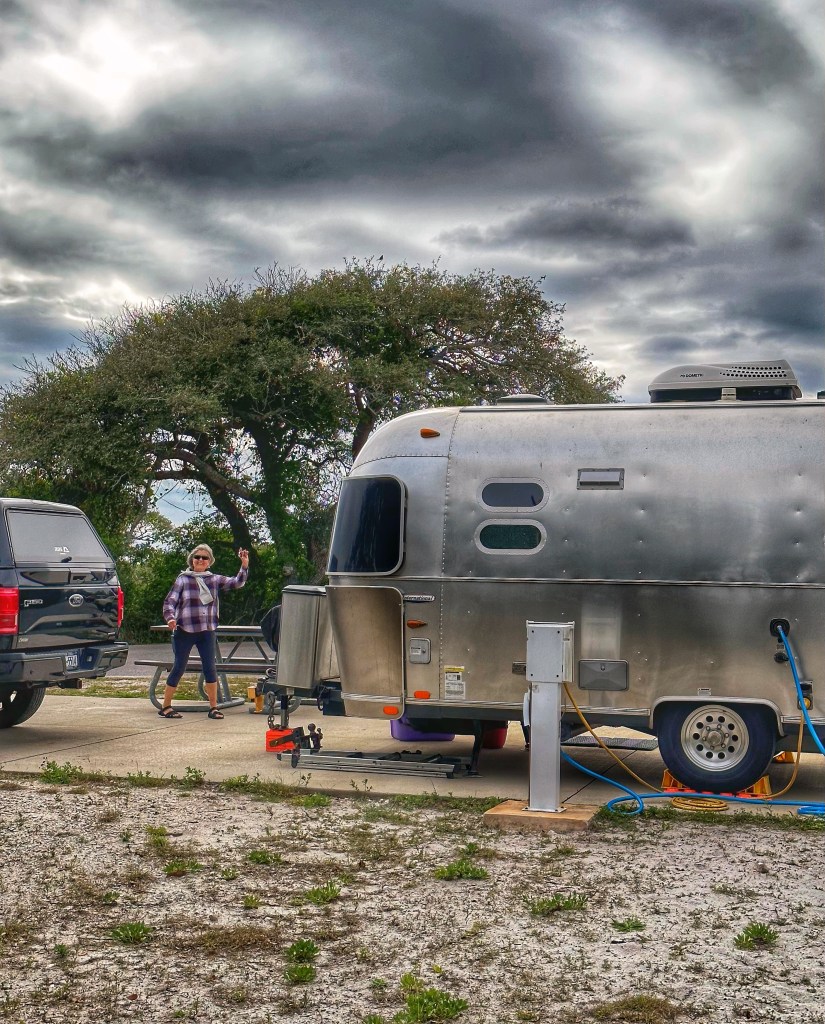
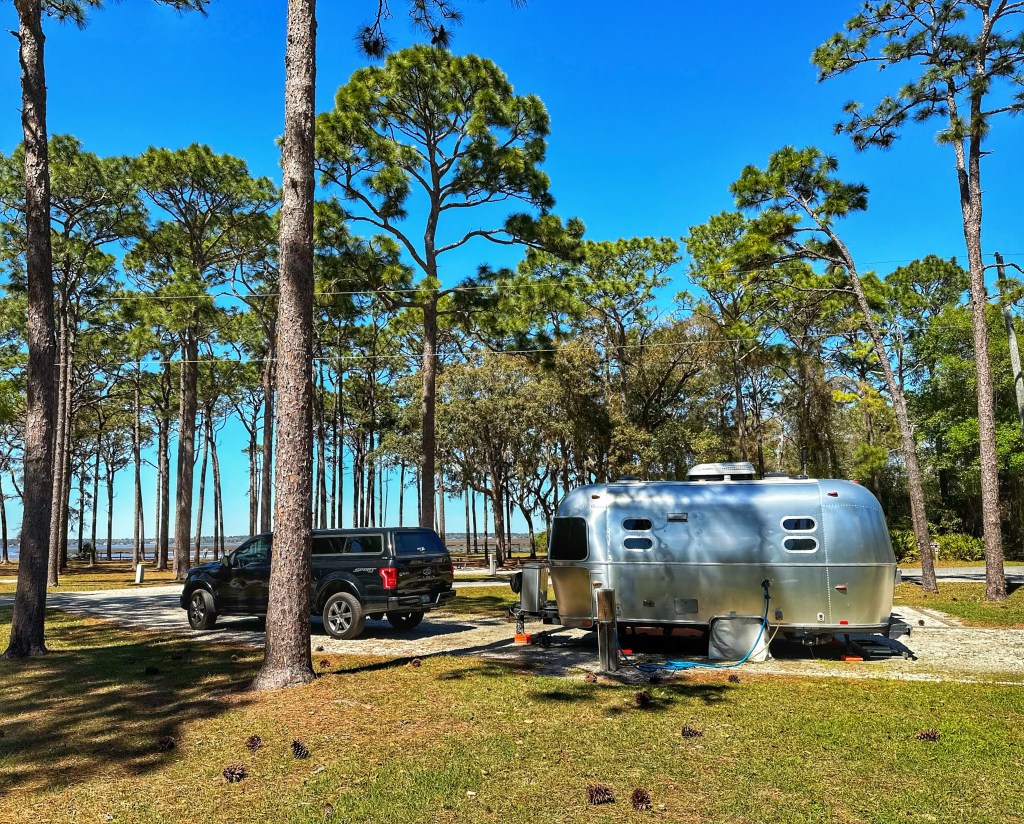
We left Savannah and headed to Fort Pickens in the Gulf Islands National Seashore. The campground is located on the barrier island of Santa Rosa.

Site 40

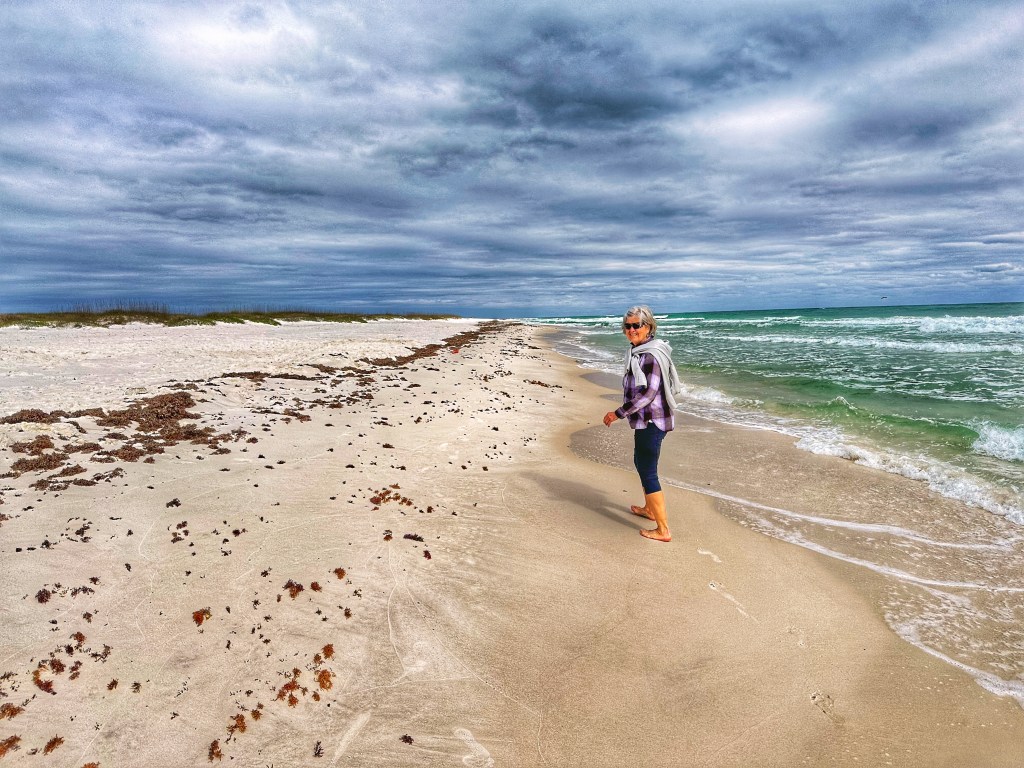
The campground gives easy access to miles of beautiful white sand beaches. While we didn’t encounter any rain for most of our stay it was overcast and windy.

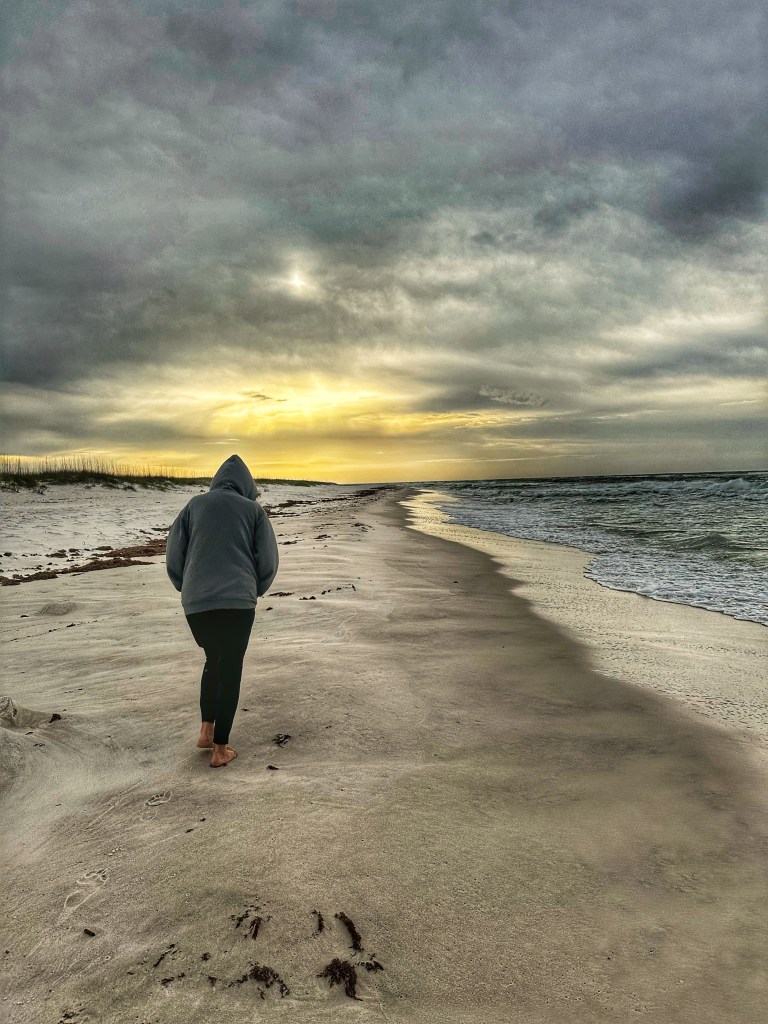
Sunrise beach walk

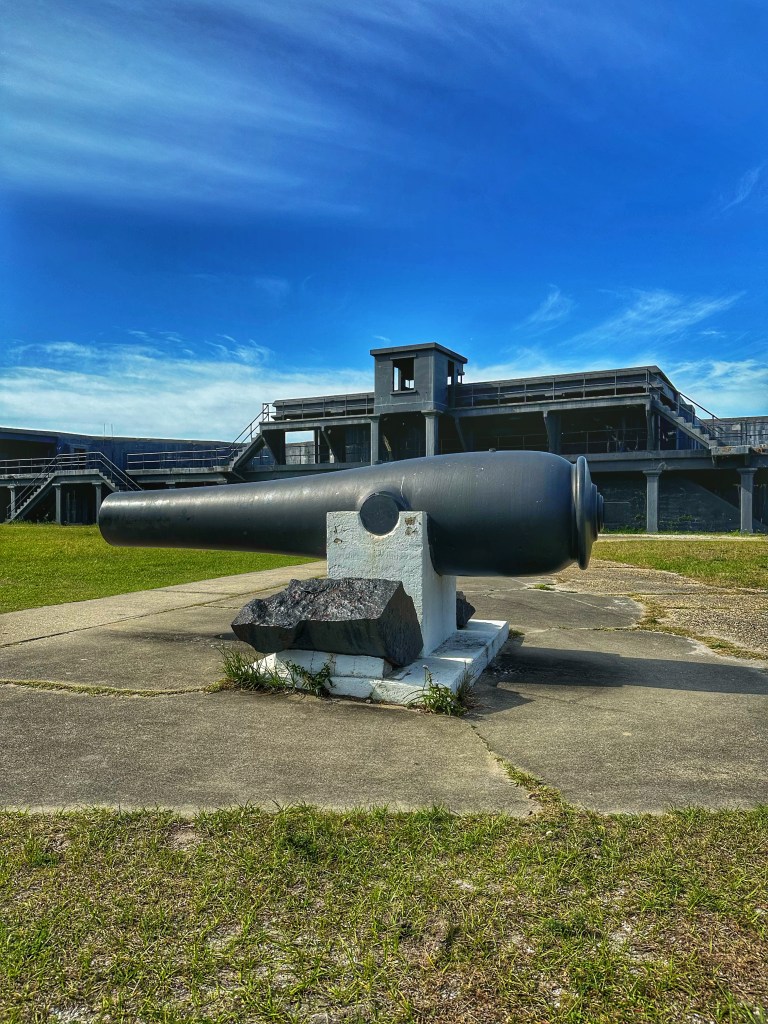
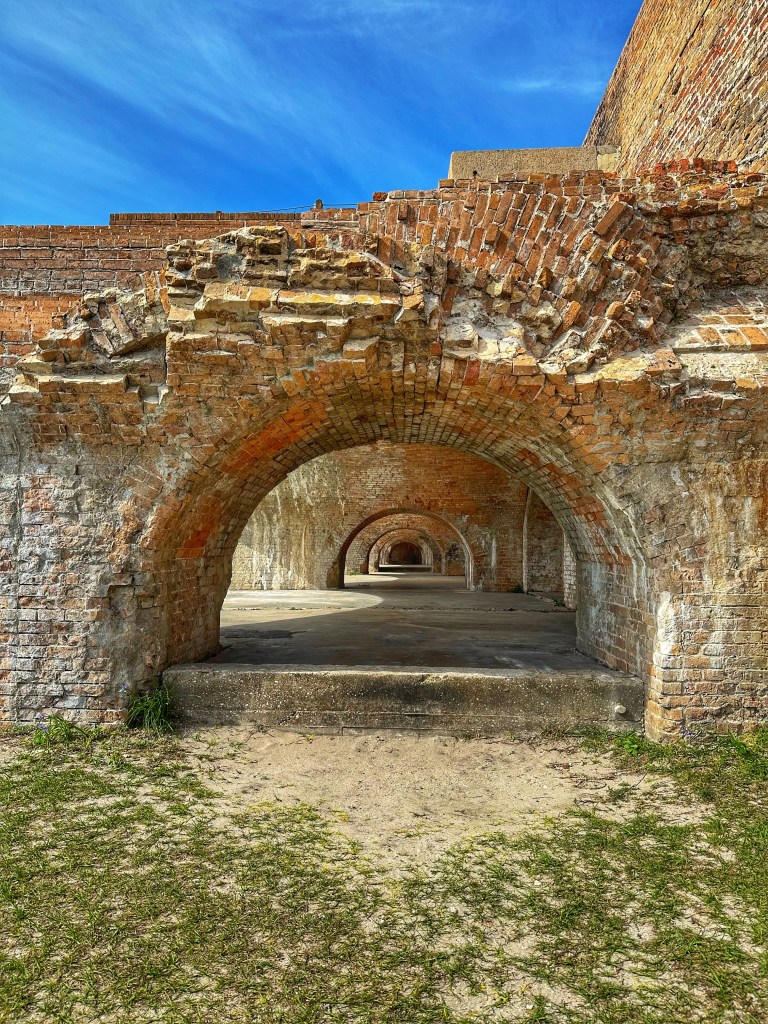
For the last 200 years the coast has been the site of numerous coastal fortifications. The park preserves four such forts. Our camp was a short bike ride to Fort Pickens.

Fort Pickens Parade Ground
The fort has been partially restored

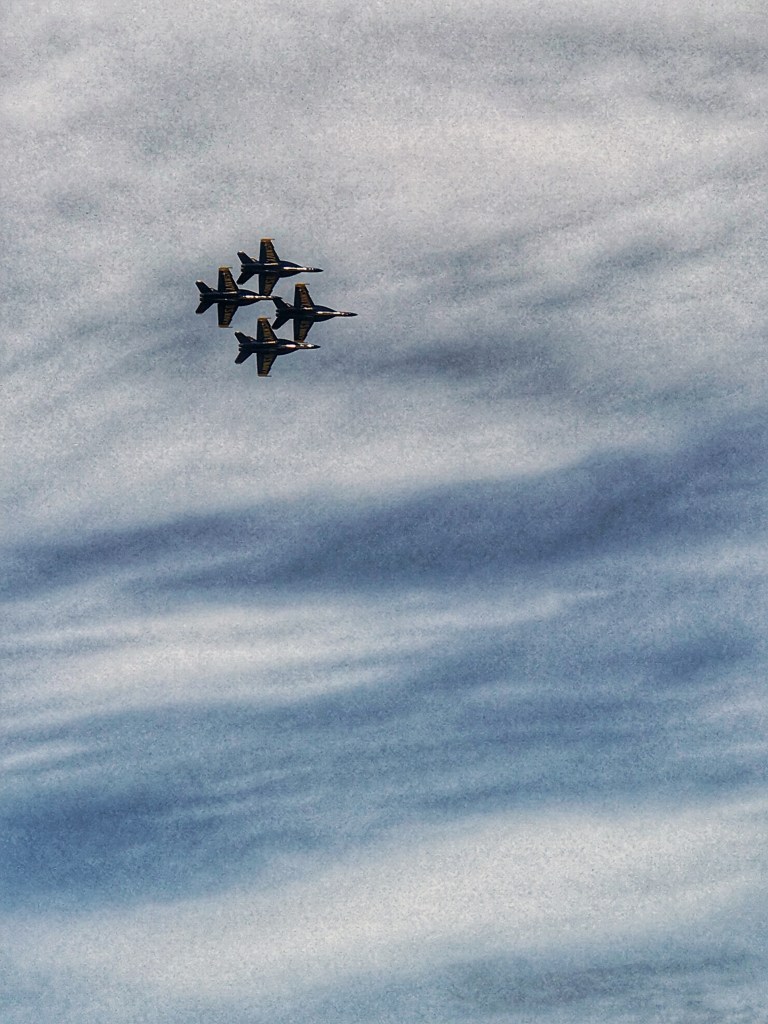
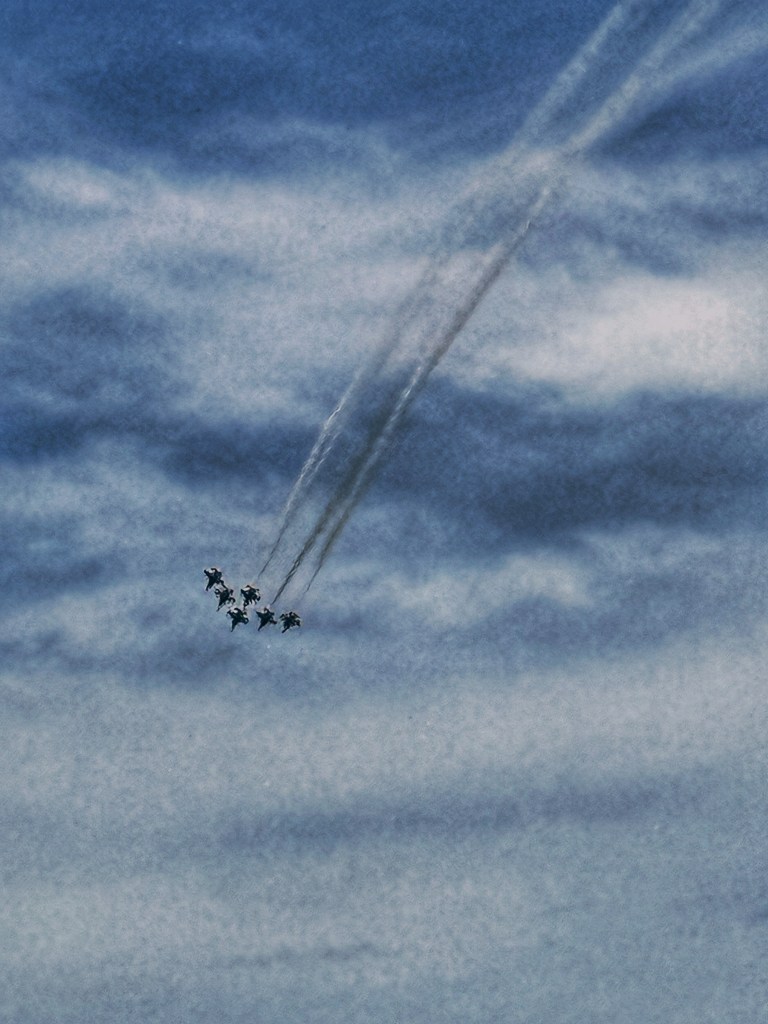
The area continues to be home to more modern coastal defenses. Across Pensacola bay from the campground is a large naval base that is home to the Blue Angels. Every Tuesday and Wednesday at 10:30 am they practice their aerial stunts. Weather permitting, of course.

While the Fort was interesting and the morning we watched the Blue Angels was fun, the real attraction is the Gulf and the beaches.

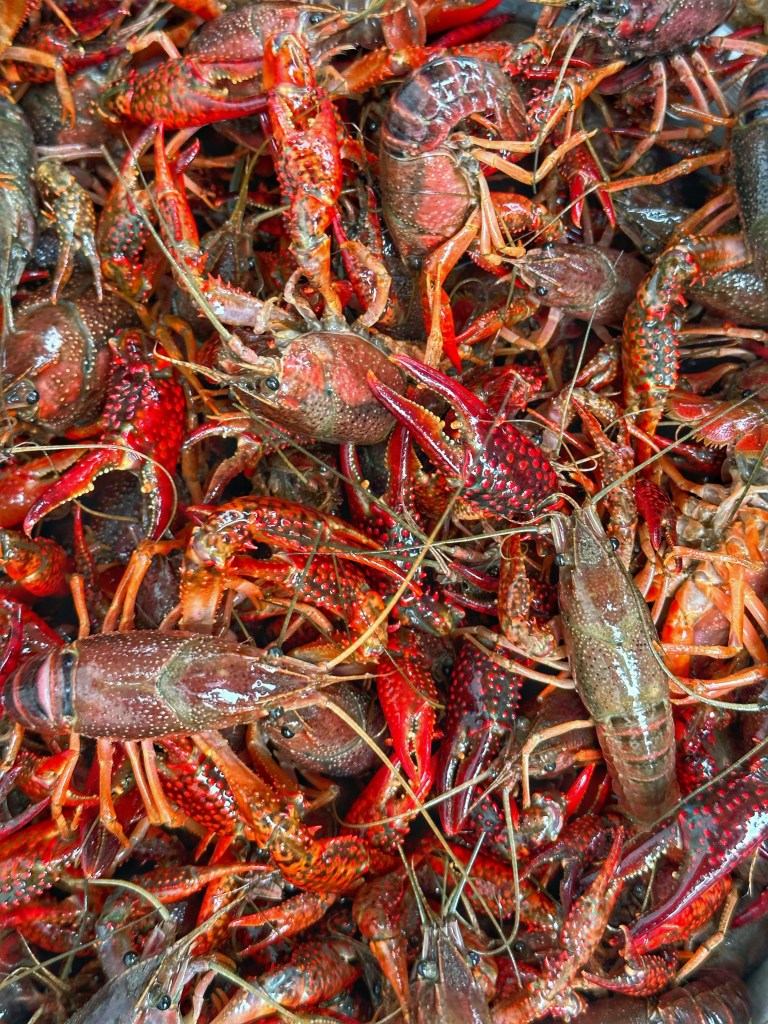
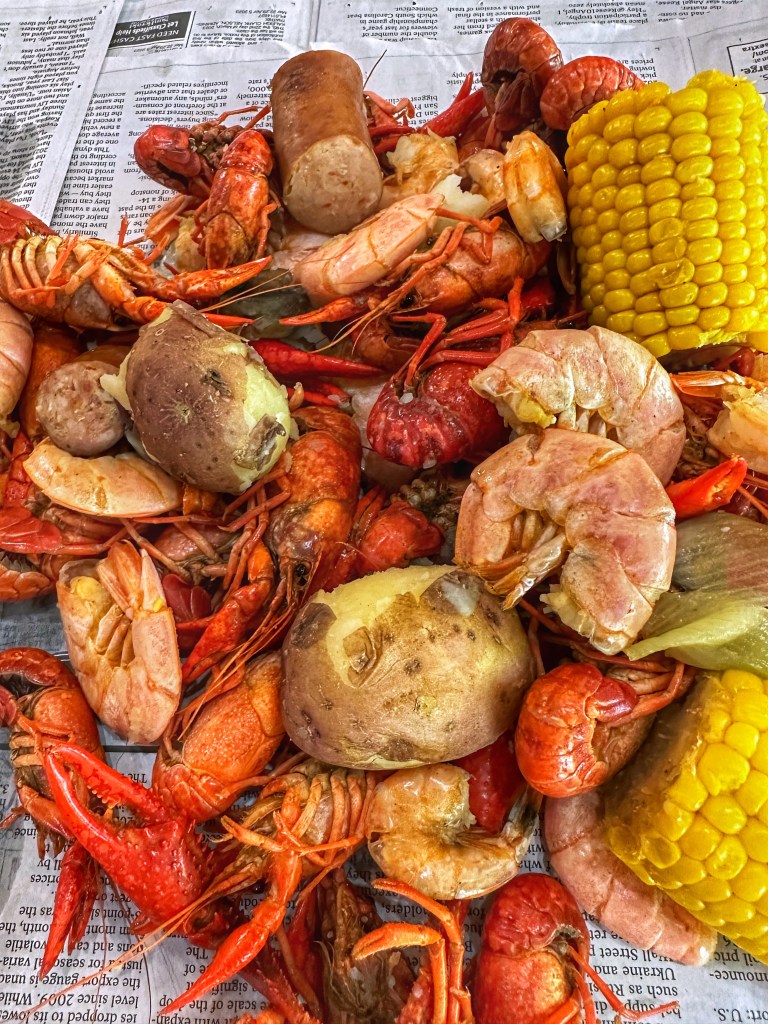
After a couple of days on the beach we were ready to move on to our next stop where we visited our far flung family in Biloxi, MS. Always gracious hosts, they treated us to a low country crawfish boil.

Mud bugs
Crawfish, Shrimp, Sausage, Potatoes and Corn

The French Quarter Festival was looming in front of us. Time to pack up and move on.

Delayed Departure

Some medical issues pushed back our southbound departure by an unexpected two months. As a result we got to experience Buffalo’s Christmas Blizzard. Very memorable. When we finally did set out, it was to the beat of Canned Heat’s “On The Road Again”. We headed south to central Florida to be reunited with the Tincan. It was waiting patiently for us at Pat’s brother and sister-in-law’s house. After some family time we drove north to Crooked River SP in St. Mary’s, Georgia.

Site 9

Our site was surrounded by Long Leaf Pines and gave us a view of St. Mary’s River (THE CROOKED RIVER).

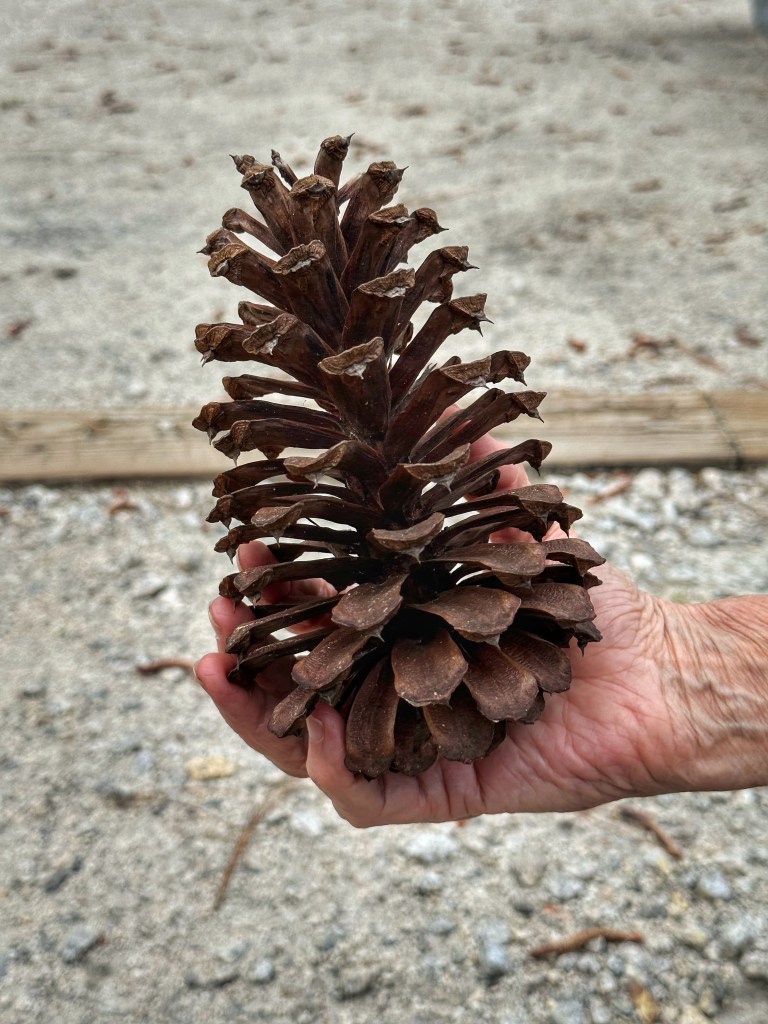
Those Long Leaf Pines produce large pine cones

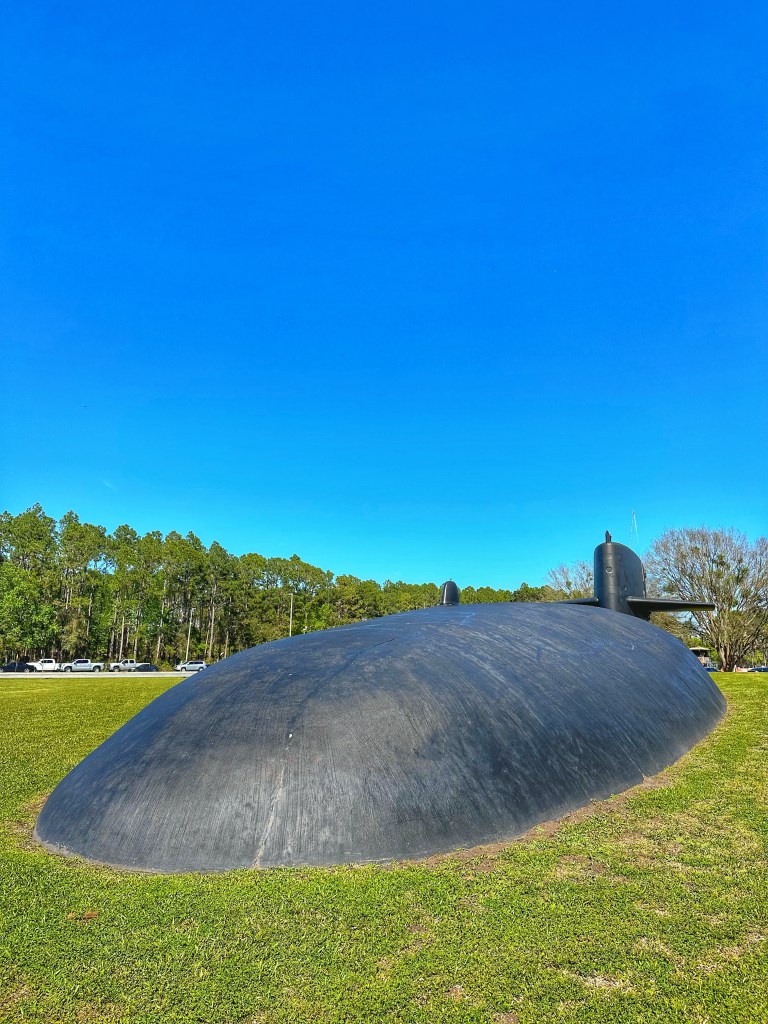
The campground is just down the road from the King’s Bay Naval Submarine Base. Based on the traffic in and out of the base it must be a major employer in this largely rural part of Georgia.

The USS George Bancroft partially buried near the main gate of the base

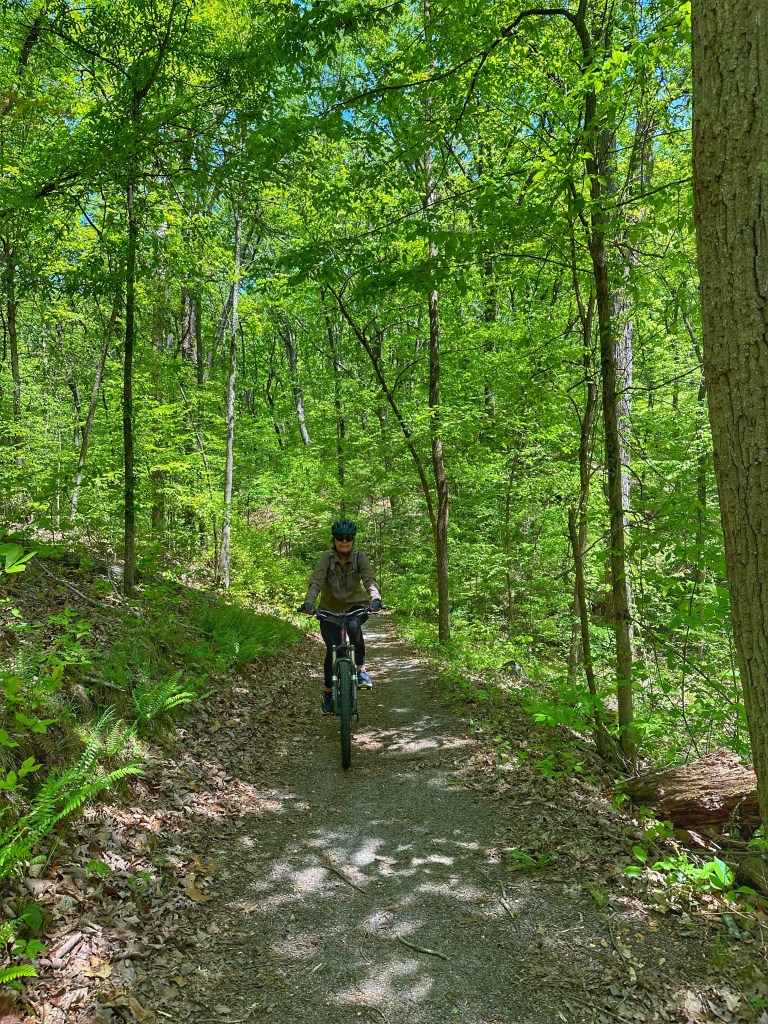
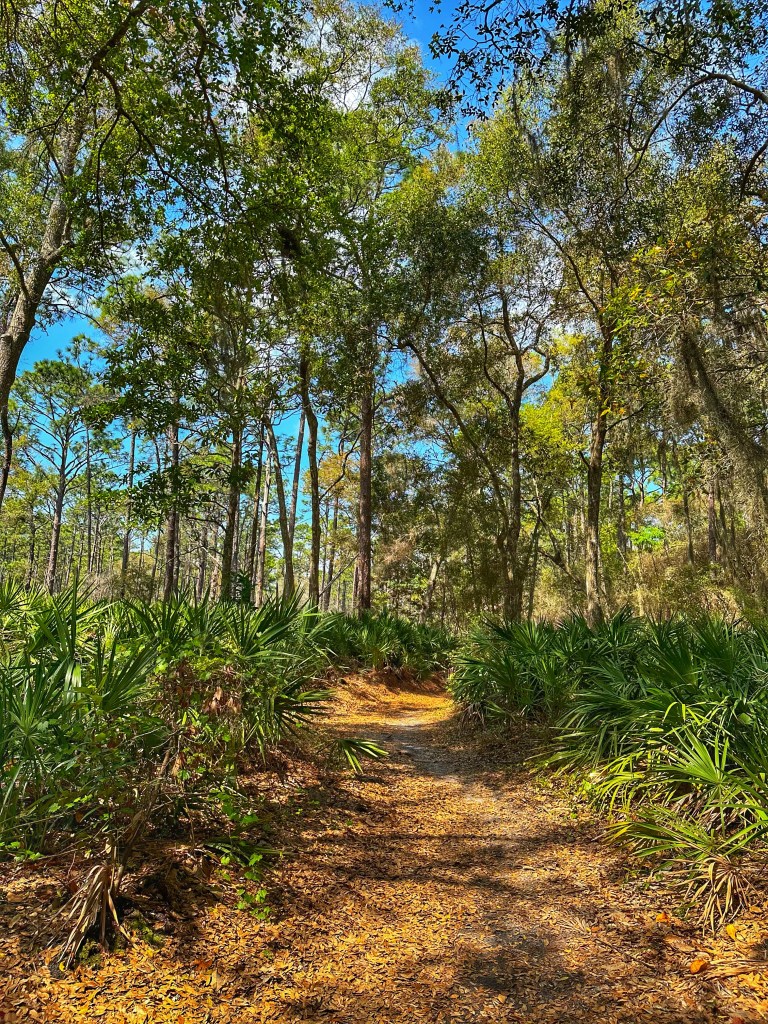
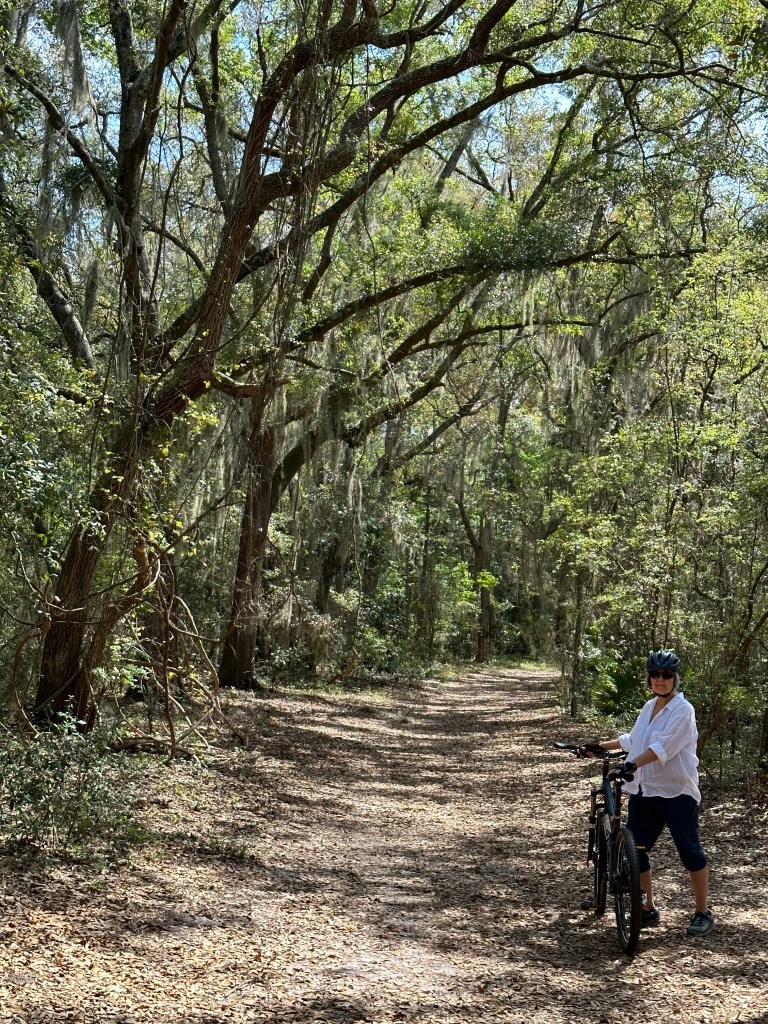
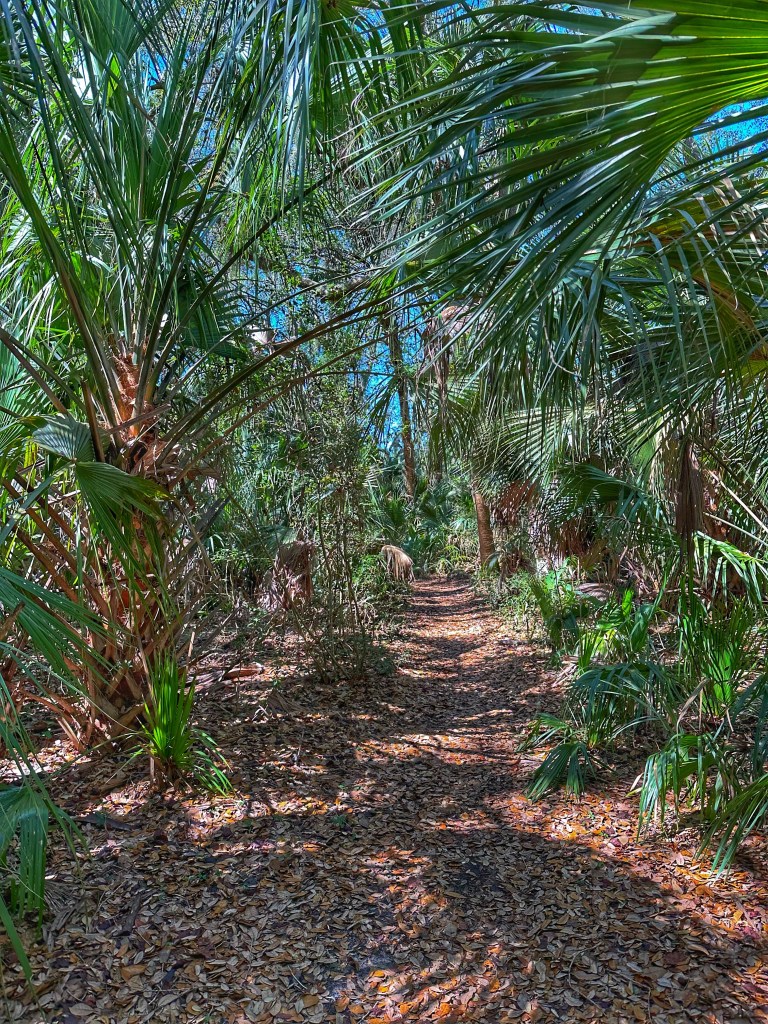
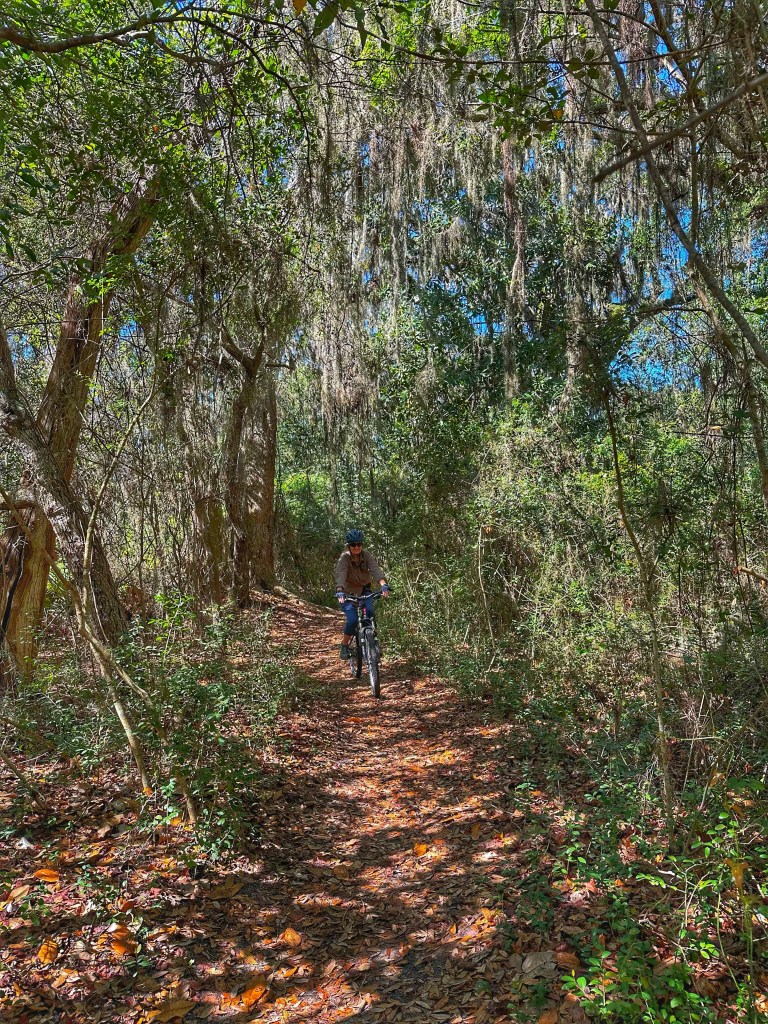
The park offers a number of hiking/biking trails through the palmetto and pine forest as well as along the River.

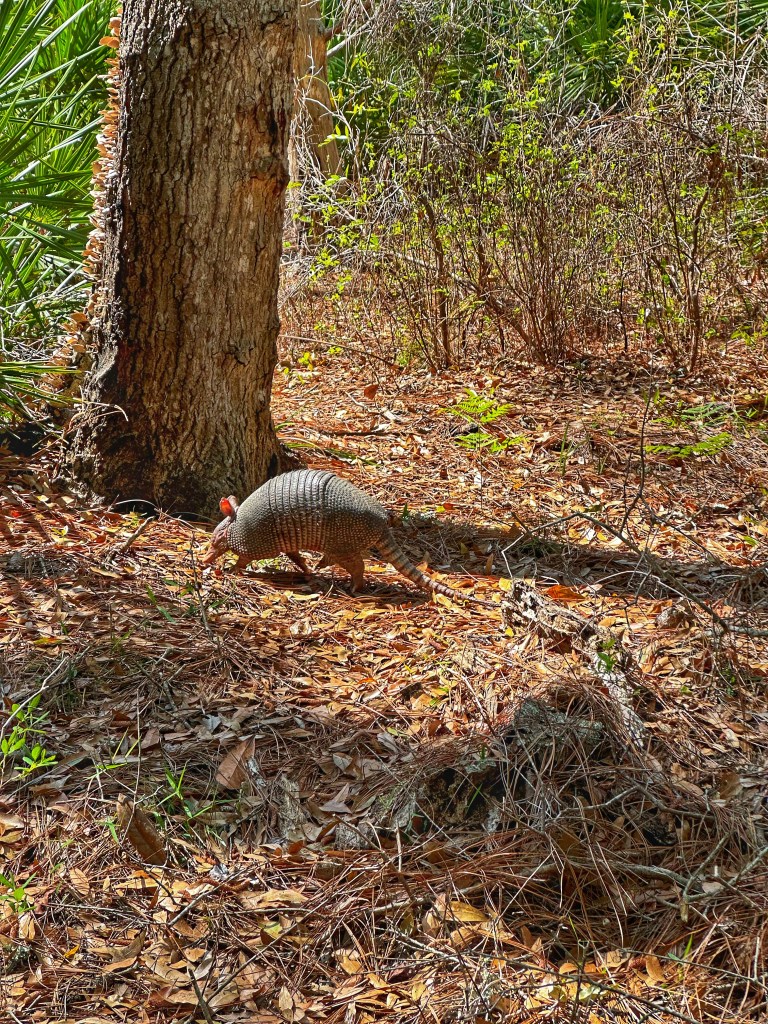
There’s no telling who you’ll run into on the trail.

Gopher tortoise
Armadillo

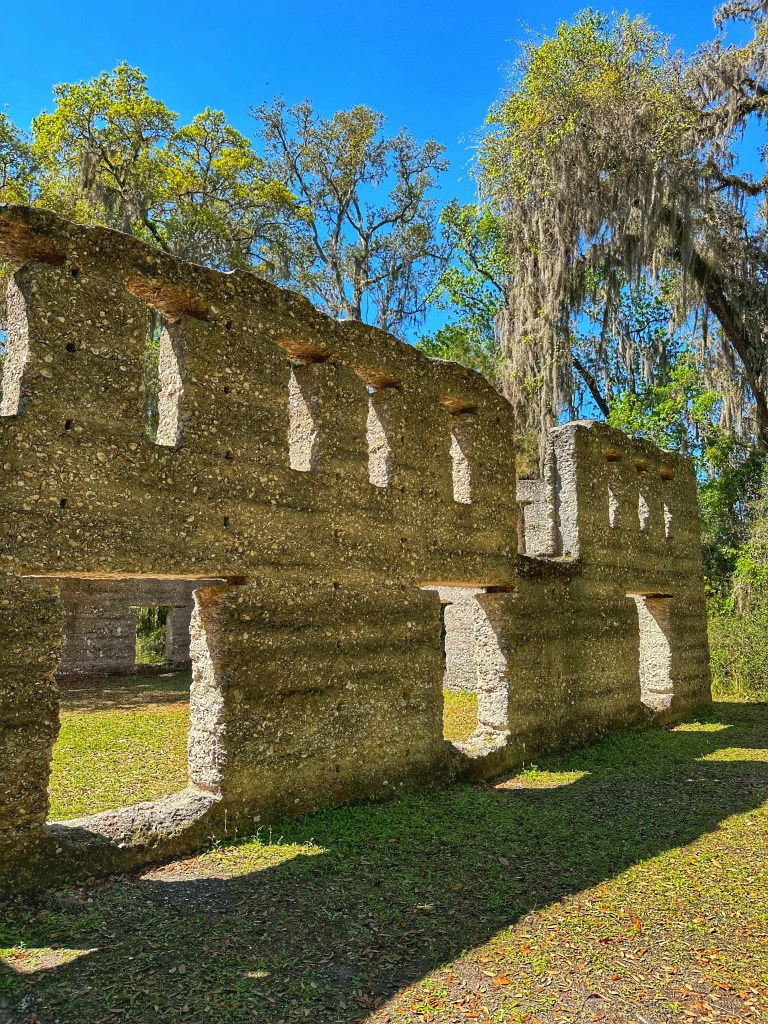
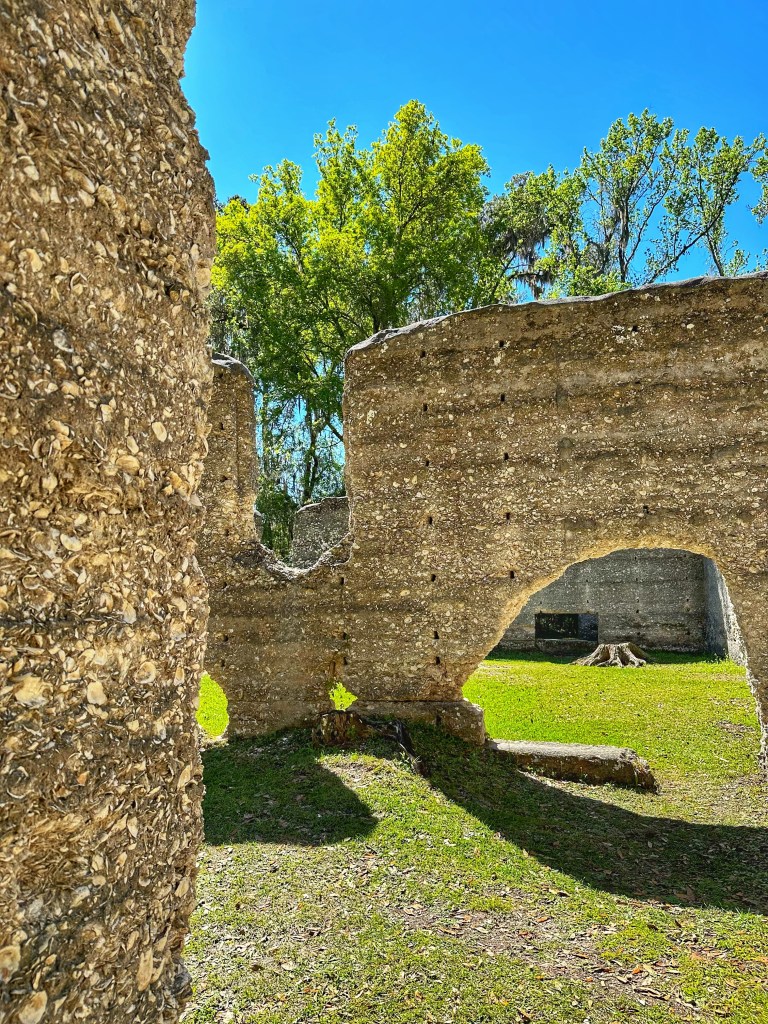
The ruins of a Tabby Sugar Works from 1825 lies just down the road from the campground. It was part of the New Canaan sugarcane plantation.

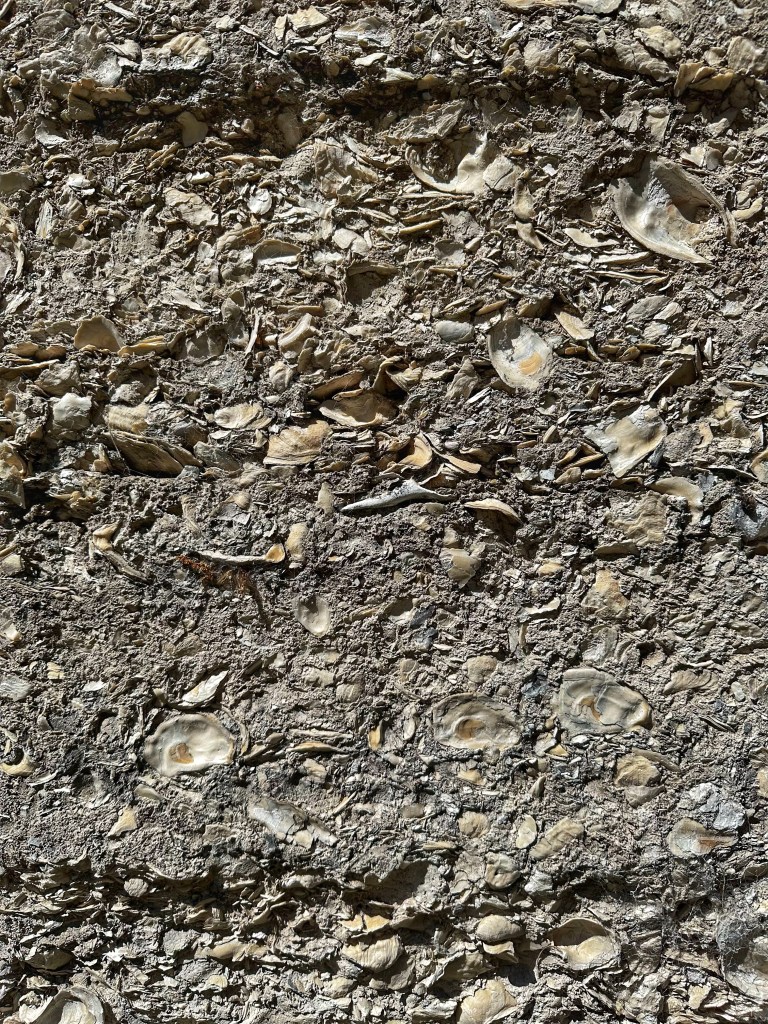
Tabby is a type of concrete made from burning oyster shells to create lime, then mixing it with water, sand, ash and other broken oyster shells. This technique is thought to have originated in Africa.

Tabby

Part of the appeal of Crooked River SP is its proximity to the Georgia sea islands: Cumberland Island, St. Simons Island and Jekyll Island. A ferry ride is required to visit Cumberland Island but St. Simons and Jekyll Island are within an hour’s drive.

The Dungeness Ruins on Cumberland Island

We took our bikes on the ferry to explore Cumberland Island National Seashore. The island is undeveloped and about 17 miles long. With limited time, we didn’t want to miss the last ferry back to St. Mary’s so we concentrated on the southern end of the island.

We rode about 4 miles north down a sand road to checkout the underutilized Little Greyfield Beach

In the 1880’s Thomas Carnegie, (Andrew’s brother) bought up much of the island and built Dungeness Mansion. He died before it was completed but his wife Lucy and their nine children lived there until 1925. The deserted mansion burnt down in 1959. The island became a National Seashore in 1972.

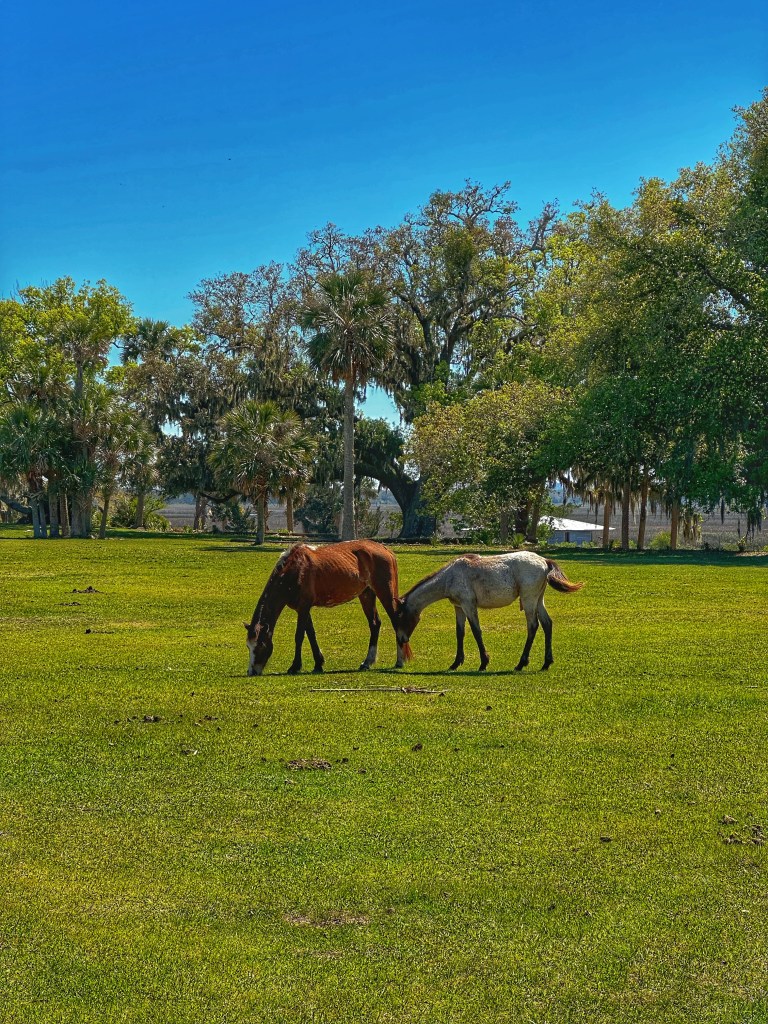
Wild horses can be seen throughout the island

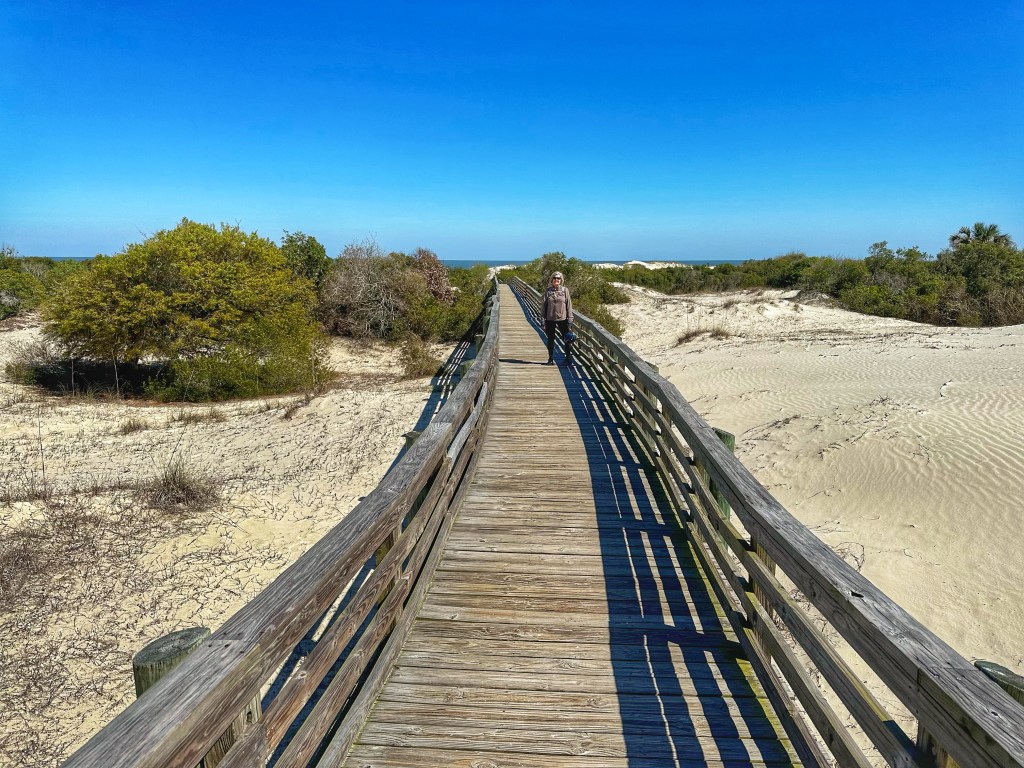
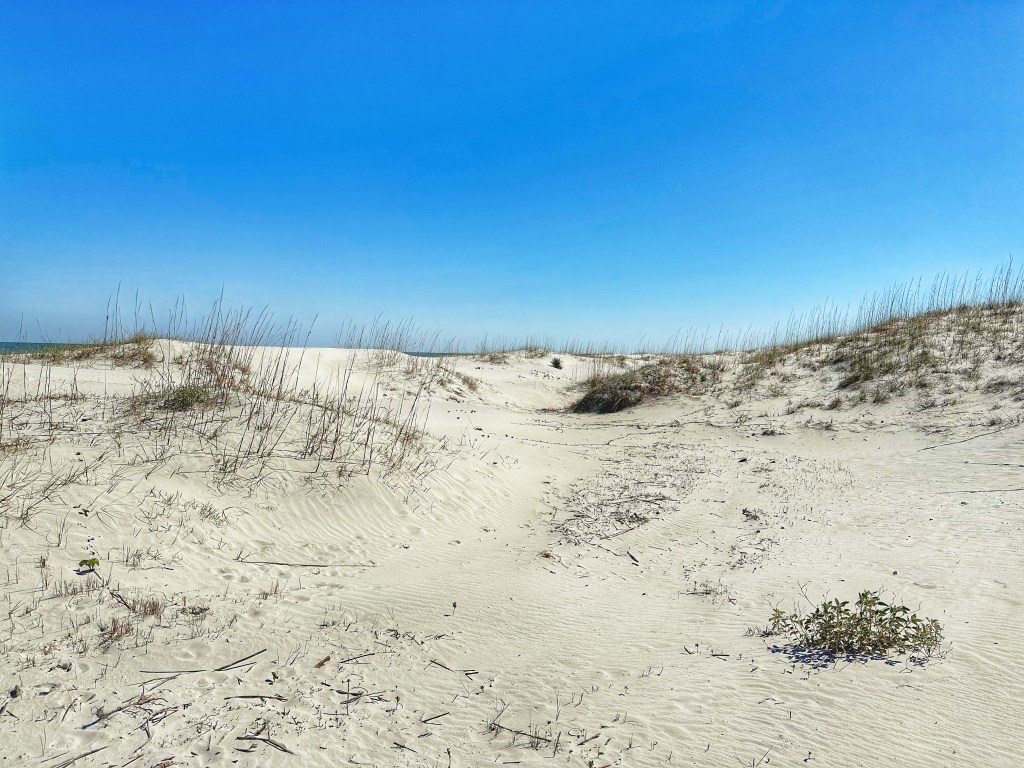
We made our way to Sea Camp Beach to check out this popular destination. The park service constructed a boardwalk over the dunes for easier access to the beach.

It sure is fun riding on the beach

Colonial era Fort Frederica is located on St. Simons Island about 50 minutes from our campground. James Edward Oglethorpe established this fort and colony as a way to challenge the Spanish in Florida. The grounds of this National Monument are lovely to wander.
The remains of the tabby powder magazine is all that’s left of the fort that guarded the twisty river approach to the town.

Just over the Georgia border in Florida is Amelia Island, again about 50 minutes from the campground. We ventured down to the island to explore the Eagan Creek Greenway.

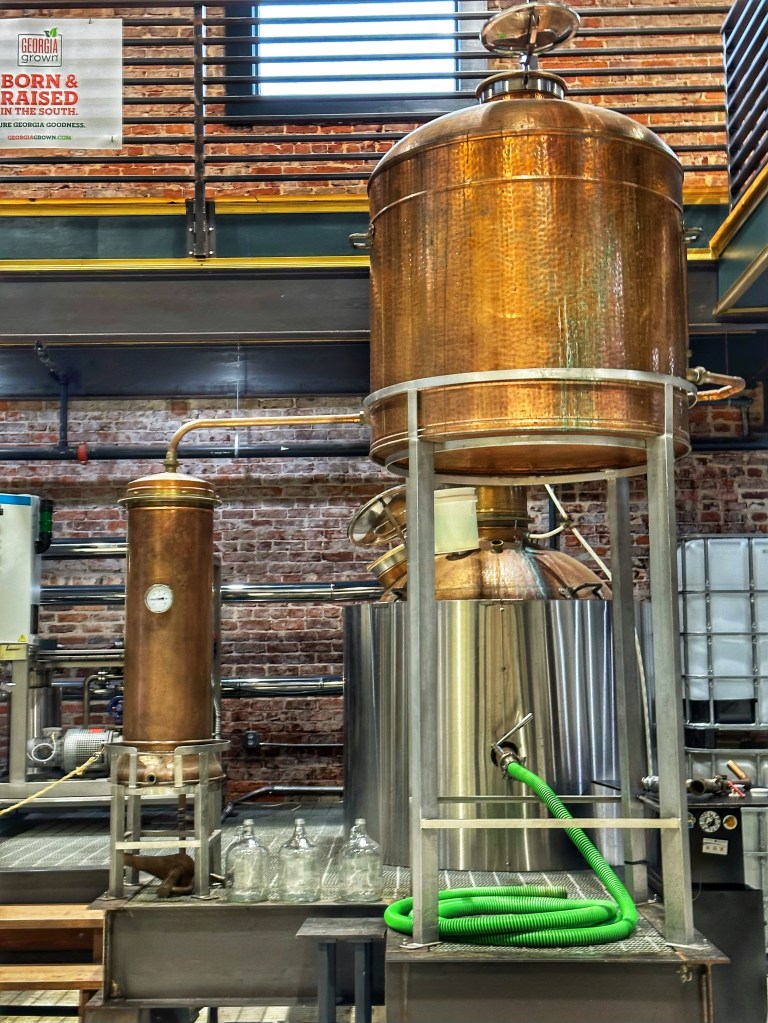
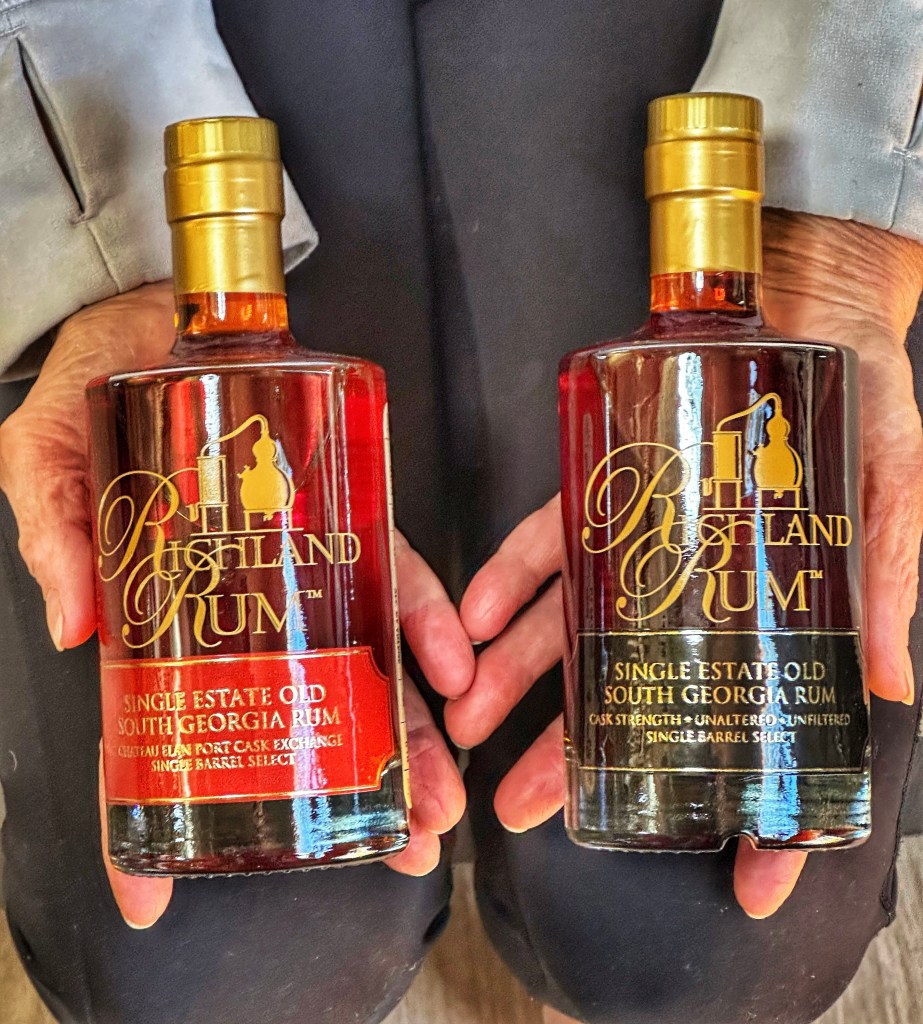
We experienced some rainy weather so decided to leave camp and check out Brunswick, Georgia. The town boasts a brewery (Silver Bluff Brewing) and a rum distillery across the street. The brewery was crowded with St. Patrick’s Day celebrants so we opted for the distillery. Richland Rum proved to be a good choice.
We did a tasting and dove in.

In 1733 James Edward Oglethorpe established an English Colony on Jekyll Island. He named the island after his financial backer Sir Joseph Jekyll. The island now boasts 23 miles of biking trails, including 10 miles of beach riding.

In 1886, the island was purchased by the Jekyll Island Club. By the turn of the century they built a vacation resort patronized by some of America’s wealthiest families.

The original Club House

In 1947, the island was sold to the state of Georgia for use as a public park. National Landmark status was awarded to the island’s historic district.

The interactive Mosaic museum does a good job of presenting the history of the island

While the history of the island is interesting, the main draw for us are the beaches and bike trails.

Driftwood Beach
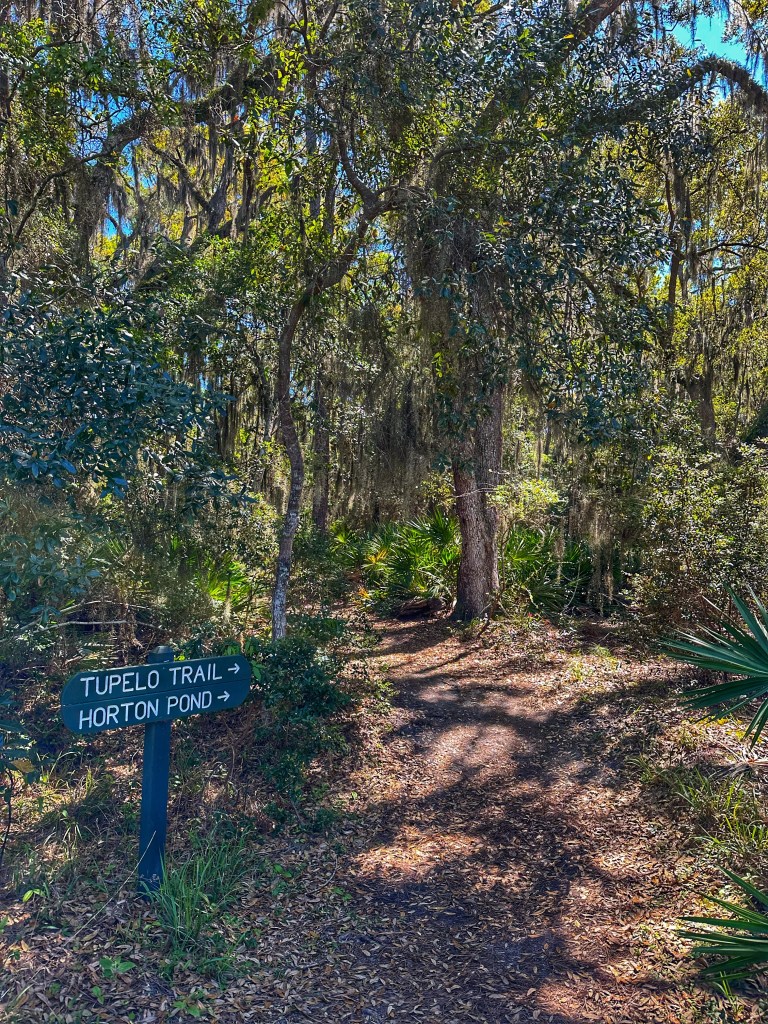
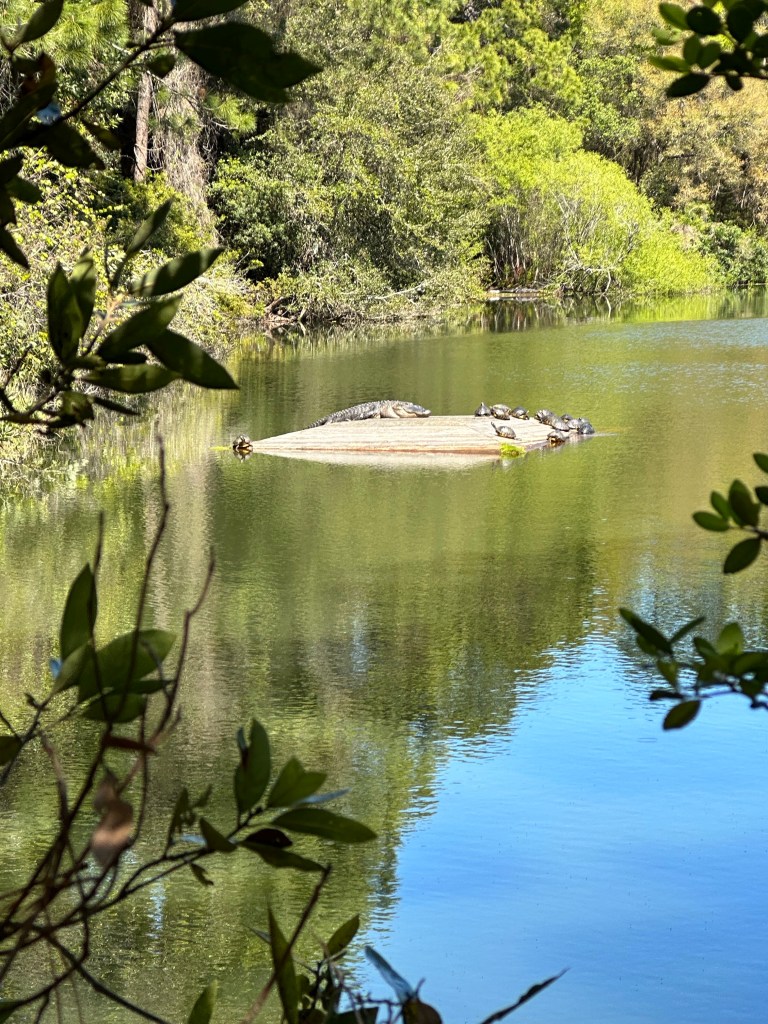
Horton Pond
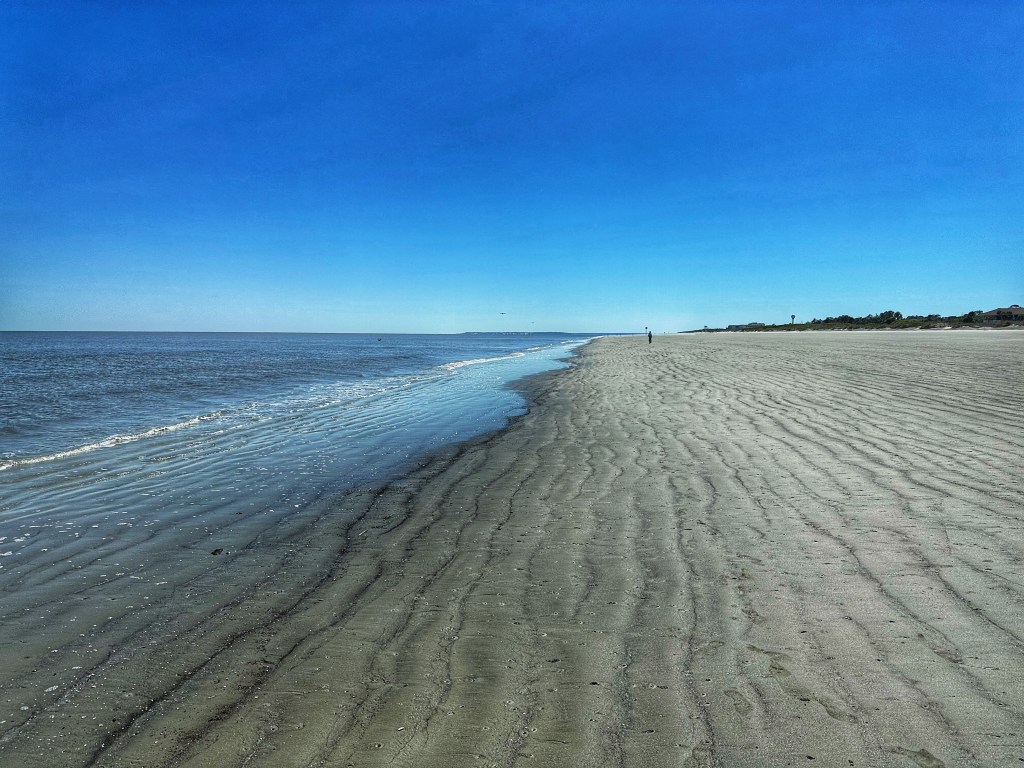
Great Dunes Beach

We have visited Georgia several times in our travels but never had the opportunity to visit the “ Golden Isles”. We are certainly glad we made the effort this trip. But we are not leaving Georgia yet- next up is the beautiful city of Savannah- just two hours up the coast.

South Bound

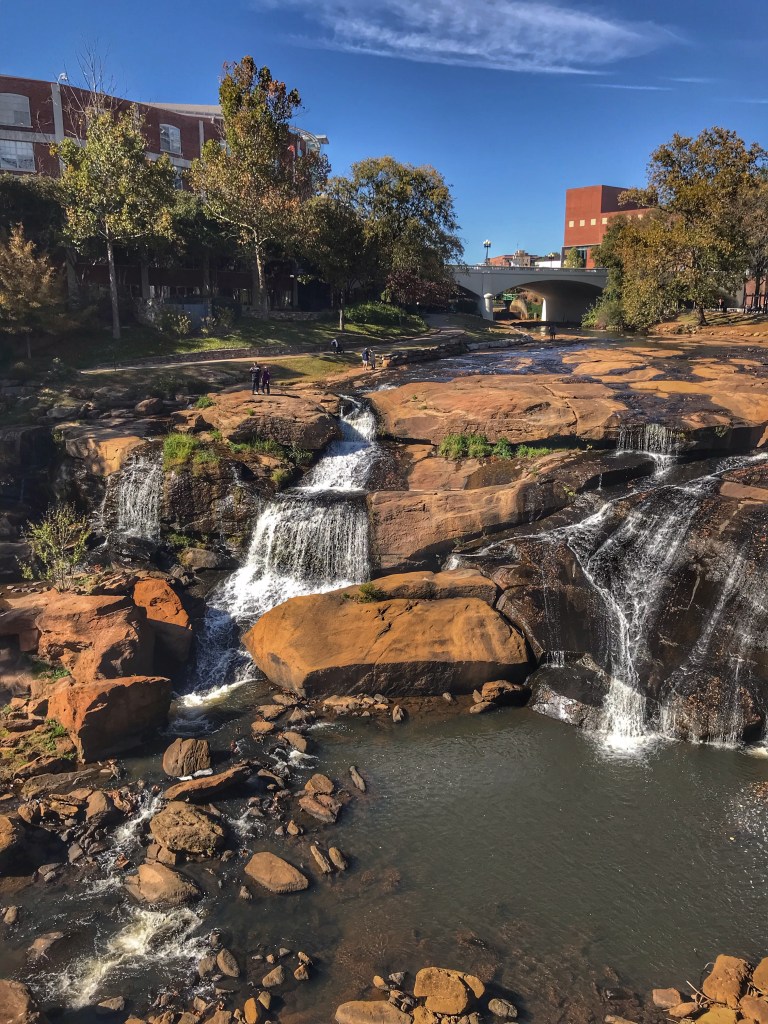
Fellow travelers have been telling us about Greenville, SC for a number of years. They heaped praise on it’s walkable downtown park with a waterfall. SO…based on that we decided to include it on our trip south.We found a state park nearby and made our way to Greenville.

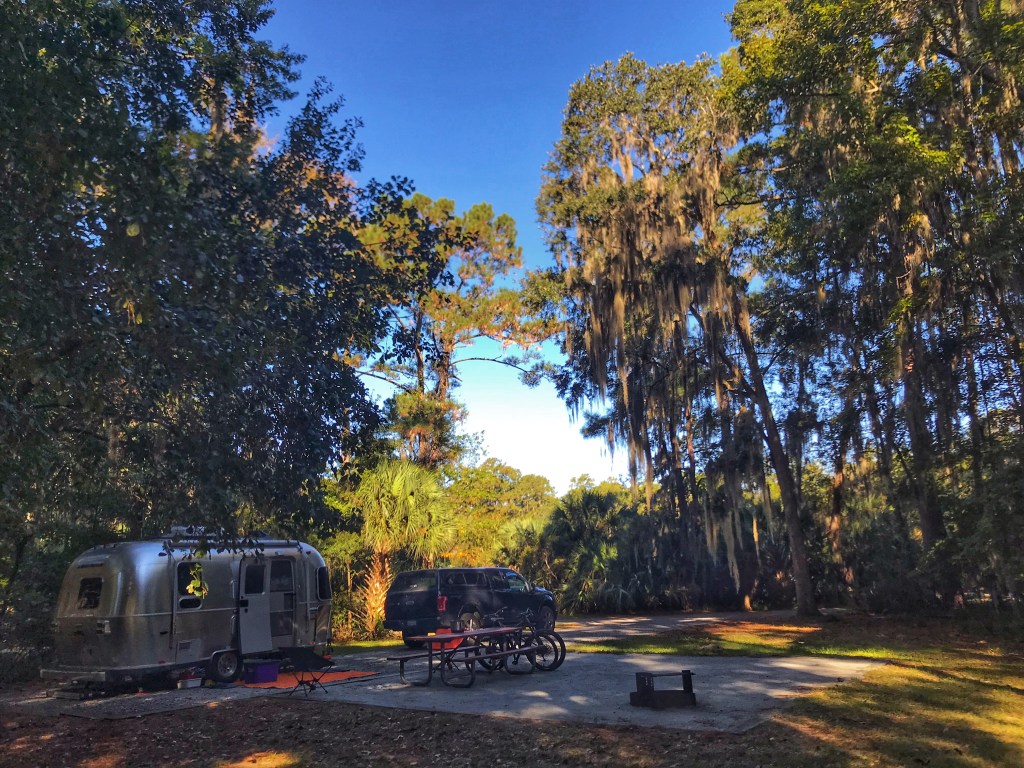
Paris Mountain SP site 26

The Reedy River runs through the center of Greenville. The river was the site of grist and cotton mills. While creating wealth and employment it also created pollution. After some forward thinking civic leaders pushed for cleaning up the river, Falls Park was created.

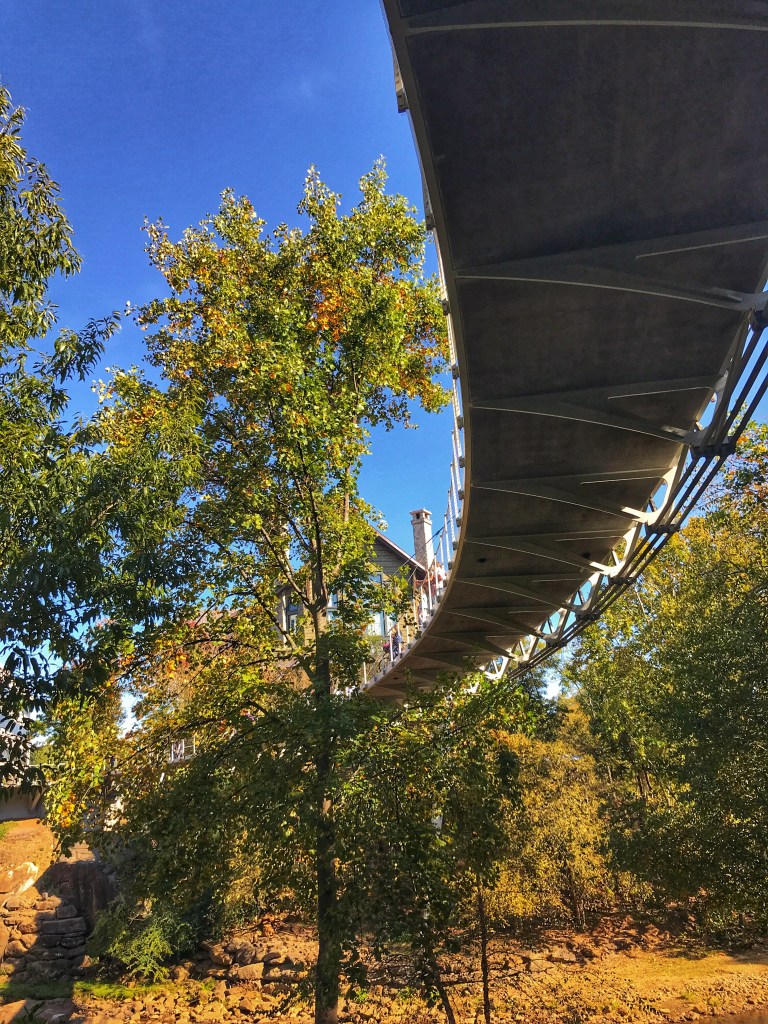
The curved pedestrian bridge over the river is a highlight.

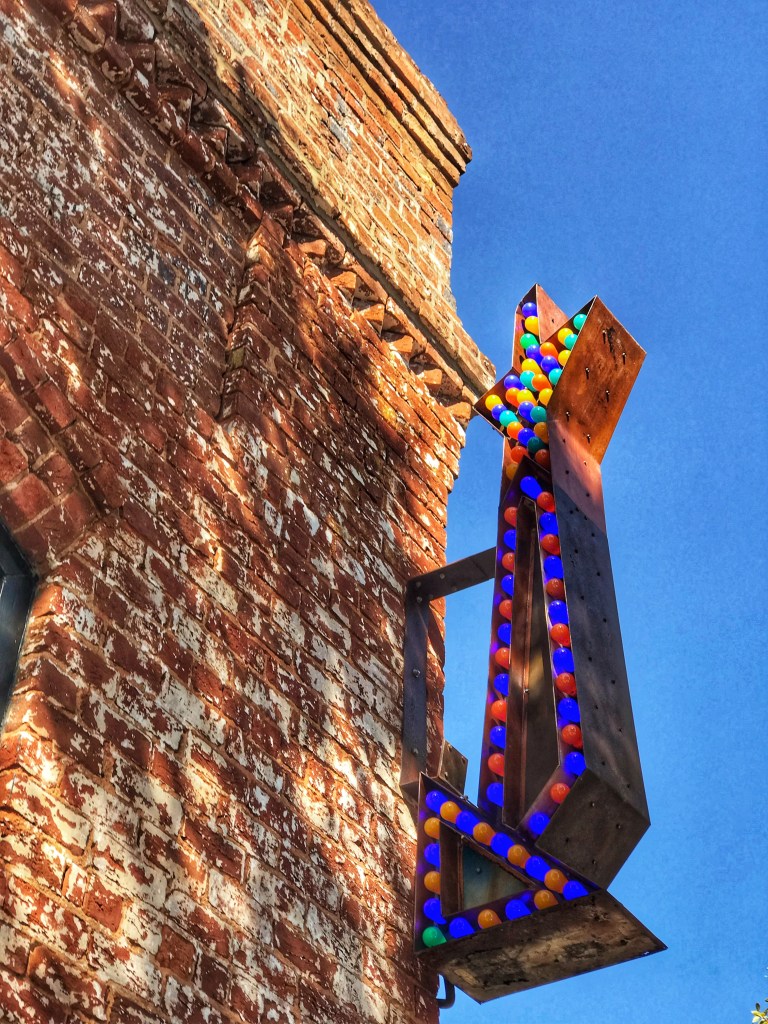
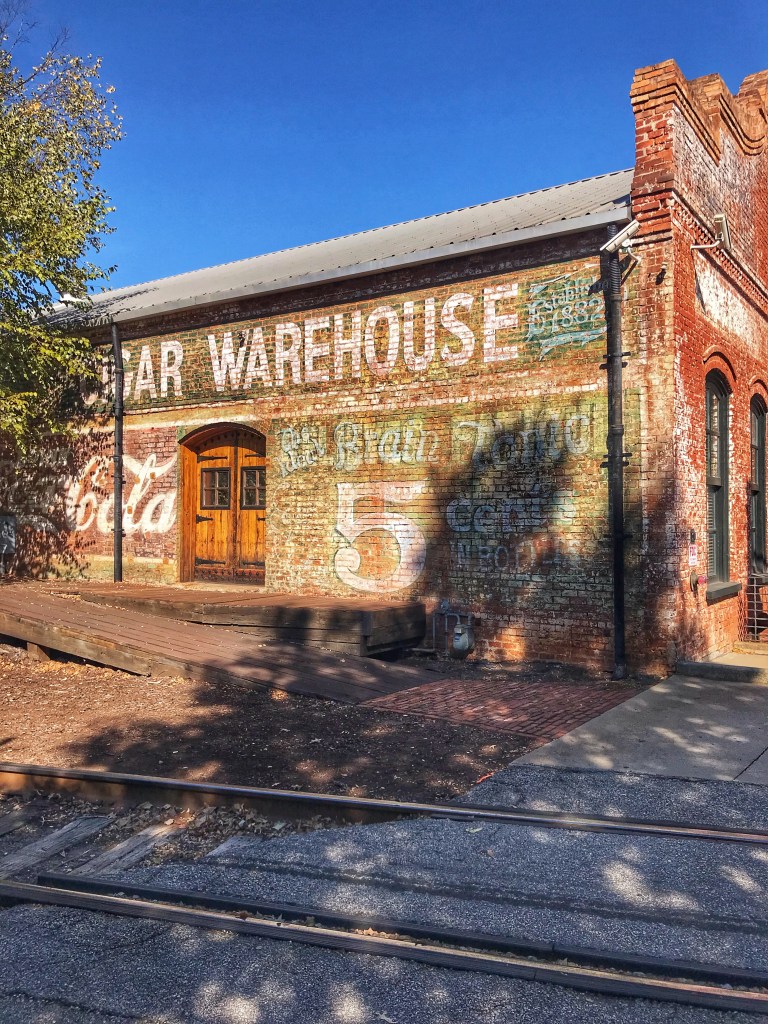
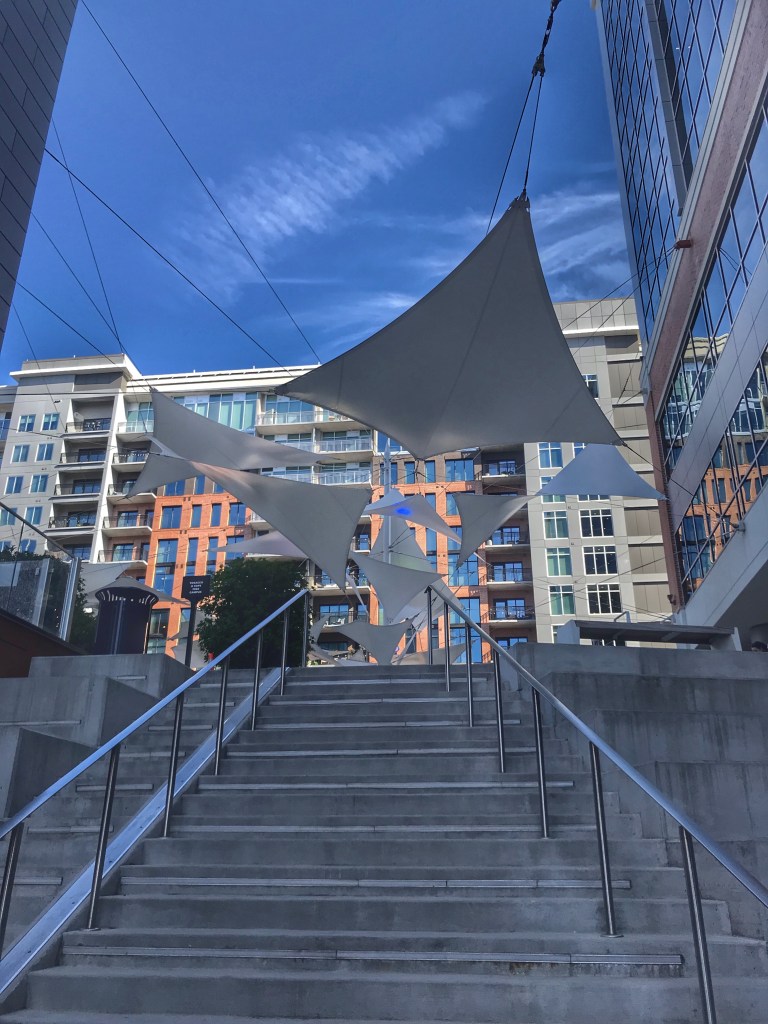
The architecture of Greenville is an interesting mix of old and new.

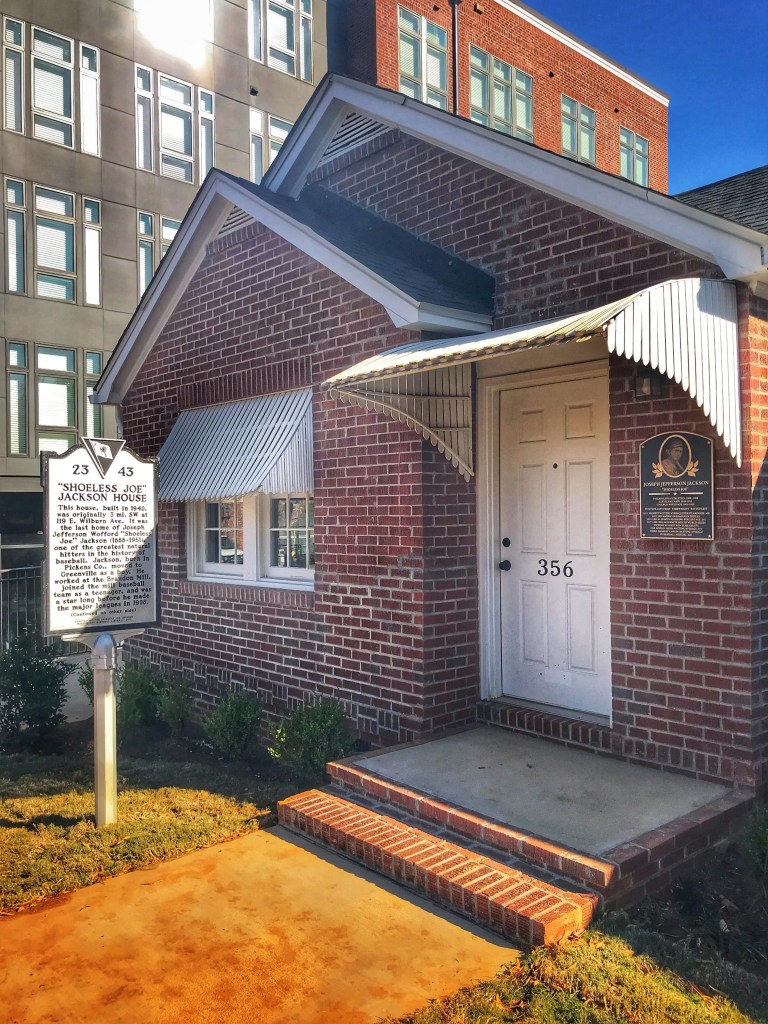
As an added bonus you can find “Shoeless “ Joe Jackson’s last home. The house is now a museum and library open to the public. Sadly it was closed during our visit.

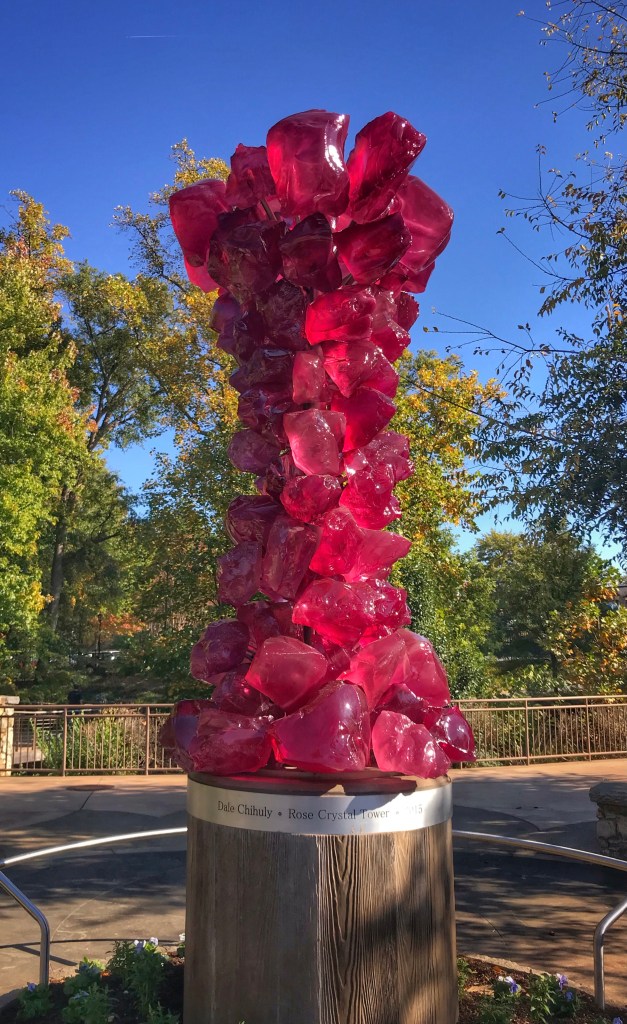
As you wander downtown you encounter lots of public art.

Dale Chihuly’s Rose Crystal Tower

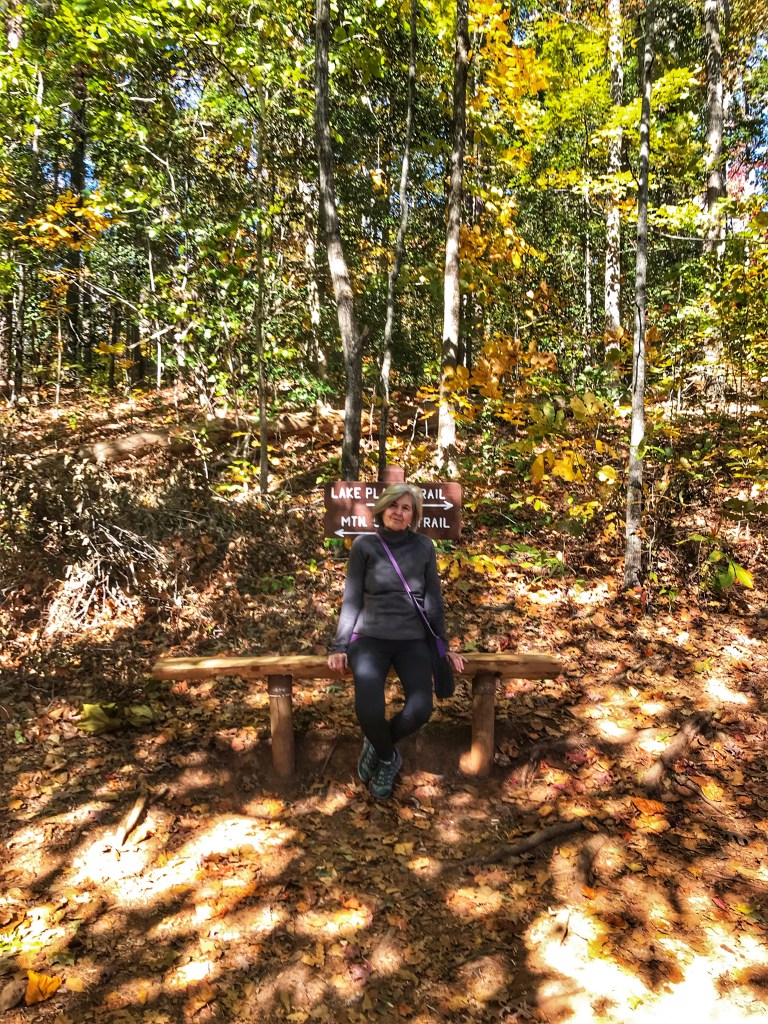
While the city is fun to wander through, we enjoyed spending some time hiking the trails around Paris Mountain.

Lake Placid

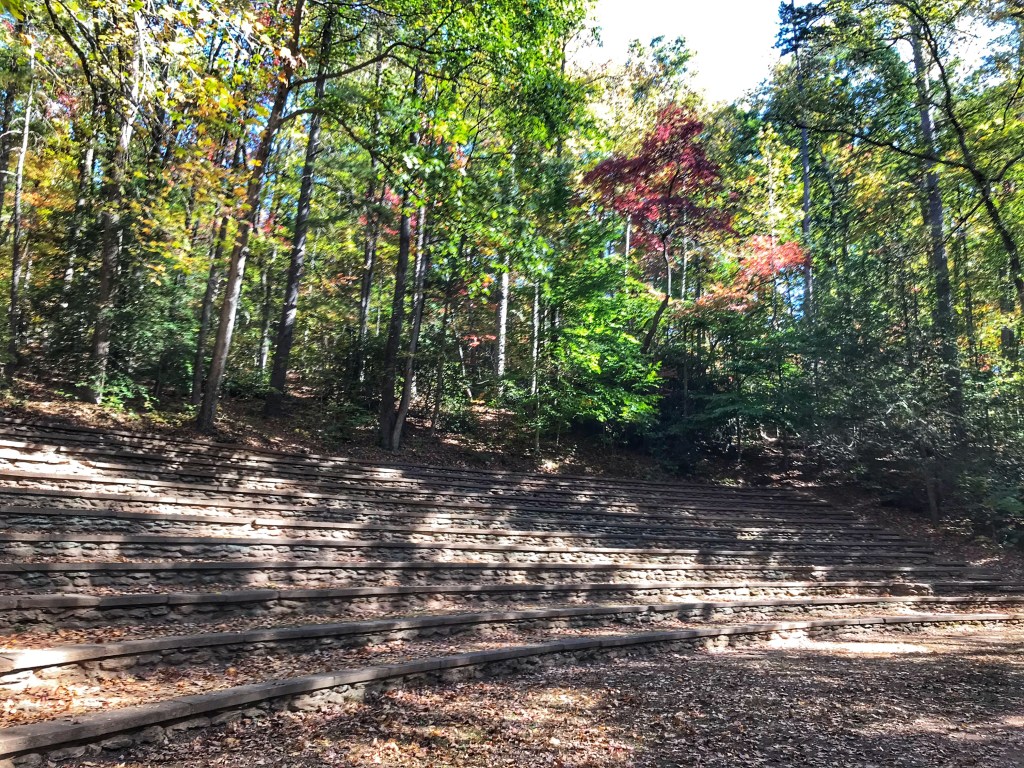
The park was created in the 1930’s by the Civilian Conservation Corps (CCC) and contains one of the last CCC amphitheaters. This was the site of church services and Strom Thurmon political rallies in the 1940’s.

CCC amphitheater

There was more to explore around Greenville and Paris Mountain. A return trip is in order but for now it’s time to move on to one of our favorite southern cities, Savannah.

Skidaway Island SP site 50

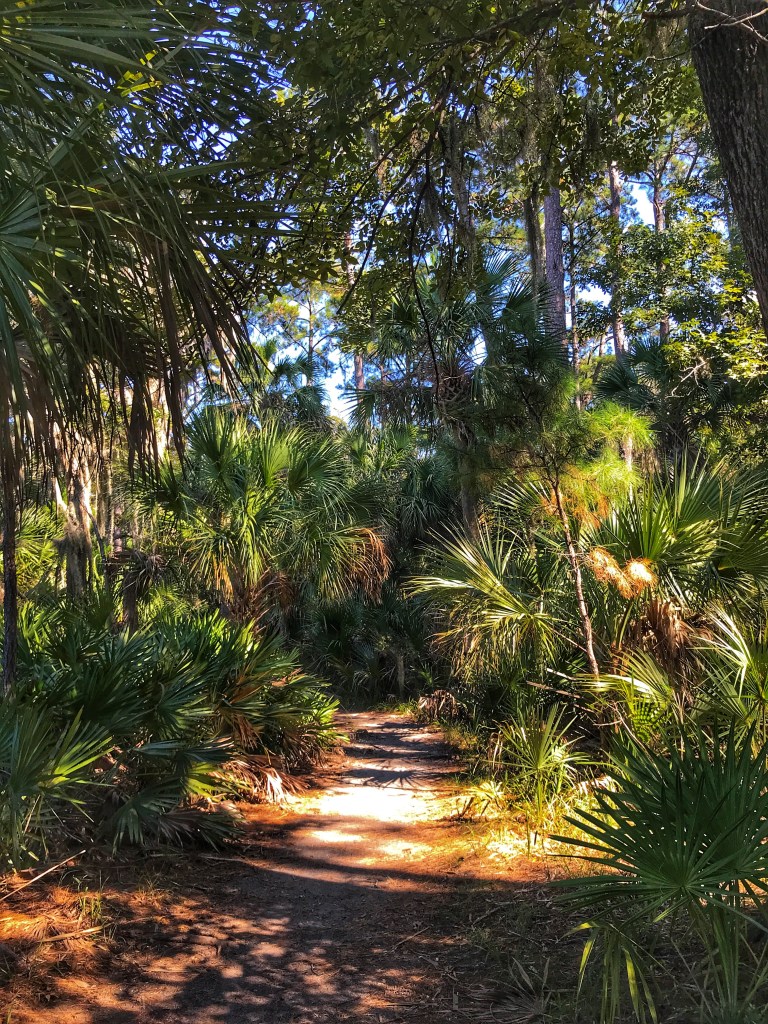
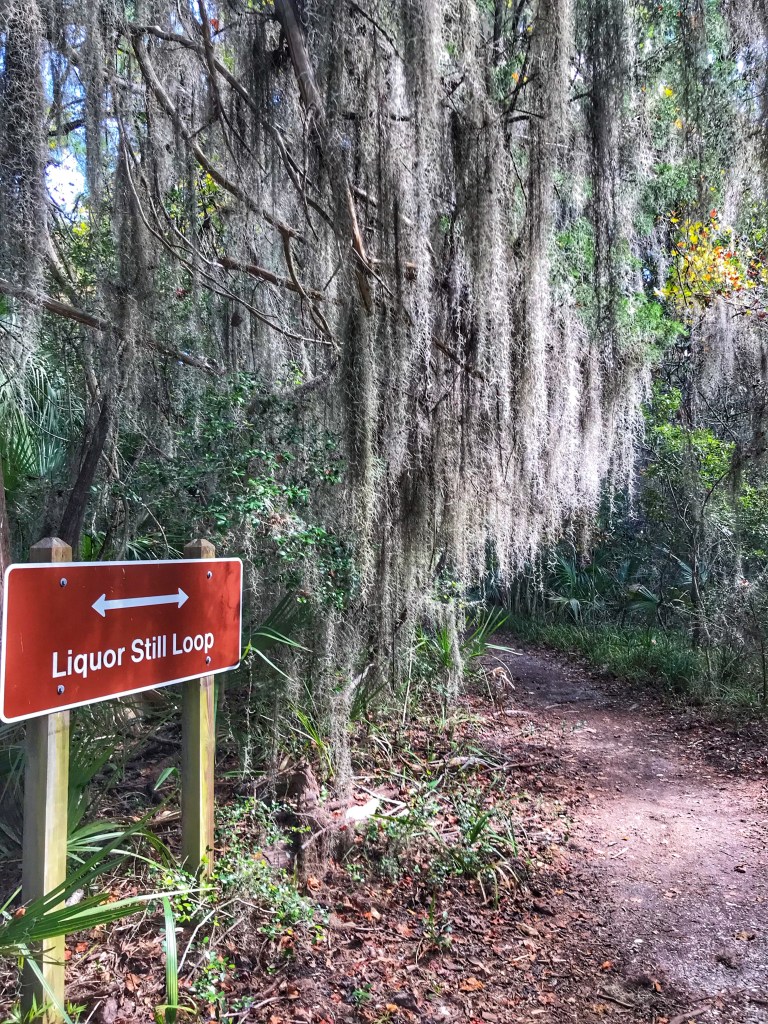
Part of the appeal of Savannah is that we stay at Skidaway Island State Park. The park is located twenty minutes from downtown and has a number of hiking and biking trails through the Georgia low county.

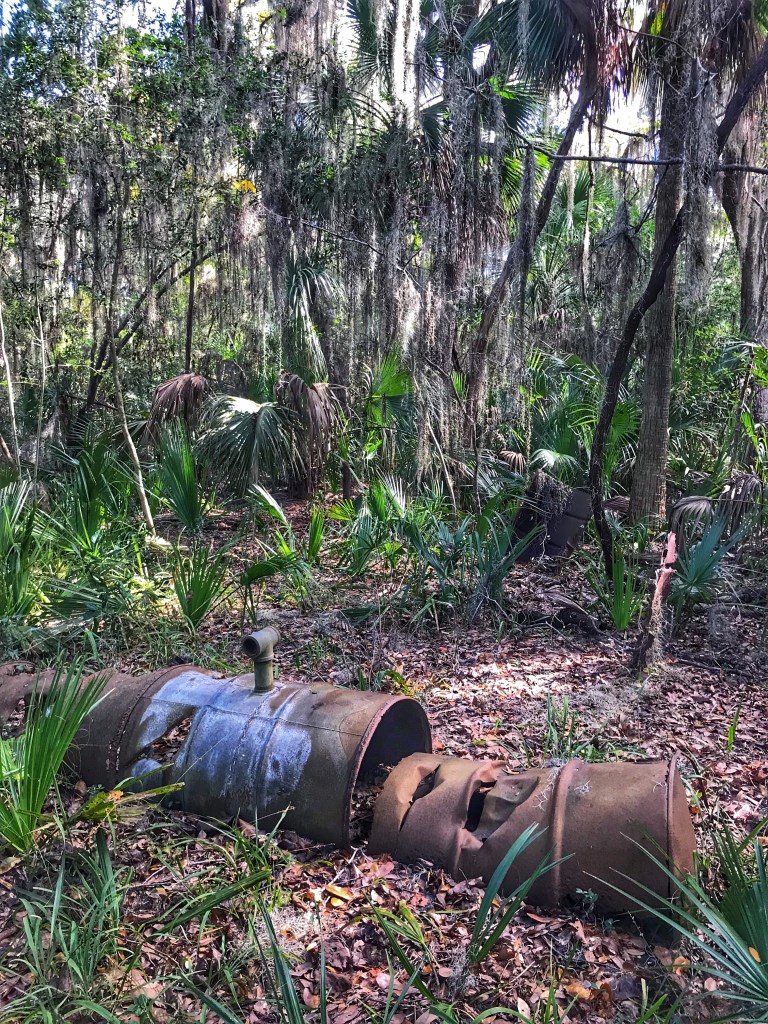
Due to it’s remoteness, Skidaway Island was the preferred location for moonshiner’s in the early 20th century. The number of stills peaked during prohibition.

Note the axe marks on the barrels, the result of a police raid
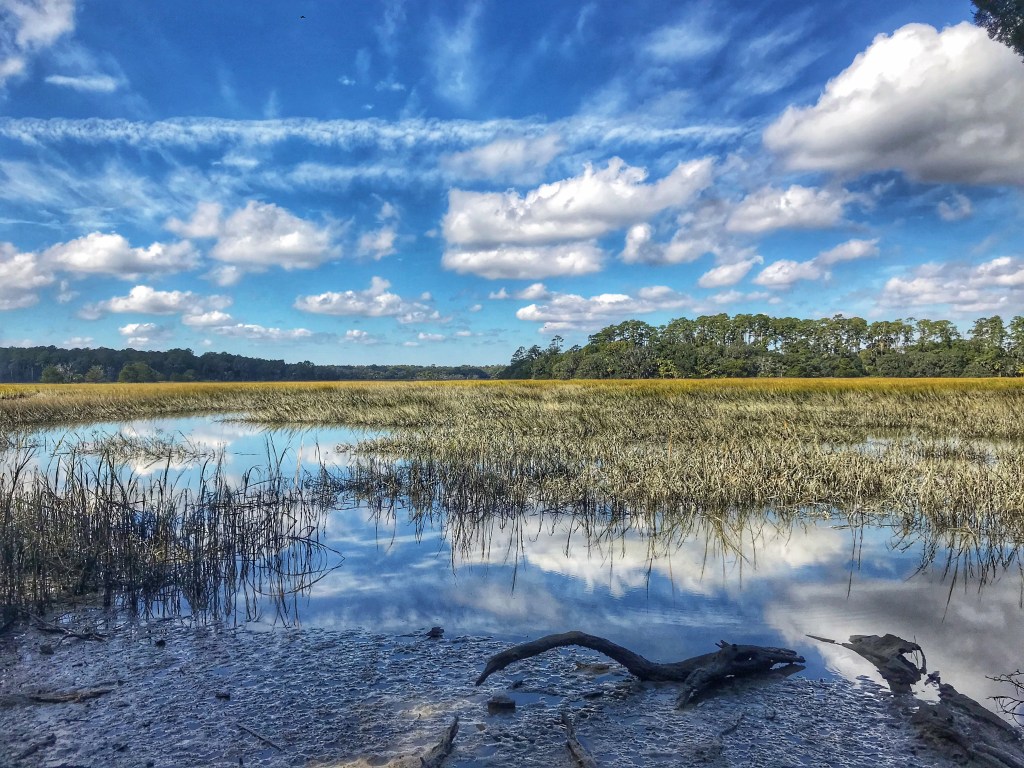
Beautiful tidal marshes surround the island
Dusk in the low country

While we didn’t spend much time in the city we sure enjoyed our time here in the low country. It was time to pack up and head to Florida for some family visits.

Site 43

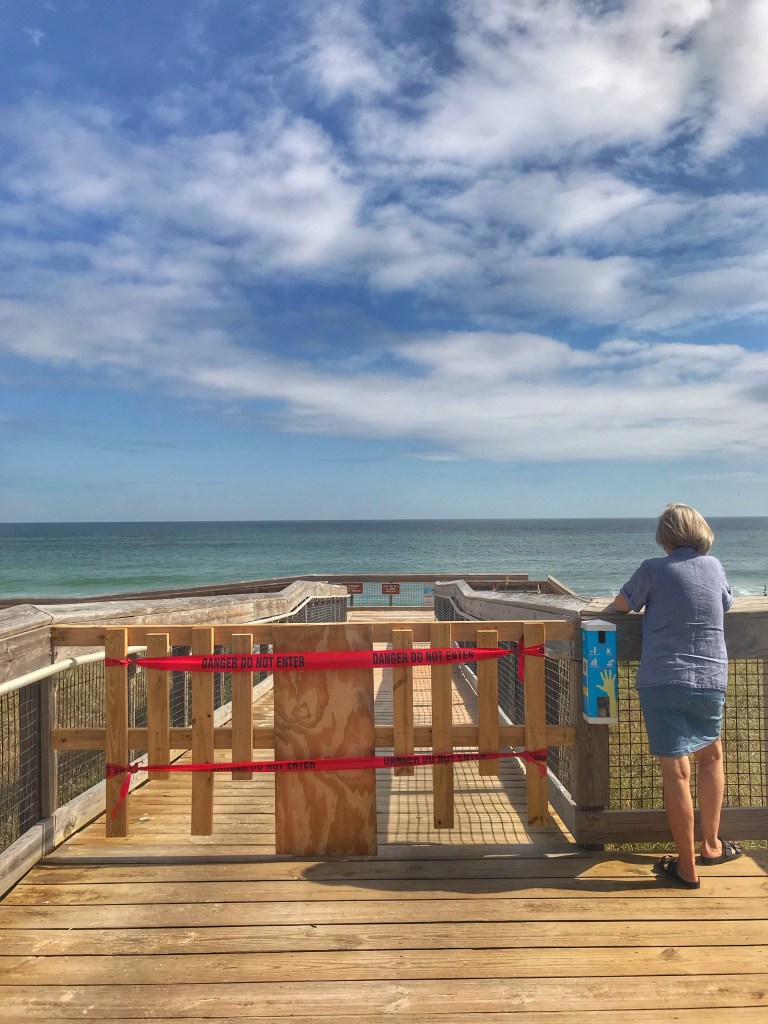
We set up camp at Gamble Rogers State Park. The park is located on the Atlantic Coast near Flagler Beach. We’ve stayed here before because of its proximity to assorted family members and it’s easy beach access. However, beach access was unavailable due to the last hurricane that blew through the area.
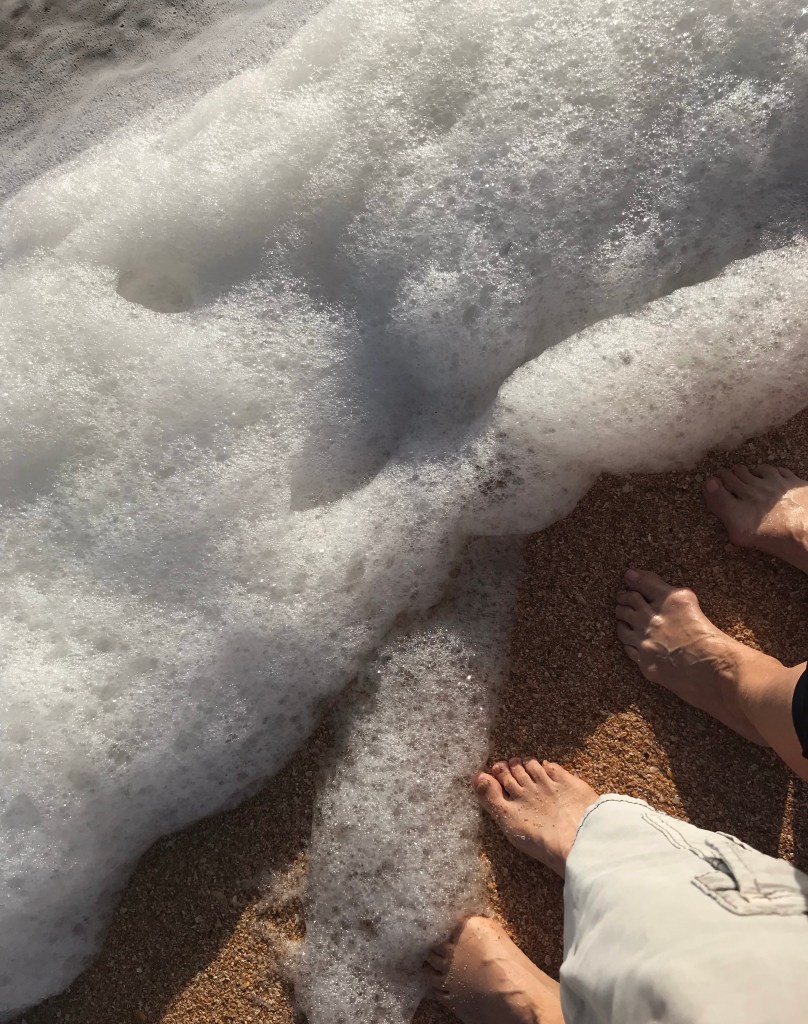
Shelly’s sister lives nearby and can still access her neighborhood beach.
Pat and Andrea

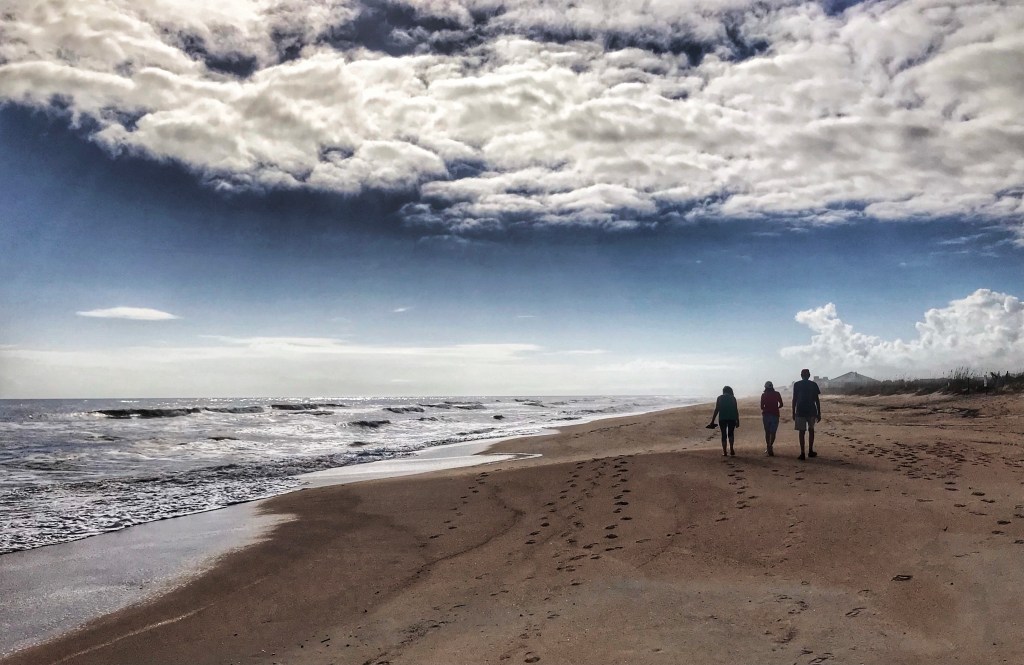
We are always amazed by how underutilized the section of beach is.

Pat, Andrea and Jeff

We worked in a trip down to New Smyrna Beach to visit with some of our Nieces and Nephews.

Nancy Beth and Pat

After our brief visits along the Atlantic coast of Florida we moved inland to visit with Pat’s siblings Carolyn and Mike. Mike was kind enough to allow us to park the Tincan in his yard until we return in January. No need to winterize.

Tincantravels will resume after our return to Florida in the new year

Here We Go Again

While winter in the Southwest is hard to beat we’ll be heading to Florida this winter. We have too many friends and family members in Florida who we don’t see enough to pass up a visit in the Southeast.

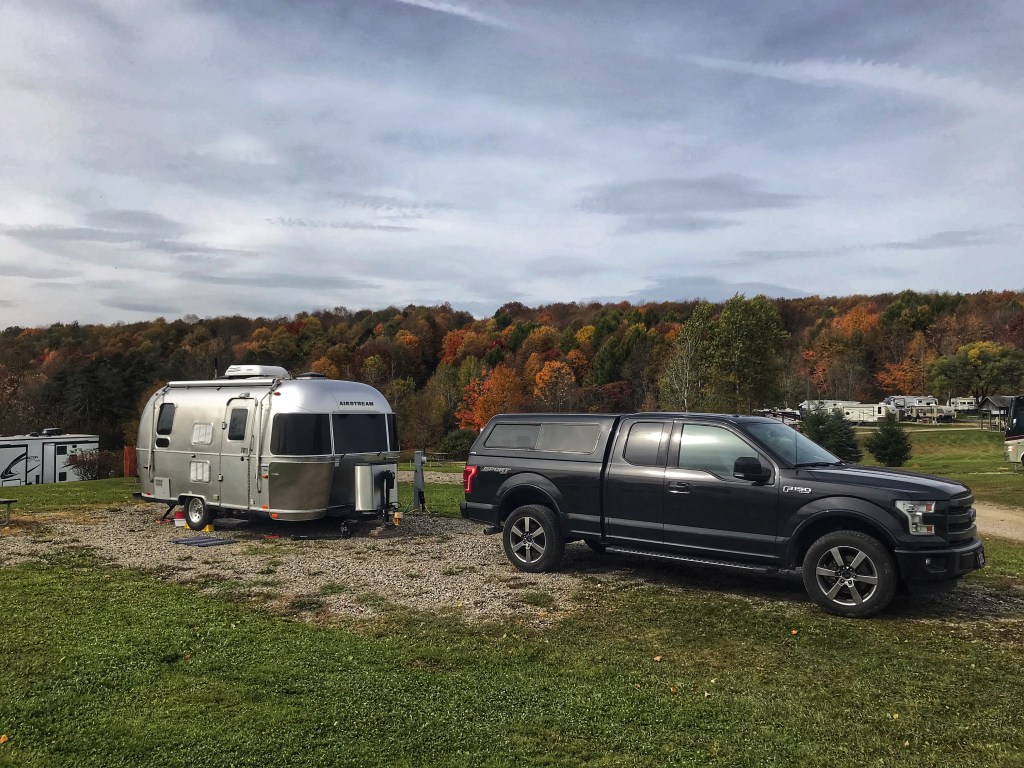
Shamrock Pines, Franklinville NY

The plan is to take three or four weeks to get to Pat’s brother’s house in Florida where we’ll store the Tincan until we return in January. Our first stop was Franklinville to meet up with with our friends Bill and Sandy. We met in Florida in 2018 when they were full time RVers. It’s always a good time when we met up.

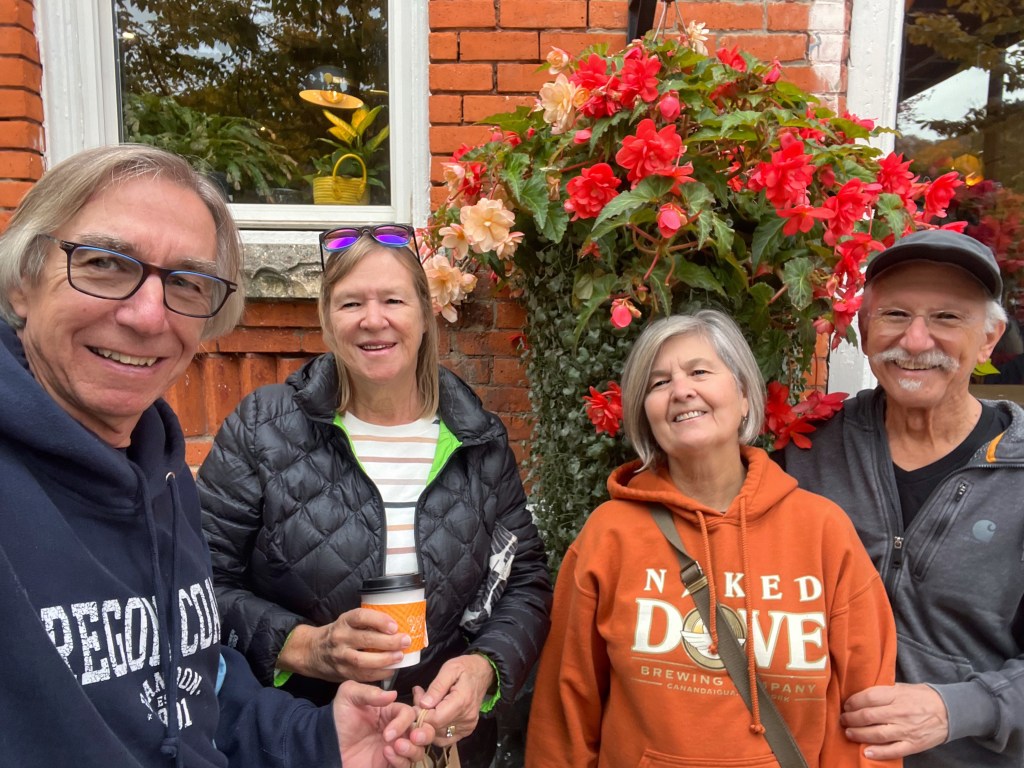
The Crew enjoying Fall in Ellicottville (Photo courtesy of Bill)
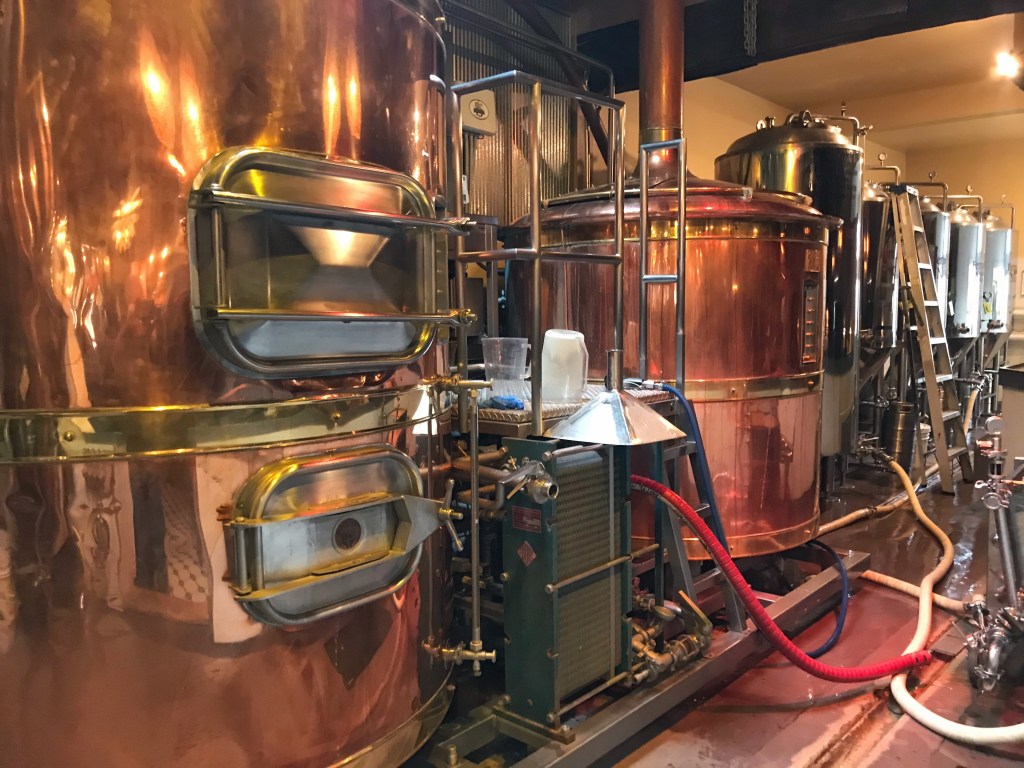
No trip to Ellicottville is complete without a visit to the Ellicottville brewery

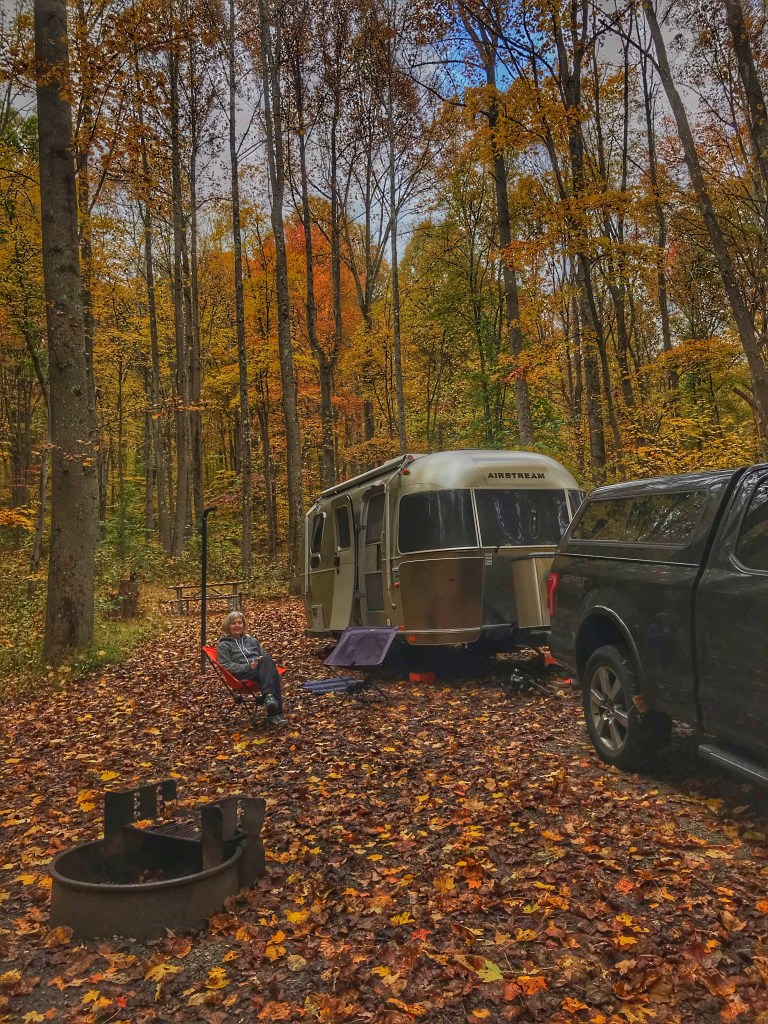
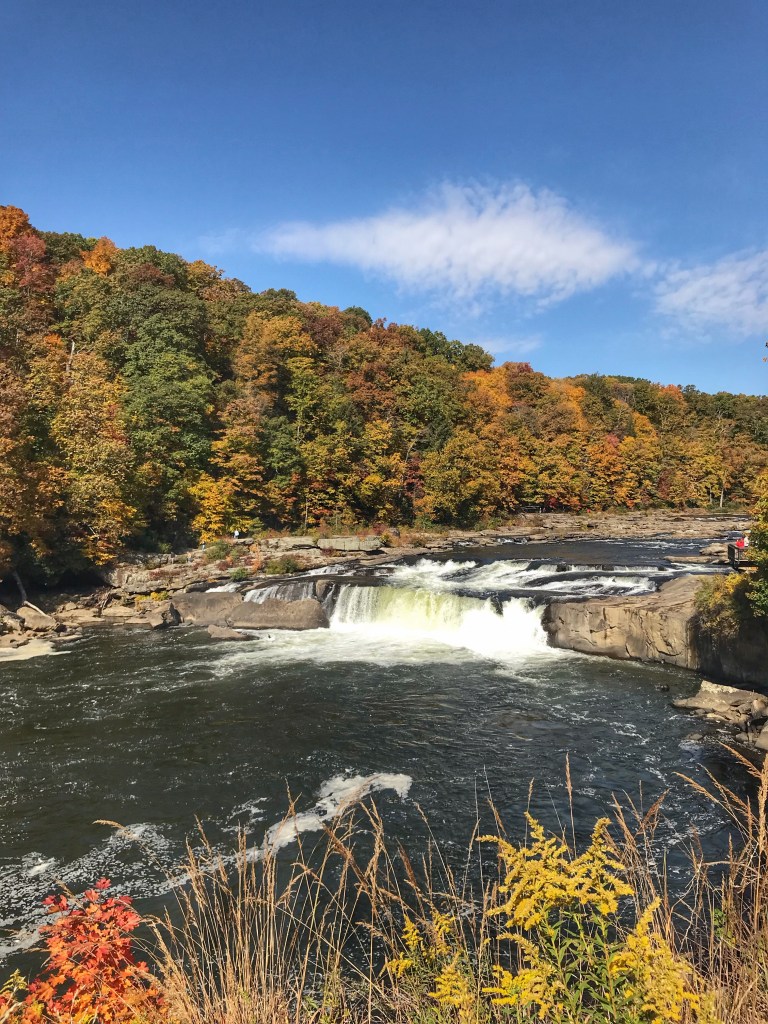
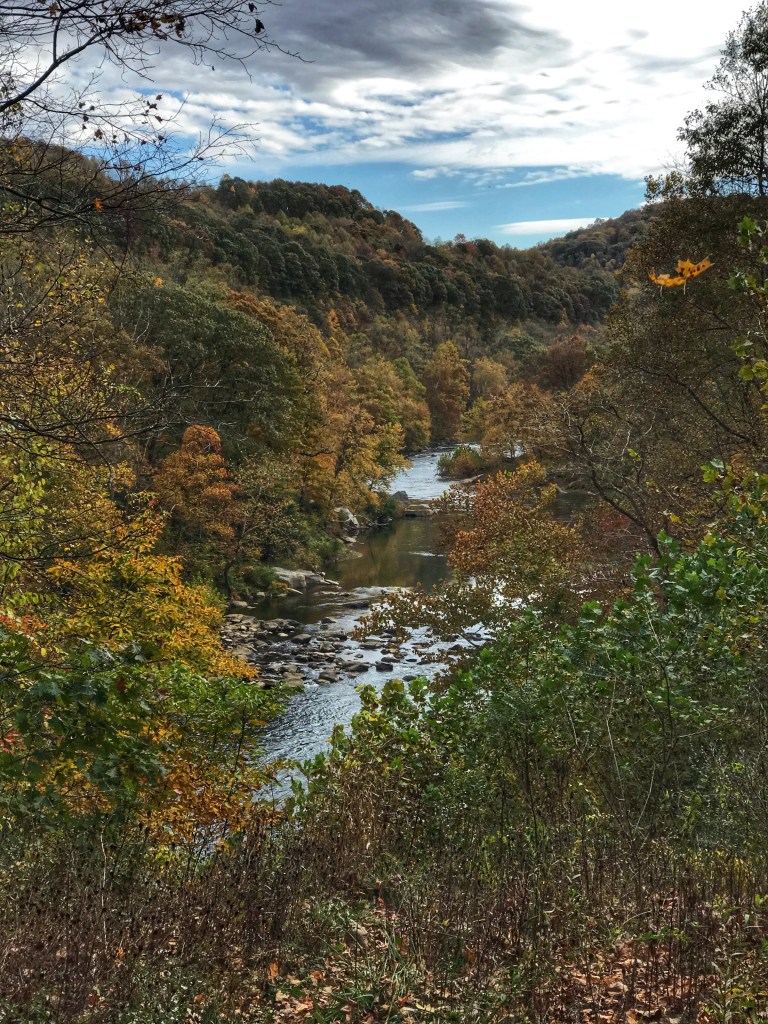
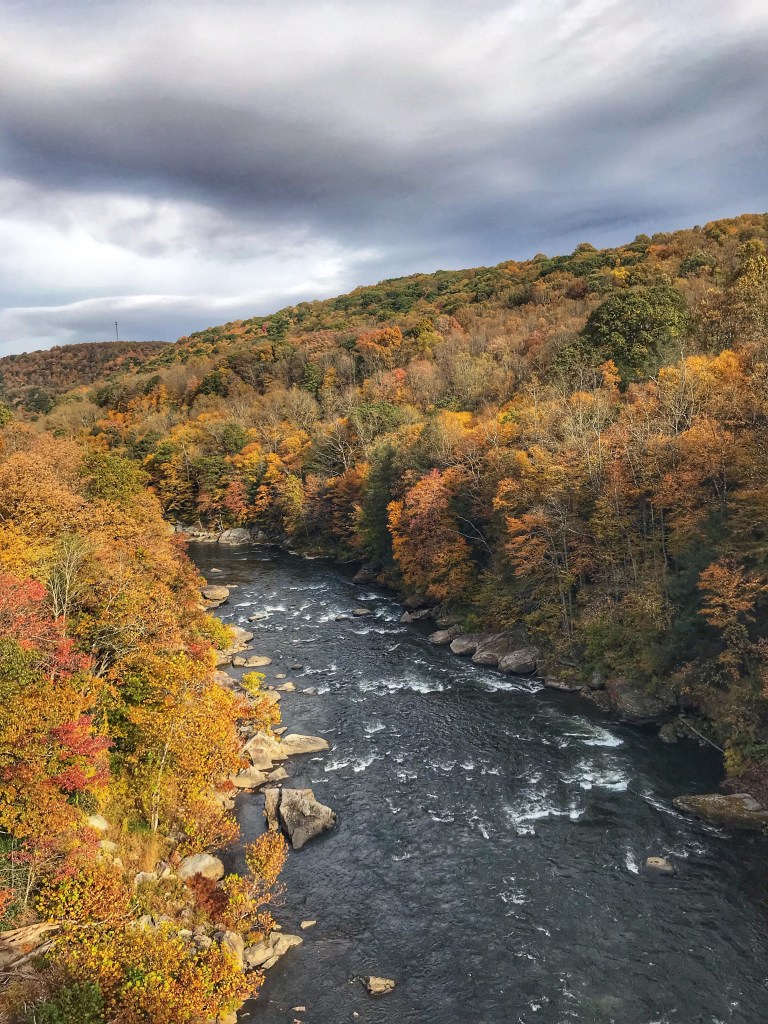
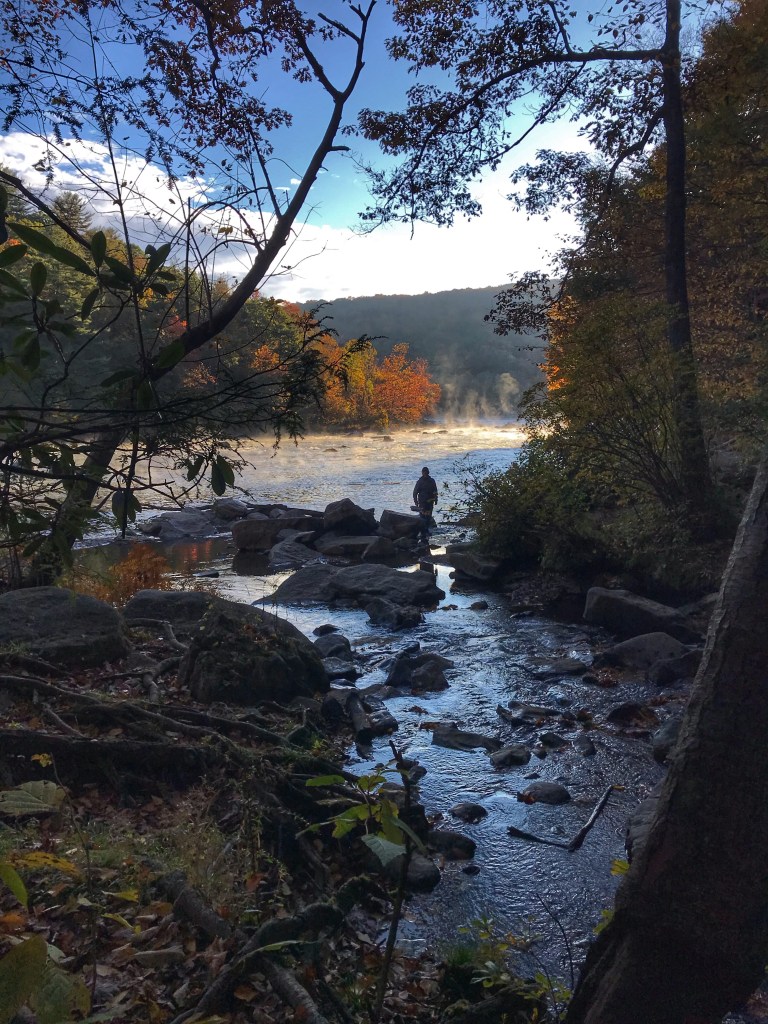
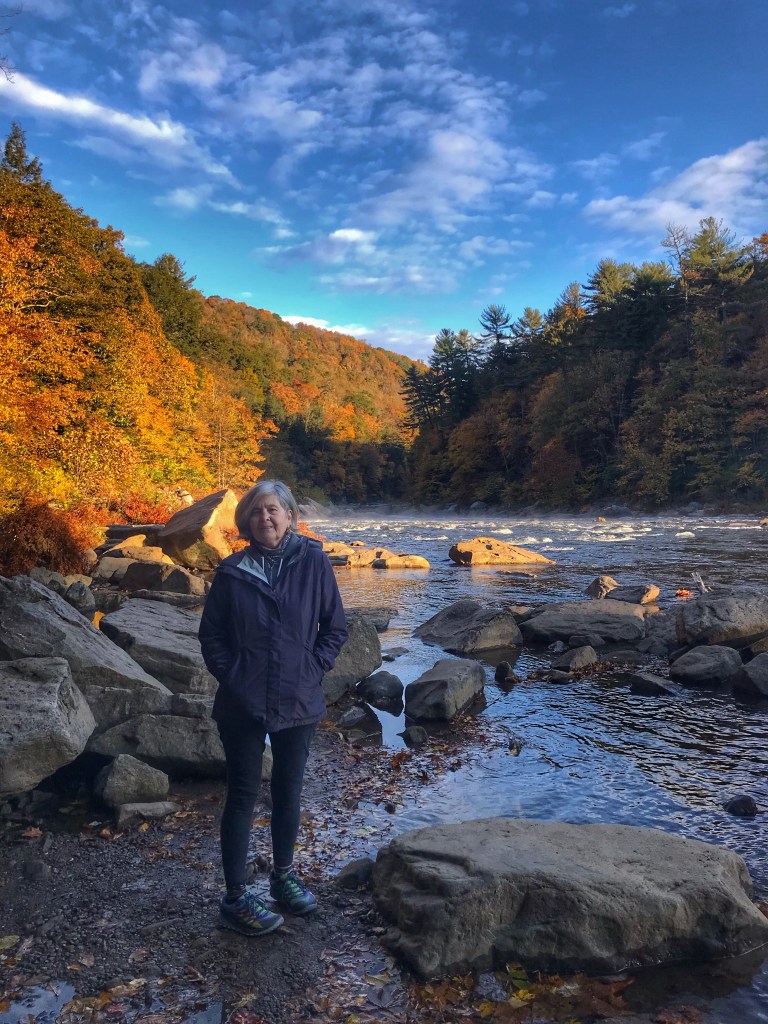
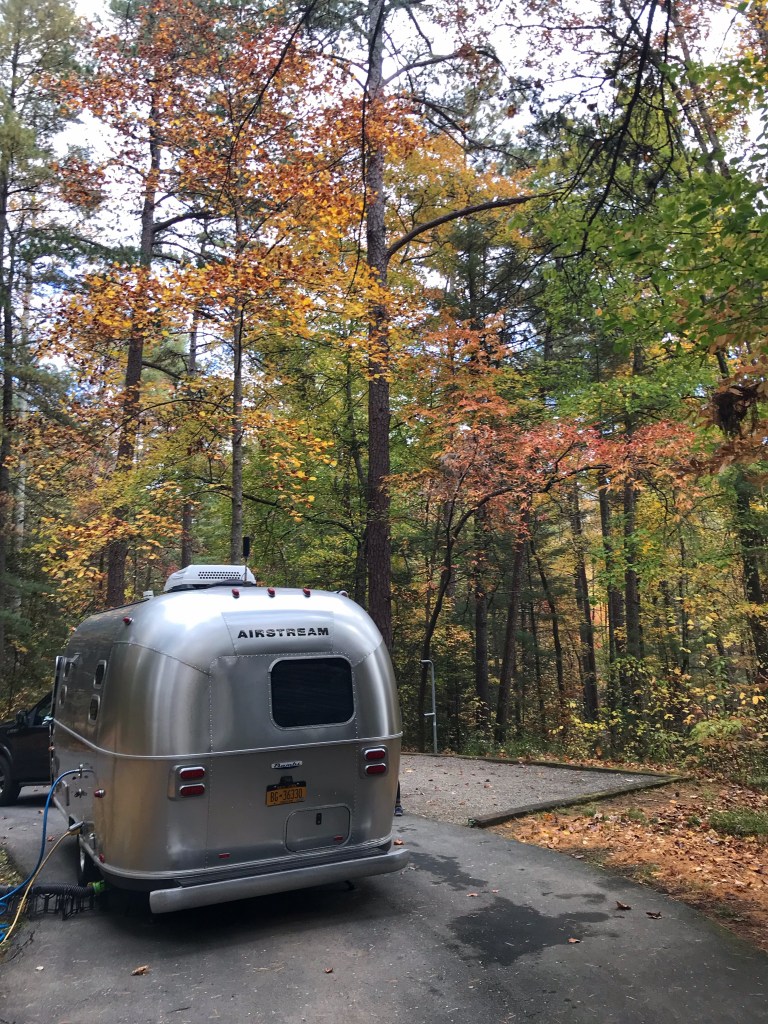
The next day we packed up and drove to Ohiopyle State Park in the Laurel Highlands of southern Pennsylvania . We hoped to catch some autumn color and we sure did!

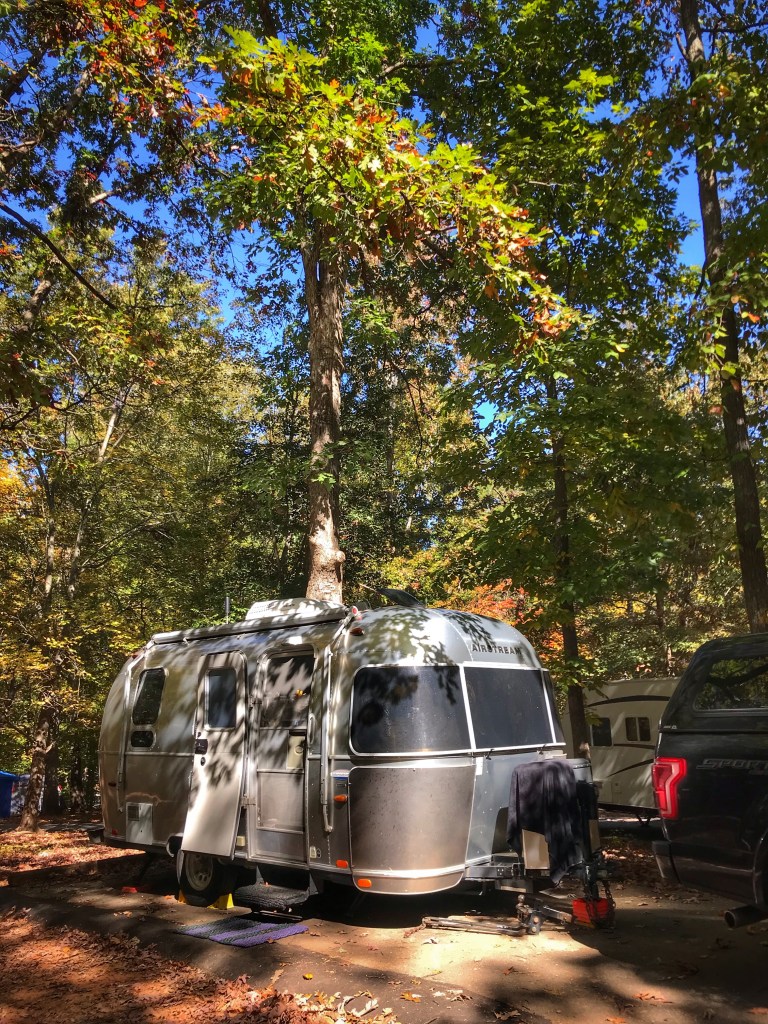
Site 45

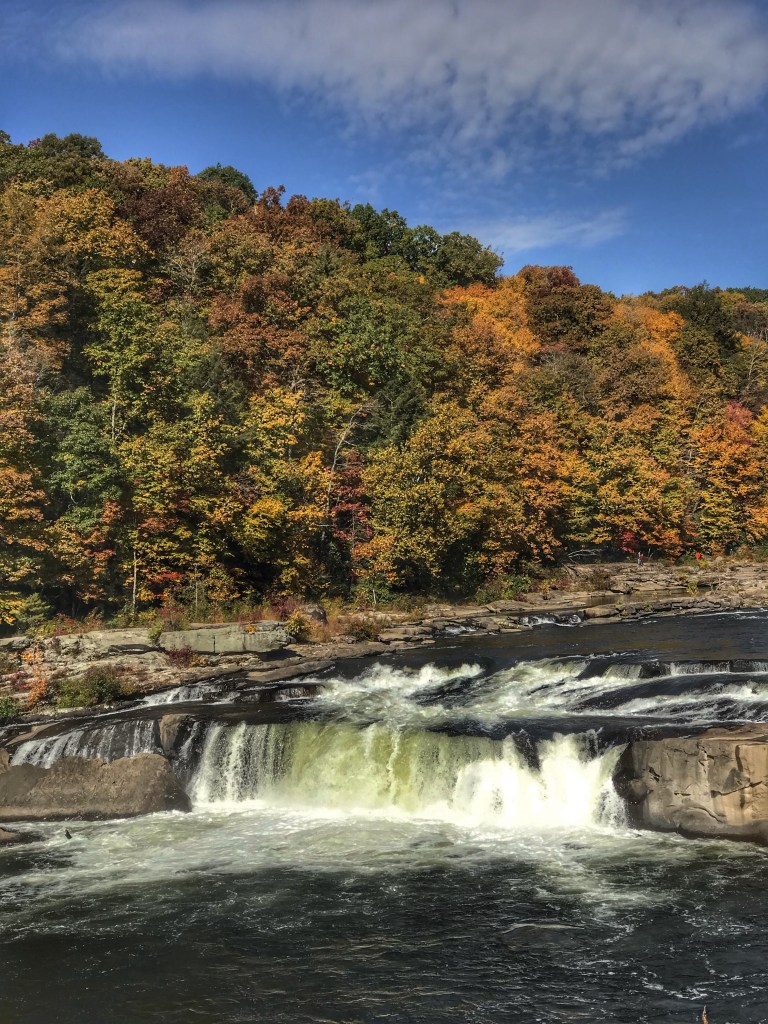
The name Ohiopyle is believed to be derived from a combination of American Indian words that mean “white frothy water “. That water is the Youghiogheny River, providing some of the best white water rafting in East.

Ohiopyle Falls

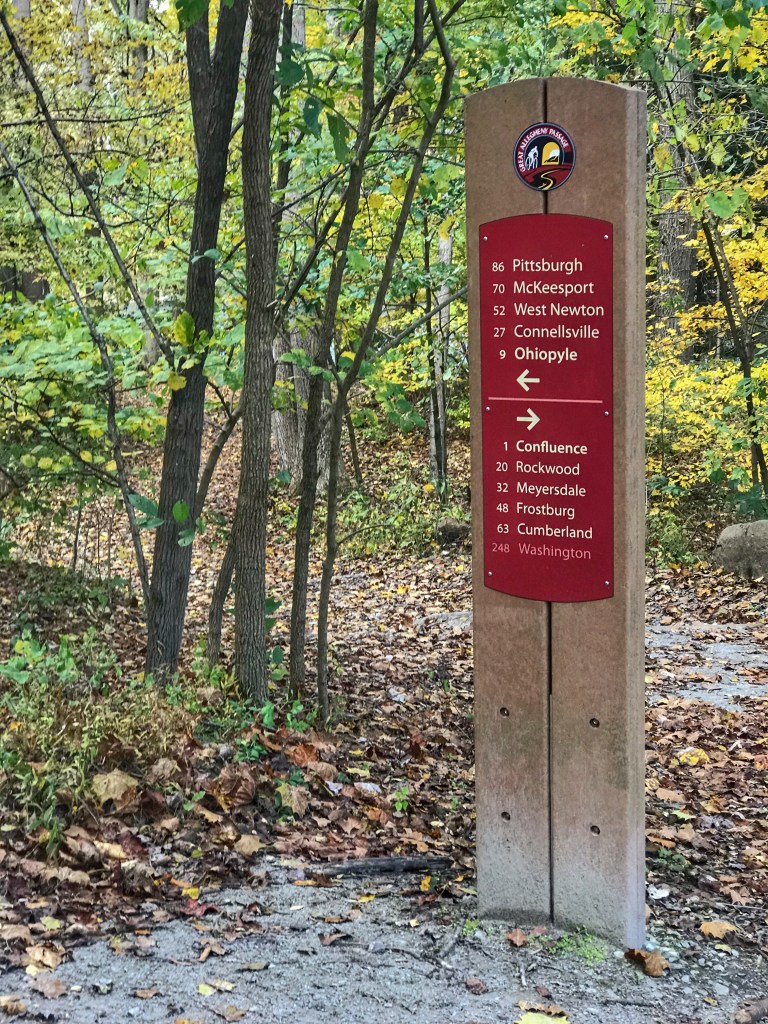
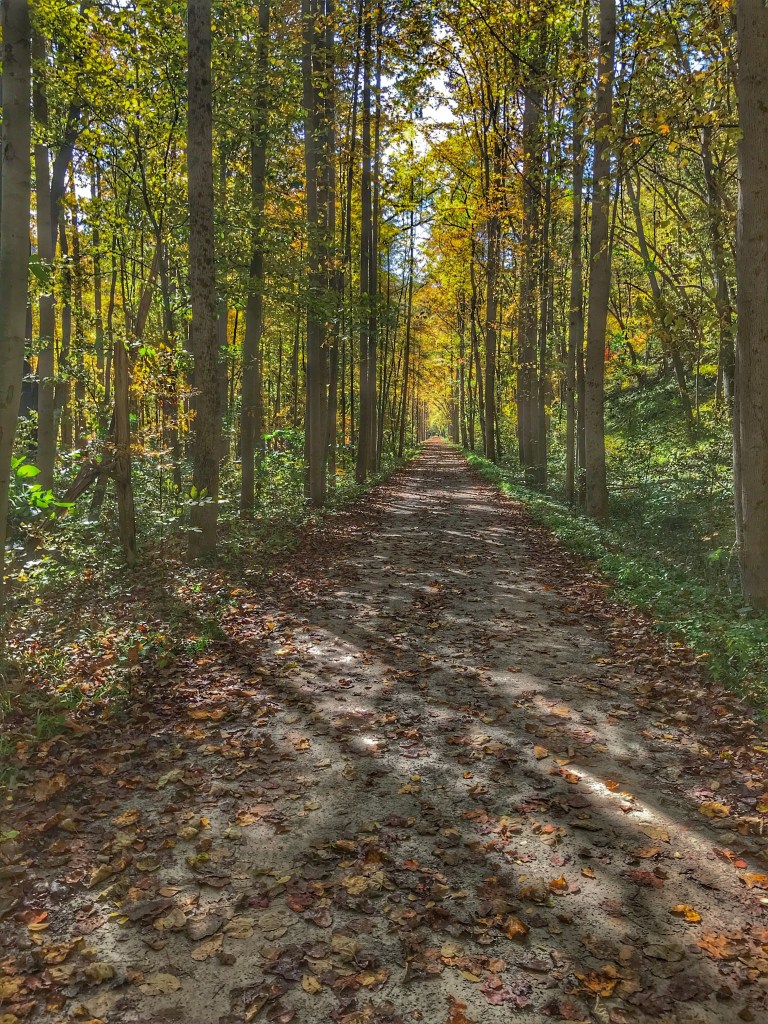
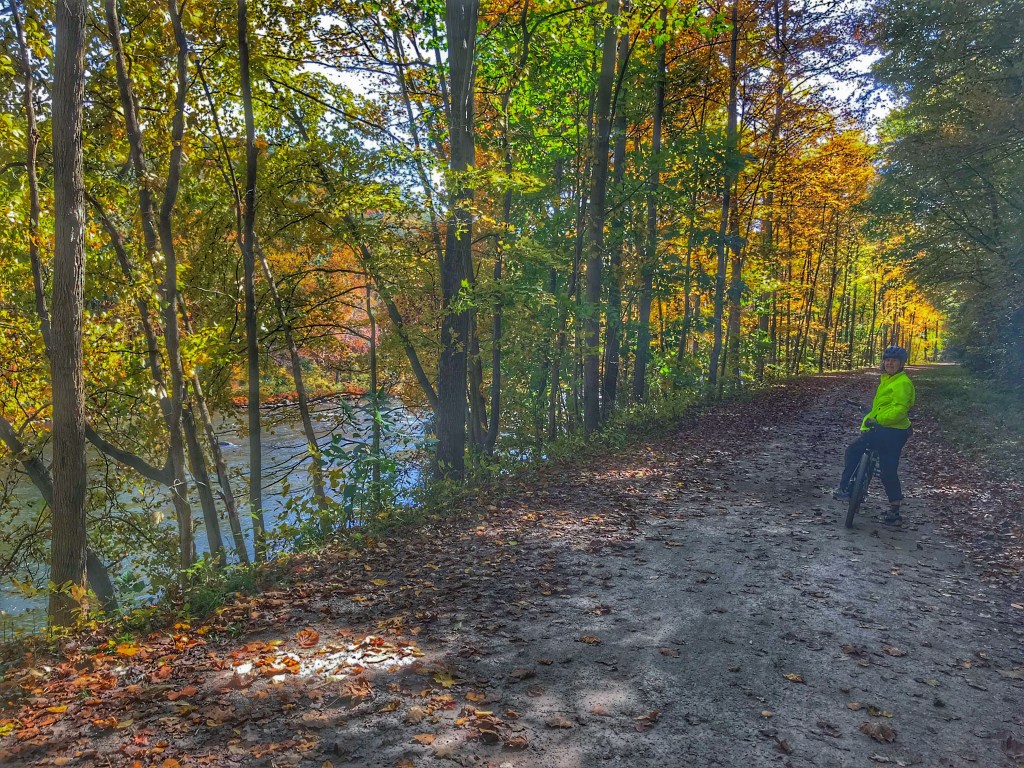
In addition to the fall foliage, we came to ride The Great Allegheny Passage. This Rails to Trails bike path starts in Pittsburgh and travels 150 miles to Cumberland MD. We rode 24 miles (48 miles round trip) of it along the Youghiogheny River.

We used our mountain bikes to ride the trail but it could be easily traversed on road bikes.

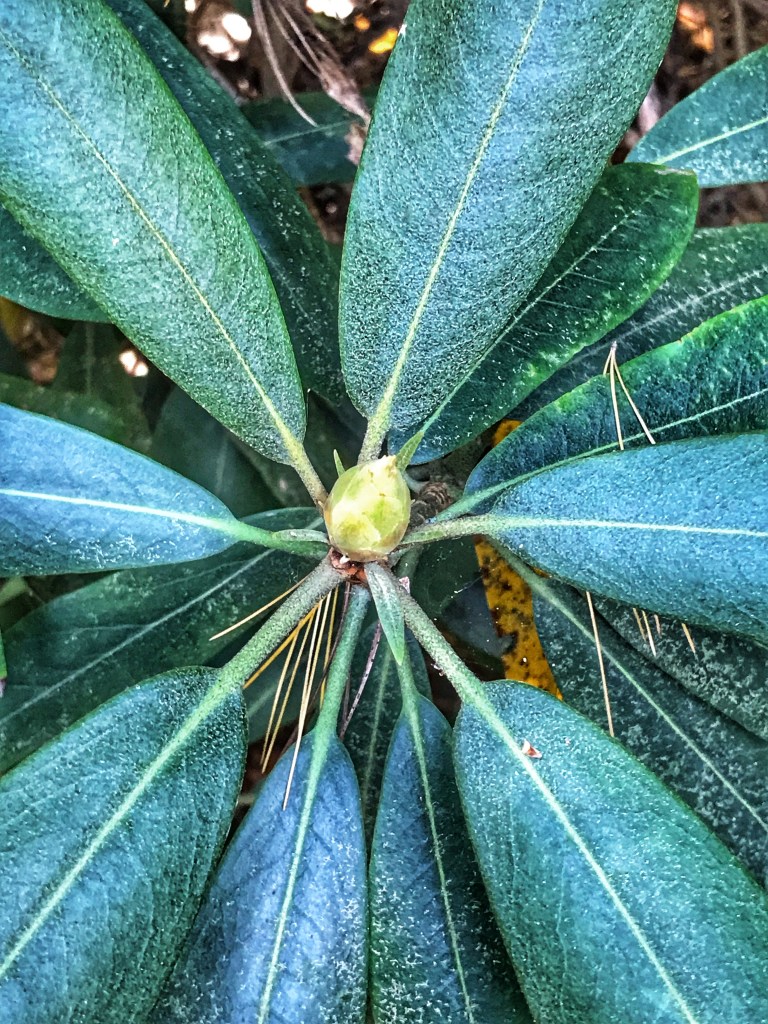
The trail was lined with mountain laurel. This would be a wonderful ride in the spring.

The laurel have set their buds for next spring’s bloom

The trail rises from laurel along the river and shows a great view of the river below. The 3 percent grade along this section gave us a good workout.

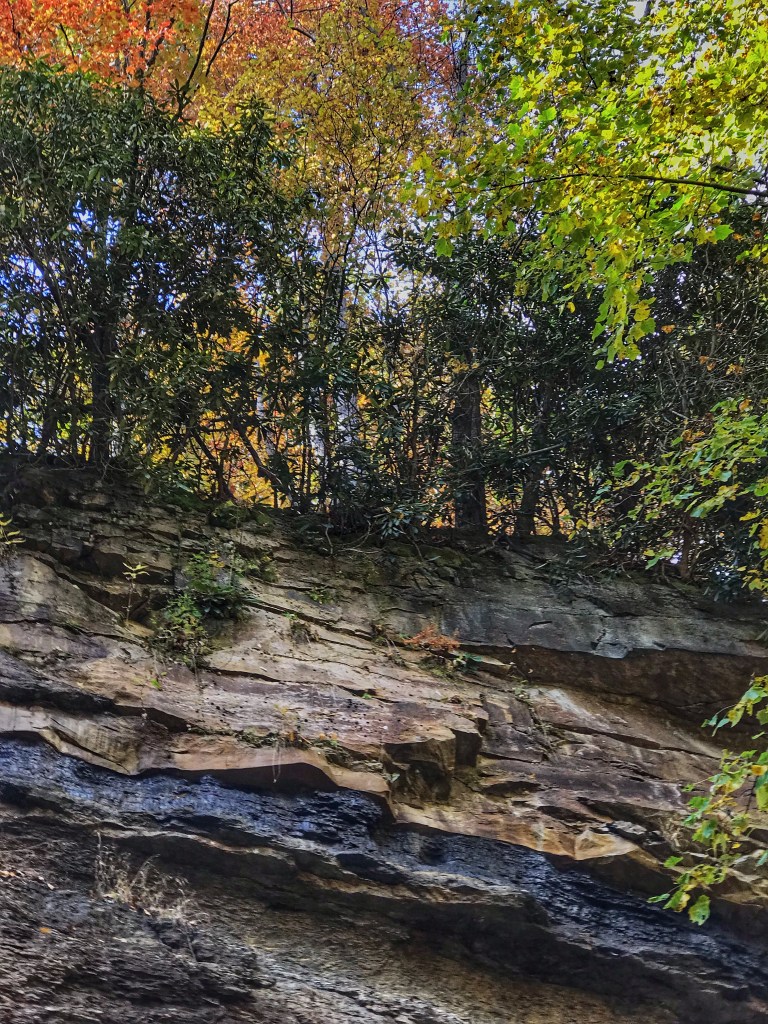
The railroad was originally used to move coal from this area. Coal veins can be seen in the rock walls along the trail.

That dark vein of rock near the bottom of the photo is coal

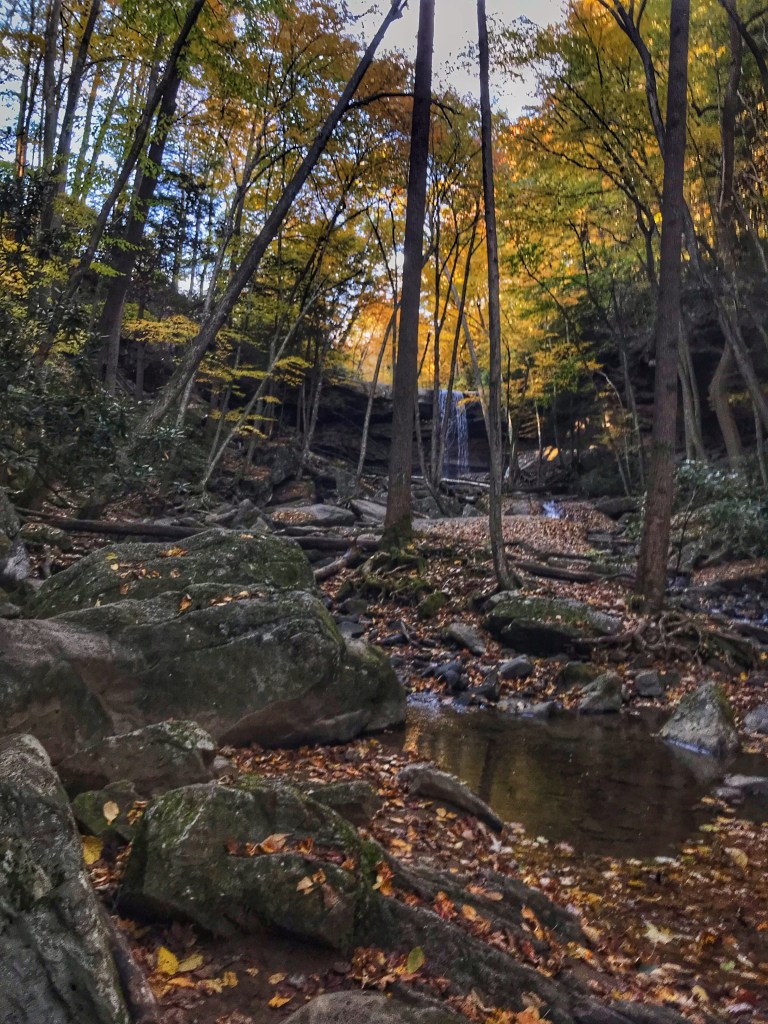
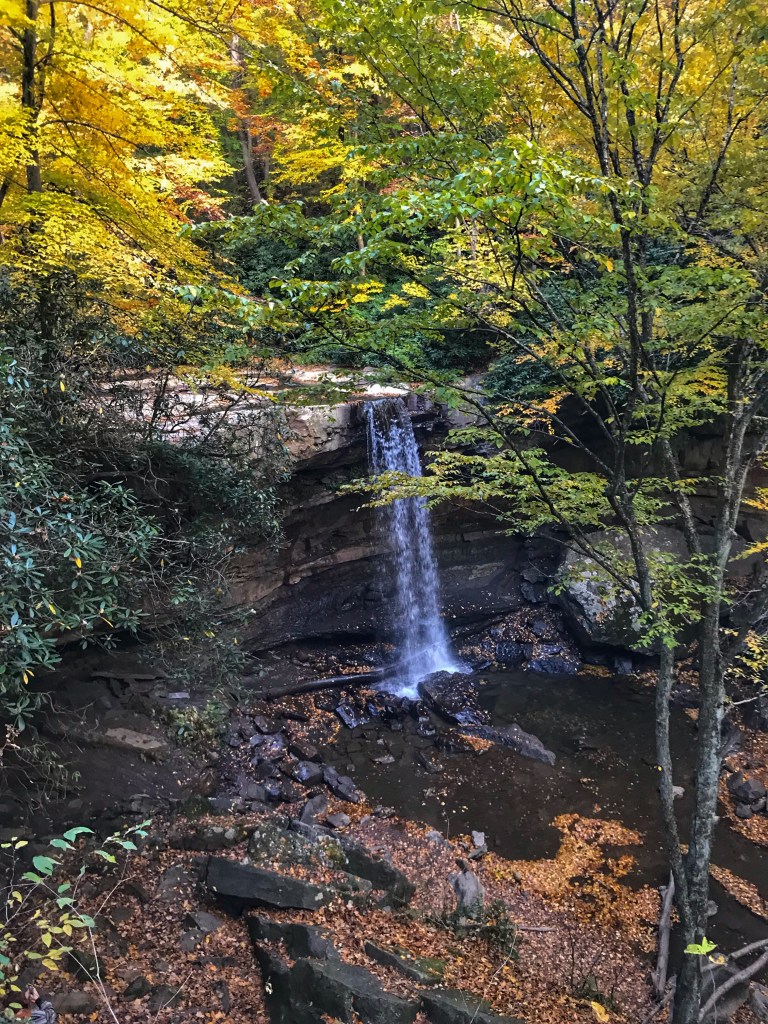
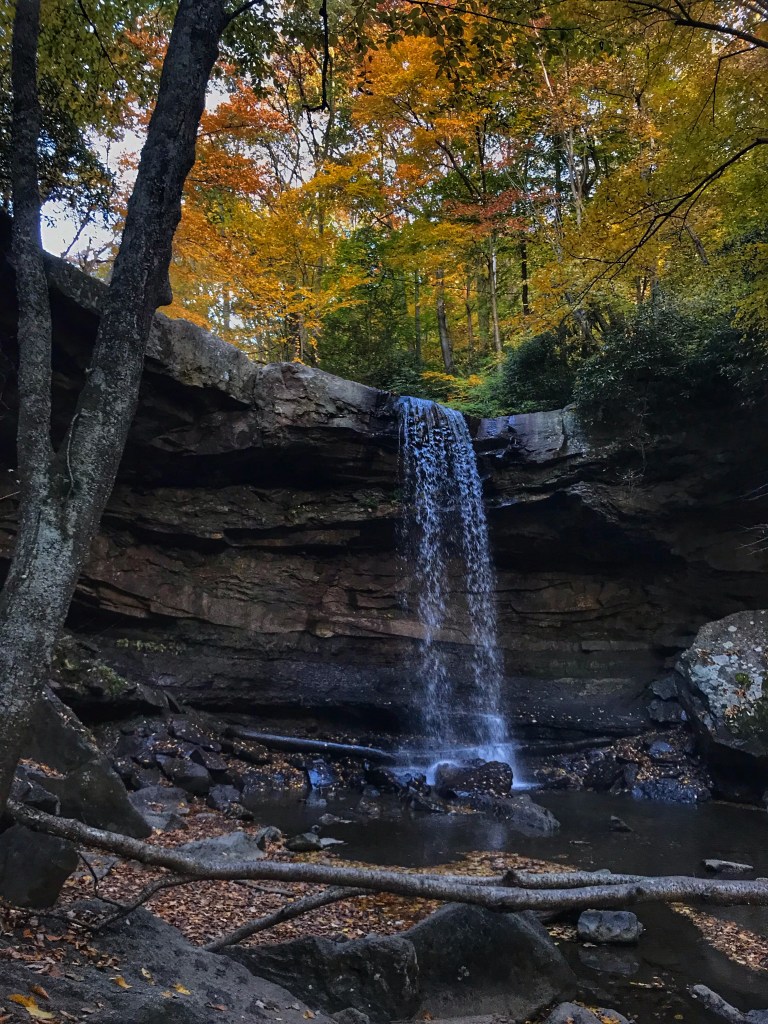
In addition to biking there is plenty of hiking to enjoy. We focused in on waterfalls and river hikes.

Cucumber Falls

The hike to Cucumber Falls is a popular hike with limited parking at the trailhead. The trick is to arrive early for parking and solitude along the trail.

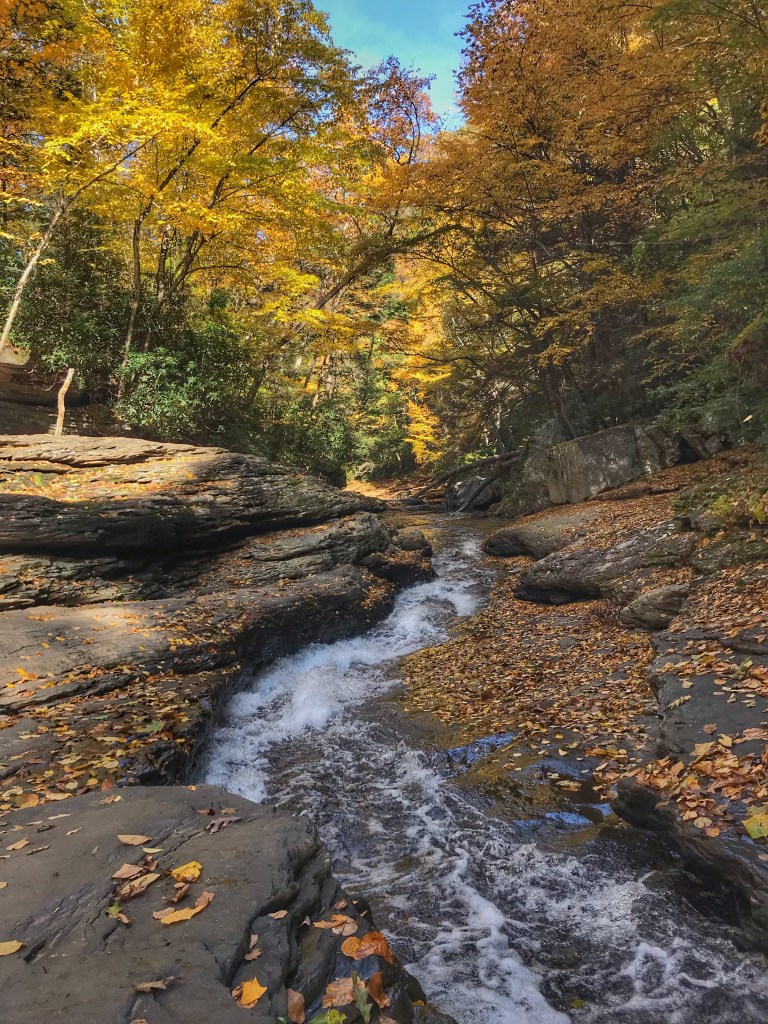
The Meadow Run Waterslides are another popular hike. The fast moving water flume would be great fun on a hot summers day.

Across the river from the village of Ohiopyle is the Ferncliff Peninsula National Natural Landmark. This hundred acre peninsula was created by a meander in the Youghiogheny River. The peninsula has lots of hiking and closeup views of Ohiopyle Falls.

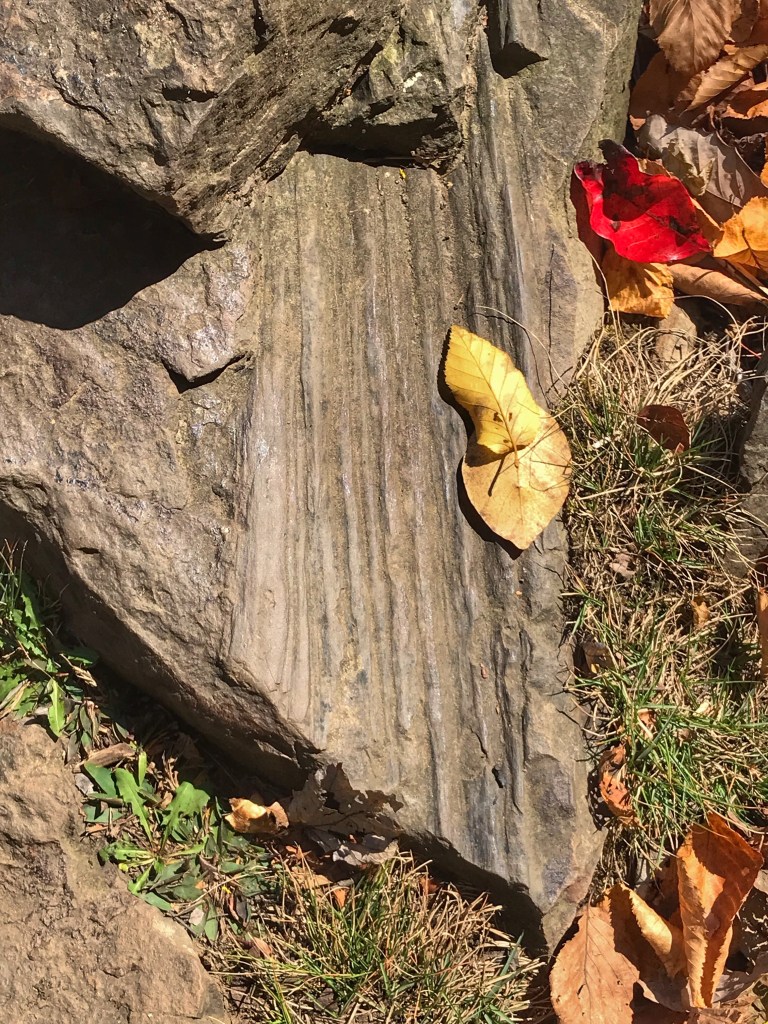
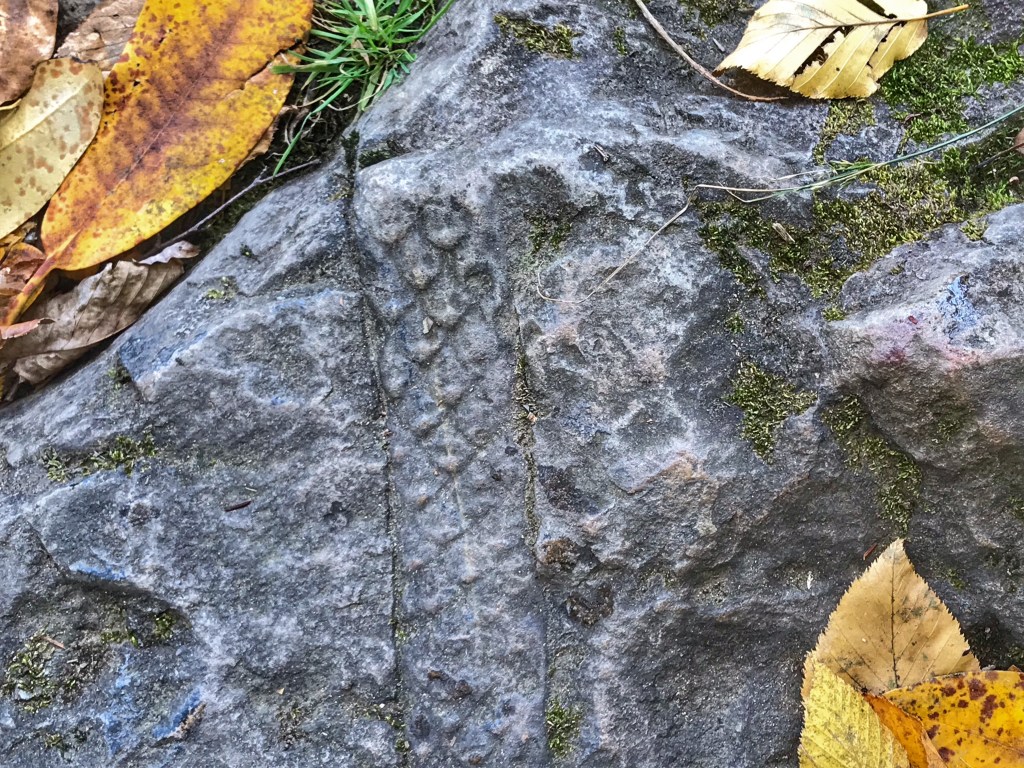
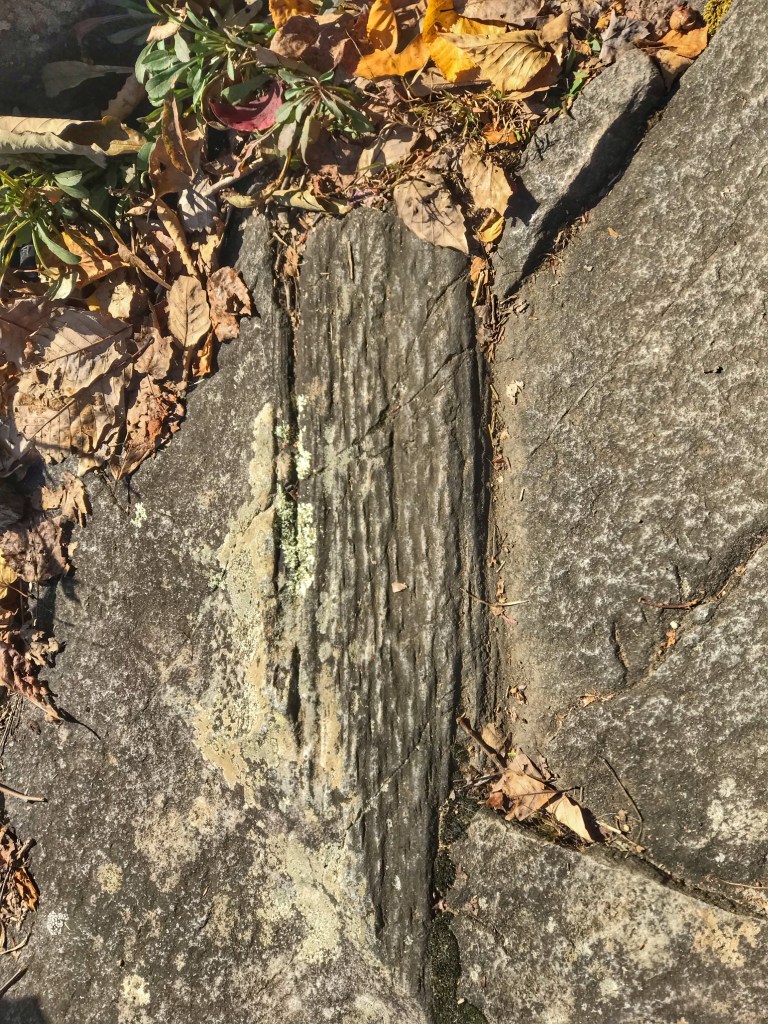
300 million years ago Pennsylvania had a tropical climate. As you hike the peninsula you can see fossils from that period along the trail.

Cordaites Fossil
Lepidodendron Scale Fossil
Calamities Fossil

After four days it was time to move on. We only scratched the surface of things to do. Frank Lloyd Wright’s Falling Water and Kentuck Knob are nearby as well as more hiking and biking. Our next stop will be the Lake Powhatan Recreation area south of Asheville NC and a visit with our nephew Jack and his family.

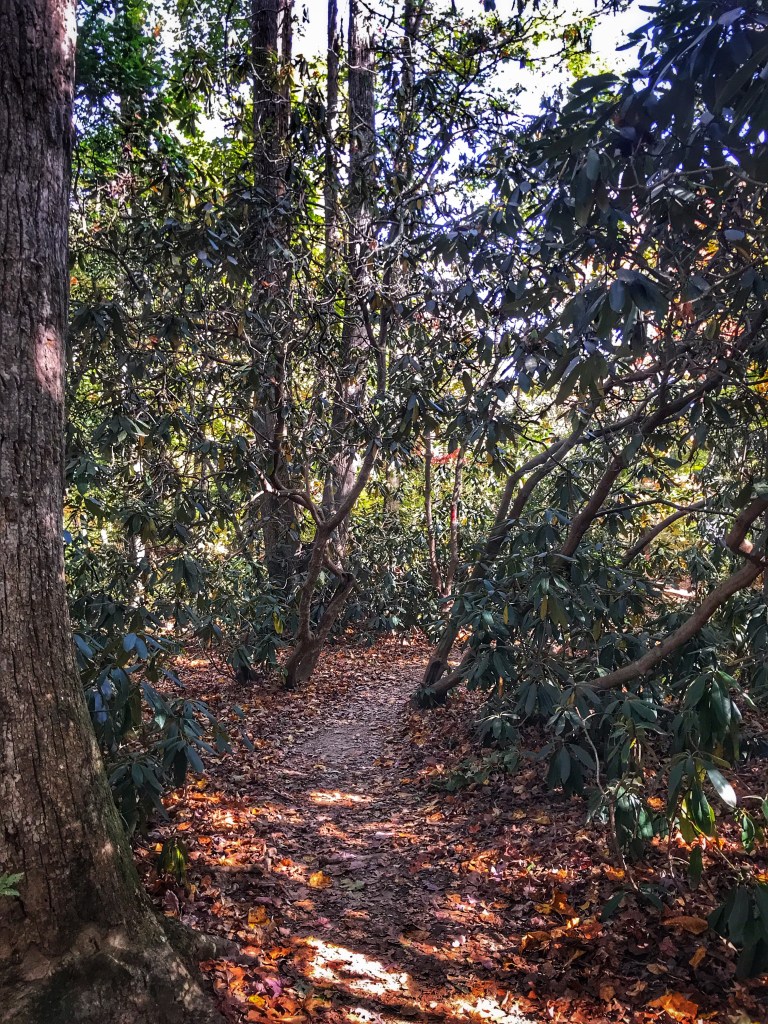
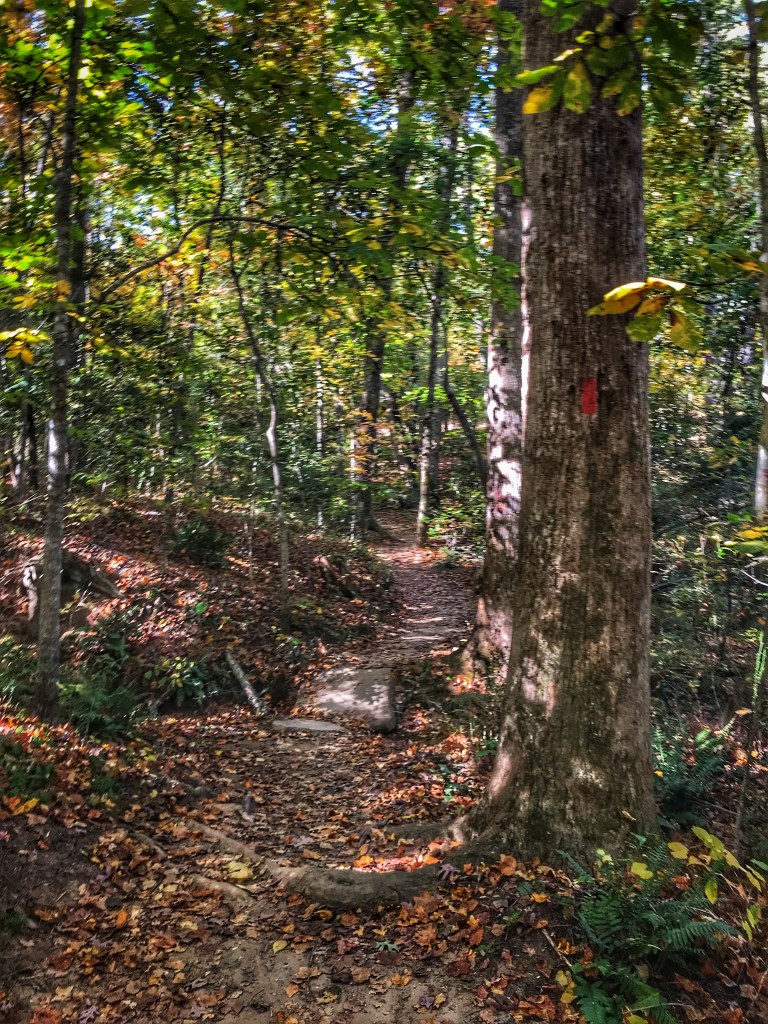
Bent Creek Campground site 26
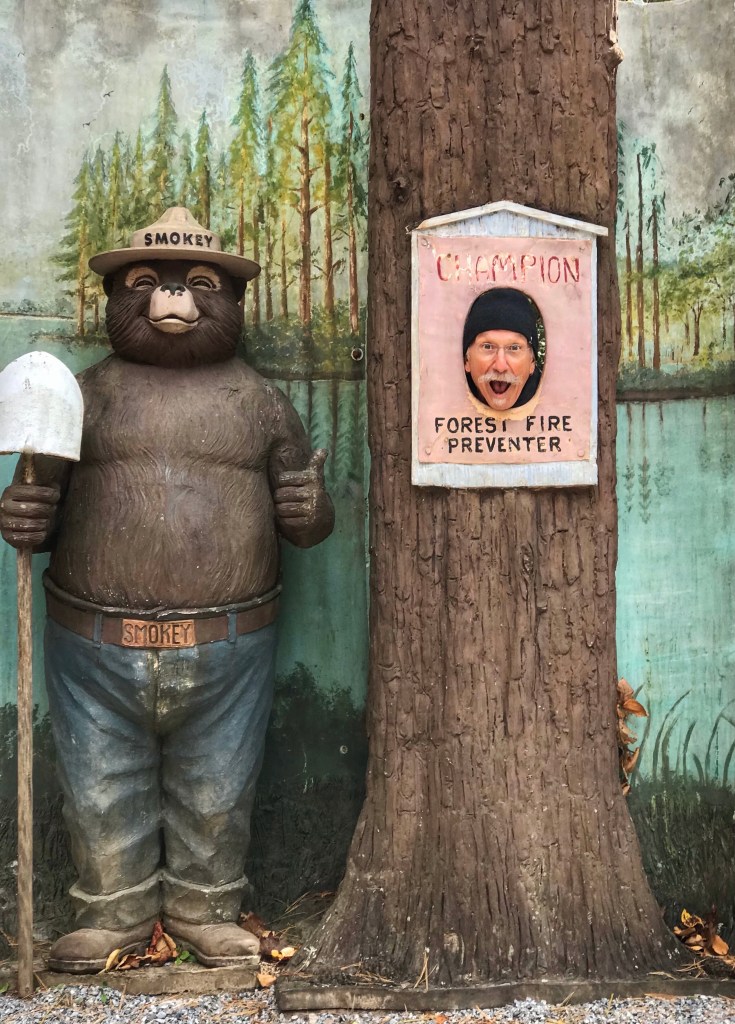
It’s hard to resist these photo opportunities
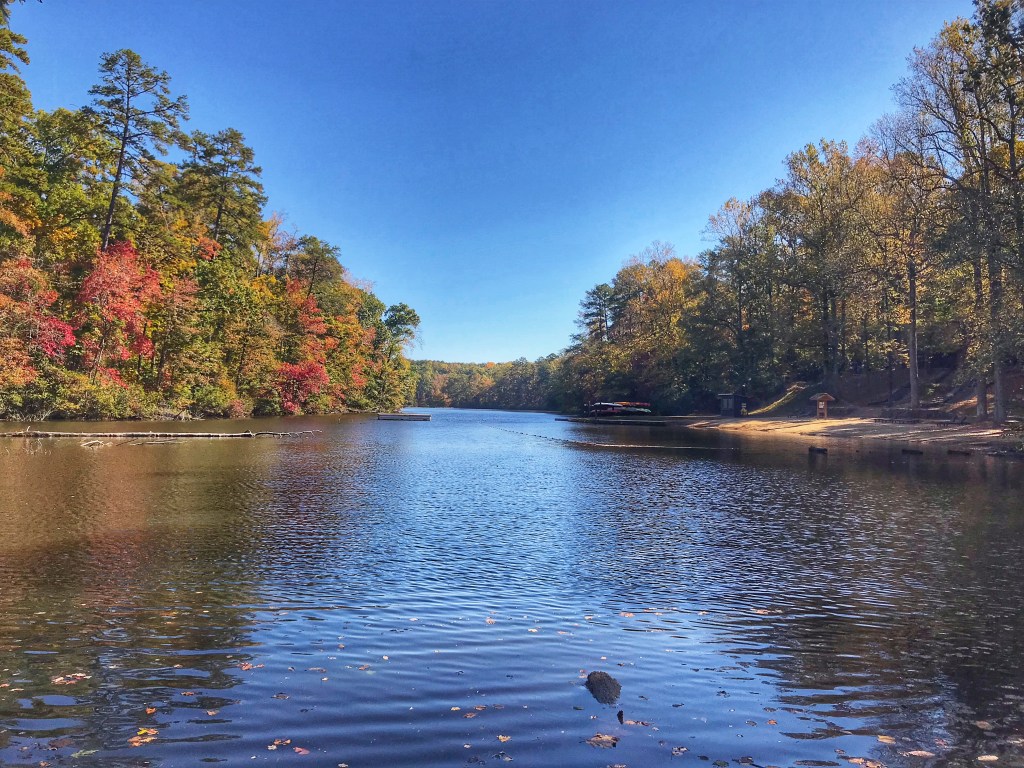
Lake Powhatan

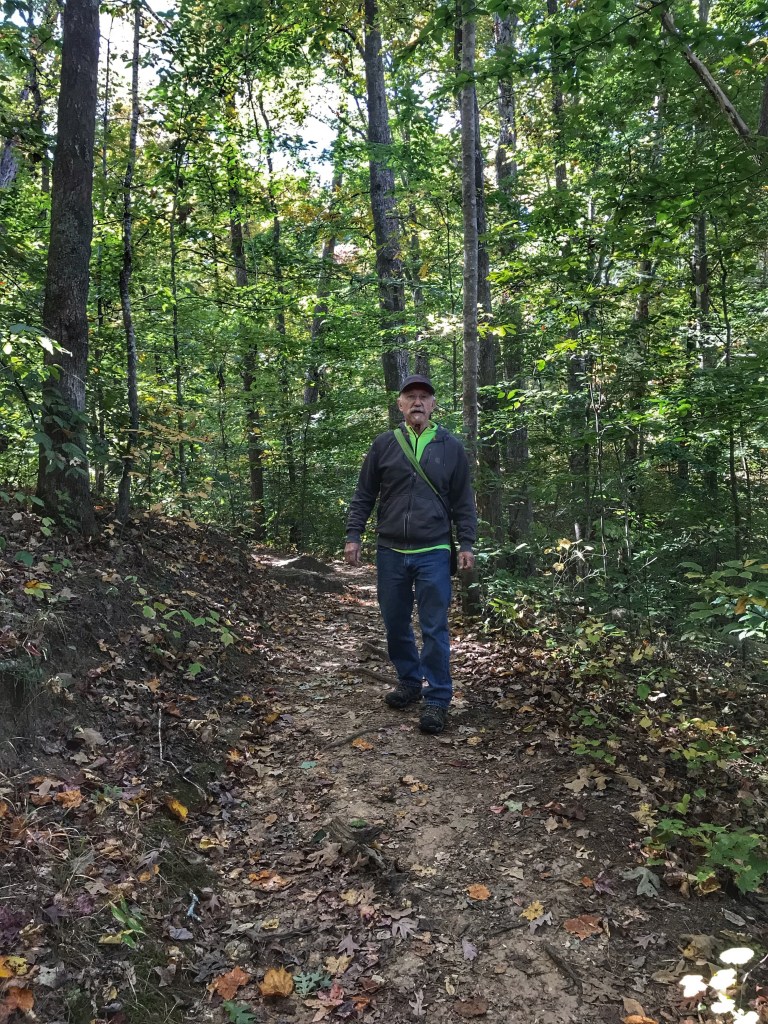
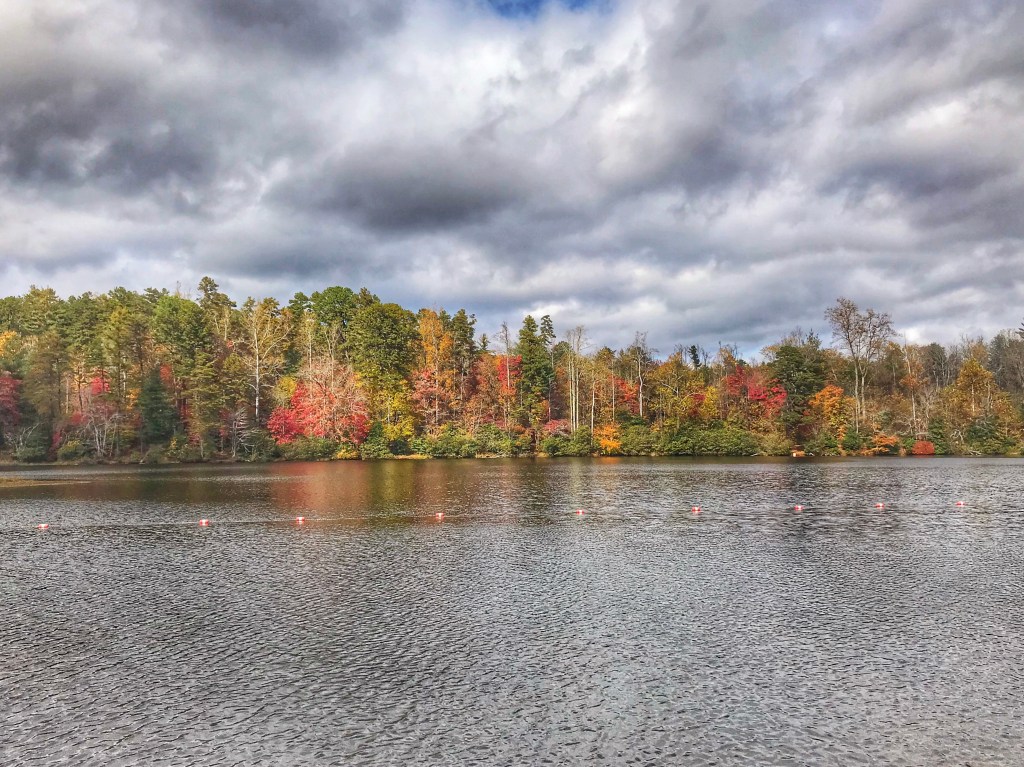
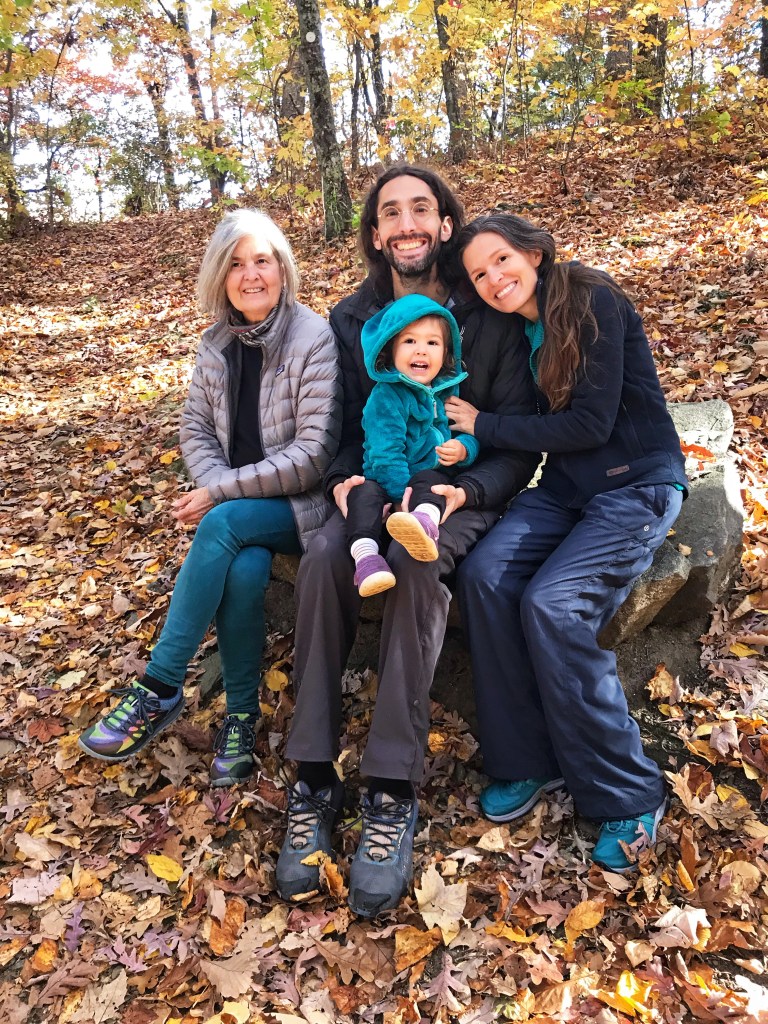
The highlight of our stop was a visit with Jack, Emily and our great niece Sky.